
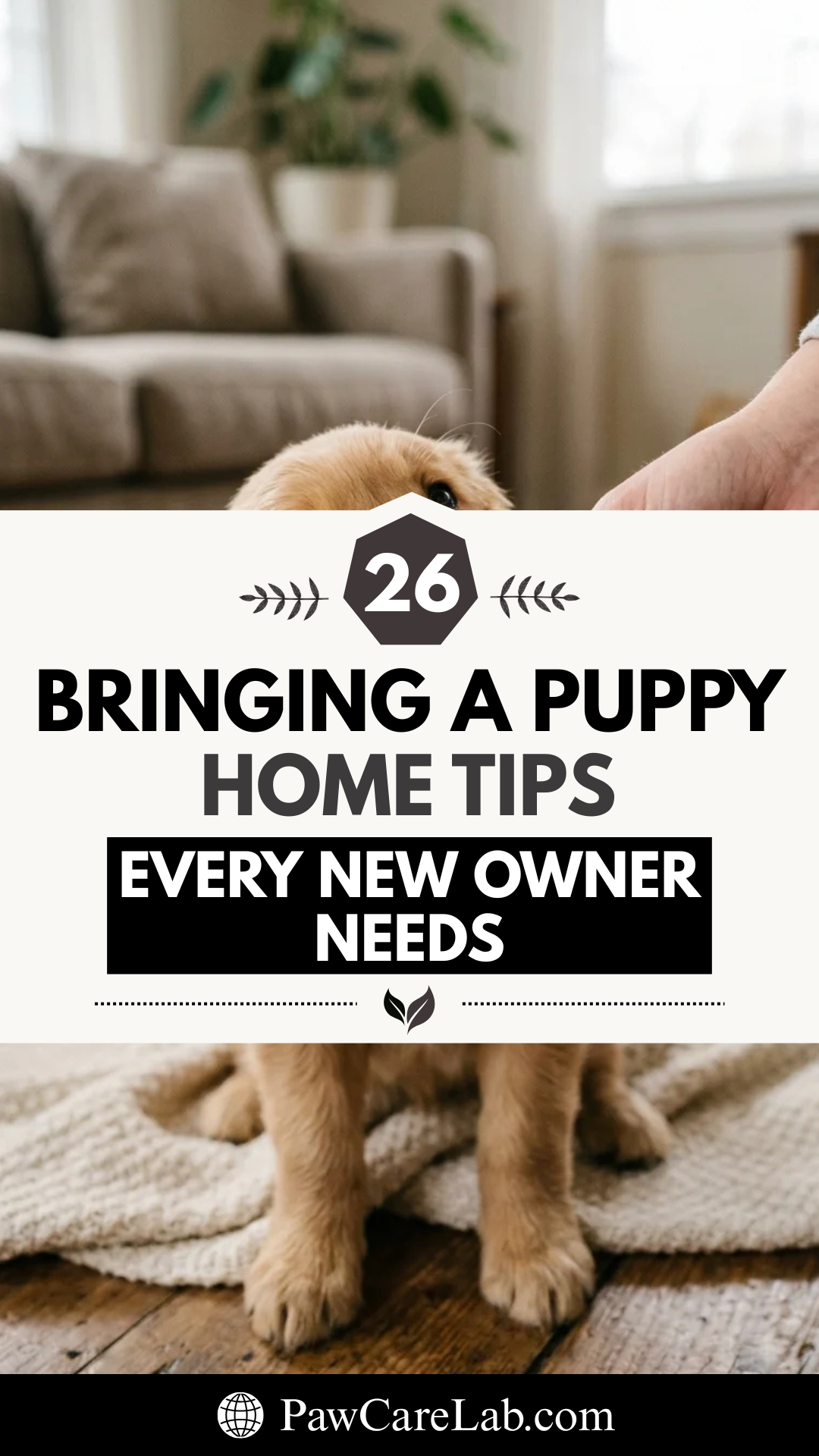
Welcoming a puppy into your home is a monumental life event, filled with wagging tails, clumsy paws, and a fair share of sleepless nights. To ensure the transition from the breeder or shelter to your living room is as seamless as possible, preparation is key. This guide covers every essential aspect of puppy parenthood, from the initial “puppy-proofing” to long-term behavioral success.
1. Puppy-Proofing
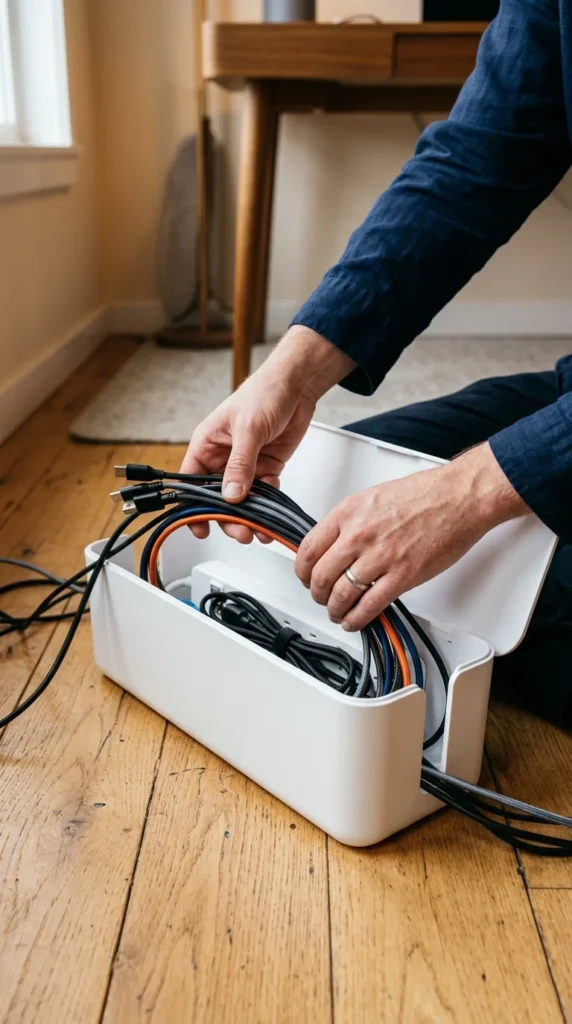
Before the puppy arrives, you must view your home from their perspective—literally four inches off the ground. Puppies explore the world with their mouths. This means electrical cords, toxic houseplants, and small objects like Lego bricks or hair ties must be moved out of reach. Secure low cabinets with childproof locks and ensure that any trash cans have heavy, secure lids.
2. Supplies
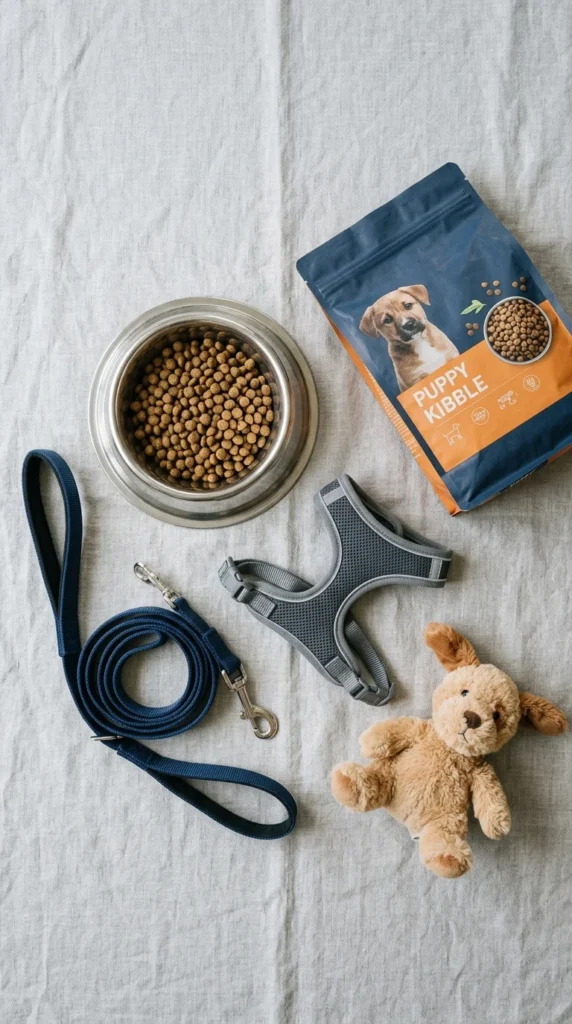
Don’t wait until the puppy is in the car to buy the essentials. You will need a high-quality puppy food (ideally what they were eating previously), stainless steel or ceramic water and food bowls, a comfortable bed, an adjustable collar with an ID tag, and a variety of toys. Having these items ready reduces stress during the first few hours of the puppy’s arrival.
3. Crate Setup
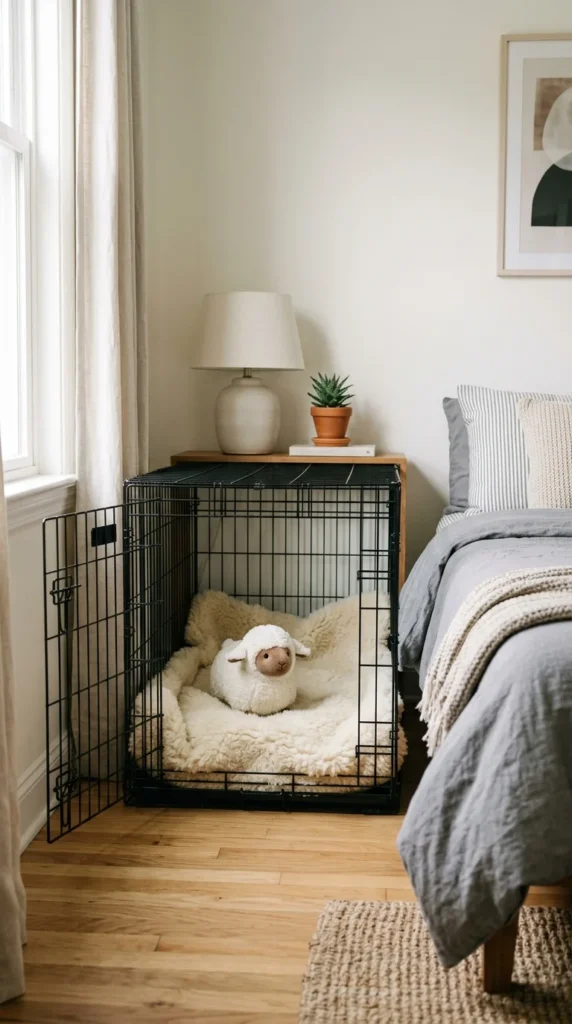
A crate is not a punishment; it is a puppy’s “den.” Set it up in a quiet but central area. Make it inviting with soft bedding and perhaps a toy that mimics a heartbeat to soothe a puppy missing its littermates. Proper crate training aids in potty training and provides a safe space for the puppy to decompress.
4. Vet Search
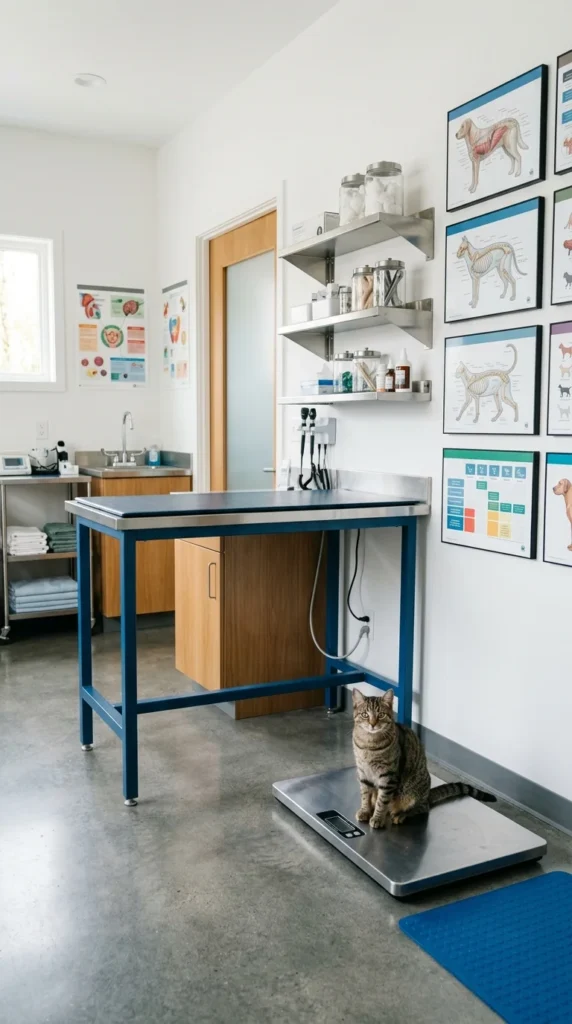
Do not wait for an emergency to find a veterinarian. Research local clinics, read reviews, and perhaps visit a few before the puppy arrives. Schedule a “well-puppy” visit within the first 48 to 72 hours of bringing them home to establish a baseline for health and discuss the vaccination schedule.
5. Feeding Schedule
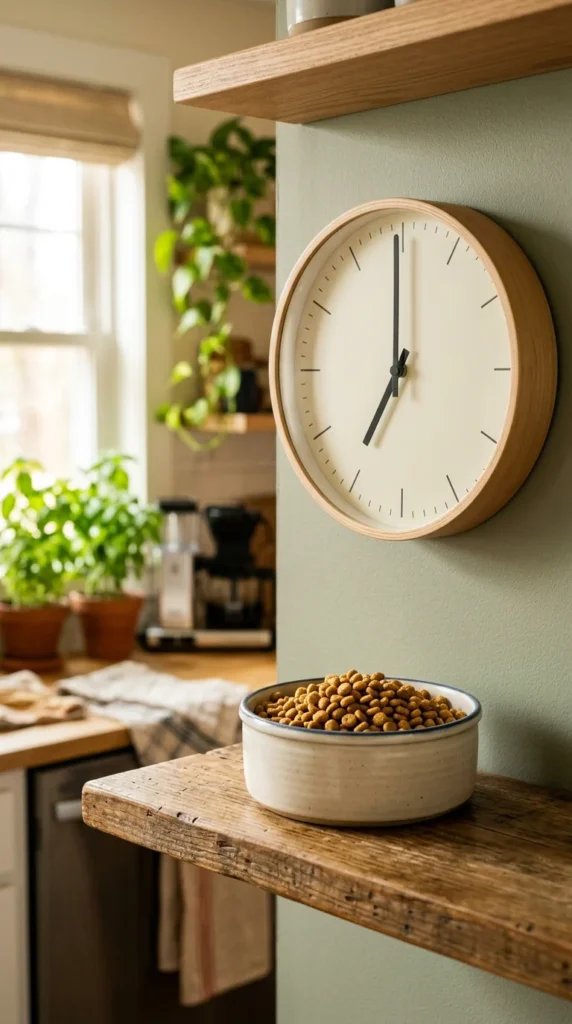
Puppies thrive on routine. Most puppies under six months old need to be fed three to four times a day. Establish a consistent feeding schedule to regulate their digestive system, which makes housebreaking significantly easier. Always provide fresh water, but consider lifting the water bowl two hours before bedtime to prevent overnight accidents.
6. Potty Training
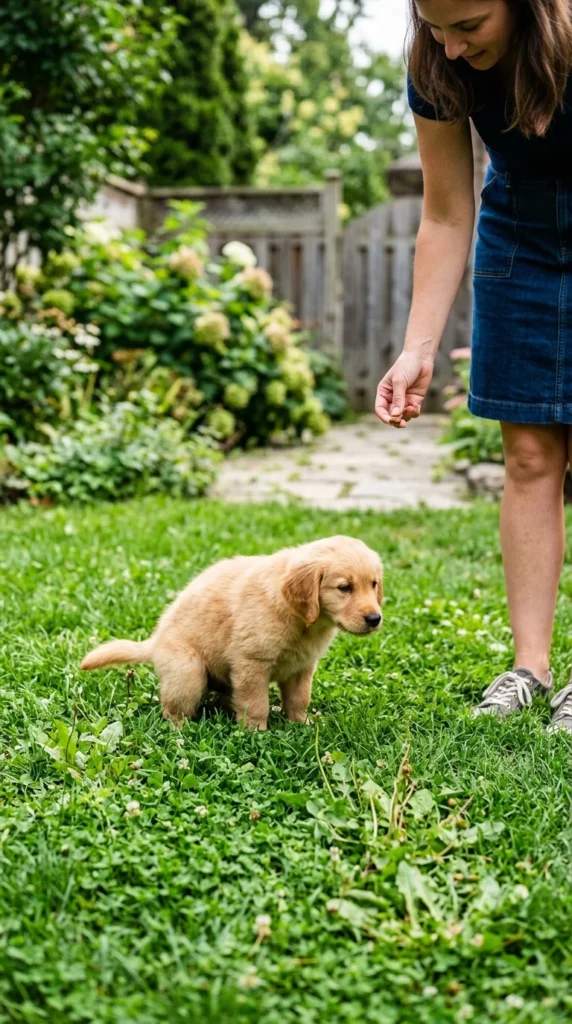
Consistency is the golden rule of potty training. Take your puppy out immediately after they wake up, after they eat, after they play, and right before bed. Use a specific “potty word” like “hurry up” or “go potty” and reward them with praise and a treat the second they finish their business outside.
7. Socialization
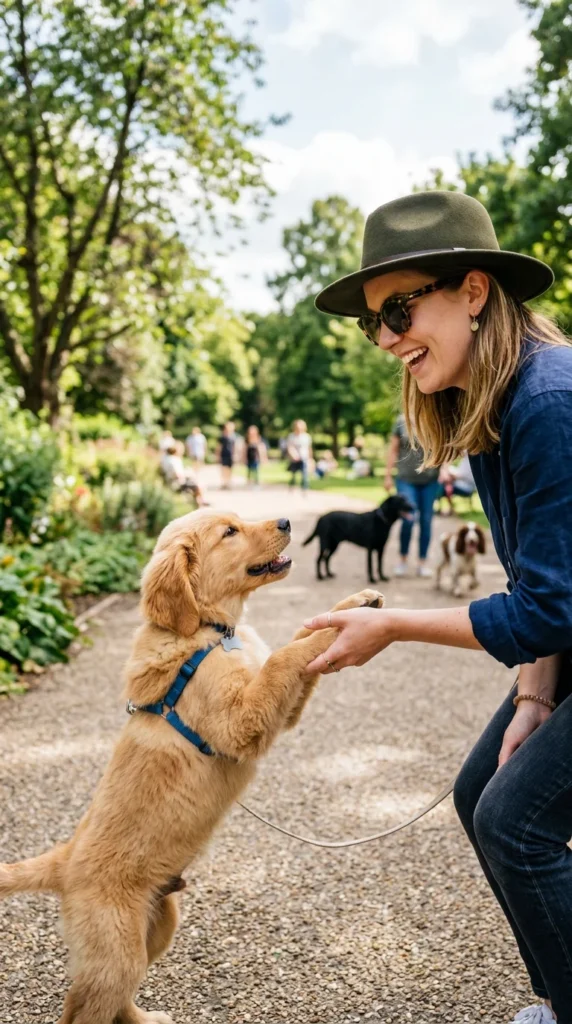
The window for socialization is narrow, typically closing around 16 weeks. Safely expose your puppy to different sounds (vacuums, sirens), textures (grass, gravel, tile), and types of people. Ensure these experiences are positive and controlled to build a confident, well-adjusted adult dog.
8. Sleep Hygiene

Puppies are like infants; they need a staggering amount of sleep—often 18 to 20 hours a day. Ensure they have a quiet place to sleep where they won’t be disturbed by children or loud noises. Overtired puppies often become “land sharks,” nipping and acting out because they are exhausted.
9. Bite Inhibition
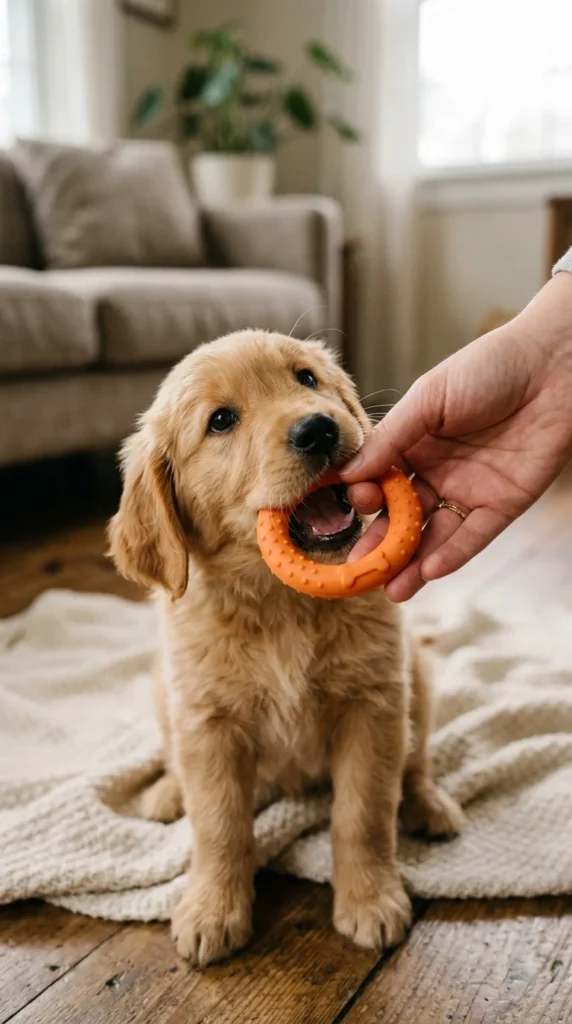
Puppies explore with their teeth. When they nip you, emit a high-pitched “ouch!” and immediately redirect their attention to a toy. This teaches them that human skin is sensitive and that biting results in the end of playtime. Never hit or scold a puppy for biting; redirection is more effective.
10. Positive Reinforcement
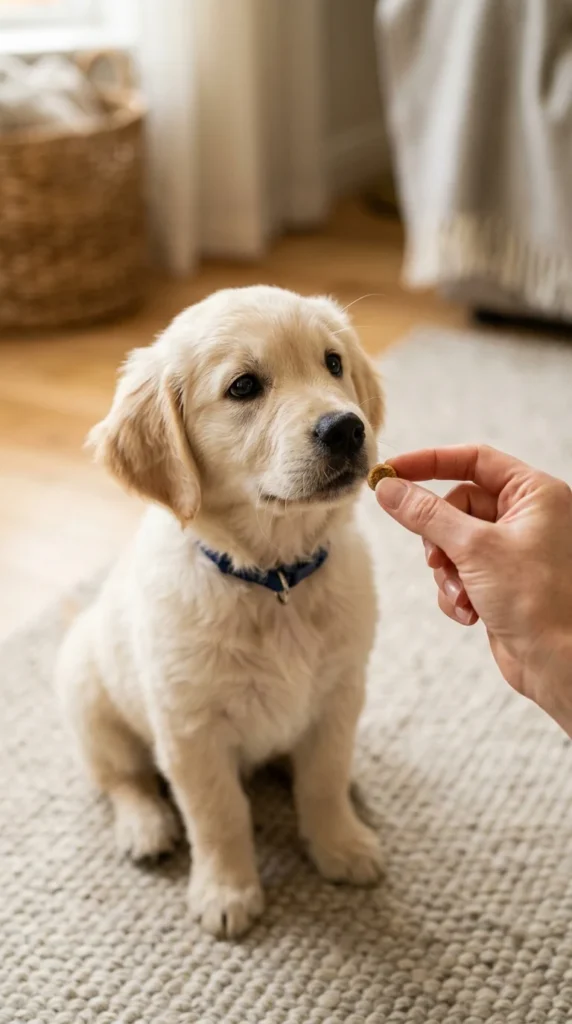
Reward-based training builds a bond of trust. Use small, high-value treats to reward behaviors you want to see repeated. Ignore or redirect unwanted behaviors rather than using physical discipline. This “fear-free” approach ensures your puppy learns to love training sessions.
11. ID Tags

Even if your puppy is microchipped, a visible ID tag is the fastest way for a neighbor to return a lost pet. Ensure the tag includes your current phone number. Use a break-away collar or a well-fitted standard collar that you can fit two fingers under comfortably.
12. Grooming Routine
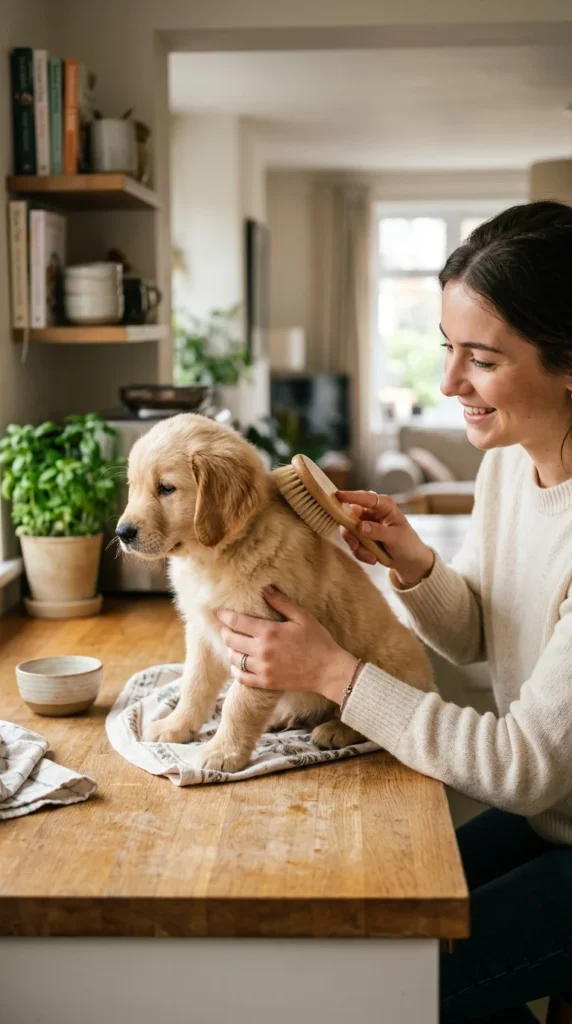
Start grooming early so the puppy views it as a normal part of life. Handle their paws, look in their ears, and brush their coat daily. Introduce them to the sound of nail clippers and the feeling of a toothbrush. Early exposure prevents grooming-related anxiety later in life.
13. Mental Stimulation
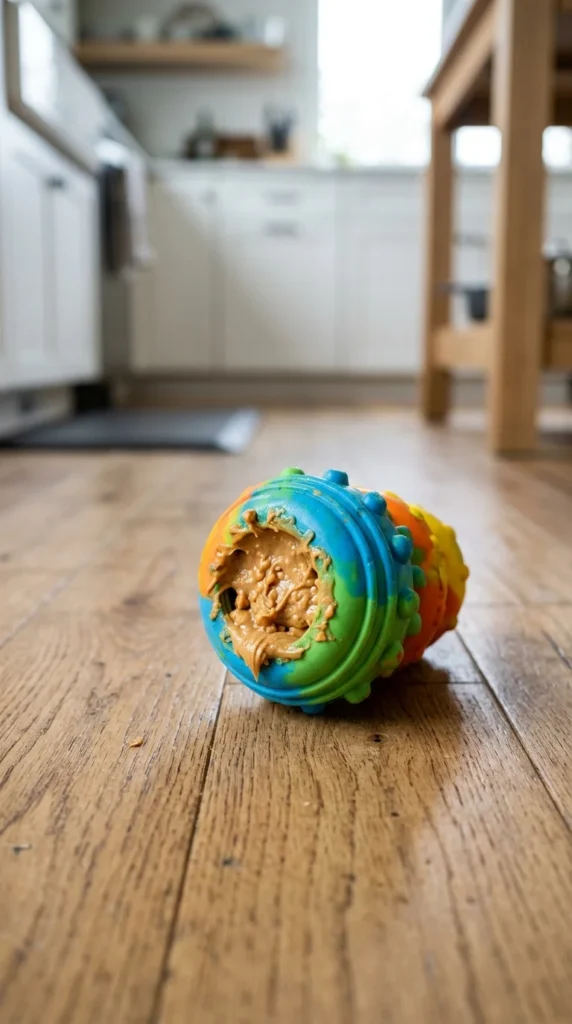
A bored puppy is a destructive puppy. In addition to physical exercise, provide mental “work.” Snuffle mats, lick mats, and treat-dispensing puzzles keep their brains engaged and tire them out more effectively than a long walk sometimes can.
14. Exercise Needs
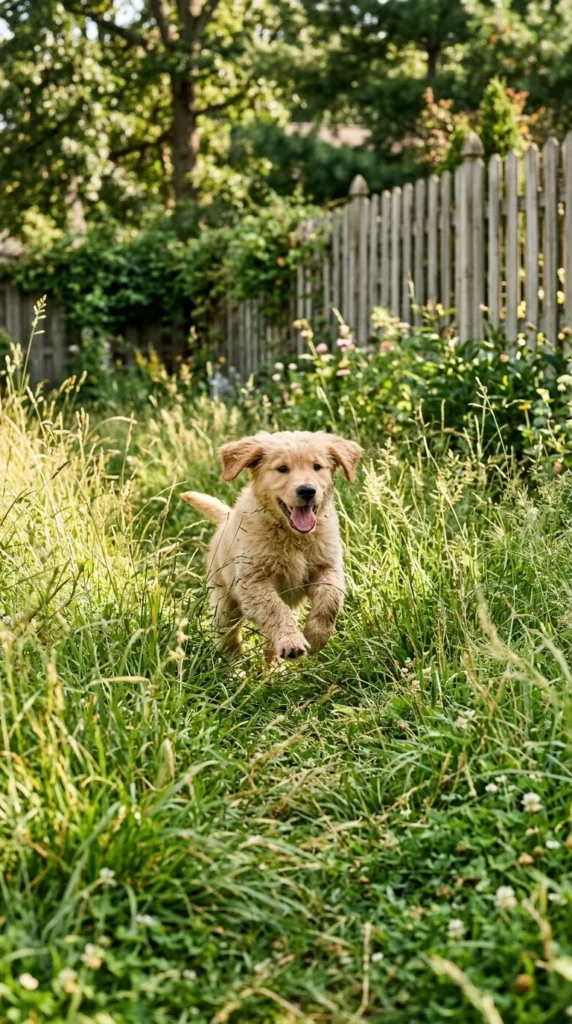
While puppies have high energy, their growing joints are fragile. Avoid long runs on hard pavement. Instead, focus on short bursts of “zoomies,” gentle play, and sniff-heavy walks. Consult your vet about the appropriate amount of exercise for your specific breed.
15. First Night
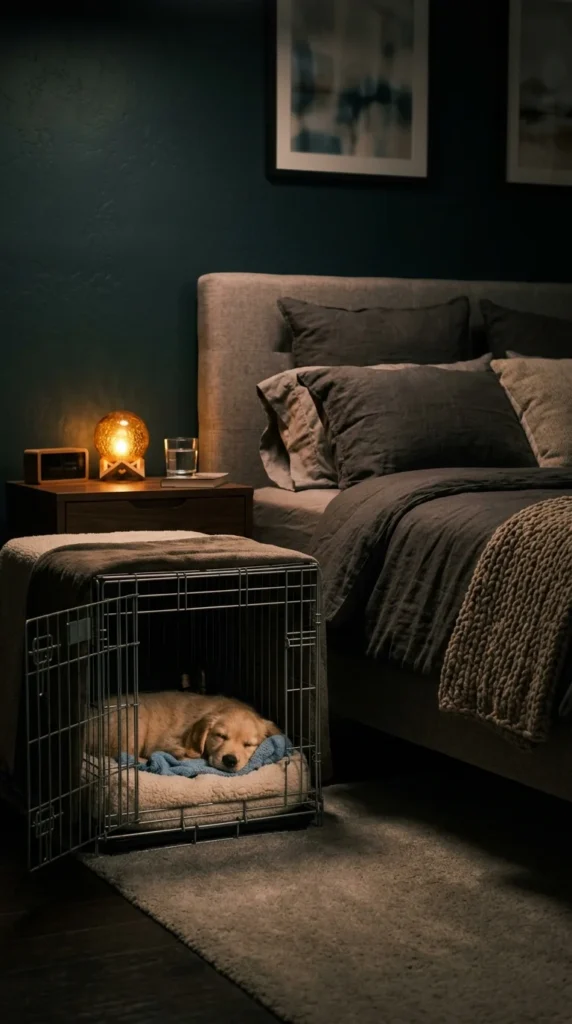
The first night can be emotional. The puppy is away from their mother for the first time. Keeping the crate in your bedroom allows the puppy to smell you and hear your breathing, which provides comfort. If they whine, a gentle “shhh” or placing your hand against the crate bars can help soothe them.
16. Family Introductions
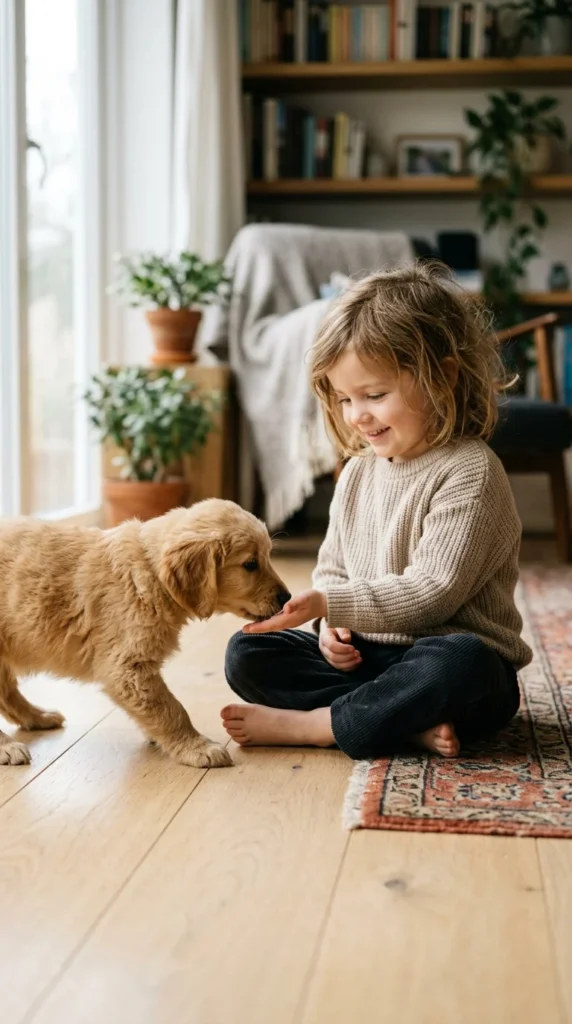
Introduce family members one by one in a calm environment. Teach children how to pet gently and not to hug or squeeze the puppy, which can be frightening. Supervise all interactions between children and puppies to ensure safety for both parties.
17. Calm Environment
The first few days should be low-key. Resist the urge to invite the whole neighborhood over to meet the new arrival. Let the puppy get used to the sounds and smells of their new home without the added stress of excessive noise or crowds.
18. Consistent Language
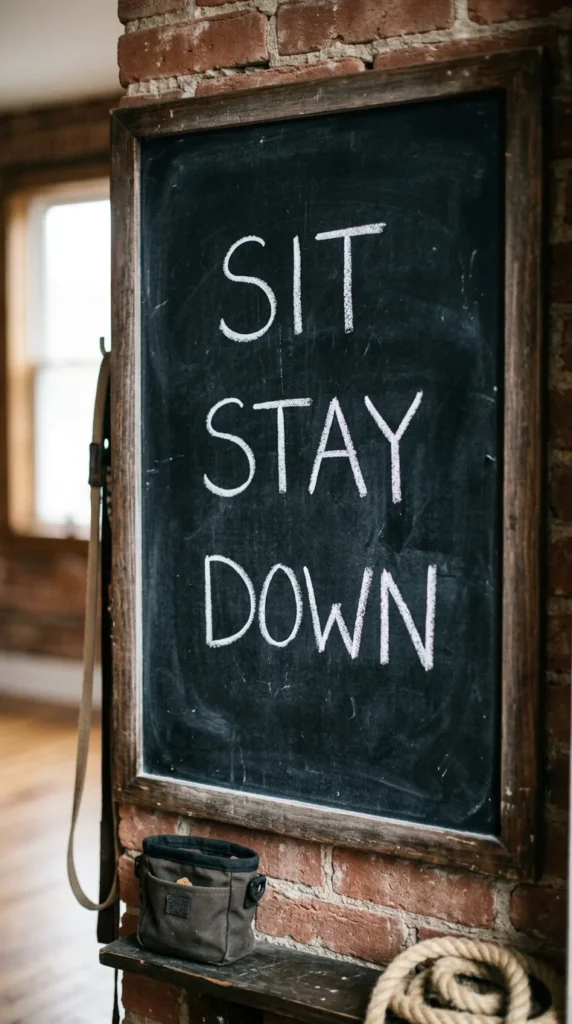
Decide on command words with everyone in the household. If one person says “down” for “off the furniture” and another says “down” for “lie down,” the puppy will become confused. Consistency in vocabulary speeds up the learning process.
19. Teething Toys
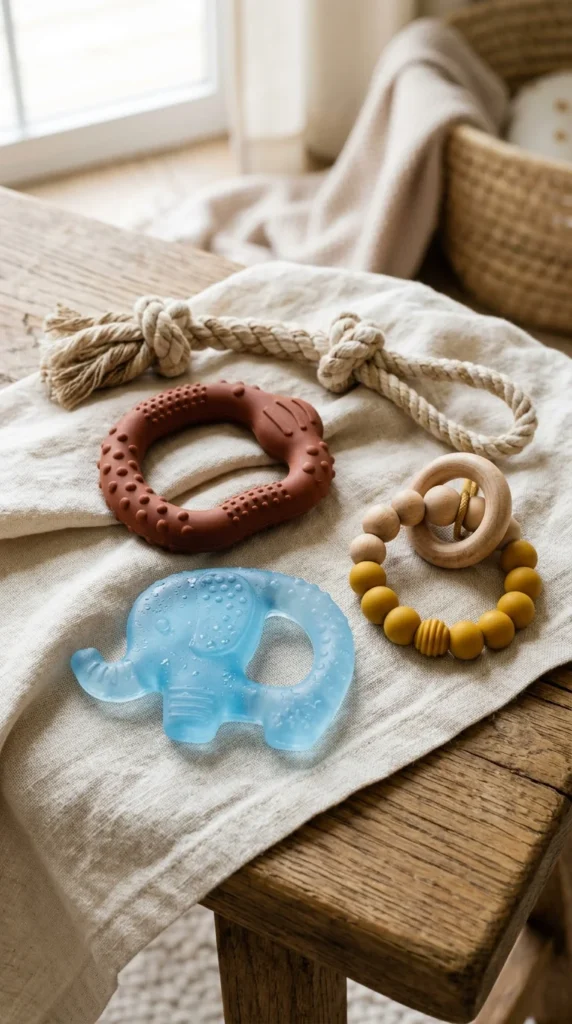
Between 3 and 6 months, your puppy will lose their baby teeth. This is painful and causes an intense urge to chew. Provide cold or frozen teething toys to soothe their gums. This protects your furniture and shoes from the “teething phase” destruction.
20. Toxic Foods

Many common human foods are poisonous to dogs. Ensure everyone in the house knows that chocolate, grapes, raisins, onions, garlic, and anything containing Xylitol (a sugar substitute) are strictly off-limits. Keep a list of the Pet Poison Helpline number on your fridge.
21. Vaccination Schedule
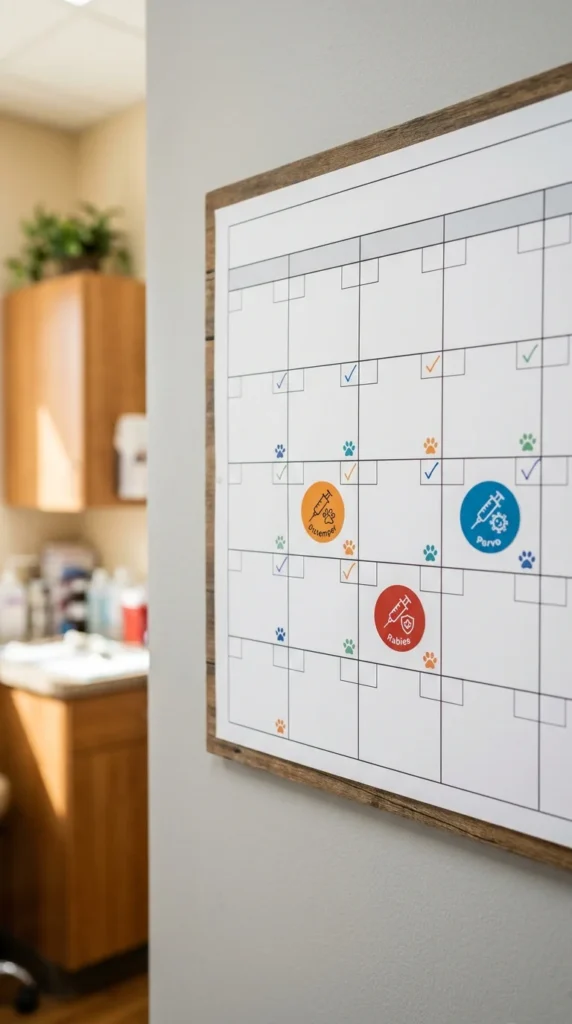
Puppies require a series of vaccinations to protect them from deadly diseases like Parvovirus and Distemper. Stick to the schedule provided by your vet. Until your puppy is fully vaccinated, avoid “high-traffic” dog areas like dog parks or pet stores where they could contract illnesses.
22. Leash Training

Start leash training inside the house where there are no distractions. Let the puppy wear their harness or collar and a light leash for short periods while supervised. Reward them for walking beside you without pulling, creating a positive association with the leash.
23. Separation Anxiety
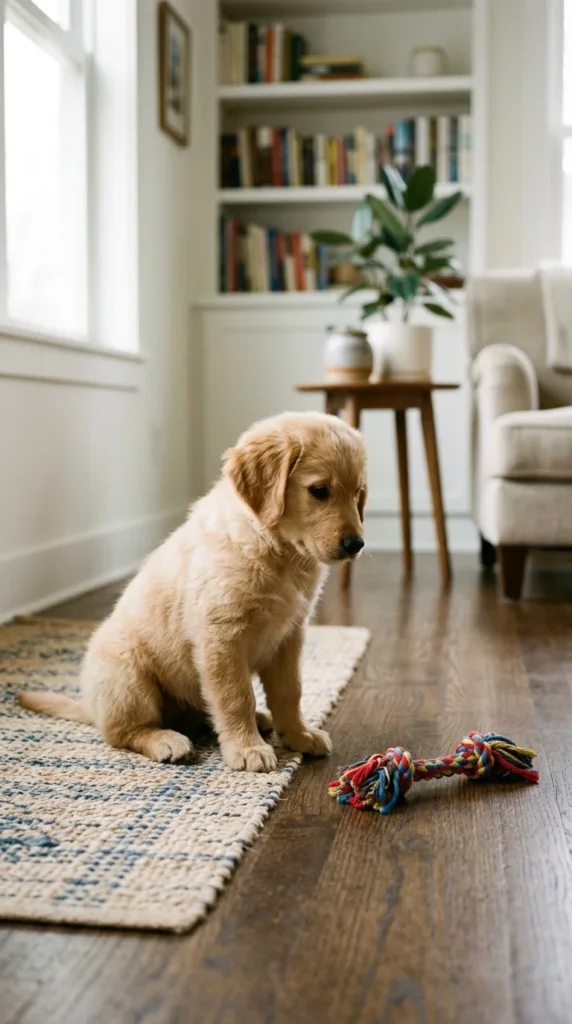
Teach your puppy that it is okay to be alone. Start with very short intervals—just a few minutes—of the puppy being in their crate or a safe room while you are in another part of the house. Gradually increase the time. this prevents severe separation anxiety from developing later.
24. Professional Training

Enrolling in a puppy kindergarten class is highly recommended. It provides a controlled environment for socialization and gives you access to professional advice. It also helps the puppy learn to focus on you even when there are other dogs and distractions around.
25. Microchipping

A microchip is a permanent form of identification. Unlike a collar, it cannot fall off. If your puppy is ever lost and taken to a shelter or vet, they can scan the chip to find your contact information. Ensure you register the chip online with your current details.
26. Patience

There will be accidents, chewed-up shoes, and moments of frustration. Remember that your puppy is a baby learning a brand-new language and set of rules. Stay patient, stay consistent, and focus on building a lifelong bond based on love and trust.