
Training your dog is about more than just showing off at the park; it is the fundamental language that bridges the gap between species. Clear communication ensures safety, builds mutual respect, and fosters a deep, lifelong bond. Whether you have a brand-new puppy or a senior rescue, mastering these 26 commands will transform your canine companion into a confident, well-adjusted member of the family.
1. Sit
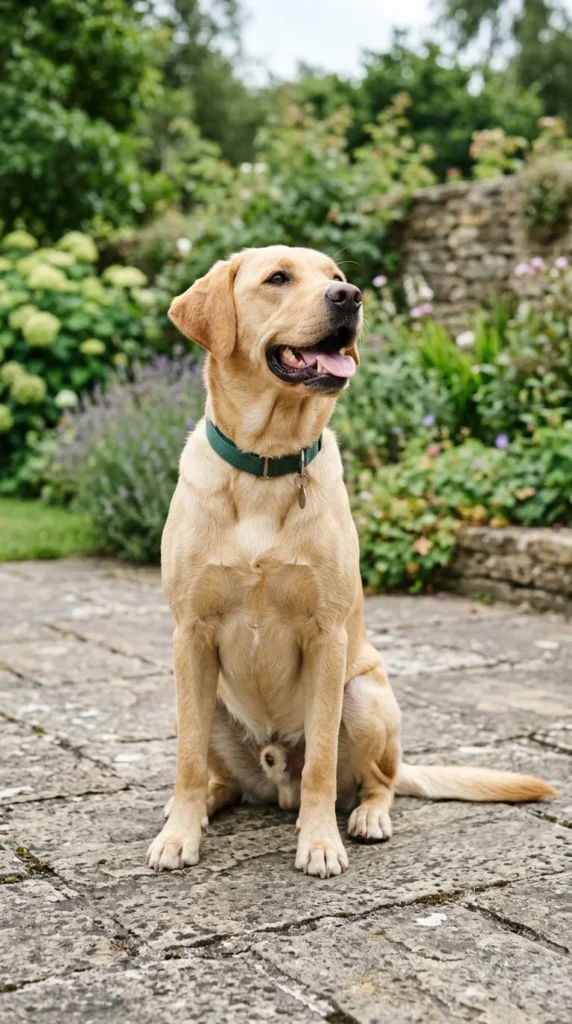
The “Sit” command is the cornerstone of all dog training. It is the most natural posture for a dog to assume and serves as a “transition” state. When a dog is sitting, they are less likely to jump on guests, bolt out the door, or get into mischief. It is the perfect way to ask your dog for politeness before giving them their dinner or opening the door for a walk.
2. Stay
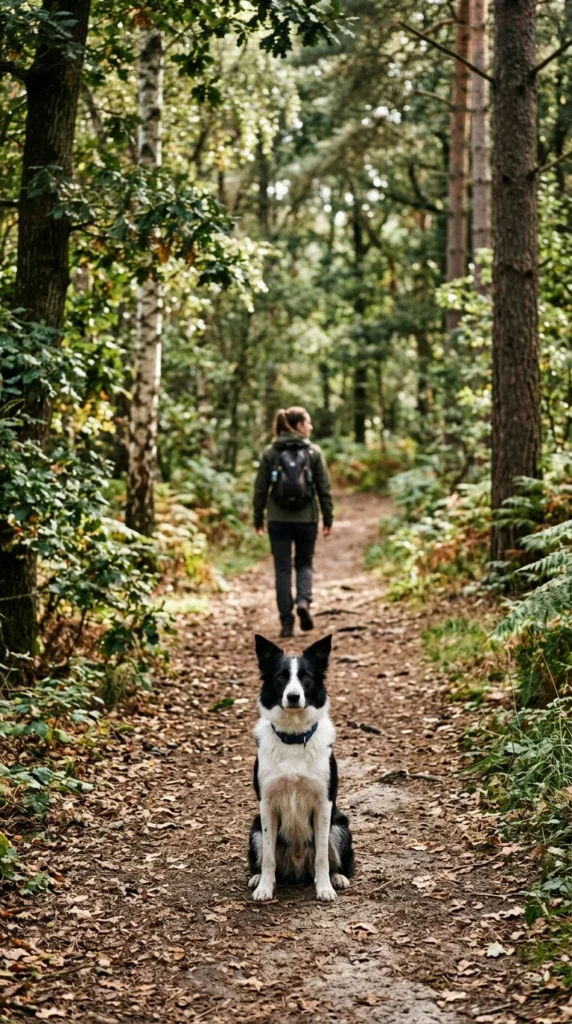
“Stay” is a life-saving command. It teaches your dog impulse control and ensures they remain in a safe spot despite distractions. Whether you are unloading groceries or trying to keep your dog away from a busy intersection, a solid “Stay” provides peace of mind. The goal is for the dog to maintain their position until you give a specific “release” word like “Okay” or “Free.”
3. Down

The “Down” command is a more submissive and relaxed posture than “Sit.” It is particularly useful for long periods where you need your dog to settle, such as during a family meal or while visiting a dog-friendly cafe. Because it is harder for a dog to spring into action from a lying position, it is an excellent tool for managing high-energy behaviors.
4. Come
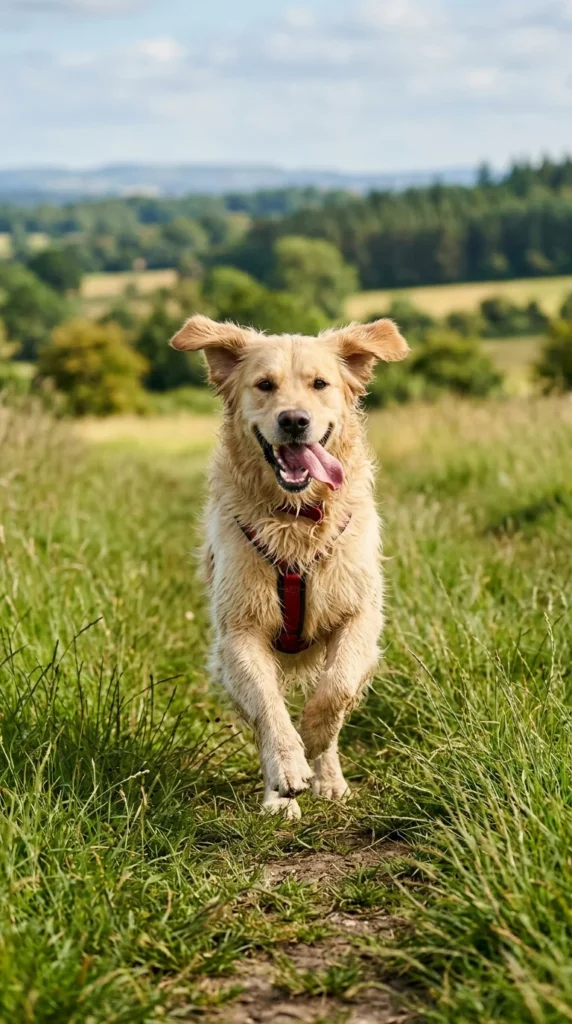
Often called the “Recall,” this is perhaps the most critical safety command. A dog that comes when called can be saved from running into traffic or getting lost. The key to a successful “Come” is to always make it a positive experience—never call your dog to you to punish them, or they will learn that returning to you is a negative event.
5. Heel
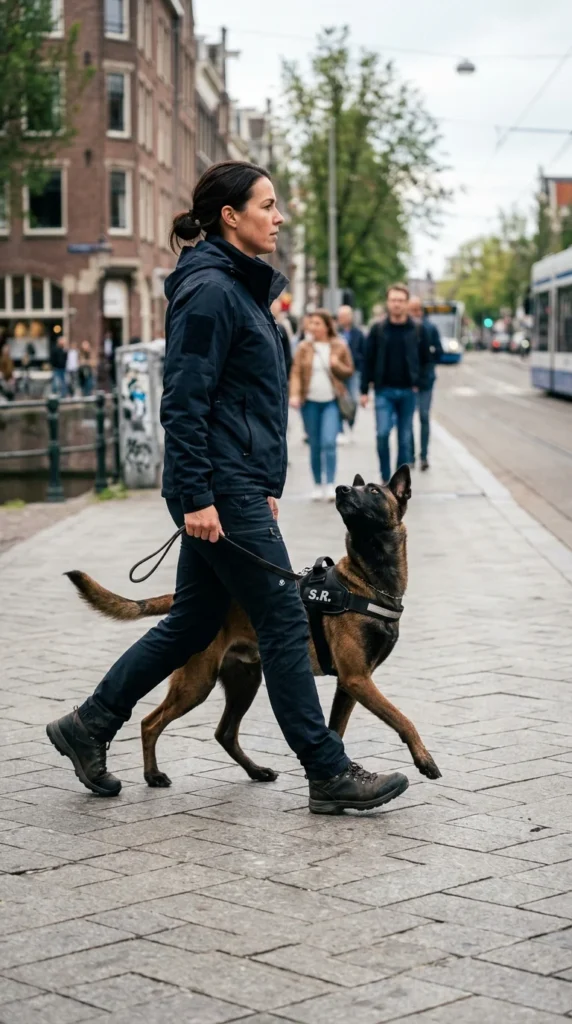
“Heel” means the dog must walk directly beside you, usually on your left side, maintaining your pace. This is different from loose-lead walking; it is a focused task. It is essential for navigating crowded areas, passing other dogs calmly, or walking along narrow trails where you need maximum control over your dog’s position.
6. Leave It
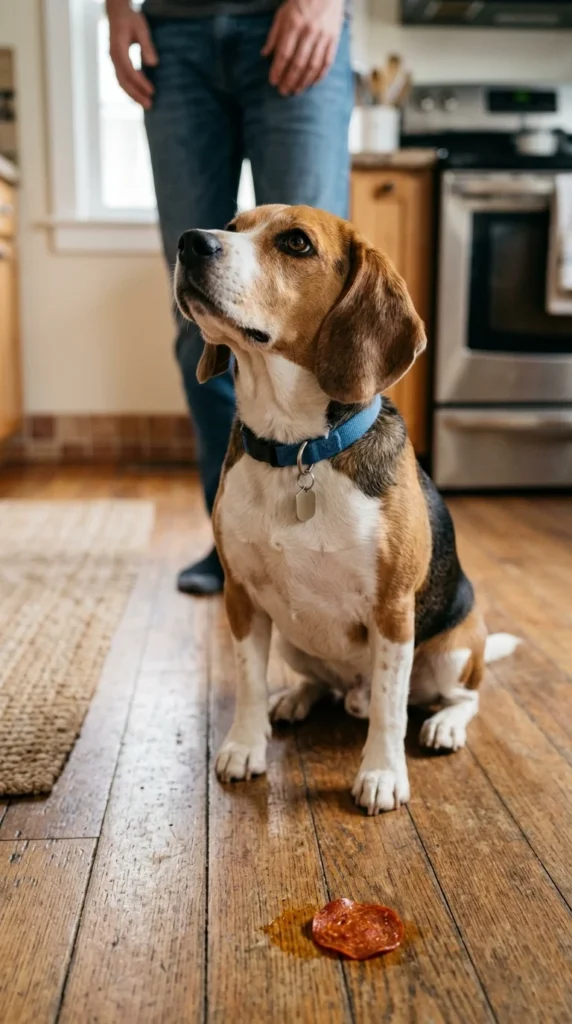
“Leave It” instructs your dog to ignore an object they are interested in. This could be a piece of dropped chocolate (which is toxic), a dead bird in the park, or a moving bicycle. It teaches the dog that looking away from the “temptation” results in a better reward from you, potentially saving them from choking or poisoning.
7. Drop It
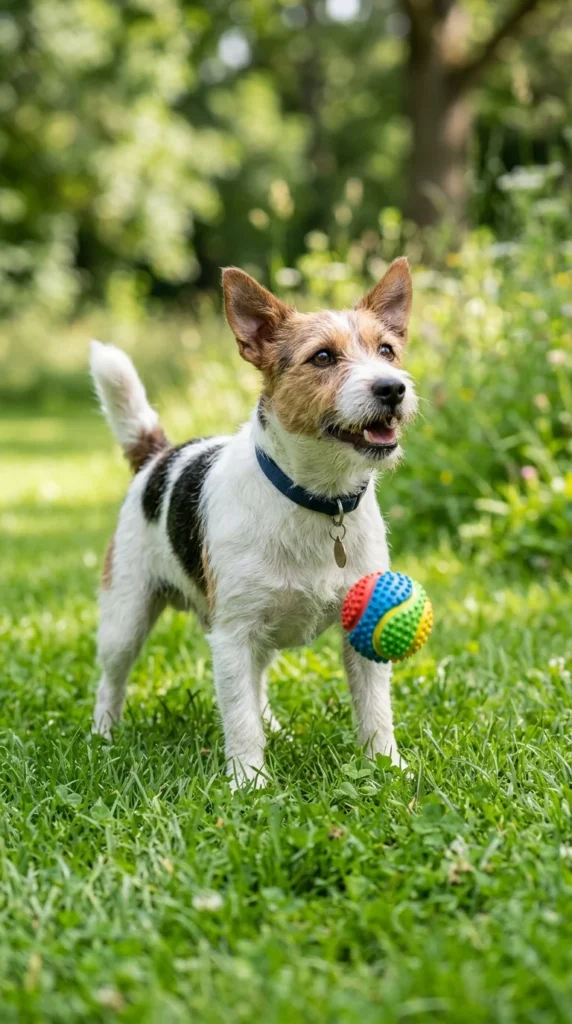
While “Leave It” prevents them from picking something up, “Drop It” is for when the item is already in their mouth. This is vital for games of fetch, but more importantly, for safety. If your dog picks up something dangerous or a prized possession they shouldn’t have, “Drop It” ensures they relinquish the item without a struggle or a game of “keep away.”
8. Watch Me
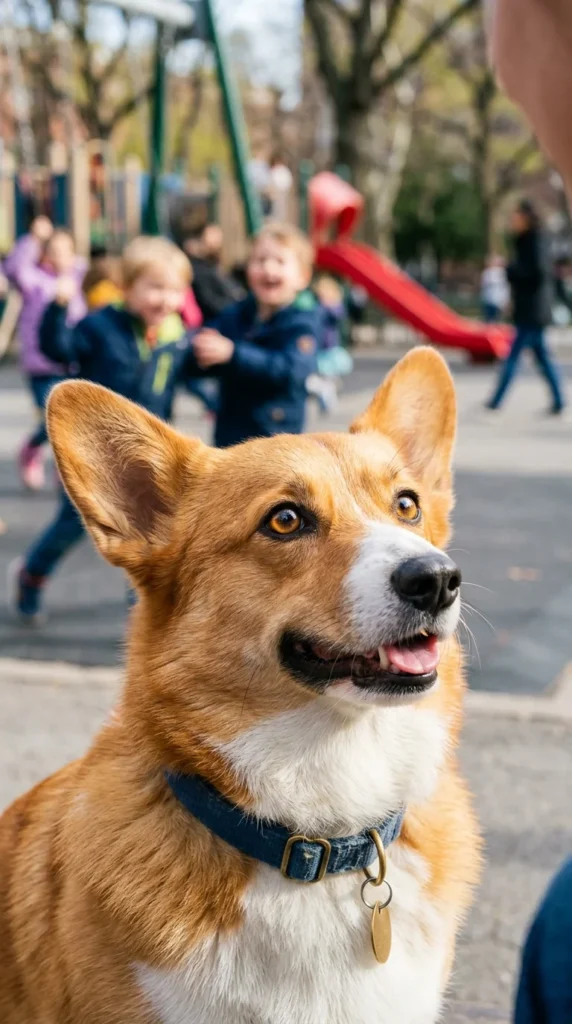
The “Watch Me” or “Look” command asks for the dog’s undivided attention. It is the “reset button” for training. If your dog is getting over-excited by a passing squirrel or another dog, asking them to “Watch Me” redirects their focus back to you, allowing you to give further instructions and de-escalate their excitement.
9. Wait
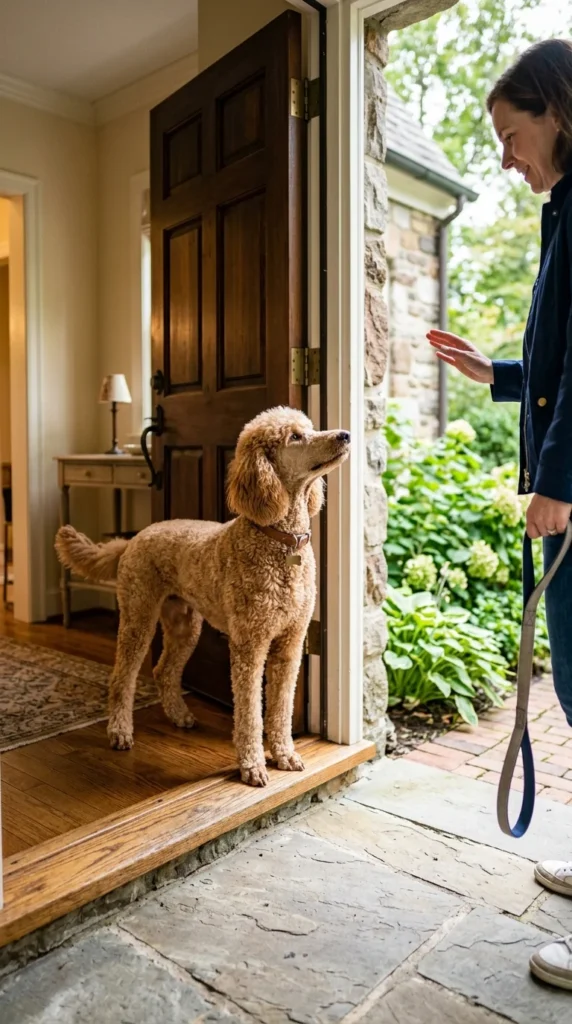
“Wait” is a “boundary” command. Unlike “Stay,” which is a long-term hold, “Wait” is a temporary pause. It is commonly used at doorways, before getting out of the car, or at curbsides. It tells the dog, “Don’t move forward until I say so,” preventing them from rushing into potentially dangerous situations.
10. Off
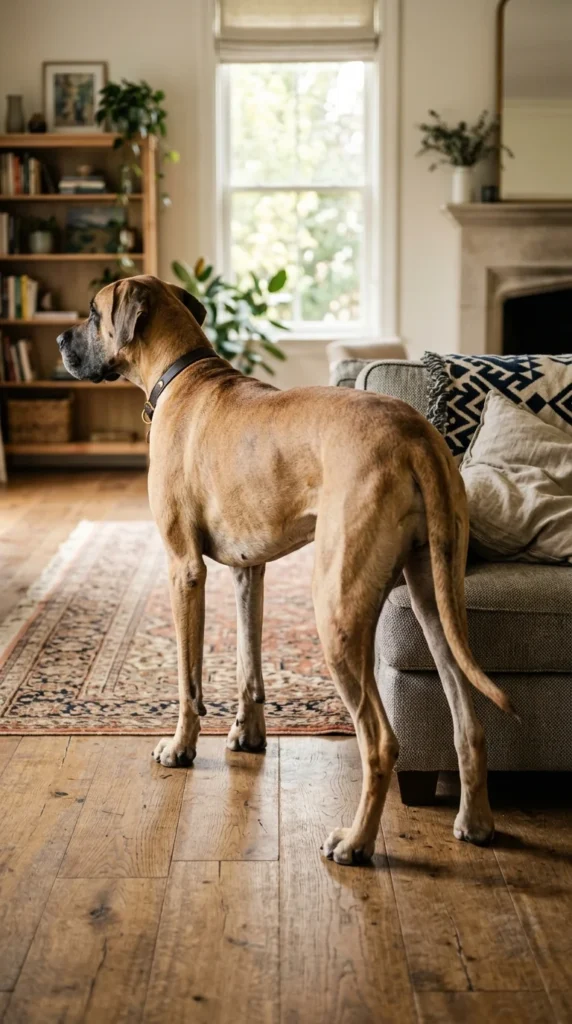
“Off” is the command used to tell a dog to get their paws off a surface—be it a person, a kitchen counter, or the furniture. It is distinct from “Down” (which means lie on the floor). Using “Off” consistently helps maintain boundaries in the home and prevents the “counter-surfing” behavior common in food-motivated breeds.
11. No
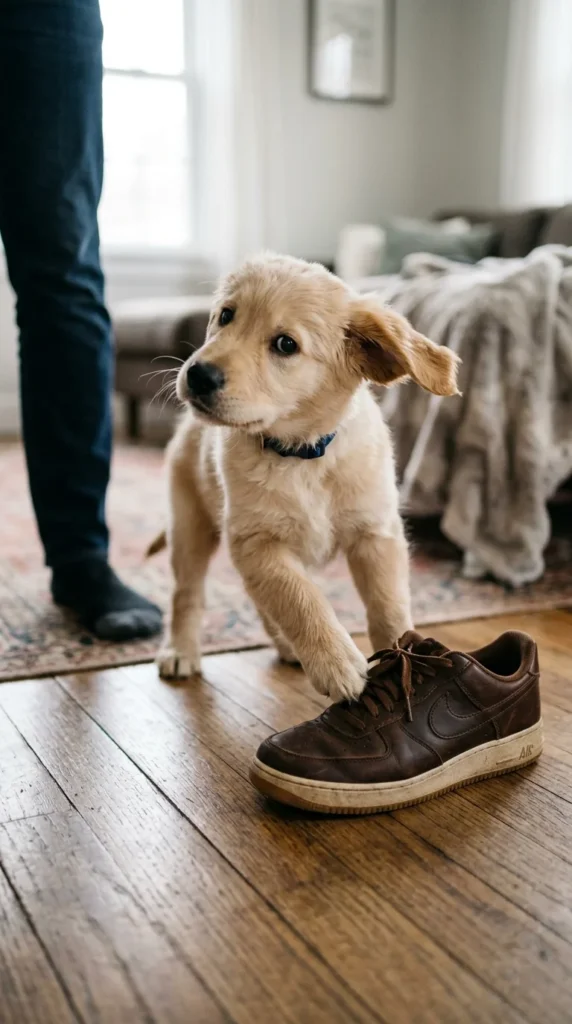
While many trainers prefer positive redirection, “No” is a universal marker for “that behavior is not what I want.” It should be delivered in a firm, neutral tone. It acts as an interrupter, stopping a negative behavior in its tracks so that you can immediately follow up with a command for a desired behavior, like “Sit” or “Go to Bed.”
12. Bed

The “Bed” or “Place” command sends your dog to a specific designated area. This is an “anchor” behavior. It’s incredibly useful when the doorbell rings, when you’re eating dinner, or when you’re cleaning the floors. It gives the dog a “job” (staying on the bed) which helps them feel calm and out of the way.
13. Crate
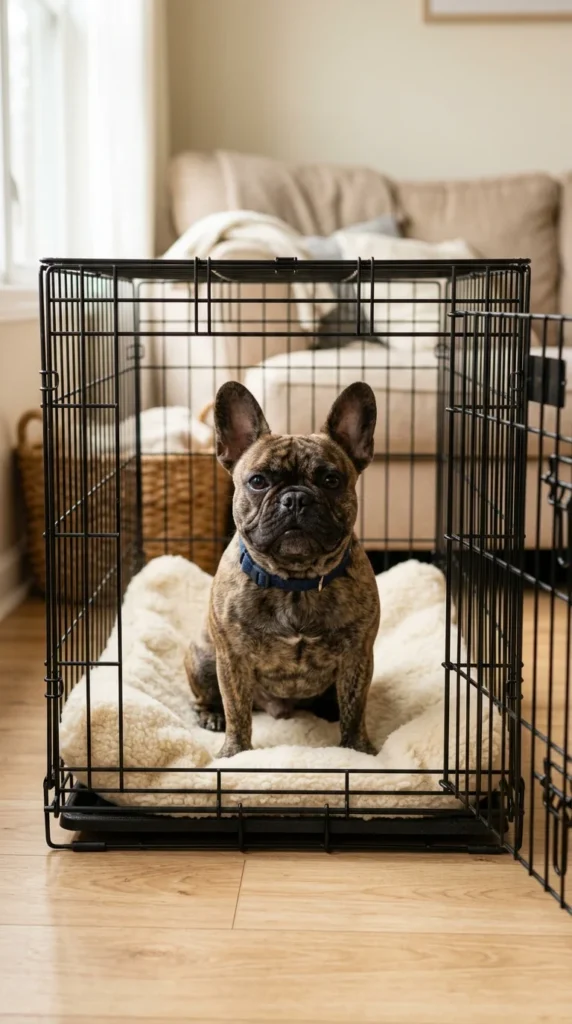
Training your dog to enter their crate on command is essential for travel, vet visits, and safety when you cannot supervise them. The crate should be a “zen den”—a happy place where they feel safe. By associating the command “Crate” with high-value treats, you ensure your dog goes inside willingly and without stress.
14. Stand
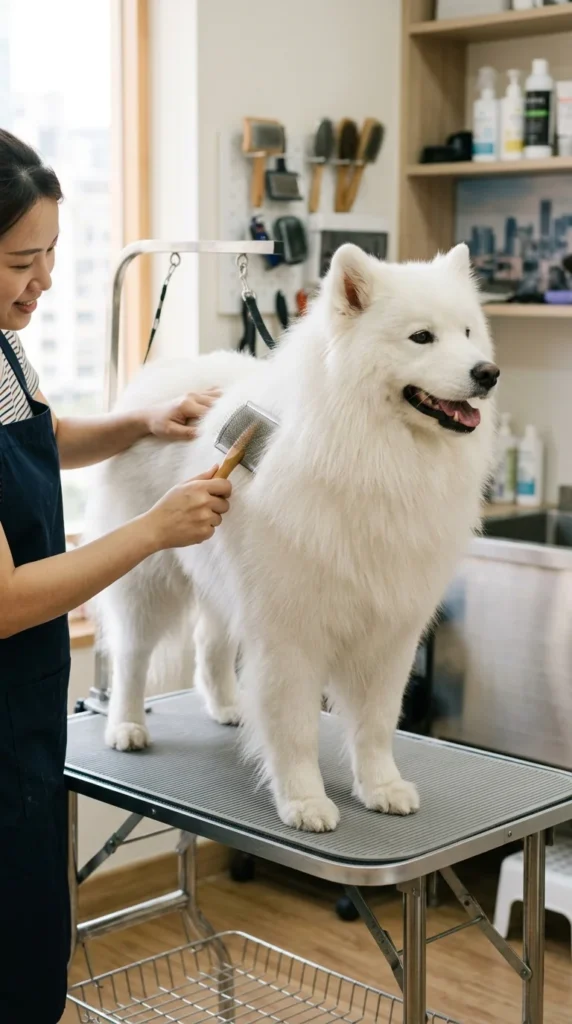
“Stand” is an often-overlooked but highly practical command. It is essential for veterinary examinations, grooming sessions, or when you need to wipe mud off your dog’s belly. It teaches the dog to remain stationary while in a standing position, which is much more helpful for a vet than a dog that keeps trying to sit or lie down.
15. Shake
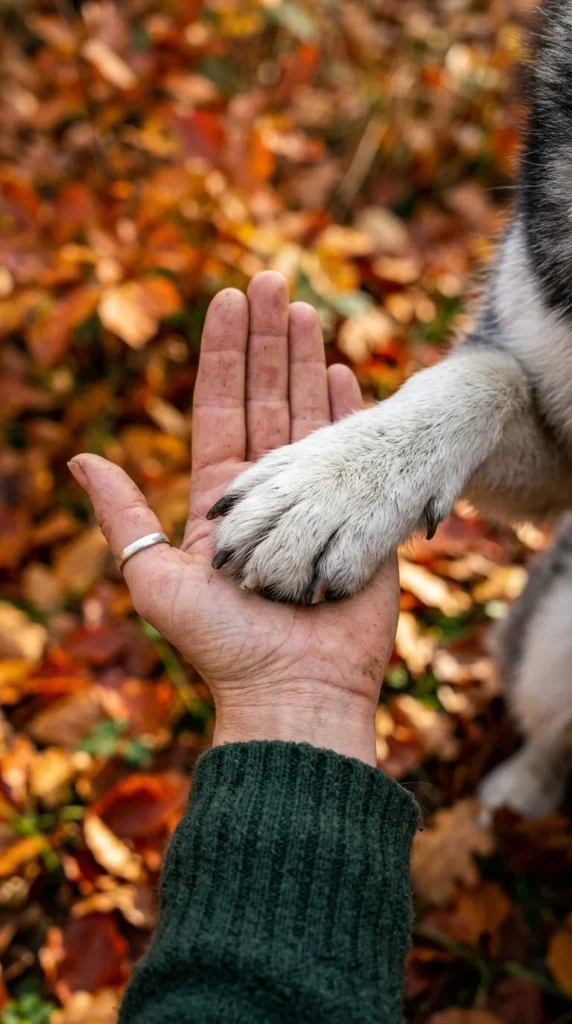
“Shake” (or “Give Paw”) is one of the most popular “trick” commands, but it has practical applications too. It allows you to easily check your dog’s paws for thorns, ice, or injuries. Furthermore, it is a great “icebreaker” for people who are a bit nervous around dogs, as it demonstrates the dog’s friendly and trained nature.
16. Quiet
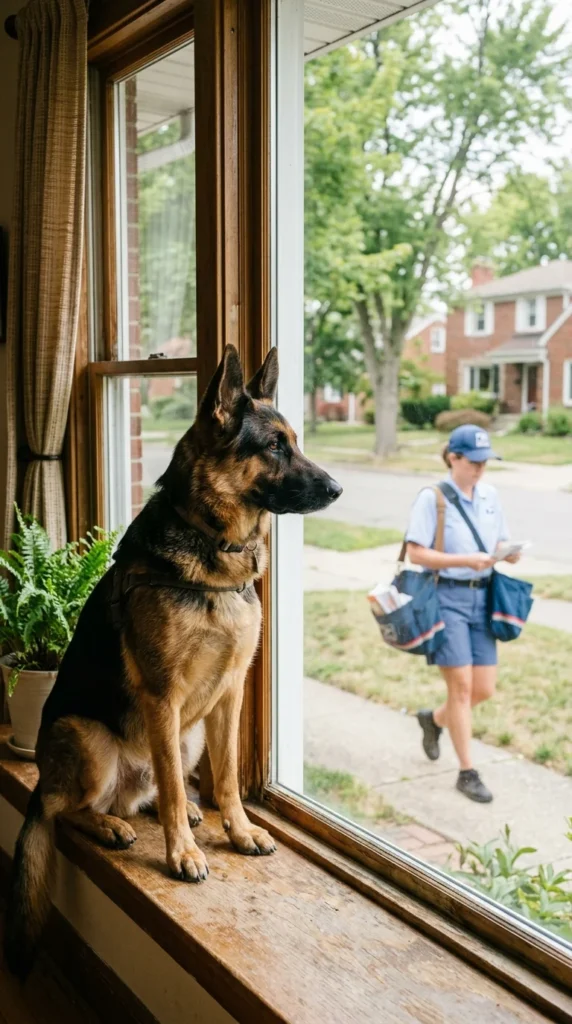
If your dog tends to bark at every passerby or squirrel, “Quiet” is a must. The goal isn’t to stop a dog from ever barking (which is natural communication) but to stop the barking once you have acknowledged the “alert.” Reward the silence that follows the command to teach them that “Quiet” is the desired state.
17. Gentle
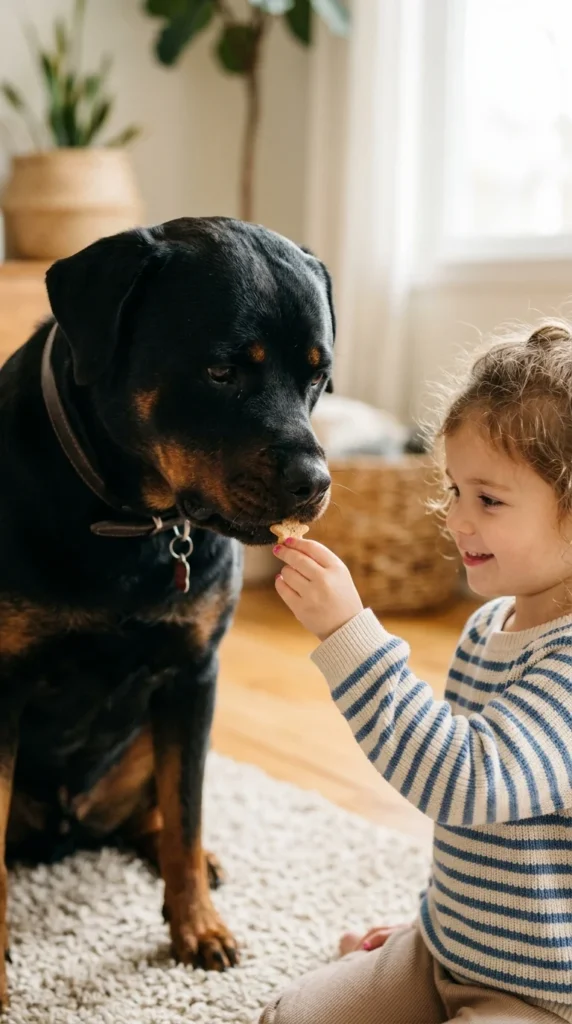
The “Gentle” command is used to teach a dog “bite inhibition” and soft mouth control. This is vital when the dog is taking treats from your hand, playing with toys, or interacting with children. It reminds the dog to use their mouth softly, ensuring that interactions remain safe and pleasant for everyone involved.
18. Touch
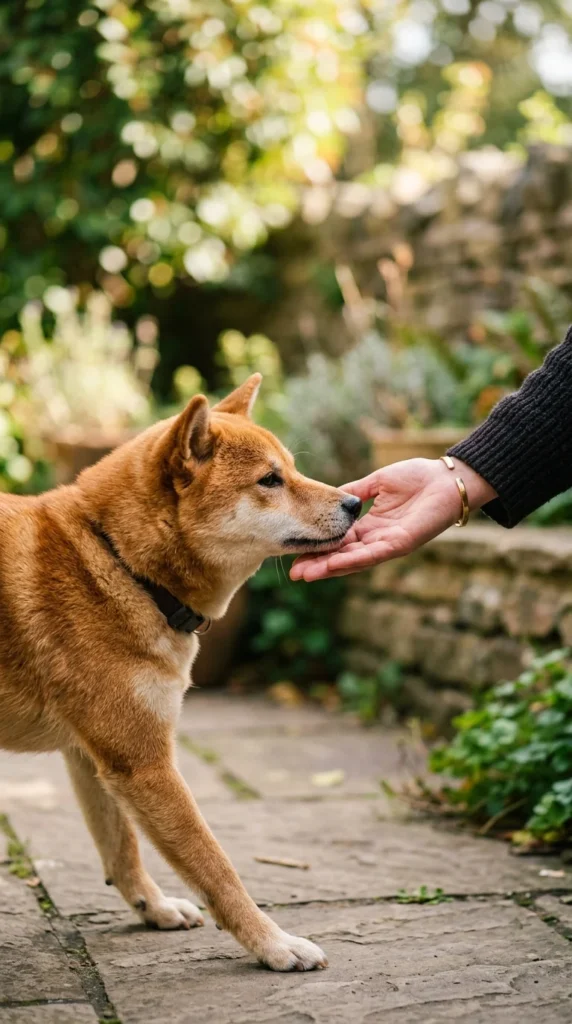
The “Touch” command (or hand-targeting) involves the dog touching their nose to your palm. This is a versatile tool used by service dog trainers to lead a dog without pulling on a leash. It can be used to move a dog onto a scale at the vet, guide them into a car, or simply to get their focus back on you during a walk.
19. With Me
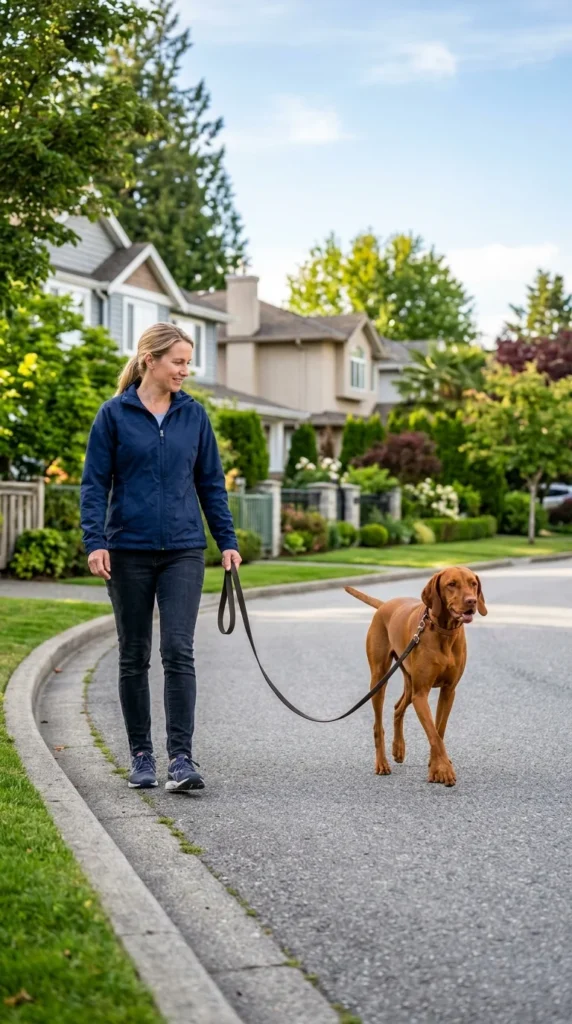
“With Me” is the casual version of “Heel.” While “Heel” requires strict positioning, “With Me” simply means the dog should stay in your general vicinity on a loose leash without pulling. It allows the dog more freedom to sniff and explore while still maintaining a connection with the handler.
20. Roll Over
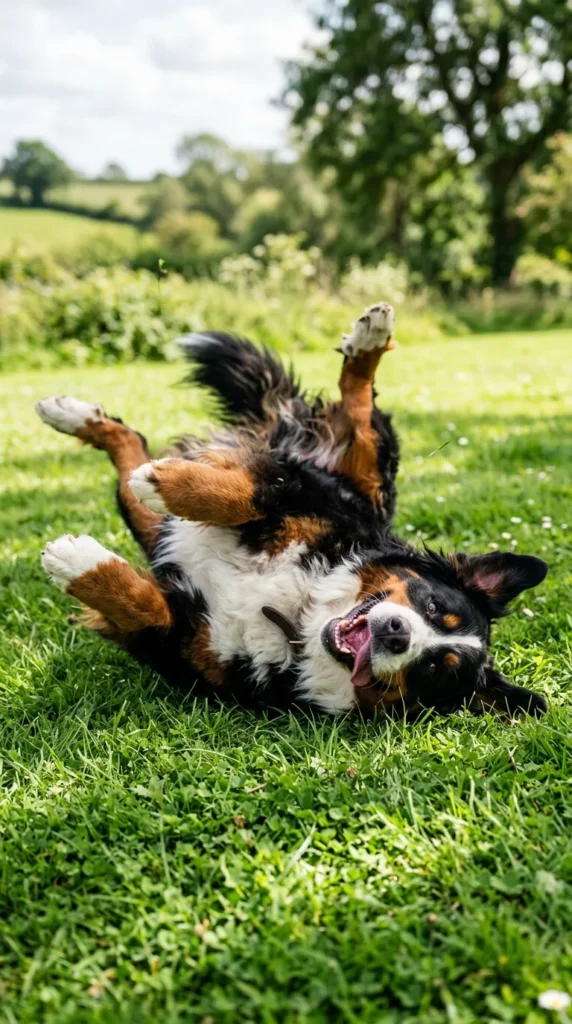
“Roll Over” is a classic trick that builds a dog’s confidence and flexibility. Because it involves the dog exposing their belly, it is a sign of high trust between the dog and the owner. It’s a great way to keep training sessions fun and engaging, which prevents the dog from becoming bored with “serious” work.
21. Spin
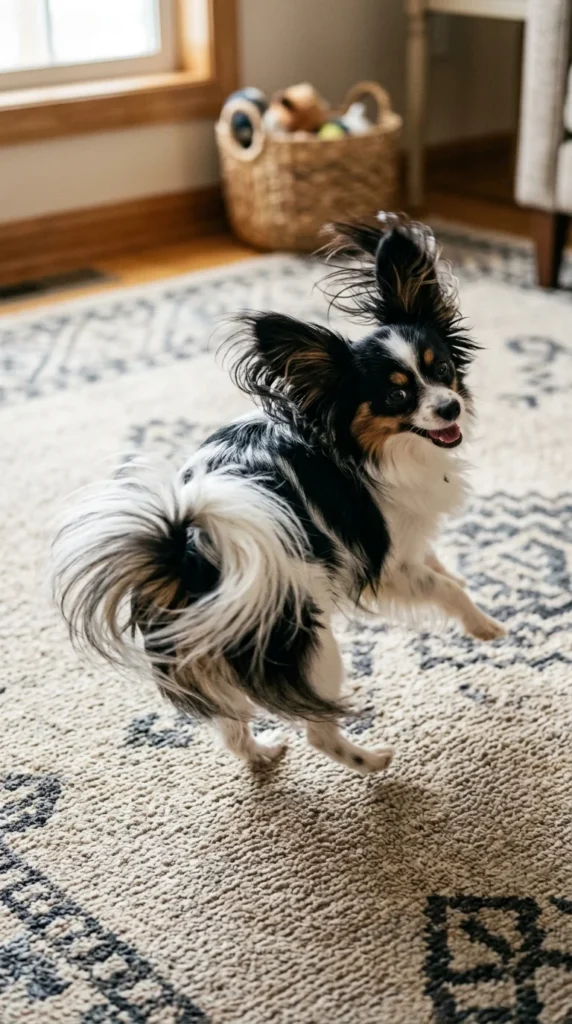
“Spin” (or “Twirl”) is a high-energy trick that helps with a dog’s body awareness and rear-end awareness. It’s an excellent “warm-up” exercise for canine athletes. You can even differentiate between “Spin” (clockwise) and “Twirl” (counter-clockwise) to give your dog an extra mental challenge.
22. Speak
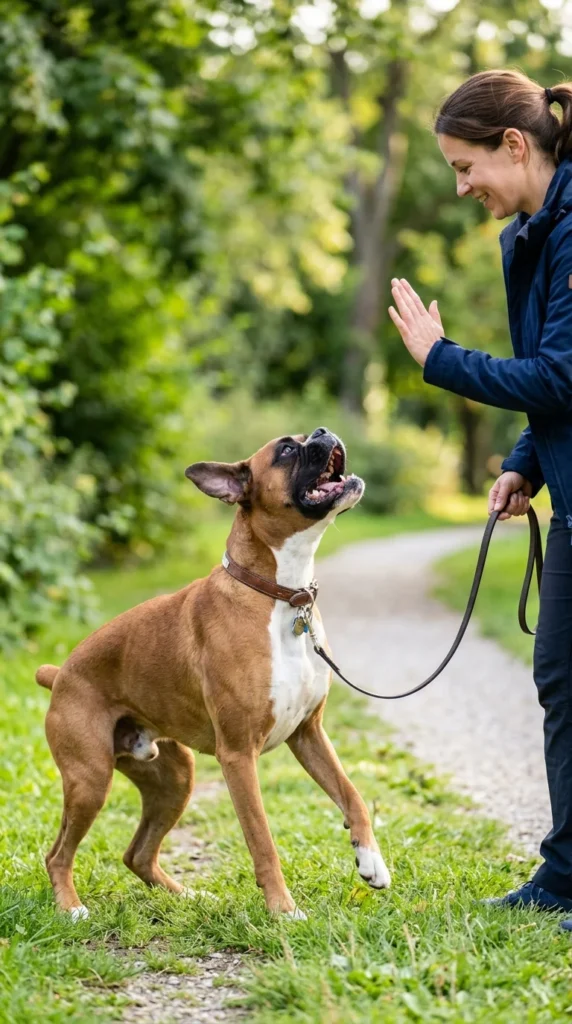
Teaching a dog to “Speak” on command can actually help control nuisance barking. By putting the bark “on cue,” you gain control over when it starts and, by extension, when it stops. It’s also a useful “alert” command for owners who want their dog to signify if someone is at the door.
23. Back Up
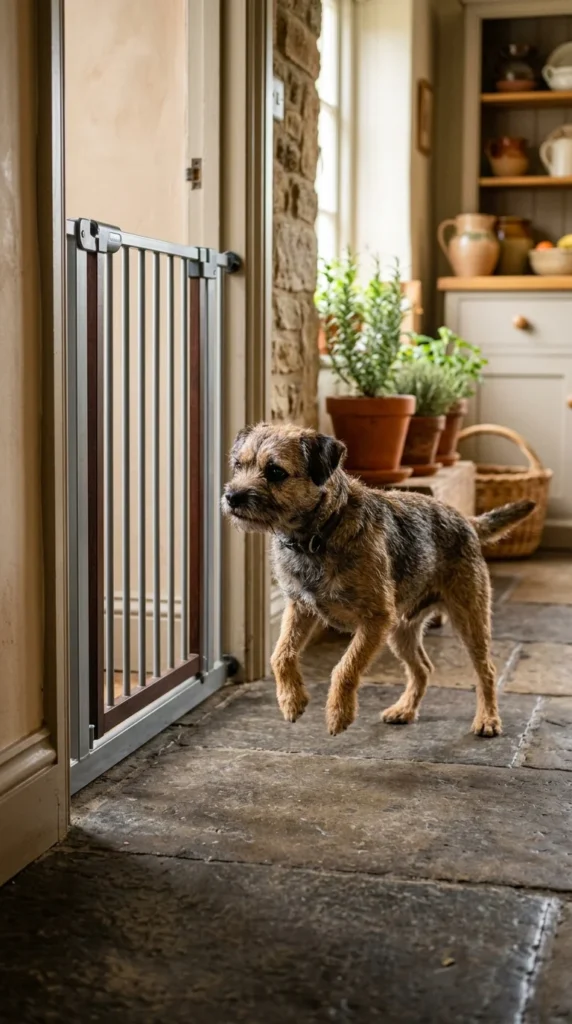
“Back Up” is incredibly useful in tight spaces. If your dog is crowding the door, blocking a hallway, or getting too close to the stove, “Back Up” allows you to move them safely without having to physically push them. It teaches the dog that they can move in directions other than just forward.
24. Fetch
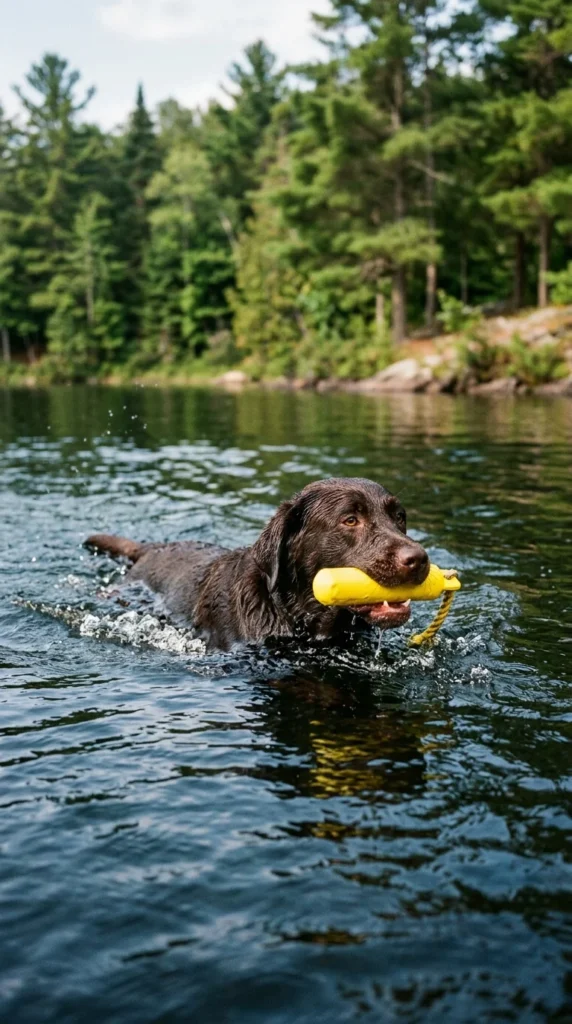
“Fetch” is more than just a game; it is an outlet for a dog’s natural predatory drive and a fantastic way to provide physical exercise. Teaching a structured “Fetch” involves the dog going out, picking up the object, bringing it back, and dropping it at your feet—combining several commands into one fluid activity.
25. Take It
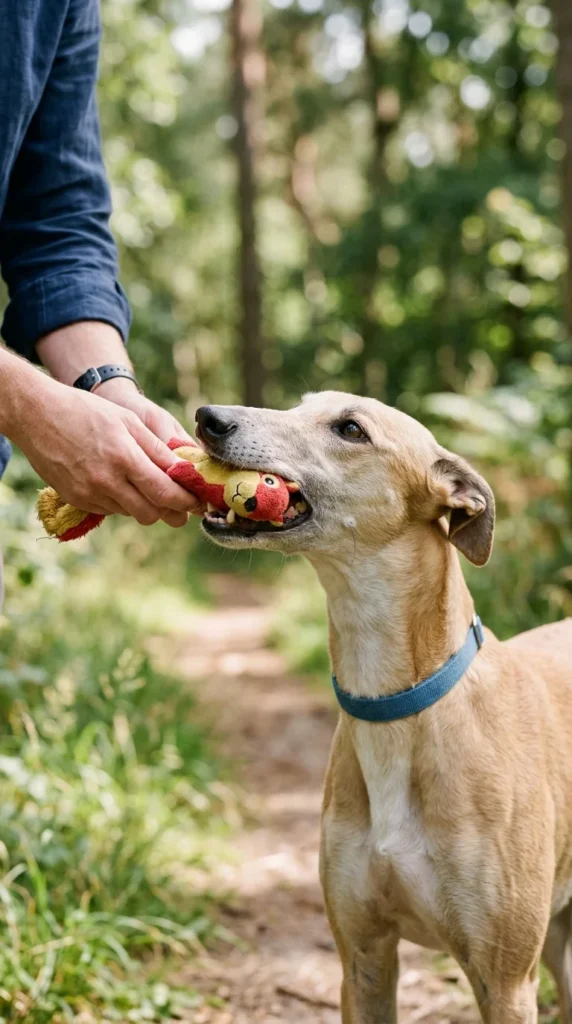
“Take It” is the opposite of “Leave It.” It gives the dog permission to interact with an object. This is particularly useful for dogs that are hesitant to pick up certain items or for service dogs that assist by retrieving dropped objects. It establishes that you are the one who decides when “playtime” or “worktime” begins.
26. Bow
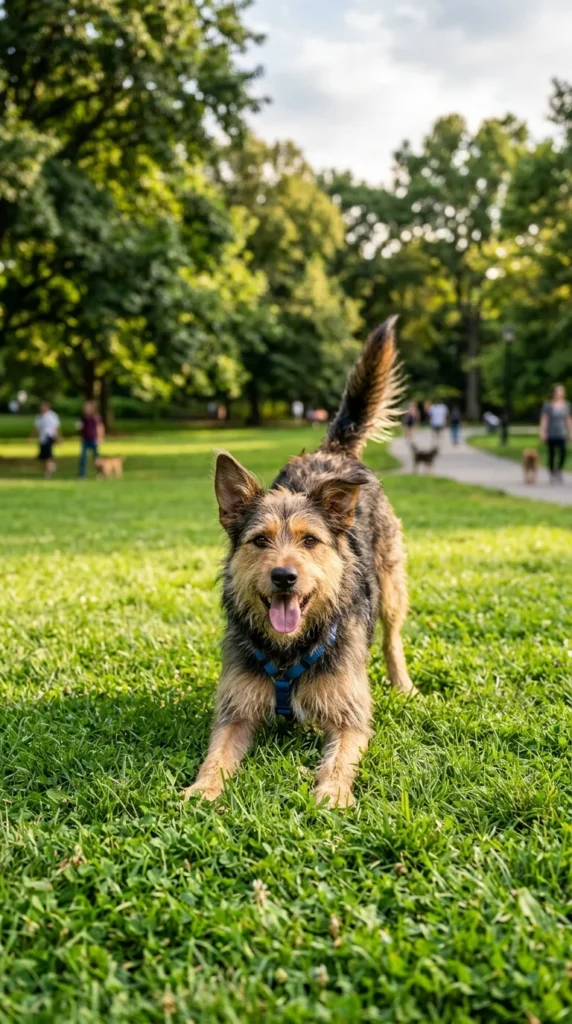
The “Bow” command mimics the “play bow” dogs use naturally to invite others to play. In a training context, it’s a charming trick that stretches the dog’s spine and shoulders. It is a wonderful way to end a training session on a high, lighthearted note, reinforcing that learning and working together is a joyful experience.