
Bringing home a new puppy is one of life’s most exhilarating milestones. It’s a whirlwind of tiny paw prints, wet nose boops, and that unmistakable “puppy smell.” However, for a first-time owner, the transition from “we’re getting a dog!” to “the dog is here and eating my shoes” can be overwhelming. To help you navigate the beautiful chaos of puppyhood, we’ve compiled the ultimate checklist of 27 essentials. This guide ensures you have everything from the basic necessities to the advanced tools that will make training and bonding a breeze.
1. Crate
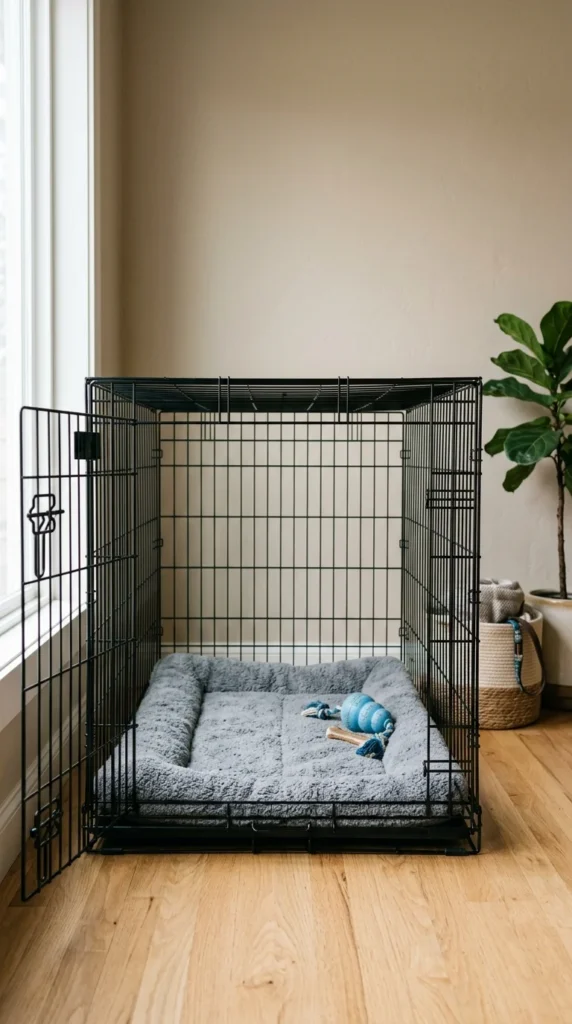
A crate isn’t a “jail”—it’s a sanctuary. Based on a dog’s natural denning instinct, a crate provides a safe space where your puppy can retreat when they feel overwhelmed. For first-time owners, the crate is the single most effective tool for potty training, as puppies naturally avoid spoiling the area where they sleep. Choose a crate with a divider panel so you can expand the space as your puppy grows.
2. Bedding
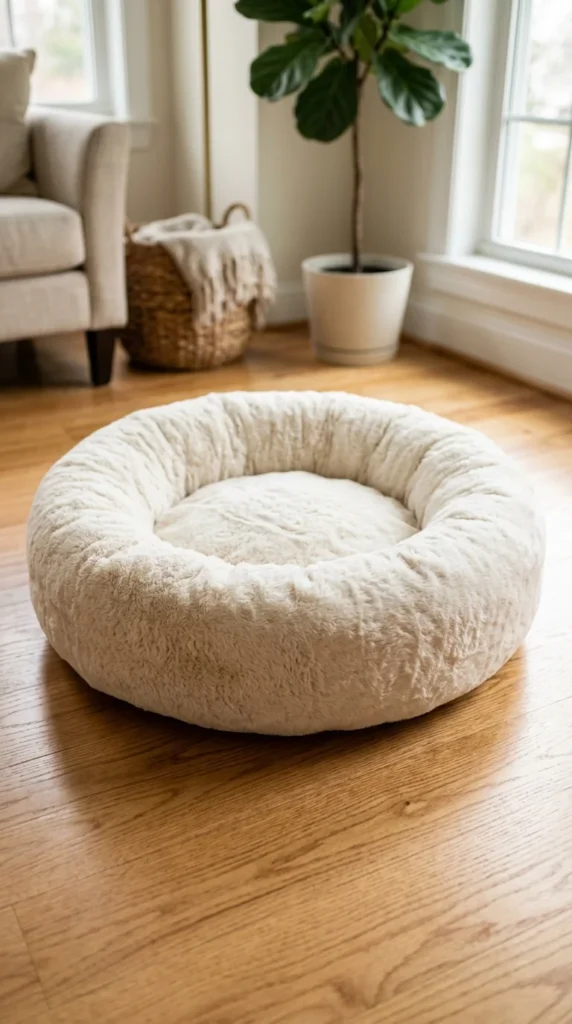
While your puppy might start their nights in the crate, having a soft, dedicated bed in the living area helps them understand where to settle. Look for bedding that is machine-washable because accidents will happen. A “calming” bed with raised edges can help soothe the anxiety many puppies feel during their first few weeks away from their littermates.
3. Puppy Food
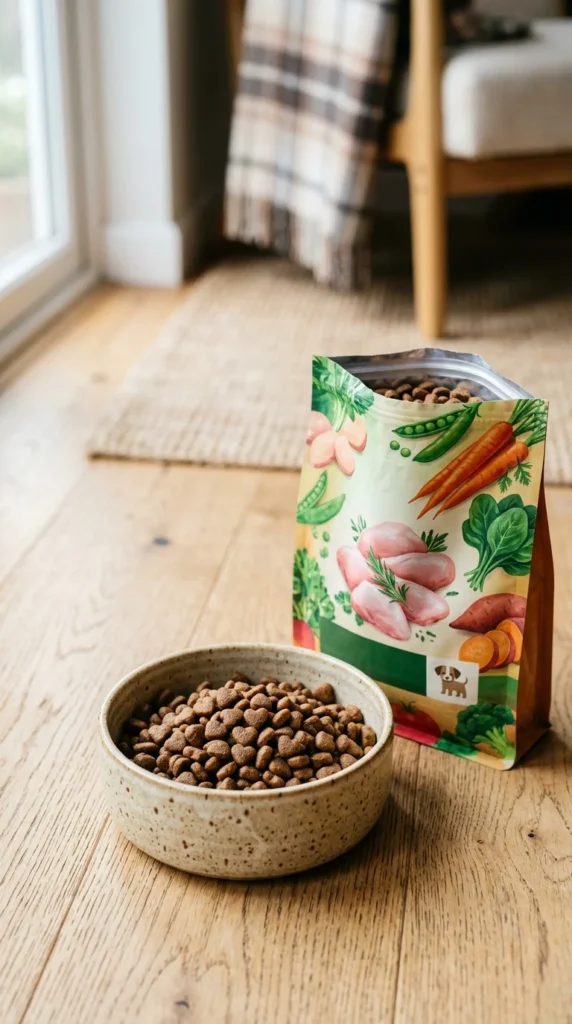
Puppies have significantly higher energy and nutritional requirements than adult dogs. You’ll need a high-quality kibble or wet food specifically formulated for “growth.” Look for DHA (an omega-3 fatty acid) on the label, which supports brain and eye development. Always consult with your vet or breeder about the specific brand to avoid sudden digestive upset.
4. Bowls
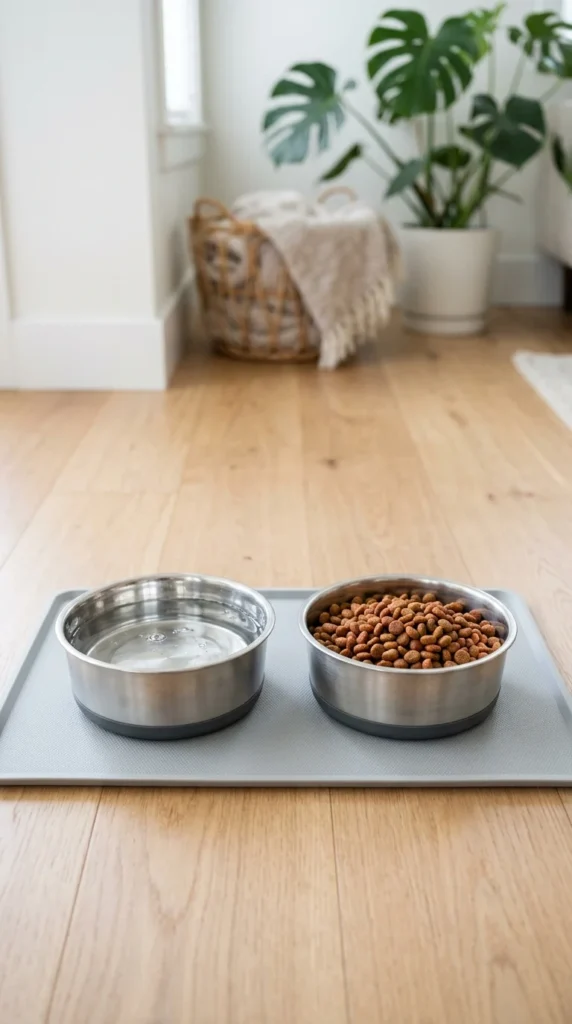
Avoid plastic bowls, as they can scratch easily and harbor bacteria (and some puppies love to chew them). Stainless steel or ceramic bowls are the gold standard. They are durable, easy to sanitize, and won’t tip over as easily during a frantic puppy mealtime.
5. Leash
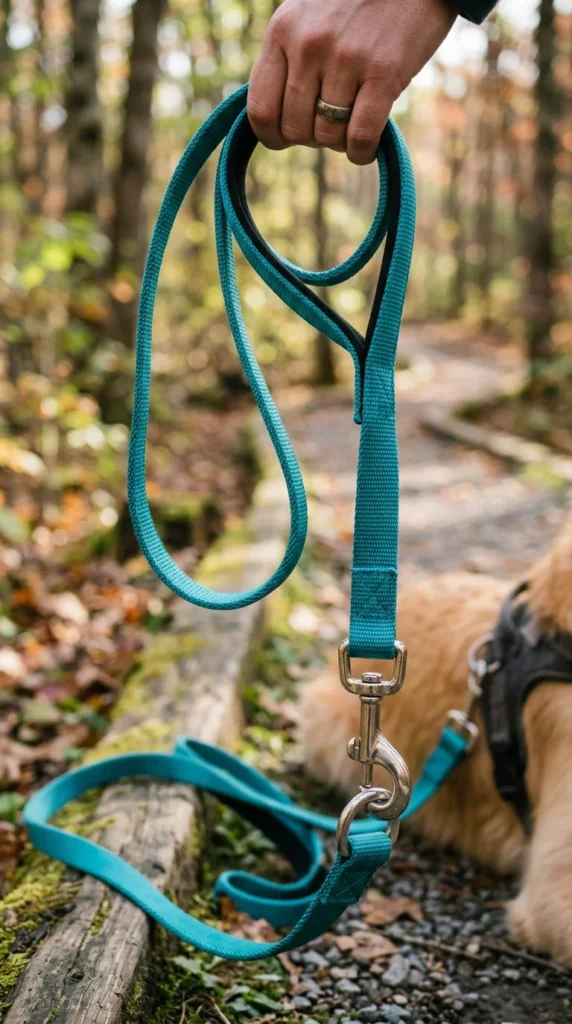
For a first-time owner, a standard six-foot nylon or leather leash is far superior to a retractable one. Fixed-length leashes provide better control and help your puppy learn the boundaries of where they are allowed to walk. Padded handles are a nice touch for your own comfort during those long “stop-and-sniff” sessions.
6. Collar
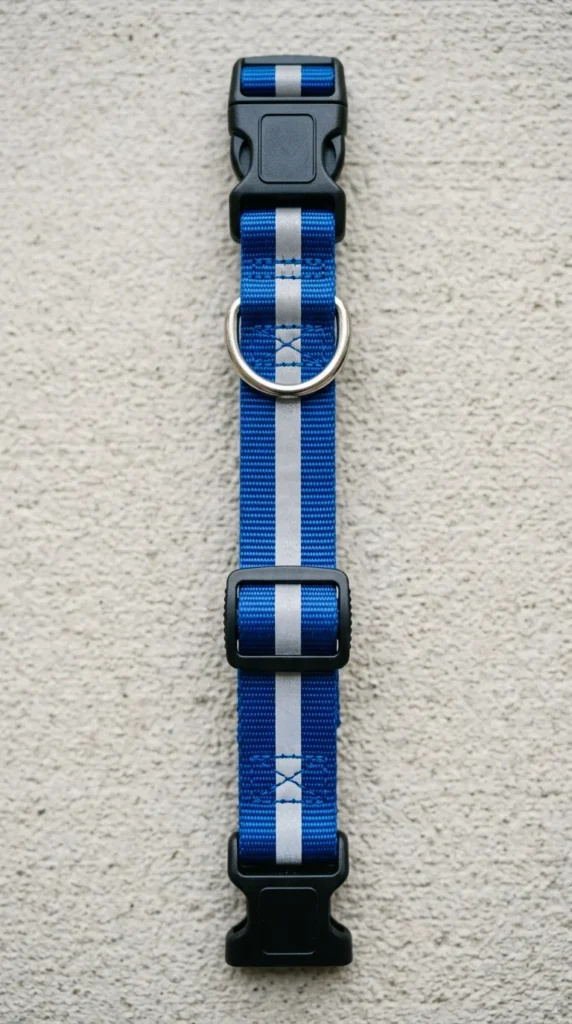
Your puppy needs a collar from day one to hold their identification. Choose an adjustable nylon collar that can grow with them. A good rule of thumb: you should be able to fit two fingers between the collar and the puppy’s neck. Check the fit weekly, as puppies grow surprisingly fast!
7. Harness
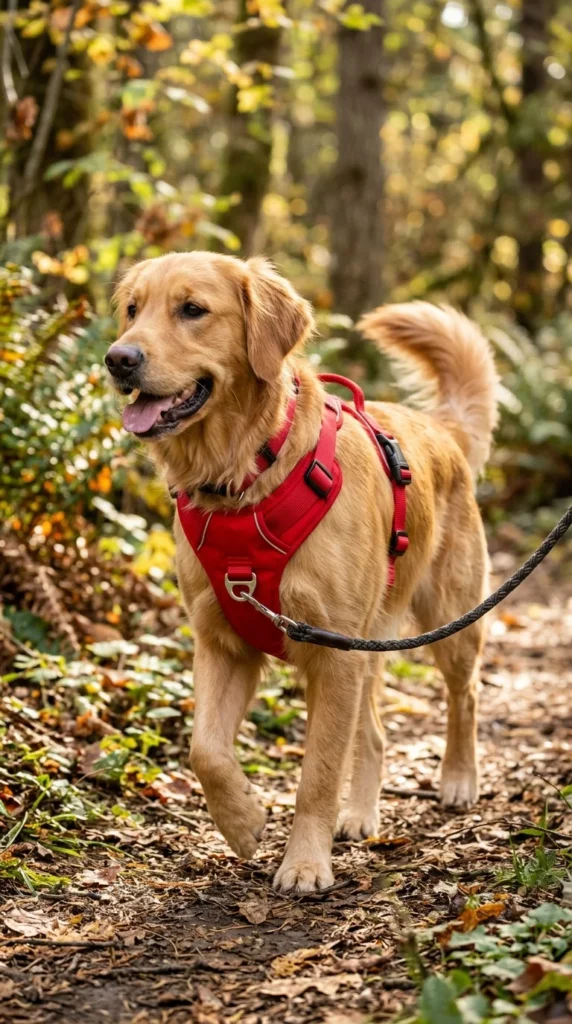
Many puppies are prone to pulling or have delicate tracheas (especially small breeds). A harness distributes pressure across the chest and shoulders rather than the neck. A “no-pull” front-clip harness is a fantastic training tool for teaching your puppy to walk politely by your side without choking themselves.
8. ID Tags
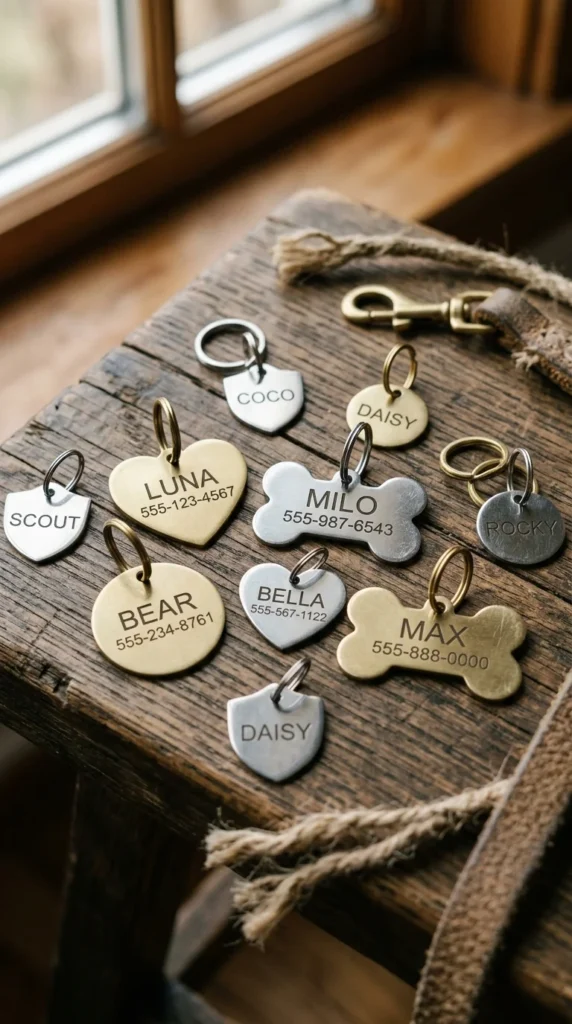
Even if your puppy is microchipped, a visible ID tag is the fastest way for a neighbor to return your pup if they slip out the door. Ensure the tag includes the puppy’s name, your phone number, and perhaps a note about their microchip or city license.
9. Poop Bags
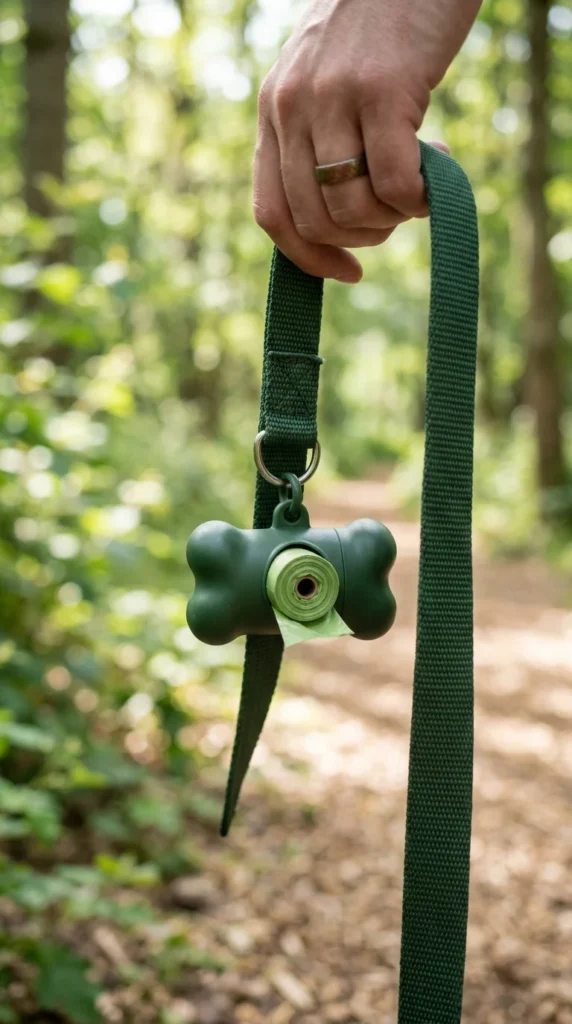
Being a responsible owner means cleaning up after your pet. Stock up on biodegradable poop bags. You’ll go through more than you think—usually 2 to 4 a day. Look for “leak-proof” varieties to avoid any unpleasant mishaps while you’re out on a walk.
10. Training Treats
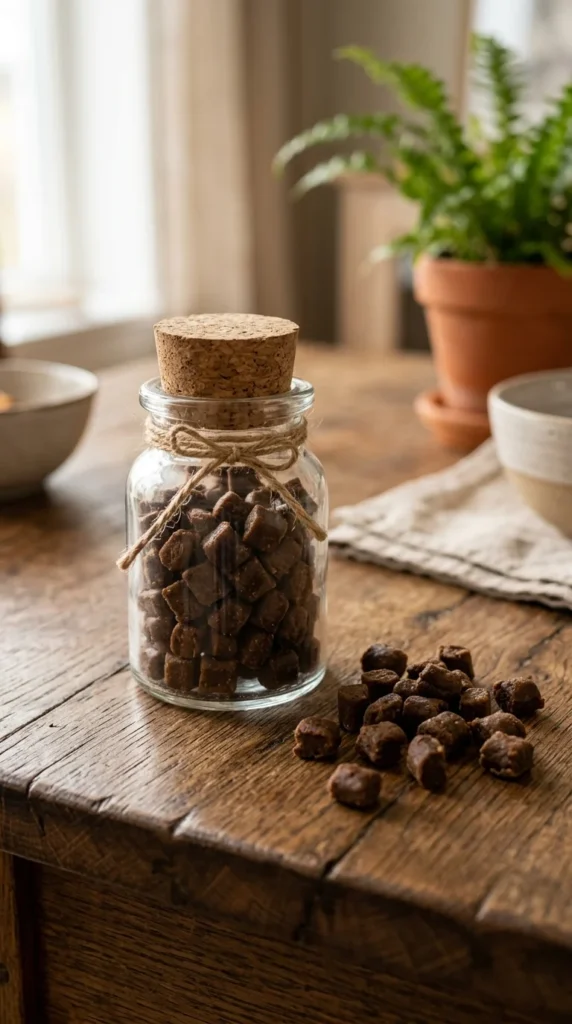
Puppies are highly motivated by food. For training, you need “high-value” treats that are small enough to be eaten quickly without distracting the pup from the task. Look for soft, smelly treats that can be broken into even smaller pieces. Positive reinforcement is the key to a well-behaved dog.
11. Chew Toys
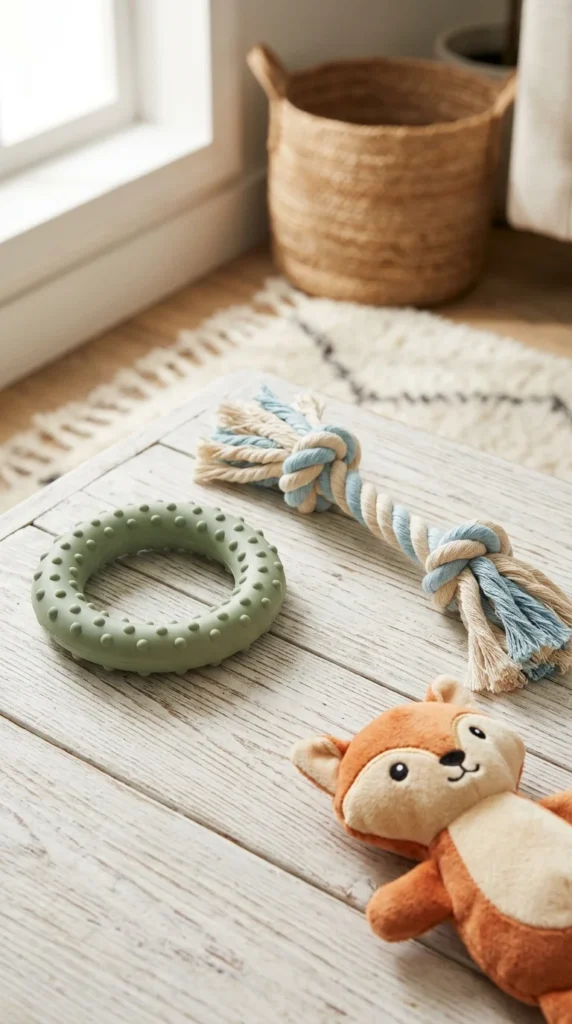
Puppies explore the world with their mouths. Between 3 and 6 months of age, they go through a teething phase that can be destructive if you aren’t prepared. Provide a variety of textures—rubber for gnawing, rope for flossing, and plush for comfort—to keep them from chewing on your baseboards.
12. Interactive Puzzles
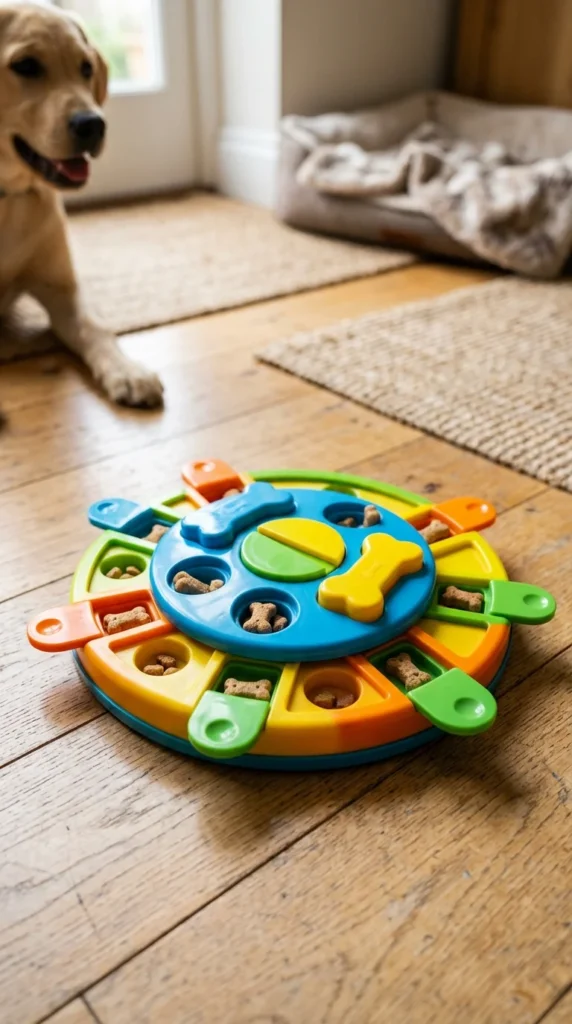
A tired puppy is a good puppy. While physical exercise is great, mental stimulation is just as important. Puzzle toys and treat dispensers (like a Kong) keep your puppy’s brain busy, which can prevent boredom-based behaviors like digging or excessive barking.
13. Enzyme Cleaner
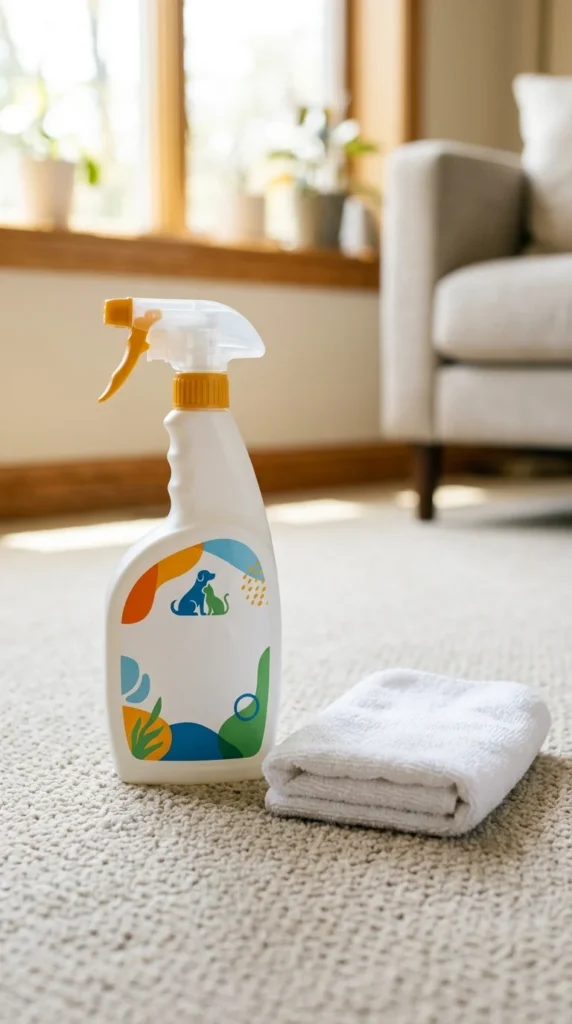
Accidents are inevitable during the house-training process. Standard household cleaners might smell clean to you, but they often leave behind pheromones that only dogs can smell, telling them “this is a good spot to go again.” An enzymatic cleaner actually breaks down the proteins in urine to completely eliminate the scent.
14. Pee Pads
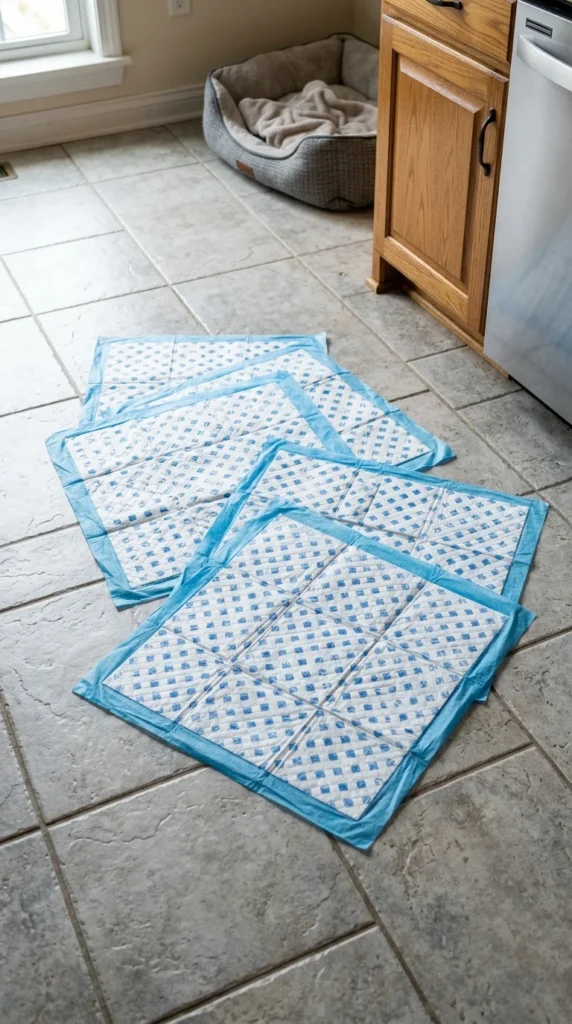
If you live in a high-rise apartment or have a puppy that hasn’t finished its vaccinations, pee pads are a lifesaver. They provide a designated “safe” spot for your puppy to relieve themselves indoors. However, use them sparingly if your ultimate goal is outdoor-only potty training.
15. Grooming Brush
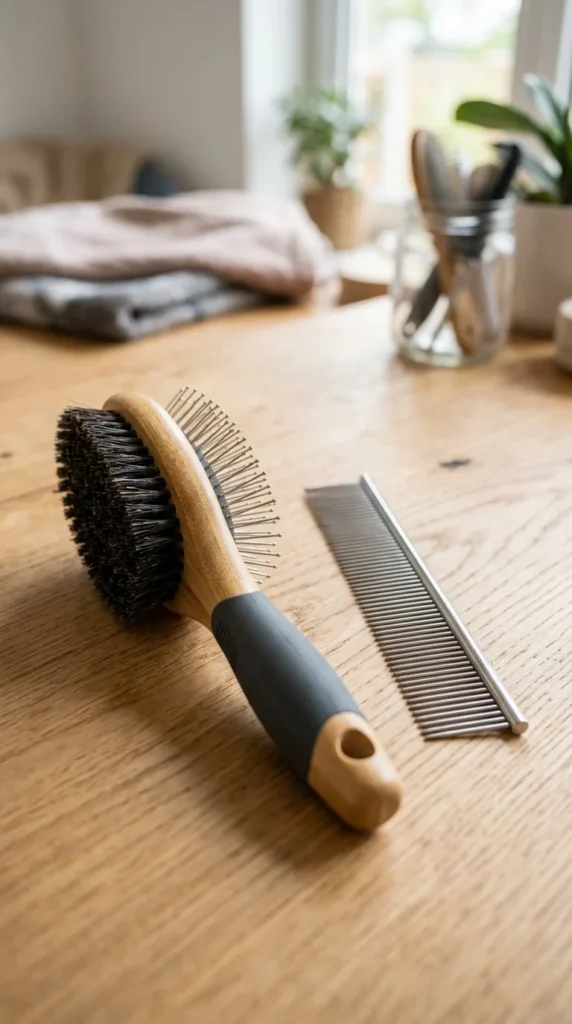
Even short-haired puppies need regular brushing to remove loose fur and distribute skin oils. Starting a grooming routine early desensitizes your puppy to being handled, making future trips to the professional groomer much less stressful for everyone involved.
16. Nail Clippers
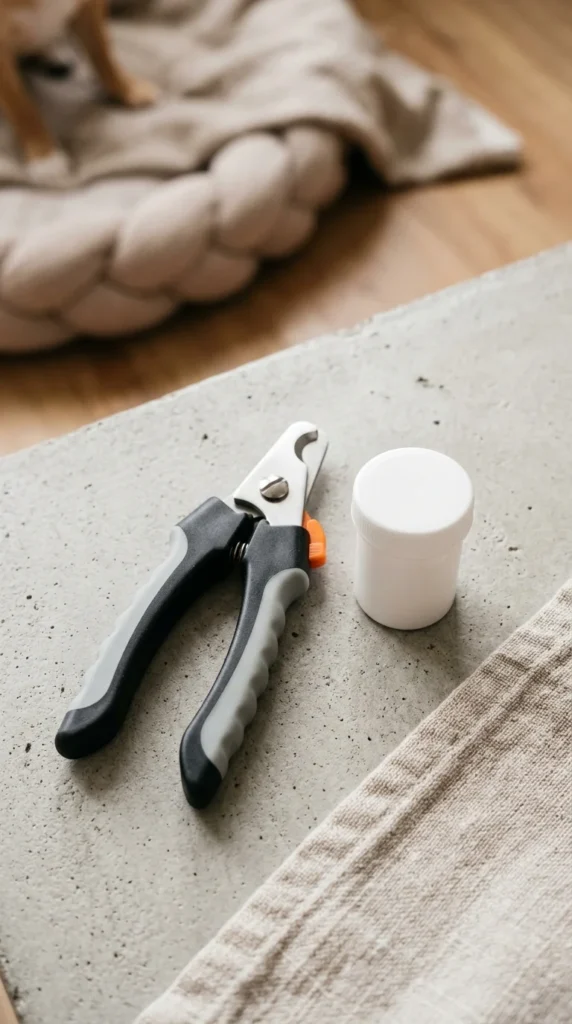
Puppy nails are like tiny needles. Regular trimming prevents the nails from snagging on carpets or scratching your skin. If you’re nervous about clipping, look for a “grinder” tool or ask your vet to show you how to find the “quick” of the nail.
17. Dog Shampoo
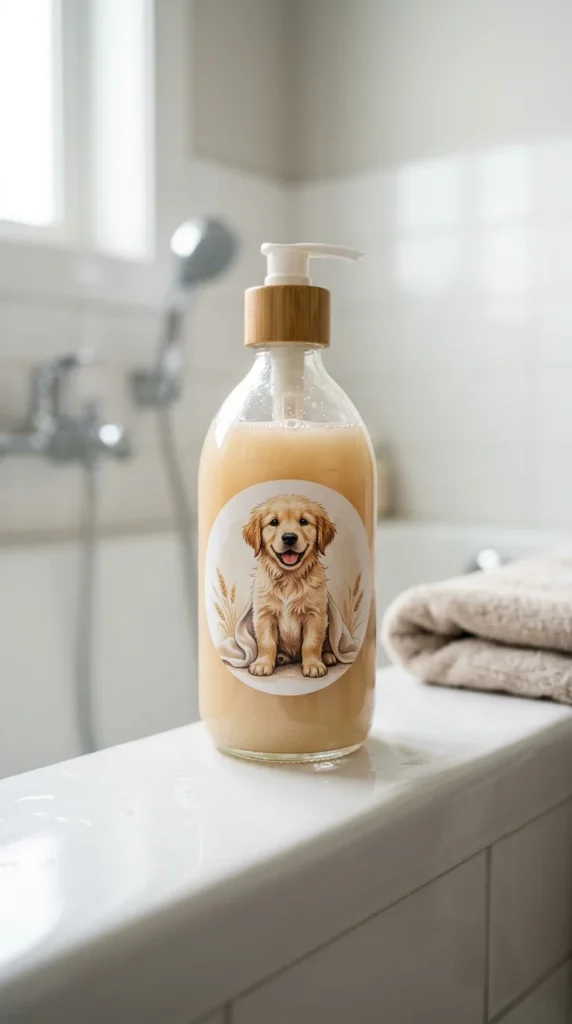
Don’t use human shampoo on your puppy! Dogs have a different skin pH than humans, and our soaps can cause irritation and dryness. A gentle, tear-free puppy shampoo with soothing ingredients like oatmeal or aloe is perfect for those inevitable mud-puddle moments.
18. Toothbrush Kit
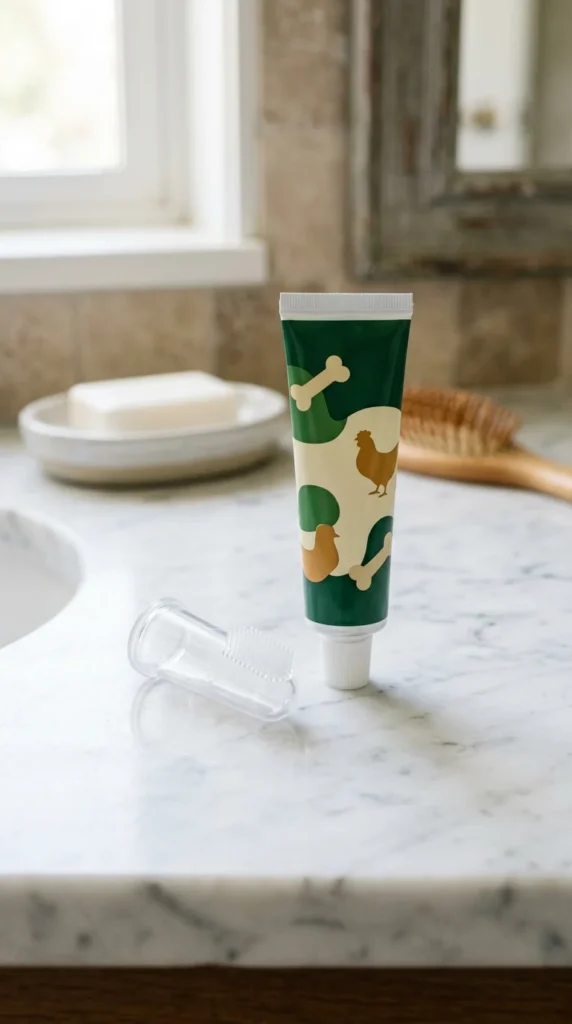
Dental disease is incredibly common in dogs, but it’s preventable. Start brushing your puppy’s teeth early with dog-specific toothpaste (human toothpaste is toxic to dogs). Aim for at least three times a week to keep their breath fresh and their gums healthy.
19. Travel Carrier
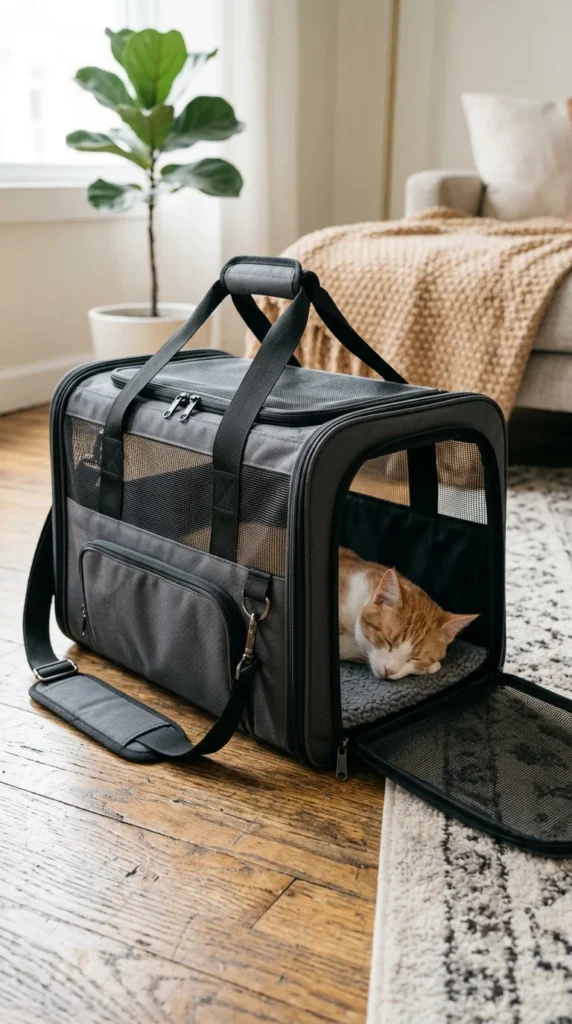
Whether it’s a trip to the vet or a visit to Grandma’s house, you need a way to transport your puppy safely. A soft-sided carrier is excellent for small breeds and car travel, while a hard-plastic crate is better for airline travel or larger breeds.
20. Playpen
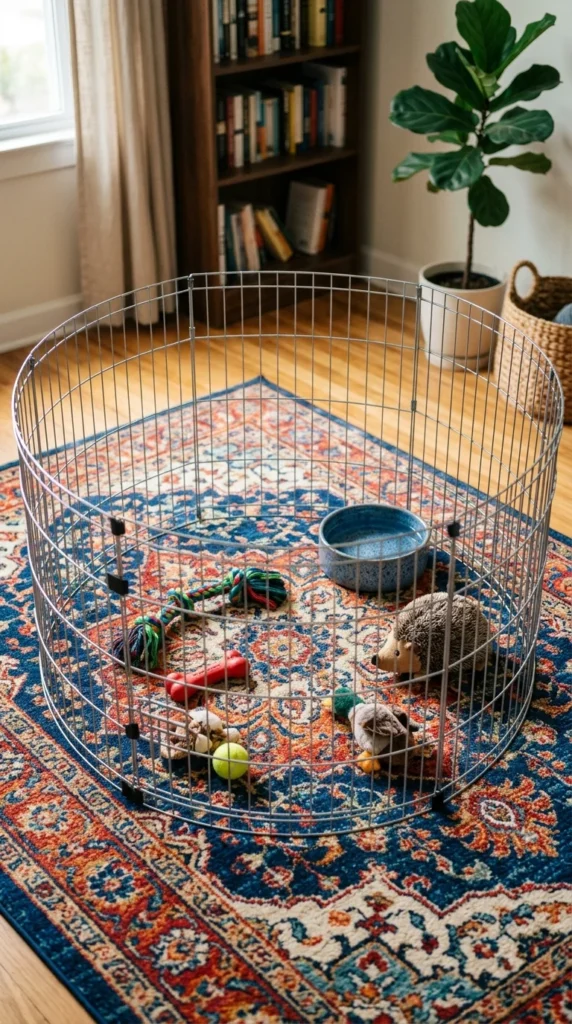
Sometimes you need to keep your puppy contained but don’t want to put them in their crate. A playpen (or “X-pen”) provides more room to move around while still keeping the puppy out of trouble while you’re cooking dinner or working from home.
21. Baby Gates
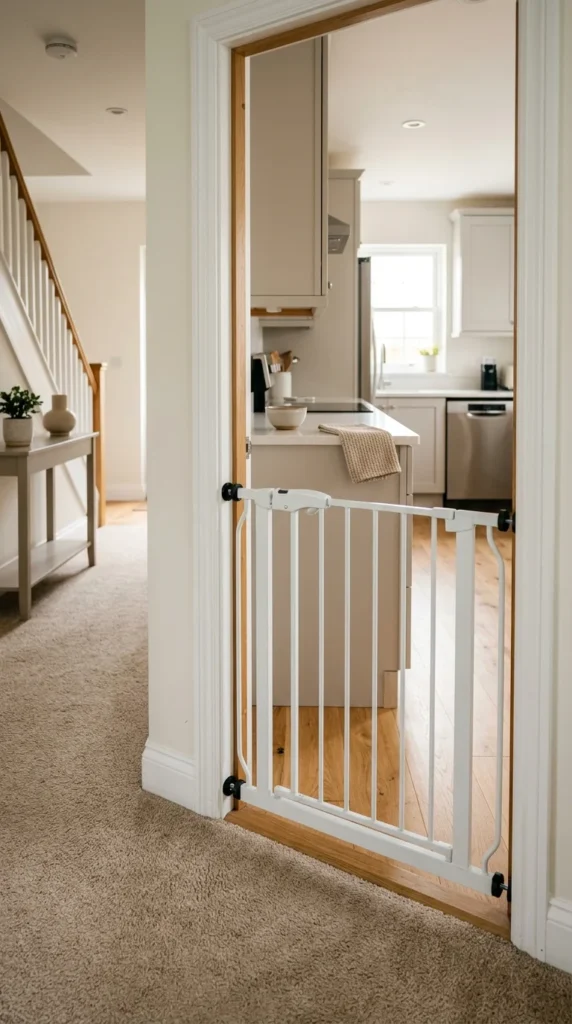
If you want to keep your puppy out of certain rooms (like a carpeted formal dining room or a room with lots of wires), baby gates are essential. Pressure-mounted gates are easy to install and move around as your puppy earns more “house freedom.”
22. Long Training Lead
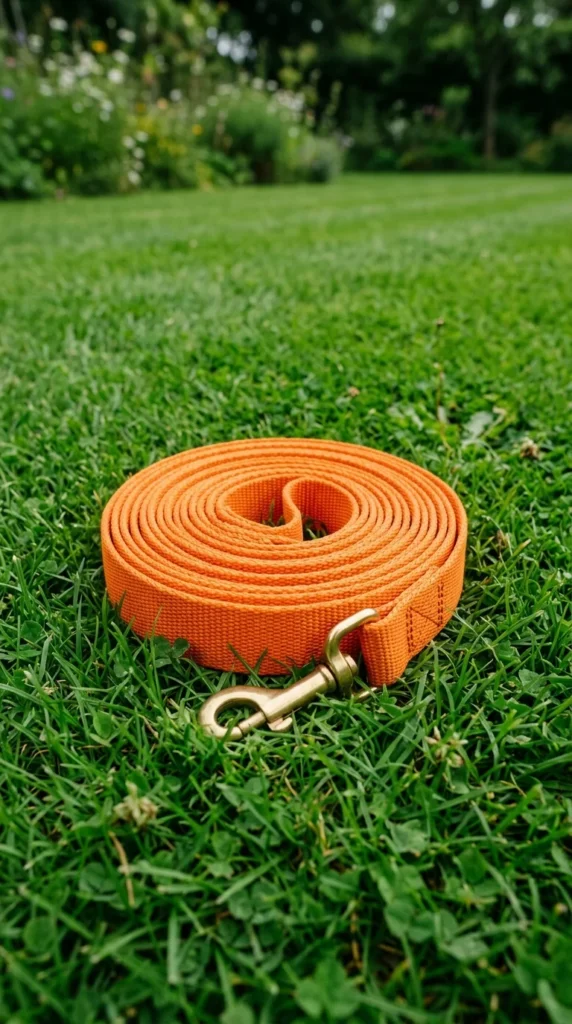
A long lead (15–30 feet) is the secret weapon for teaching “recall” (coming when called). It allows your puppy to explore a park or backyard with a sense of freedom while you still maintain a safety line in case they decide to chase a squirrel.
23. Clicker
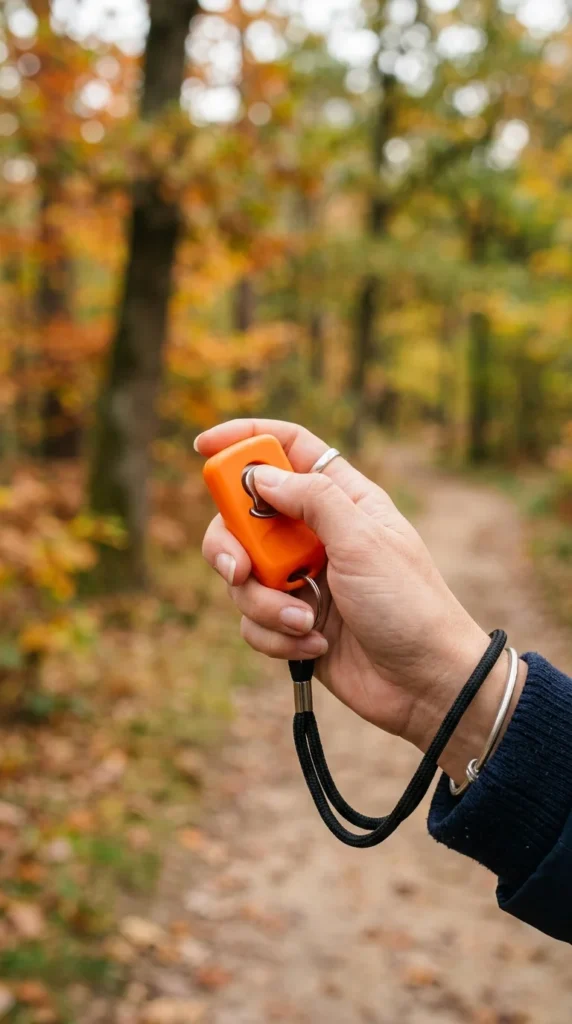
Clicker training is a form of “marker training.” The sound of the click tells the puppy exactly which behavior earned them the treat. It’s a precise way to communicate and can significantly speed up the learning process for basic commands like “sit,” “stay,” and “down.”
24. Bitter Spray
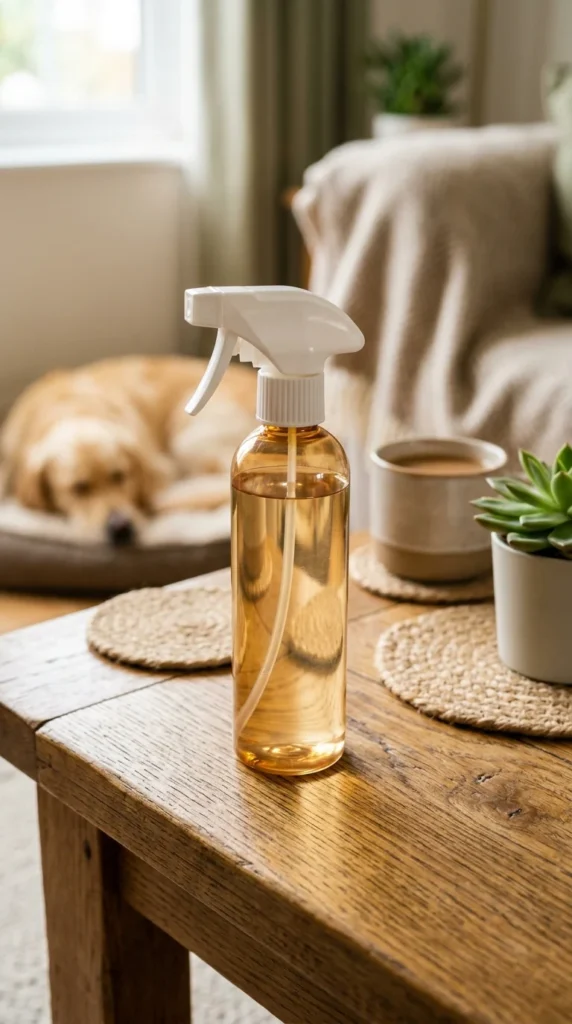
To protect your furniture, shoes, and power cords, keep a bottle of bitter apple or cherry spray on hand. One taste of the non-toxic but unpleasant liquid will usually convince a puppy that your favorite loafers are not actually a chew toy.
25. First Aid Kit
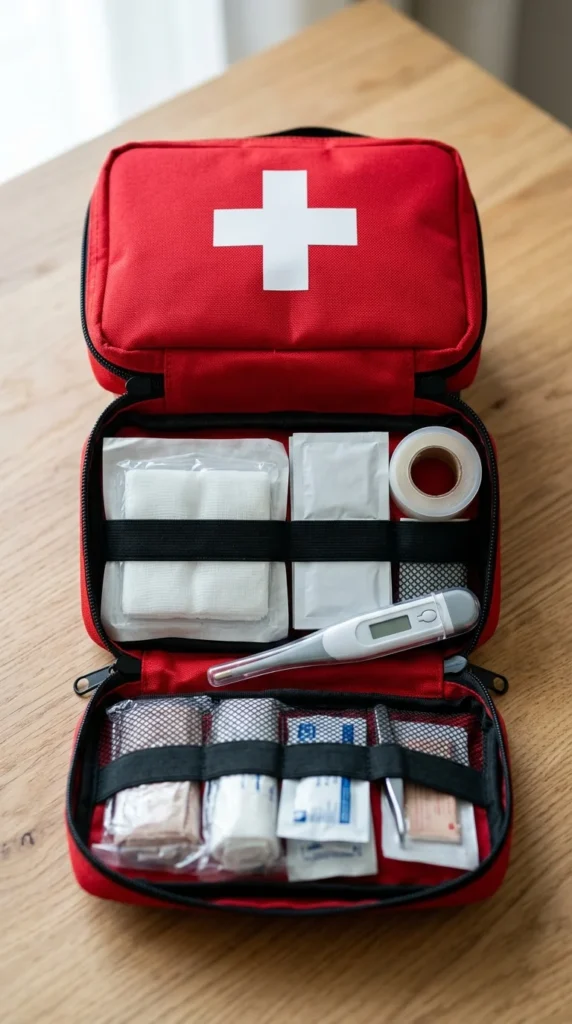
Puppies are clumsy and curious. Having a basic pet first aid kit allows you to handle minor scrapes or tick removals at home. Include items like self-clinging bandages (which won’t stick to fur), antiseptic wipes, and a pair of tweezers.
26. Microchip
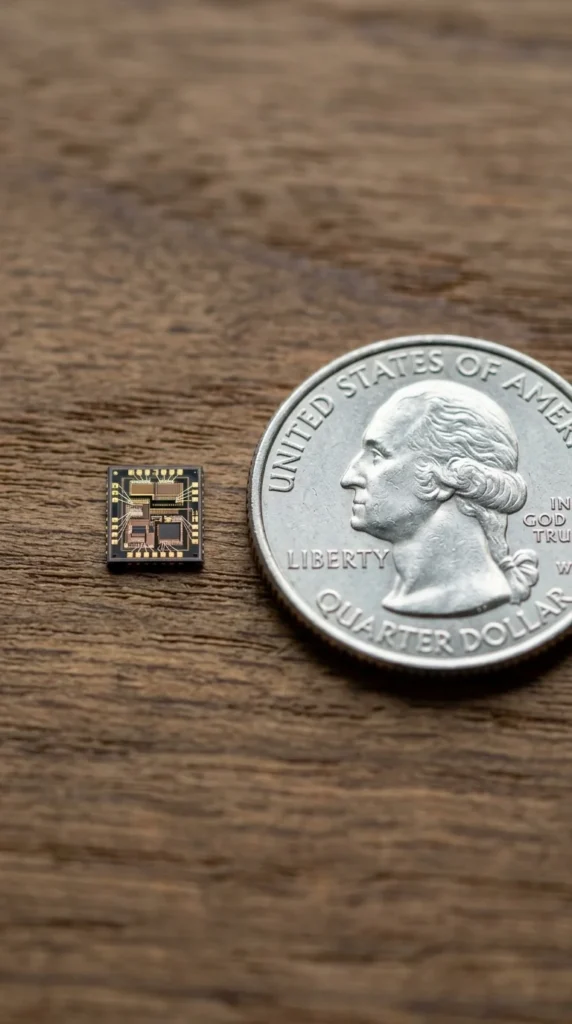
While this isn’t something you buy at a pet store, it is a “must-have” on your checklist. A microchip is a permanent form of ID that a vet or shelter can scan if your puppy ever gets lost. Ensure you register the chip with your current contact information as soon as it’s implanted.
27. Pet Insurance
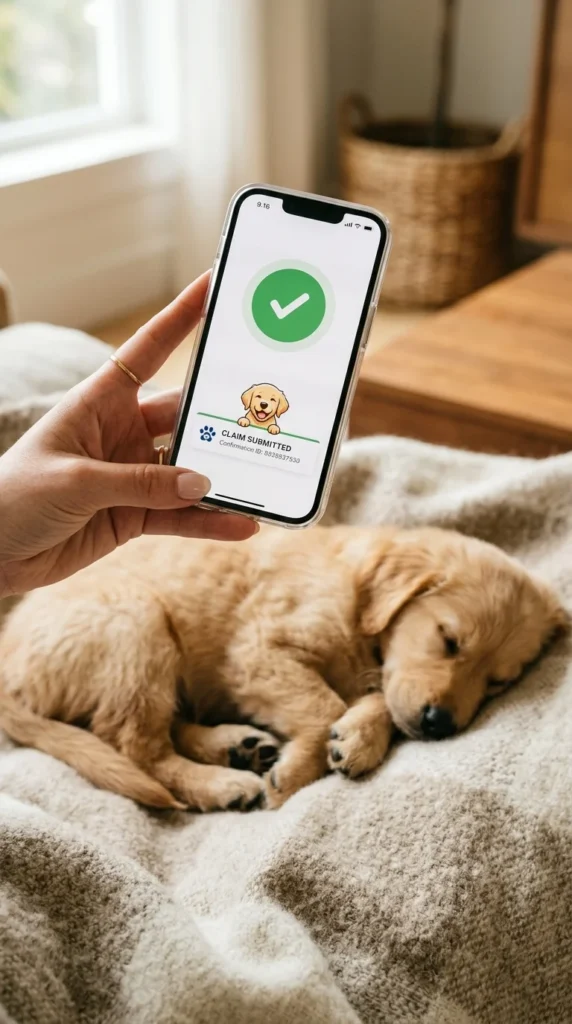
Veterinary care can be expensive, especially if your puppy has an unexpected accident or illness. Pet insurance provides peace of mind, ensuring that you’ll never have to choose between your bank account and your dog’s health. Signing up while they are a puppy ensures there are no “pre-existing conditions” that might be excluded later.