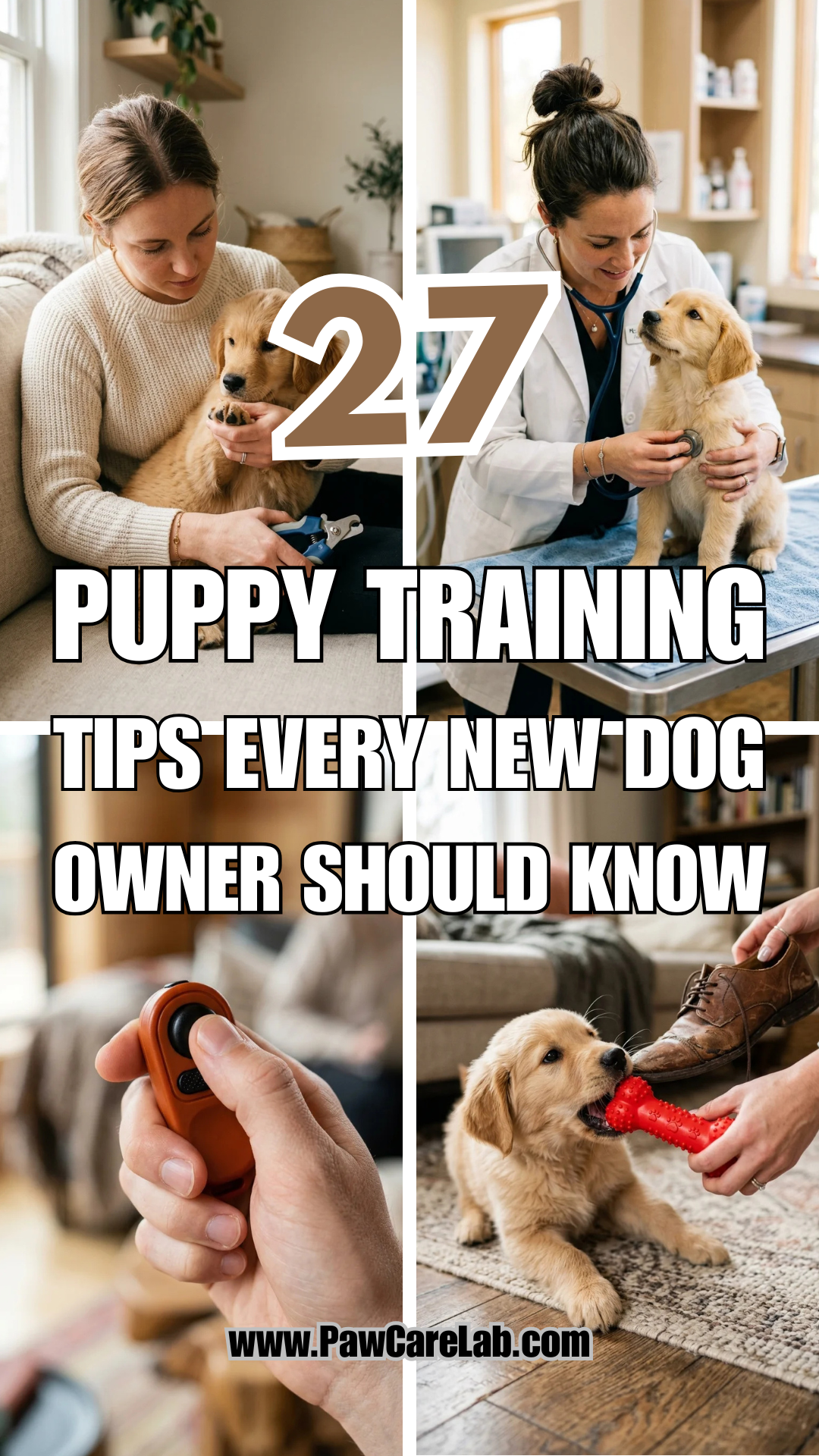
Welcoming a new puppy into your home is an exhilarating milestone, but it also marks the beginning of a significant responsibility. Those tiny paws and wagging tails come with a steep learning curve. Training isn’t just about teaching “sit” or “stay”; it’s about building a language of communication between you and your new best friend. To help you navigate the whirlwind of puppyhood, we have compiled the ultimate guide to puppy training.
1. Consistency
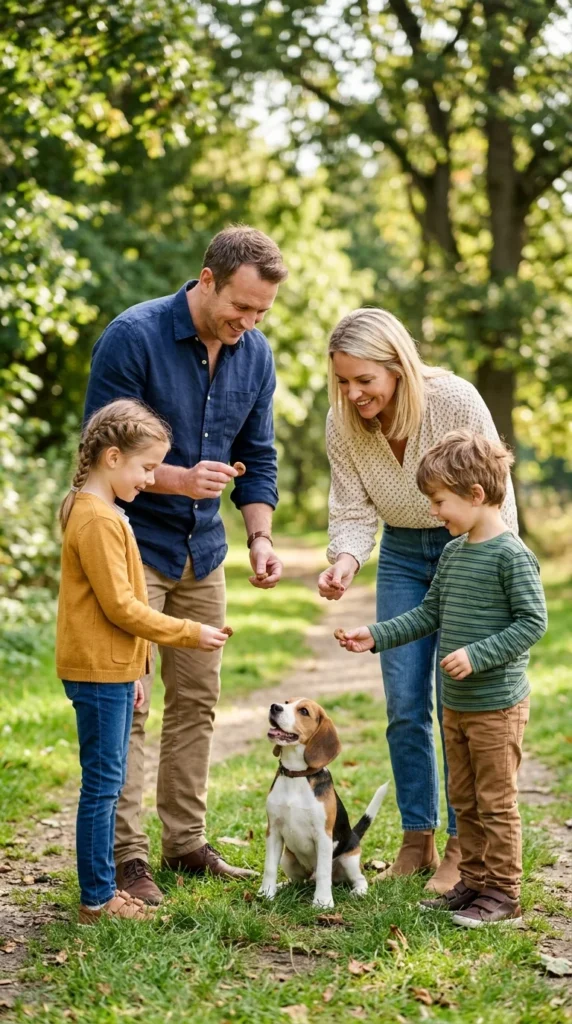
Consistency is the bedrock of all successful dog training. If you allow the puppy on the couch on Monday but scold them for it on Tuesday, the puppy becomes confused and anxious. Every member of the household must be on the same page. Decide on the rules before the puppy even arrives: Are they allowed on the furniture? Who feeds them? What specific word will be used for “potty”? Using the same cues and maintaining the same boundaries ensures your puppy learns what is expected of them much faster.
2. Rewards
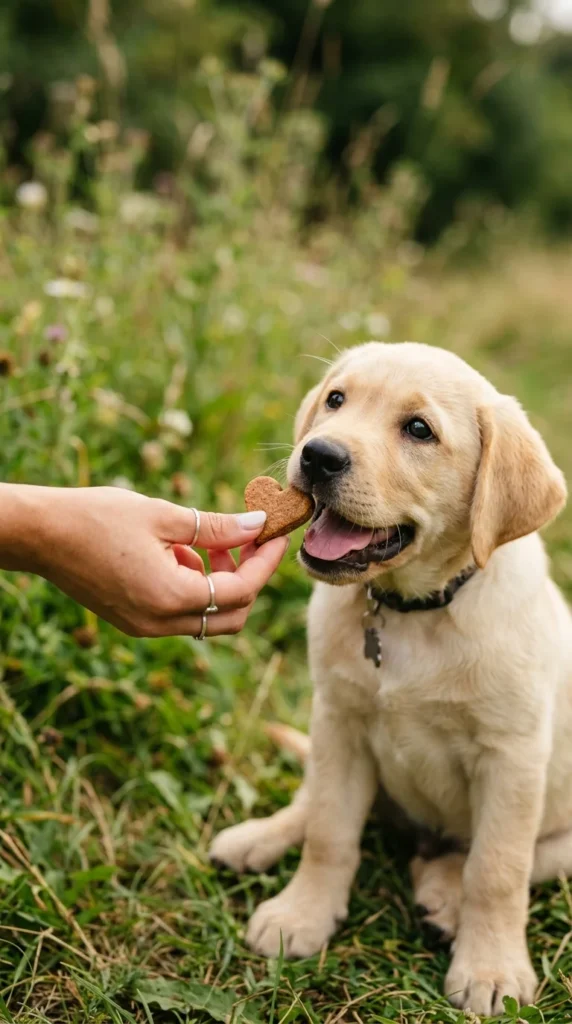
Positive reinforcement is the most effective way to train a puppy. Instead of punishing bad behavior, focus on rewarding the good. When your puppy performs a desired action, provide an immediate reward—this could be a high-quality treat, verbal praise (“Good boy!”), or a favorite toy. This creates a positive association with the command, making the puppy eager to repeat the behavior to get that dopamine hit.
3. Socialization
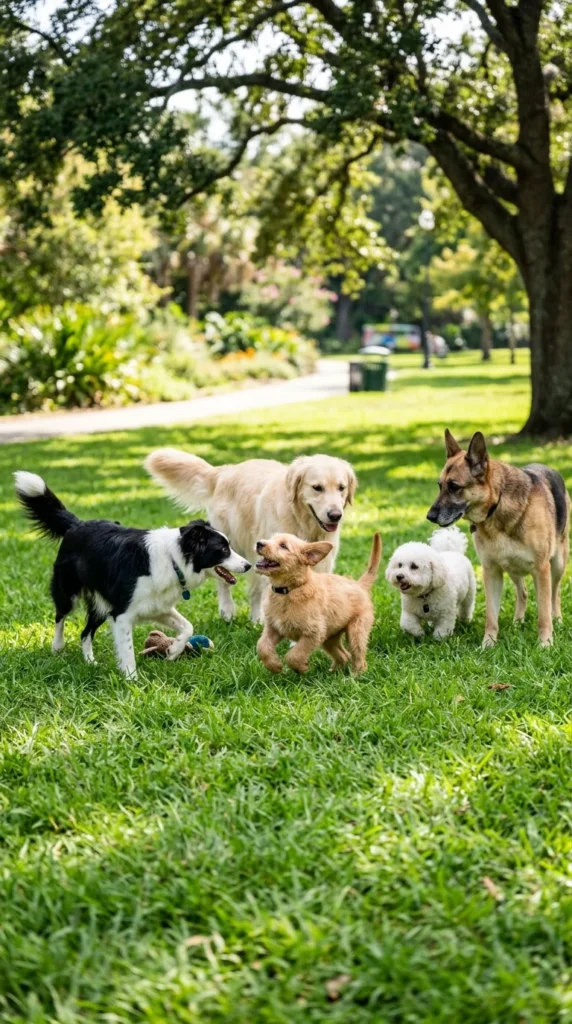
The “socialization window” for puppies is relatively short, typically closing around 16 weeks. During this time, it is vital to expose your puppy to a wide variety of people, sounds, sights, and other vaccinated animals. Take them to busy streets (once vaccinated), introduce them to people wearing hats or umbrellas, and let them hear the vacuum cleaner. Positive exposure during this phase prevents fear-based aggression and anxiety later in life.
4. Crating
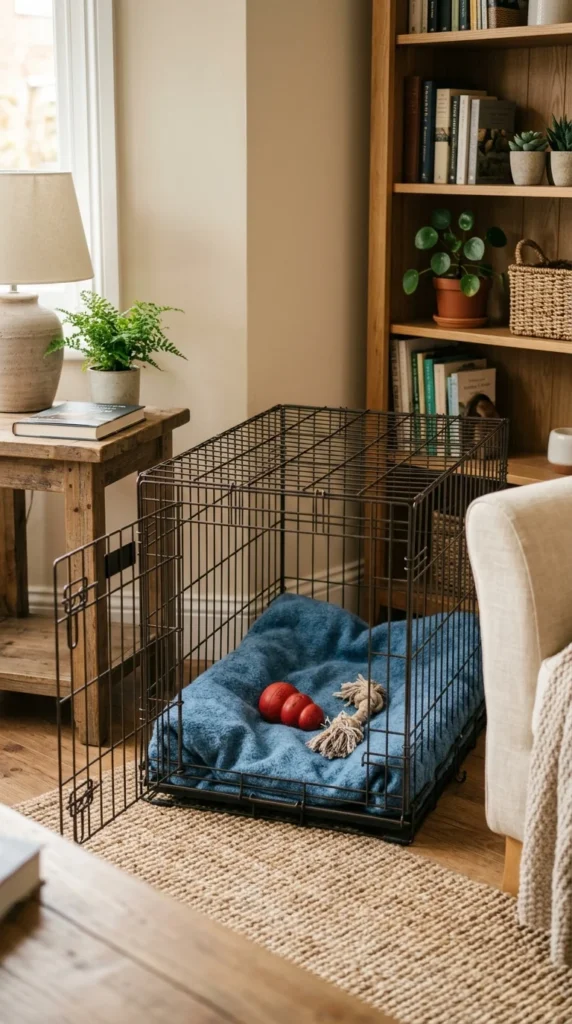
Crate training is not about “locking up” your dog; it is about providing them with a “den”—a safe, secure space where they can relax. A crate helps immensely with housebreaking, as dogs naturally avoid soiling where they sleep. Make the crate a happy place by feeding them meals inside it and providing special toys. Never use the crate as a form of punishment, or the puppy will learn to fear it.
5. Housebreaking
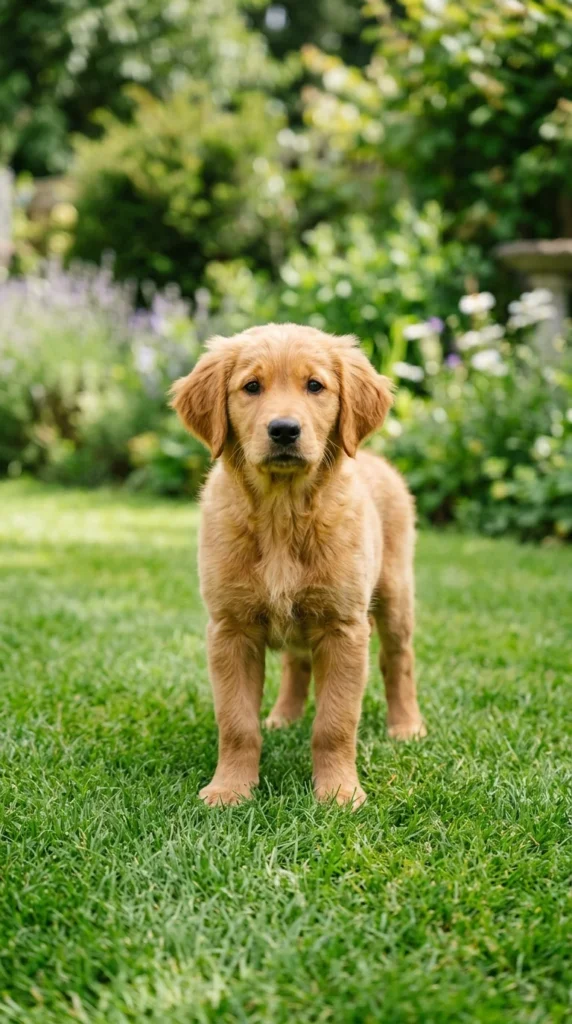
Potty training requires a strict schedule and eagle-eyed supervision. Take your puppy out first thing in the morning, after every meal, after every nap, and right before bed. As a rule of thumb, a puppy can hold their bladder for one hour for every month of their age. When they go outside, praise them enthusiastically. If an accident happens inside, clean it thoroughly with an enzymatic cleaner to remove the scent, but do not punish the puppy; they won’t understand the connection.
6. Inhibition
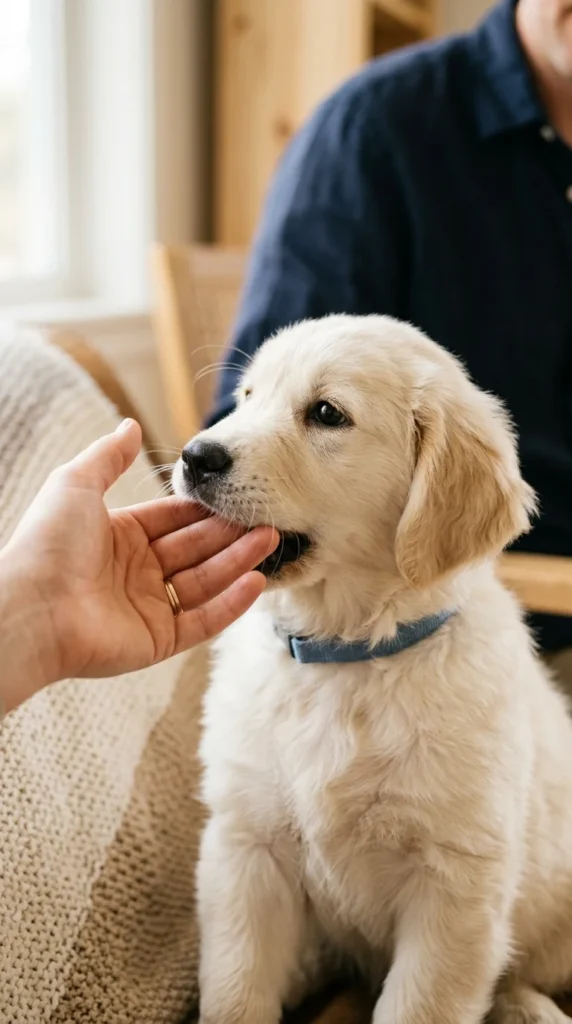
Puppies explore the world with their mouths. Bite inhibition is the process of teaching a puppy to control the force of their jaws. When your puppy nips too hard during play, let out a high-pitched “Ow!” and stop playing for thirty seconds. This mimics how littermates communicate. It teaches the puppy that “fun stops when I bite hard,” helping them develop a “soft mouth” as they grow into adulthood.
7. Commands
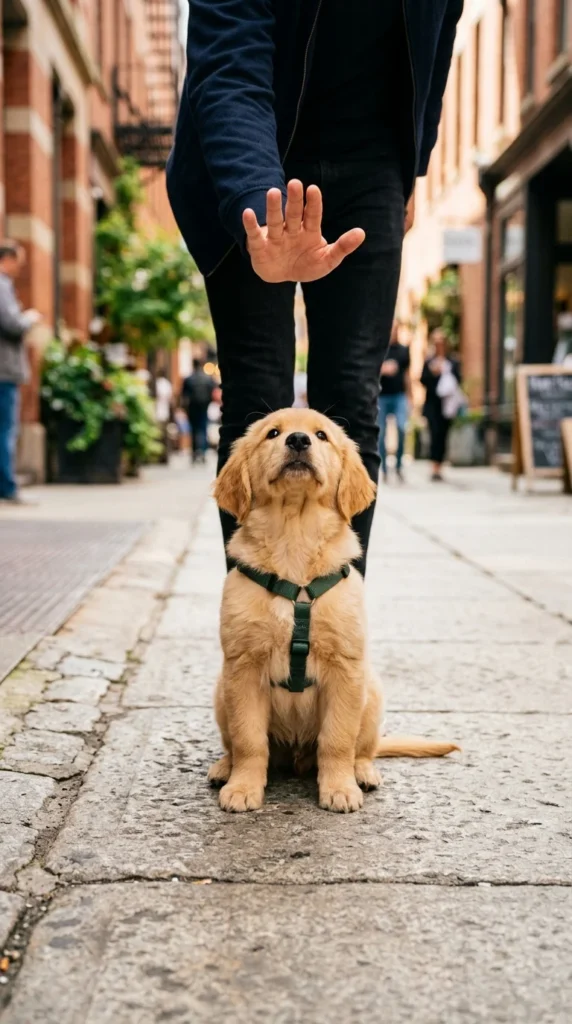
Start with the basics: “Sit,” “Stay,” and “Down.” These aren’t just tricks; they are essential safety tools. A dog that can “Stay” is a dog that won’t bolt into traffic. Keep these early sessions extremely short—no more than five minutes—to accommodate the puppy’s limited attention span. Always end a session on a high note with a successful repetition and a reward.
8. Leash
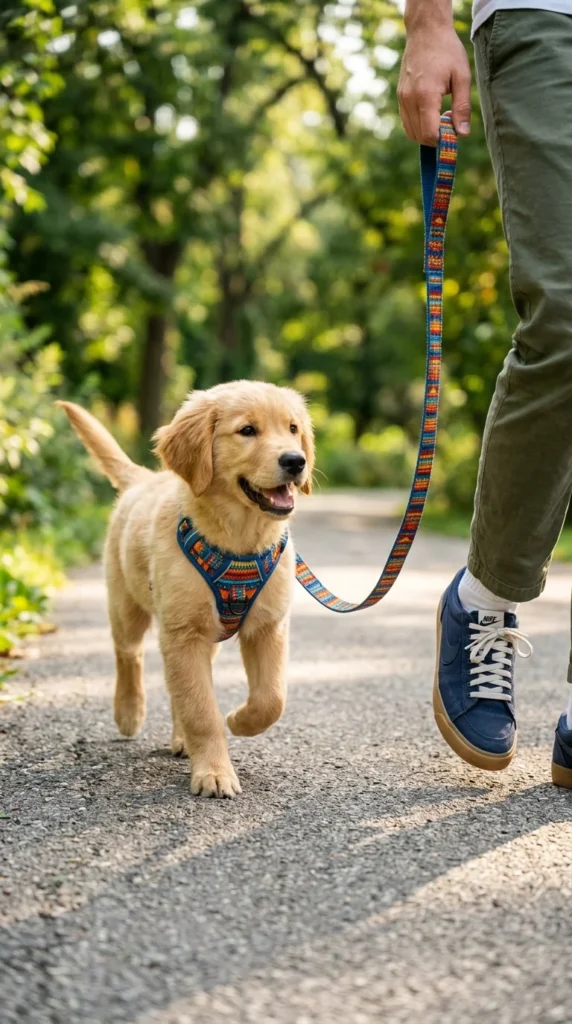
Most puppies aren’t born knowing how to walk on a leash. They often freeze or pull in the opposite direction. Start by letting them wear a collar and leash around the house for short periods under supervision. Use treats to lure them to walk beside you. If they pull, stop walking immediately. Only move forward when the leash is slack. This teaches them that a tight leash gets them nowhere, while a loose leash leads to movement and rewards.
9. Stimulation
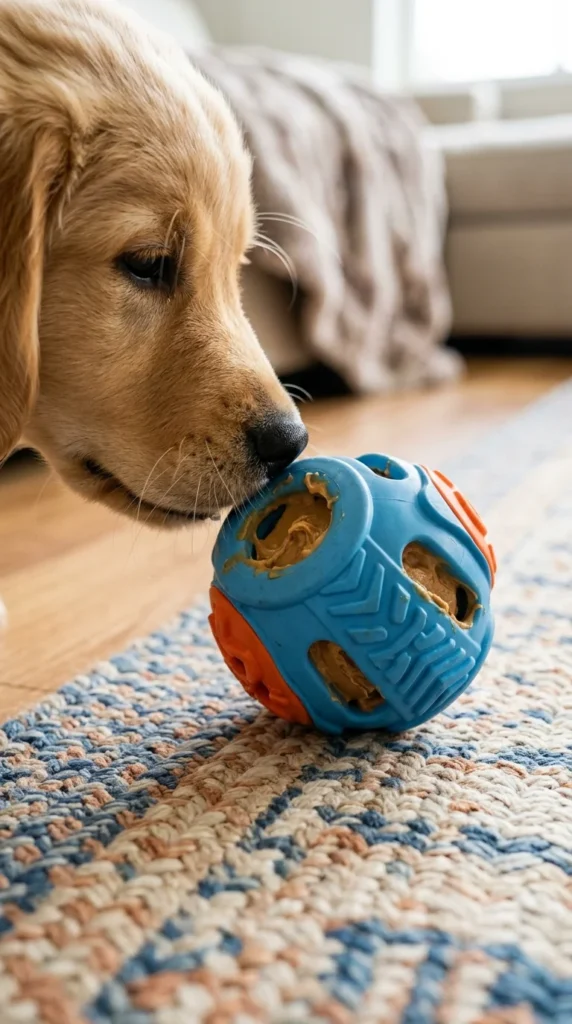
A bored puppy is a destructive puppy. Mental stimulation is just as exhausting for a dog as physical exercise. Use puzzle toys, snuffle mats, or hide-and-seek games to challenge their brain. Working for their food through a dispenser toy can keep a puppy occupied for thirty minutes, preventing them from chewing on your baseboards or shoes.
10. Handling
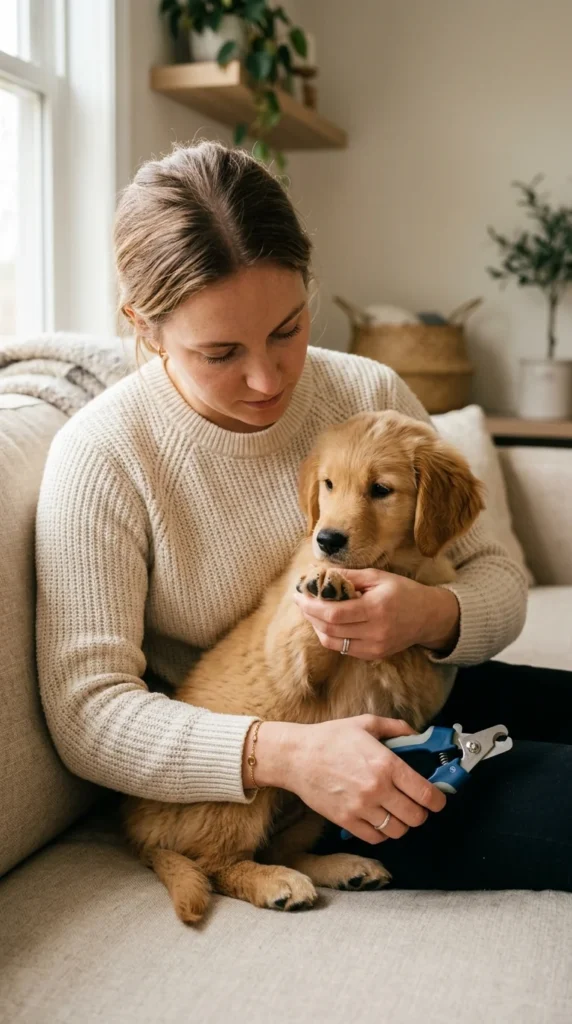
Get your puppy used to being touched everywhere. Regularly handle their paws, look inside their ears, lift their lips to check their teeth, and brush their fur. This “desensitization” makes future trips to the vet or the groomer much less stressful. If your puppy learns that having their paws touched results in a treat, they won’t struggle when it’s time for a nail trim.
11. Recall
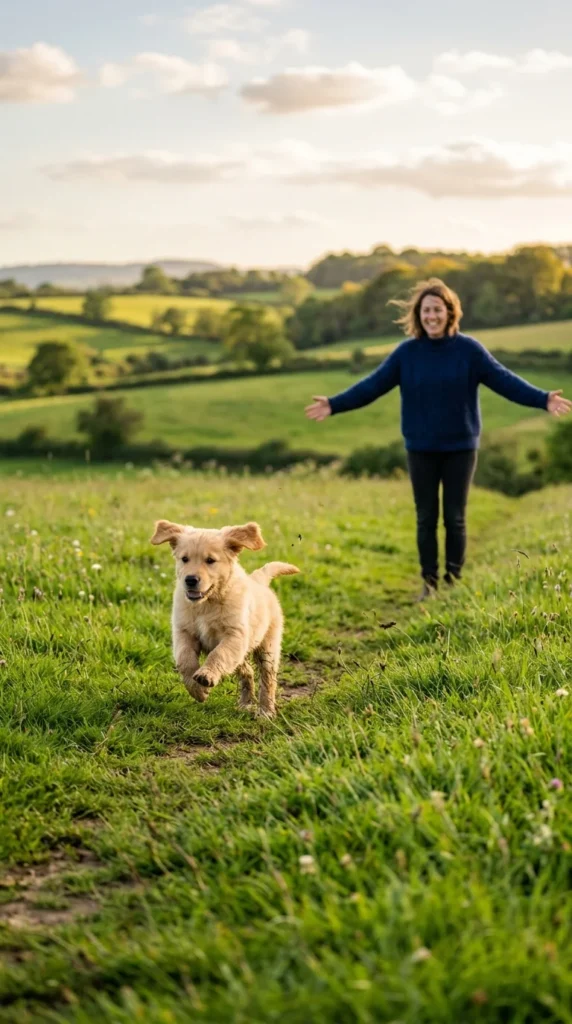
“Come” is the most important command you will ever teach. Start in a low-distraction environment, like your hallway. Call the puppy’s name followed by “Come” in an excited voice. When they reach you, give them a jackpot of treats and affection. Never call your puppy to you to do something they dislike (like a bath or a nail trim) in the early stages, or they will associate the recall command with something negative.
12. Schedule
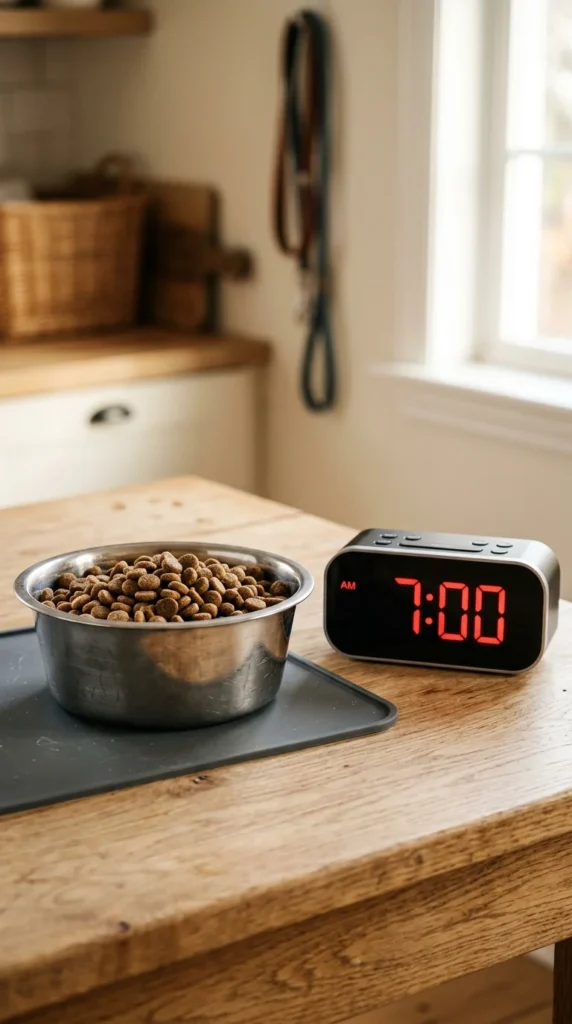
Puppies thrive on routine. Set a schedule for feeding, walking, training, and sleeping. When a puppy knows what to expect, they feel more secure and are less likely to develop anxiety-based behaviors. A consistent feeding schedule also makes housebreaking much more predictable, as you will quickly learn how long after eating your puppy needs to go out.
13. Quietude
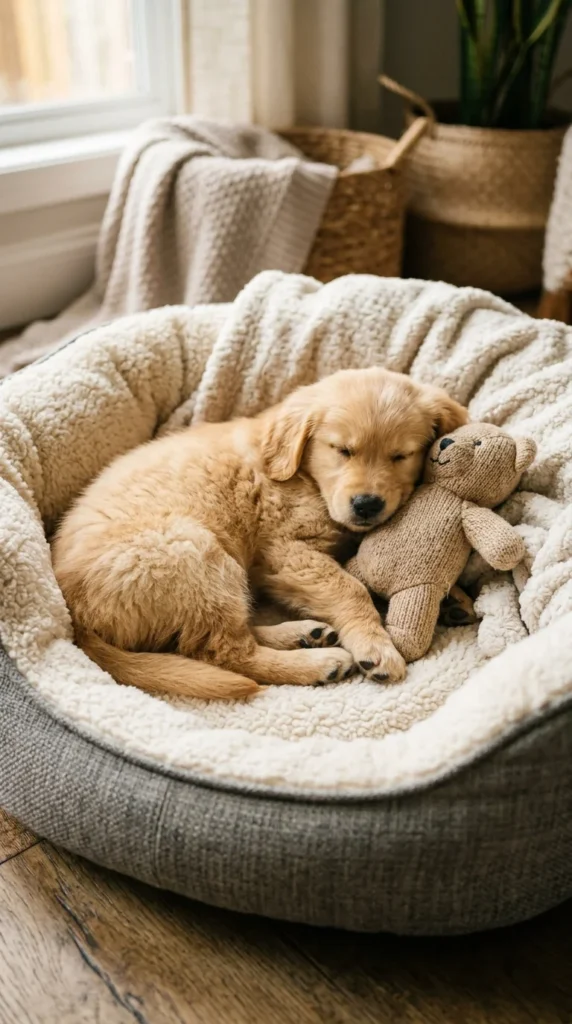
Puppies need a staggering amount of sleep—often 18 to 20 hours a day. Overstimulated puppies often become “cranky,” leading to increased nipping and “zoomies.” Ensure your puppy has a quiet place to retreat where they won’t be disturbed by children or loud noises. If they seem to be acting out, they might just need a nap.
14. Patience
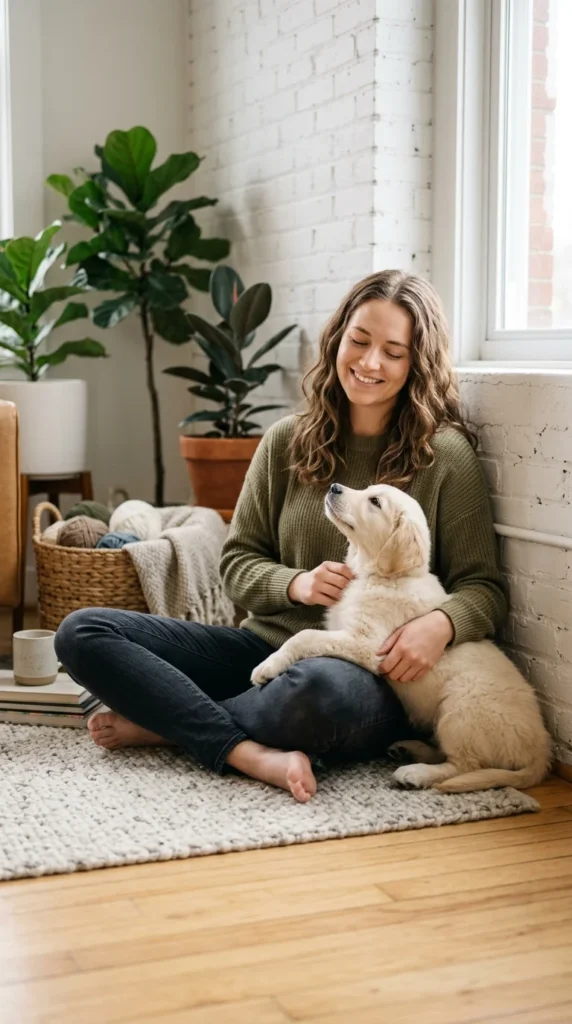
Training is not a linear process. There will be days when your puppy seems to have forgotten everything they learned. Take a deep breath. Getting frustrated or shouting will only scare the puppy and damage your bond. If a training session isn’t going well, end it calmly and try again later. Remember, they are essentially toddlers in fur coats.
15. Brevity
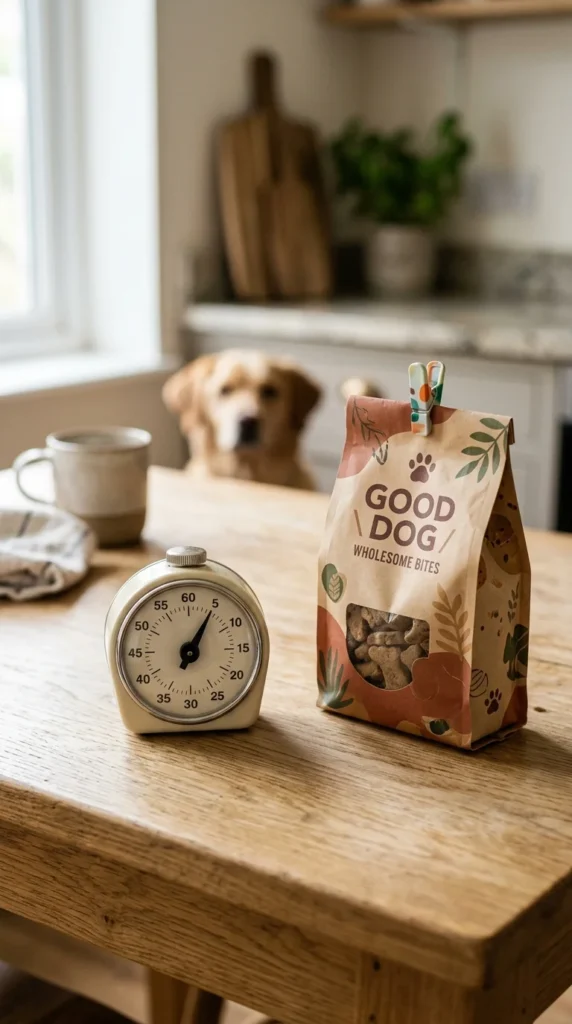
A puppy’s brain is like a sponge, but it’s a very small sponge. Long training sessions will lead to boredom and wandering focus. Aim for multiple 5-minute sessions throughout the day rather than one 30-minute block. These “micro-sessions” keep the puppy engaged and prevent training from becoming a chore for both of you.
16. Focus
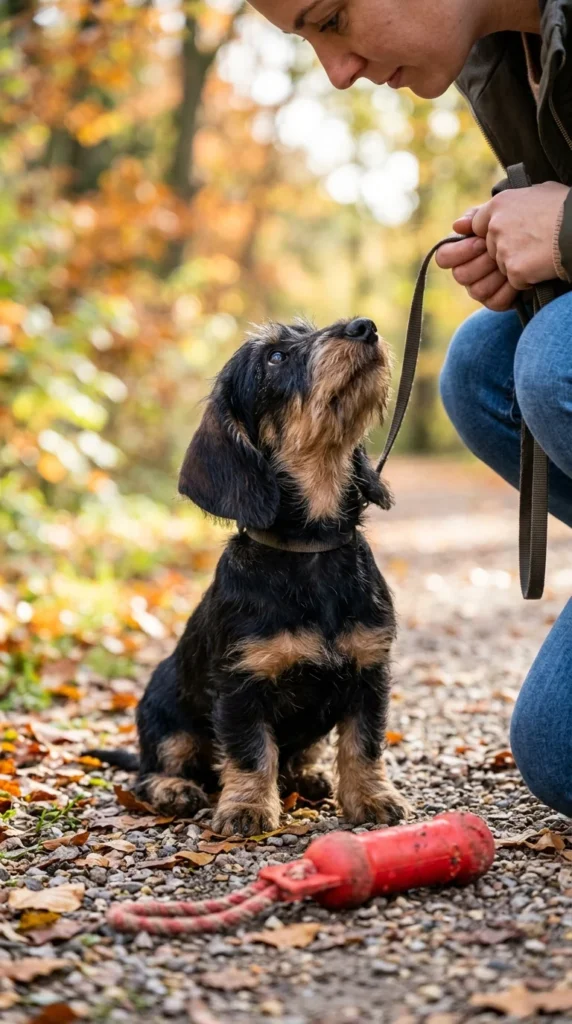
Before you can teach a puppy a command, you must have their attention. Teach a “Look at me” or “Focus” cue. Hold a treat near your eye and, when the puppy makes eye contact, reward them. Once they learn that looking at you is the gateway to rewards, they will be much more attentive during training sessions in noisier environments.
17. Redirection
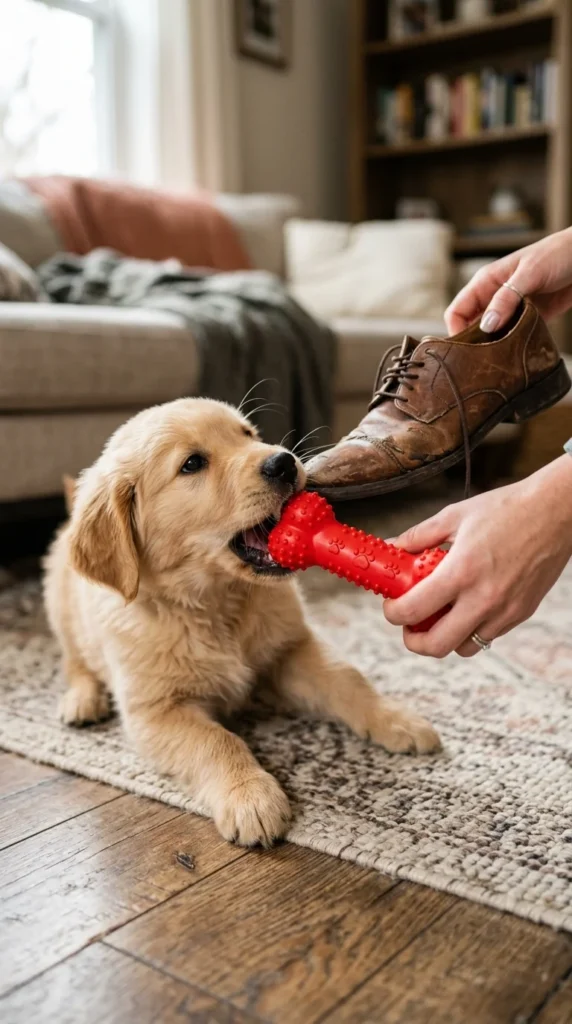
When you catch your puppy chewing on something they shouldn’t—like a table leg or your favorite sneakers—don’t just yell “No.” Instead, redirect them to an appropriate chew toy. As soon as they start chewing the toy, praise them. This teaches them what they can chew, rather than just telling them what they can’t.
18. Health
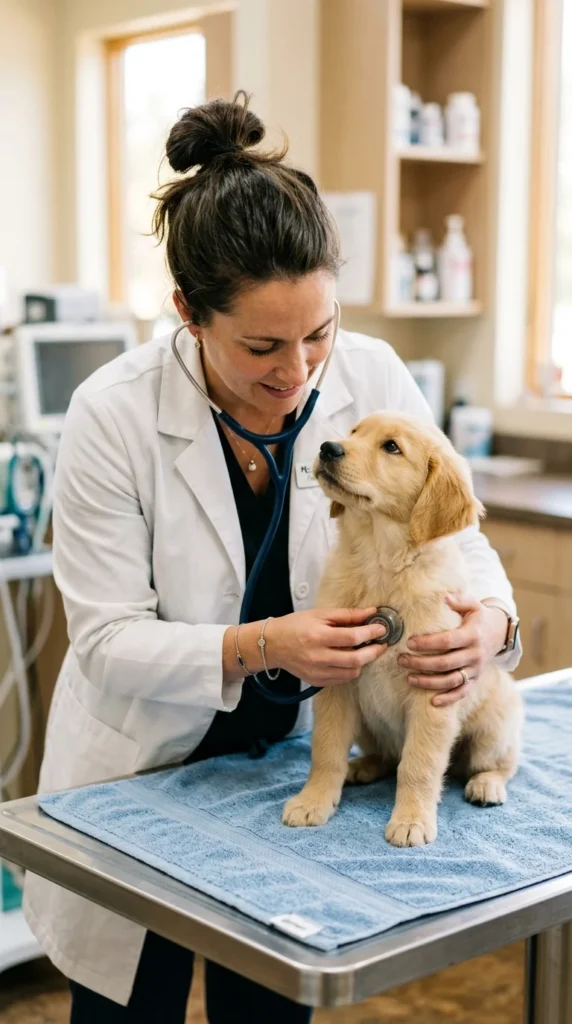
Training and health are intrinsically linked. If a puppy is suddenly having accidents after being housebroken, or becomes aggressive when touched, there might be a medical issue like a UTI or an injury. Ensure your puppy is up to date on vaccinations and parasite prevention. A healthy puppy is a puppy that is physically capable of learning.
19. Proofing
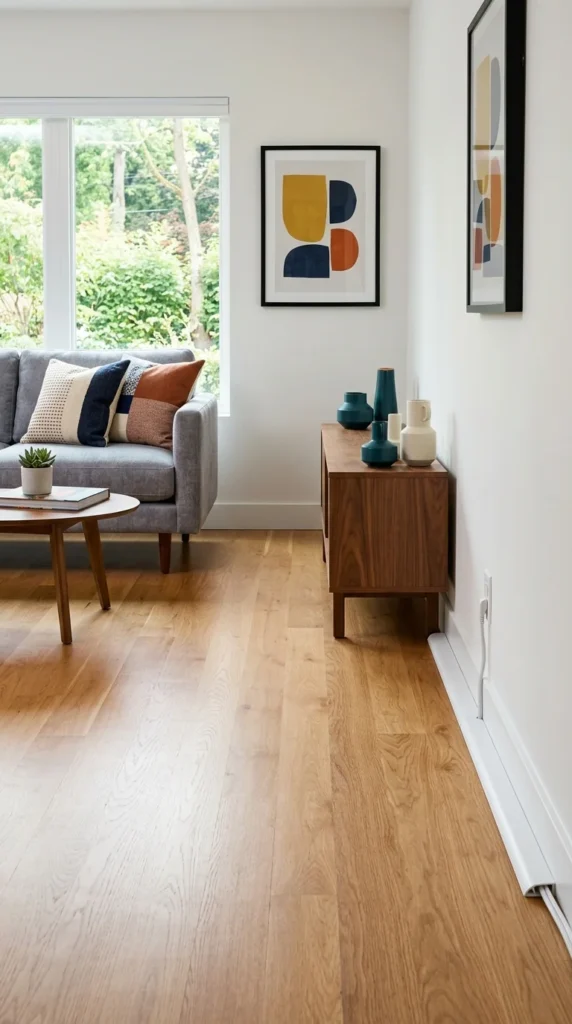
Puppy-proofing your home is a form of passive training. If the puppy can’t get to the trash or the electrical cords, they can’t develop the habit of playing with them. Use baby gates to restrict access to certain rooms until the puppy is more reliable. By managing their environment, you set them up for success rather than constantly correcting them for exploring.
20. Exercise
While puppies need exercise, too much of the wrong kind can damage their developing joints. Avoid long runs on hard pavement or high-impact jumping until their growth plates have closed (usually around 12–18 months depending on the breed). Short walks, moderate play, and mental games are much safer ways to burn off that puppy energy.
21. Language
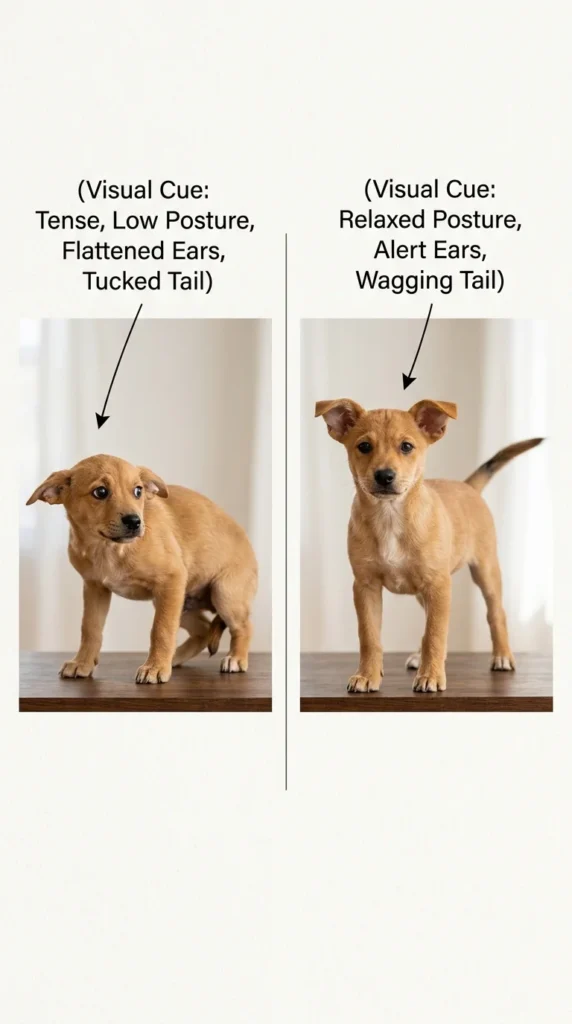
Dogs communicate primarily through body language. Learn to read the subtle signs your puppy is giving you. A wagging tail doesn’t always mean “happy”—it can also mean “agitated.” Lip licking, yawning when not tired, and “whale eye” (showing the whites of the eyes) are signs of stress. Understanding these signals allows you to adjust your training before the puppy becomes overwhelmed.
22. Clickers
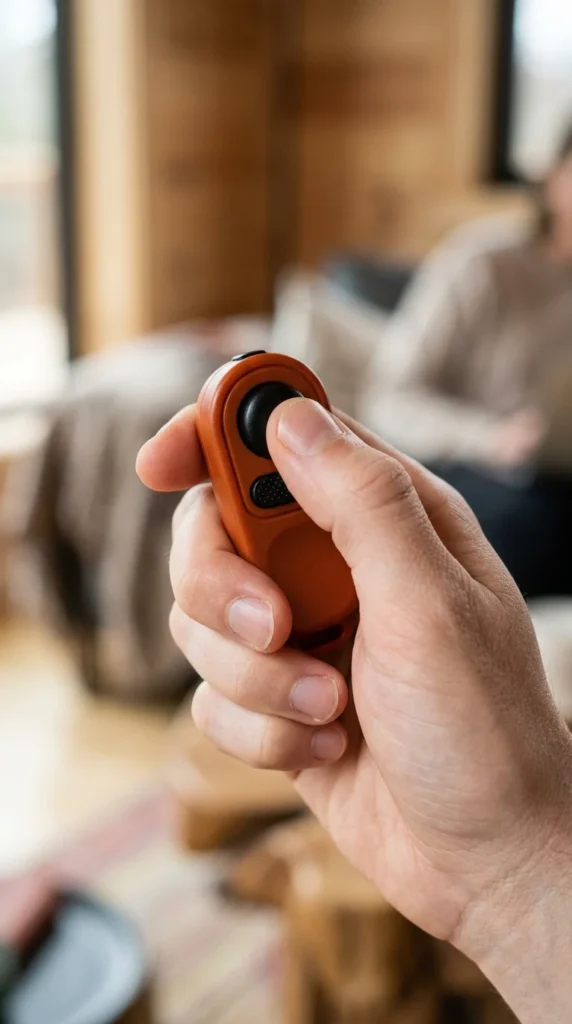
Clicker training is a form of “marker” training. The “click” makes a distinct sound that tells the dog exactly what they did right at the precise moment they did it. It’s often faster than the human voice. Click, then treat. The puppy quickly learns that the sound of the click means a reward is coming, making it a powerful tool for shaping complex behaviors.
23. Independence
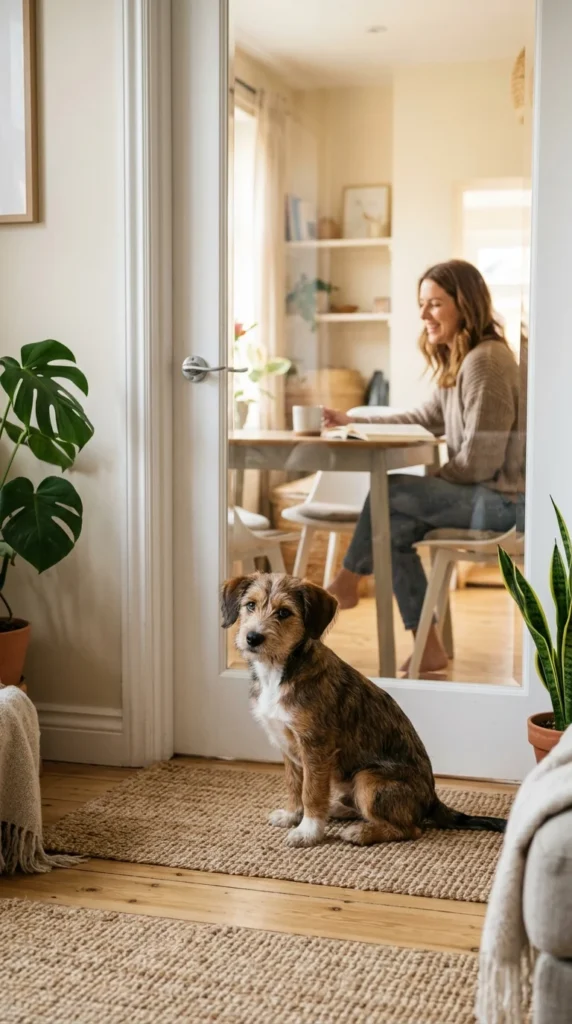
To prevent separation anxiety, teach your puppy that being alone is okay. Start by leaving them in their crate or a safe room for just a few minutes while you are in another part of the house. Gradually increase the duration. Provide a high-value chew toy during these times so they associate your absence with something positive.
24. Classes
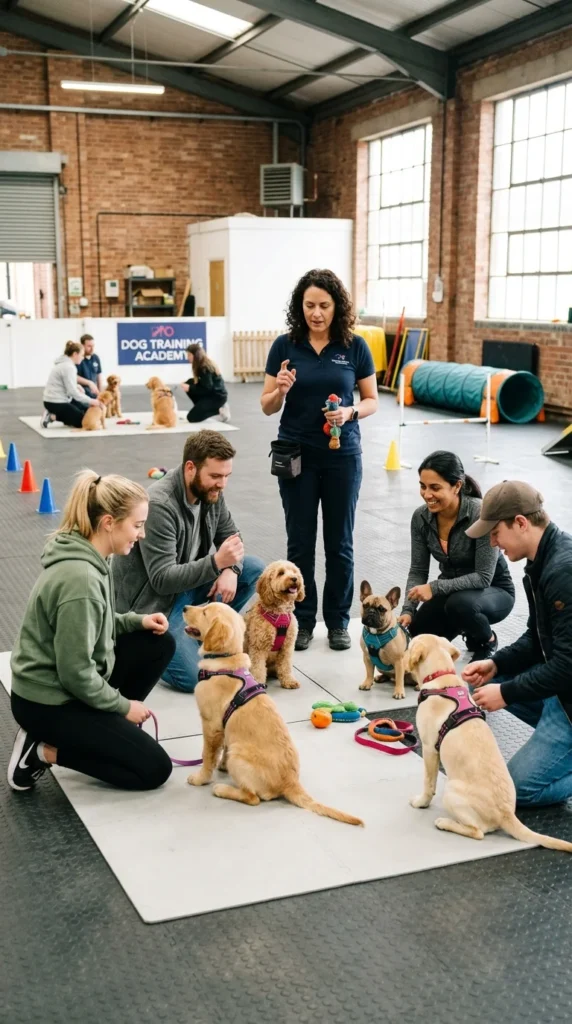
Even if you plan to do most of the training yourself, enrolling in a puppy kindergarten class is highly beneficial. It provides a controlled environment for socialization and allows a professional to spot potential behavioral issues early. Plus, it’s a great way to meet other puppy owners and share the “struggles” of new pet parenthood.
25. High-Value
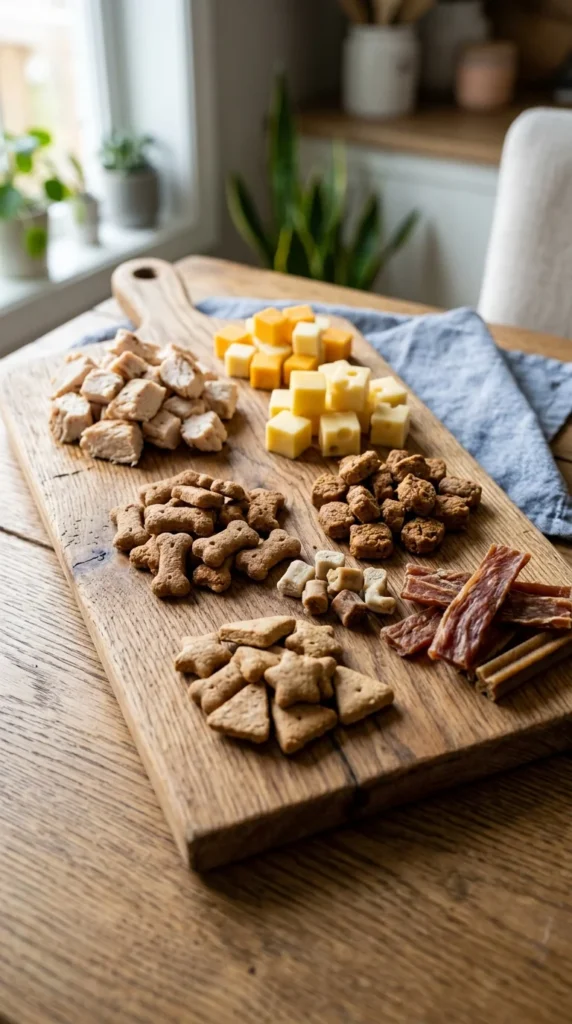
Not all treats are created equal. For easy tasks at home, standard kibble might work. But for difficult tasks or high-distraction environments (like the park), you need “high-value” treats. Small pieces of plain boiled chicken, string cheese, or freeze-dried liver are usually irresistible and can keep a puppy’s focus even when there are squirrels nearby.
26. Bonding
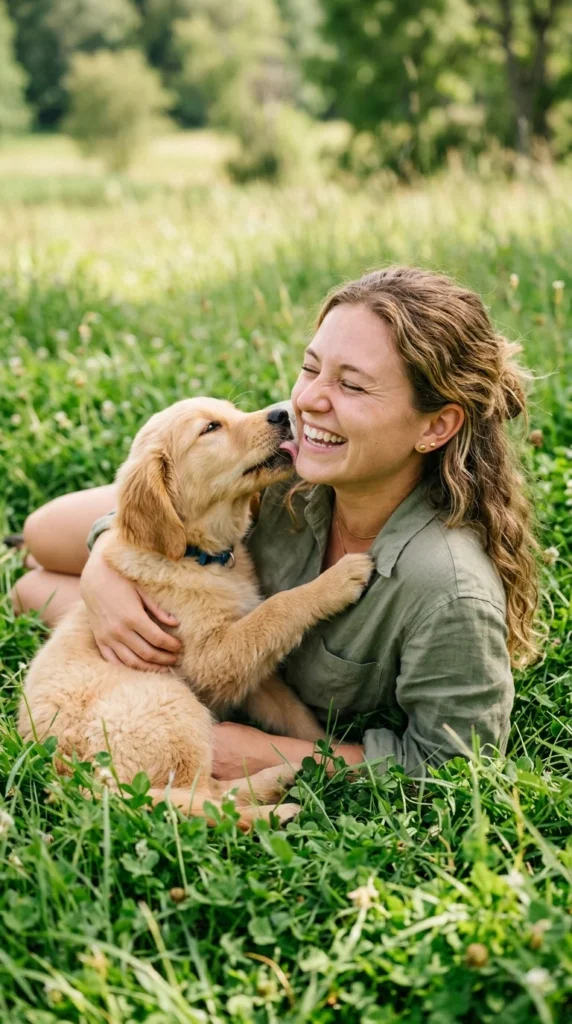
Training shouldn’t just be about commands; it should be about building a relationship. Spend time playing, cuddling, and just “being” with your puppy without any expectations. A dog that has a strong, loving bond with its owner is much more likely to want to please them during training sessions. Trust is the foundation of obedience.
27. Tracking
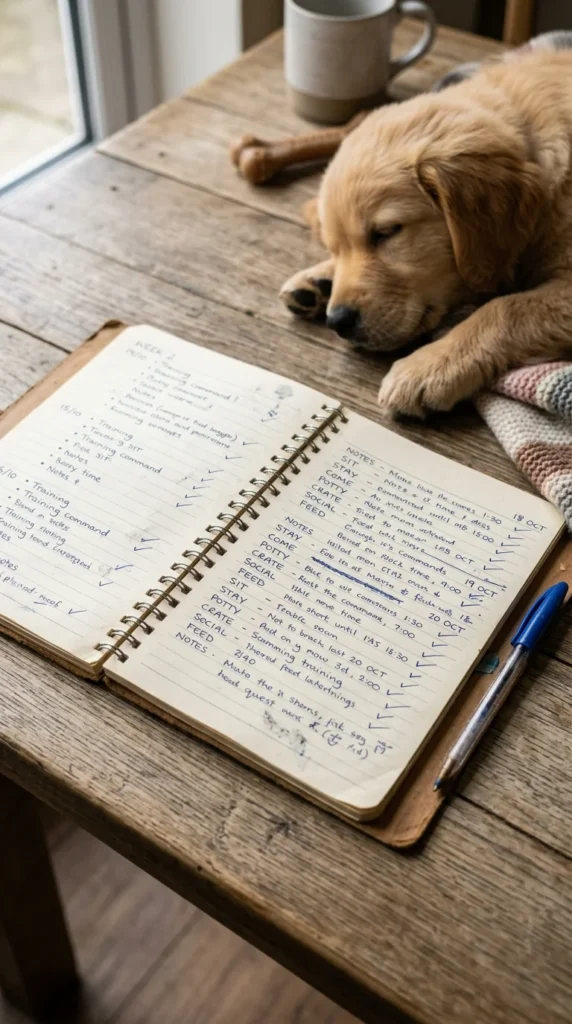
Keep a training log. Note down what your puppy excelled at and what they struggled with each day. Tracking progress allows you to see how far you’ve come, which is incredibly encouraging during those weeks when it feels like they’ll never learn to stop jumping on guests. It also helps you identify patterns—perhaps they are more distracted in the evenings or learn better before mealtime.
Training a puppy is a marathon, not a sprint. By applying these 27 tips with love and consistency, you aren’t just teaching a dog to obey; you are raising a confident, happy, and well-adjusted companion who will be by your side for years to come. Enjoy the journey—those puppy days fly by faster than you think!