
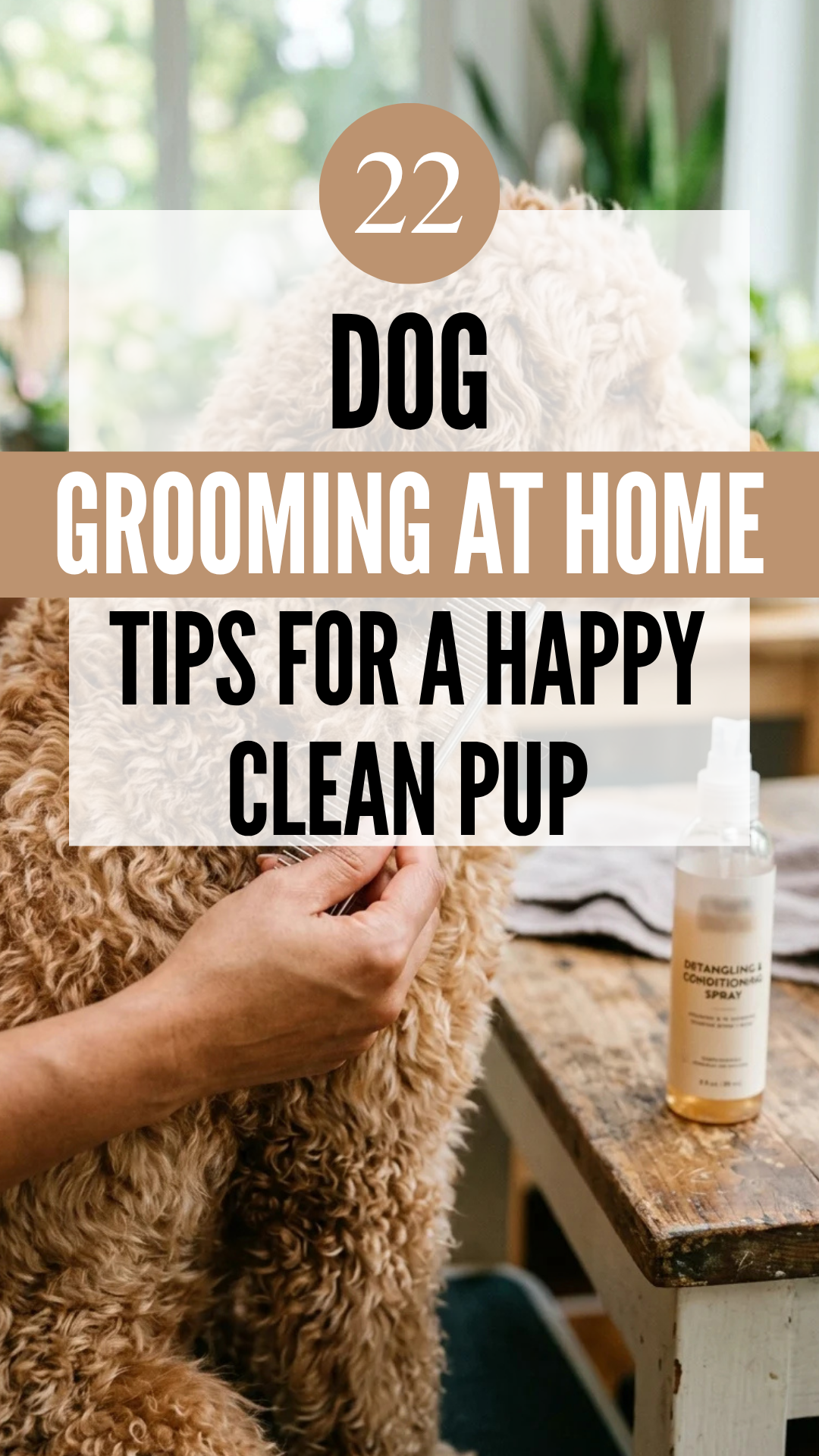
Grooming your dog at home is more than just a way to save money at the professional salon; it is a profound bonding experience that reinforces the trust between you and your canine companion. Regular grooming keeps your dog looking sharp, but more importantly, it serves as a frontline defense for their health, allowing you to spot lumps, bumps, or skin issues before they become serious problems. Transitioning from a messy bath time to a spa-like experience requires the right techniques and a touch of patience. Here are 22 essential tips to master the art of DIY dog grooming.
1. Location
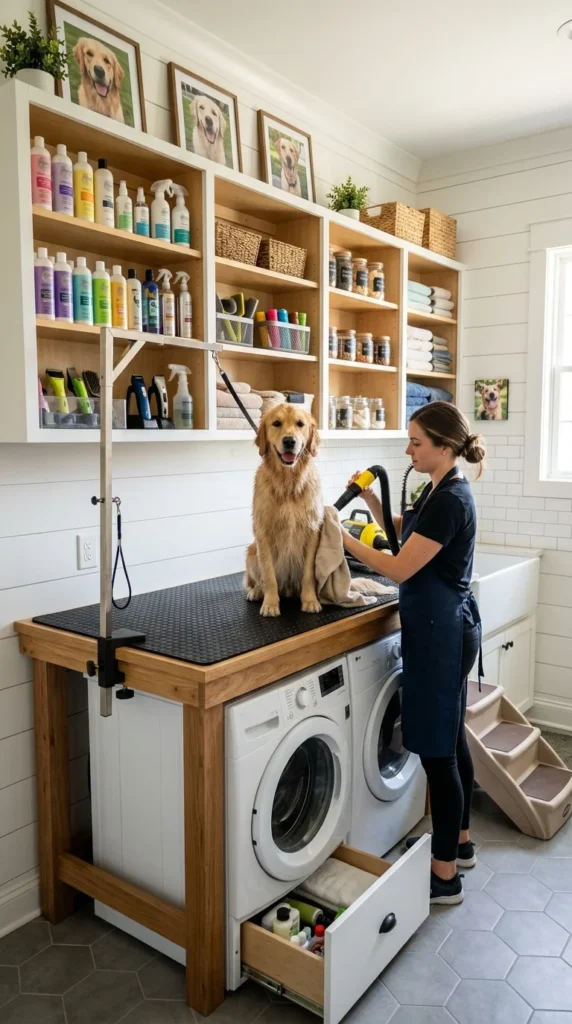
Choosing the right spot is the foundation of a successful grooming session. You need a space that is well-lit, easy to clean, and at a comfortable height for you to work. For smaller dogs, a sturdy table with a non-slip mat works wonders. For larger breeds, a walk-in shower or a specific corner of the garage equipped with a grooming arm can prevent back strain. Ensure the area is free from distractions so your pup can focus on staying calm.
2. Brushing
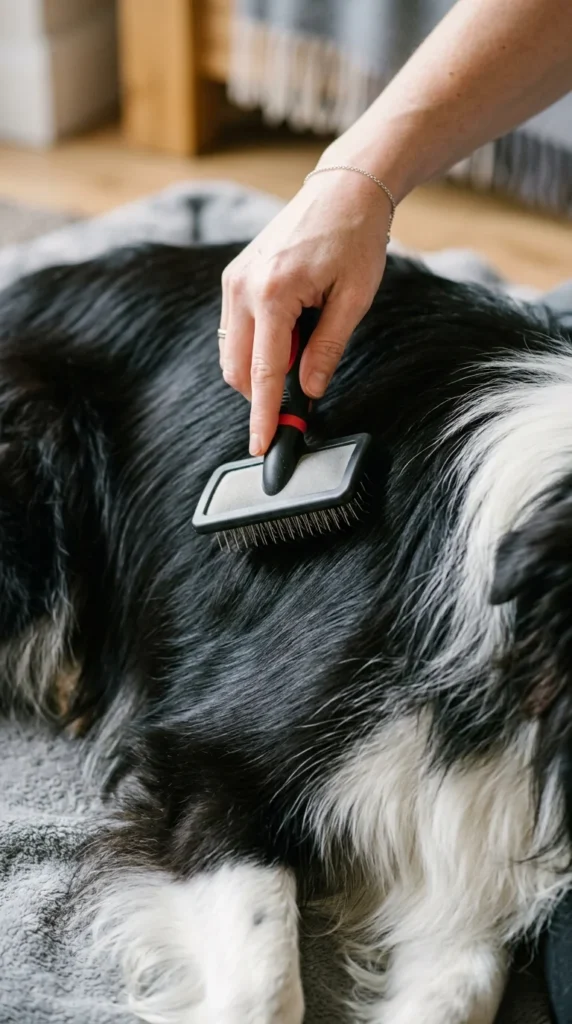
Regular brushing is the single most important step in any grooming routine. It removes loose fur, distributes natural oils throughout the coat, and prevents painful mats from forming. The frequency depends on the breed; long-haired dogs may need daily sessions, while short-haired breeds might only need a weekly brush-over. Always brush in the direction of hair growth to keep the experience pleasant for your dog.
3. Detangling
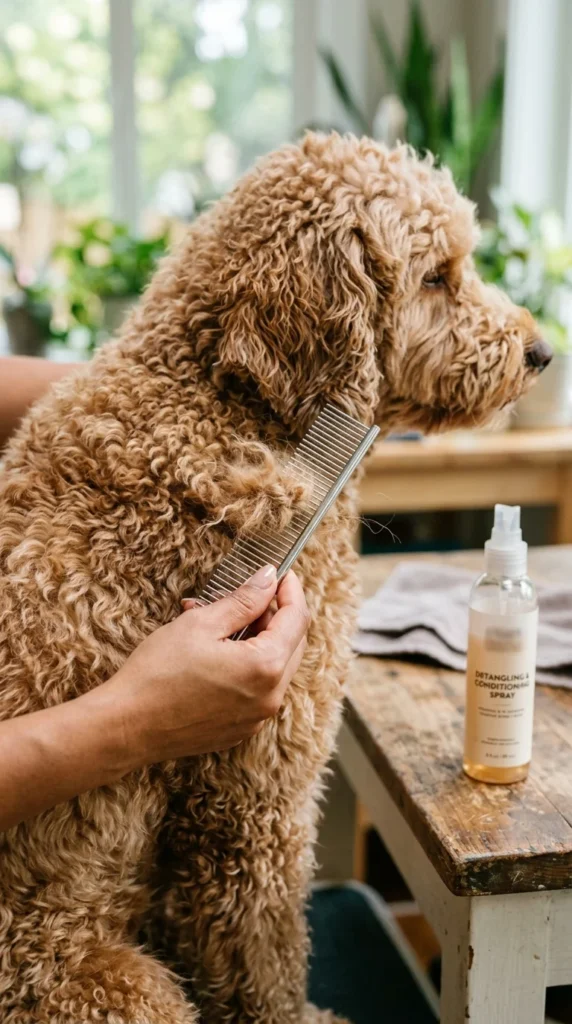
Never pull on a mat or tangle with a brush, as this can cause skin irritation and make your dog fear grooming. Instead, use a specialized detangling spray to lubricate the hair fibers. Work the knot apart gently with your fingers or the end of a metal comb. If a mat is too tight, it may need to be carefully clipped out with electric shears rather than scissors to avoid accidental skin nicks.
4. Bath Temperature
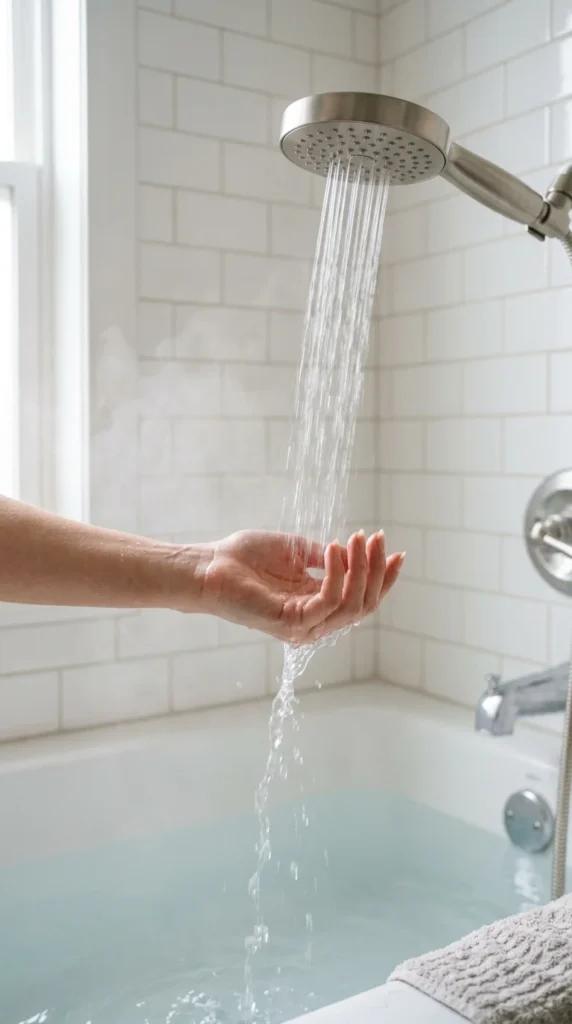
Dogs have sensitive skin that can easily be scalded by water that feels “just right” to humans. Always aim for lukewarm water. If it’s too hot, you risk burning them; if it’s too cold, they will shiver and associate bath time with discomfort. Test the water on the inside of your wrist—the same way you would for a human baby—to ensure it is perfectly temperate before it touches your dog’s skin.
5. Shampoo Choice

Human shampoo is formulated for a different pH level than canine skin. Using it on your dog can strip away essential oils and lead to dryness or rashes. Invest in a high-quality, pH-balanced dog shampoo. If your dog has sensitive skin, look for ingredients like oatmeal, aloe vera, or honey. Always rinse thoroughly, as any leftover soap residue can cause intense itching once the coat dries.
6. Cotton Balls
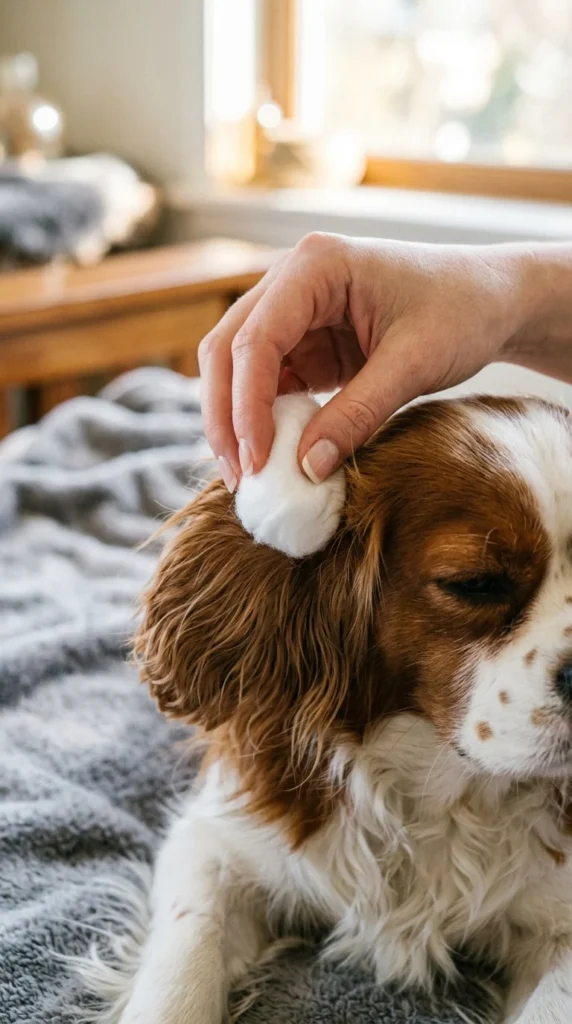
Water entering the ear canal is a leading cause of ear infections in dogs. Before you start the bath, gently place a large cotton ball just inside the entrance of each ear. This acts as a barrier against splashing water and shampoo. Be careful not to push them in too deep; they should be easily visible and removable once the bath is finished.
7. Eye Care
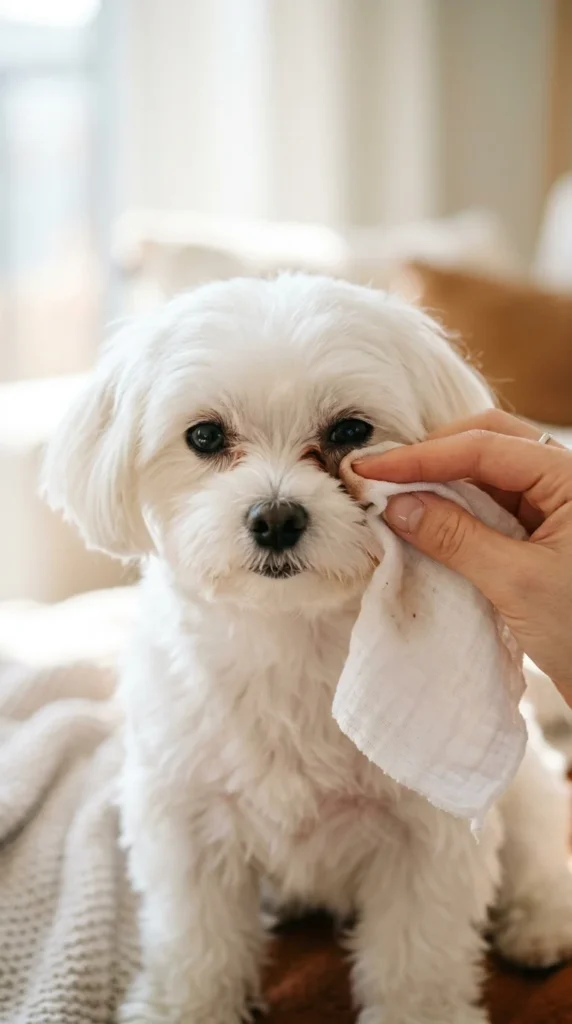
Many breeds are prone to “tear stains” or discharge around the eyes. Use a soft, damp cloth or a specialized eye wipe to gently clean the area. Always wipe away from the eye to avoid pushing debris into it. Keeping the hair around the eyes trimmed short can also prevent irritation and the buildup of bacteria that causes staining.
8. Ear Cleaning
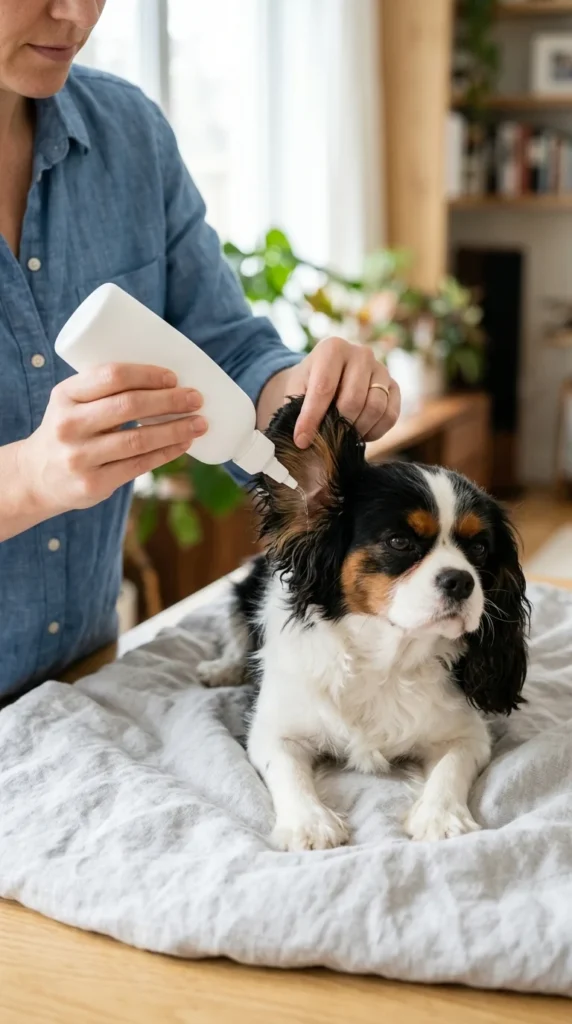
Healthy ears should be pink and odorless. Use a veterinarian-approved ear cleaning solution to remove wax and debris. Squirt a little liquid into the ear, massage the base for about 30 seconds to break up the gunk, and let your dog shake their head. Use a clean cotton ball to wipe away the loosened wax. Never use Q-tips inside the ear canal, as you could damage the eardrum.
9. Nail Trimming
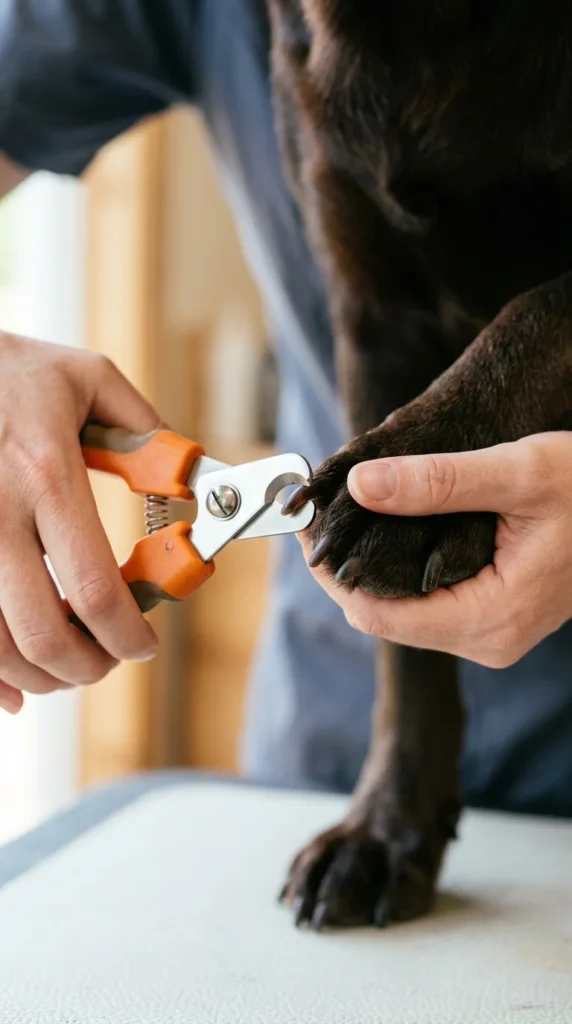
Long nails can cause discomfort, affect a dog’s gait, and even lead to skeletal issues over time. Use a sharp pair of bypass clippers or a nail grinder. If your dog has clear nails, avoid the “quick”—the pink vein inside the nail. For dark nails, trim in very small increments until you see a small dark circle in the center of the cut surface, which indicates you are nearing the quick.
10. Styptic Powder
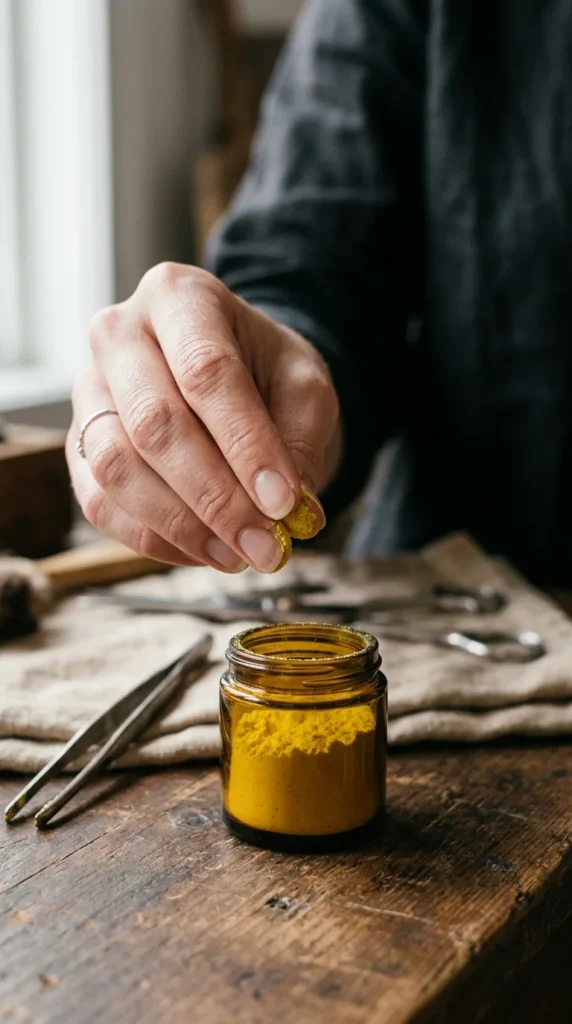
Accidents happen, even to the most experienced groomers. If you accidentally cut the quick and the nail starts to bleed, don’t panic. Keep a container of styptic powder nearby. Pressing a pinch of the powder onto the bleeding nail will stop the flow almost instantly. If you don’t have styptic powder, a mixture of cornstarch and baking soda can work in a pinch.
11. Paw Care
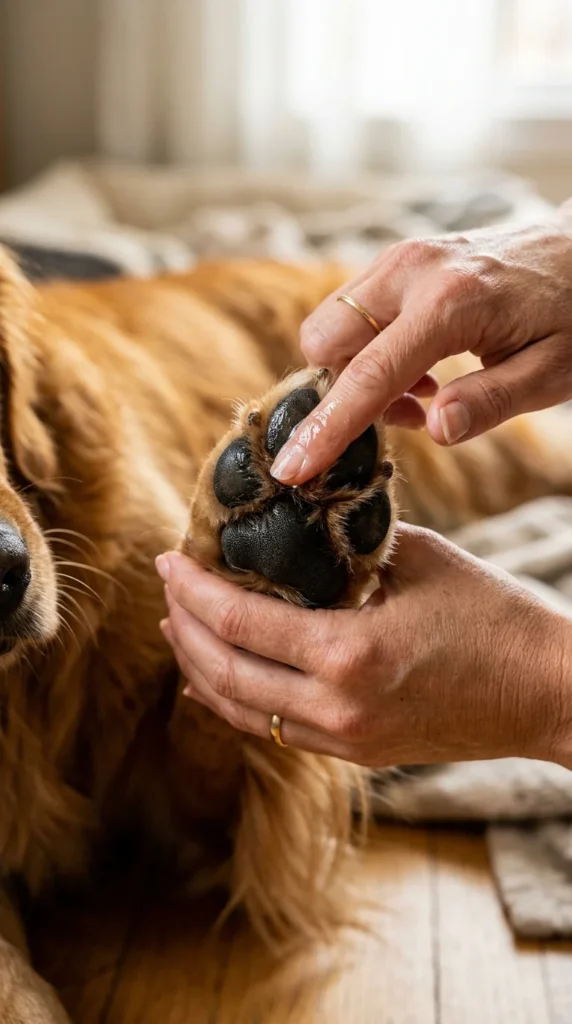
Paws endure a lot of wear and tear from hot pavement, ice, and salt. Check the pads regularly for cracks or sores. Trim the long tufts of hair growing between the pads to prevent burrs and ice balls from getting stuck. Applying a moisturizing paw balm can keep the pads supple and protected against harsh environmental conditions.
12. Dental Hygiene
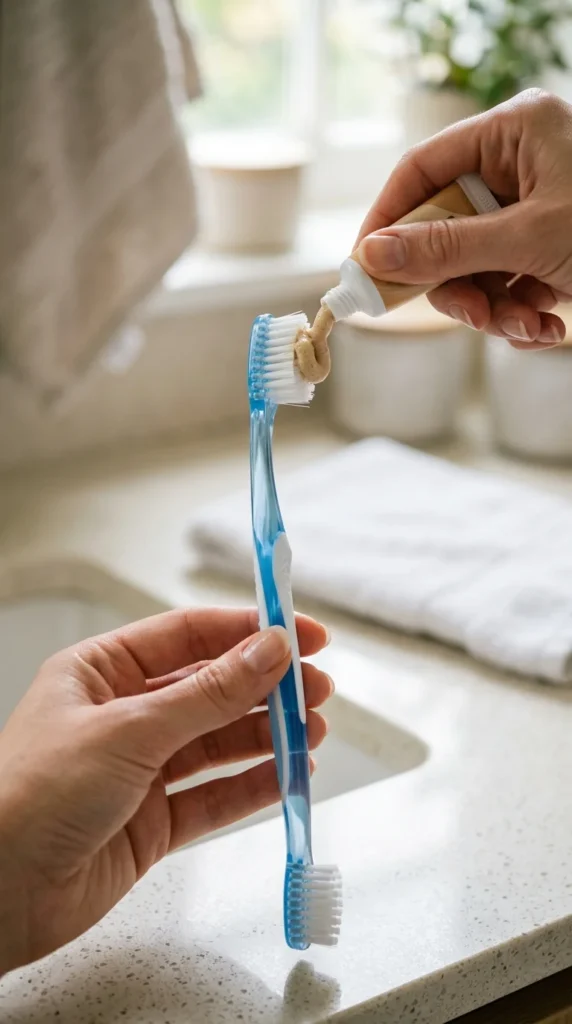
Oral health is often overlooked but is crucial for a dog’s longevity. Use a toothbrush designed for dogs and flavored toothpaste (never human toothpaste, which contains toxic Xylitol). Aim to brush their teeth at least three times a week. Start slowly by letting them lick the paste, then gradually introduce the brush to clean the outer surfaces of the molars and canines.
13. Towel Drying
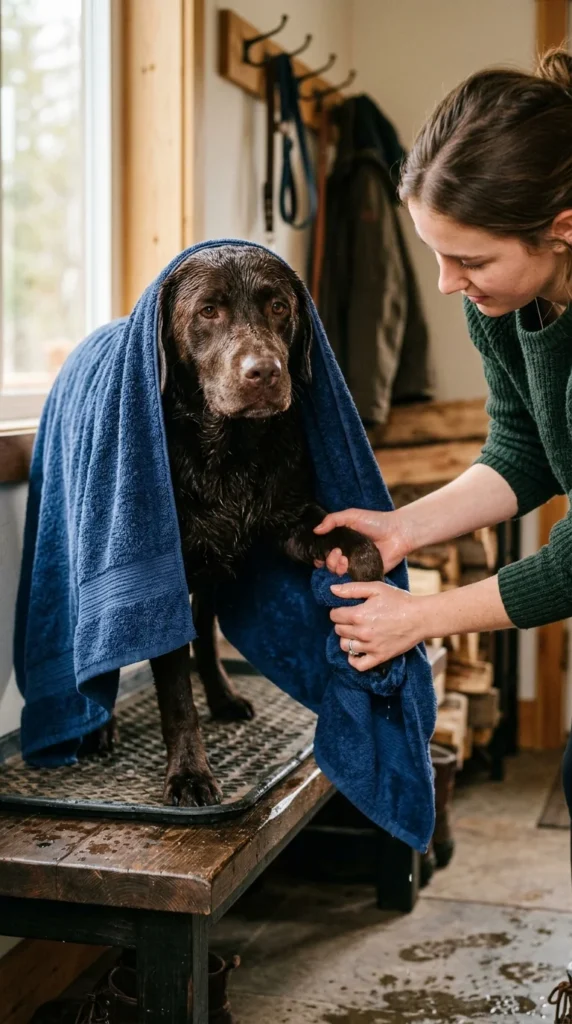
Before reaching for the hair dryer, use a highly absorbent microfiber towel to remove as much moisture as possible. Instead of rubbing vigorously—which can cause tangles and frizz—gently squeeze the fur. Microfiber towels are much more efficient than standard cotton towels and can significantly reduce the overall drying time.
14. Blow Drying
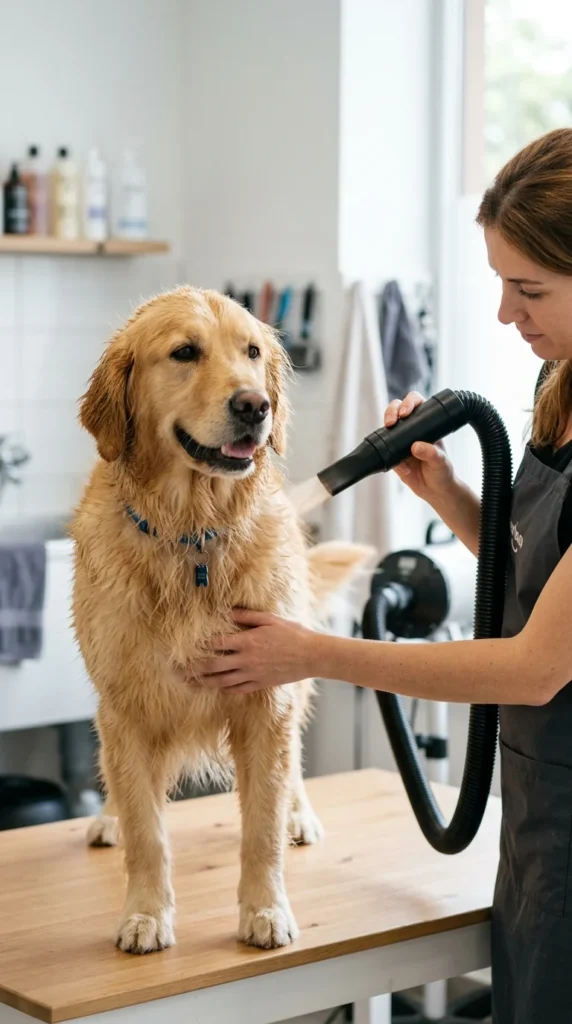
If you use a hair dryer, always use the “cool” or “low” heat setting. Hold the dryer at least six inches away from the skin and keep it moving constantly to avoid hot spots. Many dogs are frightened by the noise of a dryer, so introduce it slowly, using treats to create a positive association. For fearful dogs, a “happy hoodie” can be used to muffle the sound.
15. Trimming Fur
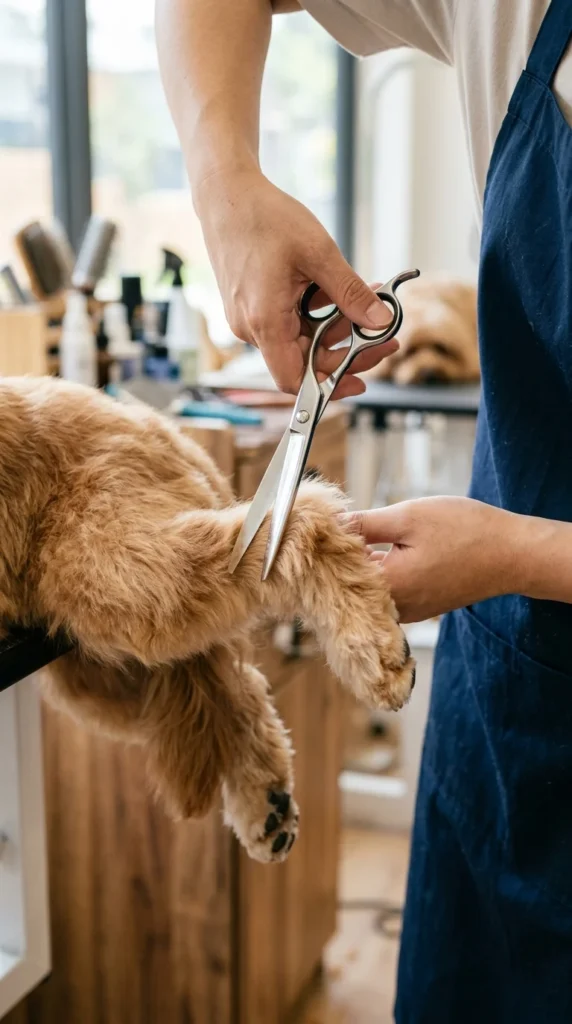
For at-home maintenance, stick to trimming the “sanitary areas,” the paws, and the hair around the eyes. Use safety scissors with rounded tips to prevent accidental punctures. If you are using electric clippers for a full body cut, ensure the blades stay cool; spray them frequently with clipper coolant to prevent skin burns.
16. Sanitizing Tools
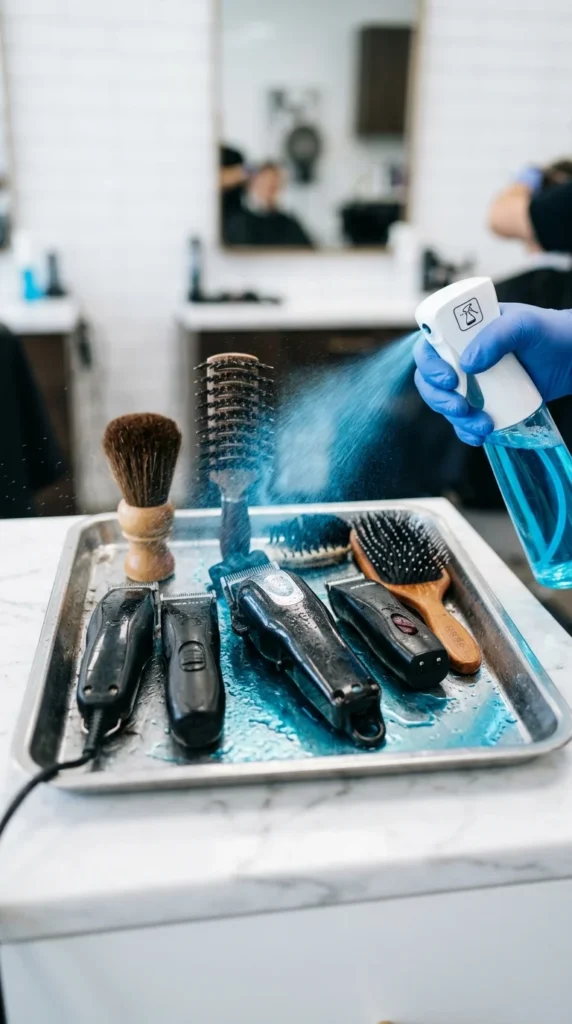
Clean tools are essential for preventing the spread of skin infections or parasites. After every grooming session, remove the hair from your brushes and wash them with warm soapy water. Wipe down clipper blades with a disinfectant spray. Store your tools in a dry, clean container to ensure they are ready for the next use.
17. Treat Rewards
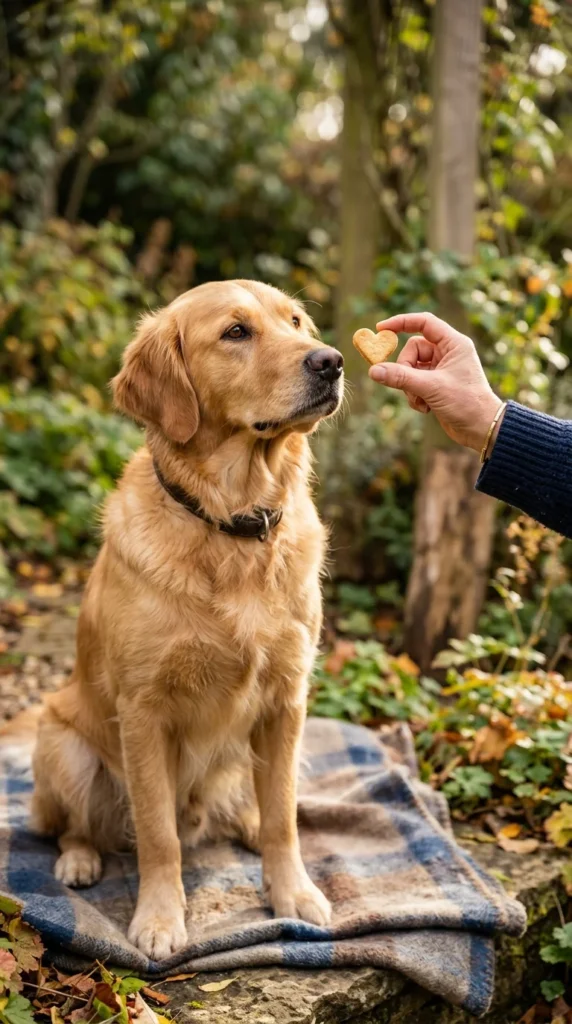
Positive reinforcement turns a chore into a game. Keep a pouch of high-value treats nearby and reward your dog throughout the process. Give a treat after every nail clipped, after the ears are cleaned, and especially after the bath. This builds a “reward loop” that makes your dog more cooperative over time.
18. Calm Environment
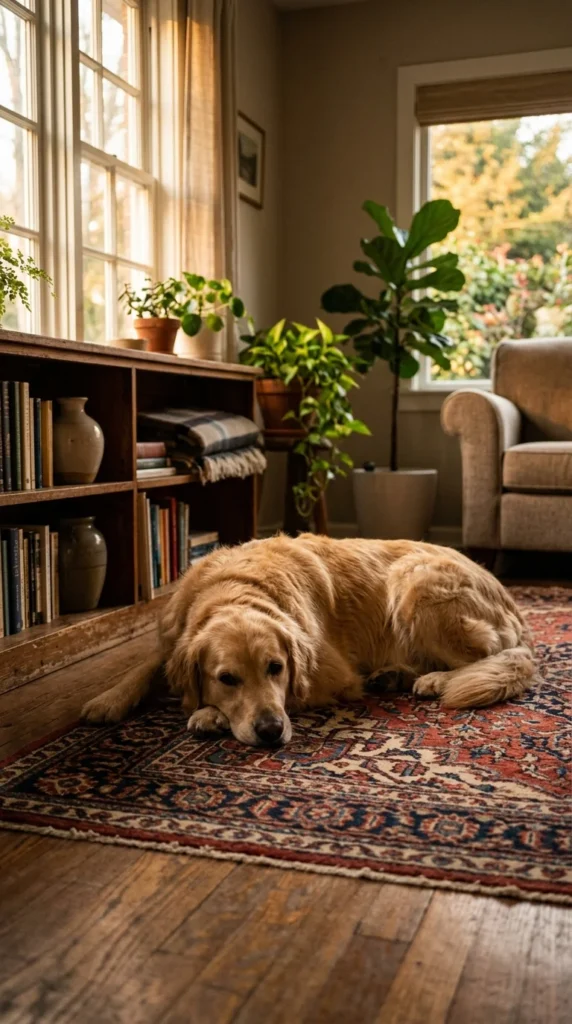
Your dog mirrors your energy. If you are stressed or rushing, your dog will become anxious. Keep the environment calm by playing soft classical music or using a pheromone diffuser. Speak to your dog in a low, soothing voice throughout the process to reassure them that they are safe and doing a great job.
19. Regular Schedule
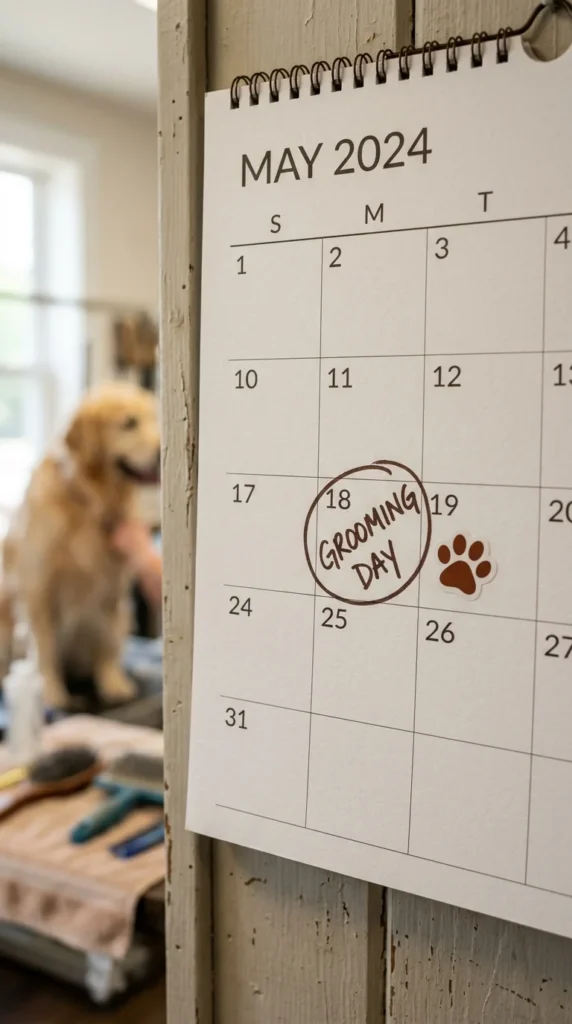
Consistency is key. Instead of waiting for your dog to become a “matted mess,” establish a regular schedule. Short, frequent grooming sessions are much less stressful for the dog than one long, grueling marathon session. Marking a specific day on your calendar helps ensure you don’t forget the small tasks like ear cleaning or nail clipping.
20. Skin Checks
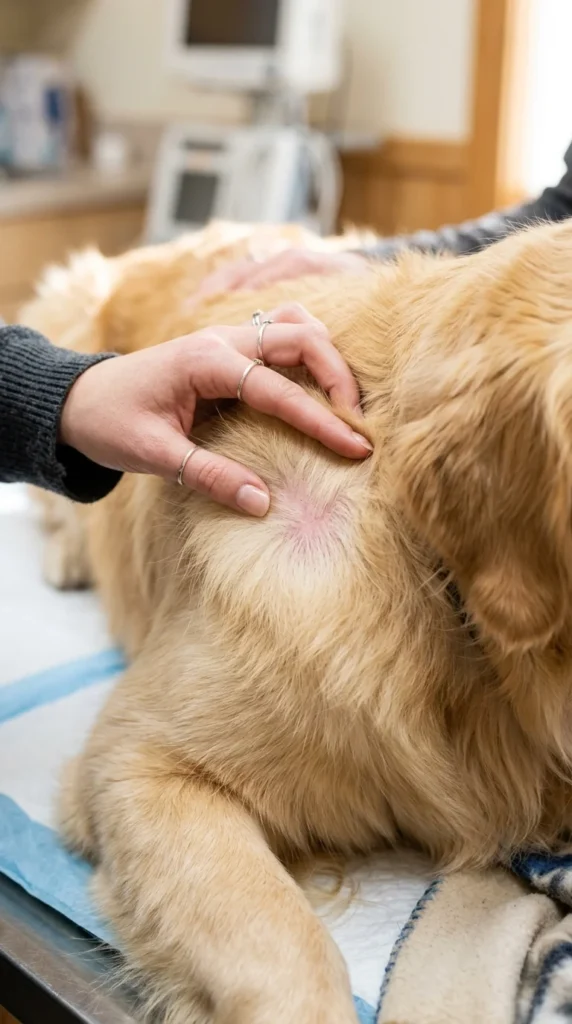
While you brush or bathe your dog, take the opportunity to perform a “body scan.” Run your hands over their entire body to feel for new lumps, skin tags, or inflammation. Check for “hot spots” (red, moist areas) or signs of fleas and ticks. Catching these issues early during home grooming can save you significant vet bills later on.
21. Shedding Management
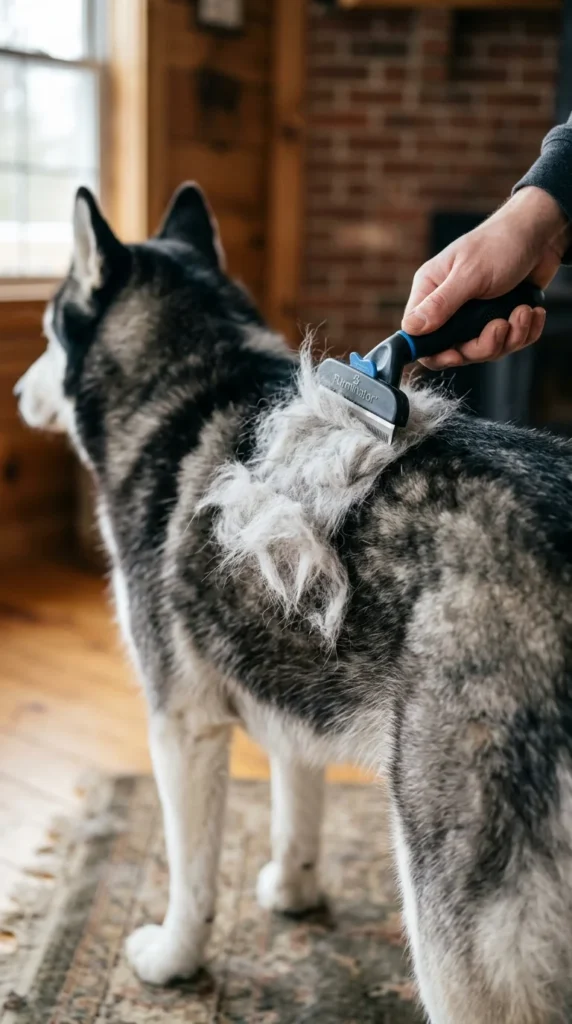
For double-coated breeds, seasonal shedding can be overwhelming. Using a dedicated de-shedding tool (like an undercoat rake) can remove the dead hair before it ends up on your furniture. These tools reach through the topcoat to pull out the loose fluff underneath. Doing this outdoors or in a garage can help keep the “fur-nado” out of your living room.
22. Professional Know-how

Don’t be afraid to educate yourself. There are countless professional tutorials online tailored to specific breeds. Learning the correct “lines” for your dog’s breed can help you achieve a more polished look. However, always know your limits; if a task seems dangerous or your dog is extremely aggressive, it is always better to consult a professional groomer.