
Watching your furry best friend deal with discomfort is heartbreaking for any pet parent. While we often think of allergies as a “human” problem involving tissues and antihistamines, dogs experience allergies in a variety of complex ways. From environmental triggers like pollen and dust to dietary sensitivities and flea saliva, the causes are numerous, but the signs are often hidden in plain sight.
Recognizing these symptoms early is the key to preventing secondary infections and ensuring your pup lives a happy, itch-free life. Here are the 23 most critical dog allergy symptoms you need to monitor.
1. Persistent Itching
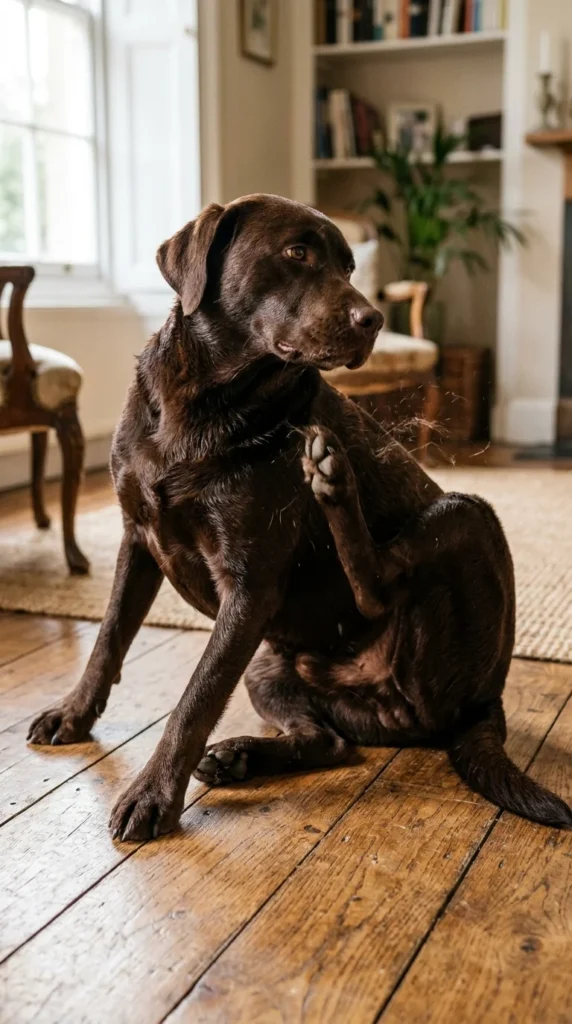
The most common sign of canine allergies is pruritus, or intense itching. If your dog seems obsessed with scratching a specific spot or their entire body, it’s rarely “just a habit.” This is often the first sign of atopic dermatitis, a reaction to environmental allergens like mold or dander.
2. Red Skin
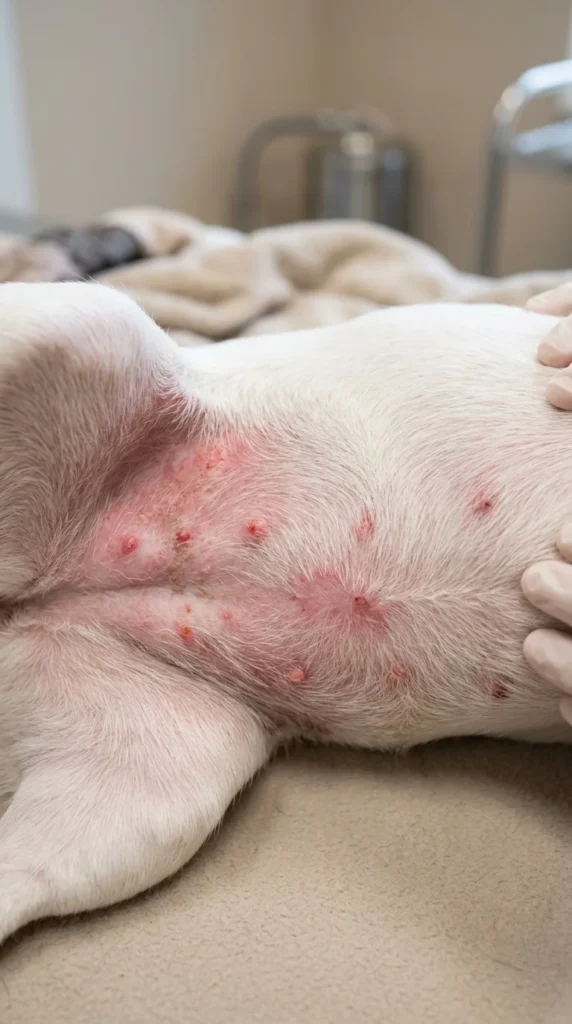
If you part your dog’s fur and see skin that looks like a sunburn, you are looking at inflammation. Allergic reactions cause the blood vessels to dilate, leading to “hot” red patches, particularly on the belly, armpits, and groin area.
3. Paw Licking
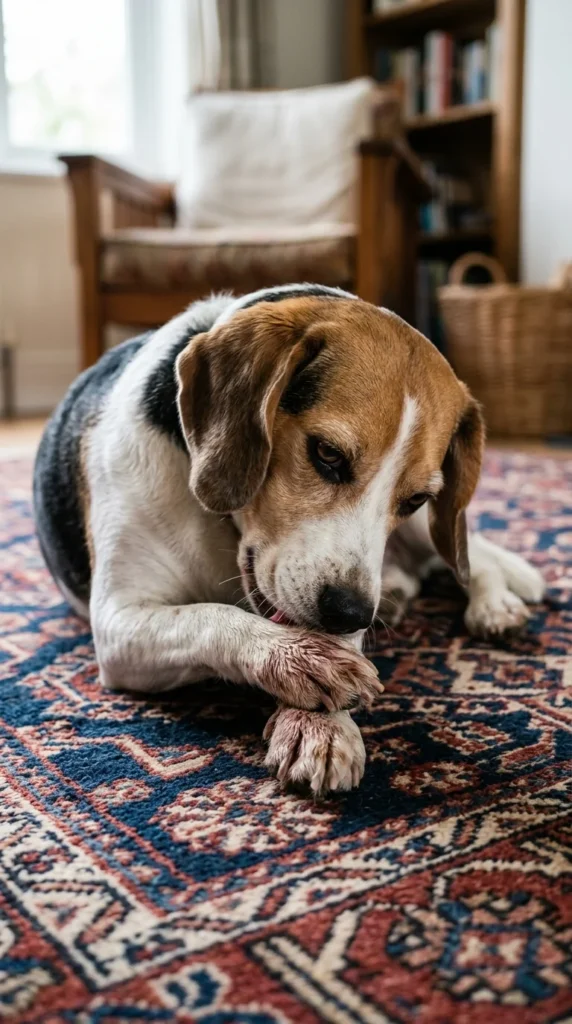
Dogs don’t just lick their paws to clean them. If your dog is constantly chewing or licking their feet, they are likely trying to soothe itchy, inflamed skin caused by contact allergies (like grass or lawn chemicals) or food sensitivities.
4. Ear Infections
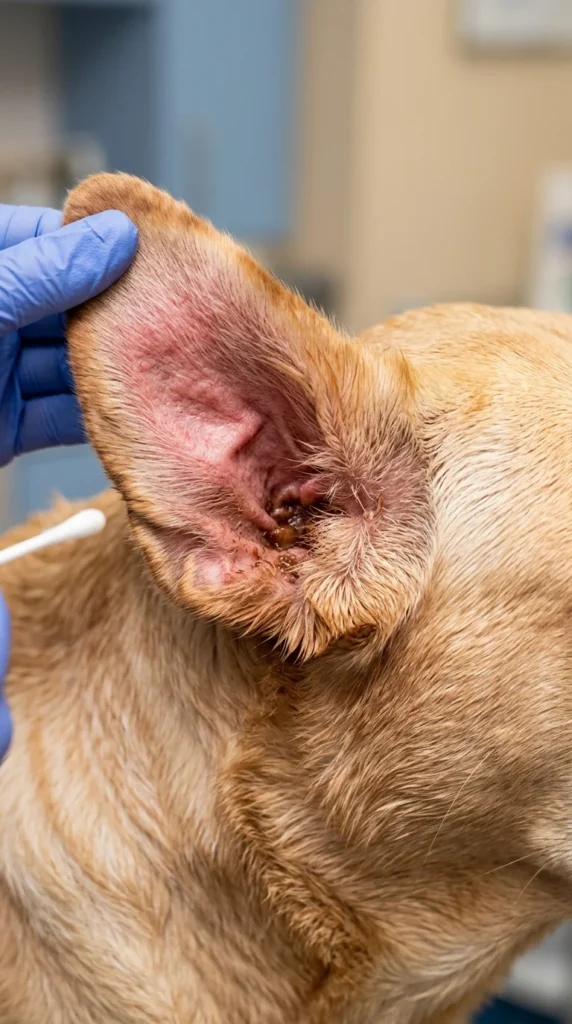
Does your dog’s ear smell like yeast or old gym socks? Chronic ear infections are a hallmark of food allergies. The inflammation in the ear canal creates a perfect breeding ground for bacteria and yeast to flourish.
5. Face Rubbing
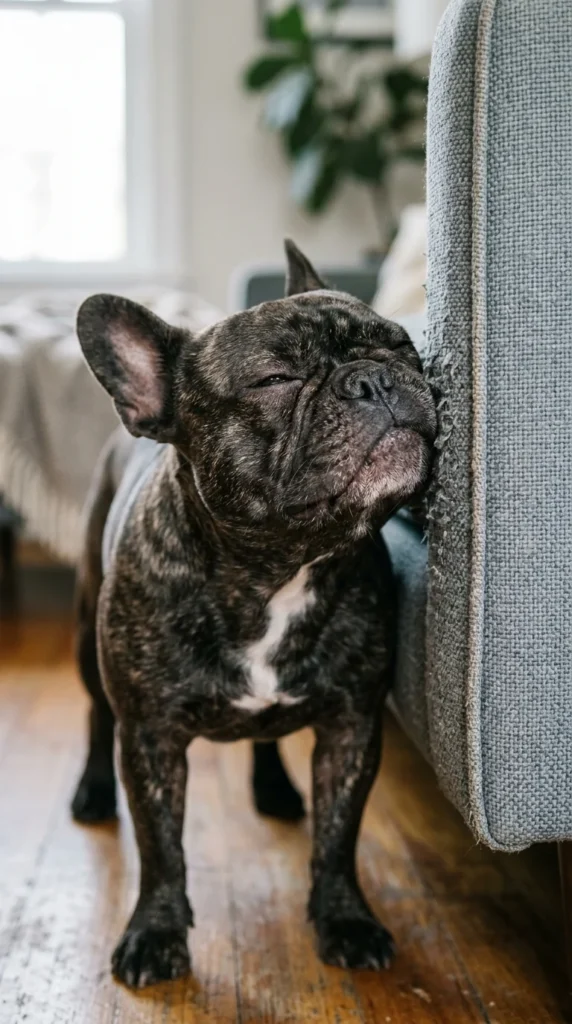
When a dog’s face is itchy, they use the world as their scratchpost. You might see them rubbing their muzzle against the carpet, furniture, or even your legs. This often points to a reaction to something they’ve inhaled or eaten.
6. Hair Loss
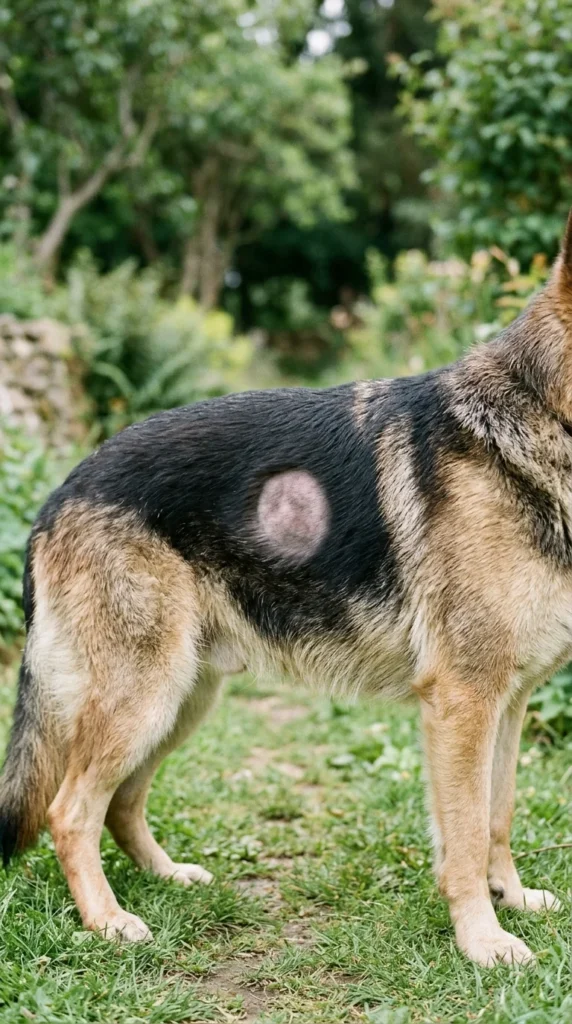
Allergies don’t directly cause hair to fall out, but the “itch-scratch cycle” does. Constant biting and scratching traumatize the hair follicles, leading to thinning fur or total baldness in certain patches, often referred to as traumatic alopecia.
7. Hot Spots
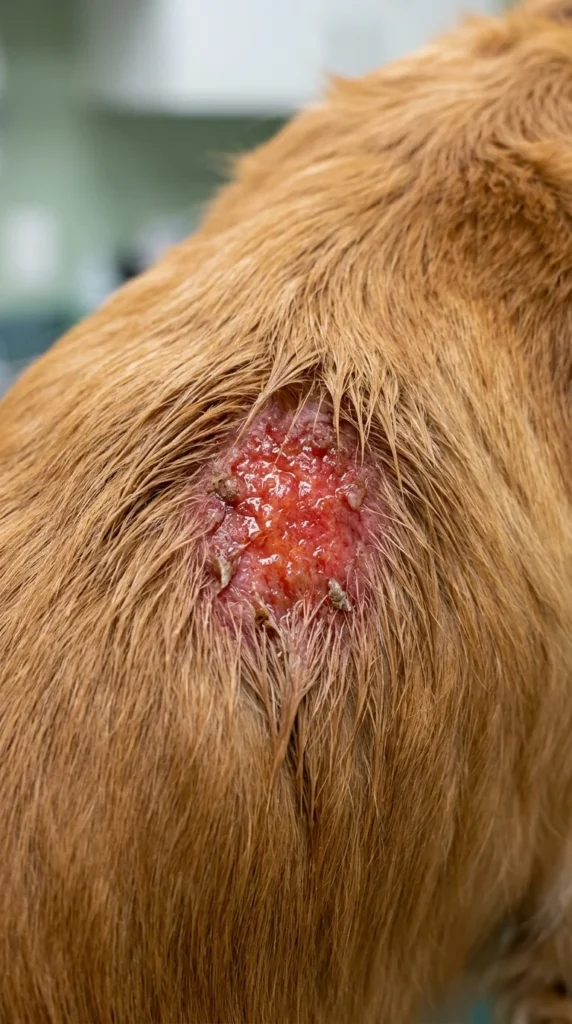
Also known as acute moist dermatitis, hot spots appear almost overnight. They occur when a dog over-grooms an itchy area, leading to a localized bacterial infection that is painful, red, and oozing.
8. Hives
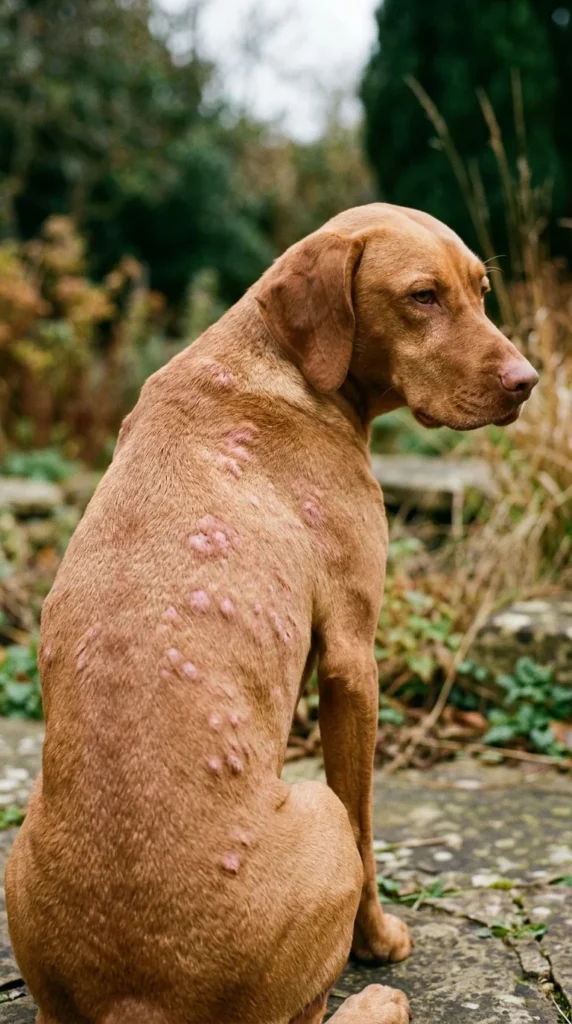
Just like humans, dogs can break out in hives (urticaria). These are raised, itchy welts that appear shortly after exposure to an allergen, such as a bee sting, a new shampoo, or a specific medication.
9. Watery Eyes
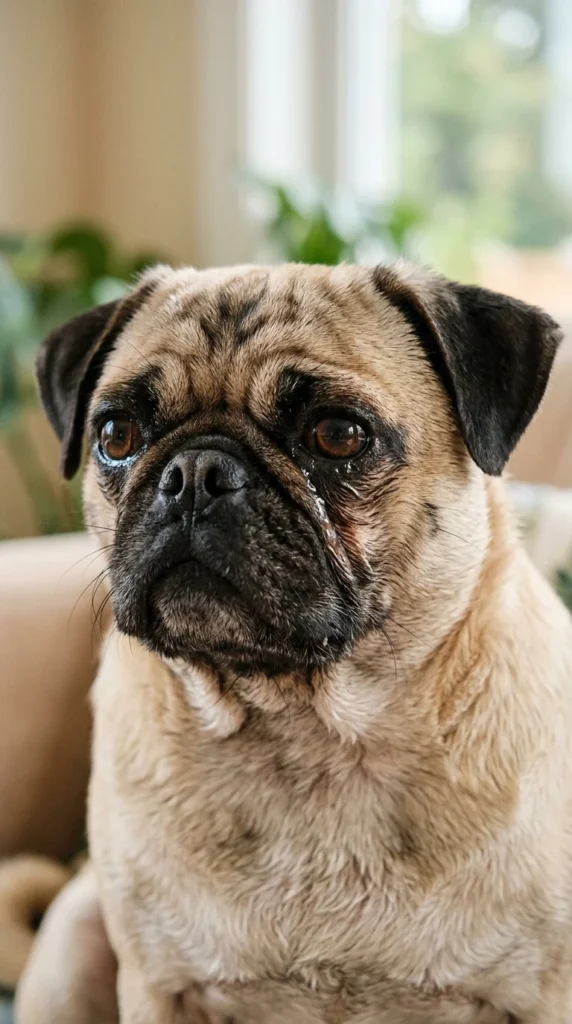
While some breeds naturally have “weepy” eyes, a sudden increase in clear discharge can indicate environmental allergies. If the discharge becomes thick or yellow, it may have progressed to a secondary infection.
10. Sneezing
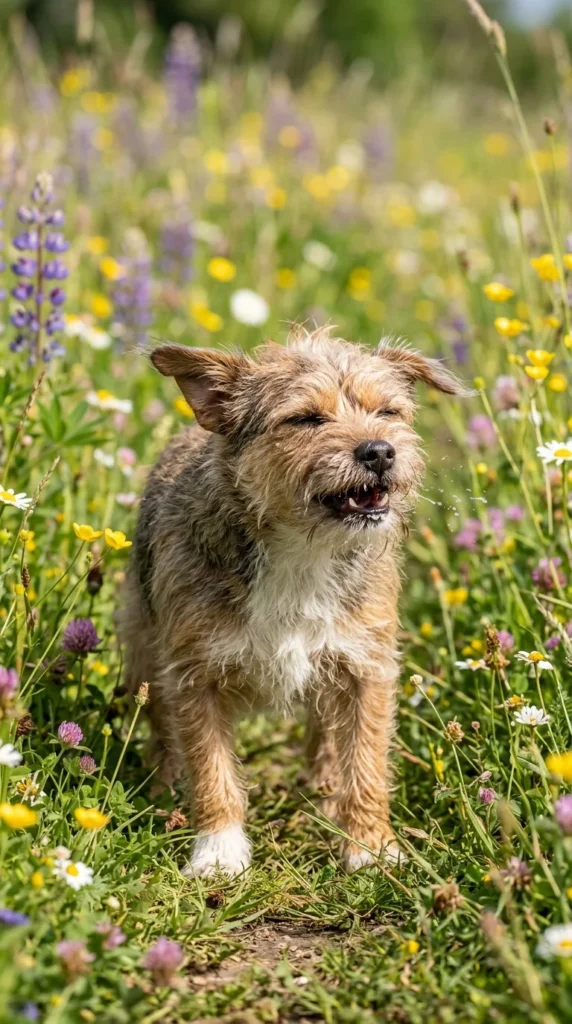
“Reverse sneezing” or standard sneezing fits can be triggered by dust, pollen, or perfume. If your dog starts sneezing more frequently during high-pollen seasons, they likely have hay fever just like you do.
11. Swollen Face

Swelling around the muzzle, eyes, or ears is a sign of an acute allergic reaction. This is often more serious than a simple itch and can sometimes lead to anaphylaxis, requiring immediate veterinary attention.
12. Chronic Diarrhea
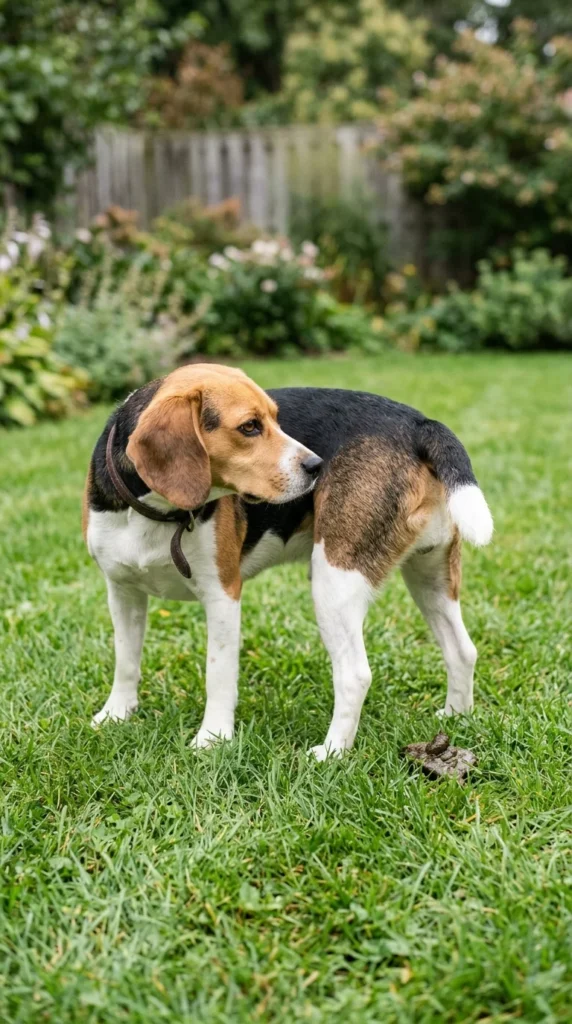
Not all allergies are skin-deep. Food allergies often manifest as gastrointestinal distress. If your dog has consistently loose stools despite a stable diet, they may be sensitive to a specific protein source like beef or chicken.
13. Frequent Vomiting
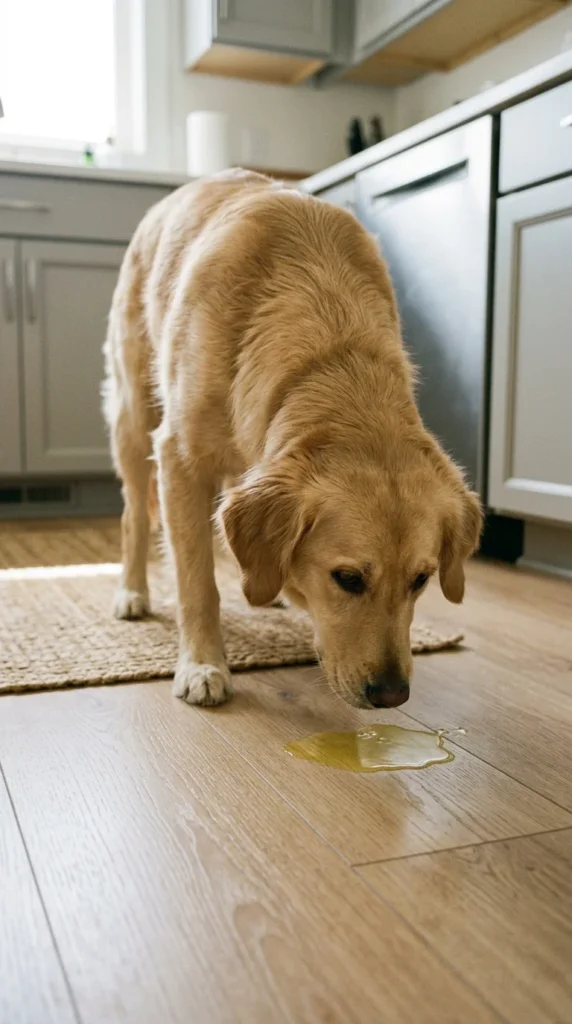
Occasional vomiting happens, but frequent upset stomachs are a major red flag for food intolerances. This occurs when the digestive system becomes inflamed in response to an ingredient it cannot process.
14. Flatulence
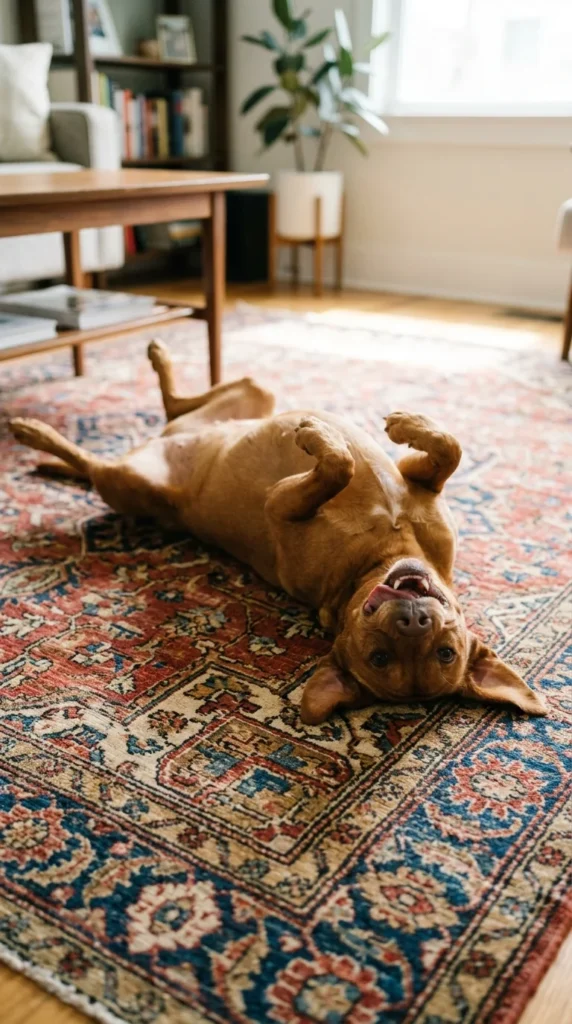
Excessive gas is more than just a smelly nuisance; it’s a sign of fermentation and inflammation in the gut. If your dog is “clearing the room” daily, their diet is likely the culprit.
15. Anal Scooting
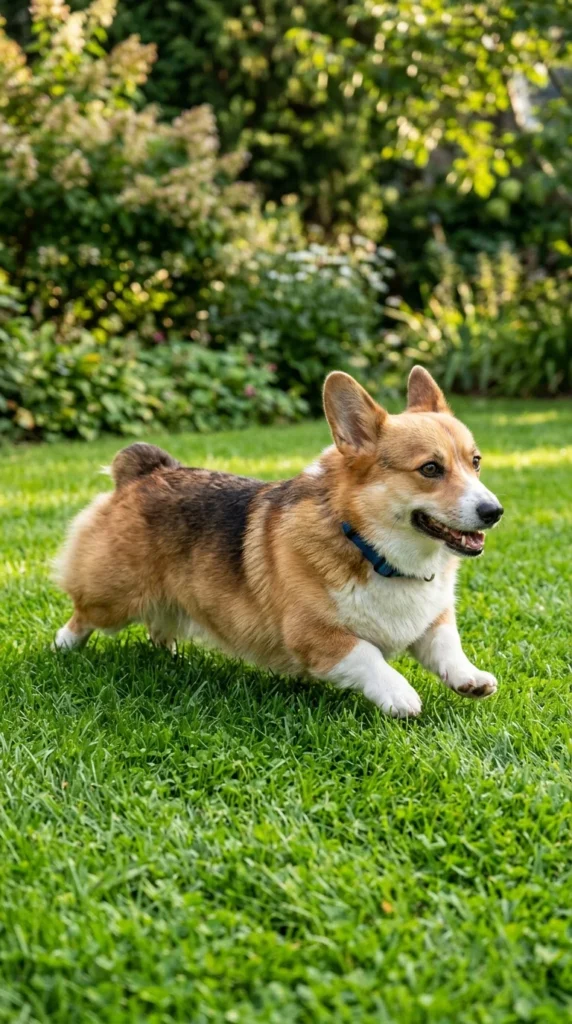
While scooting is often blamed on worms, it is more frequently caused by inflamed anal glands. Allergies cause systemic inflammation, which can prevent the anal glands from emptying naturally, leading to discomfort and the “scoot.”
16. Red Underbelly
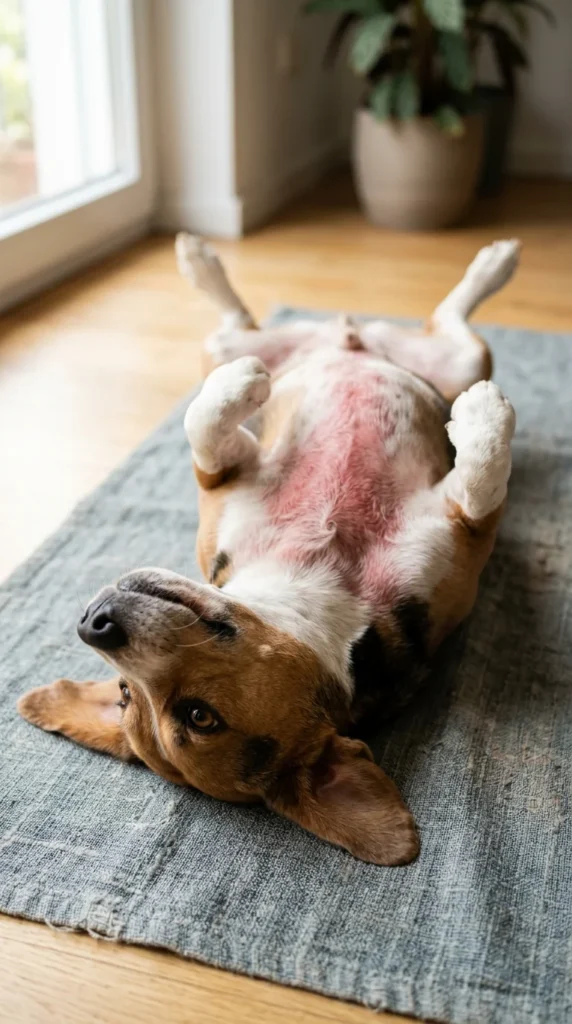
The skin on a dog’s belly is thin and sensitive. When they walk through grass treated with pesticides or containing high pollen counts, the belly often reacts first with a bright red rash known as contact dermatitis.
17. Head Shaking
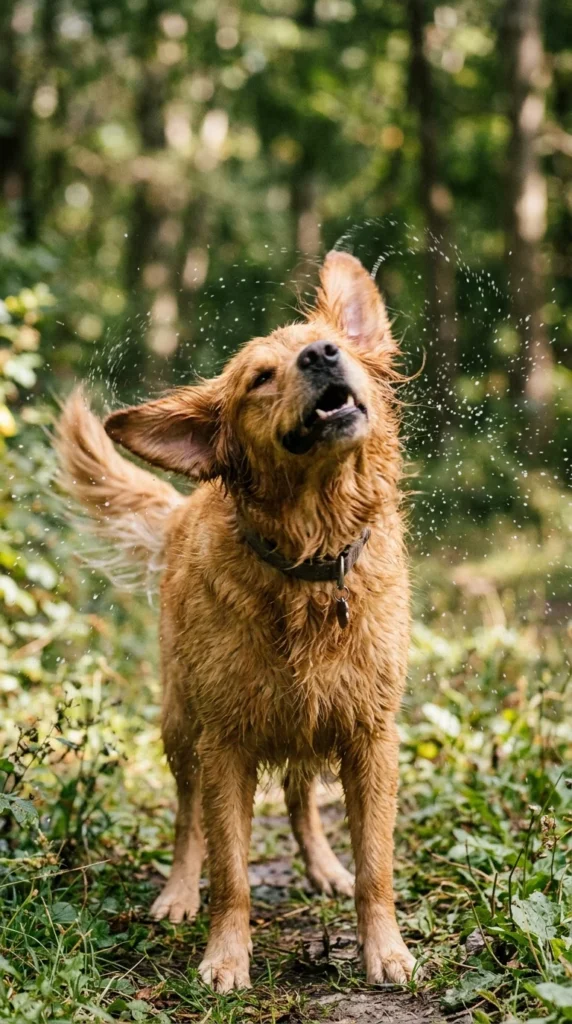
If your dog is shaking their head as if trying to get water out of their ears, they are likely feeling the “tingle” of an oncoming ear infection or the itchiness of allergic inflammation inside the ear canal.
18. Thickened Skin
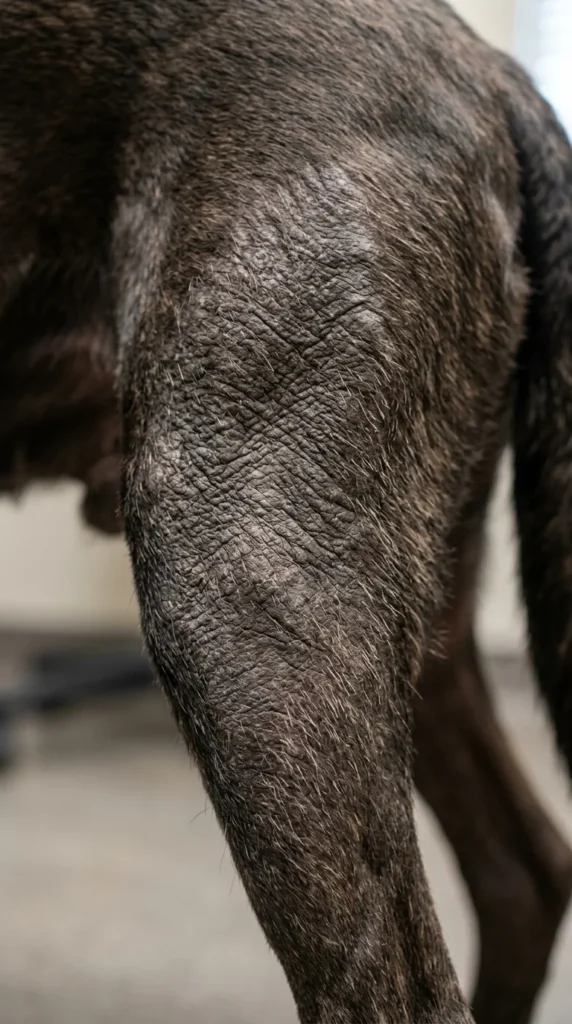
Chronic, untreated allergies lead to “lichenification.” This is when the skin thickens and turns dark (hyperpigmentation) as a defense mechanism against constant scratching and biting.
19. Yeast Odor
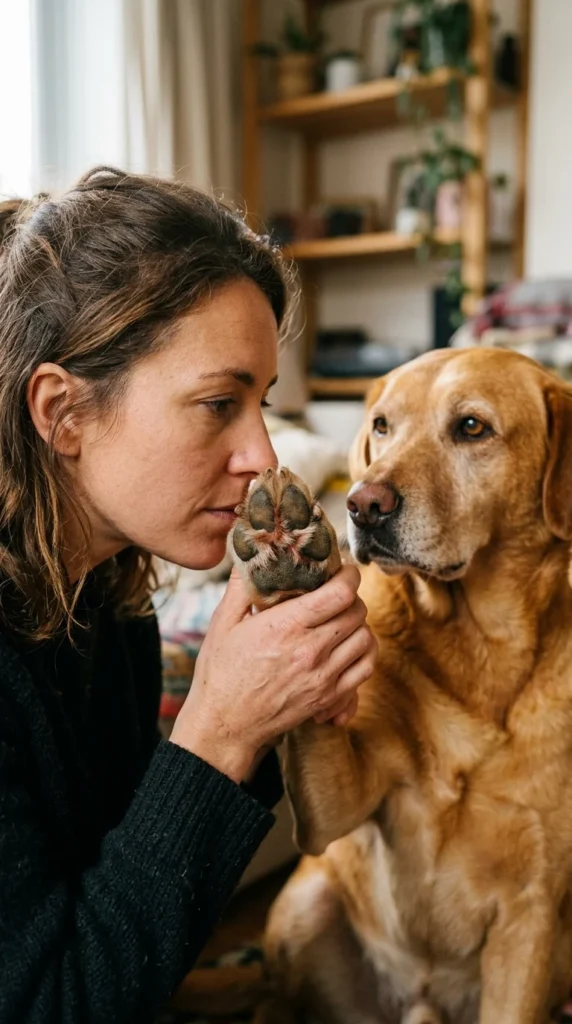
Does your dog smell like corn chips? That distinctive odor is actually a yeast overgrowth. Allergies change the pH and oil levels of the skin, allowing yeast to multiply rapidly, particularly in the paws and ears.
20. Coughing or Wheezing
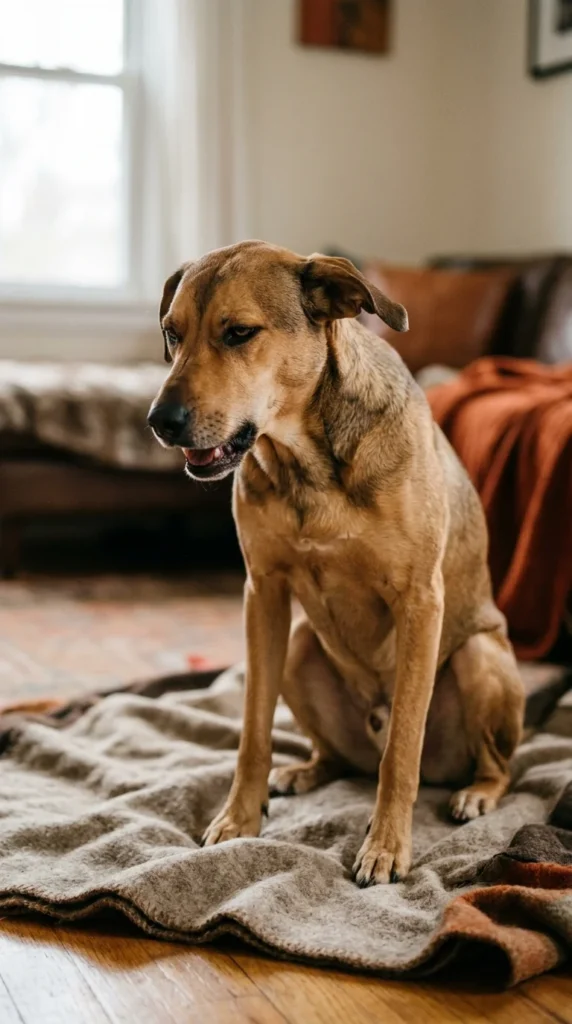
Though less common than skin issues, some dogs develop respiratory symptoms. This can look like asthma and is usually triggered by airborne allergens like smoke, heavy fragrances, or mold spores.
21. Runny Nose
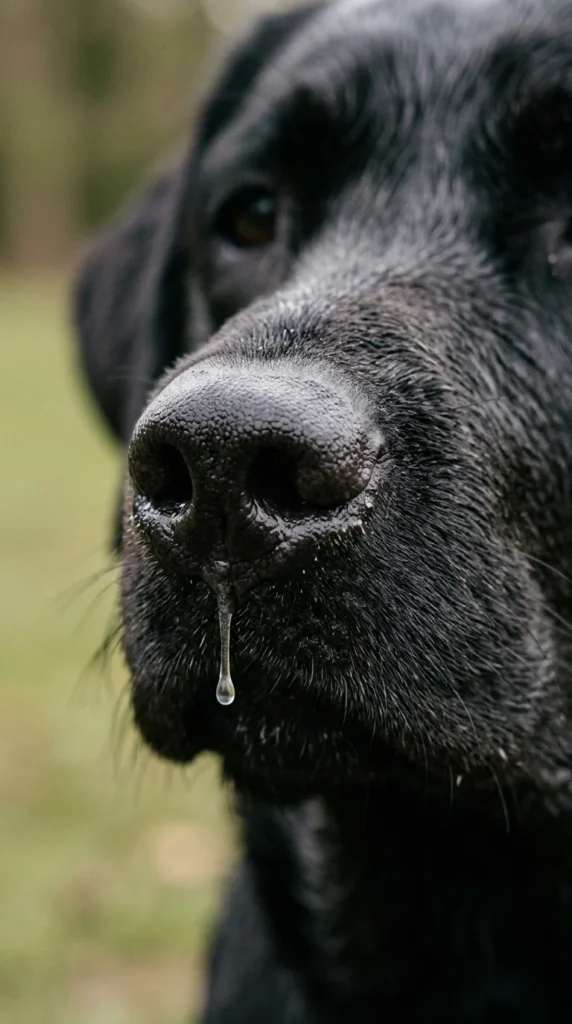
A clear nasal discharge is a classic sign of hay fever in dogs. If the discharge is consistent and accompanied by sneezing, your dog is likely reacting to something in the air.
22. Dull Coat

When the body is busy fighting off allergens, it diverts nutrients away from non-essential functions like maintaining fur quality. An allergic dog often has a coat that feels “crispy” or greasy rather than soft and healthy.
23. Restlessness

Imagine having an itch you can never quite scratch. Dogs with severe allergies often become irritable, restless, and unable to sleep through the night. If your dog is pacing and whining while scratching, their quality of life is being significantly impacted.