
Welcoming a new dog into your life is a journey filled with tail wags, muddy paws, and unconditional love. However, being a responsible pet parent means more than just providing treats and toys; it involves building a fortress of biological protection around your furry friend. Vaccinations are the cornerstone of preventive veterinary medicine, shielding your dog from life-threatening diseases that were once common and fatal.
Navigating the world of core vs. non-core vaccines, boosters, and legal requirements can feel like a maze. To ensure your companion stays healthy from their first weeks as a puppy through their golden senior years, we have compiled the ultimate 24-point guide to a comprehensive dog vaccination schedule.
1. DHPP Initial
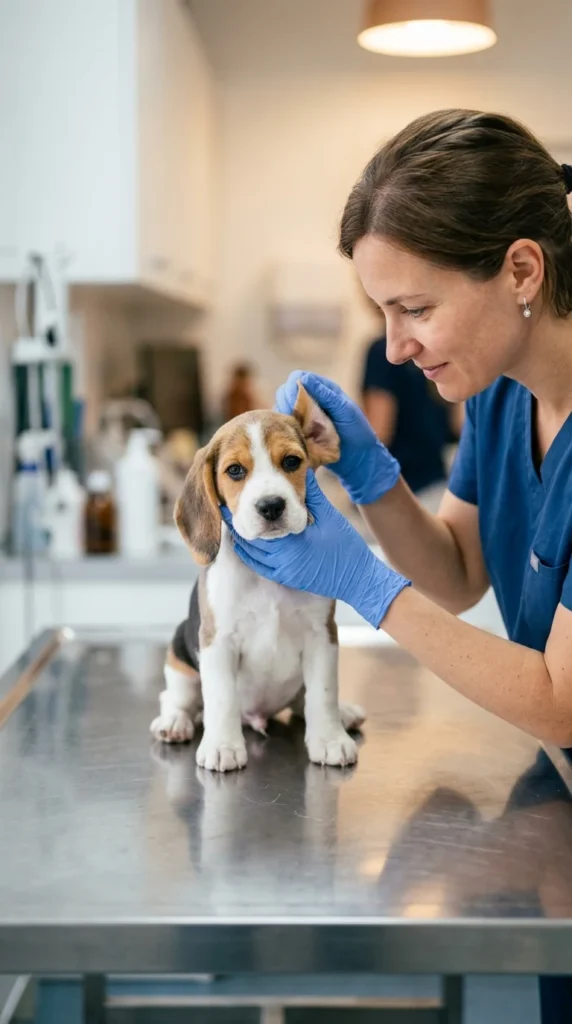
The journey begins at 6 to 8 weeks of age. The DHPP vaccine is a “4-in-1” powerhouse that serves as the foundation of your dog’s immune system. It targets four major threats: Distemper, Hepatitis, Parainfluenza, and Parvovirus. At this young age, the puppy’s maternal antibodies begin to fade, making this initial dose critical for jumpstarting their own immune response.
2. Bordetella Intro

Often referred to as the “Kennel Cough” vaccine, the Bordetella shot is typically introduced during the first or second vet visit. If you plan on socialising your puppy at daycare, training classes, or boarding facilities, this is a non-negotiable. It protects against highly contagious respiratory infections that spread rapidly in communal dog environments.
3. Parainfluenza
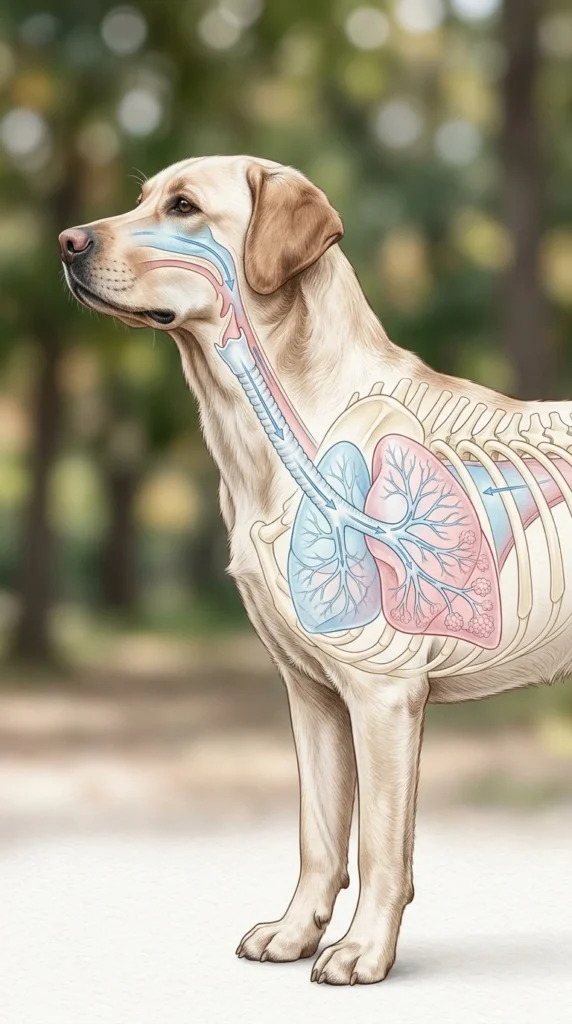
While often included in the DHPP cocktail, the Parainfluenza component deserves its own spotlight. It targets a viral respiratory infection that causes coughing and fever. By ensuring this is part of the early schedule, you reduce the risk of your dog developing severe pneumonia later in life.
4. Distemper
Canine Distemper is a severe multi-systemic virus that attacks the respiratory, gastrointestinal, and nervous systems. It is often fatal and, in survivors, can cause permanent neurological damage. This component of the early vaccine series is one of the most vital “core” protections every dog must receive.
5. Hepatitis
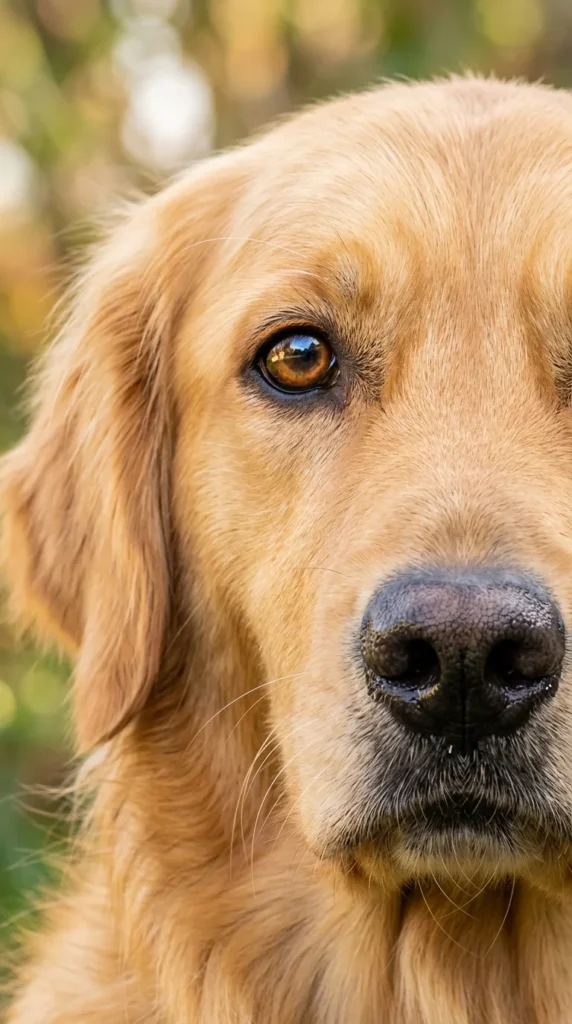
Infectious Canine Hepatitis, caused by Adenovirus Type 1, targets the liver, kidneys, and lungs. The vaccine (usually administered as Adenovirus Type 2 for cross-protection) prevents a disease that can cause sudden death in puppies or chronic liver failure in older dogs.
6. Parvovirus

Parvovirus is the “boogeyman” of the puppy world. It is a highly resilient virus that can live in the soil for years and causes devastating hemorrhagic gastroenteritis. Ensuring your puppy completes their full Parvo series is the only way to safely introduce them to the outside world without fear of this deadly contagion.
7. DHPP Booster
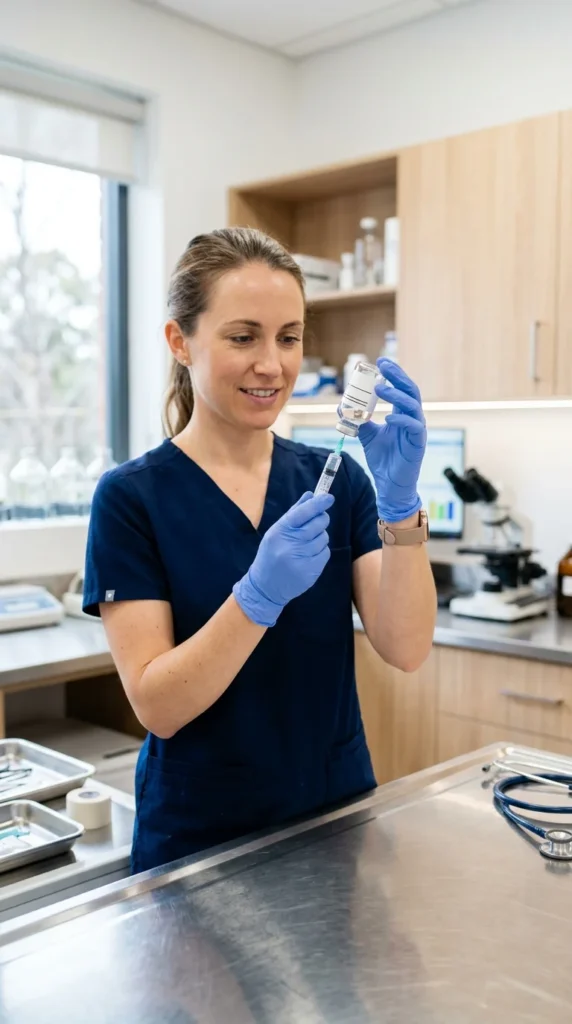
At 10 to 12 weeks, the second dose of DHPP is administered. One shot is rarely enough for a developing immune system. This booster “primes” the pump, ensuring the body recognizes the pathogens and begins building long-term memory cells.
8. Leptospirosis Start
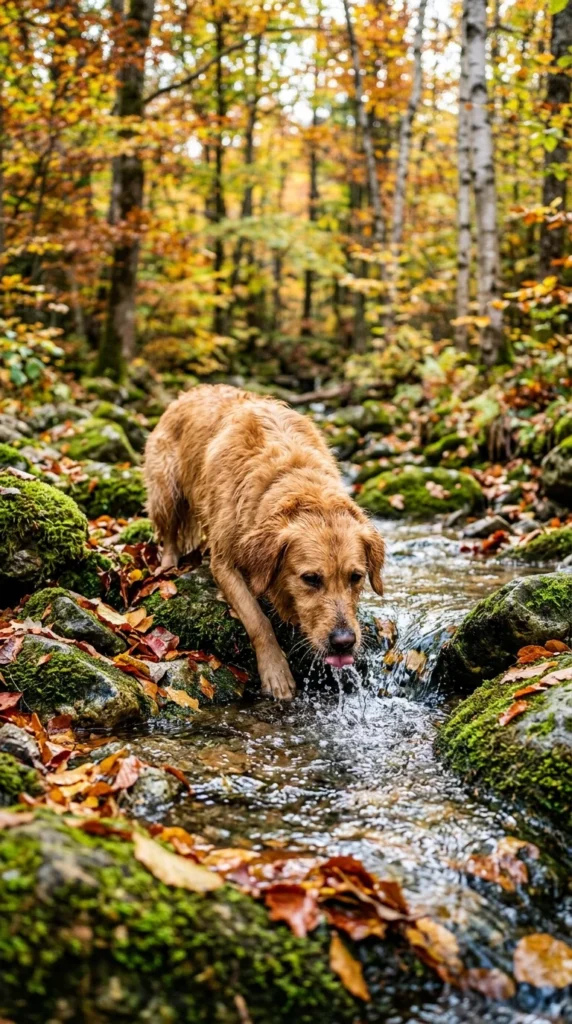
Leptospirosis is a bacterial disease spread through the urine of wildlife (like squirrels, raccoons, and rats) often found in standing water or soil. Because it is “zoonotic”—meaning it can spread from dogs to humans—this vaccine is increasingly considered essential for dogs in both rural and suburban environments.
9. Lyme Disease
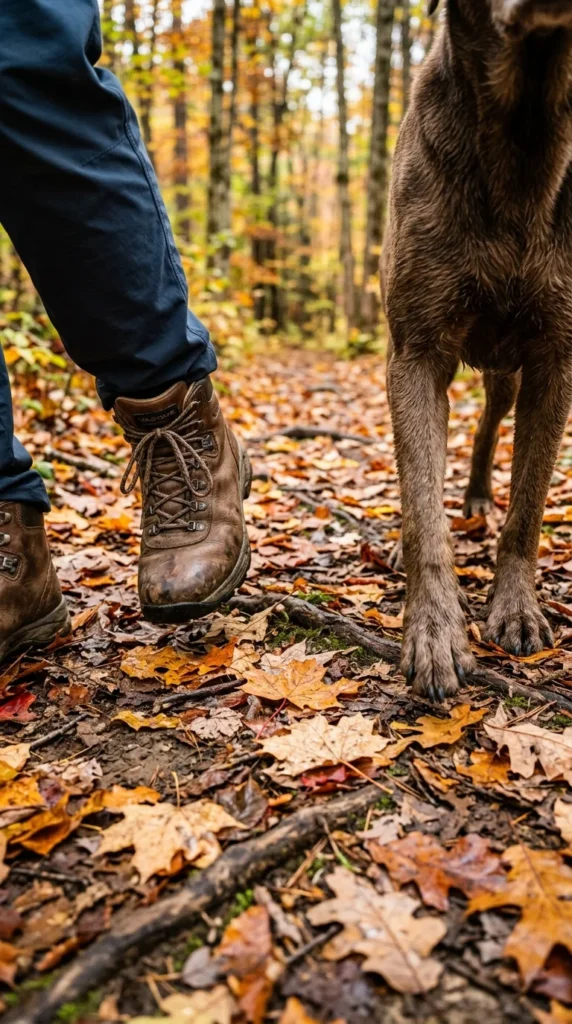
If you live in a region where ticks are prevalent, the Lyme vaccine is a must. This vaccine helps the dog’s body prevent the Borrelia burgdorferi bacteria from causing joint swelling, fever, and potential kidney damage. It is usually started around the 10-12 week mark.
10. Canine Influenza
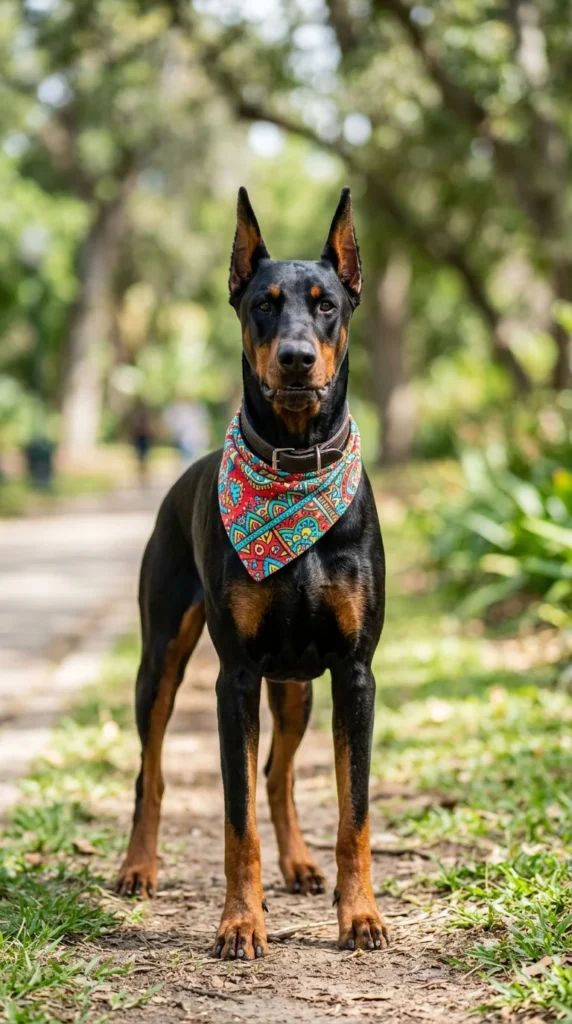
Dog Flu (H3N8 or H3N2) is highly contagious. Unlike human flu, it isn’t seasonal. If your dog is a “social butterfly,” this two-dose initial series protects them from respiratory outbreaks that frequently shut down boarding and grooming facilities.
11. DHPP Final
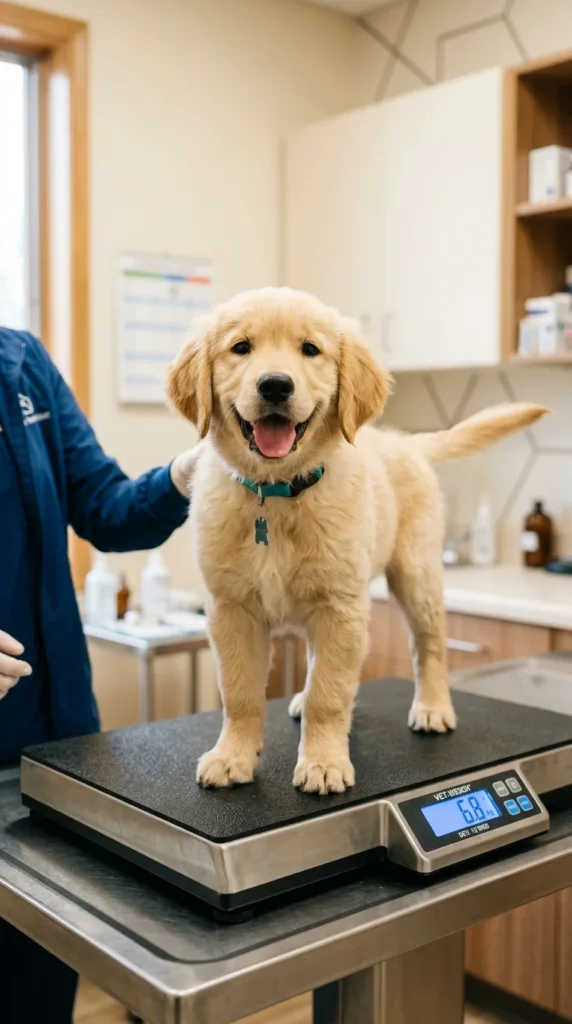
Around 14 to 16 weeks, the final puppy DHPP booster is given. This timing is crucial because it ensures the vaccine is administered after maternal antibodies have completely disappeared, allowing the puppy’s own immune system to take full responsibility for protection.
12. Rabies
Rabies is the only vaccine required by law in almost every jurisdiction. It is a 100% fatal disease for dogs and a massive public health risk for humans. Typically administered at 16 weeks, this single shot is a legal and biological necessity for every pet.
13. Lepto Follow-up

The Leptospirosis vaccine requires a booster 2 to 4 weeks after the initial dose to be effective. Skipping this second shot leaves the dog unprotected. Once this series is done, your dog can safely explore damp backyards and hiking trails.
14. Lyme Follow-up
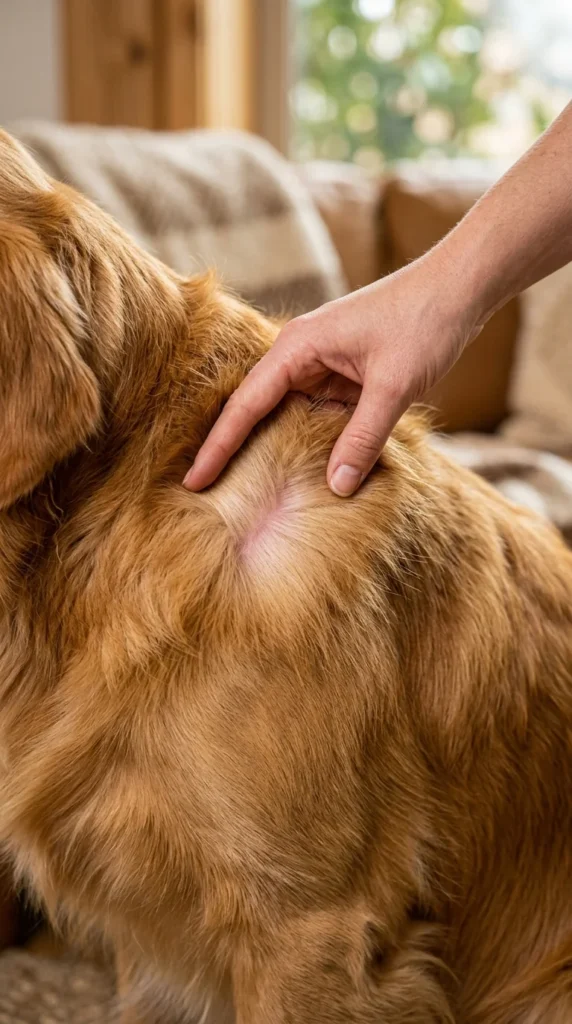
Just like Lepto, the Lyme vaccine requires a second dose to reach full efficacy. This ensures the antibodies are strong enough to neutralize the bacteria delivered by a tick bite.
15. Flu Follow-up

The second dose of the Canine Influenza vaccine is administered to solidify the dog’s defense against the flu. This completes the “puppy series” of vaccinations, leaving the dog fully shielded as they enter young adulthood.
16. Adult Rabies

One year after the initial puppy Rabies shot, your dog must receive a booster. Depending on local laws and the specific vaccine used, this booster will then move to a three-year cycle. This is the most important “anniversary” in your dog’s medical history.
17. Adult DHPP
At the one-year mark, your dog receives a DHPP booster. This transitions them from the “puppy schedule” to the “adult schedule.” This shot reinforces the core protections against Distemper and Parvo as they enter their prime years.
18. Lepto Annual
Unlike the Rabies or DHPP vaccines, the Leptospirosis vaccine does not provide long-term immunity. It must be administered every single year to remain effective. For active dogs, this is a critical part of their annual wellness exam.
19. Bordetella Bi-Annual

Depending on the intensity of your dog’s social life, many vets and boarding facilities recommend a Bordetella booster every six months. While the annual shot is standard, high-risk dogs (those constantly in daycare) benefit from more frequent “refresher” doses.
20. Lyme Annual

For dogs in tick-heavy areas, the Lyme vaccine is another annual requirement. Ticks are becoming more active year-round in many climates, making this yearly shield a vital part of a comprehensive parasite prevention plan.
21. DHPP 3-Year

Modern veterinary medicine has found that the DHPP vaccine is incredibly durable. After the one-year booster, most dogs only need this core vaccine every three years. This reduces the “vaccine load” on the body while maintaining high levels of immunity.
22. Rabies 3-Year
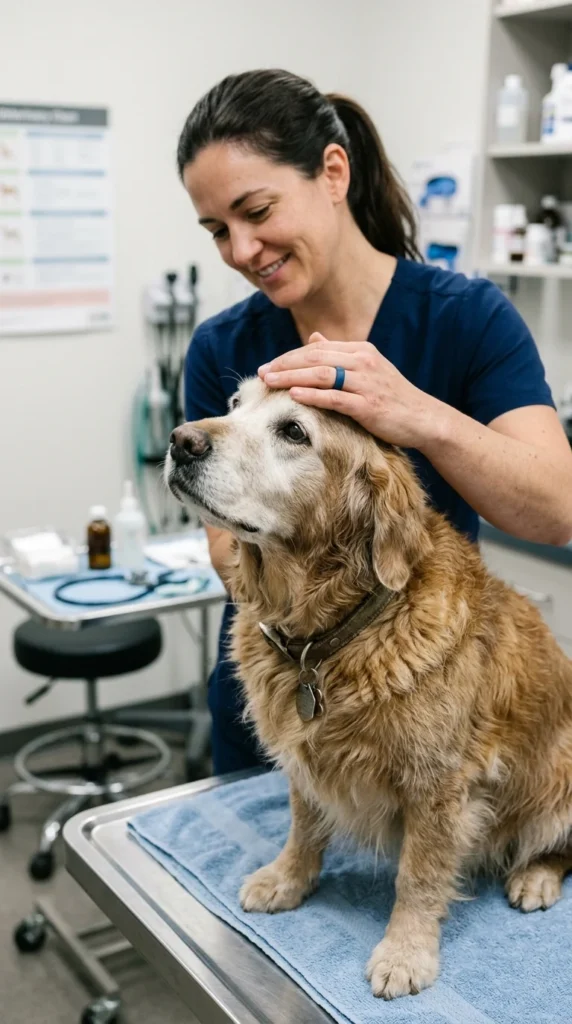
Following the one-year booster, most jurisdictions allow for a 3-year Rabies vaccine. Ensure your vet provides a certificate and a new tag, as this is your legal proof of vaccination for licensing and travel.
23. Senior Care

As dogs enter their senior years (typically ages 7-10+), their immune systems may change. Your vet may adjust the schedule based on your dog’s health. While core vaccines remain important, the focus shifts to balancing protection with the dog’s overall metabolic health.
24. Titer Testing

For owners concerned about over-vaccination, Titer Testing is the final step in a modern schedule. A titer is a blood test that measures the level of existing antibodies. If the titer shows your dog still has strong immunity to Distemper or Parvo, you may be able to skip a booster shot for that year. This personalized approach ensures your dog gets exactly what they need—nothing more, nothing less.