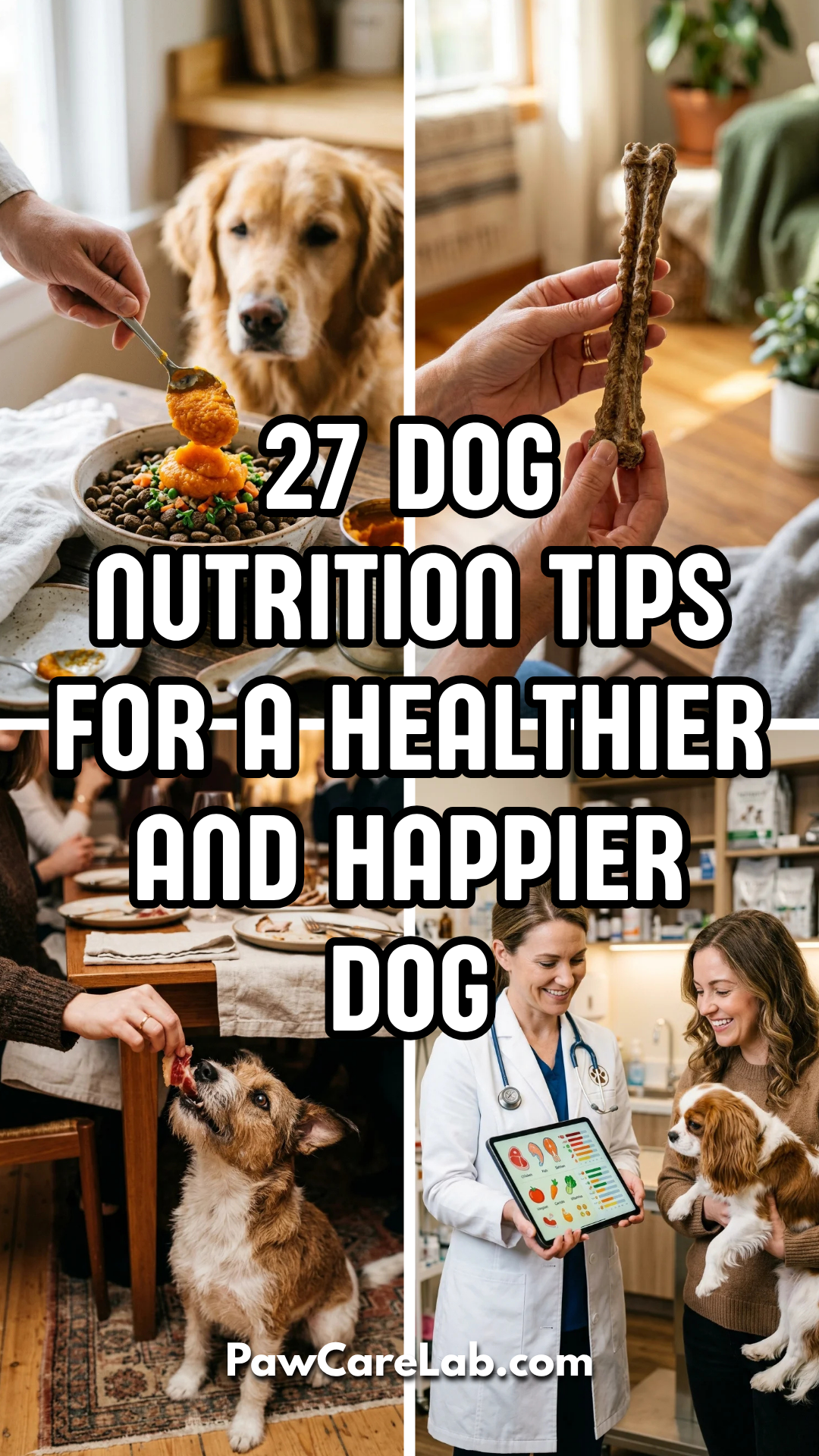
Nutrition is the foundation of your dog’s entire life. Every wag of the tail, every sprint across the park, and every peaceful nap is powered by the fuel you put in their bowl. While the world of canine nutrition can feel like a labyrinth of marketing jargon and conflicting advice, providing a balanced diet doesn’t have to be overwhelming. By focusing on high-quality ingredients, portion control, and specific life-stage needs, you can significantly extend your dog’s lifespan and improve their quality of life.
1. Quality Protein

Protein is the building block of your dog’s muscles, skin, and immune system. Look for whole meats like chicken, beef, or lamb as the first ingredient on the label. Avoid products that list “meat by-products” as the primary source, as these can be less digestible and of lower nutritional value.
2. Hydration
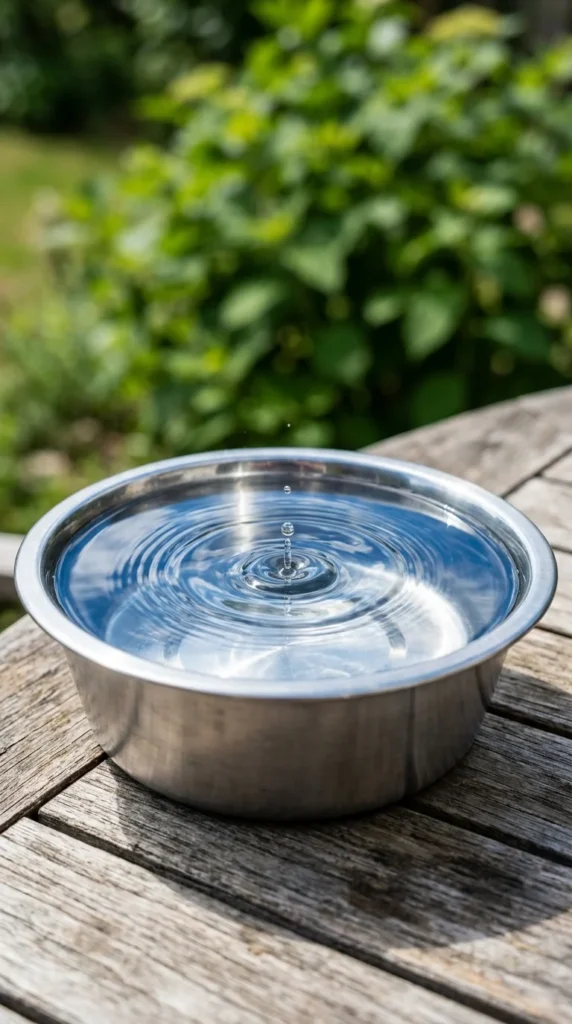
Water is the most critical nutrient of all. Dogs need constant access to fresh, clean water to regulate body temperature and aid digestion. Ensure you wash their water bowl daily to prevent the buildup of slime and bacteria that could discourage them from drinking.
3. Portion Control
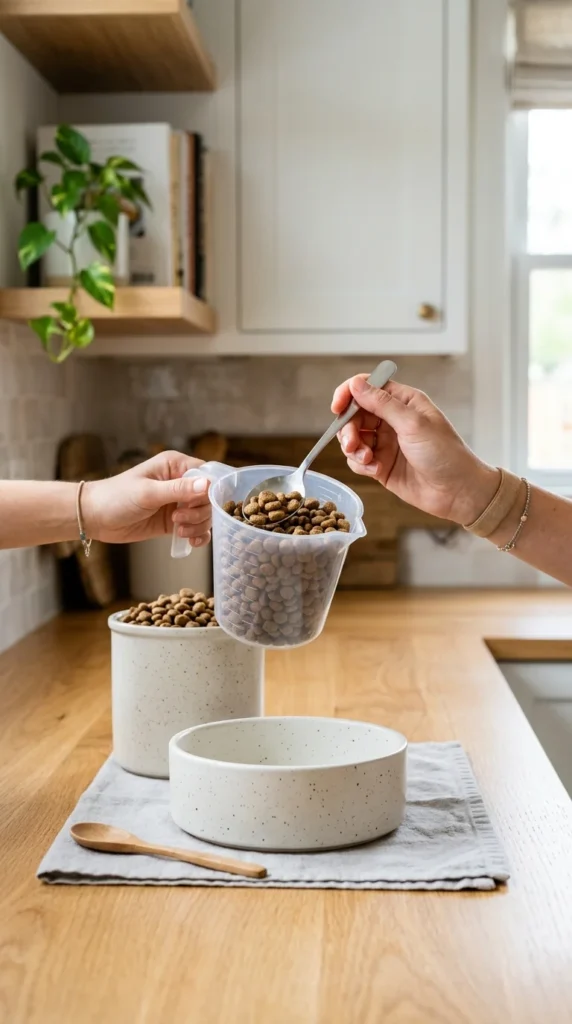
Obesity is a leading cause of health issues in dogs, including joint pain and heart disease. Instead of “eyeballing” the food, use a standard measuring cup or a kitchen scale. Follow the feeding guidelines on the bag as a starting point, but adjust based on your dog’s specific body condition.
4. Age-Appropriate Food
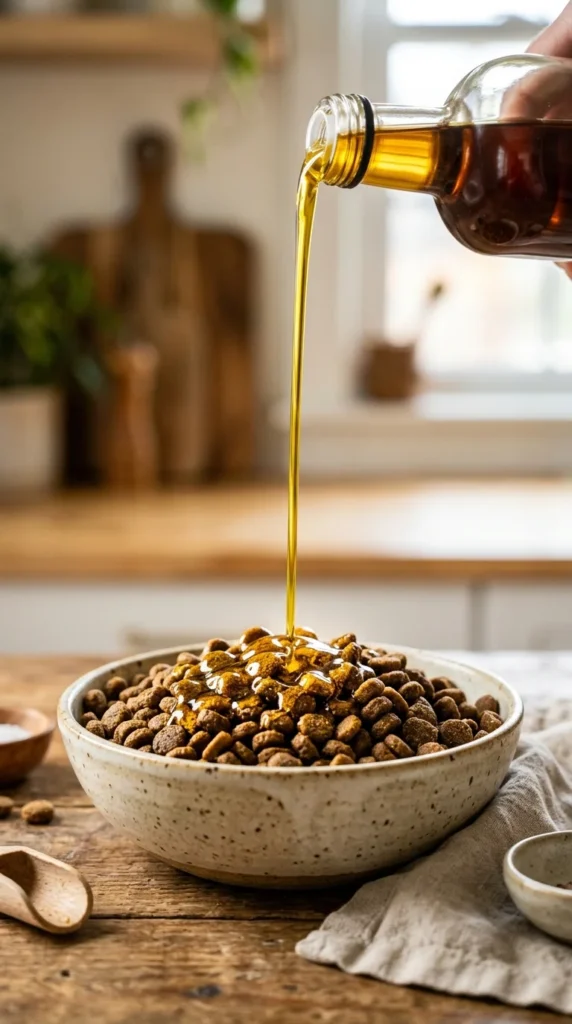
A puppy’s nutritional needs are vastly different from a senior dog’s. Puppies require higher calories and specific minerals for bone growth, while seniors may need lower-calorie diets with added joint support. Always choose a formula tailored to your dog’s current life stage.
5. Healthy Fats
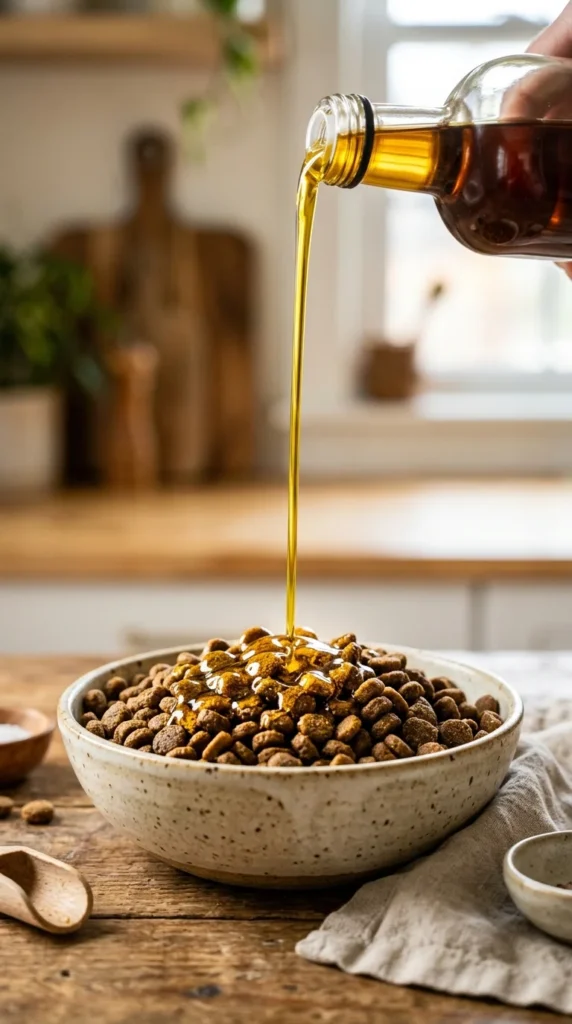
Fats provide concentrated energy and keep your dog’s coat shiny and skin supple. Omega-3 and Omega-6 fatty acids are essential for brain development and reducing inflammation. Look for ingredients like fish oil, flaxseed, or chicken fat in the ingredient list.
6. Complex Carbohydrates

While dogs are primarily meat-eaters, complex carbohydrates provide essential fiber and steady energy. Ingredients like sweet potatoes, oats, and brown rice are much better than “filler” carbs like corn or soy, which can cause blood sugar spikes.
7. Avoid Toxins
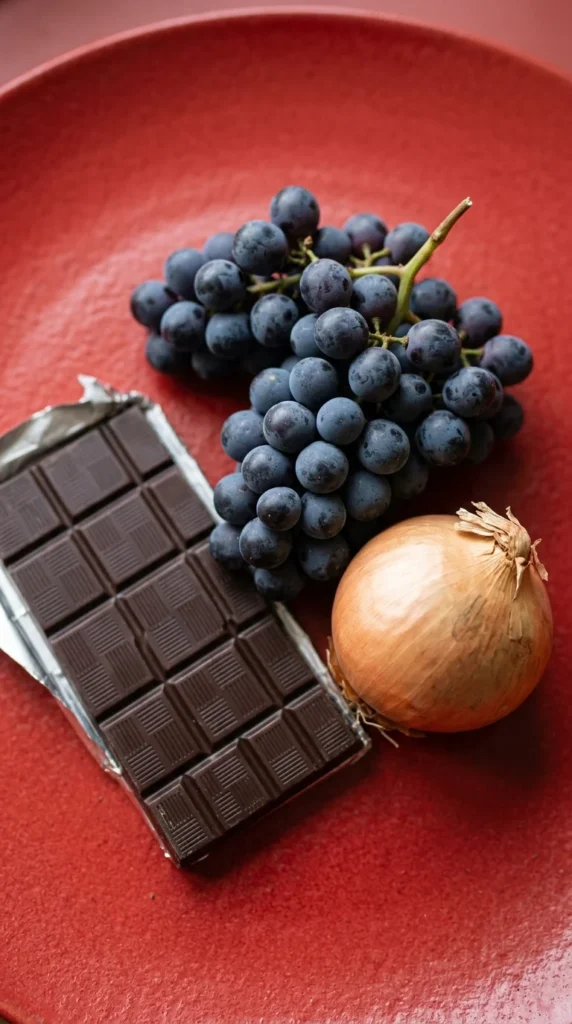
Many healthy “human foods” are deadly to dogs. Grapes and raisins can cause kidney failure, while chocolate and caffeine can overstimulate their nervous system. Always double-check before sharing a snack from your plate.
8. Fiber Intake
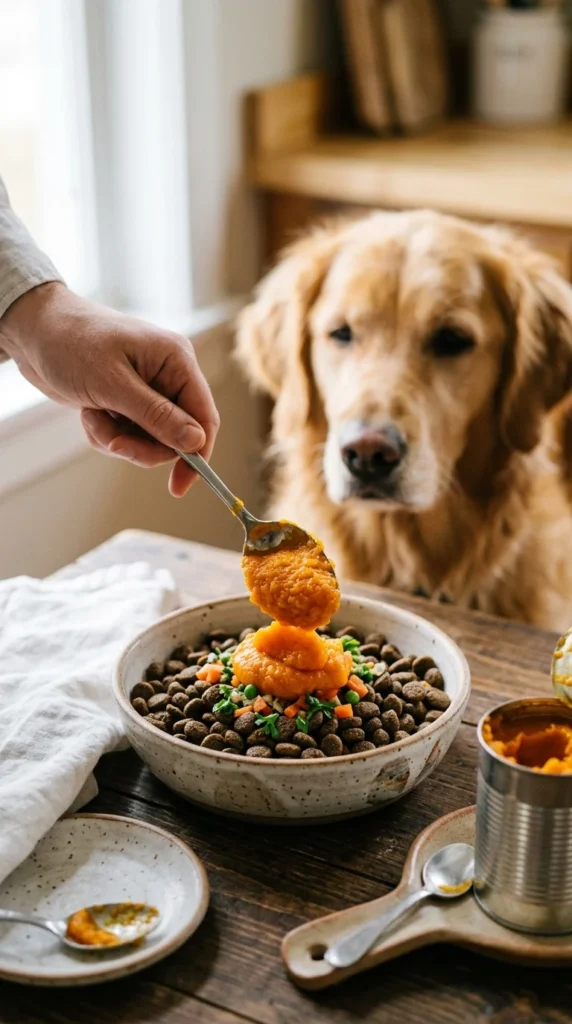
Fiber is essential for maintaining a healthy digestive tract and firm stools. If your dog struggles with constipation or diarrhea, adding a small amount of plain canned pumpkin (not pie filling) or steamed green beans can provide the necessary roughage.
9. Reading Labels
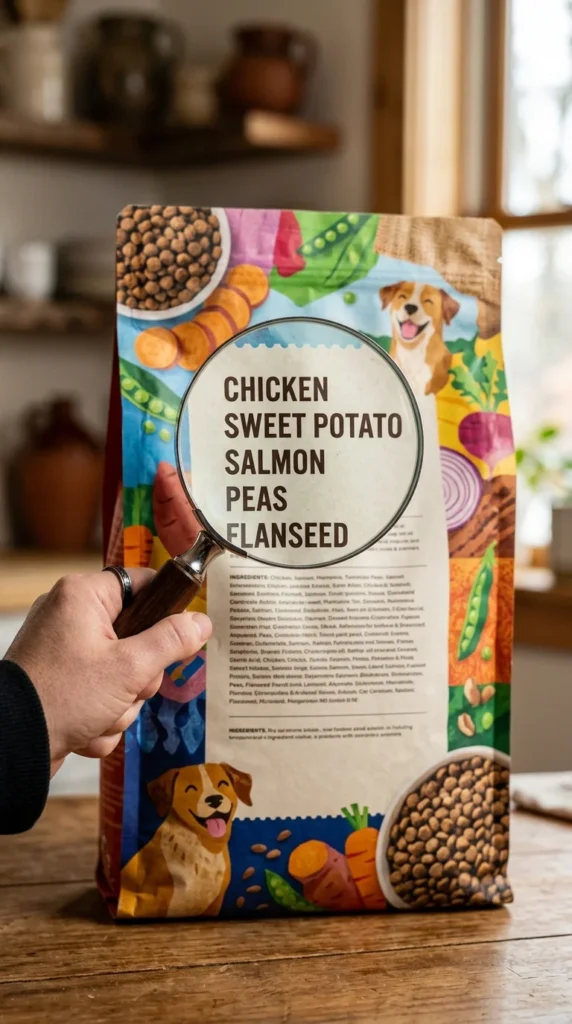
The first five ingredients listed on a dog food bag represent the majority of the food’s weight. Ensure that at least two of the first three ingredients are high-quality animal proteins. If the first ingredient is a grain or a mystery “meat meal,” it might be time to switch brands.
10. Healthy Treats
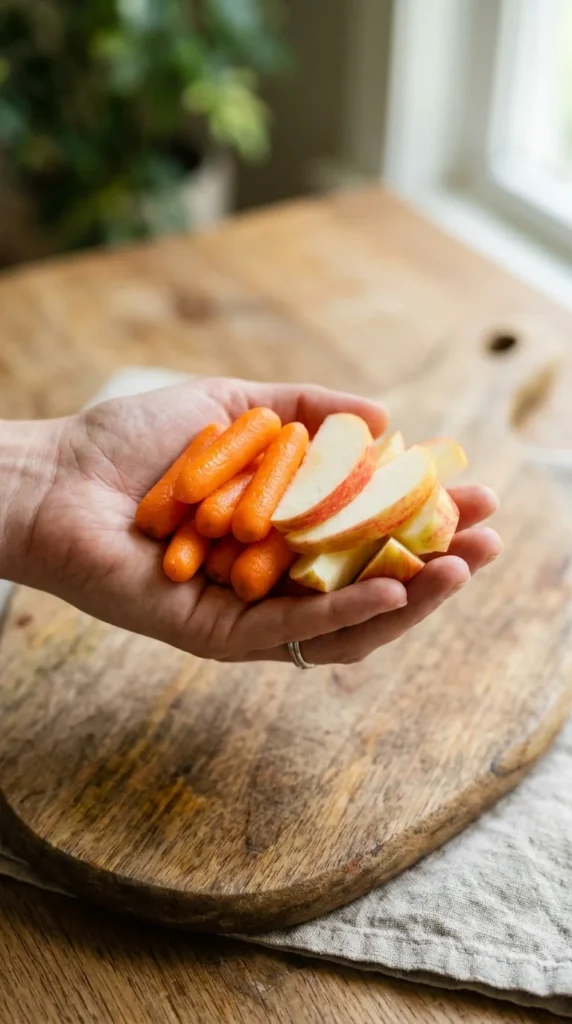
Treats should not exceed 10% of your dog’s daily caloric intake. Instead of processed, store-bought biscuits loaded with sugar and salt, try using low-calorie options like carrots, blueberries, or cucumber slices.
11. Probiotics

A large portion of the immune system resides in the gut. Probiotics—beneficial bacteria—help maintain a healthy microbiome, especially after a round of antibiotics. Look for dog-specific probiotic supplements or a bit of plain, unsweetened yogurt.
12. Joint Supplements

For large breeds or aging dogs, joint health is paramount. Ingredients like glucosamine, chondroitin, and MSM can help maintain cartilage and reduce the risk of arthritis. Starting these supplements early can act as a preventative measure.
13. Feeding Schedule
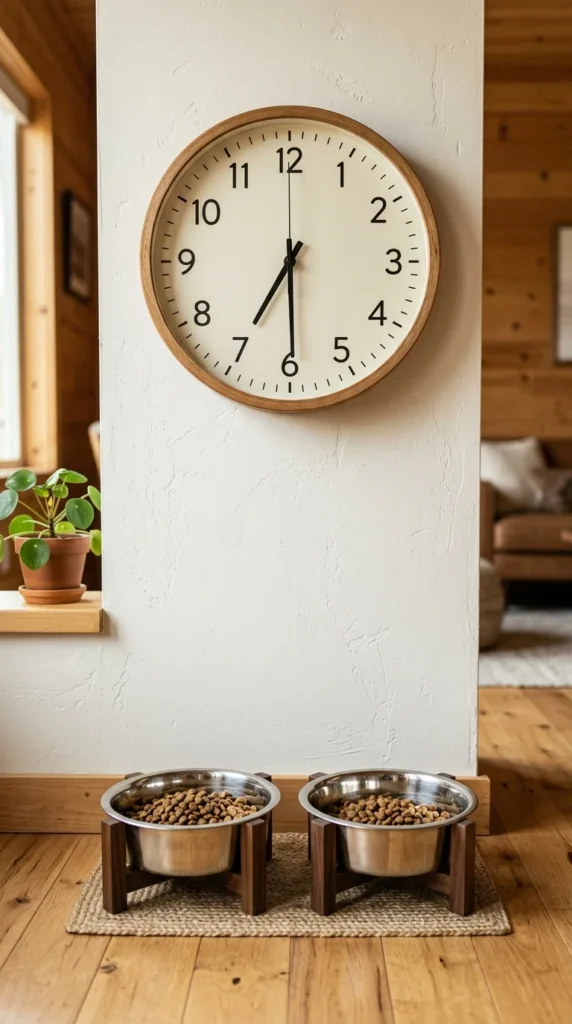
Consistency is key for a dog’s metabolism and house training. Rather than “free-feeding” (leaving food out all day), stick to two scheduled meals. This allows you to monitor exactly how much they eat and catch any loss of appetite early.
14. Dental Health
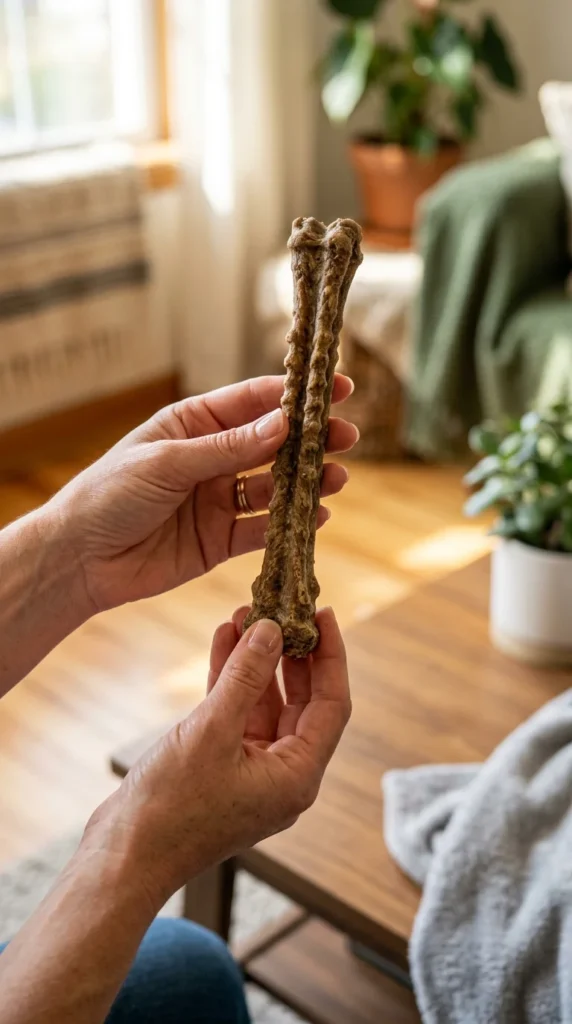
Nutrition impacts oral hygiene. While kibble can help scrape away some plaque, specific dental treats and chews are designed to reduce tartar buildup. However, these are supplements and do not replace regular teeth brushing.
15. Rotation Diet
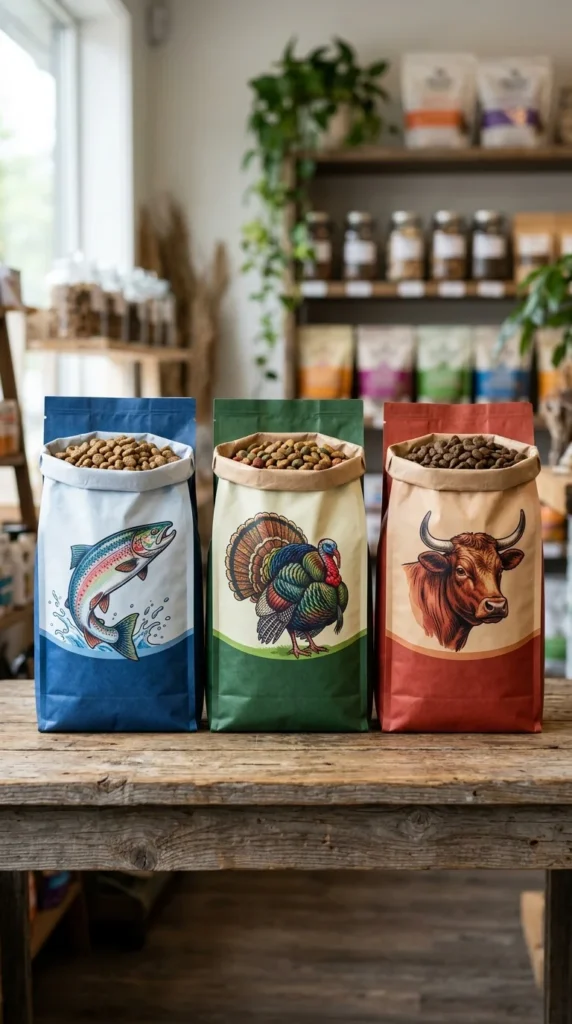
Feeding the exact same protein for years can sometimes lead to food sensitivities. Occasionally rotating your dog’s protein source (e.g., moving from chicken to fish) can provide a wider profile of amino acids and keep mealtime exciting.
16. Slow Feeding
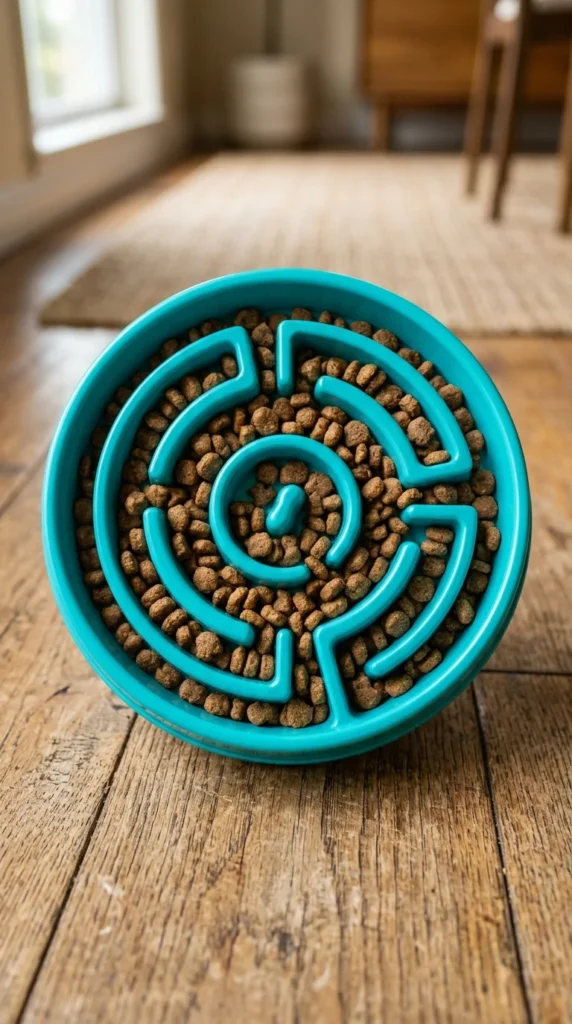
Dogs that “inhale” their food are at risk for bloat, a life-threatening condition where the stomach twists. Using a slow-feeder bowl or a puzzle toy forces them to eat at a safer, more measured pace.
17. Body Conditioning
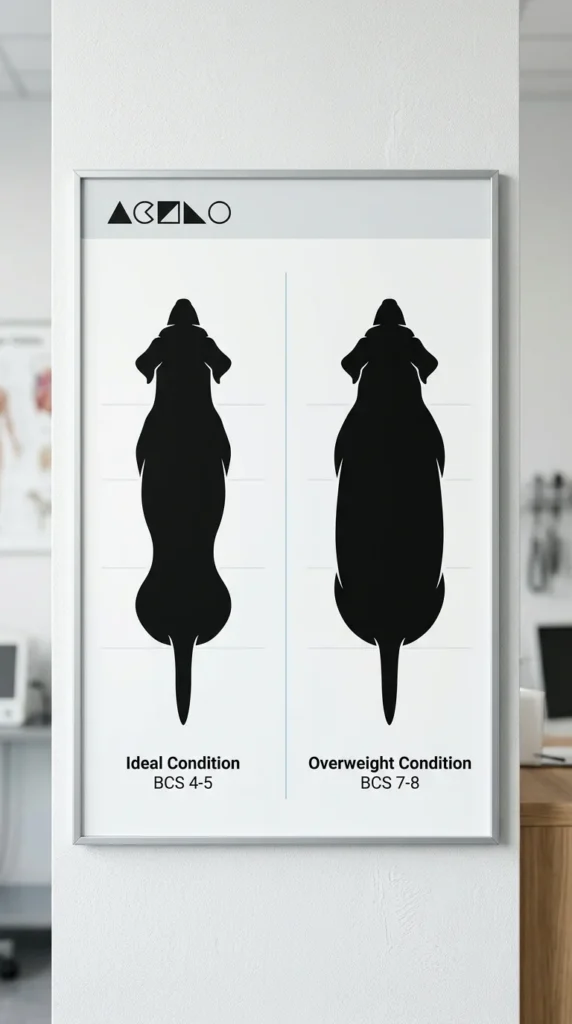
Don’t just rely on the scale. Learn to feel your dog’s ribs; you should be able to feel them easily without a thick layer of fat, and they should have a visible waist when viewed from above. Adjust food portions based on these physical cues.
18. Low Sodium
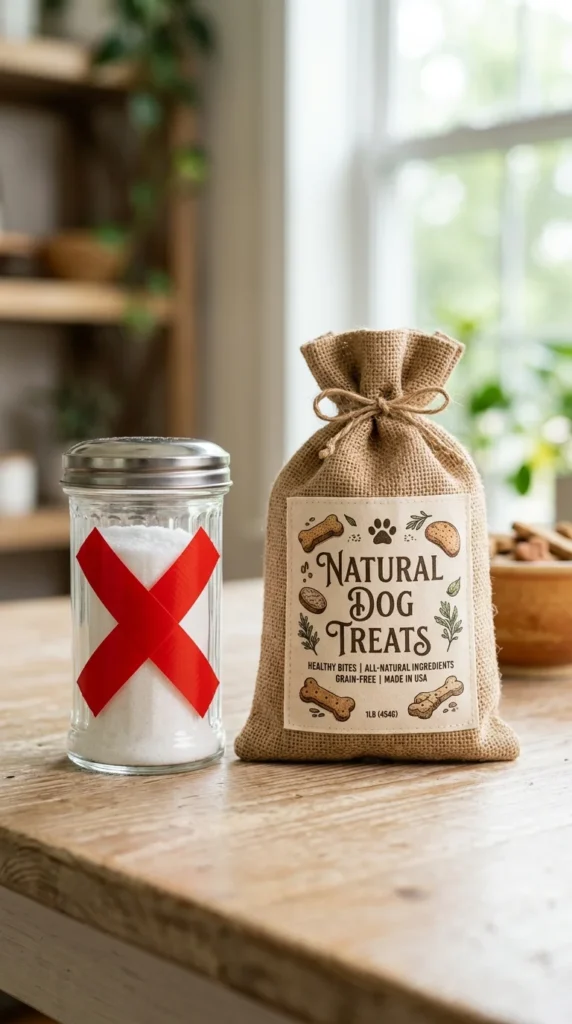
Excessive salt can lead to increased thirst, urination, and even sodium ion poisoning in dogs. Avoid giving your dog processed human snacks like pretzels, chips, or canned soups, which are often hidden sources of high sodium.
19. Fresh Vegetables
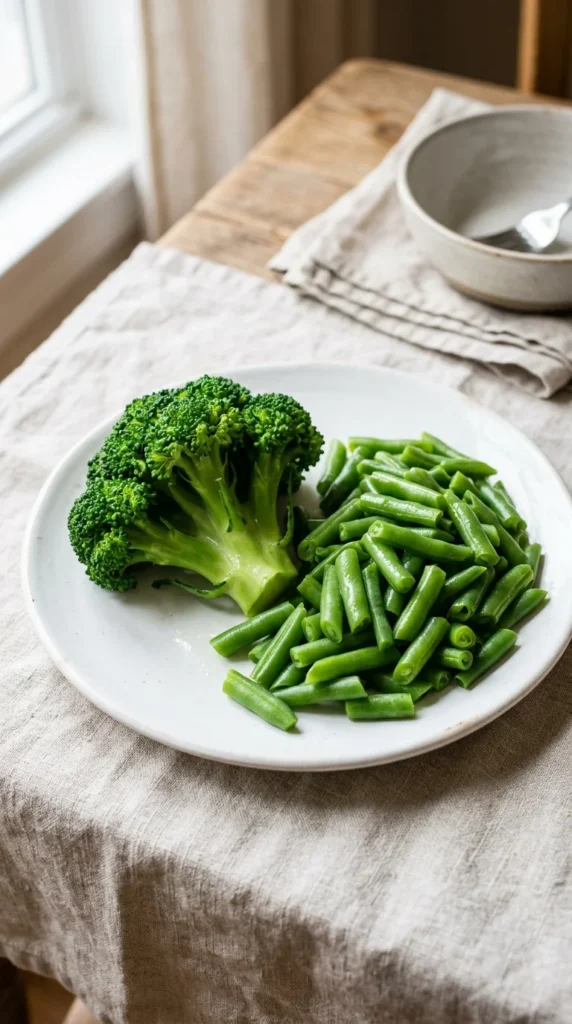
Vegetables are great “volume fillers” for dogs that are always hungry but need to lose weight. They provide vitamins and minerals without adding many calories. Stick to dog-safe options like broccoli, spinach, and green beans.
20. Essential Vitamins
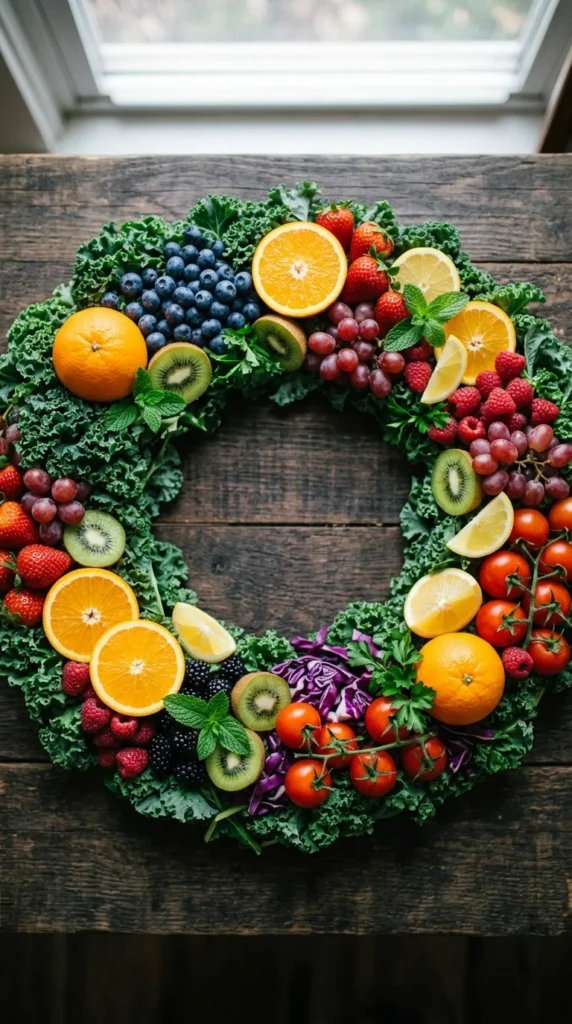
While most commercial foods are “complete and balanced,” ensuring your dog gets vitamins A, E, and C through whole foods can boost their immune system. These antioxidants help fight free radicals and reduce oxidative stress.
21. Grain-Free Caution
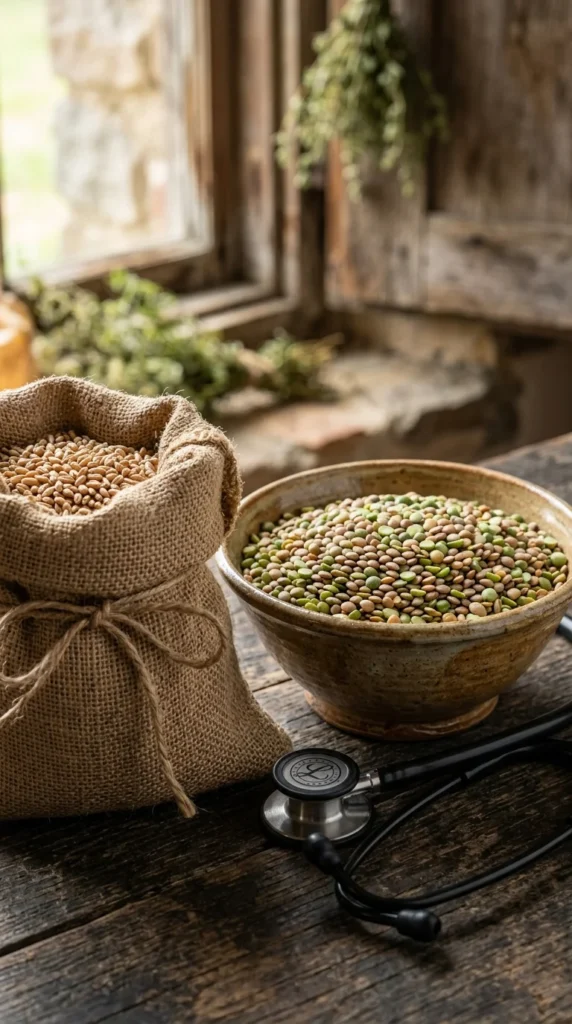
Grain-free isn’t always better. Recent studies have looked into links between certain grain-free diets (heavy in legumes/lentils) and heart issues. Unless your dog has a specific grain allergy, a grain-inclusive diet with high-quality grains like barley or oats is often healthier.
22. Food Storage
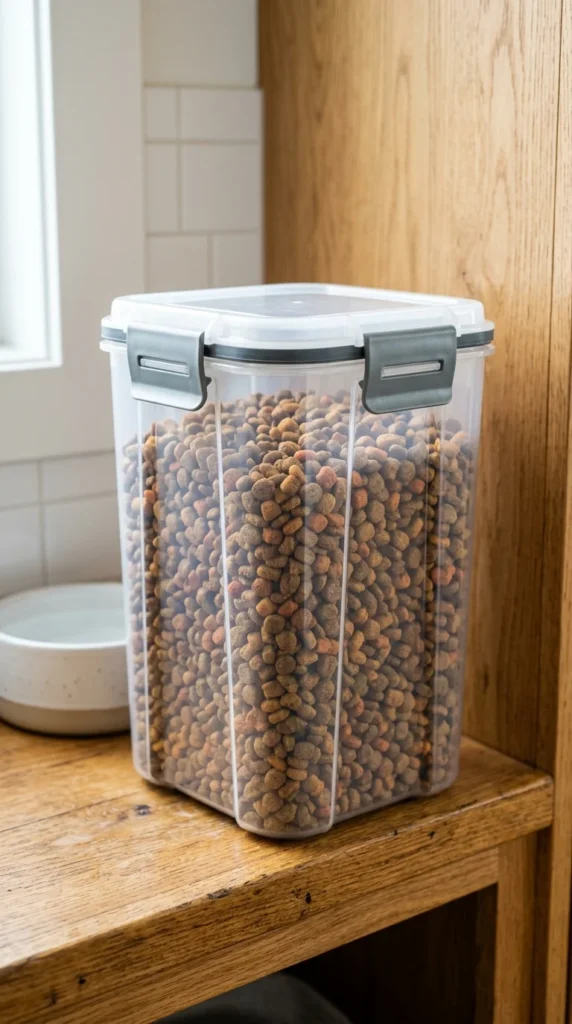
Oxygen and light cause the fats in dog food to go rancid. Keep kibble in its original bag (which is designed to protect it) and place that bag inside an airtight container. Store it in a cool, dry place to maintain nutritional potency.
23. Raw Diet Safety
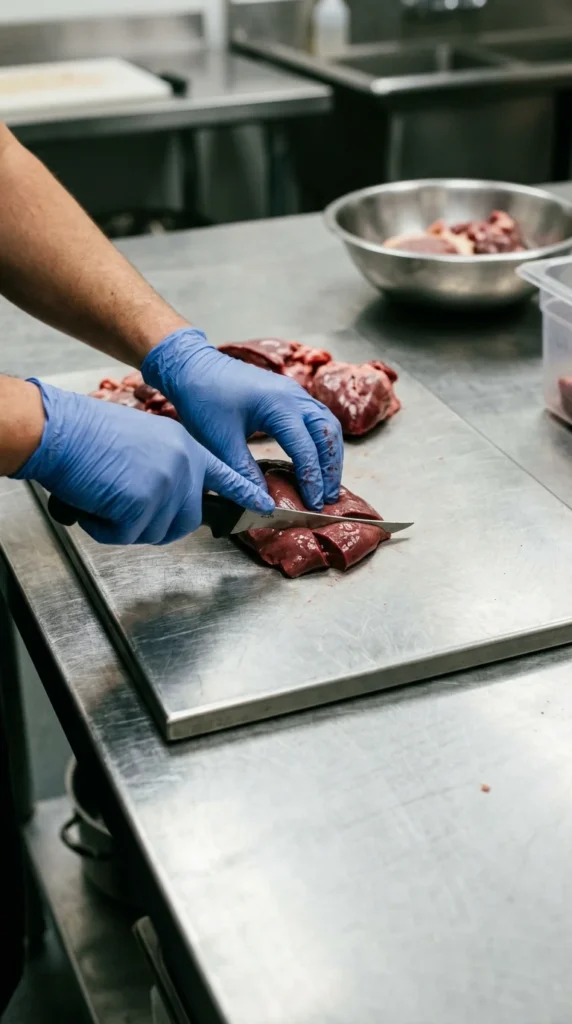
If you choose a raw diet, hygiene and balance are non-negotiable. Raw diets must include the correct ratio of muscle meat, organ meat, and bone to be nutritionally complete. Always handle raw dog food with the same level of sanitation as human meat.
24. Limit Fillers
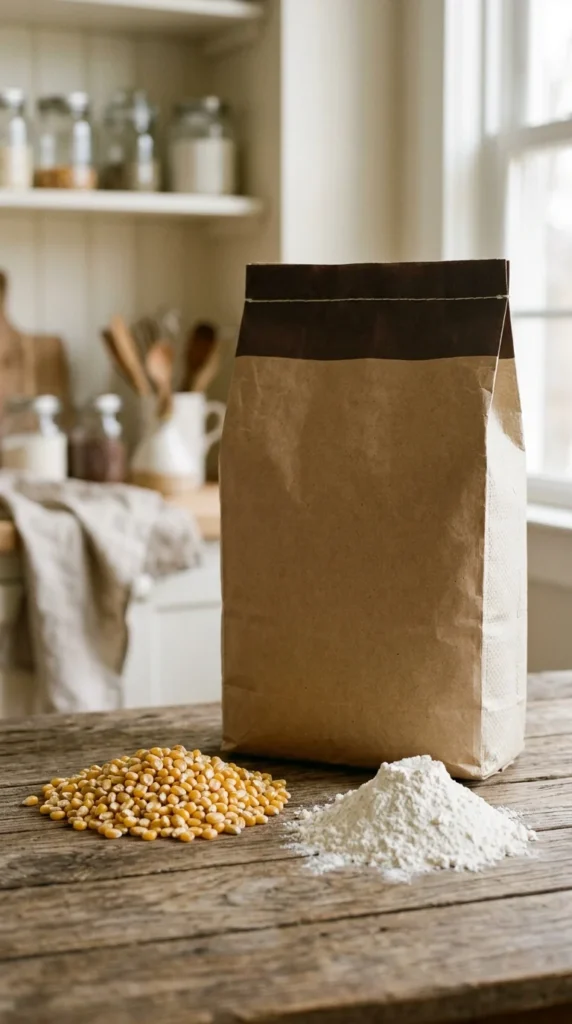
Fillers like corn gluten meal, wheat gluten, and soy are often used to bulk up food cheaply. While not inherently toxic, they are often less digestible than animal proteins and offer less nutritional value per calorie.
25. Seasonal Changes

A dog’s caloric needs change with the weather and their activity level. An active dog might need more food in the winter to maintain body heat, whereas a dog that sleeps more during the summer heat may require slightly less to avoid weight gain.
26. Avoid Table Scraps

Table scraps are often high in fat, salt, and sugar. They can cause digestive upset and pancreatitis, and they teach your dog to beg. If you want to share, stick to plain, unseasoned pieces of cooked chicken or vegetables.
27. Vet Consultation

Every dog is an individual. What works for a neighbor’s Husky might not work for your French Bulldog. Always consult with your veterinarian before making major dietary changes or starting new supplements to ensure they align with your dog’s specific health profile.