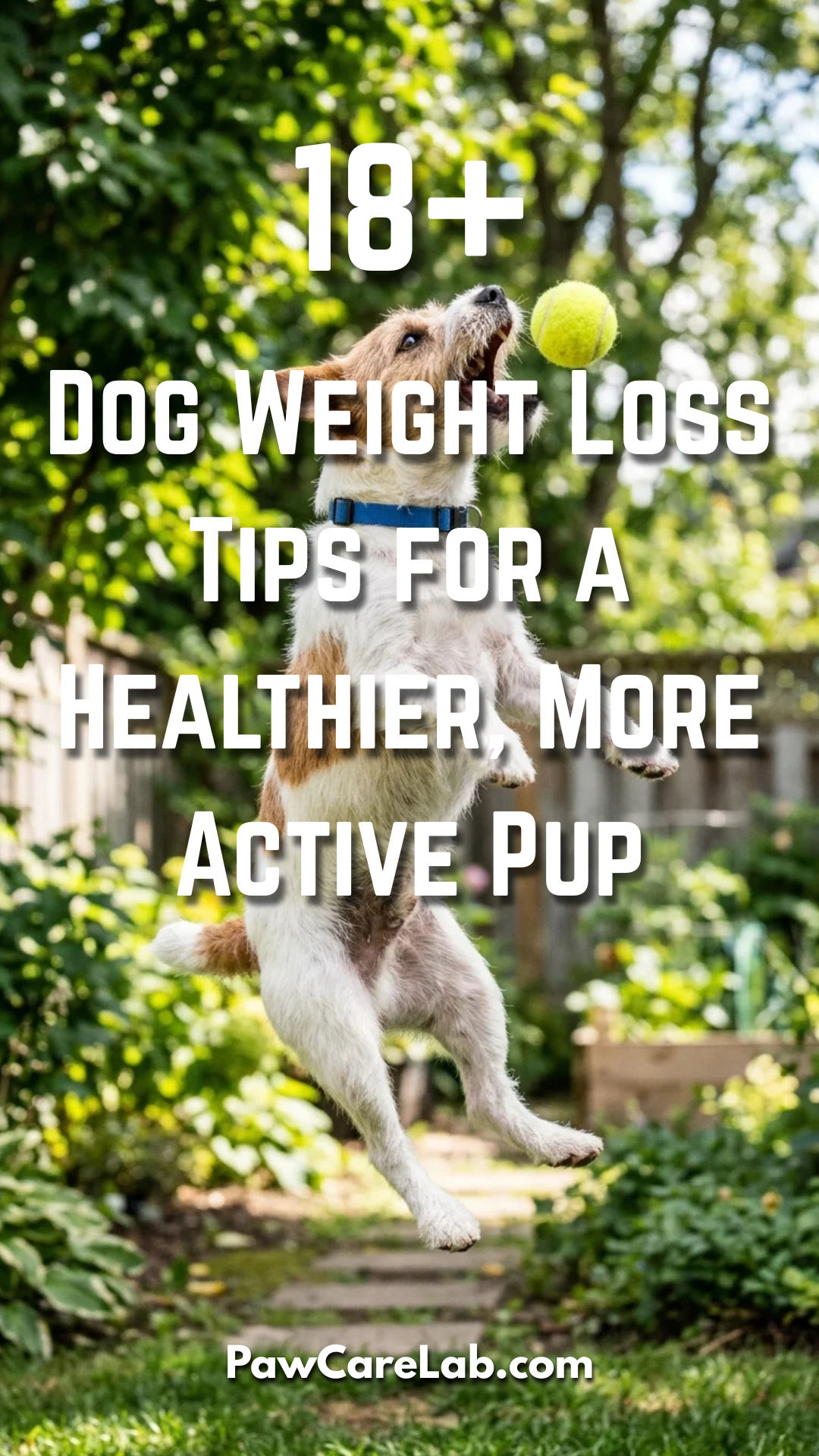
Obesity in dogs is more than just a cosmetic issue; it is a significant health crisis that can shave years off your furry friend’s life. According to recent veterinary studies, over 50% of dogs in the United States are classified as overweight or obese. This excess weight puts immense strain on their joints, increases the risk of diabetes, leads to respiratory issues, and can even contribute to certain types of cancer.
As a responsible pet owner, helping your dog reach an ideal weight is one of the greatest gifts you can provide. A leaner dog is a more energetic, happier, and more resilient companion. However, weight loss for canines requires a strategic approach that balances nutrition, physical activity, and behavioral changes. Here are 18 comprehensive tips to help your pup shed those extra pounds and regain their vitality.
1. Veterinary Consultation
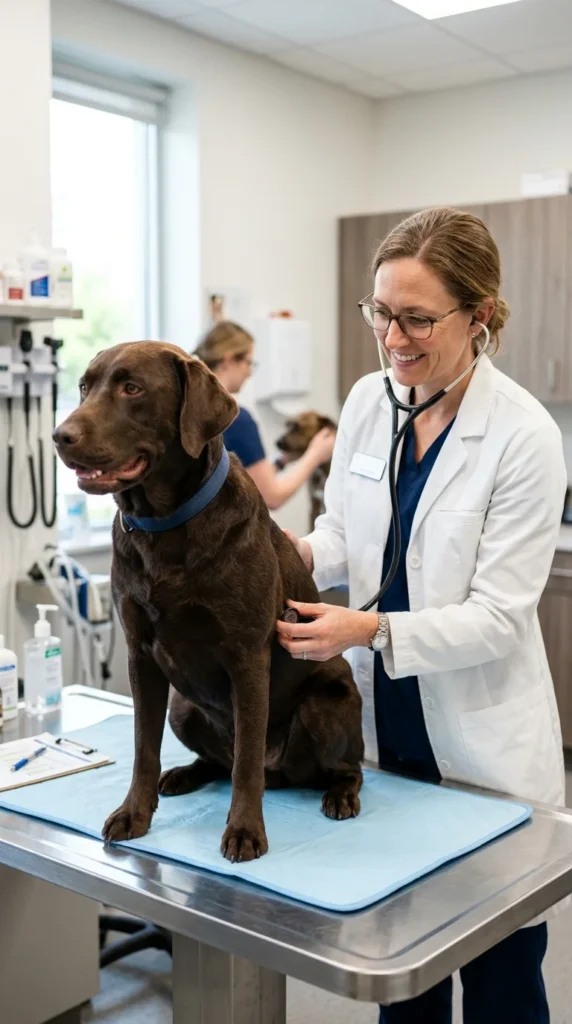
Before embarking on any weight loss journey, your first stop must be the veterinarian’s office. Weight gain can sometimes be a symptom of underlying medical issues like hypothyroidism or Cushing’s disease. A vet will perform a thorough physical exam, perhaps run blood work, and determine your dog’s “Body Condition Score” (BCS). They will help you set a realistic goal weight and provide a caloric target tailored specifically to your dog’s breed, age, and current health status.
2. Precise Portions
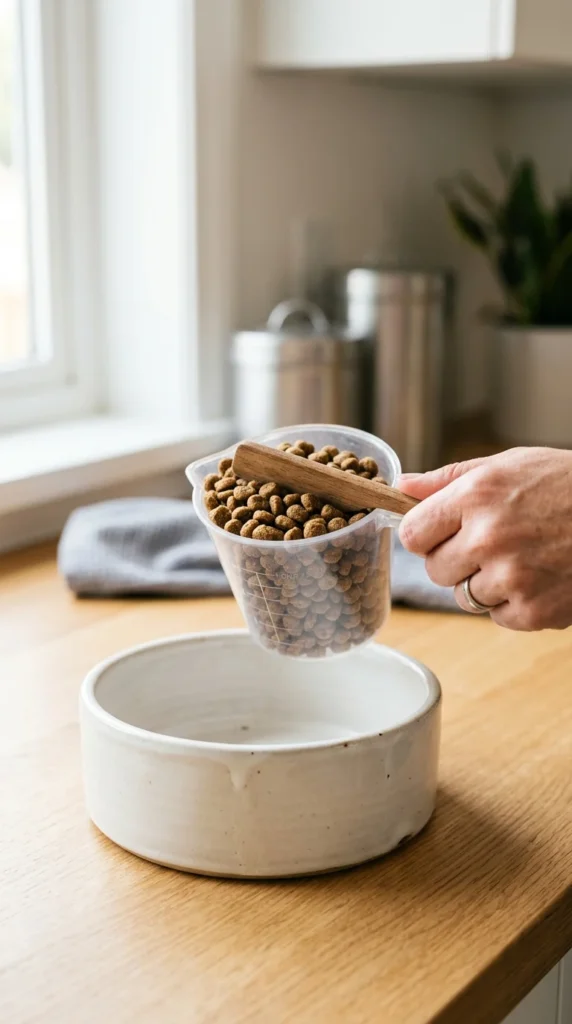
“Eyeballing” your dog’s food is a recipe for weight gain. Even an extra quarter-cup of food per day can lead to significant weight gain over a month for a small or medium-sized dog. Use a standard measuring cup or, for even greater precision, a digital kitchen scale to weigh the food in grams. Following the “suggested feeding” chart on the back of the bag is a starting point, but remember those charts are often based on active, intact adult dogs; your vet’s recommendation is much more accurate.
3. Low-Calorie Treats

Treats are often the “hidden” calories in a dog’s diet. If you are training your dog or simply want to show affection, swap out high-calorie processed biscuits for healthy, low-calorie alternatives. Many dogs love the crunch of fresh green beans, carrot slices, or cucumber. These snacks provide fiber and hydration without the heavy caloric load of traditional pet store treats.
4. Daily Walks
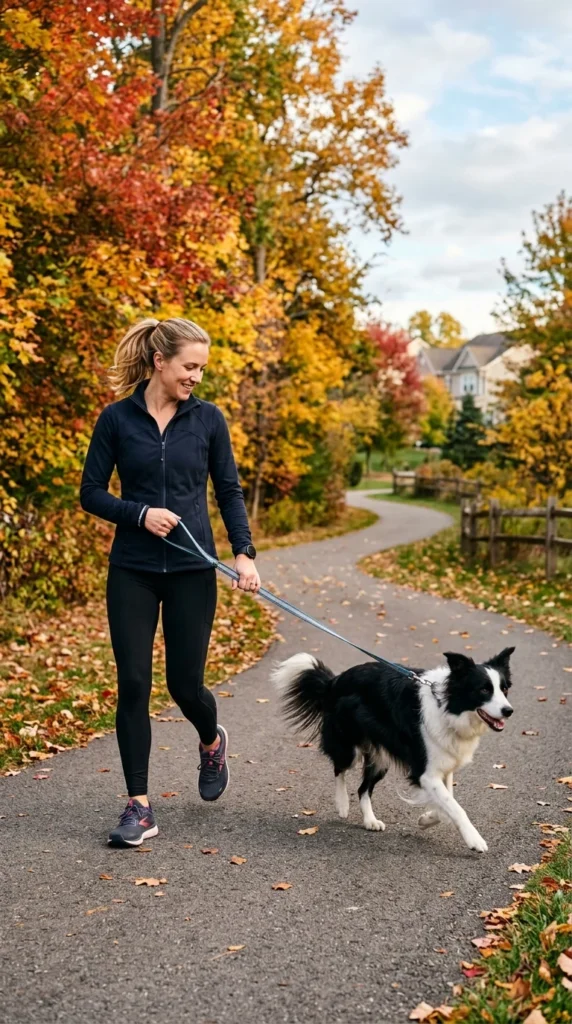
Consistency is the key to cardiovascular health. A casual stroll around the block to “do their business” isn’t enough for weight loss. Aim for at least 30 minutes of brisk walking every day. This not only burns calories but also provides essential mental stimulation. If your dog is significantly overweight, start with shorter 10-minute sessions and gradually increase the duration and pace as their stamina improves.
5. Puzzle Feeders
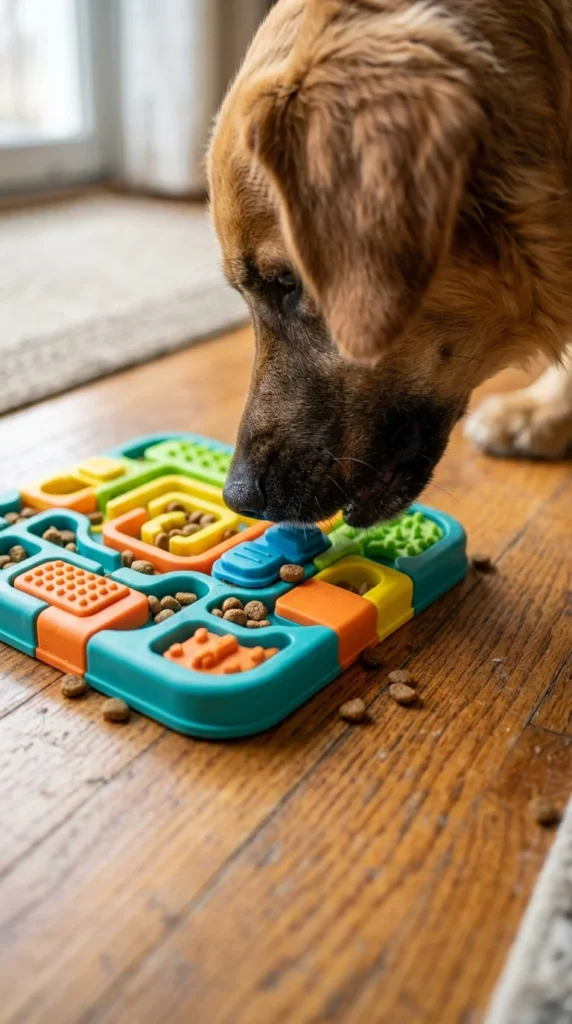
Dogs are natural foragers. Inhaling a bowl of food in thirty seconds provides no mental engagement and can lead to bloating. Use puzzle feeders, snuffle mats, or slow-feeder bowls to turn mealtime into a game. This forces the dog to work for their food, slowing down their intake and burning a few extra calories through movement and problem-solving.
6. Interactive Play
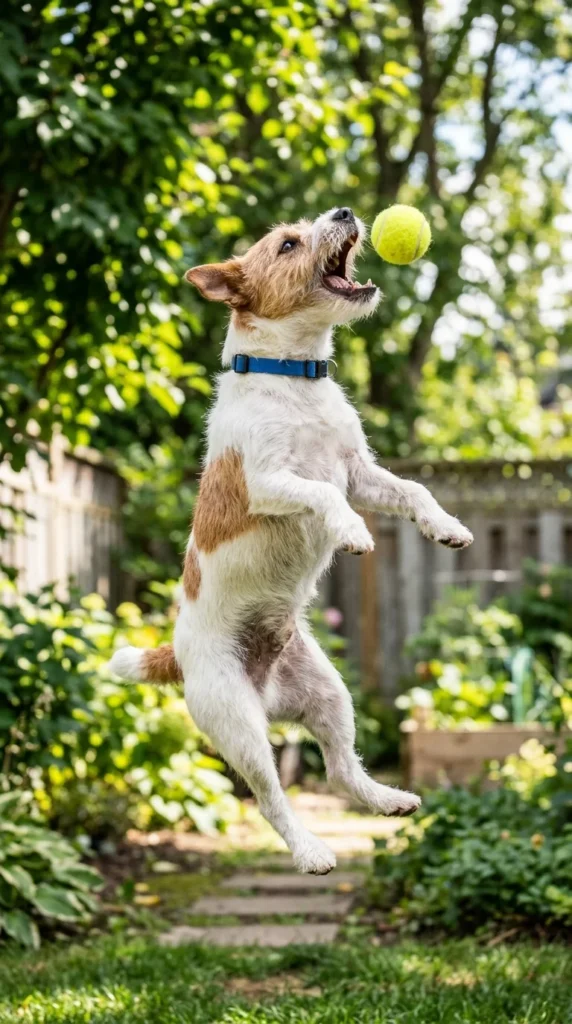
Exercise shouldn’t just be a chore; it should be fun. Engage in interactive play sessions like fetch, tug-of-war, or “hide and seek” with toys. These bursts of high-intensity activity help build muscle and boost the metabolic rate. Muscle tissue burns more calories at rest than fat tissue, so building a bit of “doggy muscle” is highly beneficial for long-term weight management.
7. Regular Weigh-ins
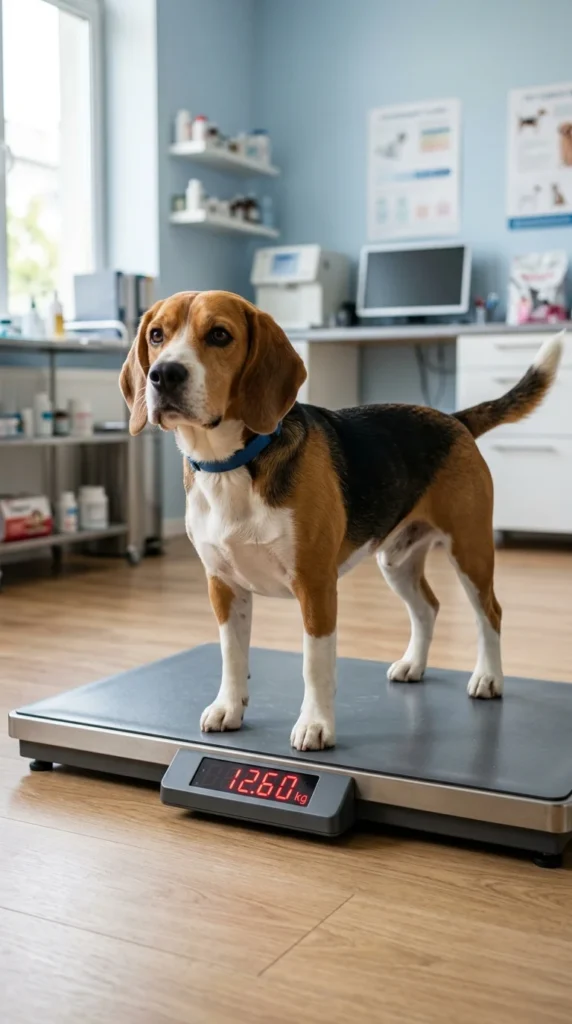
You cannot manage what you do not measure. Weigh your dog once every two weeks to track progress. Most veterinary offices will allow you to stop by and use their scales for free. If you have a small dog, you can weigh yourself on a home scale, then weigh yourself while holding the dog and subtract the difference. Keep a log to see the downward trend, which will keep you motivated.
8. Healthy Fruits

While some fruits are toxic to dogs (like grapes and raisins), others make excellent weight-loss snacks. Blueberries are packed with antioxidants, and apples (without seeds or the core) provide a satisfying crunch and fiber. Always introduce new fruits in small quantities to ensure they don’t upset your dog’s stomach.
9. No Scraps
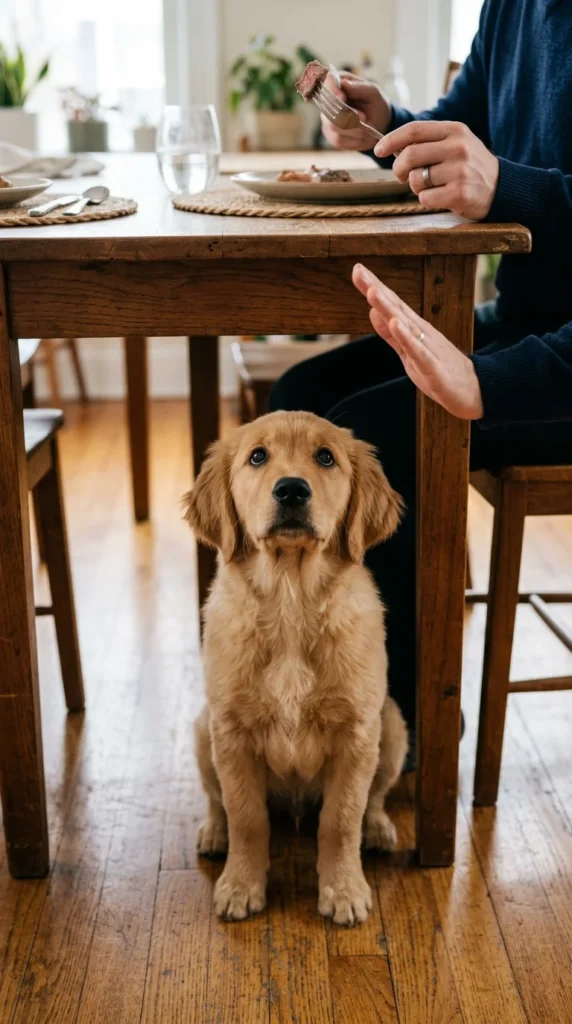
Table scraps are a major contributor to canine obesity. Human food is often calorie-dense, fatty, and seasoned with ingredients like onion or garlic that can be harmful. Even a small piece of cheese or a bite of a hamburger can represent a huge percentage of a small dog’s daily caloric needs. Establish a strict “no table food” rule for everyone in the household.
10. Controlled Swimming
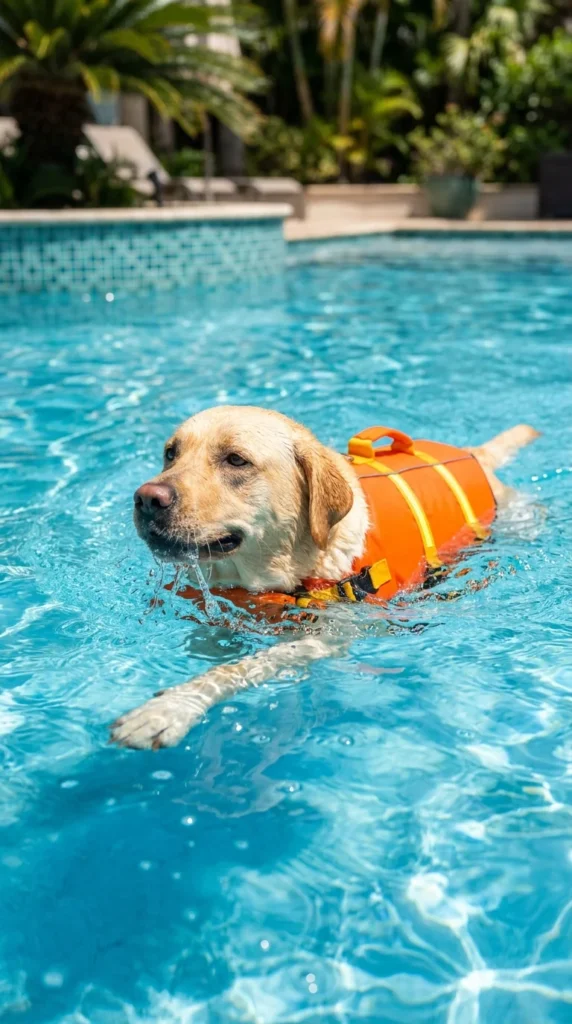
For dogs with joint issues or extreme obesity, swimming is the ultimate exercise. It is a non-weight-bearing activity that provides a full-body workout without putting stress on the hips, knees, or elbows. Many specialized canine rehabilitation centers offer heated pools or underwater treadmills specifically designed for weight loss and physical therapy.
11. Nutrient Density

Not all calories are created equal. If you simply reduce the amount of a low-quality, “filler-heavy” food, your dog may become malnourished or constantly hungry. Consider switching to a high-protein, high-fiber weight management formula. These diets are designed to keep the dog feeling full while providing all the necessary vitamins and minerals in a lower-calorie package.
12. Feeding Schedule
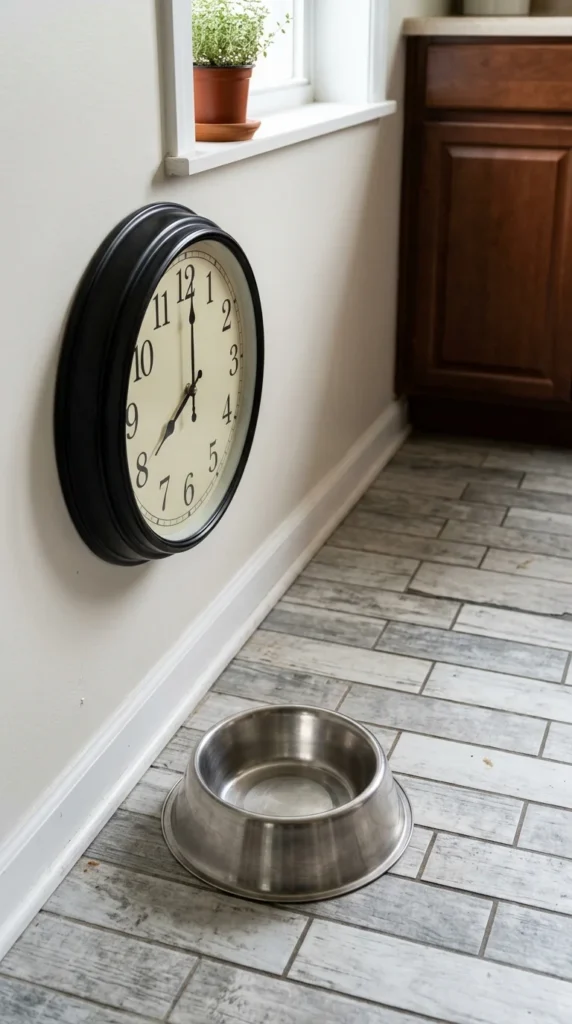
Free-feeding (leaving a bowl of food out all day) is one of the easiest ways for a dog to overeat. Instead, move to a strict feeding schedule—usually twice a day. This helps regulate the dog’s metabolism and allows you to monitor exactly how much they are eating. If the food isn’t eaten within 15 minutes, pick it up until the next scheduled meal.
13. Hydration Focus
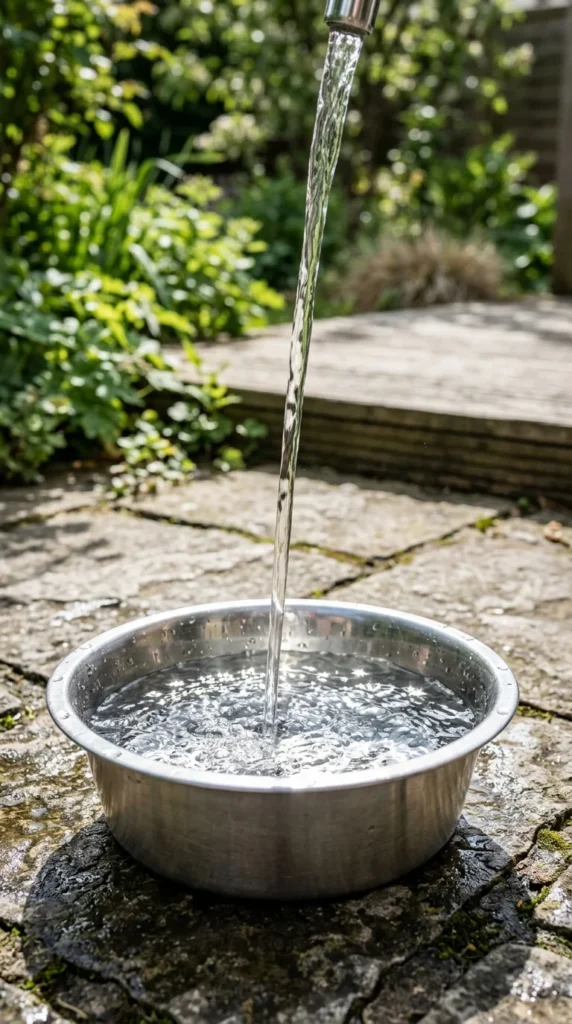
Sometimes, dogs (like humans) mistake thirst for hunger. Ensure your dog always has access to fresh, clean water. Staying hydrated is essential for metabolic processes and helps the body flush out toxins as fat is burned. If your dog is a “beggar,” try offering a fresh bowl of water or an ice cube to see if that satisfies them.
14. Mental Training
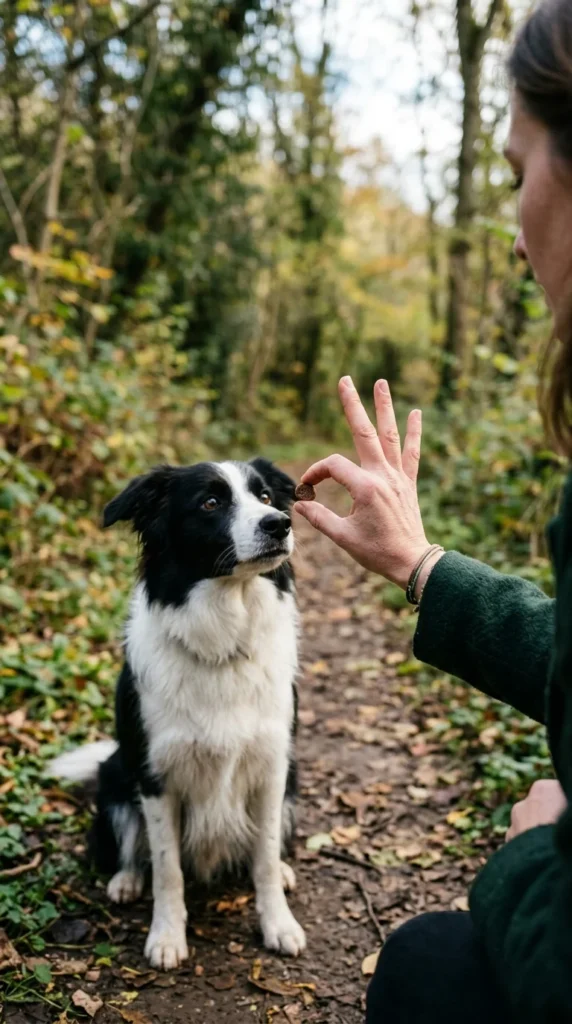
Weight loss can be stressful for a dog if they feel they are being “deprived.” Mental stimulation can distract them from their hunger. Spend 10 to 15 minutes a day practicing new tricks or refining old commands. The mental energy required for training can be just as exhausting as a walk and strengthens the bond between you and your pet.
15. Canine Sports
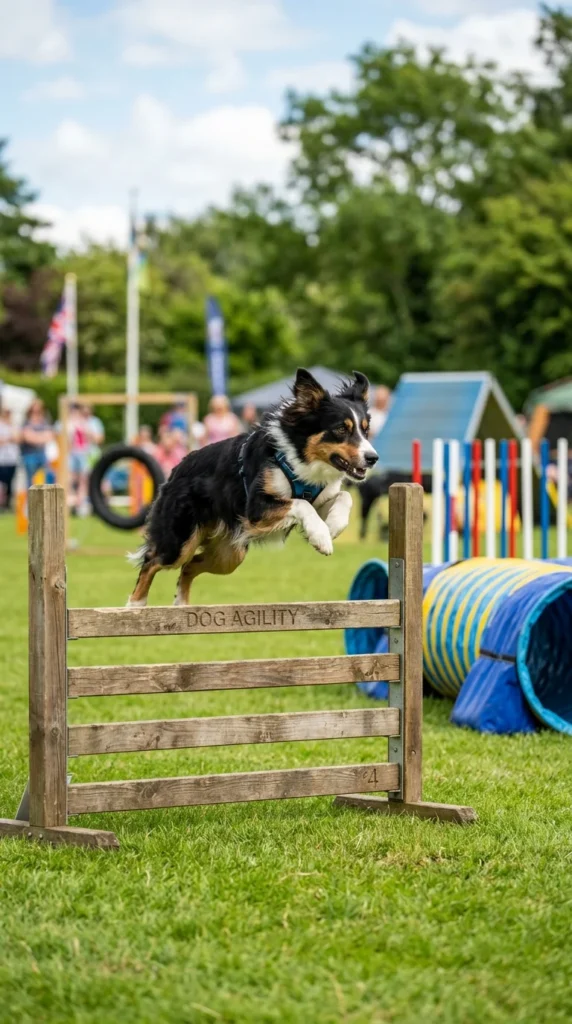
If your dog is healthy enough for higher-impact activity, consider canine sports like agility, flyball, or scent work. These activities provide a structured way to exercise and offer a level of intensity that is difficult to achieve on a standard walk. It turns the weight loss journey into a shared hobby and an exciting challenge for the pup.
16. Targeted Supplements

As a dog loses weight, their joints may need extra support, especially if they were previously carrying a lot of excess pounds. Omega-3 fatty acids (fish oil) can help reduce inflammation, while glucosamine and chondroitin support cartilage health. Consult your vet about adding these to your dog’s regimen to keep them comfortable and mobile during their weight loss journey.
17. Family Alignment

Weight loss is a team effort. If you are cutting back on food but your spouse is sneaking the dog treats and the kids are dropping their crusts, the dog will never lose weight. Sit down with everyone in the house and explain the health risks the dog faces. Create a chart where everyone can check off when the dog has been fed or walked to avoid “double-dipping.”
18. Consistent Patience
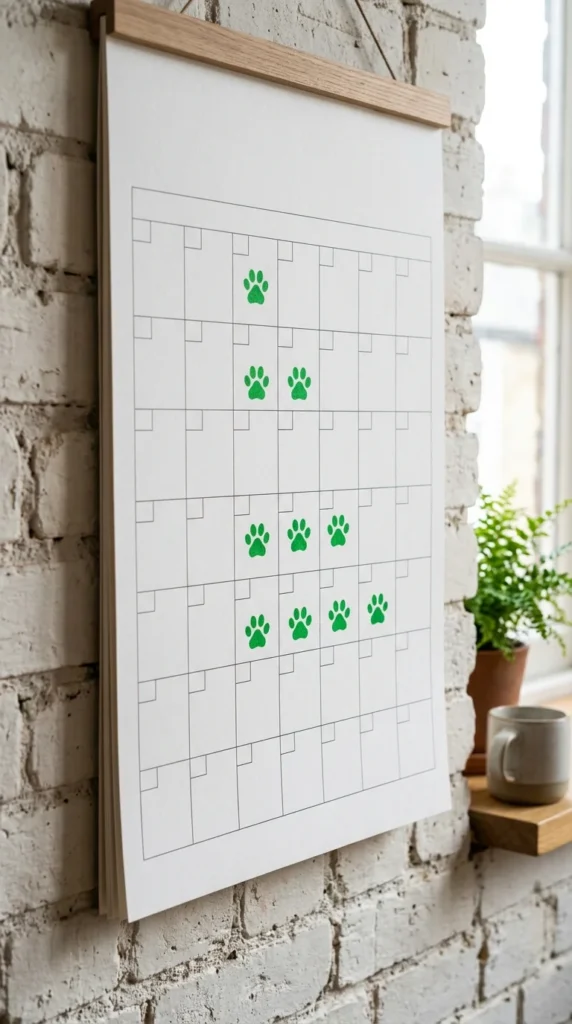
Weight loss should be slow and steady. A safe rate is generally 1% to 2% of total body weight per week. Losing weight too quickly can be dangerous and usually leads to muscle loss rather than fat loss. Stay patient and celebrate the small victories—like when your dog finally has a visible “waist” again or when they have the energy to chase a ball for five minutes longer than they used to. Your persistence will result in a longer, healthier life for your best friend.