For most dog owners, living with a furry companion means accepting that dog hair is now a permanent part of your home’s decor. It’s on the rugs, it’s in your morning coffee, and it’s definitely all over your favorite black sweater. While shedding is a natural biological process—especially during the “blowing of the coat” in spring and fall—excessive shedding can be a sign of poor nutrition, stress, or a lack of proper grooming.
If you are tired of your home looking like a giant tumbleweed, you don’t have to resort to shaving your pup. From dietary tweaks to professional-grade tools, here are 20 dog shedding remedies that actually work to keep the fur on your dog and off your sofa.
1. Daily Brushing
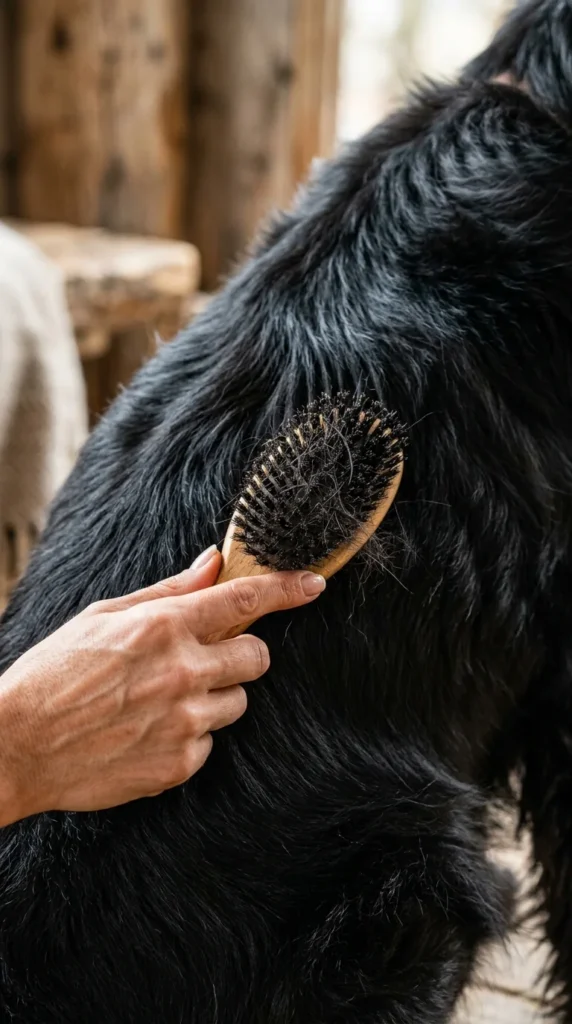
The most effective remedy is also the simplest: daily brushing. By brushing your dog for just ten minutes every day, you are manually removing loose hairs before they have a chance to fall onto your carpet. Regular brushing also helps distribute the natural oils across your dog’s skin, which keeps the coat healthy and less prone to breakage. For short-haired breeds, a simple bristle brush works wonders, while long-haired breeds may require something sturdier.
2. De-shedding Tools
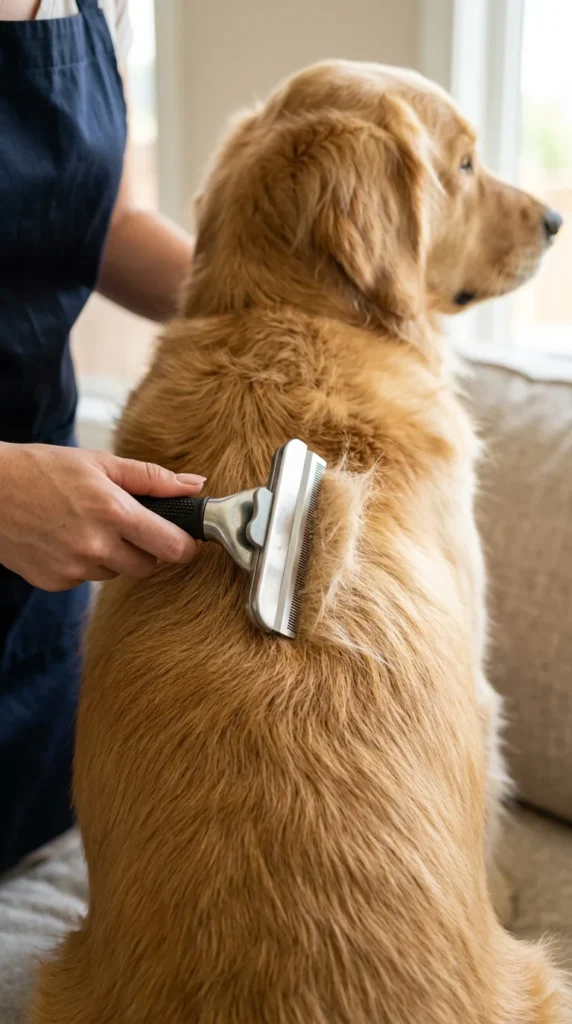
Standard brushes are great for maintenance, but a dedicated de-shedding tool is a game-changer. These tools are designed to reach beneath the topcoat to pull out the dead hair from the undercoat. Brands like the FURminator have become household names because they can reduce shedding by up to 90%. Use these tools carefully once a week to avoid irritating your dog’s skin, and you’ll see a massive reduction in the “fur-nado” in your living room.
3. Omega-3 Supplements
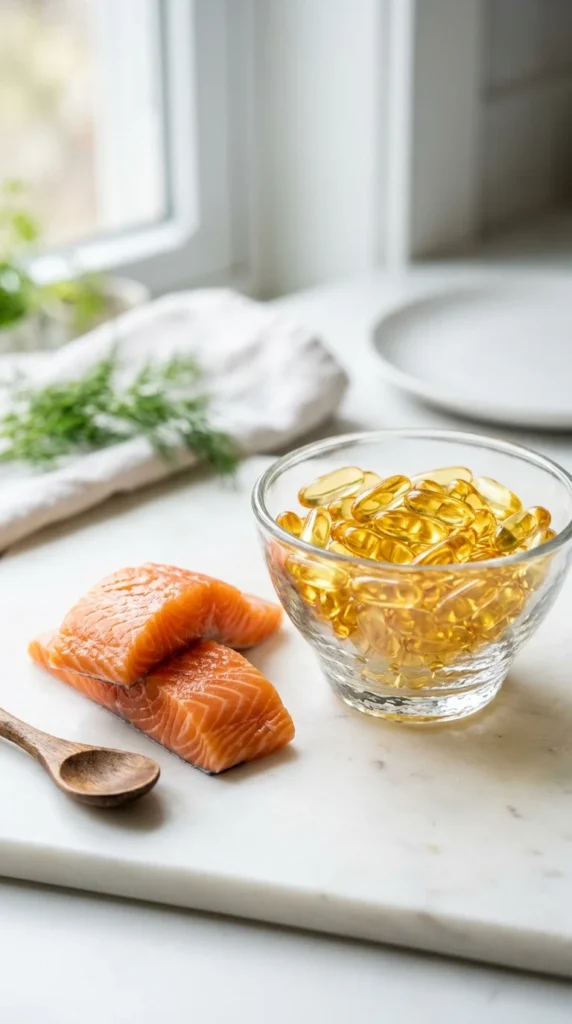
A dog’s skin health is the foundation of their coat health. If the skin is dry or inflamed, the hair follicles become weak, leading to excessive shedding. Adding Omega-3 fatty acids—found in fish oil, krill oil, or flaxseed—to your dog’s diet can significantly improve the strength and shine of their coat. These healthy fats act as a natural “glue” that keeps the fur rooted firmly in the skin.
4. De-shedding Shampoos
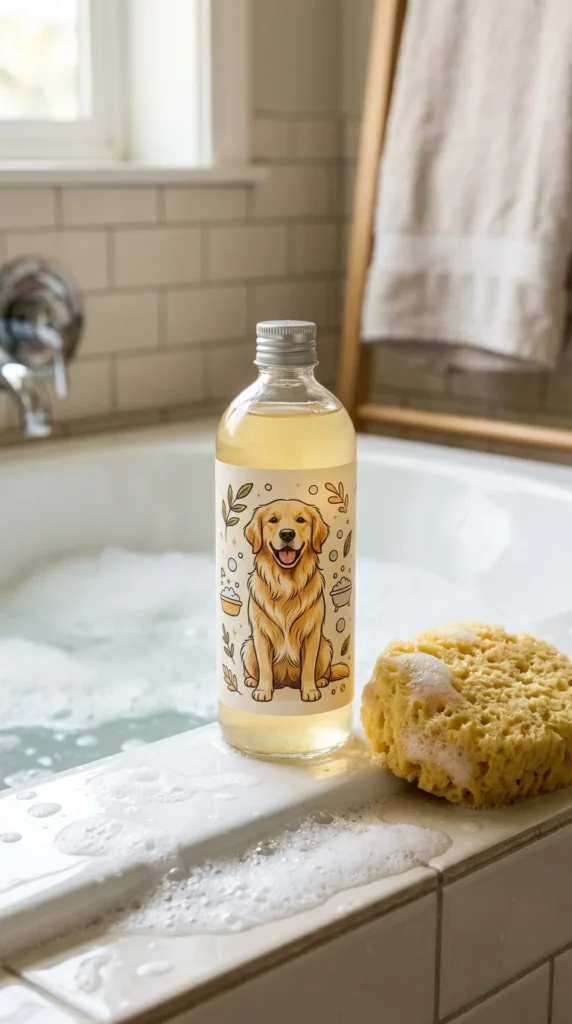
Not all dog shampoos are created equal. De-shedding shampoos are formulated with ingredients like aloe vera, vitamin E, and specialized proteins that help release the undercoat during the bath. These shampoos work by “opening” the coat so that the loose hair washes away down the drain rather than falling off on your bed later that night.
5. High-Velocity Dryers
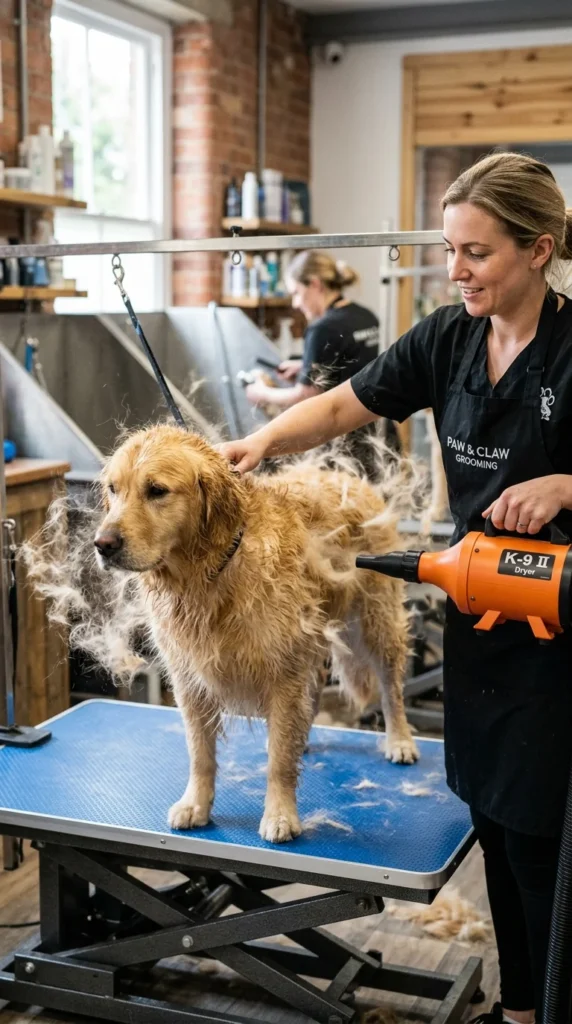
Professional groomers have a secret weapon: the high-velocity dryer. Unlike a human hairdryer, which uses heat, these machines use a powerful stream of cool air to literally blast the loose undercoat off the dog. Using one of these after a bath (ideally outdoors or in a controlled grooming area) can remove more hair in ten minutes than a brush can in an hour.
6. Proper Hydration
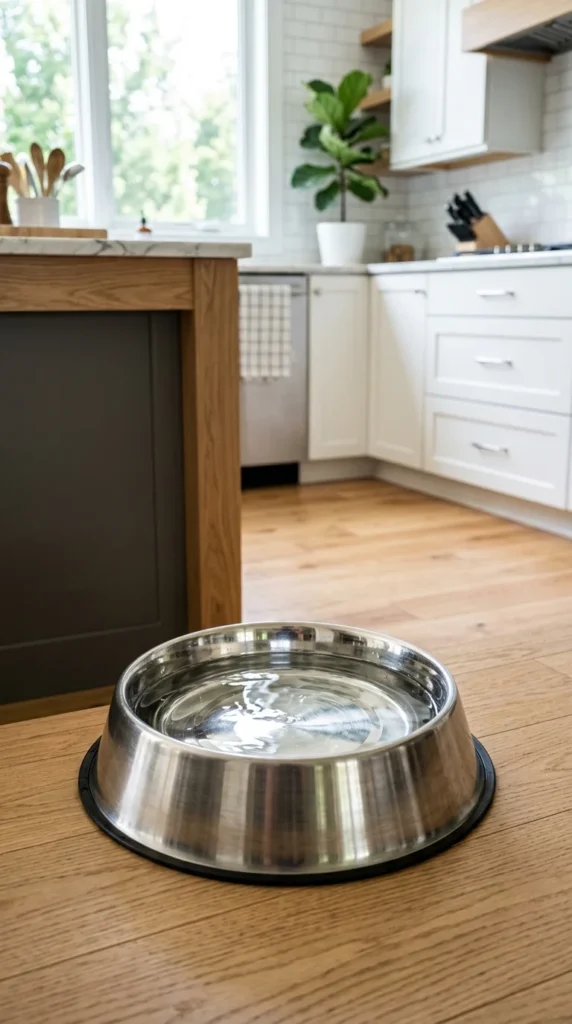
Dehydration leads to dry skin, and dry skin leads to hair loss. If your dog isn’t drinking enough water, their coat will become brittle and fall out more frequently. Ensure your dog always has access to fresh, clean water. You can even add a little low-sodium chicken broth to their bowl to encourage them to drink more if they are picky.
7. Quality Nutrition
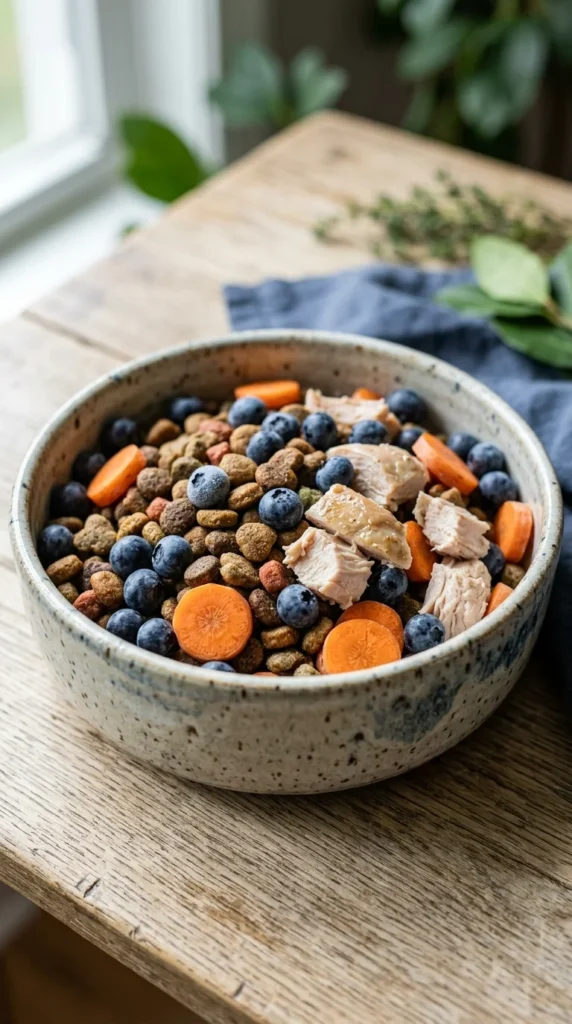
Cheap dog food often lacks the essential nutrients required to maintain a healthy coat. Many “bargain” brands are heavy on grains and fillers but light on high-quality proteins. Since hair is made primarily of protein, a diet rich in real meat sources will result in a stronger, more resilient coat. Look for foods where the first ingredient is a specific animal protein like “chicken” or “lamb.”
8. Rubber Mitts
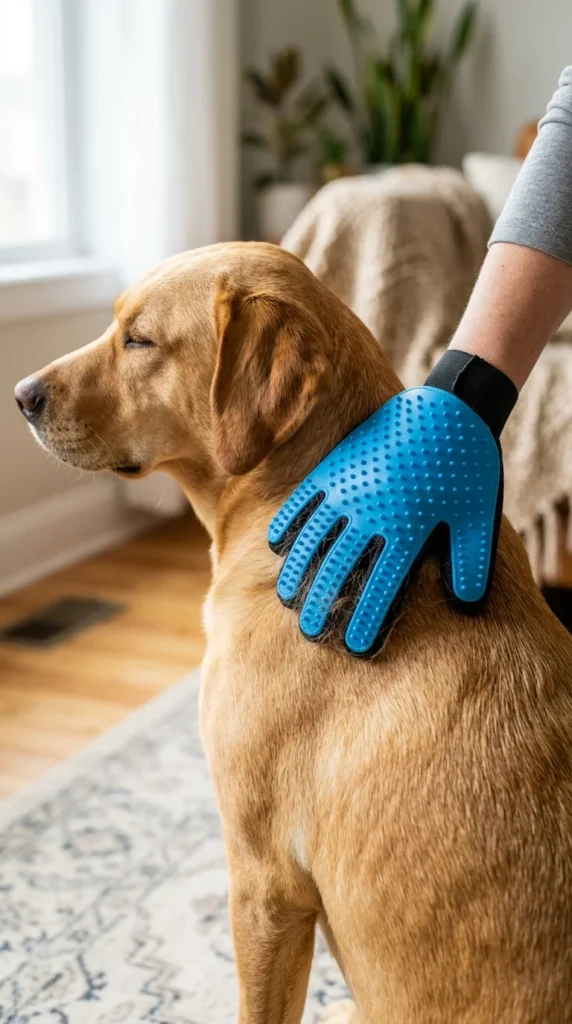
For dogs with short, coarse coats (like Labs or Boxers), traditional brushes can sometimes be too harsh. A rubber grooming mitt allows you to pet your dog while the rubber nubs grab onto loose hairs. This is also an excellent remedy for dogs who are nervous about grooming, as it feels just like a relaxing massage.
9. Coconut Oil
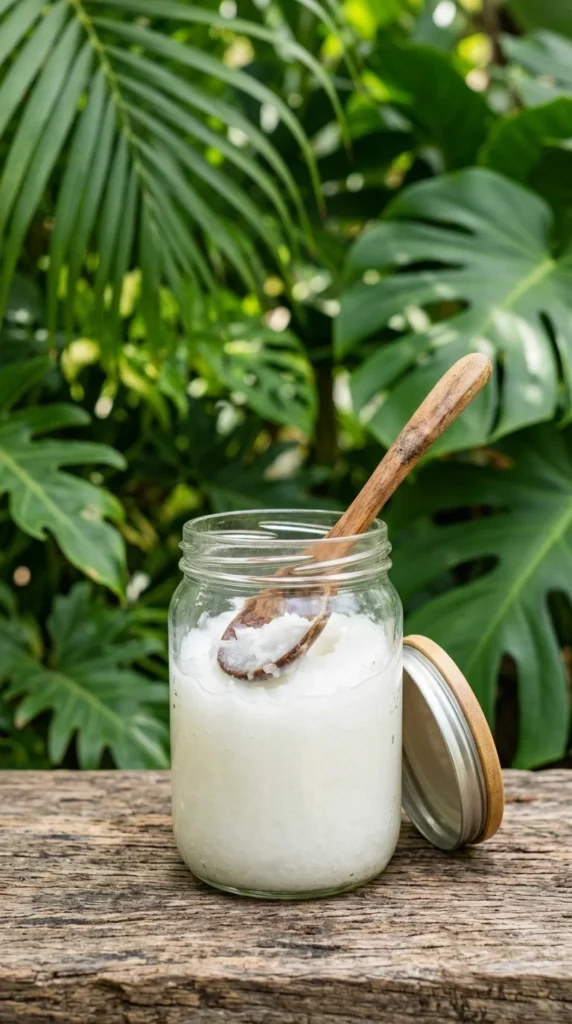
Coconut oil is a multi-purpose miracle for shedding. It can be fed to your dog (in small amounts) to provide healthy fats, or it can be applied topically to dry patches of skin. By moisturizing the skin directly, you prevent the flakiness that often causes hair to shed prematurely. Plus, it makes your dog smell like a tropical vacation.
10. Slicker Brushes
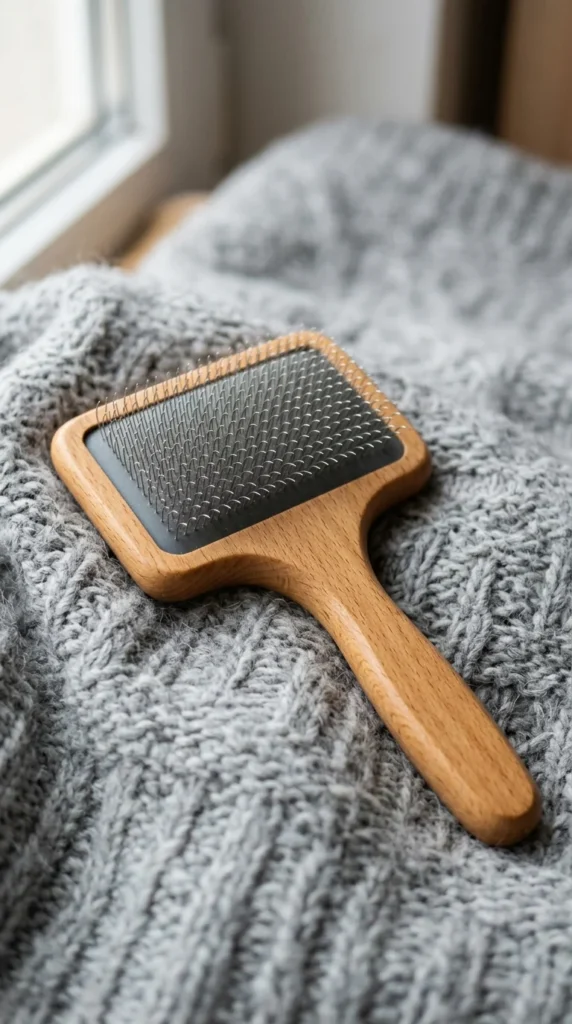
The slicker brush is the gold standard for dogs with long or curly hair. These brushes feature fine wire bristles that are angled to catch loose fur and break up small tangles. If your dog has a thick double coat, a slicker brush is essential for penetrating the outer layer and grabbing the dead fur hiding underneath.
11. Molasses Supplementation
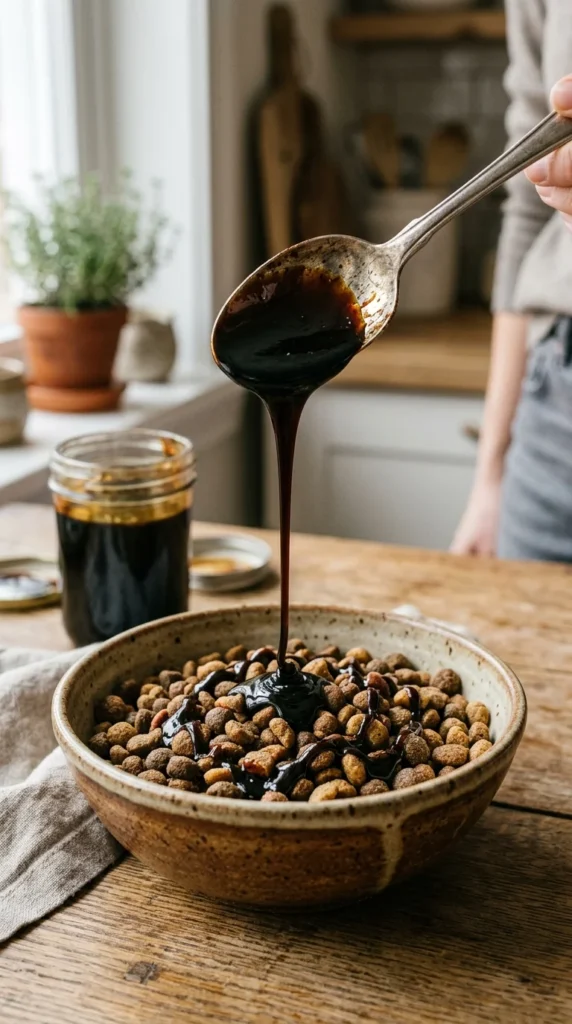
An old-school remedy that many veteran breeders swear by is adding a teaspoon of blackstrap molasses to a dog’s food. Molasses is rich in iron and B vitamins, which are crucial for hair growth and skin health. While not as common as fish oil, it can be a highly effective way to reduce “seasonal blow” in certain breeds.
12. Stress Reduction
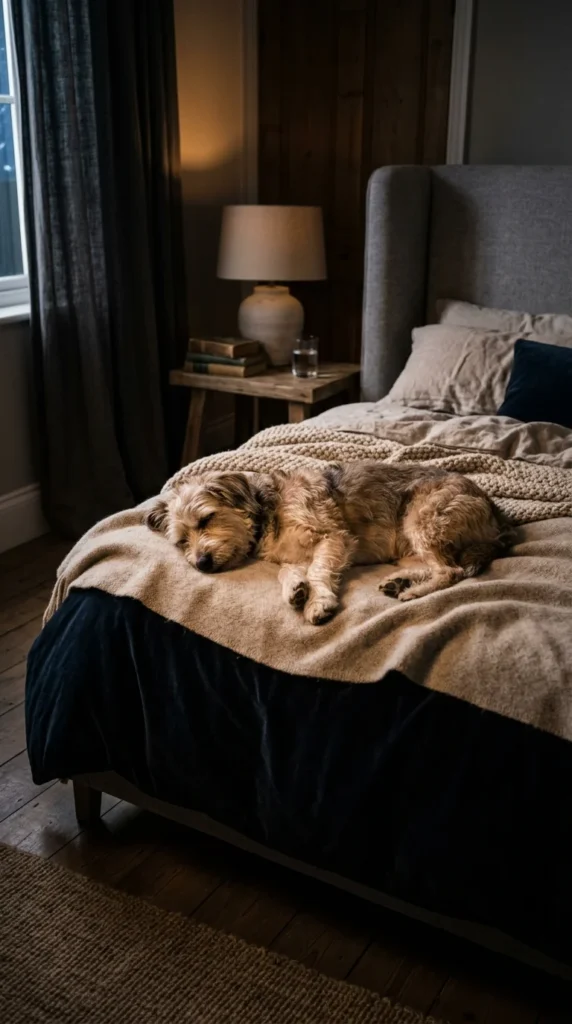
Just like humans, dogs can lose hair due to stress. If your dog is anxious because of a recent move, a new baby, or loud noises, they may shed excessively. Providing a calm environment, using pheromone diffusers, or ensuring they get plenty of exercise can lower their cortisol levels and, in turn, normalize their shedding cycle.
13. Regular Vet Visits
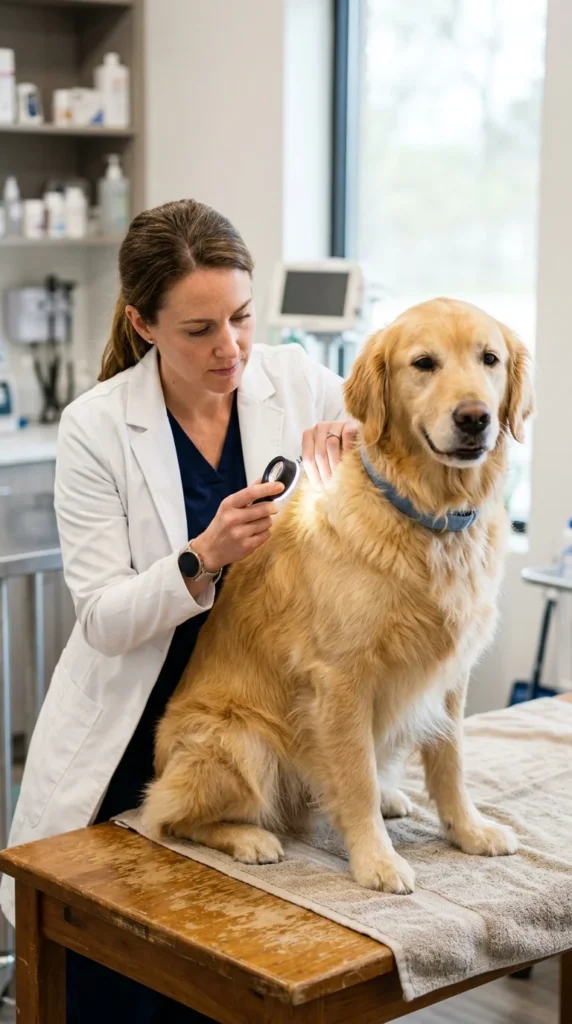
Sometimes, shedding isn’t just shedding—it’s a symptom. Allergies, parasites (like fleas or mites), and hormonal imbalances (like hypothyroidism) can all cause a dog to lose hair in clumps. If you notice bald spots or if the shedding seems localized to one area, a trip to the vet is necessary to rule out underlying medical issues.
14. Undercoat Rakes
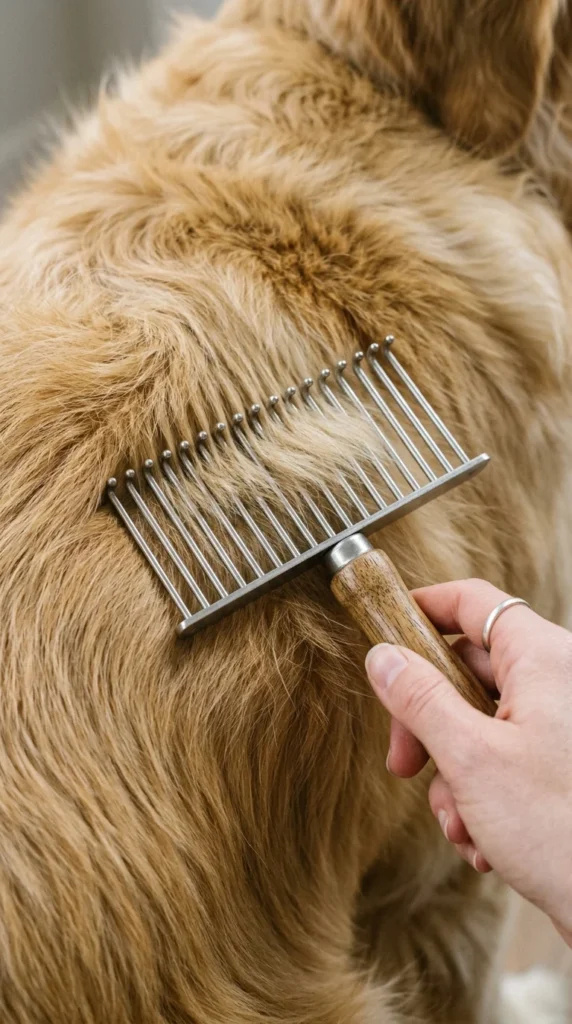
For heavy shedders like Huskies, Shepherds, and Malamutes, a standard brush won’t cut it. An undercoat rake has long teeth that reach deep into the thickest fur to pull out the “wool” that accumulates near the skin. This is the most efficient way to manage the massive seasonal sheds these breeds experience.
15. Air Purifiers
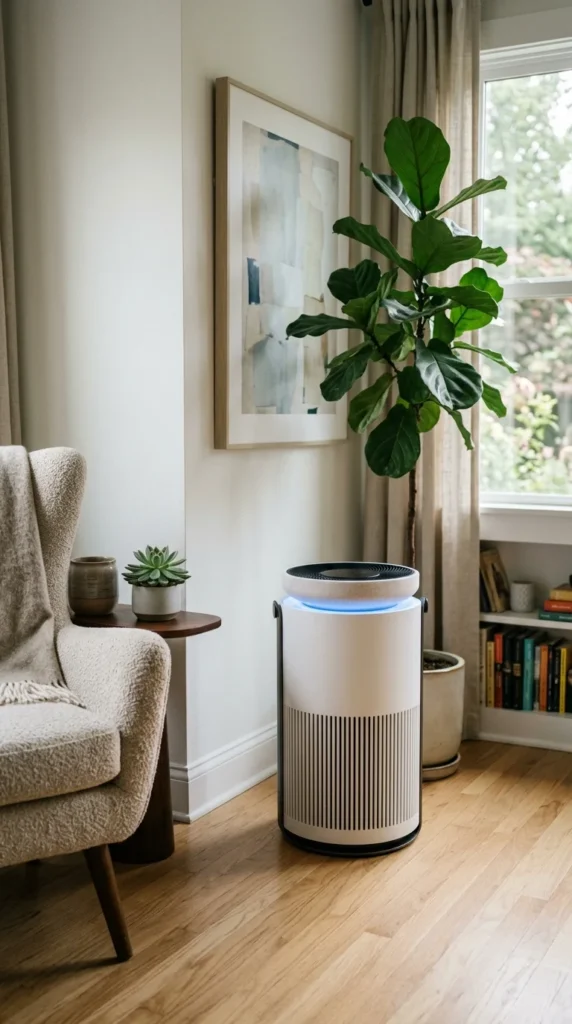
While an air purifier doesn’t stop the dog from shedding, it is a “remedy” for the home. HEPA filters are designed to capture dander and microscopic hair particles that float through the air. This reduces the amount of hair that settles on your furniture and significantly helps any family members who might have pet allergies.
16. The Squeegee Method
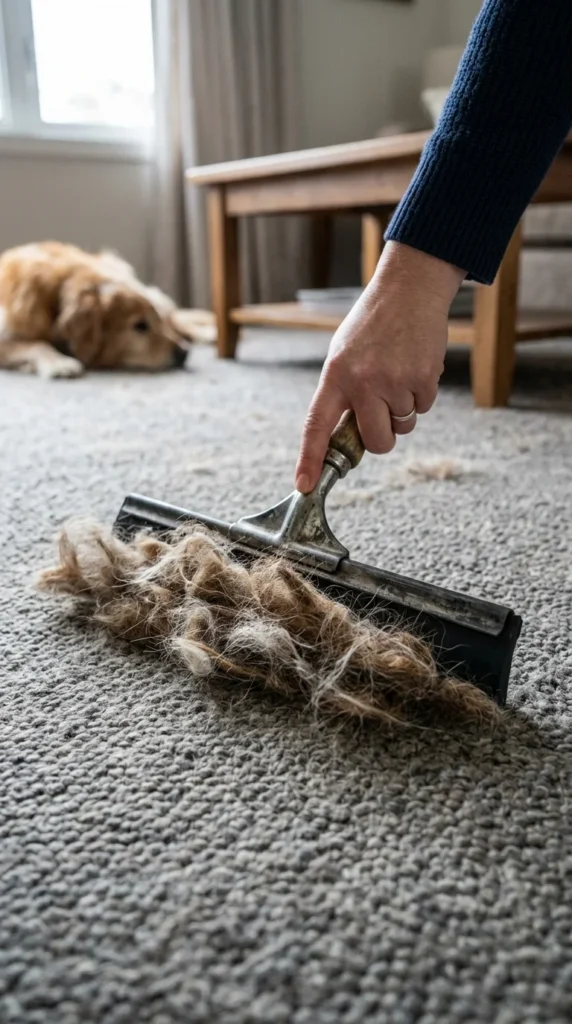
If you find that your vacuum is struggling to pick up hair embedded in the carpet, try a rubber squeegee. The friction from the rubber creates a static charge that pulls the hair out of the carpet fibers and bunches it into neat rolls. It is a strangely satisfying and highly effective way to clean up after a heavy shedding session.
17. Apple Cider Vinegar
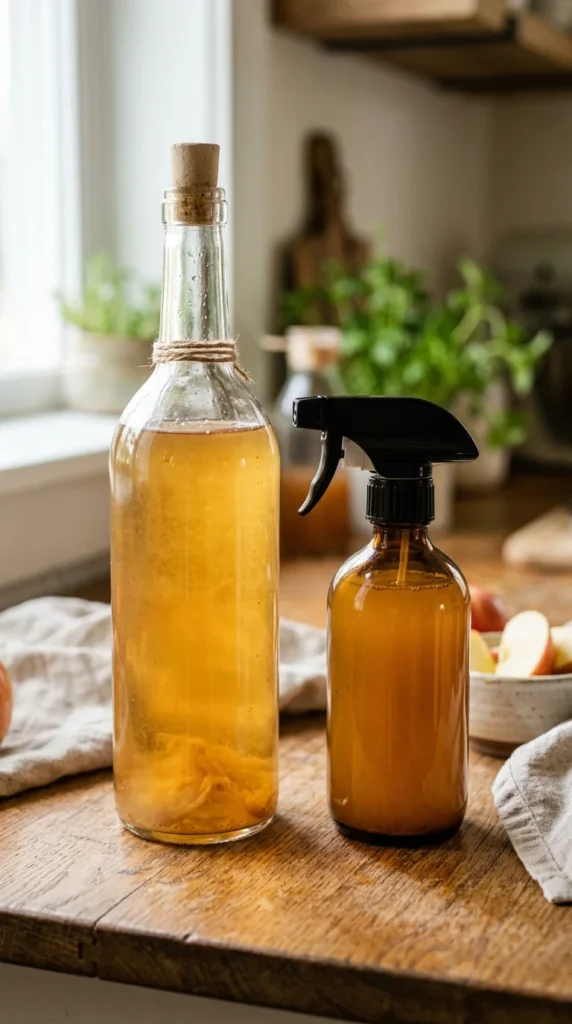
A diluted spray of apple cider vinegar (one part vinegar to three parts water) can be used as a finishing spray after grooming. It helps to balance the pH of the dog’s skin and acts as a natural detangler. Healthier skin leads to a tighter hair follicle, which means less hair on your rugs.
18. Bristle Brushes
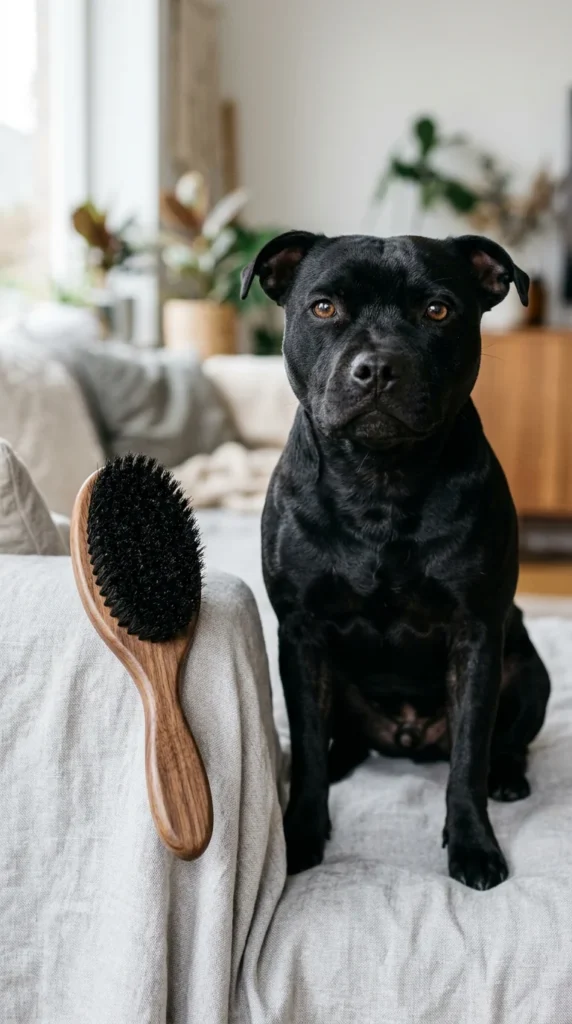
For dogs with very short coats—like Pugs or Greyhounds—a soft bristle brush is the best tool. It doesn’t pull on the skin, but it is excellent at removing surface hair and “polishing” the coat. It stimulates blood flow to the skin, which encourages healthy hair growth and reduces the amount of “dusty” hair that these breeds tend to drop.
19. Olive Oil

If you don’t have fish oil on hand, a tablespoon of olive oil in your dog’s food can serve as a temporary substitute. It contains phytonutrients and vitamin E that help keep the skin moisturized. Just be careful with the dosage, as too much oil can lead to an upset stomach.
20. Consistent Grooming Schedule
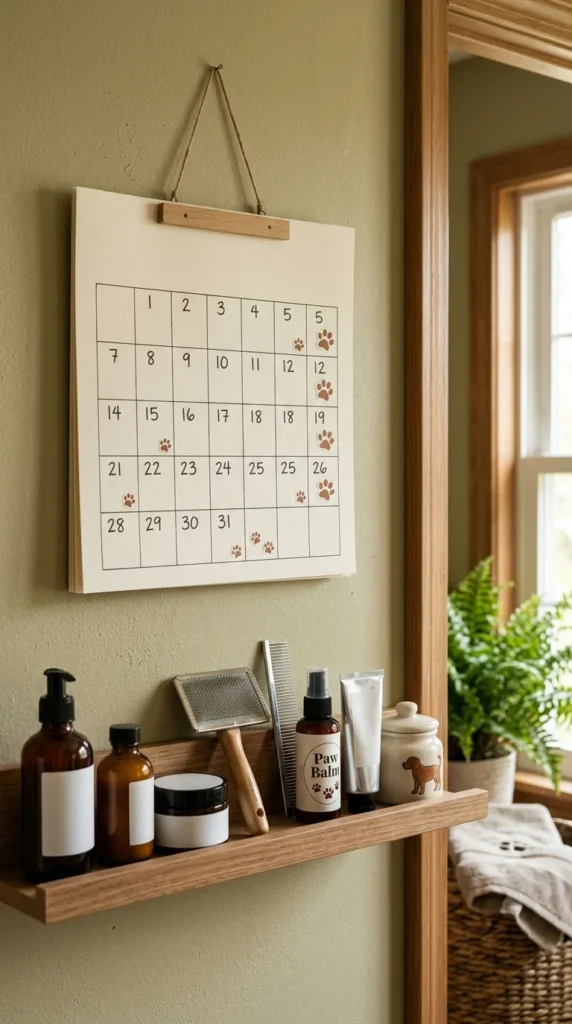
The final remedy is consistency. Shedding management isn’t a one-time event; it’s a routine. By combining several of these methods—such as a high-quality diet, weekly de-shedding, and a monthly bath—you can keep the fur under control. A dog that is groomed on a strict schedule will always shed less than one that is only brushed when the hair becomes a problem.