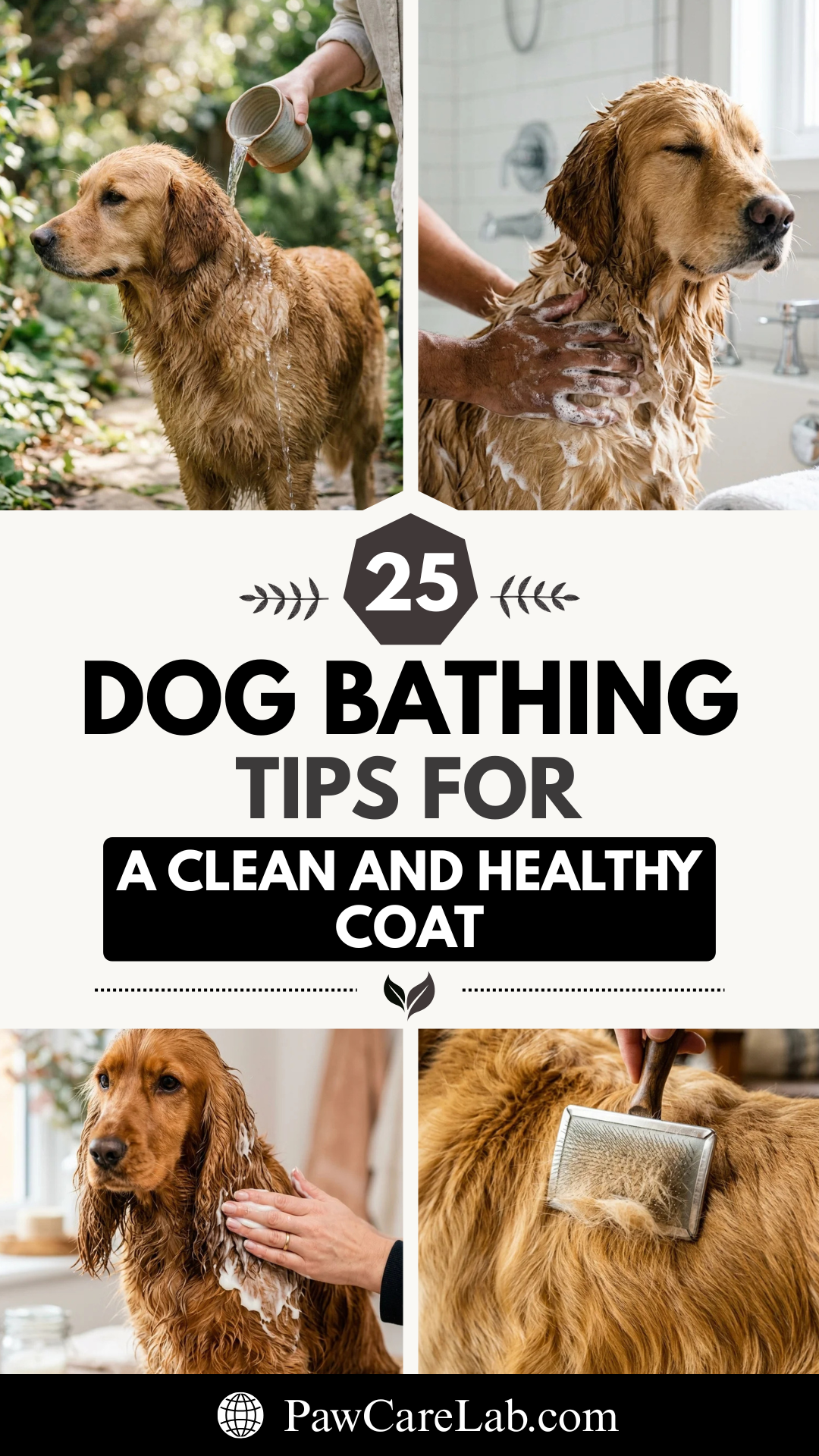
Bathing your dog is more than just a chore to keep your house smelling fresh; it is a fundamental aspect of canine health and hygiene. A proper bath removes dirt, allergens, and loose fur, while also providing an opportunity to check for skin issues or parasites. However, for many pet parents, bath time can be a stressful whirlwind of splashing water and soggy fur. To transform this experience into a bonding ritual that leaves your pup with a gleaming, healthy coat, we have compiled the ultimate guide to canine cleanliness.
1. Pre-Bath Brushing
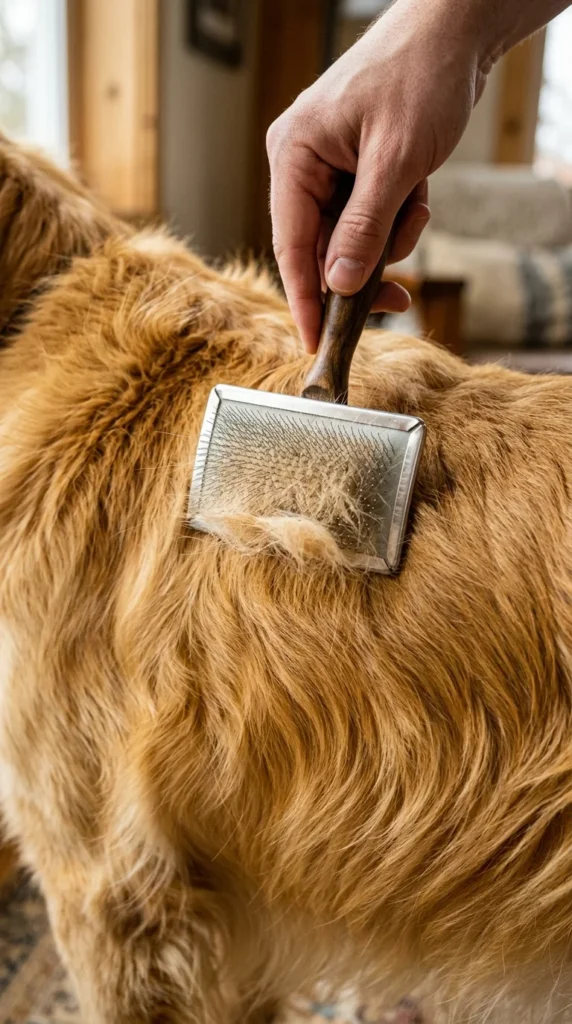
Before a single drop of water touches your dog, you must brush them thoroughly. This step is critical because water acts like glue for mats and tangles. If you wet a matted coat, those knots will tighten and become nearly impossible to remove without scissors. Brushing also removes loose undercoat hair, meaning less mess in your tub and a deeper clean for the skin.
2. Water Temperature
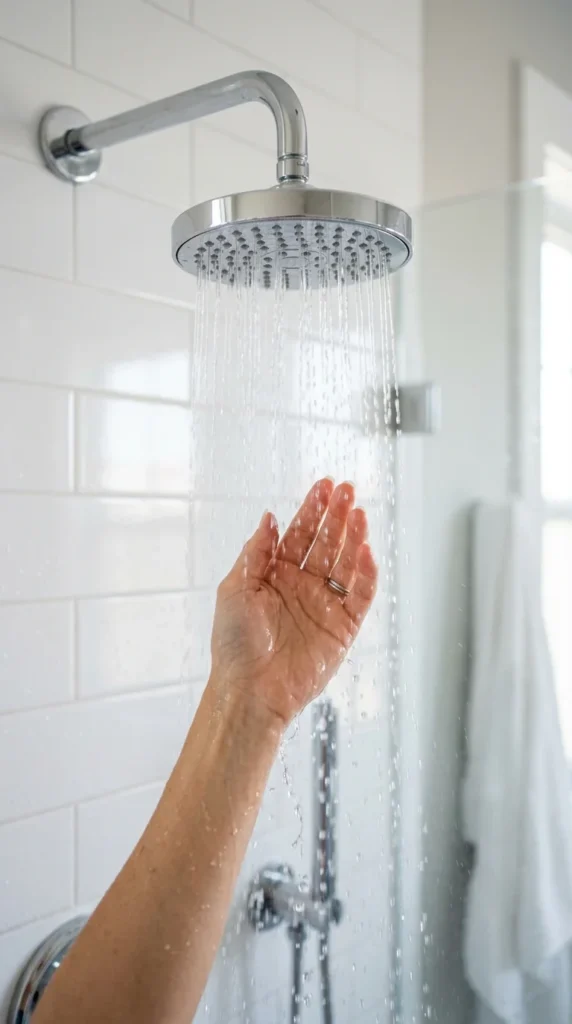
Always aim for lukewarm water. A dog’s skin is much more sensitive to heat than human skin. What feels “hot” to you can be scalding to them. Conversely, freezing cold water can cause a dog to panic or become chilled. Test the water on the inside of your wrist—if it feels comfortable and mild, it is perfect for your pup.
3. Non-Slip Mats
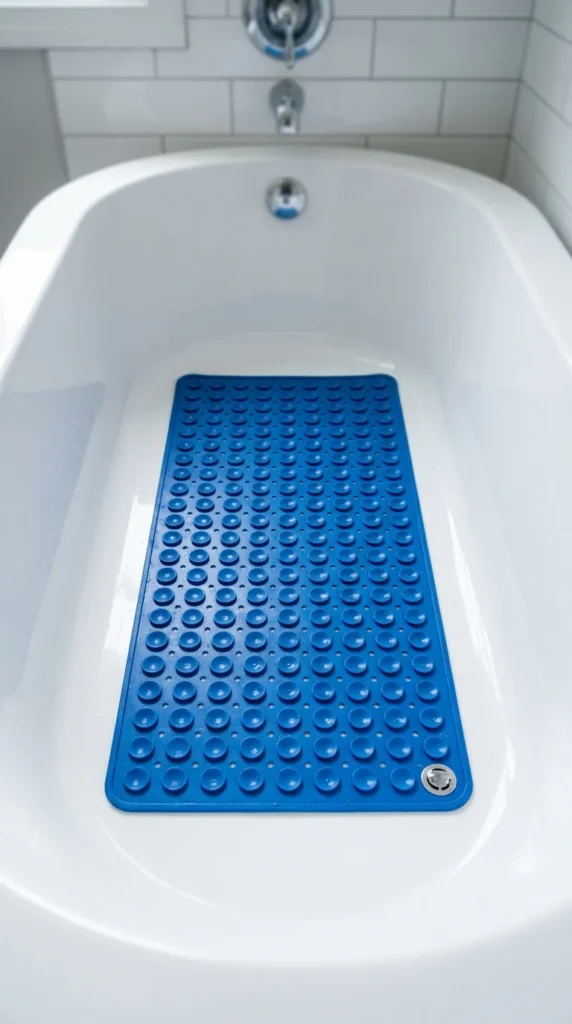
One of the primary reasons dogs fear the bath is the slippery surface of the tub. Feeling unstable causes anxiety and can lead to injuries if they try to jump out. Placing a silicone non-slip mat or even a thick towel at the bottom of the tub gives your dog the traction they need to feel secure and calm.
4. Cotton Balls
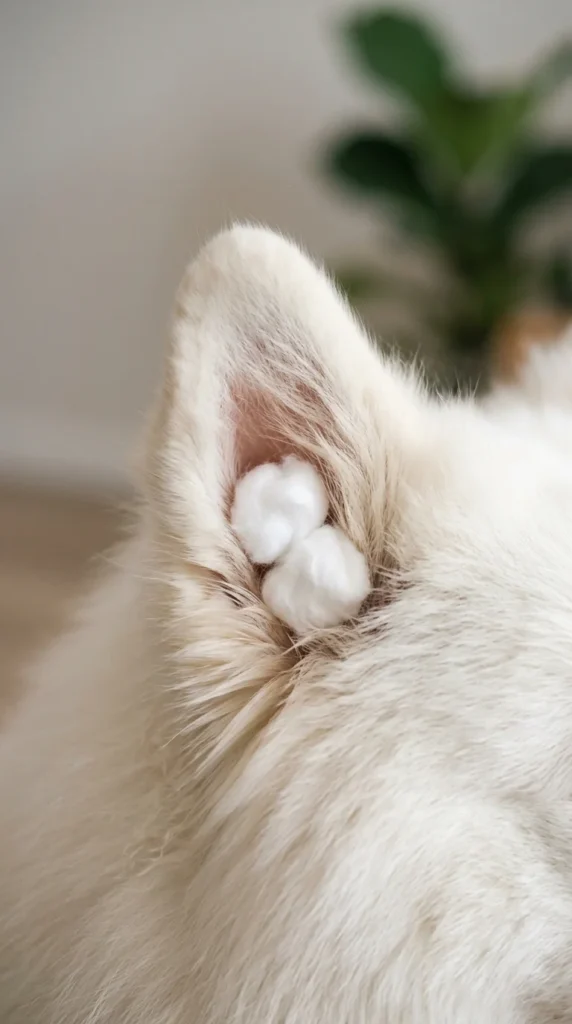
Water in the ear canal can lead to painful yeast infections and irritation. Gently place a large cotton ball in each of your dog’s ears before starting the bath. This acts as a barrier against splashing. Just remember to remove them immediately after the bath is finished!
5. Proper Shampoo
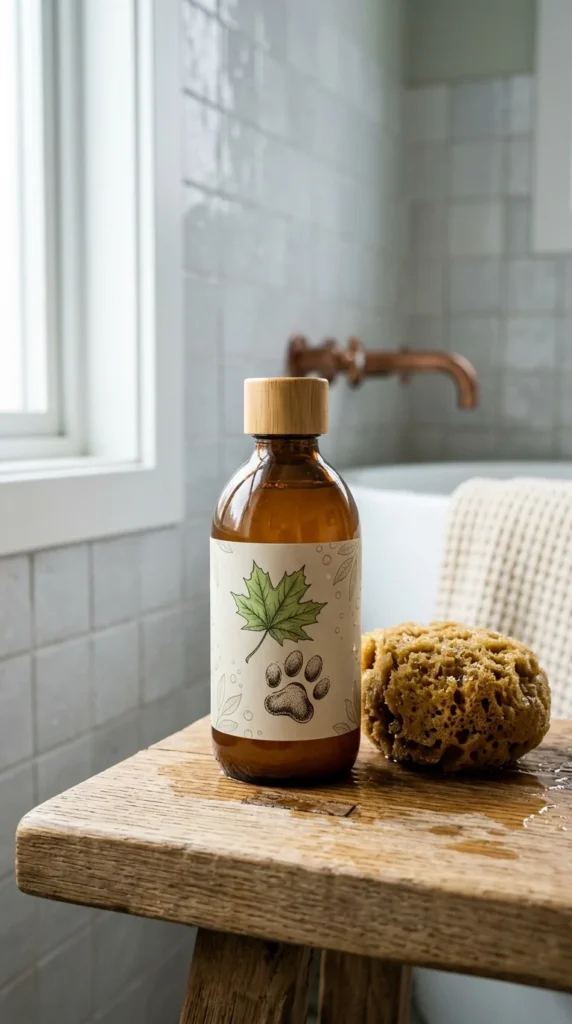
Never use human shampoo on a dog. Human skin has a different pH level than canine skin. Using our products can strip away their natural oils, leading to dry, itchy skin and a dull coat. Invest in a high-quality, pH-balanced dog shampoo—preferably one without harsh chemicals, dyes, or artificial fragrances.
6. Dilution Technique
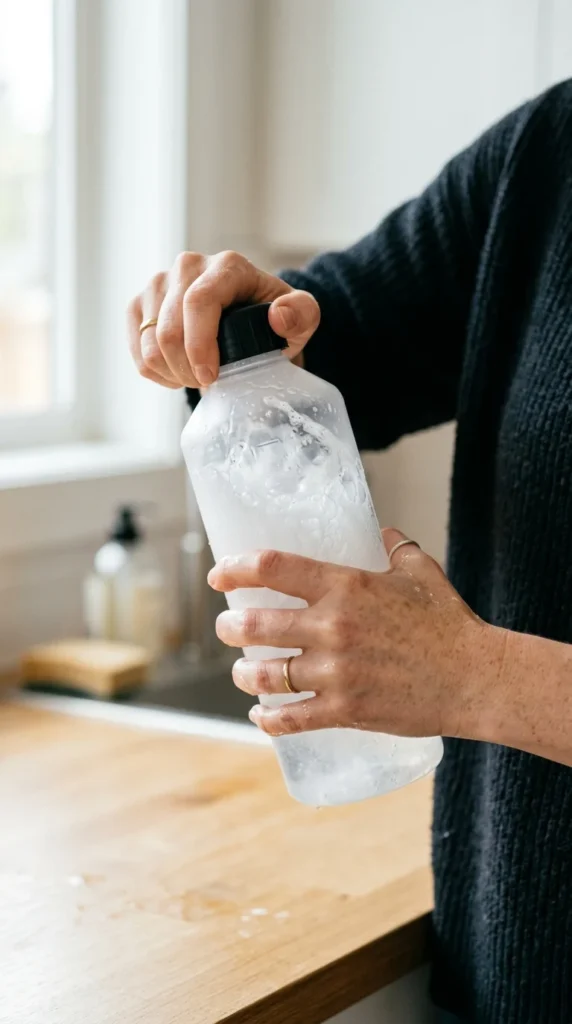
Instead of pouring thick shampoo directly onto your dog’s back, dilute it in a pitcher or a squeeze bottle with water. This makes the shampoo easier to spread, creates a better lather, and ensures you aren’t leaving concentrated chemical residue in one spot. It also makes the rinsing process significantly faster.
7. Eye Protection
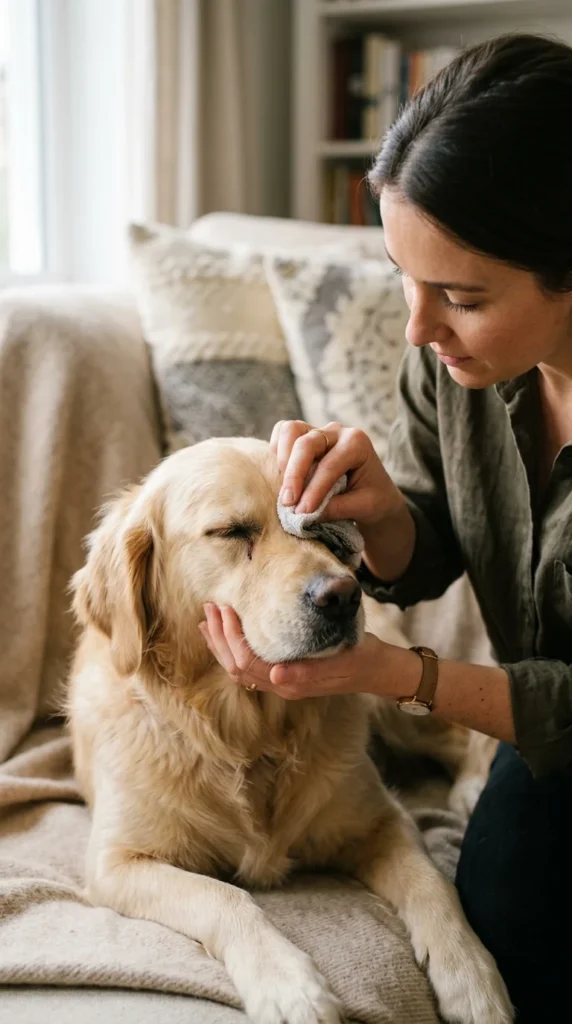
Even “tearless” shampoos can be irritating. To protect your dog’s eyes, you can apply a tiny drop of sterile ophthalmic ointment (consult your vet first) or simply be extremely careful. Use a washcloth for the face rather than spraying water directly near the eyes to prevent accidental stinging.
8. Neck First
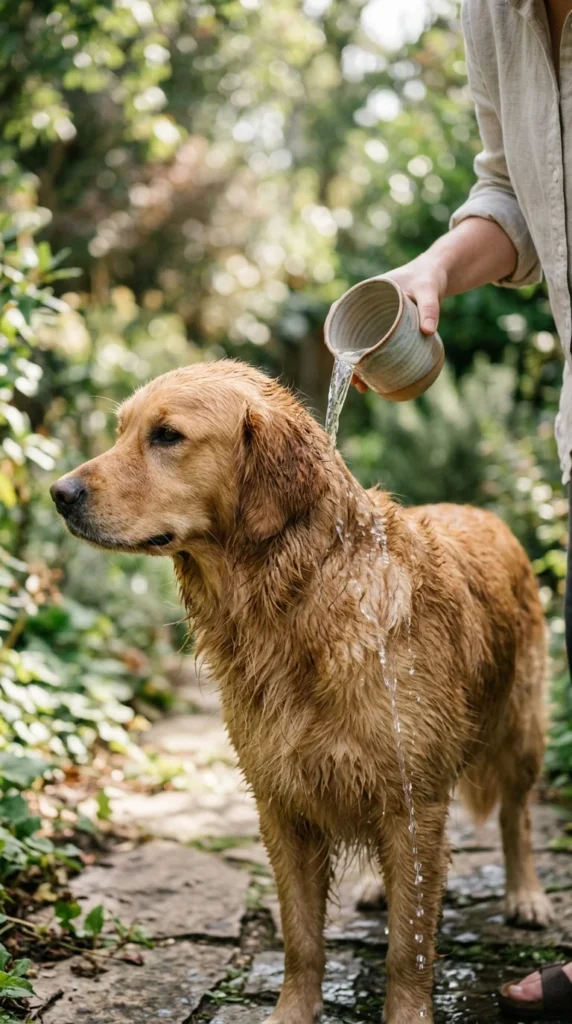
A pro tip for minimizing the “wet dog shake” is to wet and soap the neck first. Dogs often start their shaking reflex from the head and neck down. By getting the neck wet and soapy, you can sometimes delay the shake. Furthermore, creating a “soap ring” around the neck can prevent any fleas on the body from scurrying up into the ears and eyes to hide.
9. Double Wash
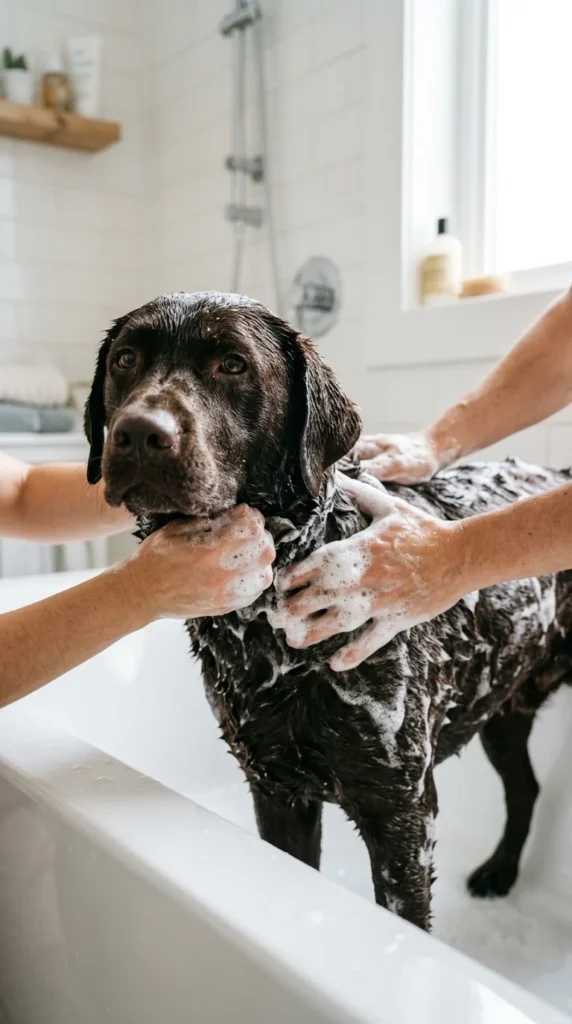
If your dog is particularly dirty or hasn’t had a bath in a long time, perform a double wash. The first pass breaks down the heavy surface oils and dirt. The second pass actually cleans the skin and allows any medicinal or conditioning ingredients in the shampoo to work their magic.
10. Massage Therapy
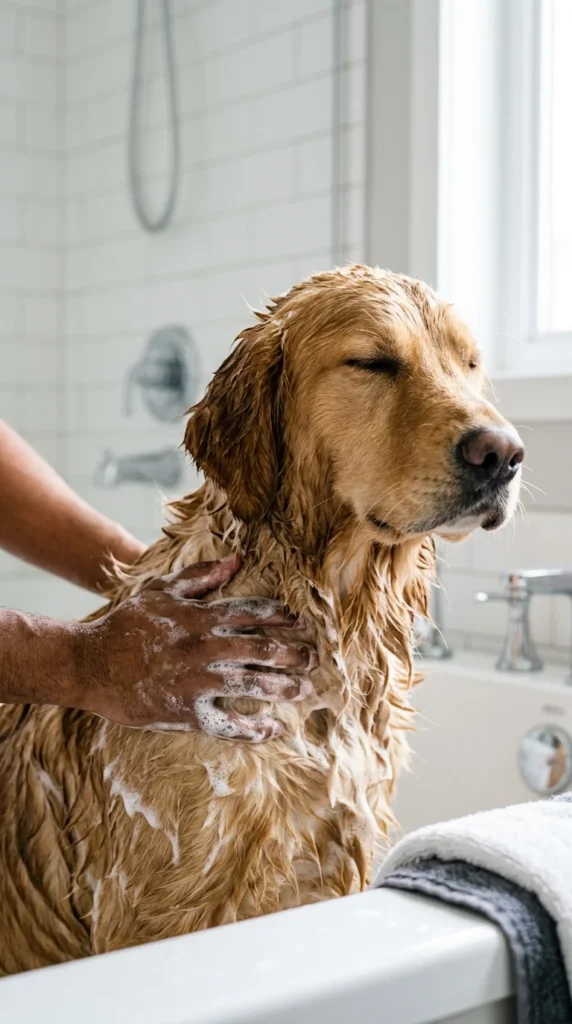
Don’t just scrub; massage. Using your fingertips in a circular motion helps to increase blood circulation to the skin and ensures the shampoo reaches the base of the hair follicles. It also turns a potentially stressful event into a relaxing spa-like experience for your pet.
11. Conditioning Treatment
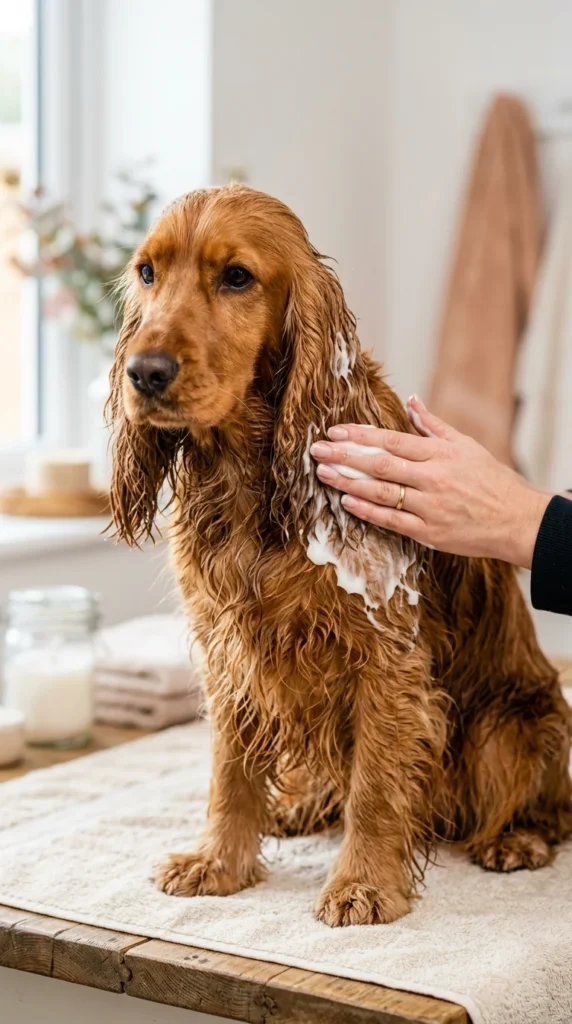
Short-haired dogs might not always need it, but long-haired or curly-coated breeds benefit immensely from a canine conditioner. It helps close the hair cuticle, restores moisture lost during shampooing, and makes post-bath brushing much easier by reducing static and tangles.
12. Thorough Rinsing
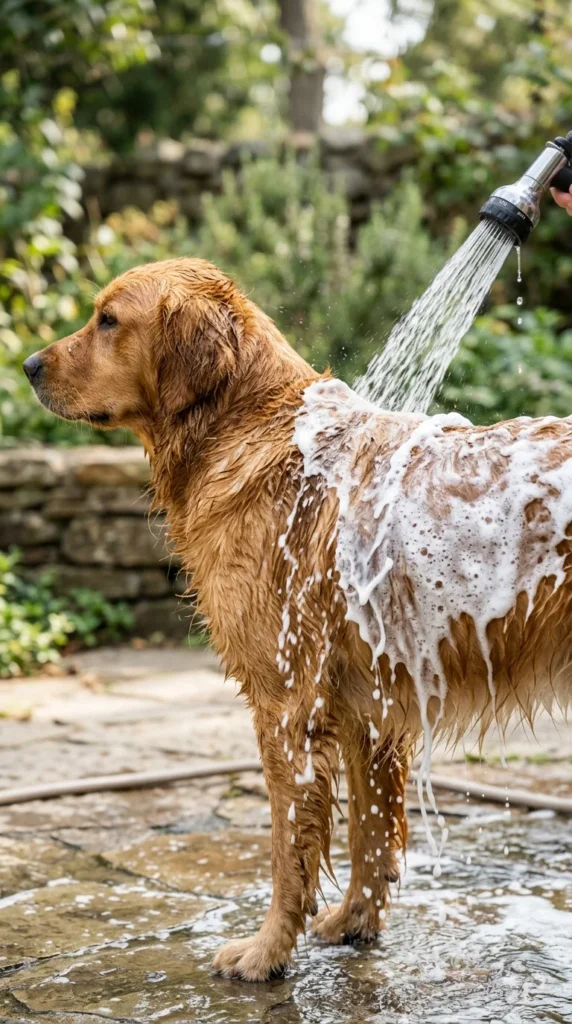
This is perhaps the most important step. Shampoo residue is the number one cause of post-bath itching and “hot spots.” Rinse until the water runs completely clear and you no longer feel any “sliminess” on the coat. Pay close attention to hidden areas like the armpits, between the toes, and under the tail.
13. Face Washing
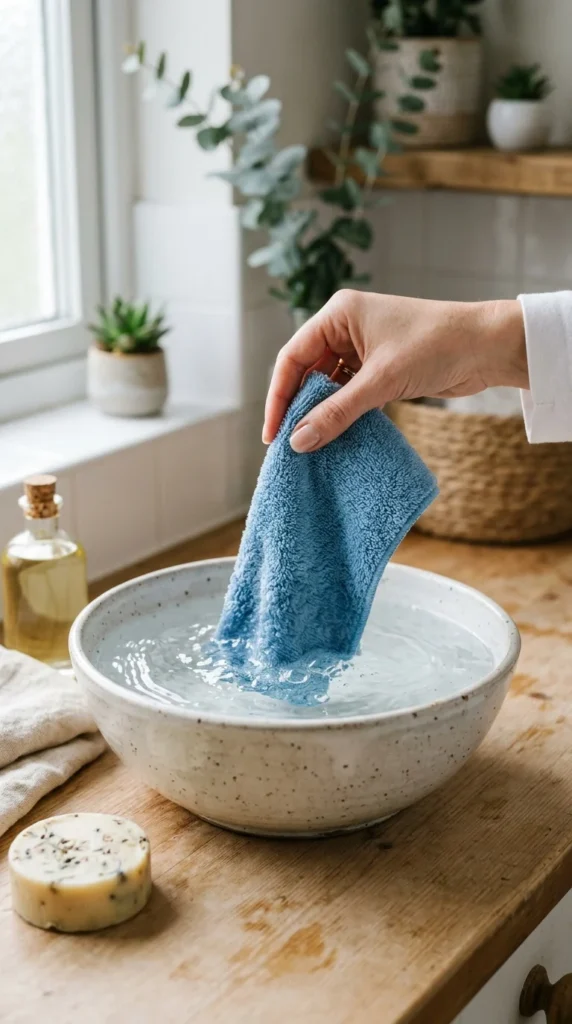
Never use a high-pressure hose on a dog’s face. Instead, use a soft, damp washcloth to wipe away tear stains and food debris. If you must use soap on the face, use a very small amount of a dedicated facial scrub for dogs and wipe it away with a clean, wet cloth.
14. Paw Maintenance
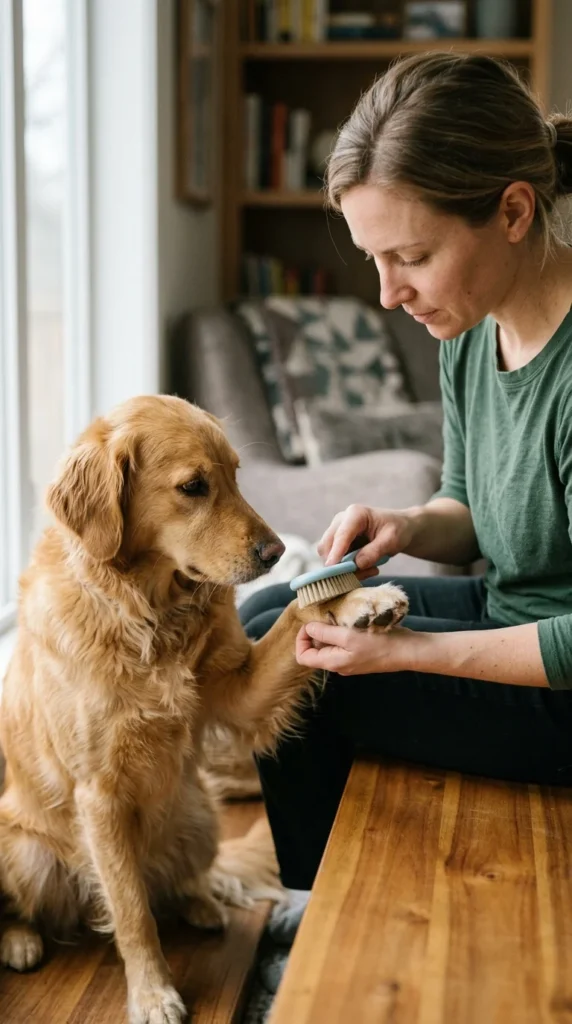
Paws pick up the most allergens and bacteria. During the bath, make sure to spread the toes and clean the “webbing” between the pads. This is also a great time to check for cracked pads, burrs, or overgrown nails that might need trimming.
15. Towel Drying
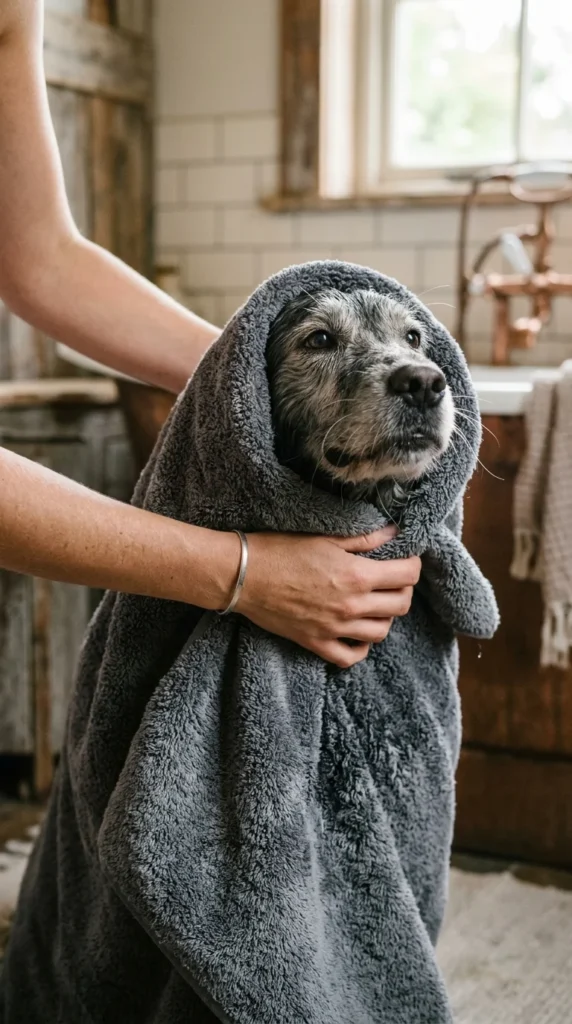
Before you let your dog out of the tub, do a “squeeze dry.” Gently squeeze the water out of their legs, tail, and ears. Then, wrap them in a highly absorbent microfiber towel. Pat the fur rather than rubbing vigorously, as rubbing can cause tangles in long-haired breeds.
16. Blow Drying
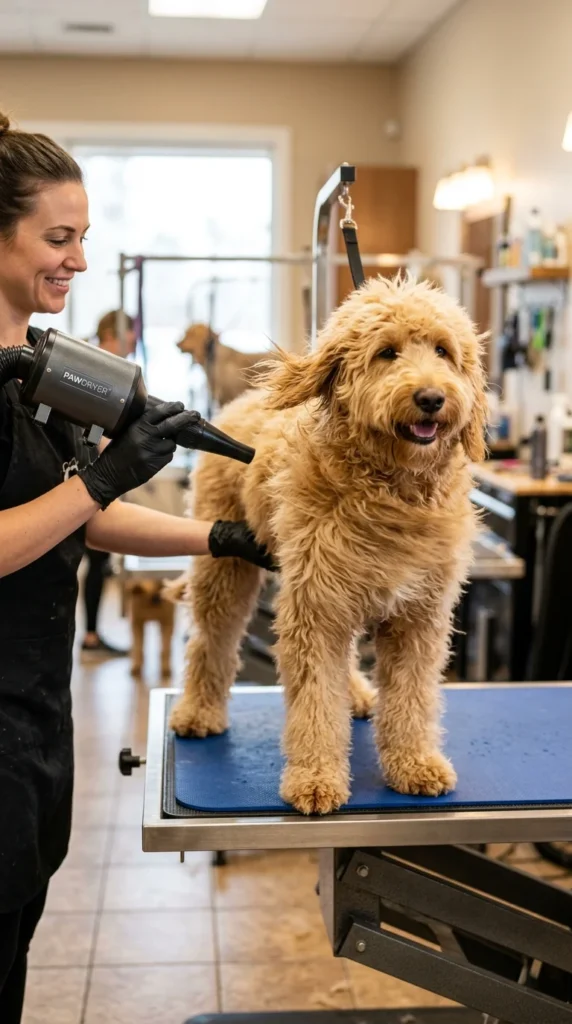
If you use a hair dryer, use the “cool” or “low” setting. Human dryers get too hot for a dog’s skin and can cause burns or overheating. Hold the dryer at least six inches away from the fur and keep it moving constantly. For dogs afraid of the noise, stick to towel drying or use a specialized quiet pet dryer.
17. Positive Reinforcement
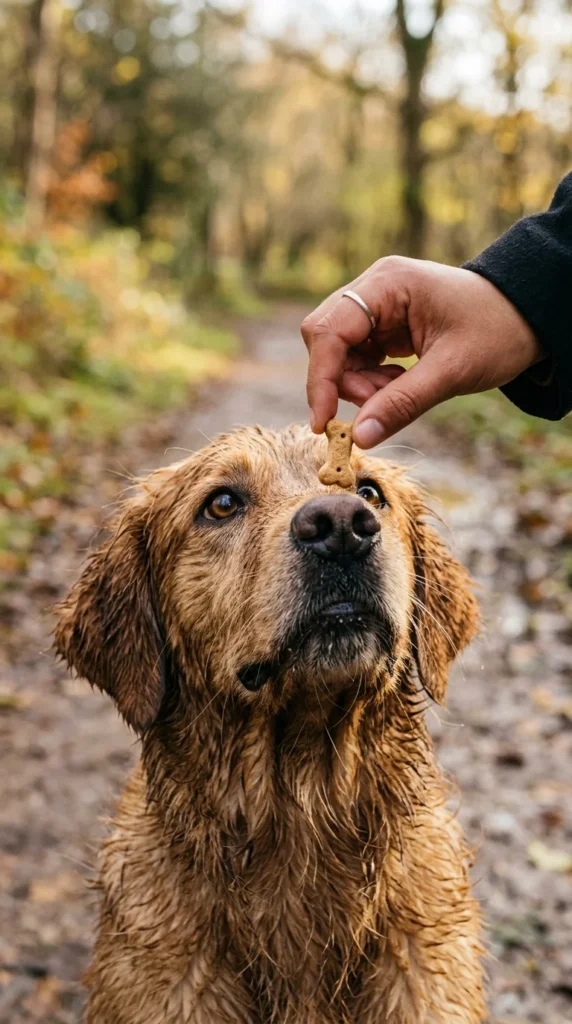
Bath time should be associated with rewards. Offer high-value treats throughout the process—when they step into the tub, while they are being lathered, and after they are dry. Some owners use a “lick mat” with peanut butter suctioned to the wall of the tub to keep the dog occupied and happy.
18. Frequency Control
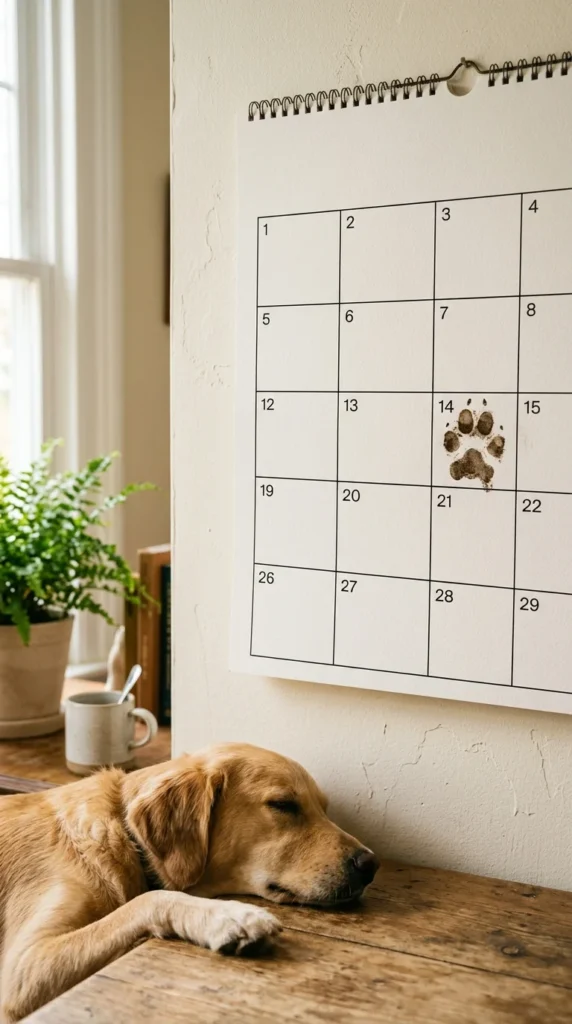
Unless your dog has a skin condition or loves rolling in mud, they shouldn’t be bathed too often. For most breeds, once a month or once every six weeks is sufficient. Over-bathing can strip the skin of essential oils, leading to irritation and a coarse, brittle coat.
19. Anal Glands
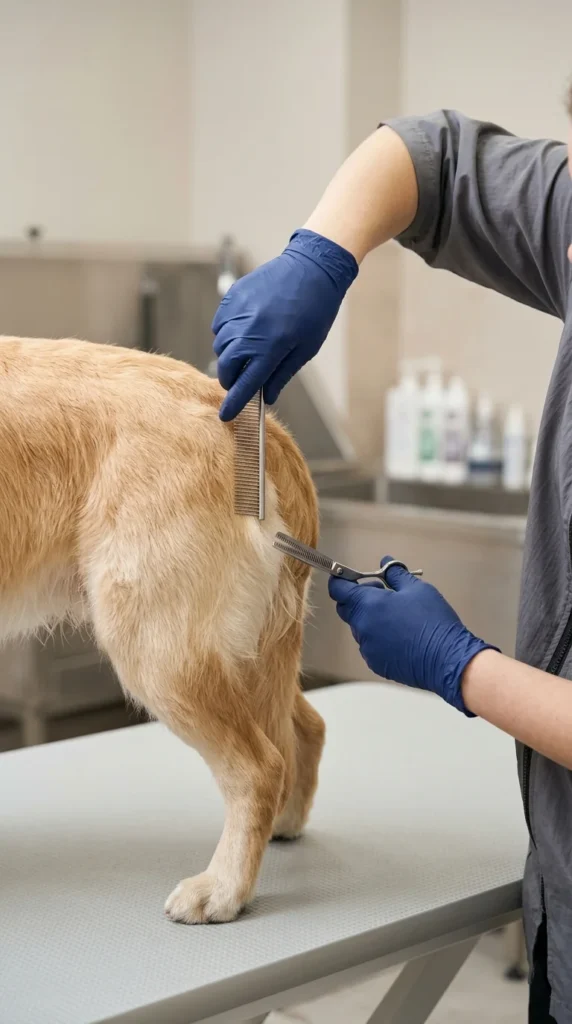
While this is a task many prefer to leave to the professionals, bath time is the window when anal gland expression usually happens. If your dog is scooting or has a strong odor, they may need their glands expressed. If you aren’t comfortable doing this yourself, ask your vet or groomer to demonstrate or handle it.
20. Grooming Table
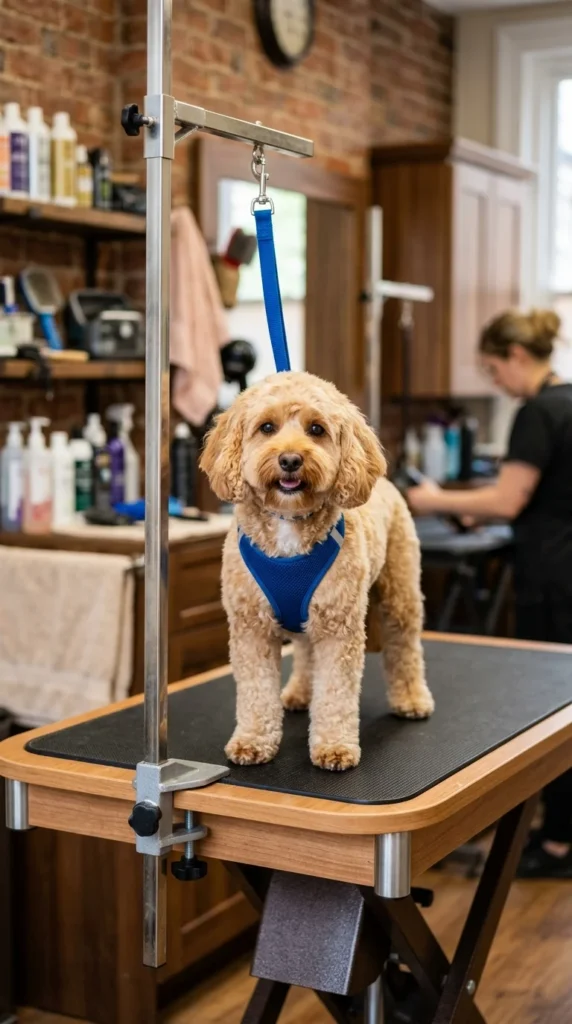
For small to medium-sized dogs, using a raised tub or a grooming table can save your back. If you are washing them in a kitchen sink or an elevated tub, ensure they are secured so they cannot slip or jump from a height, which could lead to serious injury.
21. Calming Aids
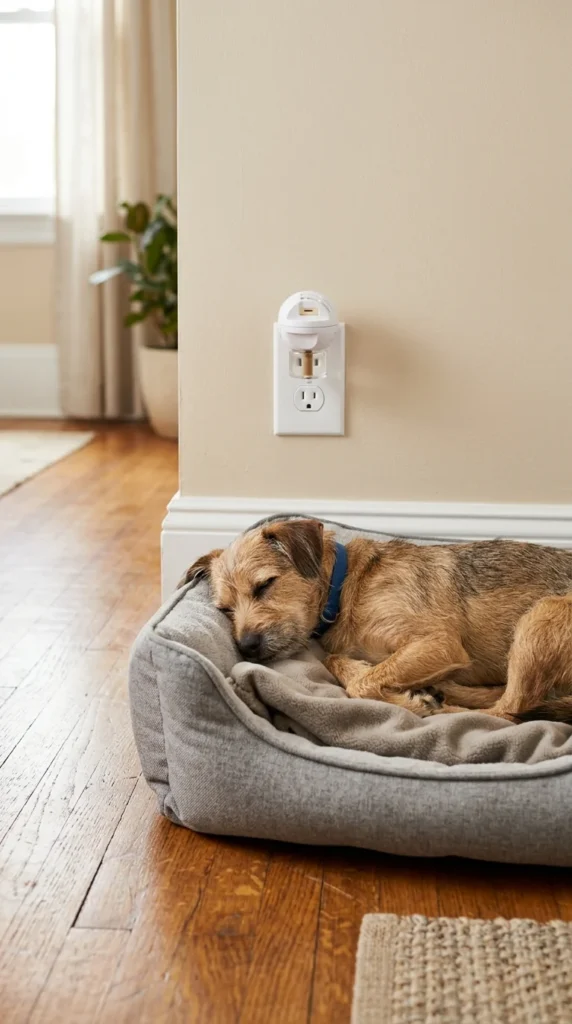
If your dog suffers from severe bath anxiety, consider using calming aids. Lavender-scented dog candles, pheromone sprays (like Adaptil), or even playing soft classical music can lower the stress levels in the room. A calm environment leads to a calm dog.
22. Post-Bath Brushing
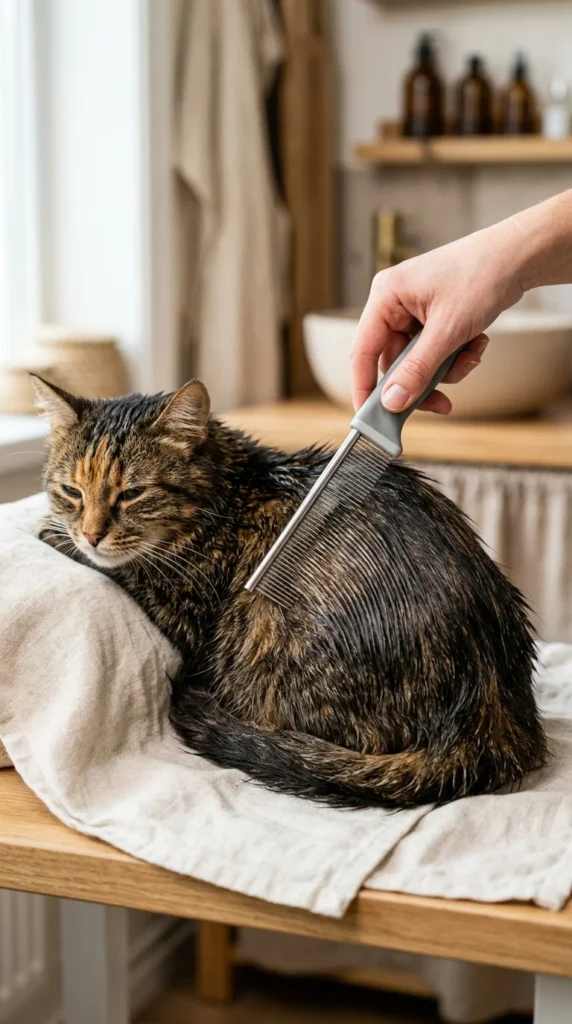
Once the dog is about 80% dry, give them another quick brush. This helps to set the coat and ensures that any remaining loose fur is captured before it ends up on your furniture. For long-haired dogs, this is the best time to apply a leave-in detangling spray.
23. Skin Inspection
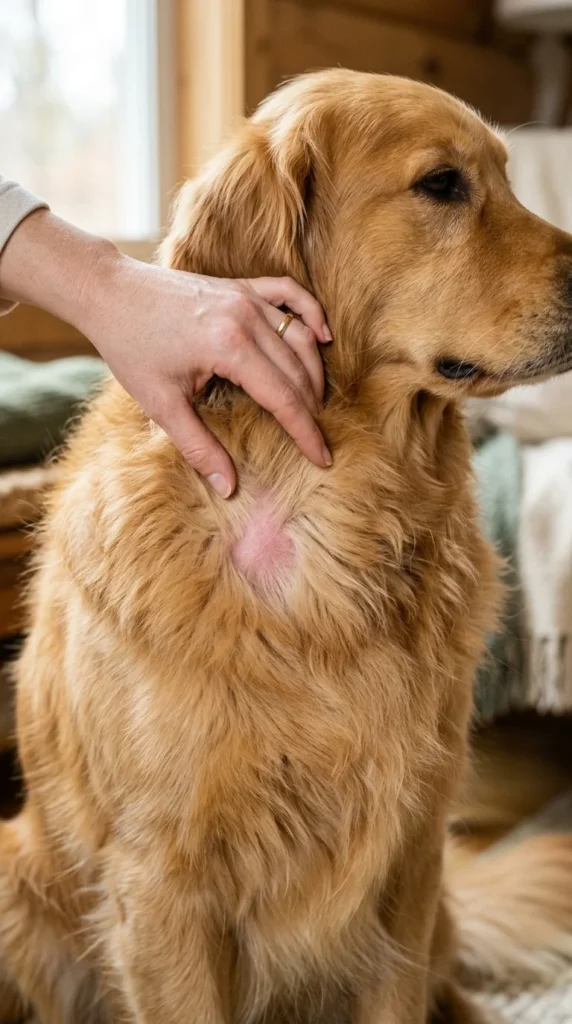
While the coat is wet and the skin is visible, take the opportunity to perform a full body scan. Look for unusual lumps, bumps, redness, or signs of fleas and ticks. Early detection of skin issues can save you a lot of money and your dog a lot of discomfort later on.
24. Energy Management
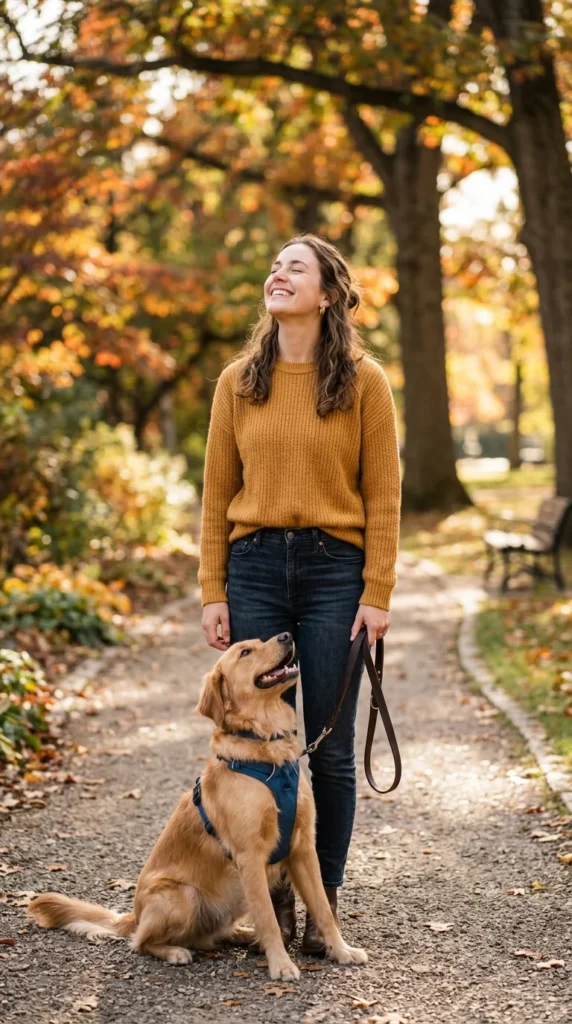
Dogs are incredibly intuitive and will mirror your energy. If you are stressed, hurried, or frustrated, your dog will perceive bath time as a negative event. Stay calm, speak in a soothing voice, and move slowly. Your zen-like approach will help your dog feel safe.
25. Professional Help
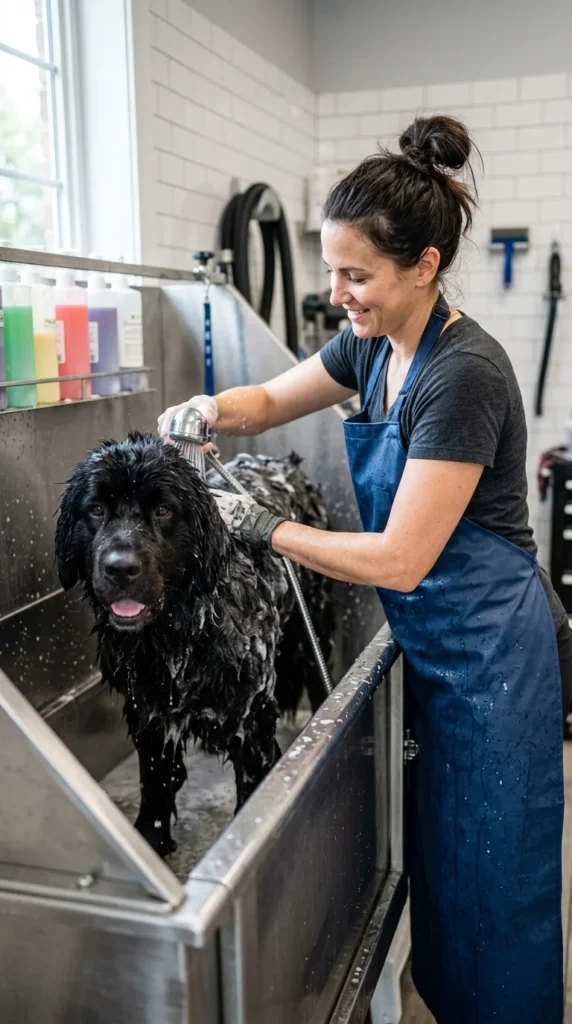
Know your limits. If your dog is massive, extremely aggressive during baths, or has a coat that requires specialized clipping (like a Poodle or Bichon), there is no shame in visiting a professional groomer. They have the equipment and expertise to handle difficult baths safely and efficiently.