
Our canine companions are remarkably resilient creatures. Descended from wolves, dogs have an evolutionary instinct to mask their pain. in the wild, showing weakness could make an animal a target for predators or result in being ostracized from the pack. While our domesticated pets no longer face those same threats, that deeply ingrained “survival of the fittest” instinct remains.
As a result, a dog won’t always cry out when they are hurting. Instead, they communicate through subtle shifts in behavior, posture, and daily habits. For a pet owner, recognizing these signs is the first step in providing the care they need. Here are 19 signs your dog might be in pain that you should never ignore.
1. Heavy Panting
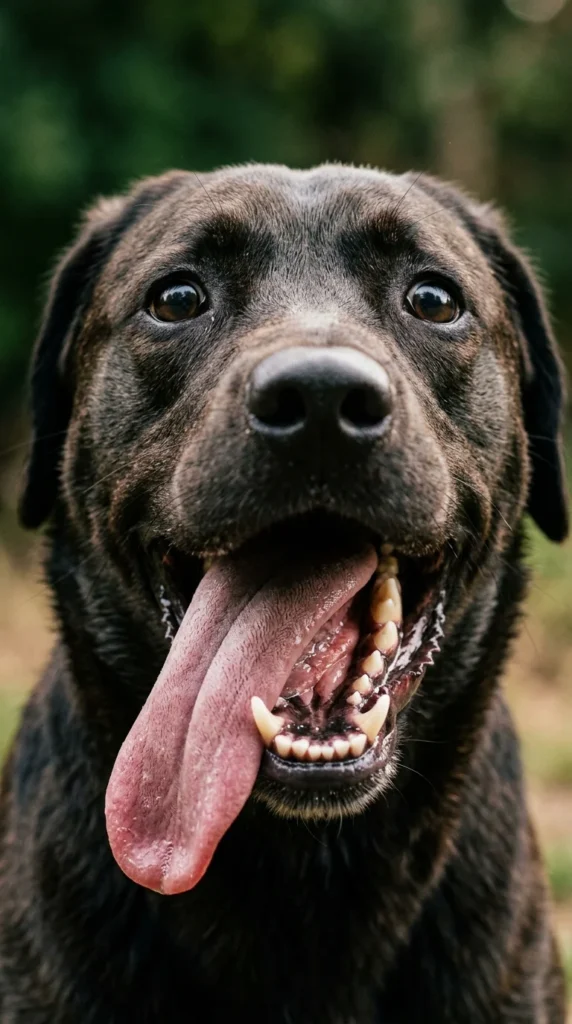
Panting is a normal way for dogs to cool down after exercise or during a hot day. However, if your dog is panting heavily while resting in a cool environment, it is a major red flag. Panting is a physiological response to stress, and pain is one of the most common stressors. This “pain panting” is often shallower and more frequent than thermal panting. If your dog seems to be breathing hard for no apparent reason, they may be struggling with internal discomfort or chronic pain like arthritis.
2. Mobility Issues
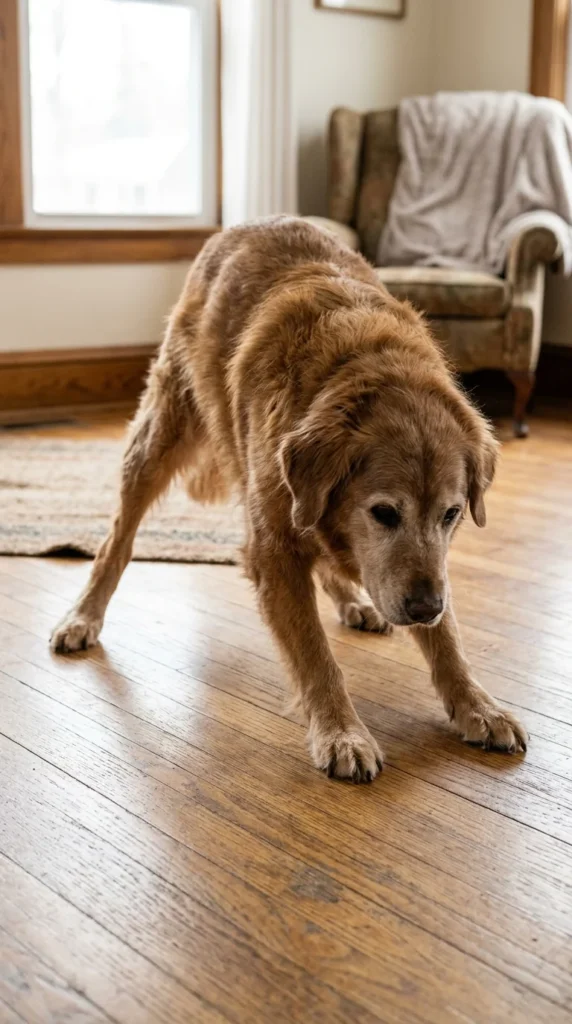
One of the most obvious signs of pain is a change in how a dog moves. This can manifest as a slight limp, a “bunny hop” gait when running, or a general stiffness when waking up from a nap. You might notice your dog is slower to get up from their bed or hesitates before jumping onto the couch. These mobility issues are often linked to joint pain, hip dysplasia, or spinal issues. While we often attribute this to “just getting old,” many of these conditions can be managed with the help of a veterinarian.
3. Excessive Licking
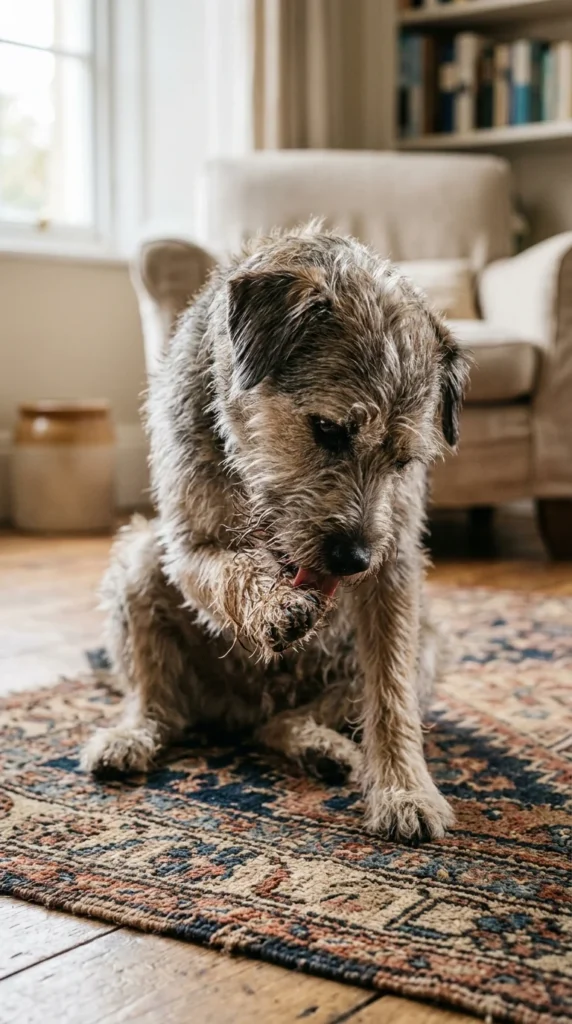
When a dog has a localized injury, their first instinct is to clean and soothe it by licking. If you notice your dog obsessively grooming one specific area—such as a paw, a joint, or even their genital area—it could indicate pain in that spot. Chronic licking can lead to “lick granulomas,” which are sore, inflamed patches of skin. Even if there is no visible wound, the pain may be internal, such as bone or nerve pain, and the dog is trying to comfort themselves through the repetitive motion of licking.
4. Behavioral Shifts
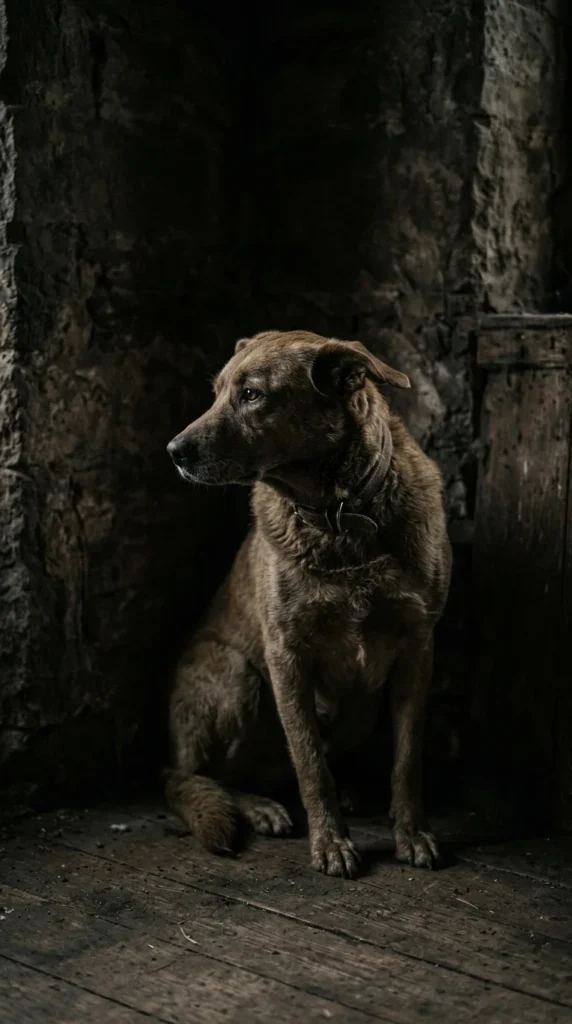
Has your social butterfly suddenly become a wallflower? Or has your calm dog suddenly become irritable? Sudden changes in personality are often a cry for help. A dog in pain may become withdrawn, avoiding interaction with family members or other pets. Conversely, a dog who is normally very sweet might snap or growl if touched in a sensitive spot. Pain lowers a dog’s threshold for frustration, making them react in ways that seem “out of character.”
5. Appetite Loss
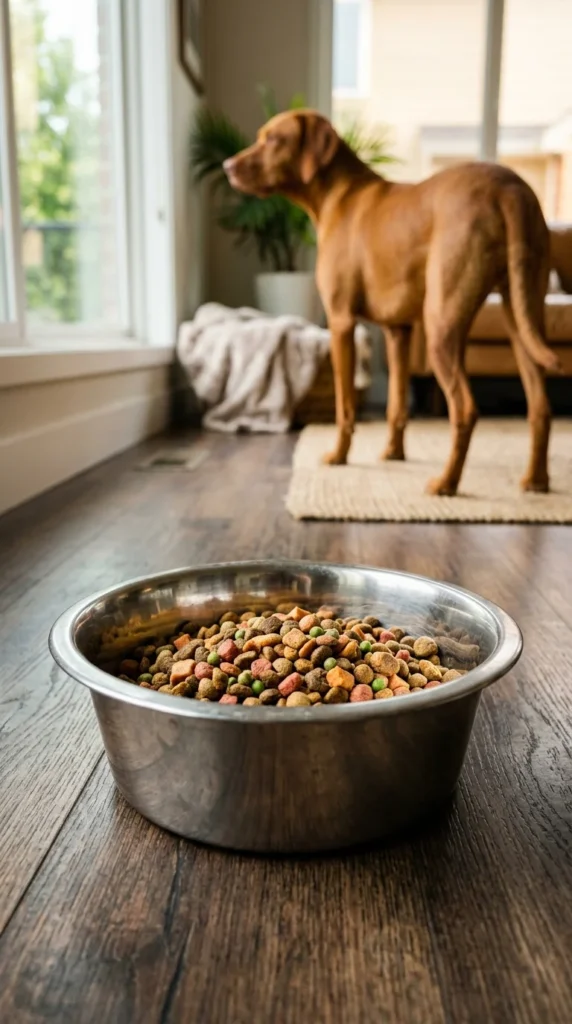
Food is a great motivator for most dogs. If your pup suddenly loses interest in their meals or even their favorite high-value treats, something is wrong. Pain can cause nausea or simply make the act of eating uncomfortable. For instance, dental pain or neck pain can make lowering the head to a bowl or chewing kibble an agonizing experience. A persistent lack of appetite should always warrant a trip to the vet.
6. Sleep Changes

Pain often interferes with a dog’s ability to get restful sleep. You might notice your dog is sleeping much more than usual as their body tries to recover, or conversely, they may be unable to settle down. A dog in pain might pace the house at night, frequently change positions, or get up and lie down repeatedly. If your dog seems restless and can’t find a comfortable way to sleep, they are likely experiencing physical distress.
7. Vocalizing

While some dogs are naturally vocal, sudden whining, whimpering, howling, or yelping is a clear indicator of discomfort. This vocalization might occur when they move a certain way, or it might be a constant, low-level whine. Sometimes, a dog will only vocalize when you touch a specific area. It is important to pay attention to when these sounds occur, as it can help your vet pinpoint the source of the pain.
8. Hunched Posture
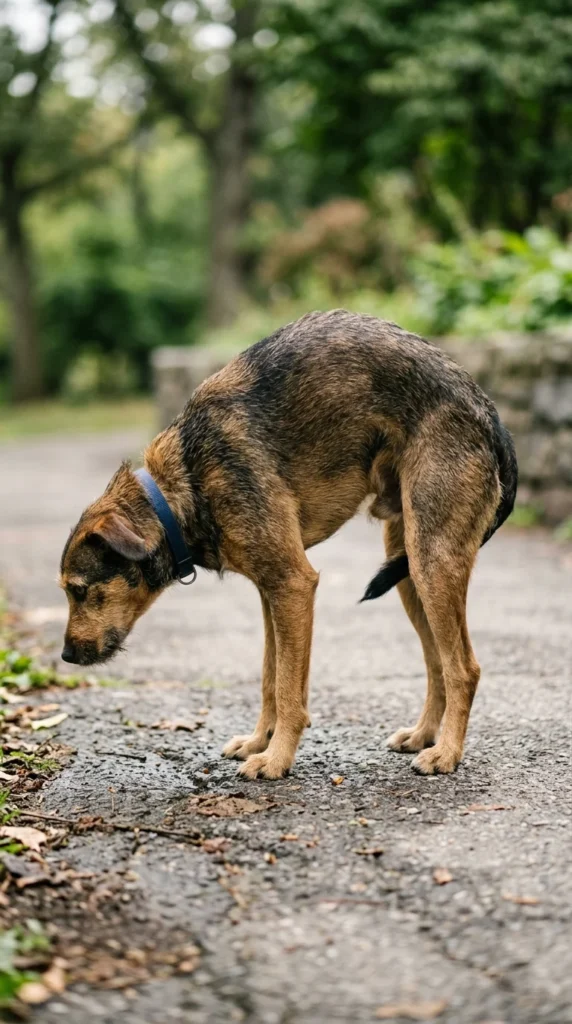
A dog’s posture speaks volumes. A healthy dog typically has a level back and a relaxed stance. If you notice your dog is “roaching” their back (arching it upward) or standing with a tucked tail and a lowered head, they are likely experiencing abdominal or spinal pain. This hunched-up appearance is a protective stance, intended to guard the sensitive internal organs or relieve pressure on the vertebrae.
9. Eye Appearance
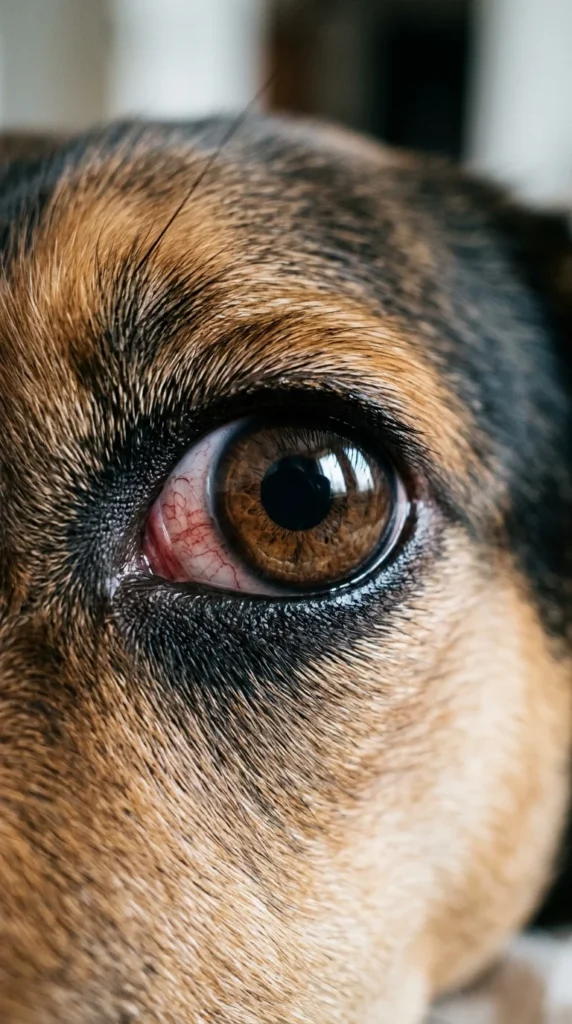
The eyes are the windows to a dog’s health. Pain can cause a dog’s pupils to dilate, even in bright light. You might also notice a “glassy” look to the eyes or frequent squinting. If the pain is localized to the eye itself, the dog might paw at their face or keep the eye shut. Additionally, systemic pain can cause the third eyelid to become visible or cause the eyes to look sunken.
10. Trembling
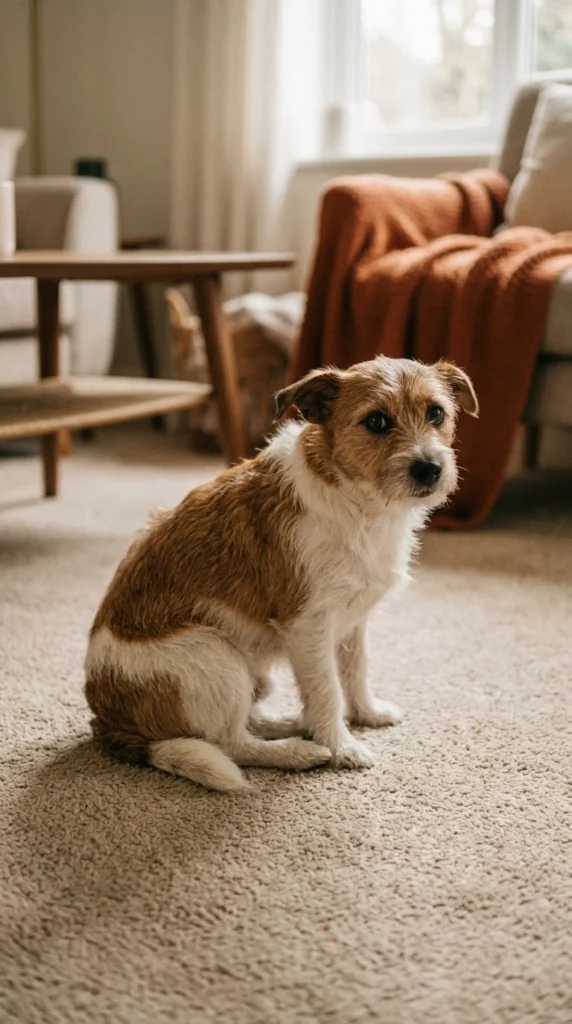
Trembling or shivering is often mistaken for being cold or being nervous. However, it is also a very common sign of physical pain or even toxicity. If your dog is shaking while the house is warm and there are no obvious stressors (like a thunderstorm), they may be reacting to a sharp or chronic pain. This is particularly common in older dogs with joint pain or dogs suffering from back injuries.
11. Stair Avoidance
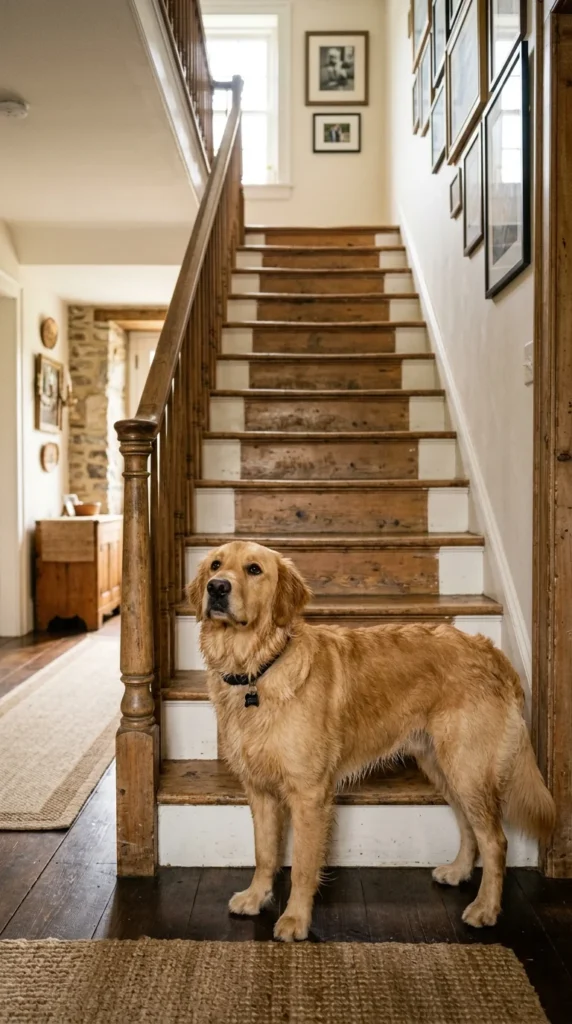
If your dog used to race up the stairs but now stops and stares at them with hesitation, they are likely dealing with pain in their hips, knees, or spine. Climbing stairs requires a significant amount of rear-end strength and joint flexibility. For a dog with arthritis or a torn ligament, the vertical climb is a daunting and painful task. Similarly, they may be hesitant to go down the stairs, as this puts extra pressure on the front shoulders and elbows.
12. Difficulty Settling
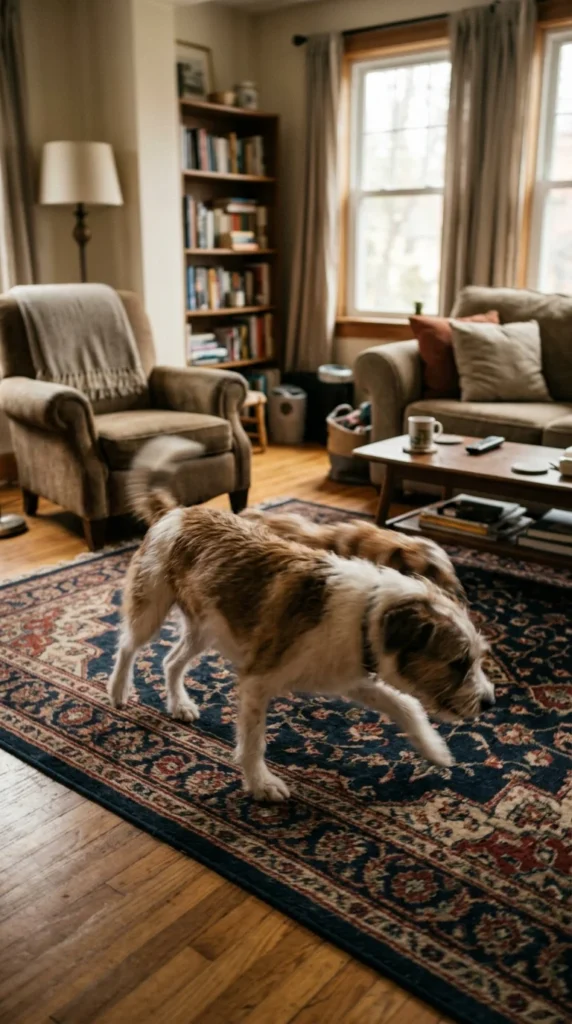
A dog that is comfortable will usually find a spot, circle once or twice, and flop down. A dog in pain, however, will often pace restlessly. They may start to lie down, then immediately pop back up. This inability to get comfortable is common in dogs with abdominal pain, bloating, or severe orthopedic issues. If your dog seems like they “can’t get settled,” it’s time to investigate.
13. Isolation
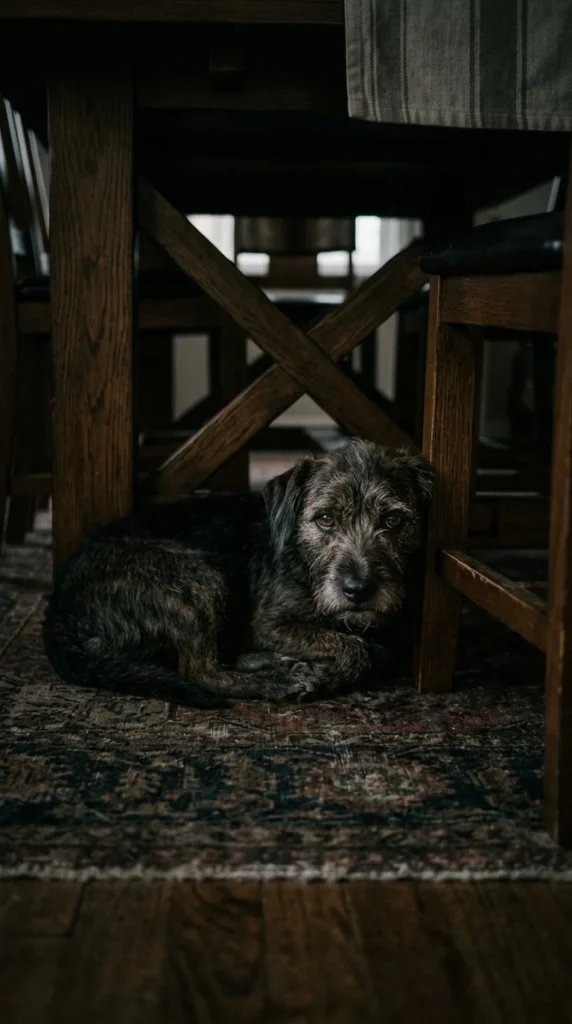
In the wild, an injured animal will often find a secluded spot to hide while they heal. Many domestic dogs retain this instinct. If your dog is suddenly spending more time in the back of a closet, under the bed, or in a room where the family doesn’t usually gather, they may be trying to hide their vulnerability. This self-imposed isolation is a classic sign that a dog is not feeling their best.
14. Nighttime Panting

While we touched on panting earlier, panting specifically at night is worth its own mention. When the world goes quiet and there are fewer distractions, a dog’s perception of their own pain often intensifies. If your dog is resting comfortably during the day but begins to pant, pace, or whine once the lights go out, it is a strong indicator of chronic pain that is keeping them from reaching deep sleep.
15. Dental Sensitivity
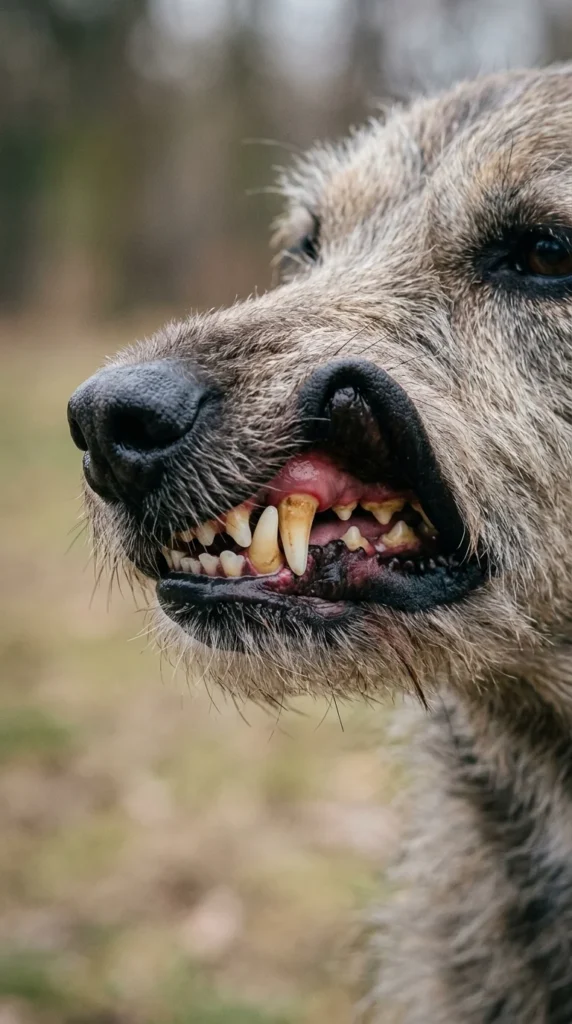
Dental pain is one of the most under-diagnosed types of pain in dogs. Signs include dropping food while eating, chewing on only one side of the mouth, or pawing at the face. You might also notice an increase in drooling or a very foul odor coming from their mouth. Because dogs use their mouths for everything, from eating to playing, dental pain can significantly decrease their quality of life.
16. Touch Sensitivity
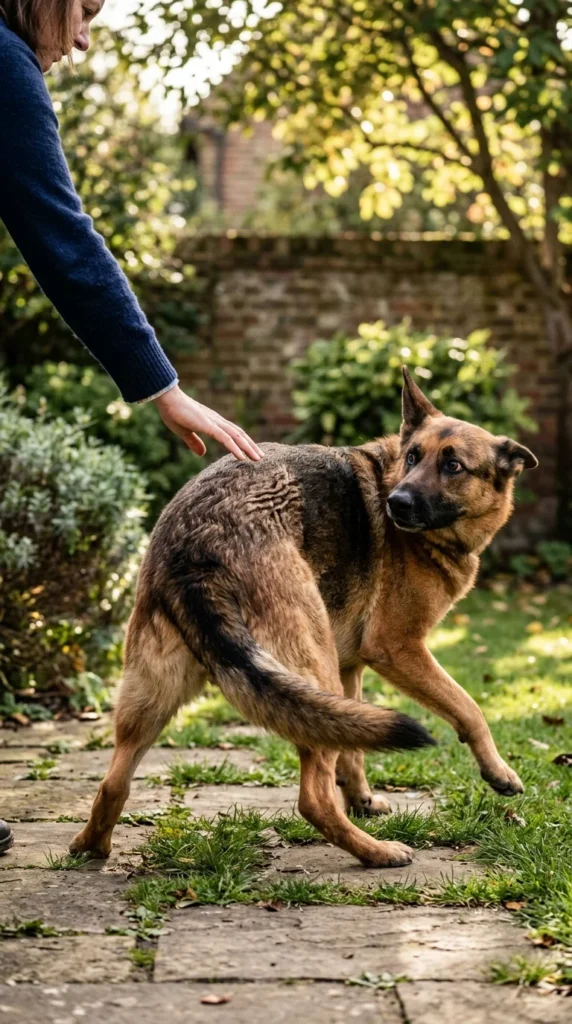
Does your dog flinch when you go to pet them? If a normally affectionate dog suddenly shies away from your hand, it’s likely because that area is tender. You may notice “skin twitching” or muscle spasms when you touch a certain part of their back or limbs. This sensitivity is a protective reflex designed to prevent further injury to a painful area.
17. Tail Tucking
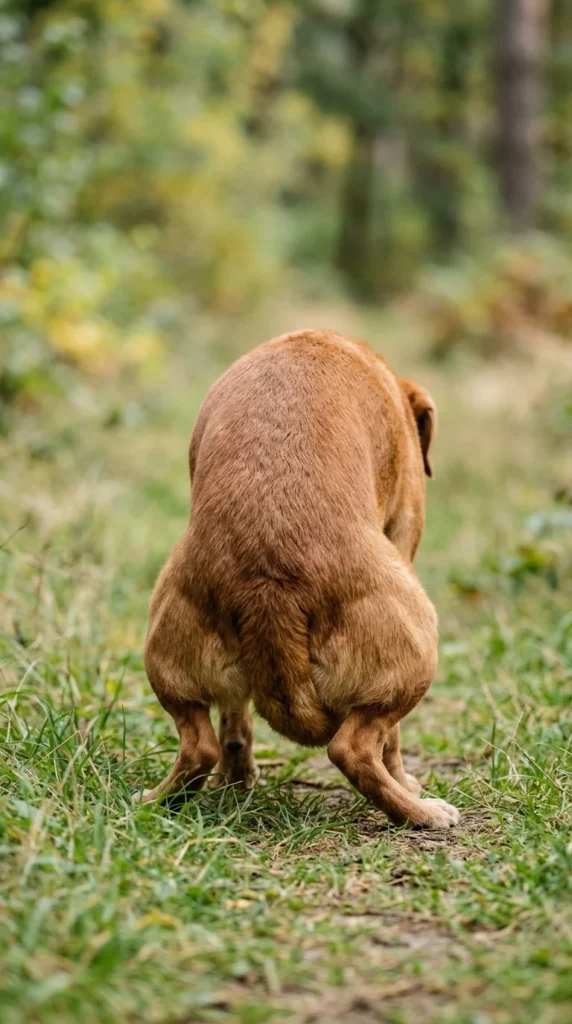
The tail is a major part of a dog’s communication system. A low or tucked tail usually indicates fear, anxiety, or submissiveness. However, if there is no obvious cause for fear, a tucked tail is a sign of physical distress. For dogs with “limber tail” (a painful condition affecting the base of the tail) or lower back pain, keeping the tail tucked is a way to minimize movement in a painful region.
18. Lethargy
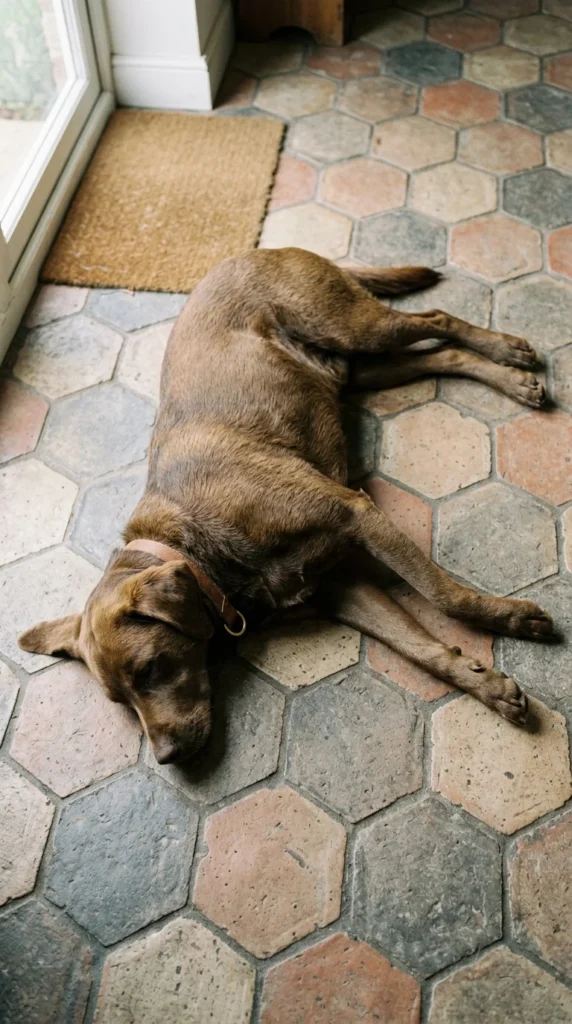
There is a difference between a sleepy dog and a lethargic one. A lethargic dog has no interest in things they usually love—like the sound of the leash, the word “walk,” or the crinkle of a treat bag. They may seem “heavy” in their movements and slow to respond to their name. General lethargy is a non-specific sign of pain or illness and suggests the dog is diverting all their energy toward dealing with internal discomfort.
19. Aggressive Reactions
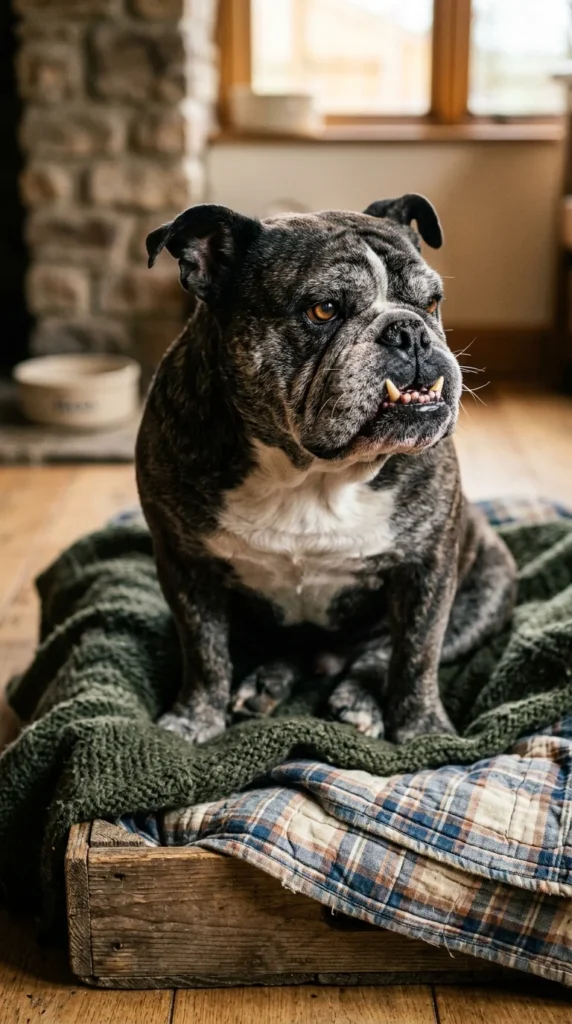
Perhaps the most distressing sign of pain is sudden aggression. If a dog snaps when you try to pick them up, or growls when you move them off the bed, they are not being “bad”—they are protecting themselves. Pain can make a dog feel extremely vulnerable, and their only way to ensure they aren’t hurt further is to warn you to stay away. If your dog shows sudden, unexplained aggression, a medical evaluation should be your first priority before seeking a trainer.