
Accidents happen when you least expect them. Whether you’re hiking a rugged trail, playing fetch at the local park, or just relaxing in your backyard, your canine companion can encounter anything from a minor scrape to a sudden allergic reaction. Being a responsible pet owner means being prepared for the “what ifs.” A dedicated dog first aid kit isn’t just a convenience—it’s a lifeline that can bridge the critical gap between an injury and professional veterinary care.
Here are the 23 essential items every dog owner needs to keep their furry friend safe and sound.
1. Adhesive Tape
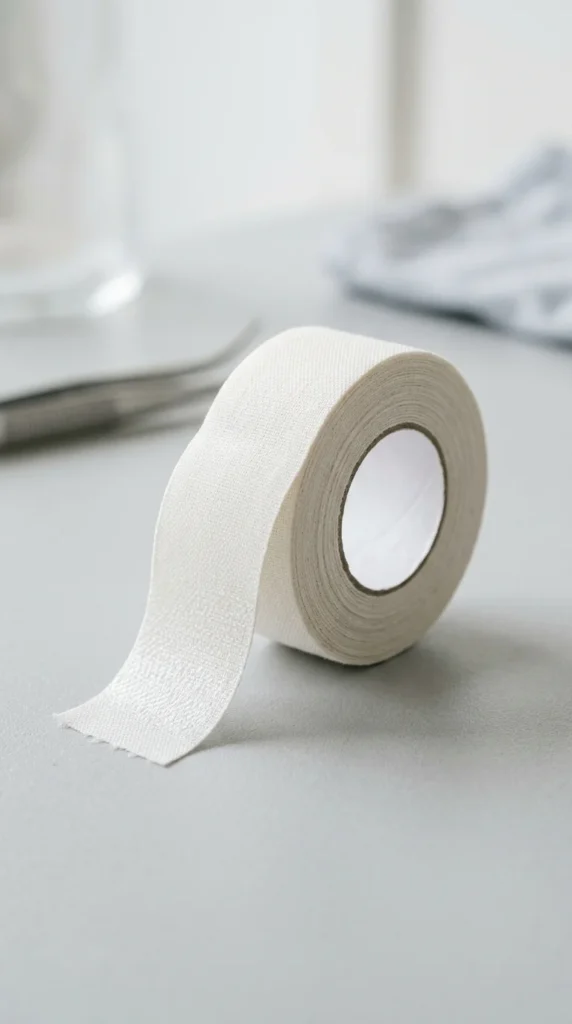
Medical tape is the anchor of any first aid kit. It is specifically designed to hold gauze pads and bandages in place without sticking too aggressively to the dog’s fur. Unlike standard household tape, medical adhesive tape is breathable and provides enough tension to secure a dressing on a moving limb. It is essential for ensuring that a wound stays covered while you transport your pet to the vet.
2. Gauze Pads

Sterile gauze pads are the gold standard for cleaning wounds and controlling bleeding. Because they are lint-free, they won’t leave fibers behind in a cut or abrasion. They are also highly absorbent, making them perfect for applying pressure to a bleeding area. Keep several sizes in your kit to accommodate everything from a small nick on a paw to a larger scrape on the torso.
3. Antiseptic Wipes
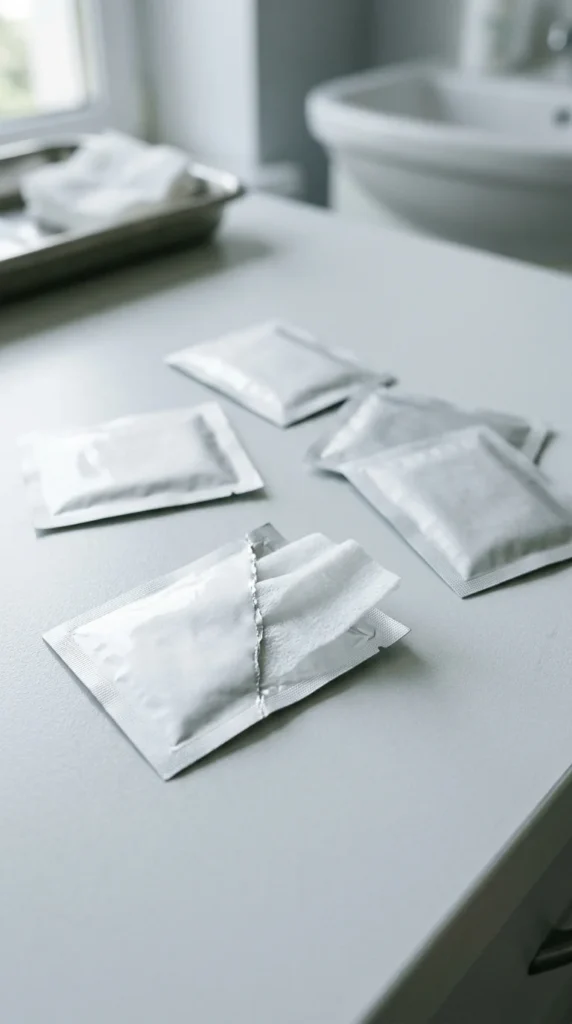
Before you can treat a wound, you have to clean it. Antiseptic wipes are a mess-free way to disinfect the area around an injury. They help eliminate bacteria and debris, significantly reducing the risk of infection. These wipes are especially handy when you are outdoors and don’t have immediate access to clean, running water.
4. Emergency Blanket

Dogs can go into shock following a traumatic injury or exposure to extreme temperatures. An emergency thermal blanket (often called a space blanket) helps retain body heat and keep your dog warm. It is lightweight, compact, and can also be used as a makeshift stretcher if you need to carry a small or medium-sized dog over a short distance.
5. Digital Thermometer
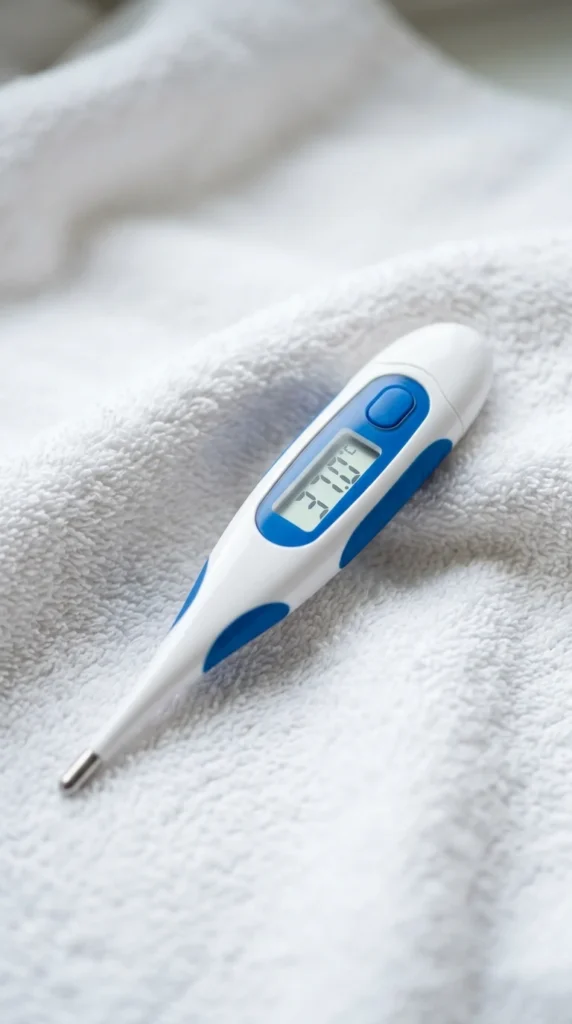
Knowing your dog’s temperature can tell you a lot about their health during an emergency. A dog’s normal body temperature is between 101.0 and 102.5 degrees Fahrenheit. Anything significantly higher or lower indicates a serious problem. Remember that a pet’s temperature must be taken rectally for accuracy, so keep a dedicated thermometer in your kit and label it clearly for “Pet Use Only.”
6. Hydrogen Peroxide

While hydrogen peroxide can be used to clean some wounds, its primary role in a dog’s first aid kit is to induce vomiting after the ingestion of a toxin. However, never induce vomiting without first consulting a veterinarian or a pet poison control center, as some substances can cause more damage when coming back up. Always check the expiration date, as peroxide loses its potency over time.
7. Muzzle
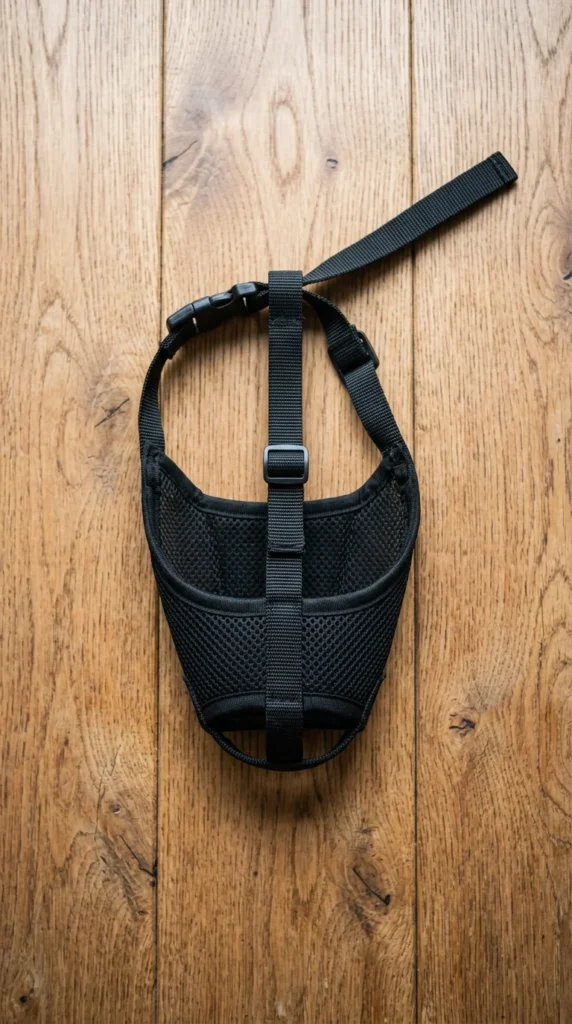
Even the gentlest dog can bite when they are in extreme pain or fear. A muzzle protects both you and the veterinary staff while you are administering first aid. If you don’t have a commercial muzzle, a roll of gauze can be used to create a temporary one, but having a proper, breathable muzzle on hand is much safer and more comfortable for the dog.
8. Tweezers
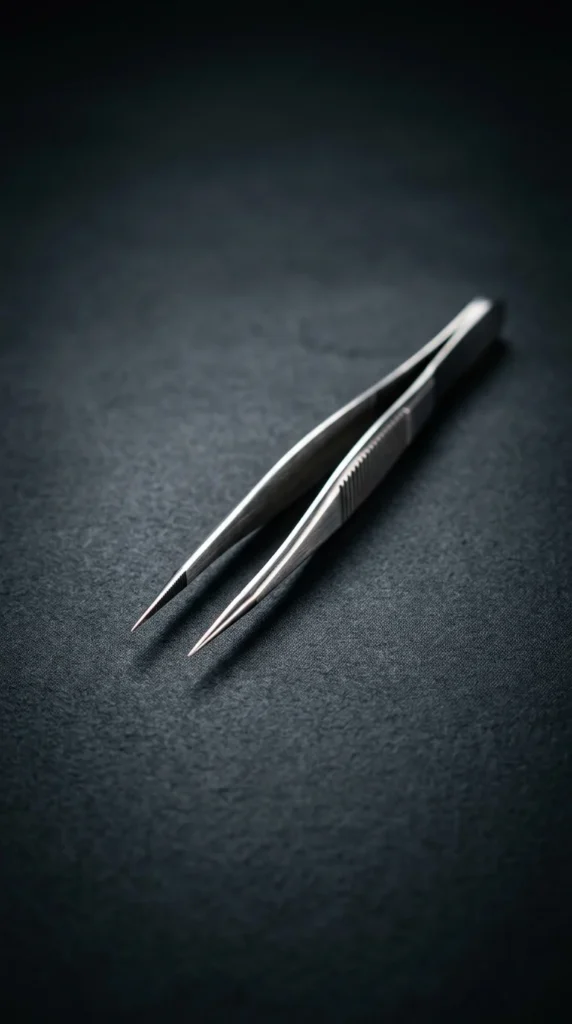
Tweezers are indispensable for removing foreign objects from your dog’s skin or paws. Whether it’s a stubborn splinter, a piece of glass, or a thorny burr, a good pair of tweezers allows for the precision needed to extract the object without causing further trauma. Look for a pair with a comfortable grip and fine points.
9. Blunt-End Scissors
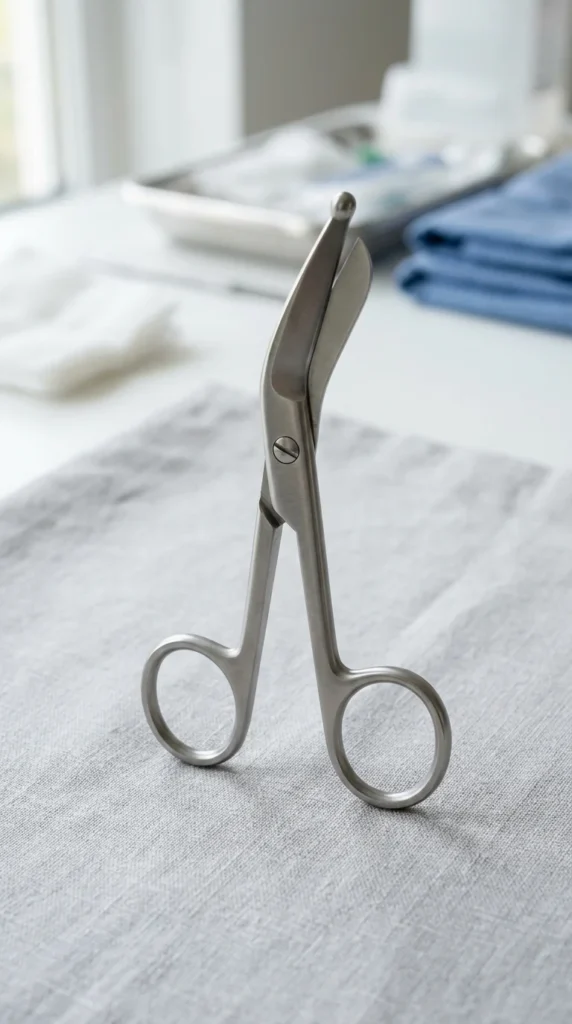
Standard scissors can be dangerous when you’re trying to cut bandages away from a squirming, injured dog. Blunt-end scissors (often called bandage scissors) have a rounded tip that slides easily between the skin and the bandage without the risk of accidentally poking or cutting your pet. They are also useful for trimming long hair away from a wound site.
10. Saline Solution
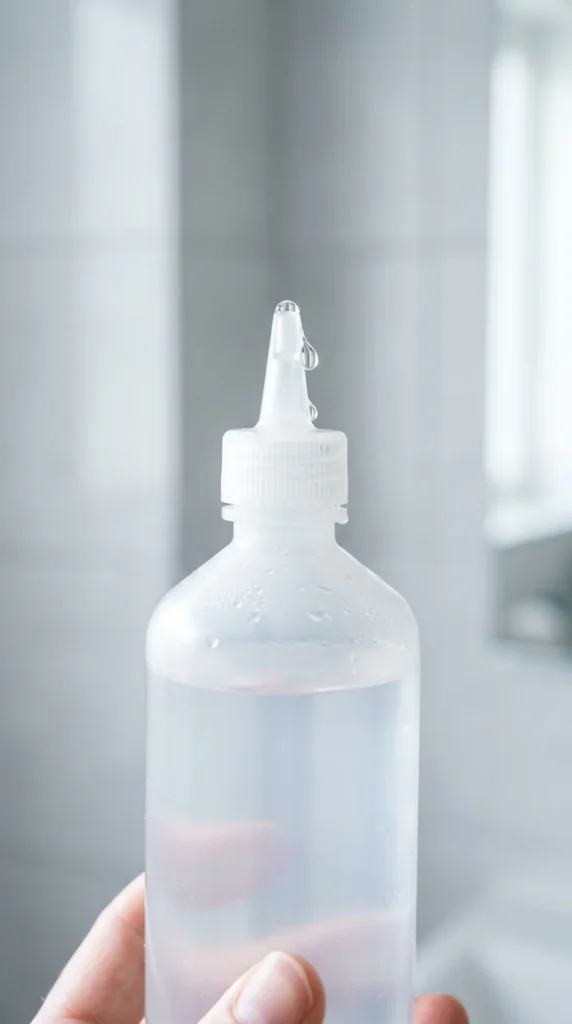
Sterile saline solution is the safest way to flush debris, dirt, or chemicals out of your dog’s eyes. It can also be used to gently irrigate a wound to remove grit before bandaging. Avoid using contact lens solution that contains preservatives or cleaning agents; stick to a simple, sterile saline “eye wash” or “wound flush.”
11. Styptic Powder

If you’ve ever accidentally cut your dog’s “quick” while trimming their nails, you know how much it can bleed. Styptic powder is a clotting agent that stops bleeding from nails or minor superficial cuts almost instantly. It is a must-have for grooming mishaps and small paw injuries where blood flow is difficult to stop with pressure alone.
12. Syringe
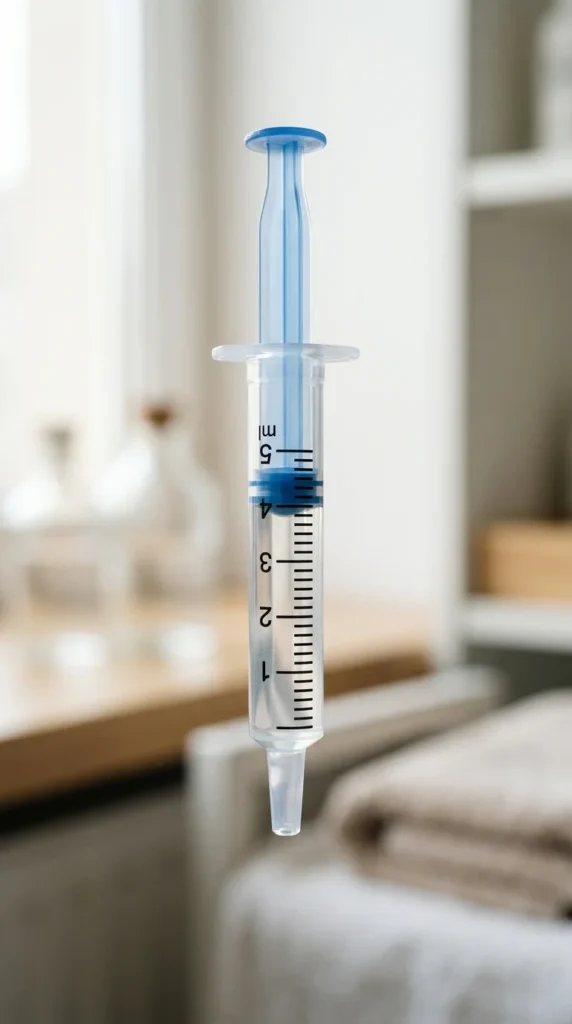
A needleless syringe is a versatile tool for administering oral medications or liquids. It can also be used to precisely spray saline solution into a wound or an eye for cleaning. Having a few different sizes (such as 10ml and 35ml) allows for flexibility depending on the task at hand.
13. Collapsible Bowl

Hydration is critical, especially if your dog is in shock or has been overexerted. A collapsible silicone bowl takes up almost no space in your kit but provides a clean vessel for water or for mixing rehydration salts. It can also be used to hold water for soaking an injured paw.
14. Flashlight

Emergencies don’t always happen in broad daylight. Whether you’re searching for a wound under a thick coat of fur or checking your dog’s paws in the dark, a bright LED flashlight is essential. Consider a headlamp version to keep your hands free for treating your pet. Always keep spare batteries in the kit as well.
15. Vet Wrap
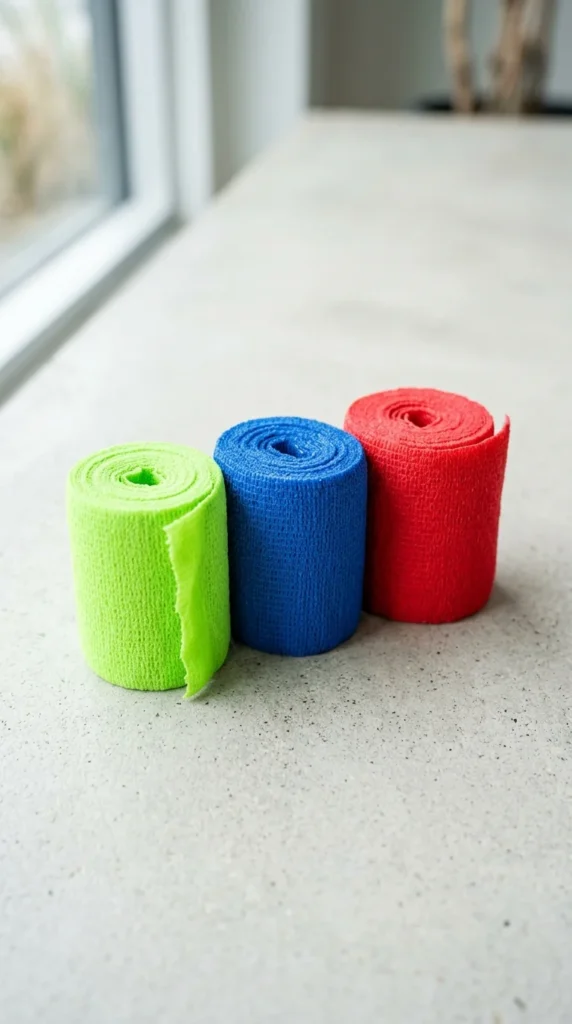
Vet wrap is a self-adhering bandage that sticks to itself but not to fur. This makes it much easier to apply and remove than traditional bandages. It provides excellent support and compression for sprains or to hold gauze in place. Be careful not to wrap it too tightly, as it can easily restrict circulation.
16. Latex Gloves
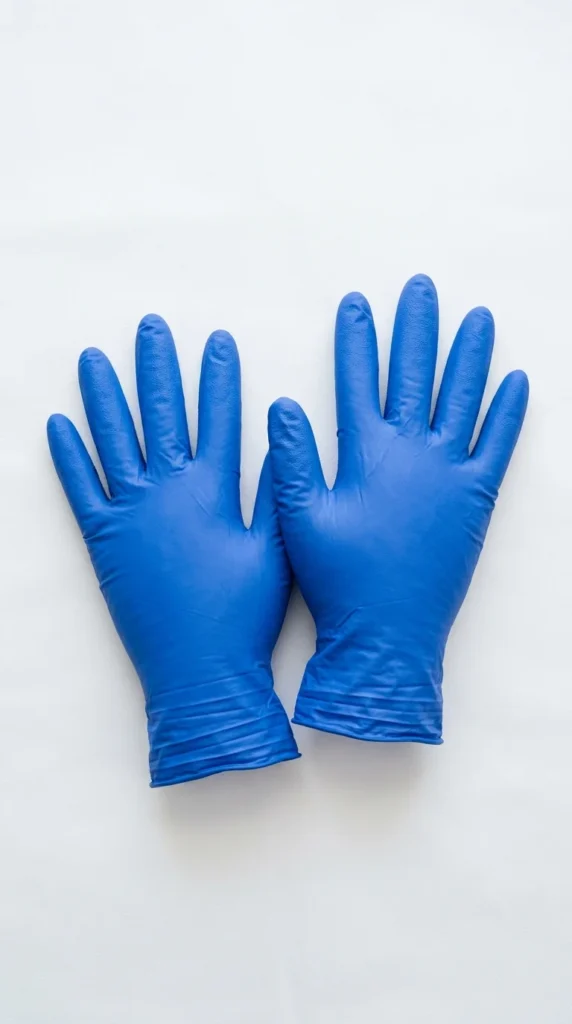
Safety first—for both you and your pet. Wearing gloves protects you from bloodborne pathogens and prevents you from introducing bacteria from your hands into your dog’s open wound. Nitrile gloves are generally preferred over latex, as they are more durable and won’t trigger allergies.
17. Antibiotic Ointment
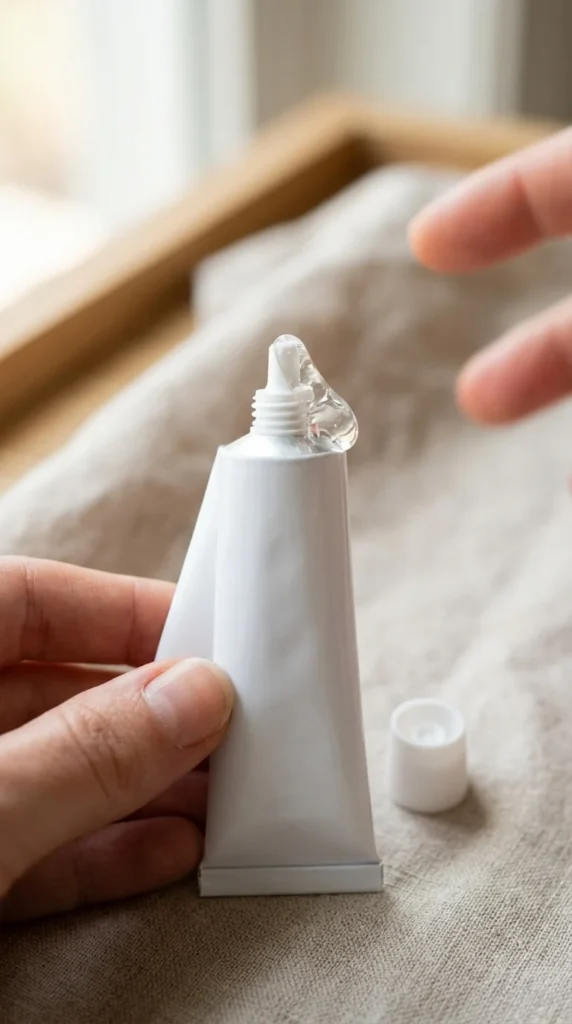
A pet-safe triple antibiotic ointment helps prevent infection in minor cuts, scrapes, and burns. It also keeps the wound moist, which can speed up the healing process. Ensure the ointment you use does not contain any added pain relief ingredients (like lidocaine), as these can be toxic to dogs if licked.
18. Cotton Balls

Cotton balls are perfect for applying antiseptic, dabbing away small amounts of blood, or cleaning around the ears and eyes. They are much gentler than paper towels or napkins. Keep a small bag of them sealed tightly to ensure they stay clean and dry until needed.
19. Benadryl
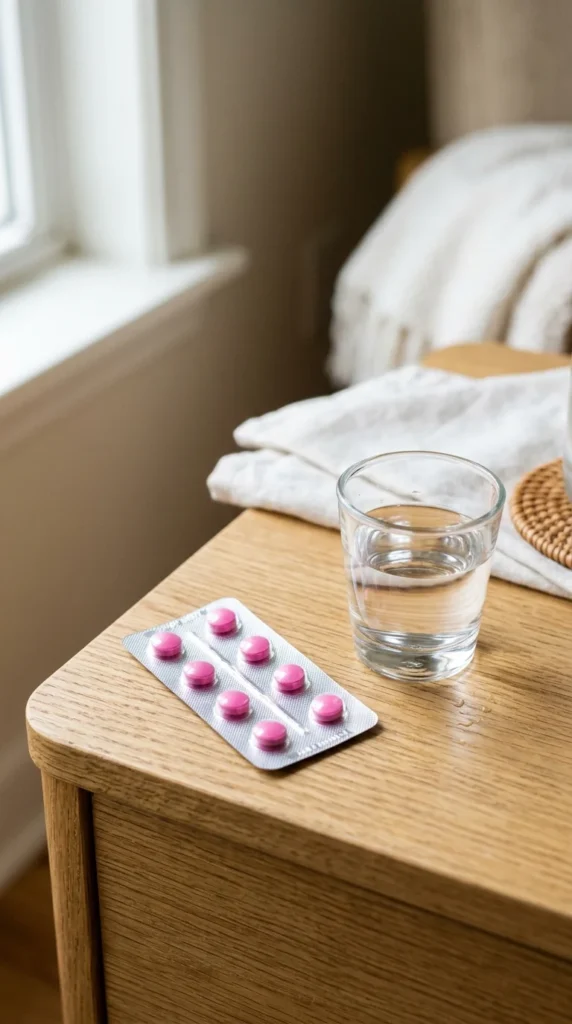
Allergic reactions to bee stings, spider bites, or environmental triggers can happen suddenly. Diphenhydramine (Benadryl) is often recommended by vets to manage these reactions. However, always call your vet first to confirm the correct dosage for your dog’s weight and to ensure it won’t interfere with any other medications they are taking.
20. Tick Remover

In many regions, ticks are a constant threat. A specialized tick removal tool allows you to grasp the tick close to the skin and pull it out entirely without squeezing the body or leaving the head behind. This is much more effective and safer than using standard tweezers for this specific task.
21. First Aid Manual
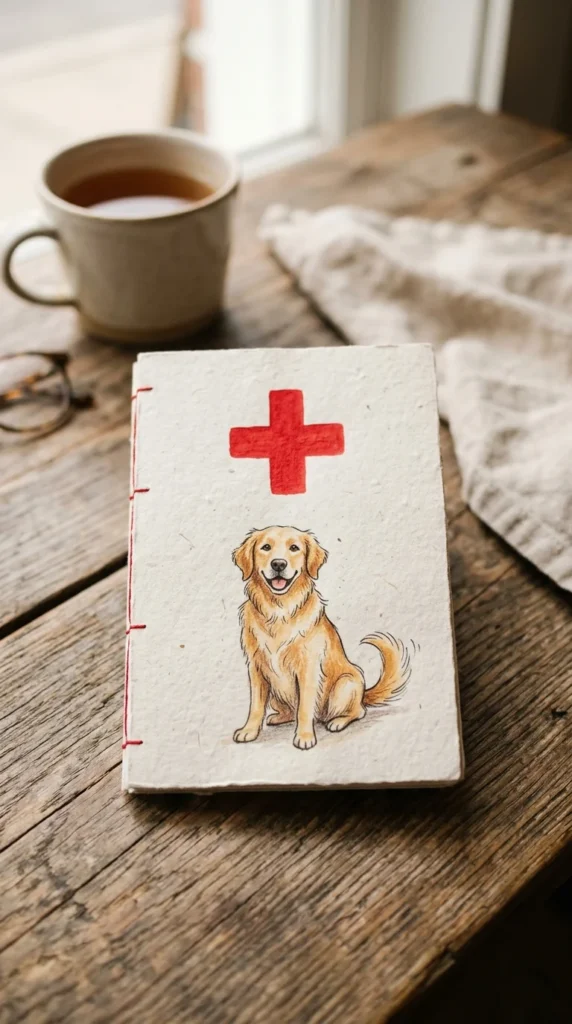
In the heat of an emergency, it’s easy to panic or forget your training. A concise, pet-specific first aid manual provides step-by-step instructions for handling everything from choking to heatstroke. Look for one that is waterproof or kept in a plastic bag to ensure it remains readable in all conditions.
22. Emergency Contact List

Time is of the essence during a crisis. Keep a laminated card in your kit that includes your regular vet’s number, the nearest 24-hour emergency animal hospital, and the Pet Poison Helpline. Including your dog’s microchip number and a list of their current medications and allergies is also a smart move.
23. Treats
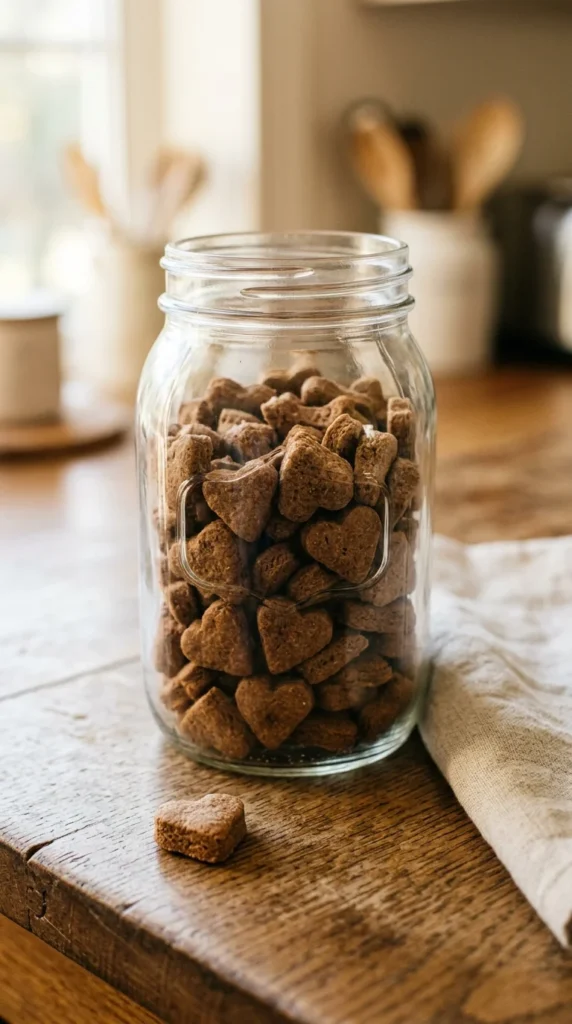
It may seem simple, but treats are a vital part of first aid. They can be used to distract a dog during a painful procedure, reward them for staying still, or help calm them down once the immediate danger has passed. High-value, soft treats that can be broken into small pieces are best for keeping your pup’s focus.
Having these 23 items organized in a dedicated kit ensures that you are ready for whatever adventures (and misadventures) come your way. Remember to check your kit every six months to replace expired medications and replenish any supplies you’ve used. Your dog relies on you for everything—make sure that includes their safety in an emergency.