
Separation anxiety is more than just a bit of whining when you head to work; for many dogs, it is a full-blown panic attack. It manifests in destructive chewing, relentless barking, and even self-harm. Understanding that your dog isn’t being “bad” but is actually terrified is the first step toward healing. Helping a dog overcome this condition requires a multi-faceted approach involving environment, psychology, and sometimes professional intervention.
Here are 21 proven strategies to help your canine companion feel safe and secure, even when you aren’t by their side.
1. Desensitization
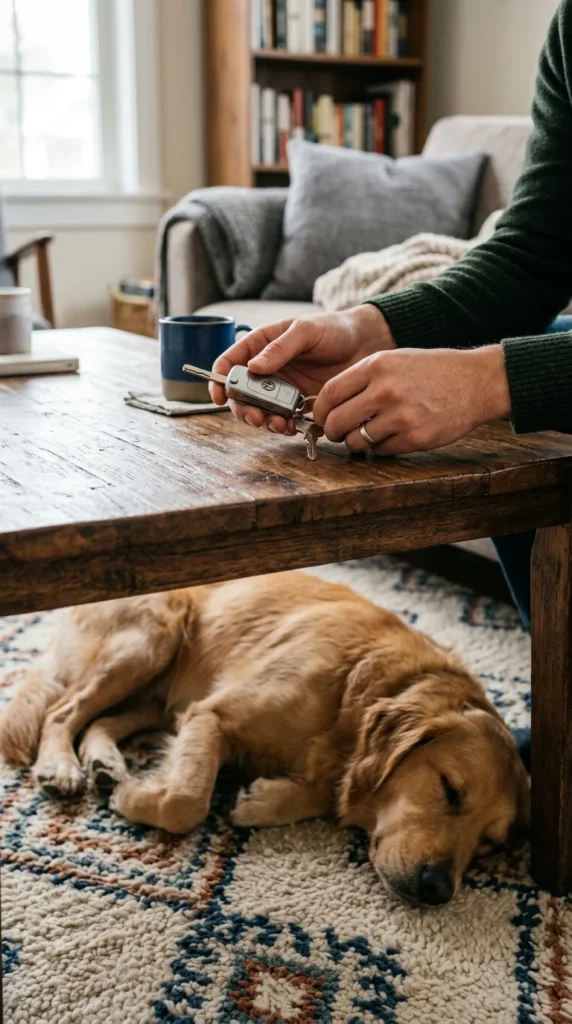
Desensitization involves breaking the association between your “departure cues” and the actual act of leaving. Dogs are experts at reading our routines. They know that when you pick up your keys, put on your shoes, or grab your coat, you are about to disappear. To fix this, perform these actions without leaving. Pick up your keys and sit on the couch. Put on your coat and make a sandwich. By repeating these triggers without the consequence of leaving, you lower your dog’s baseline anxiety.
2. Counter-conditioning

The goal of counter-conditioning is to change your dog’s emotional response from fear to joy. Provide a high-value treat—something they only get when you leave—right as you walk out the door. A frozen toy stuffed with wet food or peanut butter works best because it takes time to finish. Eventually, your dog may actually look forward to your departure because it signifies the arrival of their favorite snack.
3. Physical Exercise
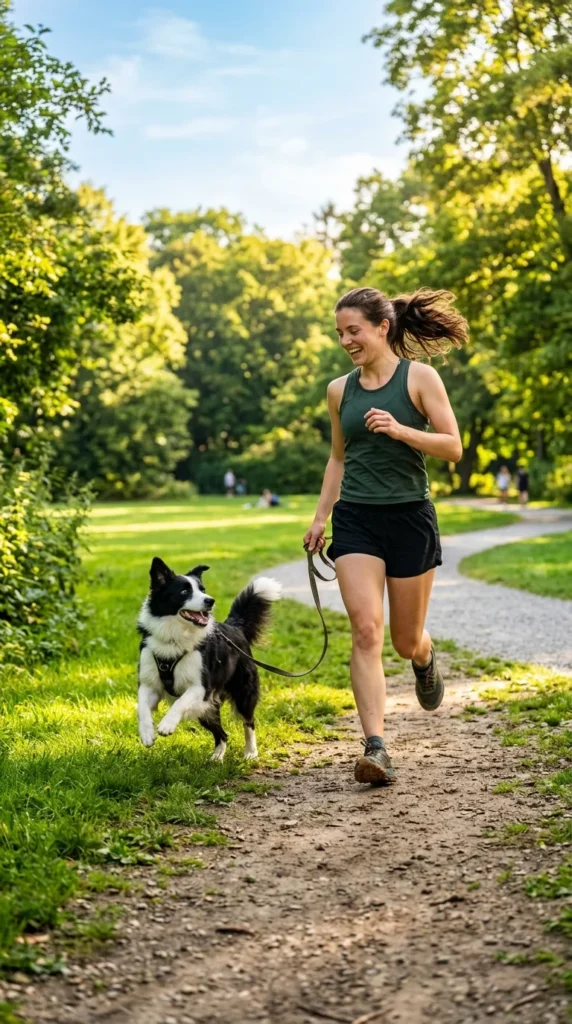
A tired dog is a quiet dog. One of the simplest ways to mitigate anxiety is to ensure your dog has had a vigorous workout before you leave. A long walk, a game of fetch, or a brisk run drains their physical energy, making them more likely to nap while you are away rather than pacing the house in a state of high alert.
4. Puzzle Toys
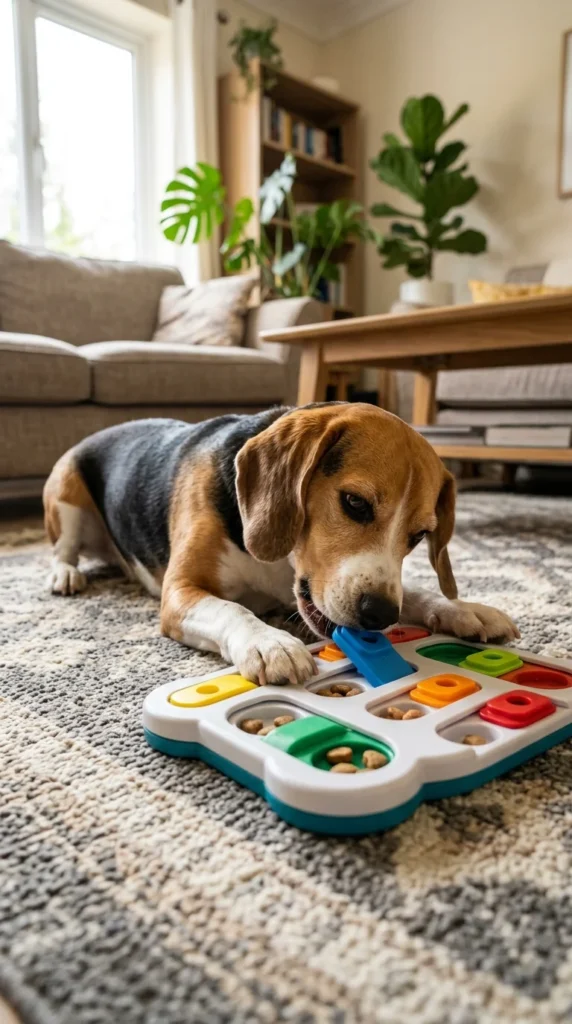
Mental exhaustion is just as effective as physical exhaustion. Use interactive puzzles that require your dog to use their nose and brain to solve problems. These toys keep them occupied during the critical first 20 minutes of your absence, which is typically when the highest level of anxiety occurs.
5. Calm Departures
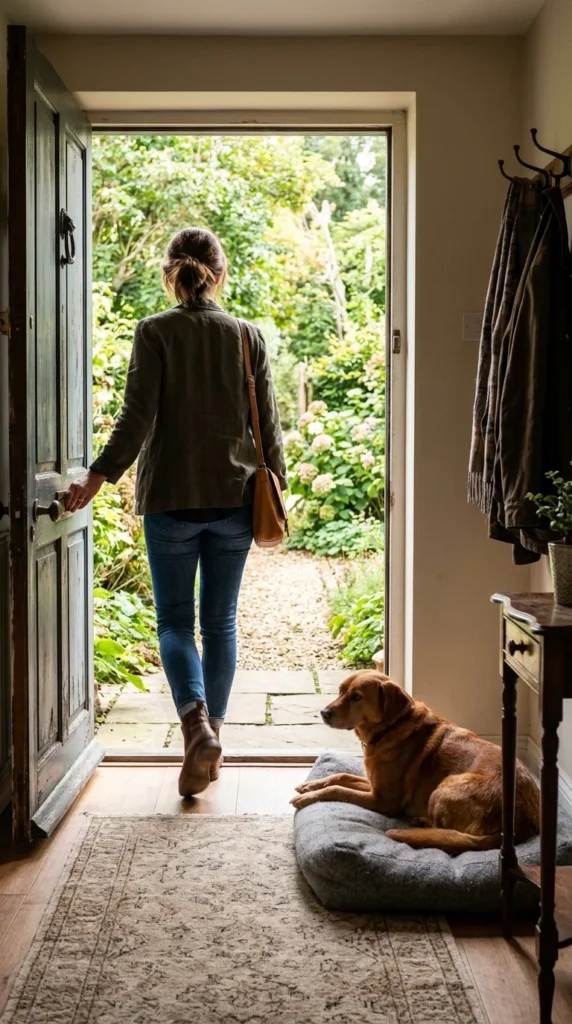
Many owners make the mistake of having long, emotional goodbyes. This only alerts the dog that something significant is happening. When you leave, do it quietly and without fanfare. No “Goodbye, be a good boy!” or extra pets. Treat your departure as if it is the most boring event in the world.
6. Scented Clothing

Your scent is incredibly comforting to your dog. Leaving a piece of recently worn clothing—like a t-shirt or a sweatshirt—in their bed can provide a sense of security. The familiar smell acts as a chemical signal that you are still “present” in their environment, which can lower their cortisol levels.
7. White Noise
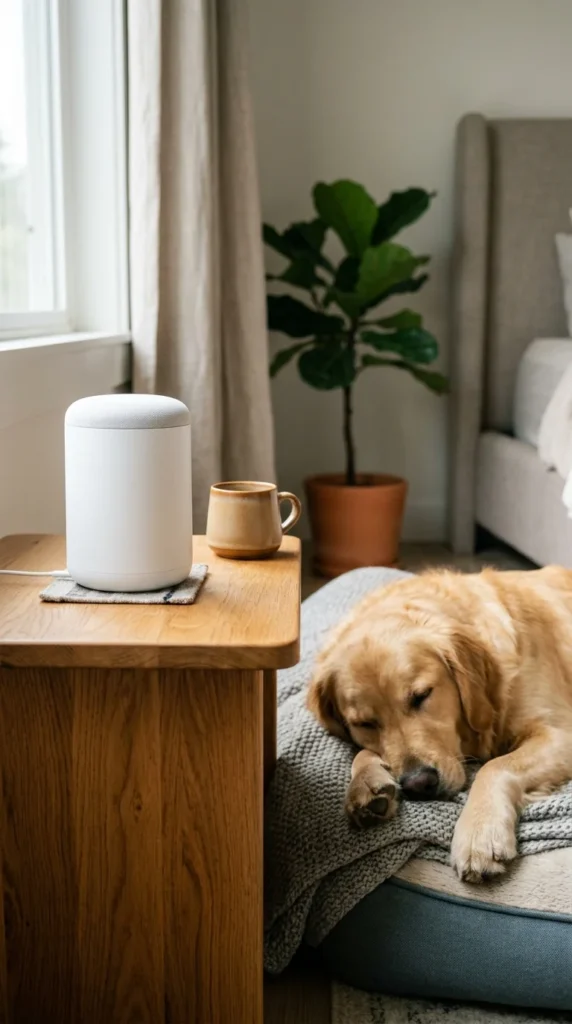
The sounds of the outside world—car doors slamming, neighbors talking, or sirens—can trigger a dog’s “alert” mode. Using a white noise machine or a fan can drown out these external stressors. Alternatively, leave a television or radio on a calm station (like classical music or talk radio) to provide a “human presence” vibe in the house.
8. Dog Cameras
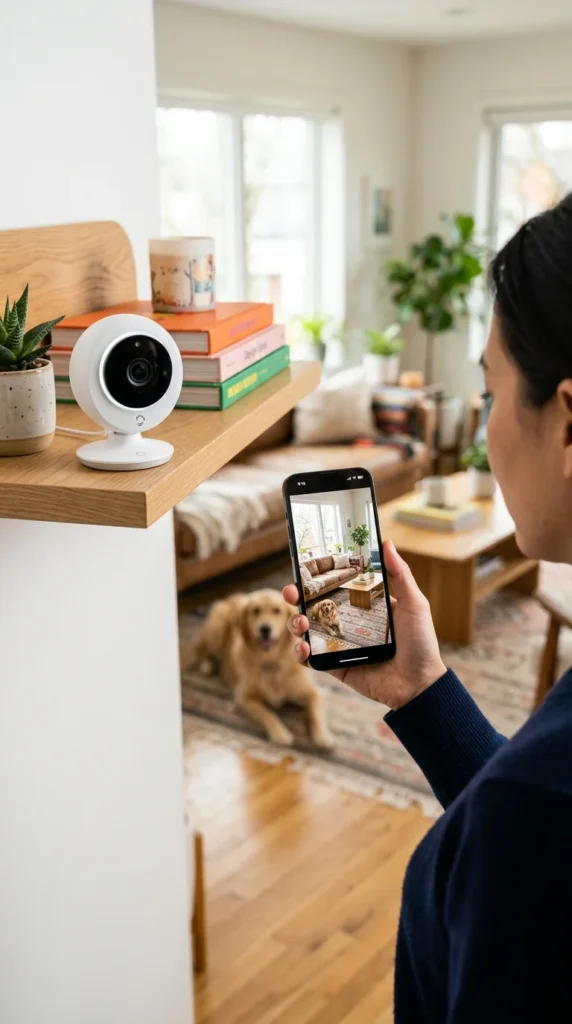
Technology allows you to monitor your dog’s progress in real-time. Devices like the Furbo or simple home security cameras let you see if your dog is pacing, howling, or sleeping. Some cameras even allow you to speak to your dog or toss them a treat remotely, which can be a vital tool for interrupting a burgeoning panic attack.
9. Professional Training
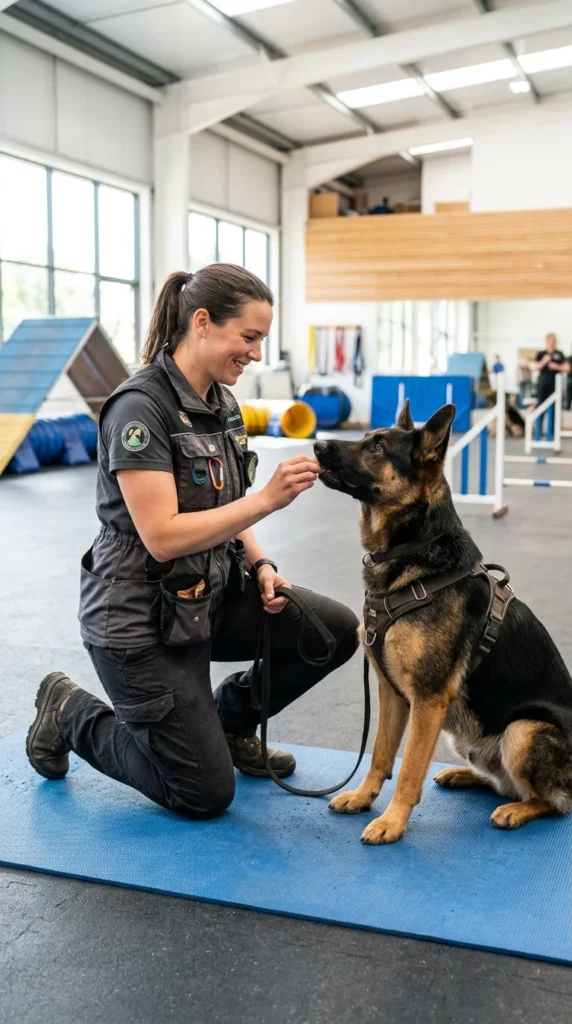
Sometimes, separation anxiety is too deeply rooted for a DIY approach. A Certified Separation Anxiety Trainer (CSAT) specializes specifically in this issue. They can help you create a structured plan that gradually increases the time you spend apart, ensuring you never push your dog past their “threshold” of fear.
10. Pheromone Diffusers
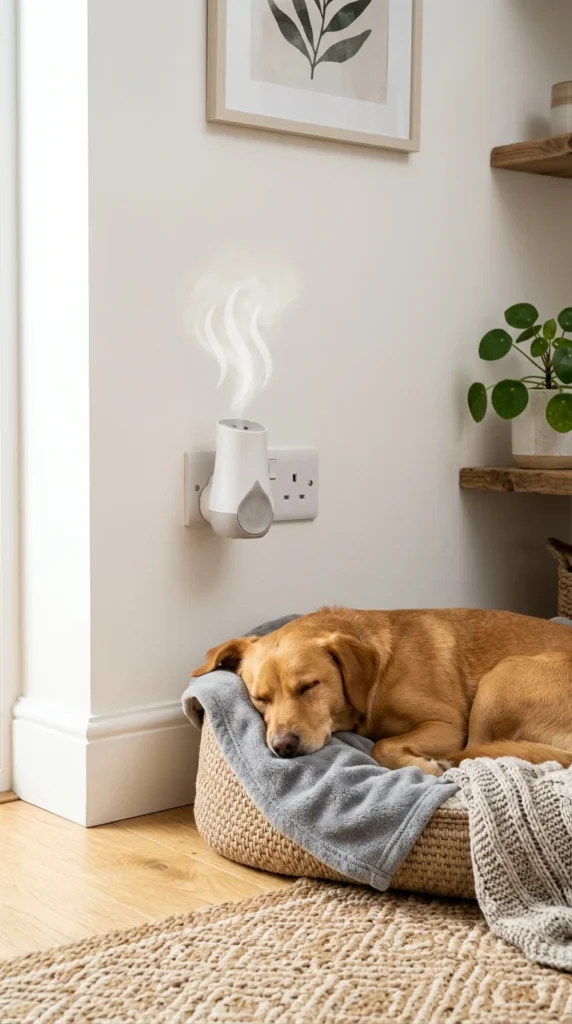
Adaptil and other pheromone-based products mimic the “appeasing pheromones” produced by mother dogs to calm their puppies. These come in diffusers, sprays, and collars. While they don’t work for every dog, many owners find they significantly take the edge off a dog’s general anxiety levels.
11. Routine Variation
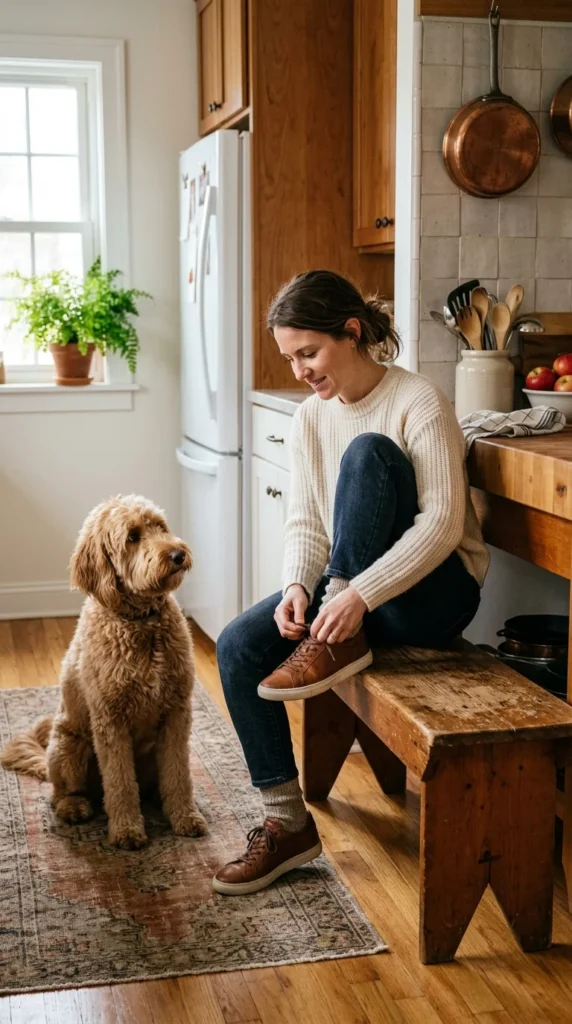
Dogs thrive on routine, but for an anxious dog, a predictable routine is a countdown to panic. Mix things up. Put your shoes on, then go eat breakfast. Brush your teeth, then go back to bed for five minutes. By making your morning routine unpredictable, you prevent the dog from building up a “crescendo” of anxiety before you even walk out the door.
12. High-Value Treats

For counter-conditioning to work, the reward must be “high-value.” This means something they rarely get, like boiled chicken, cheese, or specialized stinky treats. The reward must be enticing enough to compete with their fear. If they are too stressed to eat the treat, it’s a sign you need to scale back the duration of your absence.
13. Safe Space
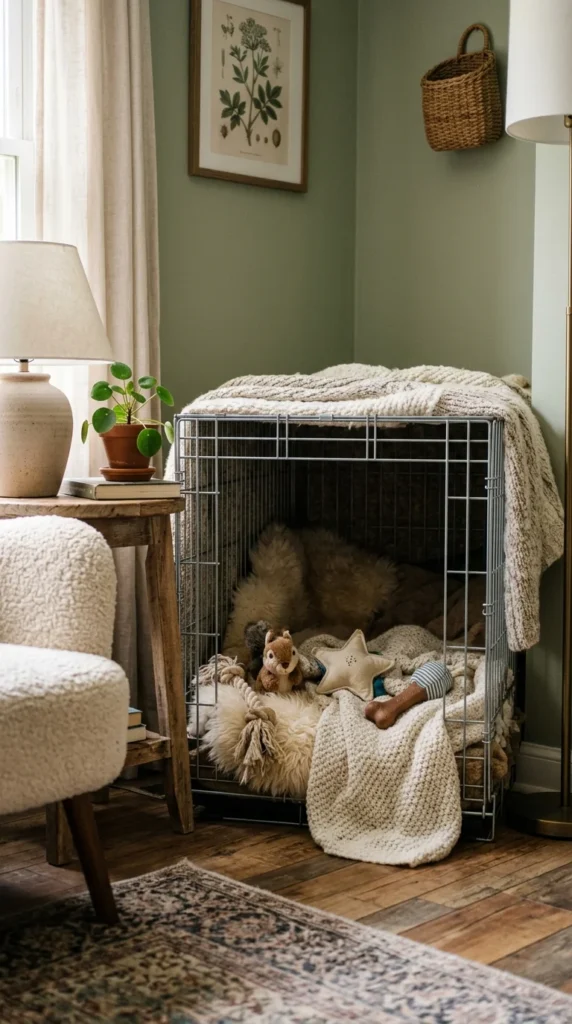
Create a “den” where your dog feels safe. For some, this is a crate; for others, it’s a specific room or a corner of the laundry room. Make this space as inviting as possible. If using a crate, never use it as a form of punishment. It should be a sanctuary where only good things happen.
14. Calming Supplements
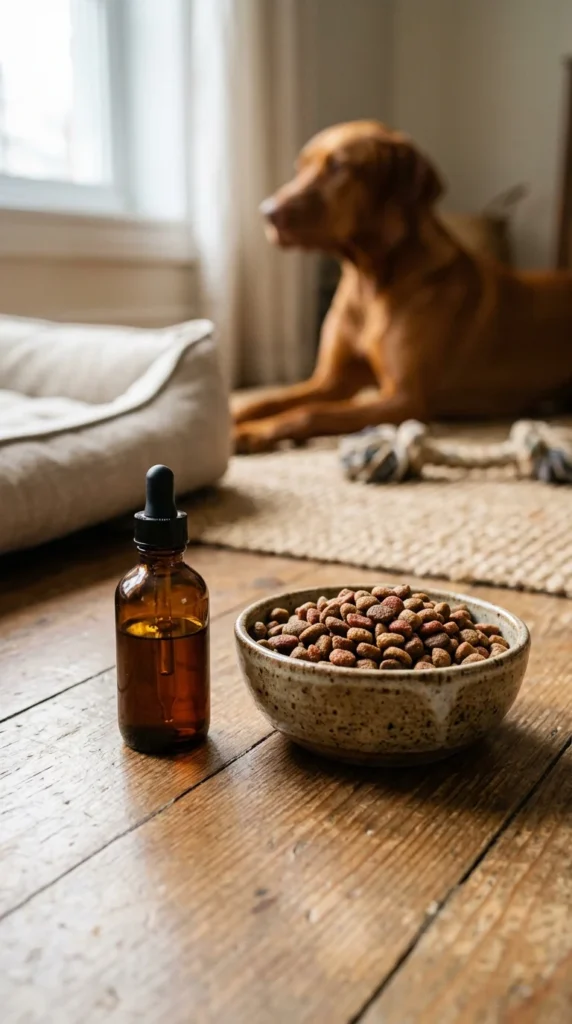
There are many over-the-counter supplements designed to help with canine anxiety. Ingredients like L-theanine, melatonin, and chamomile can have a mild sedative effect. Always consult with your veterinarian before introducing supplements to ensure they won’t react with any other medications your dog may be taking.
15. Dog Daycare
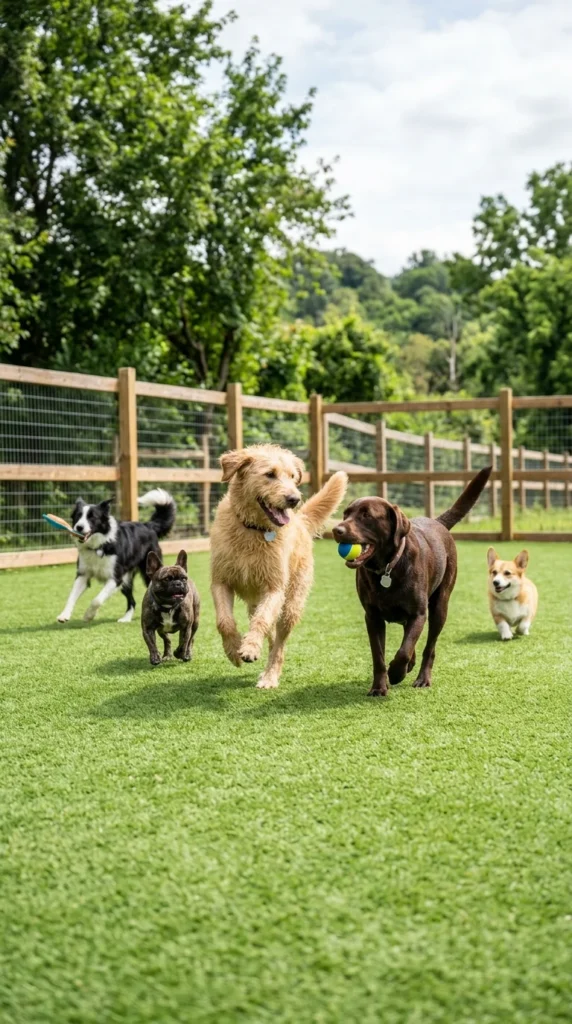
If your dog’s anxiety is severe, they simply may not be able to be left alone at all during the beginning stages of training. Doggy daycare provides a supervised environment where they are surrounded by people and other dogs, preventing the panic of isolation while you are at work.
16. Pet Sitters
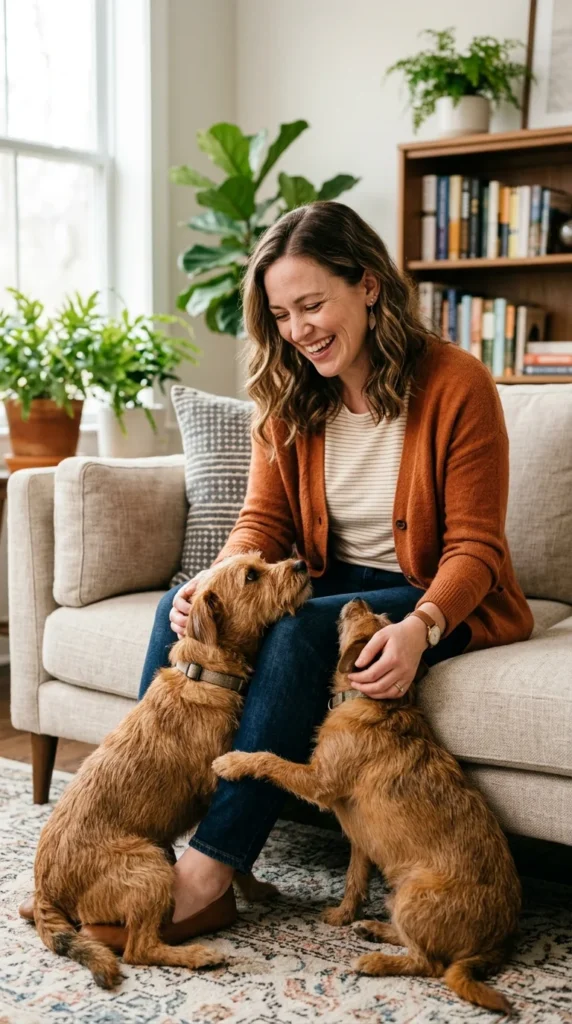
If a busy daycare environment is too stressful for your dog, a pet sitter or a “dog walker” who visits midday can help. Having a human drop by for an hour to play and provide companionship can break up the day and prevent the dog from feeling abandoned.
17. Gradual Departures
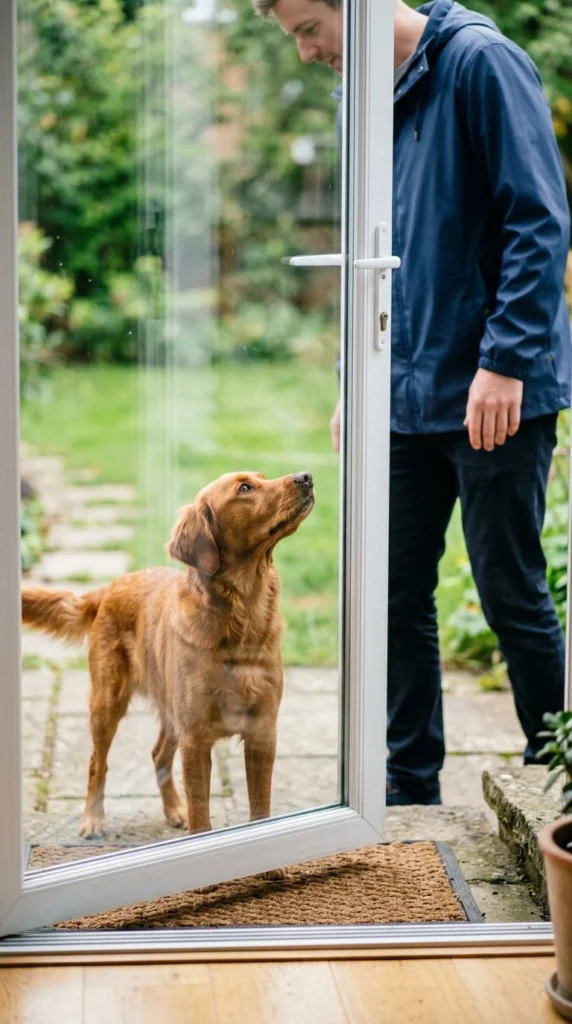
The gold standard for treating separation anxiety is “gradual exposure.” Start by walking out the door for just five seconds and coming back in. If the dog remains calm, increase it to ten seconds, then thirty, then a minute. The goal is to always return before the dog becomes upset, teaching them that you always come back.
18. Veterinary Consult
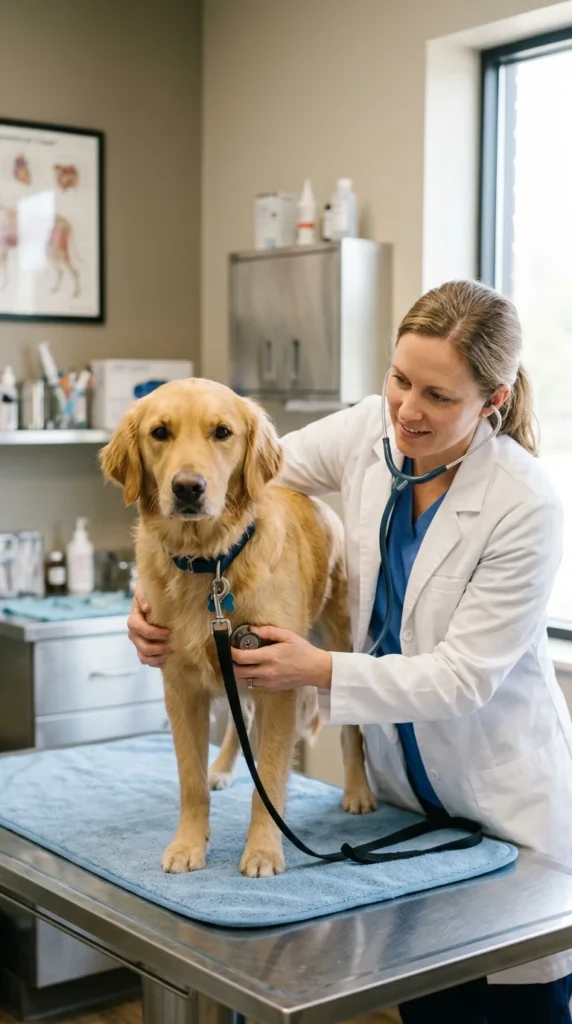
In moderate to severe cases, behavior modification alone might not be enough. A veterinarian can prescribe anti-anxiety medications (like Fluoxetine or Trazodone) that help level out the brain’s neurochemistry. These medications aren’t meant to “drug” the dog into a stupor, but rather to lower their anxiety enough so that they are actually capable of learning during training.
19. Interactive Games
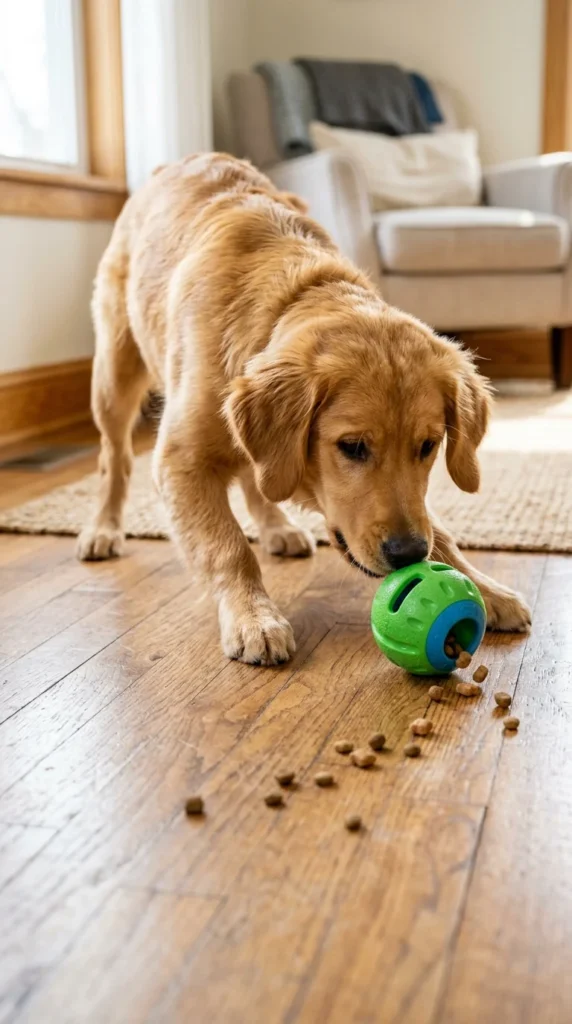
Before you leave, engage in a game of “hide and seek” with treats around the house. This encourages the dog to use their hunting instincts. If they are busy searching for hidden morsels of food, they are focusing on a task rather than the fact that the front door just closed.
20. Social Stimulation
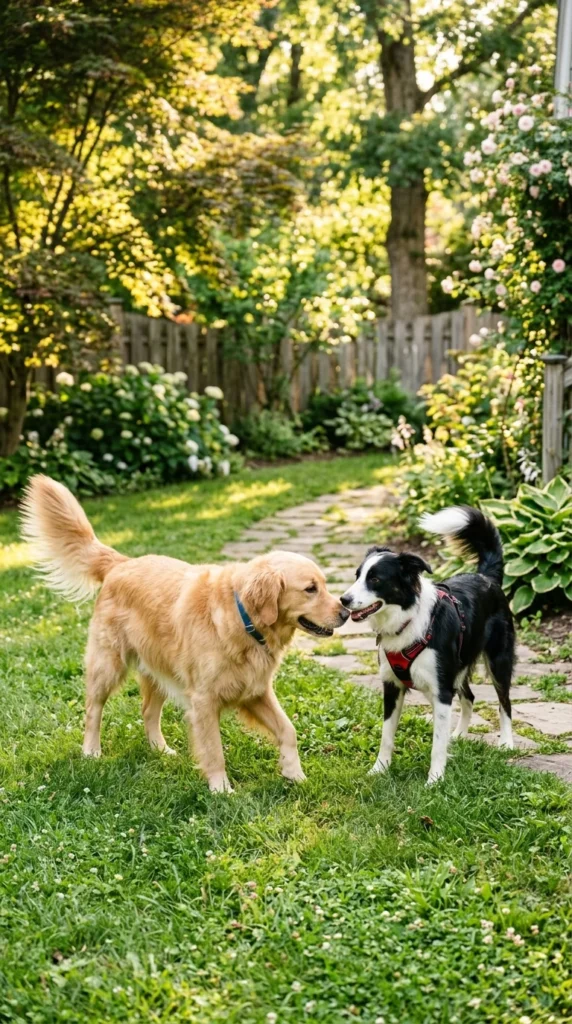
Sometimes, anxiety stems from a lack of general confidence. Regular playdates with other dogs can help build a dog’s social confidence and independence. A dog that is well-socialized and confident in different environments is often more resilient when faced with the stress of being alone.
21. Infinite Patience
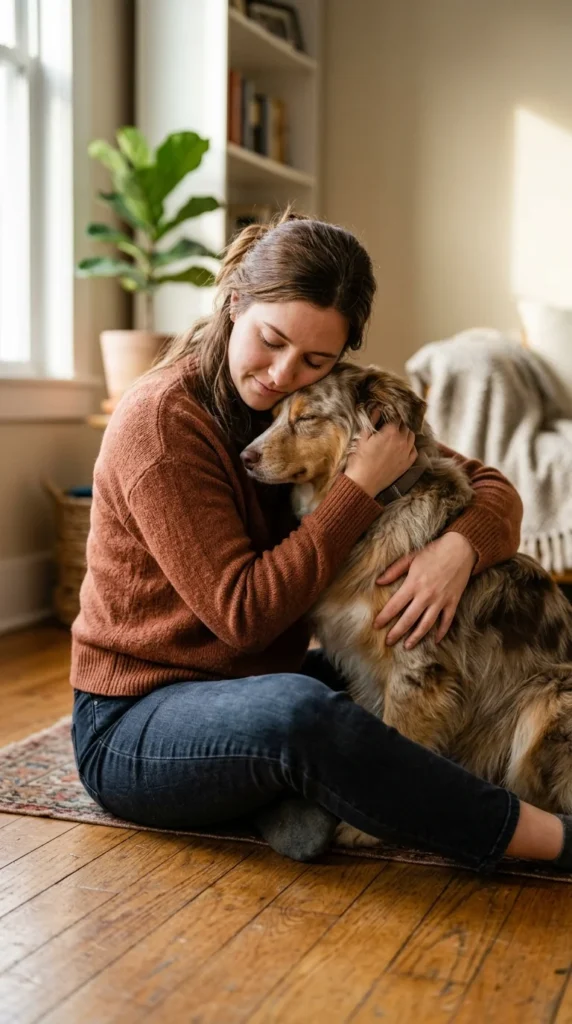
Healing separation anxiety is not a linear process. There will be days of great progress followed by sudden setbacks. It is vital to never punish your dog for anxiety-based destruction; punishment will only increase their fear and worsen the condition. Consistency, love, and a commitment to the process are the most important tools you have. Over time, most dogs can learn that being alone is not a death sentence, but simply a quiet part of their day.