
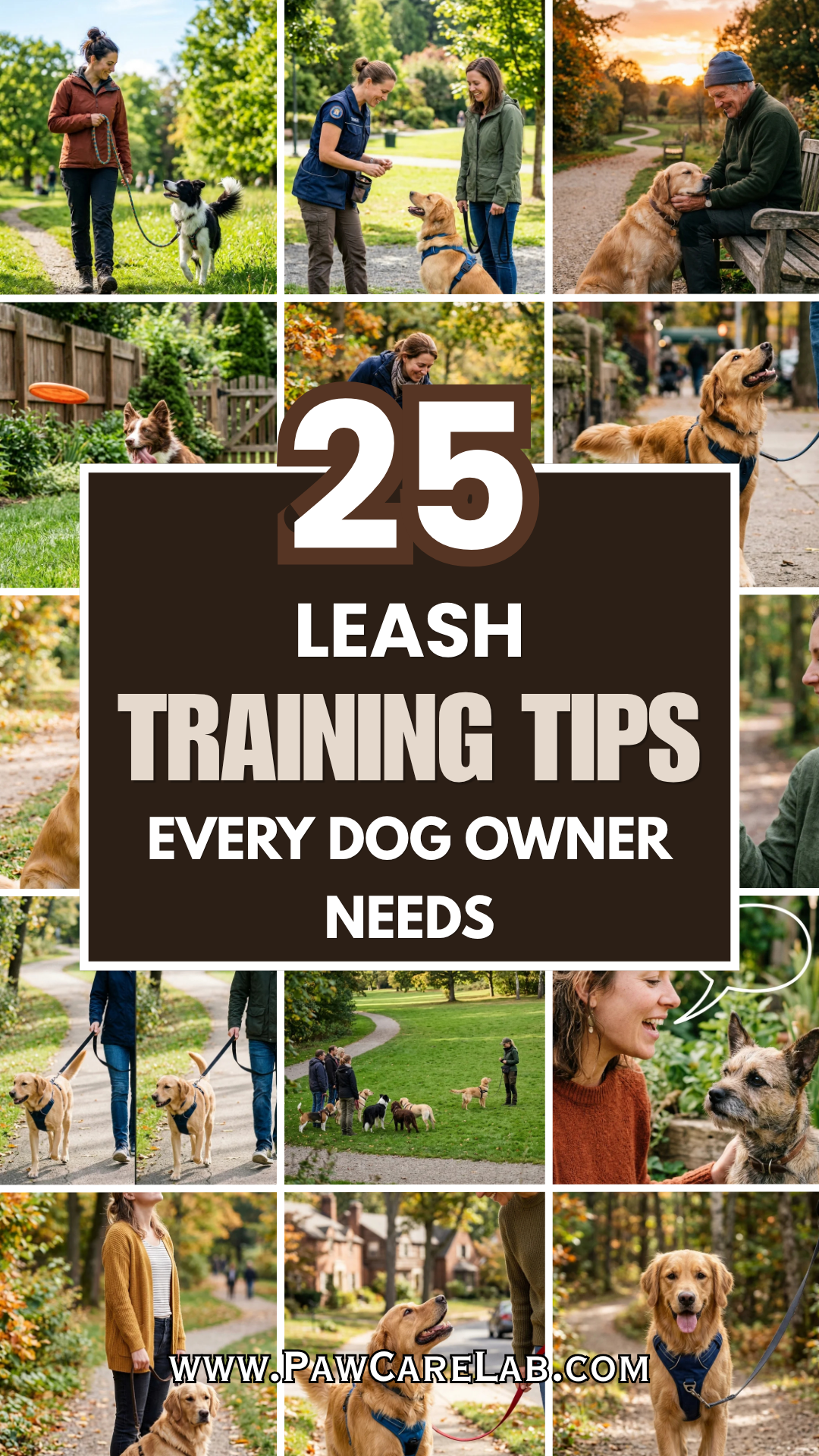
Leash training is perhaps the most fundamental yet challenging aspect of dog ownership. It is the bridge between a chaotic outdoor experience and a harmonious walk that strengthens the bond between you and your canine companion. Whether you are working with a rambunctious puppy or a headstrong rescue, mastering the leash requires a blend of psychology, equipment, and unwavering patience.
1. Right Gear
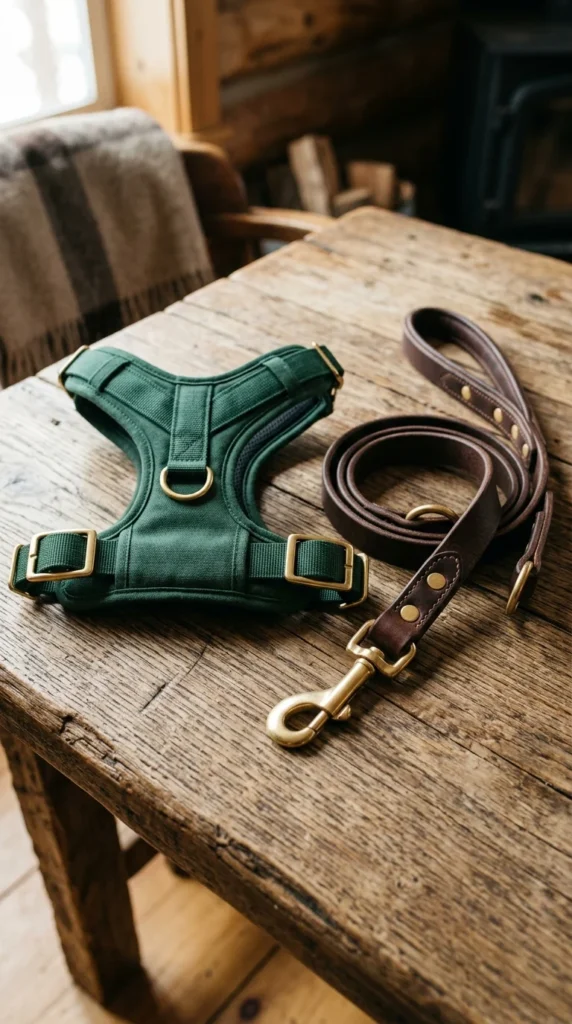
Choosing the right equipment is the foundation of success. Avoid thin, painful collars that can damage a dog’s trachea. Instead, opt for a well-fitted harness that distributes pressure across the chest. A standard 4-to-6-foot flat leash is the gold standard for training, providing enough length for exploration but enough control for safety.
2. High-Value Treats
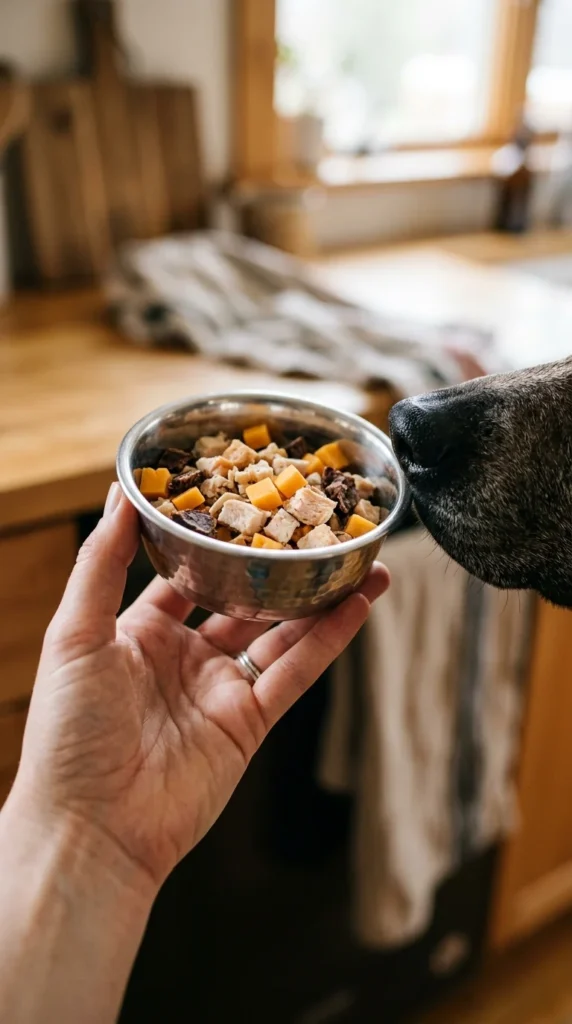
In the world of dog training, not all rewards are created equal. When competing with the smells of the great outdoors, a piece of dry kibble won’t cut it. Use “high-value” treats—think boiled chicken, string cheese, or freeze-dried liver—to ensure your dog decides that paying attention to you is more rewarding than chasing a squirrel.
3. Indoor Practice
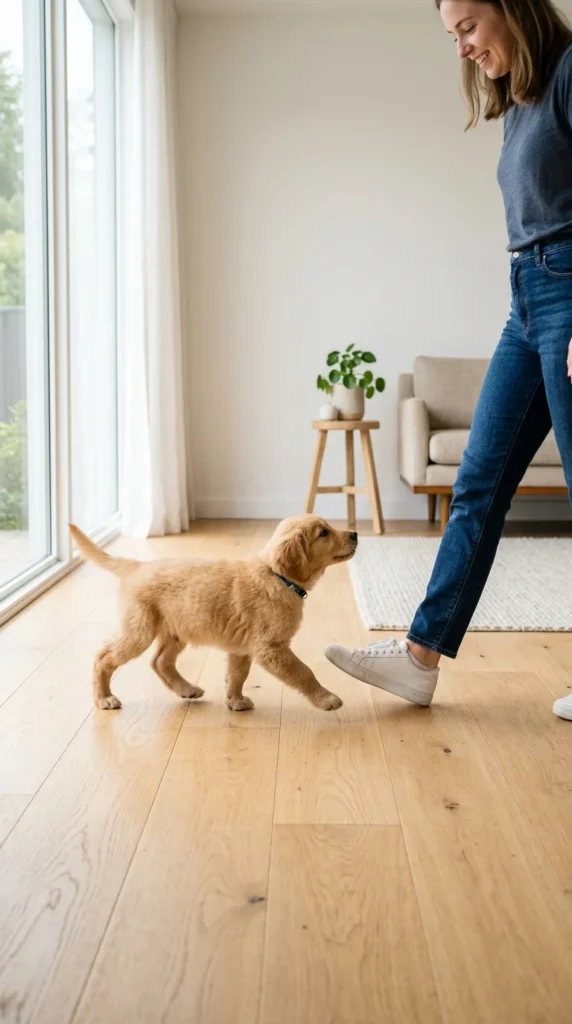
The biggest mistake owners make is starting leash training in a busy park. The outdoors is a sensory overload. Start in your hallway or living room where there are zero distractions. Once your dog can walk perfectly by your side in the kitchen, you can gradually move to the backyard, then the driveway, and finally the street.
4. Loose Lead
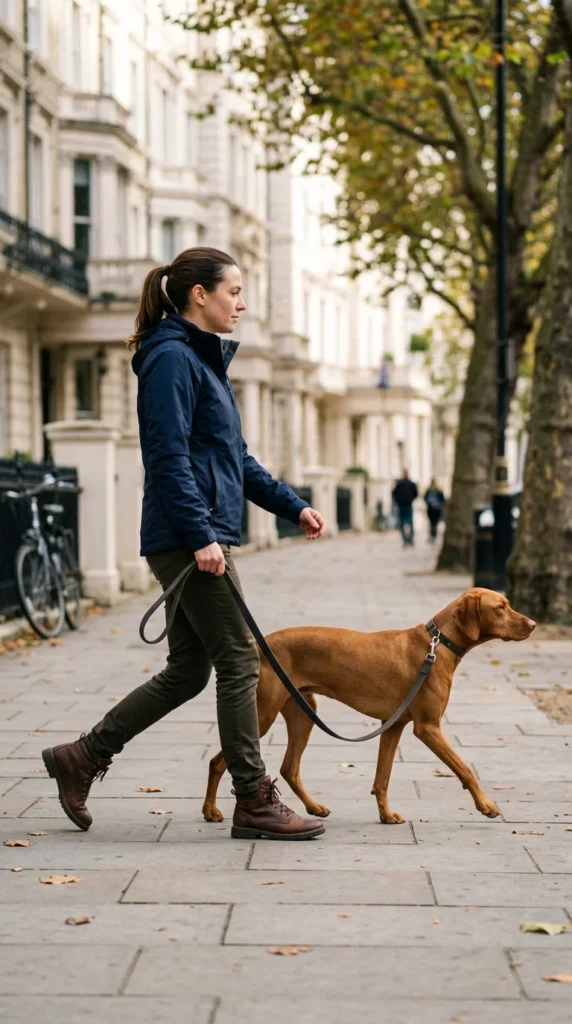
The goal of leash training is a “loose lead.” If the leash is taut, the training hasn’t clicked yet. A tight leash sends a signal of tension to the dog, often increasing their anxiety or excitement. Aim for that beautiful “J” curve in the leash, which signifies that neither you nor the dog is pulling.
5. Stop Movement
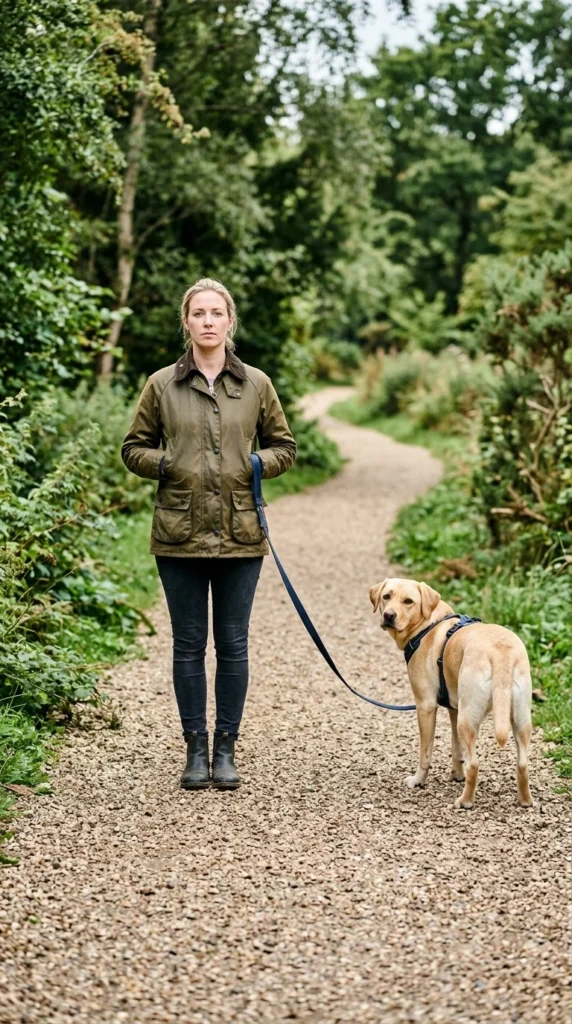
When your dog pulls, the walk must end instantly. By stopping the moment the leash becomes tight, you teach the dog that pulling is a “red light” that stops all forward progress. They only get to move toward that interesting tree or hydrant if the leash remains slack.
6. Reverse Direction
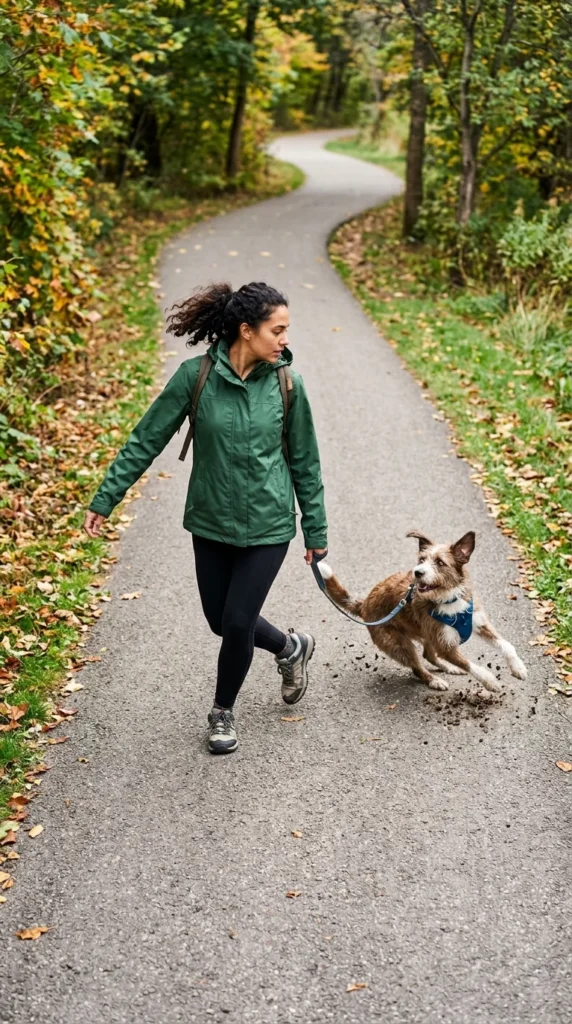
If stopping doesn’t work, try the “about-face.” When your dog lunges ahead, simply turn around and walk in the opposite direction without a word. This forces the dog to pay attention to your movement because they never know when the “leader” might change course.
7. Eye Contact
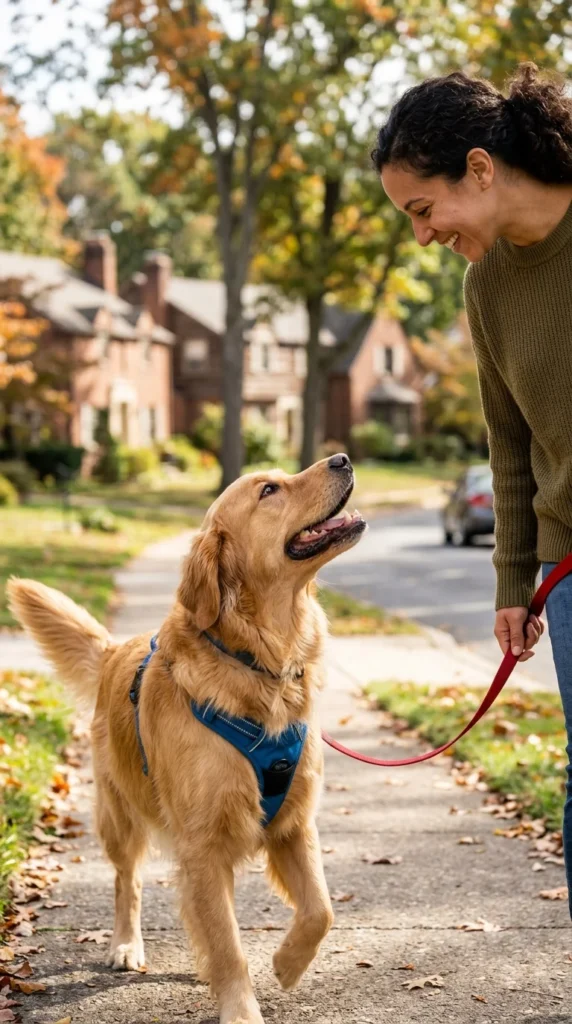
Value the “check-in.” Every time your dog looks back at you spontaneously during a walk, reward them immediately. This builds a habit of the dog looking to you for guidance rather than being locked onto every passing car or bird.
8. Calm Energy

Dogs are mirrors of our emotions. If you are frustrated, gripping the leash tight and shouting, your dog will become frantic. Approach every walk with a calm, assertive demeanor. If you’re having a bad day, it’s better to do a quick potty break and play indoors rather than have a stressful, unproductive training session.
9. Short Sessions
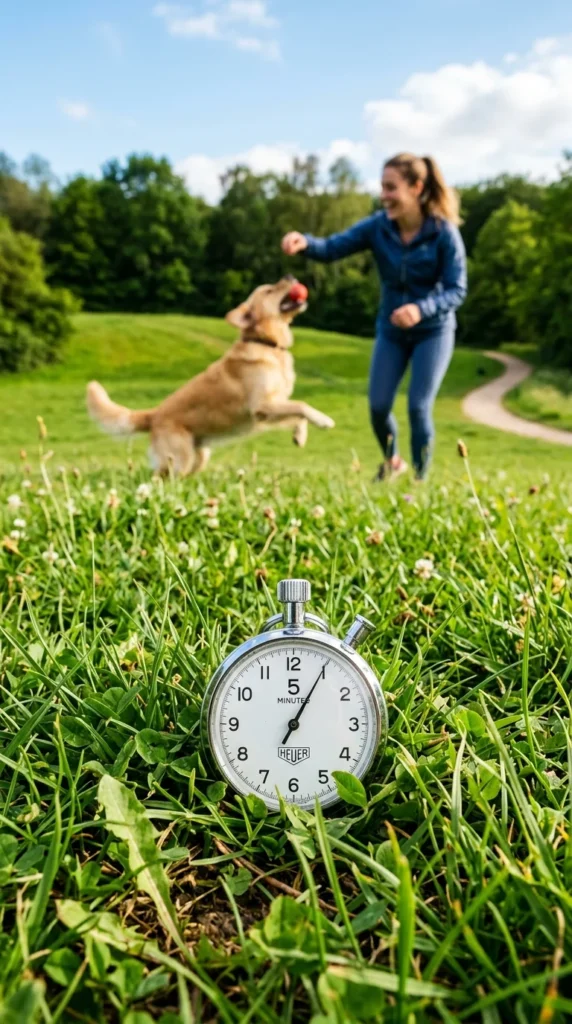
A dog’s attention span, especially a puppy’s, is remarkably short. Five to ten minutes of high-intensity, focused leash training is much more effective than an hour-long slog where both parties become exhausted and annoyed.
10. Front-Clip Harness

For chronic pullers, a front-clip harness is a game-changer. When the dog tries to pull, the attachment point on the chest redirects their momentum back toward you. It’s a mechanical advantage that doesn’t cause pain but effectively discourages lunging.
11. Clicker Training
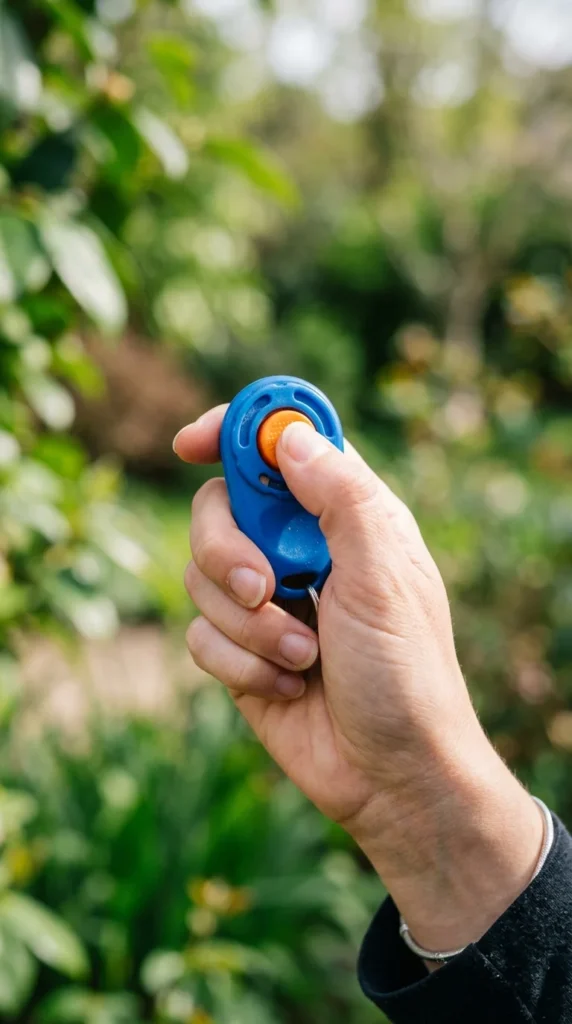
Timing is everything. A clicker allows you to “mark” the exact second your dog does something right—like walking by your side or ignoring a distraction. The “click” is a bridge that tells the dog, “That specific behavior just earned you a treat.”
12. Avoid Retractables
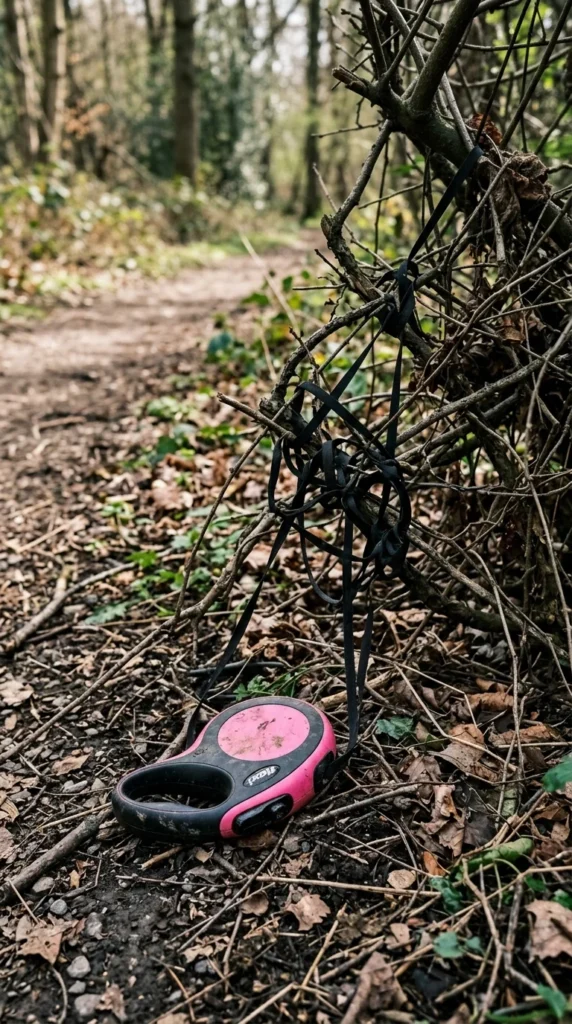
Retractable leashes are the enemy of training. they teach dogs that if they pull, they get more line. Furthermore, the constant tension of the spring-loaded reel teaches the dog that a tight leash is the “normal” state of being. Stick to a fixed-length leash until training is 100% reliable.
13. Verbal Cues
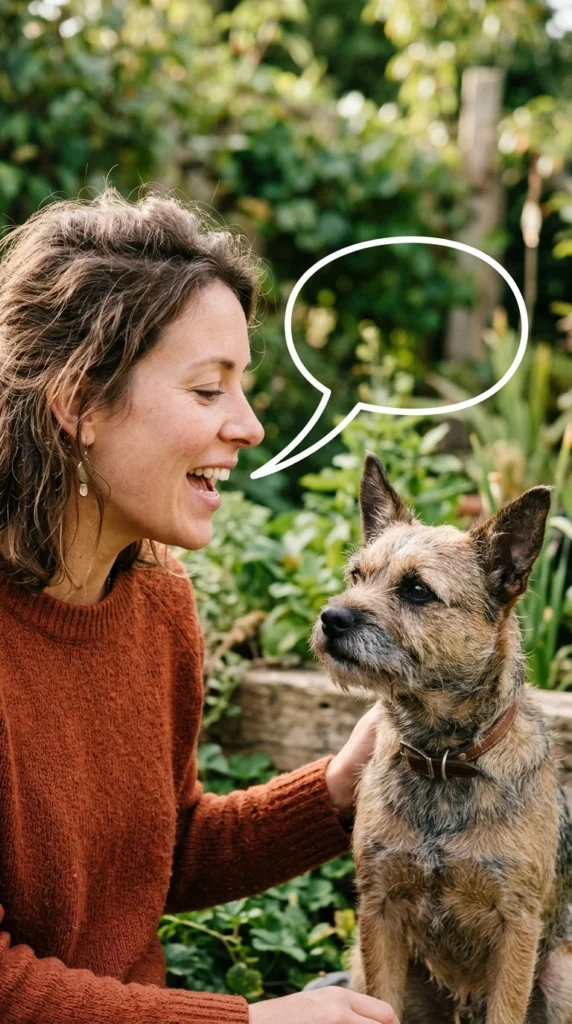
Introduce a “Let’s Go” or “Heel” command. Use “Let’s Go” for a casual walk where the dog can sniff, and “Heel” for when you need them glued to your side (like when passing another dog). Consistency in your language helps the dog understand the expectations of the current moment.
14. Distance Management
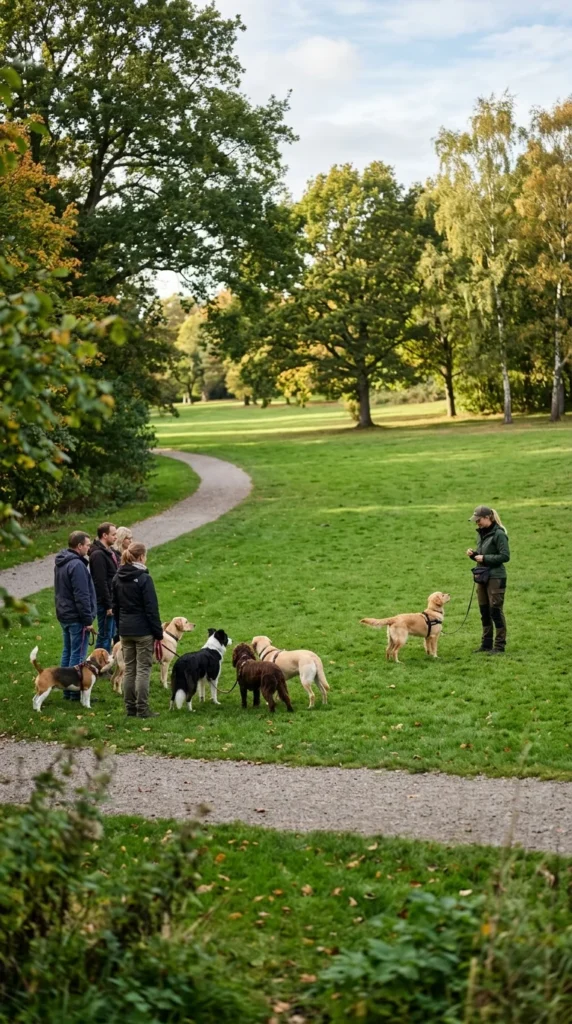
If your dog reacts to other dogs, you are too close. Find the “threshold”—the distance at which your dog notices the distraction but hasn’t started barking yet. Practice your commands at this distance and slowly decrease the gap over weeks of training.
15. Frequent Breaks
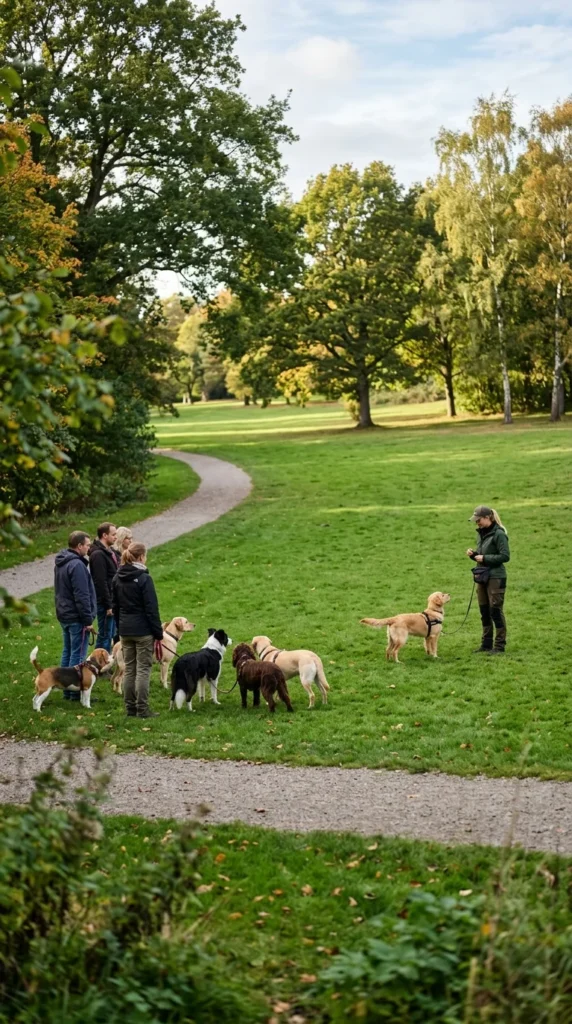
A walk shouldn’t be a forced march. Allow “sniff breaks” as a reward for good walking. Sniffing is how dogs process the world and it actually lowers their heart rate. Use it as a prize: “Walk nicely for one block, and then you get two minutes to sniff this hedge.”
16. Consistency Always
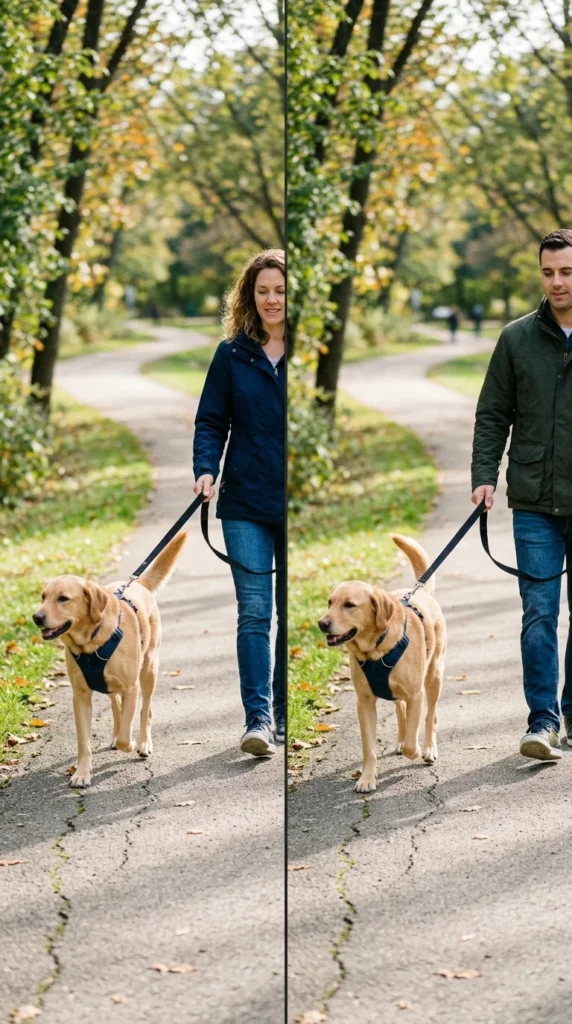
If Mom allows pulling but Dad doesn’t, the dog will be perpetually confused. Everyone in the household must use the same commands, the same rewards, and the same rules. Consistency is the fastest way to solidify any new behavior.
17. Target Training
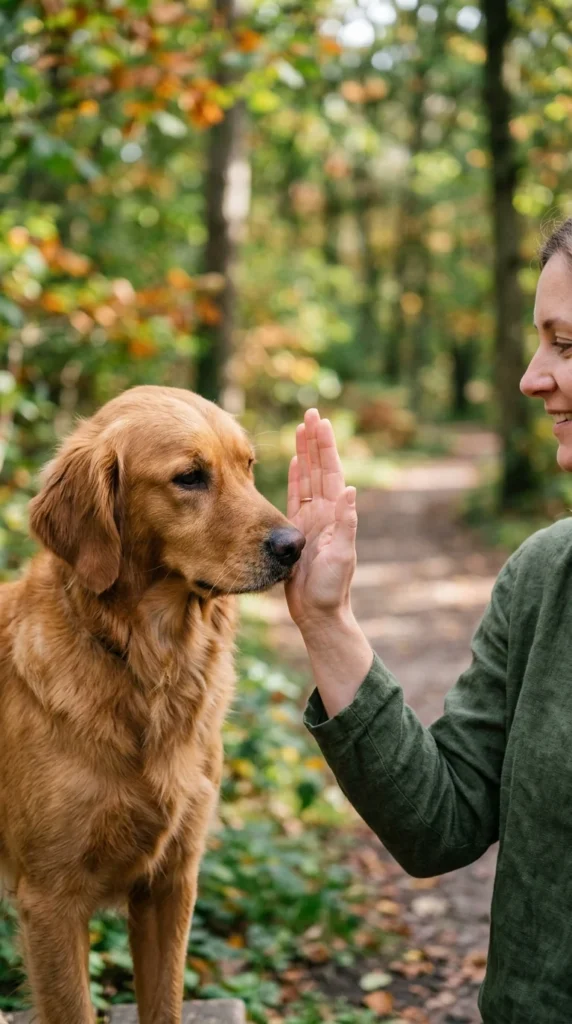
Teach your dog to “touch” your hand with their nose on command. This is an excellent tool for leash training because you can use your hand as a magnet to lure them back into the correct position without having to jerk the leash.
18. Focus Games
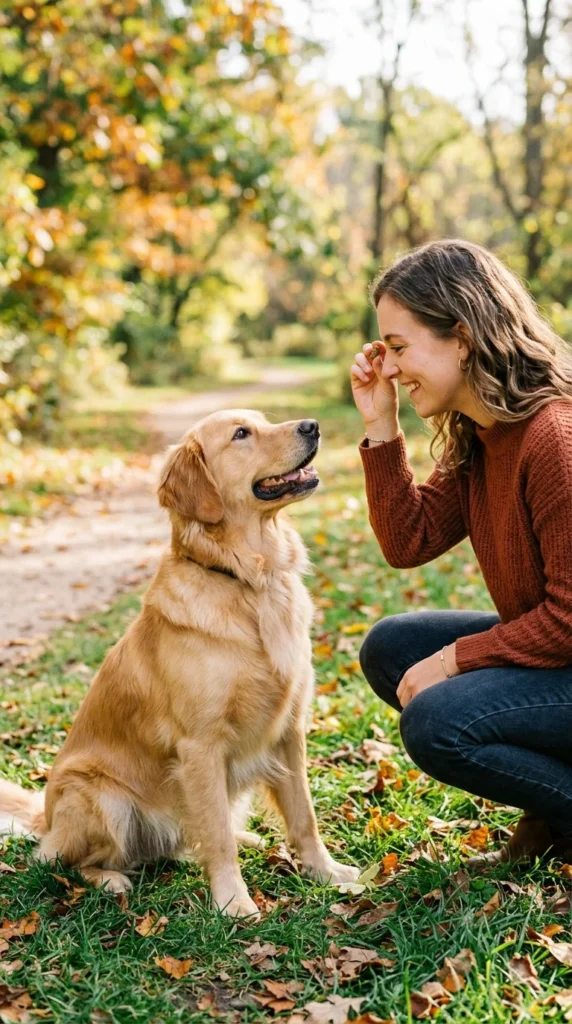
Before you even step out the door, play a quick game of “Look at Me.” Getting your dog’s brain engaged and focused on you before the walk starts sets the tone for the entire outing.
19. Gradual Distractions

Don’t go from the living room to a cat-filled alleyway. Increase distractions slowly. Start with a quiet street, then a street with some cars, then a park with a few people, and finally a busy environment. Success is built in layers.
20. Posture Check

Your body language speaks volumes. If you are hunched over or looking down at your dog constantly, you look unsure. Walk with your shoulders back and eyes forward. This projects confidence and makes you a leader the dog actually wants to follow.
21. Praise Timing
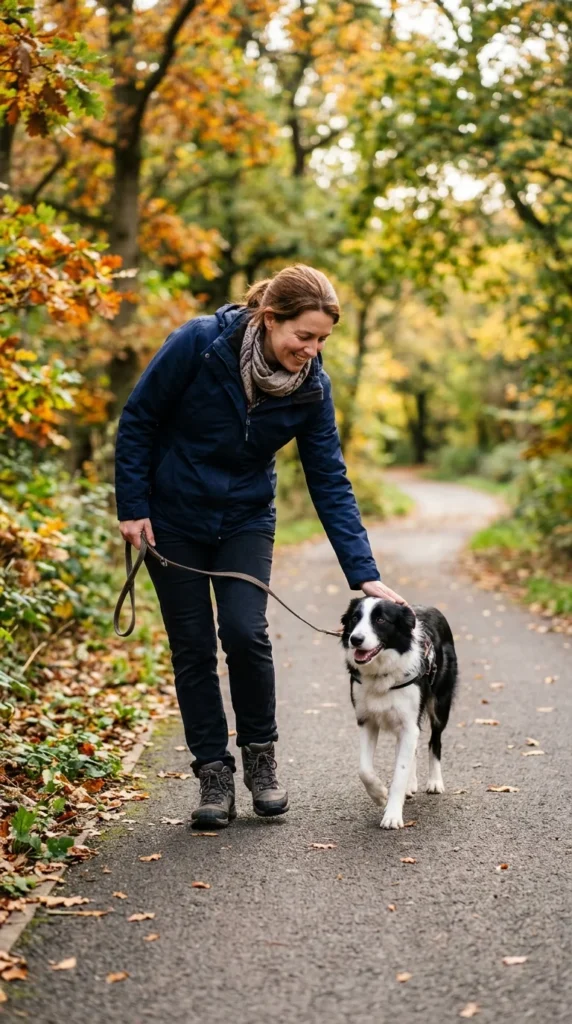
Don’t just reward with food; reward with your voice. A soft, “Good boy/girl” when the leash is loose reinforces the behavior in real-time. Just be careful not to get too high-pitched, or you might accidentally “hype up” the dog and cause them to lung.
22. Exercise First
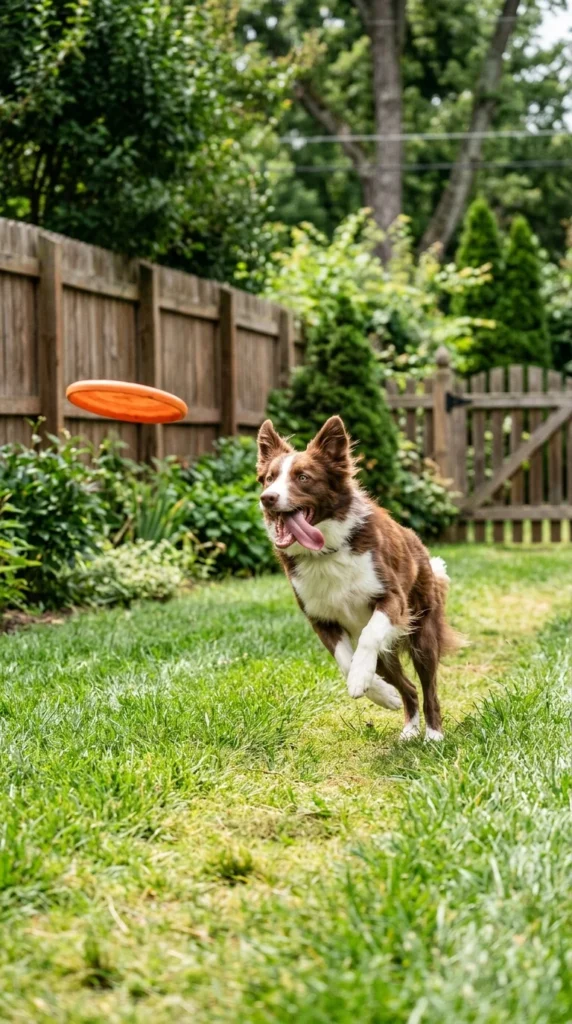
A dog with “zoomies” cannot learn. If your dog has been inside all day, they have a mountain of pent-up energy. Play ten minutes of fetch or tug-of-war before the walk to get the “crazies” out, making them much more receptive to focused leash work.
23. Safety First
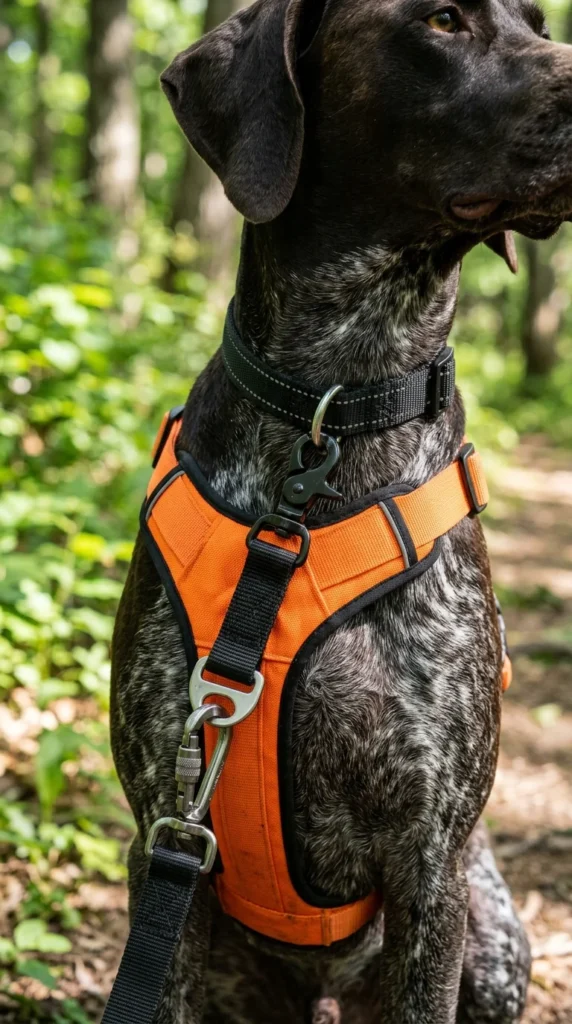
Equipment can break. If you have a powerful dog or a flight risk, use a backup. A small carabiner connecting the harness to a flat collar ensures that if the harness buckles or the collar slips, you still have a connection to your dog.
24. Patience Factor
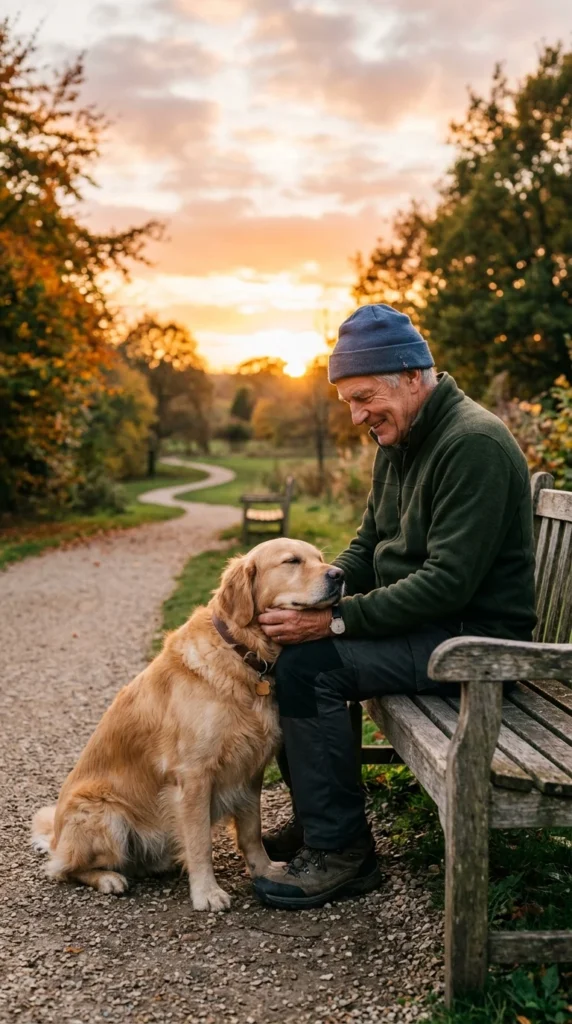
There will be bad days. There will be days when it feels like your dog has forgotten everything. Take a breath. Training is not a straight line; it’s a series of ups and downs. Stay patient, stay kind, and remember that your dog isn’t giving you a hard time, they are having a hard time.
25. Professional Help
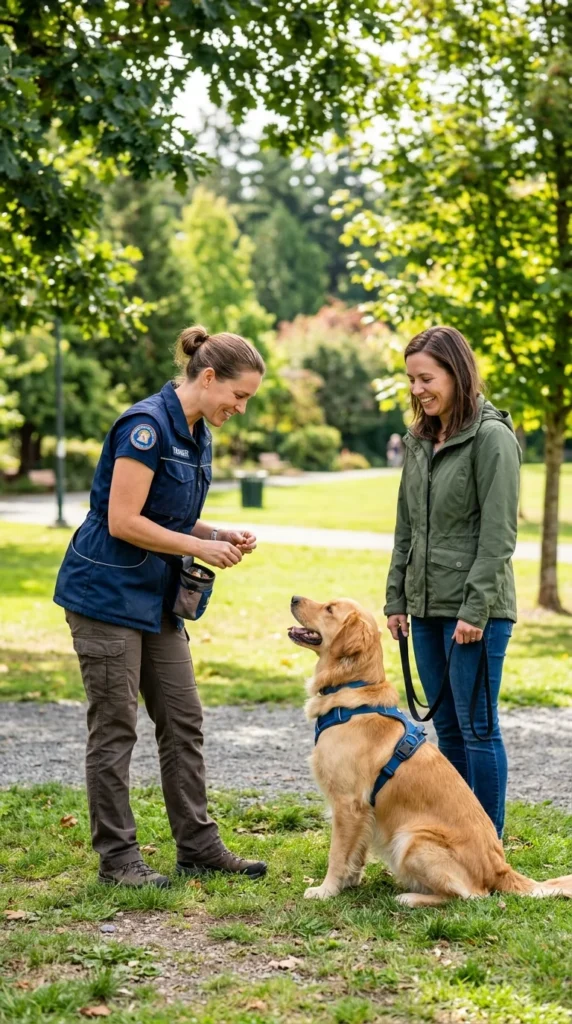
There is no shame in calling a professional. If your dog’s pulling is dangerous, or if they show signs of leash reactivity (barking/growling), a certified positive-reinforcement trainer can provide a customized plan. A few sessions can save you years of frustration and ensure the safety of both you and your pet.