
Barking is a natural form of communication for dogs, but when it becomes excessive, it can turn a peaceful sanctuary into a stressful environment. Whether your dog is barking at the mailman, the wind, or simply for attention, understanding the “why” behind the noise is the first step toward silence. By combining environmental management, mental stimulation, and consistent training, you can restore tranquility to your household.
1. Identify Triggers
The first step in solving any barking problem is pinpointing exactly what sets your dog off. Keep a “bark log” for a few days to note the time, location, and external stimuli present when the noise starts. Is it the sound of a car door? The sight of another dog? Once you identify the triggers, you can begin to manage them directly.
2. Visual Barriers

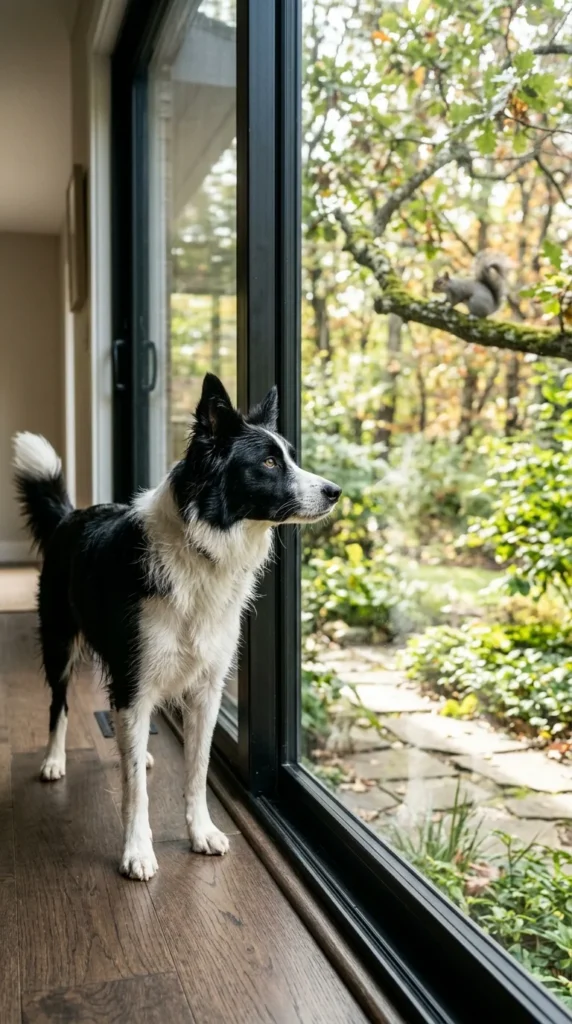
Many dogs bark at things they see through windows or fences. If your dog is a “window watcher,” use frosted window film, closed blinds, or tall shrubs to block their line of sight. By removing the visual stimulus, you eliminate the “intruder” they feel the need to alert you about.
3. White Noise
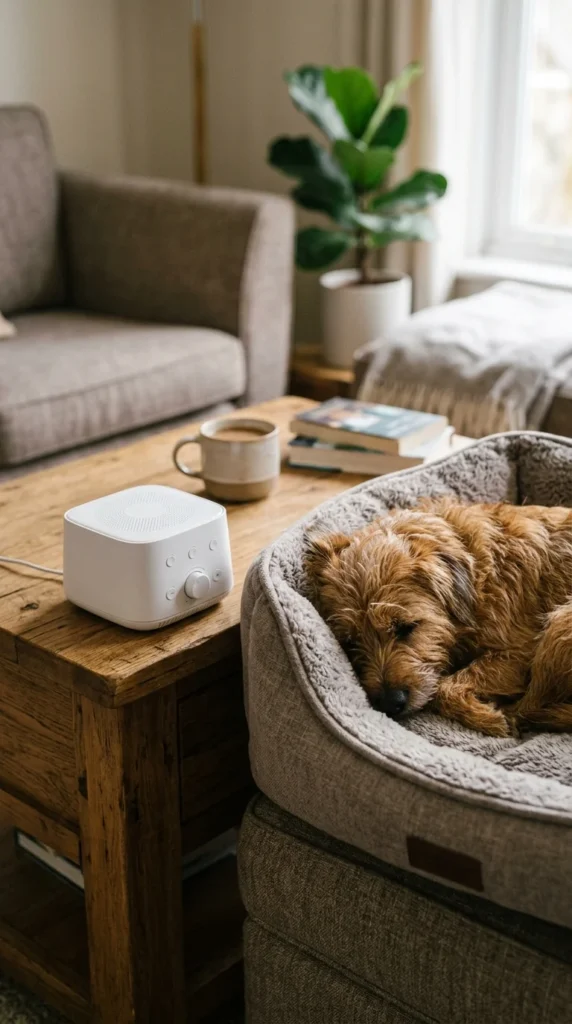
Environmental sounds—like a neighbor’s footsteps or a distant siren—can trigger reactive barking. Running a white noise machine, a fan, or playing calming classical music can mask these outside noises. This creates a consistent auditory environment that helps your dog stay relaxed even in a busy neighborhood.
4. Quiet Command

Training a specific “Quiet” command is essential. When your dog barks, wait for a brief second of silence, say “Quiet,” and immediately reward them with a high-value treat. Over time, they will associate the word with stopping the noise and receiving a reward.
5. Increased Exercise
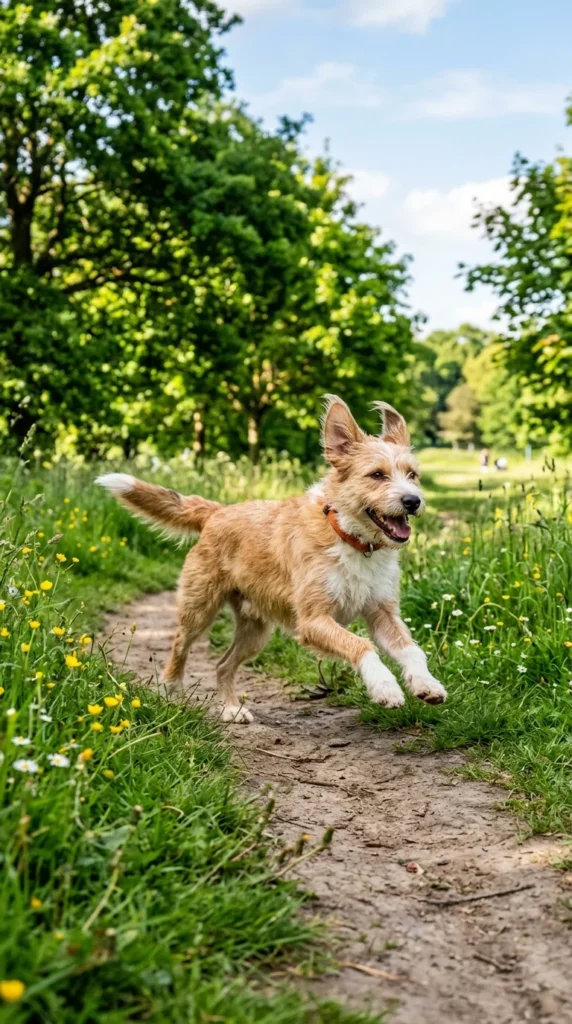
A tired dog is a quiet dog. If your pet has pent-up physical energy, they are more likely to be hyper-vigilant and reactive. Ensure your dog is getting age-appropriate exercise daily, whether that’s a long hike, a game of fetch, or a brisk walk.
6. Mental Stimulation

Barking is often a symptom of boredom. Mental fatigue is just as effective as physical exhaustion. Use interactive puzzles, snuffle mats, or hide-and-seek games to challenge your dog’s brain. When their mind is busy solving a problem, they aren’t looking for things to bark at.
7. Desensitization

If your dog barks at specific sounds, use desensitization. Play recordings of those sounds (like thunder or doorbells) at a very low volume while feeding your dog treats. Gradually increase the volume over several weeks, teaching them that the sound predicts something good rather than something to fear.
8. Counter-Conditioning
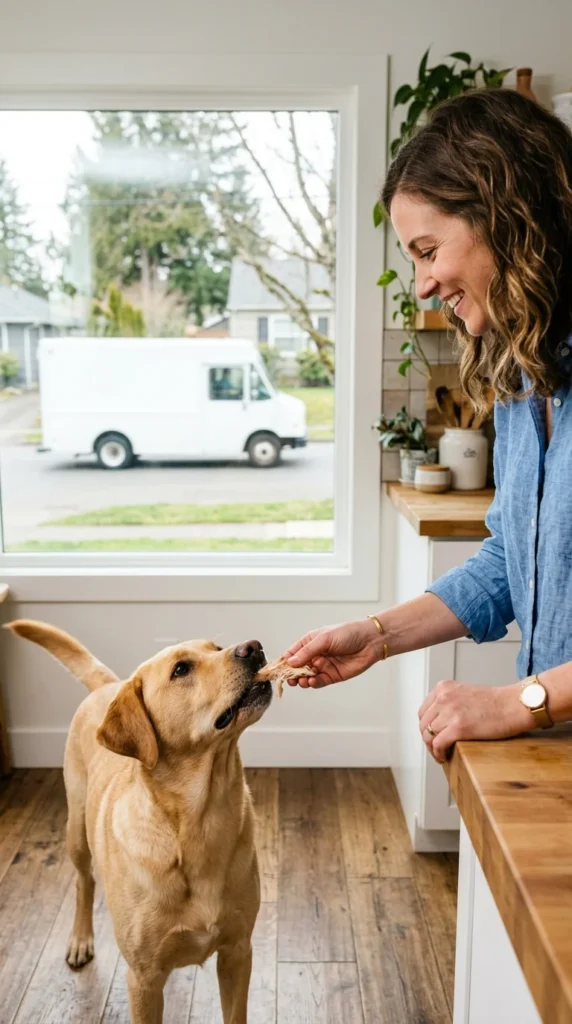
This technique involves changing your dog’s emotional response to a trigger. If they bark at the mail carrier, give them their favorite treat every time the mail carrier appears. Eventually, the sight of the person will make the dog look to you for a snack instead of barking.
9. Ignore Demand Barking

If your dog barks to get food, attention, or a toy, any reaction—even scolding—is a reward because it’s a form of attention. Turn your back and ignore them completely until they are silent. Only when they are quiet should you give them what they want.
10. Thundershirt
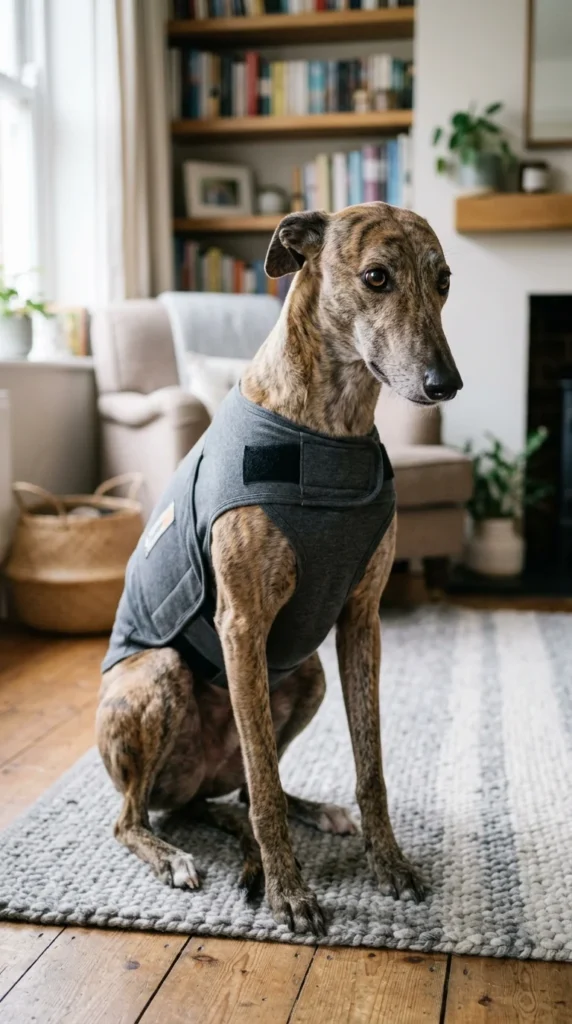
For dogs that bark out of anxiety or fear, a pressure wrap like a Thundershirt can be incredibly effective. The constant, gentle pressure mimics the feeling of being swaddled, which releases calming hormones in many dogs.
11. Pheromone Diffusers

Adaptil and other synthetic pheromone diffusers release scents that mimic the “appeasing pheromones” produced by mother dogs. These scents are odorless to humans but can significantly lower stress levels in dogs, reducing anxiety-driven barking.
12. Consistent Routine
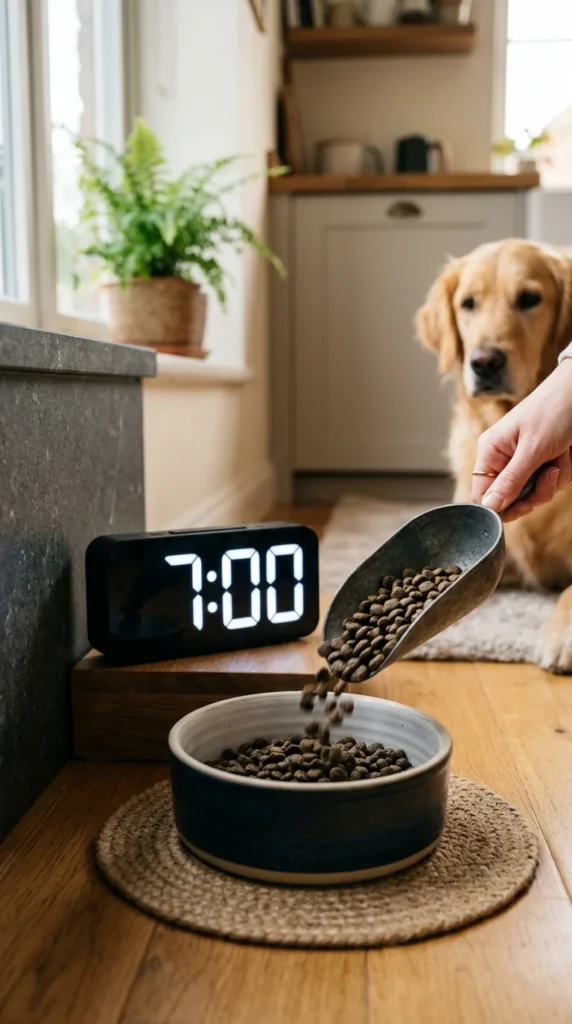
Dogs thrive on predictability. Anxiety often stems from not knowing when the next meal or walk is coming. Establishing a strict daily schedule for feeding, exercise, and sleep can lower overall stress and make your dog less likely to act out through barking.
13. Crate Training
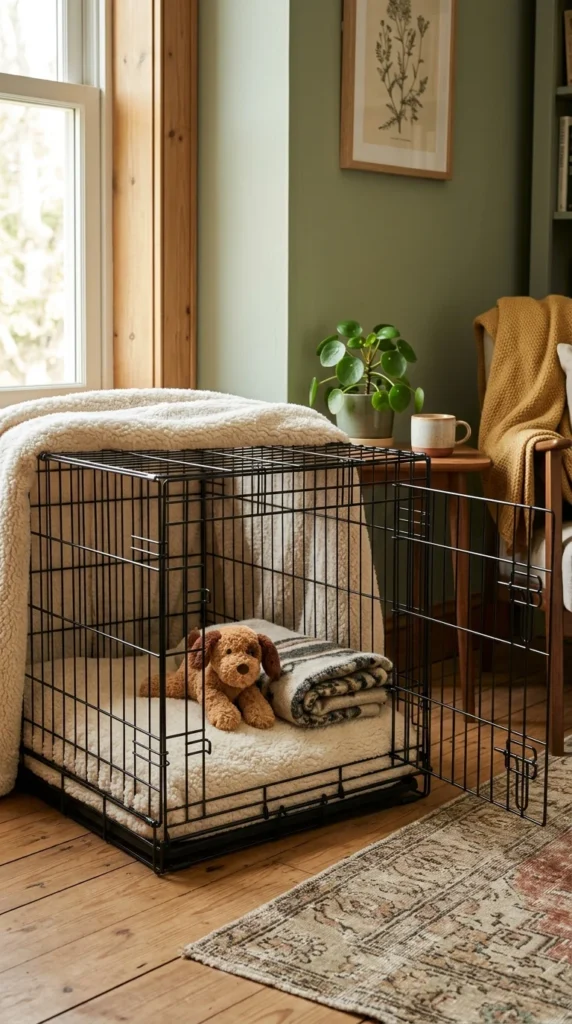
A crate should be a “safe zone,” not a punishment. For dogs that bark because they feel the need to “guard” the whole house, being in a covered crate can help them feel secure and “off duty,” allowing them to rest quietly.
14. Licking Mats

Licking is a self-soothing behavior for dogs that lowers cortisol levels. If you know a “barky” time is coming (like during dinner or when guests arrive), give your dog a licking mat with peanut butter or Greek yogurt to keep them occupied and calm.
15. Chew Toys
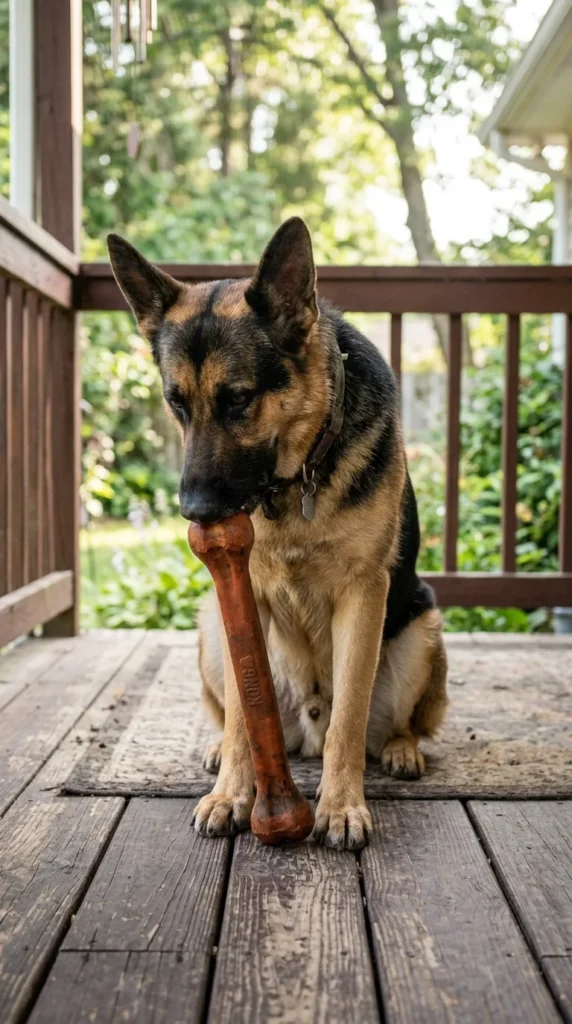
Chewing is another natural stress-reliever. Providing long-lasting chews, such as bully sticks or durable rubber toys, can keep a dog’s mouth busy for 20-30 minutes, preventing them from barking at passersby.
16. Nose Work
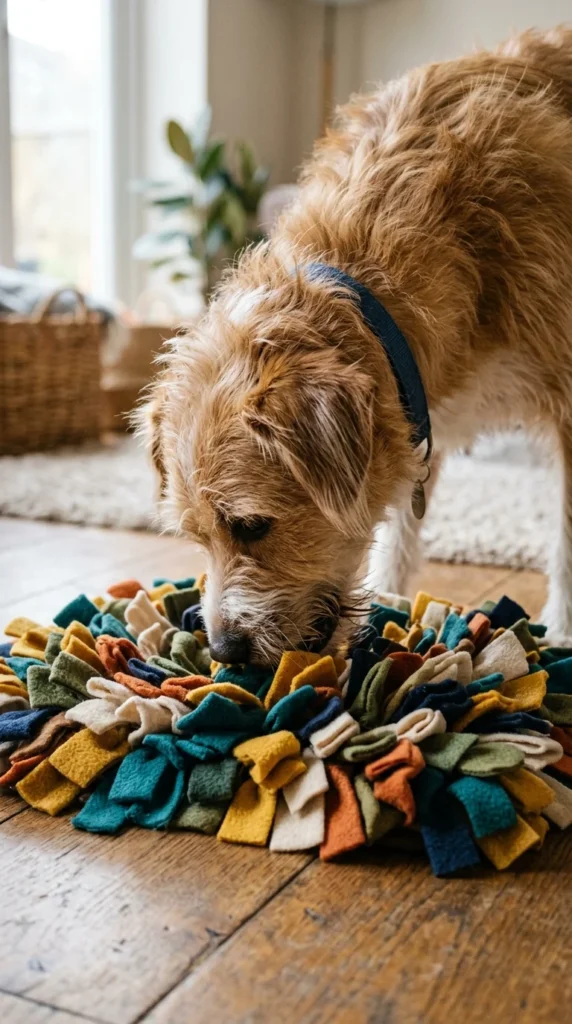
A dog’s sense of smell is their primary way of experiencing the world. Engaging them in “nose work”—hiding treats around the house or using a snuffle mat—tires them out mentally faster than a walk would, leading to a quieter afternoon.
17. The “Speak” Trick
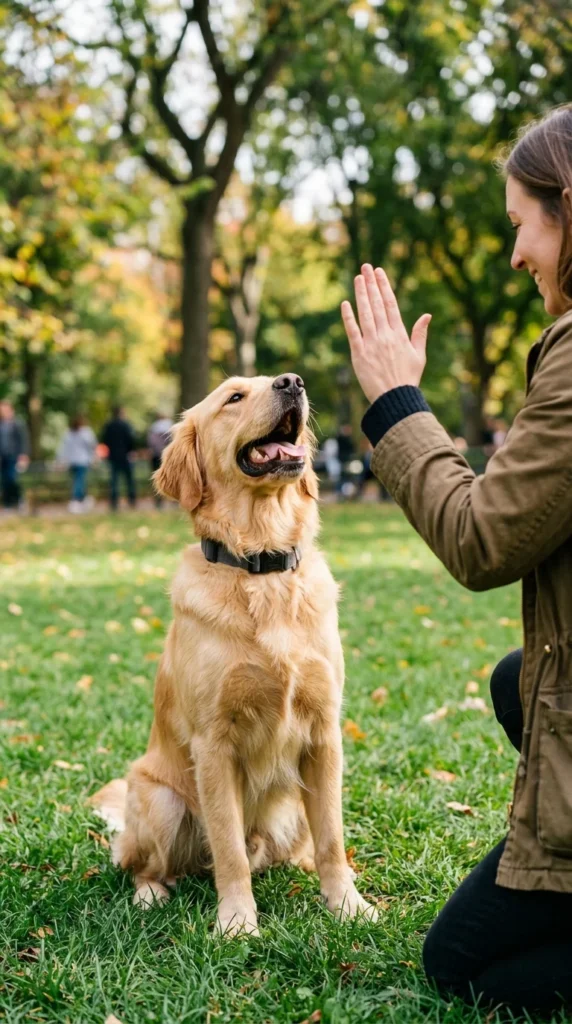
It sounds counterintuitive, but teaching a dog to bark on command (“Speak”) often makes it easier to teach them “Quiet.” Once they understand the concept of making noise for a reward, they gain better conscious control over their vocalizations.
18. Avoid Punishment
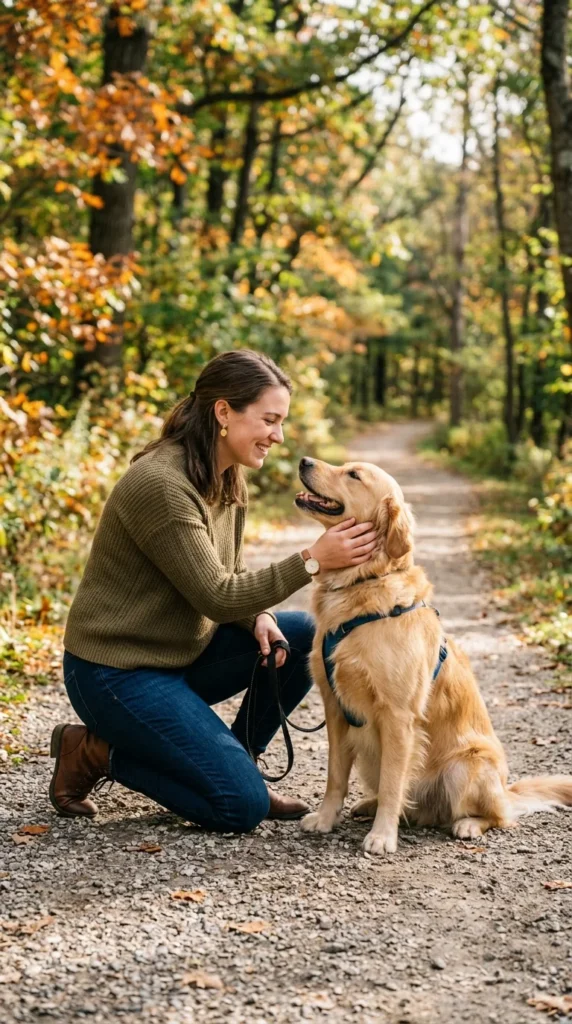
Yelling at a barking dog often backfires; the dog simply thinks you are “barking” along with them. Punitive measures like shock collars or physical discipline can increase anxiety and aggression, often making the barking worse in the long run.
19. Calming Supplements

Consult your vet about natural calming supplements containing ingredients like L-theanine, melatonin, or hemp oil. These can help take the edge off for highly reactive dogs, making it easier for training techniques to take hold.
20. Socialization

Many dogs bark out of fear of the unknown. Properly socialized dogs are more confident and less likely to react to other dogs or people. Enrolling in a supervised socialization class can help your dog learn how to interact calmly with the world.
21. Manage Separation Anxiety

Barking that happens only when you are gone is often a sign of separation anxiety. Use cameras to monitor the behavior and work on “short departures” where you leave for just a few seconds and return before the dog starts to bark, gradually increasing the time.
22. Check for Pain

If a normally quiet dog suddenly starts barking or growling, it could be a medical issue. Chronic pain, dental problems, or age-related cognitive decline (CCD) can cause a dog to become vocal. A thorough vet check-up is essential for sudden behavioral changes.
23. Place Command

Teach your dog to go to a specific “place” (like a bed or rug) when someone knocks on the door. By giving them a specific “job” to do—staying on the mat—they are less likely to charge the door and bark uncontrollably.
24. Recall Training
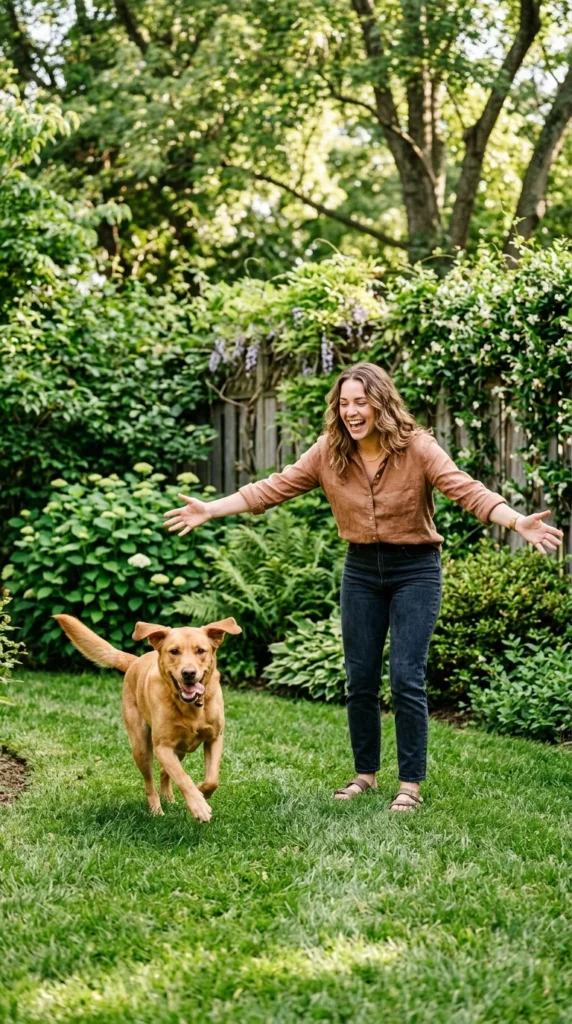
A strong “Recall” (coming when called) is a great way to interrupt a barking episode. If your dog starts barking at the fence, calling them to you and rewarding them for coming creates a positive interruption and moves them away from the trigger.
25. Automatic Feeders

For dogs that bark early in the morning for breakfast, an automatic feeder can be a lifesaver. By removing the “human” from the equation, the dog stops associating your wake-up time with their mealtime, leading to quieter mornings.
26. Doggie Daycare
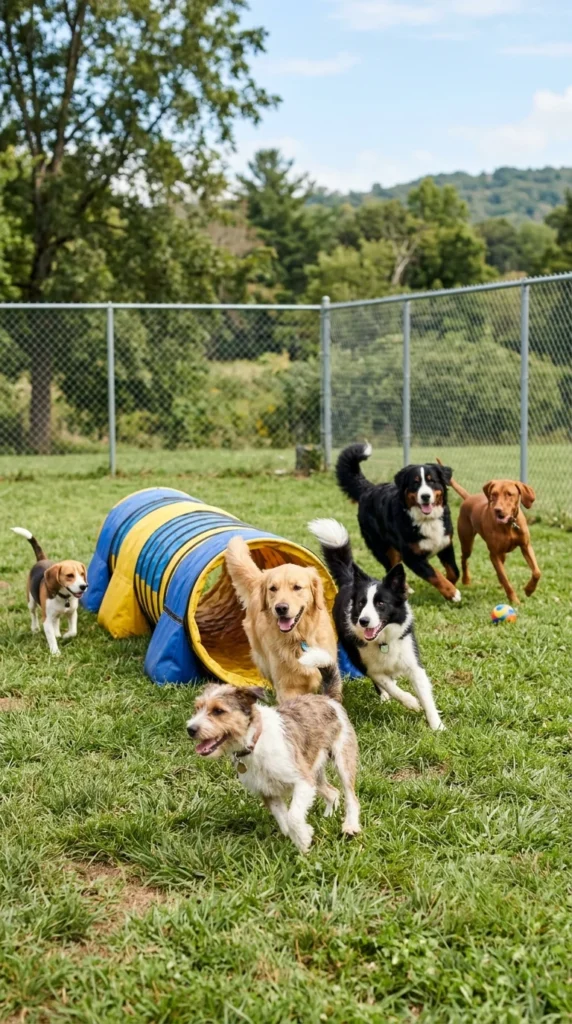
If your dog barks because of loneliness or excess energy during your work hours, doggie daycare can provide a vital outlet. The social interaction and constant activity ensure they are exhausted and quiet by the time they get home.
27. Frozen Treats

Freezing a treat-stuffed toy (like a Kong) makes the “puzzle” last much longer. This is an excellent tool for “management”—give it to your dog right before you know the mailman arrives or when you have a Zoom call.
28. Professional Trainer
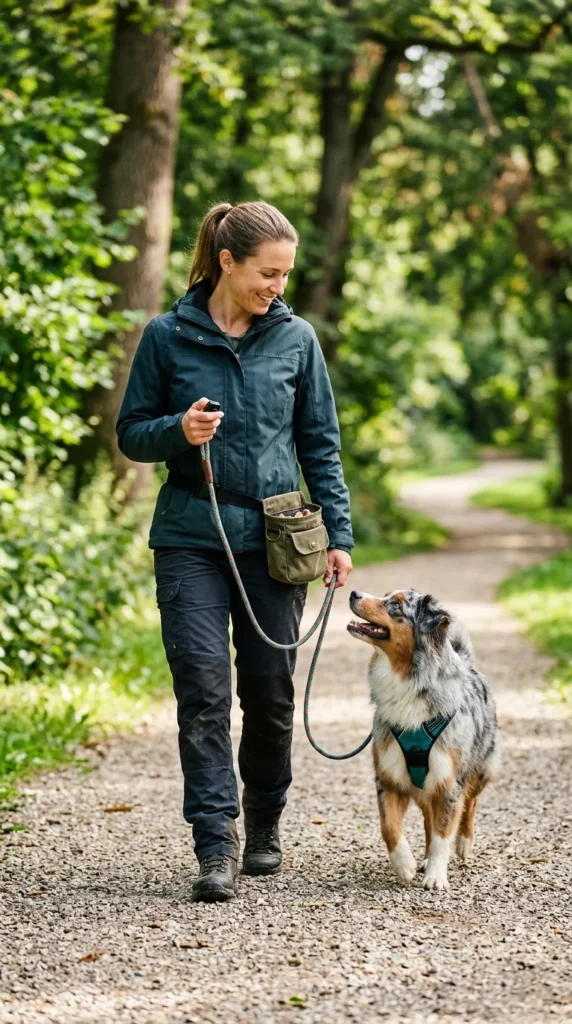
Sometimes, the situation requires an expert’s eye. A certified professional dog trainer can identify subtle body language cues you might miss and create a customized behavior modification plan tailored to your dog’s specific personality.
29. Patience and Consistency

Training takes time. You cannot expect years of barking habits to disappear overnight. Be consistent with your rules, stay calm, and celebrate small victories. A peaceful home is a journey, not a destination, and the bond you build through training is the ultimate reward.