
Bringing a dog into your home is one of life’s greatest joys, but it also comes with the significant responsibility of education. A well-behaved dog isn’t born; they are shaped through patience, consistency, and a deep understanding of canine psychology. Whether you are dealing with a rambunctious puppy or an older rescue with a few bad habits, the journey of training is an incredible way to bond with your four-legged companion.
Training isn’t just about “sit” and “stay”—it’s about communication. It’s about building a language where you and your dog can understand one another perfectly. To help you turn your chaotic canine into a model citizen, we have compiled the ultimate list of 24 dog training tips that every owner needs to know.
1. Patience
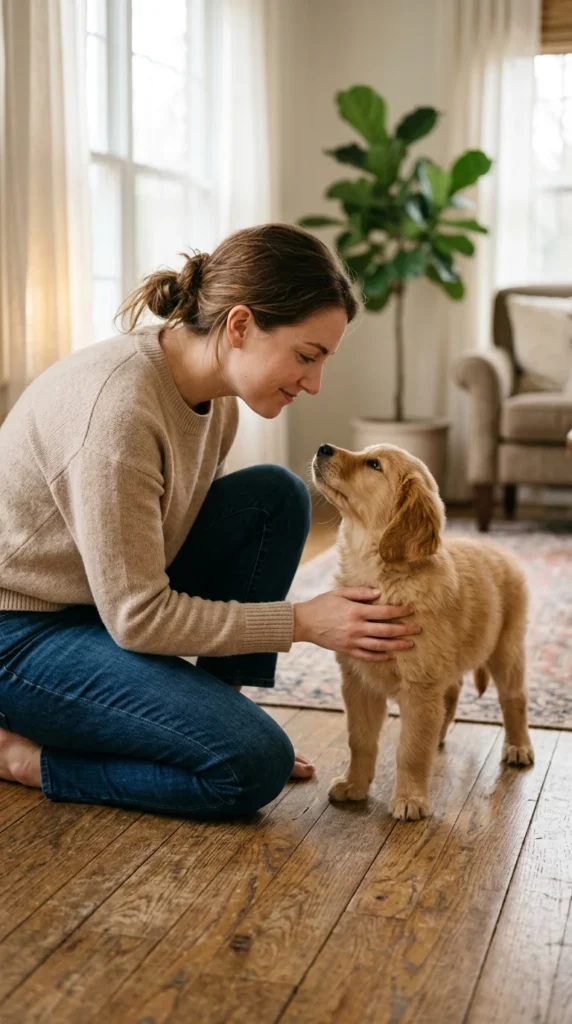
The single most important tool in your training kit isn’t a leash or a treat—it’s patience. Dogs do not learn at the same pace as humans, and they certainly don’t speak our language. Expecting results overnight will only lead to frustration for both of you. When you feel your blood pressure rising because your dog isn’t “getting it,” take a deep breath and end the session. Training should always be a positive experience.
2. Positive Reinforcement
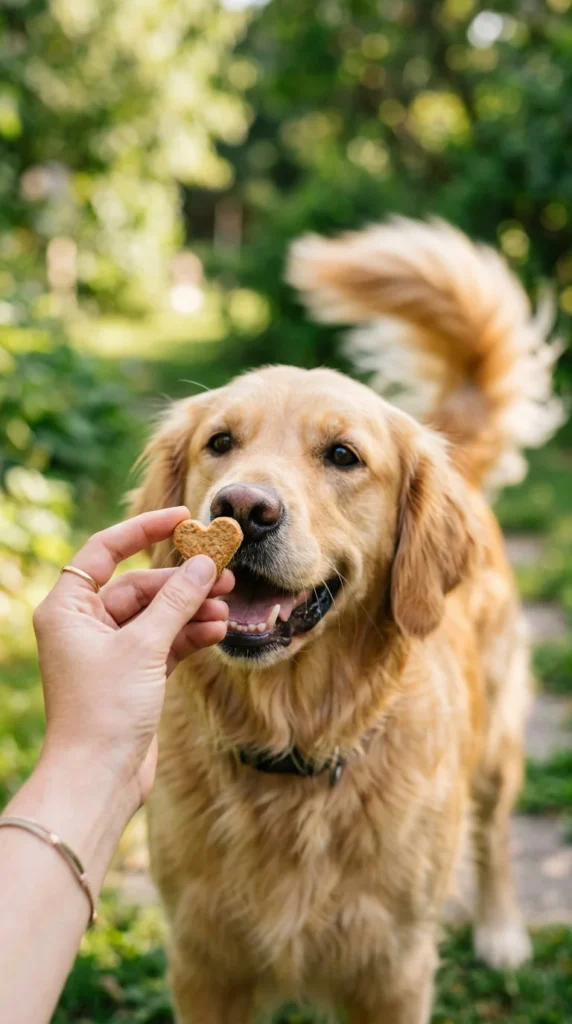
Science has shown that dogs learn best when they are rewarded for good behavior rather than punished for bad behavior. Focus on catching your dog doing something right. Whether they’ve sat down without being asked or simply remained calm while the doorbell rang, reward that behavior immediately with a treat, praise, or a favorite toy. This creates a “win-win” mentality where the dog wants to please you to get the reward.
3. Consistency
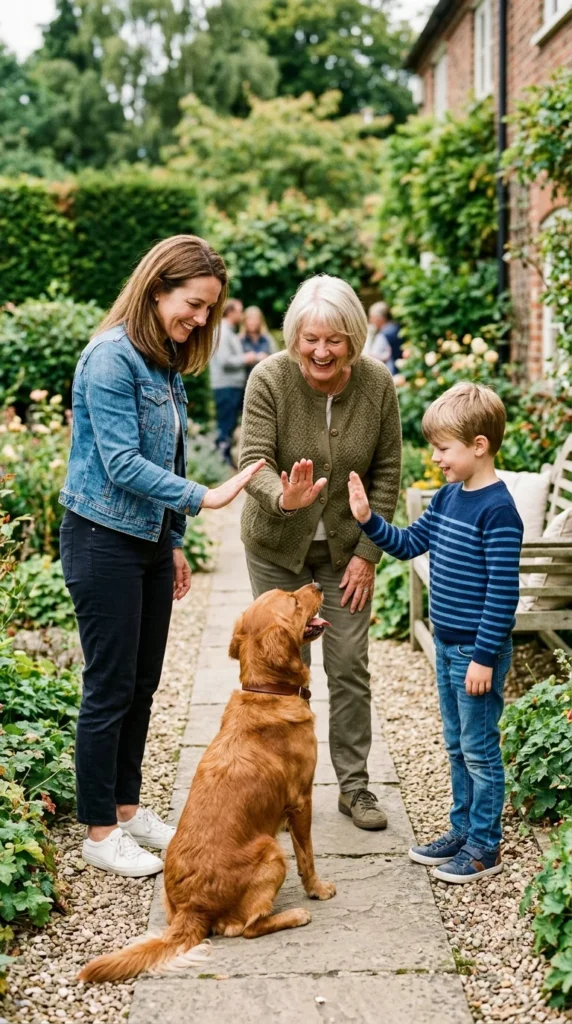
Consistency is the glue that holds training together. If you allow your dog on the couch on Mondays but scold them for it on Tuesdays, they will become confused and anxious. Every member of the household must use the same command words and follow the same rules. If “Off” means get down from the furniture, everyone needs to use “Off,” not “Down” or “Get away.”
4. Short Sessions
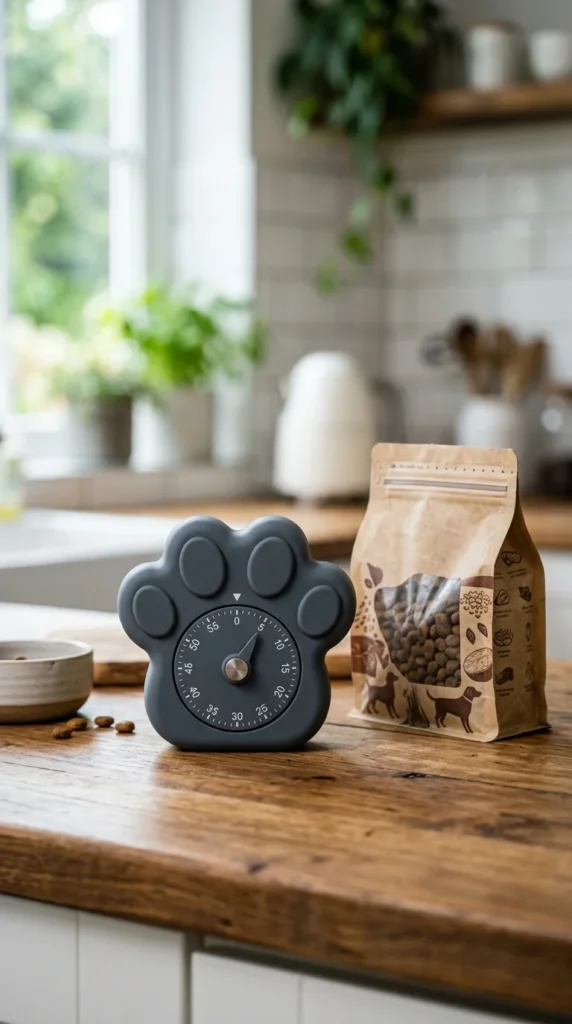
Dogs, especially puppies, have very short attention spans. Trying to train for an hour straight will lead to a bored, distracted dog. Aim for 5 to 10 minutes of high-intensity training several times a day. This keeps the energy high and ensures that your dog stays engaged and excited for the next “game.”
5. Clicker Training
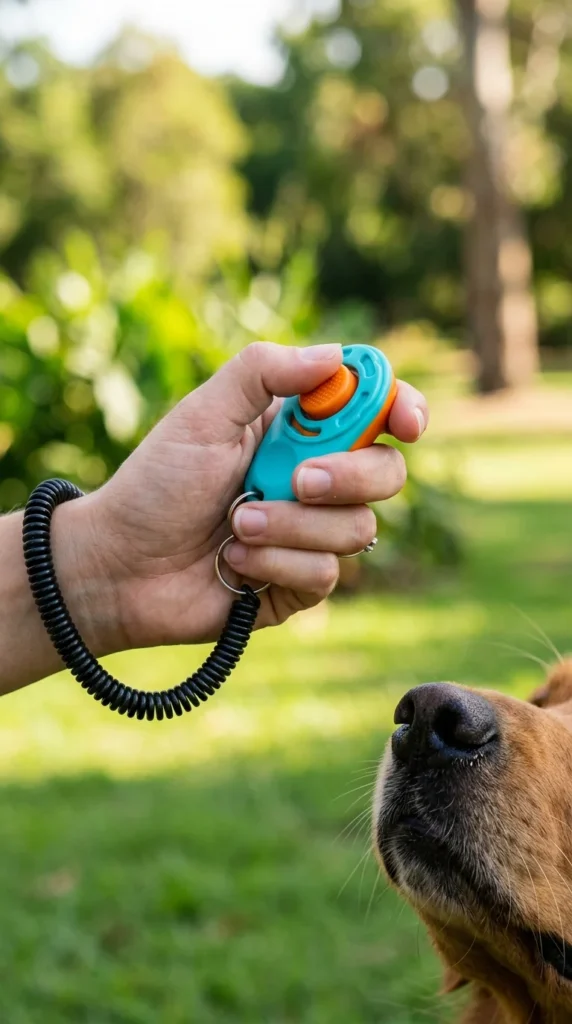
A clicker is a powerful tool for “marking” the exact second your dog performs the desired action. The “click” sound tells the dog, “That specific thing you just did earned you a treat.” It provides much faster feedback than the human voice and helps the dog connect the dots between their action and the reward.
6. Socialization
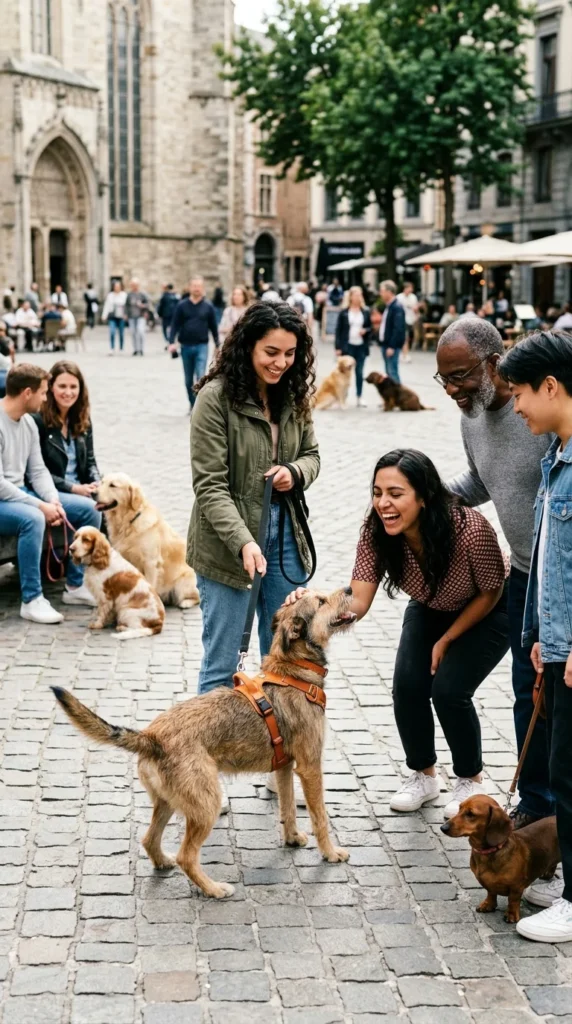
Socialization isn’t just about meeting other dogs; it’s about exposing your dog to different environments, sounds, surfaces, and people. A well-socialized dog is a confident dog. Take your dog to various locations—busy streets, quiet parks, and pet-friendly stores—to ensure they grow up to be well-adjusted and unafraid of the world around them.
7. Name Recognition
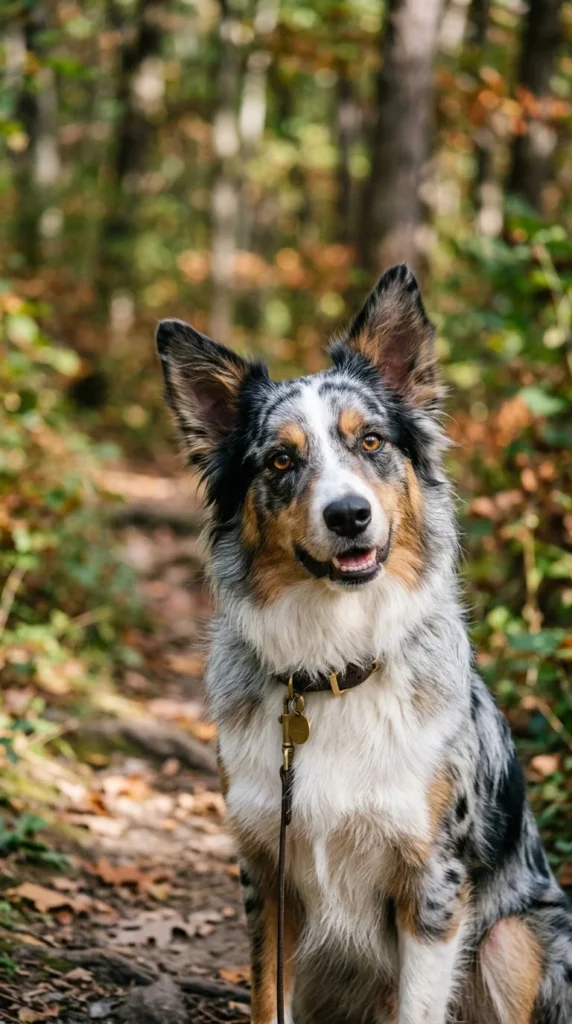
Your dog’s name should always be associated with something positive. Never use their name when you are angry or when you are about to do something they dislike (like a bath). You want your dog to whip their head around and focus on you the moment they hear their name, knowing that something great is about to happen.
8. Basic Commands
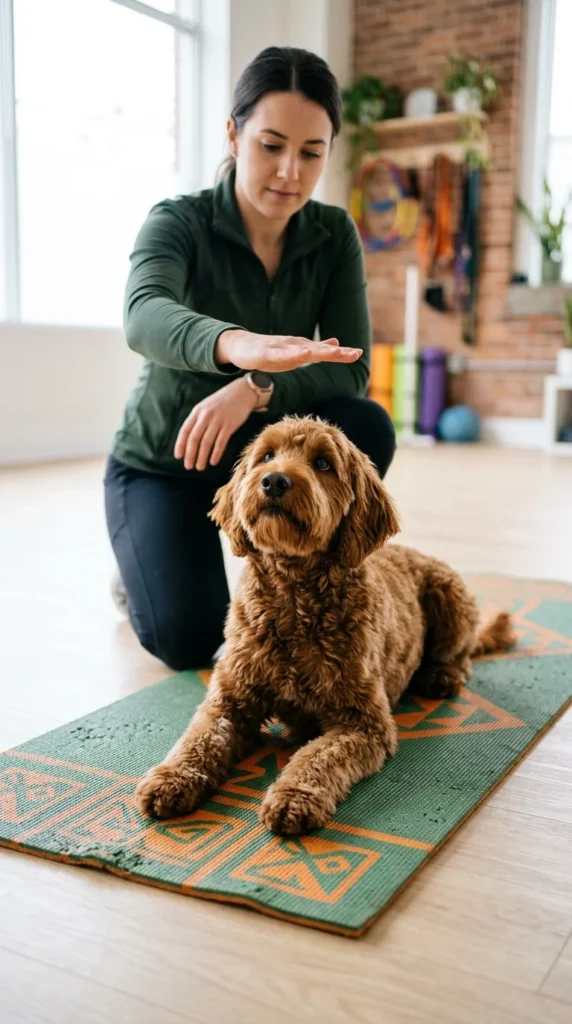
Every dog should master the “Big Five”: Sit, Stay, Down, Come, and Heel. These commands form the foundation of all advanced training and are essential for safety. Practice these in various environments with increasing levels of distraction to ensure the commands are “proofed.”
9. No Jumping
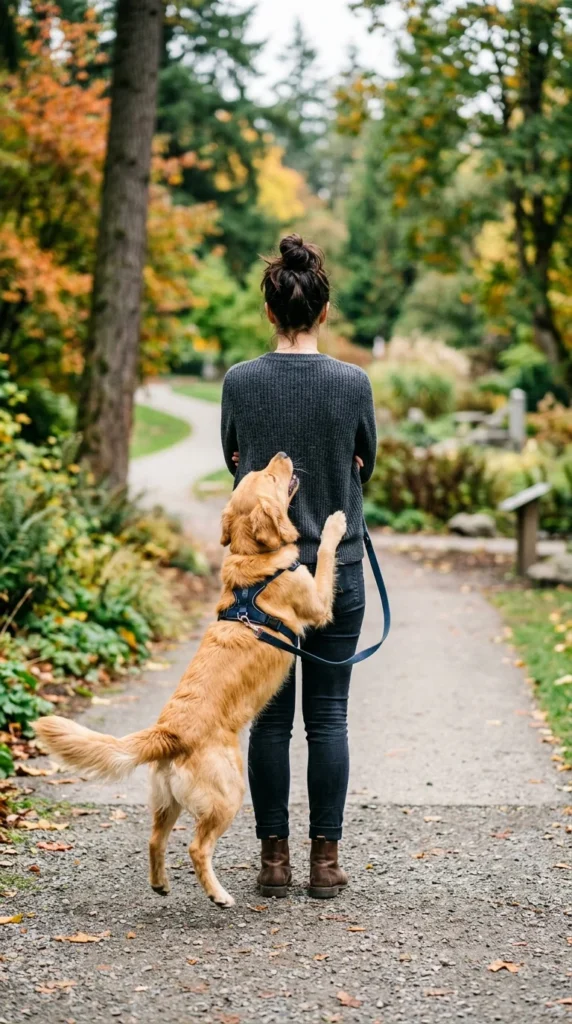
Jumping is a natural way for dogs to greet people, but it can be dangerous and annoying. To stop jumping, never give your dog attention when they have their paws in the air. Turn your back, cross your arms, and wait until all four paws are on the floor. The moment they sit or stand calmly, shower them with praise.
10. Leash Manners
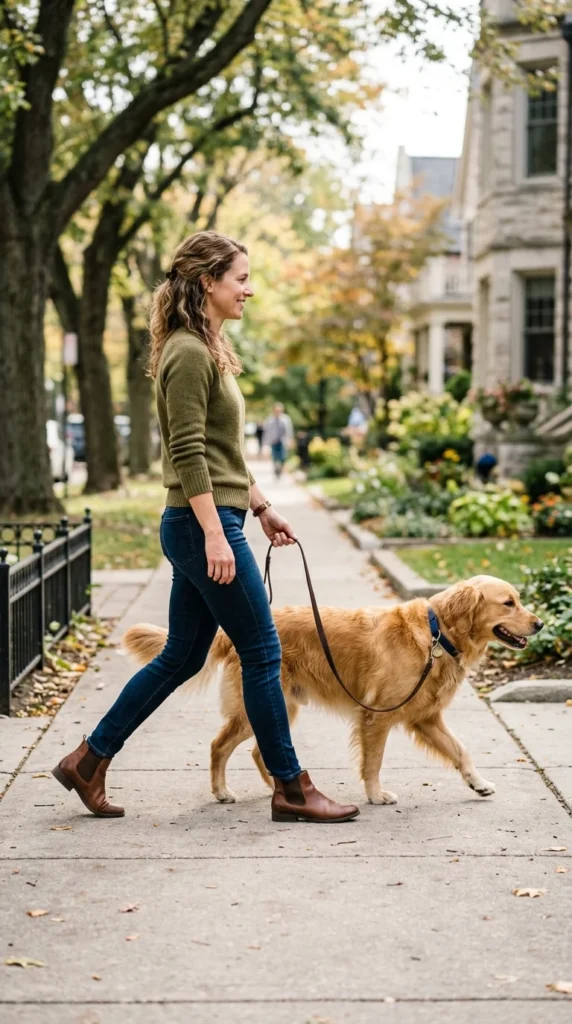
Walking on a leash should be a pleasant experience, not a tug-of-war match. If your dog pulls, stop moving immediately. Don’t pull back; just become an anchor. Wait for the leash to slacken or for your dog to look back at you before moving forward again. This teaches them that pulling gets them nowhere, while a loose leash gets them where they want to go.
11. Crate Training
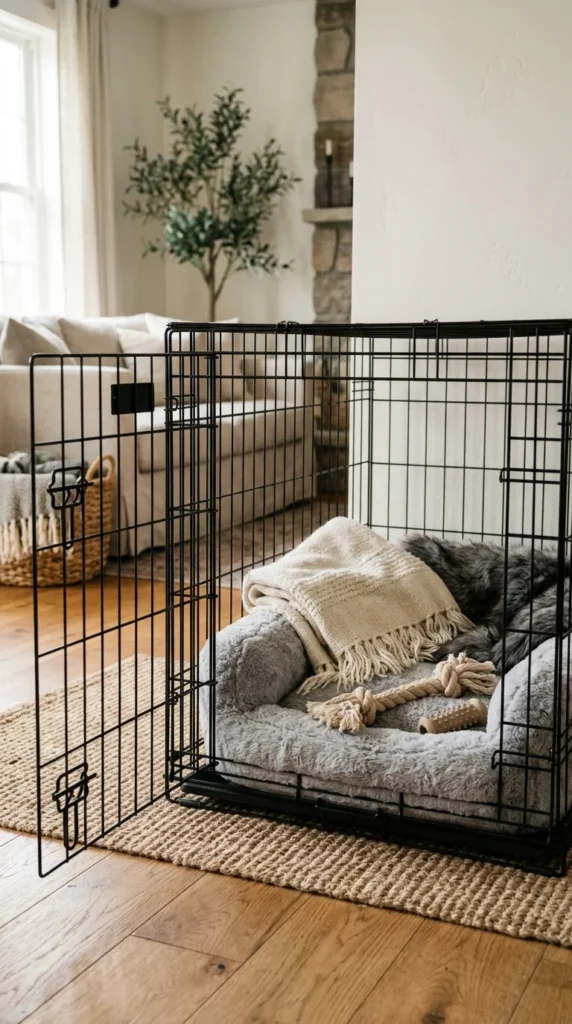
A crate should never be used as a punishment. Instead, view it as your dog’s private bedroom—a safe haven where they can relax. Proper crate training helps with housebreaking, prevents destructive behavior when you’re away, and provides a familiar space for your dog when traveling or visiting the vet.
12. Mental Stimulation
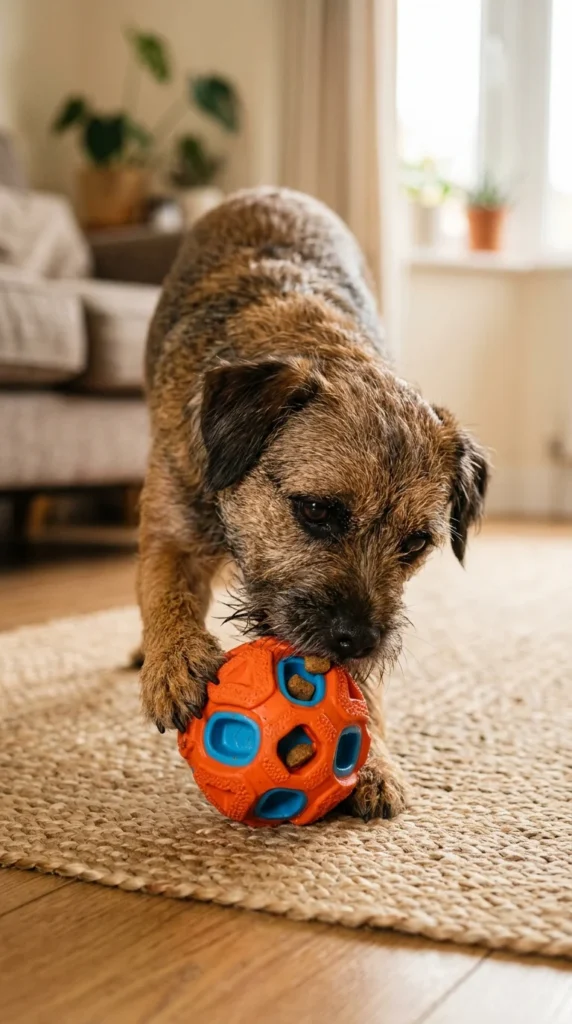
A tired dog is a well-behaved dog, but physical exercise isn’t enough. Dogs need “brain work.” Use puzzle toys, hide-and-seek games, or scent work to tire them out mentally. Fifteen minutes of mental stimulation can be as exhausting for a dog as an hour-long walk.
13. High-Value Treats

When you are teaching a particularly difficult skill or working in a high-distraction environment, standard kibble might not cut it. Use “high-value” treats—things like small pieces of plain boiled chicken, cheese, or freeze-dried liver. These are the “big bonuses” that motivate your dog to work harder.
14. Handling Paws
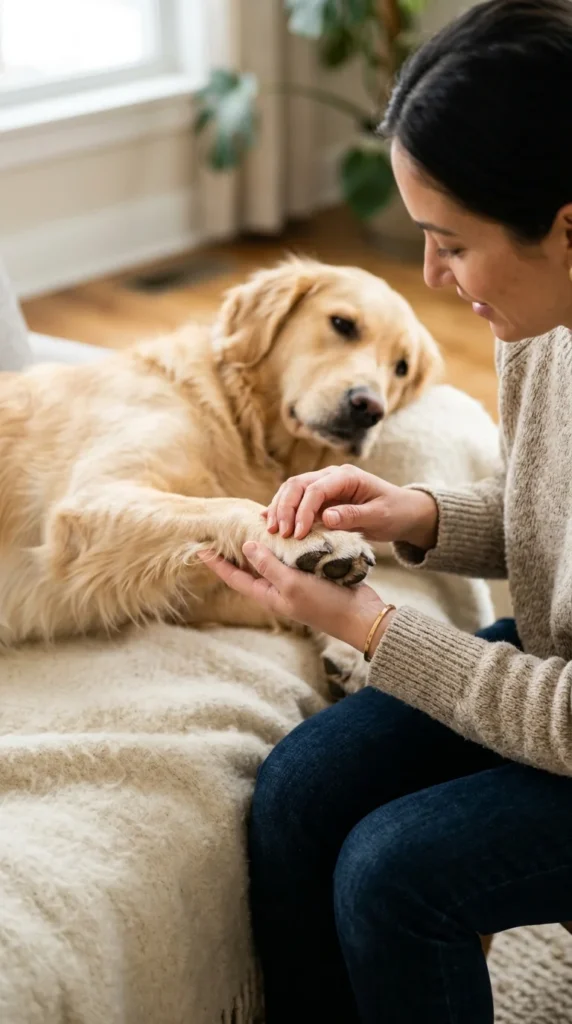
Many dogs are sensitive about their paws, ears, and tails. Regularly touching these areas and rewarding your dog for staying calm will make vet visits and grooming sessions much easier. Get them used to having their nails touched and their ears inspected from a very young age.
15. Threshold Manners
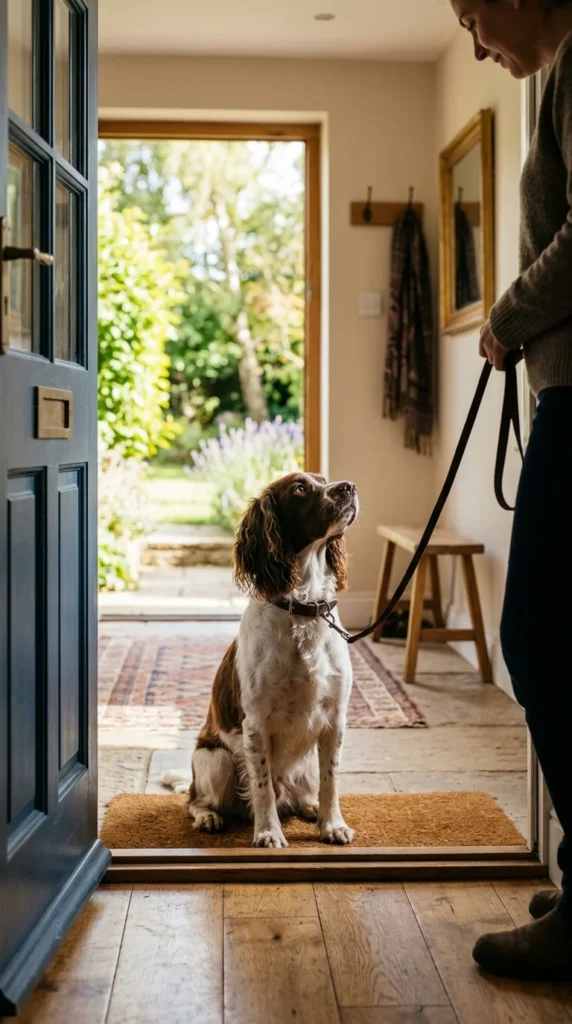
“Door dashing” is a dangerous habit. Teach your dog to sit and wait at every “threshold”—the front door, the car door, or the gate to the park. They should only move forward once you give them a specific release command like “Okay” or “Free.” This ensures they don’t bolt into traffic or run off.
16. Bite Inhibition
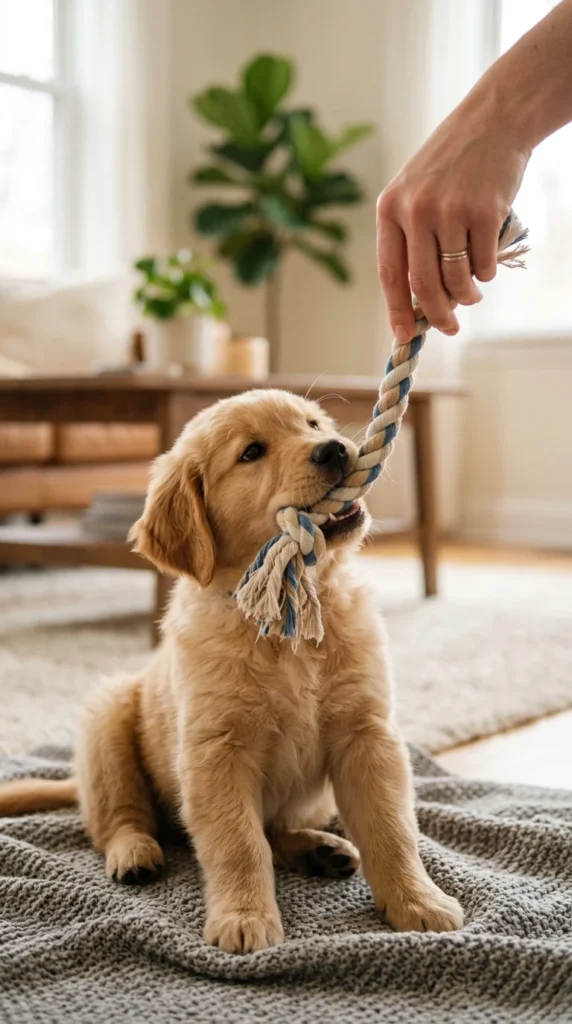
Puppies explore the world with their mouths. It is vital to teach them “bite inhibition”—the ability to control the pressure of their mouth. If a puppy nips too hard during play, let out a high-pitched “Ouch!” and stop play for 30 seconds. This mimics how their littermates would teach them that biting ends the fun.
17. Quiet Command

Barking is a dog’s way of communicating, but it can become excessive. Teach a “Quiet” command by first teaching “Speak.” Once they can bark on command, you can introduce “Quiet.” When they stop barking, reward them. Eventually, you’ll be able to interrupt unwanted barking with a single word.
18. Reliable Recall
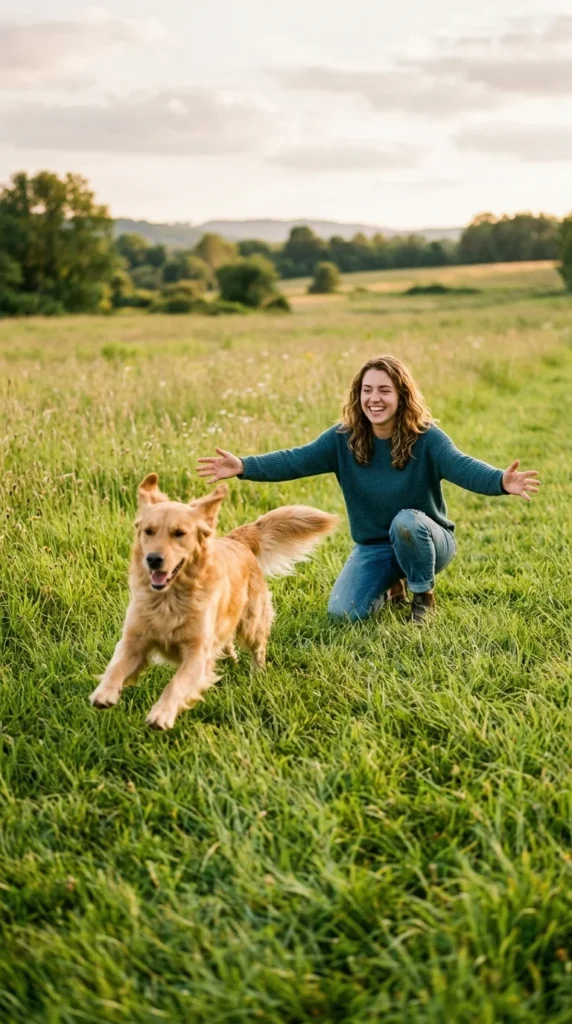
The “Come” command is the most important safety command you can teach. To build a reliable recall, never call your dog to you for something they dislike (like a bath or to leave the park). Always make coming to you the best part of their day, filled with treats, praise, and play.
19. Impulse Control

Teaching your dog to wait for what they want is the hallmark of a well-behaved pet. Whether it’s waiting for their food bowl to be set down or waiting for a toy to be thrown, impulse control exercises help dogs manage their excitement and stay calm in high-energy situations.
20. Eye Contact

In the world of dog training, focus is everything. If your dog isn’t looking at you, they aren’t listening to you. Practice the “Look” or “Watch Me” command regularly. Rewarding eye contact encourages your dog to “check in” with you frequently, especially when they are unsure of what to do next.
21. Desensitization

If your dog is afraid of something—like the vacuum, thunder, or bicycles—don’t force them to face it all at once. Use desensitization by exposing them to the trigger at a very low level (or a distance) while giving them lots of treats. Gradually increase the intensity as they become more comfortable.
22. Environment Management
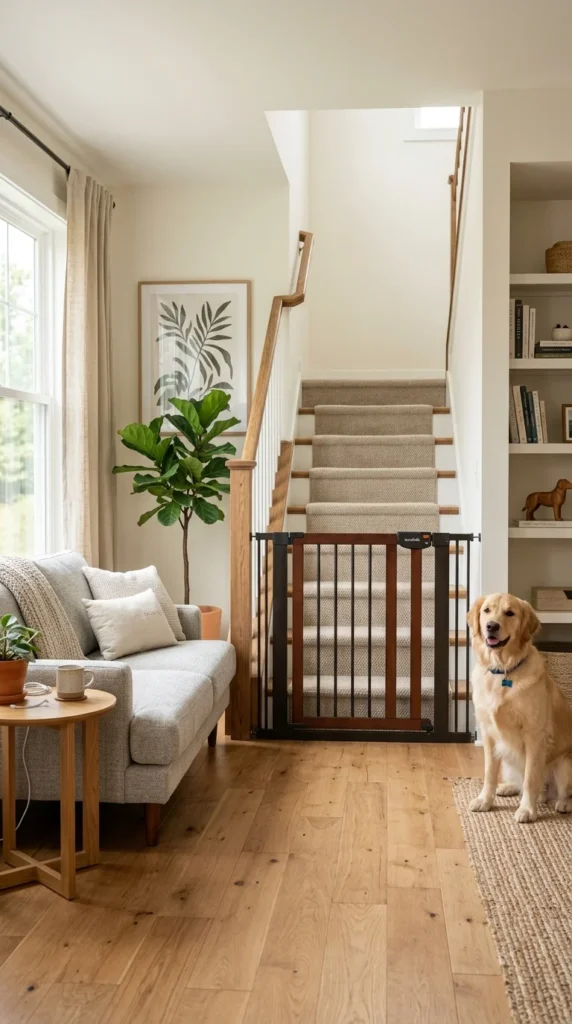
Don’t set your dog up for failure. If your puppy likes to chew shoes, don’t leave shoes on the floor. If your dog jumps on guests, put them in another room or on a leash before the guests arrive. Managing the environment allows you to prevent bad habits from forming while you work on the training.
23. End on Success

Always end every training session on a high note. If your dog is struggling with a new, difficult task, go back to something simple they know well, like “Sit.” Perform that easy task, give them a jackpot of rewards, and stop there. You want your dog to finish the session feeling like a champion.
24. Professional Help

There is no shame in seeking professional help. If you find yourself overwhelmed, or if your dog is showing signs of aggression or severe anxiety, contact a certified professional dog trainer or a veterinary behaviorist. They can provide a fresh perspective and specialized techniques tailored to your dog’s specific needs.