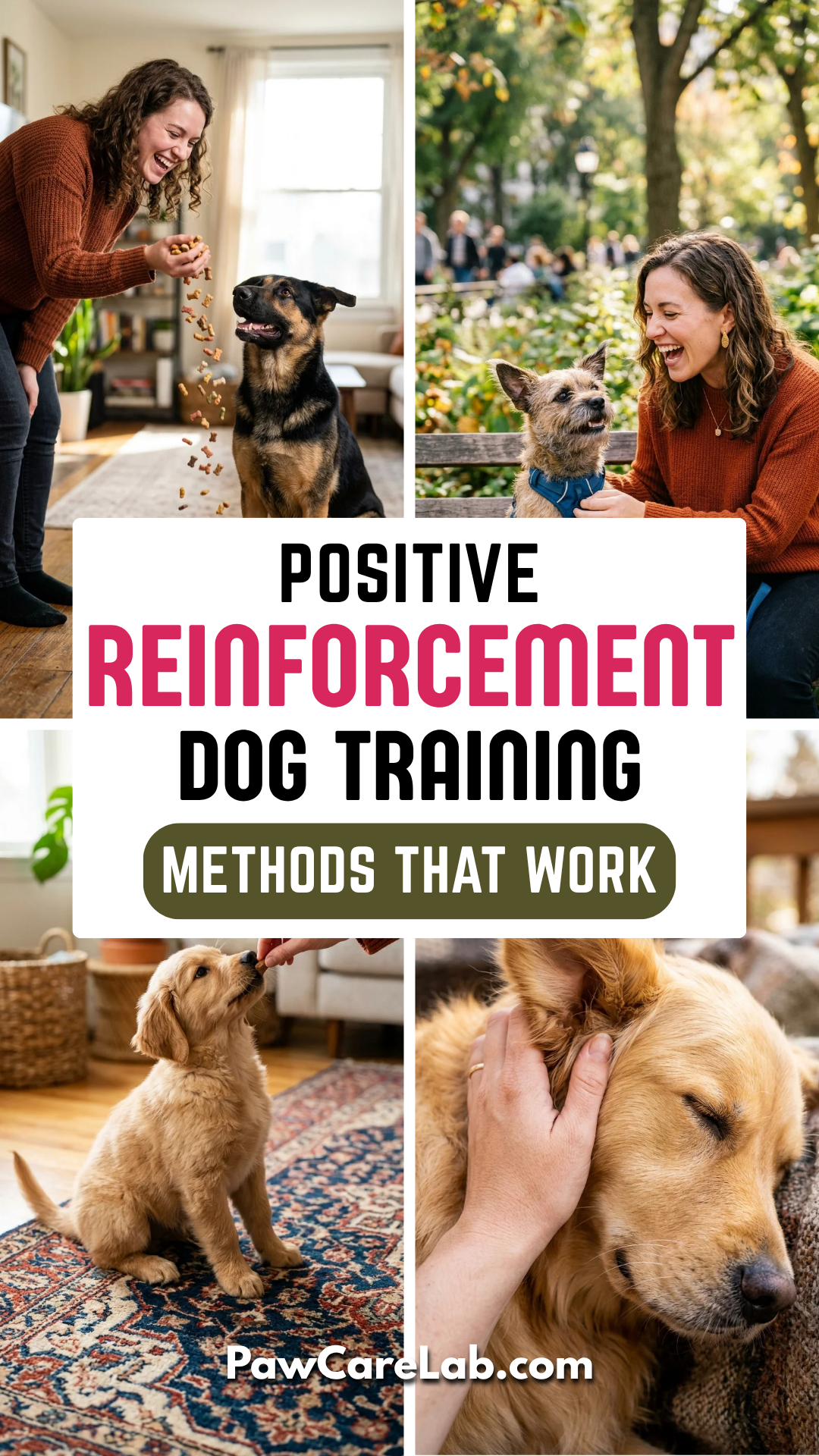
Positive reinforcement is more than just a training technique; it is a philosophy centered on the idea that rewarding good behavior leads to more of it. Unlike traditional methods that rely on correction or dominance, positive reinforcement builds a bond of trust and mutual respect between you and your canine companion. By focusing on what your dog does right, you create an environment where they are eager to learn and thrive.
1. High-Value Treats
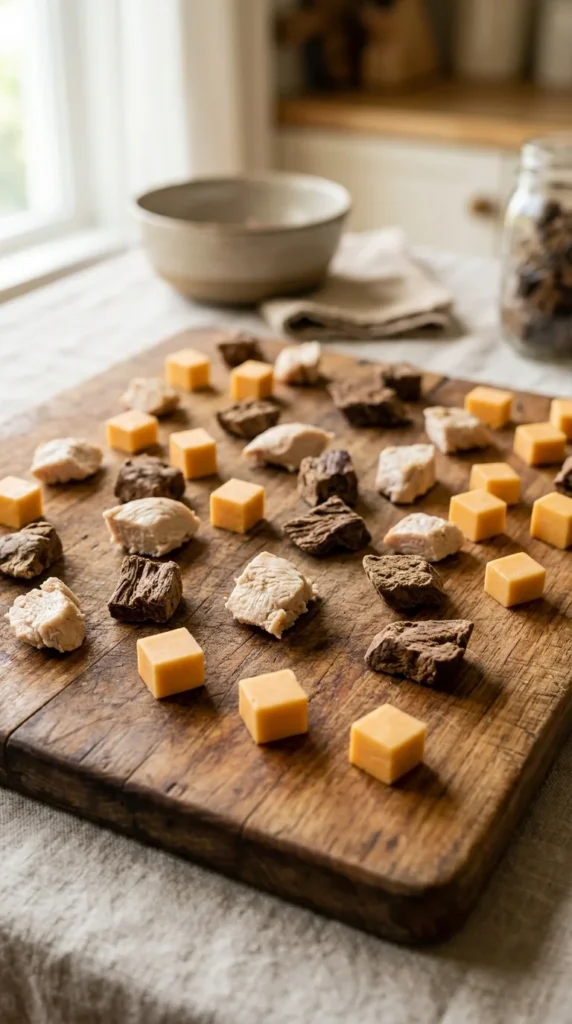
Not all treats are created equal. High-value treats are the “steak and lobster” of the dog world—items like fresh chicken, cheese, or liver that your dog rarely gets. These are used for teaching new, complex behaviors or for training in highly distracting environments. The potency of the reward ensures the dog’s focus remains entirely on you.
2. Clicker Training
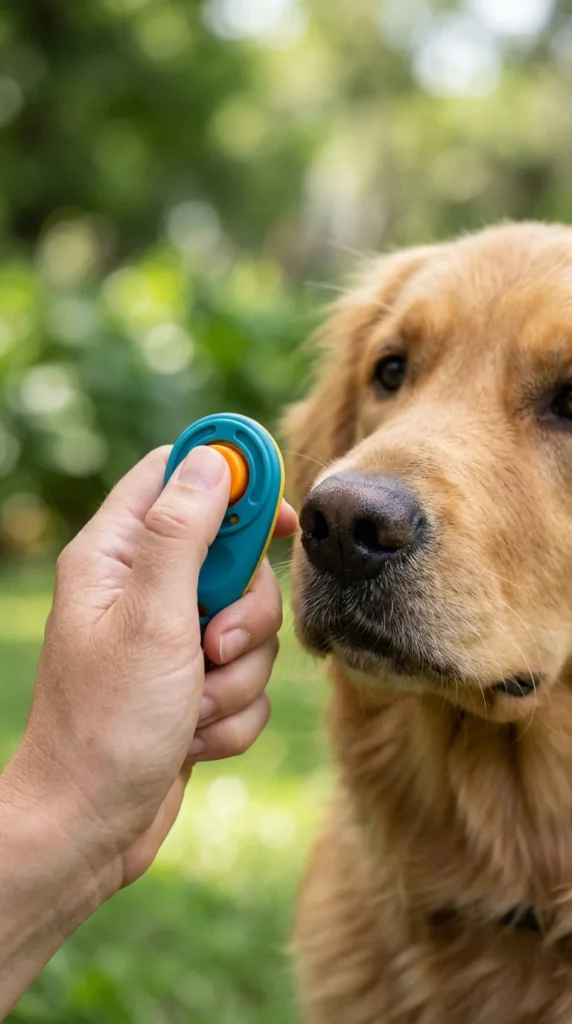
A clicker is a mechanical device that makes a distinct “click” sound. This sound serves as a bridge, marking the exact moment your dog performs the correct action. Because the click is consistent and neutral, it communicates much more clearly than the human voice, helping the dog understand exactly why they are being rewarded.
3. Verbal Praise
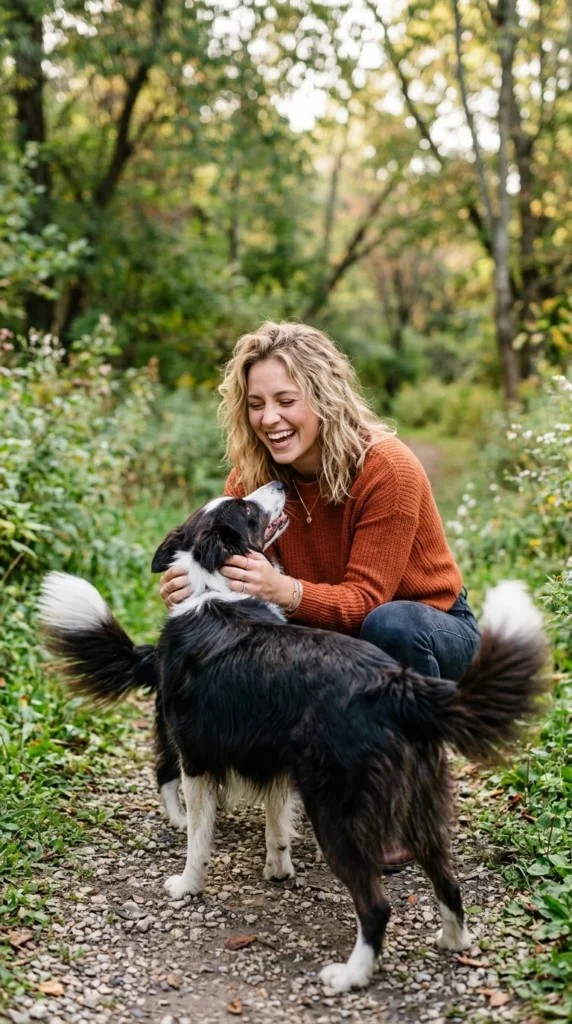
While food is a powerful motivator, your voice is a tool you always have with you. Using a high-pitched, enthusiastic tone to say “Good boy!” or “Yes!” acts as a secondary reinforcer. Over time, your dog associates your happiness with their success, making praise a reward in its own right.
4. Physical Affection
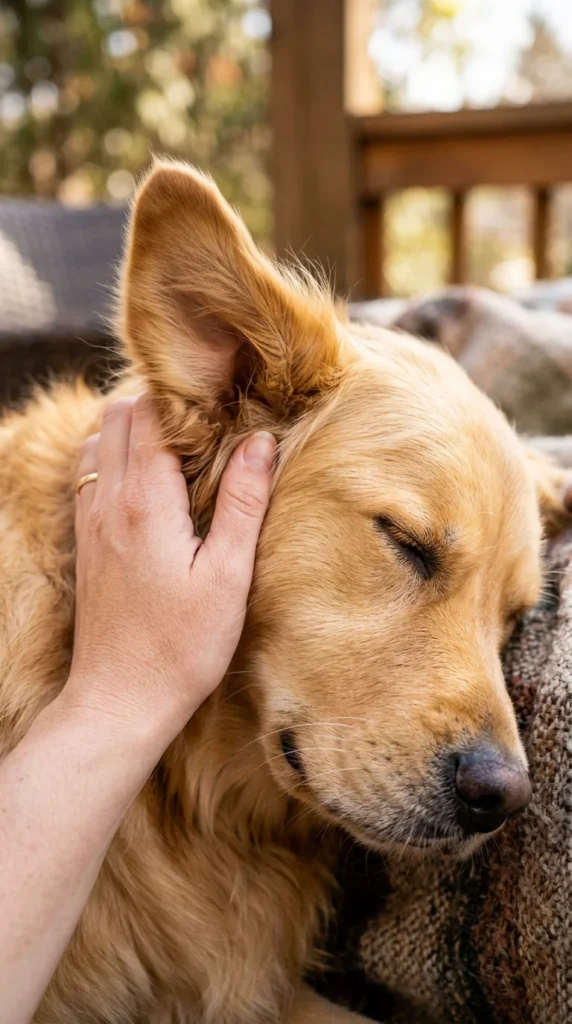
For many dogs, a chest scratch, an ear rub, or a long stroke down the back is just as rewarding as a biscuit. Physical affection reinforces the bond and calms the dog’s nervous system. It is particularly effective for dogs that are “velcro” breeds or those who are highly motivated by human touch.
5. Favorite Toys

If your dog is toy-motivated rather than food-motivated, a quick game of fetch or a short tug-of-war can be the ultimate reward. Using toys keeps the energy high and the training sessions fun. It’s an excellent way to reward “come when called” or “stay” in high-energy dogs.
6. Capturing Behaviors
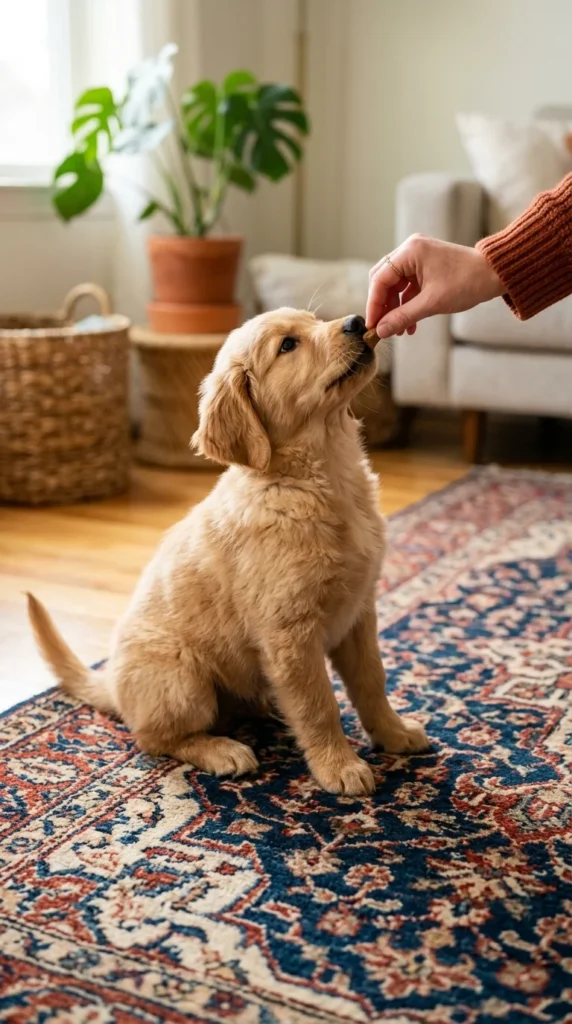
Capturing is the process of waiting for your dog to perform a natural behavior—like a yawn, a stretch, or sitting down—and rewarding them the instant they do it. By labeling the behavior (e.g., saying “sit” as they happen to sit), you teach them to associate the word with an action they already do instinctively.
7. Luring Technique
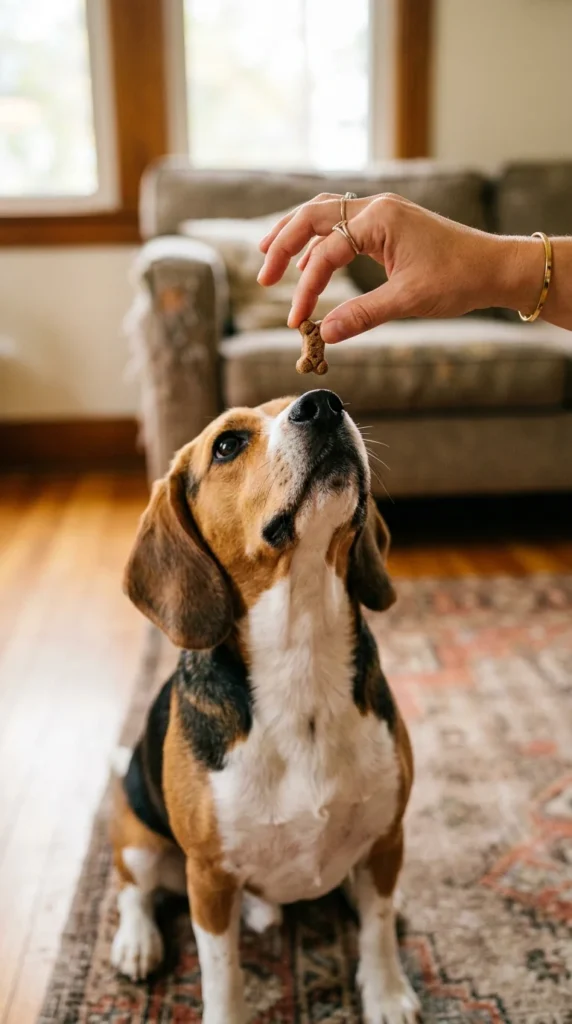
Luring involves using a treat like a magnet to guide your dog into a specific position. By moving the treat over their head, you naturally guide them into a sit. By moving it toward the floor, you guide them into a down. It is a gentle, hands-off way to show a dog what you want.
8. Shaping Behavior

Shaping is the art of rewarding small steps toward a final goal. If you want your dog to “go to their mat,” you first reward them for looking at the mat, then for stepping toward it, then for touching it, and finally for lying down on it. This builds confidence as the dog “solves the puzzle” of what you want.
9. Target Training
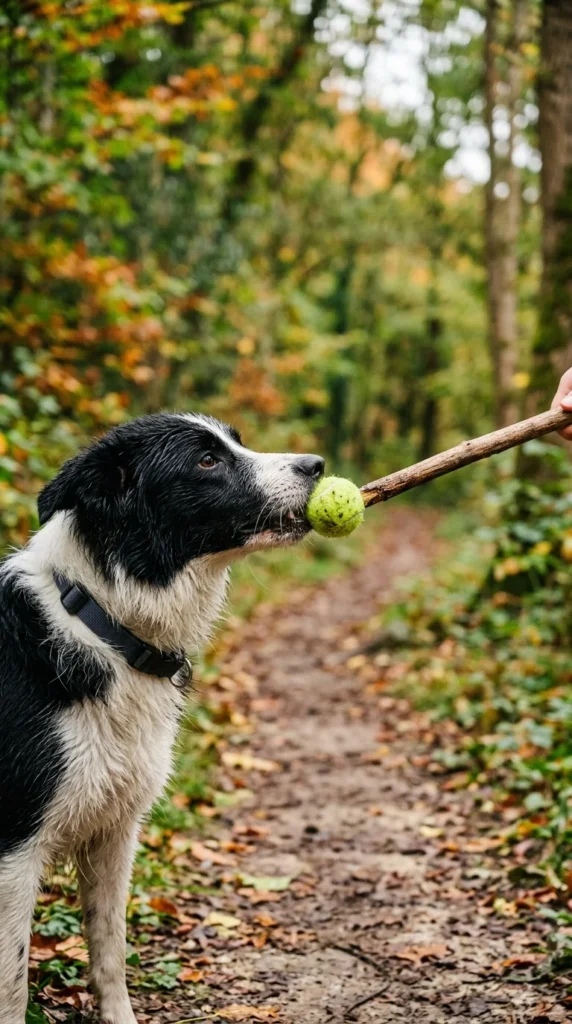
Targeting involves teaching your dog to touch a specific object—usually your hand or a target stick—with their nose or paw. This is an incredibly versatile foundation skill. Once a dog knows how to target, you can use it to lead them into a crate, onto a scale at the vet, or even to close a door.
10. Premack Principle
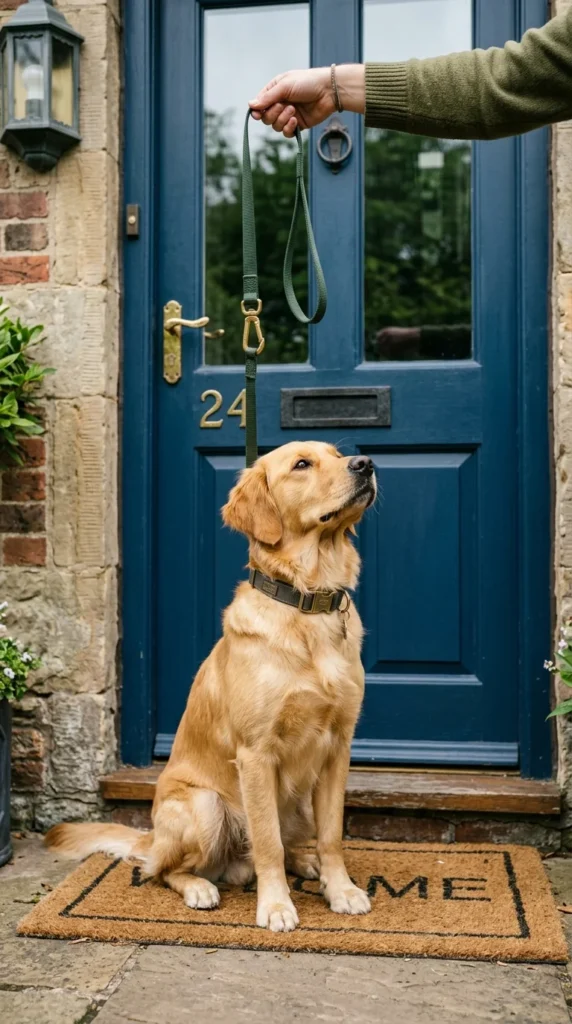
The Premack Principle suggests that a high-probability behavior (something the dog really wants to do) can be used to reinforce a low-probability behavior (something the dog is less keen on). For example, your dog must “sit” (low-probability) before you open the door to let them “run in the yard” (high-probability).
11. Jackpot Rewards
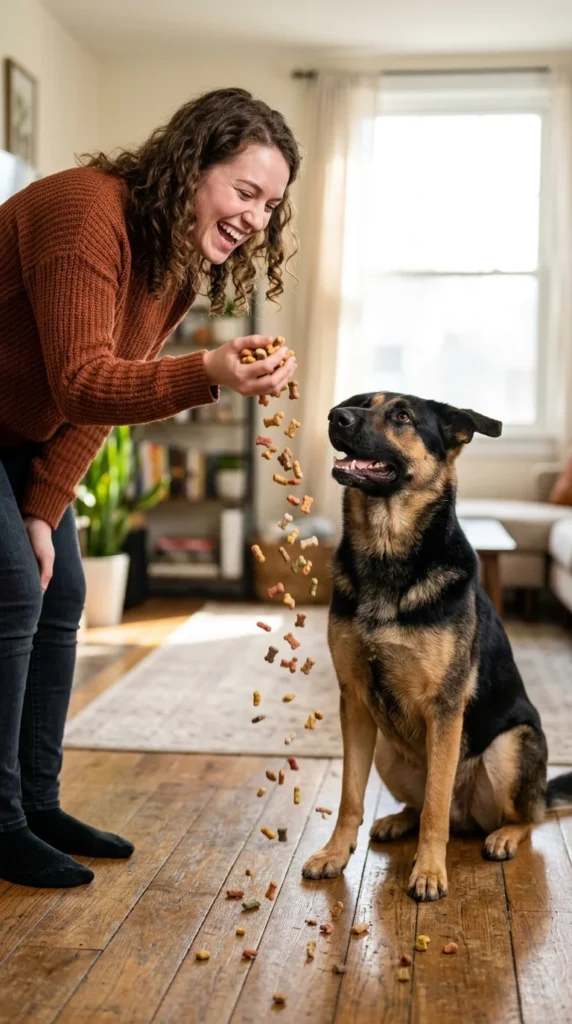
A “jackpot” is a sudden, unexpected bounty of treats given for an exceptional performance—like the first time your dog stays while a squirrel runs by. It creates a “wow” moment for the dog, making the memory of that specific success very strong and increasing the likelihood they will repeat the behavior.
12. Play Breaks
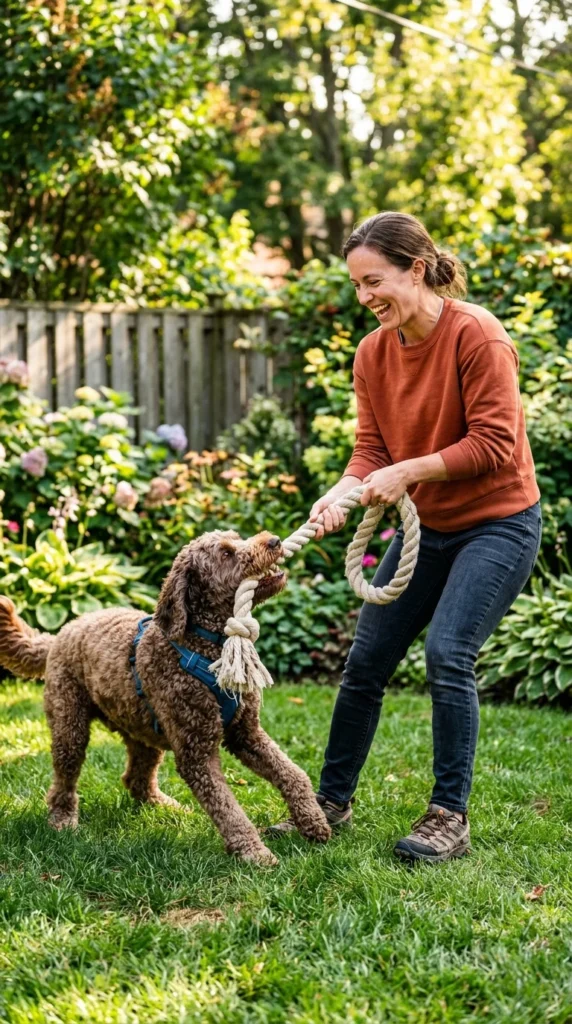
Training can be mentally taxing for a dog. Inserting “play breaks” between sets of repetitions keeps the dog’s stress levels low and their engagement high. It prevents training from becoming a chore and maintains a lighthearted, joyous atmosphere.
13. Release Cues
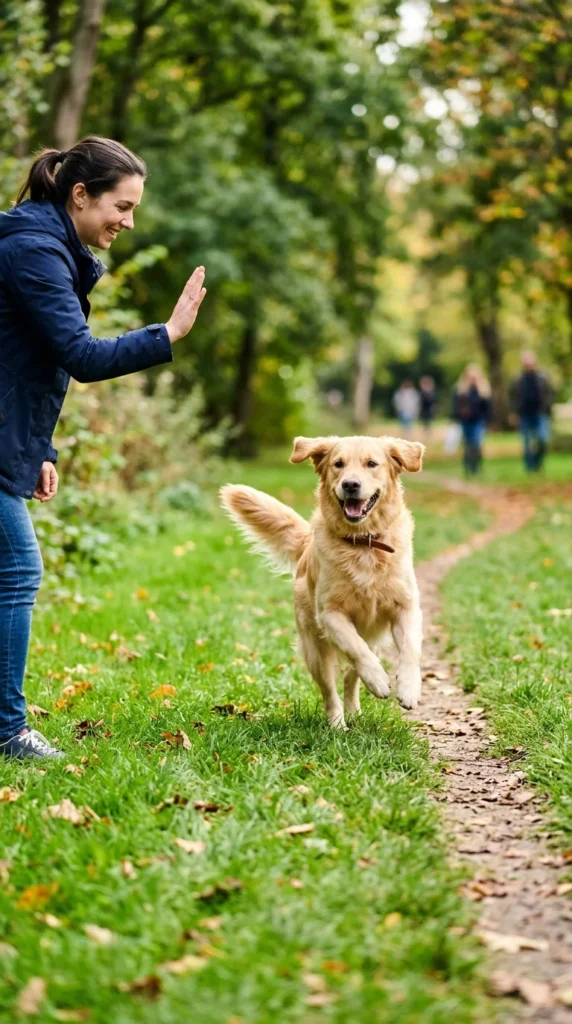
A release cue like “Okay!” or “Free!” tells the dog they have finished the task and are now free to move. This is essential for duration behaviors like “stay” or “wait.” The release itself becomes a reward because it signals the successful completion of a job.
14. Life Rewards
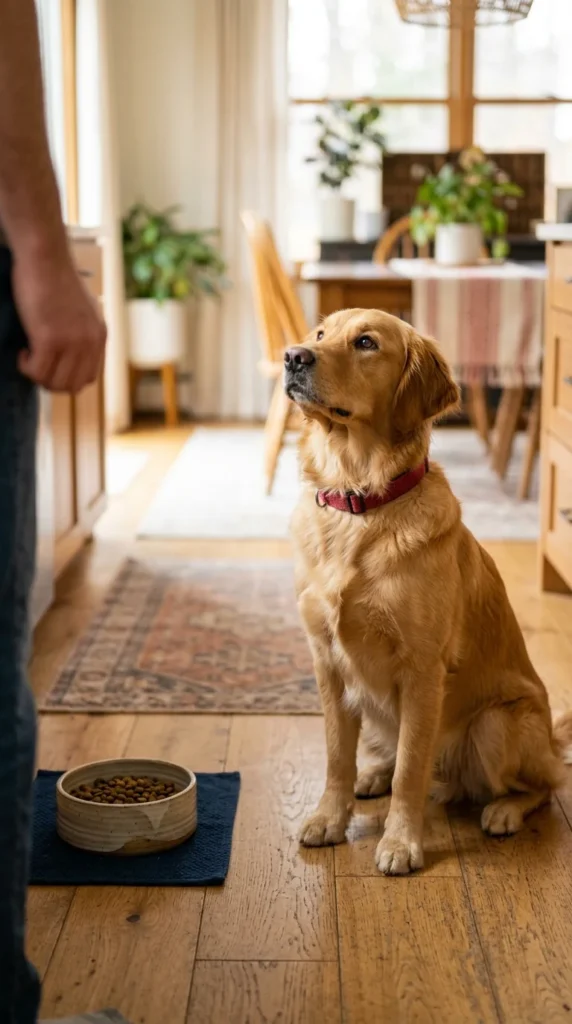
Life rewards are things your dog wants during their daily routine. Getting their dinner, having the leash put on, or being invited onto the sofa are all rewards. By asking for a small behavior (like a “sit” or “look at me”) before granting these desires, you integrate training into everyday life.
15. Environmental Rewards
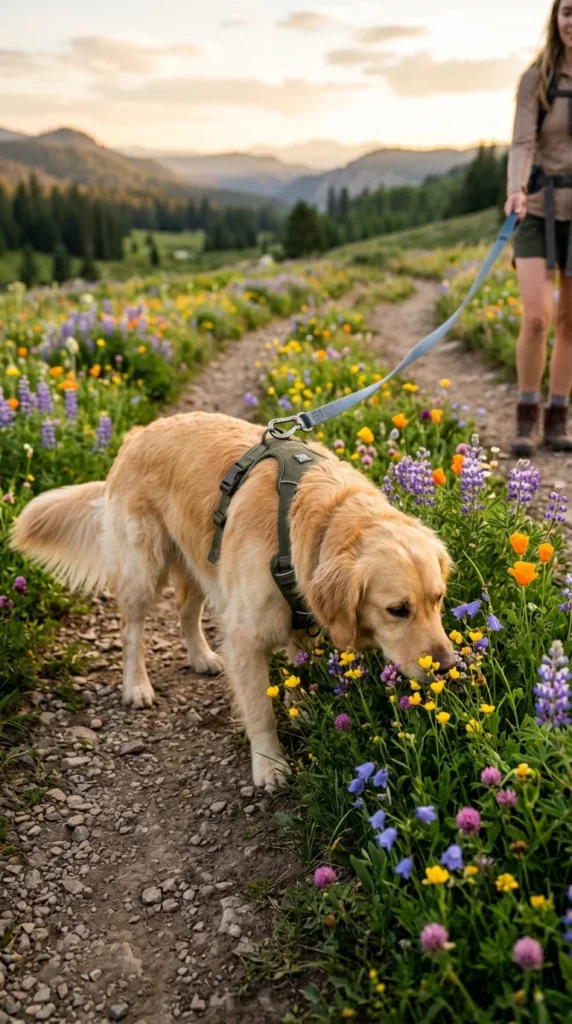
Sometimes, the best reward is simply letting the dog be a dog. If your dog walks nicely on a leash without pulling, you can reward them by giving the cue “Go sniff!” and allowing them to explore a patch of grass. This uses the environment to reinforce the desired behavior of walking calmly.
16. Negative Punishment (Time-outs)
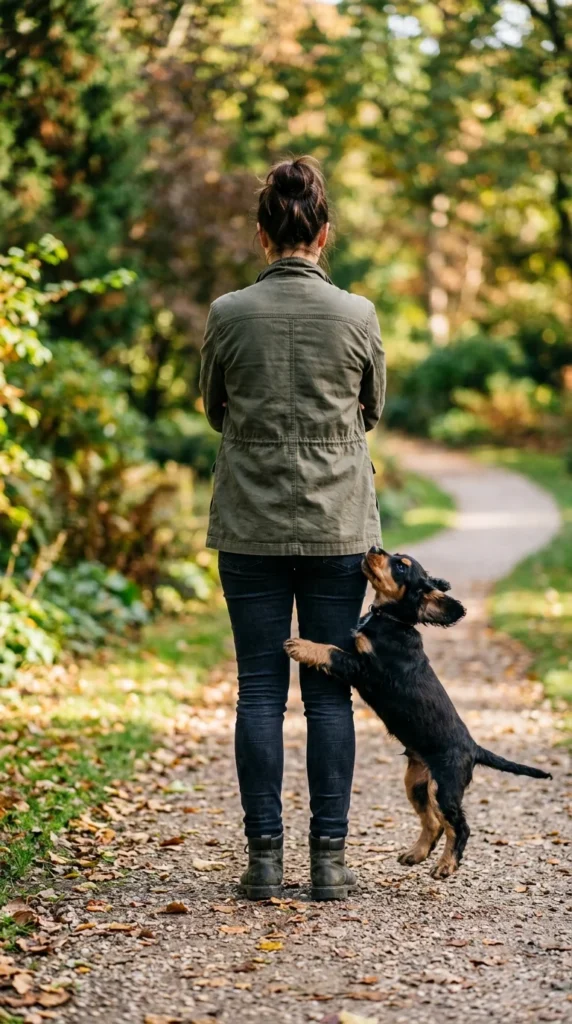
In positive reinforcement, “punishment” means the removal of something the dog wants. If a puppy jumps for attention, you remove the attention by turning your back. When the puppy has all four paws on the floor, you return the attention. This teaches the dog that unwanted behavior makes the “good stuff” disappear.
17. Variable Reinforcement
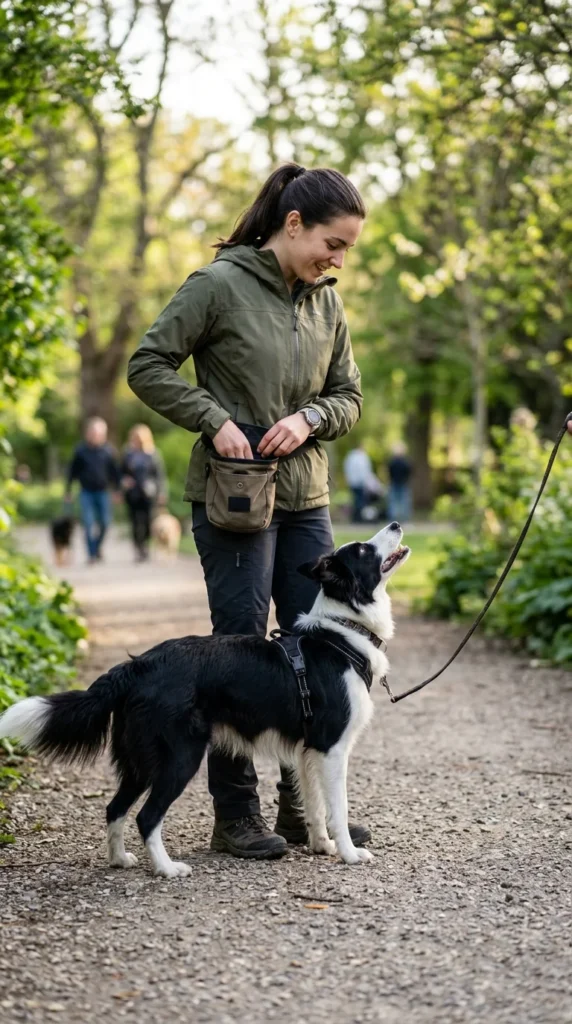
Once a dog has learned a behavior, you don’t need to reward them every single time. Moving to a variable schedule—like a slot machine—keeps the dog guessing and working harder. They know a reward is coming eventually, so they stay focused and persistent.
18. Hand Signals
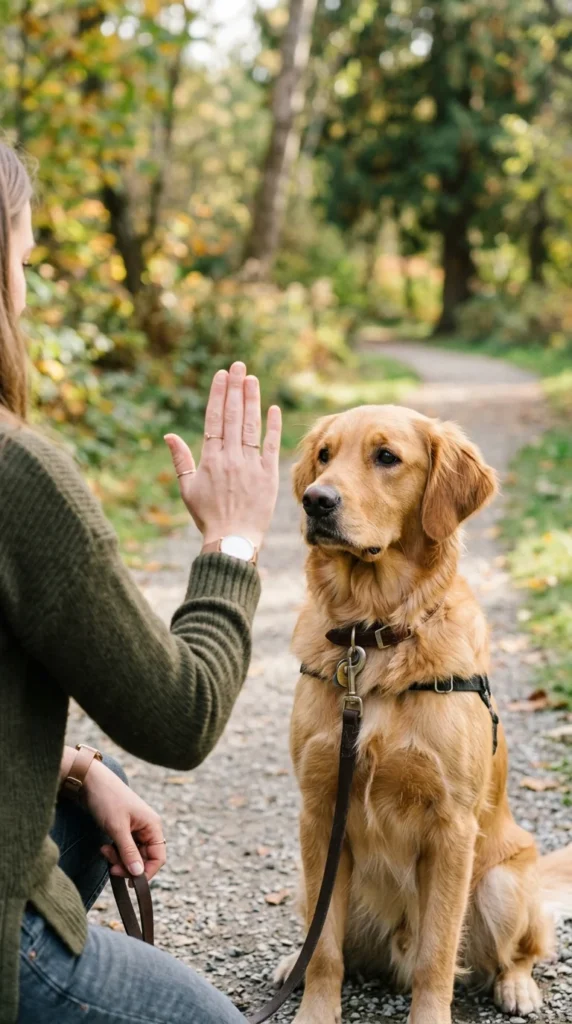
Dogs are naturally visual learners. Pairing a hand signal with a verbal cue helps them process information faster. Eventually, the hand signal alone can serve as a powerful reinforcer of the behavior, allowing for silent communication across a room or a busy park.
19. High-Pitched Tones
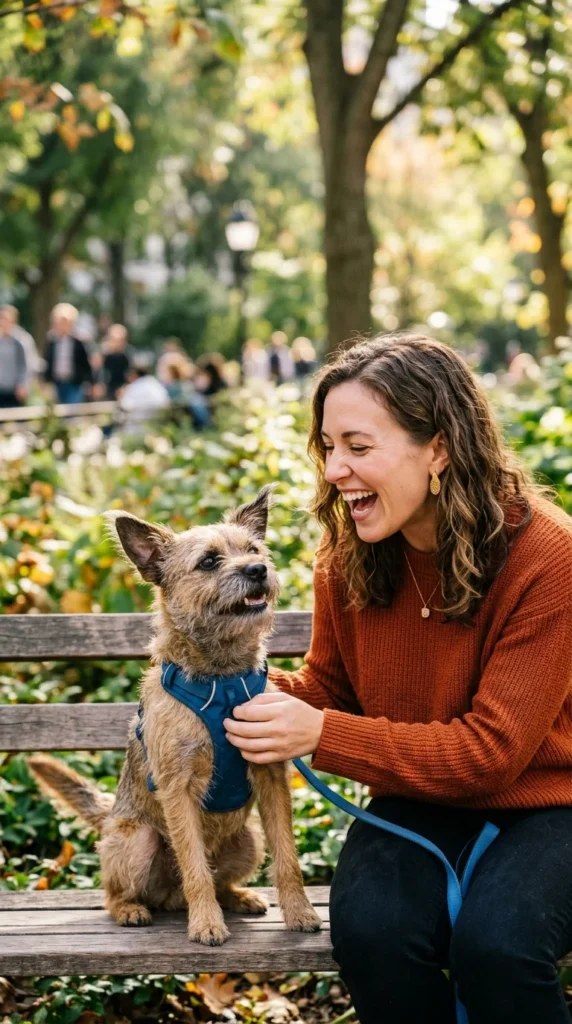
Scientific studies show that dogs respond more positively to “dog-directed speech,” which is characterized by a higher pitch and exaggerated intonation. Using an “excited” voice when your dog does something right triggers a physiological response in their brain, making them feel happy and successful.
20. Scent Games
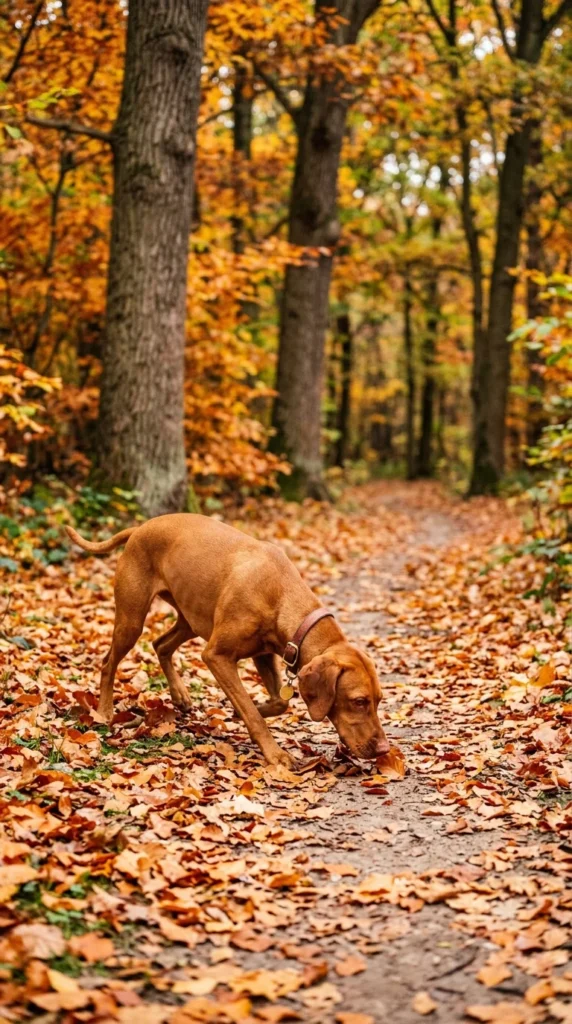
Engaging a dog’s nose is one of the best ways to reward them mentally. You can use “find it” as a reward for a successful stay. Tossing a treat into the grass and letting the dog hunt for it provides a massive dopamine hit, combining food reward with natural instinctual fulfillment.
21. Distance Reinforcement
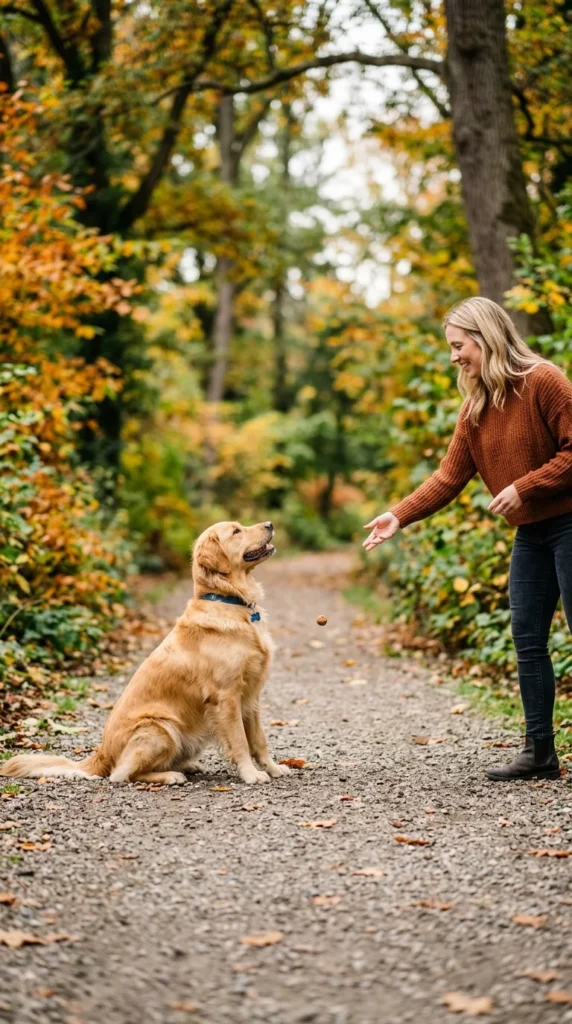
Reinforcing behavior from a distance is crucial for safety and reliability. By tossing a treat to a dog who has successfully stayed several feet away, you teach them that they don’t have to be right next to you to receive a reward. This builds confidence in their ability to work independently.
22. Chaining Behaviors

Chaining is linking several learned behaviors together. For example: “pick up toy” + “carry to box” + “drop.” Each step in the chain reinforces the previous one, with the final reward coming at the end. This allows you to teach complex tasks while keeping the dog motivated throughout the process.
23. Social Modeling
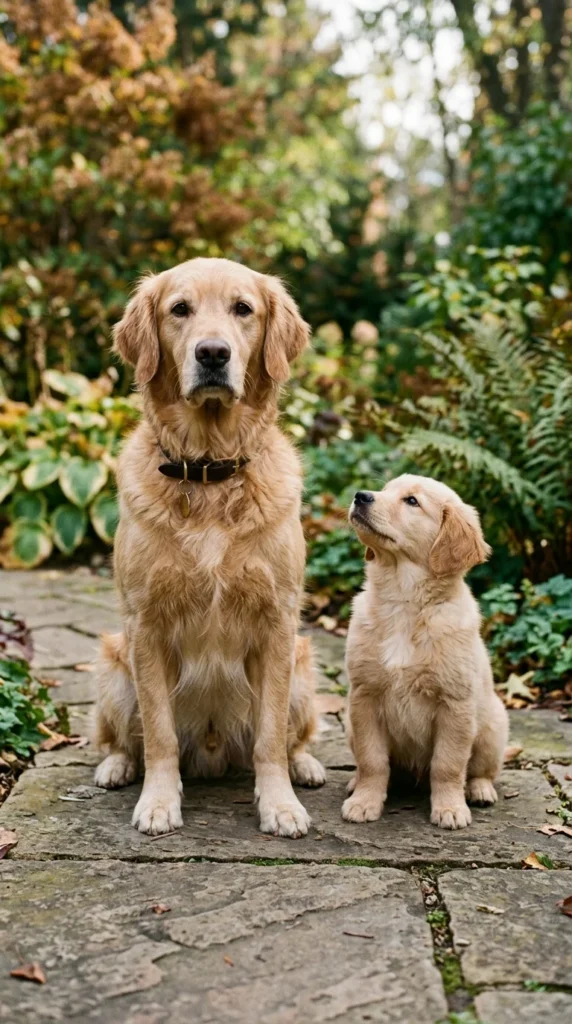
Dogs are social animals that learn by observing others. If you have a well-trained dog and a puppy, rewarding the older dog for a “sit” in front of the puppy often encourages the puppy to mimic the behavior to get a reward too. This “copycat” method can speed up the learning process significantly.
24. Calm Confidence

The most underrated reinforcement is your own energy. Dogs are incredibly sensitive to human emotions. When you remain calm, consistent, and confident, you provide a safe space for the dog to learn. Your steady presence becomes a form of reinforcement, signaling to the dog that they are doing exactly what is expected of them.