
Clicker training is a science-based method of communicating with your dog. It uses a distinct sound—a “click”—to tell the animal exactly when they are doing something right. Because the sound is consistent and unique, it bridges the communication gap between species more effectively than the human voice. By mastering these 27 techniques, you can drastically reduce your dog’s learning curve and build a stronger, more cooperative bond.
1. Charging
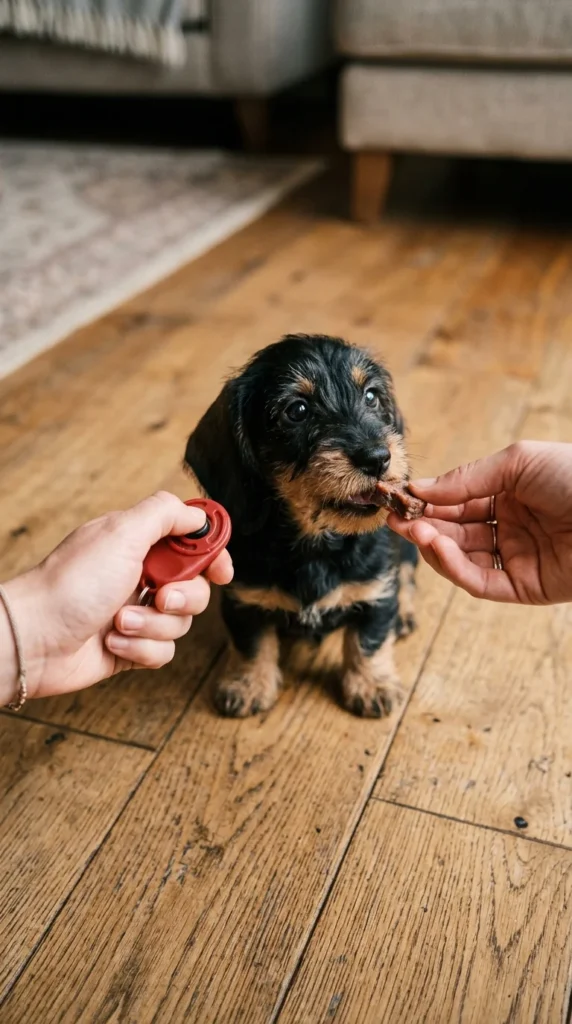
Before your dog can learn a trick, they must learn what the clicker means. “Charging” the clicker involves clicking and immediately delivering a high-value treat. Repeat this 10 to 15 times until the dog’s ears perk up or they look for a treat the moment they hear the sound. This establishes the clicker as a “bridge” or “event marker” that promises a reward.
2. Capturing
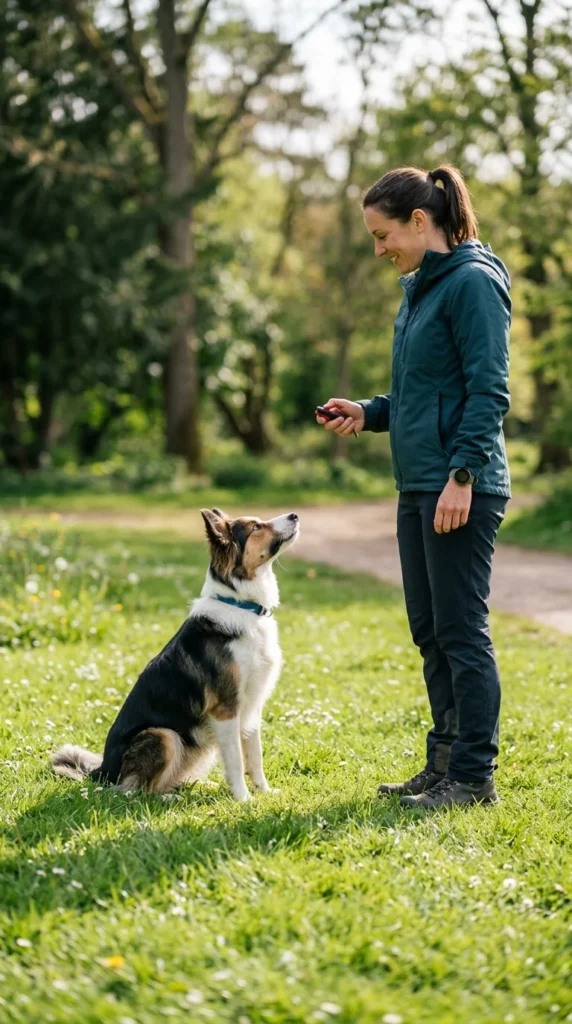
Capturing is the process of waiting for your dog to perform a natural behavior on their own. If you want your dog to learn to “sit,” simply stand in a room with them and wait. The moment their bottom hits the floor, click and treat. By marking a behavior the dog chose to do, they learn that their own actions can trigger rewards, making them more likely to repeat that behavior.
3. Luring
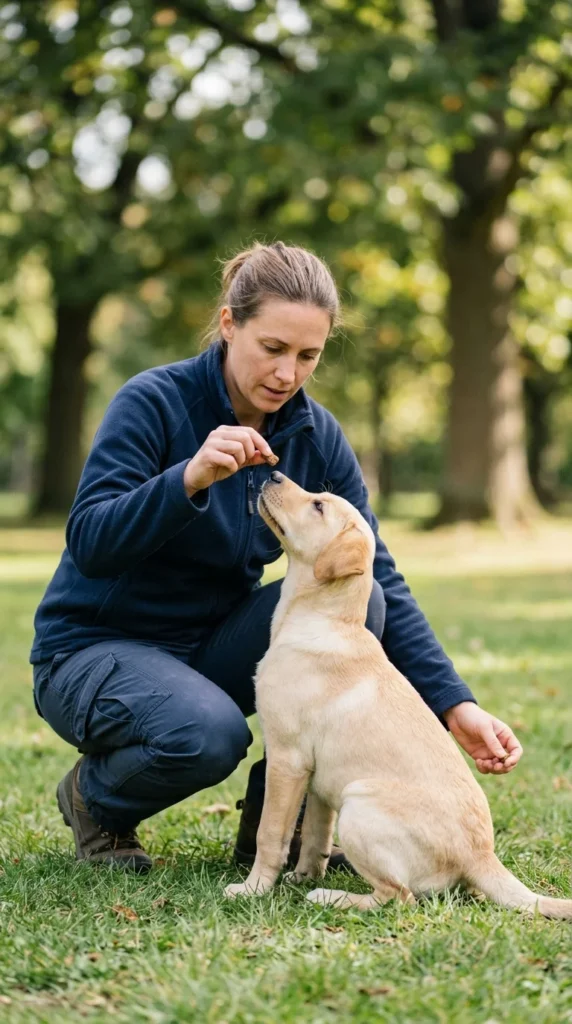
Luring uses a piece of food like a magnet to guide the dog’s body into a specific position. To teach a “down,” you might lure the dog by moving a treat from their nose to the floor. You click the moment they reach the desired position. While effective for quick results, the lure should be replaced by a hand signal or verbal cue as soon as possible to avoid the dog becoming dependent on seeing the food.
4. Shaping
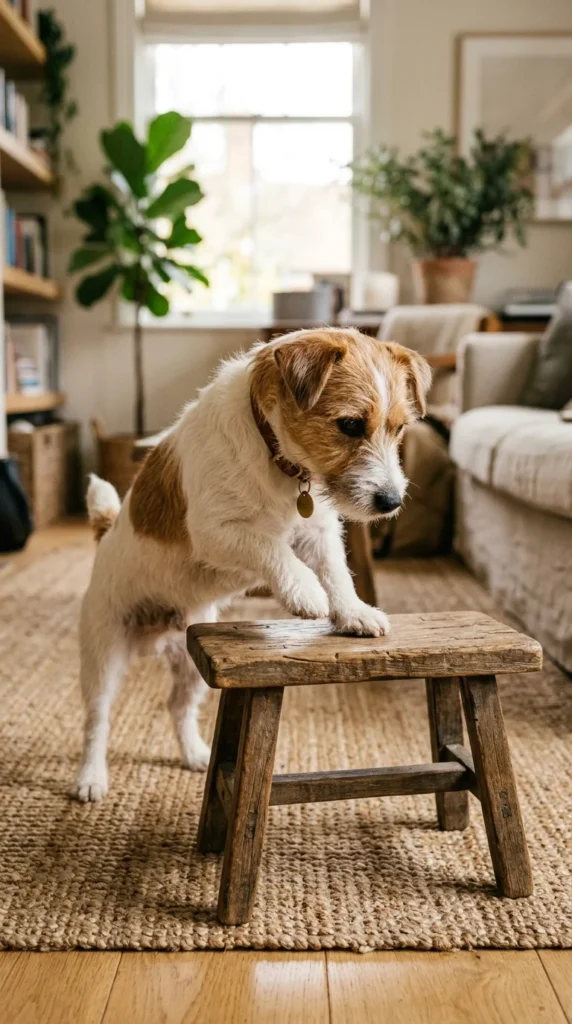
Shaping is the art of rewarding small steps toward a final goal. If you want your dog to go to a mat, you might first click for them looking at the mat, then for walking toward it, then for touching it with one paw. By reinforcing successive approximations, you can teach complex behaviors that the dog might never perform spontaneously or via luring.
5. Targeting
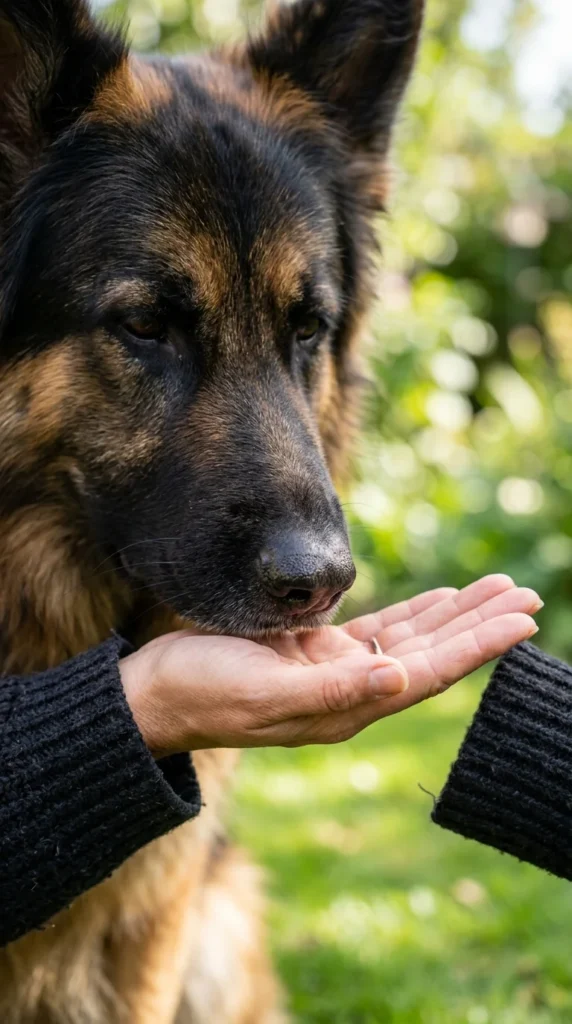
Targeting involves teaching your dog to touch an object—usually your hand or a target stick—with their nose or paw. Once a dog understands the concept of “touch,” you can use the target to lead them onto scales at the vet, into a crate, or through an agility course without ever having to push or pull them.
6. Timing
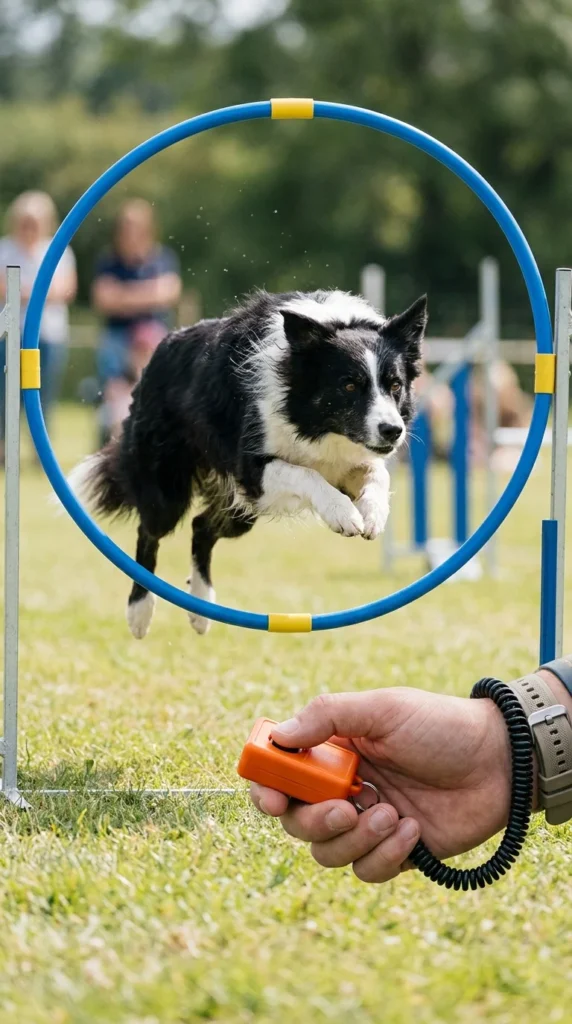
The most critical skill in clicker training is timing. The click must occur at the exact moment the desired behavior happens. If you click too late, you might be accidentally rewarding the moment the dog stands up after a sit. Perfect timing provides the clarity your dog needs to understand exactly which movement earned the paycheck.
7. Treat Delivery

How and where you deliver the treat matters. If you are teaching a dog to “stay,” deliver the treat to their mouth while they are still in position. If you want to reset them for another repetition, throw the treat a few feet away. This “delivery placement” can be used to set the dog up for success in the next phase of the training session.
8. Jackpots
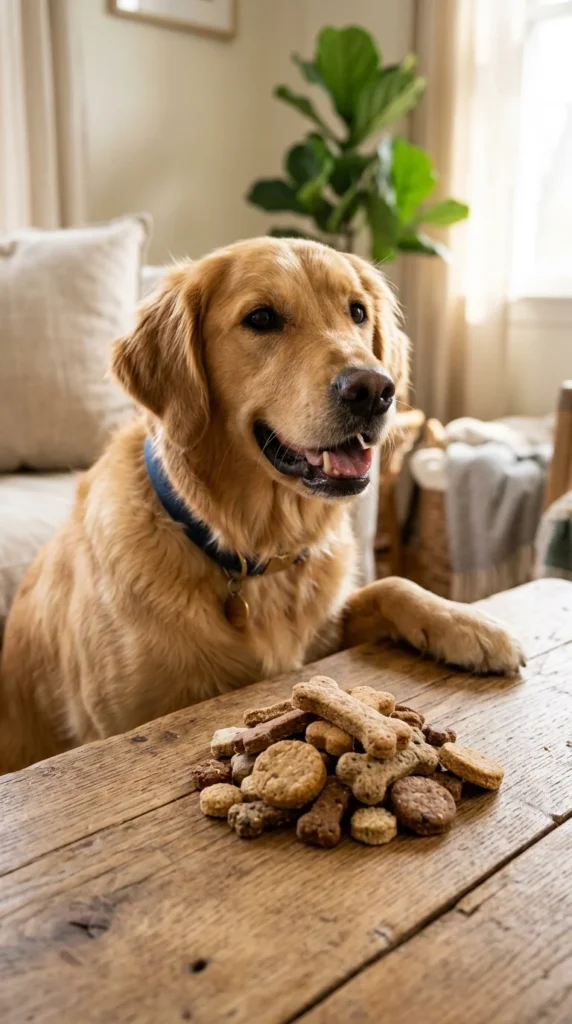
A jackpot is a sudden, large reward given for a major breakthrough or an exceptionally fast response. Instead of one tiny treat, the dog gets five or six in a row. This creates a powerful positive association with that specific breakthrough, making it highly likely the dog will remember the “aha!” moment clearly the next day.
9. Cues
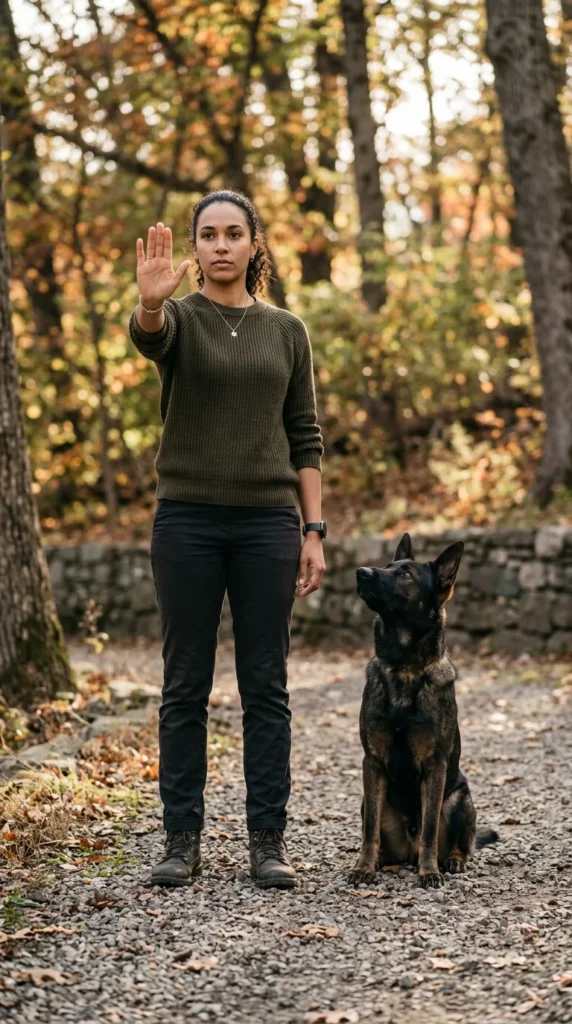
In clicker training, you usually wait to add the verbal cue (like “Sit” or “Spin”) until the dog is consistently performing the behavior. Once the behavior is predictable, say the word just as the dog starts the movement. Eventually, the word itself becomes the signal for the dog to earn a click and treat.
10. Fading Lures
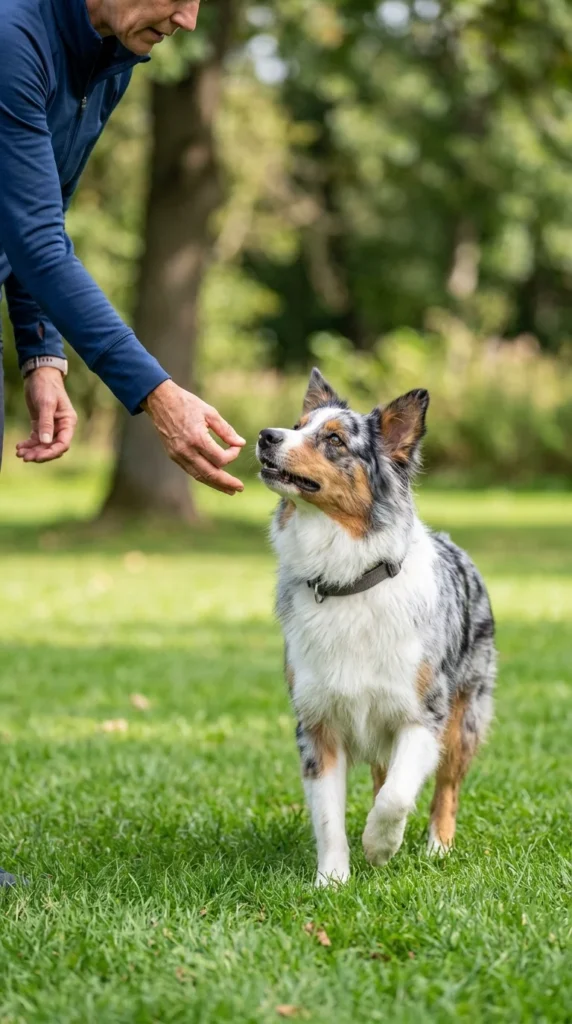
To prevent a dog from only working when food is in sight, you must “fade the lure.” After a few successful repetitions with food in your hand, make the same hand motion without the food. When the dog follows the motion, click and then get a treat from a pocket or pouch. This teaches the dog to follow a hand signal rather than just a piece of meat.
11. Generalizing
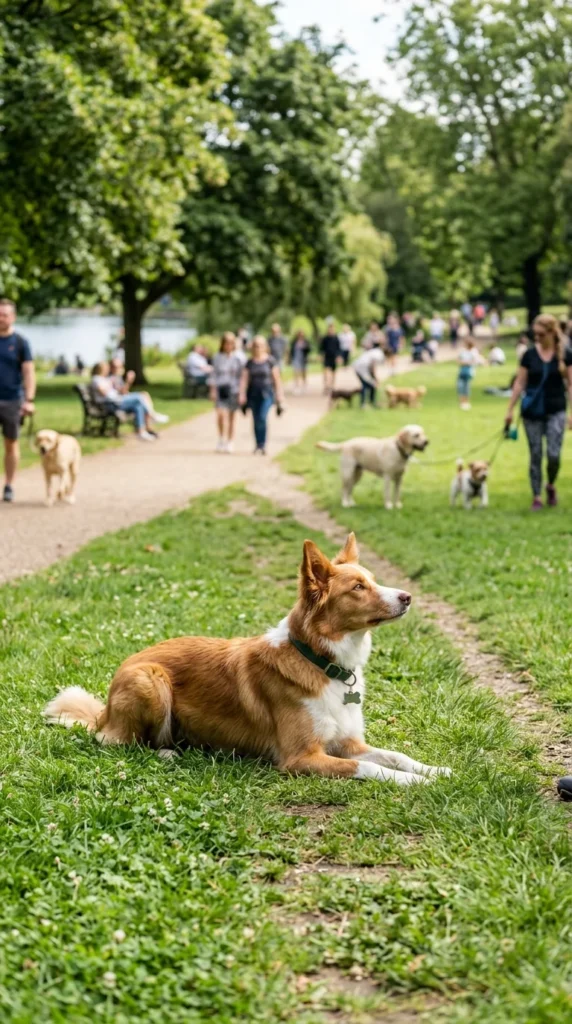
Dogs are poor at generalizing; a “sit” in the kitchen might not mean “sit” at the park. To truly “train” a behavior, you must practice in different rooms, outdoors, and around various distractions. Use the clicker to mark successful responses in these new environments to reinforce that the rules apply everywhere.
12. Proofing
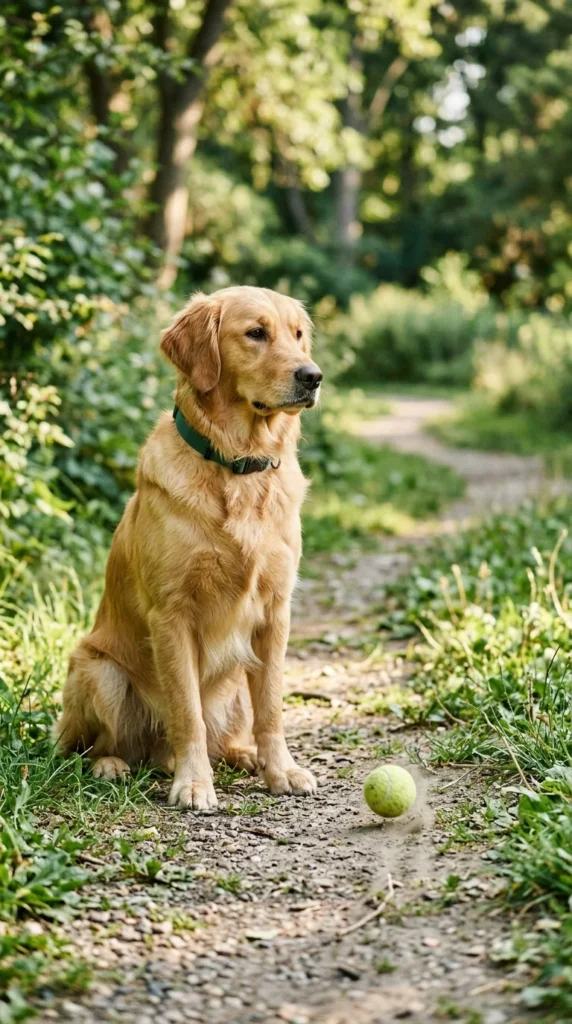
Proofing is the process of testing a behavior against distractions. Start with small distractions—like a person walking by—and click/treat for the dog remaining focused on the task. Gradually increase the difficulty. This ensures the dog’s training holds up in real-world scenarios where things are rarely quiet and still.
13. Duration
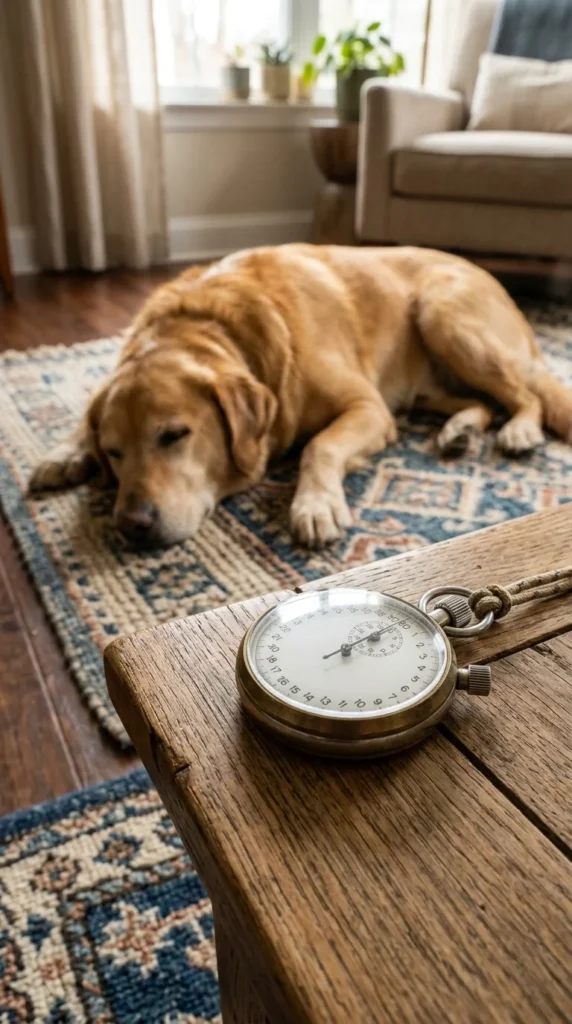
For behaviors like “stay” or “settle,” you need to build duration. Instead of clicking the moment the dog lies down, wait one second, then click. Gradually increase the time to three seconds, five seconds, and beyond. If the dog breaks position before the click, the duration was too long, and you should take a step back.
14. Distance

Distance adds a layer of difficulty to any command. Start by taking just half a step back before clicking. As the dog remains successful, increase the distance incrementally. The goal is for the dog to understand that the behavior is required regardless of how far away the handler is standing.
15. Variable Ratio
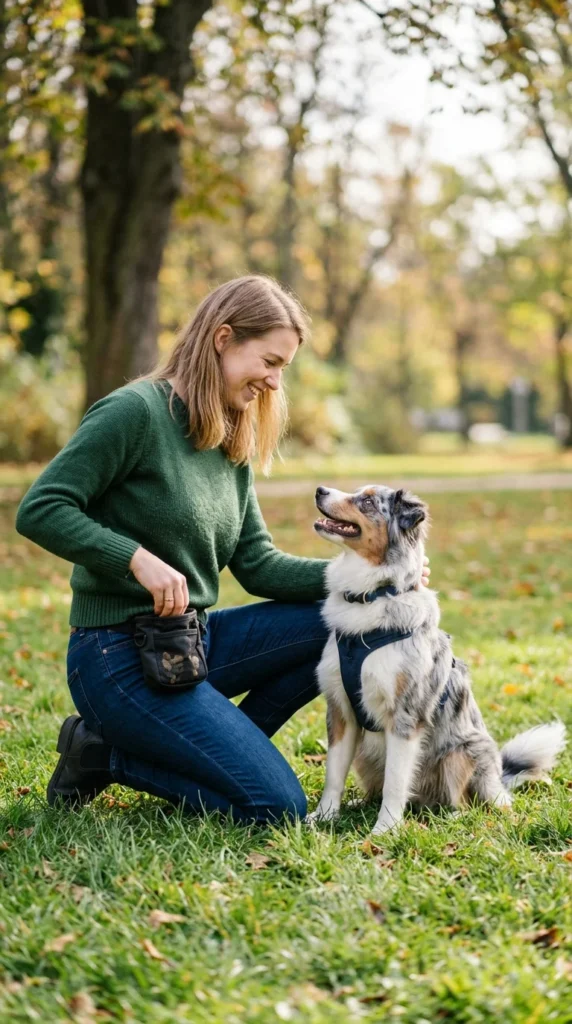
Once a behavior is learned and on cue, you don’t need to click every single time. Moving to a variable ratio of reinforcement (like a slot machine) makes the behavior more resistant to extinction. The dog learns that while every “sit” might not get a click, the next one just might, keeping them motivated and engaged.
16. Chaining
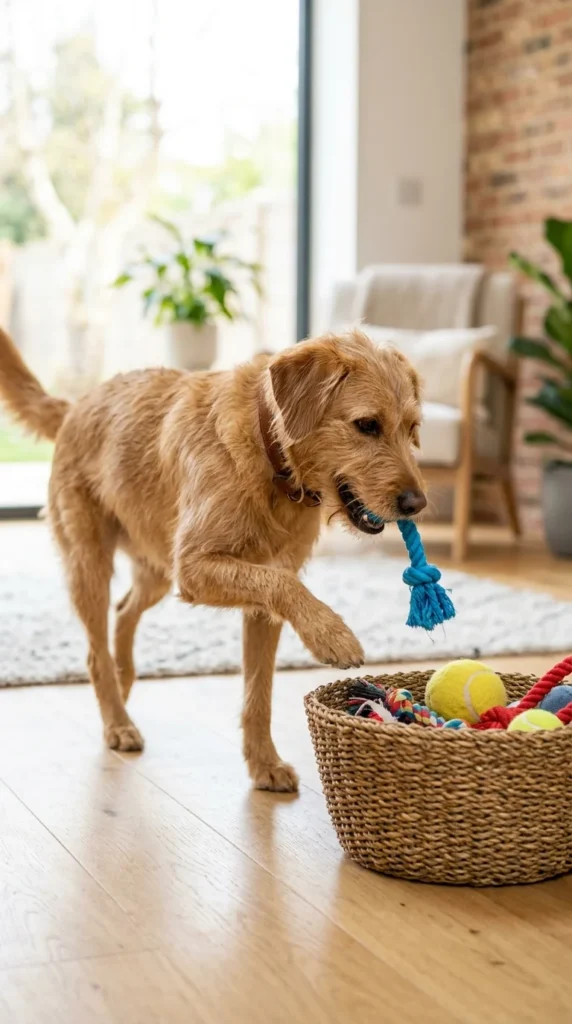
Chaining is the process of linking several behaviors together. For example, “pick up the toy,” “bring it here,” and “drop it” can be chained. You click and treat only after the entire sequence is completed. This is how complex tasks, such as service dog work or advanced trick routines, are built.
17. Back-Chaining
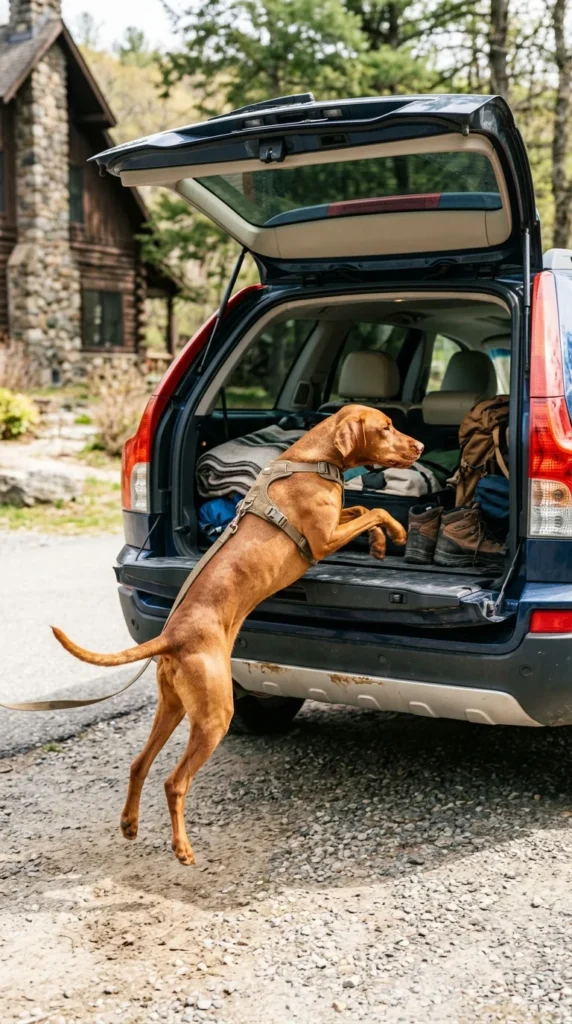
Back-chaining is a powerful psychological tool where you teach the last step of a sequence first. Because the last step is the one closest to the reward, the dog becomes increasingly motivated as they move through the chain toward the part they know best. This creates a “magnetic” effect that pulls the dog through the behavior.
18. Free Shaping
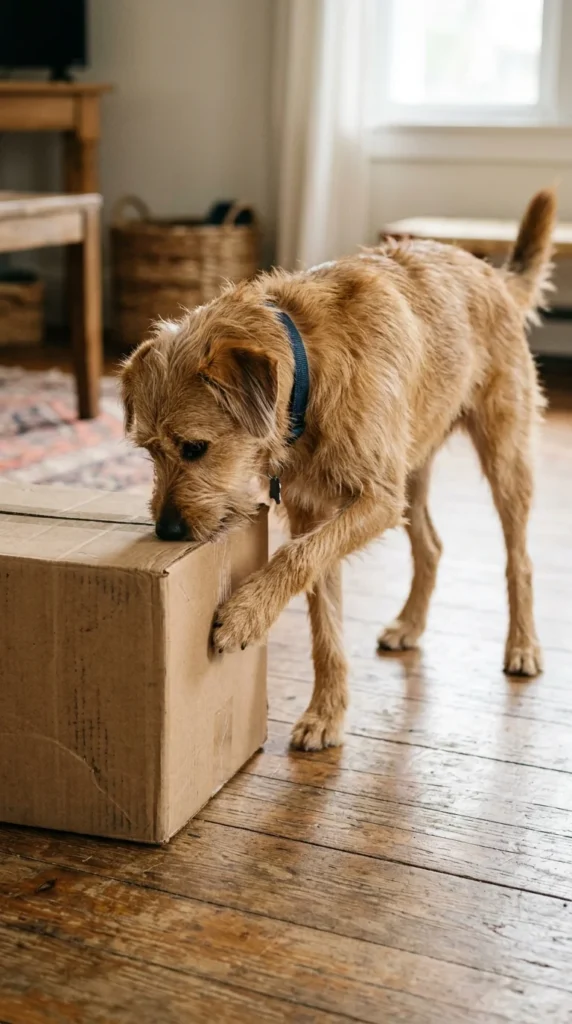
Free shaping is a mental workout where the trainer provides no lures or prompts. You simply wait for the dog to interact with an object and click for anything they do. This encourages the dog to be creative and “offer” behaviors, creating a dog that is a confident, active participant in the learning process.
19. Scanning
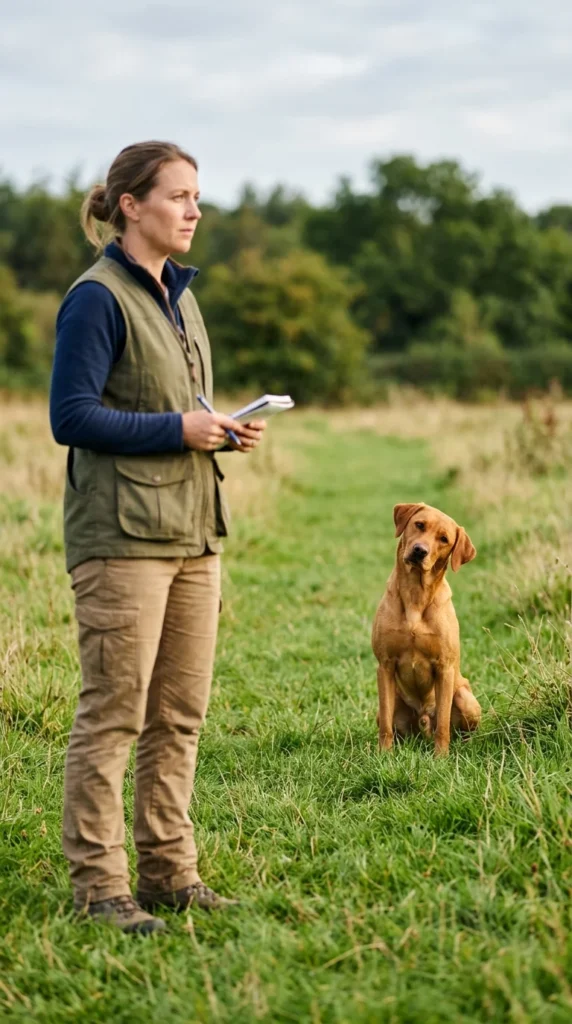
Scanning involves observing your dog during their “off” time to catch desirable behaviors you haven’t specifically asked for. If your dog happens to go to their bed and lie down quietly, click and toss them a treat. Scanning helps reinforce good “house manners” without formal training sessions.
20. Mimicry
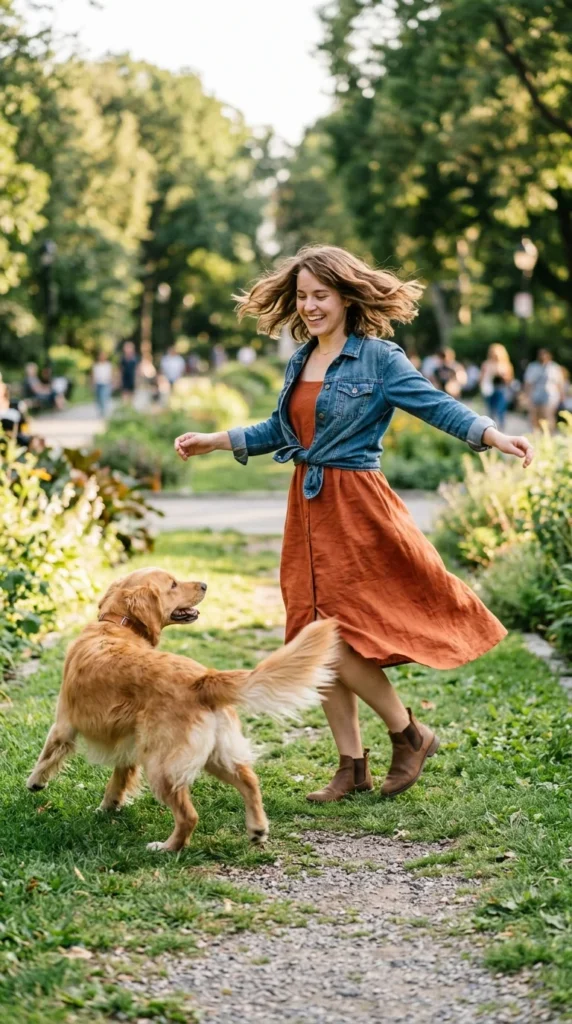
Based on the “Do as I do” method, mimicry involves teaching a dog to copy human actions. While advanced, it starts with the clicker. You perform a simple action the dog already knows, say “Do it,” and click when they copy you. This taps into the dog’s social learning capabilities for incredibly fast acquisition of new moves.
21. Discrimination
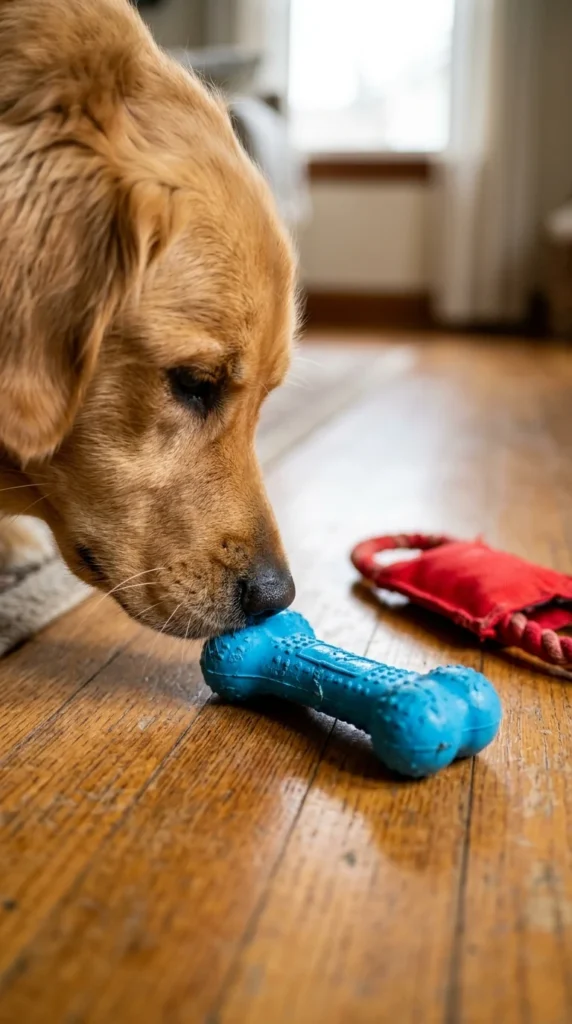
Discrimination teaches the dog to choose between two or more objects. You might place a ball and a bone on the floor and click only when the dog touches the ball. This sharpens the dog’s cognitive skills and is the foundation for scent work and advanced vocabulary learning.
22. Micro-Shaping
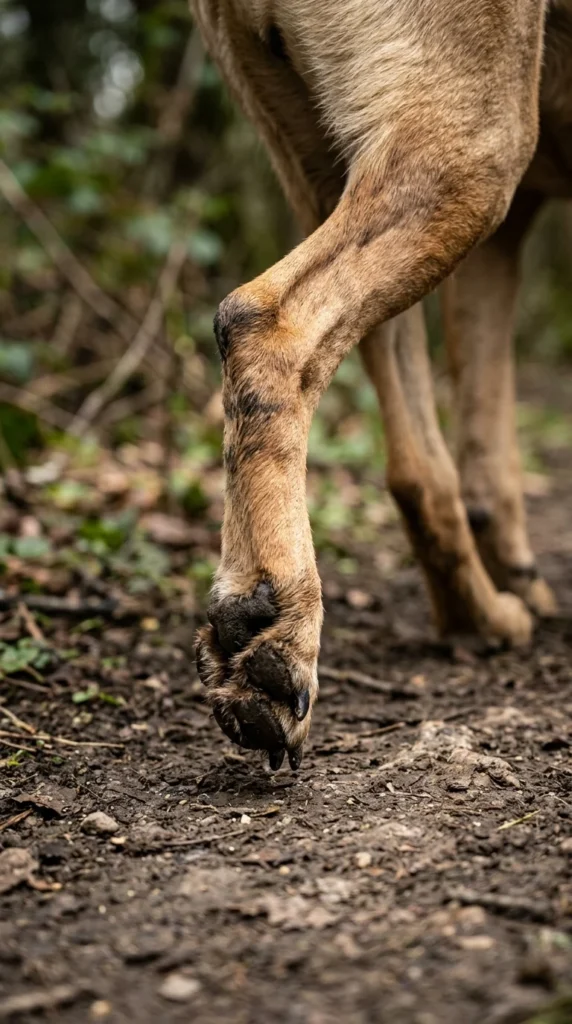
Micro-shaping involves clicking for very tiny physical adjustments. This is often used in competitive obedience or dog sports to refine positions, such as clicking for a dog shifting their weight to sit more “squarely” or tucking their front paws more neatly during a “down.”
23. Reverse Luring
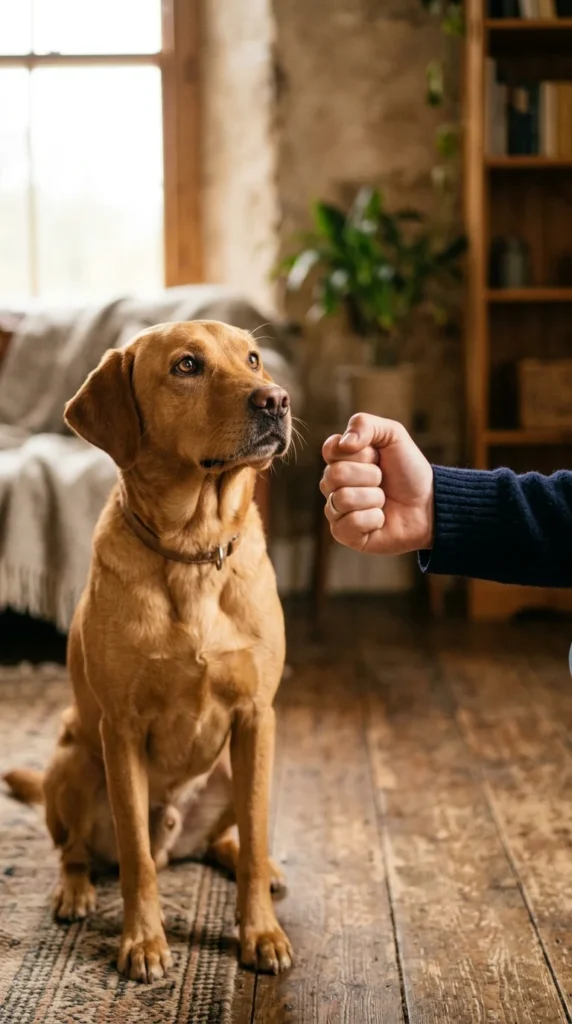
Reverse luring is a technique for building impulse control. You hold a treat in an open palm; if the dog moves toward it, you close your hand. If the dog pulls back or looks away, you click and give them the treat. This teaches the dog that moving away from the reward is actually the way to get it.
24. Differential Reinforcement
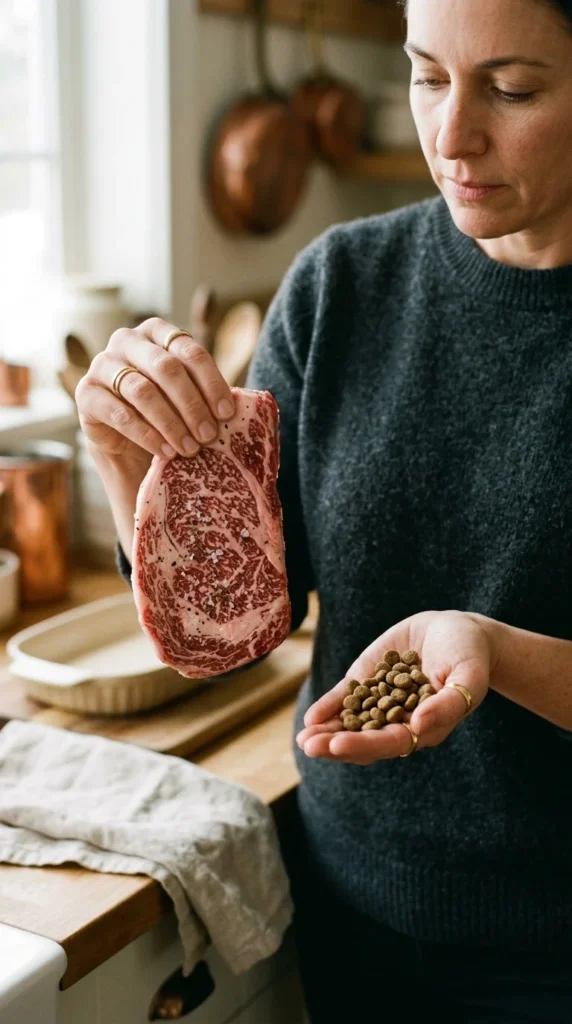
This involves varying the quality of the reward based on the quality of the performance. A slow “sit” might get a piece of kibble, while a lightning-fast “sit” gets a piece of chicken and a “jackpot.” This encourages the dog to put more effort and enthusiasm into their responses.
25. Keep-Going Signals
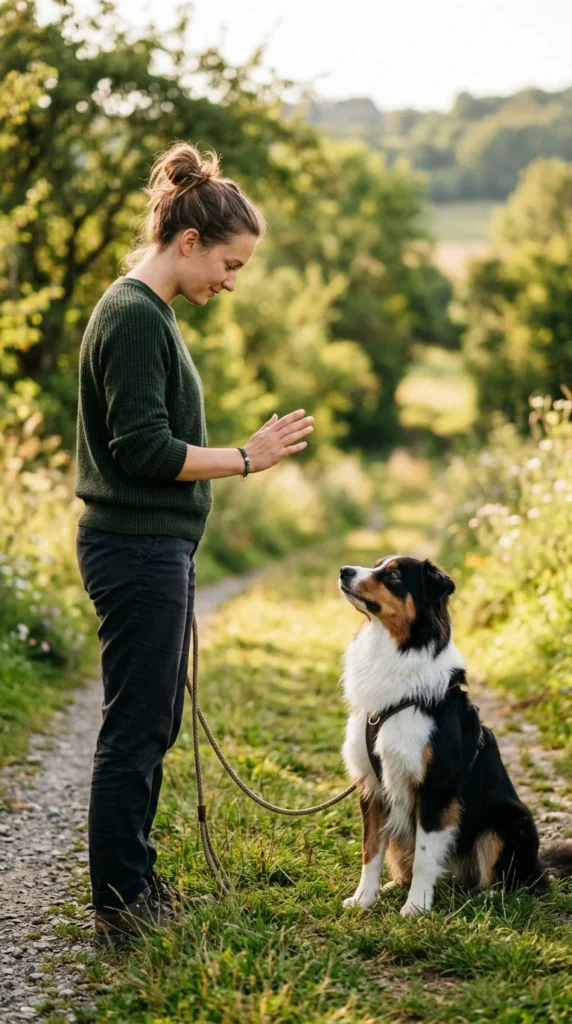
A Keep-Going Signal (KGS) is a secondary sound or word that tells the dog, “You’re doing the right thing, keep it up, the click is coming soon.” It helps bridge the gap during very long durations or complex tasks, providing the dog with the confidence to continue working.
26. Reset Throws
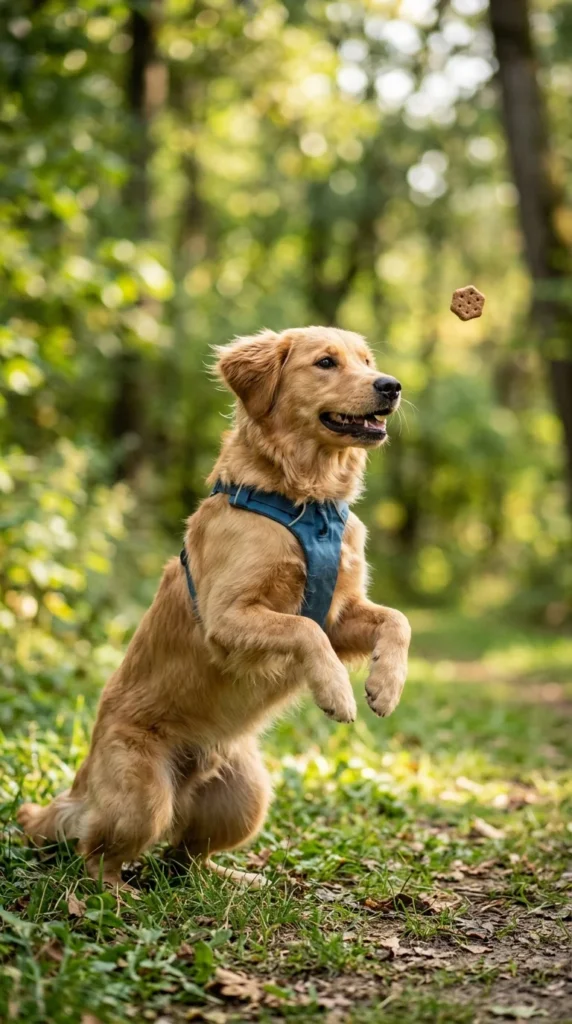
If you are practicing “sits” and the dog is already sitting, you can’t practice another repetition. A reset throw involves tossing a treat a few feet away. As the dog goes to get it, they have to stand up and move, allowing you to ask for—and click—another “sit” as they return to you.
27. Session Length
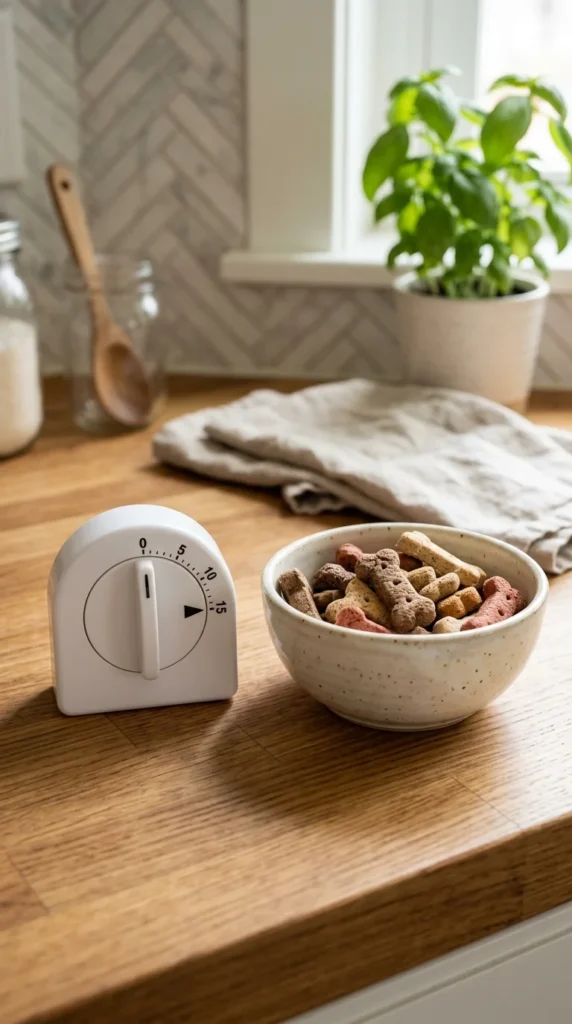
The most effective clicker training happens in short, high-energy bursts. Sessions should ideally last only 2 to 5 minutes. Ending the session while the dog is still excited and successful ensures they will be eager to start again next time. Always end on a successful “click,” leaving the dog wanting more.