
Welcoming a new puppy into your home is a whirlwind of joy, sharp teeth, and sleepless nights. But beyond the potty training and the “sit” commands lies the most critical phase of a dog’s life: socialization. Proper socialization isn’t just about meeting other dogs; it’s about carefully introducing your puppy to the world so they grow into a confident, calm, and well-adjusted adult. The “critical window” for socialization closes remarkably early—typically between 12 and 16 weeks of age.
To help you navigate this vital period, here are 22 essential tips to ensure your puppy is ready for anything life throws their way.
1. The Window
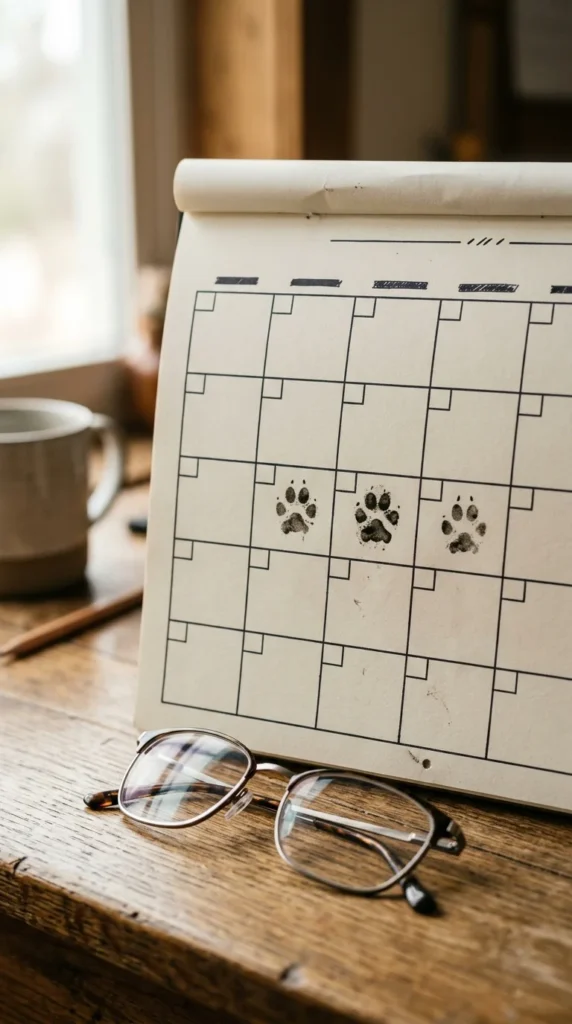
The socialization window is short. Most experts agree that the most influential period is between 3 and 14 weeks of age. During this time, your puppy’s brain is like a sponge, forming permanent associations with the environment. If you wait until they are fully vaccinated (usually around 16 weeks) to start, you might miss the most important developmental stage. Consult your vet about safe ways to socialize before the final round of shots.
2. Positive Reinforcement
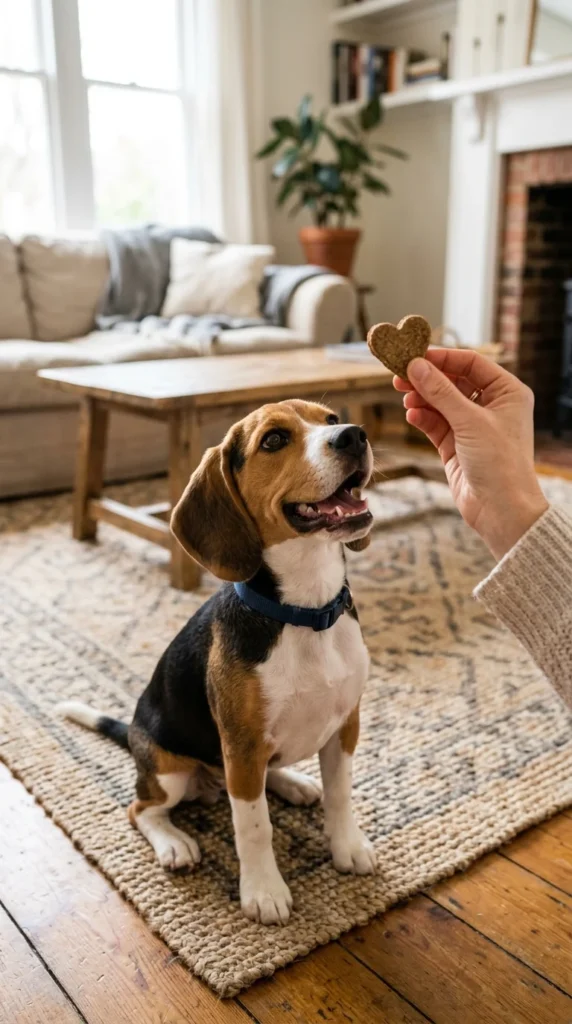
Socialization is not just about exposure; it’s about creating positive associations. Every time your puppy encounters something new—a loud truck, a person in a hat, or a strange floor texture—reward them immediately with high-value treats and enthusiastic praise. This teaches them that “new” equals “good.”
3. Diverse People

Introduce your puppy to as many different types of people as possible. This includes people of different heights, ages, ethnicities, and those wearing “scary” items like sunglasses, hoodies, helmets, or carrying umbrellas. Puppies can sometimes be wary of things that change the human silhouette, so variety is key.
4. Auditory Stimulation
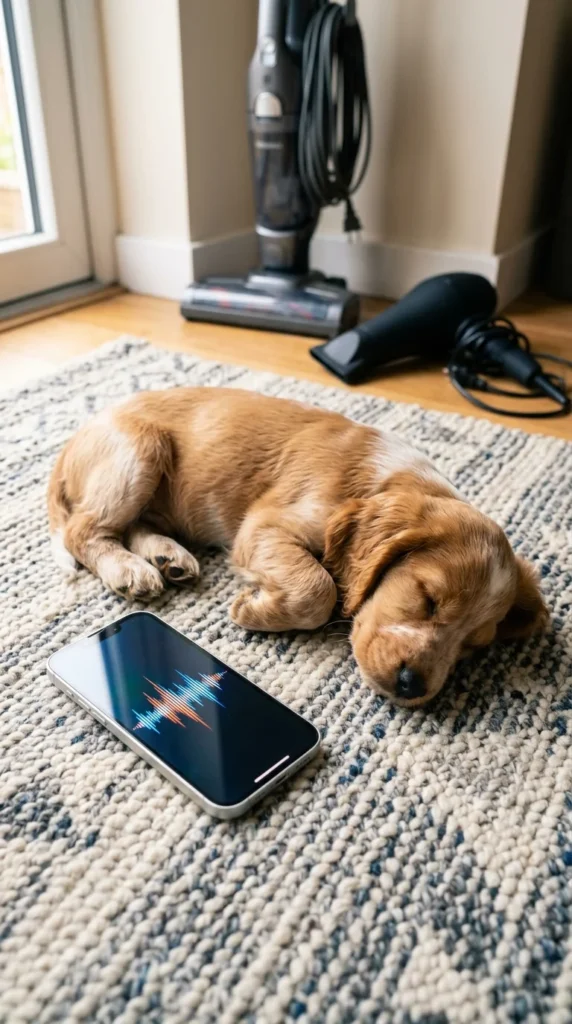
The world is a noisy place. Play recordings of various sounds at a low volume while your puppy eats or plays, gradually increasing the volume over time. Sounds should include thunderstorms, fireworks, crying babies, sirens, and construction noise. This desensitization prevents noise phobias later in life.
5. Handling Prep
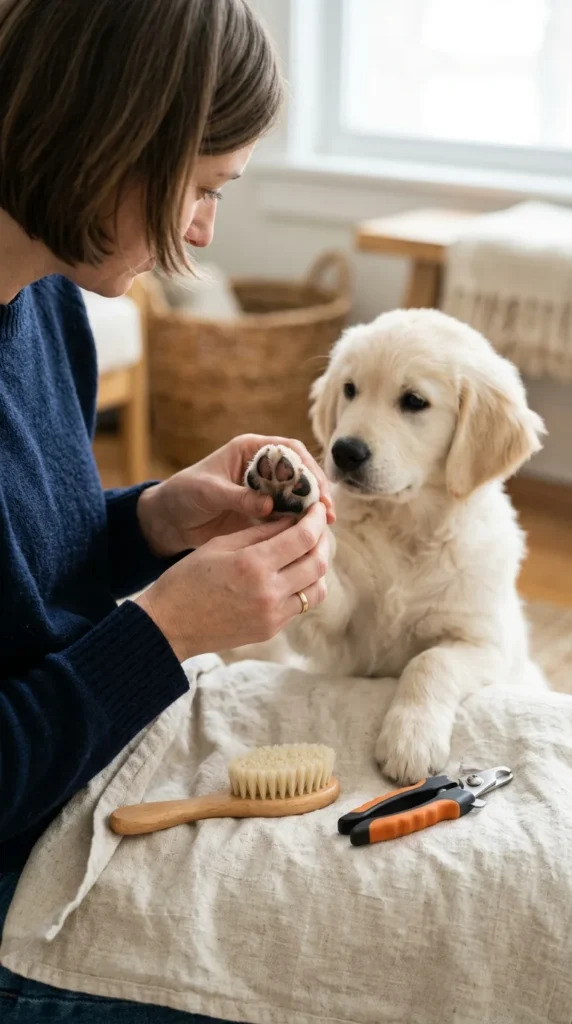
Your vet and groomer will thank you. Regularly touch your puppy’s paws, ears, tail, and mouth. Practice lifting their lip to look at their teeth and gently holding their feet. Make these “handling sessions” relaxing and rewarding so they learn to enjoy being touched by humans.
6. Varied Surfaces
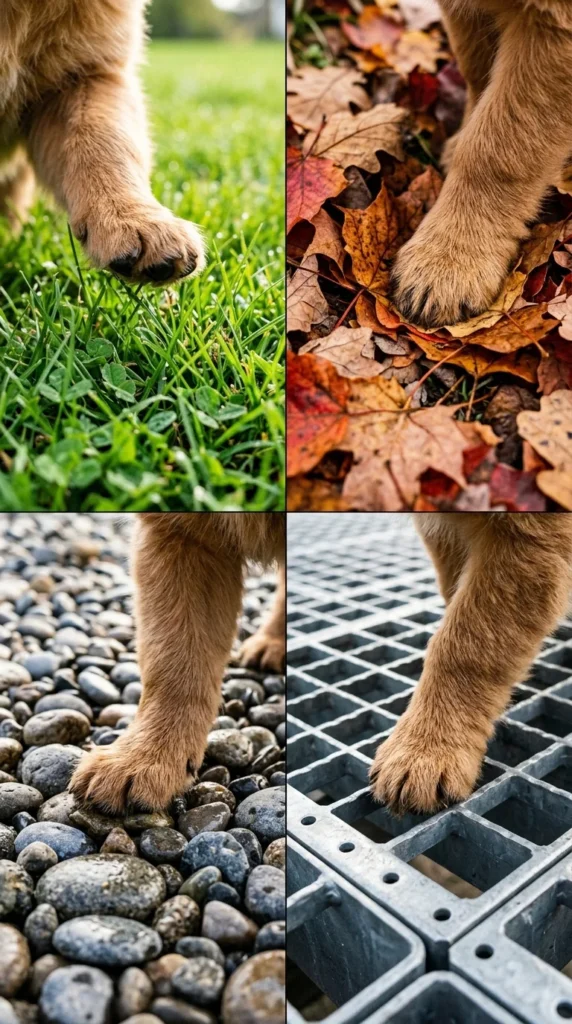
Puppies can develop “surface shyness” if they only ever walk on carpet or grass. Encourage them to walk on gravel, sand, wet pavement, tile, wood, and even crinkly plastic tarps. Navigating different textures builds physical confidence and body awareness.
7. Household Objects
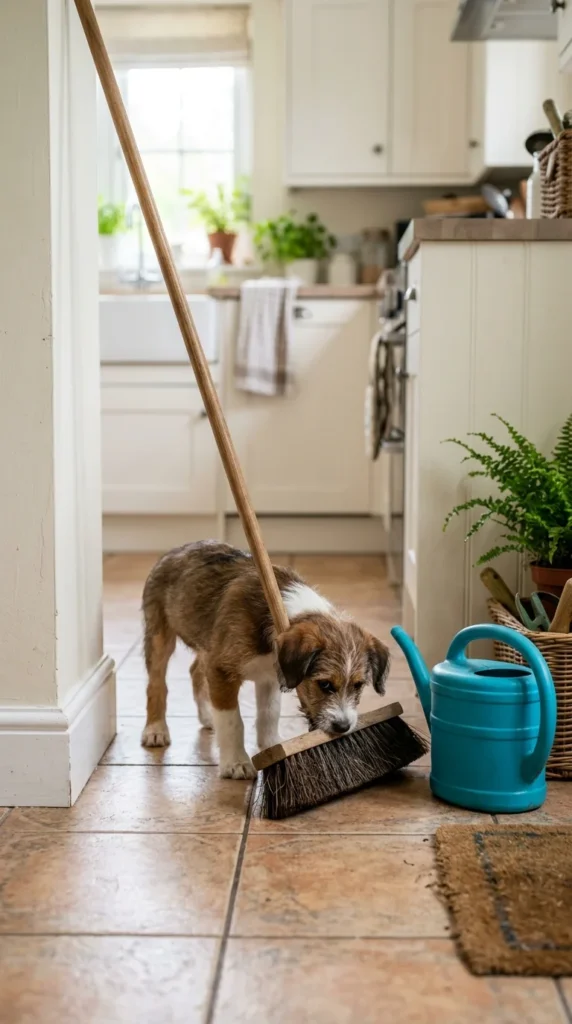
Objects that move or look strange can be intimidating. Introduce your puppy to the vacuum (while it’s off first, then on), the ironing board, bicycles, strollers, and trash cans. Let them sniff these items at their own pace and reward them for showing curiosity rather than fear.
8. Car Rides
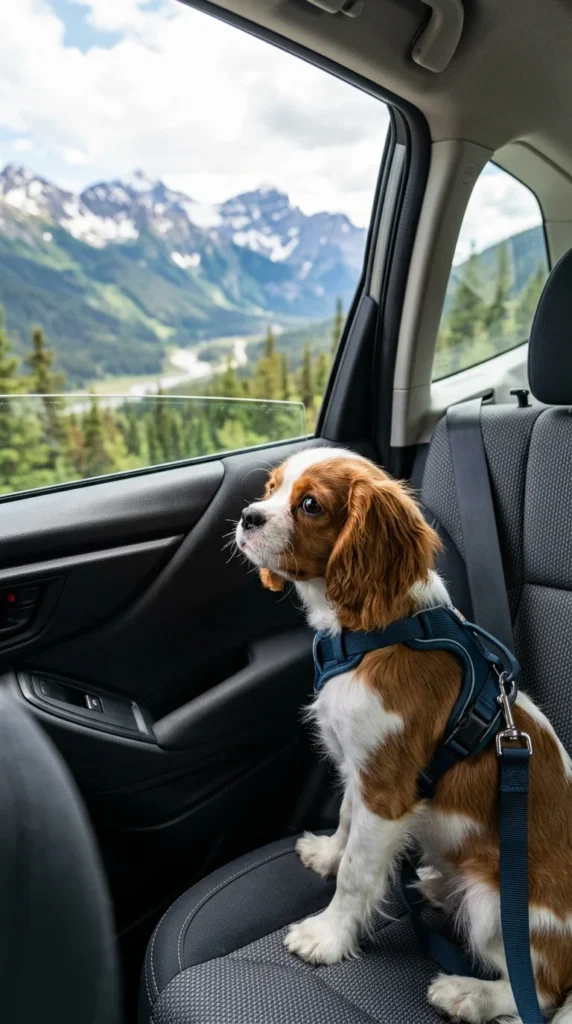
Don’t let the car only mean “trips to the vet.” Take your puppy on short, five-minute drives that end in something fun, like a sniff at a park or a special treat in the driveway. This prevents motion sickness and car-related anxiety.
9. Safe Dogs
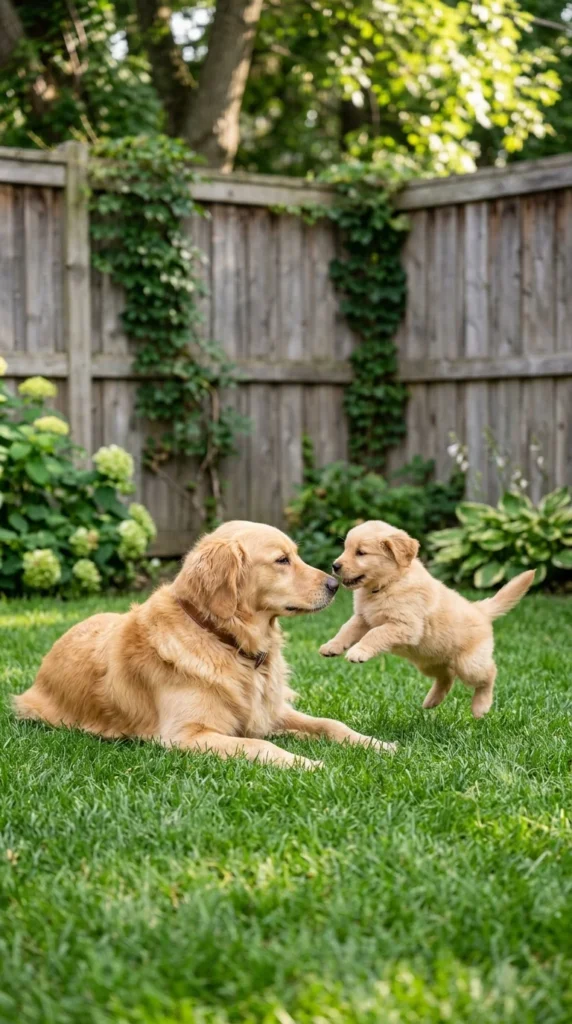
It is vital that your puppy meets other dogs, but they must be “safe” dogs. This means adult dogs that are fully vaccinated and have a history of being gentle with puppies. A negative experience with an aggressive dog during the socialization period can cause lifelong fear-reactivity.
10. Puppy Classes
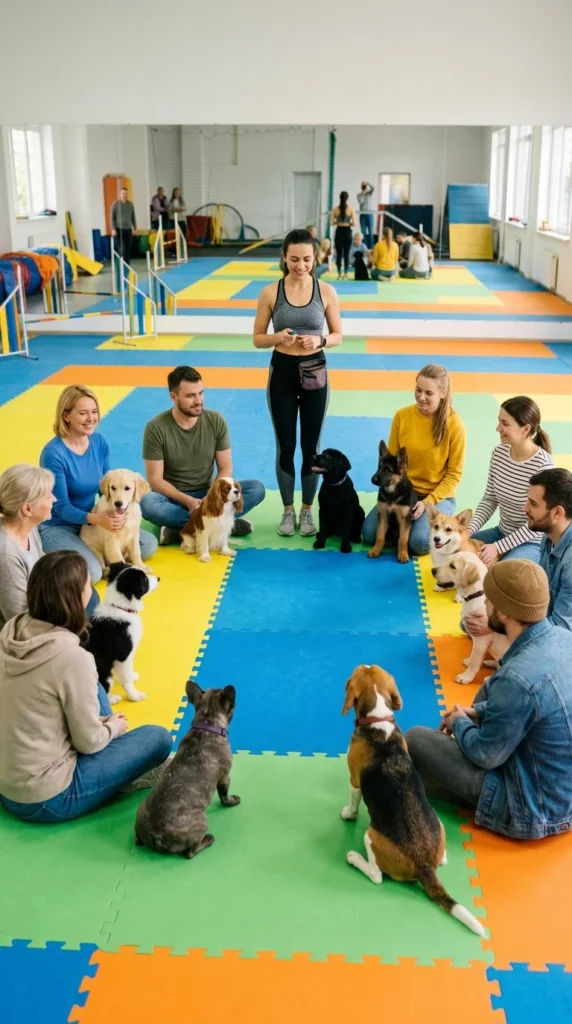
Enrolling in a high-quality puppy socialization class is one of the best investments you can make. These classes provide a controlled environment where puppies can play under the supervision of a professional who can read canine body language and intervene if play gets too rough.
11. Solitude Practice
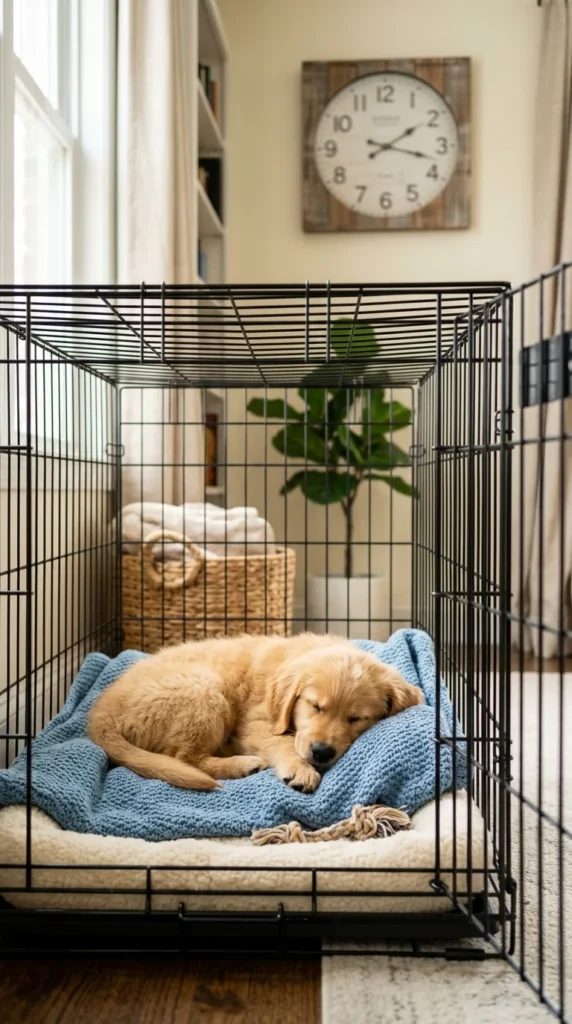
Socialization also includes learning to be alone. Gradually increase the time your puppy spends away from you in a crate or a puppy-proofed room. Providing a long-lasting chew toy helps them associate alone time with relaxation, preventing separation anxiety.
12. City Sights

Even if you live in the suburbs, take your puppy to a busy area. Let them watch traffic from a safe distance, hear the hiss of bus brakes, and see the hustle and bustle of a city street. Keep the sessions short to avoid overwhelming their senses.
13. Veterinary Visits

Ask your vet if you can stop by for “happy visits.” Walk into the lobby, let the staff give the puppy a treat, get weighed on the scale, and leave. This builds a positive association with the clinic so that future visits for shots or exams are stress-free.
14. Body Language
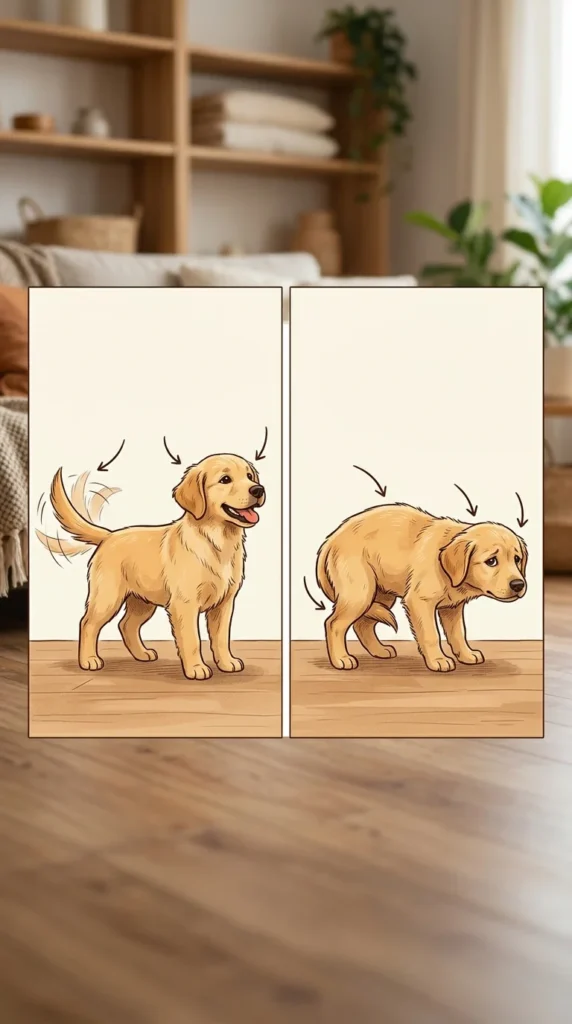
As an owner, you must learn to read your puppy. Look for signs of “stress signals” like lip licking, yawning (when not tired), whites of the eyes showing (whale eye), or pinning ears back. If you see these, the puppy is overwhelmed. Back away from the stimulus and give them space.
15. Children Interaction
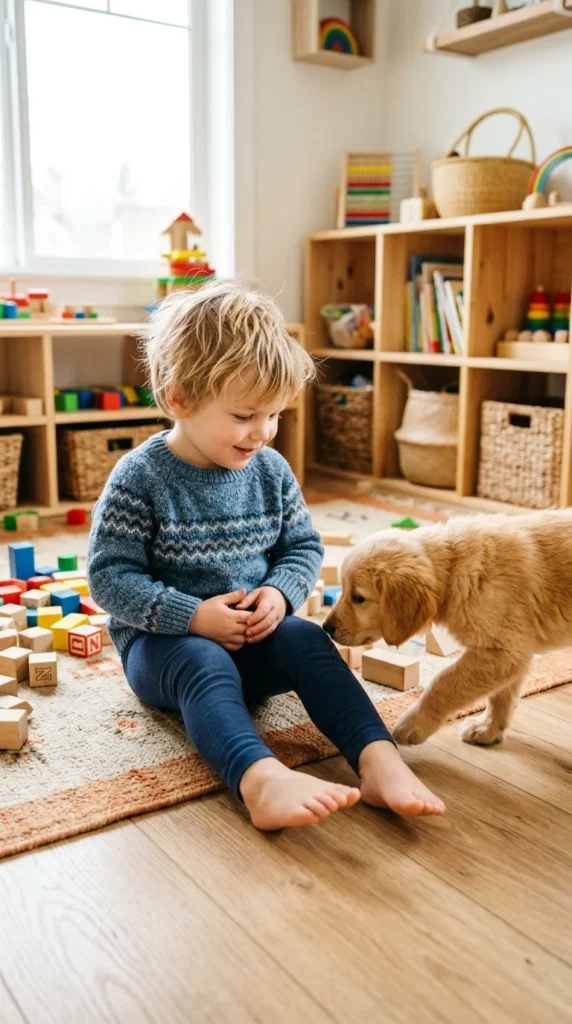
Children move unpredictably and make high-pitched noises, which can be startling. Supervise all interactions closely. Teach children not to hug or kiss the puppy, but rather to let the puppy approach them. Use treats to make the presence of children a wonderful experience.
16. Grooming Tools
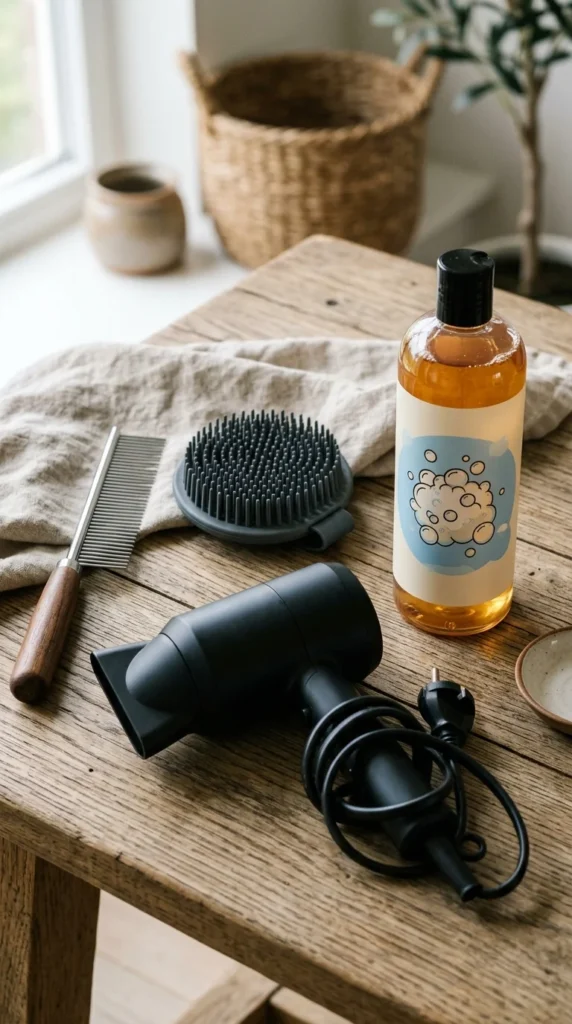
Even if your dog won’t need professional grooming, they will need baths and brushing. Introduce the sound of the hairdryer from a distance and let them sniff the brush. Make the first bath a very shallow, warm, and treat-filled experience.
17. The “Look”
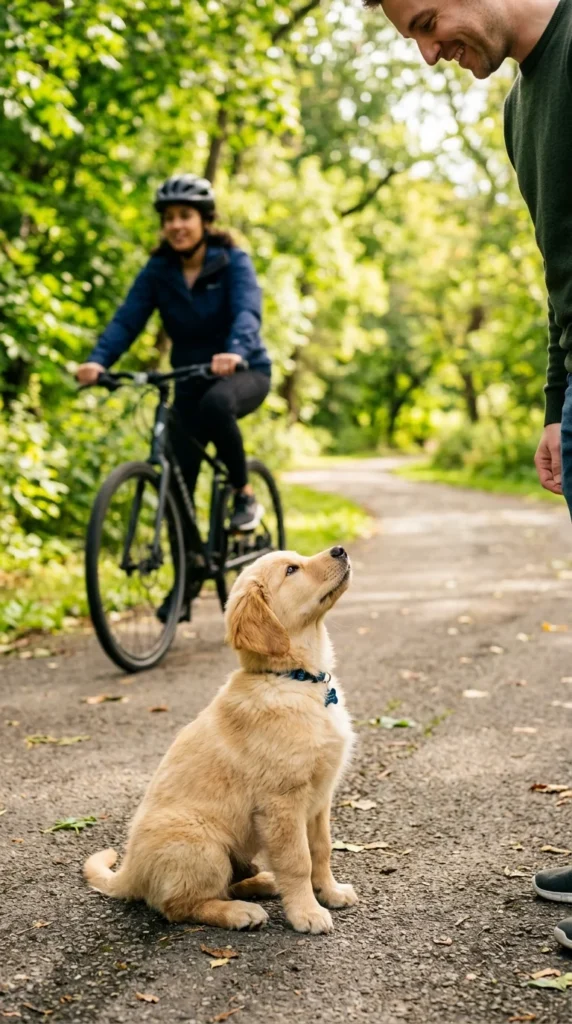
Teach your puppy the “Look at That” game. When they see something potentially scary (like a person on a skateboard), wait for them to look at it, then immediately call their name and reward them when they look back at you. This teaches them to check in with you when they are unsure.
18. Different Weather
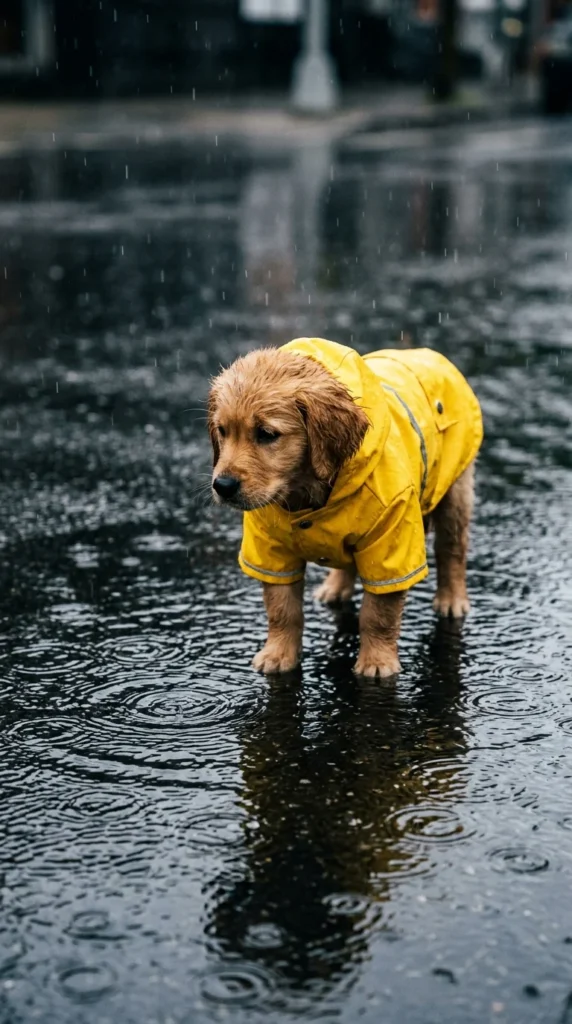
Don’t stay inside just because it’s raining or snowing. Exposure to different weather conditions—the sound of wind, the feeling of rain on their back, or the crunch of snow—is a part of socialization. Just ensure they stay warm and dry off properly afterward.
19. Water Introduction
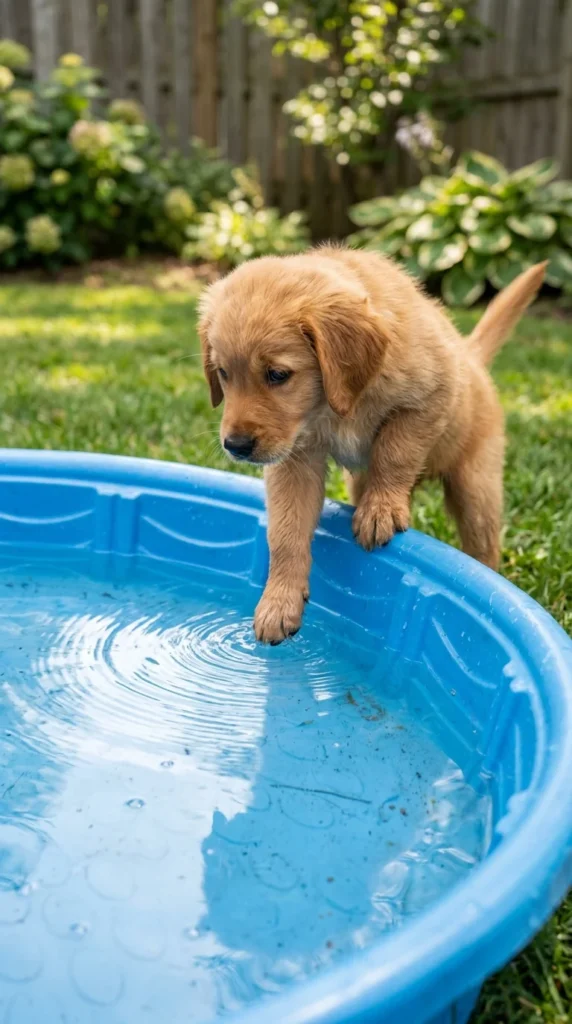
Not all dogs naturally love water. Introduce water gradually. Start with a shallow kiddie pool or a damp towel on the floor. Never throw a puppy into water; let them explore it at their own pace with plenty of encouragement.
20. Crate Sanctuary
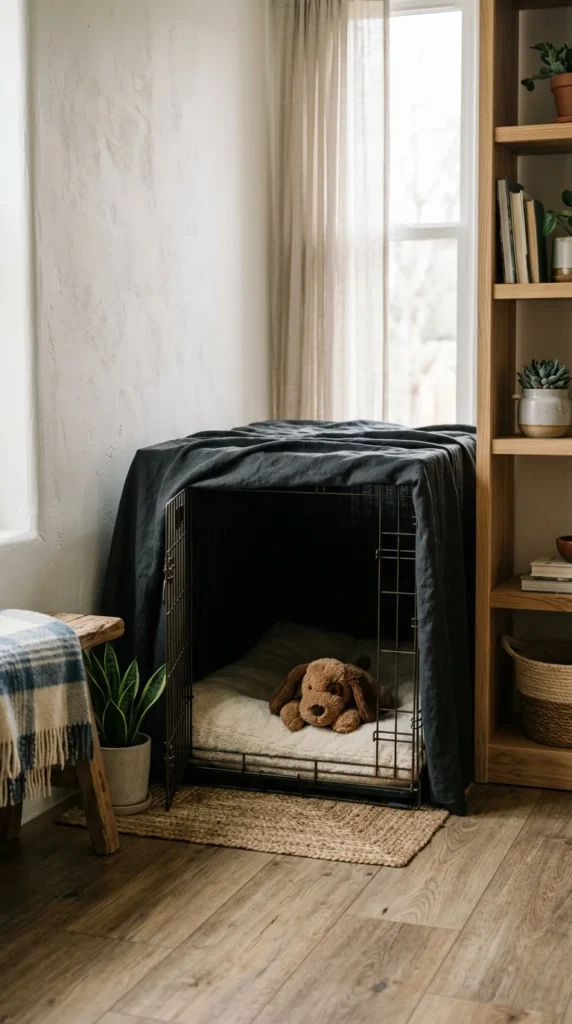
The crate should never be a punishment. It is a tool for socialization that teaches the puppy how to “settle.” A puppy that can relax in a crate can travel more easily, stay at the vet comfortably, and handle staying at a pet sitter’s house without stress.
21. Slow Pace
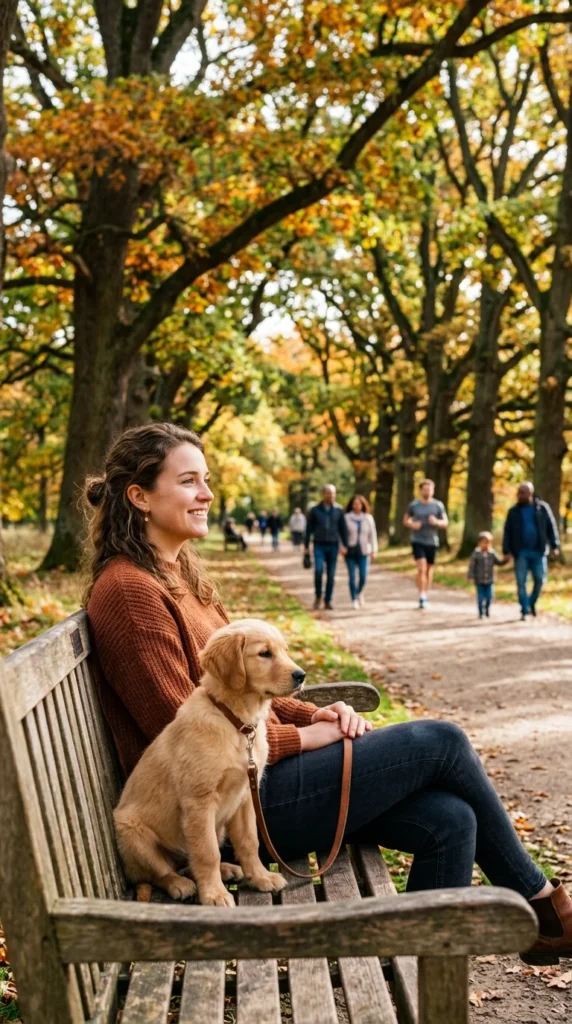
Quality is better than quantity. Flooding—exposing a puppy to too much at once—can cause a “fear shutdown.” If your puppy seems hesitant, move further away from the object of interest. Let them observe from a distance where they feel safe enough to take treats.
22. Consistency
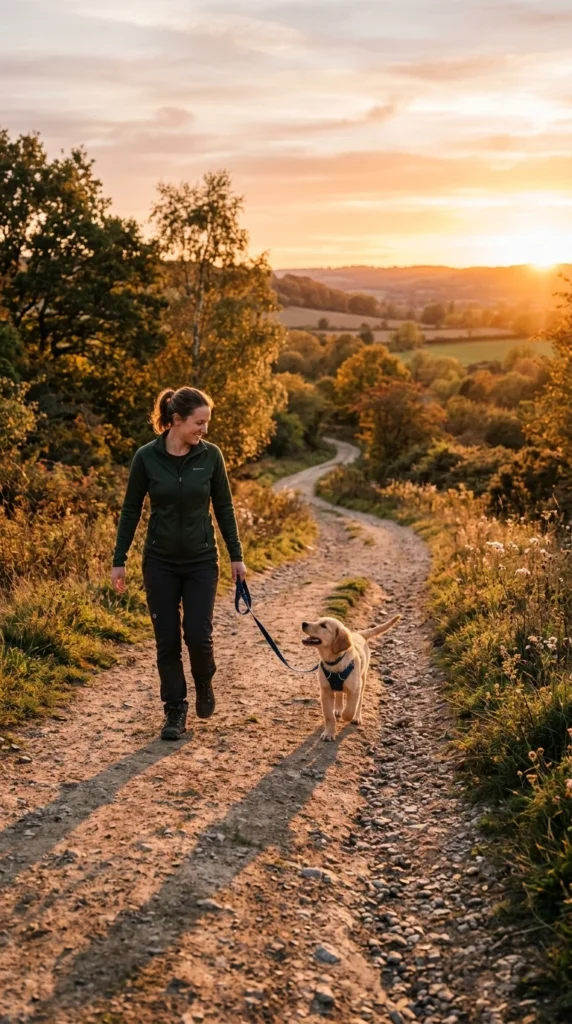
Socialization isn’t a one-time event; it’s a lifestyle for the first several months. Aim for at least one “new” positive experience every day. Consistent, calm exposure will build the foundation for a brave, happy dog that can accompany you on all of life’s adventures.