
Understanding our canine companions is a journey filled with joy, but it often comes with hurdles. Behavioral issues are not a sign of a “bad dog,” but rather a communication gap or an unmet need. Whether you are dealing with a puppy learning the ropes or an adult dog with ingrained habits, most issues can be resolved with patience, consistency, and the right techniques. Here is a comprehensive guide to the 28 most common dog behavior problems and the professional strategies to fix them.
1. Barking

Excessive barking is one of the most common complaints among dog owners. Dogs bark to communicate alert, fear, boredom, or for attention.
The Fix: The first step is identifying the “why.” If it is for attention, you must ignore the dog completely—no looking, speaking, or touching—until they are quiet. For alert barking, acknowledge the stimulus briefly and then redirect their focus to a task, like “go to your bed.” Teaching the “Quiet” command by rewarding silence after a single bark is also highly effective.
2. Chewing
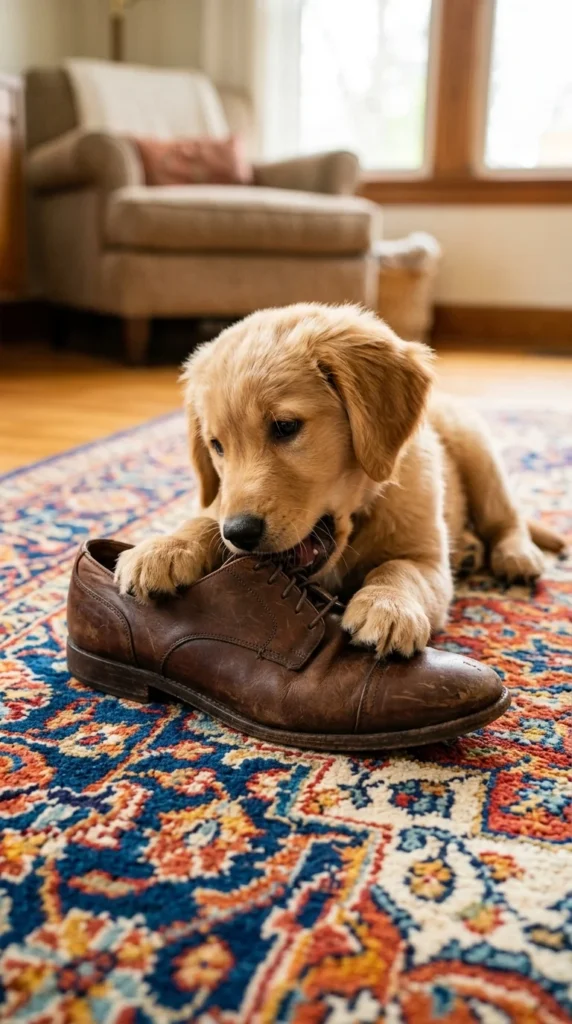
Chewing is natural for puppies (teething) and a way for adults to relieve boredom or anxiety. However, it becomes a problem when your furniture and footwear become the targets.
The Fix: Dog-proof your home to remove temptations. Provide a variety of chew toys with different textures (rubber, nylon, rope). If you catch your dog chewing something inappropriate, interrupt them with a sharp noise, take the item away, and immediately replace it with a legal toy. Praise them when they chew the right thing.
3. Digging
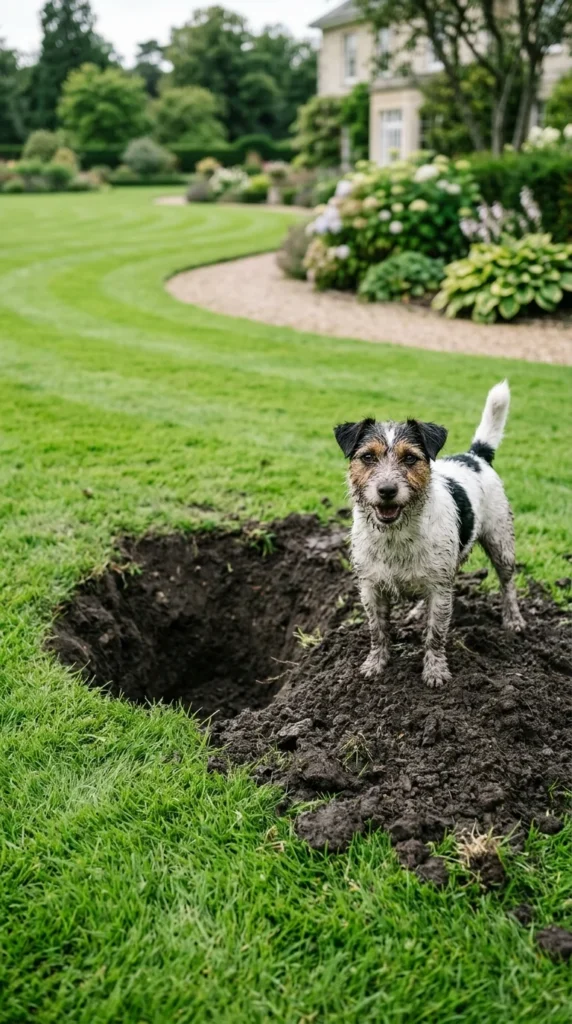
Many dogs dig because of breed instinct (like Terriers), to find a cool spot to lie down, or simply because they are bored and find it fun.
The Fix: If your dog is a “natural” digger, consider giving them a designated digging pit or sandbox where they are allowed to go wild. Hide toys in the sand to encourage them to stay in that spot. If they dig to escape or out of boredom, increase their daily exercise and mental stimulation through puzzle toys.
4. Separation Anxiety

Separation anxiety is a serious condition where a dog experiences panic when left alone, often resulting in vocalization, destruction, and accidents.
The Fix: Start with short “practice” departures—literally seconds at first—and reward your dog for staying calm. Use desensitization by picking up your keys or putting on your coat without actually leaving. Provide a high-value long-lasting treat (like a frozen peanut butter toy) only when you leave to create a positive association with your departure.
5. Inappropriate Soiling

House soiling can be frustrating, especially if the dog was previously trained. This can be caused by medical issues, lack of training, or marking.
The Fix: First, visit a vet to rule out urinary tract infections. If healthy, go back to basics: supervise the dog at all times indoors, take them out on a strict schedule (every 2 hours), and reward them heavily for going outside. Clean indoor accidents with enzymatic cleaners to completely remove the scent, preventing them from returning to the same spot.
6. Begging

Begging is a learned behavior. If a dog gets even one scrap of food from the table, they learn that staring and whimpering pays off.
The Fix: The “no-fail” rule is never to feed your dog from the table or your plate. To manage the behavior, teach a “Place” command where the dog must stay on their bed or in another room while you eat. Giving them their own meal or a puzzle toy at the same time as your dinner can also keep them occupied.
7. Chasing
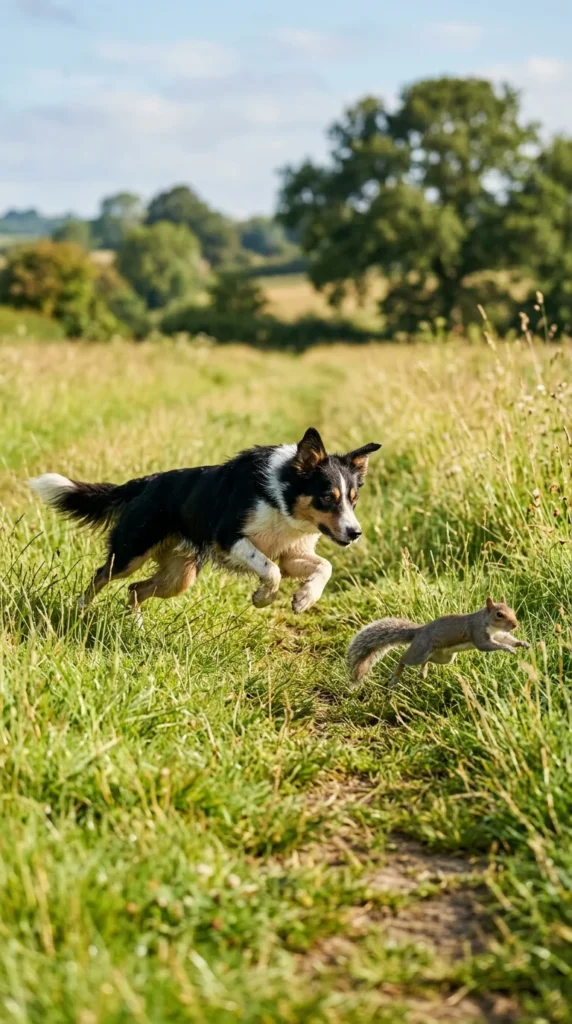
The prey drive is strong in many breeds, leading them to chase squirrels, cats, cars, or even joggers. This can be dangerous for the dog and the community.
The Fix: Work on a “rock-solid” recall (the “Come” command) and a “Stay” command under distraction. Keep your dog on a leash or in a fenced area until their impulse control is mastered. You can use a long training lead to practice “Leave It” when they see something they want to chase.
8. Jumping

Dogs jump up to greet people because they want to be face-to-face. While it’s meant to be friendly, it can be annoying or dangerous for children and the elderly.
The Fix: Never reward the jump with attention, even “negative” attention like pushing them off. Instead, turn your back and walk away the moment their paws leave the floor. Only greet and pet them when all four paws are on the ground. Ask guests to do the same.
9. Biting

Biting is a dog’s most extreme form of communication, usually rooted in fear, defensiveness, or pain. It is a serious issue that requires immediate attention.
The Fix: Consult a professional behaviorist immediately. Do not punish the dog, as this often suppresses the warning (the growl) and leads to bites without warning. Focus on identifying triggers and using counter-conditioning to change the dog’s emotional response to those triggers.
10. Aggression
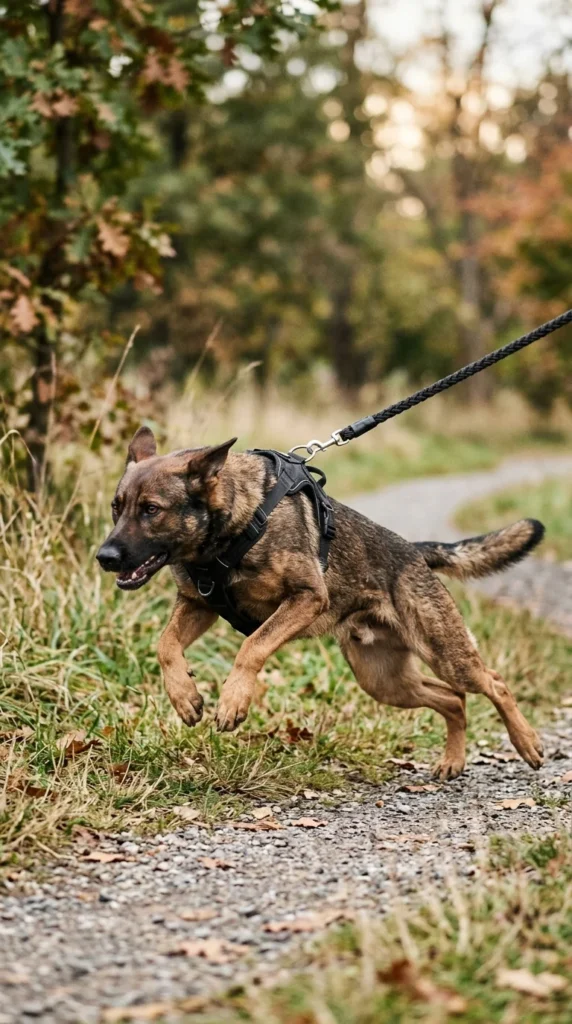
Aggression can be directed at other dogs, strangers, or even family members. It is often a manifestation of stress or territoriality.
The Fix: Safety is the priority. Use a basket muzzle in public if necessary. Work with a trainer to implement “Look at That” (LAT) training, where the dog is rewarded for looking at a trigger and then looking back at the owner without reacting. Avoid “alpha” corrections which can escalate the aggression.
11. Leash Pulling
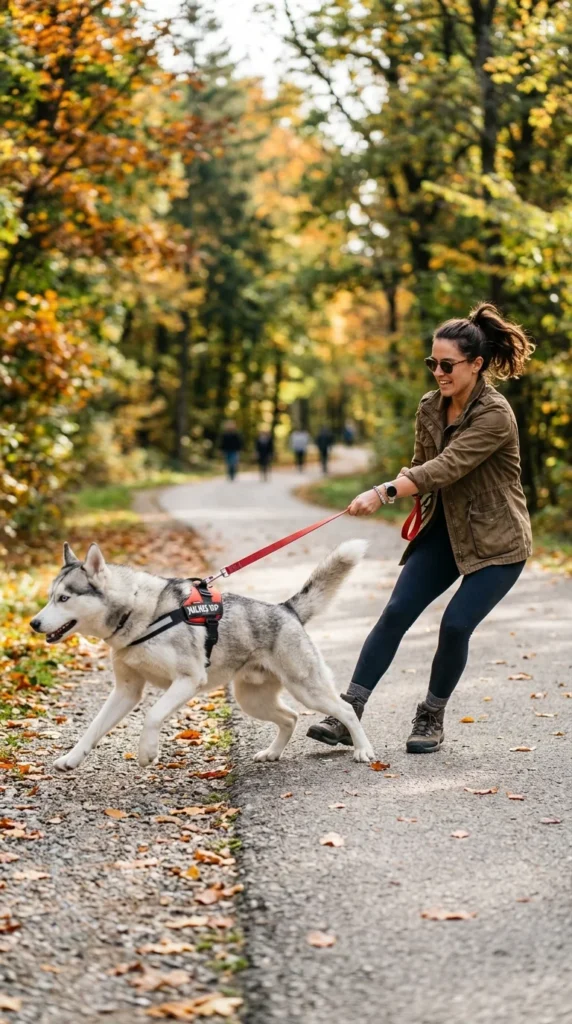
Dogs naturally walk faster than humans and are excited to explore, leading to the dreaded “sled dog” pull that makes walks a chore.
The Fix: Use a “be a tree” method: the moment the leash goes taut, stop walking. Only move forward when the dog turns back to you and the leash slacks. Use a front-clip harness to provide better leverage and reward the dog frequently for walking in the “heel” position by your side.
12. Resource Guarding
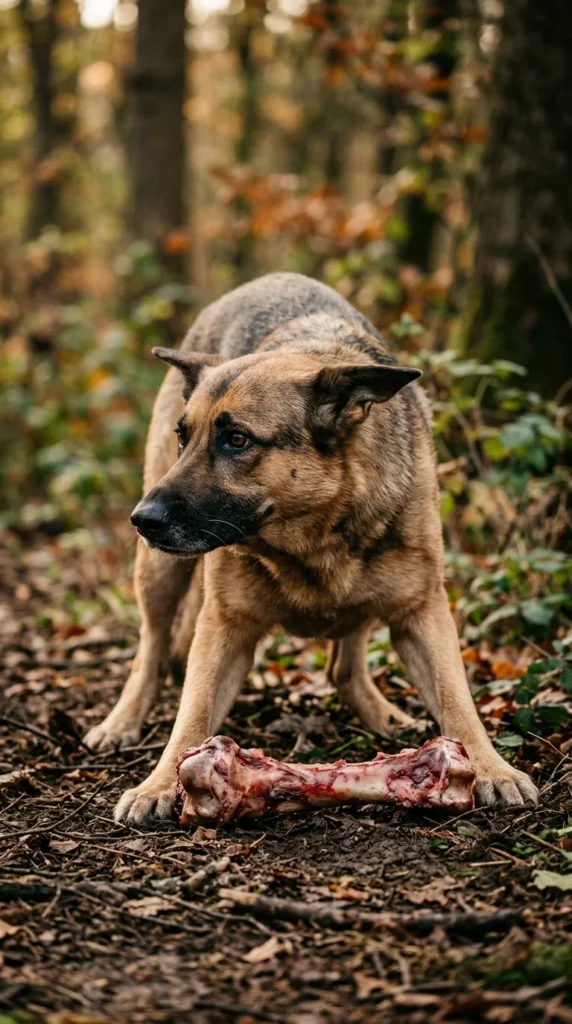
This occurs when a dog becomes protective of food, toys, or even a specific spot on the couch, growling or snapping if someone approaches.
The Fix: Never take something away forcibly, as this confirms the dog’s fear that they will lose their prize. Instead, practice “trading up.” Offer a piece of high-value chicken or cheese in exchange for the item they are holding. Teach them that a human approaching their bowl means something even better is coming.
13. Whining

Whining is often a plea for attention, a sign of anxiety, or an indication that the dog needs to go outside.
The Fix: If you are sure the dog’s basic needs (bathroom, water) are met, ignore the whining completely. Once the dog is quiet—even for a second—provide praise and the attention they were seeking. This teaches them that silence, not whining, is the key to getting what they want.
14. Mounting

Humping or mounting is often not sexual; it is usually a sign of over-excitement, play, or stress.
The Fix: Interrupt the behavior as soon as you see the signs (like pawing or intense sniffing) by redirecting them to a toy or a “Sit” command. If it happens during play with other dogs, give them a “time out” to calm their arousal levels. In some cases, neutering may reduce the frequency, but it is often a habit-based issue.
15. Noise Phobia

Fear of thunder, fireworks, or vacuum cleaners is common. Dogs have sensitive hearing and don’t understand the source of the noise.
The Fix: Create a “safe haven” in a dark, quiet room with white noise. Try a “Thundershirt” (anxiety wrap) which provides calming pressure. For long-term help, use desensitization: play recordings of the noise at a very low volume while feeding treats, slowly increasing the volume over weeks as the dog remains calm.
16. Not Coming When Called

A poor recall is one of the most dangerous behavior problems, as it can lead to a dog running into traffic or getting lost.
The Fix: Never call your dog to you for something “bad” (like a bath or to go home). Use a high-pitched, excited voice and the highest-value treats possible. Practice in a hallway first, then a backyard, and only then in a park on a long training line. Always make coming to you the best part of their day.
17. Eating Poop
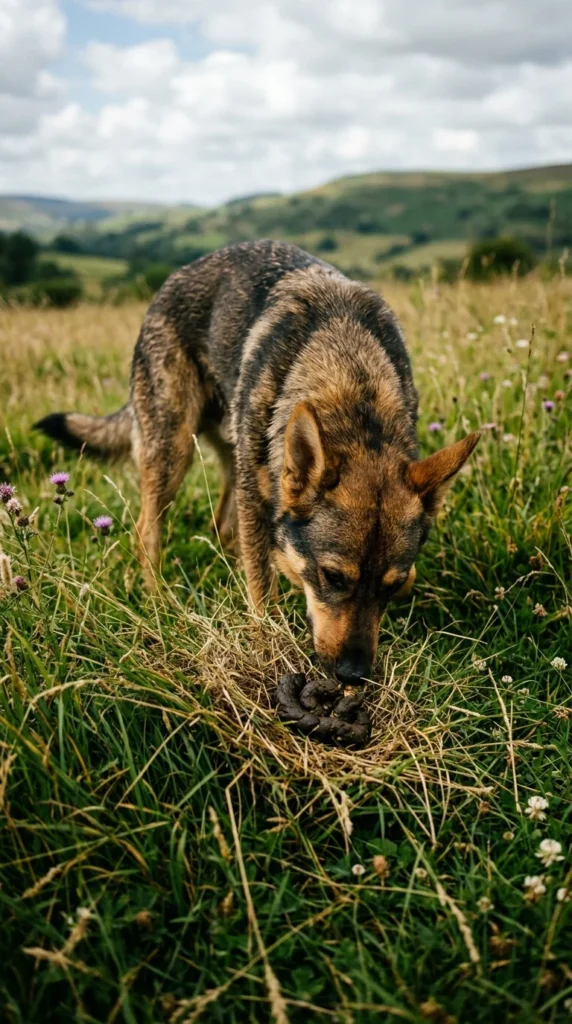
Coprophagia (eating poop) is a gross but common habit. It can be due to nutritional deficiencies, boredom, or simply because the dog “likes the taste.”
The Fix: The most effective method is immediate cleanup. If there is nothing to eat, the habit can’t continue. You can also add “stool deterrent” supplements to their food (which makes the waste taste bad) and work on a strong “Leave It” command.
18. Counter Surfing
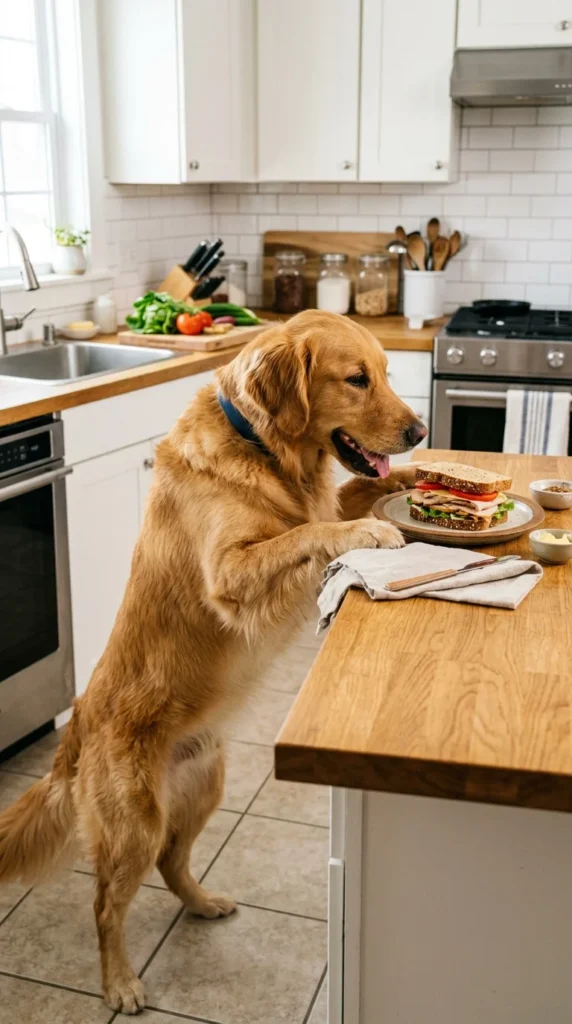
If a dog finds food on the counter once, they will check it a thousand more times. It is a highly self-rewarding behavior.
The Fix: Management is key: keep counters clear of food. When you are in the kitchen, reward your dog for lying on their bed (the “Place” command). You can also use a “scat mat” or double-sided tape on the edge of the counter to make the experience of jumping up unpleasant.
19. Destructive Scratching
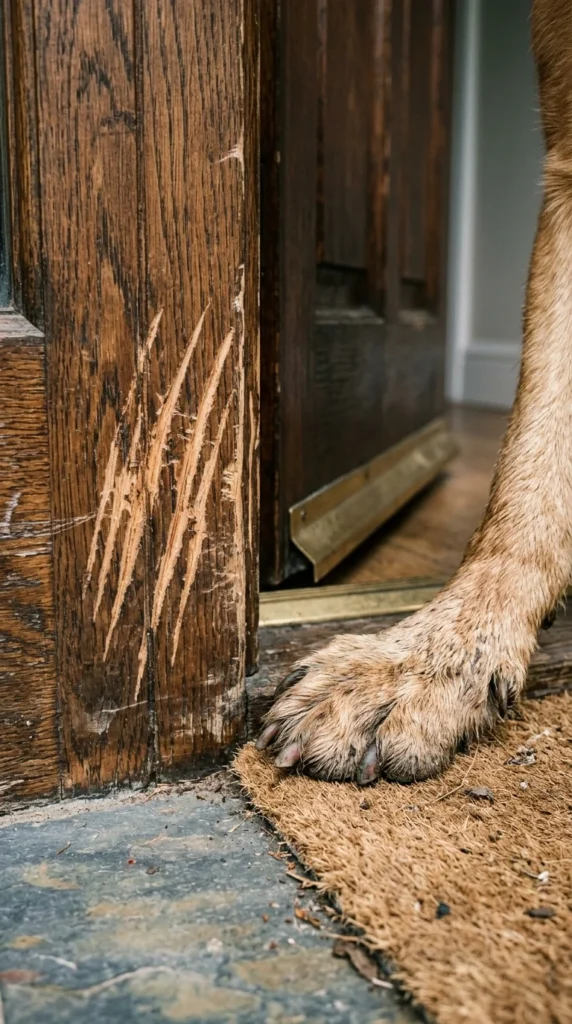
Dogs scratch at doors or floors due to anxiety, a desire to get to something on the other side, or to nest.
The Fix: Identify the motivation. If it’s at the door when you leave, it’s likely separation anxiety. If it’s at the floor, they may need more exercise. Trim their nails regularly to minimize damage and use plastic door guards to protect your home while you work on the underlying emotional cause.
20. Mouthing and Nipping

Puppies use their mouths to explore the world. If they don’t learn “bite inhibition,” they can continue to nip at hands and clothes as adults.
The Fix: When the dog mouths you, make a high-pitched “Ouch!” and immediately stop playing. Remove your hands and turn away for 30 seconds. This teaches the dog that “teeth on skin equals the end of the fun.” Always provide a toy as an alternative.
21. Leash Reactivity
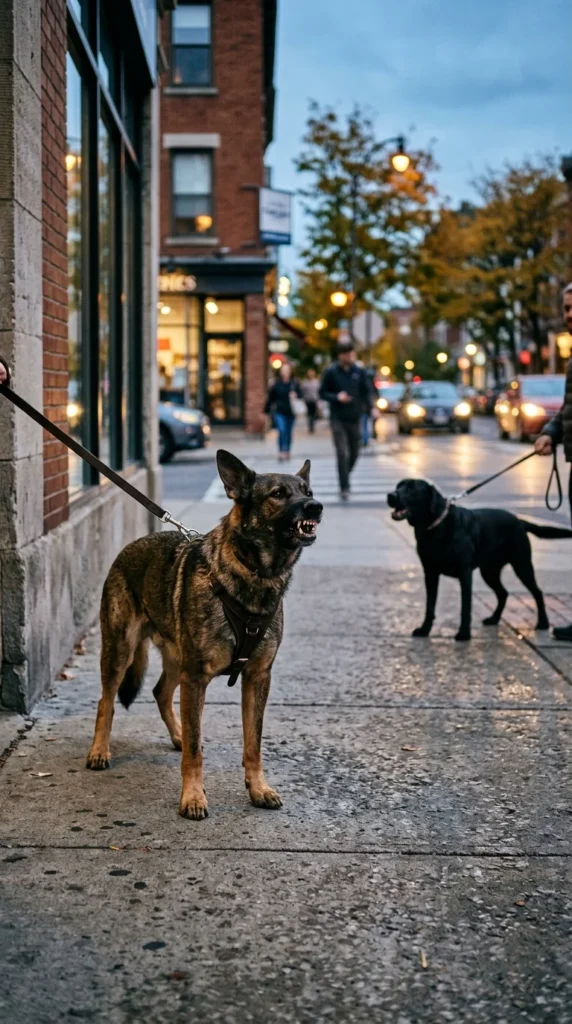
Different from true aggression, reactivity is often “barrier frustration.” The dog wants to greet or get away but is frustrated by the leash.
The Fix: Determine the “threshold” distance—the distance at which your dog sees the trigger but hasn’t reacted yet. Feed high-value treats as long as they look at the trigger without barking. Slowly decrease the distance over many sessions. If they react, you are too close; move back.
22. Food Aggression

This is a specific type of resource guarding centered around the mealtime ritual.
The Fix: Stop free-feeding and move to scheduled meals. Hand-feed your dog their kibble so they associate your hand with the arrival of food, not its removal. Toss “bonus” treats (like chicken) into their bowl from a distance while they are eating so they welcome your approach.
23. Escaping
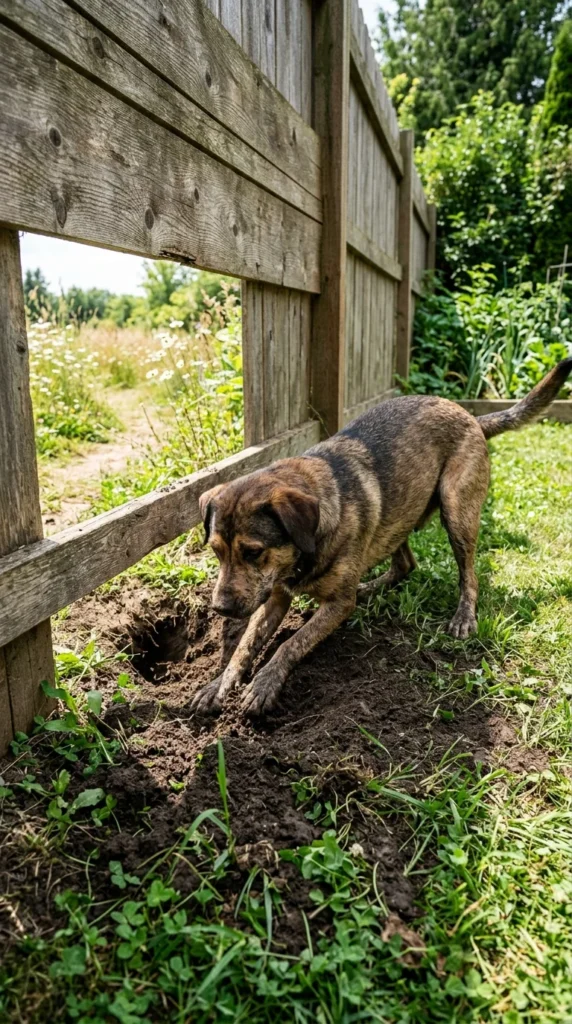
Escaping is usually driven by the search for a mate (if not neutered), boredom, or a high prey drive.
The Fix: Ensure your fence is secure (burying chicken wire at the base can stop diggers). Most importantly, make the yard less boring. Don’t leave your dog alone in the yard for hours. Spend that time engaging in play or training so the yard becomes a place of interaction rather than a prison to escape.
24. Submissive Urination

This is not a potty training issue; it is a physical response to feeling intimidated or overly excited. It’s common in puppies and rescued dogs.
The Fix: Keep greetings very low-key. Don’t lean over the dog, make direct eye contact, or use a booming voice. Instead, squat down, look slightly away, and pet them under the chin rather than on top of the head. As their confidence grows, the behavior usually disappears.
25. Territoriality

Dogs are naturally protective of their “den,” but excessive barking at every passerby can create a high-stress environment.
The Fix: Manage the environment by using window film (to blur the view) or closing the blinds. When the dog barks at the mailman, call them away to a different room and reward them for coming. This changes their job from “guarding the window” to “checking in with the owner.”
26. Hyperactivity
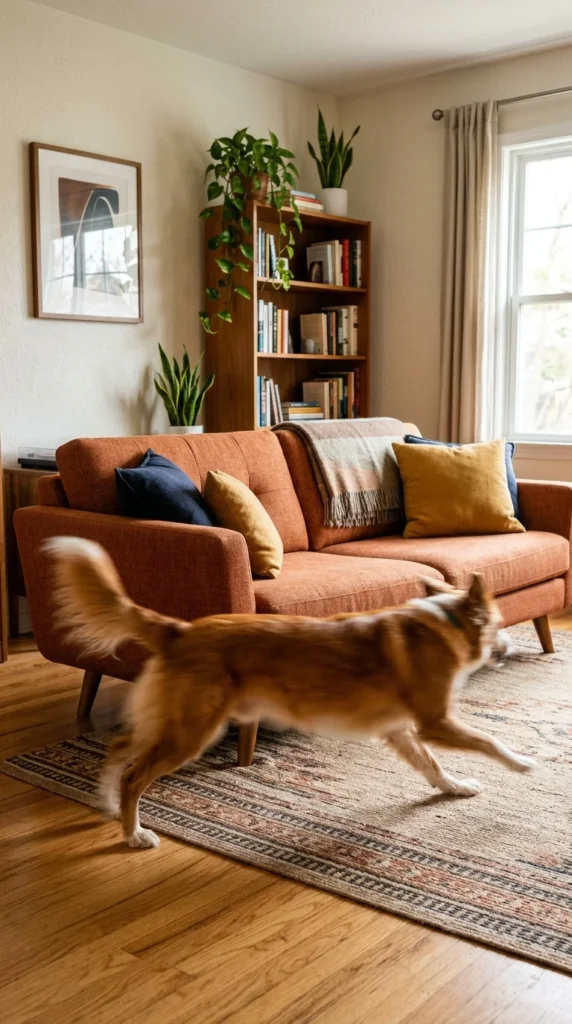
“The Zoomies” are normal, but constant hyperactivity usually means the dog’s physical or mental needs are not being met.
The Fix: Physical exercise is important, but mental exercise is often more tiring. Use snuffle mats, lick mats, and trick training sessions. Teach a “Settle” command where the dog is rewarded for simply lying down and doing nothing.
27. Fear of Strangers
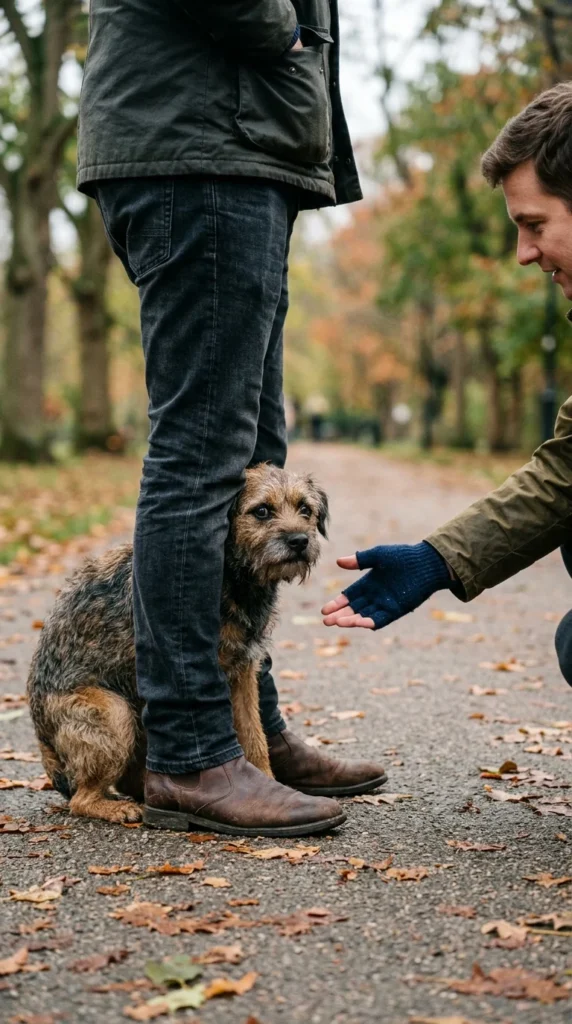
This often stems from a lack of socialization during the critical puppy window (8-16 weeks) or a traumatic past experience.
The Fix: Never force the dog to interact. Tell strangers not to pet or look at the dog. Allow the dog to approach the stranger at their own pace. Use the “treat and retreat” method: have the stranger toss a treat behind the dog, so the dog moves away to get the reward, reducing the pressure of the interaction.
28. Pacing and Compulsive Behaviors
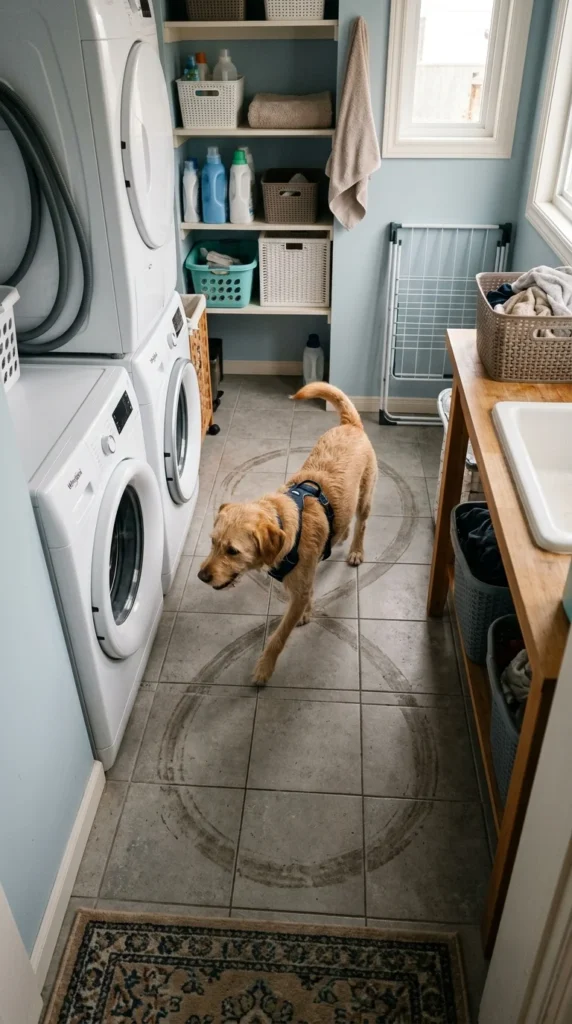
Repetitive pacing, tail chasing, or flank sucking can be signs of extreme stress, neurological issues, or a compulsive disorder.
The Fix: First, see a veterinarian to rule out medical causes or pain. If behavioral, these often require a combination of environmental enrichment, stress reduction, and sometimes medication prescribed by a veterinary behaviorist. Break the cycle of the behavior by gently redirecting the dog to a different, engaging activity.