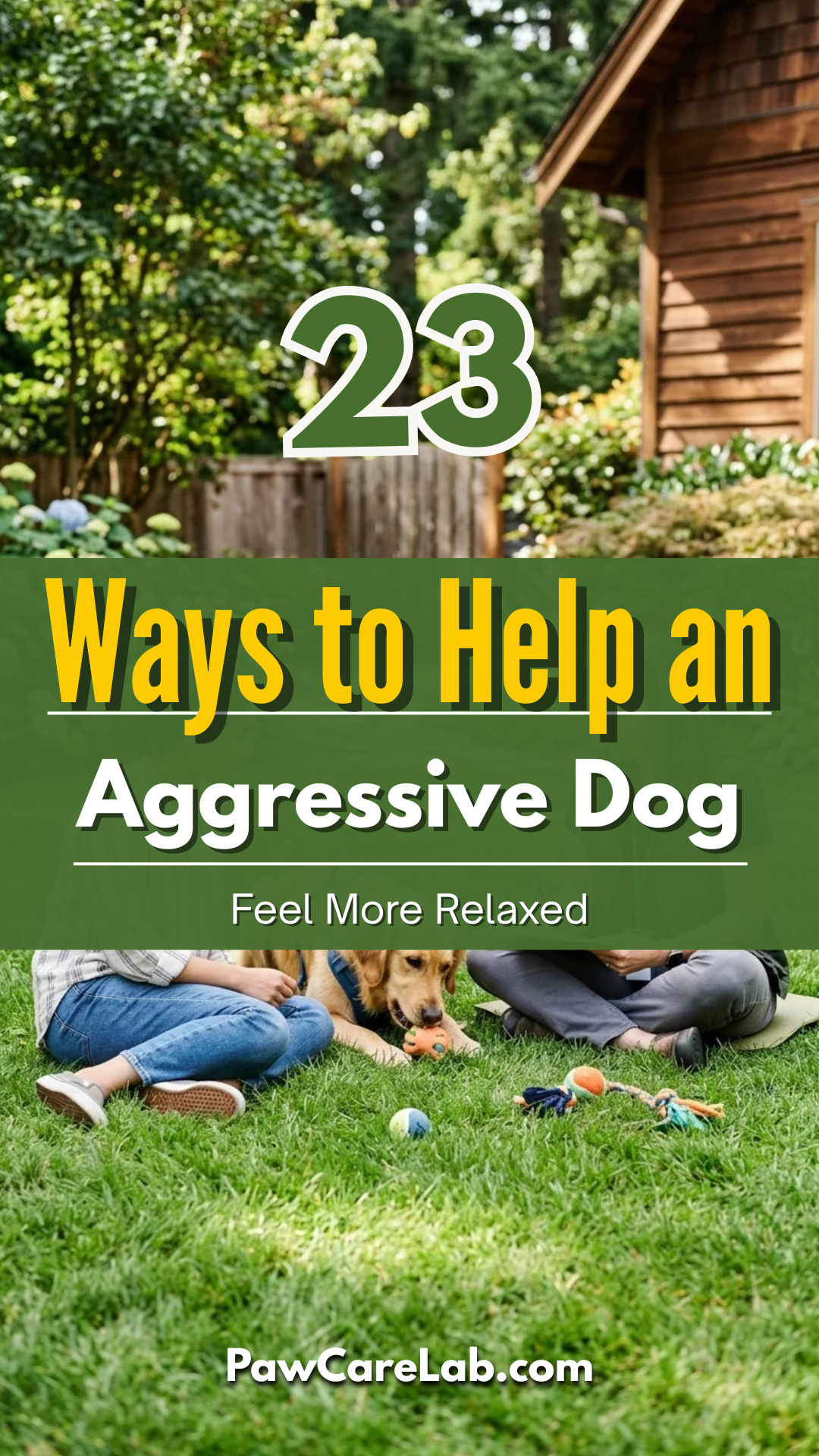
Living with a dog that exhibits aggressive tendencies can be an emotionally taxing and stressful experience for any pet owner. Whether the aggression stems from fear, territoriality, or past trauma, the underlying cause is almost always a lack of safety and comfort. An aggressive dog is often a dog that is constantly “on guard,” unable to settle because they perceive the world as a series of threats. To help an aggressive dog relax, we must shift our focus from “fixing” the behavior to addressing the emotional state behind it. By implementing a multi-faceted approach that emphasizes safety, predictable routines, and positive associations, you can help your canine companion find the peace they deserve.
1. Veterinary Checkup
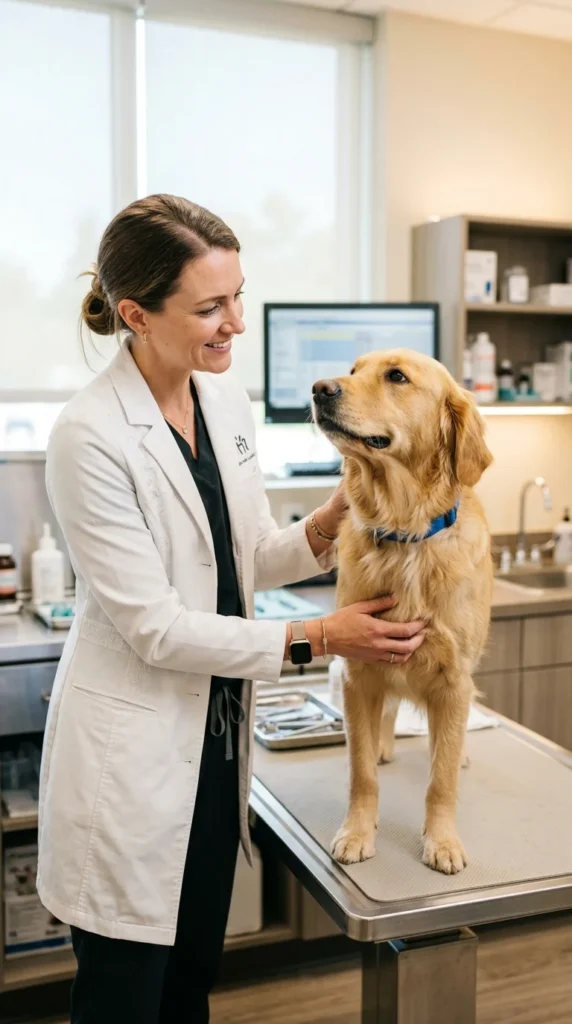
The first and most crucial step in managing aggression is a thorough medical evaluation. Many dogs lash out because they are in physical pain or suffering from an undiagnosed medical condition. Arthritis, dental issues, thyroid imbalances, and neurological problems can all lower a dog’s threshold for tolerance, causing them to react aggressively to touch or proximity. A veterinarian can run blood work and perform a physical exam to rule out biological causes. If the aggression is rooted in pain, treating the medical issue often results in a significant reduction in aggressive outbursts.
2. Trigger Identification
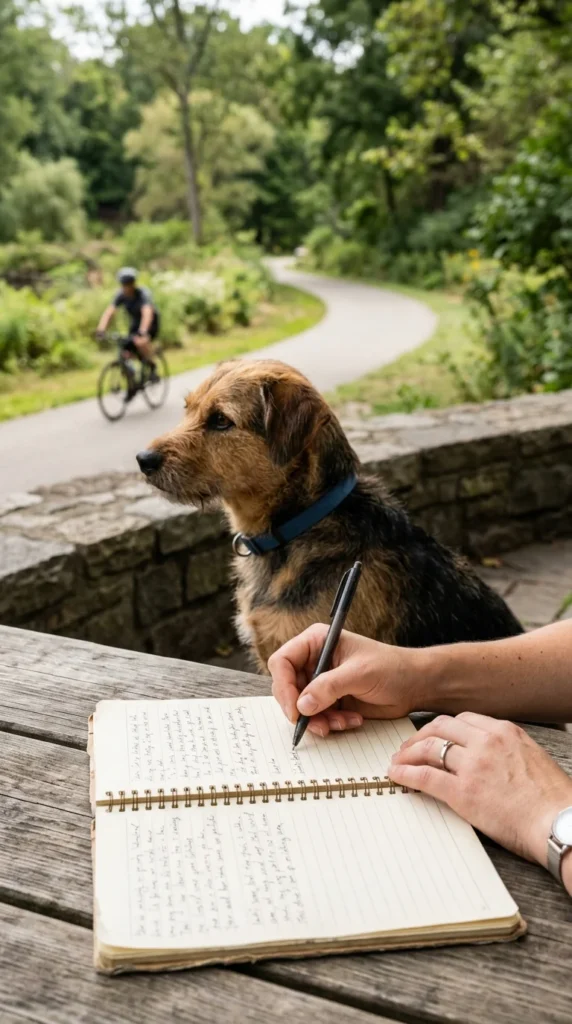
You cannot help a dog relax if you don’t know what makes them tense. Keeping a detailed “aggression log” is essential. Note the time of day, the specific environment, and exactly what happened right before the reaction. Was it a passing car? A tall man with a hat? The sound of a doorbell? Once you identify these specific triggers, you can manage the environment to prevent your dog from being overwhelmed while you work on long-term training. Avoiding triggers in the short term prevents the dog’s stress levels (cortisol) from spiking.
3. Safe Space
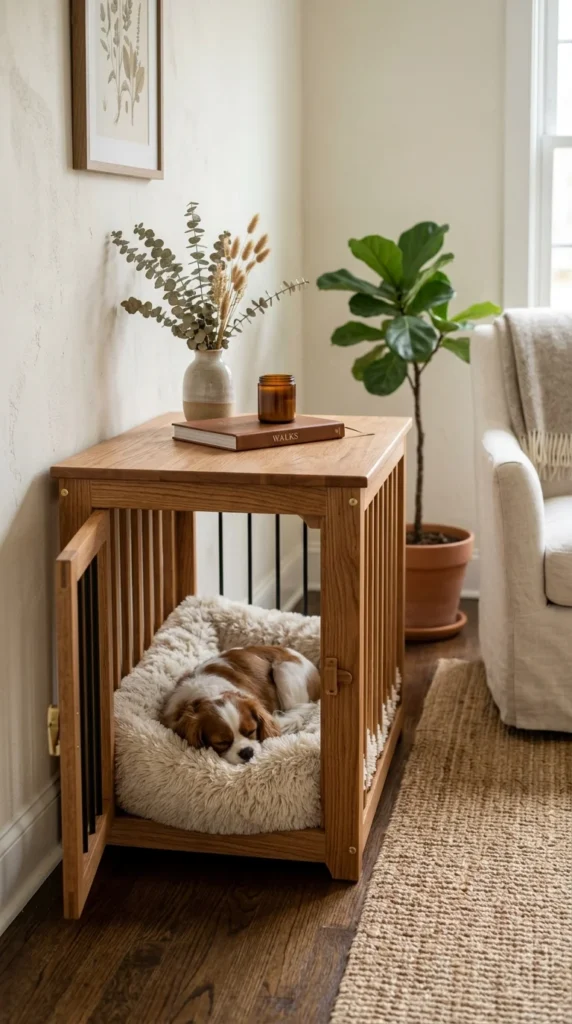
Every dog needs a sanctuary—a place where they know they will never be bothered by humans or other animals. This could be a specific room, a crate with a cover, or a cozy corner behind a sofa. For an aggressive dog, having a designated “safe zone” allows them to self-regulate. When they feel overwhelmed, they can retreat to this area. It is vital that everyone in the household respects this space: if the dog is in their safe zone, they are strictly “off-limits” for petting or interaction.
4. Positive Reinforcement
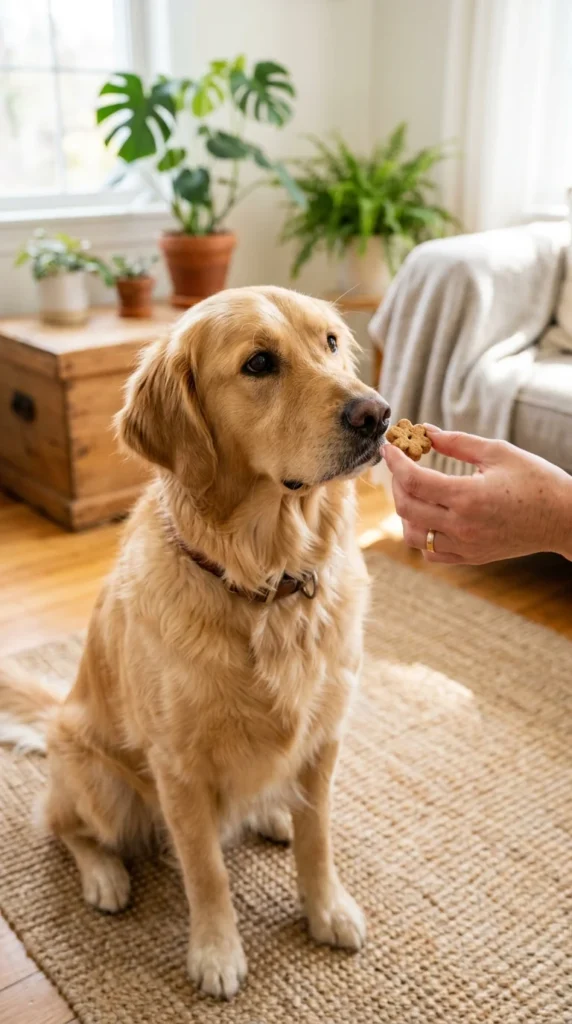
Aggression should never be met with aggression. Instead, focus on rewarding the behaviors you want to see. Positive reinforcement involves using treats, praise, or play to reward a dog for remaining calm in the presence of a trigger. By consistently rewarding “quiet” or “relaxed” behavior, you teach the dog that staying calm is more beneficial than reacting. This builds a foundation of trust and changes the dog’s internal dialogue from “I must defend myself” to “I am safe and rewarded.”
5. Consistent Routine
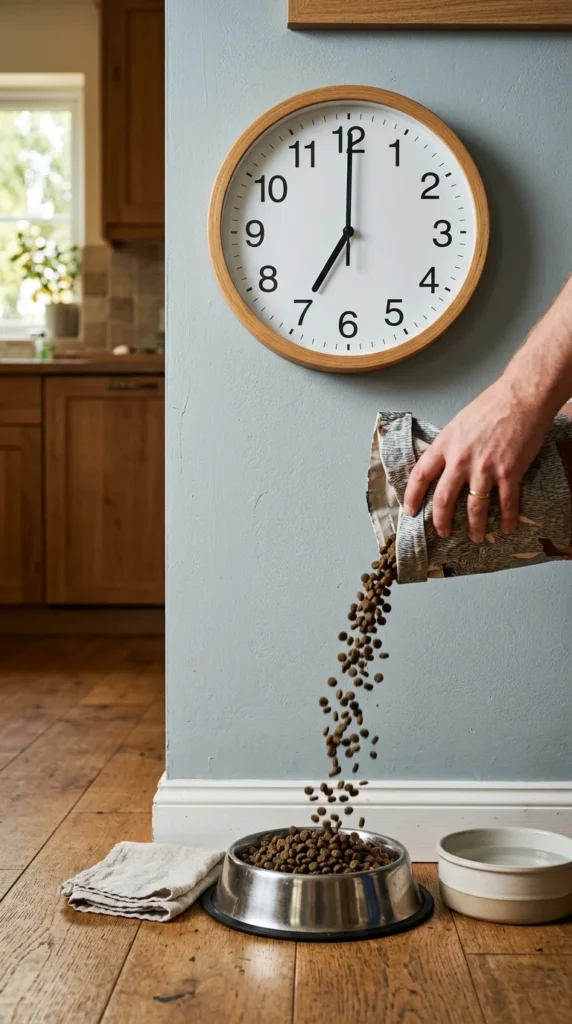
Anxiety often stems from the unpredictable. For an aggressive dog, not knowing when they will eat, walk, or be left alone can heighten their stress levels. Establishing a rock-solid daily routine provides a sense of security. When a dog knows exactly what to expect from their day, their overall cortisol levels drop. Try to feed, walk, and engage in play at the same times every day. This predictability allows the dog to let their guard down because their world feels stable and controlled.
6. Mental Stimulation
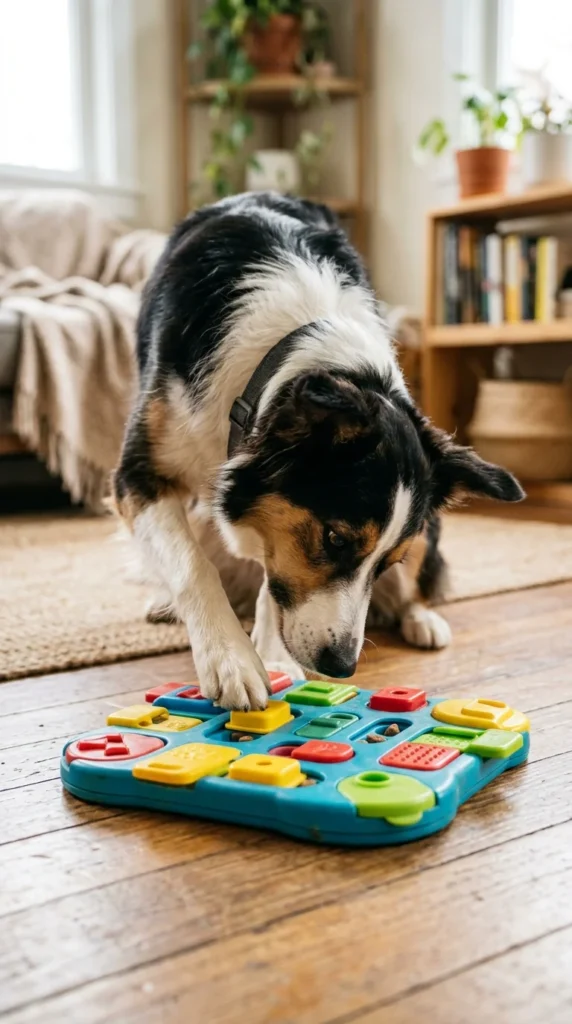
A bored dog is often a reactive dog. Aggression can sometimes be exacerbated by pent-up mental energy. Providing mental stimulation through puzzle toys, snuffle mats, and obedience training engages the dog’s brain, which can be just as exhausting as physical exercise. Activities like “find the treat” hidden around the house encourage the dog to use their nose, which is a naturally calming activity for canines. When the brain is busy, there is less room for hyper-vigilance.
7. Physical Exercise
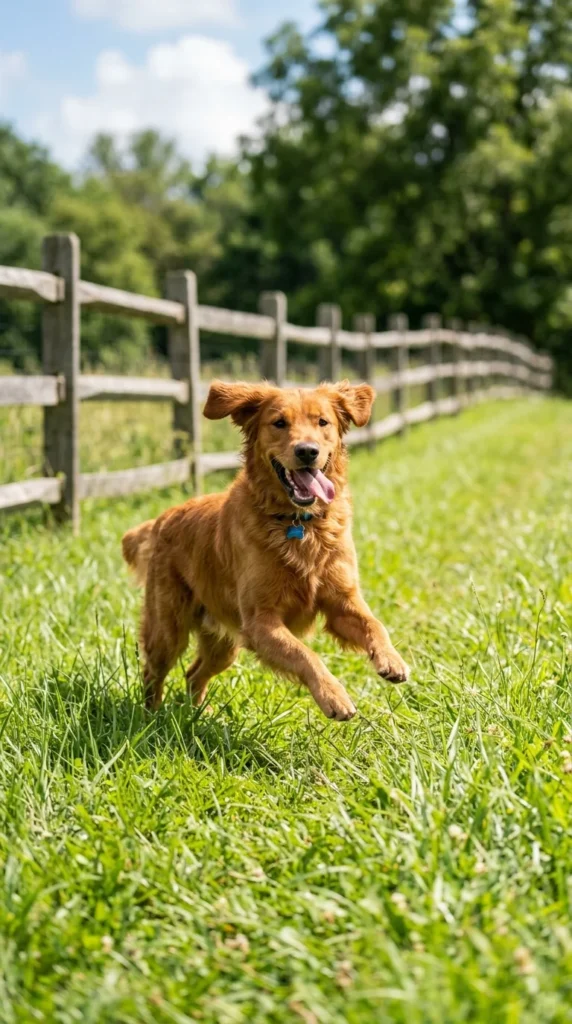
While mental stimulation is key, physical exercise remains a cornerstone of canine health. However, for an aggressive dog, exercise needs to be managed carefully. High-intensity fetch games can sometimes over-arouse a dog, leading to more reactivity. Instead, focus on long, “decompression walks” in quiet areas where the dog can sniff and explore at their own pace. Burning off physical energy helps reduce the buildup of frustration and helps the dog sleep more soundly, leading to a more relaxed baseline.
8. Muzzle Training
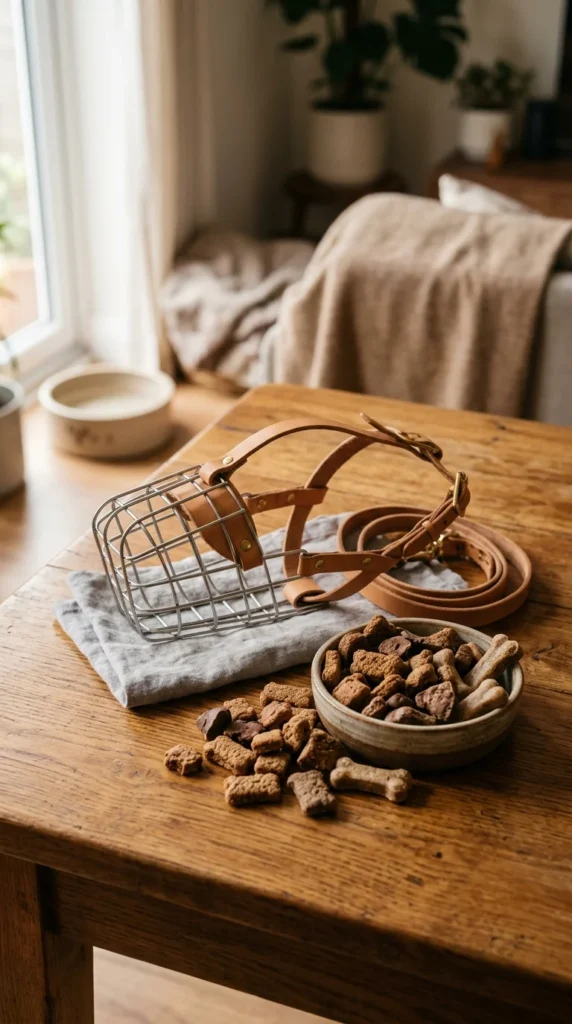
A muzzle is not a sign of a “bad” dog; it is a tool for safety and peace of mind. Many owners feel more relaxed when their dog is muzzled in public, and dogs often pick up on their owner’s lowered stress levels. Using a basket muzzle allows the dog to pant, drink water, and take treats. By introducing the muzzle slowly with lots of treats, the dog can learn to associate it with positive experiences. When the human isn’t worried about a bite, they project a calmer energy that the dog can mirror.
9. Calming Supplements

In some cases, natural supplements can help take the edge off a dog’s anxiety. Ingredients like L-theanine, melatonin, valerian root, and CBD (where legal and vet-approved) can promote a sense of well-being. These aren’t “sedatives” that will knock the dog out; rather, they help balance the brain chemistry that keeps a dog in a state of “fight or flight.” Always consult with a veterinarian before starting any supplement regimen to ensure it doesn’t interfere with other medications.
10. Pheromone Diffusers
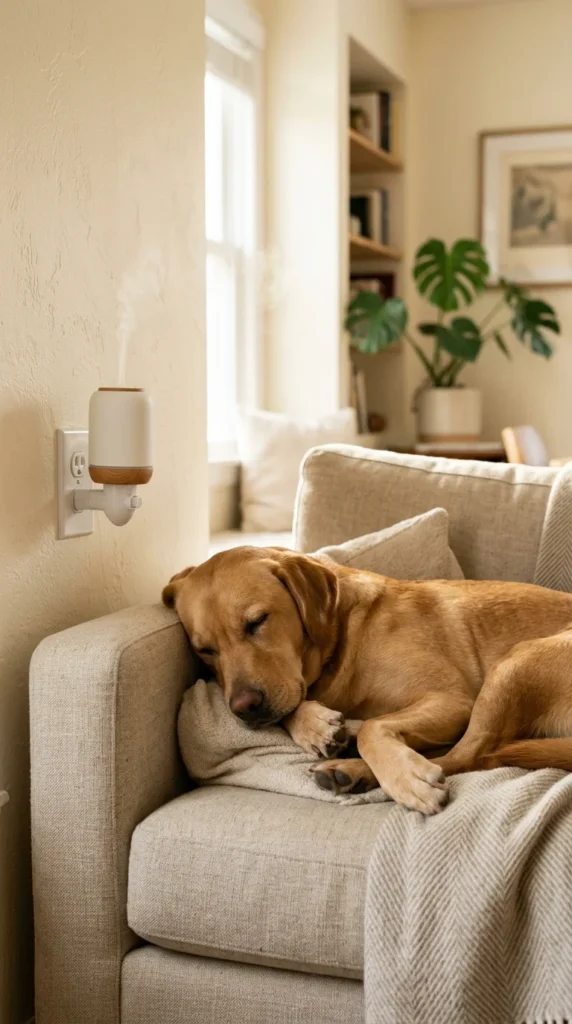
Synthetic pheromones, such as those found in Adaptil, mimic the calming pheromones produced by a mother dog to soothe her puppies. These scents are undetectable to humans but can have a profound relaxing effect on adult dogs. Placing diffusers in the rooms where the dog spends the most time can create an ambient sense of safety. While it’s not a “cure” for aggression, it serves as an excellent environmental support tool to lower the dog’s overall stress ceiling.
11. Music Therapy
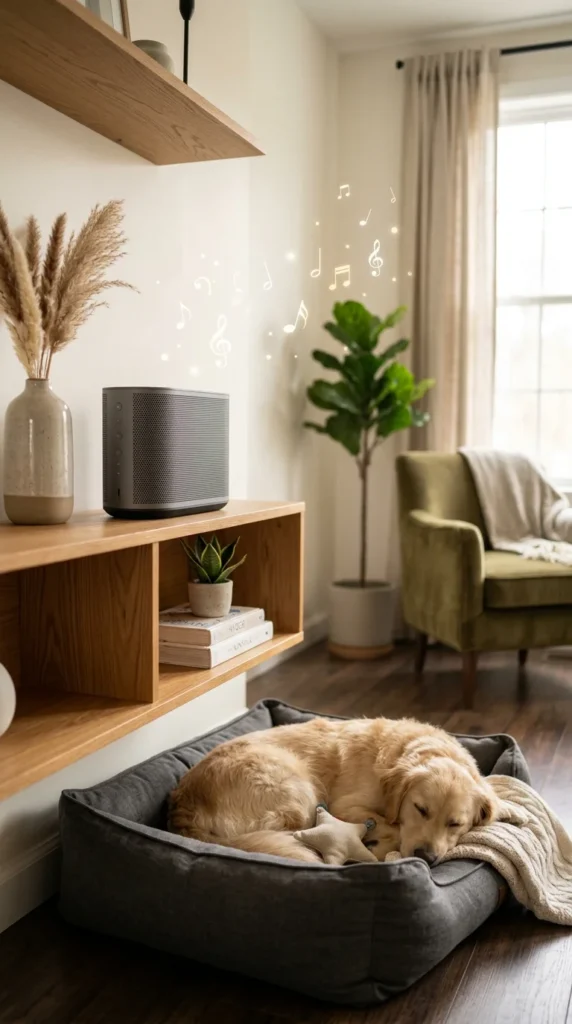
Sound can play a massive role in a dog’s stress levels. Loud noises from the street or neighbors can trigger a reactive dog. Conversely, certain types of music can be incredibly soothing. Studies have shown that classical music, reggae, and soft rock can lower a dog’s heart rate. There are even curated playlists and “Through a Dog’s Ear” albums specifically designed with frequencies that promote canine relaxation. Playing this music at a low volume can mask outside triggers and create a spa-like atmosphere for your pet.
12. Desensitization

Desensitization is the process of exposing a dog to a trigger at such a low intensity that they don’t react. For example, if a dog is aggressive toward other dogs, you might start by standing 100 yards away from a dog park. The goal is to keep the dog “under threshold”—meaning they are aware of the trigger but remain calm. Over weeks or months, you gradually decrease the distance. This slow exposure helps the dog realize that the “threat” is not actually harmful.
13. Counter-conditioning
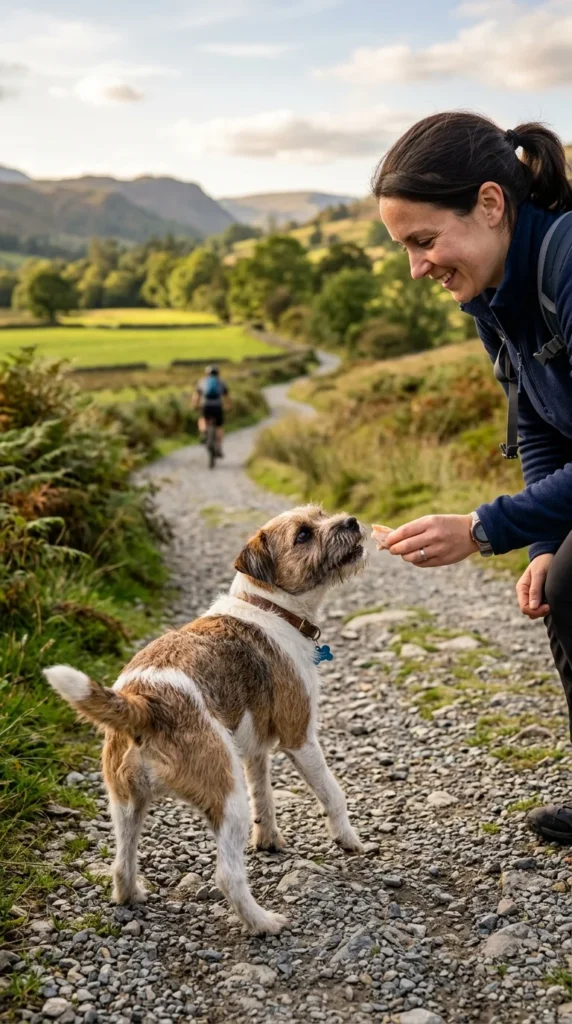
While desensitization changes the distance, counter-conditioning changes the dog’s emotional response. The goal is to make the trigger predict something wonderful. If your dog hates the mail carrier, the mail carrier’s arrival should result in a shower of the highest-value treats (like boiled chicken or cheese). Eventually, the dog stops thinking “Stranger! Danger!” and starts thinking “Stranger! Chicken!” This shift in perspective is the key to long-term relaxation and behavioral change.
14. High-Value Treats

When working with an aggressive dog, standard kibble usually won’t cut it. To compete with the intense emotions of fear or anger, you need “high-value” rewards. These are treats the dog rarely gets and finds irresistible—think liver, sardines, or small bits of hot dog. These treats are used specifically for training sessions involving triggers. The intensity of the reward helps the brain forge new, positive pathways more quickly than standard treats ever could.
15. Avoid Punishment
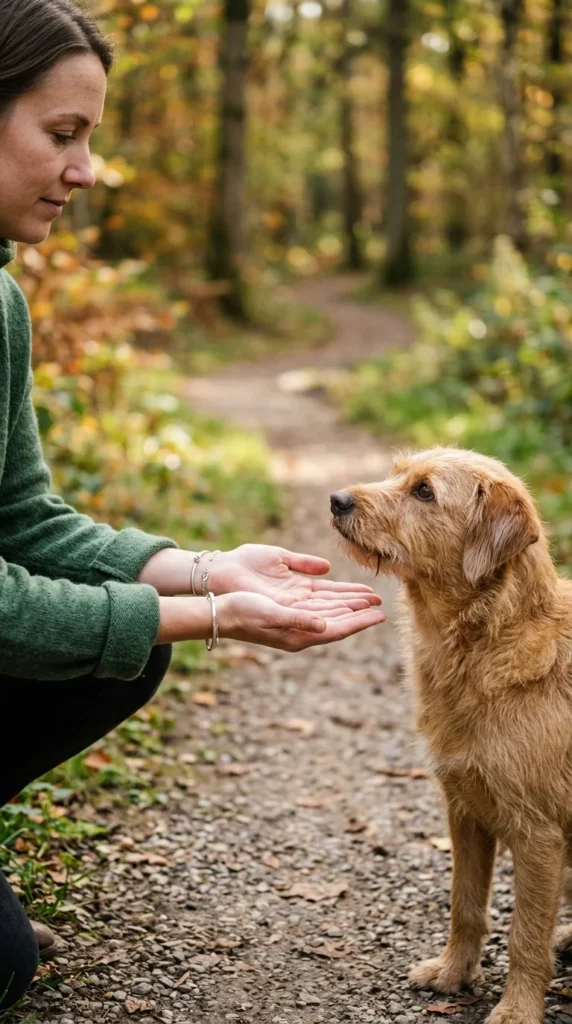
Punishing an aggressive dog (using shock collars, prong collars, or physical hitting) is like throwing gasoline on a fire. Aggression is a response to stress; adding more stress via pain or fear only confirms to the dog that the world is a dangerous place. While punishment might suppress the behavior temporarily, it increases the internal pressure, often leading to a much more explosive reaction later. Positive, force-free methods build trust, which is the only way an aggressive dog will ever truly relax.
16. Body Language Awareness
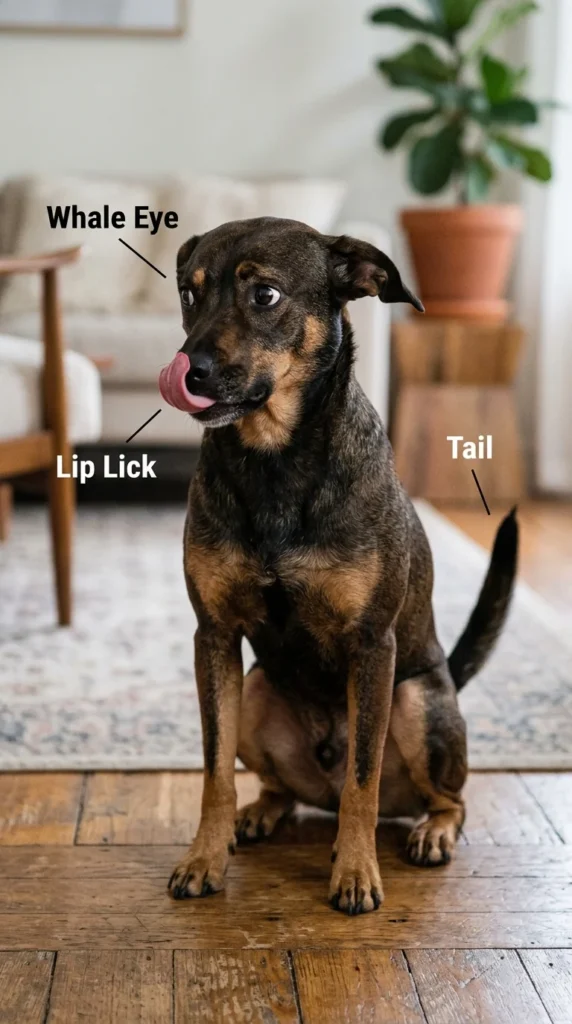
Dogs communicate their discomfort long before they growl or bite. Learning to read your dog’s subtle body language—such as “whale eye” (showing the whites of the eyes), lip licking, yawning when not tired, or a stiffened body—allows you to intervene before an aggressive episode occurs. If you see these signs, you can calmly remove the dog from the situation. By respecting these smaller signals, you show the dog that they don’t need to escalate to a bite to be heard.
17. Professional Help
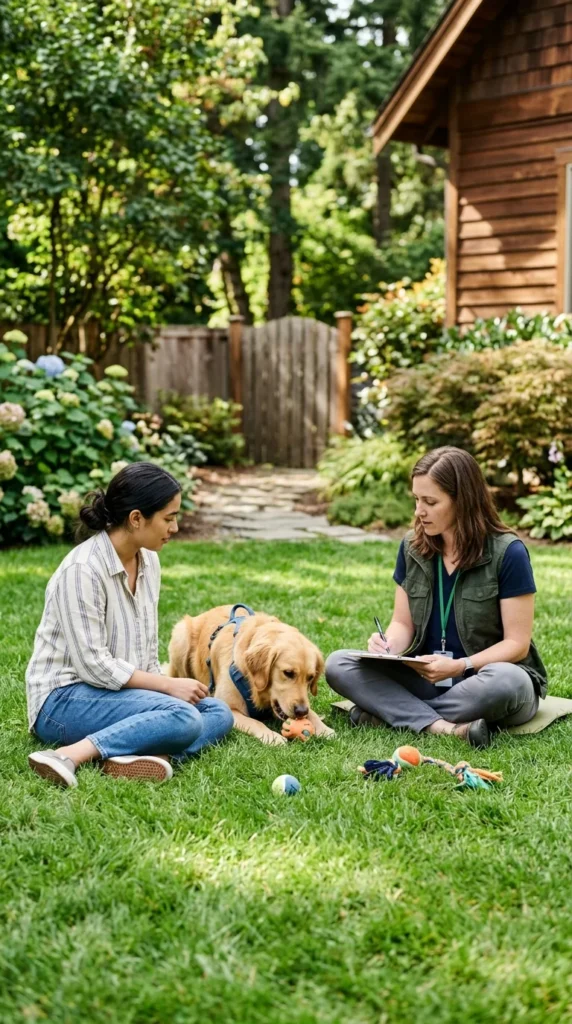
Managing aggression is complex and can be dangerous if done incorrectly. Hiring a certified professional dog behaviorist or a force-free trainer is an investment in your dog’s future. These experts can create a tailored plan, spot nuances in behavior you might miss, and provide the coaching you need to stay safe. They can also help distinguish between different types of aggression, ensuring the treatment matches the specific root cause.
18. Enrichment Toys

Feeding a dog from a standard bowl is a missed opportunity for relaxation. Enrichment toys, like frozen Kongs or lick mats, encourage “licking” and “chewing” behaviors. These actions are physiologically soothing for dogs; they release endorphins that promote a sense of calm. Giving an aggressive dog a frozen treat-stuffed toy during a known stressful time (like when guests arrive) provides them with a productive way to channel their energy while self-soothing.
19. Scent Work
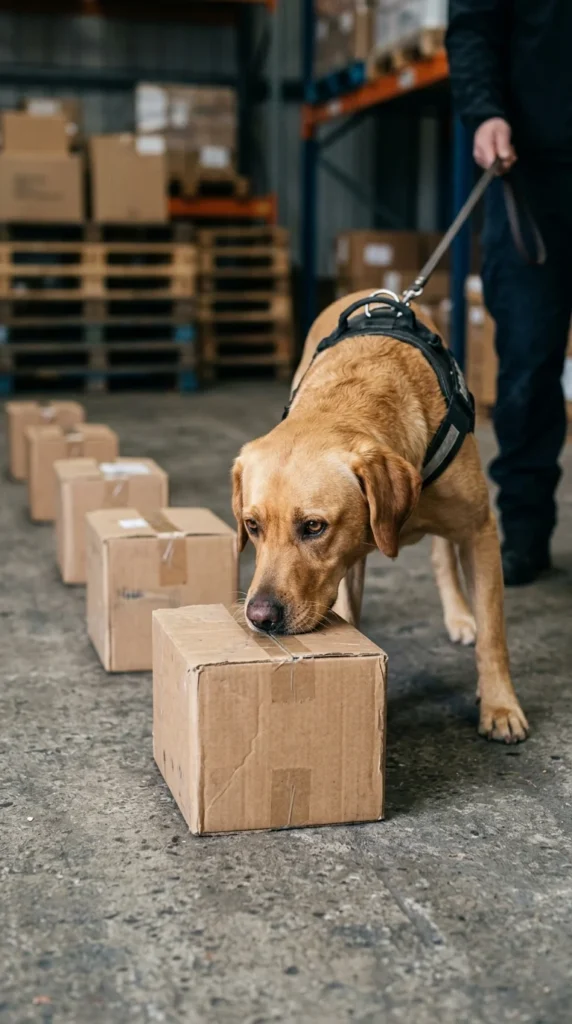
A dog’s primary sense is smell. Engaging a dog in scent work—the practice of finding specific hidden odors—is incredibly grounding. It taps into their natural instincts and requires intense focus. For an aggressive dog, scent work can be a confidence builder. It allows them to work independently in a controlled environment, and the mental effort required to track a scent can significantly lower their overall reactivity by shifting their focus from visual triggers to olfactory puzzles.
20. Thundershirt or Anxiety Wrap

Anxiety wraps, such as the Thundershirt, apply gentle, constant pressure to a dog’s torso, similar to swaddling an infant. This “pressure therapy” can have a calming effect on the nervous system. While it doesn’t work for every dog, many owners find it helpful during thunderstorms, fireworks, or during training sessions. The wrap can help a dog feel more “held” and secure, reducing the physical tremors and pacing associated with high-stress states.
21. Tellington TTouch
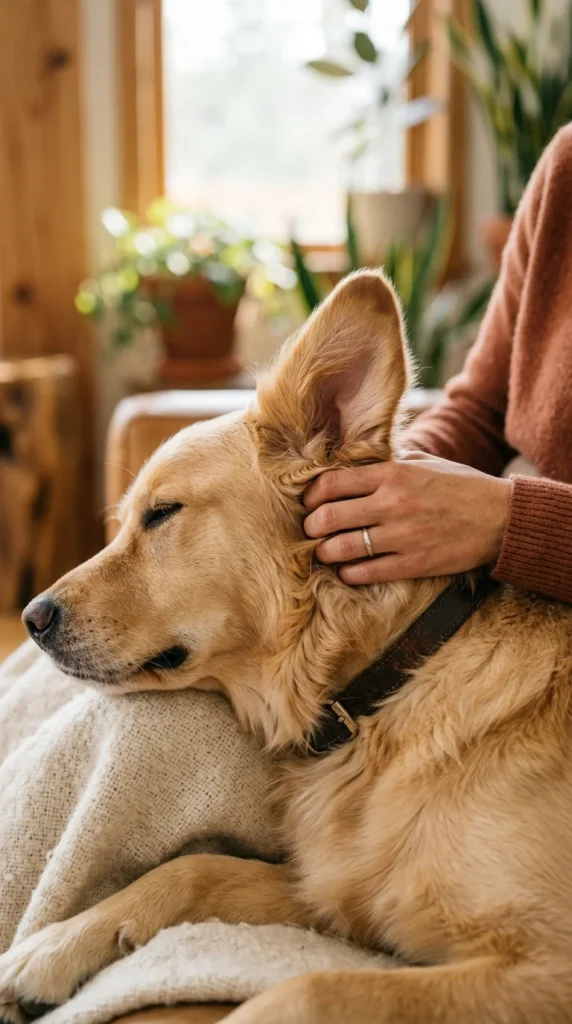
Tellington TTouch is a specialized form of bodywork that involves specific circular touches, lifts, and strokes. Unlike regular petting, TTouch is designed to release tension and increase body awareness. For an aggressive dog who may be sensitive to touch, learning specific TTouch techniques can help them learn to enjoy physical contact again. It works on the cellular level to reduce stress and can be a wonderful way for an owner to bond with a reactive dog in a calm, non-confrontational manner.
22. Management Strategies
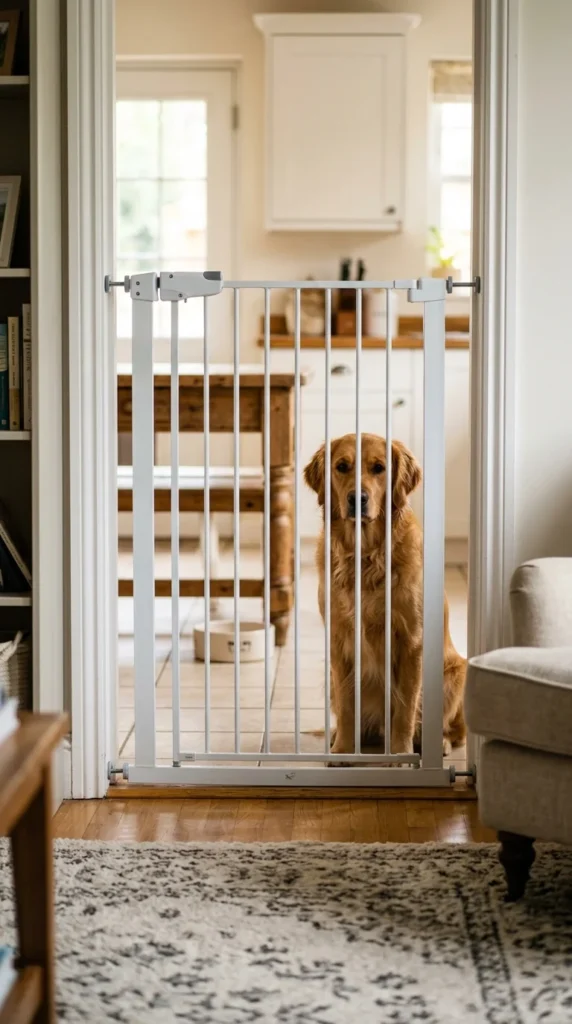
Management is about changing the environment so the dog doesn’t have the opportunity to fail. This might mean putting up window film so the dog can’t see people walking by, using baby gates to keep the dog away from the front door, or walking at odd hours when the streets are empty. Management is not a “fix,” but it is a vital part of the relaxation process. It prevents the “aggression muscle” from being exercised, allowing the dog’s nervous system to finally get some much-needed rest.
23. Patience
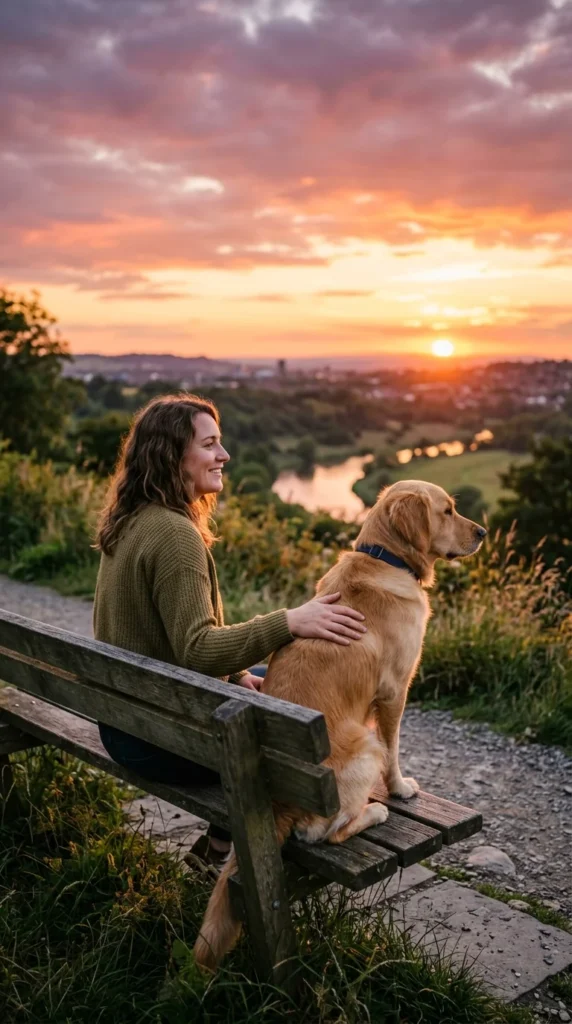
Perhaps the most important element in helping an aggressive dog relax is patience. Behavioral change does not happen overnight. There will be setbacks, and there will be days when it feels like no progress is being made. It is essential to remain calm and consistent. Your dog is not “being bad”; they are “having a hard time.” By providing a steady, patient presence, you become the anchor your dog needs to navigate their fears and eventually find a state of true relaxation.