

Being a dog owner is one of life’s greatest joys, but it comes with the heavy responsibility of safeguarding a life that cannot speak for itself. Dogs are notorious for hiding their pain—an evolutionary trait designed to protect them from predators in the wild. Consequently, by the time a dog shows obvious signs of illness, the condition may already be advanced. Understanding the most common canine ailments is the first step toward proactive care and a longer, happier life for your four-legged companion.
1. Parvovirus

Canine Parvovirus, often simply called “Parvo,” is a highly contagious viral illness that primarily affects puppies and unvaccinated dogs. It attacks the gastrointestinal tract and can cause severe damage to the heart muscle in very young dogs. It is transmitted through direct contact with an infected dog or indirect contact with a contaminated object, such as a food bowl, leash, or the shoes of a person who stepped in infected feces.
Symptoms to Watch For:
- Severe, bloody diarrhea
- Persistent vomiting
- Loss of appetite
- Extreme lethargy
- High fever
Because Parvo is often fatal without intensive veterinary treatment, vaccination is the only reliable way to prevent this devastating disease.
2. Distemper

Distemper is a multi-systemic viral disease that affects a dog’s respiratory, gastrointestinal, and central nervous systems. It is airborne and can be spread through coughing and sneezing. While it was once a leading cause of death in dogs, widespread vaccination has made it less common, though it remains a significant threat to shelter animals and wildlife.
Symptoms to Watch For:
- Sneezing and coughing
- Thick mucus coming from the eyes and nose
- Fever and lethargy
- Twitching or seizures in later stages
Treatment is mostly supportive, focusing on managing symptoms, making prevention through early puppy shots vital.
3. Kennel Cough

Formally known as Canine Infectious Tracheobronchitis, Kennel Cough is a highly contagious respiratory infection. It is frequently contracted in places where many dogs congregate, such as boarding facilities, dog parks, or grooming salons. While usually not life-threatening, it is extremely uncomfortable and can lead to pneumonia in vulnerable dogs.
Symptoms to Watch For:
- A persistent, forceful “honking” cough
- Gagging or retching
- Runny nose
- Decreased activity levels
Most cases resolve with rest and sometimes antibiotics, but a Bordetella vaccine is highly recommended for social dogs.
4. Rabies

Rabies is perhaps the most feared canine disease because it is 100% fatal once symptoms appear and is zoonotic, meaning it can spread to humans. It is a viral disease that attacks the central nervous system and is usually transmitted through the bite of an infected animal, such as a bat, raccoon, or fox.
Symptoms to Watch For:
- Drastic behavioral changes (aggression or extreme shyness)
- Excessive drooling or foaming at the mouth
- Difficulty swallowing
- Staggering or paralysis
Laws in most regions require rabies vaccinations, which are highly effective at preventing the spread of this deadly virus.
5. Lyme Disease
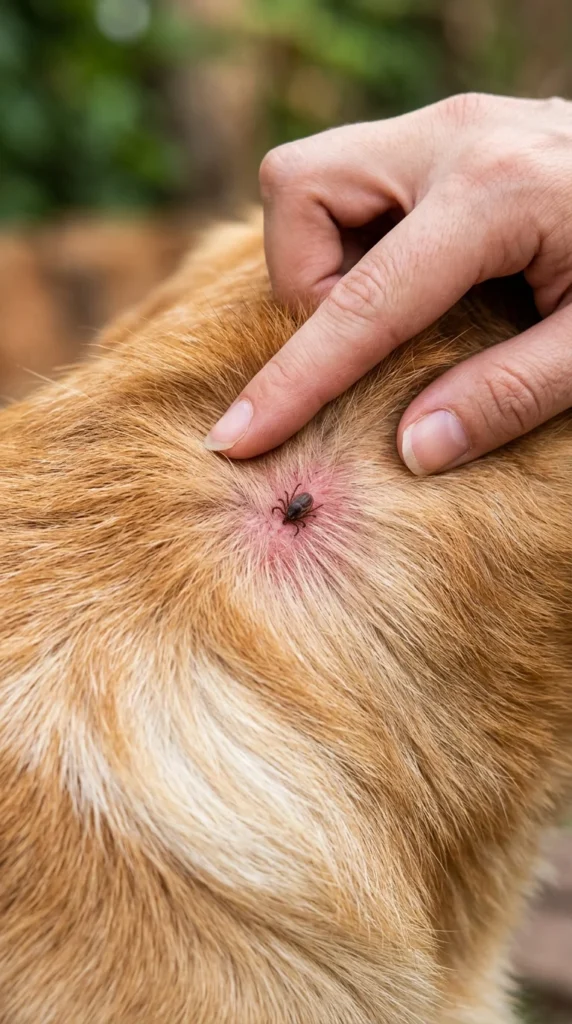
Transmitted by the bite of the black-legged tick (deer tick), Lyme disease is a bacterial infection that can cause chronic health issues if left untreated. It is particularly common in wooded or grassy areas where ticks thrive.
Symptoms to Watch For:
- Intermittent lameness (shifting from one leg to another)
- Swollen joints
- Fever and loss of appetite
- General stiffness
Prevention involves using monthly tick preventatives and checking your dog thoroughly after walks in high-risk areas.
6. Leptospirosis

Leptospirosis is caused by bacteria found in the urine of wildlife, which can contaminate soil and water. Dogs typically contract it by swimming in or drinking from stagnant water or damp soil. This disease is particularly dangerous because it can cause kidney and liver failure and can be transmitted to humans.
Symptoms to Watch For:
- Sudden fever
- Jaundice (yellowing of the eyes and gums)
- Increased thirst and urination
- Vomiting and abdominal pain
Vaccines are available for dogs at high risk, especially those who spend time outdoors or in rural environments.
7. Heartworm
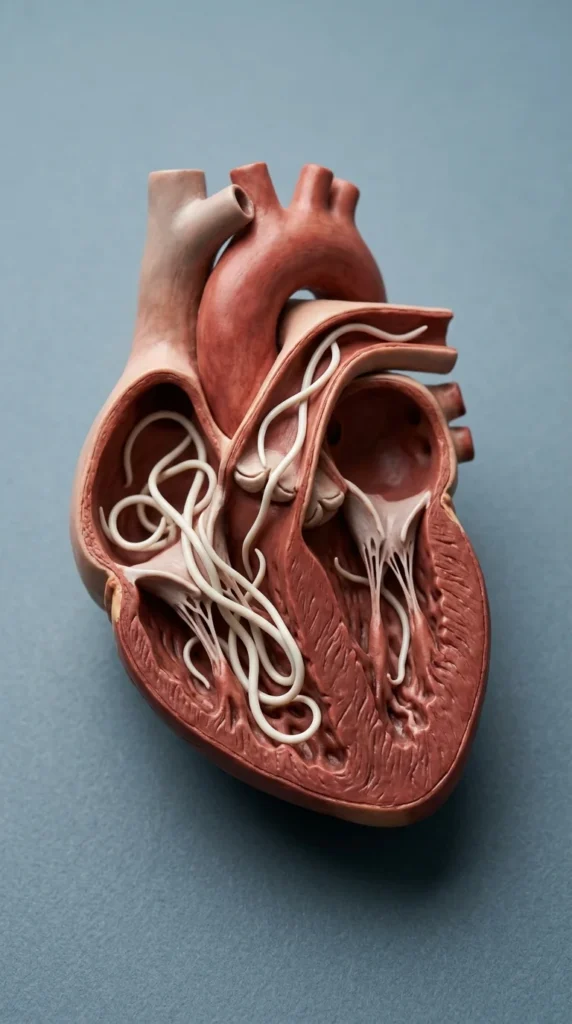
Heartworm disease is a serious and potentially fatal condition caused by parasitic worms that live in the heart, lungs, and blood vessels of infected pets. It is transmitted solely through the bite of an infected mosquito. The worms grow up to a foot long and cause lasting damage to the organs.
Symptoms to Watch For:
- Mild persistent cough
- Reluctance to exercise
- Fatigue after moderate activity
- Weight loss
Because treatment is expensive and physically taxing for the dog, monthly preventative medication is considered a non-negotiable part of responsible dog ownership.
8. Ear Infections

Dogs with floppy ears or those who swim frequently are particularly prone to ear infections. These can be caused by bacteria, yeast, or ear mites. If left untreated, a simple infection can lead to hearing loss or the rupture of the eardrum.
Symptoms to Watch For:
- Shaking the head repeatedly
- Scratching at the ears
- Odors or discharge from the ear canal
- Redness or swelling
Regular ear cleaning, especially after baths or swimming, can help prevent these painful occurrences.
9. Dental Disease
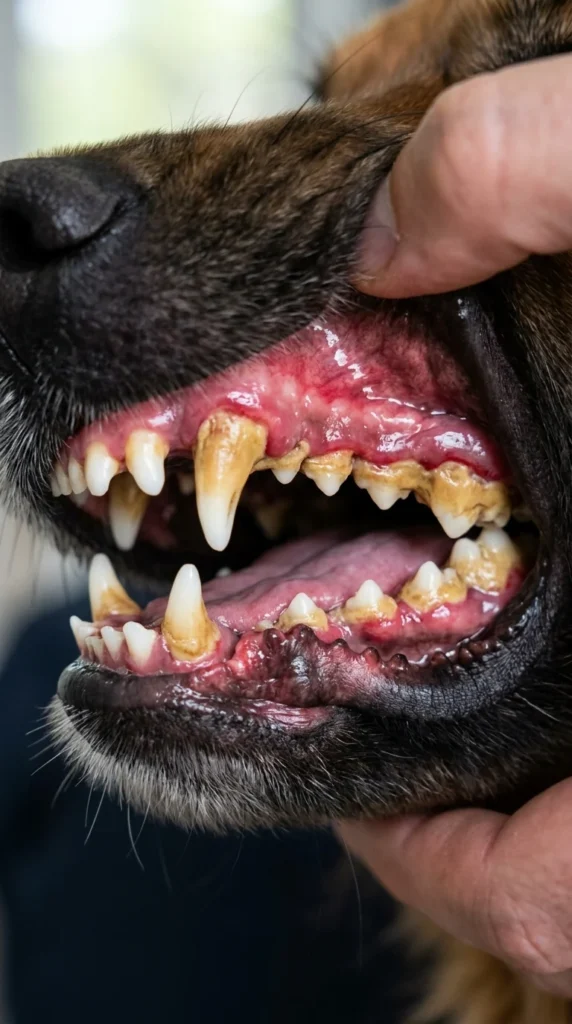
Periodontal disease is the most common clinical condition in adult dogs. It starts with plaque buildup that hardens into tartar. If not addressed, the bacteria can enter the bloodstream and cause damage to the heart, kidneys, and liver.
Symptoms to Watch For:
- Bad breath (halitosis)
- Loose teeth or teeth falling out
- Bleeding gums
- Difficulty eating or dropping food
Regular tooth brushing and professional veterinary cleanings are essential for maintaining oral health.
10. Obesity

Obesity is a growing epidemic in the pet world, often caused by overfeeding and a lack of exercise. While an “extra-fluffy” dog might look cute, obesity drastically reduces a dog’s lifespan and contributes to many other diseases, including diabetes and joint issues.
Symptoms to Watch For:
- Inability to feel the ribs
- Loss of a visible waistline
- Shortness of breath during light exercise
- Excessive body fat
Weight management involves strict portion control and a consistent exercise routine tailored to the dog’s age and breed.
11. Diabetes

Similar to humans, dogs can develop diabetes mellitus, a condition where the body cannot properly regulate blood sugar. It is most common in middle-aged and senior dogs, and while it cannot be cured, it can be managed successfully.
Symptoms to Watch For:
- Excessive thirst and frequent urination
- Weight loss despite an increased appetite
- Cloudy eyes (cataracts)
- Chronic infections
Management typically involves daily insulin injections and a high-fiber, low-fat diet.
12. Arthritis
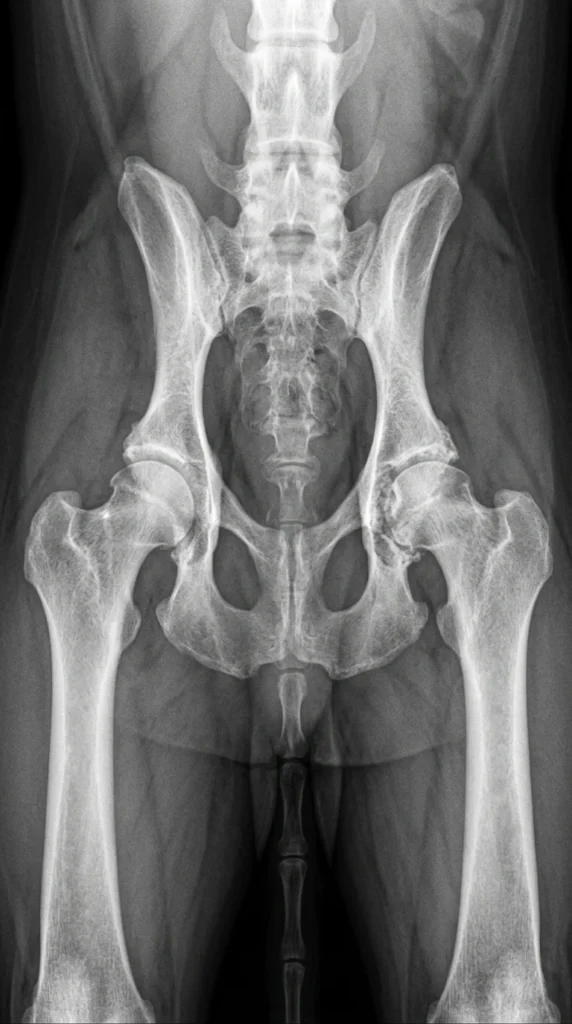
Osteoarthritis is a degenerative joint disease that causes pain and inflammation. It is most common in older dogs or those who have suffered joint injuries earlier in life. Large breeds are particularly susceptible to this condition.
Symptoms to Watch For:
- Stiffness, especially after waking up
- Hesitation to climb stairs or jump into the car
- Limping or favoring one leg
- Licking at specific joints
Treatment focuses on pain management, supplements like glucosamine, and maintaining a healthy weight to reduce stress on the joints.
13. Hip Dysplasia

Hip Dysplasia is a genetic condition where the hip joint fails to develop properly, leading to a loose fit that eventually causes painful arthritis. It is most common in large and giant breeds like German Shepherds, Great Danes, and Labradors.
Symptoms to Watch For:
- “Bunny hopping” gait
- Decreased range of motion
- Loss of muscle mass in the thighs
- Difficulty rising
Early detection through X-rays and managing the dog’s growth rate during puppyhood can help mitigate the severity.
14. Bloat (GDV)

Gastric Dilatation-Volvulus (GDV), or bloat, is a life-threatening emergency. It occurs when a dog’s stomach fills with gas and kemudian twists on itself, cutting off blood flow. This is most common in deep-chested breeds like Standard Poodles and Boxers.
Symptoms to Watch For:
- Distended (swollen) abdomen
- Unproductive retching (trying to vomit but nothing comes up)
- Restlessness and pacing
- Rapid heartbeat and pale gums
If you suspect bloat, you must get your dog to an emergency vet immediately; every minute counts.
15. Kidney Failure

Chronic Kidney Disease (CKD) is a progressive condition where the kidneys lose their ability to filter waste products from the blood. While it is most common in aging dogs, acute kidney failure can occur if a dog ingests toxins like antifreeze or grapes.
Symptoms to Watch For:
- Significant increase or decrease in urination
- Vomiting and diarrhea
- Lethargy and depression
- Ammonia-like breath odor
Special renal diets and fluid therapy can help manage the condition and maintain quality of life.
16. Liver Disease

The liver is responsible for detoxifying the body, digesting fats, and storing vitamins. Liver disease can be caused by genetics, infections, or toxins. Because the liver has a great capacity for regeneration, symptoms often don’t appear until the damage is significant.
Symptoms to Watch For:
- Jaundice (yellowing of skin/eyes)
- Loss of appetite
- Abdominal swelling (ascites)
- Confusion or neurological changes
Diagnosis usually requires blood work and imaging, and treatment varies depending on the underlying cause.
17. Cancer

Cancer is a leading cause of death in dogs over the age of ten. Like humans, dogs can develop various forms, including lymphoma, mast cell tumors, and bone cancer. Early detection is the single most important factor in successful treatment.
Symptoms to Watch For:
- New lumps or bumps that change size
- Sores that do not heal
- Unexplained weight loss
- Difficulty breathing or swallowing
Regular “lump checks” at home and annual vet visits are crucial for catching cancer early.
18. Skin Allergies

Allergies are incredibly common in dogs and can be caused by environmental factors (pollen, dust), food ingredients, or flea bites. Unlike humans who sneeze, dogs usually express allergies through their skin.
Symptoms to Watch For:
- Constant scratching or biting the skin
- Rubbing the face against furniture
- Red, inflamed skin or rashes
- Recurrent ear infections
Identifying the allergen is the first step, followed by medication or dietary changes.
19. Hot Spots
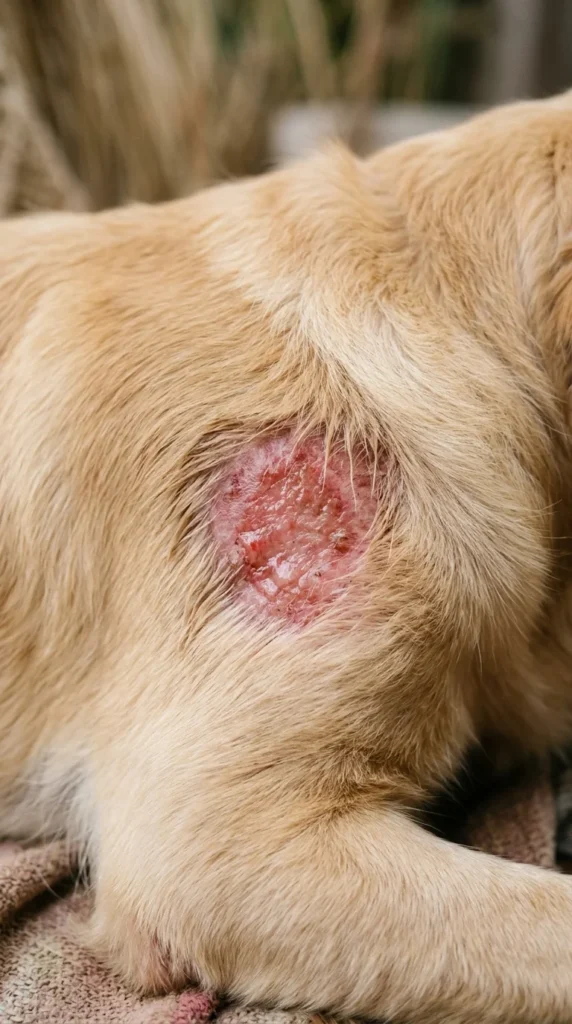
Hot spots, or acute moist dermatitis, are localized areas of skin inflammation and infection. They often start with a small itch—perhaps from a flea or a minor scratch—that the dog then licks and chews until it becomes a painful, weeping sore.
Symptoms to Watch For:
- A circular, hairless patch of red skin
- The area is warm to the touch
- Pus or discharge from the site
- The dog is obsessed with licking that specific spot
Keeping the area dry and clean, and preventing the dog from further self-mutilation (usually with a cone), is key to healing.
20. Cataracts
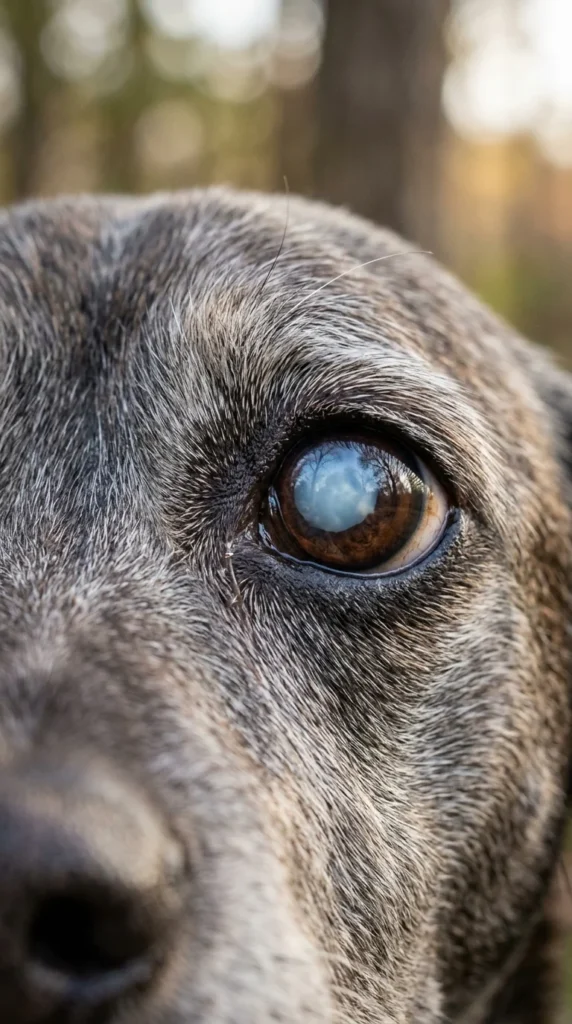
Cataracts are an opacity in the lens of the eye that prevents light from reaching the retina, leading to blurry vision and eventually blindness. They are common in older dogs and those with diabetes.
Symptoms to Watch For:
- Cloudiness or “milkiness” in the eyes
- Bumping into furniture or walls
- Hesitation to move in low-light conditions
- Changes in eye color or shape
While they cannot be reversed with medication, surgical removal of cataracts is a common and successful procedure in veterinary medicine.
21. Giardia
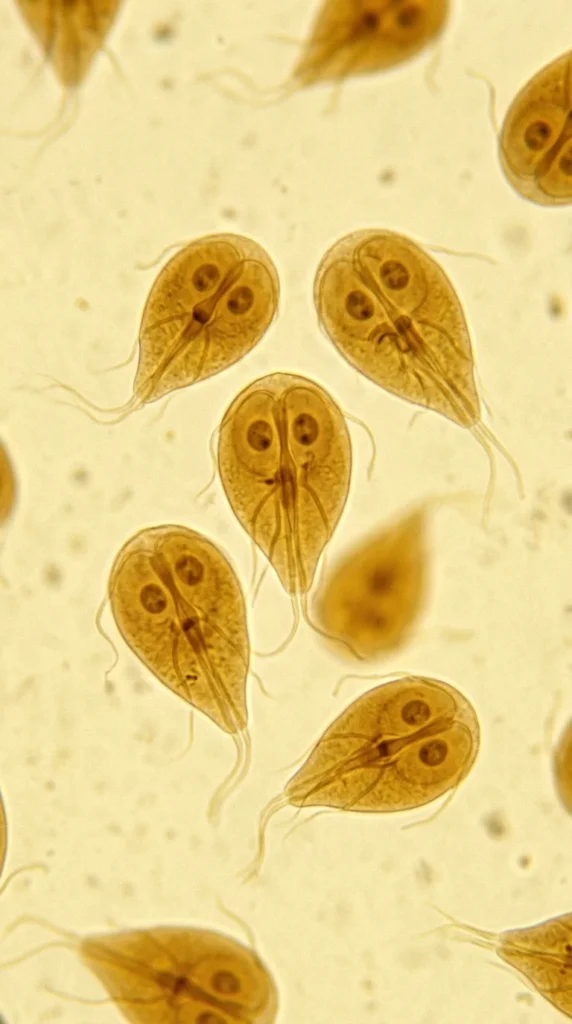
Giardia is a microscopic parasite that lives in the intestines of infected animals. It is typically contracted by drinking contaminated water or coming into contact with infected feces. It is particularly common in areas with a lot of wildlife or high dog traffic.
Symptoms to Watch For:
- Strong-smelling, greasy diarrhea
- Nausea and vomiting
- Weight loss
- Stomach cramps
Treatment involves a course of specific anti-parasitic medications and thorough cleaning of the dog’s environment to prevent reinfection.
22. Ringworm

Despite the name, Ringworm is not a worm at all, but a fungal infection of the skin. It is highly contagious to other pets and humans (zoonotic). It spreads through direct contact or contaminated bedding and grooming tools.
Symptoms to Watch For:
- Circular patches of hair loss
- Dry, scaly, or crusty skin
- Inflamed red rings on the skin
- Brittle or broken claws
Treatment usually involves antifungal shampoos, ointments, and sometimes oral medication, along with a deep clean of the home.