
Bringing home a new puppy is a whirlwind of emotions. One moment you are basking in the glory of puppy breath and soft fur, and the next, you are cleaning a mystery puddle off your favorite rug. That first week is the most critical period for setting the tone of your relationship. To help you navigate the transition from “adorable chaos” to “structured harmony,” we have compiled the ultimate guide for your first seven days together.
1. Puppy Proofing
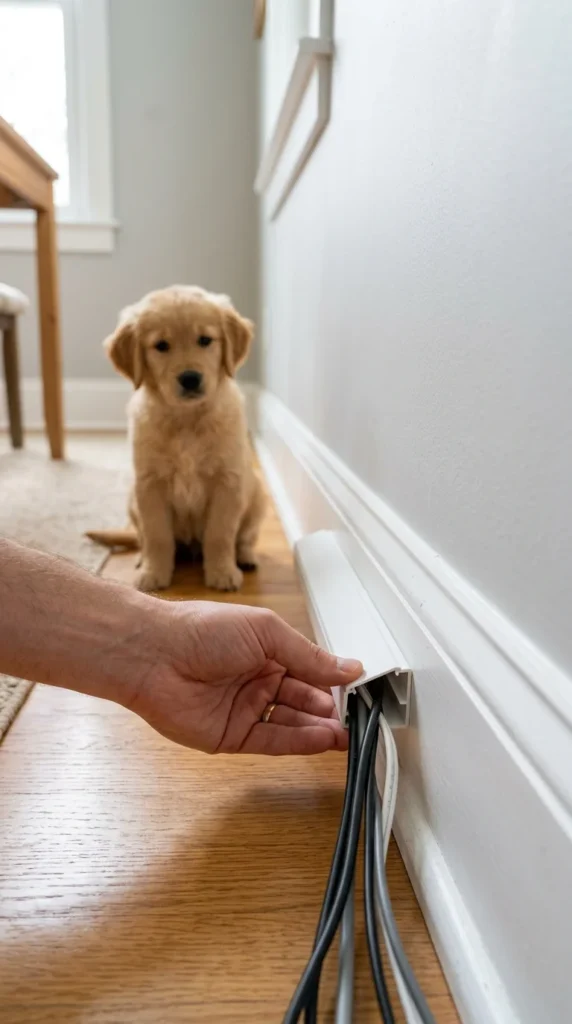
Before your puppy even sets a paw inside, your home needs to be a fortress of safety. Puppies explore the world with their mouths, meaning anything on the floor is fair game. Crawl around on your hands and knees to see the world from their perspective. Remove toxic plants, lock up cleaning supplies, and ensure all electrical cords are tucked away or covered.
2. Crate Setup
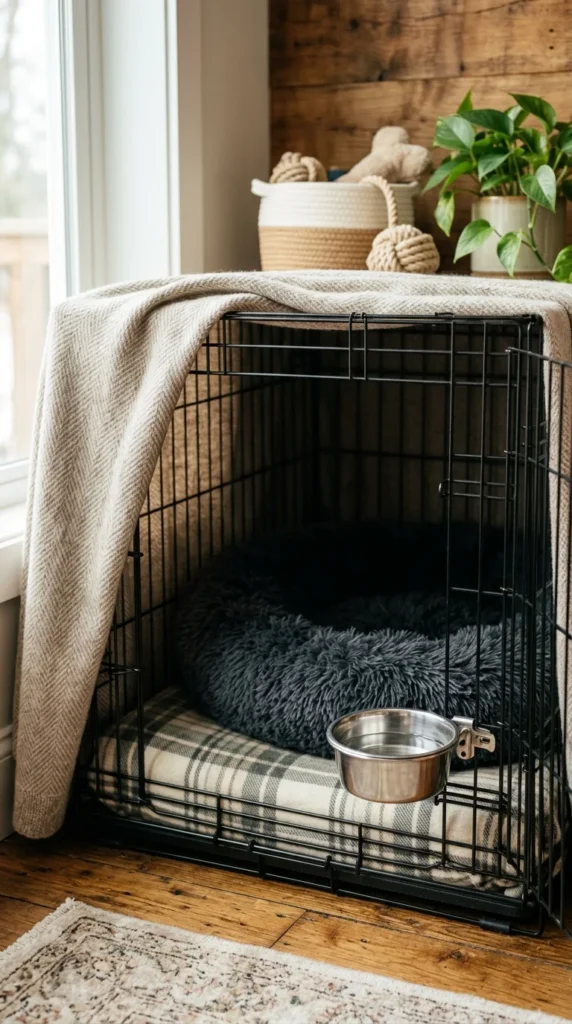
A crate is not a cage; it is a sanctuary. During the first week, make the crate the most inviting place in the house. Use a high-quality, comfortable bed and a “heartbeat” toy to simulate the warmth of their littermates. Placing the crate in your bedroom for the first few nights can help the puppy feel less isolated and reduce nighttime crying.
3. Routine Building
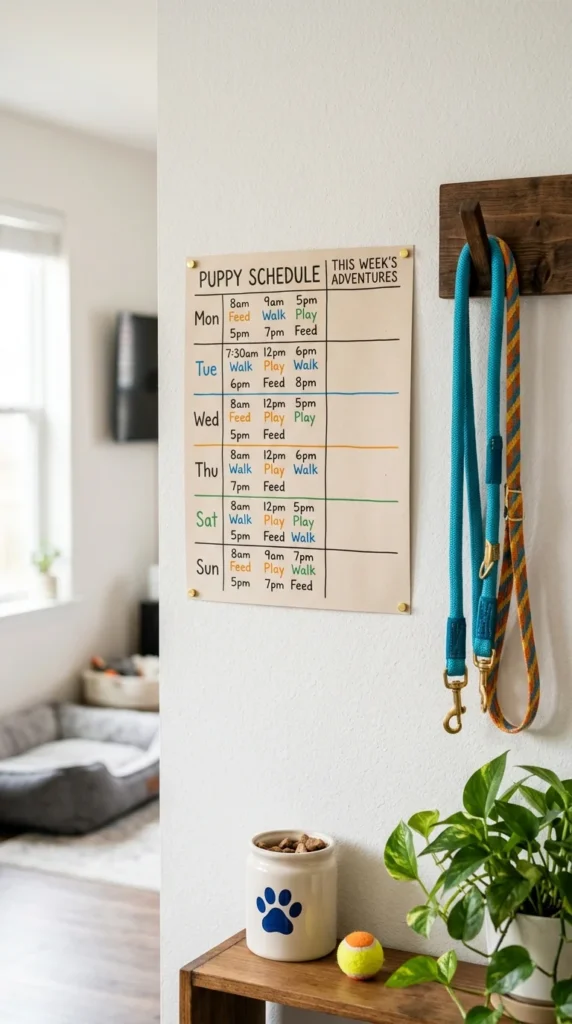
Puppies thrive on predictability. From day one, establish a strict schedule for feeding, potty breaks, naps, and playtime. When a puppy knows what to expect, their anxiety levels drop, and their behavior improves. Aim to feed them at the same times every day and take them outside immediately after they wake up or eat.
4. Quiet Arrival
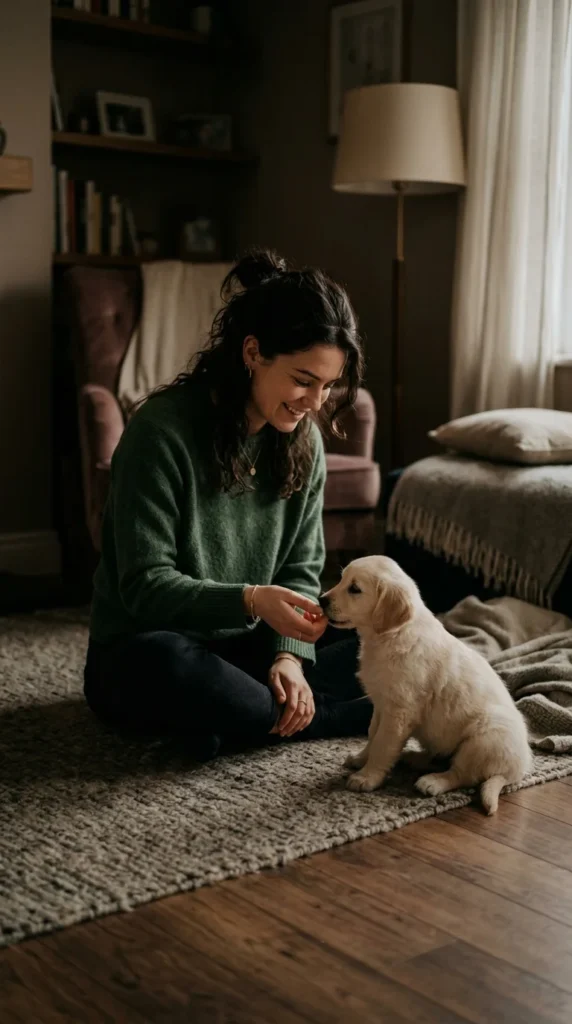
It is tempting to invite the whole neighborhood over to meet the new arrival, but hold off. Your puppy has just been uprooted from everything they know. Keep the first 48 hours low-key. Limit visitors to immediate family members and keep the energy calm. Let the puppy explore their new surroundings without the stress of loud voices and grabby hands.
5. Designated Potty
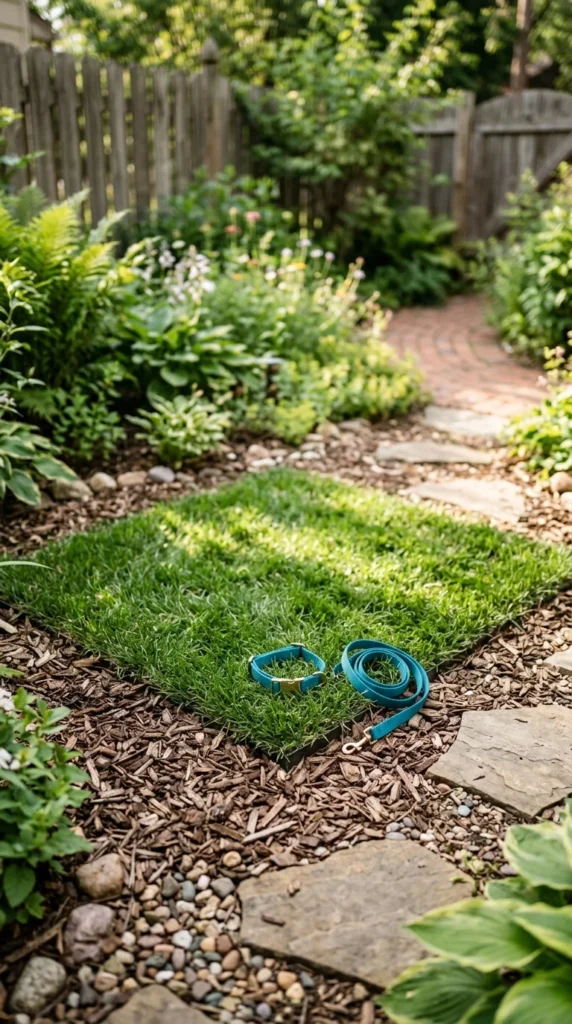
Consistency is the secret to housebreaking. Choose one specific spot in your yard or outside your apartment to be the “potty zone.” When you take them out, go directly to that spot. The familiar scents will trigger their instinct to go, and it helps them understand that the outdoors is for business, not just play.
6. Veterinary Visit
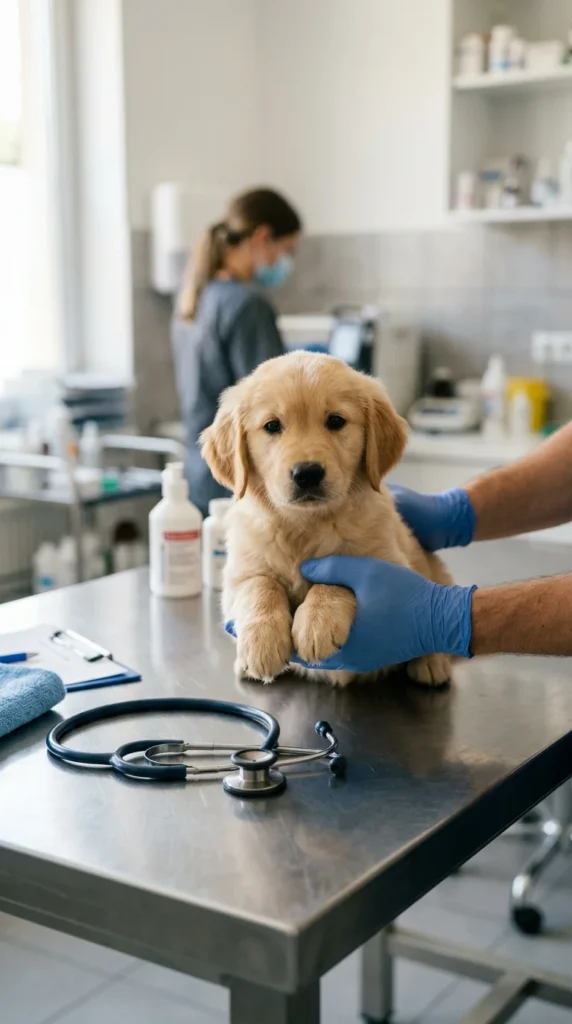
Schedule a wellness check within the first three days of bringing your puppy home. A vet will check for parasites, discuss the vaccination schedule, and ensure your puppy is developing correctly. This is also the perfect time to ask professional questions about breed-specific needs and nutrition.
7. Quality Food
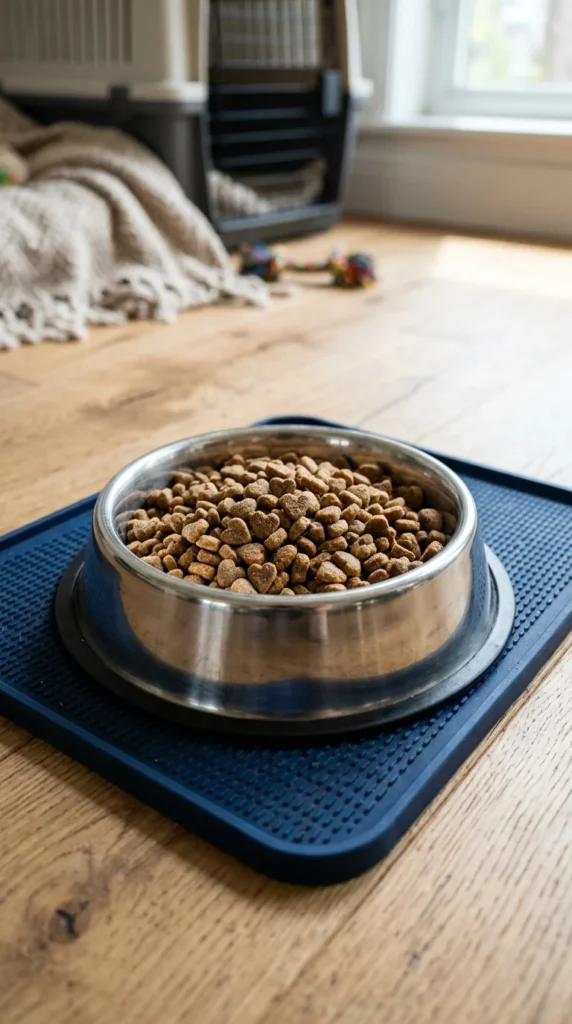
Switching diets abruptly can lead to an upset stomach and “puppy diarrhea,” which is the last thing you want during week one. Find out what the breeder or rescue was feeding them and stick to it for at least the first few days. If you plan to switch brands, do it gradually by mixing the old and new food over a week.
8. Supervised Exploration
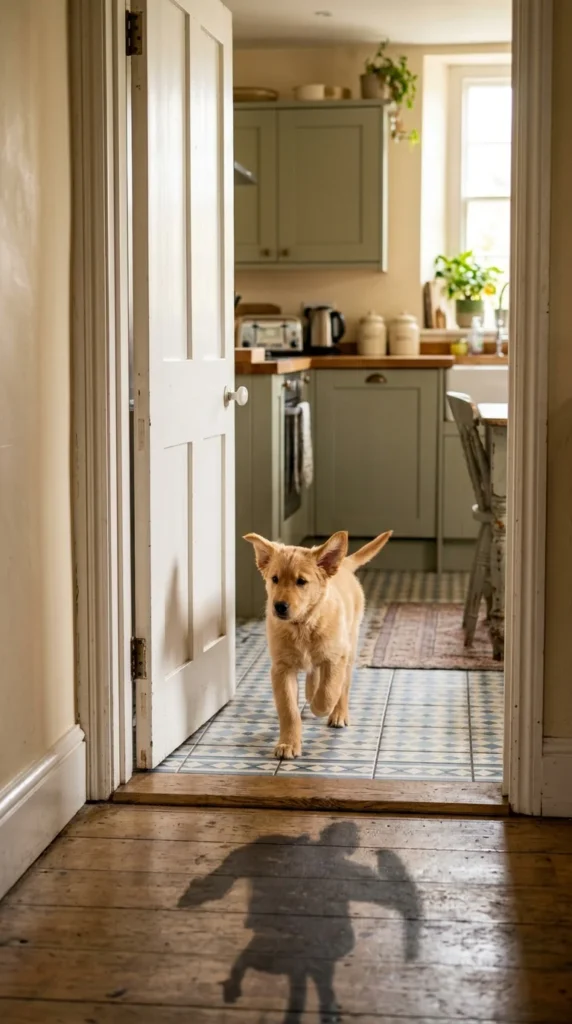
Don’t give your puppy full rein of the house immediately. Start with one or two rooms. Use baby gates to section off areas. This prevents them from getting overwhelmed and minimizes the chances of them sneaking off to have an accident in a corner you can’t see.
9. Nighttime Whining
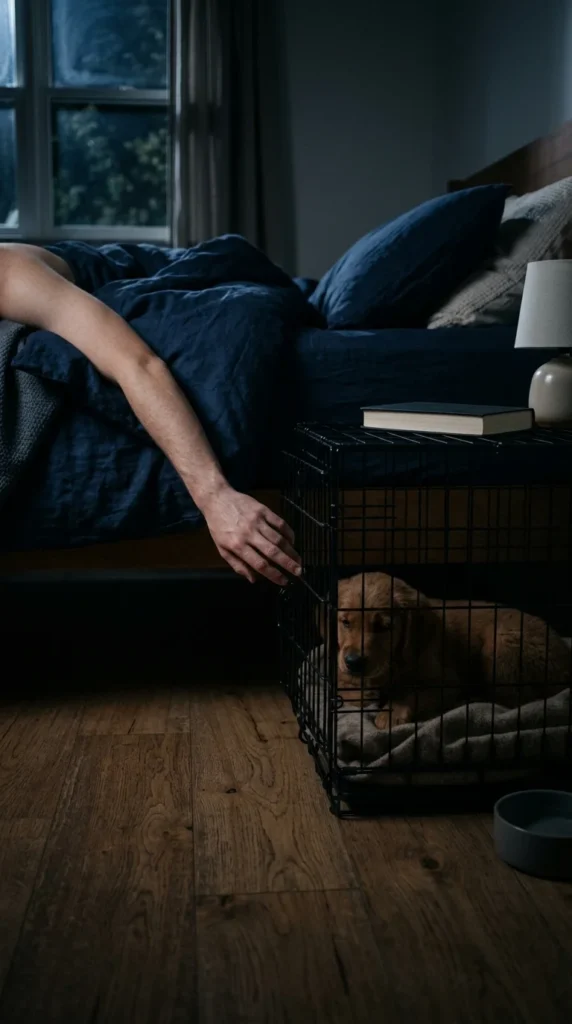
The first few nights will be loud. Your puppy is lonely and scared. While you shouldn’t reward crying by taking them out to play, a gentle “shhh” or placing your hand near the crate can offer comfort. Ensure they have had a final potty break right before bed to rule out physical needs.
10. Chew Toys
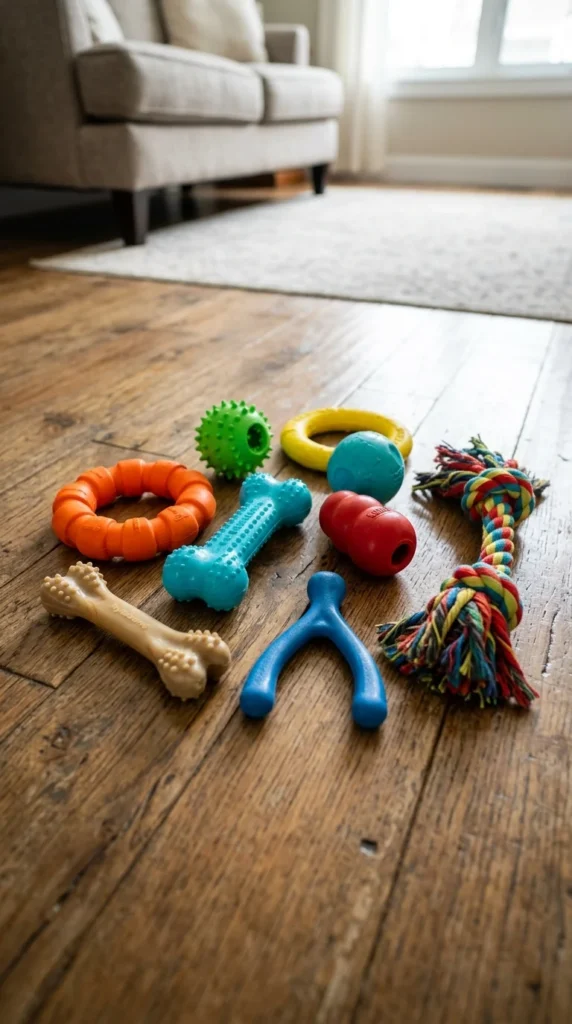
Puppies are teething machines. If you don’t provide appropriate things to chew, they will find your shoes or baseboards. Provide a variety of textures—hard rubber, soft plush, and cold teething rings. When you catch them chewing something they shouldn’t, gently redirect them to a toy.
11. Reward Success
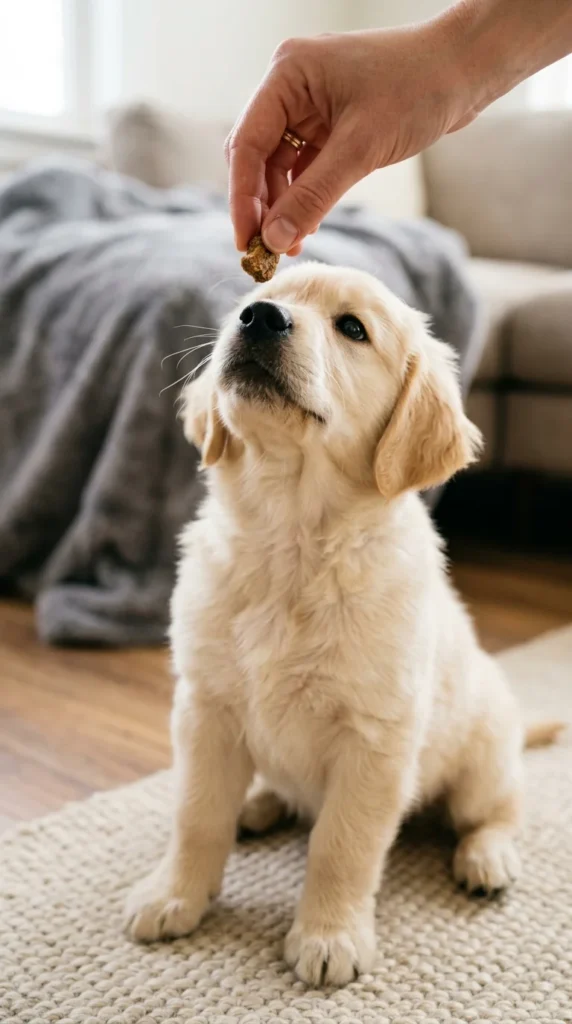
Positive reinforcement is the fastest way to a well-behaved dog. Keep a pouch of small, low-calorie treats on you at all times. When your puppy does something right—like sitting when asked or going potty outside—reward them immediately with a treat and high-pitched verbal praise.
12. Short Sessions
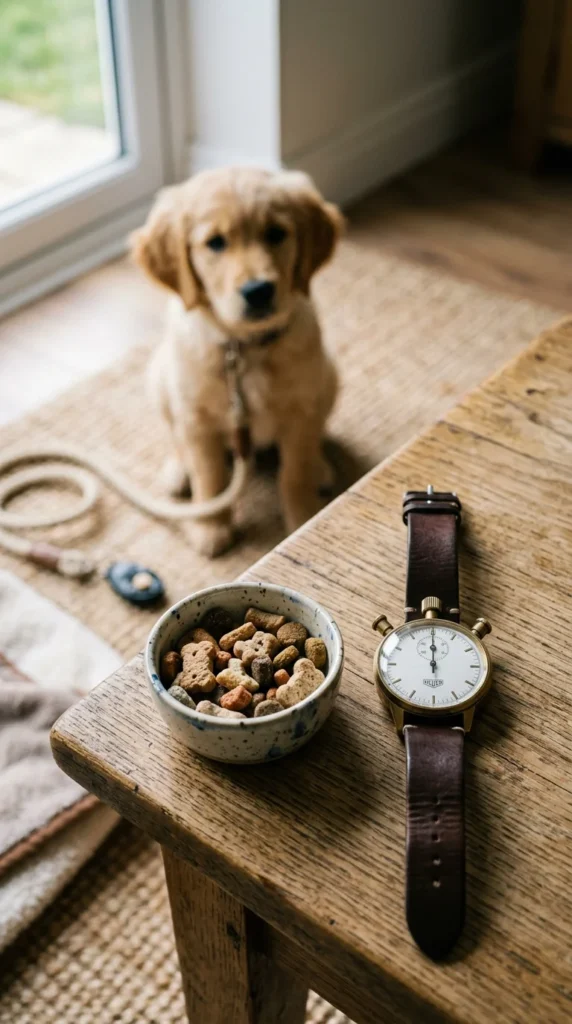
A puppy’s attention span is about as long as a TikTok video. Limit training sessions to five minutes, two or three times a day. Focus on the basics: their name, “sit,” and “look.” Keeping it short ensures they stay engaged and don’t become frustrated or bored.
13. Socialization Exposure
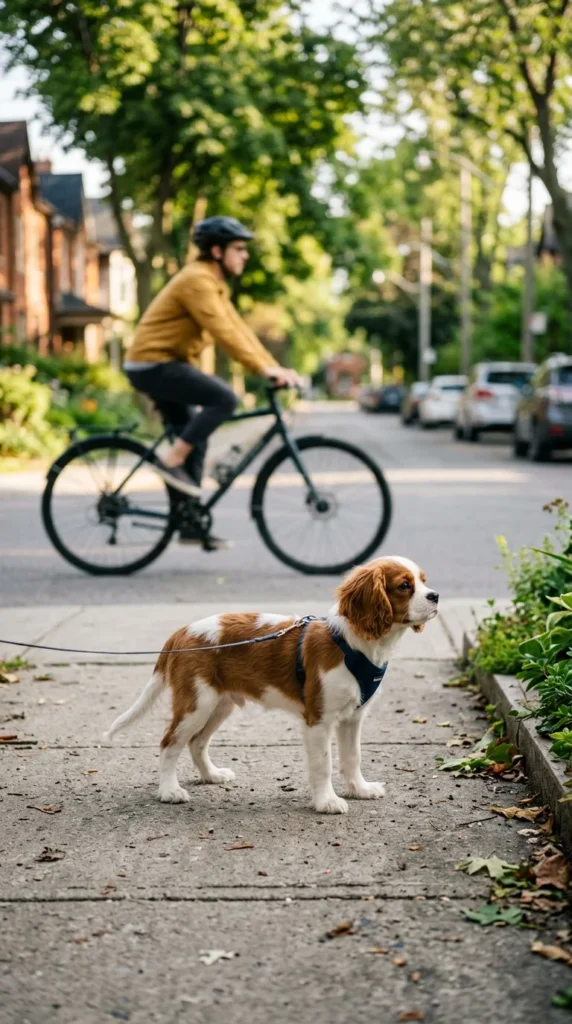
Socialization isn’t just about meeting other dogs; it’s about experiencing the world. During the first week, safely expose them to different sounds (the vacuum, doorbells), surfaces (tile, carpet, grass), and sights (umbrellas, hats). Keep these exposures positive and brief.
14. Alone Time
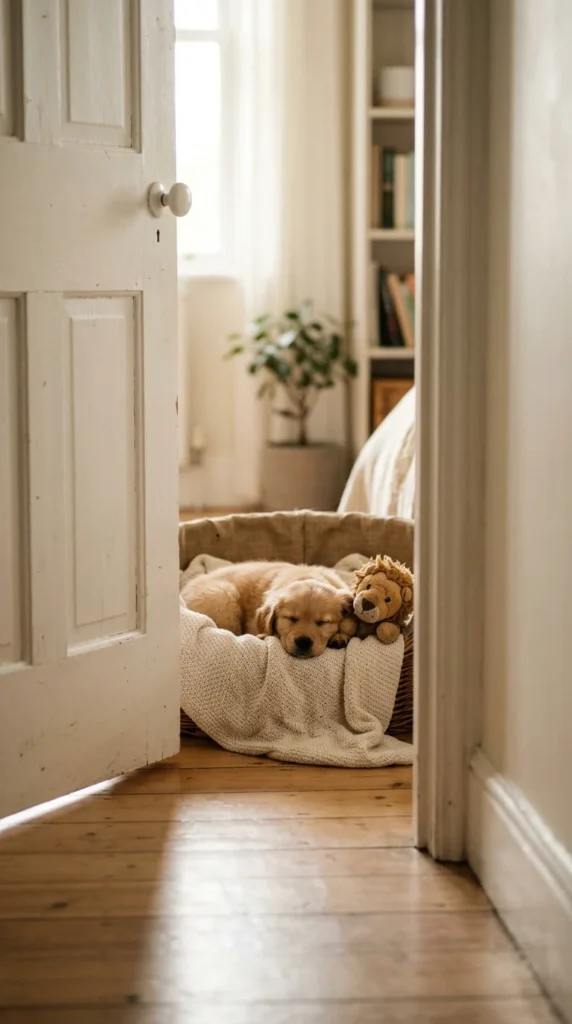
To prevent separation anxiety later in life, start teaching your puppy that being alone is okay. Leave the room for a few minutes while they are occupied with a toy. Gradually increase the duration. This builds their confidence and teaches them that you will always return.
15. Grooming Introduction
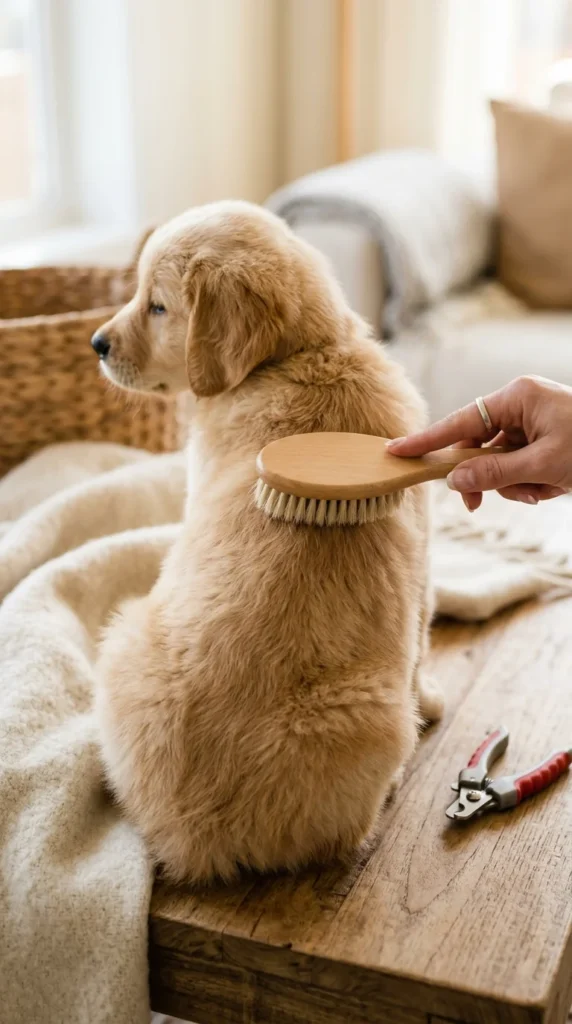
Even if your puppy doesn’t “need” a haircut yet, they need to get used to being handled. Gently touch their paws, ears, and tail every day. Introduce the feeling of a brush and the sound of nail clippers. Making this a positive experience now will save you years of grooming struggles.
16. Identification Tags
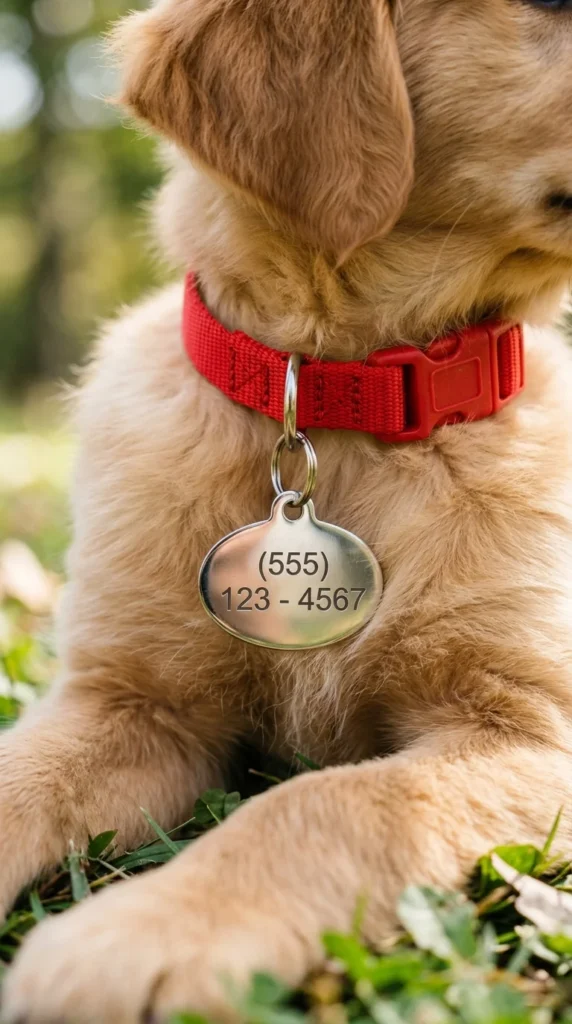
Accidents happen, and puppies are fast. Ensure your puppy wears a collar with an ID tag containing your current phone number from the moment they arrive. If they happen to slip out a door, this is their ticket back home. Microchipping is also highly recommended at your first vet visit.
17. Frequent Breaks
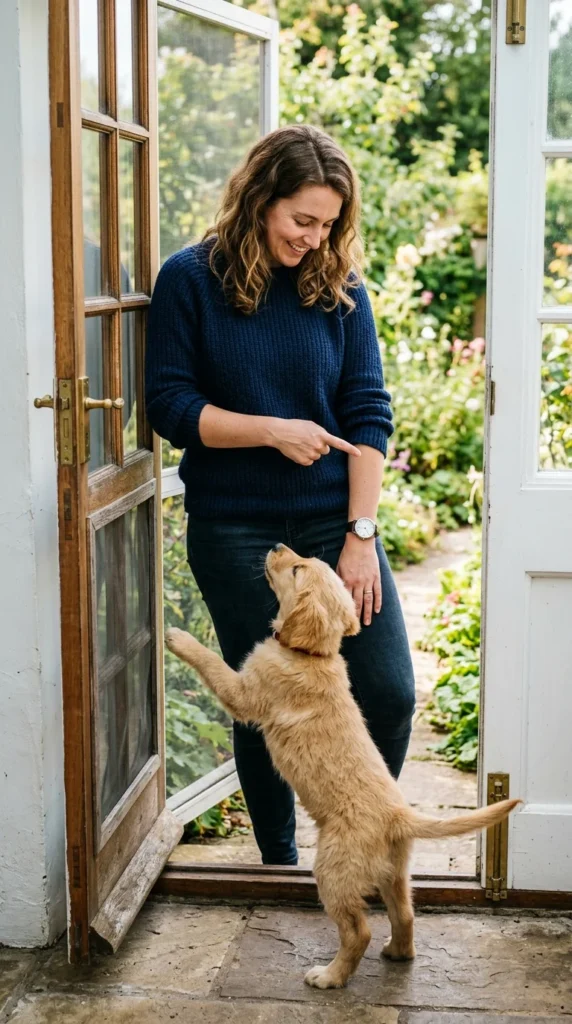
In the first week, assume your puppy needs to go potty every 30 to 60 minutes when they are awake. Their bladders are tiny and they don’t yet have the muscle control to “hold it.” Frequent trips outside prevent accidents and provide more opportunities for you to reward them for getting it right.
18. Sleep Schedule

Puppies are like toddlers; they need a staggering amount of sleep—usually 18 to 20 hours a day. If your puppy starts acting “land shark-y” (nipping and barking excessively), they are likely overtired. Encourage naps in their crate to help them regulate their energy.
19. Command Basics
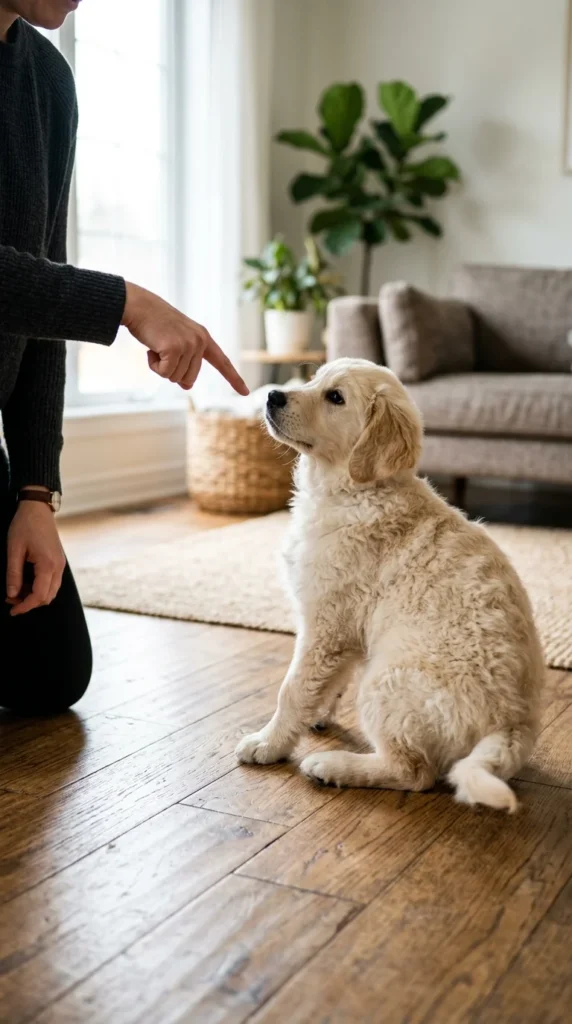
Start with the name. Say their name, and when they look at you, give them a treat. This builds the foundation for all future recall training. Once they know their name, move on to the “sit” command. Keep it fun and lighthearted.
20. Water Access
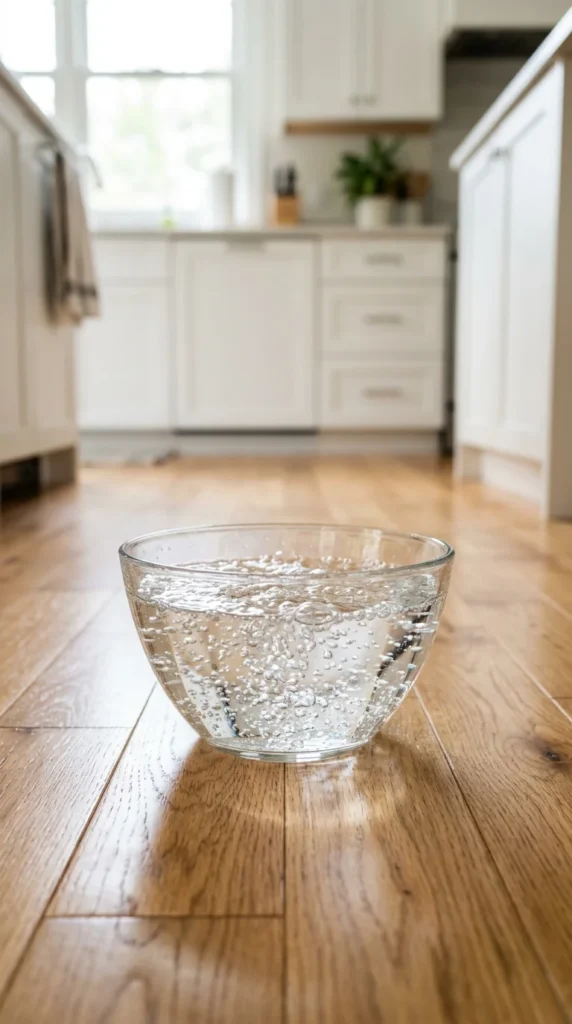
Hydration is vital, especially for growing pups. Ensure they have access to fresh water throughout the day. However, to help with potty training at night, many owners find it helpful to lift the water bowl about two hours before bedtime to minimize midnight bathroom breaks.
21. Bonding Activities
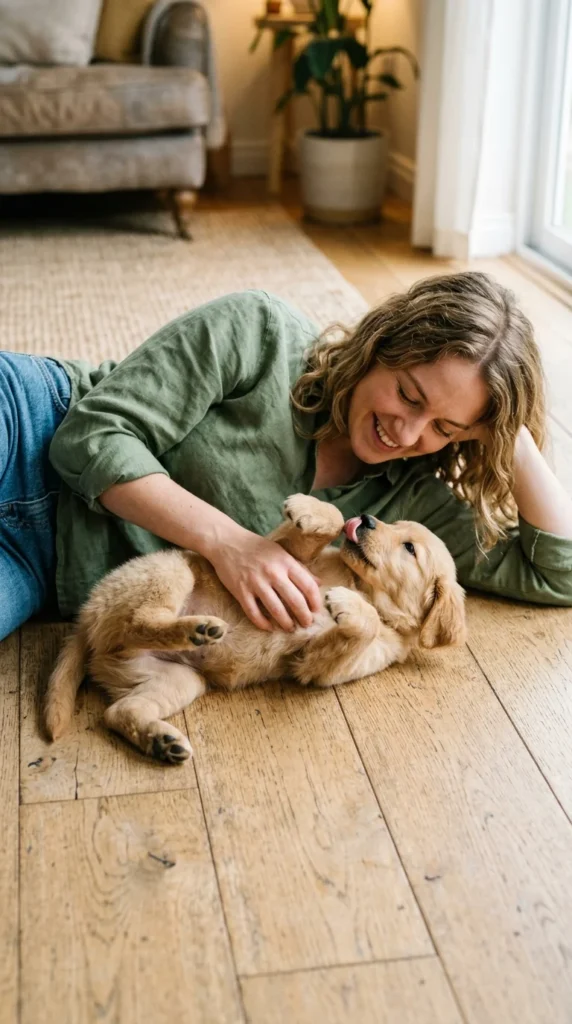
Bonding doesn’t just happen; it is built through interaction. Spend time sitting on the floor with your puppy. Play gentle games of tug-of-war or simply pet them while they relax. This physical closeness builds trust and reinforces the idea that you are their “safe person.”
22. House Rules
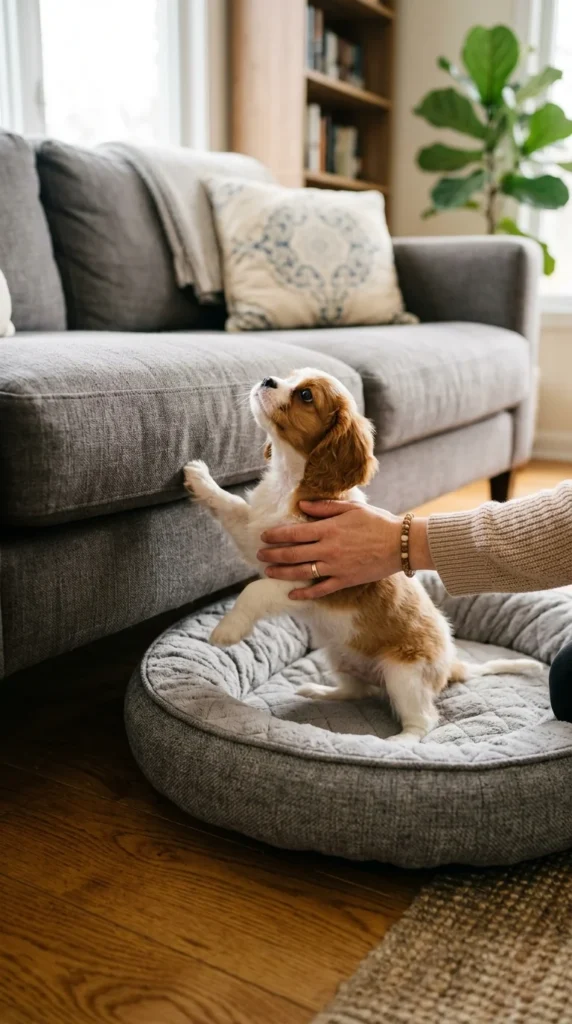
Decide on the rules before the puppy arrives and stick to them. If the puppy isn’t allowed on the couch as an adult, don’t let them on the couch now just because they are small and cute. Consistency across all family members is key to avoiding a confused dog.
23. Patience Practice
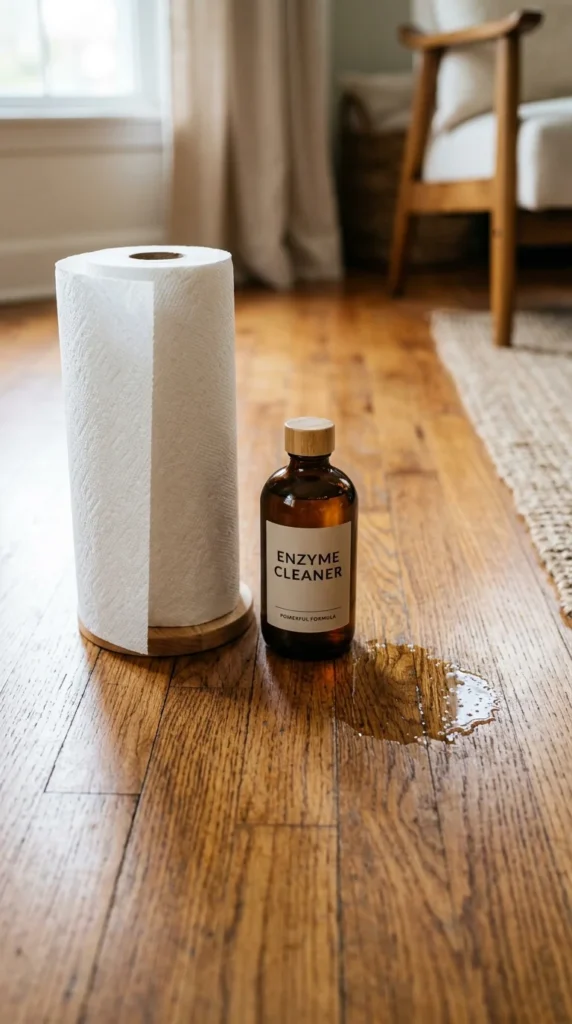
You will get frustrated. There will be a puddle on your rug or a chewed-up slipper. Remind yourself that they are a baby who doesn’t speak your language yet. Take a deep breath, clean up the mess with an enzymatic cleaner (to remove the scent), and resolve to supervise better next time.
24. Feeding Ritual
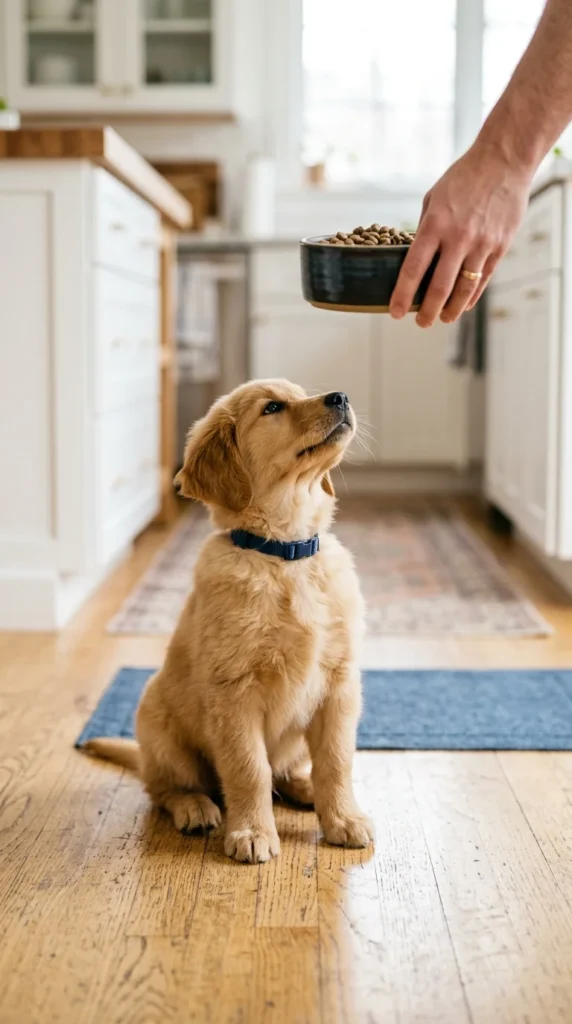
Use mealtime as a training opportunity. Instead of just dumping food in a bowl, make the puppy sit or wait for a second before they get to eat. This teaches impulse control and makes you the “resource provider” in their eyes, which aids in overall discipline.
25. Growth Tracking
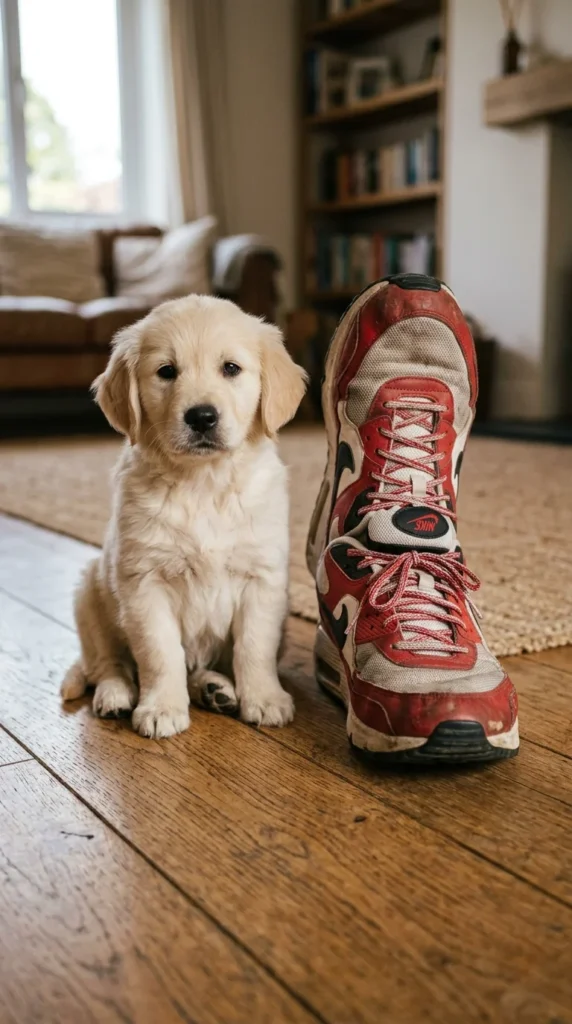
The first week goes by in a flash. Take plenty of photos and videos. Record their weight and any small milestones, like the first time they successfully “sat” on command. These memories are precious, and you’ll be amazed at how much they change even in those first seven days.