
Bringing a new puppy home is an exhilarating milestone, but it often comes with a side effect that most new owners dread: sleep deprivation. Much like human infants, puppies have tiny bladders, high energy levels, and no concept of a “work week.” However, sleep is the foundation of a puppy’s development. During those deep snoozes, their brains process everything they learned during the day, and their bodies do the hard work of growing.
To help you and your furry friend get the restorative rest you both need, here are 19 essential tips for mastering the puppy sleep schedule.
1. Consistent Routine
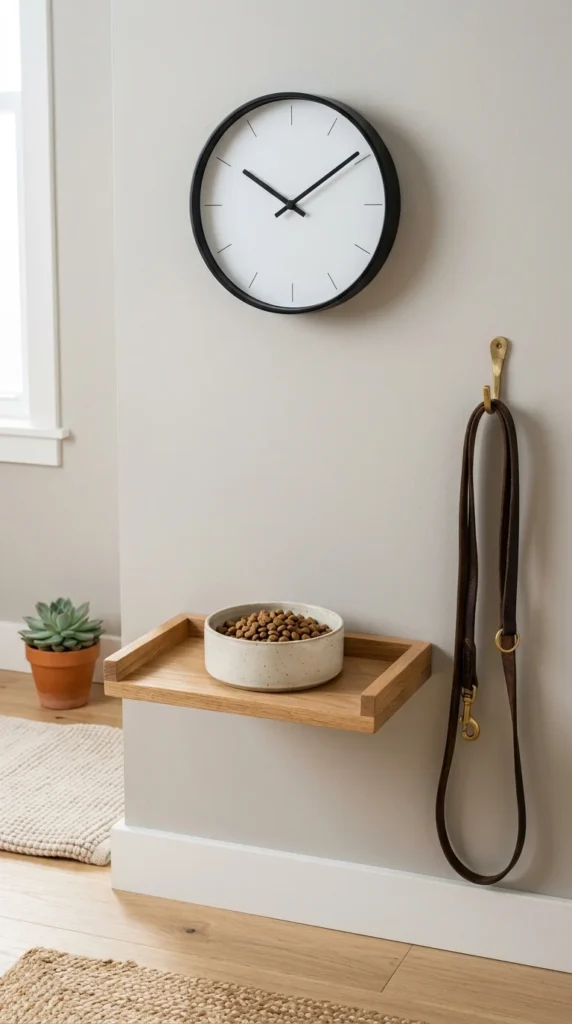
Puppies thrive on predictability. When a puppy knows exactly what to expect, their anxiety levels drop, making it easier for them to settle down. Establish a strict “lights out” time and a consistent wake-up time. This routine should extend to feeding, potty breaks, and play sessions. By aligning their biological clock with your daily schedule, you teach their body when it is time to be active and when it is time to power down.
2. Crate Training

A crate is not a punishment; it is a den. In the wild, dogs are den animals that seek out small, enclosed spaces for safety. A properly sized crate provides a secure environment where a puppy feels protected from the “scary” wide-open spaces of a dark house. Ensure the crate is just large enough for them to stand up, turn around, and lie down. If it’s too big, they may use one corner as a bathroom, which defeats the purpose of house training.
3. Physical Exercise
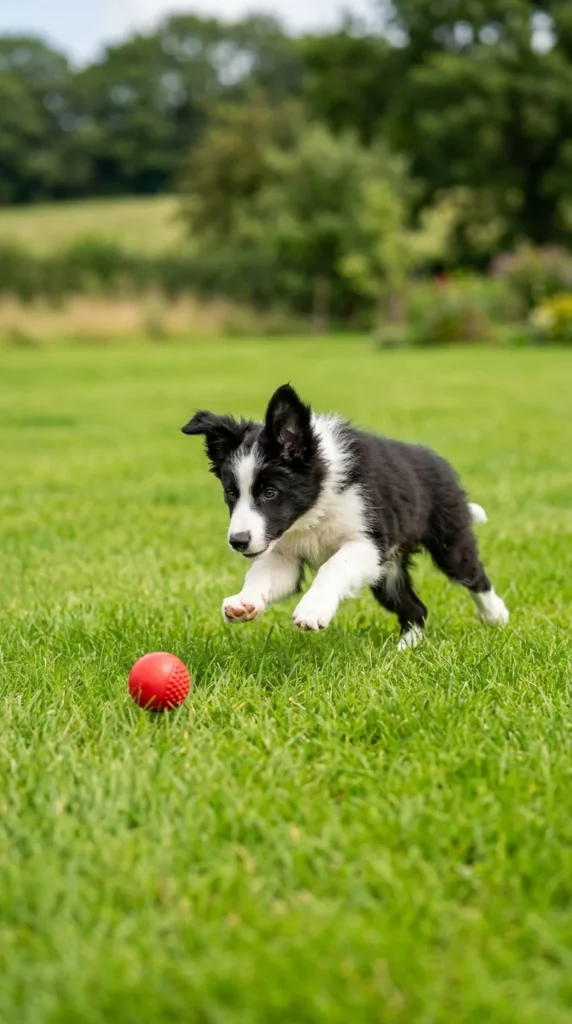
A tired puppy is a sleepy puppy. Ensuring your pup gets enough physical activity throughout the day is crucial for a good night’s rest. Depending on the breed and age, this could mean short walks, a game of fetch in the backyard, or a “zoomie” session in the hallway. However, avoid over-exercising large breeds to protect their developing joints. The goal is to burn off that frantic puppy energy well before the sun goes down.
4. Mental Stimulation
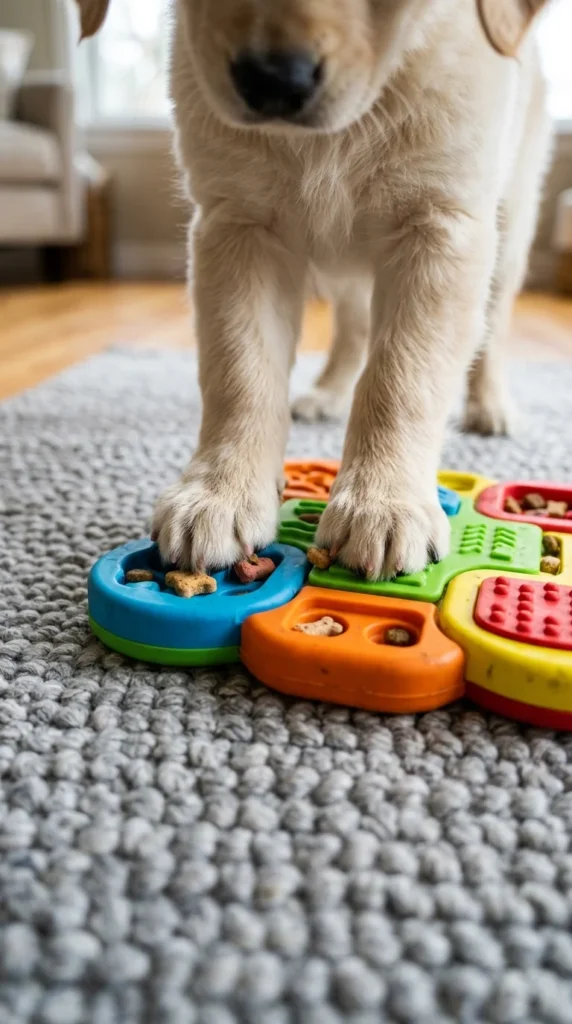
Mental fatigue can be just as effective as physical exhaustion. Puppies have sponges for brains, and keeping them engaged with training sessions, scent work, or puzzle toys can tire them out significantly. A 15-minute session practicing “sit” and “stay” can be more draining than a 30-minute walk. Engage their minds in the early evening to ensure they are mentally ready for a long slumber.
5. Early Dinner
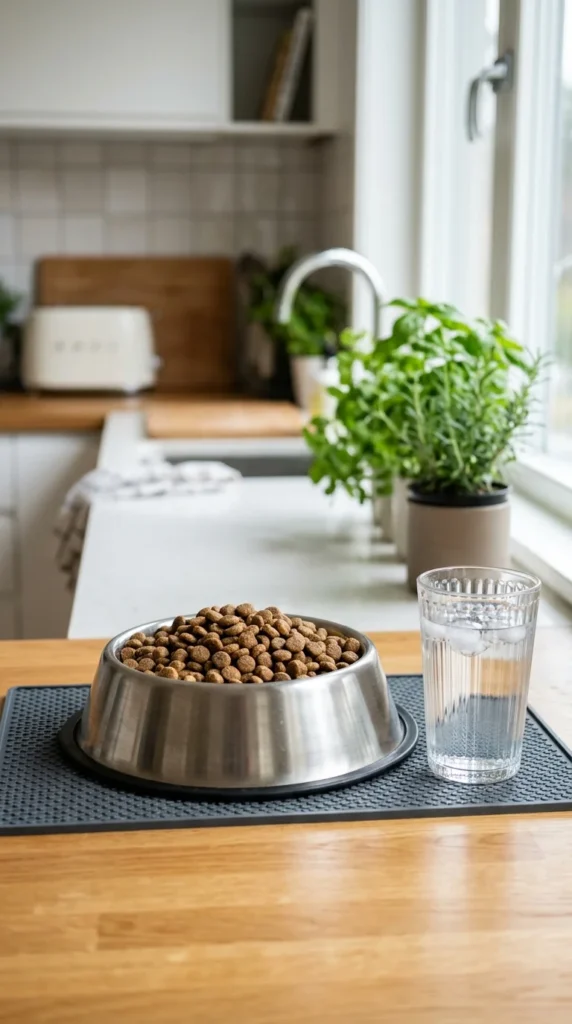
Feeding your puppy too late in the evening is a recipe for a midnight bathroom emergency. Aim to give them their final meal of the day at least three to four hours before bedtime. This gives their digestive system enough time to process the food, allowing them to eliminate waste before they head to their crate for the night.
6. Water Control
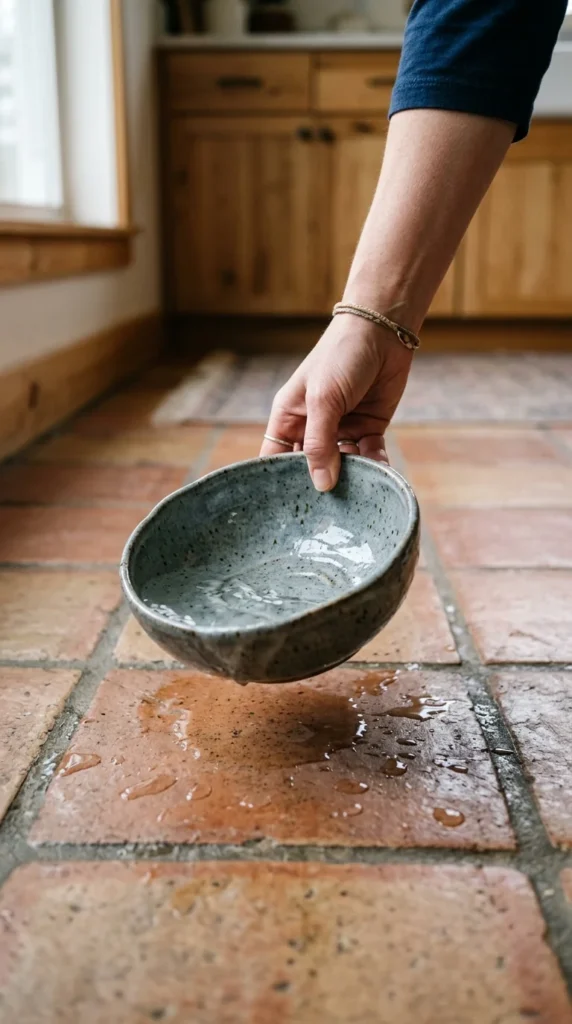
Just as with food, managing water intake is key. While you should never dehydrate a puppy, it is wise to pick up the water bowl about two hours before bed. This reduces the pressure on their small, developing bladder during the night, increasing the chances that they (and you) can sleep through until morning without a wet surprise.
7. Last Call
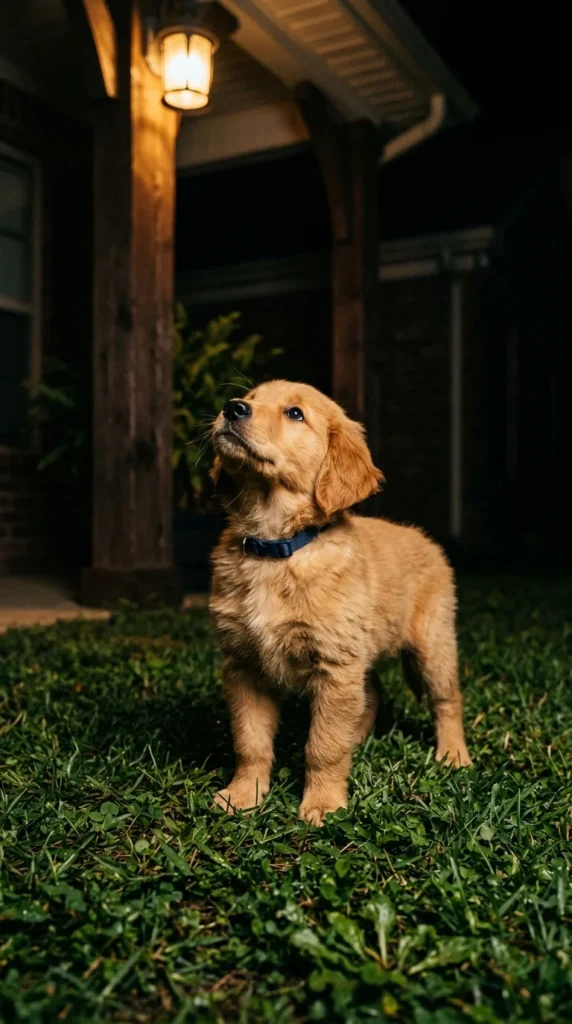
The very last thing you should do before putting your puppy in their crate is a final potty break. Even if they went thirty minutes ago, take them out one last time. Use a specific “potty cue” word and keep the interaction calm and boring. This ensures their tank is as empty as possible before they settle in for the long haul.
8. Strategic Location
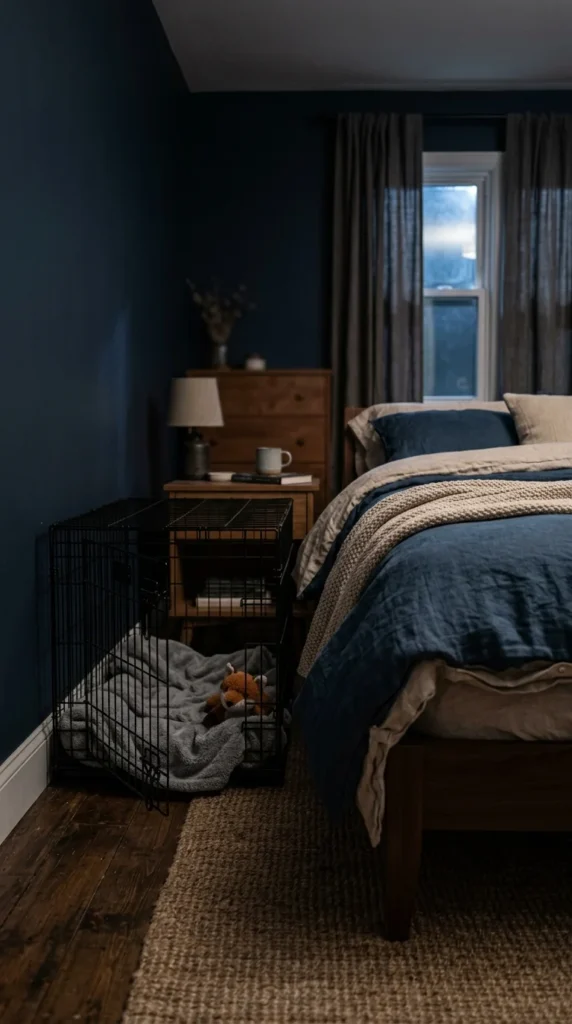
Where you place the crate matters. For the first few weeks, many puppies sleep better if the crate is in your bedroom. Being able to hear your breathing or smell your presence provides a sense of security that prevents the “lonely howl.” Once they are more confident and house-trained, you can gradually move the crate to its permanent location in the house.
9. Darkness Matters
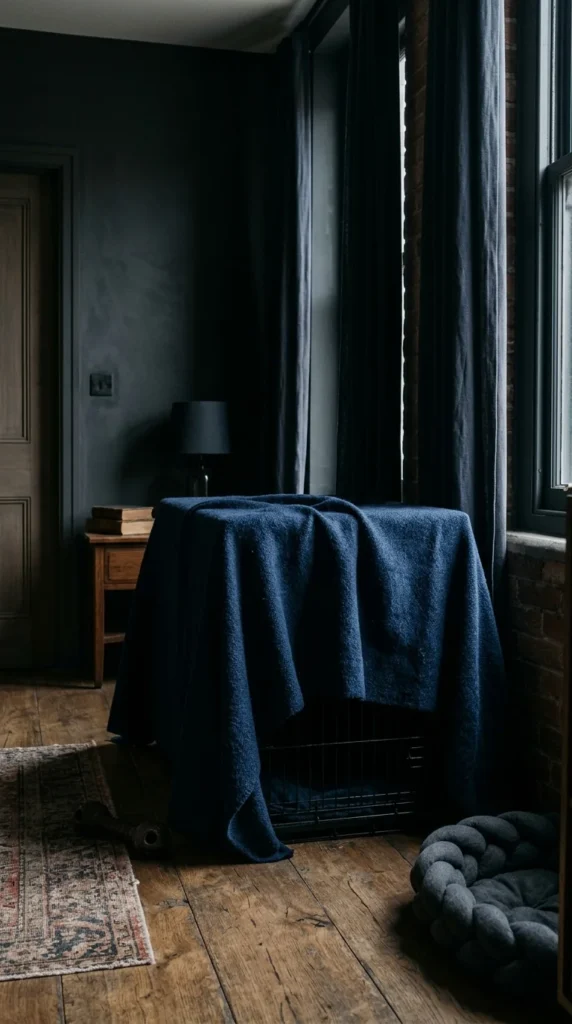
Puppies, like humans, rely on a circadian rhythm influenced by light. If there are streetlights outside or bright LEDs from electronics in the room, it can disrupt their sleep. Use a crate cover or a thick blanket to darken the crate. This creates a “cave” effect that signals to the puppy’s brain that it is time for deep sleep.
10. White Noise
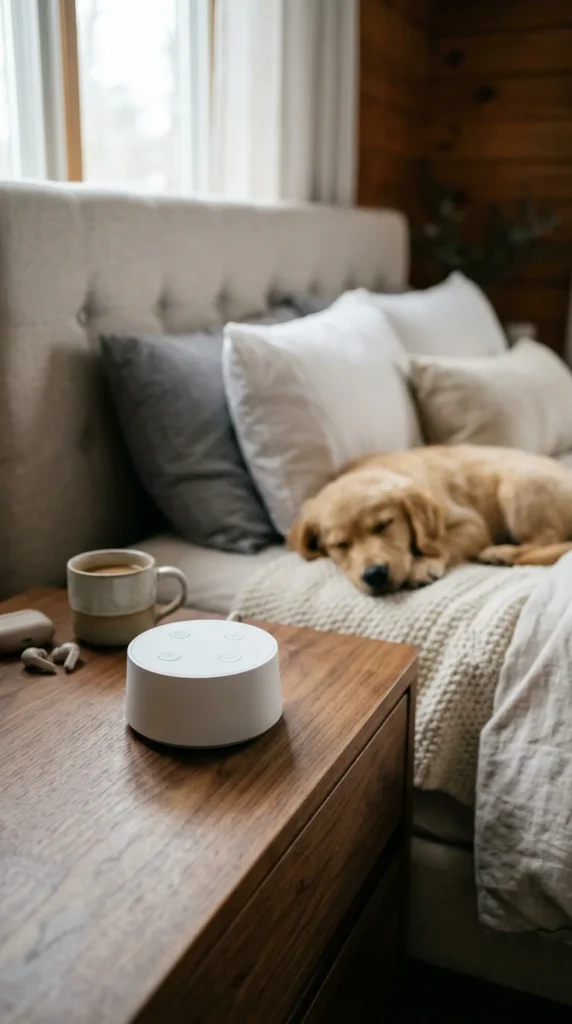
The world is full of scary noises at night—a floorboard creaking, a car driving by, or a heater kicking on. These sudden sounds can startle a puppy awake and trigger a barking fit. Using a white noise machine or a fan can provide a consistent sound floor that masks these environmental triggers, allowing the puppy to stay in a deeper state of rest.
11. Heartbeat Toys
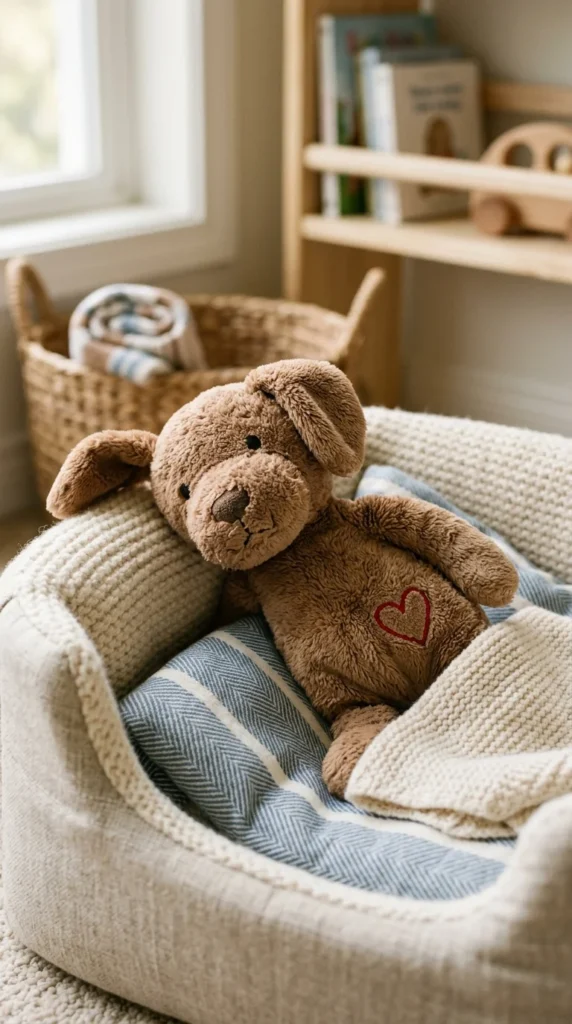
Leaving the litter is a traumatic experience for a puppy. They are used to the warmth and rhythmic heartbeat of their mother and siblings. Special “heartbeat toys” contain a small battery-operated device that mimics a pulsing heart. Placing one of these in the crate can provide immense comfort, tricking the puppy into feeling like they aren’t alone.
12. Comfort Items
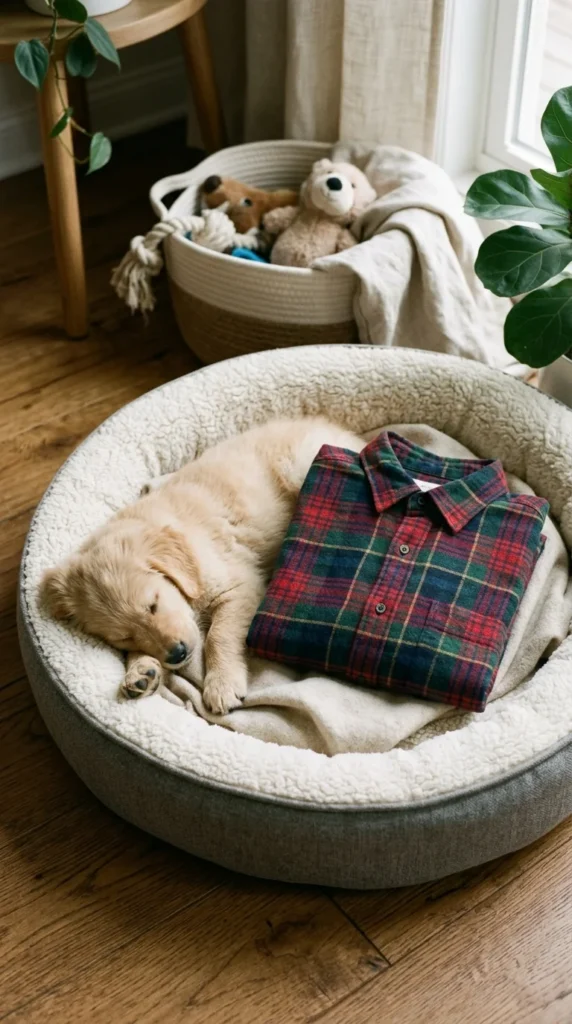
Scent is a dog’s most powerful sense. Placing an old t-shirt or blanket that smells like you inside the crate can soothe a puppy’s separation anxiety. The familiar scent acts as a security blanket, reminding them that their human is nearby and they are safe in their environment.
13. Temperature Check
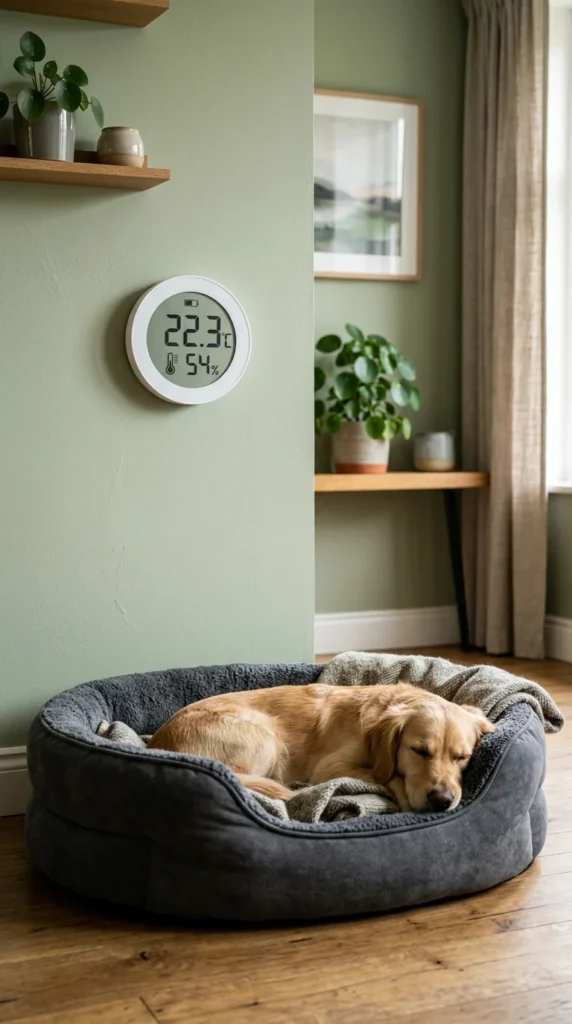
Puppies struggle to regulate their body temperature as effectively as adult dogs. If the room is too hot or there’s a cold draft, they will be restless. Ensure the sleeping area is in a temperature-controlled environment. Generally, if the temperature is comfortable for you in a light t-shirt, it is likely fine for your puppy.
14. Boring Potty Breaks
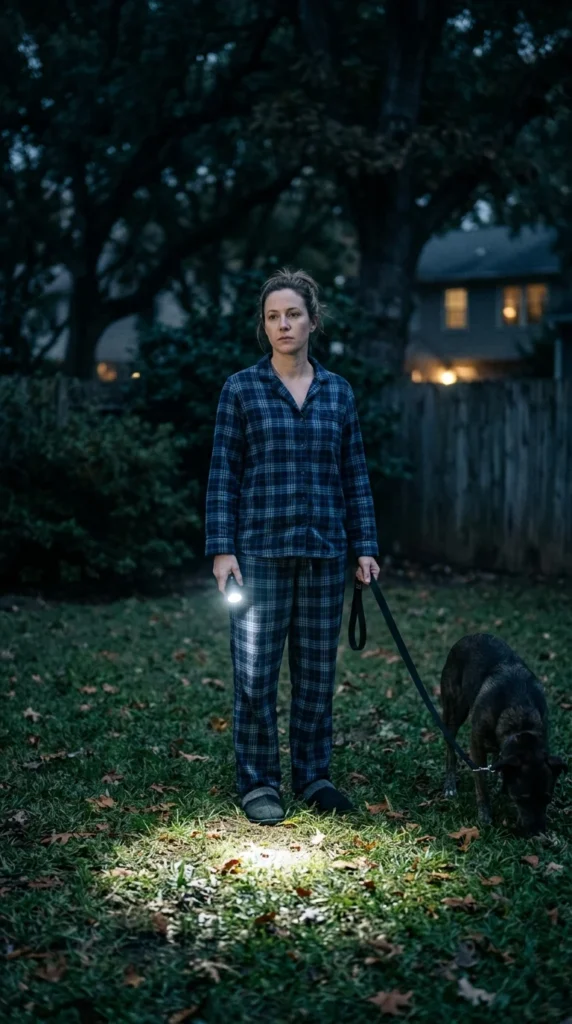
If your puppy wakes up in the middle of the night and needs to go out, keep the interaction “strictly business.” Do not talk to them in a high-pitched voice, do not play, and do not give treats. Take them to their spot, wait for them to go, and immediately put them back in the crate. If they think midnight is playtime, they will keep waking you up for it.
15. Evening Wind-Down
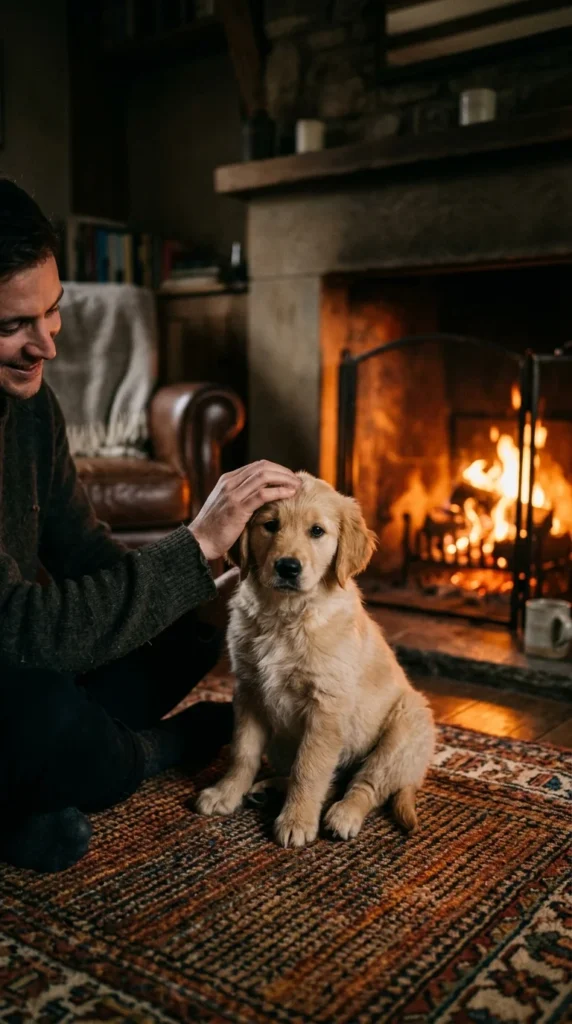
Just as you might read a book before bed, your puppy needs a “cool down” period. About an hour before bedtime, stop all high-energy play. Switch to gentle petting, low-volume music, or soft grooming. This helps lower their heart rate and transition their nervous system from “play mode” to “sleep mode.”
16. Daytime Naps
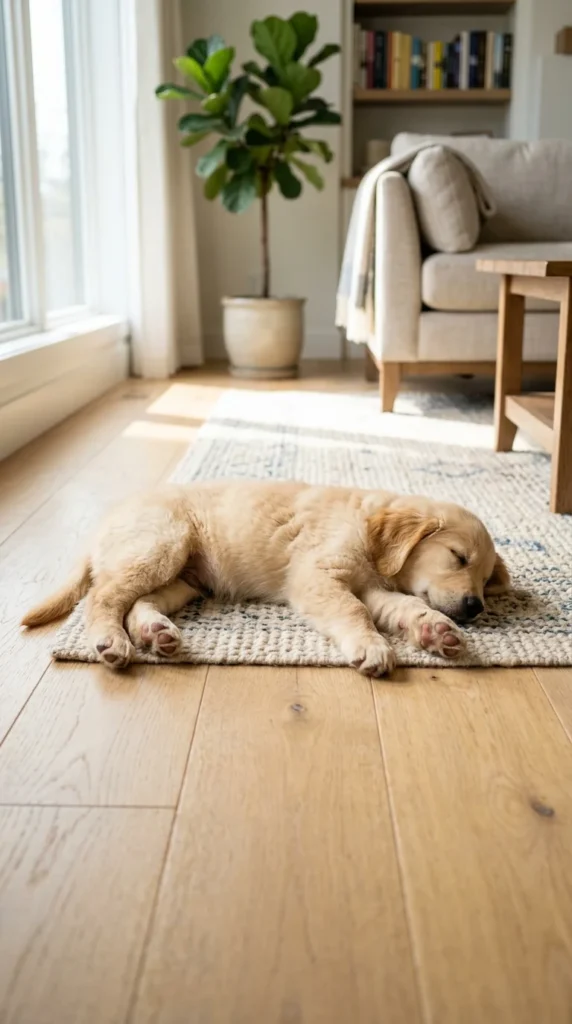
It sounds counterintuitive, but an overtired puppy is harder to put to sleep at night. Puppies need between 18 and 20 hours of sleep per day. Ensure they are getting plenty of naps throughout the daylight hours. If they are overstimulated and haven’t napped, they may become “cranky” and hyperactive at bedtime, making it much harder for them to settle.
17. Ignore the Whining
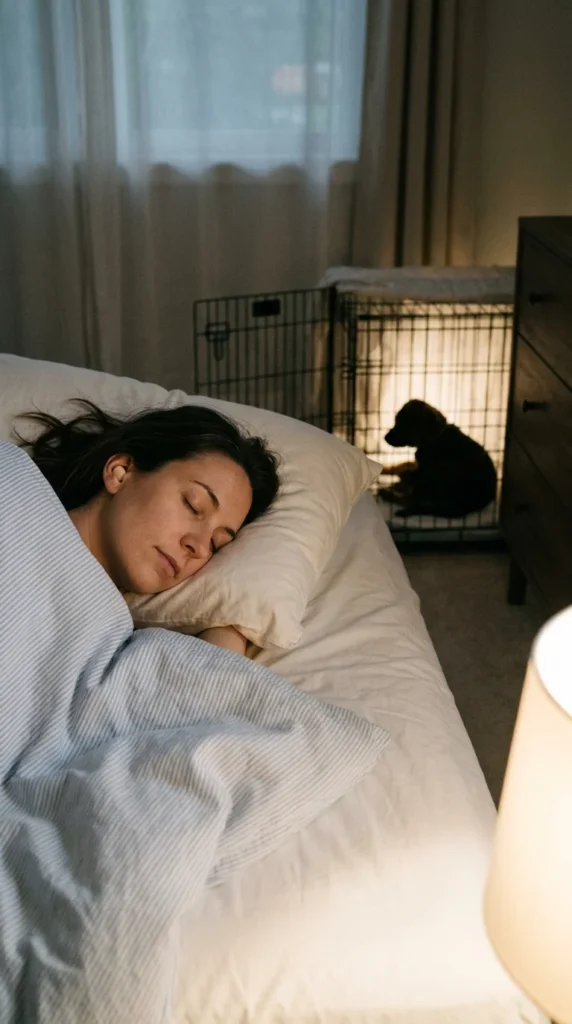
This is the hardest part for any new owner. If you know your puppy has been fed, watered, and walked, and they start whining in their crate, you must ignore it. If you let them out when they cry, you are teaching them that whining is the key to freedom. As long as it isn’t a “potty cry” (which sounds different from a “lonely cry”), stay strong and let them learn to self-soothe.
18. Natural Sunlight
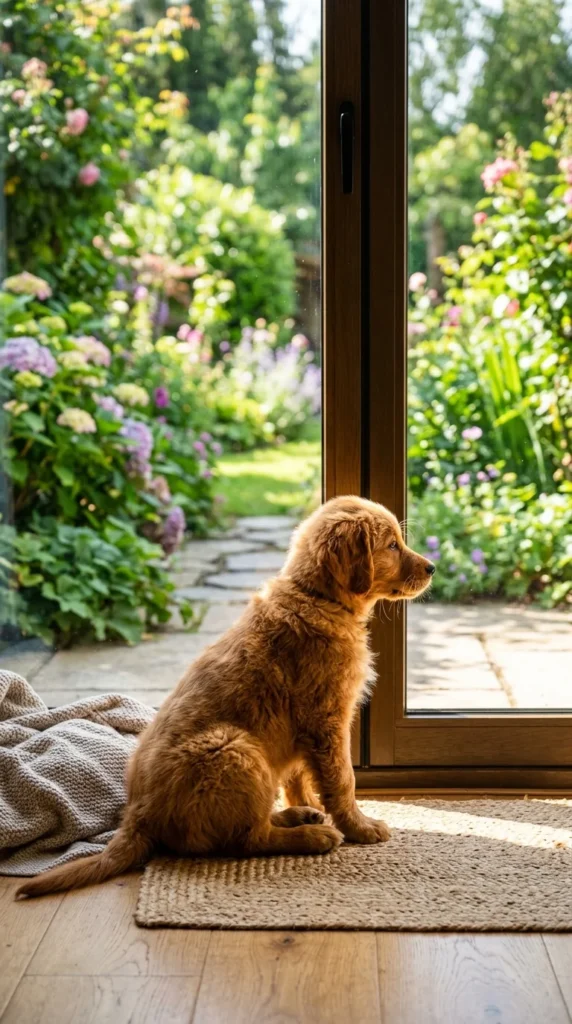
Exposure to natural light during the morning and afternoon helps regulate the puppy’s internal clock. Sunlight helps produce serotonin, which later converts to melatonin—the sleep hormone. Taking your puppy outside for sunshine breaks during the day ensures their body knows exactly when the day begins and when it should end.
19. Veterinary Consult

If you have followed every tip and your puppy still cannot settle or seems to be in distress, a trip to the vet is in order. Sometimes, underlying issues like urinary tract infections, parasites, or digestive discomfort can prevent a puppy from sleeping. A quick check-up can rule out medical problems and give you peace of mind that your puppy’s sleep habits are purely behavioral.