Bringing a new puppy into your home is an exhilarating journey filled with tail wags, belly rubs, and, inevitably, a lot of questions about nutrition. A puppy’s body undergoes a massive transformation in its first year, requiring a precise balance of nutrients and a consistent routine to ensure healthy bone development, cognitive function, and a strong immune system. Getting the feeding schedule right is perhaps the most important responsibility of a new pet parent.
1. Neonatal Phase

During the first two weeks of life, a puppy’s feeding schedule is dictated entirely by nature. At this stage, puppies are blind and deaf, relying solely on their mother’s milk. They need to nurse every two to three hours. If the mother is unavailable, a dedicated breeder or owner must provide a commercial canine milk replacer using a bottle or syringe on this same strict, around-the-clock schedule.
2. Lapping Introduction

Around three weeks, puppies begin to develop their senses. This is the time to introduce “lapping.” While they still primarily rely on nursing, you can offer a shallow dish of milk replacer or a very thin slurry of high-quality puppy kibble soaked in warm water. This introduces them to the mechanics of eating from a bowl.
3. Gruel Transition
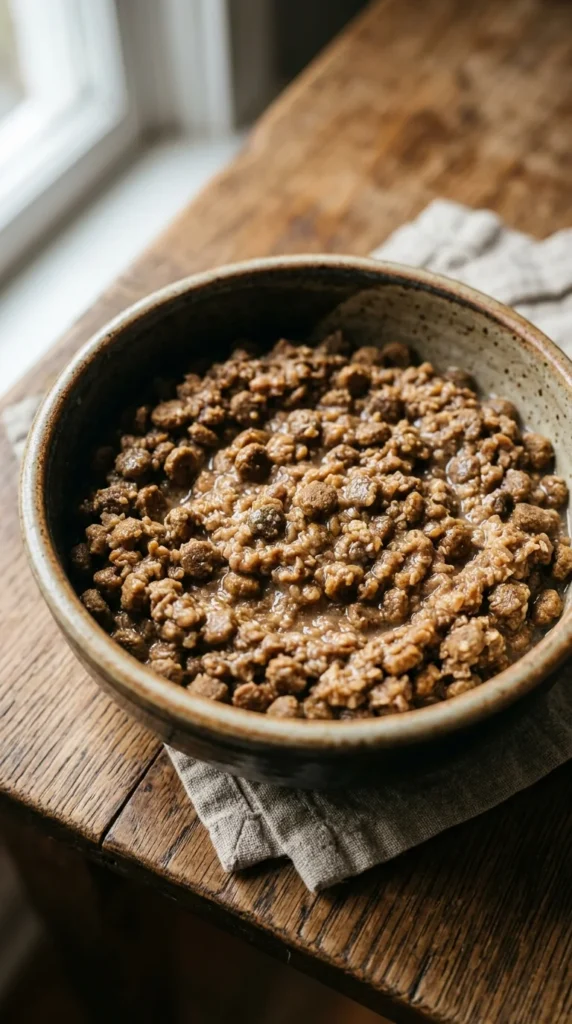
At four to five weeks, the transition to solid food accelerates. This stage involves “puppy mush” or gruel. The schedule remains frequent—about five to six times a day—but the consistency of the food becomes thicker. This bridge between liquid and solid helps the puppy’s digestive system adapt without distress.
4. Weaning Completion
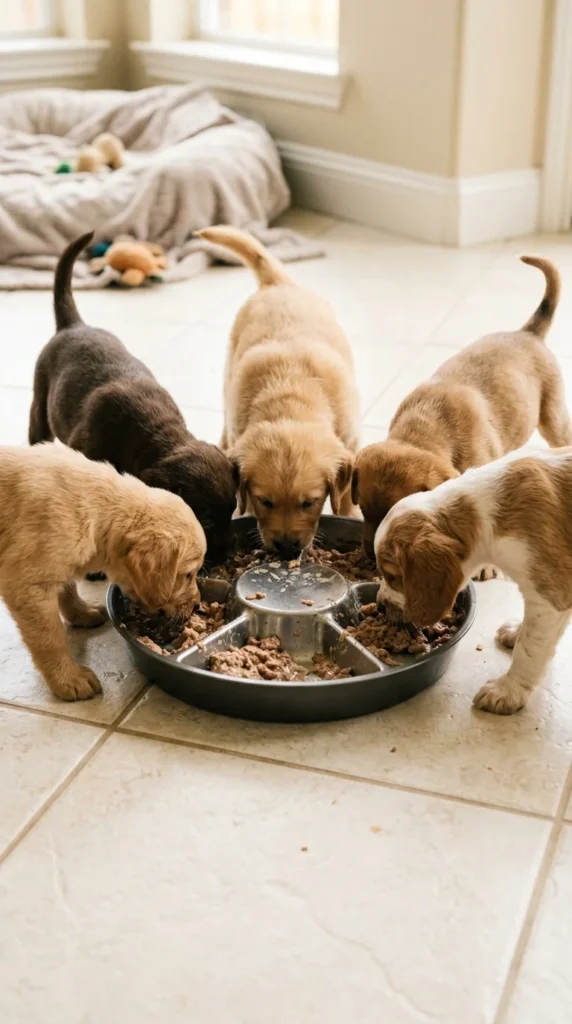
By six weeks, most puppies are well on their way to being fully weaned. They should be eating soft, moistened food four times a day. At this stage, the mother dog will naturally start to spend less time nursing as the puppies’ teeth begin to emerge. Consistency is key here to prevent hypoglycemia, especially in smaller breeds.
5. Eight-Week Arrival
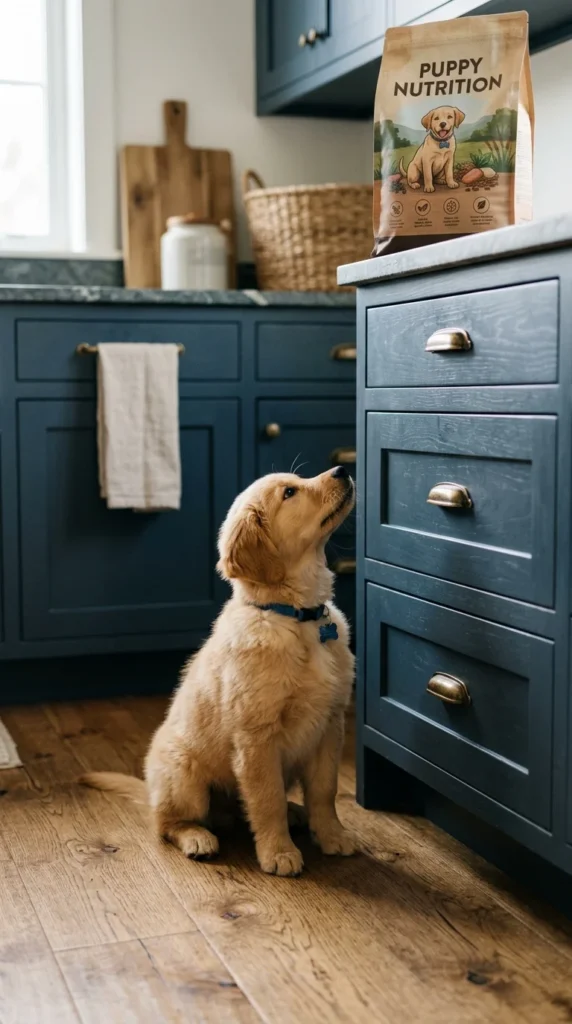
Most puppies go to their forever homes at eight weeks old. This is a high-stress time, so it is vital to stick to the breeder’s feeding schedule for at least the first week. Typically, this means four meals a day: breakfast, lunch, late afternoon, and dinner. Spacing these out evenly helps maintain steady blood sugar levels.
6. Small Breed Precision

Small and toy breeds (like Yorkies or Maltese) have extremely fast metabolisms and tiny stomachs. Between 8 and 12 weeks, they must be fed 4 to 5 times a day. Missing even one meal can lead to a dangerous drop in blood sugar. Their schedule should be rigid and closely monitored.
7. Large Breed Balance
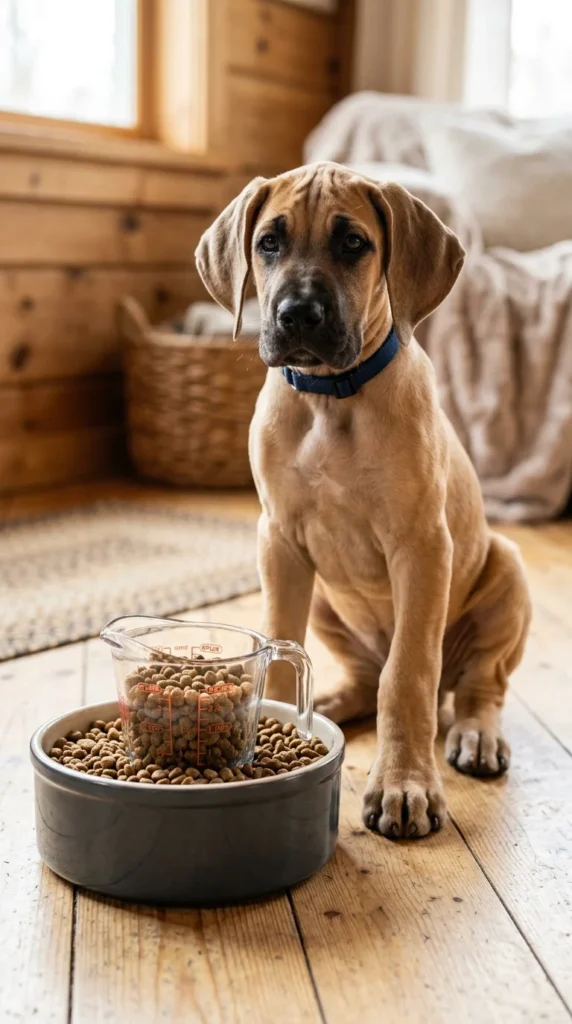
Large and giant breeds (like Labradors or Great Danes) grow at an alarming rate. Between 8 and 12 weeks, three to four meals are standard. The focus here is on “slow growth.” Overfeeding a large breed puppy can lead to skeletal deformities and joint issues later in life. Their schedule should focus on measured caloric intake rather than “free-feeding.”
8. Three-Month Milestone

By twelve weeks, most puppies can handle a solid routine of three meals per day. This is the age where you might start noticing their personality during mealtime. Establish a “feeding spot” that is quiet and free from distractions. A consistent schedule helps with house training, as puppies usually need to eliminate shortly after eating.
9. Morning Routine
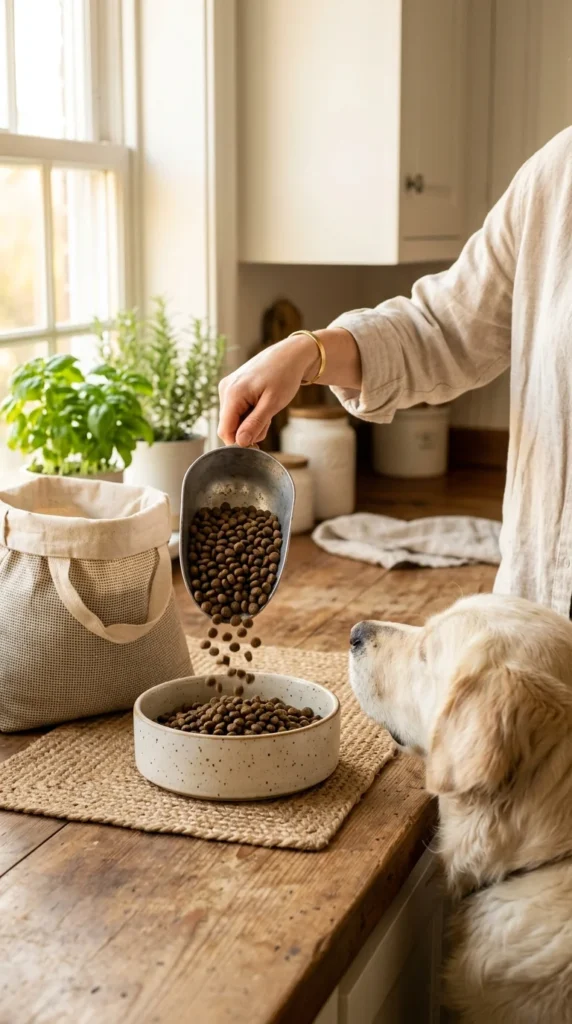
The first meal of the day should happen as soon as the puppy wakes up and has had their first bathroom break. Aim for 6:00 AM to 7:00 AM. This sets the metabolic clock for the rest of the day and ensures they have the energy for their morning play and training sessions.
10. Midday Maintenance

Lunch should occur around noon. As puppies grow, this is often the meal that owners find hardest to manage due to work schedules. However, at four months old, this midday meal is still essential for sustained growth. Using an automatic feeder or having a neighbor stop by can help maintain this consistency.
11. Evening Sustenance

The final meal of the day should be served around 5:00 PM or 6:00 PM. Feeding too late in the evening can lead to midnight bathroom emergencies. By keeping the dinner hour consistent, you allow the puppy enough time to digest and “empty out” before their final bedtime walk.
12. Five-Month Adjustment
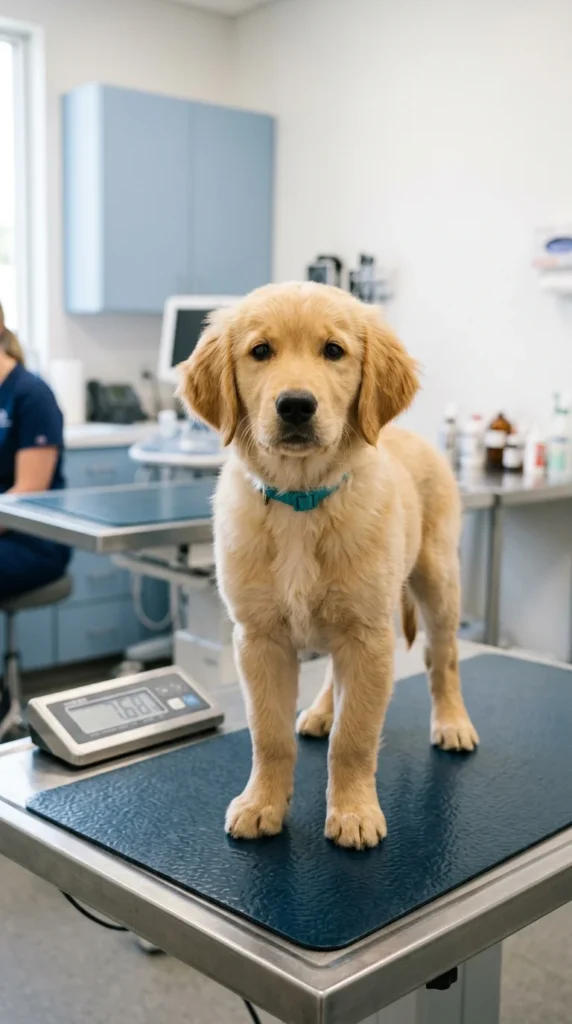
At five months, you may notice your puppy isn’t quite as ravenous at lunchtime. Their growth rate starts to slightly decelerate compared to the frantic pace of the first few weeks. If they are leaving food behind at lunch, it might be time to start slightly increasing the morning and evening portions while thinning out the midday meal.
13. Six-Month Shift
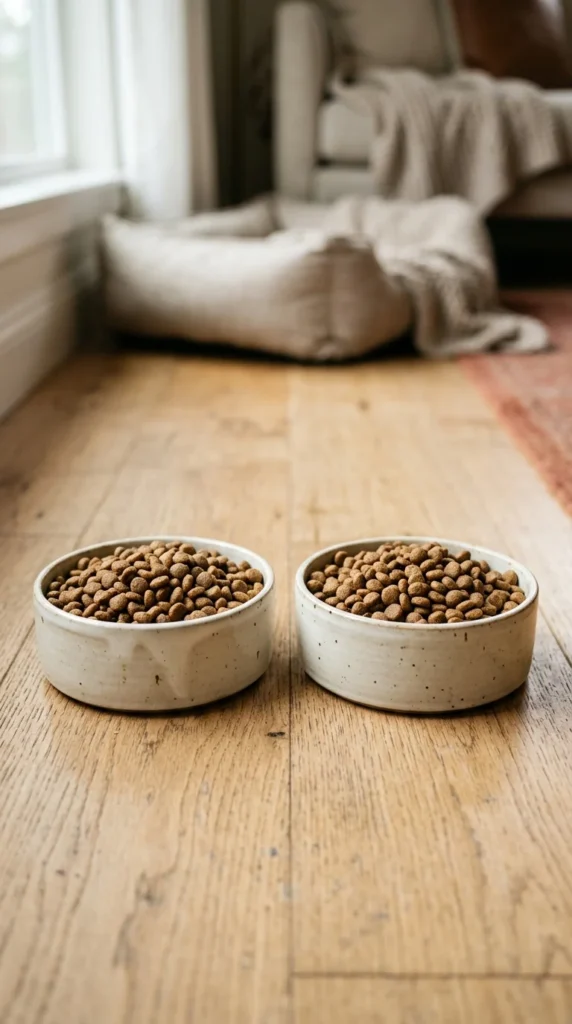
Six months is a major milestone. Most puppies can now transition from three meals a day to two (breakfast and dinner). This simplifies the owner’s schedule but requires a careful recalculation of the total daily calories to ensure the puppy is still getting what they need in two larger servings.
14. Adolescent Energy

Between seven and nine months, your puppy enters “adolescence.” Their energy levels are through the roof. While the two-meal-a-day schedule stays the same, you might need to adjust the amount of food based on their activity levels. An active puppy who spends hours at the park may need slightly more than a couch-potato pup.
15. Small Breed Maturity

Small breeds often reach their full adult size between 9 and 12 months. At this stage, you should consult your vet about transitioning from puppy-specific food to adult maintenance food. The schedule remains at two meals per day, but the nutrient density changes to prevent obesity.
16. Large Breed Longevity
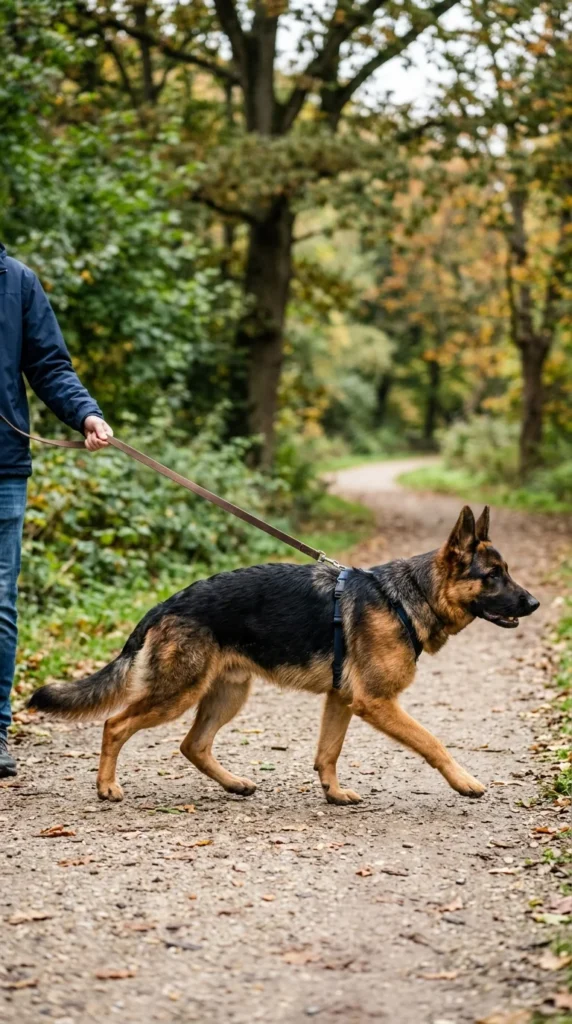
Large and giant breeds are different. They might not reach full maturity until 18 to 24 months. For these dogs, sticking to a large-breed-specific puppy food for the first year and a half is crucial. Their feeding schedule must remain strictly controlled to avoid the “growth spurts” that cause hip dysplasia.
17. Training Treats

Feeding isn’t just about the bowl. Puppies learn best through positive reinforcement. A “schedule” for training treats should be integrated into your day. Pro-tip: Subtract the calories of the treats from their main meals to ensure you aren’t overfeeding. Use a portion of their daily kibble as training rewards to keep the balance.
18. Hydration Schedule

While we focus on food, water is just as vital. A puppy should have access to fresh water throughout the day. However, to help with potty training, it is often wise to “close the bar” about two hours before bedtime. This helps ensure a dry crate overnight.
19. The One-Year Mark

At one year, most dogs are officially adults. The feeding schedule is now a permanent fixture of their life. Two meals a day, roughly 10-12 hours apart, is the gold standard for canine health. This routine provides digestive stability and gives the dog a sense of security.
20. Slow Feeding
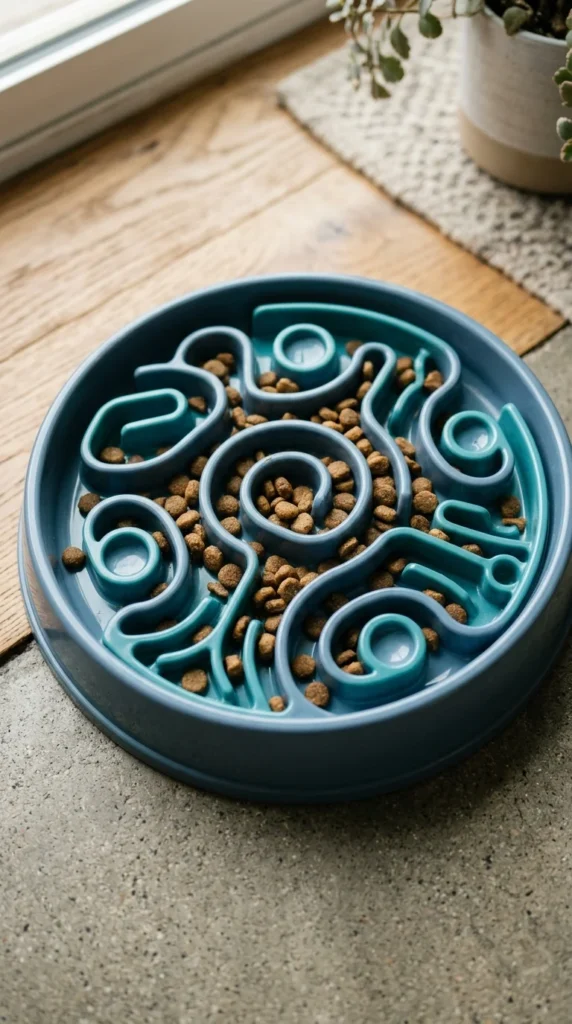
If your puppy treats every meal like a race, their “schedule” needs a tool. Slow feeders or puzzle bowls can turn a 30-second gulping session into a 10-minute mental workout. This prevents bloat (a dangerous stomach condition) and makes the scheduled mealtime more rewarding.
21. Weekly Body Checks
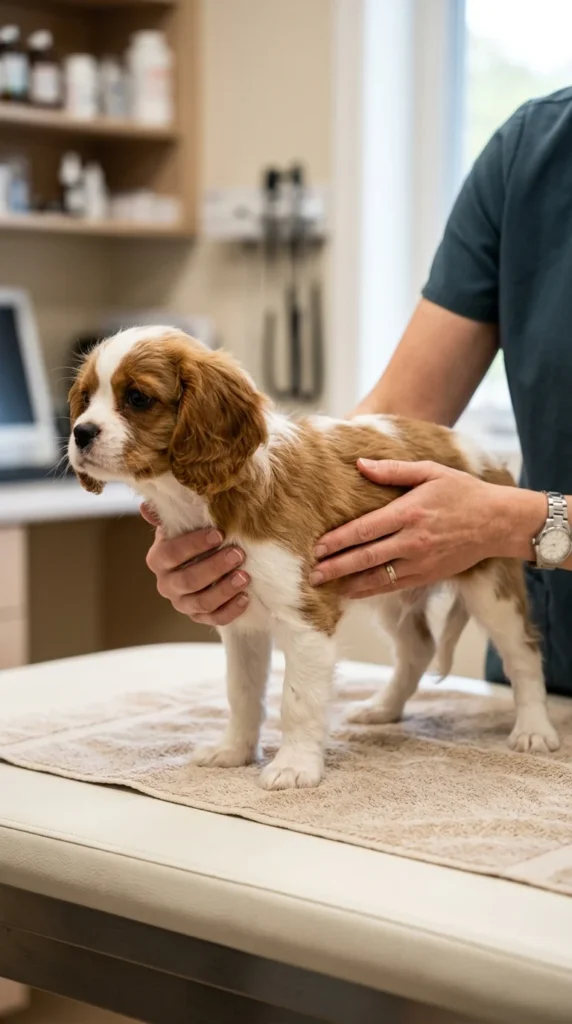
A schedule is only as good as its results. Every week, perform a “hands-on” check. You should be able to feel your puppy’s ribs but not see them. If the puppy is looking too round, trim the portions in the schedule. If they look skeletal, increase them slightly.
22. Digestive Rest

Puppies should not engage in vigorous exercise (like heavy running or jumping) for at least 30 to 60 minutes after eating. This “rest schedule” is vital to prevent digestive upset and the aforementioned risk of bloat, particularly in deep-chested breeds.
23. Vet Consultations

Finally, the most important part of any schedule is professional oversight. Your vet will track your puppy’s growth curve. At every vaccination appointment, discuss your current feeding schedule and brand of food. They can provide the most accurate caloric targets tailored specifically to your dog’s unique metabolism.