
Bringing a new puppy into your home is a journey filled with cuddles, puppy breath, and unfortunately, the dreaded “land shark” phase. Teething is a natural biological process where your puppy’s 28 razor-sharp deciduous (baby) teeth fall out to make room for 42 permanent adult teeth. This transition typically happens between three and six months of age and can be quite painful for your furry friend.
During this time, your puppy will try to soothe their aching gums by chewing on anything they can get their paws on—your shoes, your furniture, and even your hands. To help you navigate this challenging period, we’ve compiled 18 expert-backed tips to soothe your puppy’s gums and protect your belongings.
1. Frozen Carrots
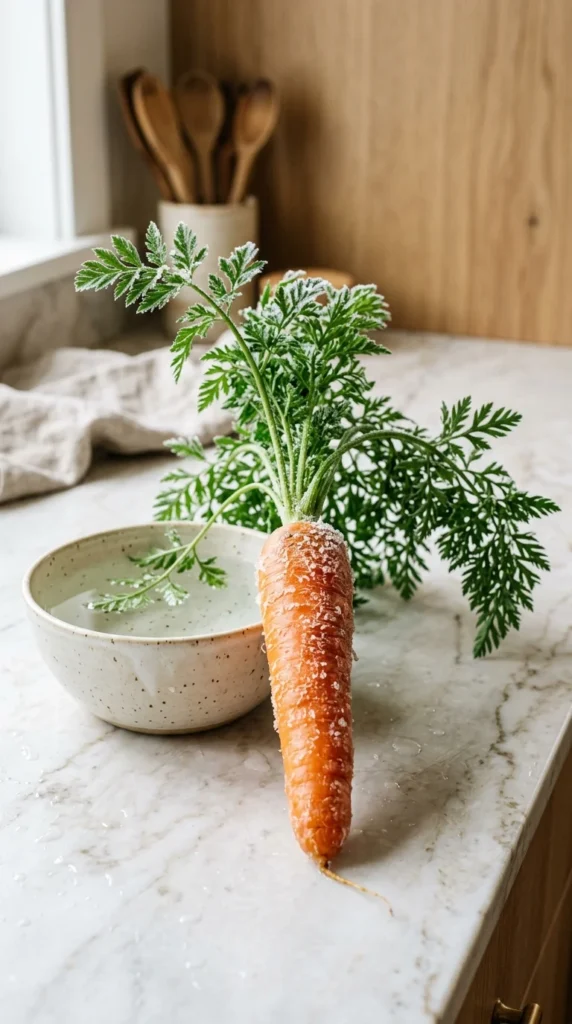
Frozen carrots are a double-threat against teething pain. Not only are they naturally hard and crunchy, providing the mechanical pressure puppies crave to soothe their gums, but the extreme cold acts as a localized numbing agent. Carrots are also low in calories and high in Vitamin A and fiber, making them a healthy snack.
- How to do it: Peel a large carrot (to prevent choking on small bits) and freeze it solid. Offer it to your puppy under supervision.
- Pro Tip: Don’t overdo it—too many carrots can lead to loose stools due to the high fiber content.
2. Rubber Rings
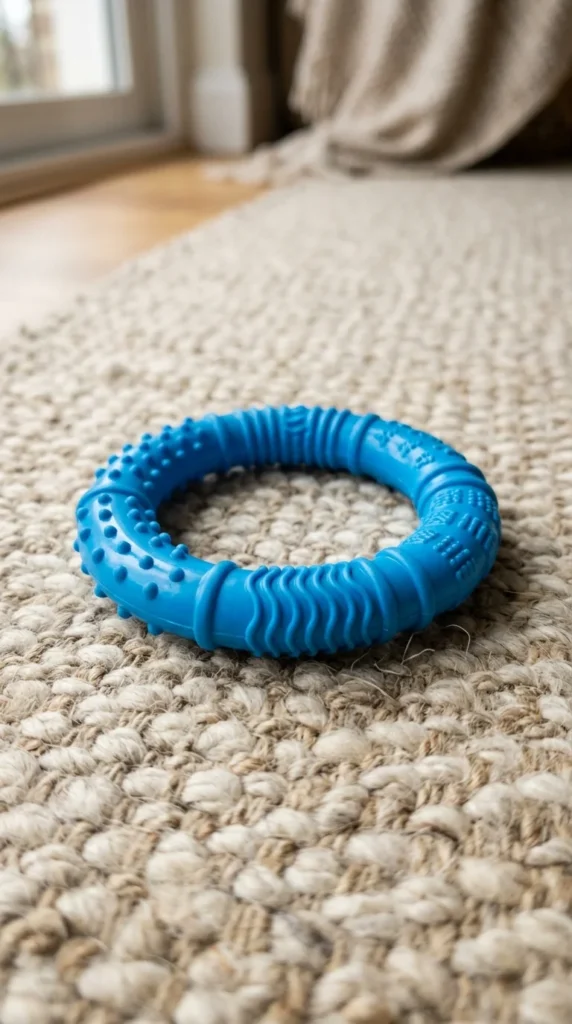
Investing in high-quality, heavy-duty rubber teething rings is essential. Look for toys specifically designed for “puppy” strength, as adult rubber toys might be too hard and could actually damage fragile baby teeth. The different textures on these rings help massage the gums as the puppy chews.
- Why it works: The “give” in the rubber allows the puppy to sink their teeth in without breaking the tooth, while the resistance provides relief.
- Pro Tip: Place the rubber ring in the freezer for an hour before giving it to your puppy for extra cooling relief.
3. Cold Washcloths
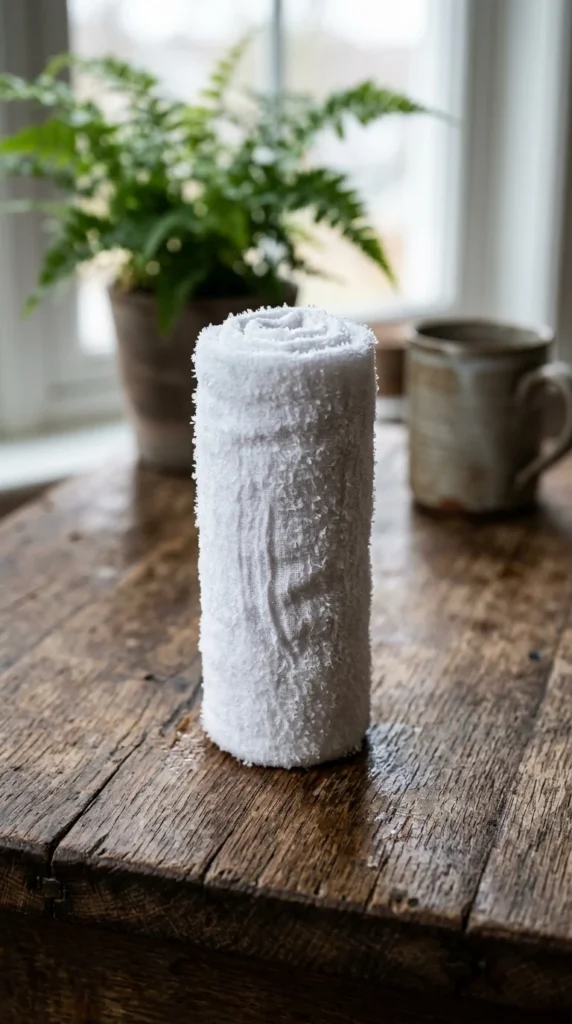
One of the simplest and most effective DIY remedies is a frozen washcloth. The fabric provides a unique texture that puppies love to gnaw on, and the moisture holds the cold temperature for a significant amount of time.
- How to do it: Soak a clean washcloth in water (or low-sodium chicken broth for extra incentive), wring it out, roll it up, and freeze it.
- Safety Note: Always supervise your puppy with a washcloth to ensure they don’t tear off and swallow pieces of the fabric.
4. Ice Cubes

Sometimes the simplest solution is the best. Plain ice cubes can provide immediate numbing to inflamed gums. Many puppies view ice cubes as “magical” treats that disappear as they play with them.
- How to do it: Give your puppy a single ice cube on a hard floor (to avoid messes on carpet).
- Variation: You can freeze small pieces of apple or blueberry inside the ice cubes to keep them engaged for longer.
5. Edible Chews
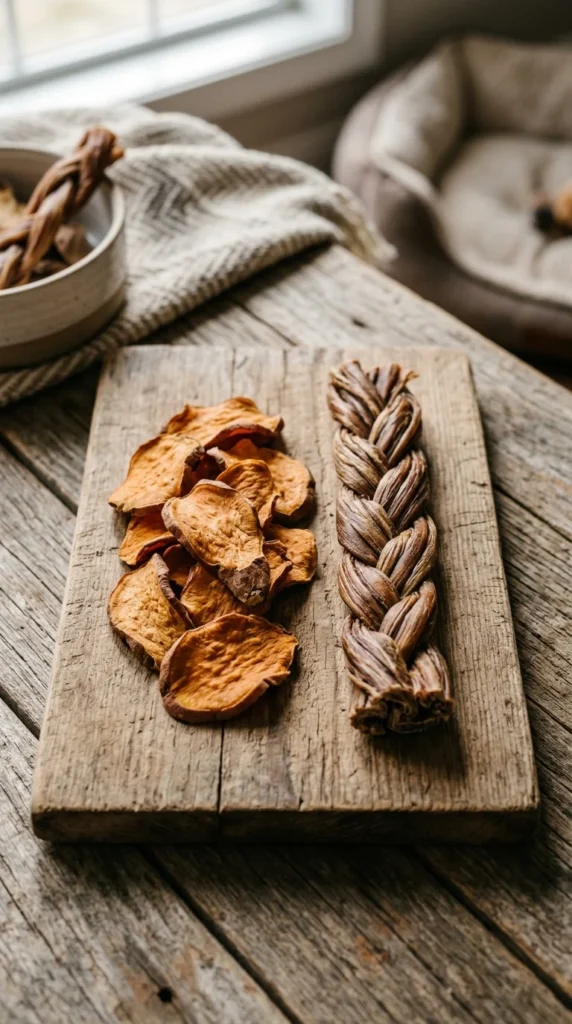
While plastic and rubber are great, puppies have a natural instinct to chew on digestible materials. Edible chews like bully sticks, collagen sticks, or dental chews specifically formulated for puppies can keep them occupied for a long time.
- Why it works: These items satisfy the urge to “consume” while providing a safe outlet for chewing.
- Safety Note: Always remove the chew once it becomes small enough to be swallowed whole to prevent choking or intestinal blockage.
6. Bitter Sprays
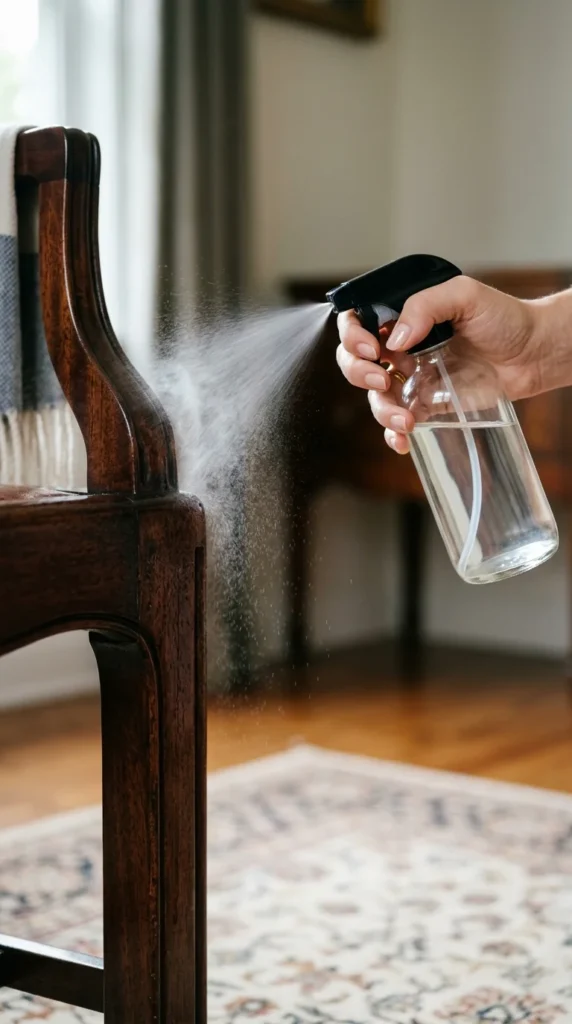
If your puppy has developed a taste for your baseboards or chair legs, a bitter deterrent spray is your best friend. These sprays use non-toxic but extremely foul-tasting ingredients (like bitter apple or cherry) to discourage chewing.
- How to use: Spray the area you want to protect. Most puppies will try to bite it once, dislike the taste, and avoid it in the future.
- Pro Tip: Reapply the spray daily, as the scent and taste can fade over time.
7. Frozen Berries

Blueberries and strawberries are packed with antioxidants and, when frozen, become tiny “ice pops” for your puppy. They are small enough to be safe for most breeds and provide a sweet, healthy distraction from teething pain.
- How to do it: Keep a bag of frozen berries in your freezer and toss one or two to your puppy during high-energy periods.
- Caution: Avoid grapes or raisins, as these are toxic to dogs.
8. Rope Toys

Cotton rope toys are excellent for teething because the fibers act like dental floss, cleaning the teeth while the puppy chews. The twisted texture of the rope provides a firm surface for the puppy to press their gums against.
- Maintenance: Soak the rope toy in water and freeze it for a “chilly” chewing experience.
- Safety: Check the rope regularly for fraying. If your puppy starts eating the strings, take it away immediately.
9. Gum Massage

If your puppy is particularly fussy, a gentle gum massage can do wonders. Using a clean finger or a soft silicone finger brush, gently rub your puppy’s gums in a circular motion.
- Why it works: This increases blood flow to the area and can help the adult teeth break through the surface more easily.
- Benefit: This also desensitizes your puppy to having their mouth handled, which makes future teeth brushing and vet visits much easier.
10. Stuffed Kongs

The Kong toy is a staple for dog owners for a reason. For a teething puppy, a Kong stuffed with soft food and then frozen is the ultimate distraction.
- How to do it: Fill the toy with wet puppy food, plain Greek yogurt, or mashed pumpkin. Freeze it for at least 4 hours.
- Result: The puppy will spend 20–30 minutes licking and chewing the cold toy, which numbs the gums and tires them out mentally.
11. Hazard Removal

Teething puppies are explorers who use their mouths to understand the world. Prevention is the best cure. If they can’t reach your expensive sneakers or the dangerous power cables, they can’t chew them.
- Action Plan: Get down on your hands and knees to see the world from your puppy’s perspective. Remove anything small enough to swallow or valuable enough to miss.
- Focus: Pay special attention to electrical cords, which can cause severe burns or electrocution if bitten.
12. Redirecting

When you catch your puppy chewing on something they shouldn’t, the goal isn’t just to stop them, but to show them what they should be doing. This is called redirection.
- How to do it: Keep a toy within reach at all times. If the puppy nips your hand or a furniture leg, say “Ah-ah!” and immediately place the toy in their mouth.
- Praise: When they start chewing the toy, praise them enthusiastically so they learn that chewing the toy results in positive attention.
13. Mental Stimulation
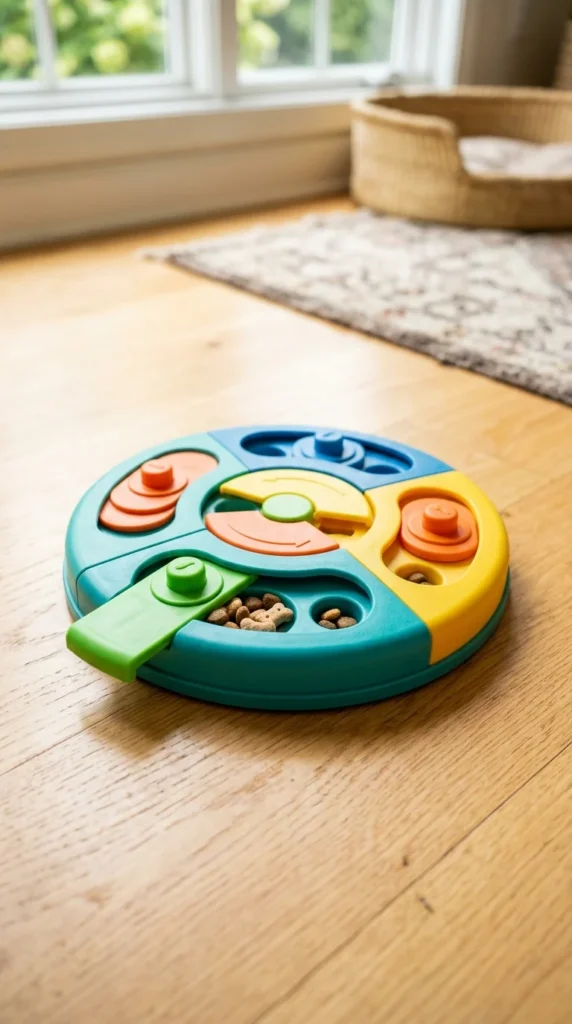
Teething pain is often exacerbated by boredom. A puppy who is mentally exhausted is less likely to engage in destructive chewing. Use puzzle feeders and “snuffle mats” to make your puppy work for their meals.
- Why it works: Engaging the brain releases “feel-good” hormones like dopamine, which can help distract the puppy from the physical discomfort in their mouth.
- Activities: Try hide-and-seek with treats or basic obedience training sessions (sit, stay, touch).
14. Soft Plushies

Sometimes, a puppy just wants something soft to mouthe. Plush toys designed for puppies are often reinforced with extra stitching to withstand sharp milk teeth.
- Choice: Ensure the plush toy does not have “beady” eyes or small plastic parts that can be chewed off and swallowed.
- Comfort: Many puppies find comfort in carrying a soft toy around, which can act as a “security blanket” during the stressful teething phase.
15. Frozen Broth Cubes
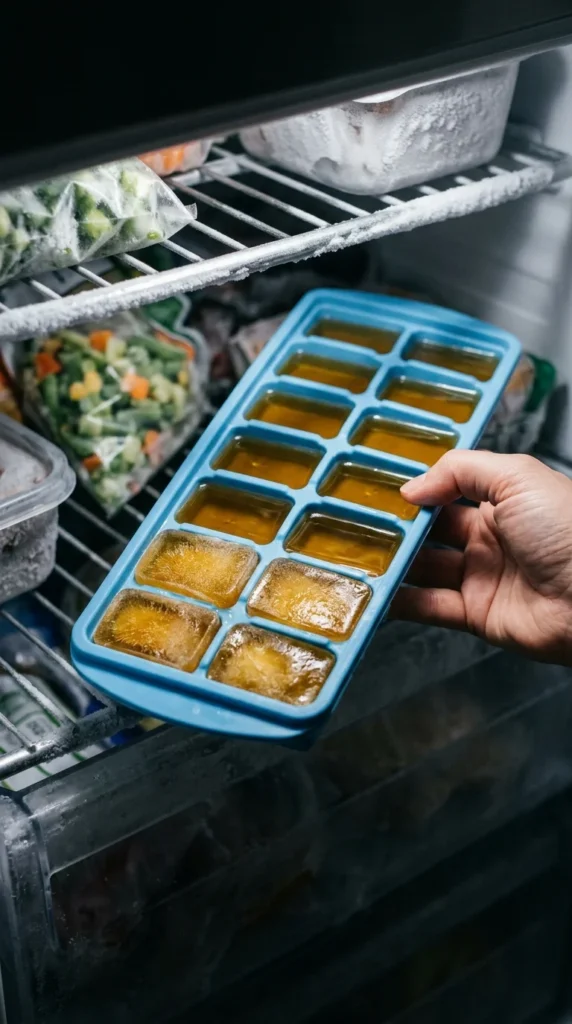
Plain water ice cubes are great, but frozen low-sodium chicken or beef broth cubes are irresistible. This is a great way to keep your puppy hydrated and occupied.
- DIY Recipe: Mix low-sodium broth with water (50/50 ratio) and freeze in a standard ice tray.
- Warning: Ensure the broth does not contain onions or garlic, as these are toxic to dogs. Always check the ingredient label for “Xylitol,” an artificial sweetener that is deadly to canines.
16. Dental Gel
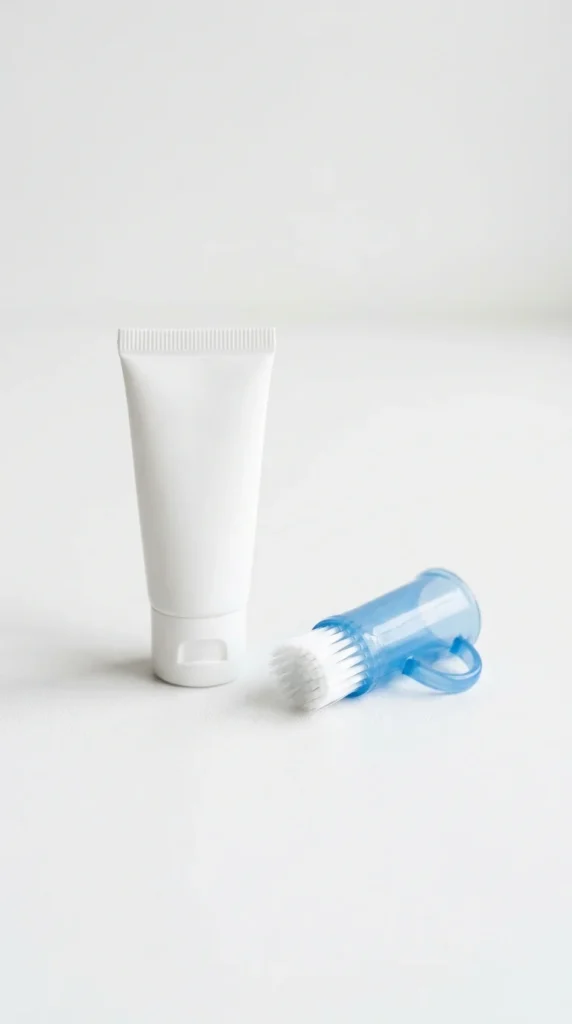
There are several over-the-counter soothing gels specifically formulated for teething puppies. These often contain natural ingredients like chamomile, peppermint, or clove oil to provide a mild numbing effect.
- Application: Apply a small amount to your finger and rub it directly onto the reddest parts of the puppy’s gums.
- Vet Check: Always consult your veterinarian before introducing a new medicinal product to ensure it’s appropriate for your puppy’s age and weight.
17. Puppy Classes

Socialization is a powerful tool for managing teething behavior. During puppy playgroups, puppies learn “bite inhibition.” If one puppy bites another too hard, the second puppy will yelp and stop playing.
- The Lesson: This teaches your puppy that “hard” biting ends the fun. They learn to control the pressure of their jaws, which translates to gentler interactions with your hands and furniture.
- Energy Burn: A play session with other puppies will leave them exhausted and more likely to nap than chew.
18. Consistent Schedule
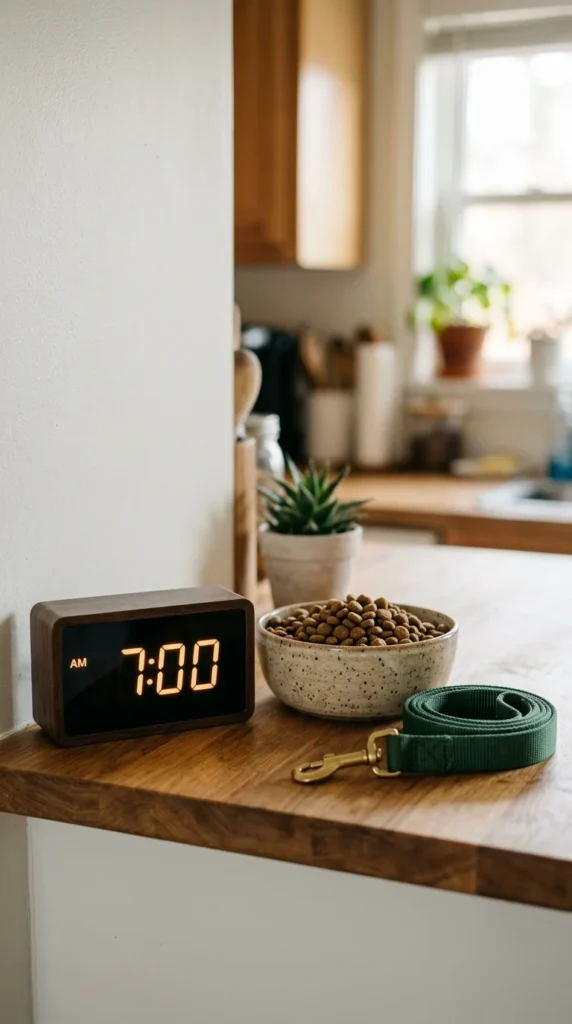
Puppies thrive on routine. Anxiety can worsen the urge to chew destructively. By providing a consistent schedule for eating, napping, playing, and potty breaks, you reduce your puppy’s overall stress levels.
- The Connection: A well-rested puppy is a more obedient puppy. “Overtired” puppies often enter a manic state where their nipping and chewing become much more intense.
- Nap Time: Ensure your teething puppy is getting 18–20 hours of sleep a day. If they start acting like a “land shark,” it’s often a sign they need a nap in their crate or playpen.