
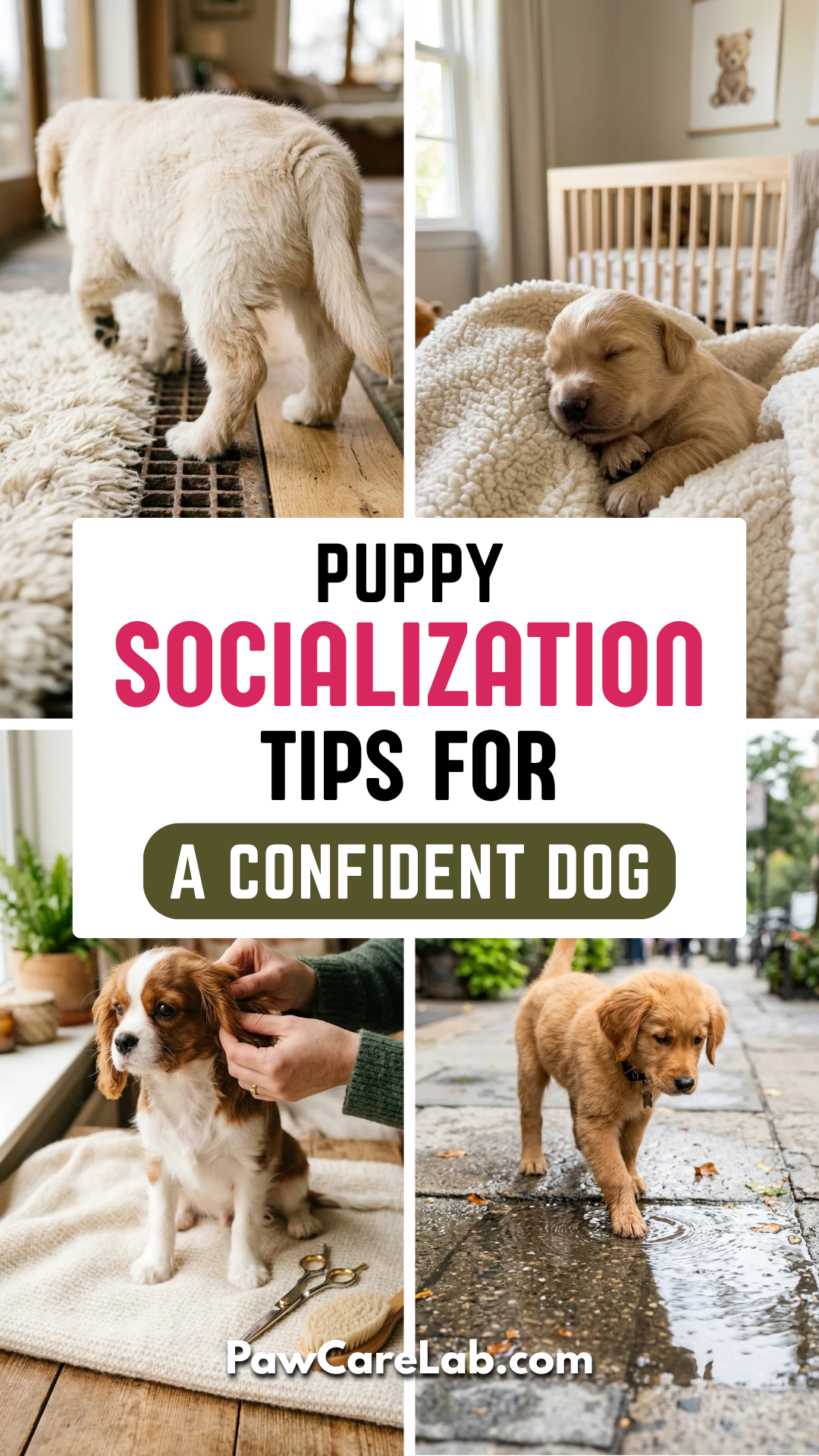
The first few months of a dog’s life are a whirlwind of growth, discovery, and developmental milestones. Among these, socialization is arguably the most critical. Socialization isn’t just about meeting other dogs; it is the process of exposing your puppy to new environments, people, sounds, and textures in a positive way. When done correctly, it builds a foundation of confidence that prevents fear-based aggression and anxiety later in life.
Experts generally agree that the “critical socialization window” occurs between 3 and 16 weeks of age. During this time, puppies are like sponges, soaking up experiences that shape their personality for years to come. Here are 21 essential tips to ensure your puppy grows into a well-adjusted, confident adult.
1. Early Start

The clock begins ticking the moment you bring your puppy home. While you must be mindful of vaccinations, waiting until your puppy is fully vaccinated at 16 weeks to start socialization means you’ve missed the primary developmental window. Start introducing your puppy to new sights and smells within the safety of your home immediately. Use a “slow and steady” approach, ensuring every new encounter is associated with comfort and security.
2. Positive Reinforcement

Socialization without positive reinforcement is just exposure, and exposure can sometimes lead to fear. To ensure your puppy views new things as “good,” always pair a new stimulus with a high-value reward. Whether it’s a piece of boiled chicken or a favorite squeaky toy, the reward tells the puppy that the weird-looking bicycle or the loud garbage truck is actually a harbinger of delicious snacks.
3. Tactile Exploration

Puppies experience much of the world through their paws. Introduce them to as many different surfaces as possible. Let them walk on crunchy dry leaves, slippery hardwood floors, cold metal scales at the vet, prickly grass, and soft sand. By normalizing different tactile sensations, you prevent the “surface shyness” that makes some dogs refuse to walk on certain floors or terrains later in life.
4. Noise Desensitization
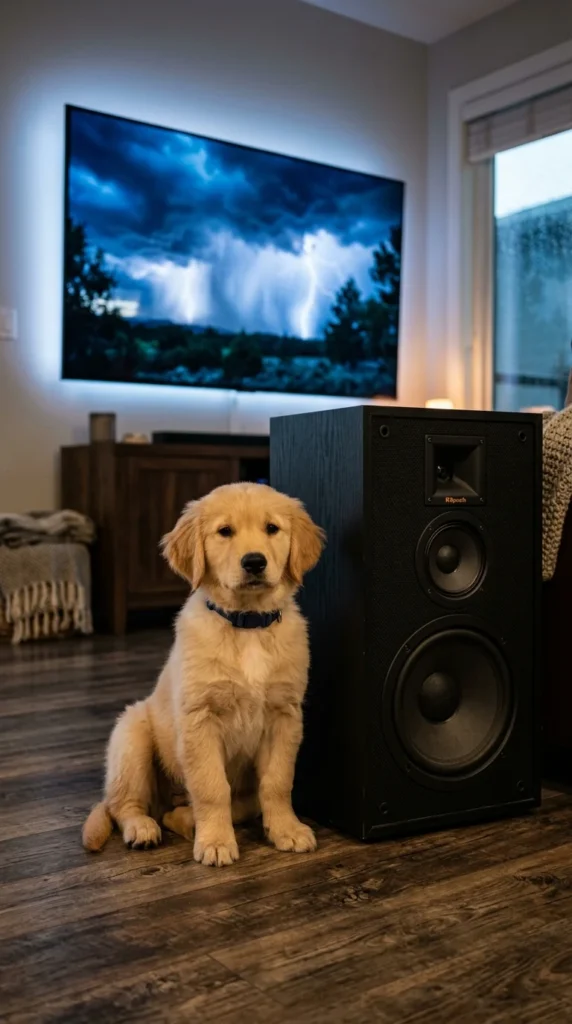
The world is a noisy place. To prevent a phobia of loud sounds, introduce your puppy to various noises at a low volume. Play recordings of thunderstorms, fireworks, sirens, and crying babies. Gradually increase the volume as your puppy remains relaxed. Simultaneously, normalize everyday household sounds like the vacuum cleaner, the blender, and the hair dryer by rewarding your puppy for remaining calm while these appliances are running.
5. Diverse People

A well-socialized dog should be comfortable with humans of all shapes, sizes, and appearances. Introduce your puppy to people wearing hats, sunglasses, bulky winter coats, and high-visibility vests. Ensure they meet people of different ethnicities, children of various ages, and individuals using mobility aids like wheelchairs, canes, or strollers. The goal is for the puppy to see “human” as a broad, non-threatening category.
6. Friendly Dogs
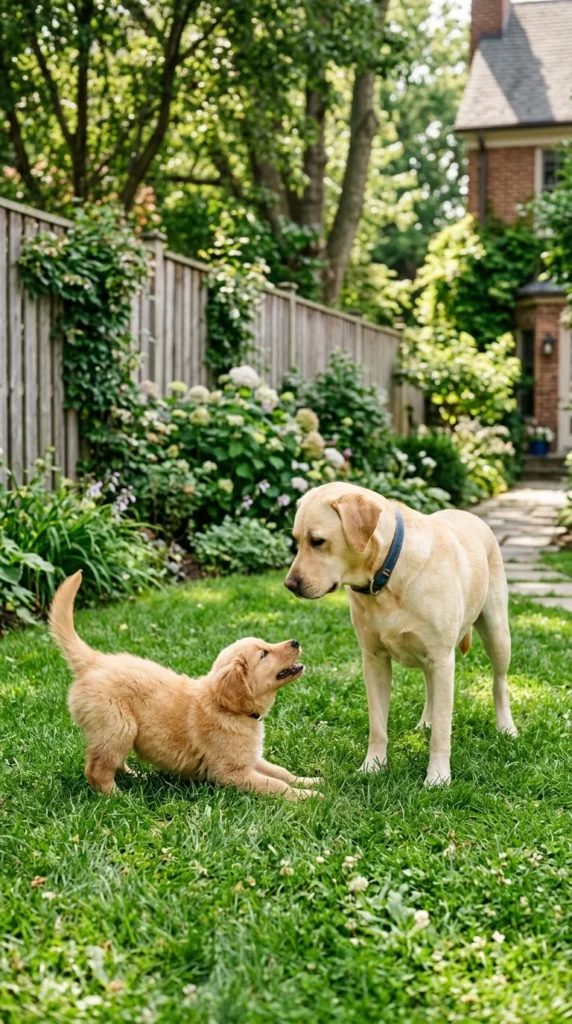
Meeting other dogs is vital, but quality matters more than quantity. Avoid dog parks with unregulated play, as one bad experience with a bully can traumatize a puppy. Instead, arrange “playdates” with vaccinated, calm, and well-behaved adult dogs who will teach your puppy “doggy manners” without being overly aggressive. These mentors help your puppy learn appropriate bite inhibition and body language.
7. Household Items
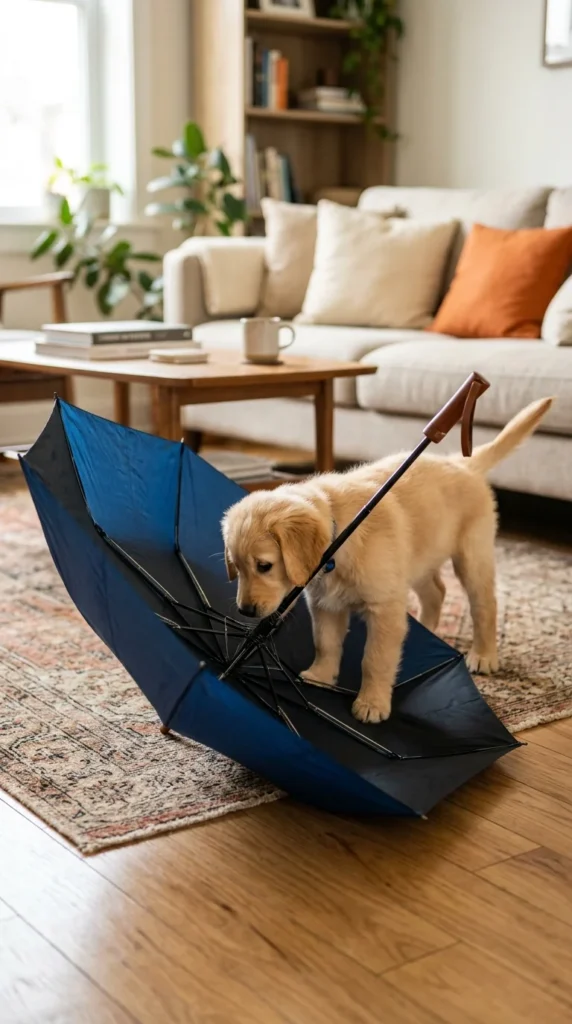
Common objects can be terrifying to a puppy who has never seen them. Open an umbrella in the same room (but not directly in the puppy’s face). Leave a cardboard box in the hallway for them to explore. Move a step ladder or a vacuum cleaner into the living room and let the puppy sniff it while it’s turned off. Familiarizing them with these “weird” objects prevents reactive barking inside the home.
8. Vet Visits
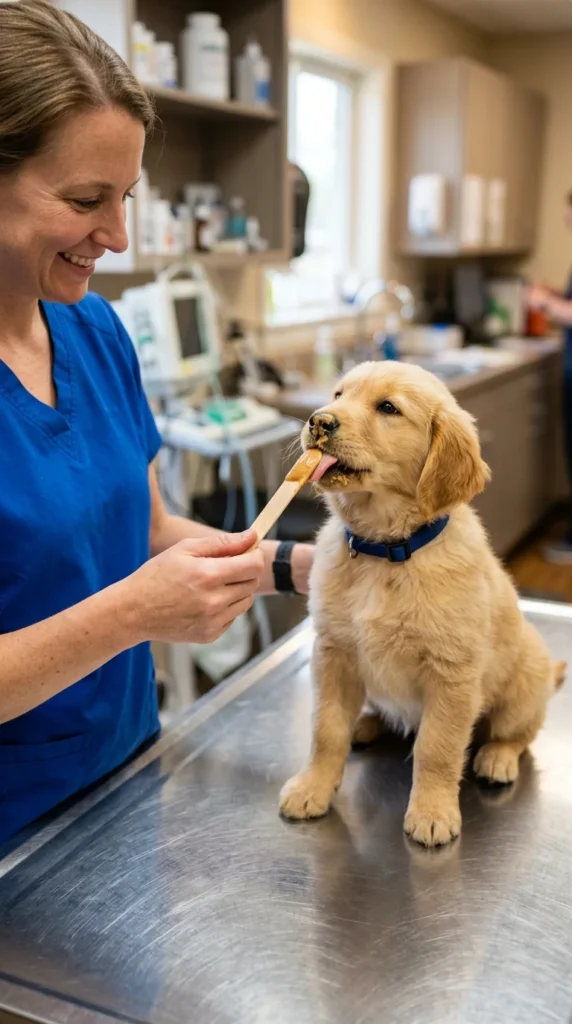
Many dogs fear the veterinarian because they only go there for shots or when they are in pain. Counteract this by taking “happy visits” to the clinic. Bring your puppy to the lobby, let the staff give them treats, weigh them on the scale, and then leave. This builds a positive association with the clinic’s smells and sounds, making real medical appointments much less stressful.
9. Grooming Habits
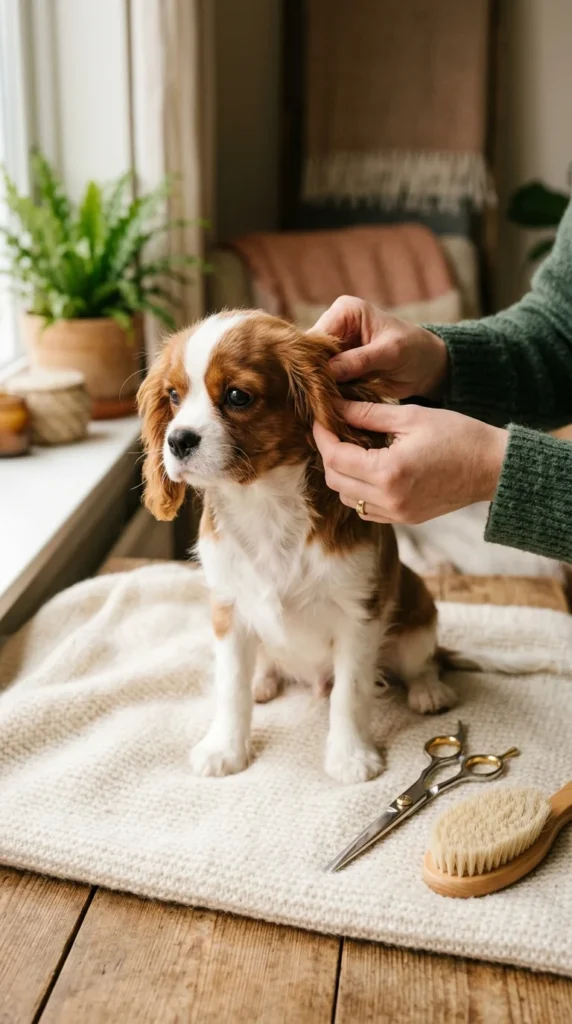
Even if your dog won’t require professional grooming, they will need baths, nail trims, and ear cleanings. Start handling their paws, looking inside their ears, and lifting their tail daily. Introduce the sound of electric clippers and the sensation of a brush. By making grooming a routine part of their life from puppyhood, you save yourself years of struggling with a dog that is “flighty” about being touched.
10. Car Rides

If the only time your puppy gets in the car is to go to the vet, they may develop car sickness or travel anxiety. Take short, 5-minute drives to fun locations like a park or a friend’s house. Ensure the puppy is safely restrained in a crate or harness. The goal is to teach them that the vibration and movement of the car lead to an adventure, not just a needle at the doctor’s office.
11. New Surfaces

Beyond indoor textures, outdoor surfaces can be intimidating. Encourage your puppy to walk over manhole covers (ensure they aren’t hot!), bridge grates, and through shallow puddles. If your puppy hesitates, don’t force them. Use treats to lure them forward, allowing them to gain confidence at their own pace.
12. Urban Environments

Even if you live in the suburbs, exposing your puppy to an urban environment is beneficial. The sights of heavy traffic, the hiss of bus brakes, and the crowd of pedestrians provide a high-intensity socialization experience. Keep these sessions short and ensure the puppy has plenty of space to retreat if the stimulation becomes overwhelming.
13. Nature Trails
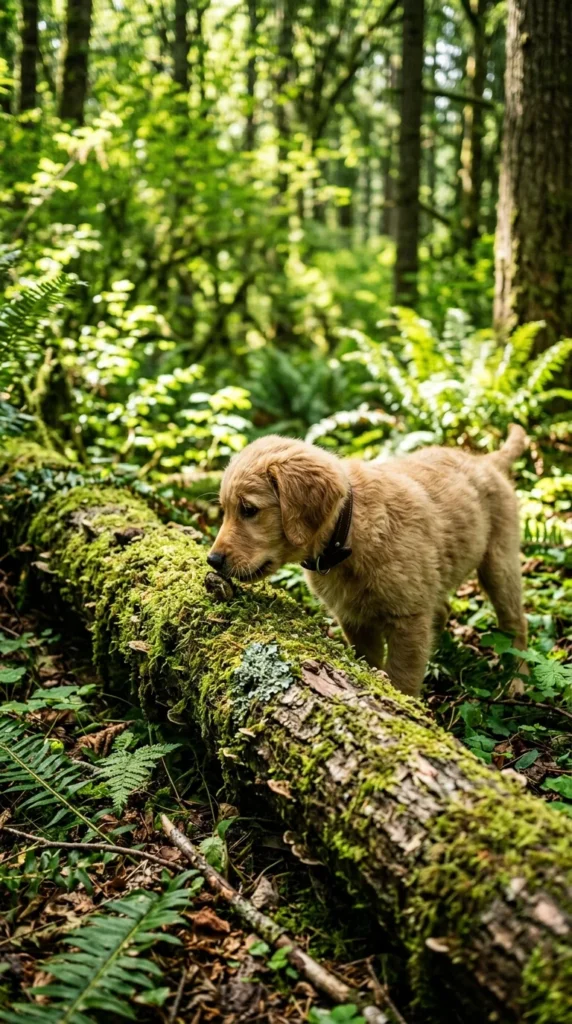
Nature offers a completely different set of stimuli. The smell of wild animals, the sound of rustling leaves, and the uneven terrain of a forest trail are excellent for a puppy’s cognitive development. It also provides an opportunity to practice focus and recall in a distracting environment.
14. Costume Fun
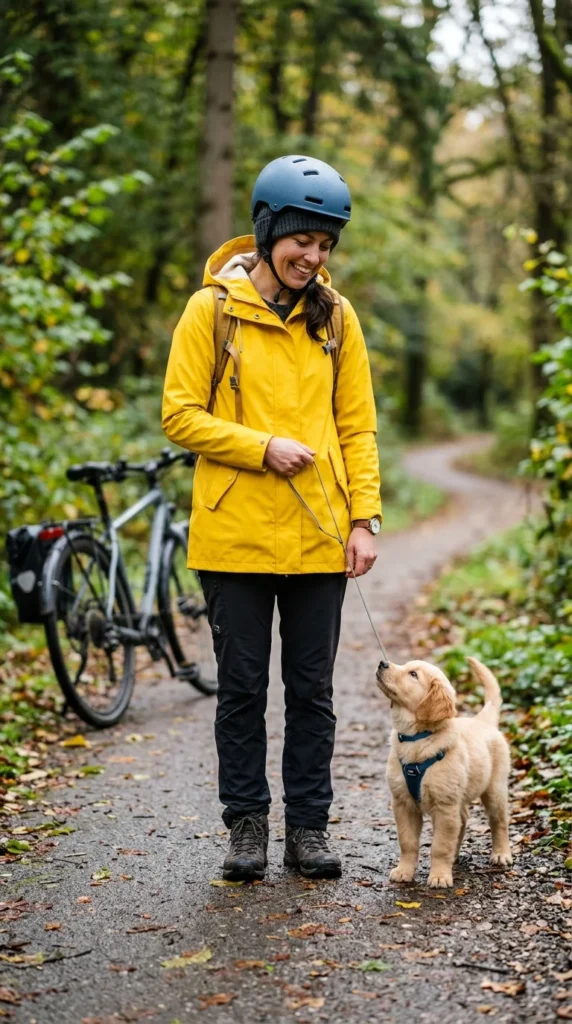
Dogs often find “altered” human silhouettes frightening. To combat this, play dress-up. Wear a helmet, a gas mask, a large backpack, or even a flowing cape. By seeing their favorite human change shape and remain “safe,” the puppy learns that strange attire is nothing to fear.
15. Body Handling
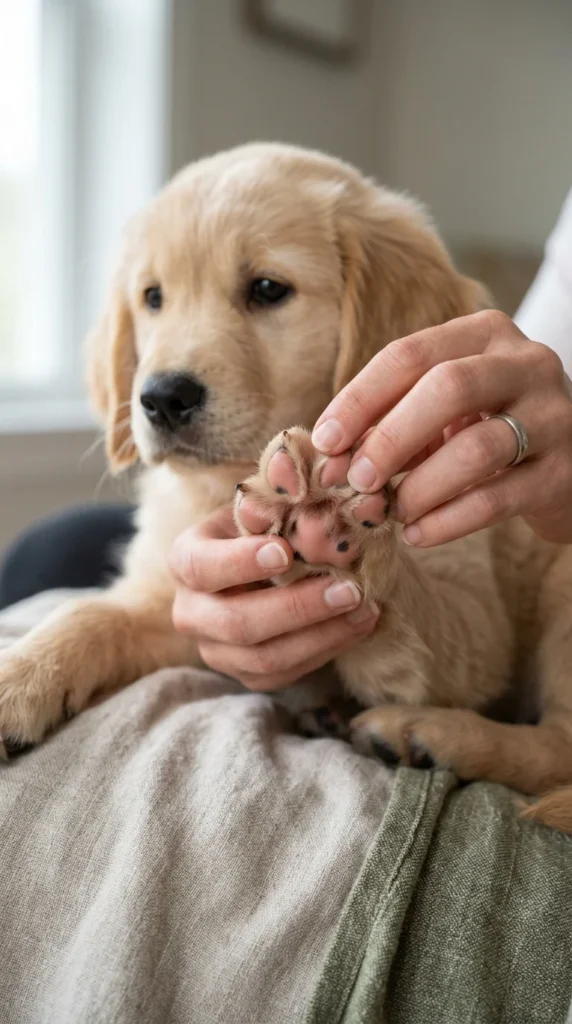
This is often called “husbandry training.” Touch your puppy everywhere—their belly, their teeth, their tail, and between their toes. This prepares them for life-long health checks and ensures they won’t snap if someone accidentally steps on their paw or if a child hugs them.
16. Controlled Play

Enroll in a reputable puppy socialization class. These classes are supervised by professionals who can read dog body language and intervene if play becomes too rough. It’s an ideal environment for your puppy to learn how to interact with peers of various breeds and energy levels.
17. Alone Time
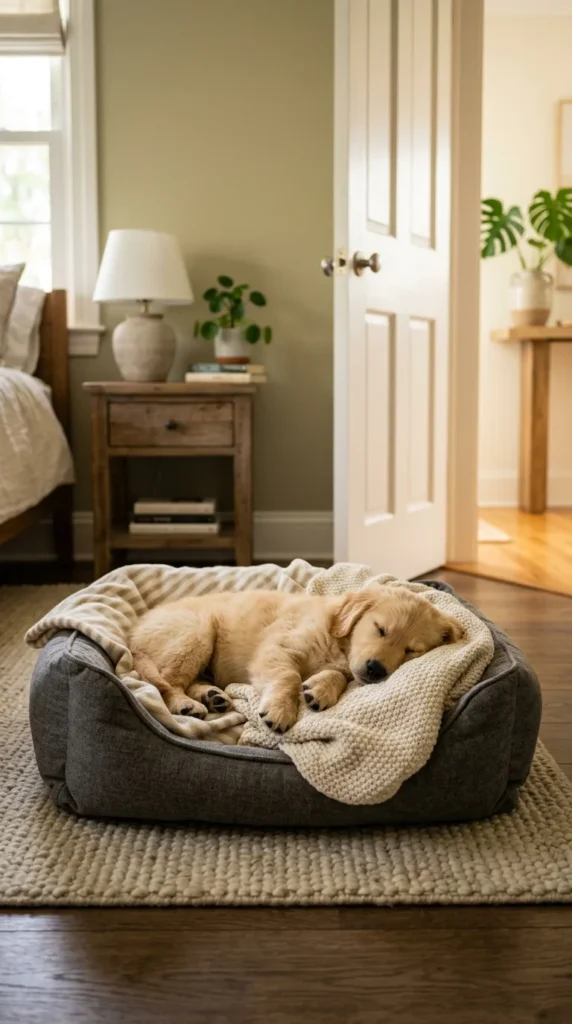
Socialization also involves learning how to be alone. To prevent separation anxiety, practice leaving your puppy in a safe area for short durations. Start with just a few minutes and gradually increase the time. This teaches them that your departure is not a crisis and that you will always return.
18. Crate Comfort
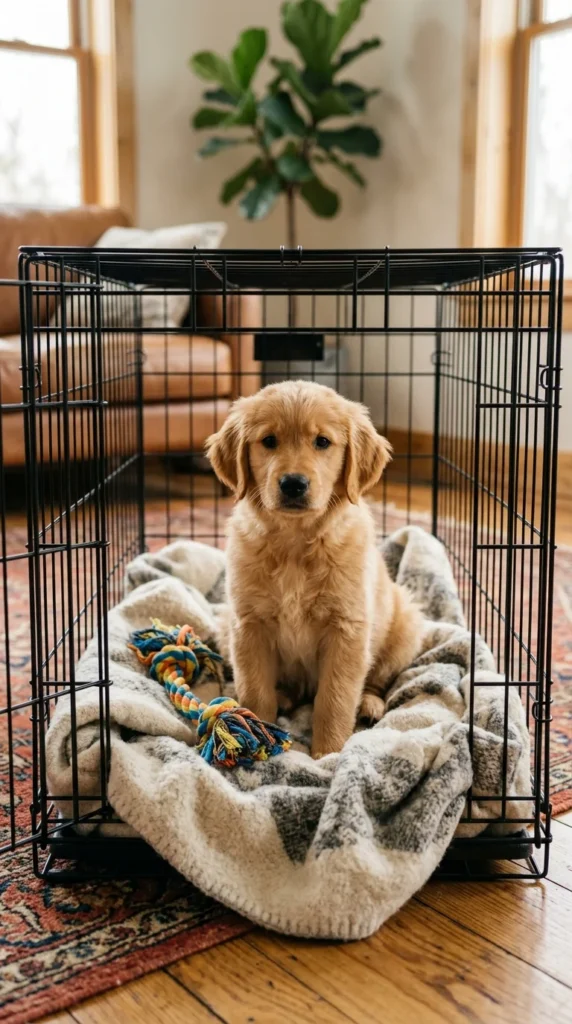
A crate should be a puppy’s “bedroom,” not a place of punishment. Socialize your puppy to the crate by feeding them meals inside it and giving them special “crate-only” treats. A crate-trained dog is much easier to travel with and will be more relaxed if they ever need to stay overnight at a veterinary hospital.
19. Public Places

Once your puppy has had their initial rounds of shots, take them to pet-friendly stores like hardware shops or outdoor cafes. This exposes them to “settling” in public—the art of being calm while the world moves around them. This is a vital skill for a dog you intend to take on outings.
20. Calm Observation
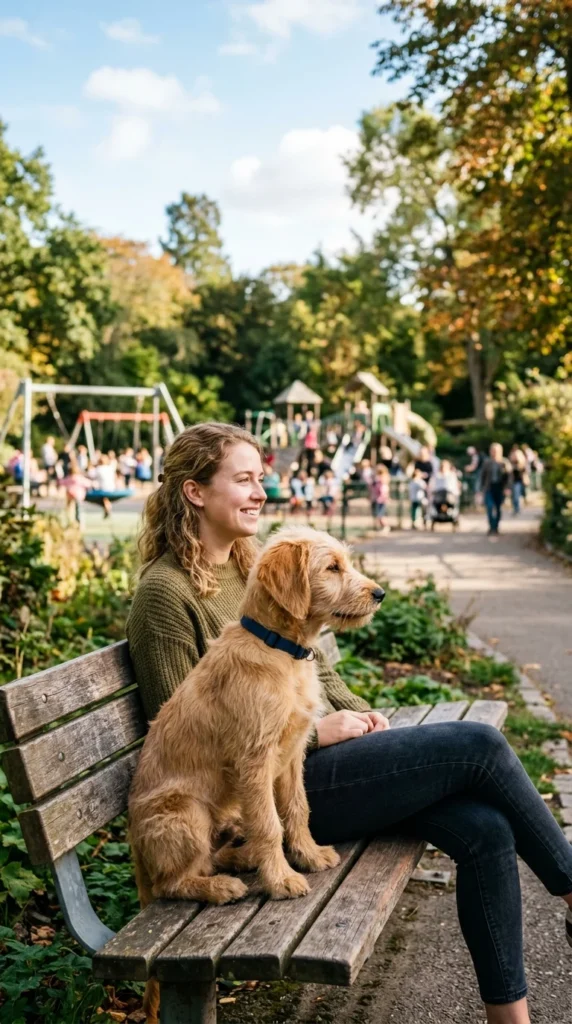
Socialization isn’t always about interaction; sometimes it’s just about observation. Take your puppy to a park, sit on a bench, and just watch the world go by. Don’t let everyone pet them. This teaches the puppy that they don’t have to react to every person or dog they see, fostering a sense of calm indifference.
21. Lifelong Learning
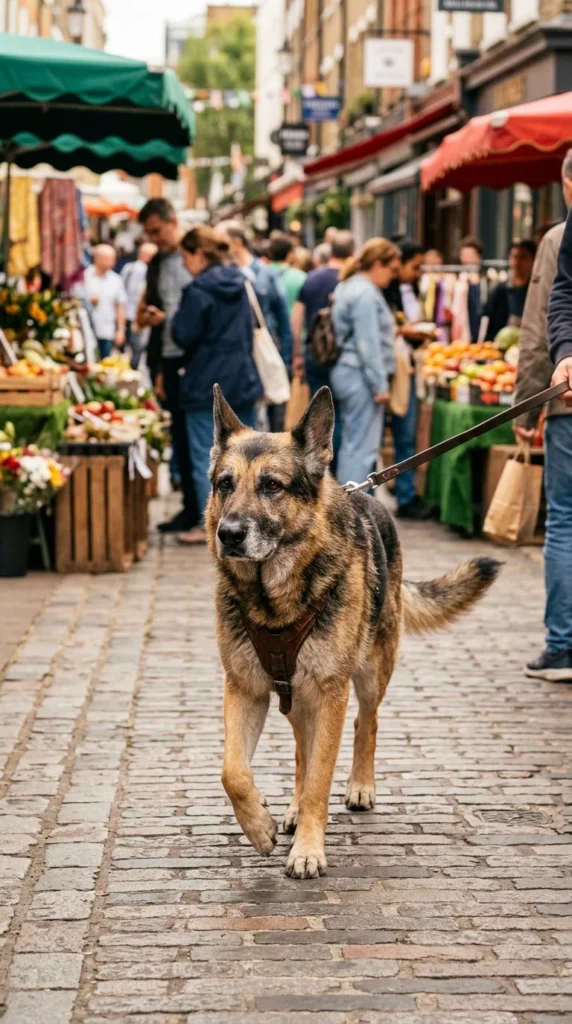
While the critical window closes at 16 weeks, socialization should never truly stop. Continue to introduce your dog to new experiences throughout their life. A confident puppy is the result of early intervention, but a confident adult dog is the result of consistent, lifelong positive exposure to the world. Keep exploring, keep rewarding, and keep building that bond.