Bringing a new puppy home is a dream come true, but that dream can quickly turn into a stressful cycle of guilt and destroyed couch cushions when separation anxiety sets in. It’s heart-wrenching to hear those high-pitched whimpers the moment you step out the door. Separation anxiety isn’t just “bad behavior”; it’s a panic attack. To help your furry friend feel safe and confident when home alone, you need a multi-faceted approach.
Here are 23 expert-backed tips to transform your anxious pup into a calm, independent companion.
1. Crate Training
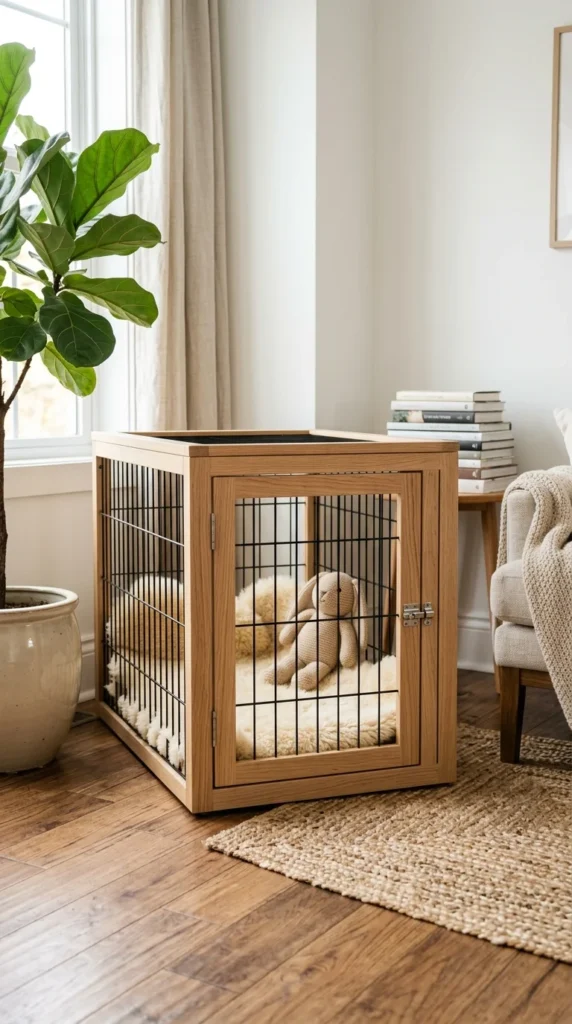
Crate training is often the foundation of a secure puppy. When introduced correctly, a crate becomes a “den”—a sanctuary where the puppy feels safe rather than confined. Start by feeding them meals inside the crate with the door open. Gradually increase the time they spend inside, ensuring they have positive associations with the space. A crate limits their ability to engage in destructive behaviors fueled by anxiety, which in turn keeps them safer.
2. Gradual Departures
Don’t expect your puppy to handle a four-hour absence on day one. Start by leaving the room for just thirty seconds, then one minute, then five. Return before they begin to panic. This teaches the puppy that “leaving” is a temporary state and that you always come back. Slowly stretching these durations helps build their “independence muscle” without triggering a full-blown fear response.
3. Desensitize Cues
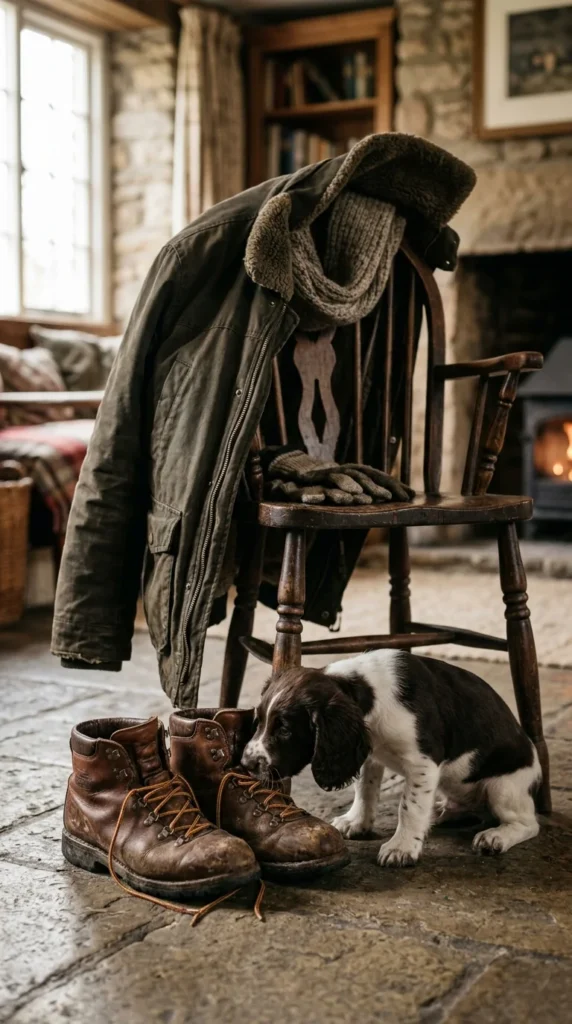
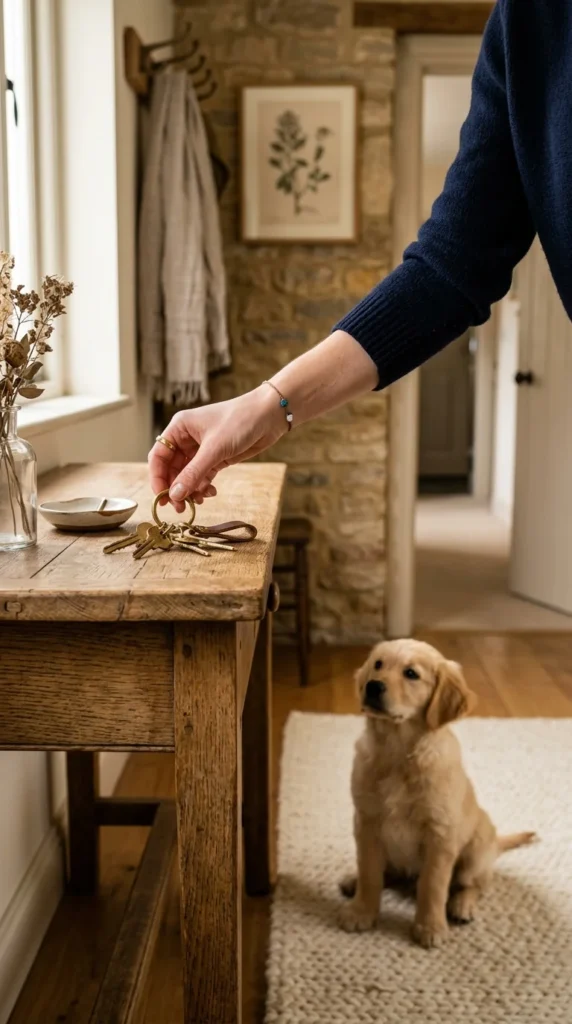
Puppies are masters of observation. They know that when you pick up your keys or put on your shoes, you are about to disappear. This creates “pre-departure anxiety.” To break this link, perform these actions without leaving. Pick up your keys and sit on the couch to watch TV. Put on your coat and make a sandwich. When these “departure cues” no longer predict your exit, the puppy’s baseline stress levels will drop significantly.
4. Low-Key Exits
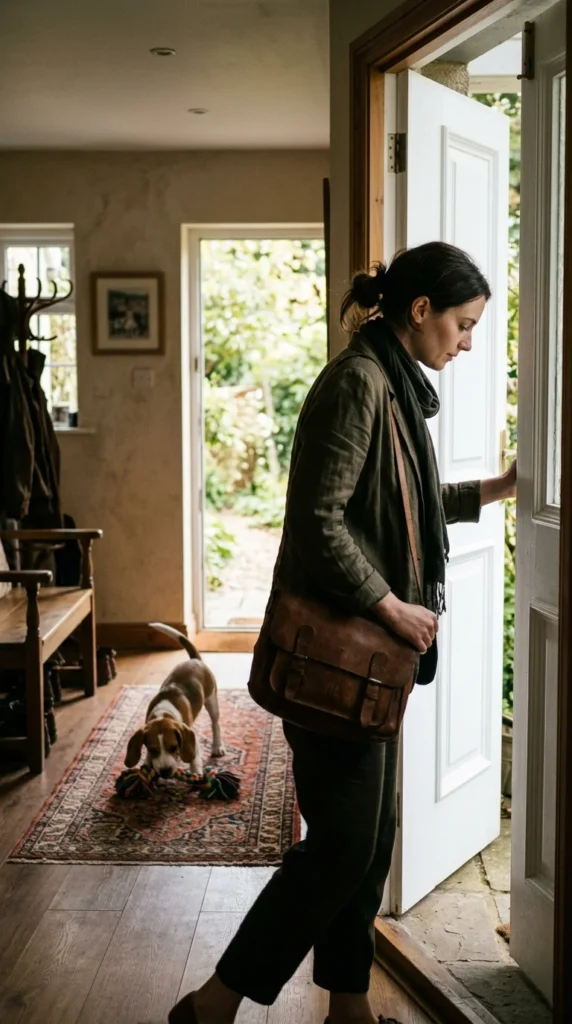
As much as you want to give your puppy a thousand kisses and tell them you’ll be back soon, big goodbyes are a mistake. Emotional departures signal to the puppy that something significant—and potentially scary—is happening. Keep your exits completely boring. Don’t talk to them, don’t pet them, and don’t make eye contact for at least ten minutes before you head out.
5. Low-Key Arrivals
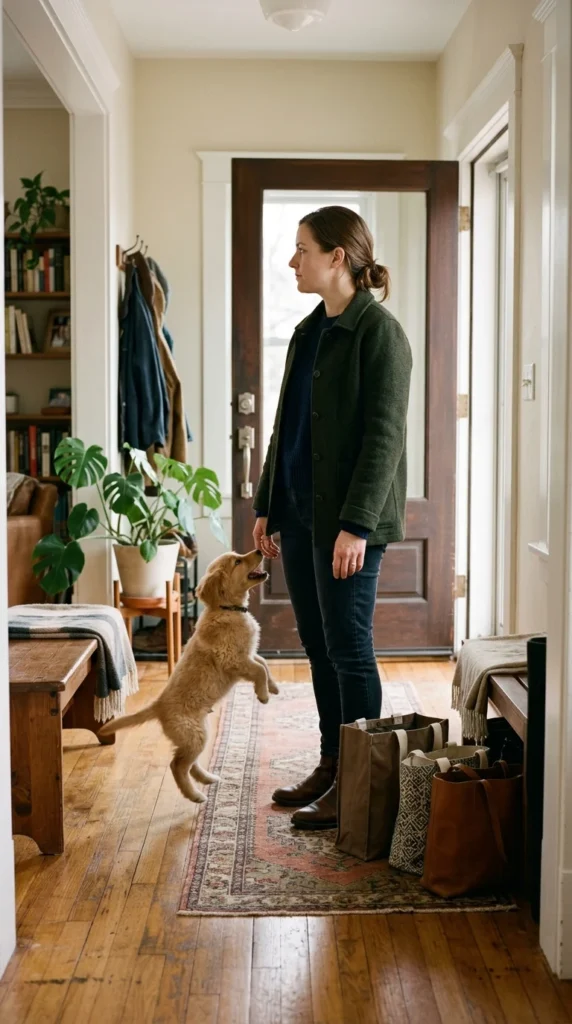
Similarly, when you come home, resist the urge to have a wild reunion party. If you greet a frantic puppy with high-energy affection, you reinforce the idea that your return is the only highlight of their day. Ignore them until they are calm and all four paws are on the floor. Once they’ve settled, give them a quiet, calm pet.
6. High-Value Treats
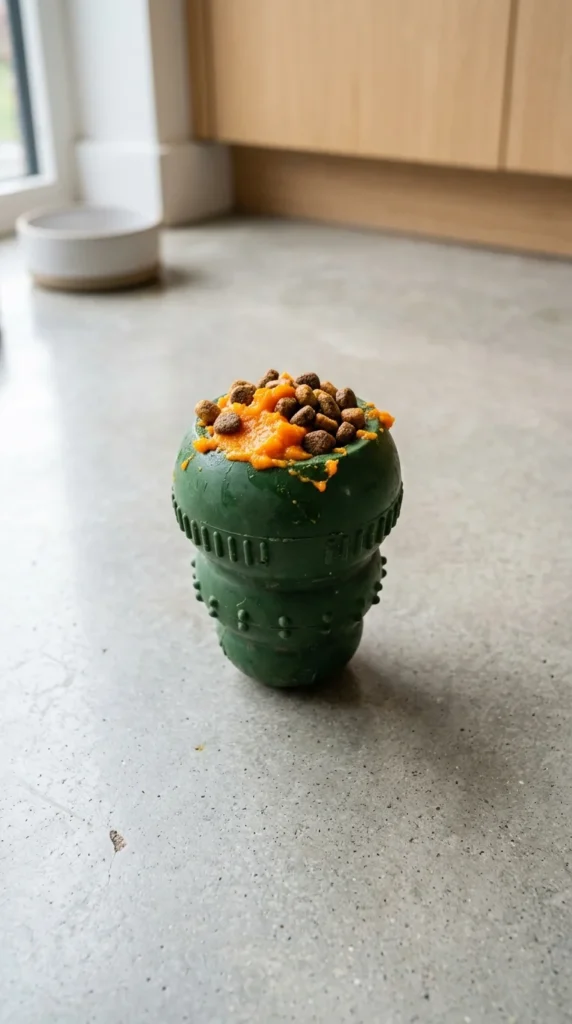
Save the best treats—like frozen peanut butter-stuffed toys, freeze-dried liver, or special dental chews—specifically for when you leave. This creates a “counter-conditioning” effect: your departure now predicts the arrival of something delicious. If the treat is engaging enough (like a frozen toy that takes 20 minutes to finish), the puppy will be so occupied they might not even notice you’ve left.
7. Mental Stimulation
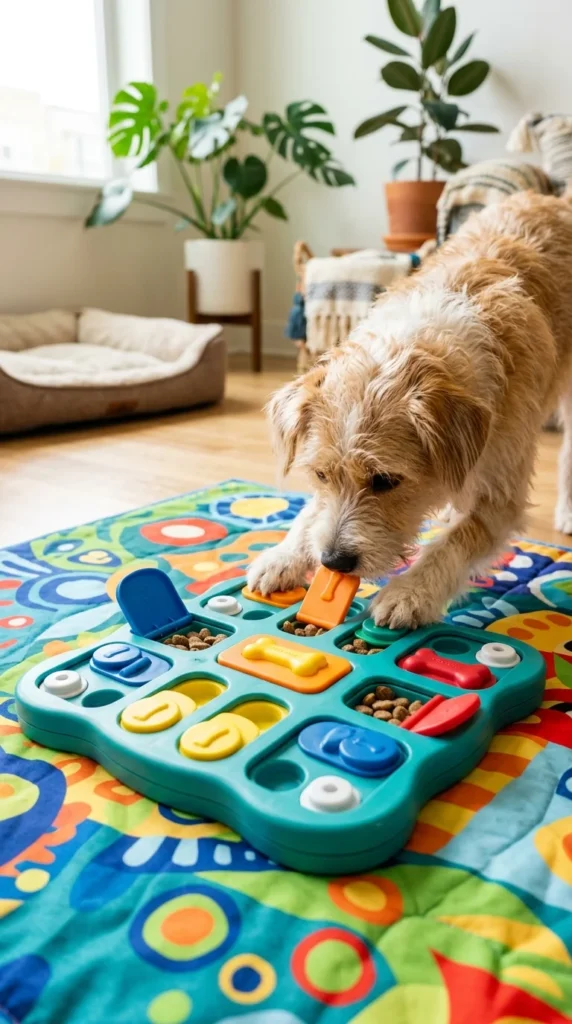
A bored puppy is an anxious puppy. Mental exhaustion is often more effective than physical exhaustion for calming a nervous mind. Use puzzle feeders, snuffle mats, and “hide and seek” games with treats to engage their brain. When their mind is tired from problem-solving, they are much more likely to nap while you are away.
8. Physical Exercise
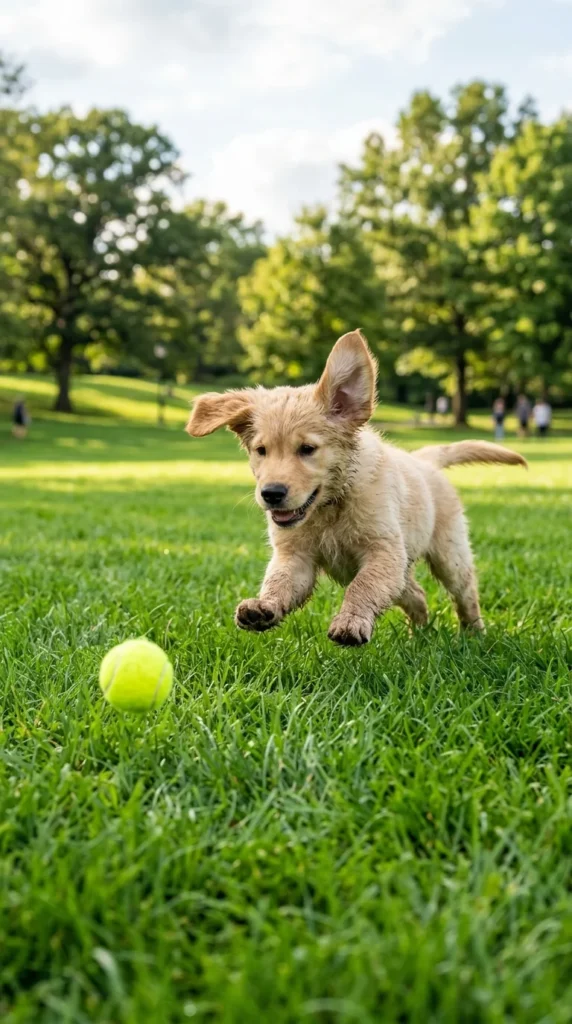
The old adage “a tired dog is a good dog” holds a lot of truth. Ensure your puppy gets a vigorous play session or a walk shortly before you need to leave. Burning off excess physical energy reduces the physiological capacity for a panic attack. However, give them 15–20 minutes to “cool down” and settle before you actually walk out the door.
9. Background Noise
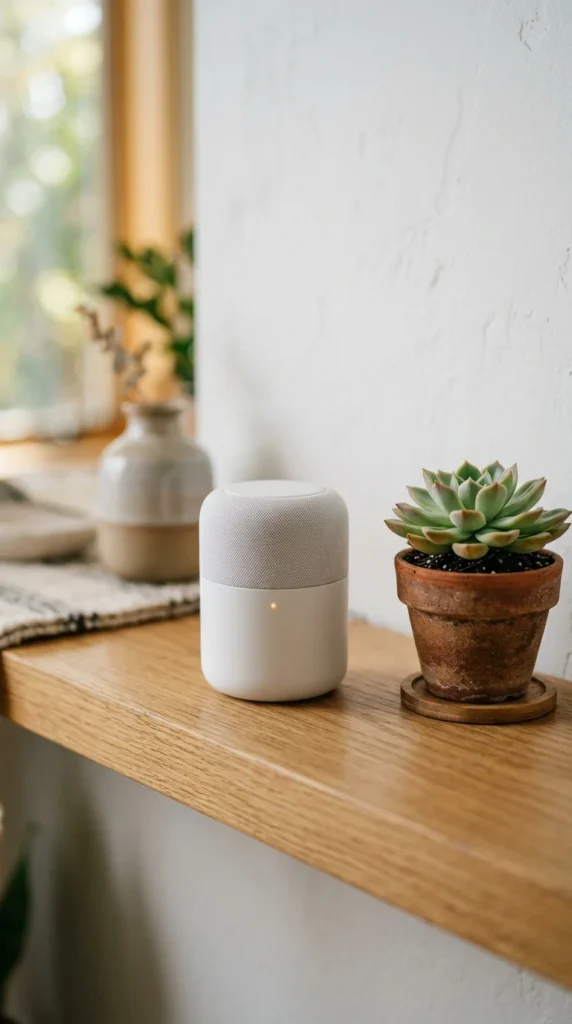
The silence of an empty house can be deafening and makes every outside noise (a car door slamming, a neighbor talking) sound like a threat. Use a white noise machine, a fan, or even a radio set to a talk show or classical music. The consistent sound provides a “buffer” and makes the environment feel less lonely.
10. Calming Pheromones
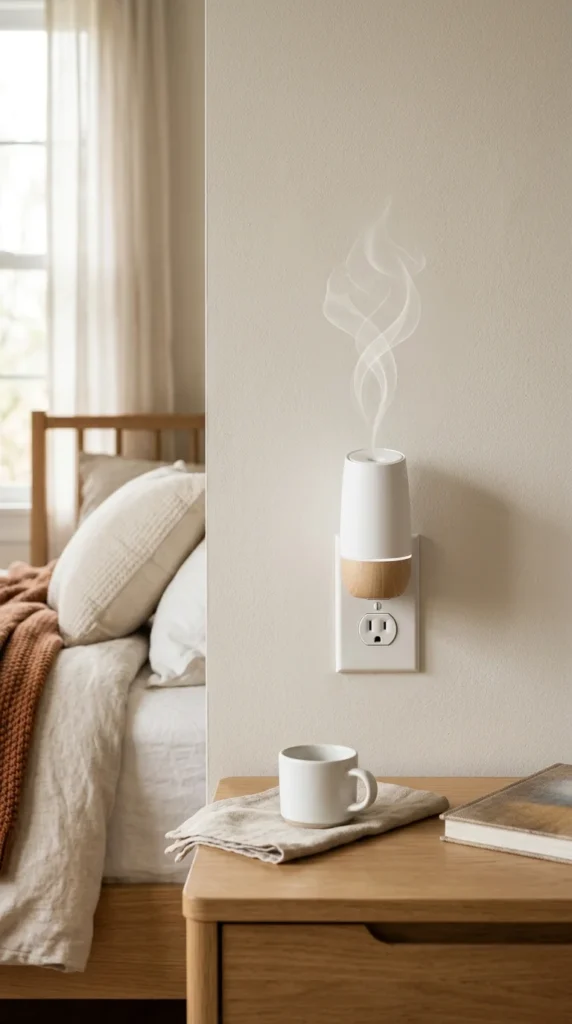
Synthetic pheromones, like those found in Adaptil diffusers, mimic the “appeasing pheromones” produced by a mother dog to calm her puppies. While humans can’t smell them, they can have a profound soothing effect on many puppies. Plug one in near their crate or the area where they spend the most time while you’re gone.
11. Scented Comfort
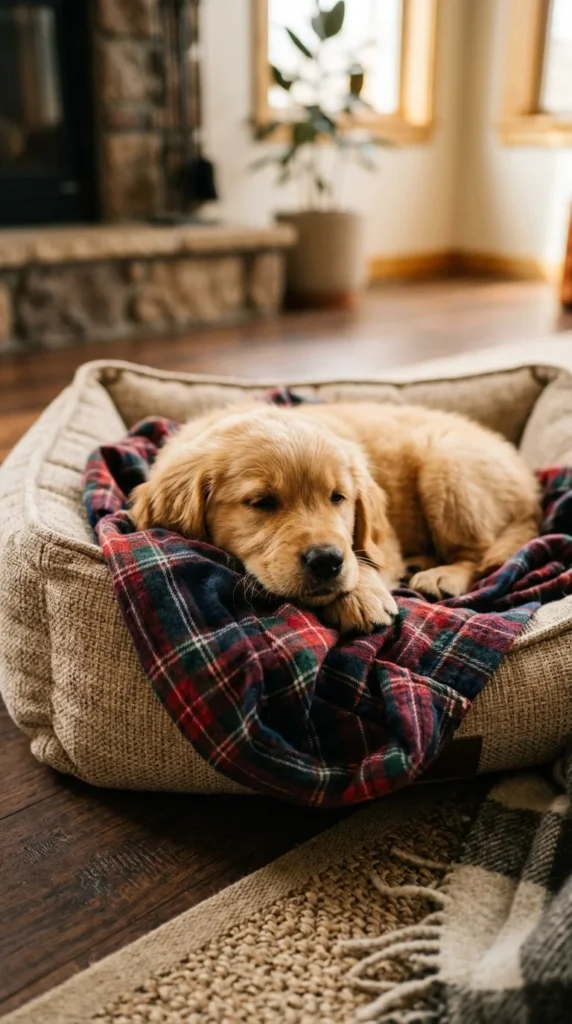
Your scent is the ultimate comfort for your puppy. Take an old t-shirt or sweatshirt you’ve recently worn (one you don’t mind getting a bit hairy) and place it in their sleeping area. Having your scent close by can lower their cortisol levels and help them feel like you haven’t completely disappeared.
12. Separation Zone
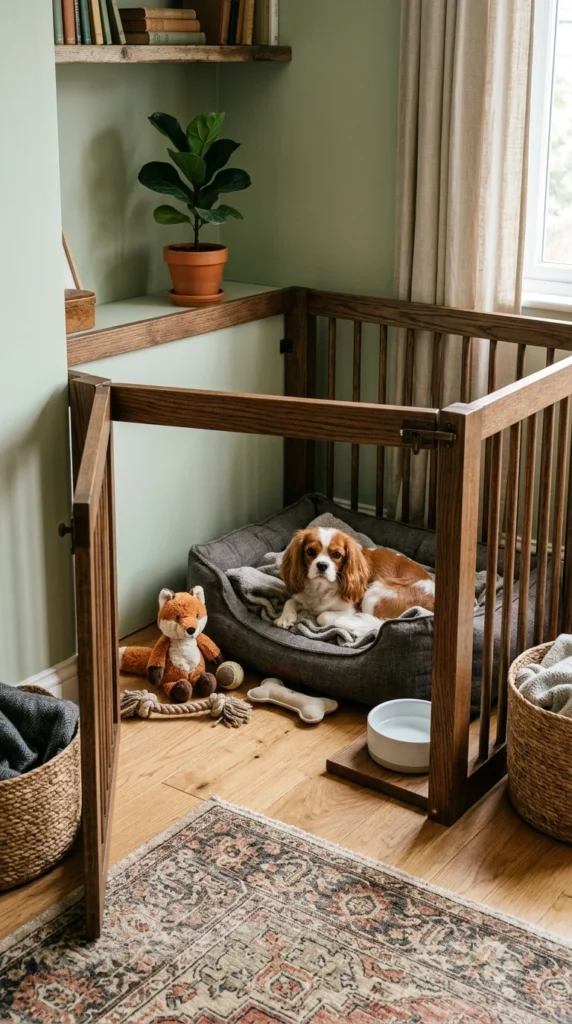
If a crate feels too restrictive for your pup, try a “long-term confinement area” or a “separation zone.” This could be a laundry room or a portion of the kitchen blocked off with a baby gate. Ensure the area is “puppy-proofed” and filled with their favorite things. This gives them more room to move while still keeping them in a controlled, safe environment.
13. Consistent Schedule
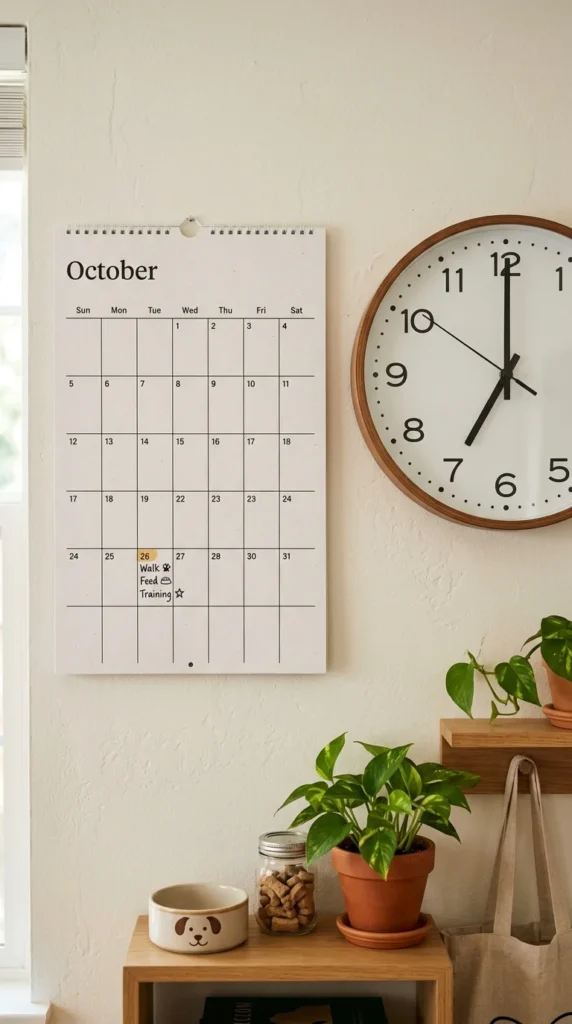
Puppies thrive on predictability. If they know exactly when they will be fed, walked, and played with, they feel more secure. Try to keep your departure and return times as consistent as possible, especially during the early stages of training. A predictable world is a much less scary world for a young dog.
14. Interactive Cameras
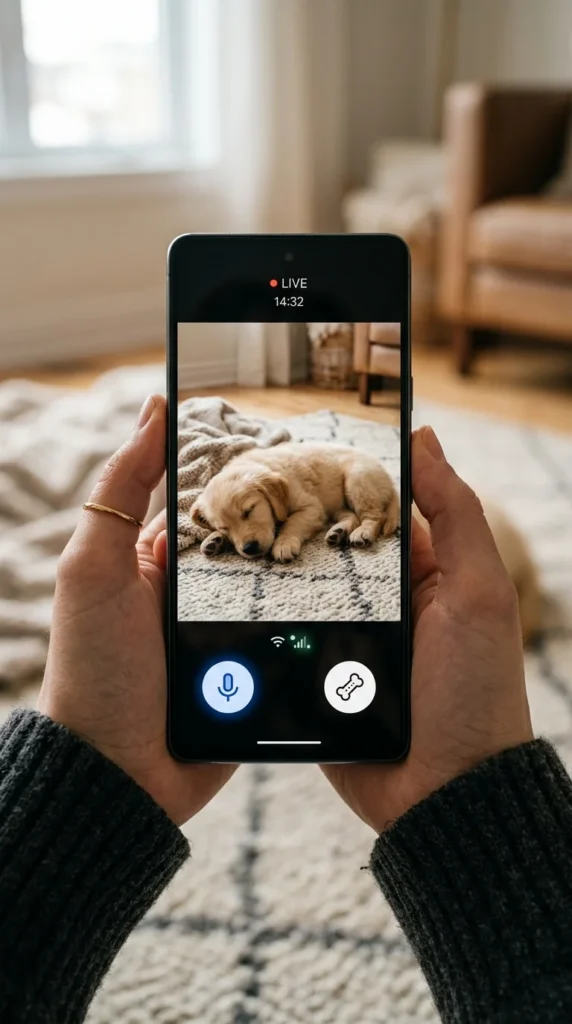
Invest in a pet camera that allows you to monitor your puppy’s behavior in real-time. Some models even allow you to speak to them or toss a treat remotely. This is invaluable for seeing when the anxiety starts—is it the moment you leave, or 20 minutes later? Understanding their “threshold” helps you tailor your training.
15. Independence Training
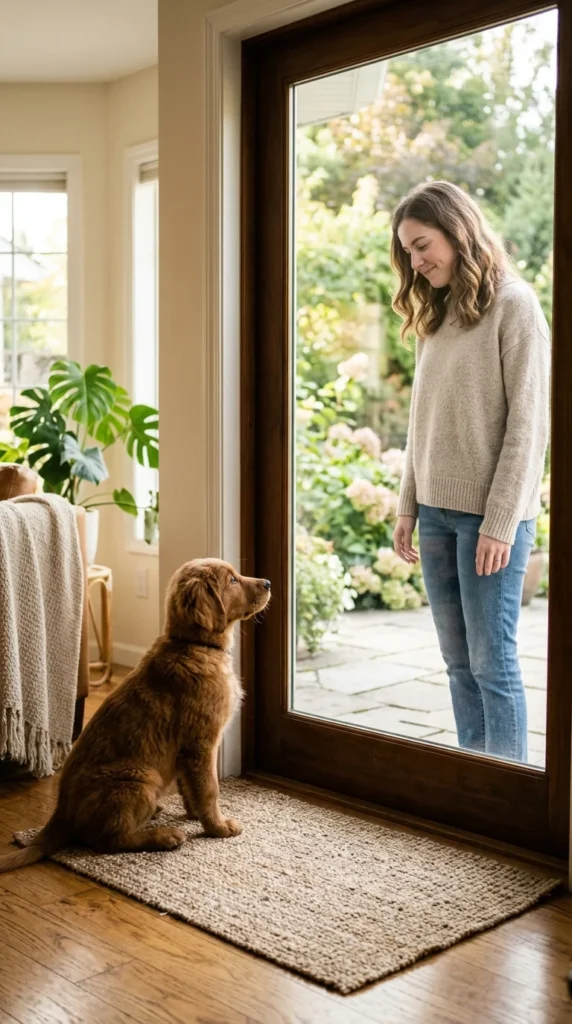
Anxiety often stems from “velcro dog” syndrome—where the puppy follows you from room to room. Practice “stay” commands while you move around the house. Use baby gates to prevent them from following you into the bathroom or kitchen. Teaching them that they can be okay in a different room while you are still home is a vital stepping stone to being okay when you leave the house.
16. Natural Supplements

Consult your veterinarian about natural calming aids. Options like L-theanine, chamomile, or hemp-based chews can help take the edge off a puppy’s anxiety without sedating them. These are most effective when used in conjunction with behavior modification training rather than as a standalone fix.
17. Avoid Punishment
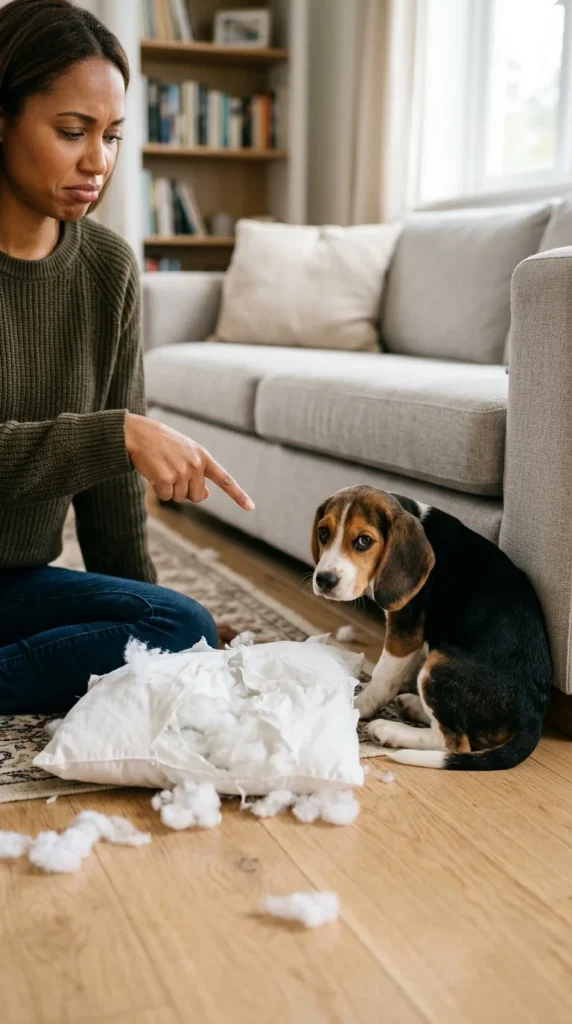
It is vital to never punish a puppy for anxiety-based destruction or accidents. If you come home to a shredded shoe, the puppy cannot link the punishment to an action they did two hours ago. Punishment only increases their fear and makes them more anxious about your return, creating a vicious cycle of stress.
18. Short Training Bursts
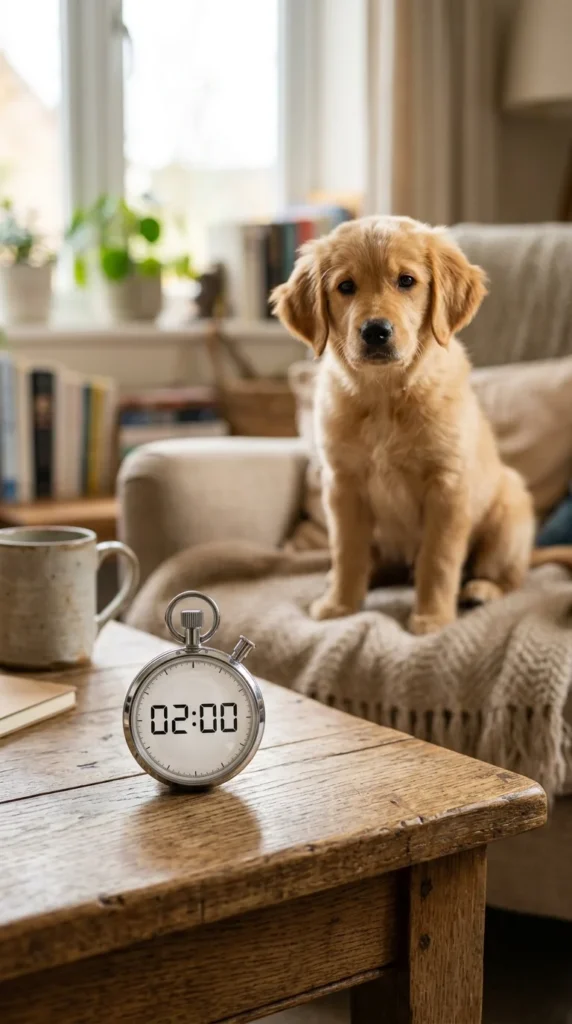
Dedicate 10 minutes a day to “departure training.” Go through the motions of leaving—grab your bag, walk out the door, wait 2 minutes, and come back. Doing this repeatedly throughout the day makes the process “boring” and routine rather than a high-stress event.
19. Confidence Building
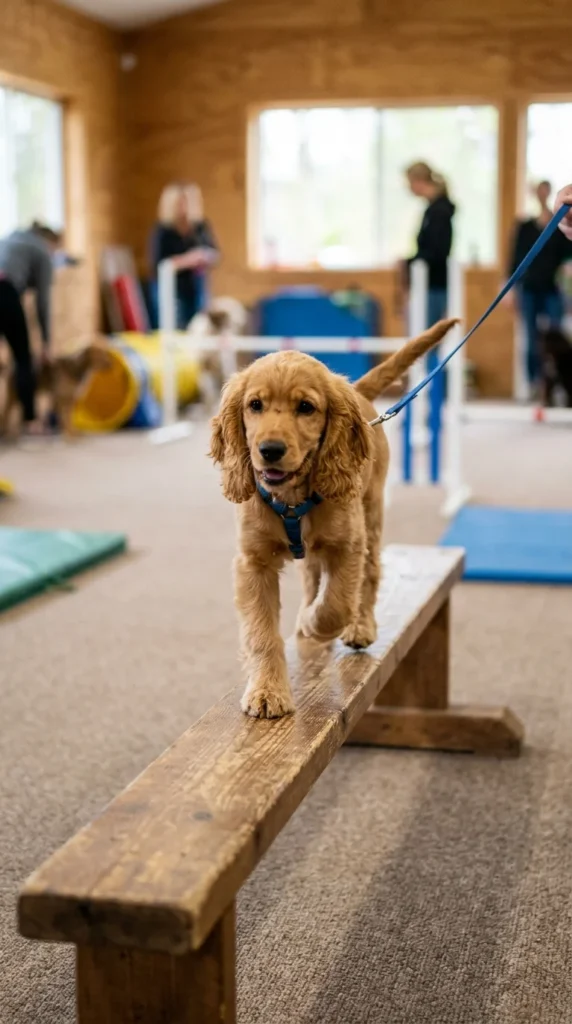
A confident puppy is a less anxious puppy. Engage in regular obedience training and teach them new tricks. When a puppy masters a skill and receives praise, their overall self-esteem increases. This general confidence often spills over into their ability to handle being alone.
20. Dog Walkers or Sitters
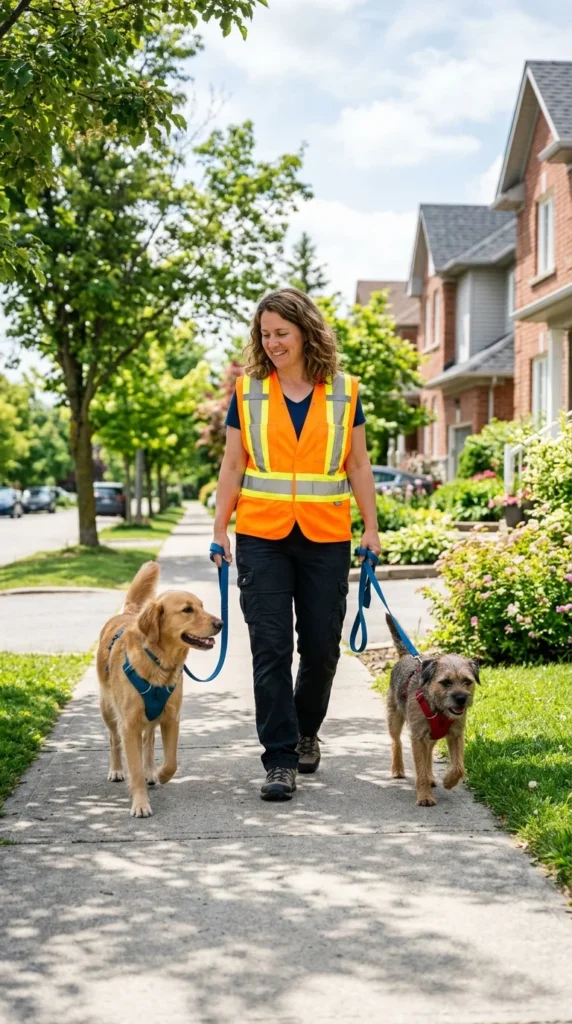
If you have to be away for long hours, hire a dog walker or ask a neighbor to drop in. A mid-day break provides physical relief, social interaction, and breaks up the monotony of the day. Knowing someone is coming helps prevent the “abandonment” feeling that triggers panic.
21. Thundershirts

A Thundershirt or “calming wrap” applies gentle, constant pressure to a dog’s torso, similar to swaddling a human infant. This can have a dramatic soothing effect on the nervous system. Put it on your puppy 15 minutes before you leave to help them feel “held” and secure.
22. Professional Help
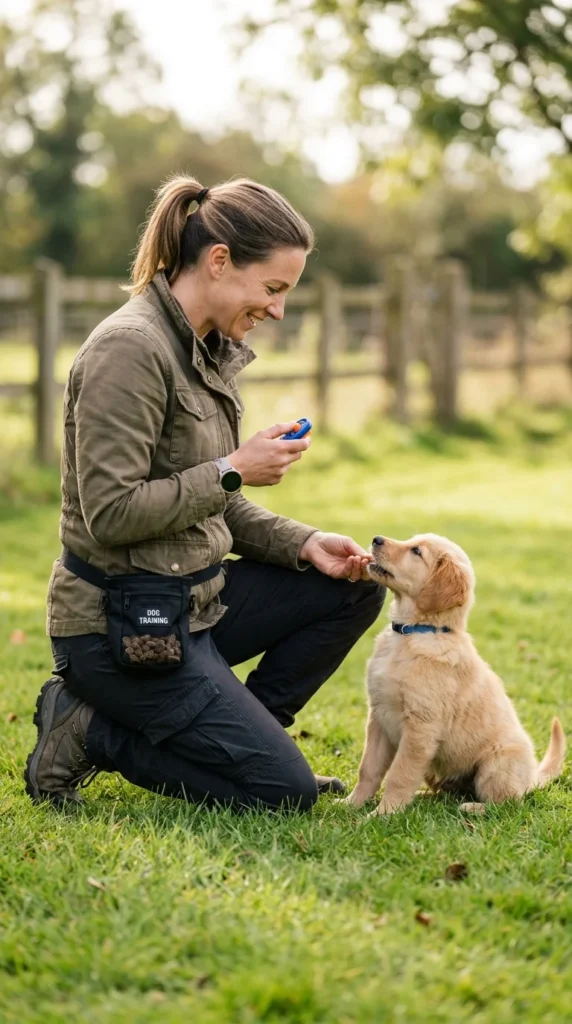
If your puppy is self-harming, howling for hours, or showing extreme distress, don’t wait. Contact a certified veterinary behaviorist or a professional dog trainer who specializes in separation anxiety. Sometimes, severe cases require a specialized “Separation Anxiety Protocol” (SAP) or short-term medication to help the puppy reach a state where they are capable of learning.
23. Patience and Compassion
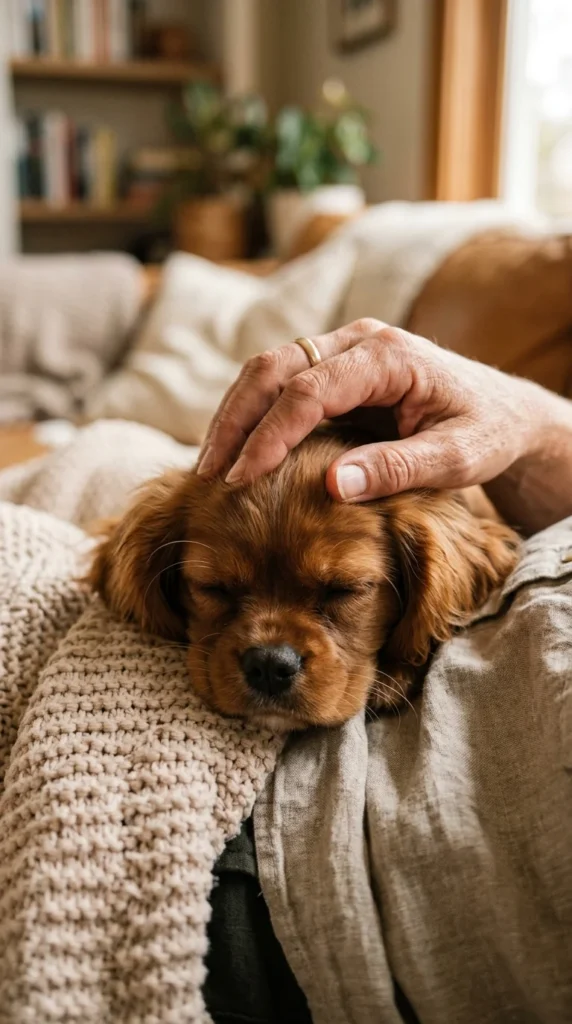
Progress isn’t always linear. You might have three great days followed by a “regression” day. Stay patient. Your puppy isn’t trying to be difficult; they are genuinely afraid. With consistency, time, and lots of love, most puppies will eventually learn that being alone isn’t a catastrophe—it’s just a time for a long, peaceful nap.