

Watching a puppy grow is one of the most rewarding experiences a pet owner can have. However, it often brings up a flurry of questions: Is my puppy too small? Is he growing too fast? When will she finally stop getting bigger? Growth trajectories vary wildly across the canine kingdom. A Great Dane might continue to fill out until they are two years old, while a tiny Pomeranian is often fully grown by their first birthday.
Understanding these milestones is crucial for providing the right nutrition, exercise, and preventative healthcare. This comprehensive guide breaks down the growth expectations for 20 popular breeds, helping you navigate the journey from tiny furball to healthy adult.
1. Labrador Retriever

The Labrador Retriever is a medium-to-large breed known for a steady, robust growth rate. Labs typically experience their most significant growth spurt between three and six months of age.
- 8 Weeks: 10–12 lbs
- 6 Months: 40–50 lbs
- Adult Weight: 55–80 lbs Labradors are prone to obesity, so monitoring their growth chart is essential to ensure they aren’t carrying excess weight, which can strain their developing joints. They usually reach their full height by 12 months but will continue to “fill out” and gain muscle mass until they are 2 years old.
2. French Bulldog
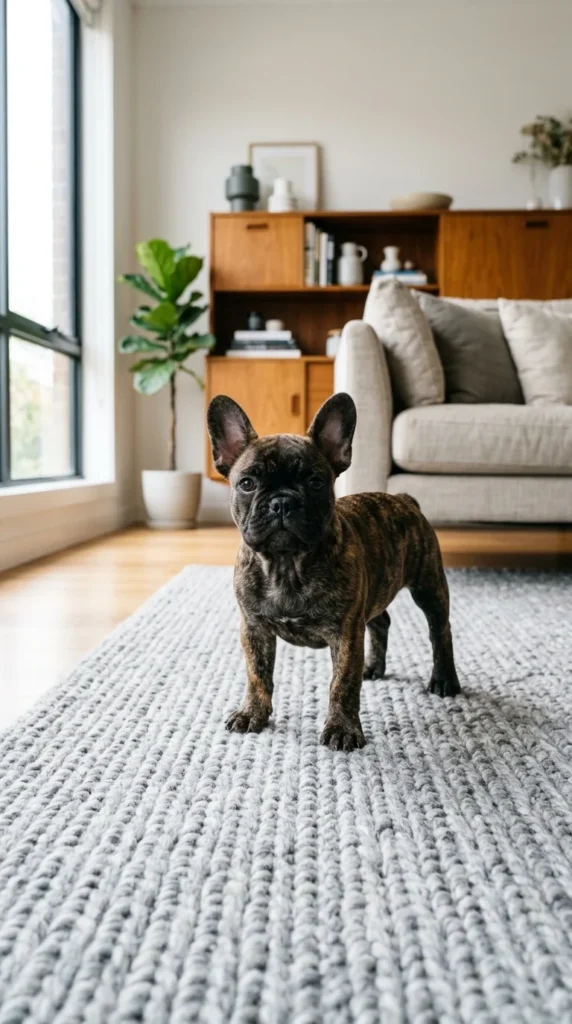
Frenchies are compact and muscular. Unlike larger breeds, they reach their adult height quite quickly, often by 9 to 12 months.
- 8 Weeks: 5–7 lbs
- 6 Months: 15–22 lbs
- Adult Weight: 16–28 lbs Because of their heavy bone structure, Frenchies can feel surprisingly heavy for their size. It is vital to keep them lean, as their brachycephalic (flat-faced) nature makes breathing more difficult if they become overweight.
3. Golden Retriever
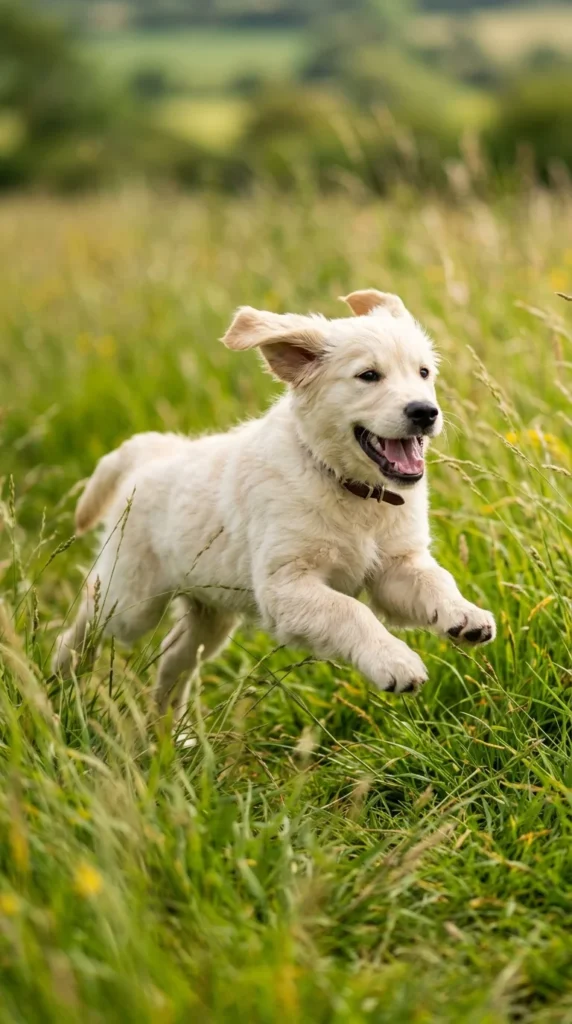
Similar to the Labrador, the Golden Retriever grows steadily. They are notorious for “lanky” stages where their legs seem too long for their bodies.
- 8 Weeks: 10–15 lbs
- 6 Months: 45–55 lbs
- Adult Weight: 55–75 lbs Goldens usually reach their full height by one year, but their iconic feathered coat and chest depth won’t fully develop until they are nearly two years old.
4. German Shepherd
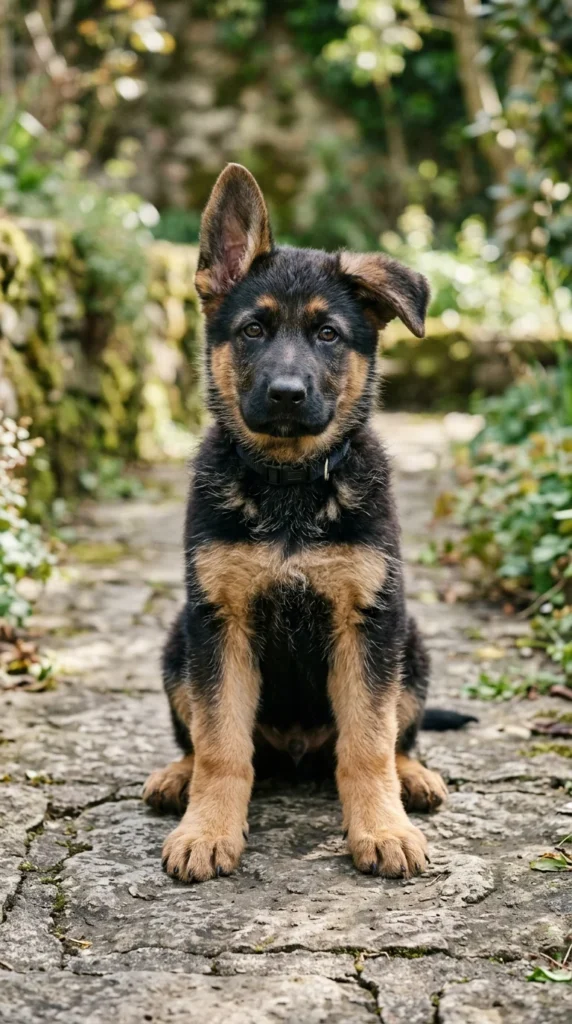
German Shepherds are a large breed that requires careful growth management to avoid hip and elbow dysplasia.
- 8 Weeks: 12–20 lbs
- 6 Months: 50–65 lbs
- Adult Weight: 50–90 lbs These dogs grow rapidly in height during the first eight months. It is common for their ears to go through a “tepee” phase where they lean against each other before standing upright permanently.
5. Poodle (Standard)
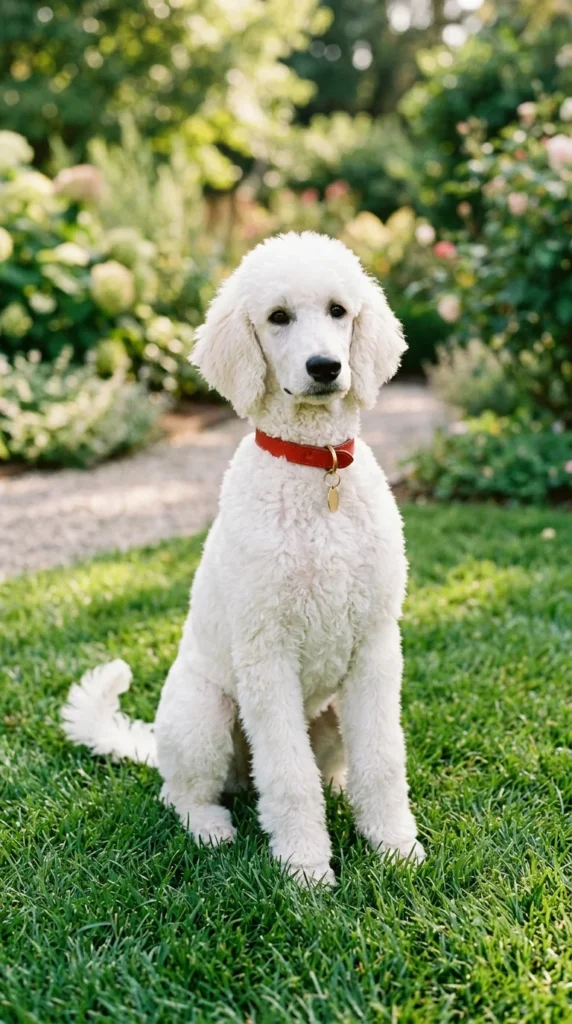
Standard Poodles are elegant and leggy. They tend to grow “up” before they grow “out.”
- 8 Weeks: 8–15 lbs
- 6 Months: 30–45 lbs
- Adult Weight: 40–70 lbs While they may reach their adult height by 12 months, they often remain quite slim until they reach 18–24 months, at which point they develop more muscle.
6. Beagle
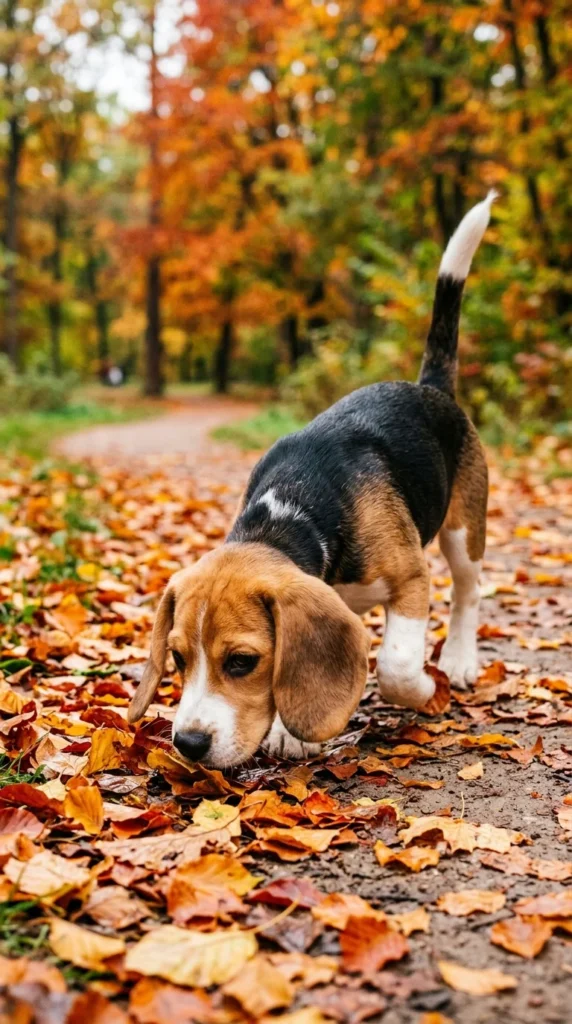
Beagles are sturdy, small-to-medium hounds. They have a very predictable growth curve and usually finish growing by their first birthday.
- 8 Weeks: 5–10 lbs
- 6 Months: 15–22 lbs
- Adult Weight: 20–30 lbs Beagles love food, so it’s important to stick to a growth chart to prevent early-onset obesity, which can lead to back issues later in life.
7. Rottweiler
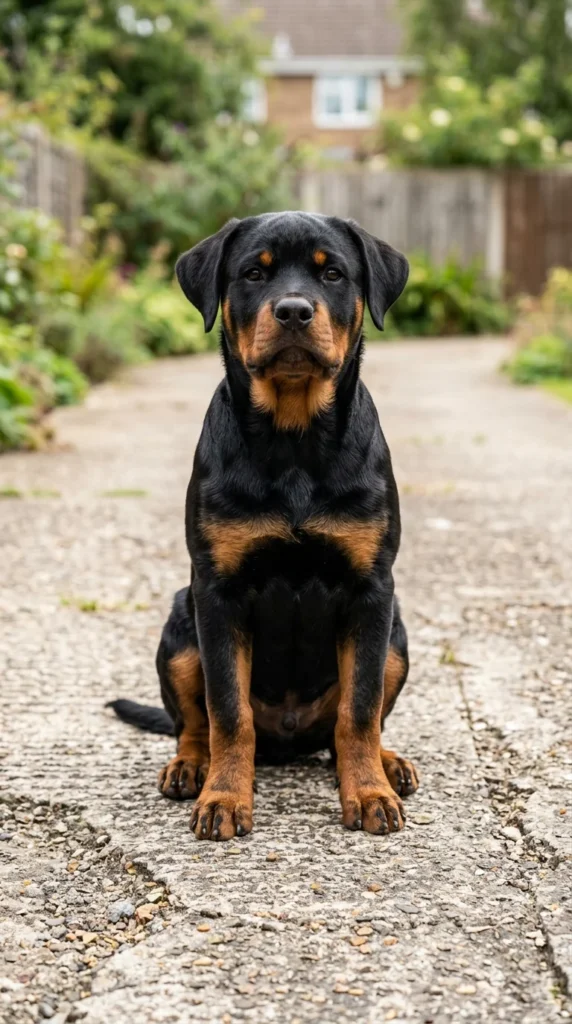
Rottweilers are a slow-maturing large breed. They may reach their full height by 12–15 months, but they won’t reach their full “broad” adult look until they are 2 or even 3 years old.
- 8 Weeks: 13–17 lbs
- 6 Months: 60–80 lbs
- Adult Weight: 80–135 lbs Due to their massive size, it is critical to use a large-breed puppy formula to ensure their bones don’t grow faster than their ligaments can handle.
8. Yorkshire Terrier

The Yorkie is one of the smallest breeds and completes its growth very early.
- 8 Weeks: 1–3 lbs
- 6 Months: 3–5 lbs
- Adult Weight: 4–7 lbs Yorkies often reach their full adult size by 9 months. Because they are so small, even a half-pound weight gain is significant for their tiny frames.
9. Dachshund (Miniature)
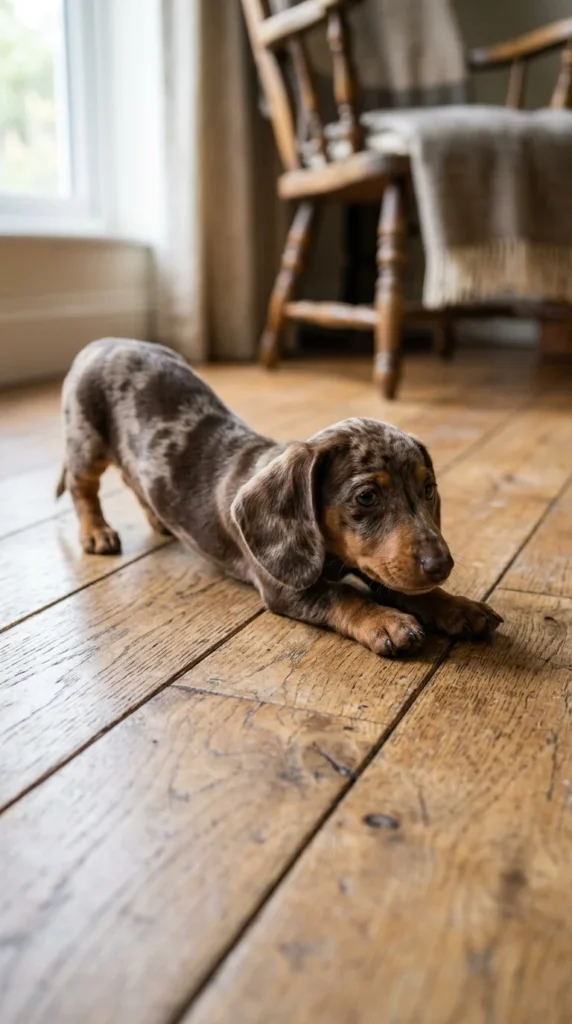
Dachshunds have a unique growth pattern focused on their long spines.
- 8 Weeks: 3–5 lbs
- 6 Months: 8–11 lbs
- Adult Weight: 11 lbs and under Miniature Dachshunds finish growing around 11–12 months. It is vital to keep them lean to protect their intervertebral discs.
10. Great Dane
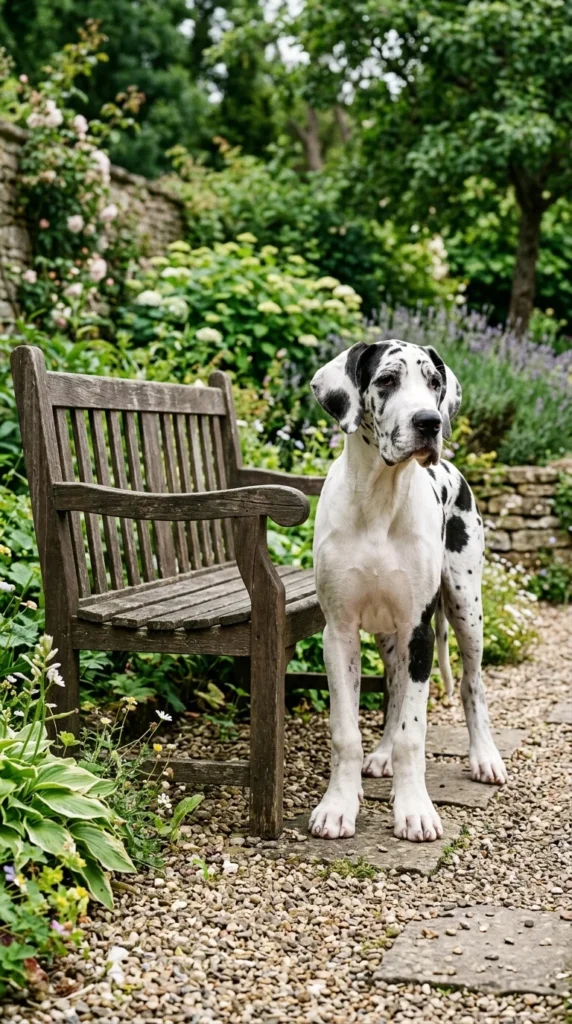
The “Apollo of Dogs” has the most dramatic growth curve. They can gain as much as 3–5 pounds per week during their peak growth phase.
- 8 Weeks: 15–25 lbs
- 6 Months: 70–90 lbs
- Adult Weight: 110–175 lbs Great Danes continue to grow and fill out until they are 24–36 months old. Rapid growth is the enemy here; slow and steady is the goal for giant breed skeletal health.
11. Pembroke Welsh Corgi
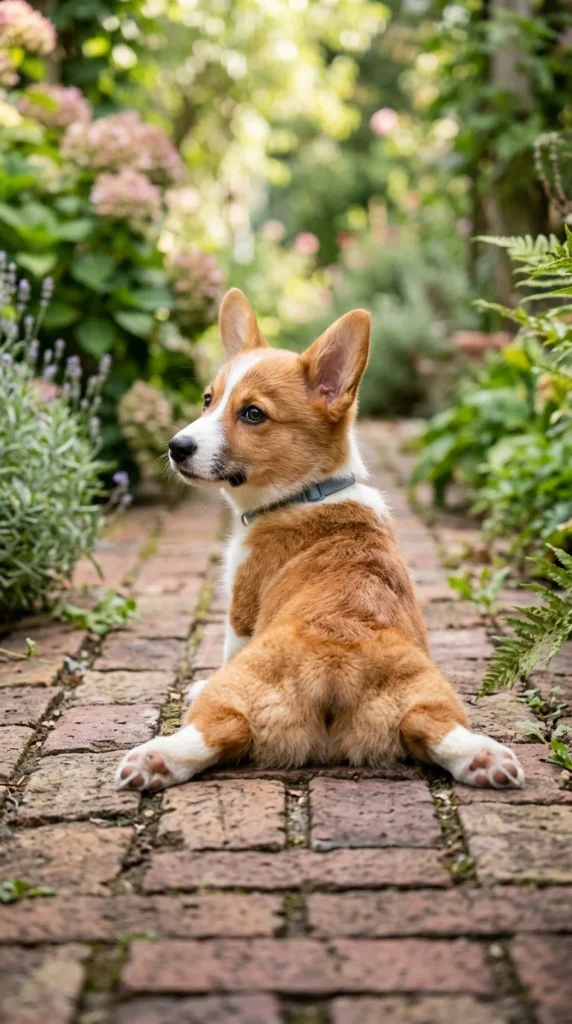
Corgis are “big dogs in small bodies.” They are heavy-boned and sturdy.
- 8 Weeks: 6–10 lbs
- 6 Months: 17–23 lbs
- Adult Weight: 24–30 lbs A Corgi usually reaches full height by 10 months but will continue to broaden in the chest until 18 months.
12. Boxer
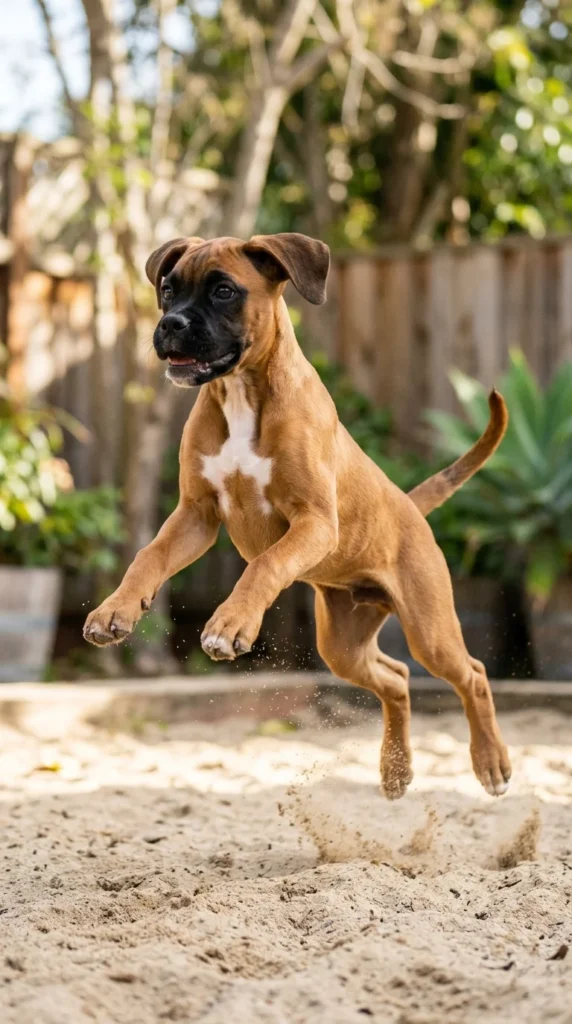
Boxers are high-energy dogs that stay “puppy-like” in both personality and physique for a long time.
- 8 Weeks: 10–15 lbs
- 6 Months: 35–45 lbs
- Adult Weight: 50–80 lbs They are typically fully grown by 18 months, though some males can take up to two years to fully develop their deep chests.
13. Siberian Husky
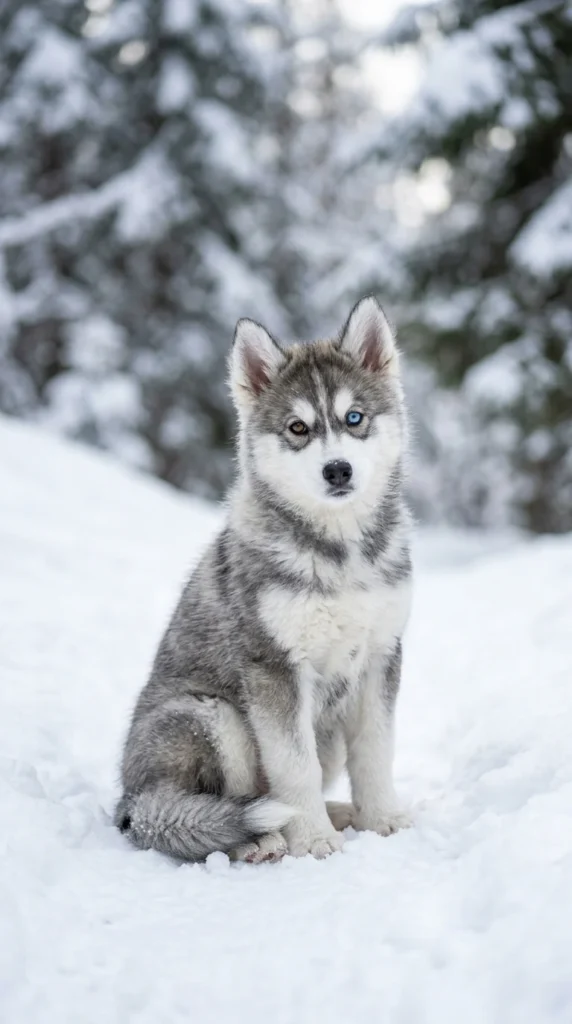
Huskies are medium-sized dogs built for endurance. They tend to be lean and shouldn’t be “bulky.”
- 8 Weeks: 8–15 lbs
- 6 Months: 30–40 lbs
- Adult Weight: 35–60 lbs Huskies usually reach their full size by 12–15 months. They often go through a “gangly” phase where they look very thin, which is normal for the breed.
14. Cavalier King Charles Spaniel

These toy-group spaniels grow steadily and reach maturity relatively early.
- 8 Weeks: 4–6 lbs
- 6 Months: 10–14 lbs
- Adult Weight: 13–18 lbs Most Cavaliers are finished growing by 10 to 12 months of age.
15. Doberman Pinscher
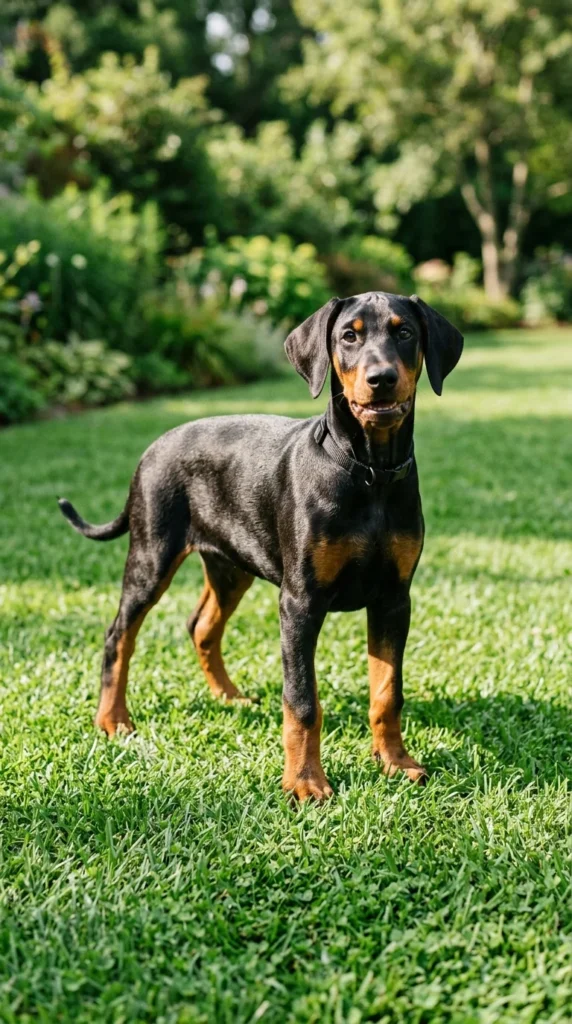
Dobermans are the pictures of athletic grace. They grow quickly in height but take a long time to develop their signature muscular frame.
- 8 Weeks: 15–20 lbs
- 6 Months: 50–60 lbs
- Adult Weight: 60–100 lbs A Doberman may reach its full height by 12 months but will continue to fill out until it is 2 years old.
16. Shih Tzu

The Shih Tzu is a sturdy little dog that reaches its full size fairly quickly.
- 8 Weeks: 2–4 lbs
- 6 Months: 7–10 lbs
- Adult Weight: 9–16 lbs Most Shih Tzus are fully grown by 10 months, though their coat will continue to grow in length and density for years.
17. Boston Terrier

The “American Gentleman” is a small, muscular dog. They come in three weight classes, so their growth can vary.
- 8 Weeks: 4–7 lbs
- 6 Months: 12–18 lbs
- Adult Weight: 15–25 lbs Boston Terriers usually finish growing between 10 and 12 months.
18. Pomeranian

Pomeranians are among the smallest toy breeds. Their growth is rapid in the first few months.
- 8 Weeks: 1–2 lbs
- 6 Months: 3–5 lbs
- Adult Weight: 3–7 lbs Poms are typically fully grown by 10 months. They go through a stage called the “Puppy Uglies” around 4–6 months when they lose their puppy coat before their adult coat grows in.
19. Australian Shepherd
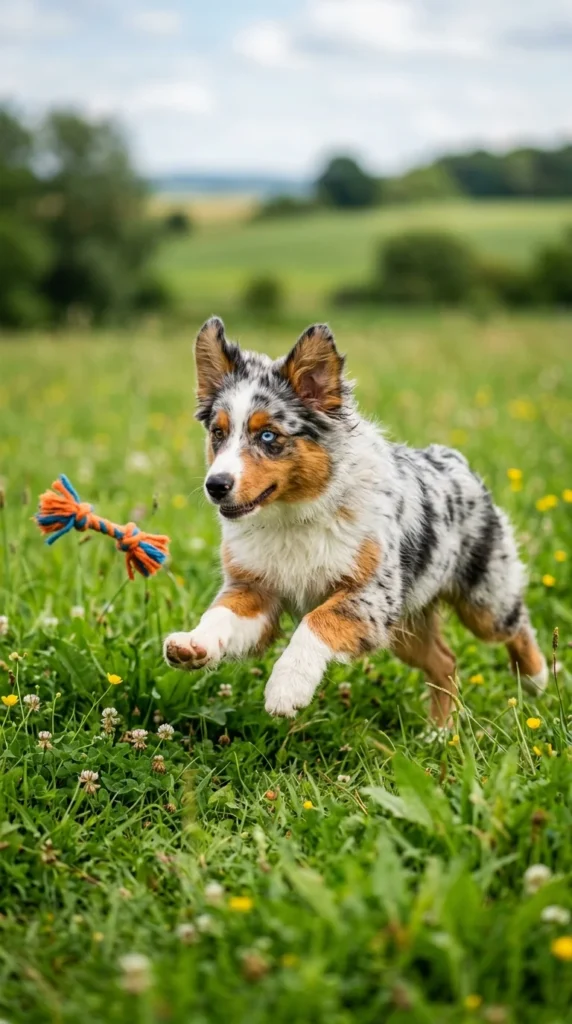
Aussies are medium-sized, high-agility dogs. They need to stay lean to support their active lifestyles.
- 8 Weeks: 8–12 lbs
- 6 Months: 30–45 lbs
- Adult Weight: 40–65 lbs An Aussie will reach its full height by 12 months, but its coat and “mane” will continue to fill in until it is nearly 2 years old.
20. Border Collie

Known as the smartest dog breed, the Border Collie has a very balanced growth rate.
- 8 Weeks: 7–10 lbs
- 6 Months: 25–35 lbs
- Adult Weight: 30–55 lbs Border Collies usually finish growing by 12–15 months. Like other athletic breeds, they often stay quite slim until their second year.
Factors That Influence Growth
While these charts provide a standard roadmap, several factors can shift the timeline:
- Nutrition: Feeding a high-quality puppy food specifically formulated for your dog’s expected adult size is the most important thing you can do. Large breeds need less calcium and phosphorus to prevent bone disorders, while toy breeds need calorie-dense food to prevent hypoglycemia.
- Genetics: Just like humans, some puppies are simply destined to be at the smaller or larger end of their breed’s spectrum based on their parents.
- Spaying/Neutering: Early spaying or neutering (before 6 months) can sometimes cause the growth plates to close later than usual, resulting in a slightly taller, “leggier” dog. Consult your vet for the best timing based on your dog’s breed.
- Exercise: Too much high-impact exercise (like jumping or long runs on pavement) while growth plates are open can cause permanent joint damage. Stick to soft surfaces and natural play until they are fully grown.
By keeping a close eye on these milestones and working with your veterinarian, you can ensure your puppy grows into a happy, healthy, and strong adult dog.