
Bringing a new puppy into your home is a whirlwind of excitement, puppy breath, and perhaps a bit of sleep deprivation. Amidst the cuddles and training sessions, your primary responsibility is ensuring your new furry family member is thriving. Puppies are resilient, but they are also vulnerable as their immune systems develop. Knowing the physical and behavioral hallmarks of a healthy pup can give you peace of mind and help you spot potential issues before they become serious.
Here are the 17 essential signs of a healthy puppy that every owner should monitor daily.
1. Bright Eyes

A puppy’s eyes are often the first window into their overall health. In a healthy puppy, the eyes should be clear, bright, and free of any discharge. While a tiny bit of clear “sleep” in the corners in the morning is normal, you should look out for yellow or green mucus, persistent tearing, or cloudiness. The whites of the eyes (the sclera) should be white, not bloodshot or yellowed. If your puppy is squinting or pawing at their eyes, it could indicate an irritation or infection that needs a vet’s attention.
2. Clean Ears
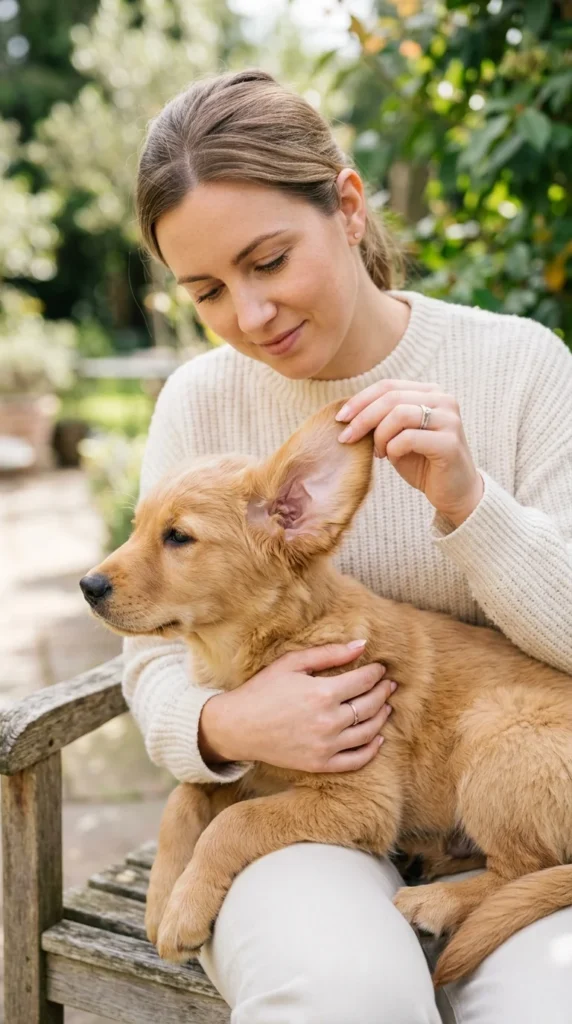
Healthy puppy ears should be odorless and a pale pink color on the inside. While a small amount of light-colored wax is normal, a healthy ear shouldn’t have a buildup of dark, coffee-ground-like debris (a sign of ear mites) or a foul, yeasty smell (a sign of infection). Your puppy should not be constantly shaking their head or scratching at their ears. Clean, responsive ears mean your puppy is comfortable and free from the irritation of parasites or bacteria.
3. Moist Nose
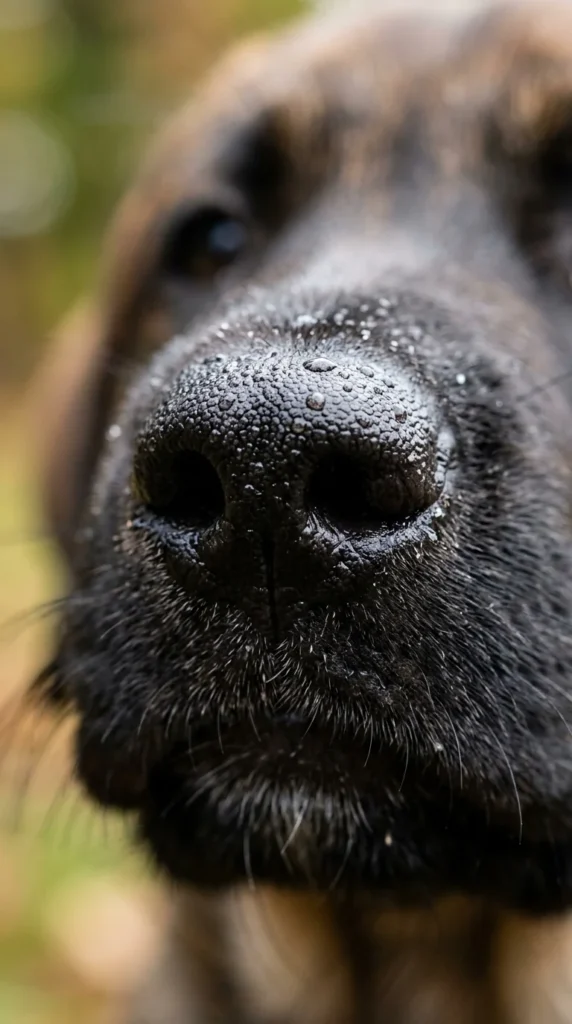
While the old “a cold, wet nose means a healthy dog” rule isn’t 100% foolproof—noses can be dry after a nap—a generally moist, cool nose is a good sign. The moisture helps puppies trap scent particles, which is vital for their exploration of the world. What you want to avoid is a nose that is cracked, bleeding, or producing thick, colored discharge. A healthy nose should be soft to the touch and relatively clear of crust.
4. Pink Gums
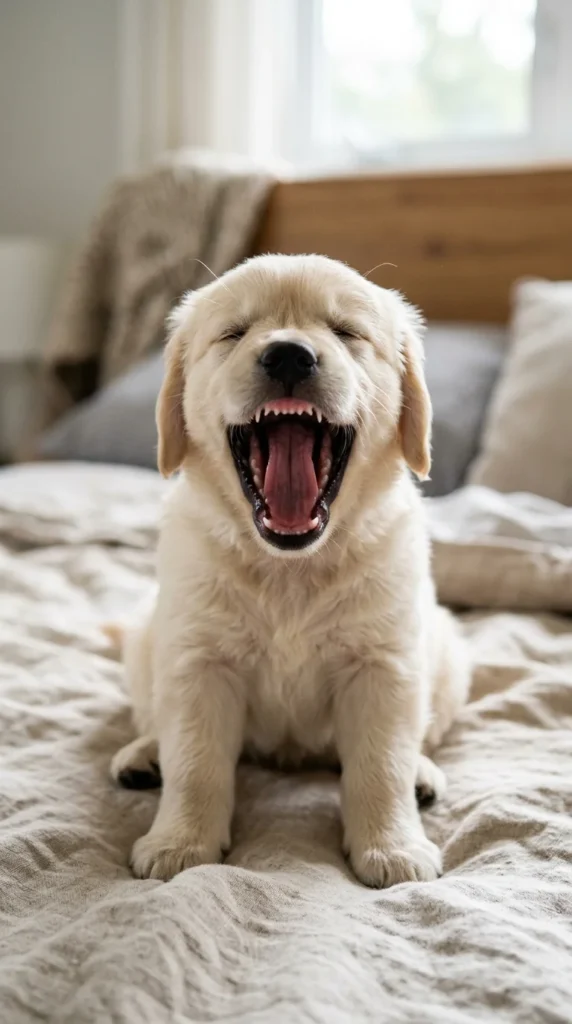
The color of a puppy’s gums is a direct indicator of their blood circulation and oxygen levels. Healthy gums should be a vibrant, “bubblegum” pink. If you press your finger against the gum and release, the color should return from white to pink in two seconds or less—this is known as capillary refill time. Pale, white, blue, or deep red gums are all red flags that require immediate veterinary consultation. Additionally, while puppy breath isn’t exactly minty, it shouldn’t be offensively rotten.
5. Fresh Breath

While “puppy breath” has a distinct, slightly sweet smell that many owners find endearing, it should never be foul. Chronic bad breath in a puppy can signify digestive issues or early-onset dental problems. A healthy puppy will have clean teeth and gums that don’t emit a pungent or sour odor. As they transition to adult teeth, their breath might change slightly, but it should stay relatively neutral.
6. Lustrous Coat
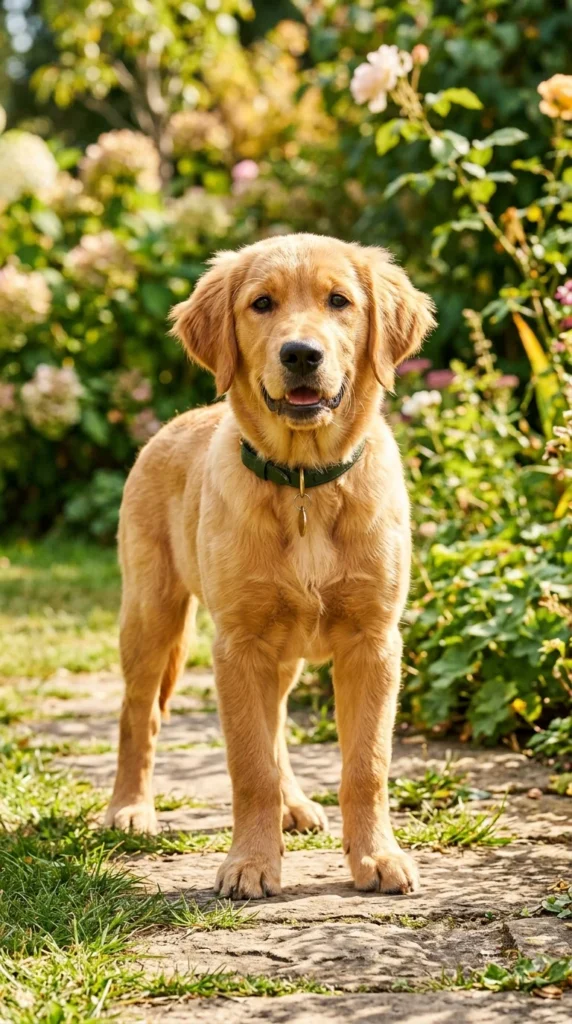
A puppy’s coat is a reflection of their internal nutrition. A healthy puppy should have a soft, shiny coat that feels good to the touch. While some breeds have coarser hair, there should still be a natural sheen to it. Look for skin that is free of flakes, red bumps, or bald spots. If your puppy is constantly itching or if their fur feels brittle and dry, it could indicate a nutritional deficiency, allergies, or the presence of external parasites like fleas.
7. Boundless Energy

Puppies are famous for their “zoomies”—sudden bursts of frantic energy. A healthy puppy should be inquisitive, playful, and eager to engage with their environment. While they do sleep a lot (sometimes up to 18–20 hours a day!), their waking hours should be characterized by movement and curiosity. A puppy that is consistently lethargic, reluctant to play, or seems “flat” may be dealing with an underlying illness or discomfort.
8. Healthy Appetite
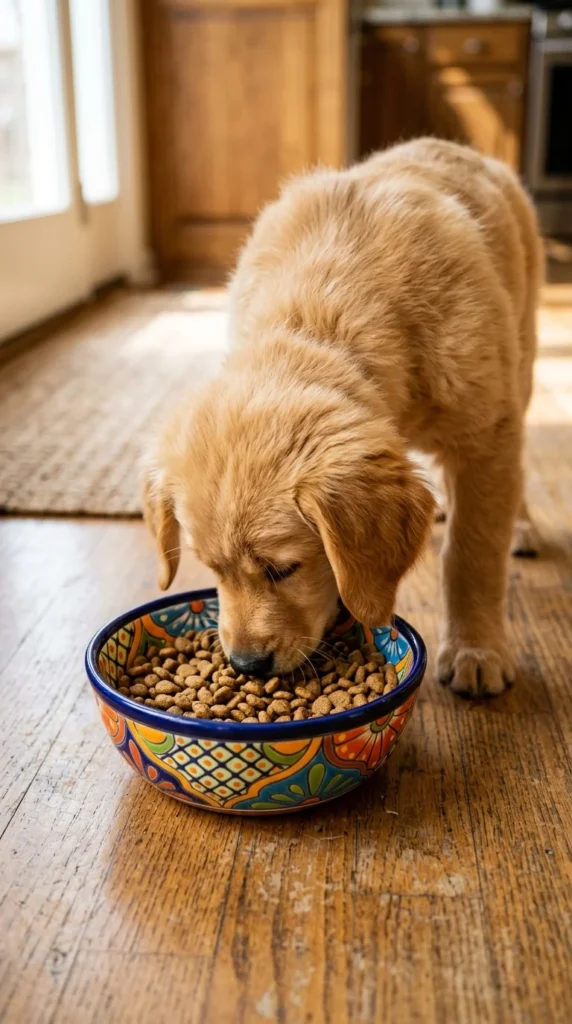
A strong appetite is one of the most reliable signs of a healthy puppy. Growing dogs need a significant amount of calories to fuel their development, and they are usually very excited for mealtime. While some puppies can be “picky” eaters, a total lack of interest in food or a sudden refusal to eat is a major warning sign. A healthy pup will finish their portions and maintain a steady interest in treats and rewards.
9. Consistent Digestion

What goes in must come out! A healthy puppy should have regular bowel movements that are firm and well-formed. Diarrhea, blood in the stool, or extreme straining are signs of digestive upset, parasites, or infection. While occasional loose stools can happen due to the stress of a new home or a change in diet, consistency is key. Their urine should also be a pale yellow color; very dark or bloody urine is a cause for concern.
10. Balanced Weight

A healthy puppy should be “lean but not mean.” You should be able to feel their ribs easily under a thin layer of fat, but the ribs should not be poking out prominently. Conversely, the puppy shouldn’t be so round that you can’t find their waistline. Proper weight management in puppyhood is crucial for joint health, especially in large breeds. A healthy growth curve means they are gaining weight steadily without becoming obese.
11. Sharp Alertness

Puppies are natural explorers. A healthy pup is alert to their surroundings, reacting to new sounds, sights, and smells. They should track movement with their eyes and respond when you call their name or make a noise. A puppy that seems dazed, disoriented, or fails to respond to external stimuli may have neurological or sensory issues that need to be evaluated by a professional.
12. Elastic Skin
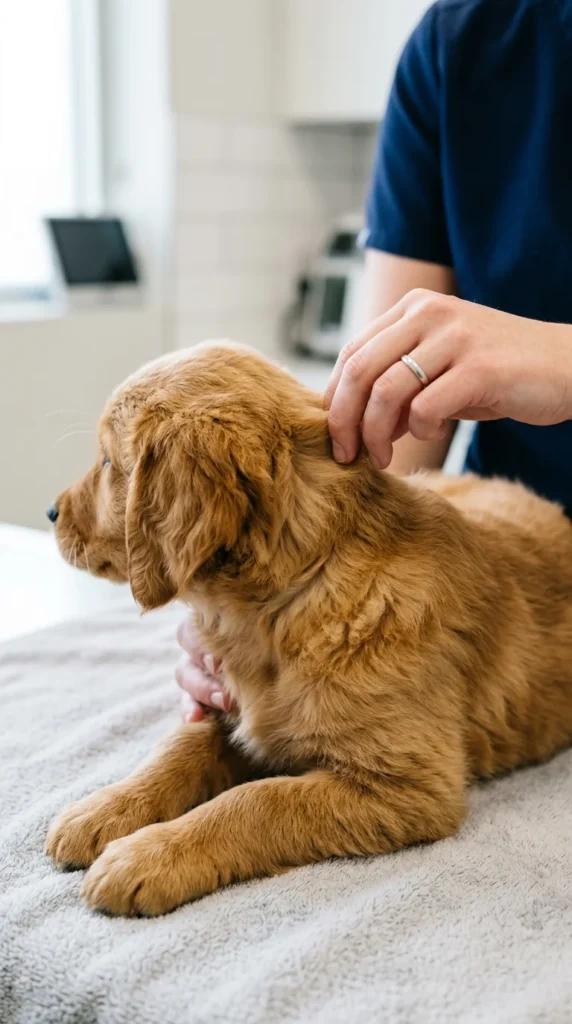
Skin elasticity, or “turgor,” is a great way to check for hydration. If you gently lift the skin on the back of your puppy’s neck and let go, it should snap back into place instantly. If the skin stays “tented” or moves back slowly, your puppy may be dehydrated. Healthy skin should also be free of excessive oiliness, foul odors, or hot spots (red, inflamed areas of skin).
13. Clean Rear
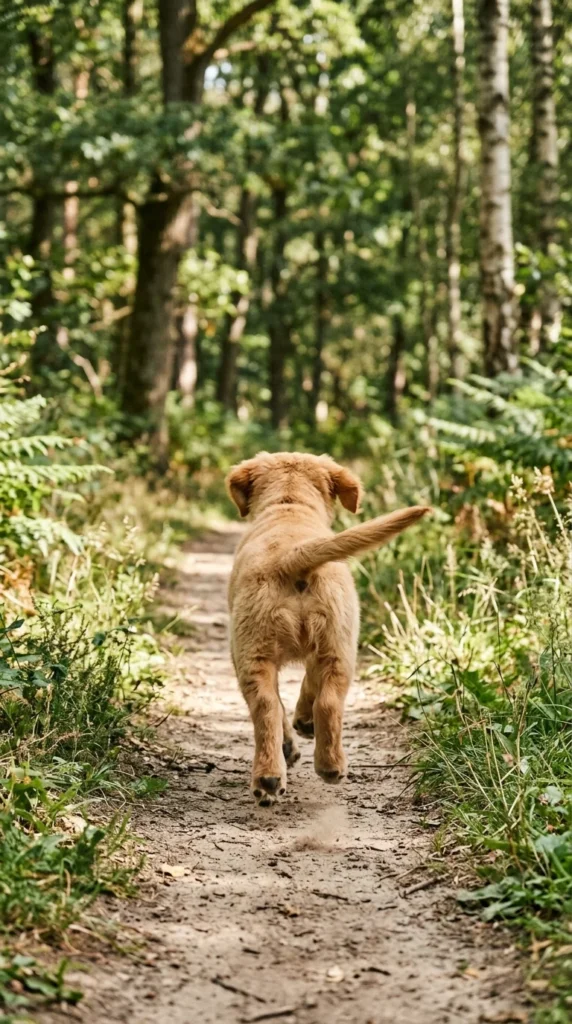
It may not be the most glamorous part of puppy ownership, but checking your puppy’s “back end” is important. The area under the tail should be clean and dry. Persistent staining, redness, or signs of irritation (like “scooting” their bottom across the floor) can indicate impacted anal glands, worms, or digestive issues. A clean rear is a sign that the puppy is processing their food correctly and maintaining good hygiene.
14. Smooth Movement
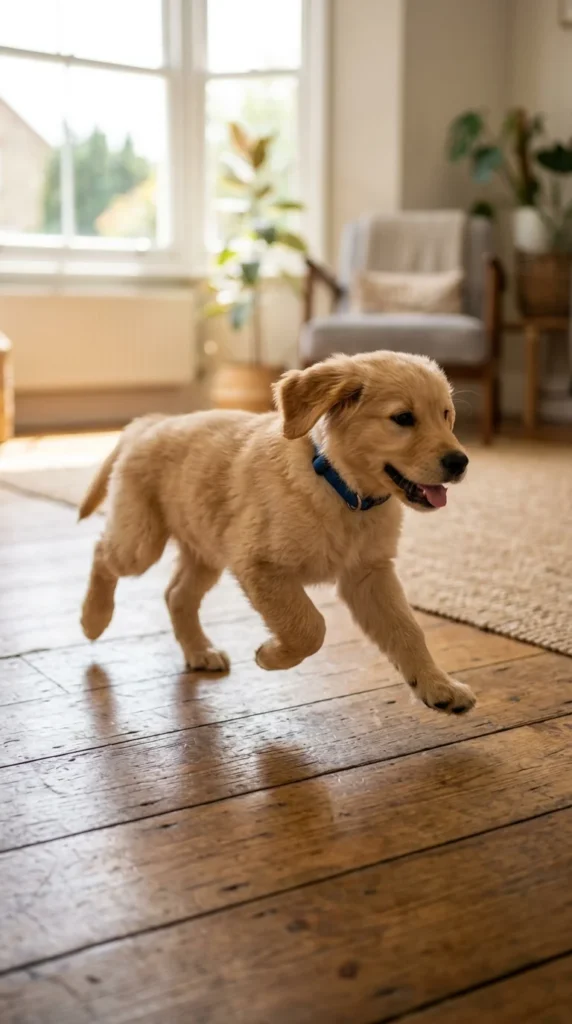
Watch your puppy walk and run. Their movement should be fluid, coordinated, and symmetrical. While puppies are naturally a bit clumsy as they learn to navigate their growing bodies, they should not be limping, hopping like a bunny with their back legs, or showing stiffness when getting up from a nap. Healthy joints and muscles allow for a wide range of motion and a “spring” in their step.
15. Social Nature
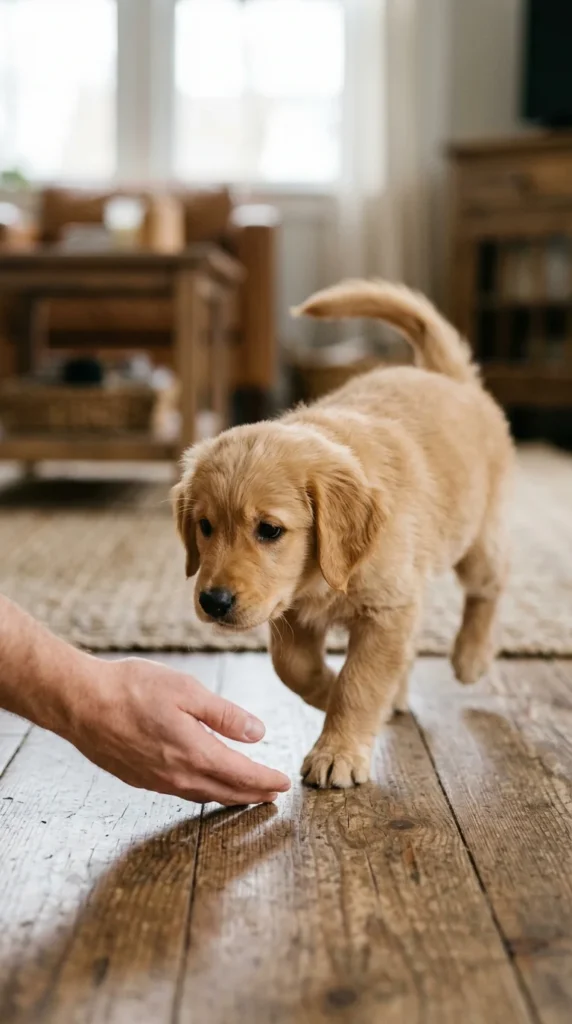
Behavioral health is just as important as physical health. A healthy puppy is generally social and interested in interacting with people and other animals (once they are fully vaccinated). While some puppies are naturally more shy than others, they should still show a level of curiosity and a desire for companionship. Extreme fear, unprovoked aggression, or complete withdrawal can be signs of poor socialization or underlying physical pain.
16. Peaceful Sleep

Puppies do a lot of their growing while they sleep. A healthy puppy will fall into a deep, restful sleep. You might see their paws twitch or hear little “muffs” as they dream—this is perfectly normal and a sign of a healthy nervous system. However, a puppy that is constantly restless, unable to get comfortable, or crying out in their sleep may be experiencing discomfort or anxiety.
17. Quiet Breathing

When at rest, a puppy’s breathing should be quiet and effortless. You shouldn’t hear wheezing, heavy panting (unless they’ve just been playing or are hot), or a persistent cough. Their chest should rise and fall in a regular, rhythmic pattern. Rapid, shallow breathing or labored breaths where the puppy is using their abdominal muscles to help them breathe are serious signs that require a vet visit to check their heart and lungs.