

Bringing a new puppy into your home is an emotional milestone, filled with the promise of wagging tails, wet kisses, and a lifelong bond. However, beneath the layer of puppy breath and soft fur lies a significant financial commitment. Prospective owners often underestimate the total cost of puppyhood, focusing only on the initial “sticker price.” To ensure you are fully prepared for this journey, we have broken down the 16 essential costs associated with raising a puppy.
1. Purchase Price

The initial cost of acquiring your puppy varies wildly depending on where you look. Adopting from a shelter or rescue group typically costs between $50 and $500, often including initial vaccinations and a spay/neuter voucher. On the other hand, purchasing a puppy from a reputable breeder can range from $1,000 to over $5,000, depending on the breed’s rarity, lineage, and health clearances. Rare designer breeds or show-quality dogs command the highest prices.
2. Initial Supplies

Before the puppy even steps paw in your home, you need gear. This includes a crate for potty training, a comfortable bed, food and water bowls, a collar, and a leash. Quality matters here; while you can find budget options, durable supplies save money in the long run. Expect to spend between $150 and $400 on this initial setup. Remember, puppies grow fast, so you might find yourself buying a larger crate or collar within just a few months.
3. Veterinary Checkups
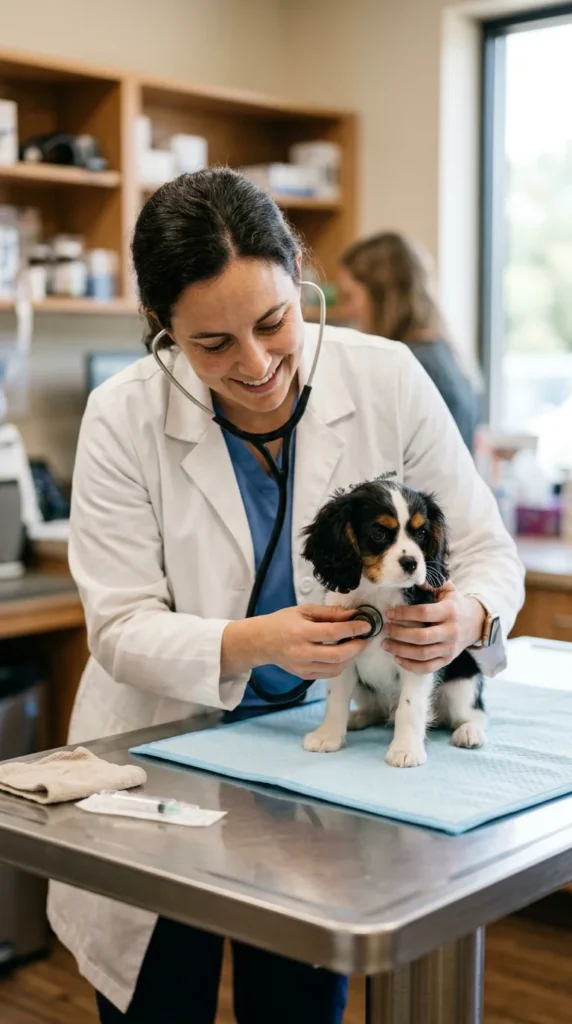
During the first year, your puppy will be a frequent visitor at the vet. The first few months require “well-puppy” exams to monitor growth and development. These visits allow the vet to check for congenital issues, heart murmurs, or parasites. Each visit usually costs between $50 and $150 for the exam fee alone, excluding any tests or medications.
4. Core Vaccinations
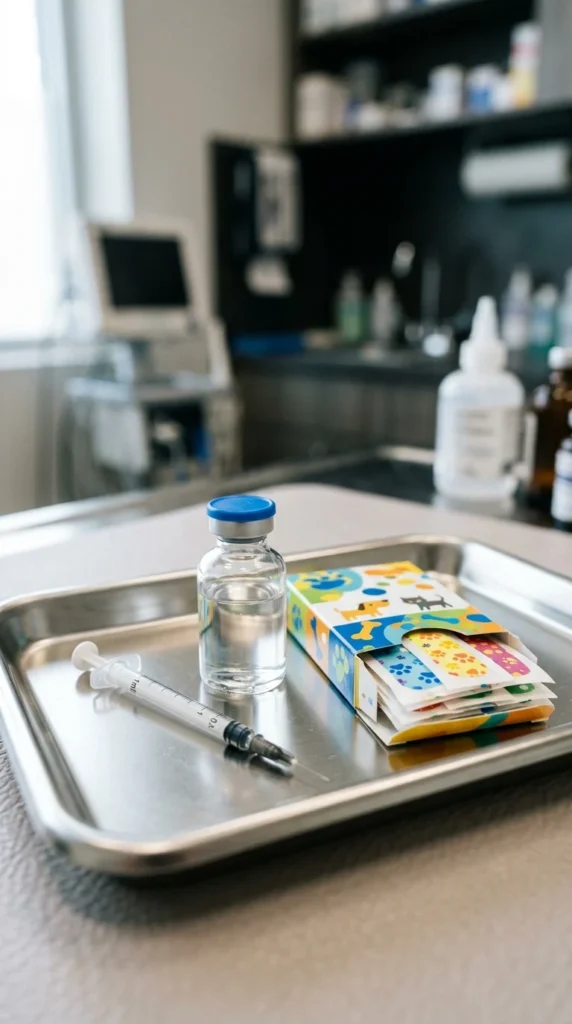
Vaccinations are non-negotiable for a healthy puppy. They protect against life-threatening diseases like Rabies, Distemper, Parvovirus, and Adenovirus. Most puppies require a series of boosters administered every three to four weeks until they are about 16 weeks old. Depending on your location and the specific shots required (such as Bordetella or Lyme disease), you can expect to pay between $100 and $300 during the first year.
5. Spay or Neuter
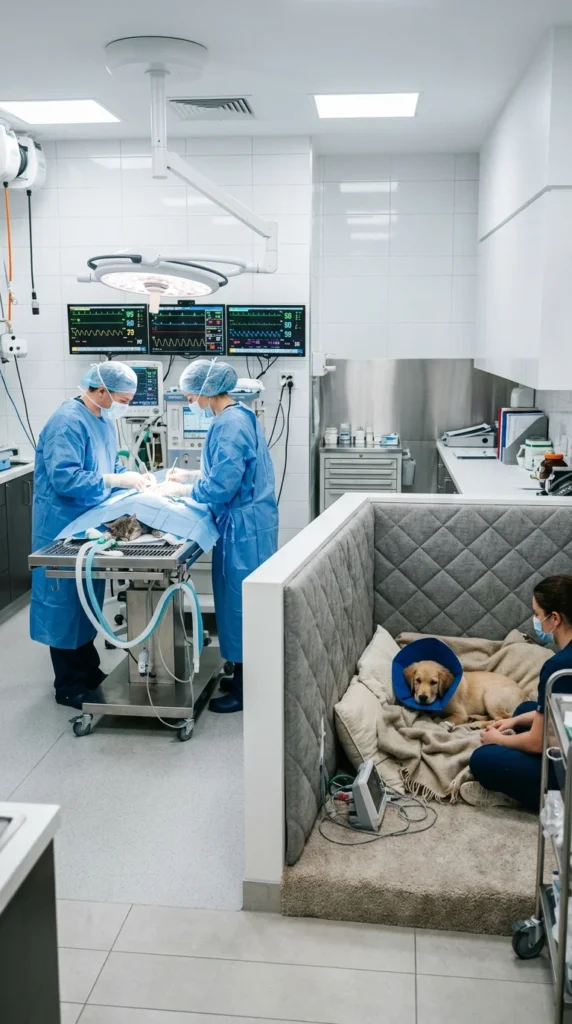
Spaying (for females) or neutering (for males) is a one-time expense that provides long-term health and behavioral benefits. While some shelters include this in the adoption fee, private clinics may charge anywhere from $200 to $600. Factors like the puppy’s weight and the complexity of the surgery influence the final price. This procedure prevents unplanned litters and reduces the risk of certain cancers later in life.
6. Nutritious Food

Puppies grow at an incredible rate and require specialized “puppy formula” food high in protein and fat. Large-breed puppies need even more specific nutrient ratios to ensure their bones don’t grow too quickly. High-quality kibble or wet food is an ongoing monthly expense. Depending on the size of your dog and the quality of the brand, food can cost between $40 and $100 per month. Over the first year, this adds up to $480 to $1,200.
7. Grooming Services

Even if you don’t have a high-maintenance breed like a Poodle or a Doodle, grooming is essential. Long-haired breeds require professional haircuts every 6-8 weeks to prevent matting, costing $60 to $120 per session. Short-haired breeds still need nail trims, ear cleanings, and occasional baths. If you choose to do it yourself, you’ll still need to invest about $50 to $100 in brushes, shampoos, and high-quality nail clippers.
8. Pet Insurance

Pet insurance is becoming a standard part of responsible ownership. It provides a safety net for accidents or chronic illnesses that could otherwise cost thousands of dollars. Monthly premiums for puppies are generally lower than for older dogs, usually ranging from $25 to $70 per month. While it’s an added monthly cost, it can save you from financial ruin if your puppy swallows a sock or develops a sudden infection.
9. Training Classes

A well-behaved dog is a joy to live with, but training takes time and often professional guidance. Group obedience classes are a great way to socialize your puppy and learn basic commands. These typically cost $150 to $300 for a six-week course. If you opt for a “board and train” program or private in-home sessions, the costs can soar into the thousands.
10. Microchipping

A microchip is a permanent form of identification about the size of a grain of rice. If your puppy ever gets lost and their collar falls off, a vet or shelter can scan the chip to find your contact information. This is a one-time cost of roughly $25 to $60, and it provides immense peace of mind. Some registries may also charge a small annual fee to keep your data active.
11. Flea Prevention

Preventing fleas, ticks, and heartworms is much cheaper than treating an infestation or a disease. Puppies are particularly vulnerable to these parasites. Monthly preventatives are standard and usually cost between $15 and $35 per month. Skipping even a month can lead to expensive vet bills for heartworm treatment or flea-borne illnesses.
12. Dog Daycare

If you work long hours, you may need to utilize doggy daycare or a professional dog walker. Puppies cannot hold their bladders for more than a few hours, and they need socialization to prevent separation anxiety. Dog walkers charge about $15 to $30 per walk, while daycare can range from $30 to $50 per day. Depending on your schedule, this can become one of the most significant monthly expenses.
13. Dental Care
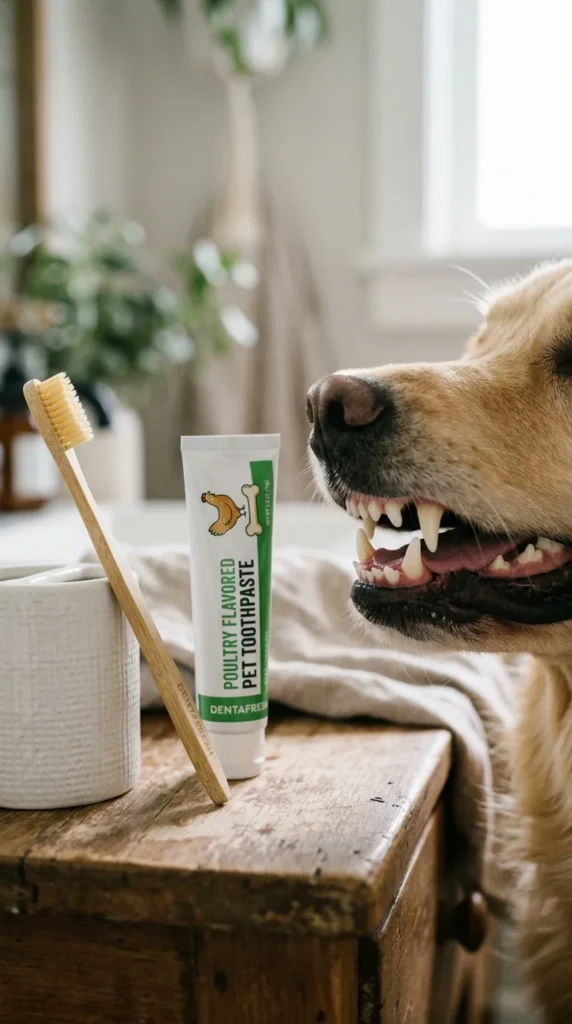
Dental hygiene is often overlooked until it becomes a problem. Puppies lose their baby teeth around six months, and the adult teeth that replace them need to last a lifetime. Professional dental cleanings under anesthesia can cost $300 to $800. You can reduce the frequency of these cleanings by brushing your puppy’s teeth at home and providing dental chews, which adds about $10 a month to your budget.
14. Emergency Fund

No matter how careful you are, emergencies happen. Puppies are notorious for eating things they shouldn’t or getting into scrapes. An emergency vet visit during “off-hours” can start at $200 just for the door fee, with treatments quickly escalating. Experts recommend having an emergency fund of at least $1,000 to $2,000 specifically for pet-related crises.
15. Enrichment Toys
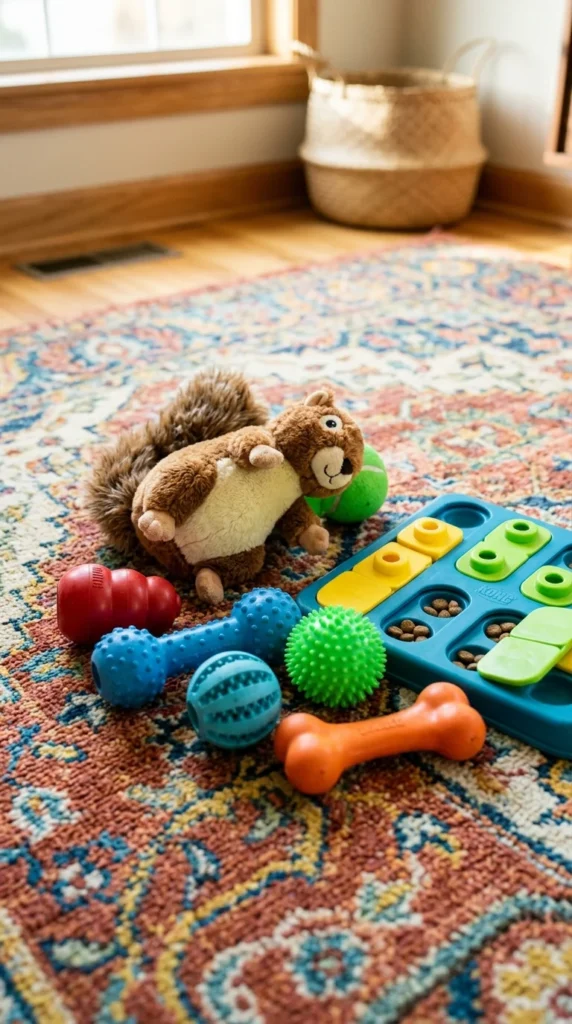
Puppies have high energy and a biological need to chew. Without appropriate toys, they will turn to your shoes or furniture. You will likely spend $50 to $100 initially on a variety of textures (rubber, plush, rope) and continue to spend $10 to $20 a month replacing destroyed toys or buying new puzzles to keep their minds sharp.
16. Boarding Fees

If you plan to travel without your pet, you must factor in boarding or pet-sitting costs. Professional boarding facilities or “pet hotels” offer various levels of luxury, with prices ranging from $40 to $100 per night. For a week-long vacation, this can add $300 to $700 to your annual pet expenses. Alternatively, hiring a sitter to stay in your home may cost even more but provides a less stressful environment for the puppy.