
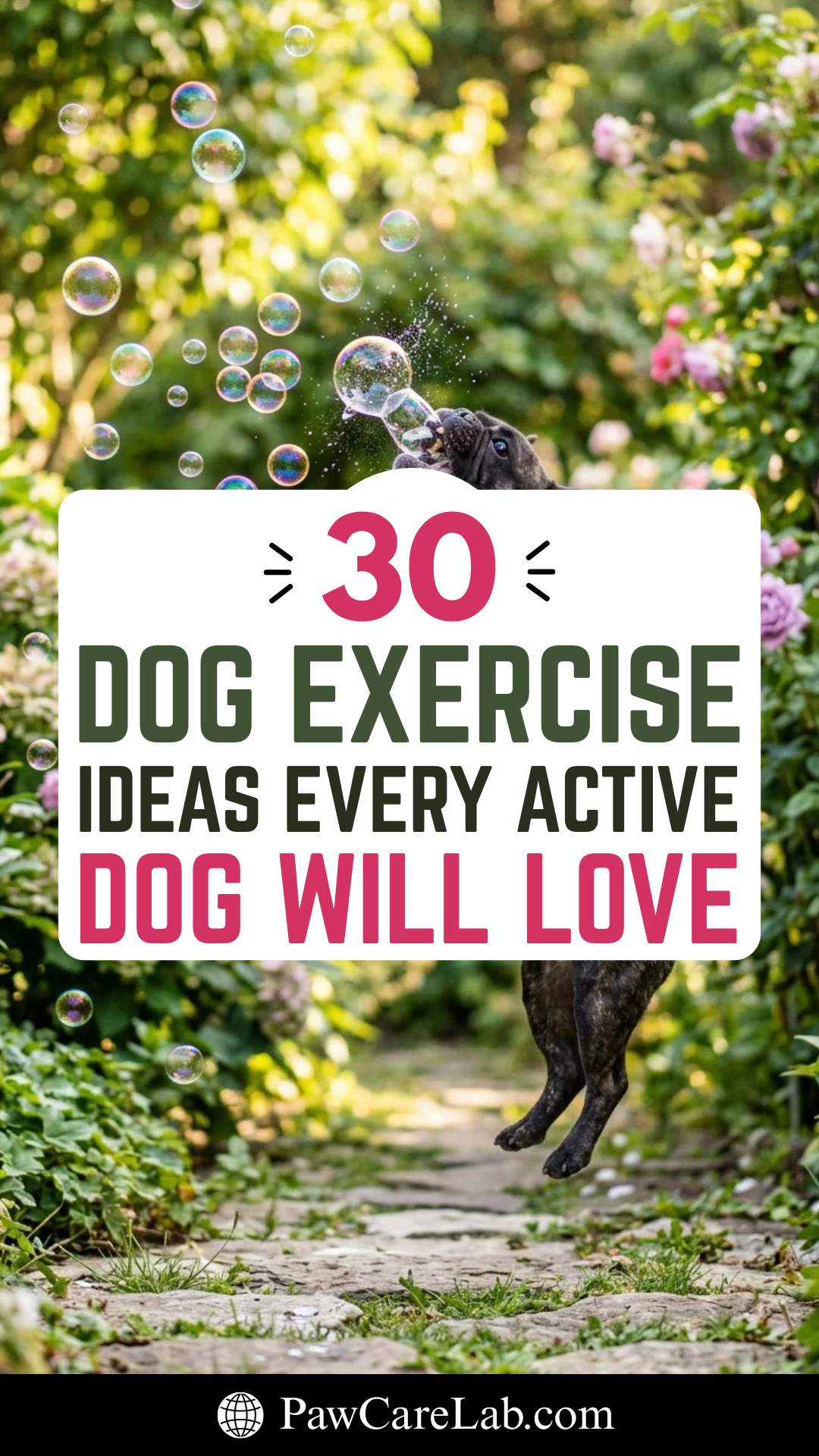
Owning a high-energy dog is a rewarding adventure, but it also comes with the responsibility of ensuring they get enough physical and mental stimulation. Without proper outlets for their energy, active breeds can become bored, leading to destructive behaviors like chewing, barking, or digging. Physical exercise is about more than just burning calories; it’s about maintaining cardiovascular health, strengthening muscles, and providing the mental enrichment that keeps a dog’s mind sharp.
Whether you have a budding canine athlete or a backyard zoomie-king, variety is the key to a happy pet. Here are 30 creative and effective dog exercise ideas to keep your pup fit, focused, and fulfilled.
1. Fetch
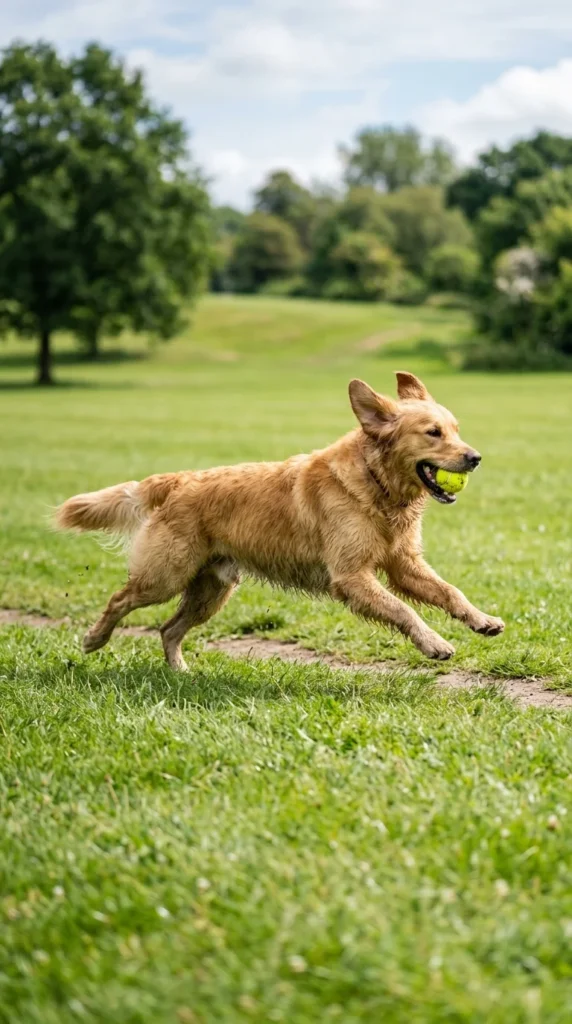
Fetch is the quintessential dog game, but it’s a powerhouse for cardiovascular health. It taps into a dog’s natural predatory drive to chase and retrieve. To make it more challenging for an active dog, use a ball launcher to increase the distance or play on a hill to force them to run uphill, which builds significant hindquarter strength.
2. Agility
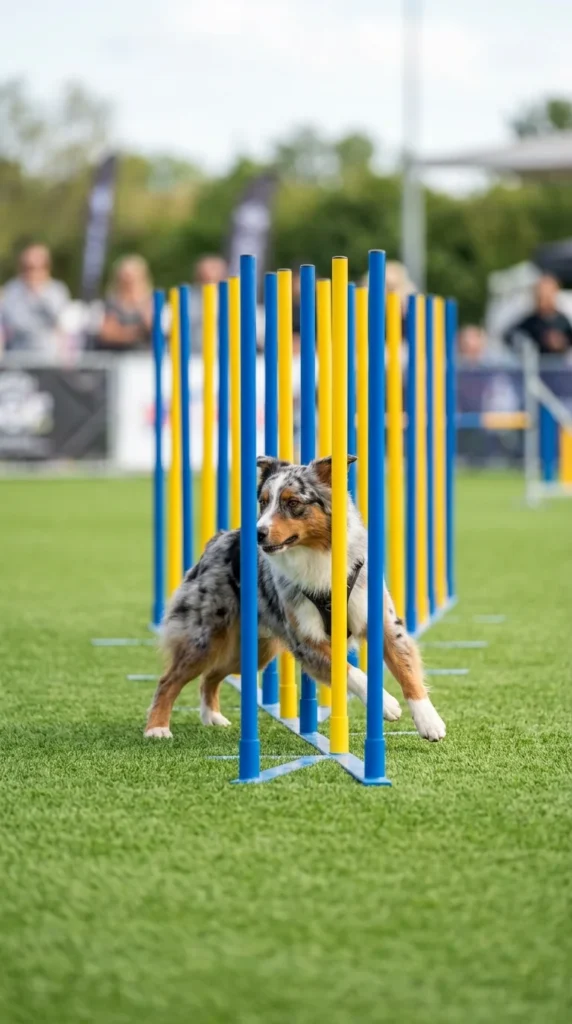
Agility training is the ultimate combination of physical exertion and mental focus. It involves navigating a timed obstacle course including tunnels, jumps, A-frames, and weave poles. This sport improves a dog’s coordination and body awareness while strengthening the bond between the handler and the dog through clear communication.
3. Hiking
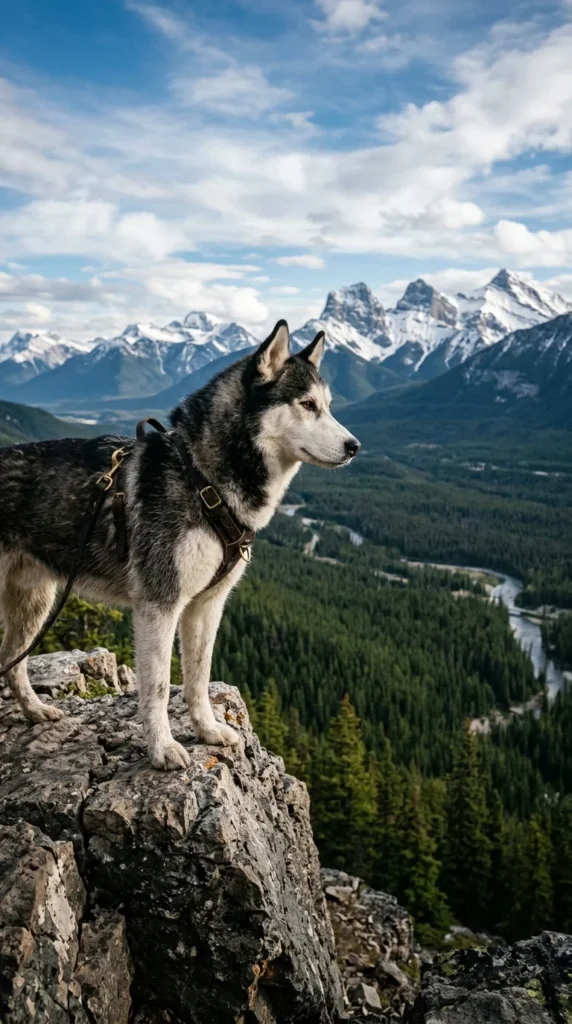
Hiking allows your dog to explore new scents and terrains while building endurance. The uneven ground of a trail engages smaller stabilizer muscles that aren’t used during walks on flat pavement. Ensure you use a sturdy harness and carry enough water for both you and your companion to stay hydrated on the trail.
4. Swimming
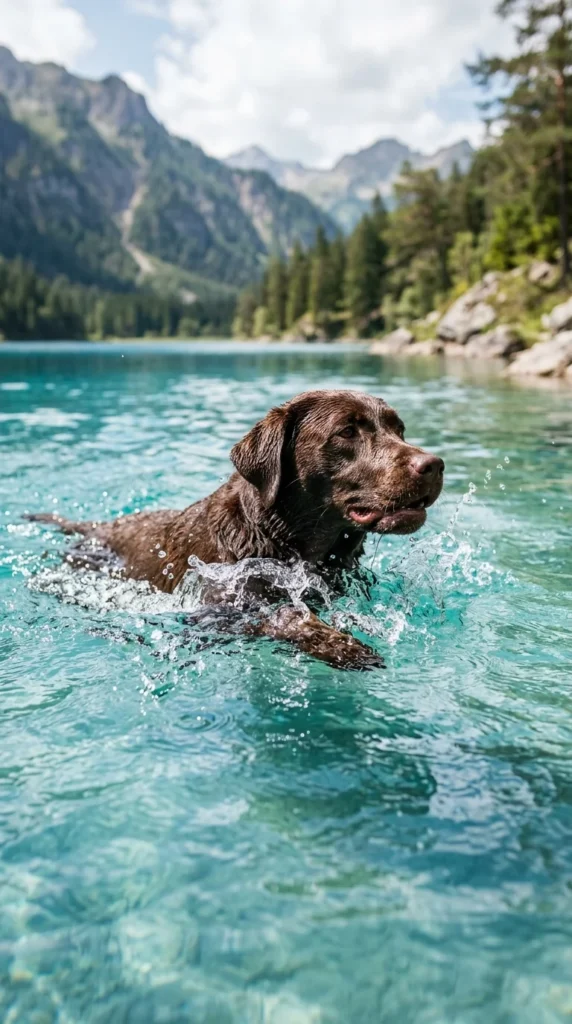
Swimming is a fantastic low-impact exercise, making it ideal for active dogs that might have joint sensitivities or for cooling off during hot summer months. It provides excellent resistance for muscle building without the jarring impact of running on hard surfaces. Always supervise your dog and consider a life jacket for safety.
5. Flirt Pole
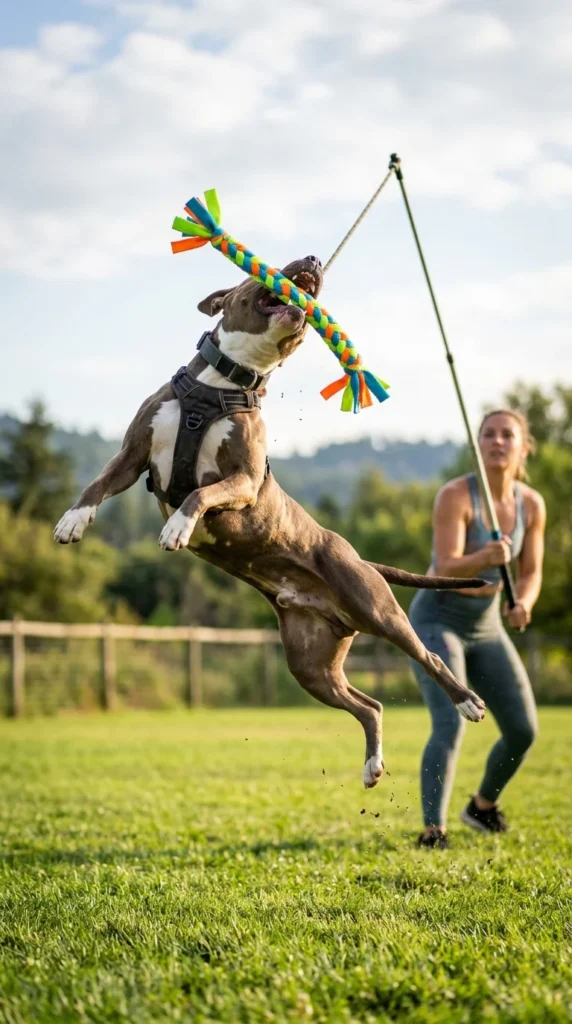
A flirt pole is essentially a giant cat wand for dogs. It consists of a long pole with a rope and a lure (toy) at the end. It’s an incredible tool for high-intensity interval training in small spaces. It works on a dog’s prey drive, speed, and change-of-direction skills, tiring them out in a fraction of the time a walk would.
6. Canicross
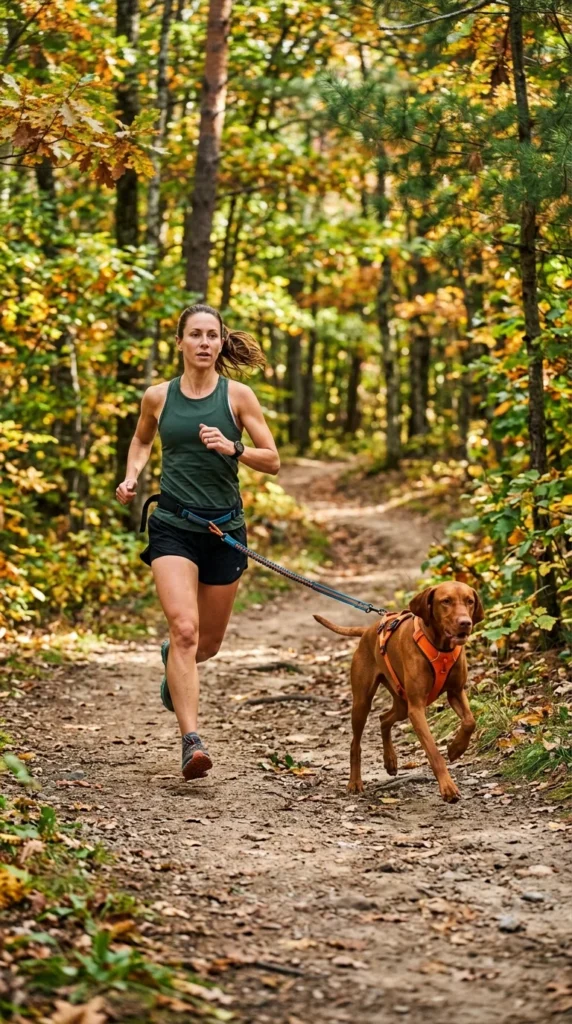
Canicross is the sport of cross-country running with your dog. Unlike a standard jog, the dog is harnessed and actually pulls the runner forward. This provides a rigorous workout for the dog and a significant speed boost for the human. It requires specialized equipment to prevent strain on the dog’s neck and the runner’s back.
7. Disc Toss
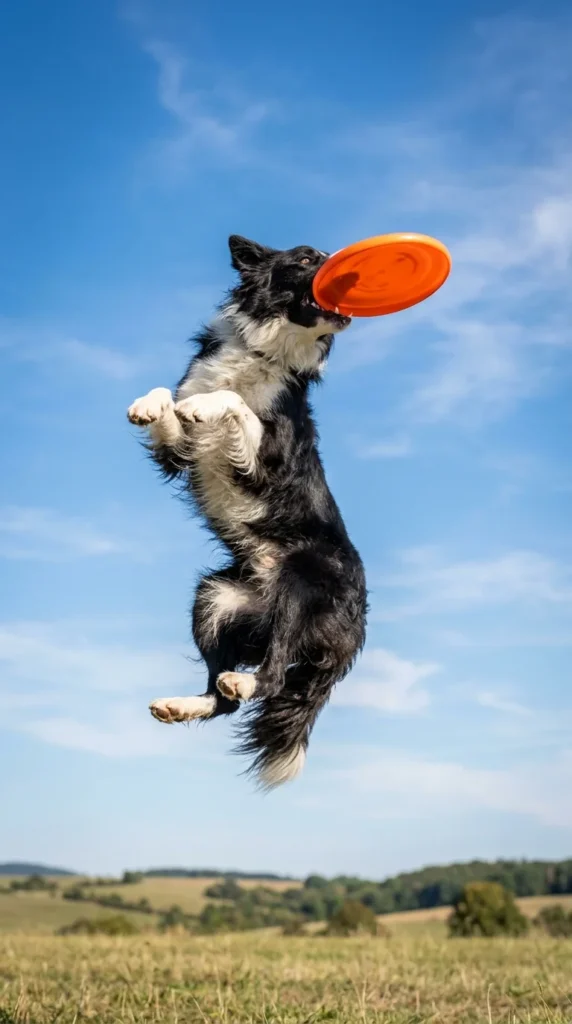
Playing with a flying disc (Frisbee) takes fetch to the next level. The unpredictable flight path of a disc requires the dog to track, jump, and catch, which improves hand-eye (or mouth-eye) coordination. Use dog-specific discs made of soft plastic or fabric to protect their teeth and gums from injury.
8. Dock Diving
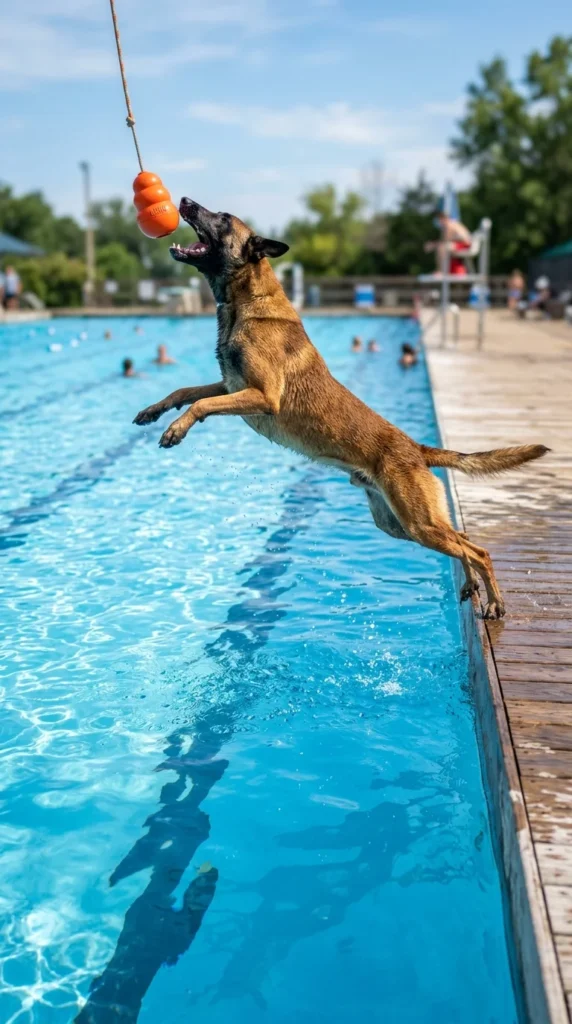
Dock diving is a competitive sport where dogs jump off a platform into a pool of water, competing for distance or height. It is a high-octane activity that builds explosive power and confidence. Many facilities offer “splash” sessions for beginners to get their dogs comfortable with the leap.
9. Scent Work
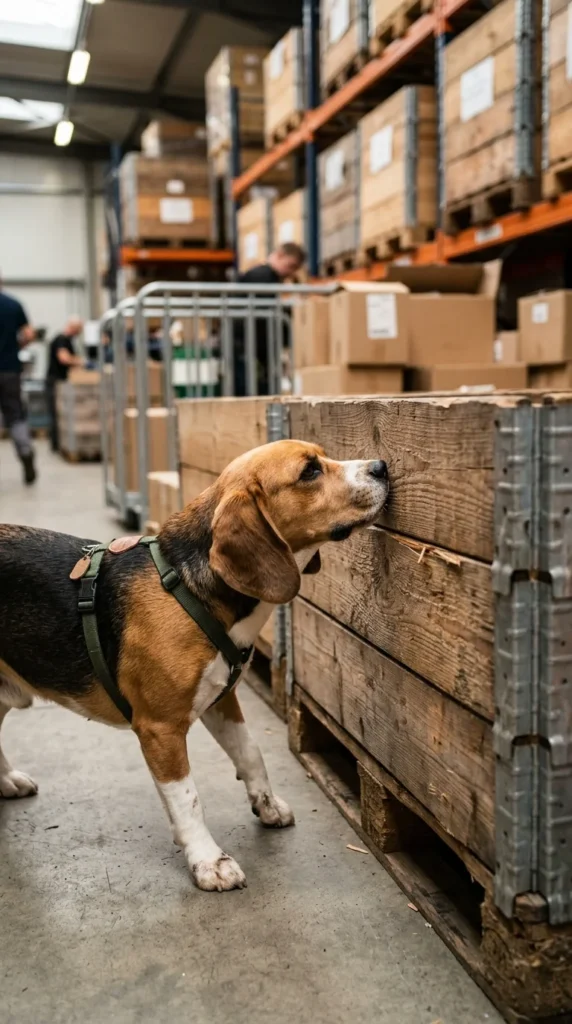
While it might not look like a workout, scent work is mentally exhausting for dogs. “Nose work” taps into their most powerful sense. Hide treats or specific scents (like birch or anise) around the house or yard. Fifteen minutes of intense sniffing can be as tiring for a dog as an hour-long walk.
10. Bikejoring
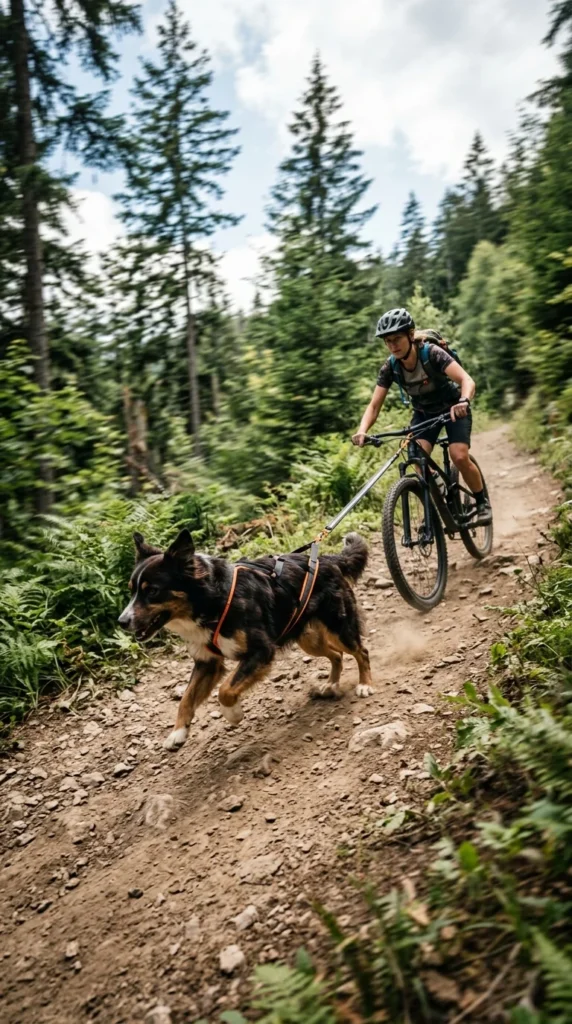
Bikejoring is similar to mushing but on a bicycle. The dog is attached to the front of the bike and pulls the cyclist. This is for high-energy, powerful dogs who love to run at top speeds. It requires significant training for “directional cues” (like gee and haw) to ensure the safety of both the rider and the dog.
11. Tug-of-War
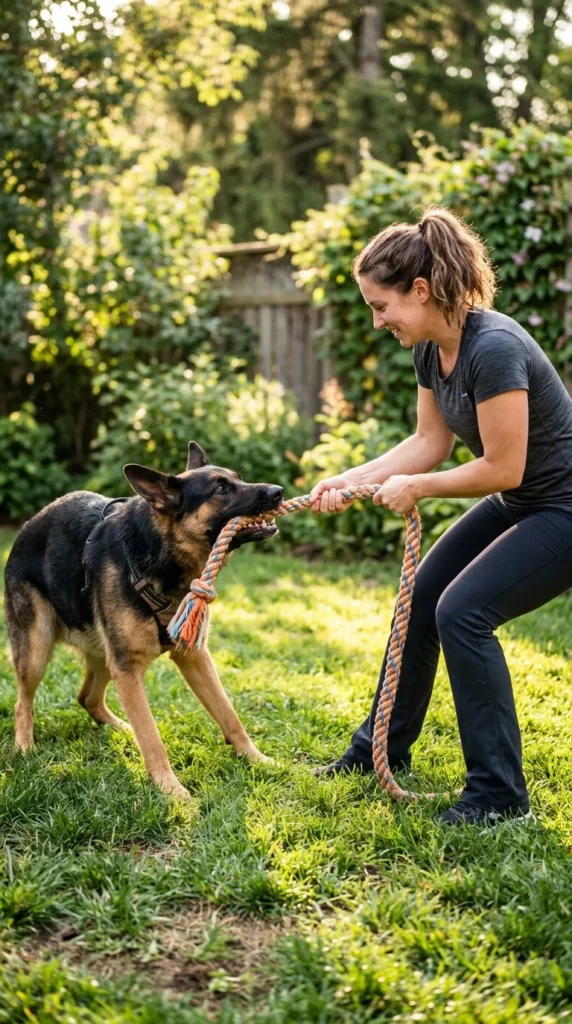
Tug-of-War is an excellent way to build upper body strength and jaw muscles. When played with rules (like “drop it”), it also teaches impulse control. It’s a great indoor or outdoor activity that allows the dog to use their natural strength in a controlled, fun environment.
12. Flyball
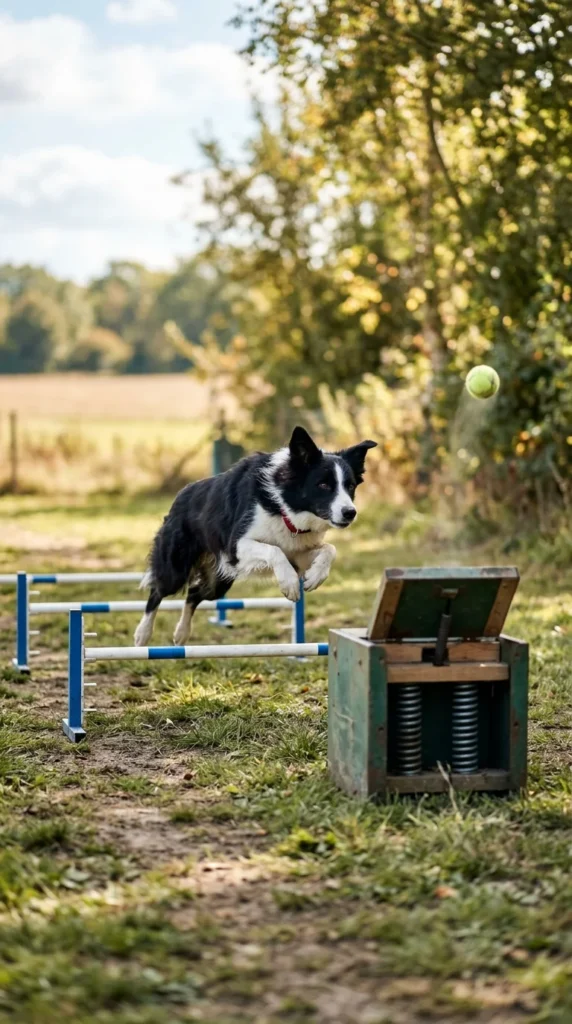
Flyball is a relay race for dogs. A team of dogs must jump over four hurdles, trigger a spring-loaded box to release a ball, and bring the ball back over the hurdles. It’s fast-paced, loud, and incredibly social, making it perfect for dogs that thrive in high-arousal environments.
13. Stair Climbing
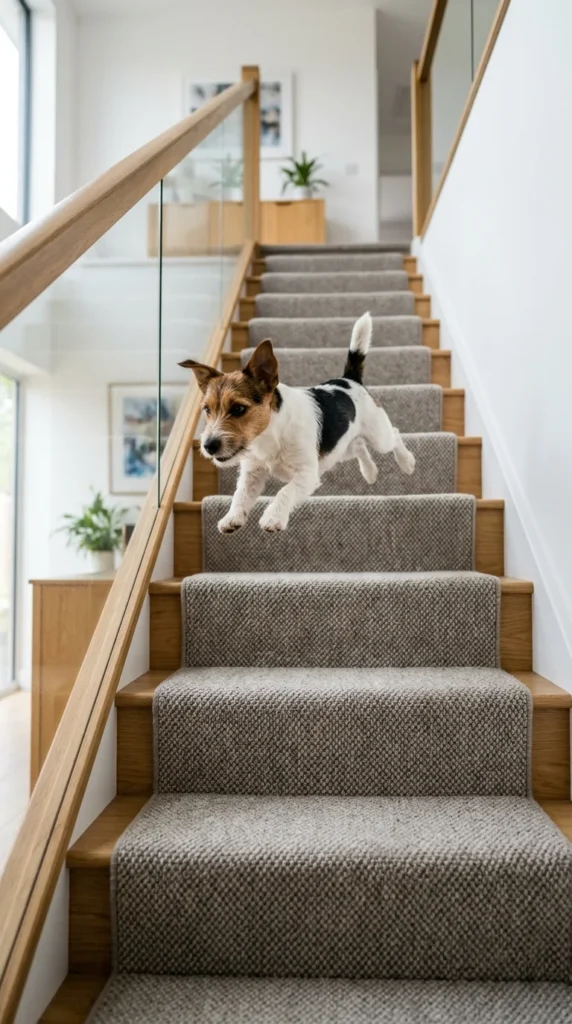
If the weather is bad, the stairs in your home can become a gym. Tossing a ball up the stairs and having your dog retrieve it is an intense muscle-building exercise. It targets the glutes and hamstrings. However, this should be avoided for puppies whose joints are still developing or for breeds prone to back issues.
14. Lure Coursing
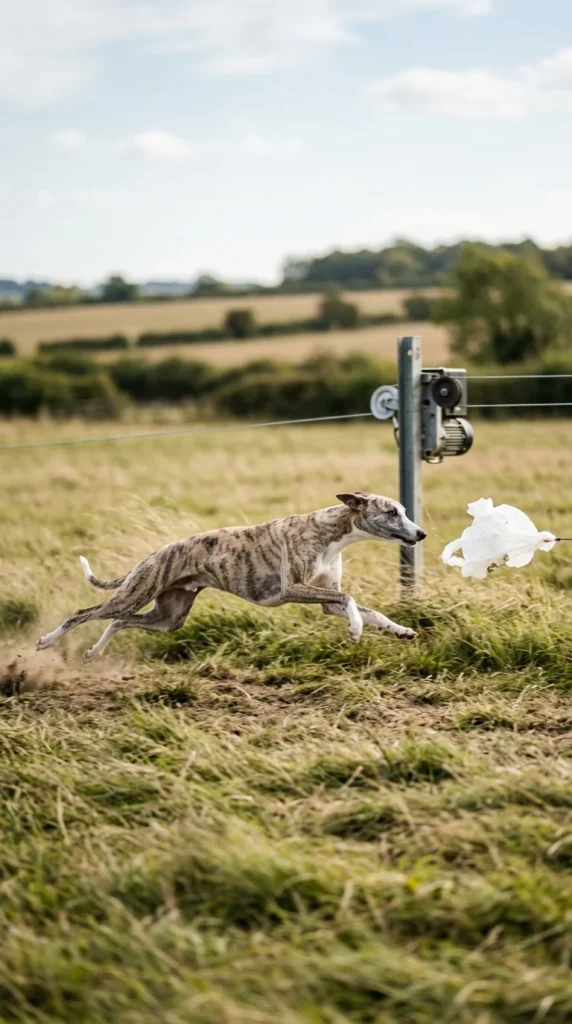
Lure coursing involves a dog chasing a mechanically operated lure (usually a white plastic bag) across a field in a pattern that mimics the zig-zag path of a rabbit. It is pure instinctual joy for sighthounds and other high-prey-drive breeds, providing a massive burst of anaerobic exercise.
15. Treibball
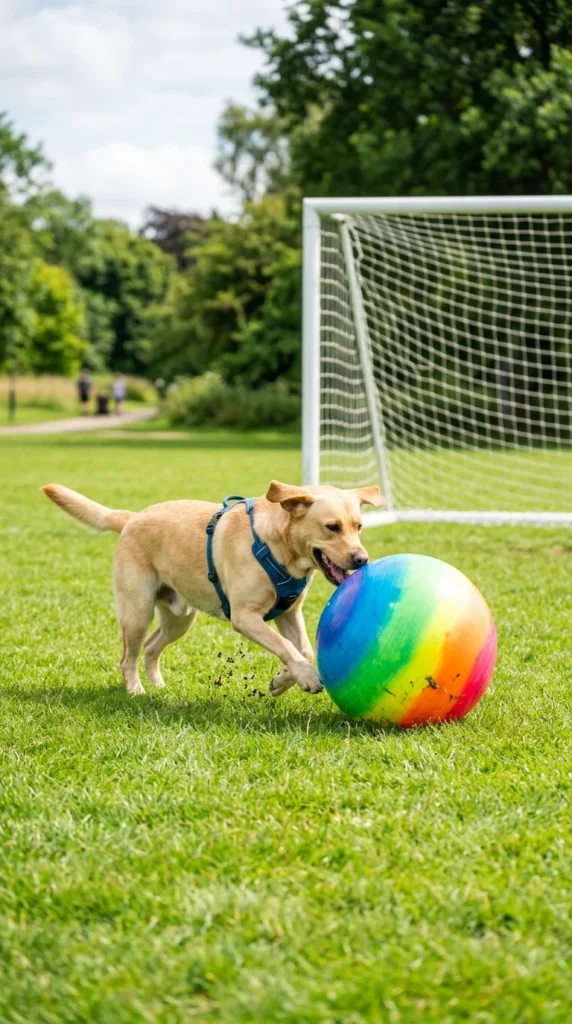
Often called “urban herding,” Treibball was designed for herding dogs who don’t have sheep to manage. The dog must “herd” eight large inflatable balls into a goal following the handler’s directions. It’s a low-impact sport that requires incredible focus, teamwork, and control.
16. Dog Park
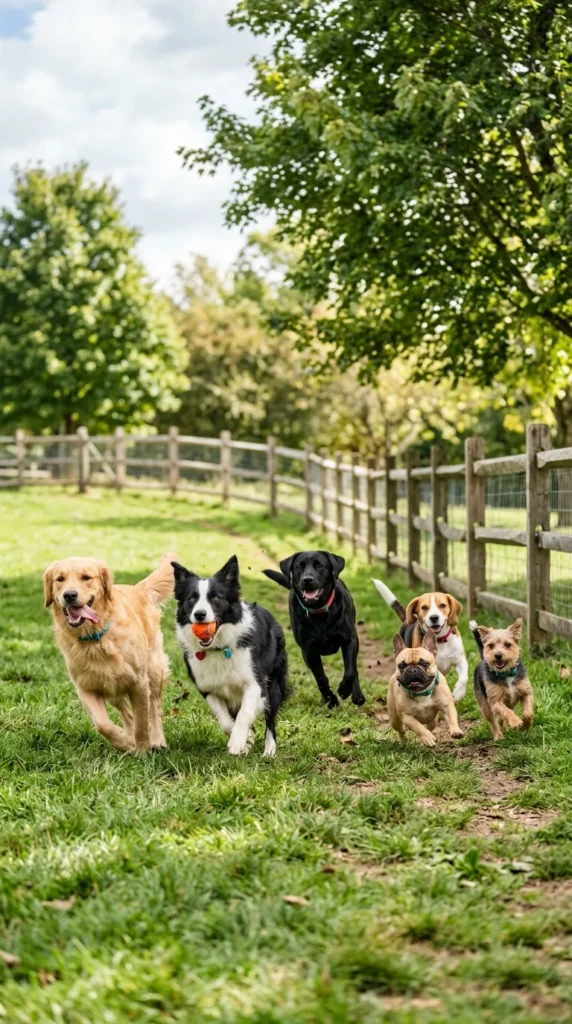
The dog park provides a space for social dogs to burn energy through play. Wrestling, chasing, and “tag” with other canines utilize different muscle groups than running in a straight line. It also provides essential social stimulation, though it’s important to ensure your dog is well-socialized and has a solid recall.
17. Skijoring
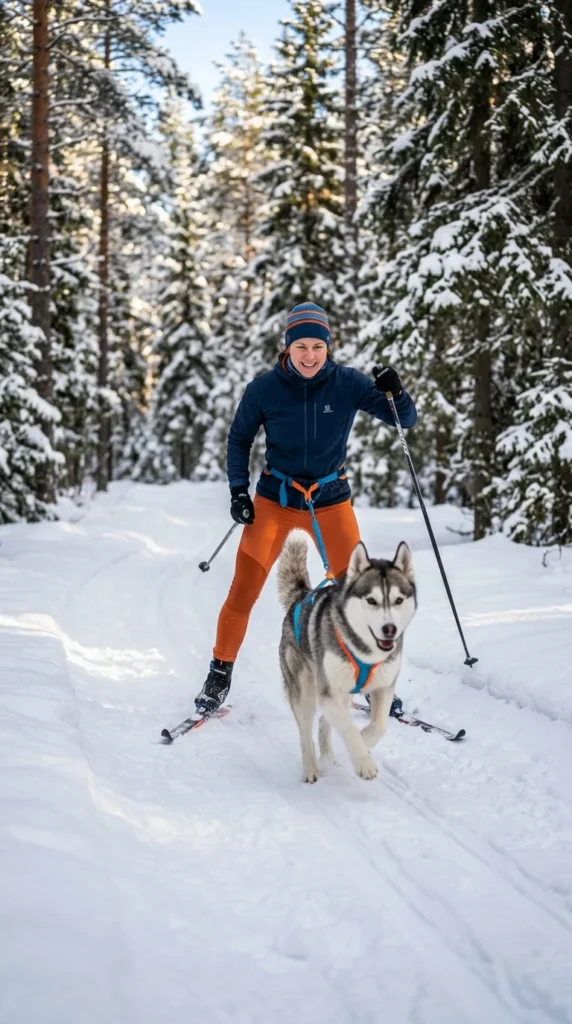
For those in cold climates, skijoring is the winter equivalent of bikejoring. You provide some of the power with your skis, and the dog helps pull you along the trail. It’s a beautiful way to enjoy the winter landscape while giving your dog a strenuous workout in the snow.
18. Paddleboarding
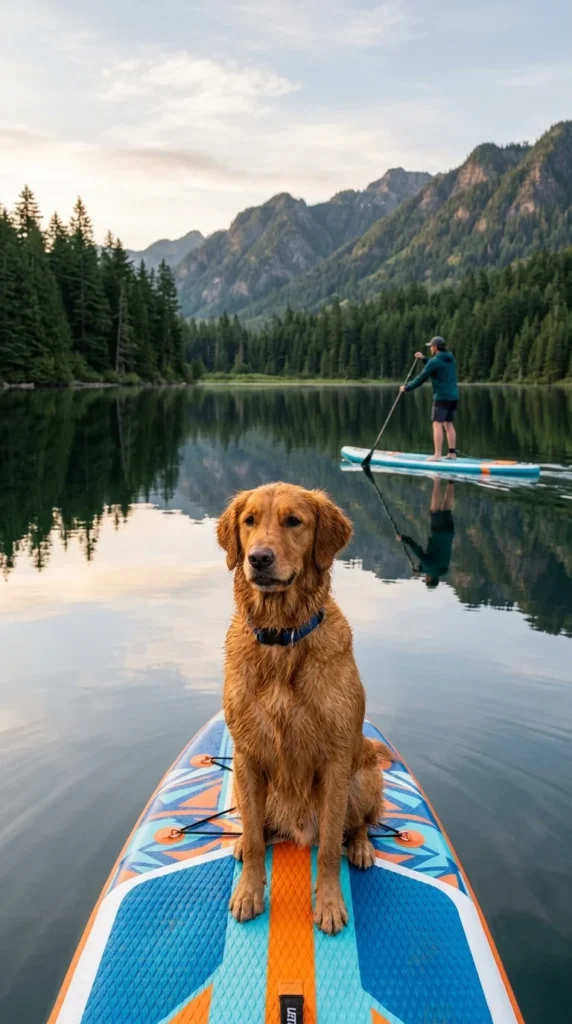
While the dog isn’t always swimming, standing on a moving paddleboard requires constant core engagement and balance. It’s a great way to include your dog in your water adventures. Many dogs enjoy the “work” of staying balanced as the board glides over ripples.
19. Rally Obedience
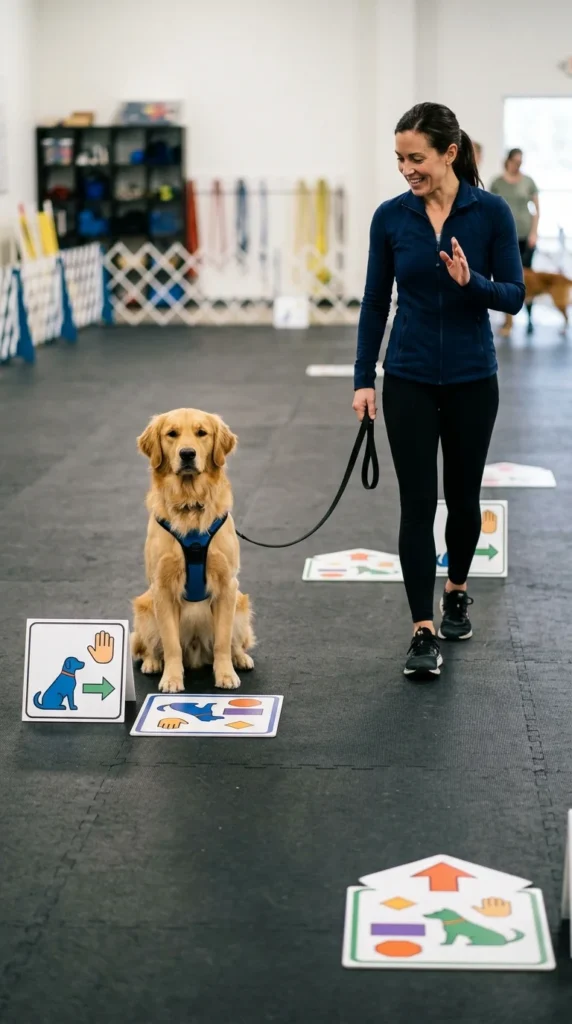
Rally is a fun twist on traditional obedience. You and your dog navigate a course with numbered signs indicating different exercises to perform (like “360-degree turn” or “down on the move”). It’s a mental workout that keeps the dog moving and constantly checking in with the handler.
20. Obstacle Course
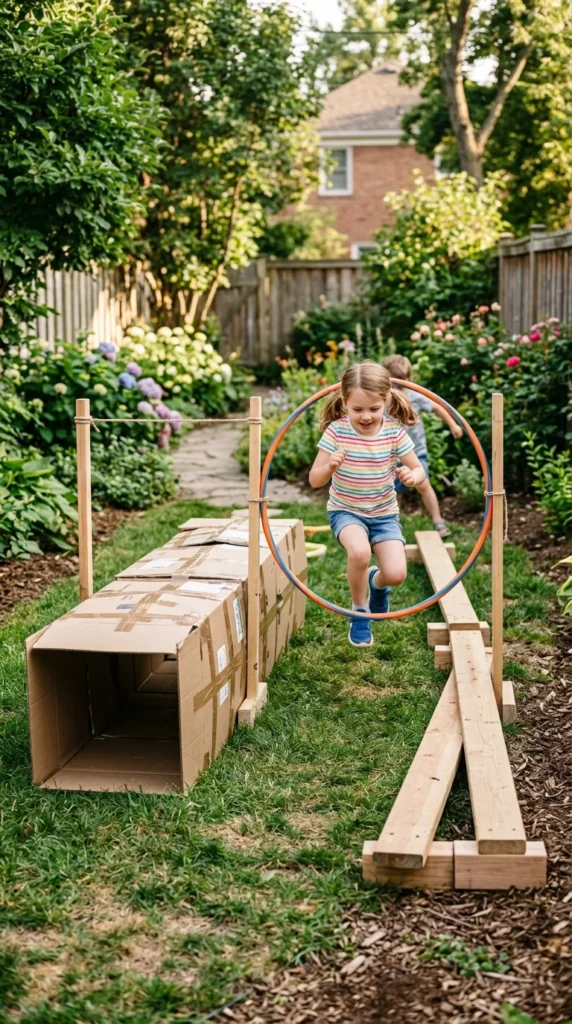
You don’t need a professional facility to do agility. You can set up a DIY obstacle course in your backyard using household items. Use cones to weave around, a sturdy bench for “place” commands, and a broomstick over two buckets for a jump. It’s a great way to keep daily exercise interesting.
21. Hide and Seek
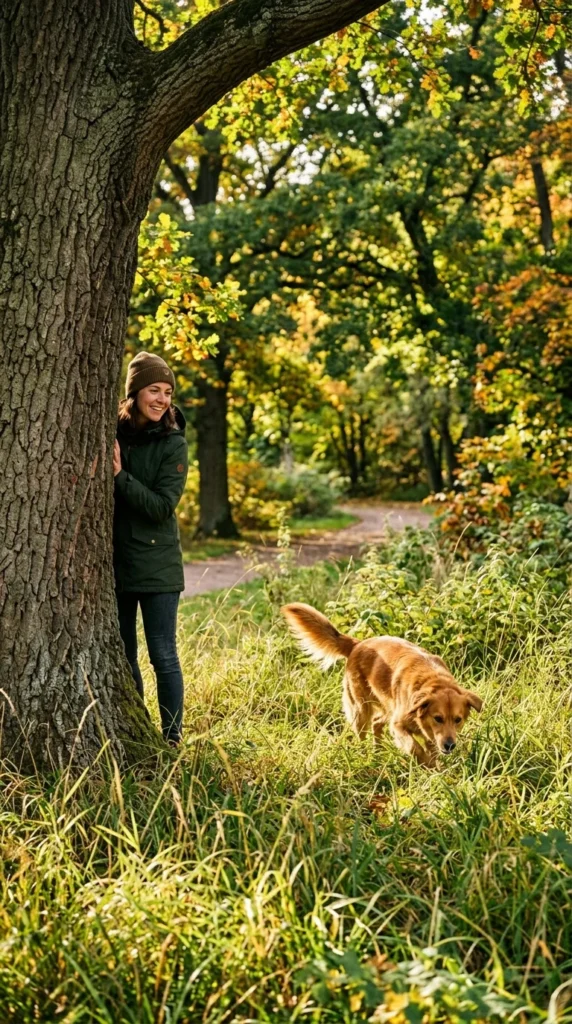
Hide and seek is a brilliant game for both mental and physical stimulation. Have your dog “stay” while you hide in the house or yard, then call them to find you. When they find you, reward them with a high-value treat or a quick game of tug. It builds a strong “stay” and a reliable “recall.”
22. Fetch in Water
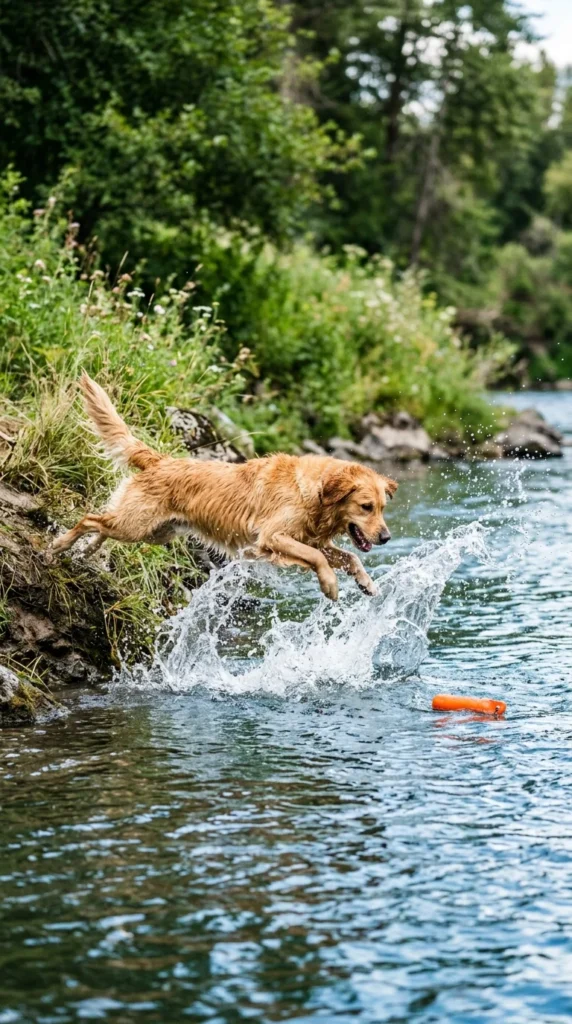
Combining fetch with swimming increases the intensity of the workout. The resistance of the water makes every move harder, meaning the dog tires out much faster than they would on land. This is particularly good for cooling down on a hot day while still getting a high-intensity session in.
23. Jogging
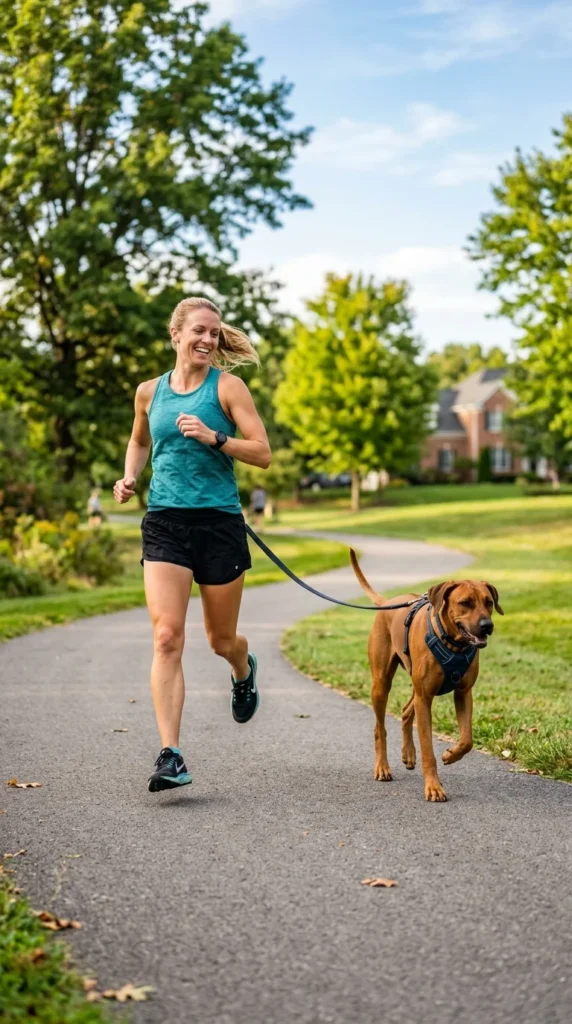
A steady-state jog is excellent for building a dog’s endurance. Unlike the stop-and-start nature of fetch, jogging maintains a consistent heart rate. It is important to wait until a dog’s growth plates are closed (usually around 12-18 months) before starting a regular jogging routine on hard surfaces.
24. Herding
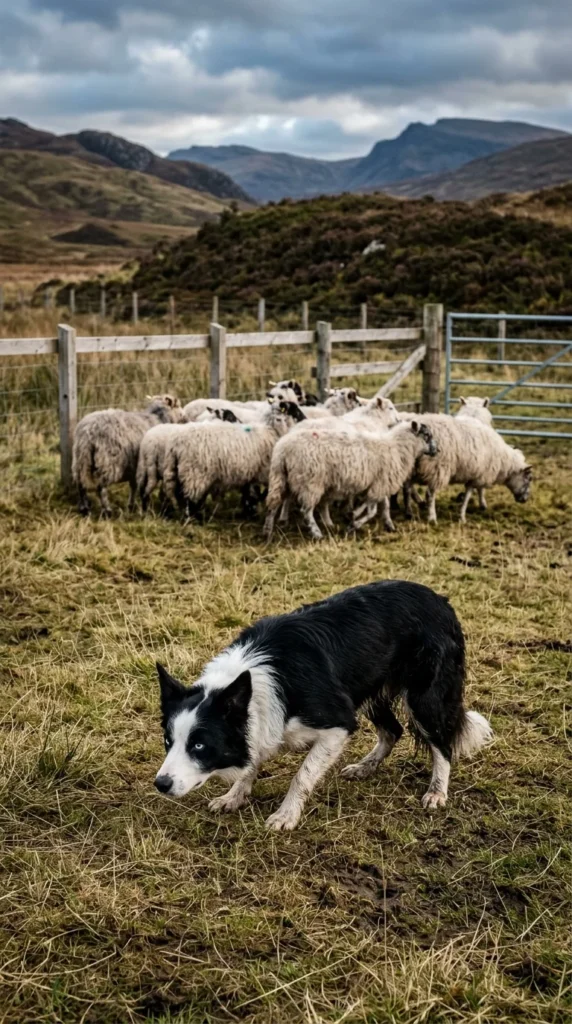
For herding breeds, nothing beats the real thing. Many facilities offer “instinct tests” and herding lessons for beginners. This uses every ounce of the dog’s instinct, intelligence, and physical stamina. It’s a deeply satisfying activity for breeds like Collies, Shepherds, and Corgis.
25. Barn Hunt
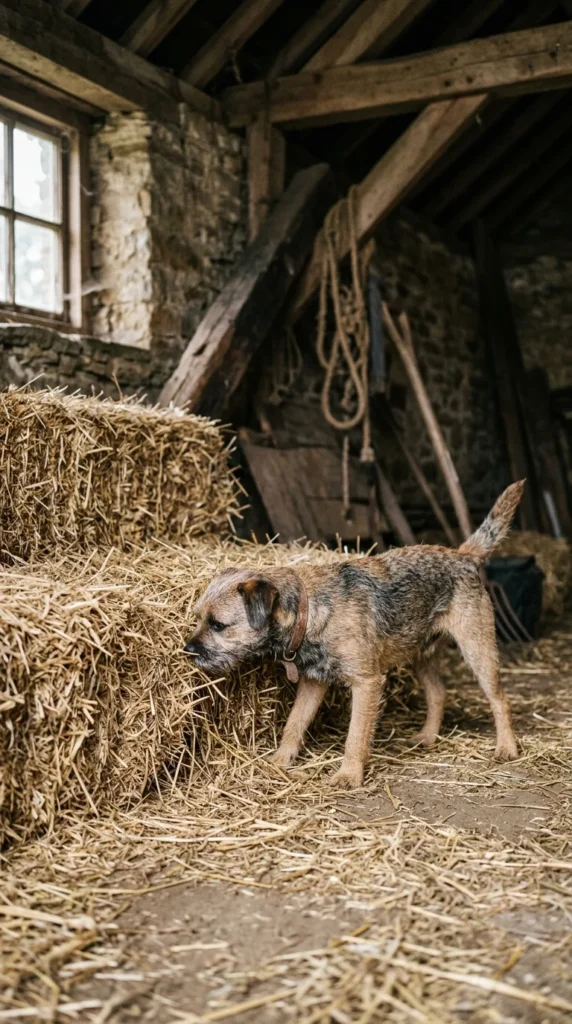
Barn Hunt is a sport where dogs use their noses to find a rat (safely enclosed in a sturdy, aerated PVC tube) hidden in a maze of straw bales. It’s a great workout for dogs that love to climb and explore, and it’s open to all breeds, not just Terriers.
26. Treadmill
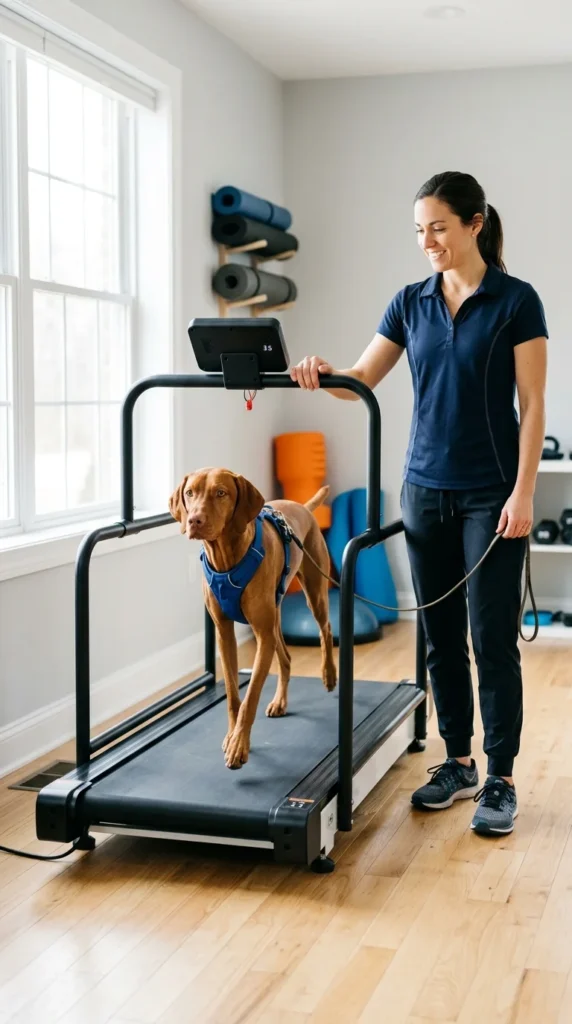
While it doesn’t replace the outdoors, a canine treadmill is a lifesaver during extreme weather or for dogs needing physical therapy. It allows for a controlled, consistent workout. Never leave a dog unattended on a treadmill and always use a harness rather than a collar.
27. Bubble Chasing
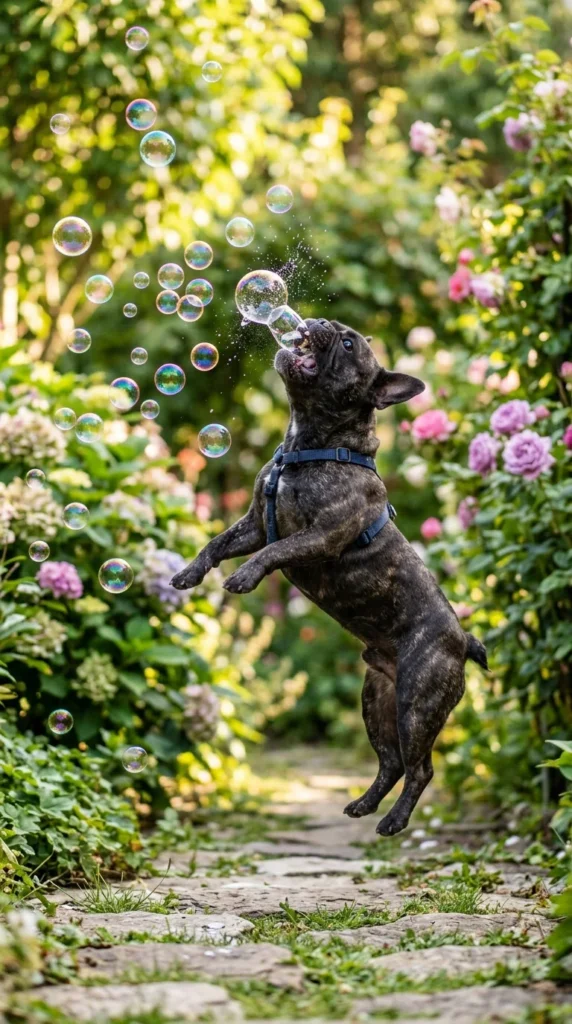
Many dogs are fascinated by bubbles. Chasing and popping them requires jumping, snapping, and quick movements. There are “dog-safe” bubble solutions available that are flavored like bacon or peanut butter to make the game even more enticing.
28. Digging Pit
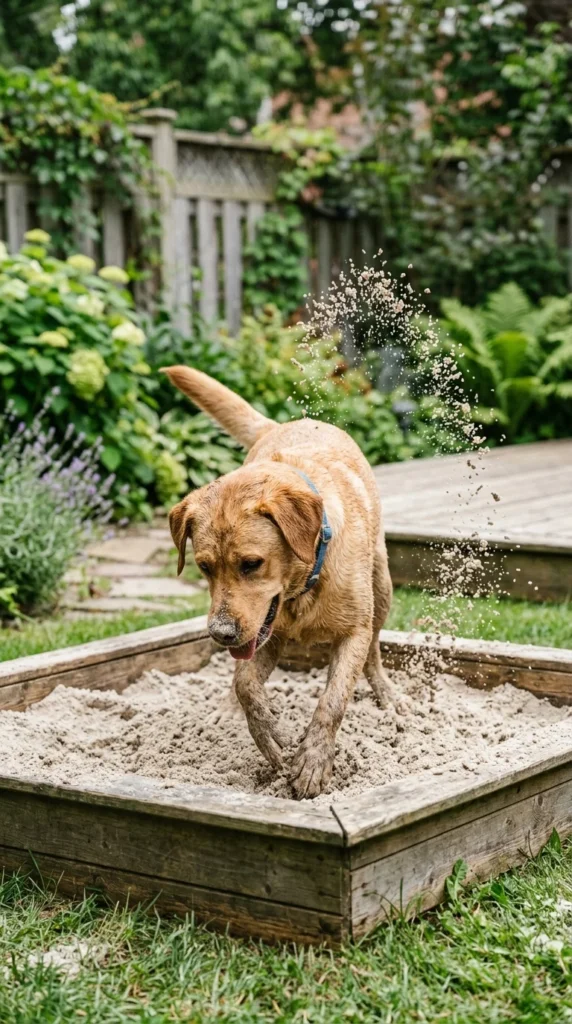
Active dogs often have a natural urge to dig. Rather than fighting it, provide a designated digging pit or sandbox. Bury toys or treats in the sand for them to find. This provides a great workout for their front legs and shoulders while keeping your flower beds safe.
29. Trick Training
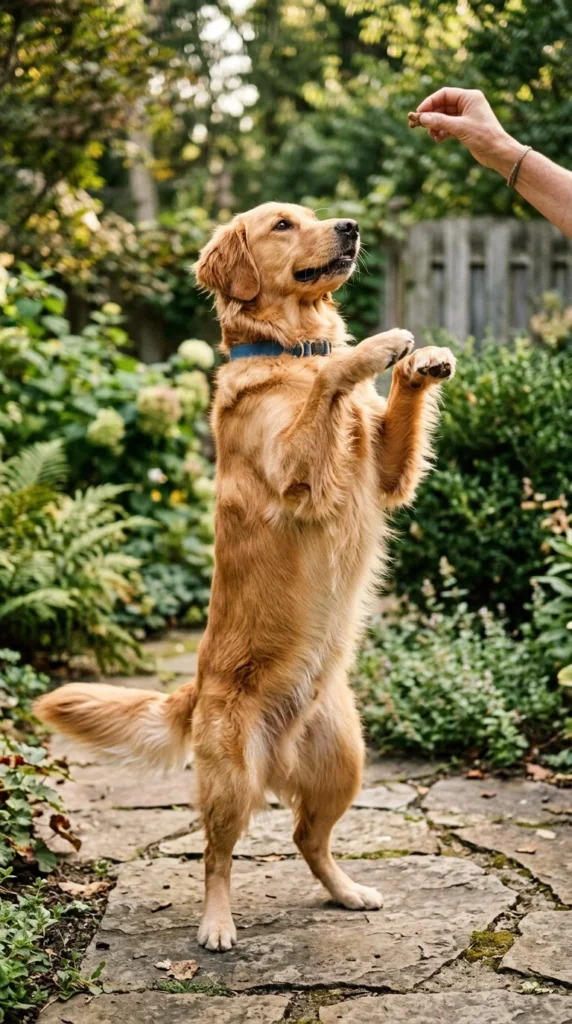
Learning complex tricks like “roll over,” “spin,” or “back up” requires physical coordination and core strength. A 20-minute trick training session can be as exhausting as a long walk because the dog is constantly thinking and adjusting their body position.
30. Weight Pulling
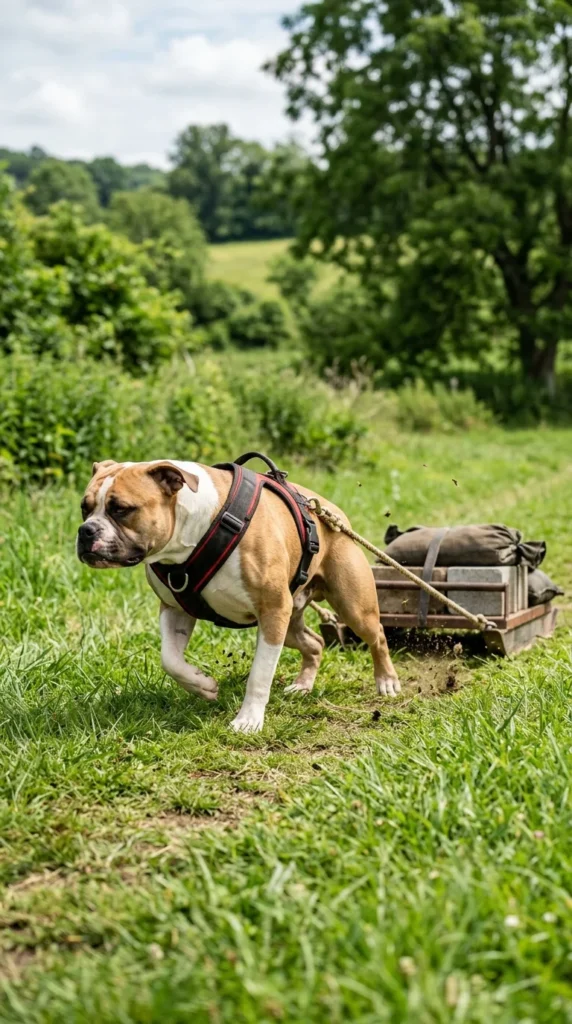
Weight pulling is a sport where dogs pull a weighted cart or sled over a short distance. It’s about strength rather than speed. When done correctly with proper equipment and gradual weight increases, it is a fantastic way to build muscle and confidence in powerful breeds.