A tired dog is a happy dog, but physical exercise is only half the battle. While long walks and games of fetch are essential for cardiovascular health, mental stimulation is what truly prevents boredom, reduces anxiety, and curbs destructive behaviors. Dogs are natural problem-solvers; their ancestors spent hours foraging and hunting, activities that required intense focus and cognitive flexibility.
In the modern world, many dogs suffer from “enforced boredom.” When a dog isn’t given a job or a challenge, they often invent their own—usually involving your favorite pair of shoes or the leg of a mahogany table. By incorporating brain games into your daily routine, you can tap into your dog’s natural instincts, strengthen your bond, and ensure they lead a fulfilled life.
Here are 25 comprehensive brain games designed to challenge your dog’s intellect, scenting abilities, and motor skills.
1. Hide Seek
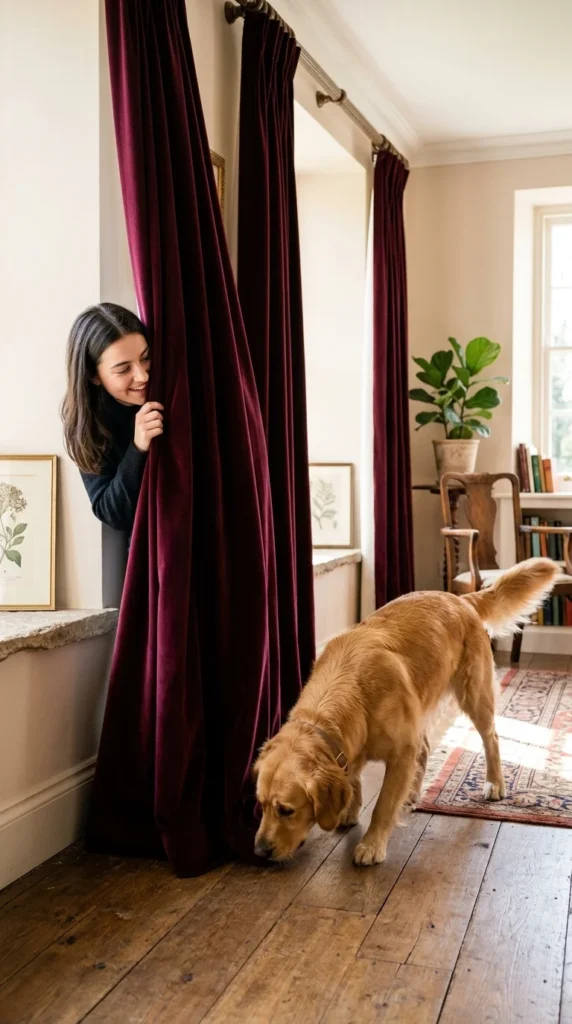
Hide and seek isn’t just for children; it is one of the most rewarding games for a dog because it utilizes their two strongest assets: their nose and their bond with you. To start, have your dog “stay” in one room. Go hide in another part of the house—behind a door, under a blanket, or in a closet. Call their name once and wait. As your dog searches for you, they are using auditory cues and scent trails. When they find you, reward them with high-value treats and exuberant praise. This game builds confidence and reinforces the “stay” and “recall” commands in a fun, low-pressure environment.
2. Snuffle Mats
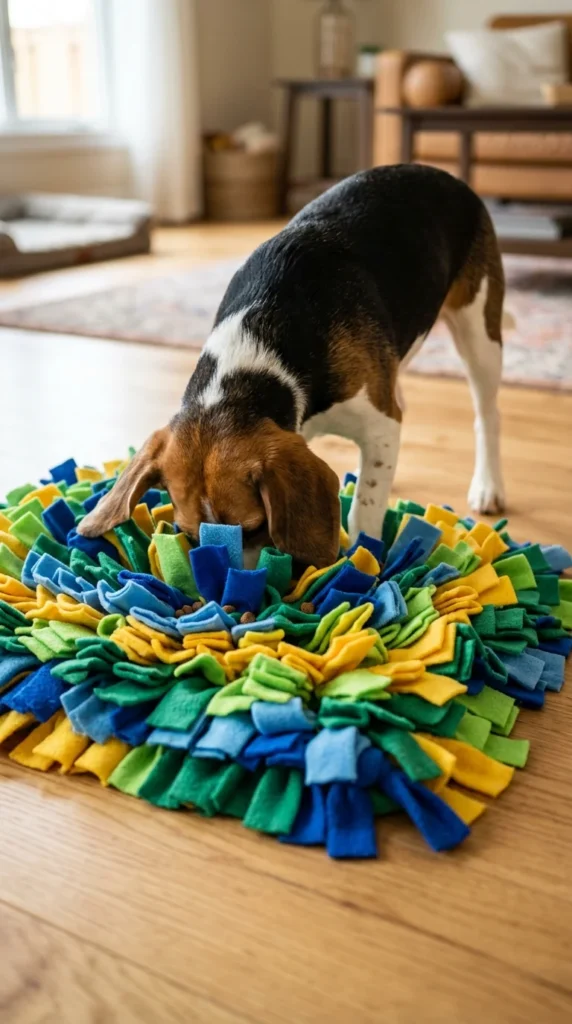
A snuffle mat is a fabric puzzle designed to mimic long grass. By hiding dry kibble or small treats within the felt strips, you force your dog to use their nose to “hunt” for their meal. Scent work is incredibly taxing for a dog’s brain; it is estimated that ten minutes of sniffing is equivalent to an hour of running. This is an excellent tool for “slow feeding” dogs who bolt their food, and it provides a calming, meditative activity for high-energy breeds.
3. Treat Balls
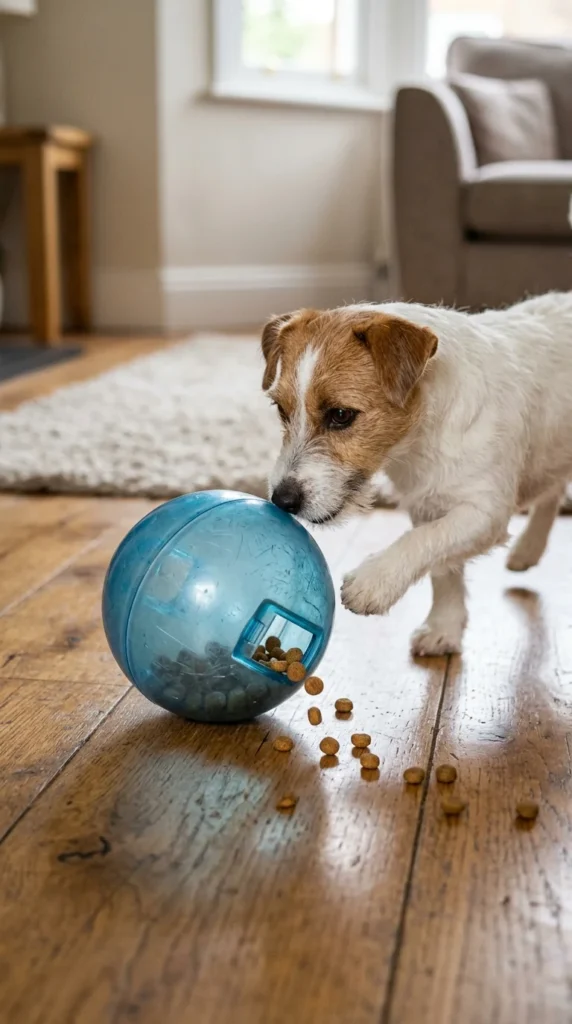
Treat-dispensing balls turn mealtime into a physical and mental challenge. These toys require the dog to nudge, kick, and roll the object in specific ways to get the food to drop out of a small hole. It teaches cause-and-effect and keeps the dog occupied for long periods. You can increase the difficulty by adjusting the size of the opening or using irregularly shaped treats that don’t fall out as easily.
4. Shell Game
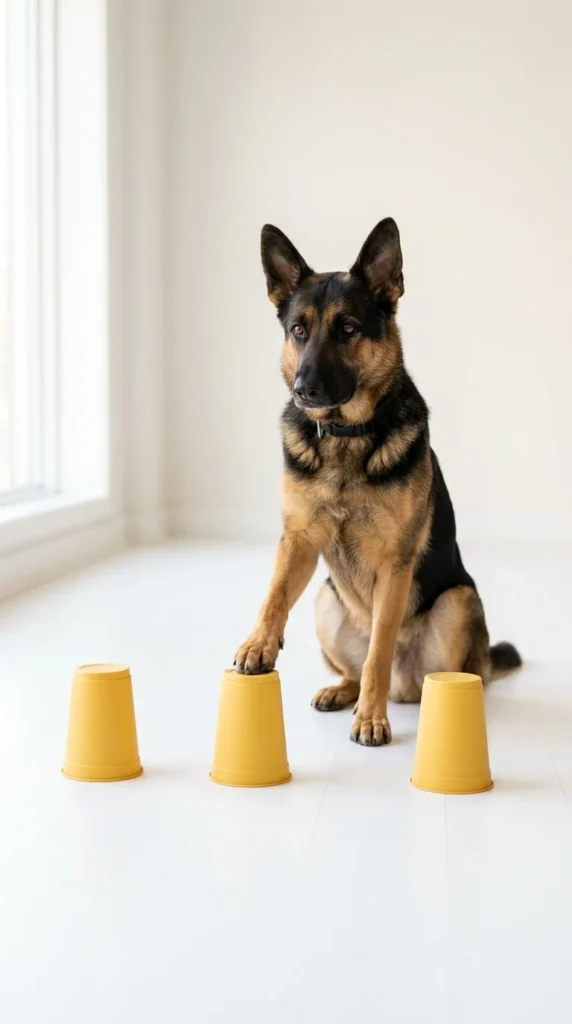
The classic “Three-Card Monte” for canines, the Shell Game is a fantastic way to test your dog’s problem-solving skills. Place a highly aromatic treat under one of three identical cups while your dog watches. Shuffle the cups slowly and see if your dog can identify which one holds the prize. Most dogs will use their nose, but some will use visual tracking. As they get better, shuffle the cups faster or more frequently.
5. Muffin Tin
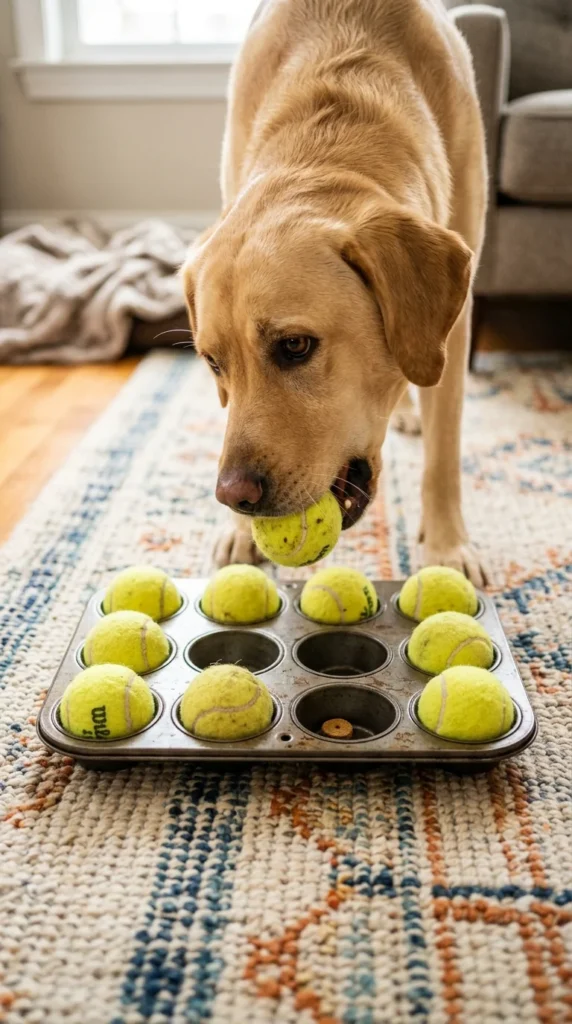
This is a brilliant DIY brain game that uses household items. Take a muffin tin and place a few treats in various holes. Cover every hole (even the empty ones) with a tennis ball. Your dog must figure out how to remove the tennis balls to reach the rewards. This game combines scent work with fine motor skills, as they have to learn to grip or nudge the balls out of the way.
6. Toy Cleanup
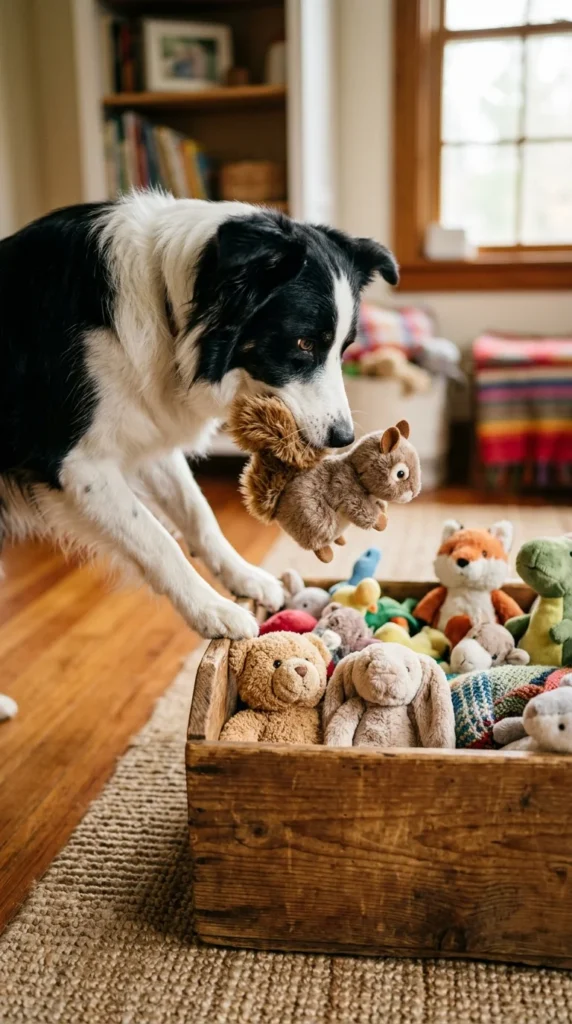
Teaching your dog to put their toys away is the ultimate “functional” brain game. Start by having your dog pick up a toy, then hold the toy box directly under their mouth and give a command like “drop it” or “tidy up.” Reward them when the toy lands in the box. Over time, increase the distance between the dog and the box. This complex task requires the dog to categorize objects and understand a multi-step sequence of actions.
7. Nose Work
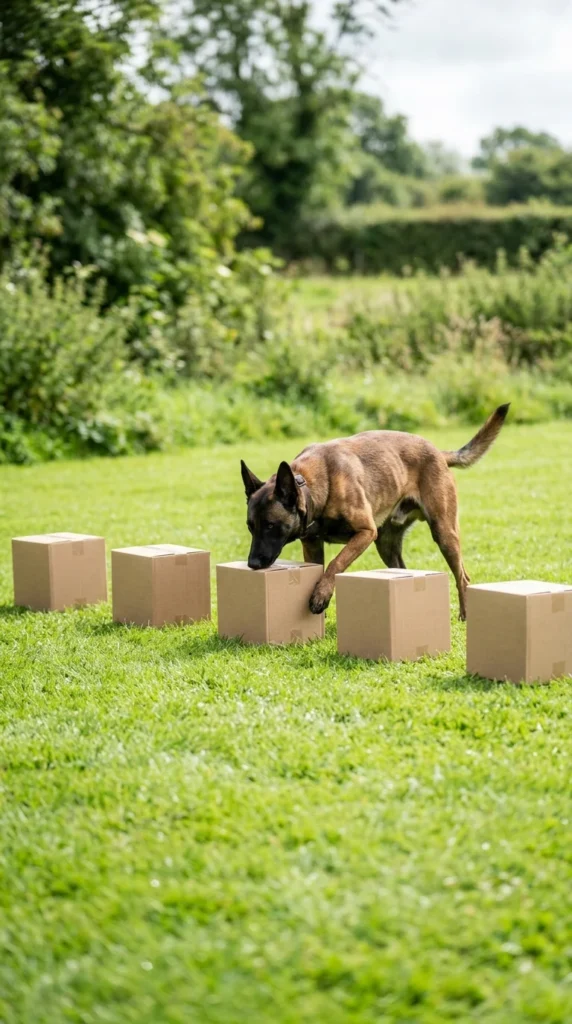
Professional scent work isn’t just for police dogs. You can set up a “scent trail” in your backyard or living room using a specific scent like birch oil or simply a piece of strong-smelling cheese. Hide the scent source inside a box or container and encourage your dog to “find it.” This taps into the dog’s primary way of experiencing the world and provides an immense amount of mental satisfaction.
8. Obstacle Course
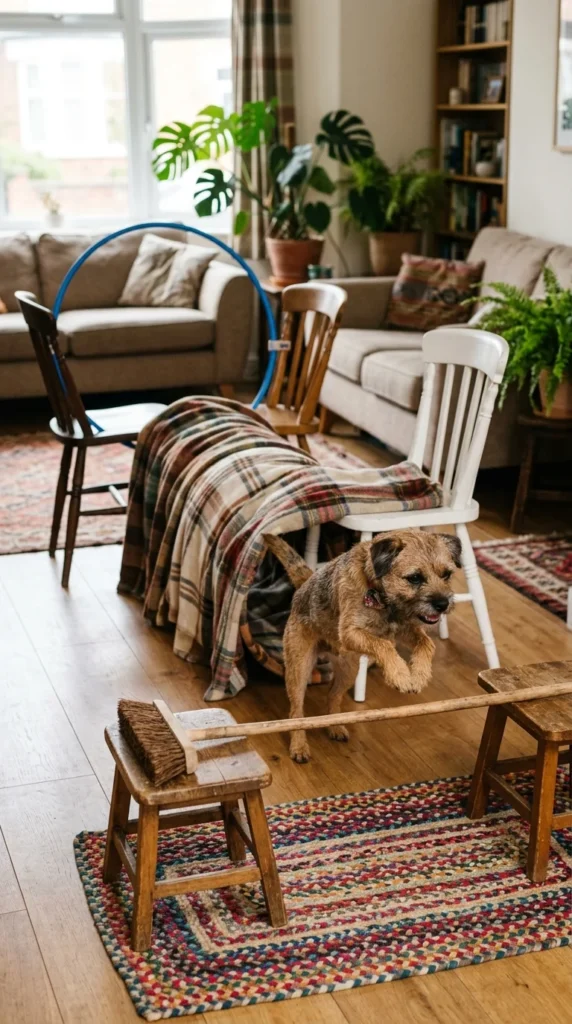
An indoor or backyard obstacle course challenges your dog’s spatial awareness and obedience. Use household items like chairs to weave through, blankets to crawl under, and sturdy boxes to jump over. Navigating these obstacles requires the dog to listen closely to your cues and think about where their paws are landing, which is excellent for proprioception (their sense of their own body in space).
9. Which Hand
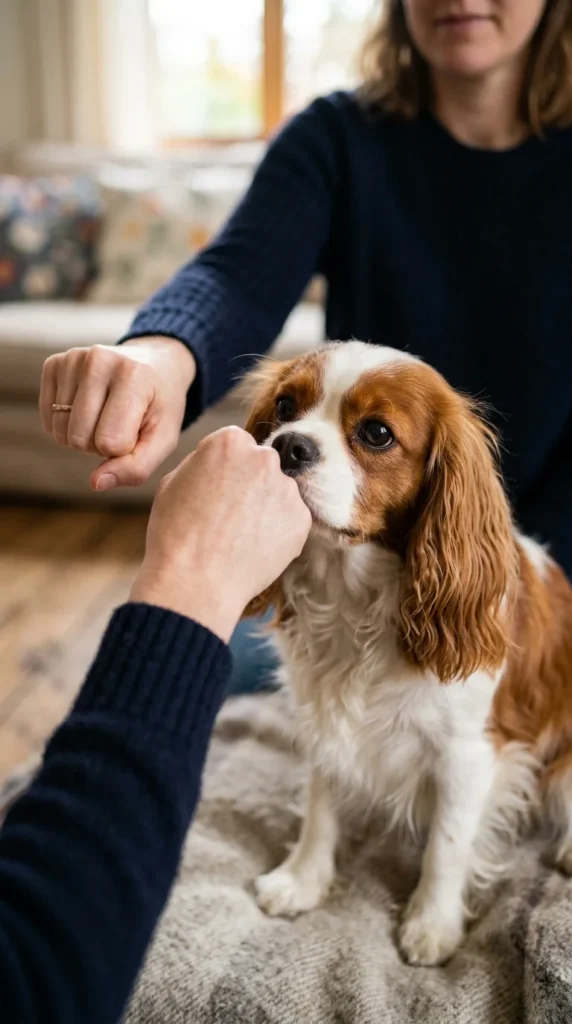
This is a simple, portable game you can play anywhere. Hide a treat in one fist and present both closed hands to your dog. Ask, “Which one?” The dog must sniff and indicate the correct hand (usually by pawing or nudging). This reinforces the idea that they must communicate with you to get what they want, enhancing the human-canine bond.
10. New Trick
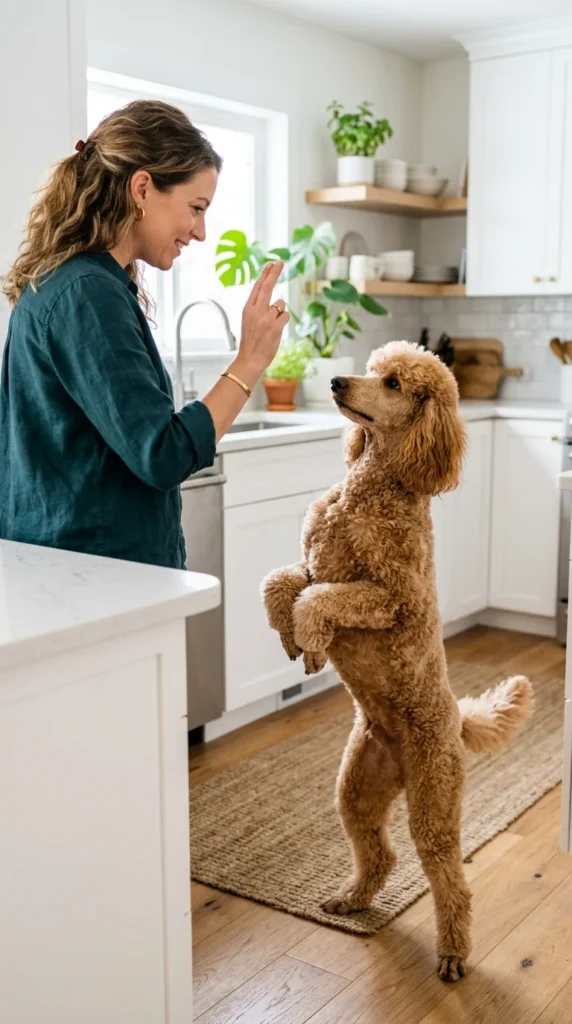
The adage “you can’t teach an old dog new tricks” is entirely false. Learning new commands—whether it’s “roll over,” “spin,” or “play dead”—creates new neural pathways in a dog’s brain. Spend 10 minutes a day working on a skill they don’t know yet. The process of “shaping” a behavior (rewarding small movements that lead toward the final goal) is mentally exhausting for a dog and deeply rewarding once they “get” it.
11. Frozen Treats
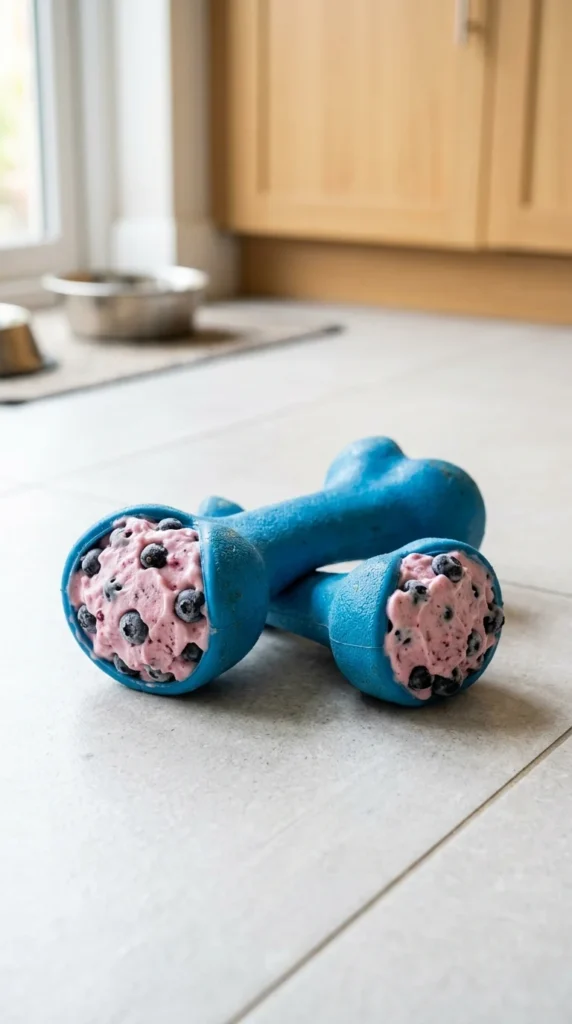
Licking is a naturally self-soothing behavior for dogs. By stuffing a sturdy rubber toy (like a Kong) with peanut butter, yogurt, or wet food and freezing it, you create a long-lasting “brain pacifier.” The dog has to figure out the best angles to lick the contents out as they melt. This is particularly useful for crate training or keeping a dog calm during a thunderstorm.
12. Digging Box
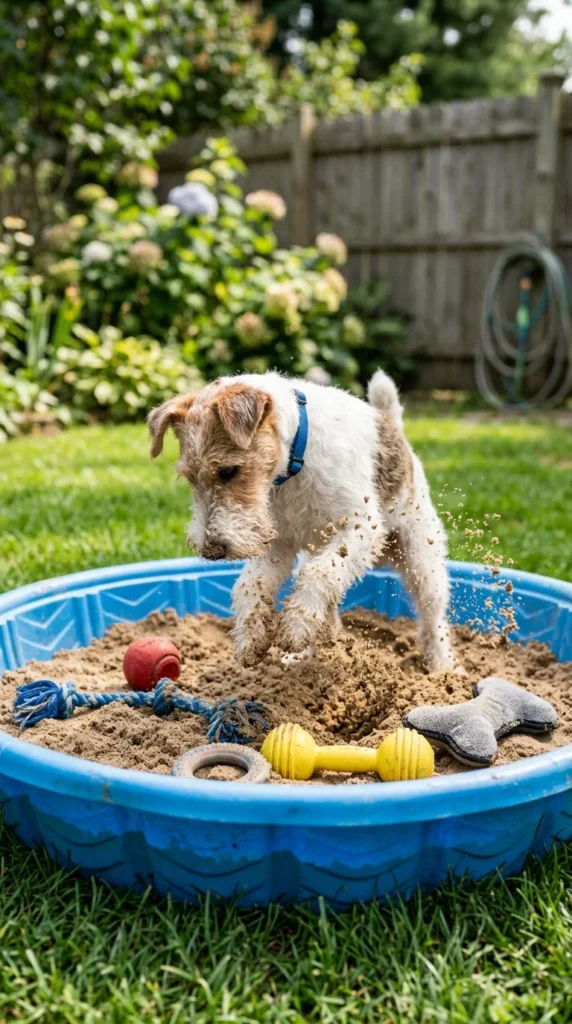
Many dogs have a natural instinct to dig. Instead of fighting it, provide a legal outlet. Fill a sandbox or a plastic bin with sand or soil and bury toys and treats inside. This “treasure hunt” engages their sense of smell and their physical drive to excavate, preventing them from ruining your garden or flower beds.
13. Bubble Chasing
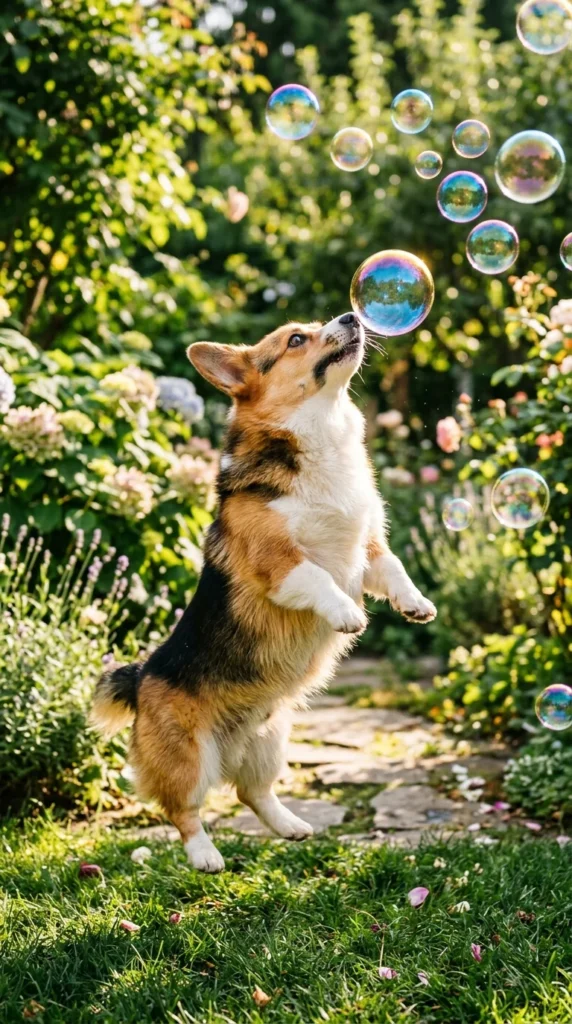
Using dog-safe, flavored bubbles (like bacon or peanut butter scent) can turn a simple afternoon into a high-octane mental and physical workout. Dogs must track the movement of the bubbles, which move unpredictably in the wind, and coordinate their movements to “catch” them before they pop. It’s a great game for developing visual tracking and reflexes.
14. Naming Toys
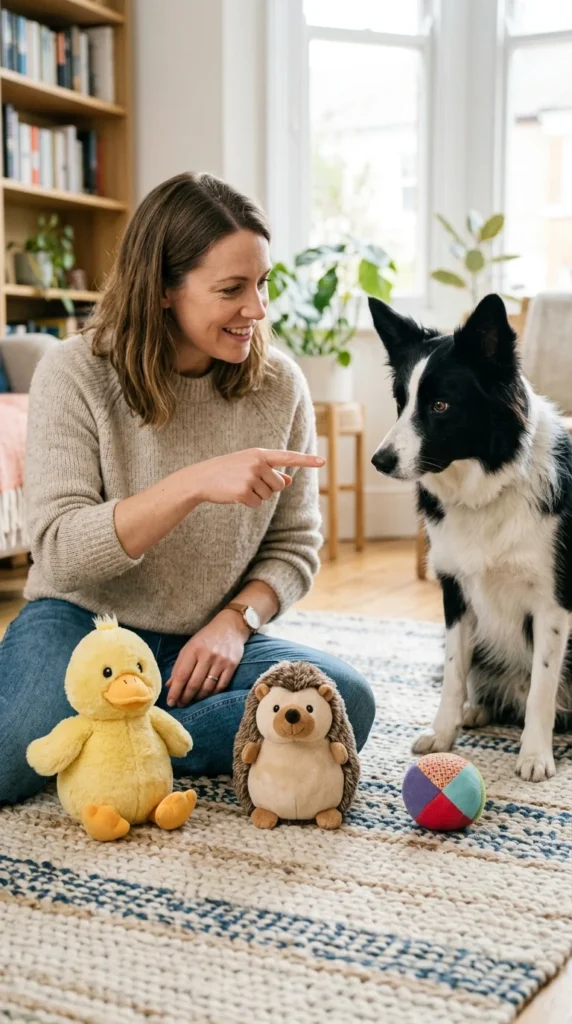
Chaser the Border Collie famously learned the names of over 1,000 toys. While your dog might not reach that level, most can learn the names of 5 to 10 specific items. Start with one toy, like “Ball,” and reward them for fetching it. Introduce “Bear” next. Eventually, place both on the floor and ask for one by name. This forces the dog to discriminate between verbal labels and physical objects.
15. Interactive Puzzles
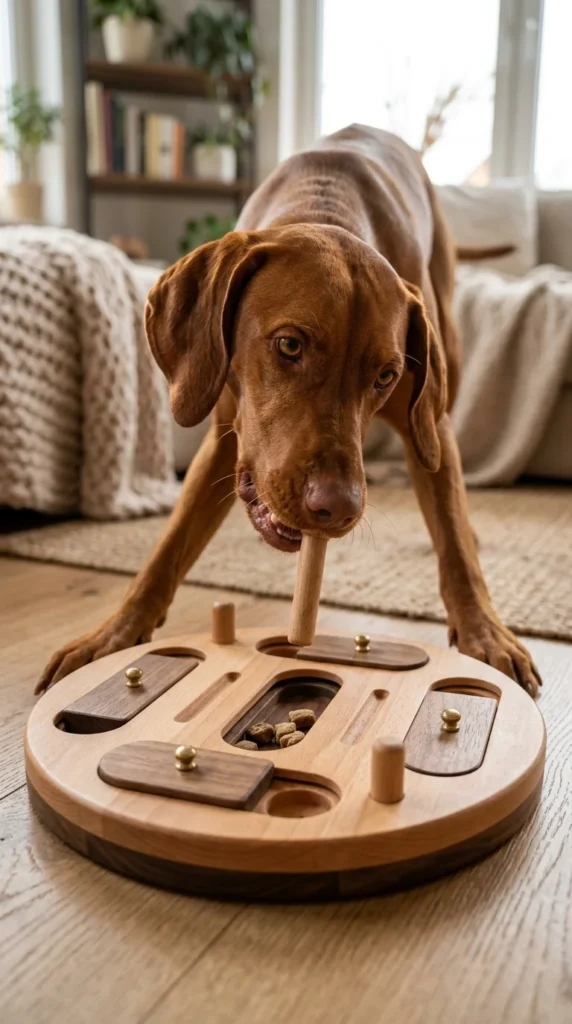
Commercial puzzle toys come in different levels of difficulty. Level 1 might involve sliding a disc, while Level 4 might require a sequence of pulling a lever, then rotating a dial. These toys are specifically engineered to challenge canine cognition. They are perfect for rainy days when outdoor exercise isn’t an option.
16. Cardboard Shred
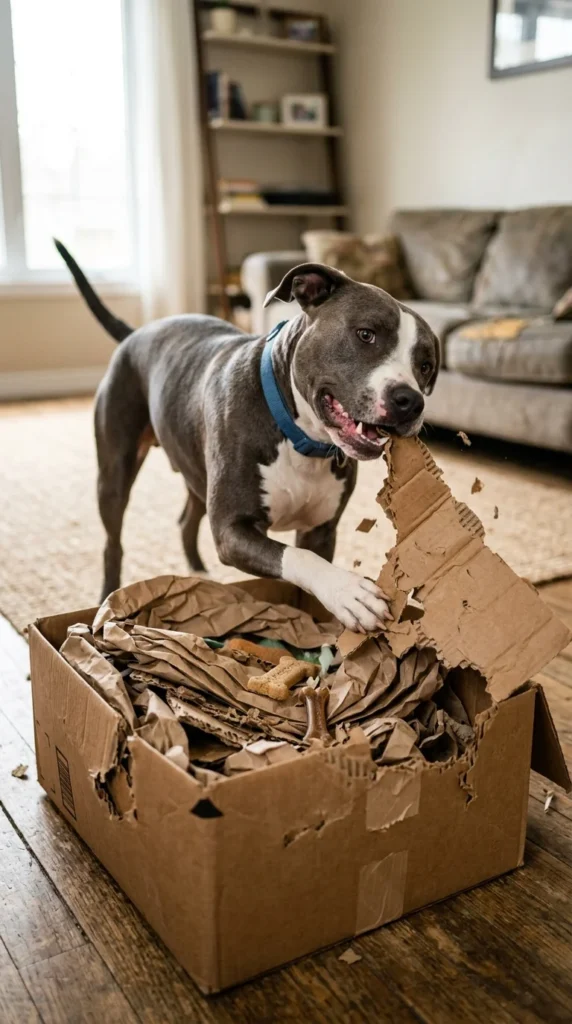
Destruction can be a form of enrichment if managed correctly. Many dogs find the act of “deconstructing” something very satisfying. Take a cardboard box, put some treats inside, and tape it shut (loosely). Let your dog figure out how to tear it open. The tactile sensation of shredding cardboard mimics the “dissecting” phase of the predatory sequence, providing a safe outlet for high-drive dogs.
17. Wait Game
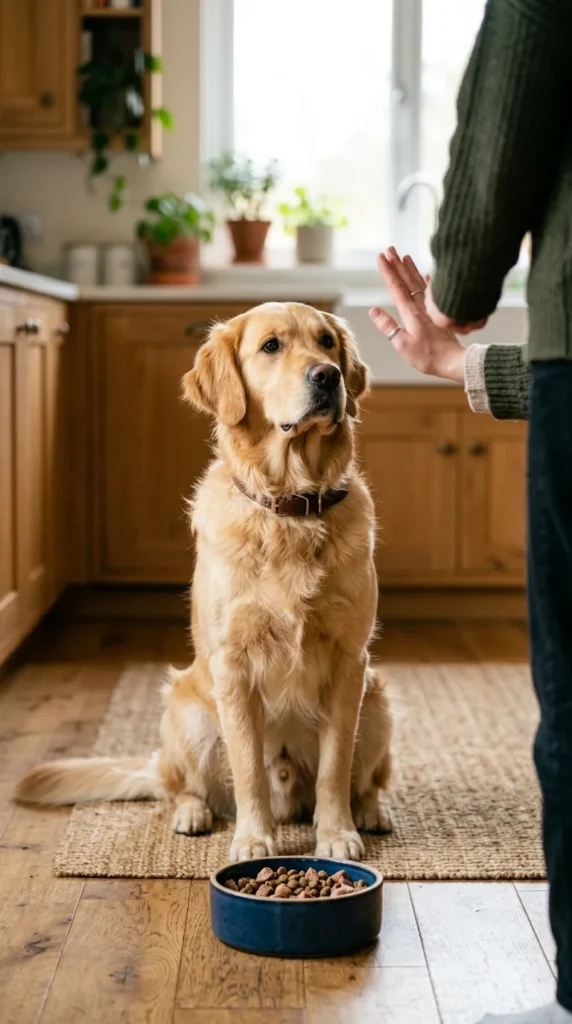
Impulse control is a massive mental workout. Asking your dog to “wait” before they eat, “wait” before they go through a door, or “wait” while you toss a toy requires significant cognitive effort. It teaches them to override their base instincts in favor of a learned command, which translates to better behavior in high-stress real-world situations.
18. Water Bobbing
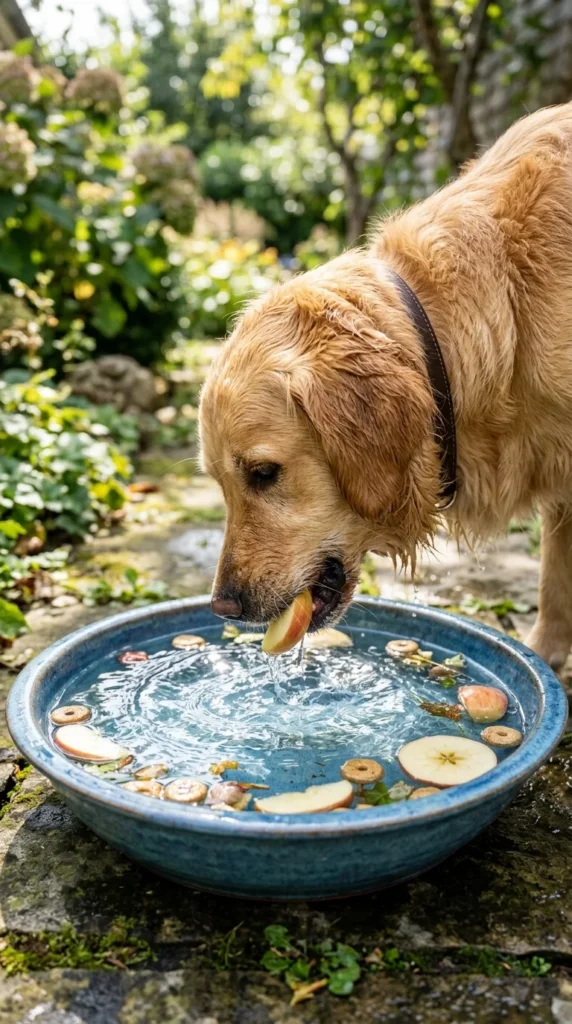
In the summer, “bobbing for treats” is a great way to keep cool and engaged. Place some floating treats (like apple slices or freeze-dried liver) in a shallow tub of water. The dog has to figure out how to grab the treats without inhaling water, which requires precision and a calm approach.
19. Mirror Work
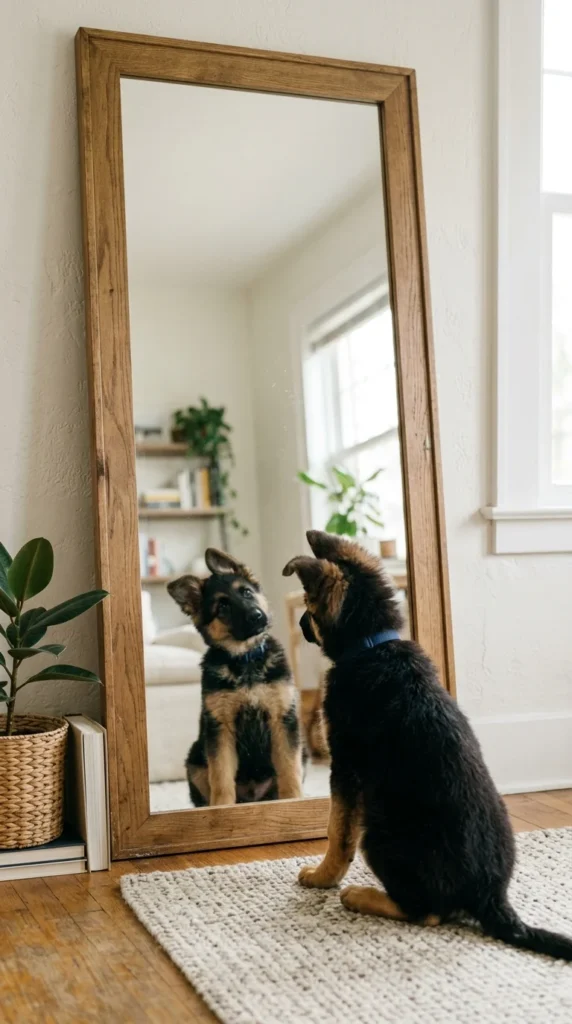
While most dogs eventually realize the “other dog” in the mirror isn’t real, the initial phase of discovery is a great brain teaser. It challenges their perception of social cues and space. You can use the mirror to practice commands; see if your dog will follow a “sit” command while looking at your reflection rather than you directly.
20. High Low
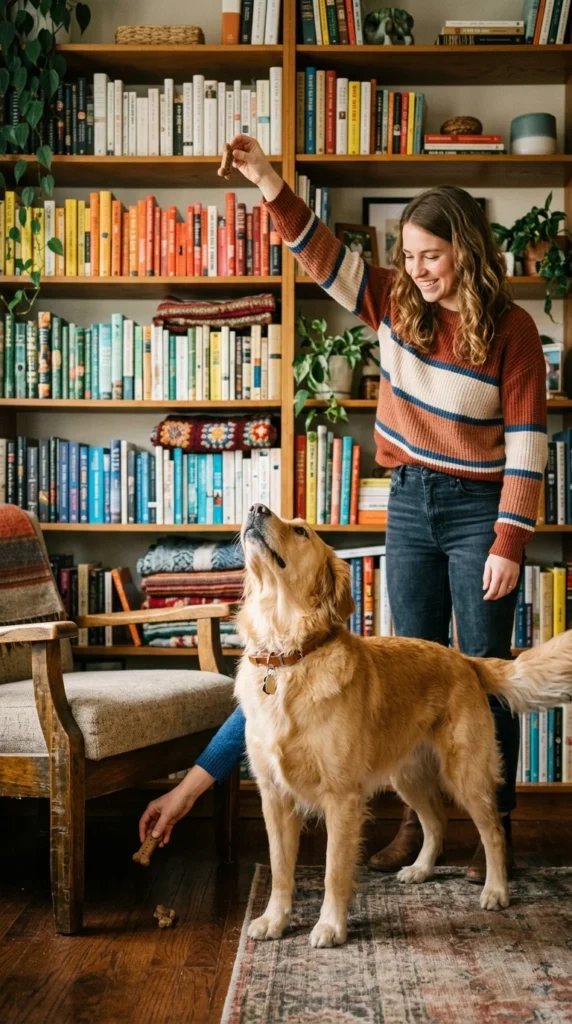
Dogs often forget to look up. By hiding treats or toys in elevated places (that are safe for them to reach) as well as low-lying spots, you encourage them to search in 3D space. This expands their search patterns and makes scent work much more challenging.
21. Silent Cues
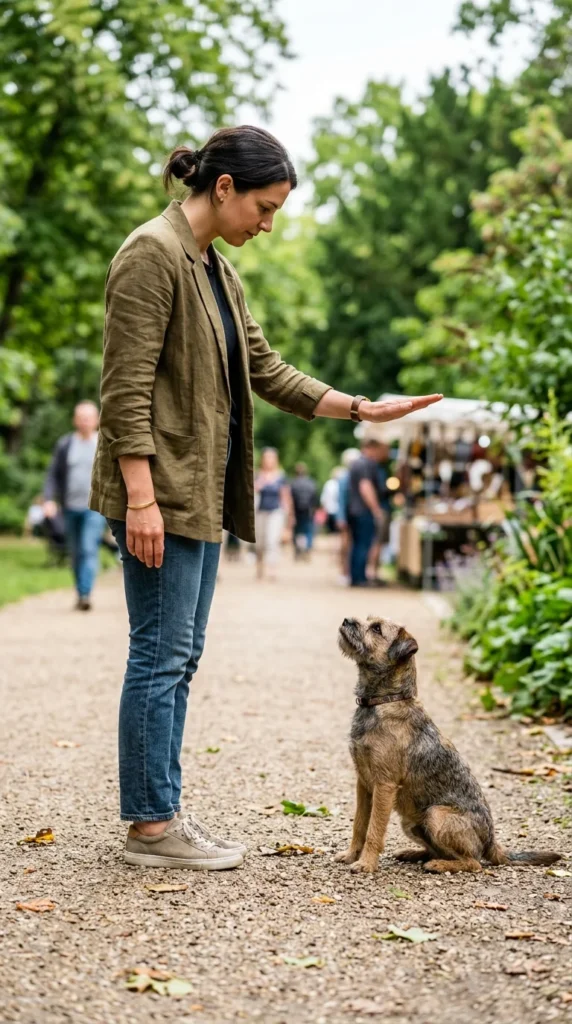
Dogs are experts at reading body language. Try going through a whole training session without saying a word. Use only hand signals to communicate “sit,” “down,” “stay,” and “come.” This forces the dog to focus purely on your visual cues and prevents them from relying on the tone of your voice, deepening their understanding of the commands.
22. Fetch Twist
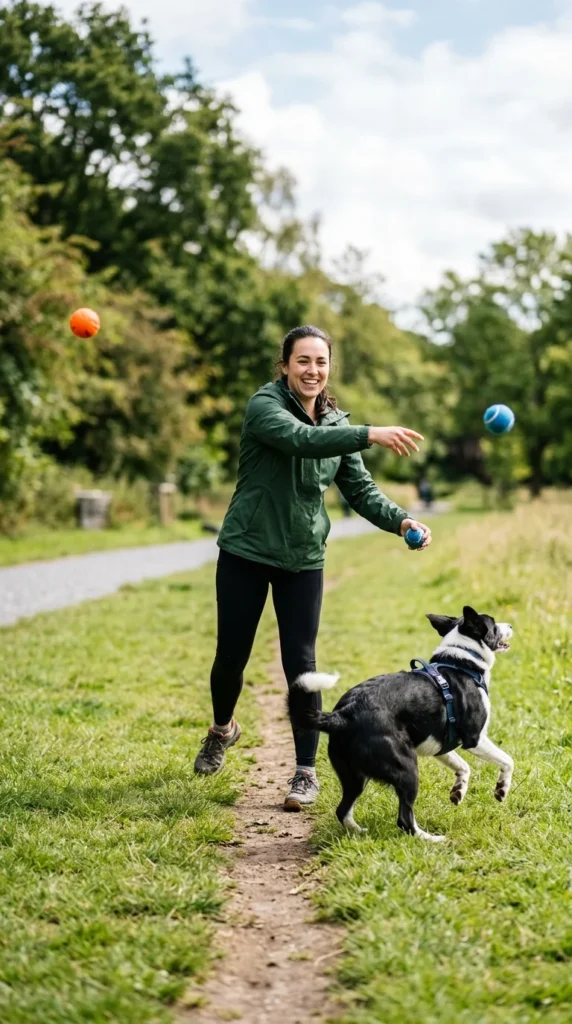
Standard fetch can become mindless. Add a “brain” component by introducing multiple balls. Throw one, and once the dog is halfway to it, call them back or throw another ball in a different direction. You can also ask for a trick (like “sit” or “shake”) before each throw. This keeps the dog’s brain “switched on” during the physical activity.
23. Tug Rules
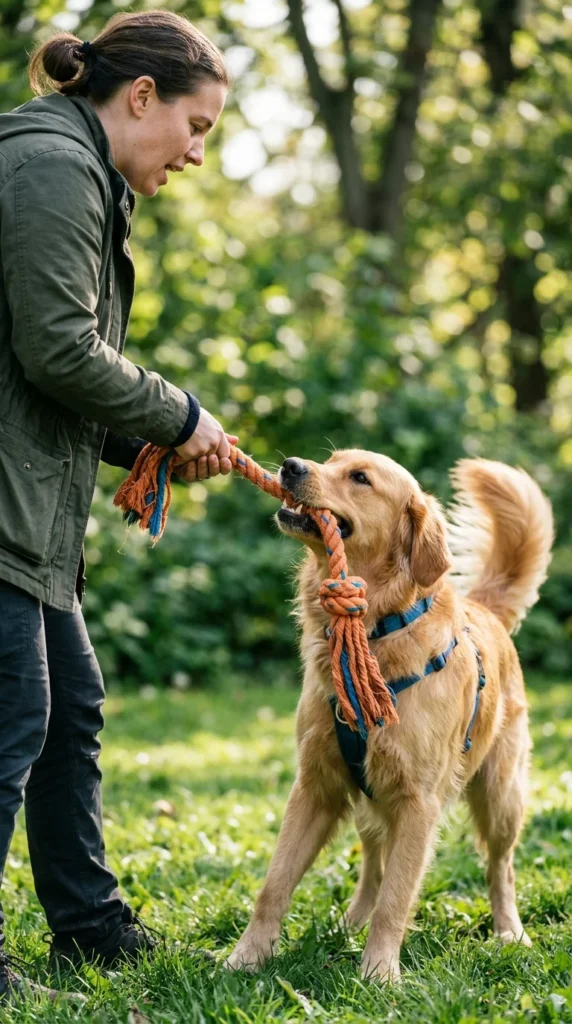
Tug of war is a great physical game, but it becomes a brain game when you introduce strict rules. The dog must “drop it” the moment you ask, and the game only restarts when they are in a calm “sit.” This teaches the dog how to go from a state of high arousal to a state of calm focus instantly.
24. Blanket Burrow

Hide treats inside the folds of a heavy blanket or towel and roll it up. Your dog has to use their paws and snout to unroll the fabric and navigate the layers to find the food. This is a low-impact game that is perfect for senior dogs or dogs recovering from injury who still need mental engagement.
25. Urban Agility
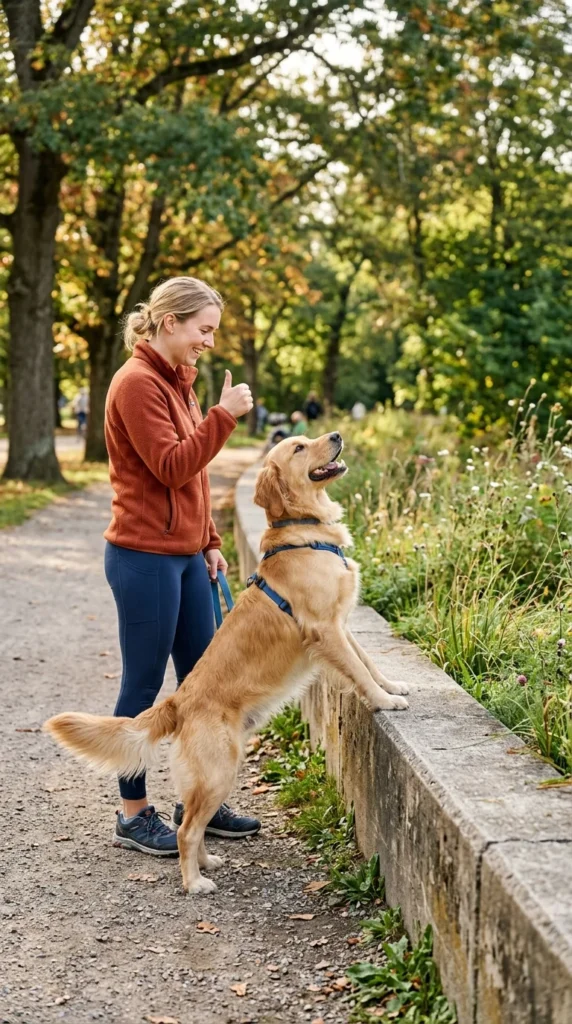
You don’t need a professional course to do agility. On your walks, use the environment as a playground. Ask your dog to put their paws on a park bench, weave through a row of bollards, or walk along a low curb. These “environmental challenges” keep your dog engaged with you during the walk rather than just zoning out or pulling on the leash.
Conclusion
Integrating these brain games into your dog’s life doesn’t require a lot of time or expensive equipment. Even 15 minutes of dedicated mental play a day can drastically improve your dog’s quality of life. By rotating these games, you keep the challenges fresh and ensure your canine companion stays sharp, confident, and, most importantly, happy.