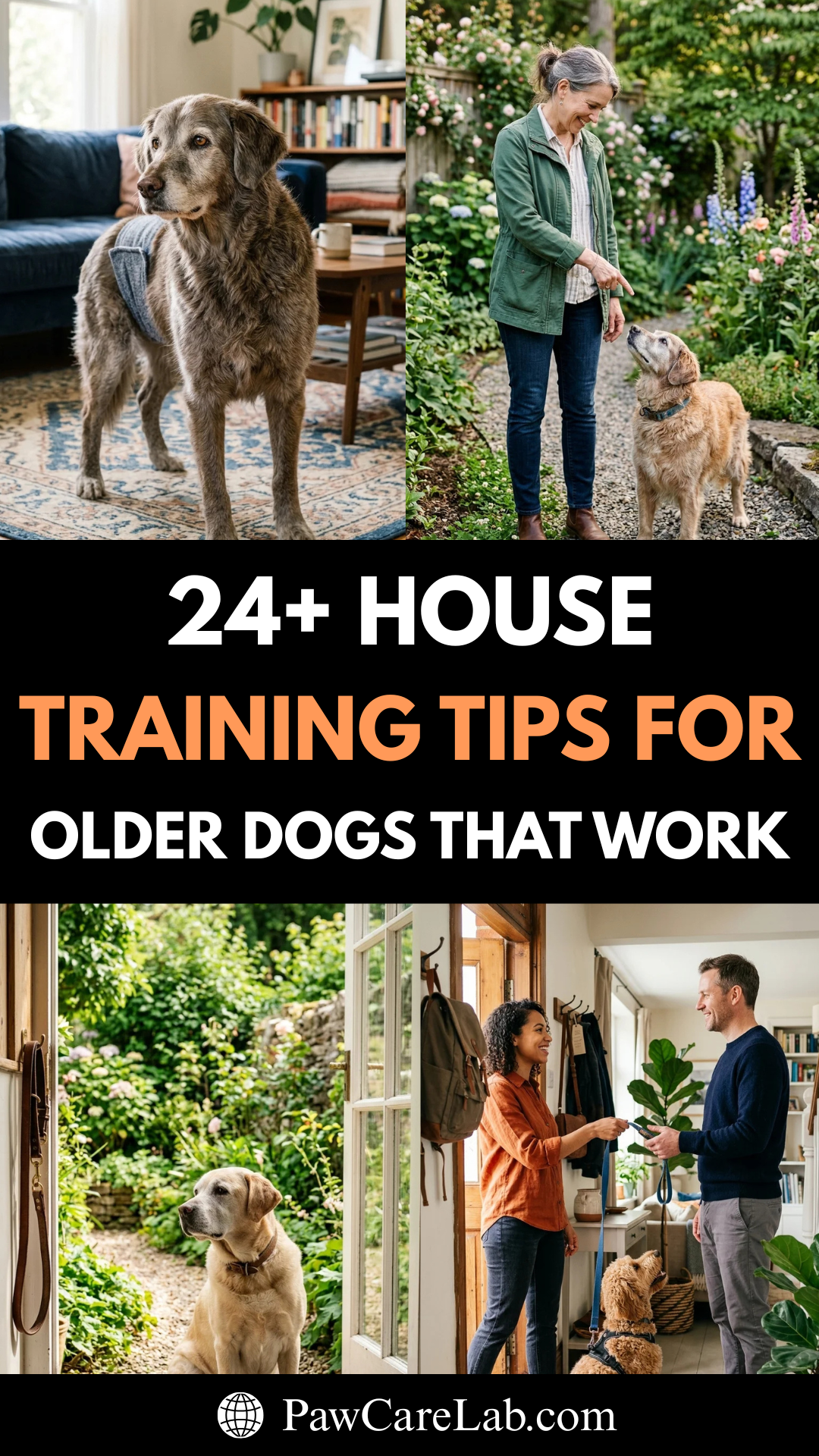
Teaching an old dog new tricks is not just a catchy phrase; it is an absolute reality. Whether you have recently adopted a senior rescue, moved to a new home, or your long-time companion is experiencing age-related lapses, house training an older dog requires a different approach than training a puppy. Mature dogs bring a history of habits, but they also offer a level of focus and bladder control that puppies lack. By combining patience with a structured strategy, you can achieve a clean home and a confident canine.
1. Veterinary Checkup
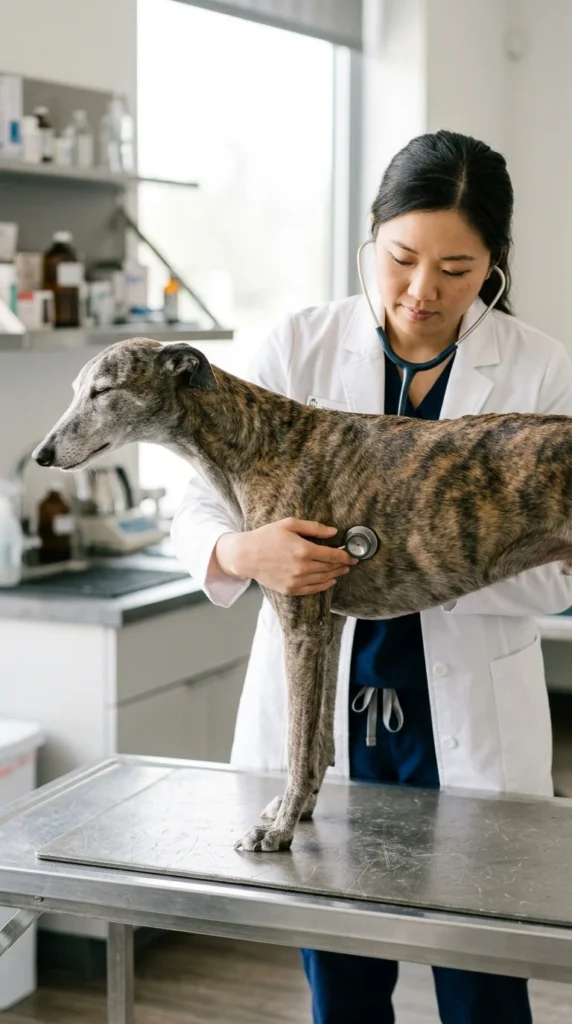
Before assuming your dog has forgotten their training, rule out medical issues. Older dogs are prone to urinary tract infections (UTIs), kidney disease, diabetes, and Cushing’s disease, all of which cause increased urgency. Furthermore, cognitive dysfunction (canine dementia) or arthritis can make it difficult for them to realize they need to go or physically get outside in time. A clean bill of health is the essential first step in any training program.
2. Routine Scheduling
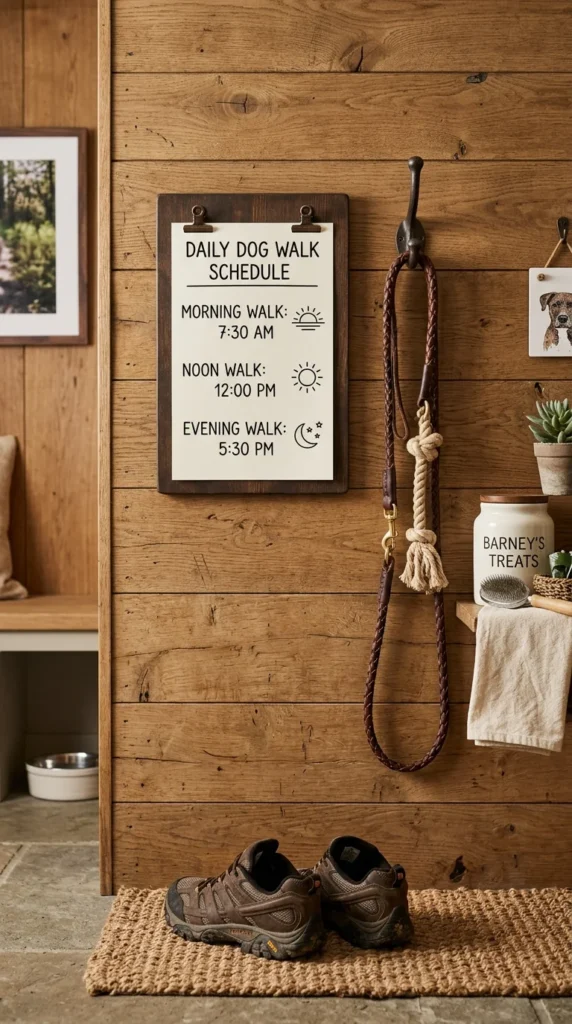
Consistency is the bedrock of house training. Older dogs thrive on predictability. Feed your dog at the same times every day and take them out immediately after waking up, after meals, after naps, and right before bed. When a dog knows exactly when their next opportunity to go outside will be, their anxiety decreases, and their ability to “hold it” increases.
3. Supervised Freedom
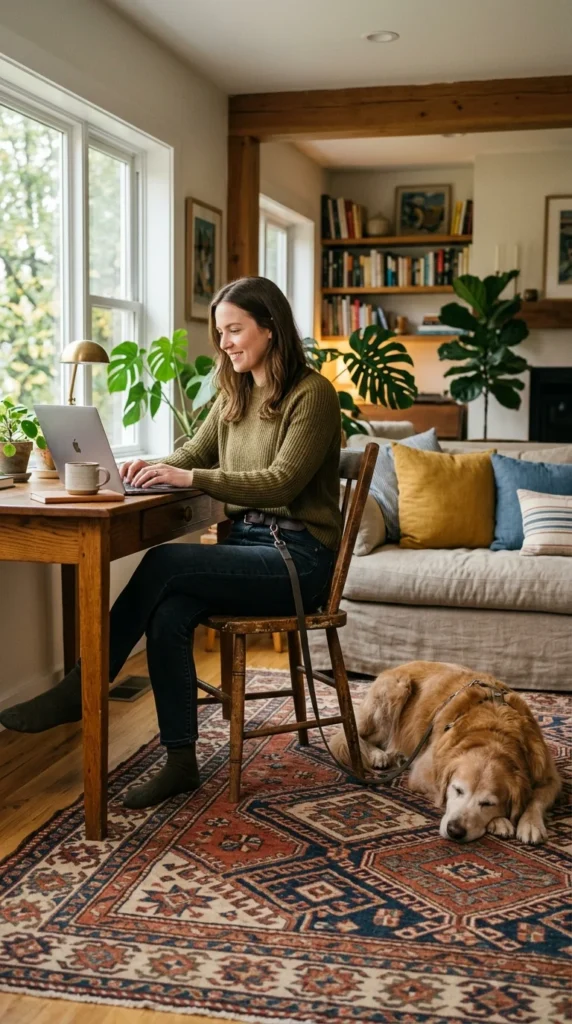
Until your dog is 100% reliable, they should not have the run of the house. Use the “umbilical cord” method by keeping them on a leash attached to you, or keep them in the same room where you can watch for signs of restlessness. This prevents them from wandering into a spare bedroom to have an accident undetected.
4. High-Value Treats
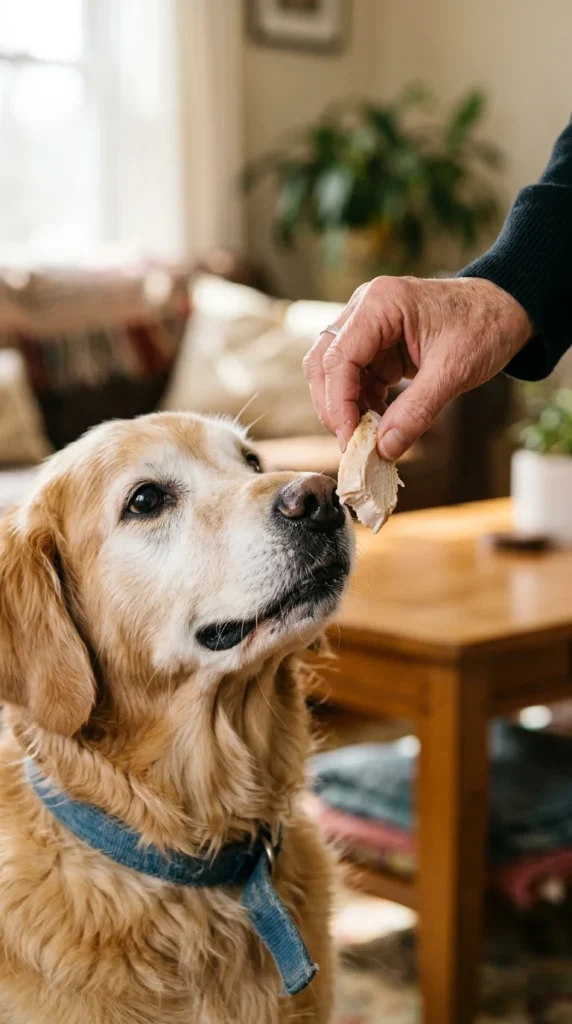
Standard kibble might not be enough to motivate an older dog to change a lifetime of habits. Use “high-value” rewards—small pieces of plain chicken, cheese, or freeze-dried liver. These should be reserved exclusively for successful outdoor potty breaks. The goal is to make the dog think, “Every time I go on the grass, I get the best snack of my life.”
5. Enzyme Cleaners
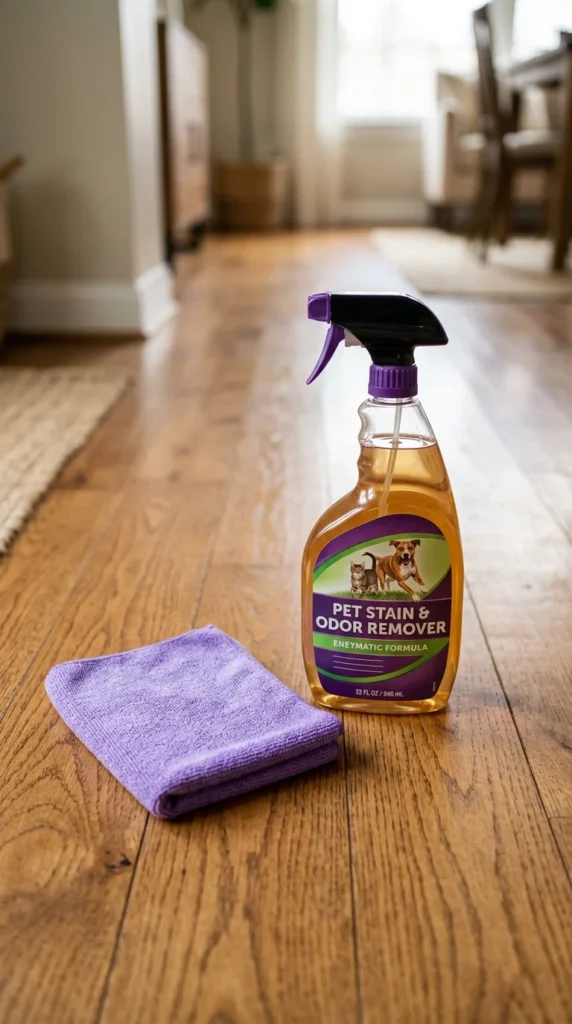
If an accident happens, standard household cleaners won’t cut it. Dogs have a sense of smell far superior to ours; even if the floor smells “lemony” to you, the dog can still smell the pheromones left behind. This acts as a scent marker, telling them the rug is a bathroom. Use an enzymatic cleaner that specifically breaks down the proteins in pet waste to completely erase the “bathroom” scent.
6. Crate Training
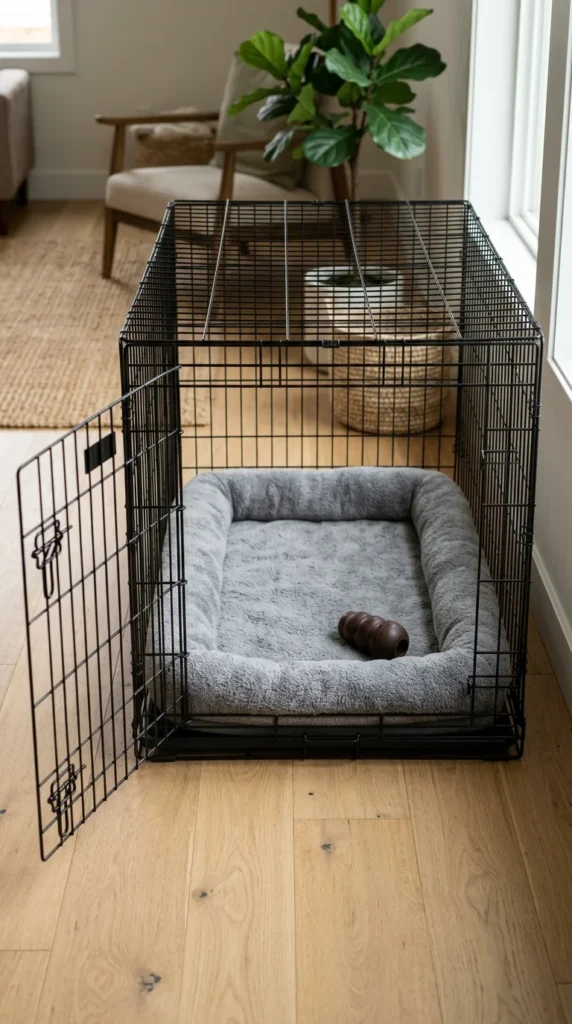
Many people think crates are just for puppies, but they are effective for older dogs too. Most dogs have an instinctual desire to keep their sleeping area clean. If the dog is comfortable in a crate, it can be a safe place for them when you cannot supervise them. Ensure the crate is large enough for them to stand and turn around, but not so large that they can soil one corner and sleep in the other.
7. Frequent Breaks
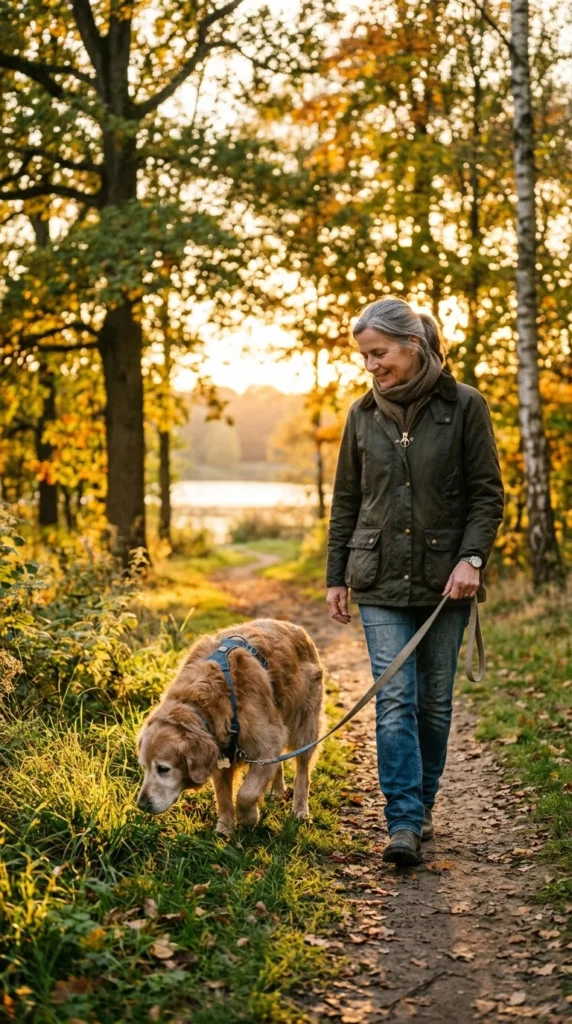
An older dog’s bladder may not be as strong as it once was. While a healthy adult dog can often go 8 hours, a senior might need a break every 3 or 4 hours. If you work long hours, consider hiring a dog walker or asking a neighbor to let them out mid-day. Reducing the time they are forced to hold it prevents accidents and builds confidence.
8. Designated Spot
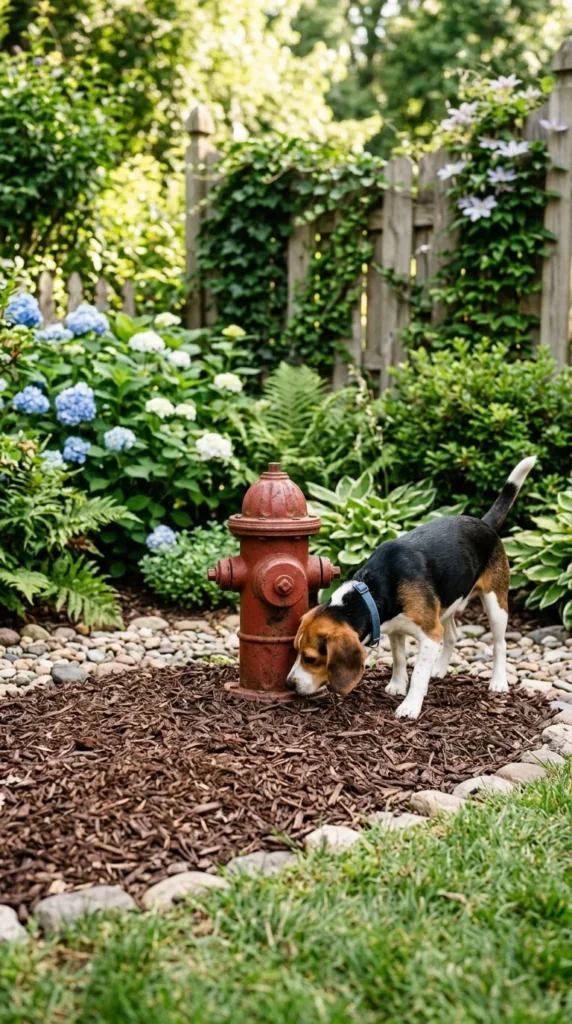
Dogs are creatures of habit. Take your dog to the exact same spot in the yard every time. The lingering scent of previous successful trips will trigger their natural instinct to go. This “scent association” helps them focus on the task at hand rather than getting distracted by squirrels or passing cars.
9. Command Association
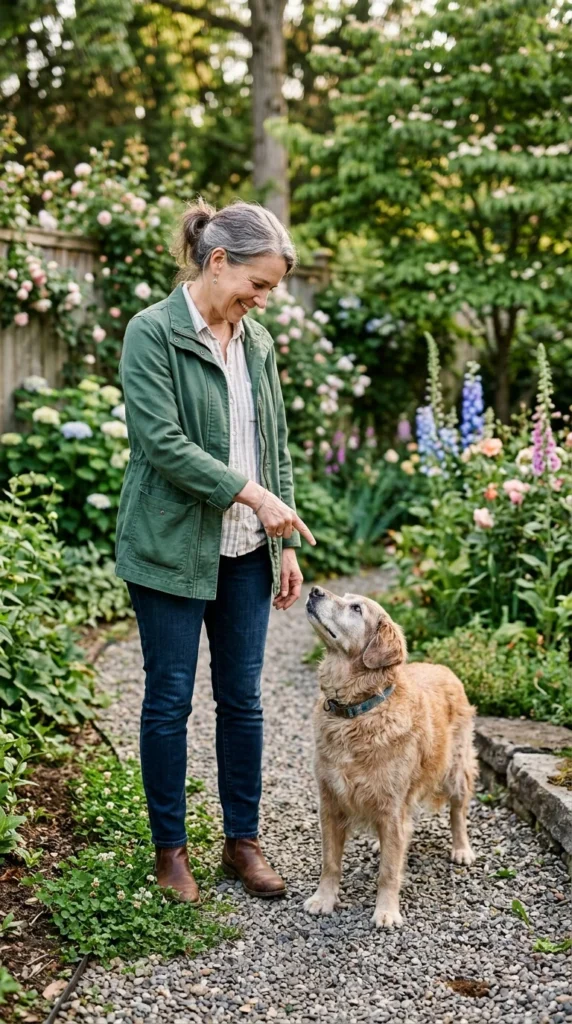
Choose a specific phrase like “Go potty” or “Hurry up” and say it only when the dog is actually in the process of relieving themselves. Eventually, the dog will associate the words with the action. This becomes incredibly useful during rainstorms or late-night trips when you want the process to be as quick as possible.
10. Meal Timing
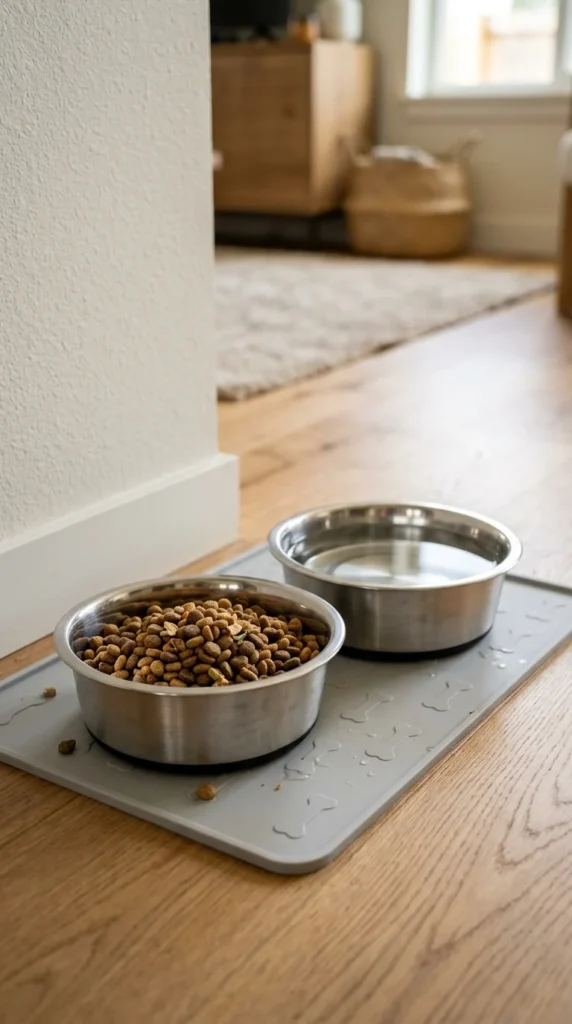
What goes in must come out. By feeding your dog at the same time every day, you can predict when they will need to defecate. Most dogs need to go 15 to 30 minutes after eating. Avoid “free-feeding” (leaving food out all day), as this makes their digestive schedule unpredictable.
11. Water Monitoring
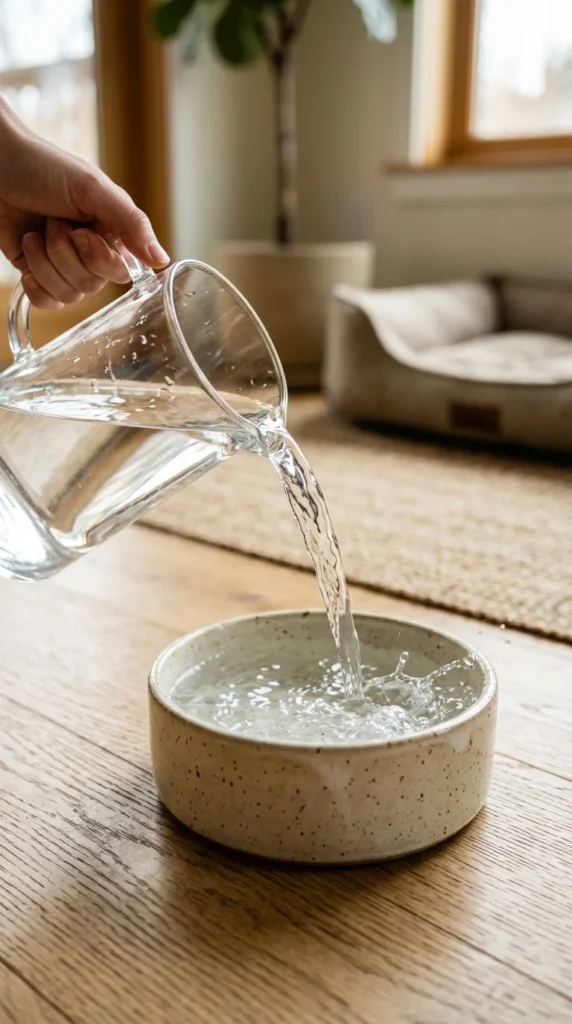
While you should never dehydrate your dog, you can manage their water intake in the evening. Picking up the water bowl two hours before bedtime can help a senior dog make it through the night without a middle-of-the-night emergency. However, consult your vet first, especially if your dog is on medication or has kidney issues.
12. Confinement
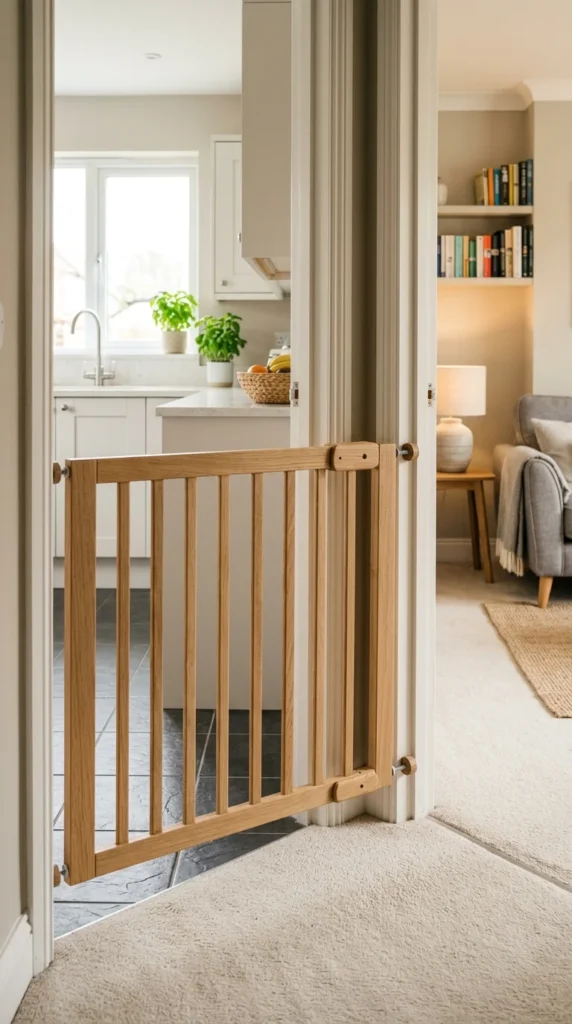
If a crate isn’t an option, use baby gates or “X-pens” to keep the dog in a room with easy-to-clean flooring, like tile or linoleum. This limits the “damage zone” if an accident occurs and makes it easier for you to keep a watchful eye on them.
13. Positive Reinforcement
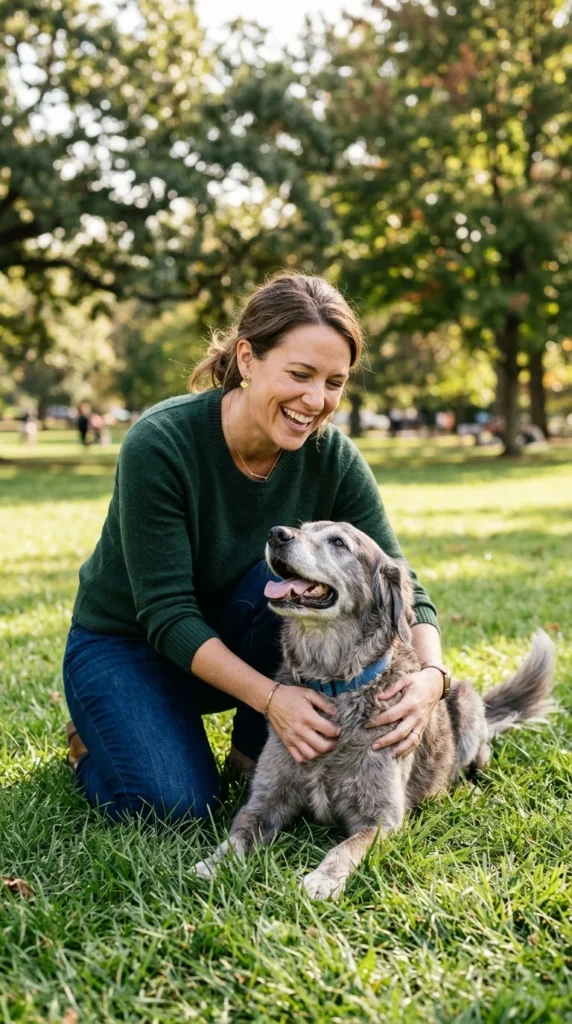
Older dogs can be sensitive. When they go outside, throw a “potty party.” Praise them verbally in a high-pitched, happy tone and offer pets. Positive reinforcement builds a bond of trust and makes the dog eager to please you by performing the desired behavior.
14. Patience
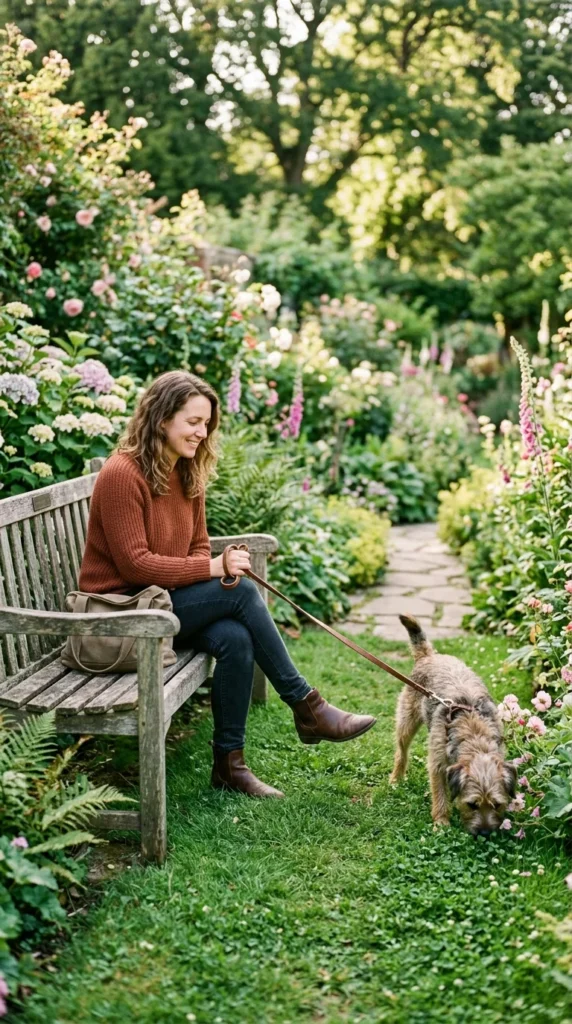
Training an older dog can take longer than training a puppy because you are often trying to “un-learn” old habits. There will be setbacks. Staying calm and patient is vital. If you get frustrated, the dog will pick up on your stress, which can lead to anxiety-induced accidents.
15. Avoid Punishment
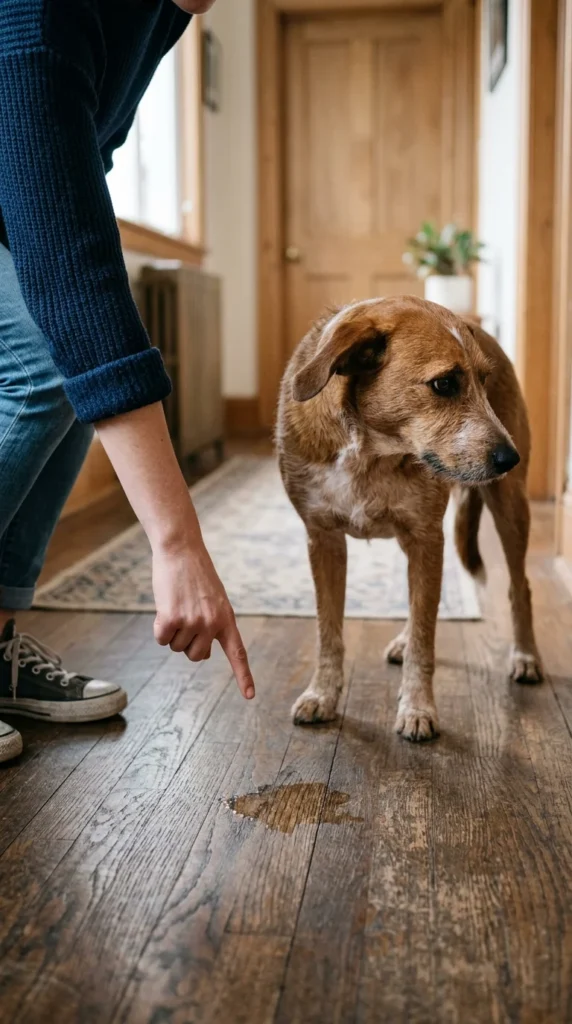
Never rub a dog’s nose in an accident or yell at them after the fact. Dogs do not have the cognitive ability to connect a past accident with current punishment. It only teaches them to be afraid of you or to hide their accidents in the future (like behind the sofa). If you catch them in the act, a sharp “Oops!” to startle them is enough, then immediately take them outside.
16. Nighttime Strategy
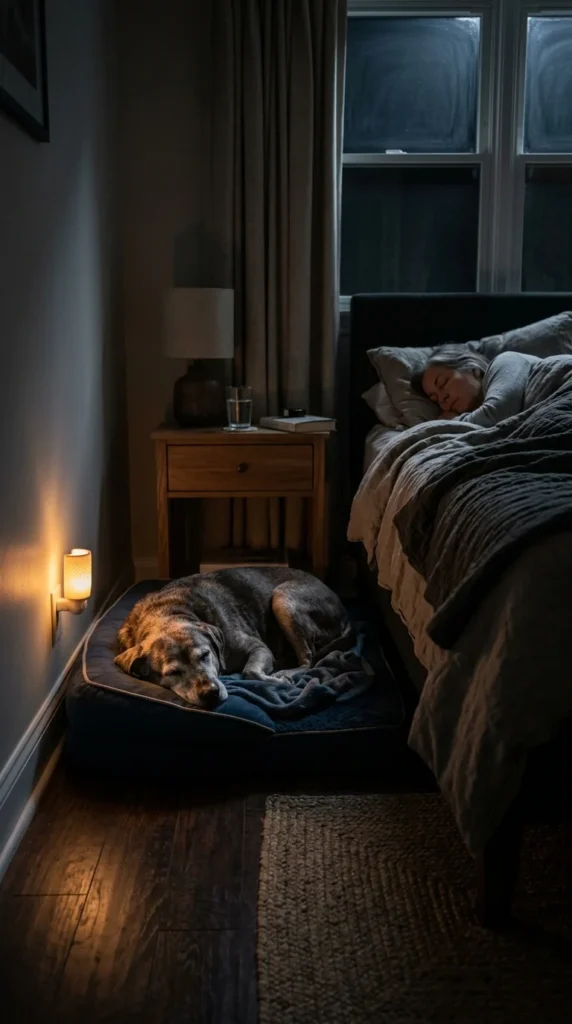
If your older dog is struggling to hold it through the night, consider sleeping closer to them or using a baby monitor. This allows you to hear if they get restless, circle, or whine, indicating they need an emergency trip outside. Catching these moments before an accident happens is key to reinforcing the habit of going outdoors.
17. Belly Bands
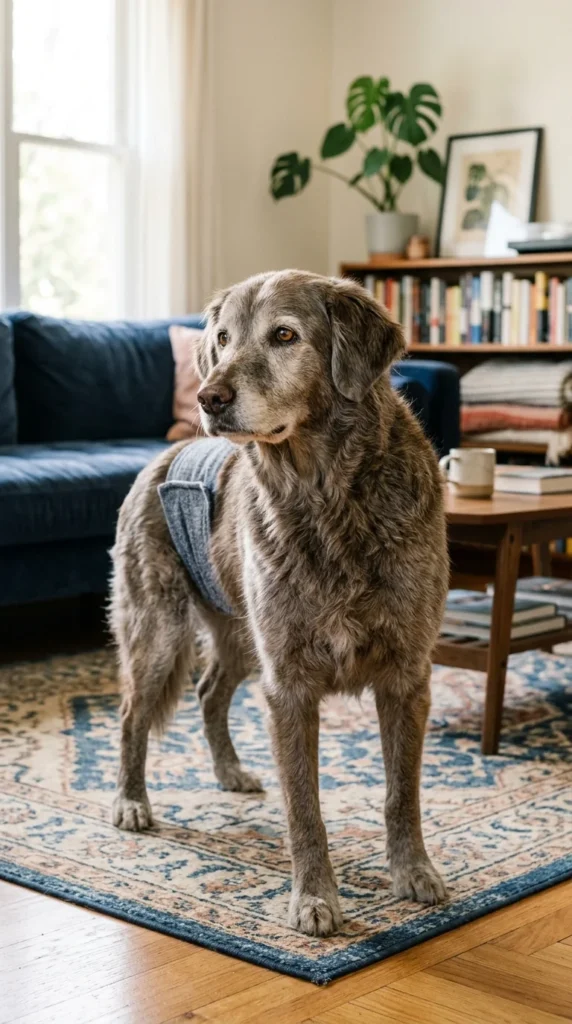
For male senior dogs who have started “marking” indoors or have minor incontinence, a belly band can be a lifesaver. This is a fabric wrap that holds an absorbent pad. While it doesn’t “train” the dog, it protects your home while you work on the underlying behavioral or medical issues.
18. Potty Pads
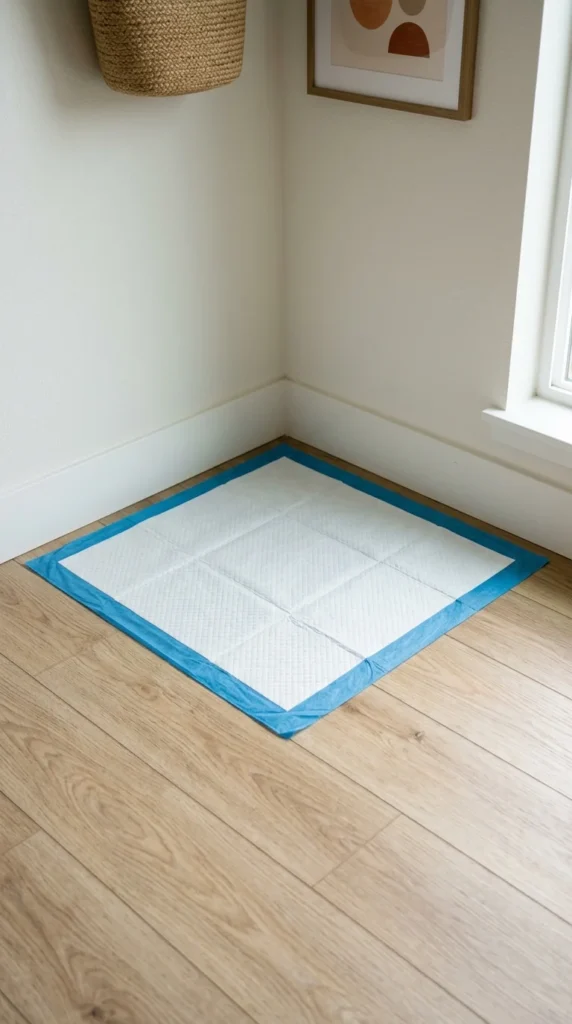
While outdoor training is the goal, some senior dogs with limited mobility or severe urgency may benefit from a “legal” indoor spot. If you use potty pads, place them in a consistent location. This is often a good “bridge” for dogs who cannot make it down stairs or through long hallways in time.
19. Scent Marking
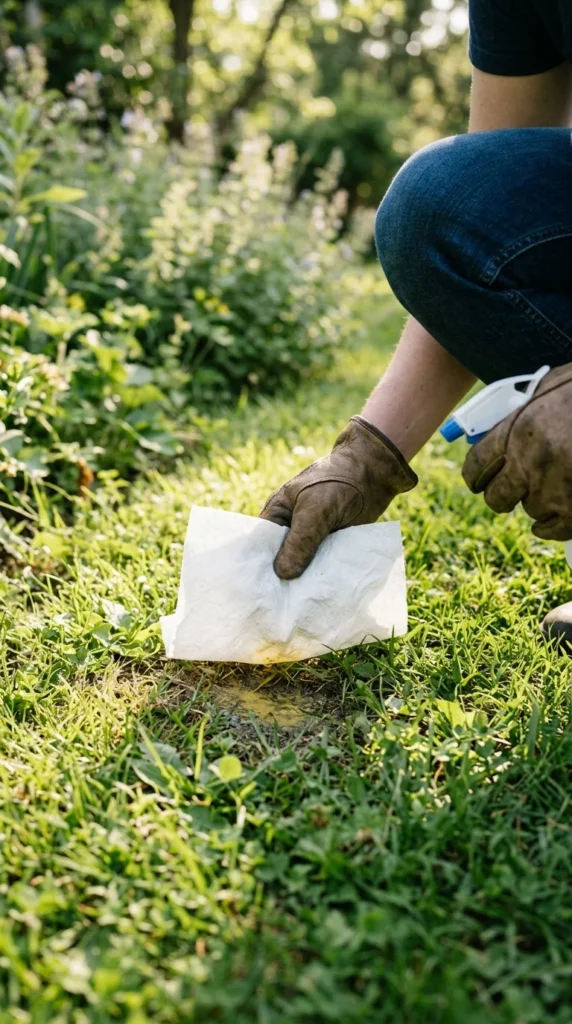
If your dog doesn’t seem to understand where they are supposed to go, you can move the scent. If they have an accident, soak up a small amount with a paper towel and take it to the designated outdoor spot. Weigh it down with a rock. The next time the dog goes out, they will smell their scent and understand that this is the bathroom.
20. Weather Comfort
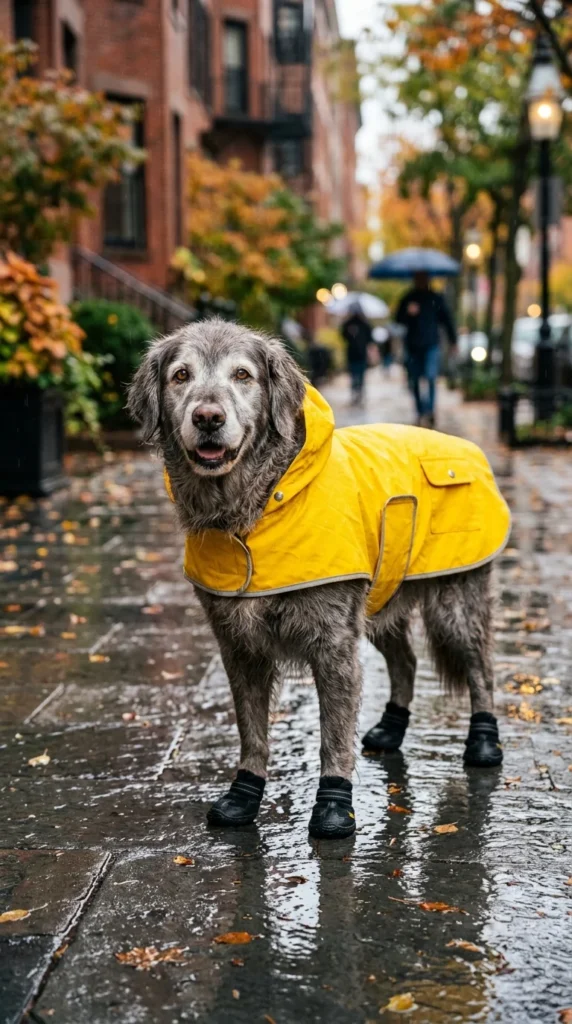
Older dogs are more sensitive to the elements. Arthritis can flare up in the cold, and many seniors hate getting their paws wet. If your dog refuses to go outside in bad weather, provide a covered area or dress them in a coat and boots. Making the experience comfortable increases the likelihood they will cooperate.
21. Mobility Aids
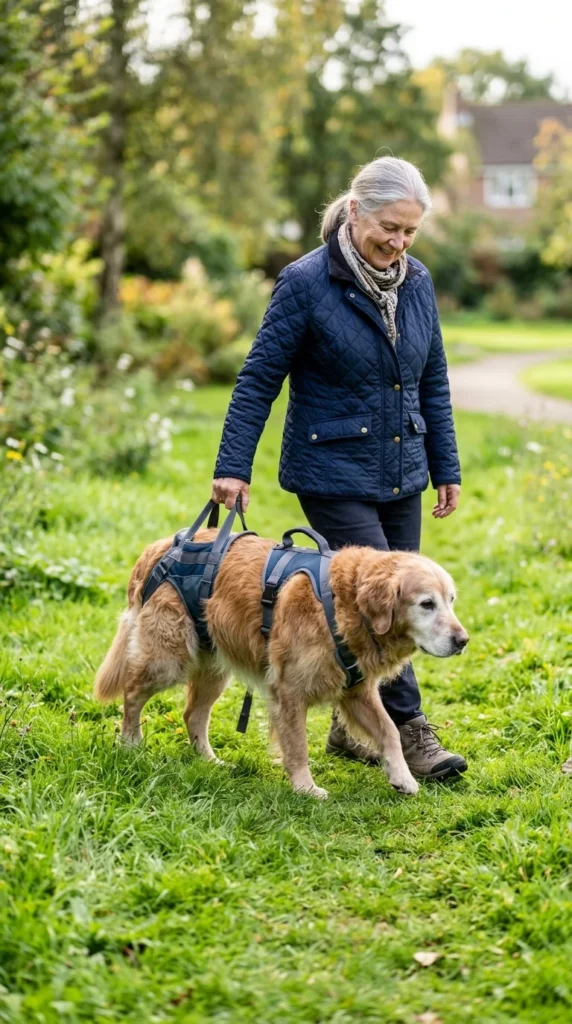
Sometimes the “refusal” to go outside is actually a fear of pain. If your dog has to navigate slippery stairs or long walks to get to the grass, they might associate going potty with physical discomfort. Use ramps, rugs on slippery floors, or supportive harnesses to make the journey to the bathroom as painless as possible.
22. Physical Activity
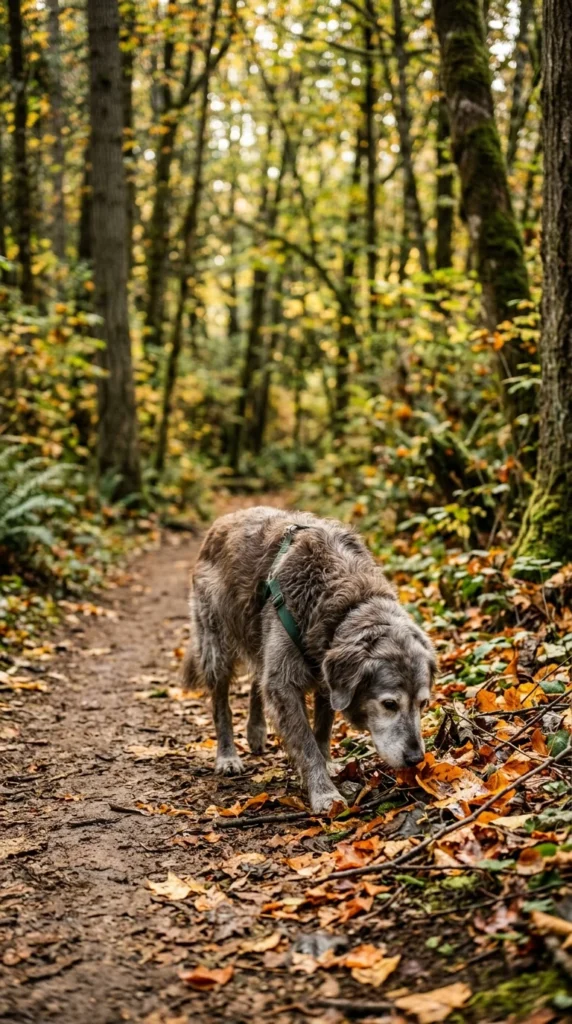
Movement stimulates the bowels. A gentle walk not only provides mental stimulation but also helps “get things moving” internally. If your dog is struggling to defecate, a short, slow walk around the block can often trigger the need to go, making it easier to reward them for a successful outdoor trip.
23. Consistency Across Caregivers
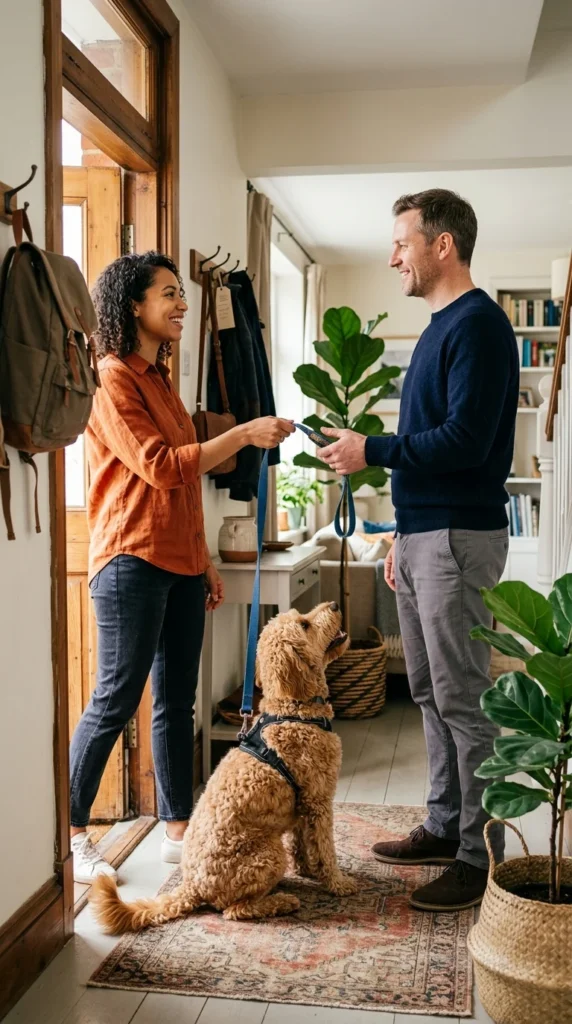
Everyone in the household must be on the same page. If one person rewards the dog for going outside but another person ignores it, the dog will become confused. Ensure everyone uses the same commands, the same treats, and follows the same schedule to provide a unified message to the dog.
24. Record Keeping
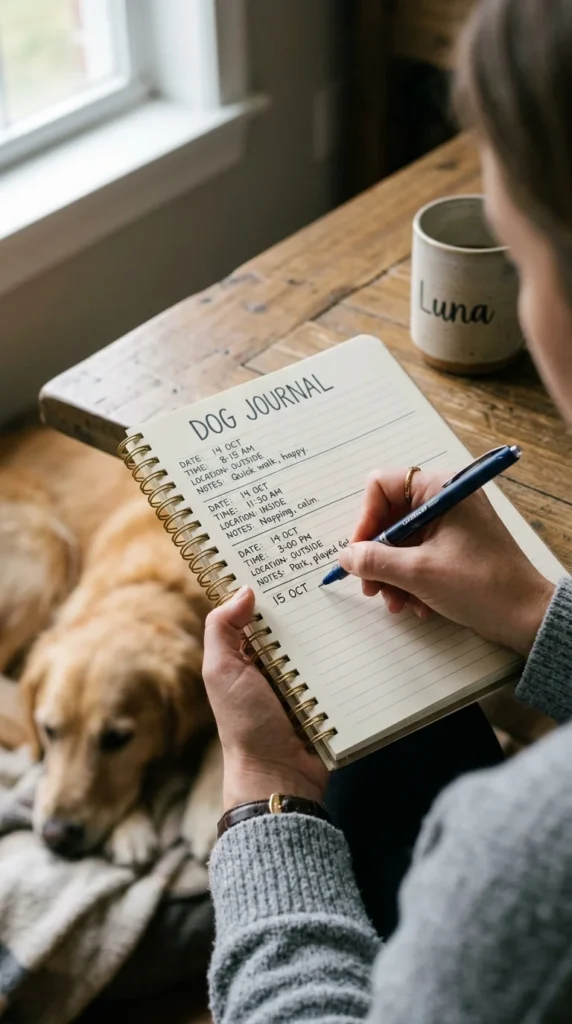
Keep a “potty log” for a week. Note the times your dog eats, drinks, goes outside, and has accidents. You will likely see a pattern emerge. Perhaps the accidents always happen at 4:00 PM, or always 20 minutes after drinking. Once you see the pattern, you can adjust your schedule to get the dog outside before the accident occurs.