
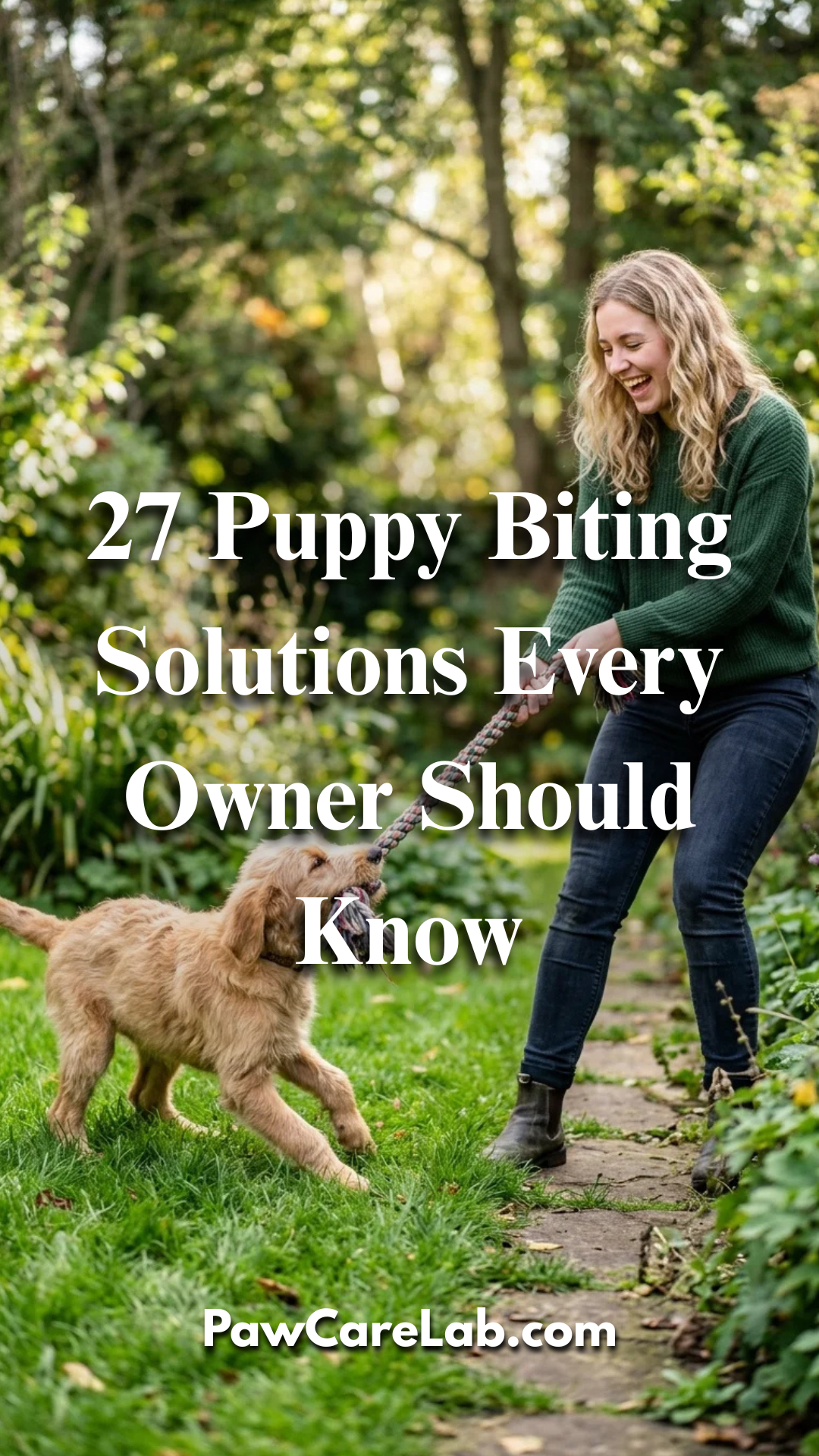
Bringing a new puppy into your home is a journey filled with cuddles, wagging tails, and, inevitably, the “land shark” phase. Puppy biting is a natural behavior—it’s how they explore their world and communicate—but those needle-sharp milk teeth can cause real pain. To help you navigate this developmental milestone, here are 27 expert-backed solutions to curb the biting and foster a gentle bond with your furry friend.
1. Bite Inhibition
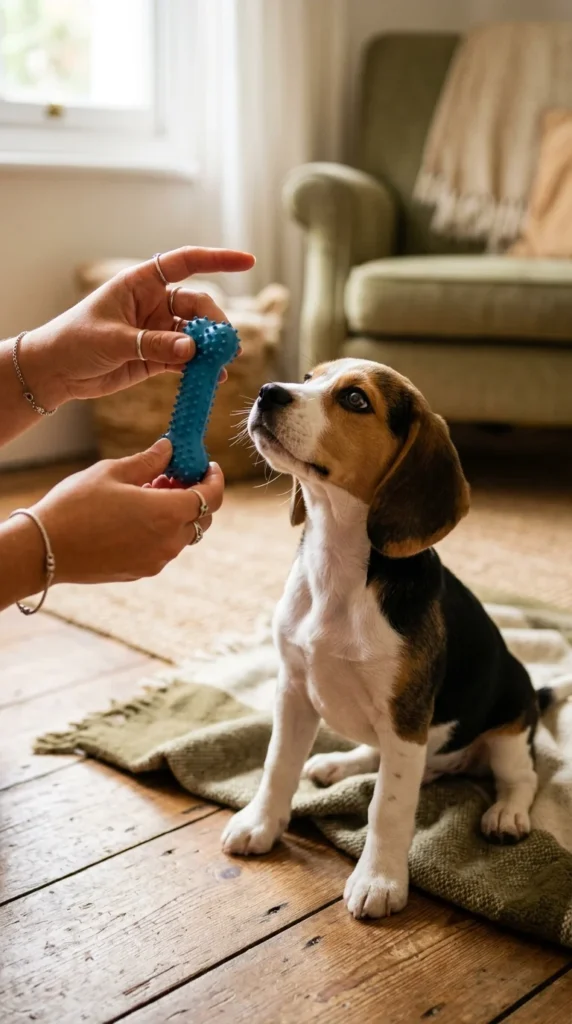
Bite inhibition is the first and most crucial lesson. It’s not about stopping the biting immediately, but teaching the puppy to use their mouth gently. When puppies play with their littermates, they learn that if they bite too hard, the fun stops. You can mimic this by reacting to hard nips with a sharp “Ouch!” and pausing play. This teaches them the sensitivity of human skin compared to their siblings’ thick fur.
2. Redirection
Redirection is the art of substitution. Whenever your puppy aims for your fingers or ankles, immediately offer a high-quality chew toy or a rope. The goal is to show the puppy what they can bite. Keep toys within arm’s reach at all times during the first few months so you are never caught unprepared when the “zoomies” and the biting start.
3. Yelp Method
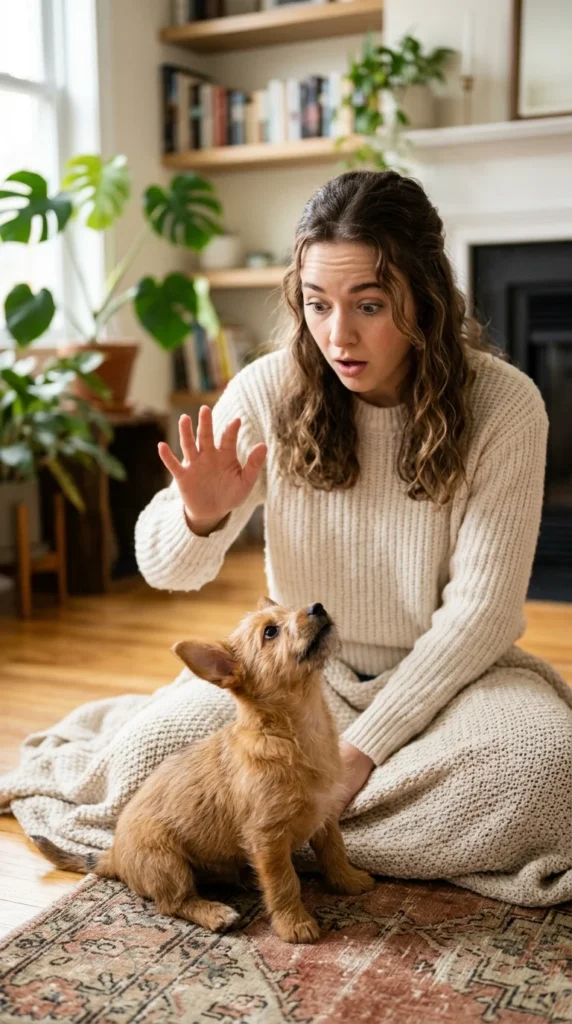
This technique taps into a puppy’s natural instincts. When a puppy bites too hard, let out a high-pitched “Yip!” or “Ow!” and let your hand go limp. This mimics the sound a littermate would make. If the puppy backs off, praise them quietly. If they continue to lung, it’s time for a short break.
4. Frozen Carrots
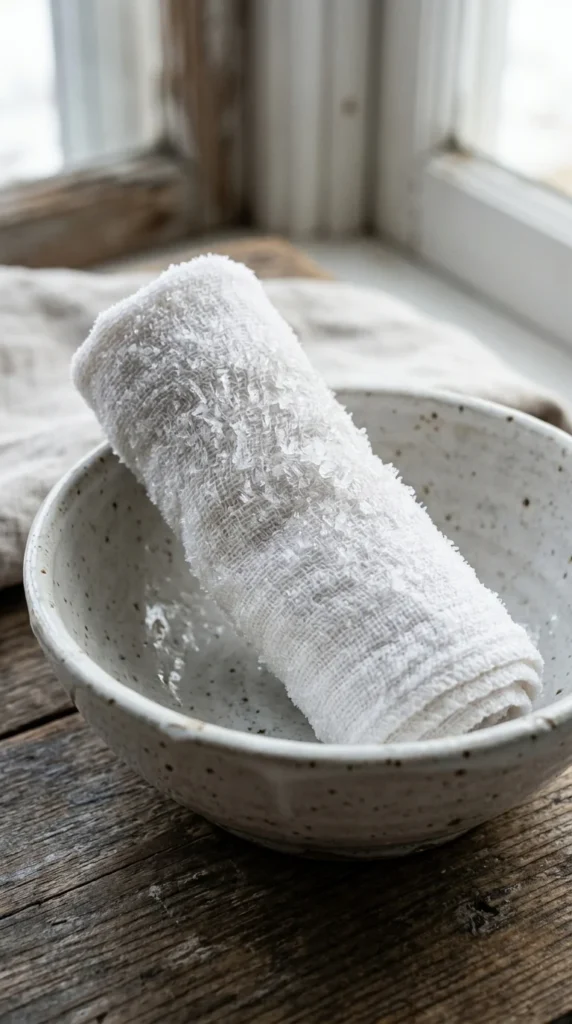
Teething is a painful process, and cold items can provide immense relief to inflamed gums. Frozen carrots are a healthy, crunchy, and cold snack that keeps a puppy occupied. The cold numbs the gums, while the texture satisfies the urge to gnaw. Always supervise your puppy with carrots to ensure they don’t swallow large chunks.
5. Reverse Time-outs
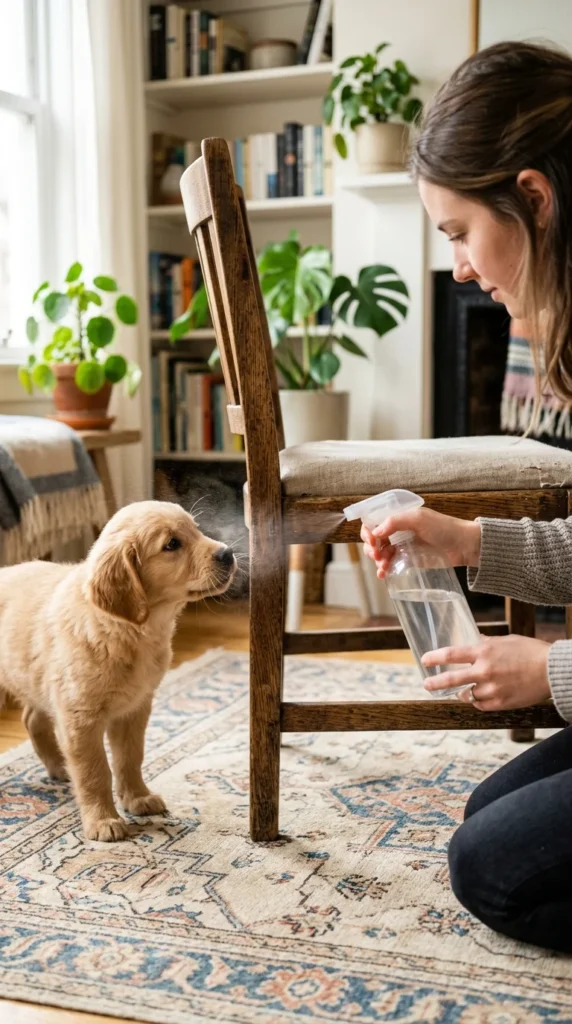
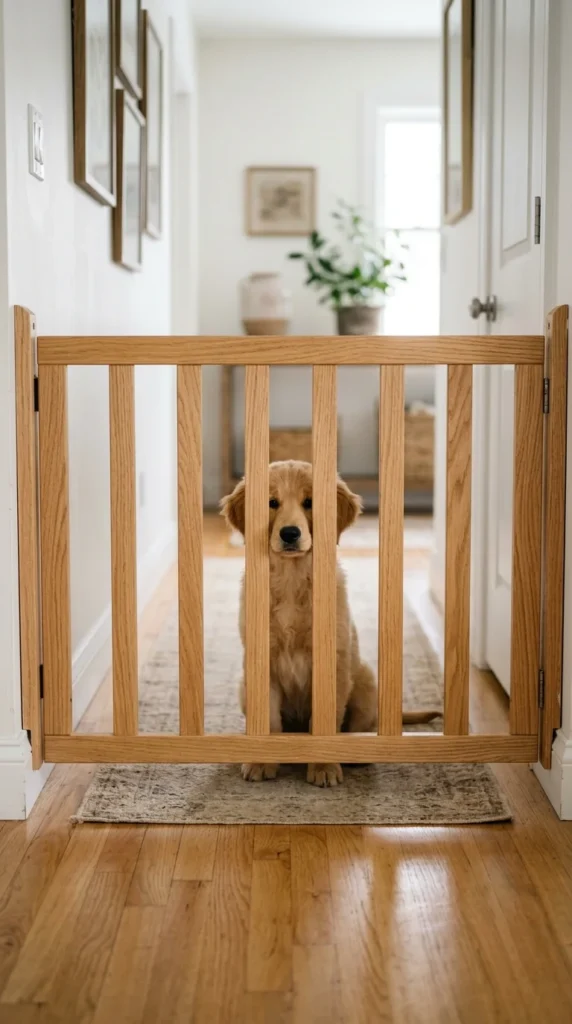
Instead of putting the puppy in “jail,” you remove yourself from the situation. If the biting becomes frantic and redirection isn’t working, simply stand up and walk behind a baby gate or into another room for 30 to 60 seconds. This teaches the puppy that biting causes their favorite person to disappear, which is the ultimate “punishment” for a social animal.
6. Nylabones
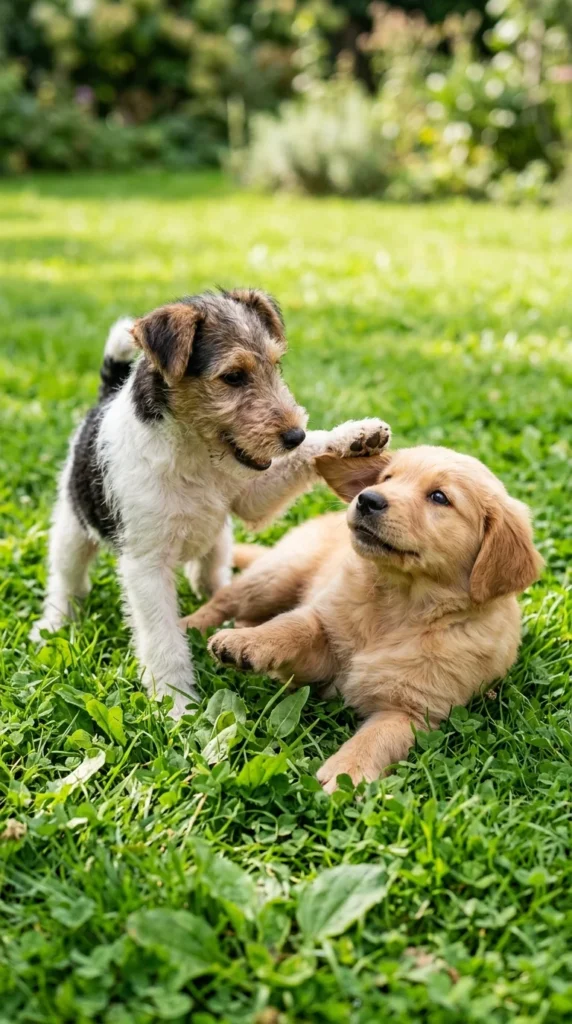
Nylabones and other durable nylon chews are designed specifically for aggressive puppy chewing. They come in various flavors like bacon or chicken, which keeps the puppy interested. The textures help clean teeth and massage gums, providing a constructive outlet for their biting energy that isn’t your expensive furniture or your skin.
7. Socialization
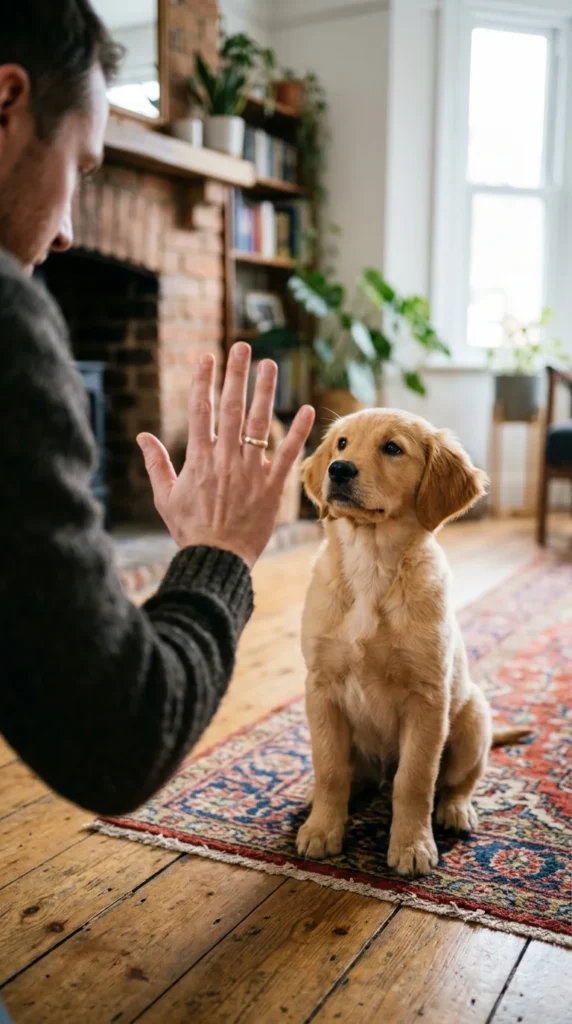
Puppies learn best from other dogs. Well-socialized adult dogs are excellent teachers; they will give a firm “correction” (usually a low growl or a look) if a puppy gets too mouthy. Enrolling your pup in a supervised puppy preschool allows them to practice their social cues and burn off the energy that often leads to nipping.
8. Exercise Needs
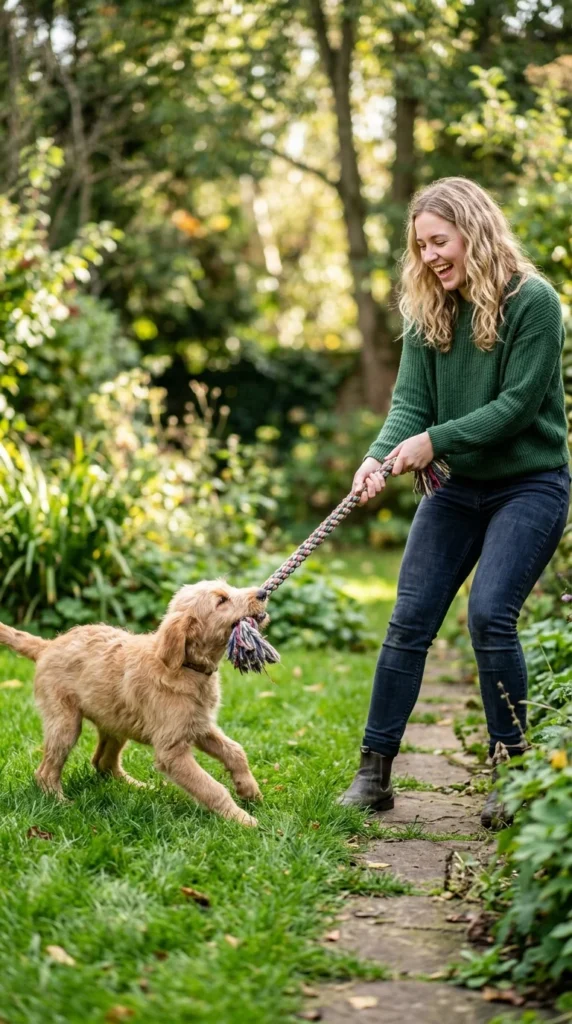
A tired puppy is a well-behaved puppy. Often, biting increases when a puppy has pent-up physical energy. Ensure your puppy is getting age-appropriate exercise, such as short walks, backyard play, or “hide and seek” in the house. Be careful not to over-exercise growing joints, but ensure they have an outlet for their stamina.
9. Mental Puzzles
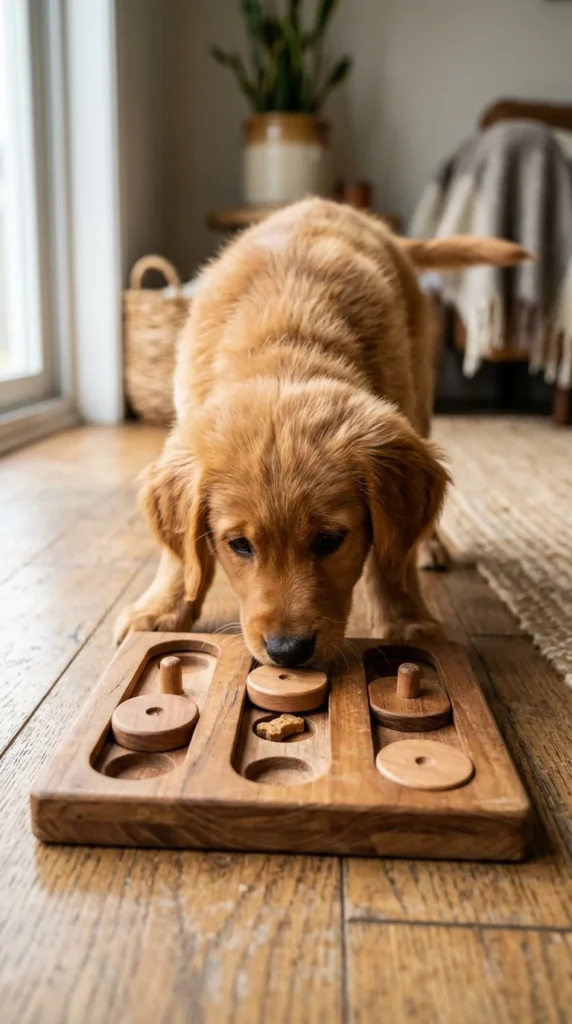
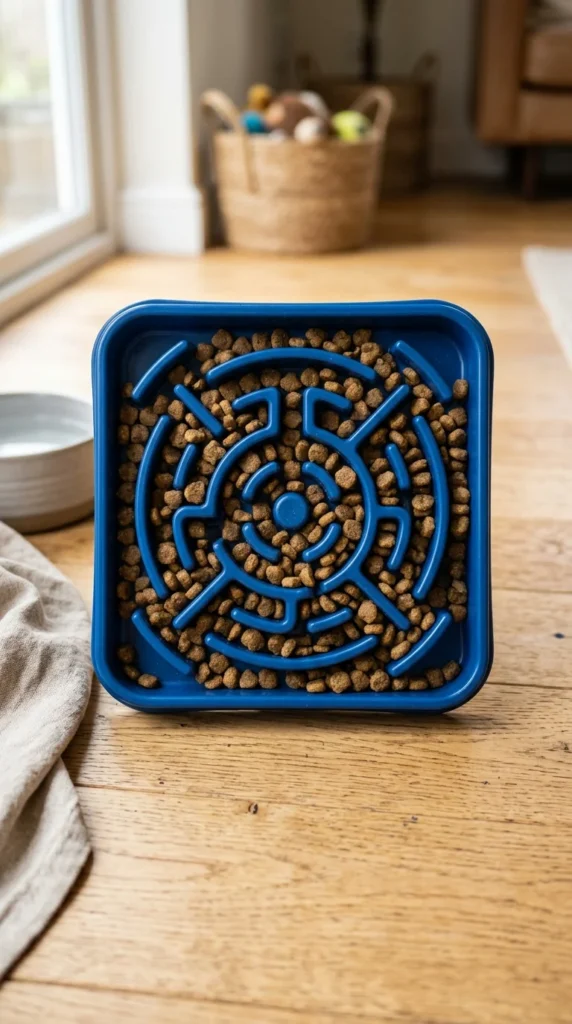
Biting can be a sign of boredom. Mental stimulation is just as exhausting as physical exercise. Using treat-dispensing puzzles or “snuffle mats” forces the puppy to use their brain to get a reward. When their brain is working, their mouth isn’t focused on nipping your heels.
10. Consistency

The entire household must be on the same page. If Mom lets the puppy mouth her hands but Dad says “no,” the puppy becomes confused and the behavior persists. Create a “house rule” for how to handle biting and ensure every family member, including children, follows the exact same protocol every single time.
11. Hands Off

Avoid using your hands as toys. It can be tempting to “tussle” with a puppy’s face or belly using your hands, but this teaches them that hands are playthings. Always have a toy between your skin and the puppy’s mouth. If you want to pet them, do it when they are calm or occupied with a chew.
12. Bitter Sprays
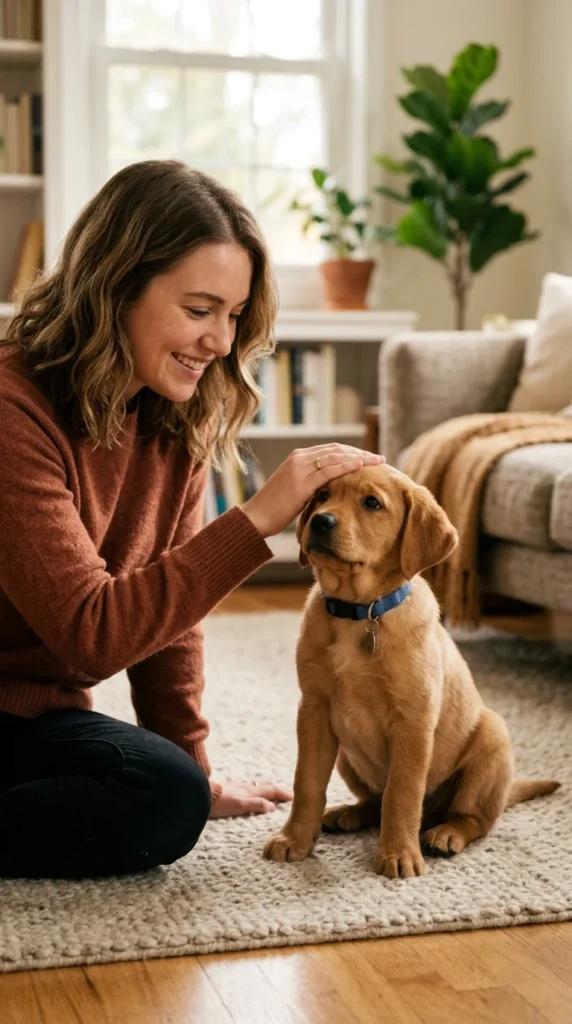
For puppies who like to “bite” furniture or even your shoes, non-toxic bitter sprays can be a deterrent. These sprays taste unpleasant to dogs. Apply it to items you want to protect. However, this should be used in conjunction with training, as some puppies actually grow to like the taste!
13. Sleep Schedule
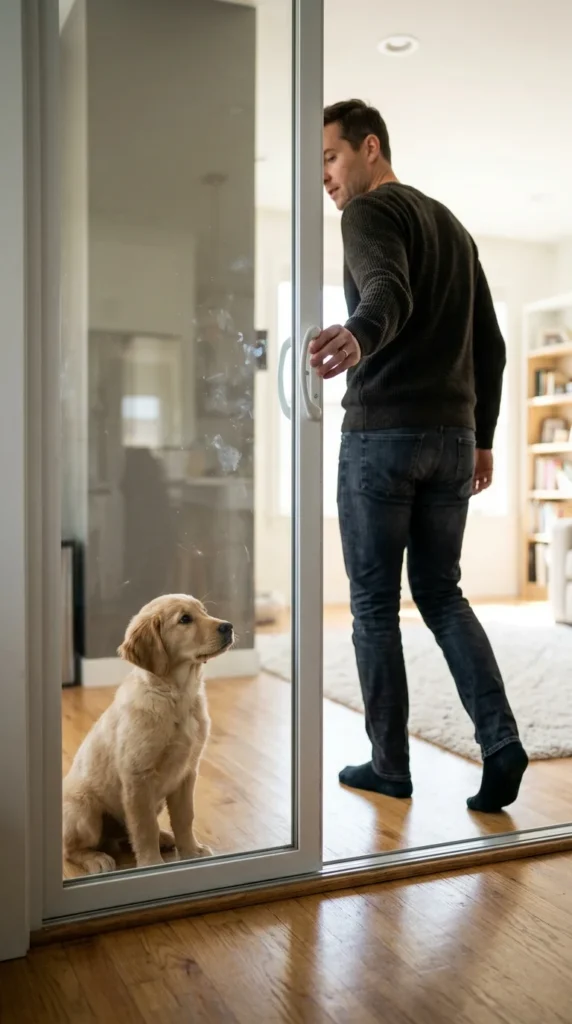
Overtired puppies are like overtired toddlers—they become “cranky” and lose their impulse control, leading to more biting. Puppies need between 18 to 20 hours of sleep a day. If your puppy starts biting uncontrollably, they might actually need a nap in their crate or a quiet room.
14. Soft Toys
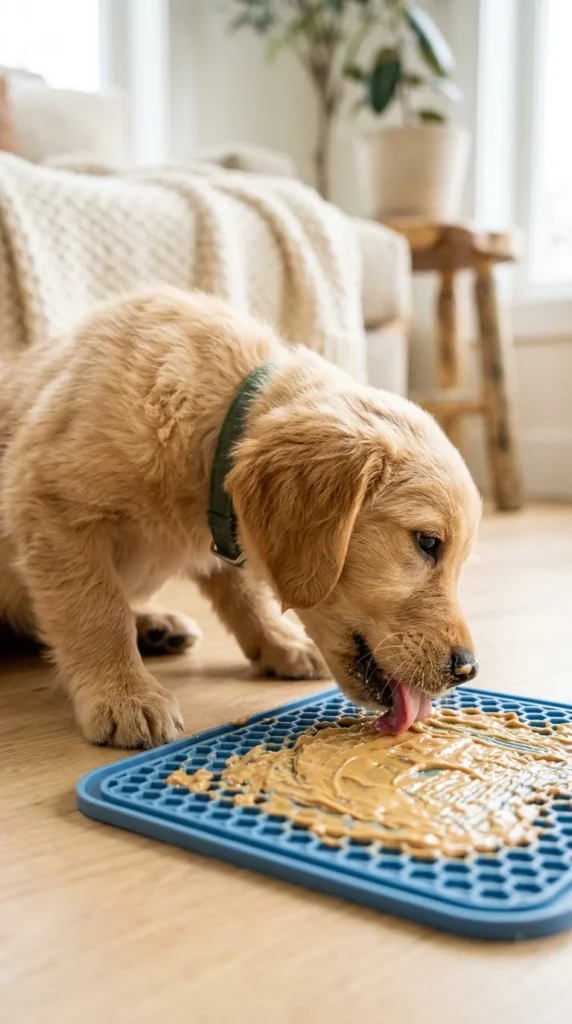
While hard chews are great for teething, soft plush toys are essential for “soft mouth” training. Puppies often enjoy carrying these around or gently shaking them. Providing a variety of textures ensures that all their sensory needs are met, reducing the urge to seek out human skin for sensory input.
15. Flirt Poles
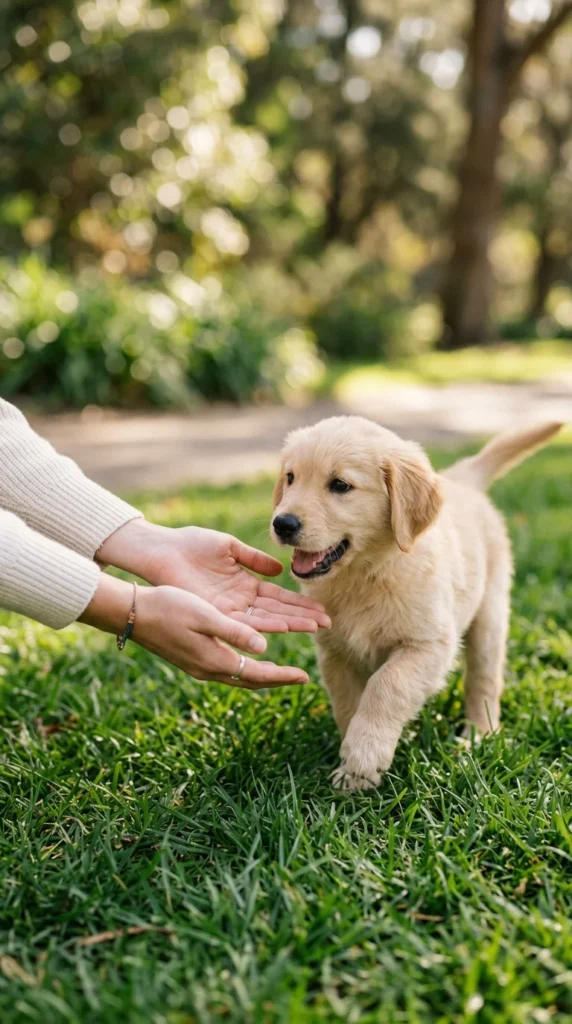
A flirt pole is essentially a giant cat toy for dogs. It allows you to keep the puppy at a distance while they chase and tug on a lure. This is an incredible tool for burning energy and teaching “leave it” and “drop it” commands in a high-arousal state, all while keeping your hands far away from the action.
16. Clicker Training
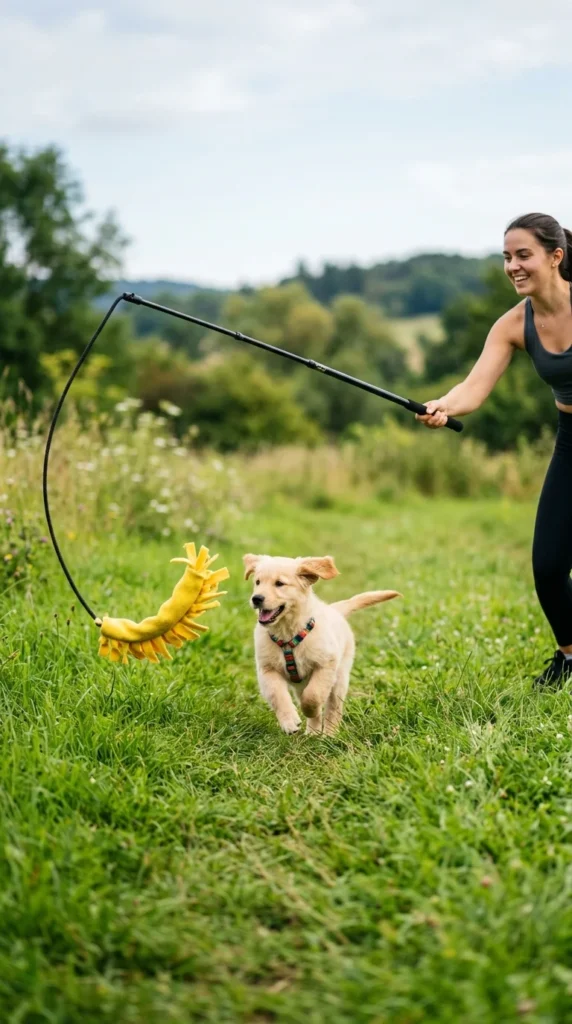
Clicker training marks the exact moment a puppy does something right. You can use a clicker to reward “calm” behavior. If the puppy is sitting near you without biting, click and treat. This reinforces that being calm and keeping their mouth to themselves results in rewards.
17. Avoid Roughhouse
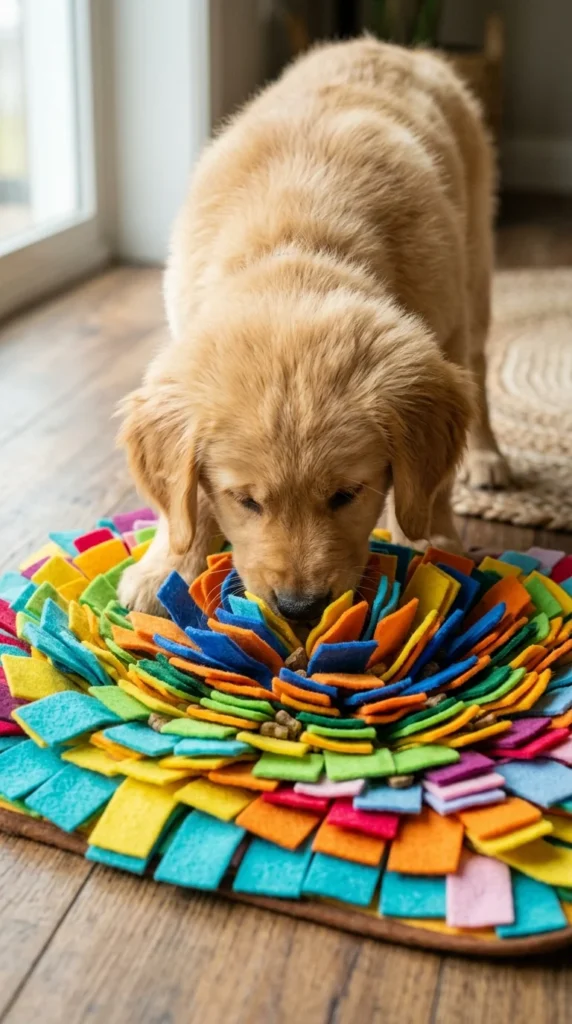
Wrestling with a puppy on the floor encourages high-arousal biting. While it’s fun, it sets the puppy up for failure. Keep play sessions structured. If the puppy gets too excited and starts lunging for faces or hands, end the session immediately. Play should be about toys, not physical wrestling.
18. Teething Rings
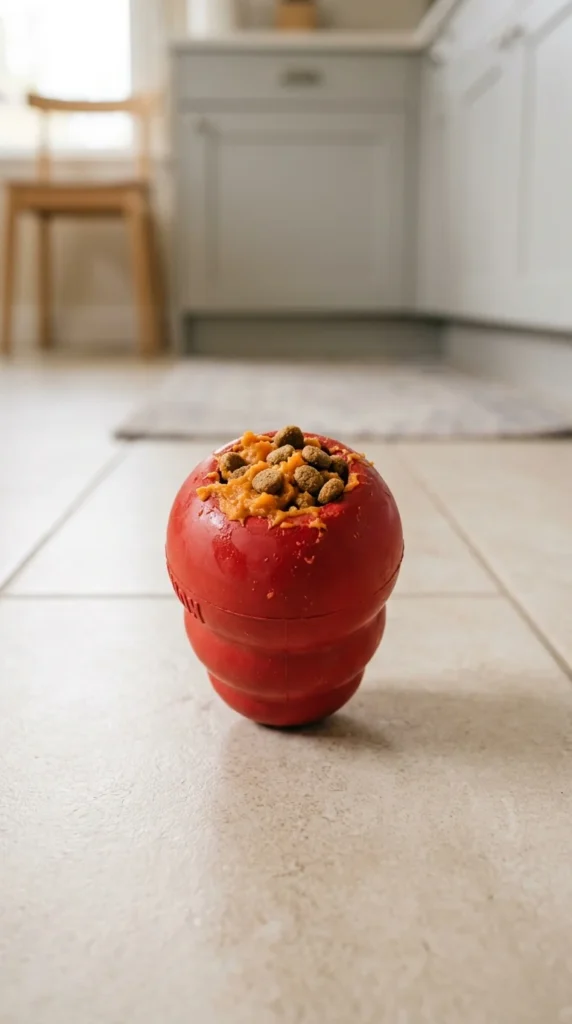
Specific puppy teething rings are designed with ridges that massage the gums as the puppy chews. Some can be placed in the refrigerator. The different textures provide the “friction” that puppies crave when their adult teeth are pushing through the gum line.
19. Impulse Control
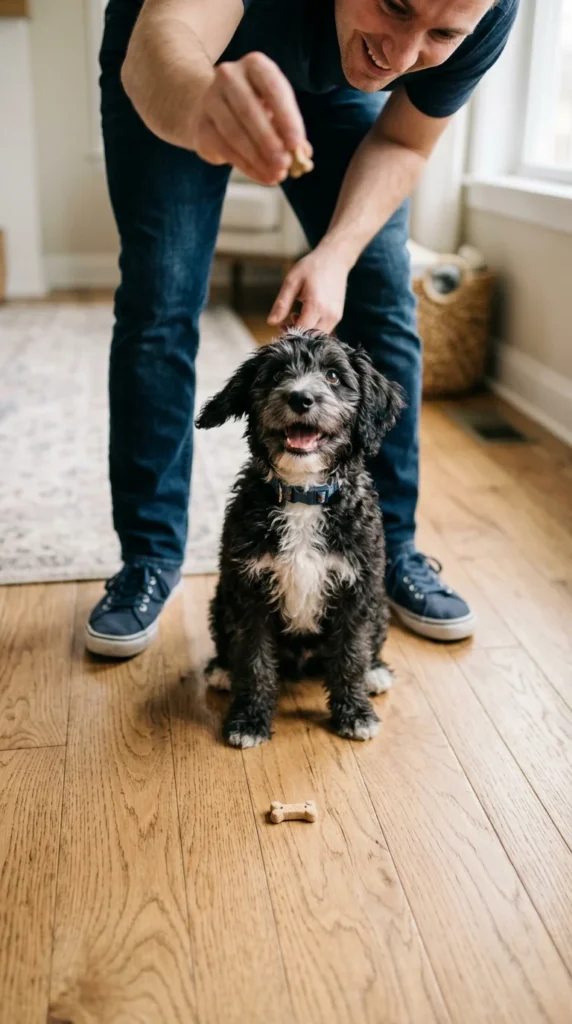
Biting is often a failure of impulse control. Teach exercises like “Wait” or “Stay” before giving treats or meals. The more the puppy learns to control their impulses in other areas of life, the better they will be at controlling the urge to nip when they are excited.
20. Hand Feeding
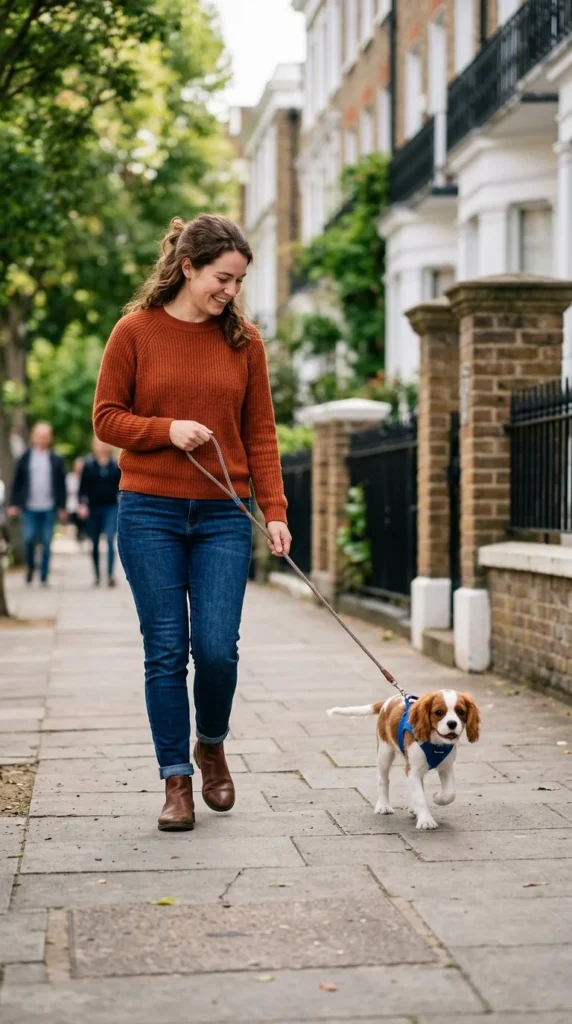
Feeding your puppy their meals by hand can help them develop a “soft mouth.” If they grab the food too greedily and their teeth touch your skin, close your hand and wait. Only release the food when they are gentle. This builds a positive association between your hands and gentle behavior.
21. Calming Music
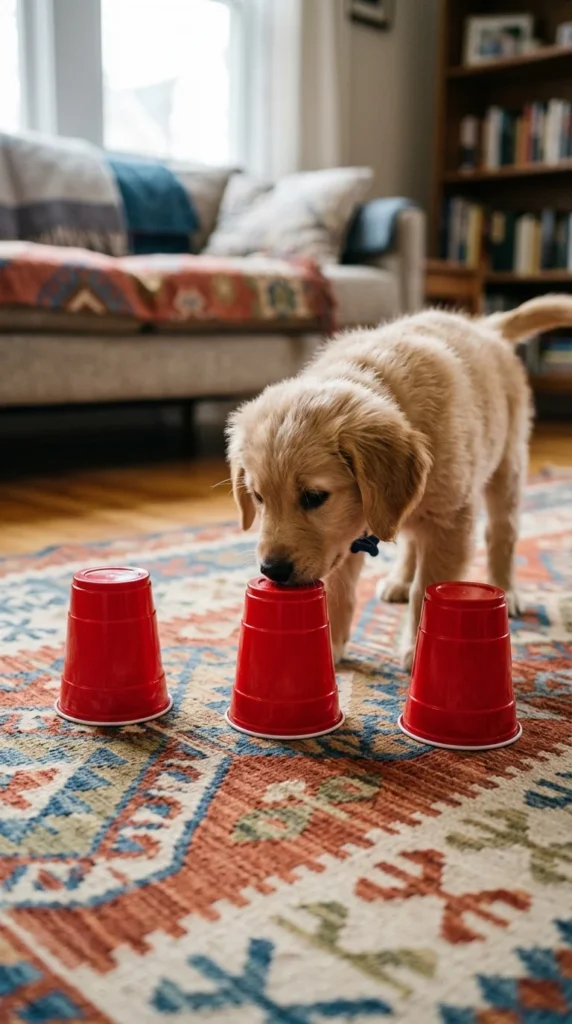
It sounds simple, but auditory stimulation matters. Playing “Through a Dog’s Ear” or classical music can lower a puppy’s overall cortisol levels. A calmer puppy is less likely to engage in the frantic, over-stimulated biting that occurs in a noisy or chaotic household.
22. Professional Help
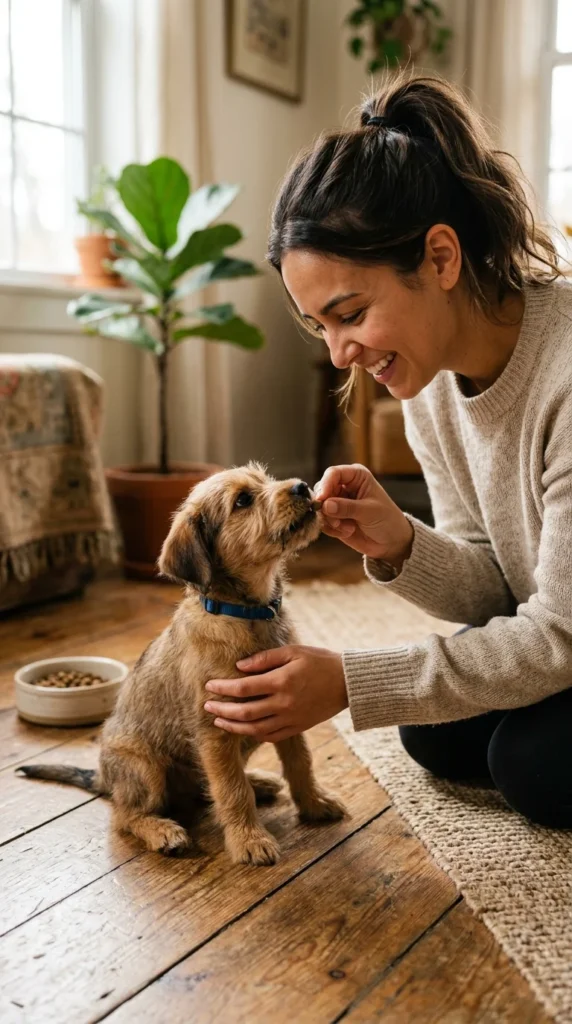
If the biting seems aggressive (snarling, stiff body language) rather than playful, or if you feel overwhelmed, don’t hesitate to call a certified positive reinforcement trainer. Early intervention can prevent minor puppy nipping from turning into adult behavior issues.
23. Sniffing Games
The act of sniffing lowers a dog’s heart rate. Instead of a high-intensity game of fetch that might lead to biting, try “scatter feeding” where you throw kibble into the grass for them to find. This engages their nose and brain, leaving them relaxed and less likely to mouth you.
24. Positive Reinforcement
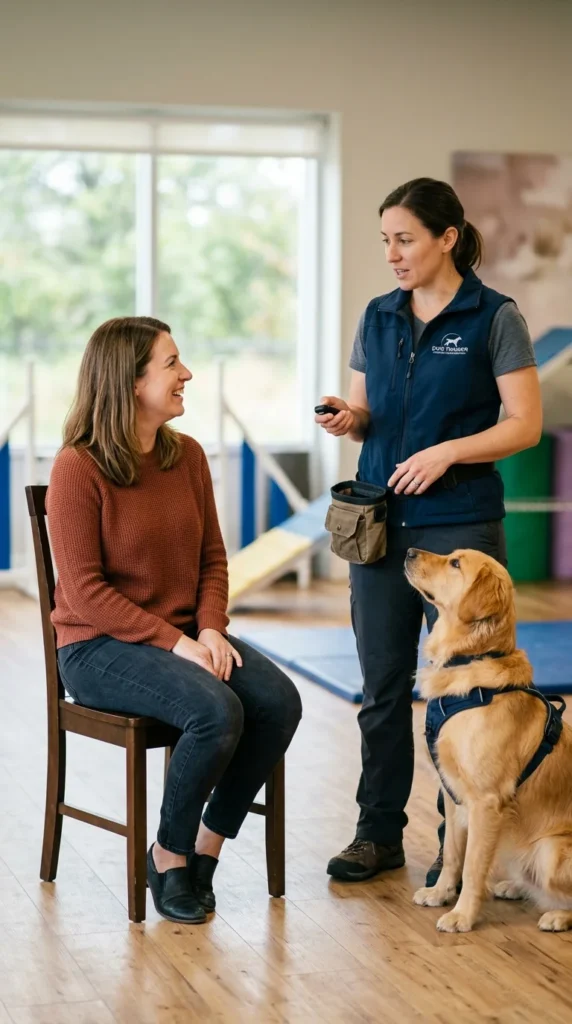
Focus on what you want the puppy to do, not just what you want them to stop doing. Reward the puppy frequently when they have all four paws on the floor and a closed mouth. By reinforcing the “quiet” moments, you make those behaviors more likely to happen in the future.
25. Puppy Classes
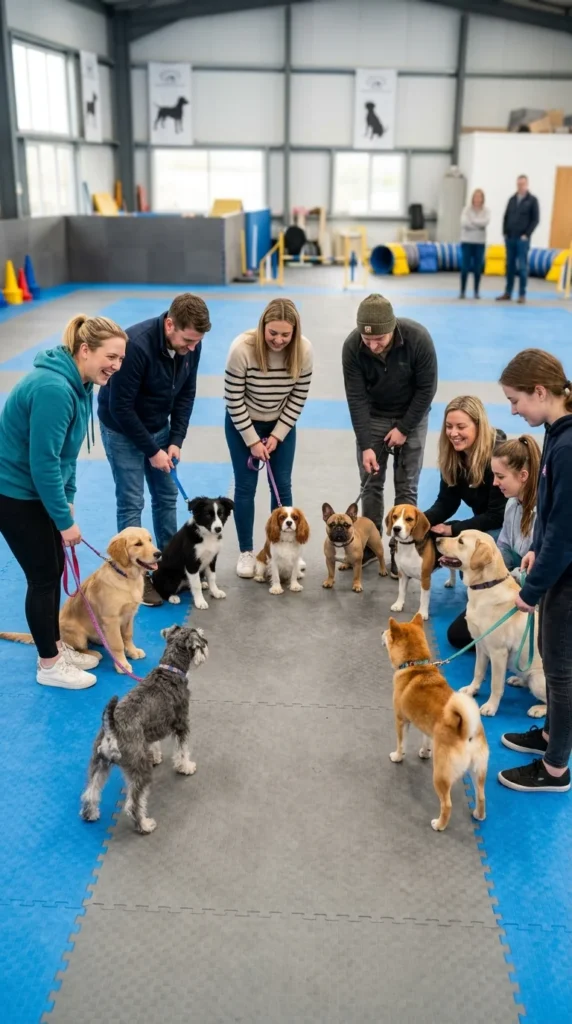
Structured classes provide a controlled environment for learning. Under the guidance of a professional, you can practice handling techniques and learn how to read your puppy’s body language, helping you identify when a “bite” is about to happen before it actually does.
26. Patience
Puppy biting is a phase. It usually subsides significantly once the adult teeth are fully in (around 6 months). Maintain your training, stay calm, and remember that your puppy isn’t being “bad”—they are simply learning how to exist in a human world without the benefit of hands.
27. Quiet Zones
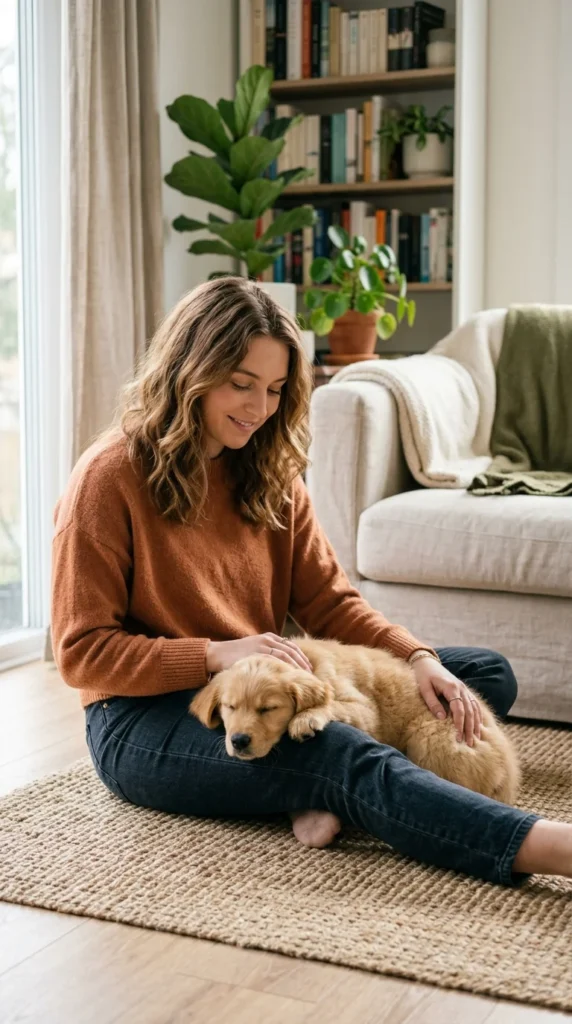
Create a designated “quiet zone” where the puppy goes when they are overstimulated. This isn’t a punishment, but a place for them to decompress with a long-lasting chew or a Kong toy. Giving them a space to settle down independently is a vital skill for preventing the “witching hour” nips.