
For centuries, the feline purr has been one of nature’s most comforting sounds. We hear that rhythmic vibration and immediately assume our feline friends are in a state of pure bliss. However, scientific research has revealed that the “motor” inside a cat is far more complex than a simple “happy” button. From evolutionary survival tactics to physiological healing, the reasons behind this behavior are as varied as they are fascinating.
1. Contentment
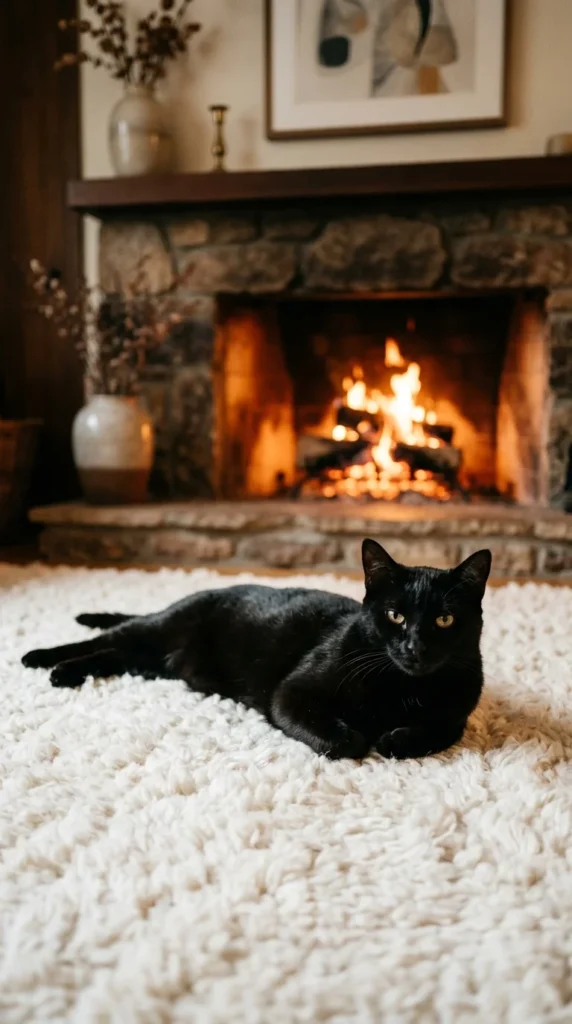
The most common reason cats purr is sheer happiness. When a cat is relaxed, being petted, or lounging in a sunbeam, its brain signals the laryngeal muscles to vibrate. This creates the classic low-frequency sound we associate with a “happy cat.” In this context, the purr serves as a signal to the world—and specifically to their human companions—that they are safe, comfortable, and perfectly satisfied with their current environment.
2. Communication
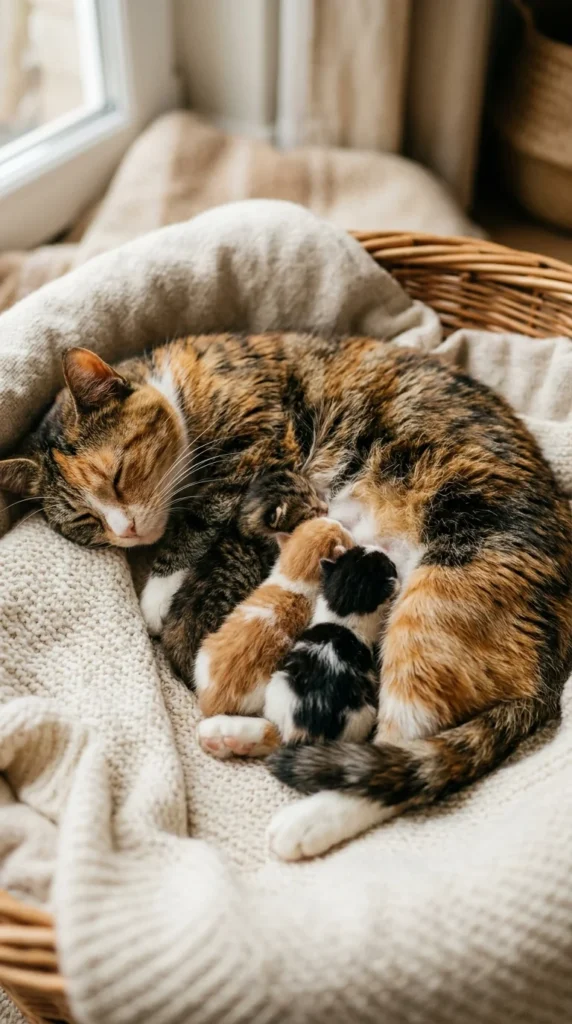
Purring begins just a few days after birth. Because kittens are born blind and deaf, they cannot see or hear their mother, but they can feel the vibrations of her purr. This acts as a homing beacon, leading them to her body for warmth and milk. The kittens soon begin to purr back, creating a two-way communication system that tells the mother they are doing well and getting enough nourishment.
3. Healing
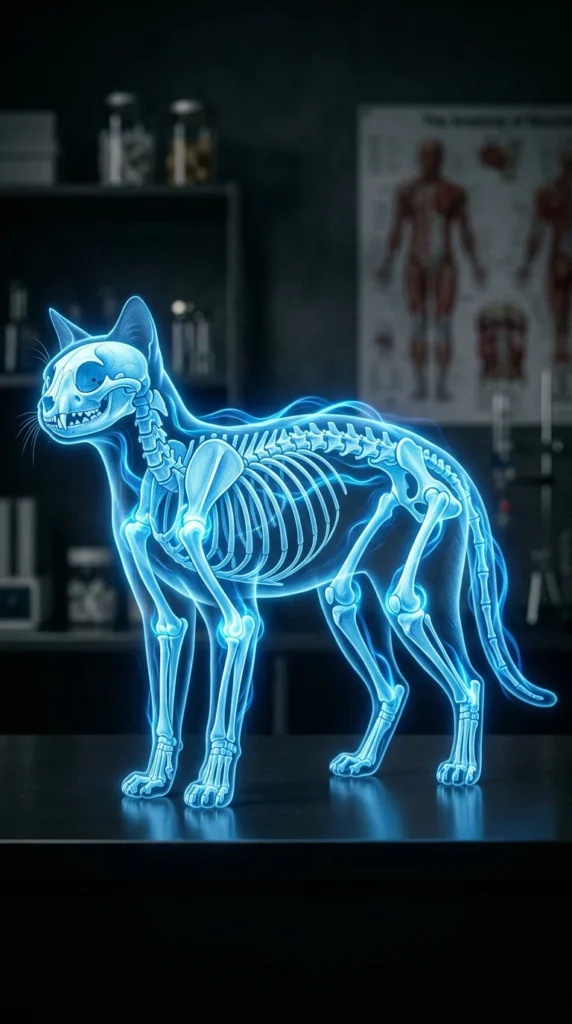
One of the most remarkable discoveries in feline science is that purring may actually be a survival mechanism. Domestic cats purr at a frequency between 25 and 150 Hertz. Research has shown that sound frequencies in this range can improve bone density and promote the healing of tendons and muscles. This means a cat’s purr might literally be a built-in therapeutic system that helps them recover from injuries faster and keeps their bones strong even during long periods of sleep.
4. Hunger
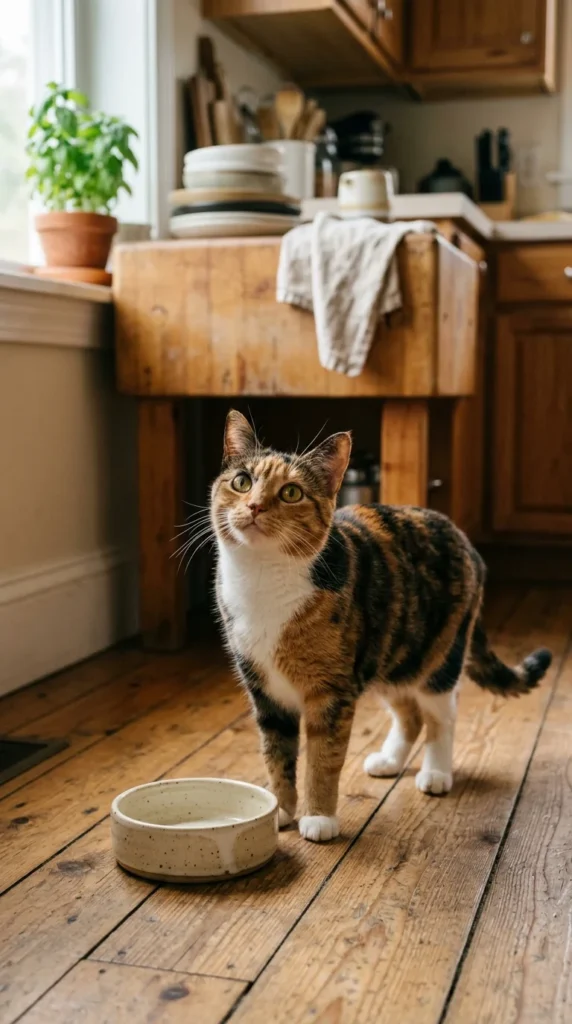
Have you ever noticed a purr that sounds particularly urgent? This is known as a “solicitation purr.” It combines the usual low-frequency vibration with an unpleasant, high-pitched cry or whine. This specific frequency mimics the sound of a human baby crying, which triggers an instinctive nurturing response in our brains. Cats have learned to use this specific purr to manipulate their owners into filling the food bowl early.
5. Stress
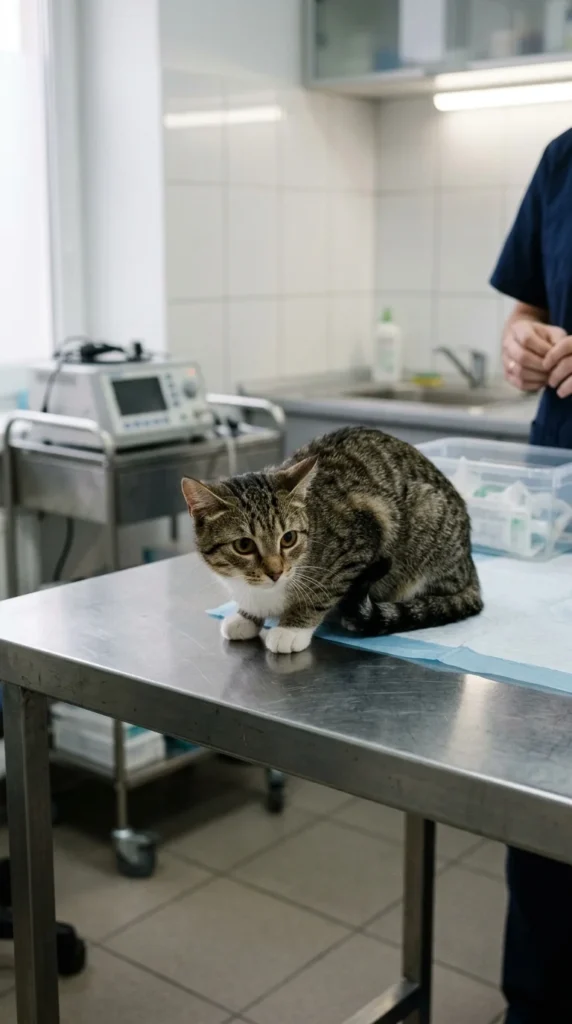
It may seem counterintuitive, but cats often purr when they are extremely stressed or frightened. You might notice your cat purring loudly on the way to the vet or during a thunderstorm. In these instances, the purr is a self-soothing mechanism. It’s the feline equivalent of a human humming to themselves or taking deep breaths to stay calm in a high-pressure situation.
6. Kittenhood
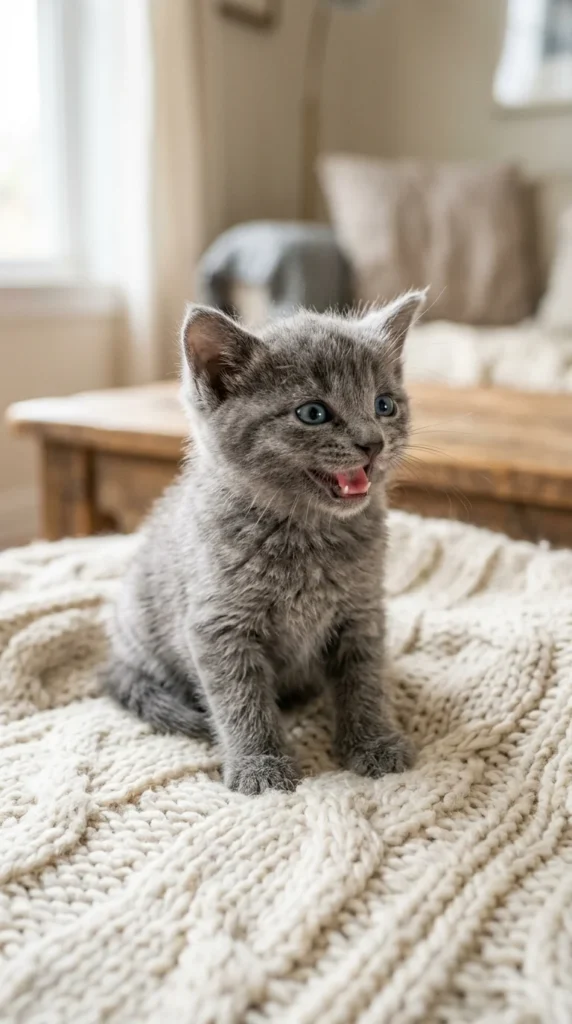
As mentioned, kittens use purring to bond with their mothers, but it also serves as their first form of social expression. In the wild, a loud meow could attract predators, but a low-pitched purr is a “stealth” form of communication. It allows kittens to signal their presence and their needs to their mother without alerting nearby threats, ensuring their safety during their most vulnerable stage of life.
7. Pain
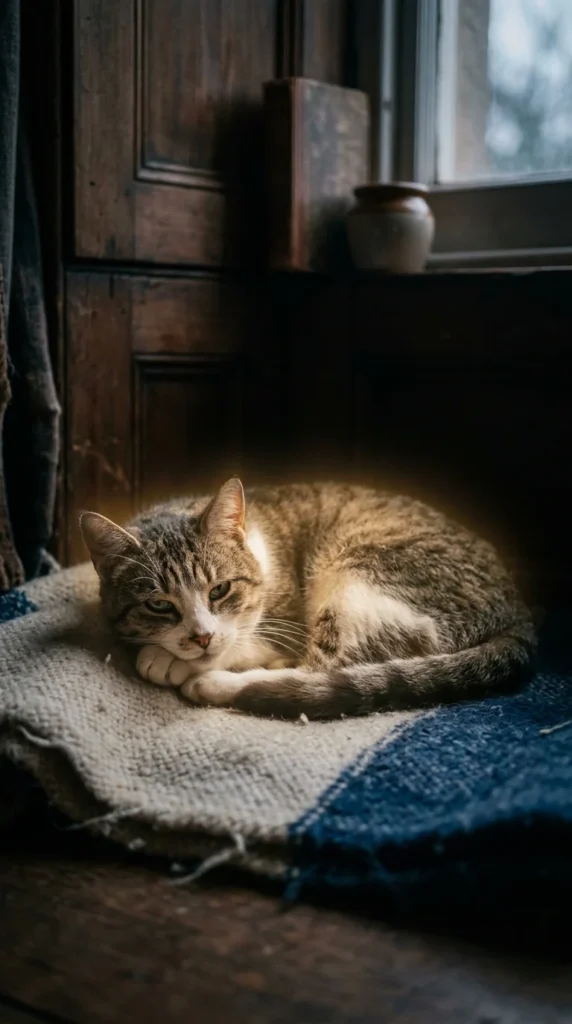
Veterinarians have documented cats purring while they are in significant pain or even while they are dying. This is believed to be a way for the cat to release endorphins and manage their discomfort. By creating a rhythmic vibration, the cat can lower its heart rate and regulate its breathing, providing a natural form of “painkillers” produced by its own body.
8. Nursing
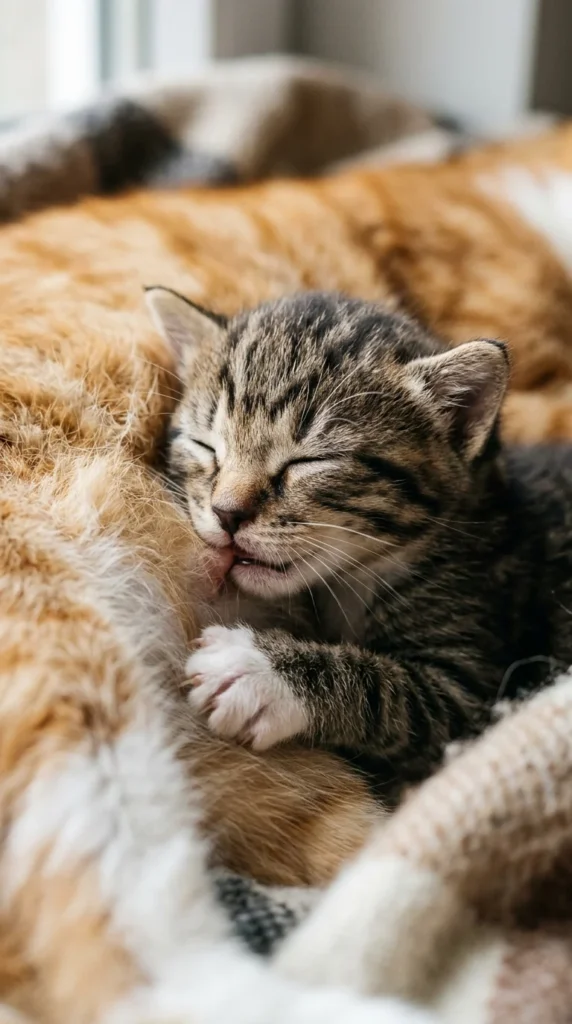
The act of nursing is a high-vibration event. Both the mother and the kittens purr simultaneously. For the mother, it releases hormones that help with milk let-down and bonding. For the kittens, it ensures they stay connected to the source of food. This mutual purring creates a rhythmic harmony that strengthens the maternal bond and ensures the litter’s survival.
9. Bonding
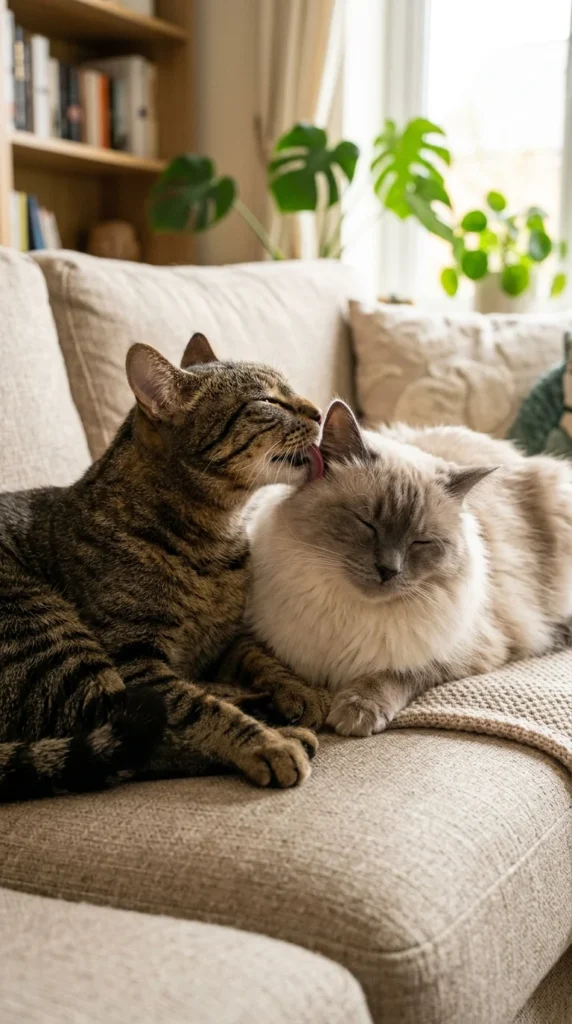
Cats are often perceived as solitary creatures, but they are actually quite social. When two cats who are friends (allogrooming) sit together, they often purr in unison. This shared vibration is a way of reinforcing their social bond and signaling that they are not a threat to one another. It is a gesture of friendship and communal peace within the “colony” or household.
10. Greeting
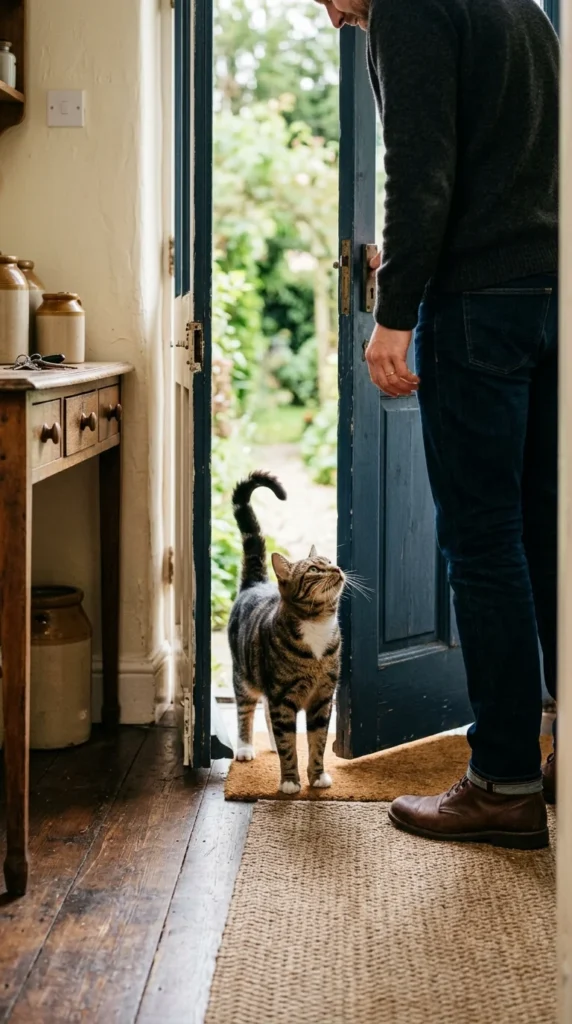
When you walk through the door after a long day, does your cat greet you with a rub against your legs and a loud purr? This is a greeting purr. It serves as a “welcome home” signal, acknowledging your presence and re-establishing the social connection between you. It’s their way of saying, “I recognize you, you belong here, and I am glad you are back.”
11. Sleep
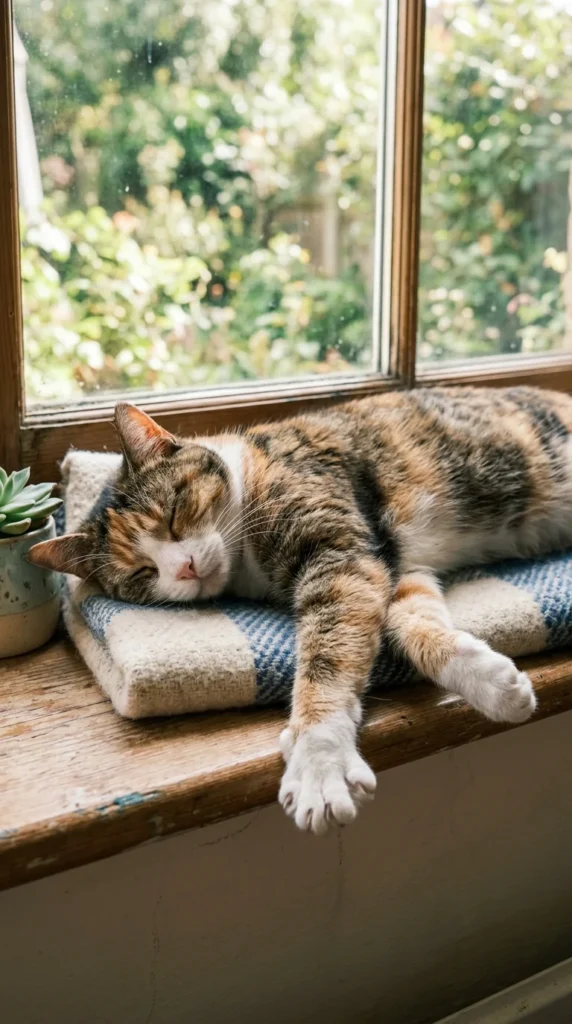
Even in the deepest stages of sleep, a cat can sometimes be heard purring. Scientists believe this might be related to the healing theory. Since cats spend a significant portion of their lives sleeping or resting to conserve energy, purring during these periods may be a way to keep their muscles and bones healthy without having to actually move. It’s like a passive workout for their internal systems.
12. Labor
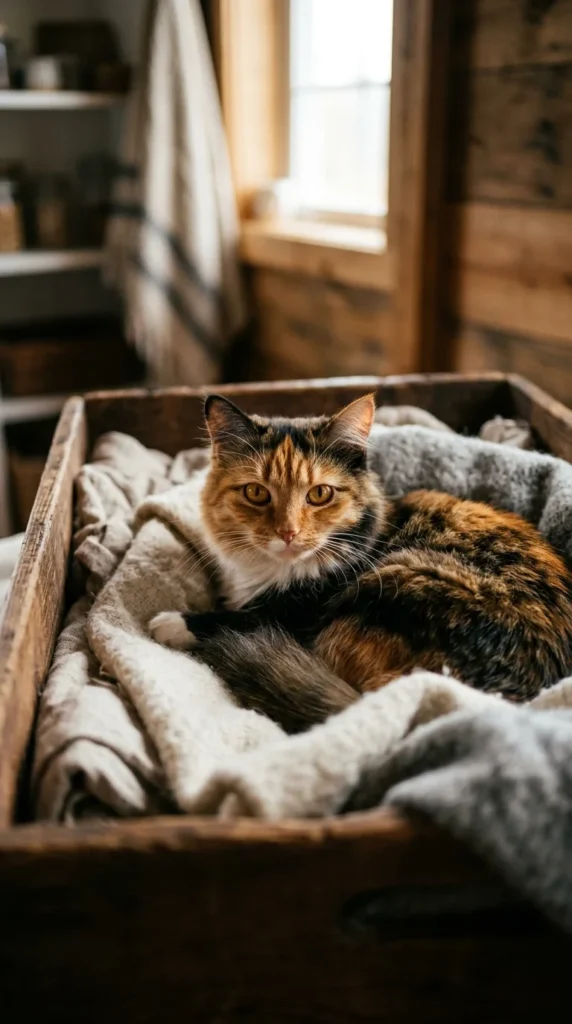
Female cats often purr throughout the entire process of giving birth. Labor is a physically demanding and painful experience. The purring helps the mother cat stay calm, manage the pain of contractions, and potentially even speed up the recovery of her tissues after the kittens are born. It also immediately introduces the newborns to the comforting vibration they will rely on for weeks.
13. Self-Soothing
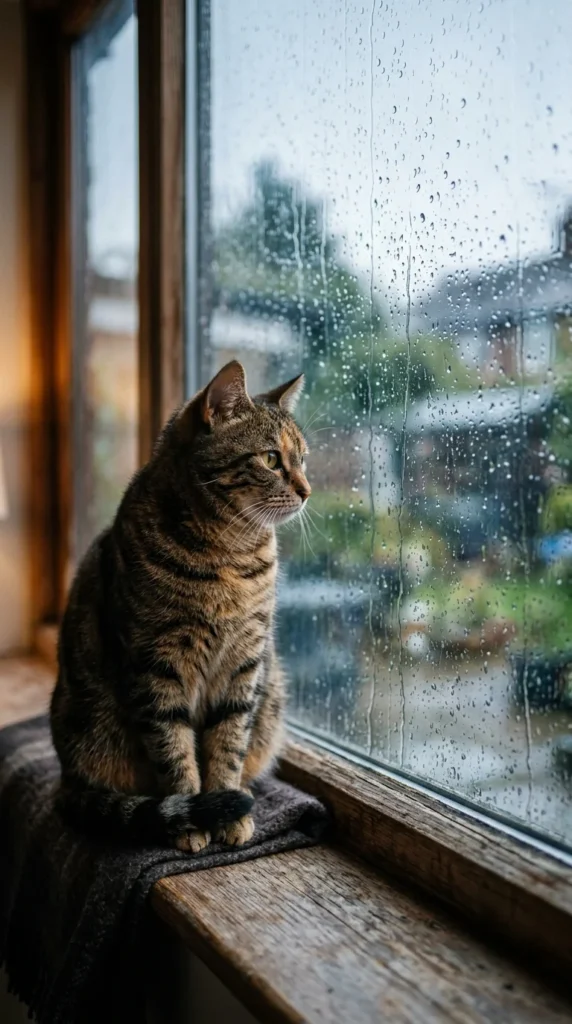
Similar to stress management, self-soothing is about emotional regulation. If a cat has had a confusing or mildly upsetting interaction—perhaps they missed a jump or were hissed at by another pet—they might go off to a quiet corner and purr to themselves. This helps them reset their emotional state and return to a baseline of calm.
14. Gratitude
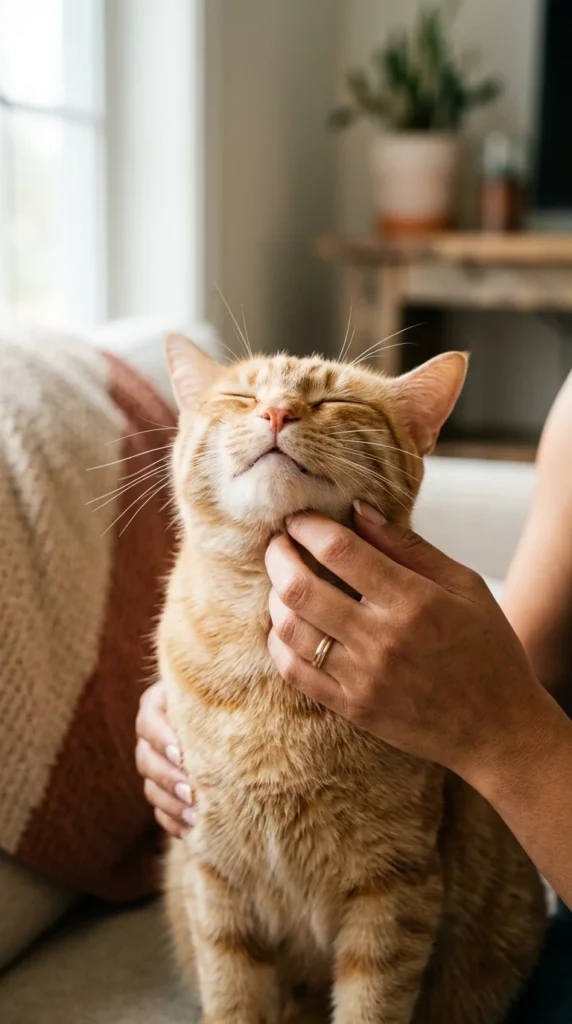
While “gratitude” is a human emotion, cats show a version of it through purring. When you provide them with something they value—be it a favorite treat, a fresh bowl of water, or a particularly good scratching session—the purr acts as positive reinforcement. It tells the human that they have done something right, encouraging the behavior to happen again in the future.
15. Relaxation
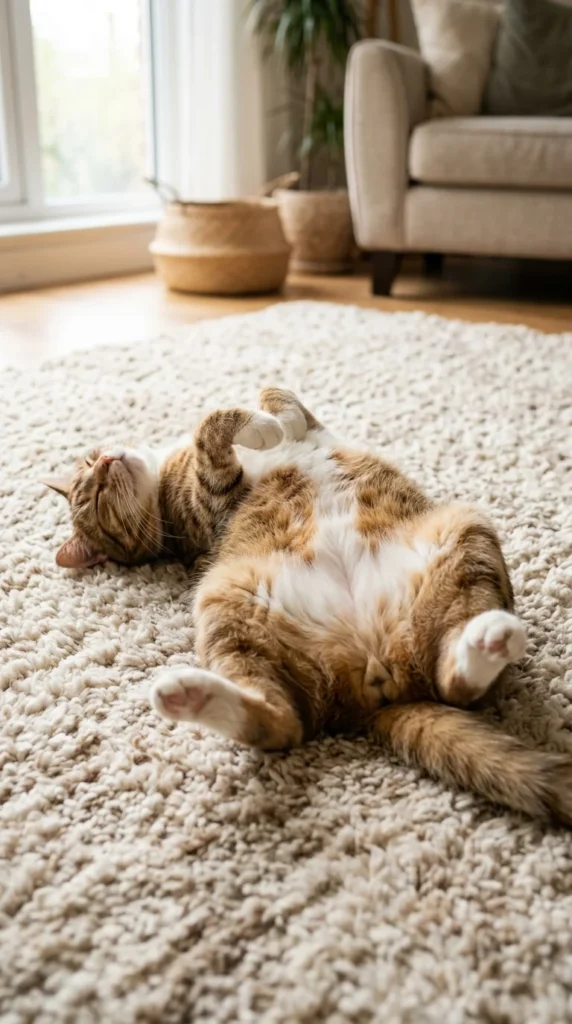
Beyond simple happiness, purring is a sign of deep relaxation. When a cat feels 100% safe in its environment, it enters a state of physiological rest that is accompanied by purring. This lowers their blood pressure and heart rate. Interestingly, being near a purring cat can also lower a human’s blood pressure, making the relaxation contagious across species.
16. Vibration
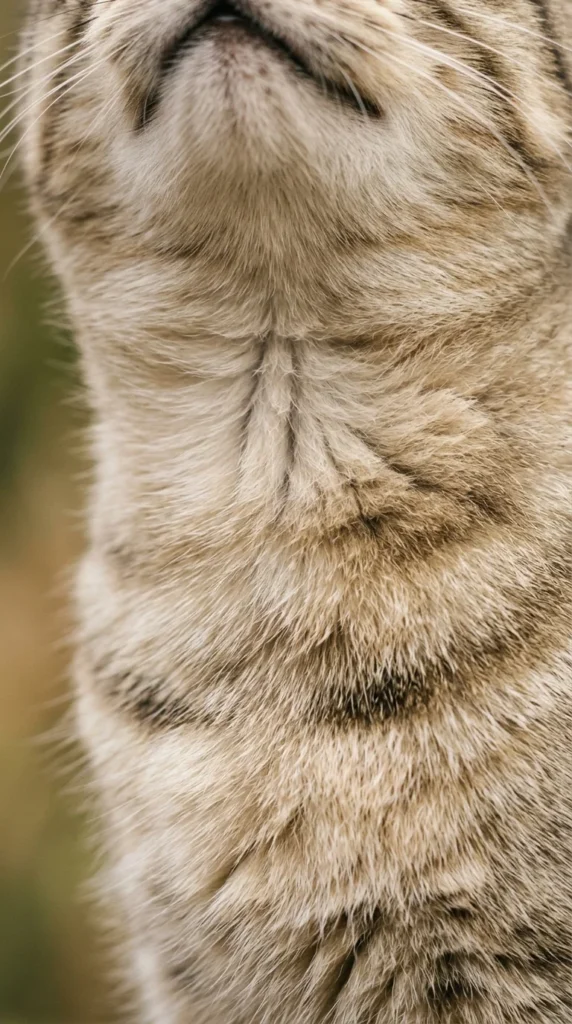
The mechanics of the purr are a reason in themselves. Unlike other vocalizations, the purr happens on both the inhale and the exhale. This continuous vibration is unique to felines (and a few other animals like civets). Some experts believe the physical act of vibrating the diaphragm and larynx is simply a pleasurable sensation for the cat, much like a human might enjoy the feeling of singing or humming.
17. Blood Pressure
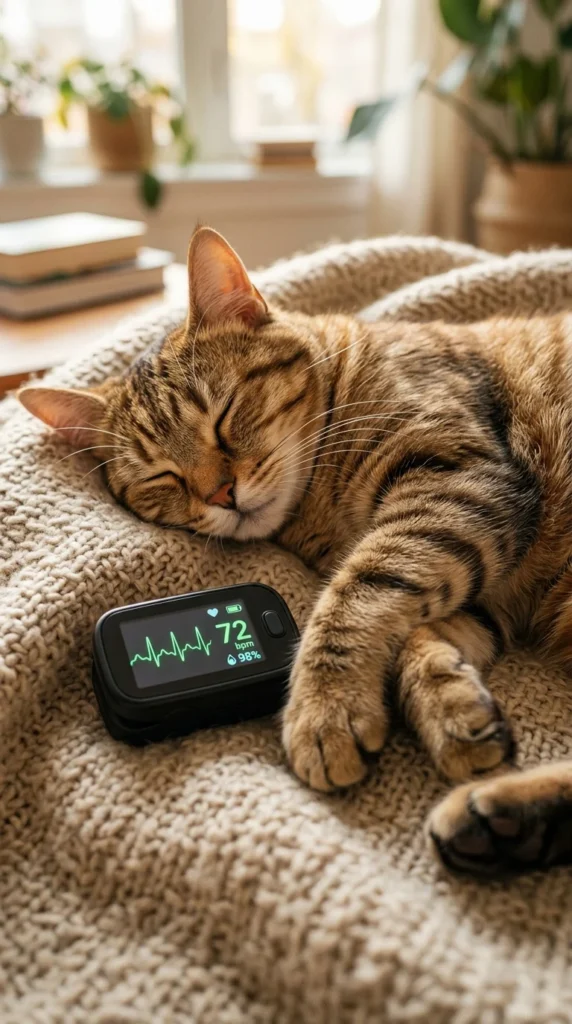
As mentioned, purring helps regulate the cat’s own circulatory system. By maintaining a steady vibration, the cat can keep its blood pressure from spiking during times of moderate excitement or stress. This internal regulation is key to the cat’s reputation for being “cool, calm, and collected” even when they are alert and hunting.
18. Insecurity
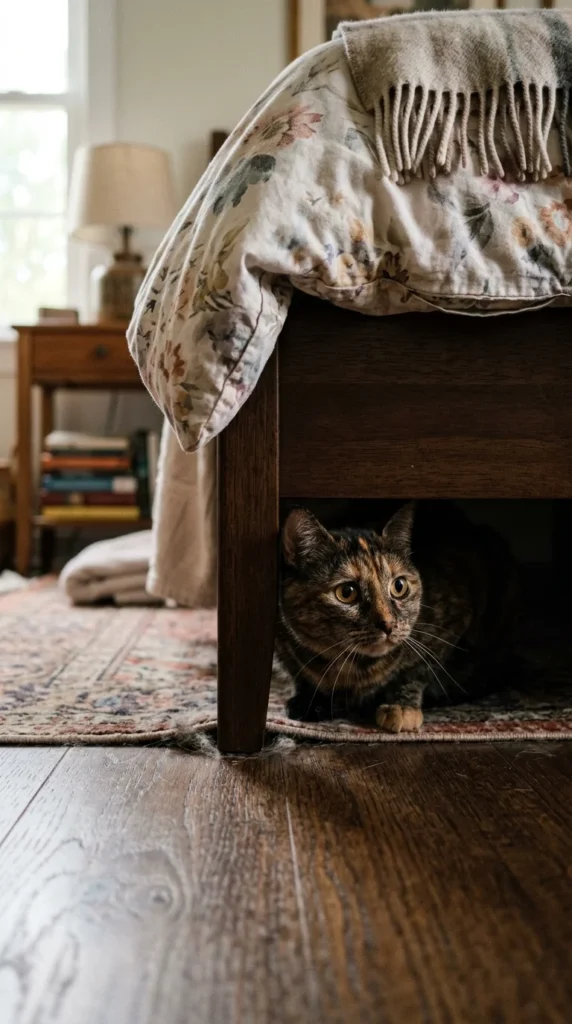
Sometimes, a purr is a “submissive” signal. If a cat is approached by a more dominant cat or a person they are unsure about, they may purr to signal that they are not a threat. It’s a way of saying, “I am peaceful, please don’t hurt me.” In this context, the purr is a tool for conflict de-escalation.
19. Longevity
Because purring helps with bone density and tissue repair, it is theorized that domestic cats may live longer than they would otherwise because of this “vibratory therapy.” By keeping their bodies in a constant state of low-level repair, cats can maintain their agility and health well into their senior years. The purr is essentially a fountain of youth built into their anatomy.
20. Mystery
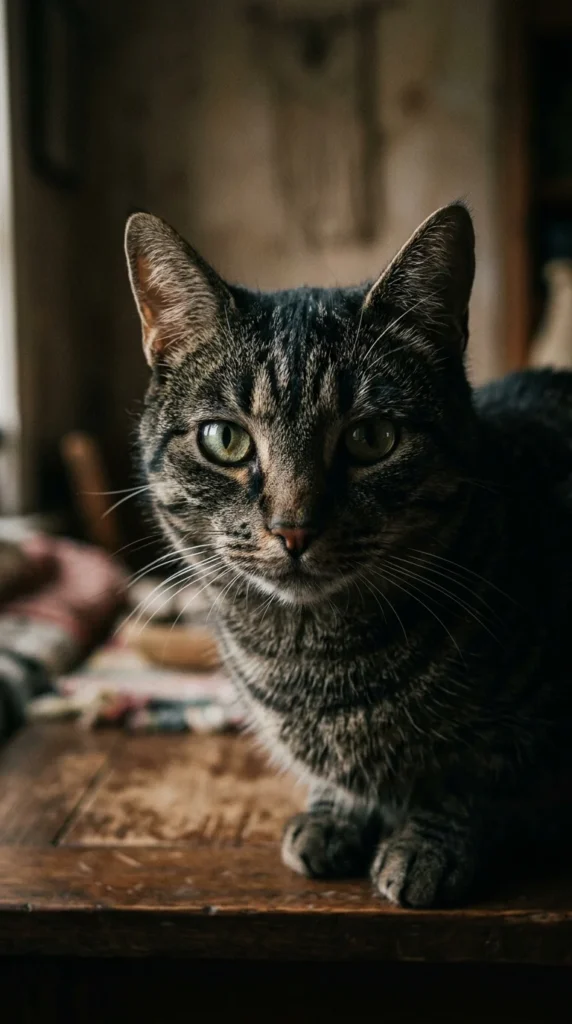
Despite everything we know, there is still an element of mystery to the purr. Cats are famously enigmatic, and science hasn’t mapped every single neuron responsible for this behavior. Why do some cats purr louder than others? Why do some cats not purr at all? The final reason cats purr is simply because they are cats—possessing a secret language that humans are still, after thousands of years, trying to fully translate.