For many animal lovers, the dream of owning a cat is often cut short by the itchy eyes, runny noses, and relentless sneezing associated with pet allergies. However, the term “hypoallergenic” doesn’t mean a cat is 100% allergy-free; rather, it refers to breeds that are less likely to stimulate an allergic reaction. This is usually because they produce less of the Fel d 1 protein—the primary allergen found in feline saliva and skin oils—or because they shed significantly less hair and dander into the environment.
If you are looking for a feline companion that won’t leave you reaching for the antihistamines every five minutes, this comprehensive guide explores 21 breeds known for their low-shedding coats and “allergy-friendly” reputations.
1. Sphynx
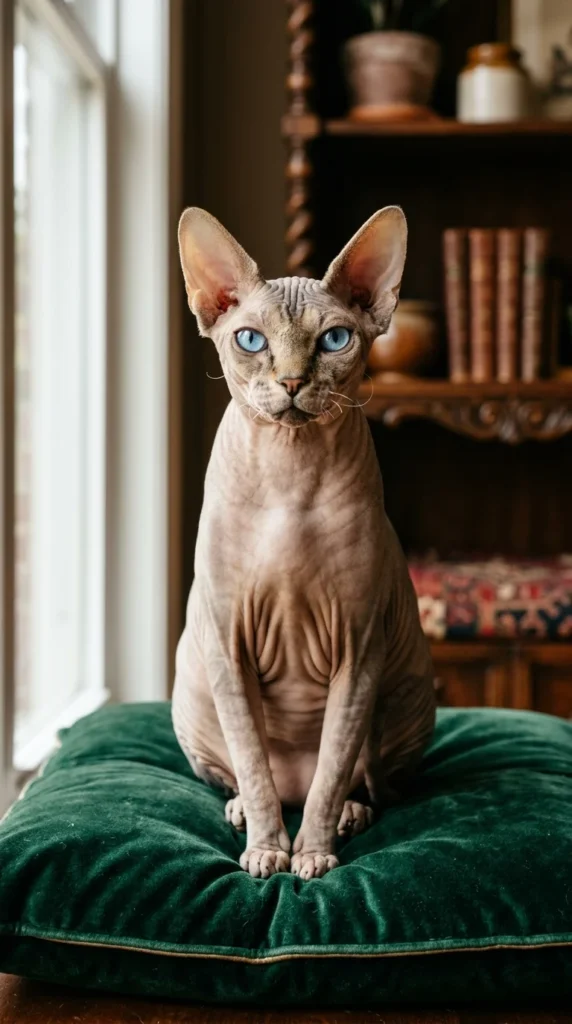
The Sphynx is perhaps the most famous “hypoallergenic” cat because it is virtually hairless. Without a thick coat to trap saliva and dander, the allergens don’t spread around your home as easily. However, Sphynx cats do require regular sponge baths to remove the oils that build up on their skin, which would otherwise be absorbed by fur. They are incredibly social, loyal, and often described as “part-monkey, part-dog, part-child.”
2. Siberian
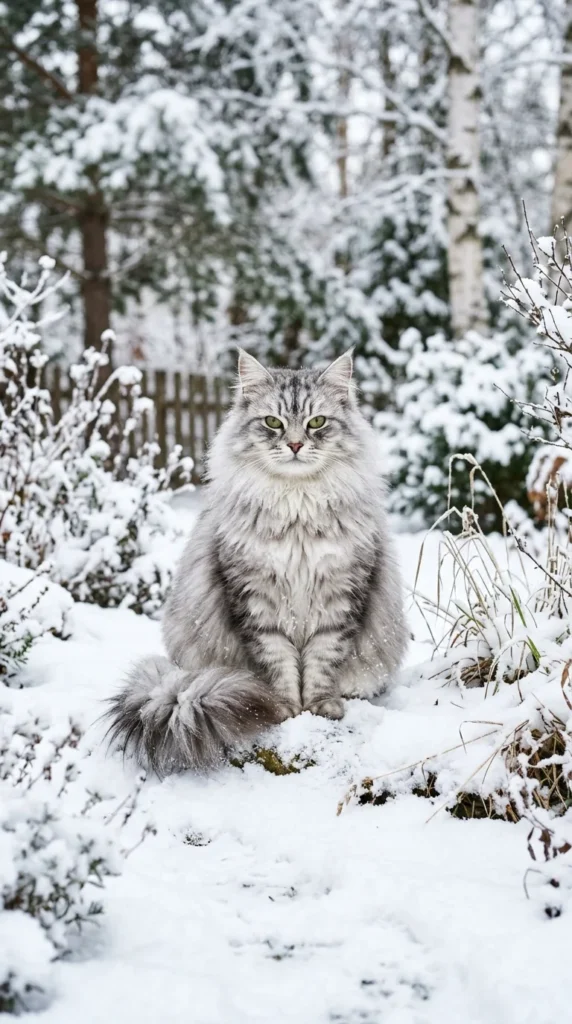
It might seem counterintuitive to include a long-haired, fluffy cat on this list, but the Siberian is a biological marvel. Research suggests that Siberians produce significantly lower levels of the Fel d 1 protein compared to other breeds. Even with their luxurious, triple-layered coats, many allergy sufferers find they can coexist with a Siberian without symptoms. They are calm, intelligent, and surprisingly agile for their size.
3. Bengal
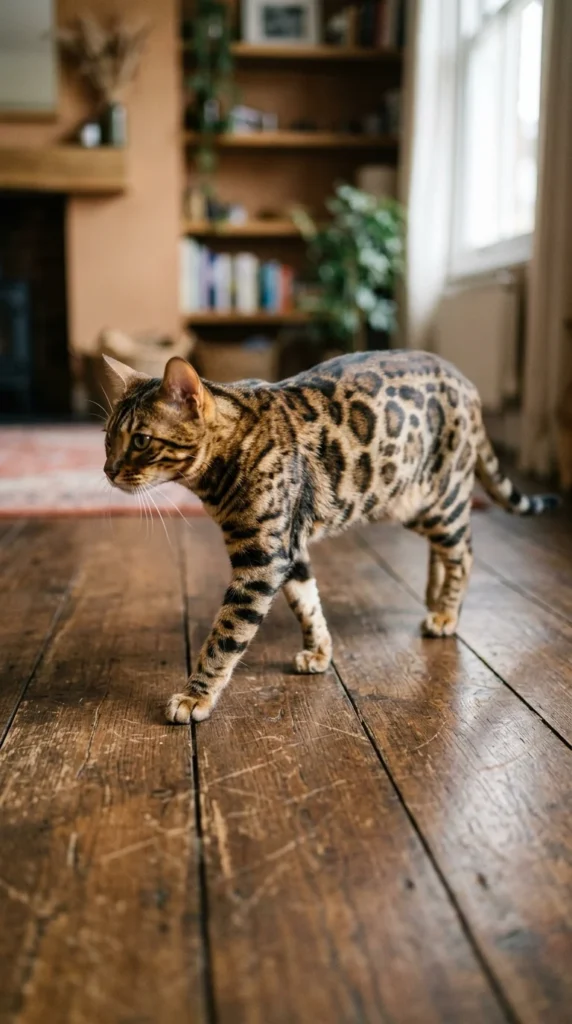
Bengals are known for their stunning, wild appearance and their unique “pelt-like” coats. Unlike many other breeds, the Bengal’s fur is very short and requires minimal grooming. They don’t shed nearly as much as the average house cat, meaning less allergen-laden fur is deposited on your furniture. Bengals are high-energy, vocal, and love to climb, making them perfect for active households.
4. Russian Blue
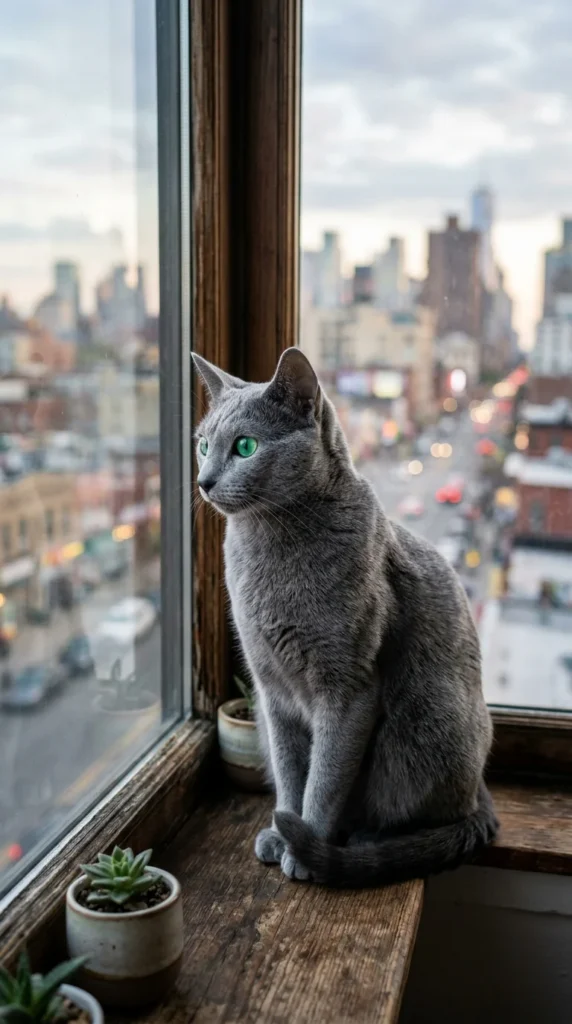
The Russian Blue possesses a dense double coat that stands out from the body at a 45-degree angle. While they do have fur, it is believed that they produce less Fel d 1 protein. Additionally, their thick coat traps allergens closer to the skin, preventing them from becoming airborne. These cats are known for being somewhat shy with strangers but incredibly devoted to their chosen humans.
5. Balinese
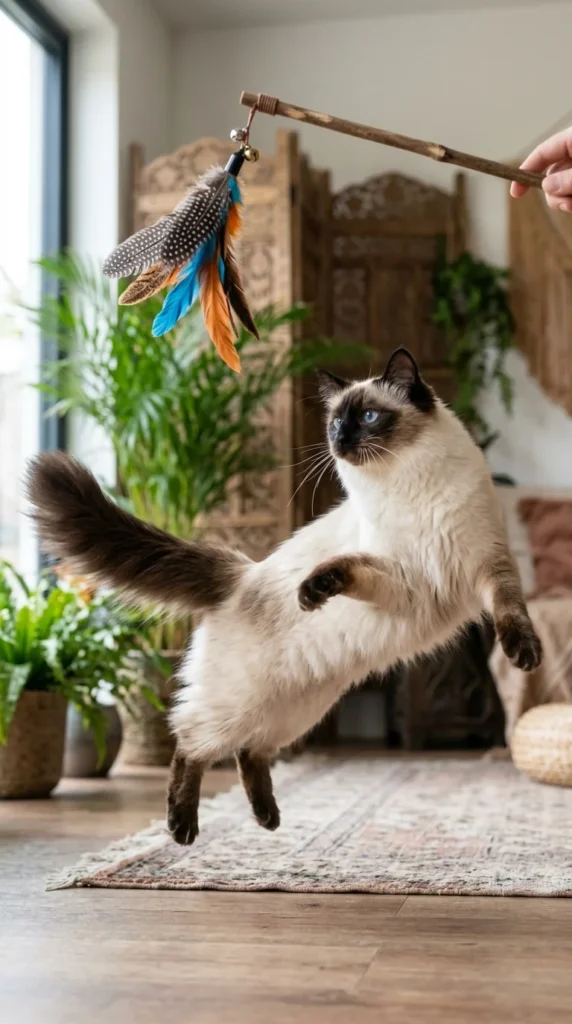
Often called the “Long-haired Siamese,” the Balinese is another exception to the rule that long hair equals more allergies. Like the Siberian, the Balinese is known for producing lower amounts of the Fel d 1 protein. Because they lack an undercoat, their silky fur lies flat against the body and is less prone to matting and shedding. They are talkative, affectionate, and highly sensitive to their owner’s moods.
6. Devon Rex
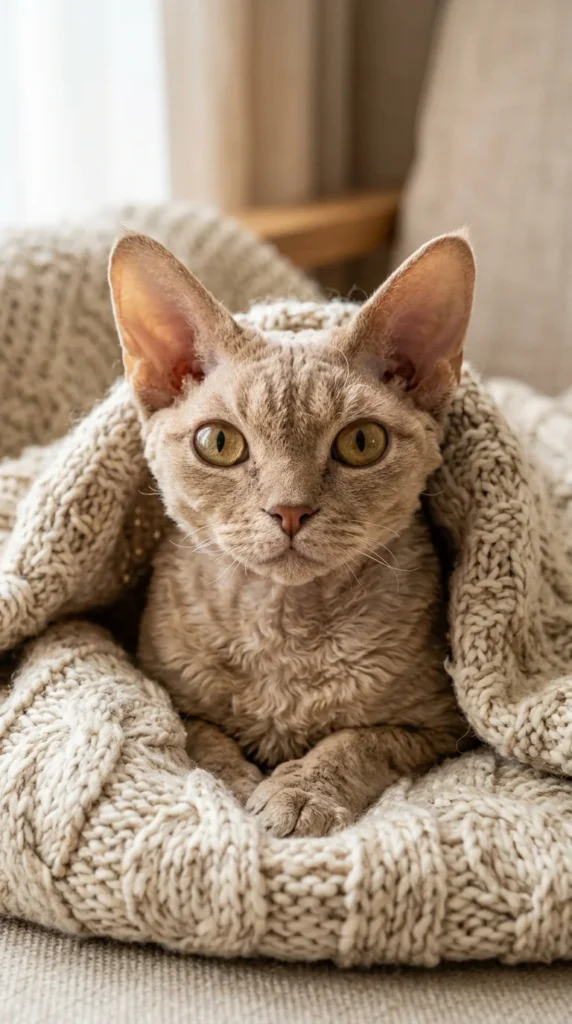
The Devon Rex is famous for its “pixie” look and its unique, curly fur. They have very little topcoat (guard hair) and mostly consist of soft down hair. This means they shed very little and are often tolerated well by those with mild allergies. Their personality is often described as “clownish,” as they love to perform tricks and stay close to their owners’ shoulders.
7. Cornish Rex
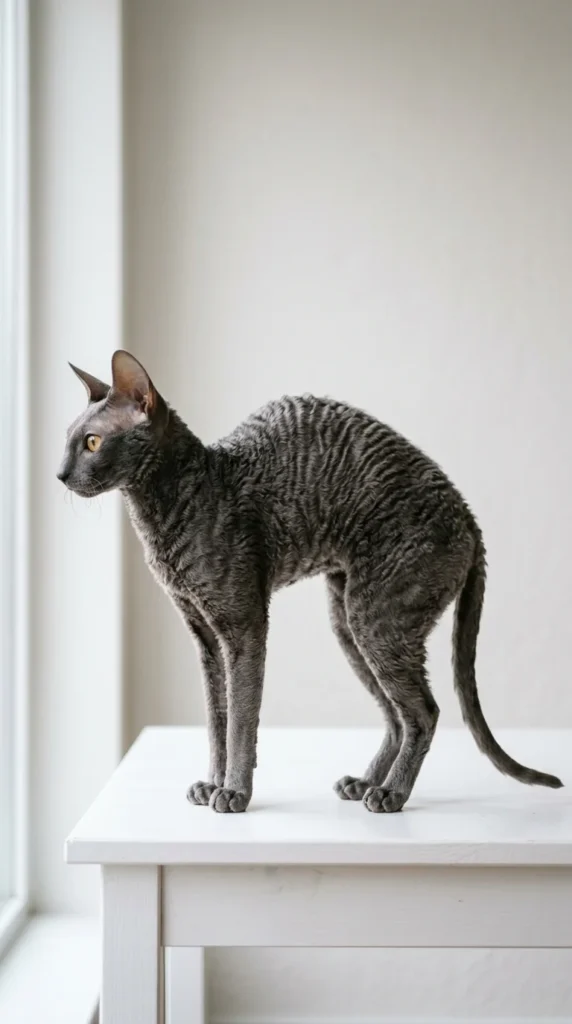
Similar to the Devon Rex, the Cornish Rex has a very unusual coat. While most cats have three layers of fur (guard hair, awn hair, and down hair), the Cornish Rex only has the bottom layer—the soft down hair. This results in a coat that feels like velvet or silk. They are extremely low-shedding and possess an energetic, kitten-like personality that lasts well into their adult years.
8. Oriental Shorthair
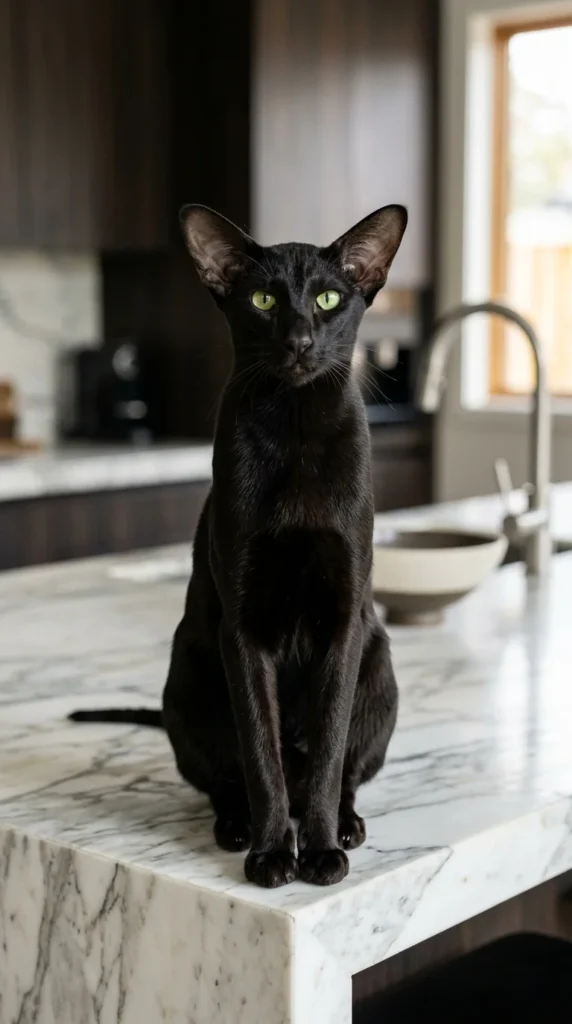
The Oriental Shorthair is a member of the Siamese family and comes in over 300 different colors and patterns. Their coat is incredibly short and fine, lying very close to the skin. They shed very little, and regular brushing with a rubber mitt can almost entirely eliminate loose hairs in the home. They are highly social and do best in homes where they have plenty of company.
9. Siamese
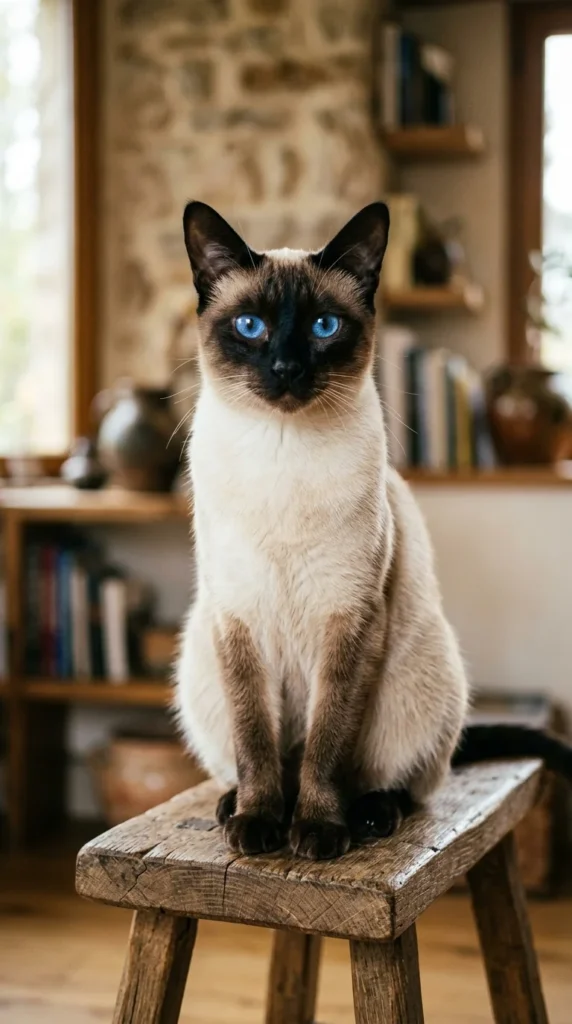
The Siamese is one of the most recognizable breeds in the world. They are considered hypoallergenic because they have a very short, fine coat that sheds much less than other breeds. While they do produce the Fel d 1 protein, the lack of heavy shedding helps keep the allergen levels low in a household. Siamese cats are famously vocal and will “talk” to you all day long.
10. Javanese
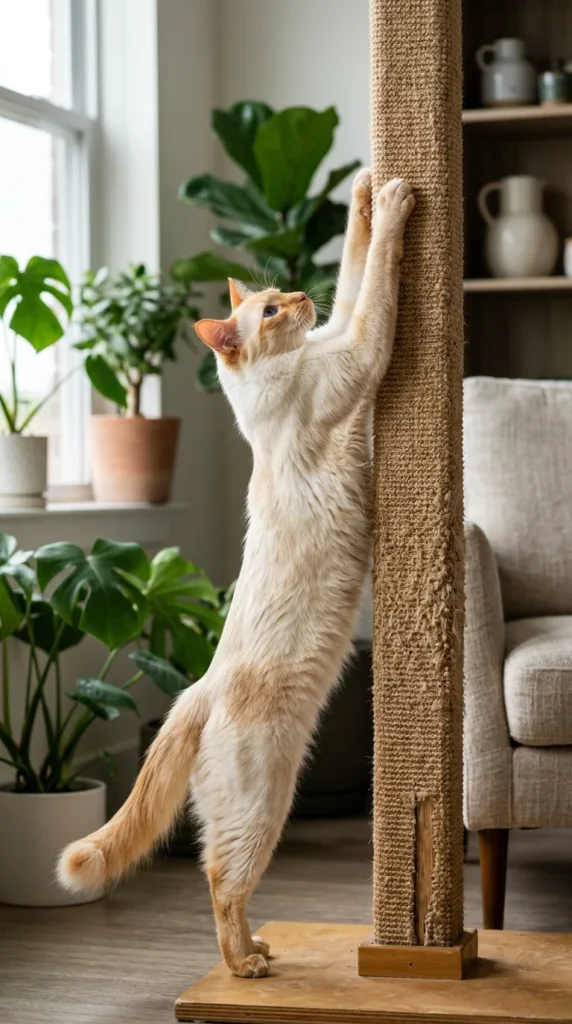
The Javanese is a designer breed developed from a cross between the Balinese and the Colorpoint Shorthair. Like the Balinese, they lack an undercoat, which means they have less fur to shed and fewer places for dander to hide. They are highly intelligent and are known for their ability to learn tricks and even walk on a leash.
11. Burmese
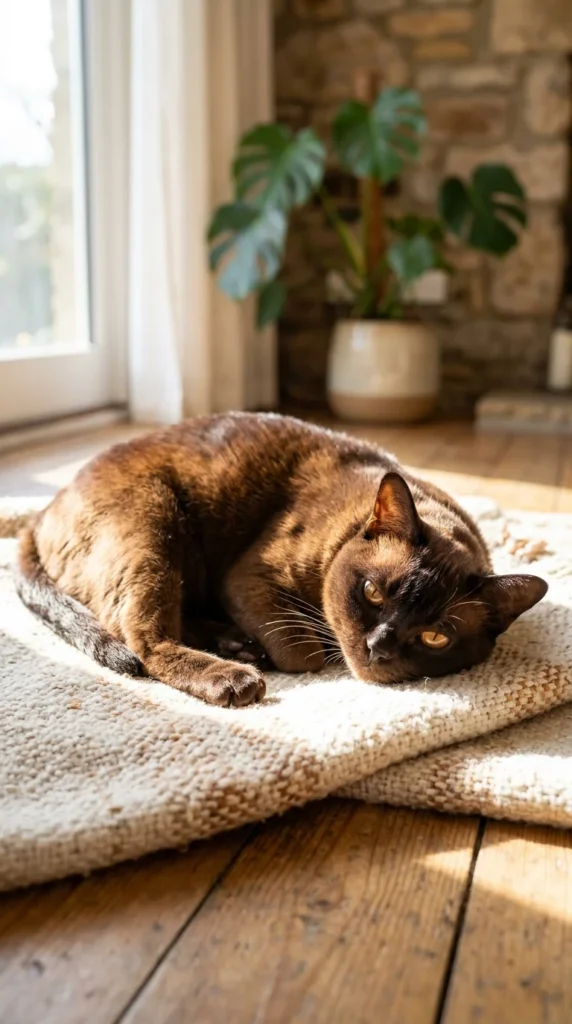
Burmese cats have a very short, silky coat that requires minimal maintenance. They are not heavy shedders, and their dander production is relatively low. They are often described as “bricks wrapped in silk” because they are surprisingly heavy for their size. These cats are extremely people-oriented and often behave more like dogs than typical felines.
12. Ocicat
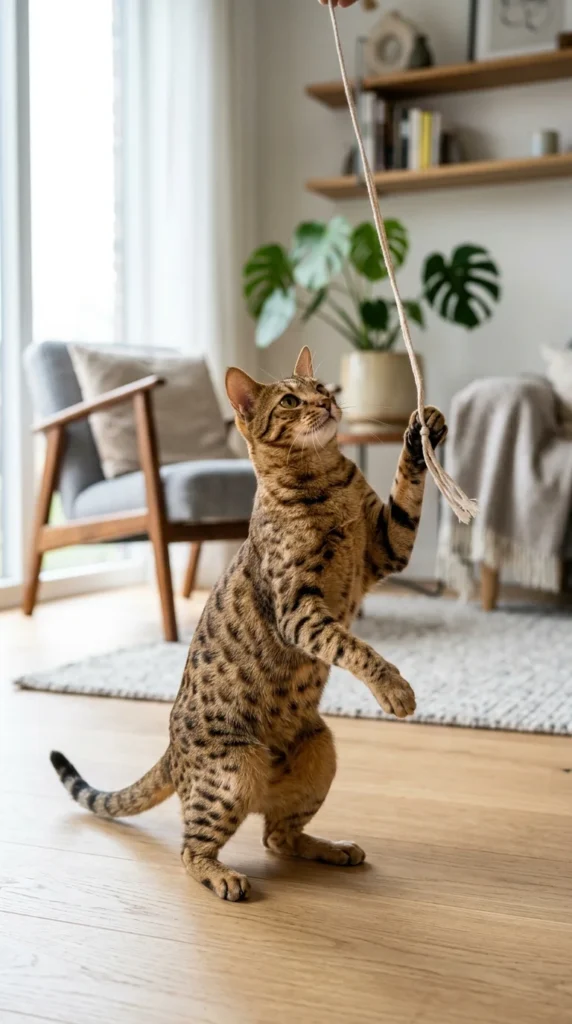
Despite its wild appearance, the Ocicat is entirely domestic. It was bred from Siamese and Abyssinian stock, inheriting the short, tight coat of its ancestors. The Ocicat sheds very little and is an excellent choice for those who want a “wild” look without the allergy issues of a long-haired breed. They are highly active and thrive on interactive play.
13. Colorpoint Shorthair
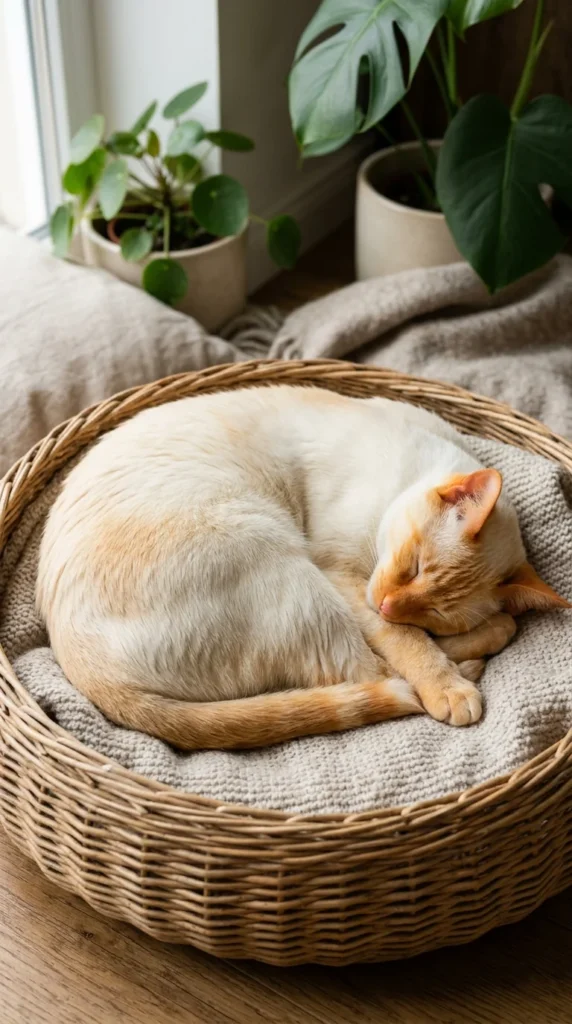
Essentially a Siamese cat in “non-traditional” colors, the Colorpoint Shorthair shares the same low-shedding characteristics. Their coat is very short and lies flat, making it easy to manage for allergy sufferers. They are cousin to the Oriental Shorthair and are equally demanding of attention and affection.
14. Korat
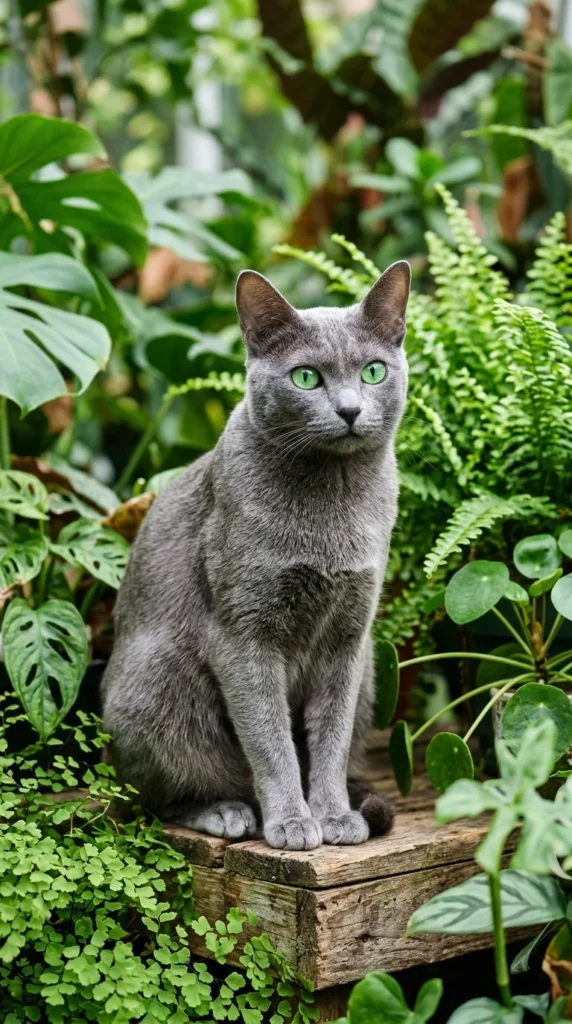
The Korat is a rare breed from Thailand, traditionally considered a symbol of good luck. They have a single-layered coat that sits close to the body. Because they don’t have a downy undercoat, they shed very little hair. Korats are known for their exceptional senses of hearing, sight, and smell, and they form very deep bonds with their families.
15. LaPerm
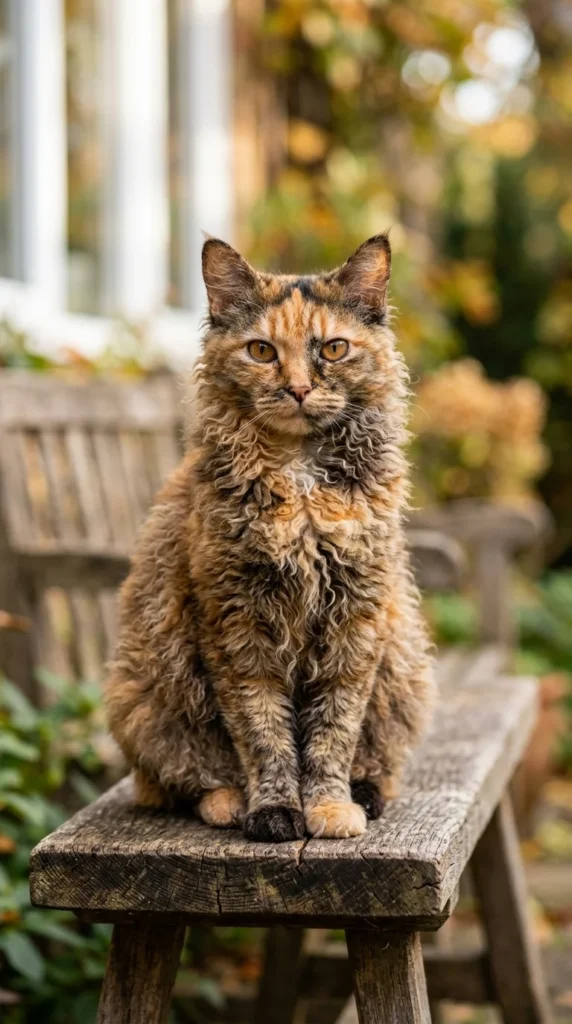
The LaPerm is famous for its “perm-like” curly fur. Interestingly, many LaPerm owners with allergies report no reaction to the breed. The curls help trap loose hair and dander, preventing it from spreading. While they look high-maintenance, their coat is surprisingly easy to care for and doesn’t mat easily.
16. Peterbald
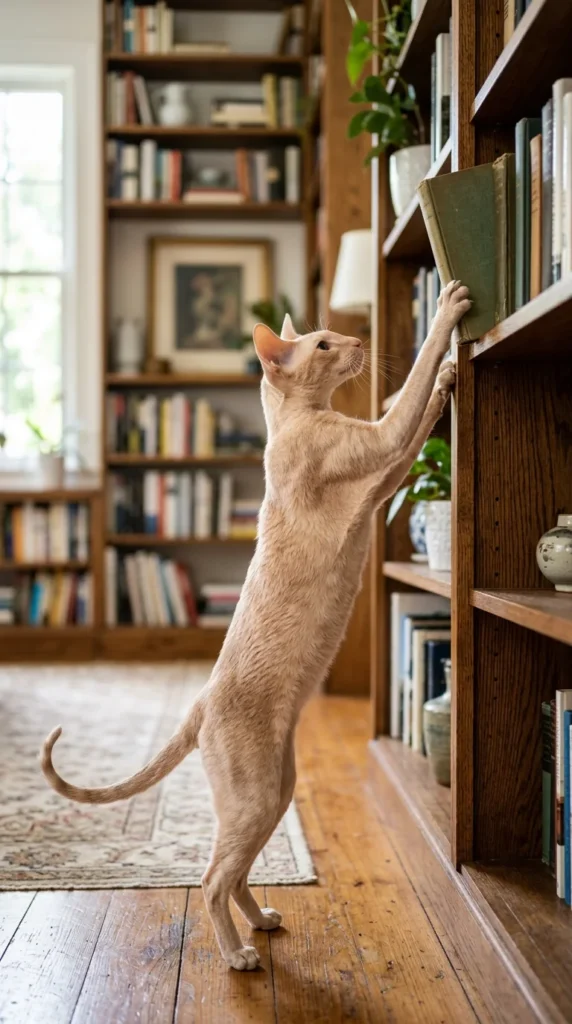
The Peterbald is a Russian breed that can range from being completely hairless to having a short, “velour” coat. They have a very high metabolism and require regular cleaning to manage skin oils, much like the Sphynx. Their lack of traditional fur makes them a top choice for people who cannot tolerate cat hair in their environment.
17. Donskoy
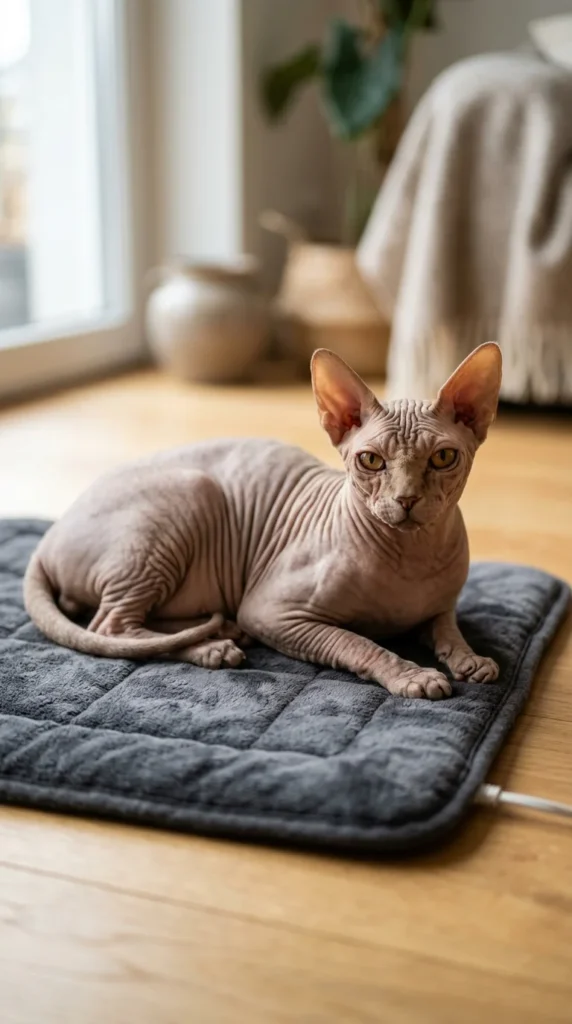
Also known as the Don Sphynx, this breed is not actually related to the Canadian Sphynx. Their hairlessness is caused by a dominant gene rather than a recessive one. Like other hairless breeds, they don’t shed fur, which significantly reduces the spread of dander. They are very affectionate and need protection from both the cold and the sun.
18. Savannah
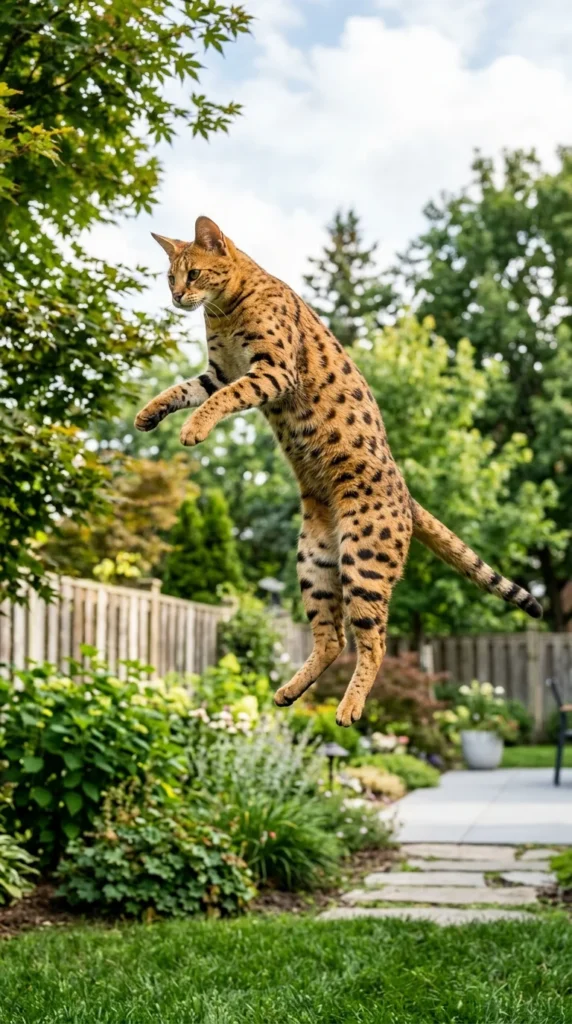
The Savannah is a cross between a domestic cat and a Serval. They have a very short, coarse coat that is incredibly low-shedding. While they are a “high-protein” breed (they can produce Fel d 1), their lack of shedding makes them more manageable for some. Note that Savannahs are very high-energy and require a lot of space and mental stimulation.
19. Egyptian Mau
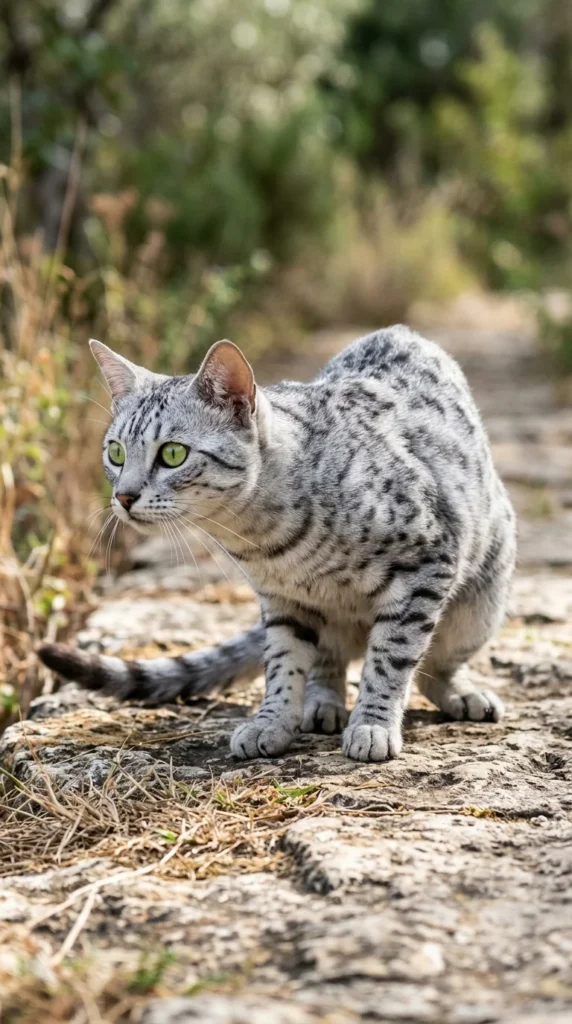
The Egyptian Mau is one of the few naturally spotted breeds of domestic cat. Their coat is medium-short and has a unique sheen. They are not known for heavy shedding, and many owners find them easier on the sinuses than other breeds. They are also the fastest of all domestic cats, capable of running up to 30 mph.
20. Tonkinese
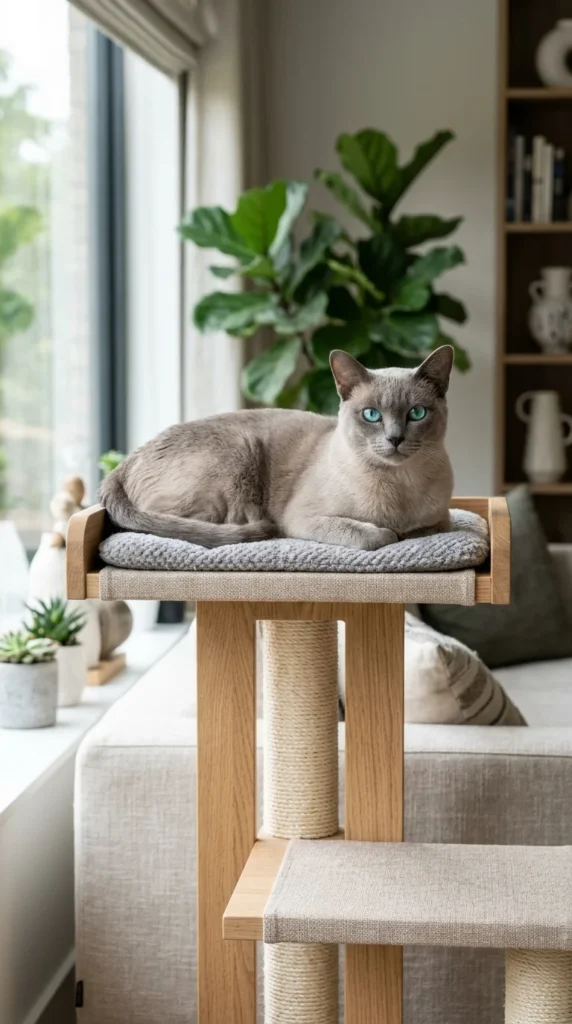
A cross between the Siamese and the Burmese, the Tonkinese inherits the best of both worlds. They have a short, dense coat that is very soft to the touch and sheds minimally. They are highly social, playful, and often follow their owners from room to room like a shadow.
21. Selkirk Rex
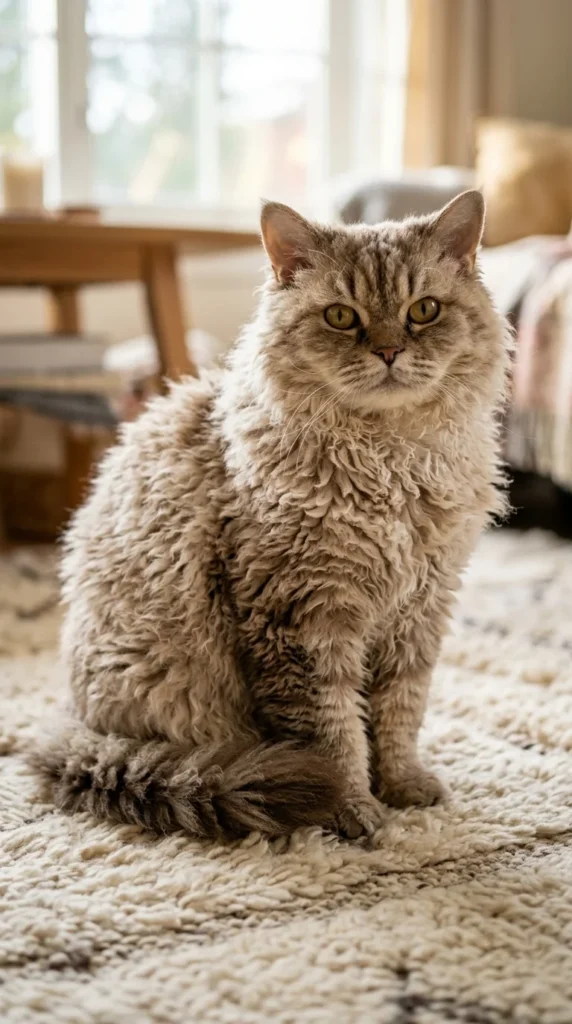
While the Selkirk Rex has a much thicker coat than the Cornish or Devon Rex, its curls are excellent at “holding onto” loose hair. This means that instead of the hair falling onto your floor, it stays in the coat until you brush it out. This can significantly reduce the amount of dander floating in the air, provided you maintain a regular grooming schedule.
Tips for Living with Cats and Allergies
Choosing a hypoallergenic breed is a great first step, but there are other ways to minimize your symptoms:
- Regular Grooming: Use a damp cloth to wipe down your cat daily to remove surface dander and saliva.
- HEPA Filters: Invest in a high-quality air purifier with a HEPA filter to capture airborne allergens.
- Cat-Free Zones: Keep your bedroom as a “no-cat zone” to ensure you have an allergen-free place to sleep.
- Wash Bedding Frequently: Use hot water to wash any fabrics where your cat likes to lounge.
- Dietary Changes: Some specialized cat foods are now designed to neutralize the Fel d 1 protein in the cat’s mouth before it spreads to their fur.