
Grooming is more than just an aesthetic choice for your feline friend; it is a fundamental pillar of their health and well-being. While cats are famously fastidious about their own cleanliness, they often need a helping hand from their human companions to manage shedding, prevent painful matting, and monitor for underlying skin issues. A well-groomed cat is not only beautiful to look at but is also more comfortable, less prone to hairballs, and generally happier.
From the tip of their nose to the end of their tail, every inch of your cat benefits from a consistent grooming routine. Whether you have a sleek, short-haired tabby or a high-maintenance long-haired Persian, these 24 tips will help you master the art of feline maintenance.
1. Regular Brushing
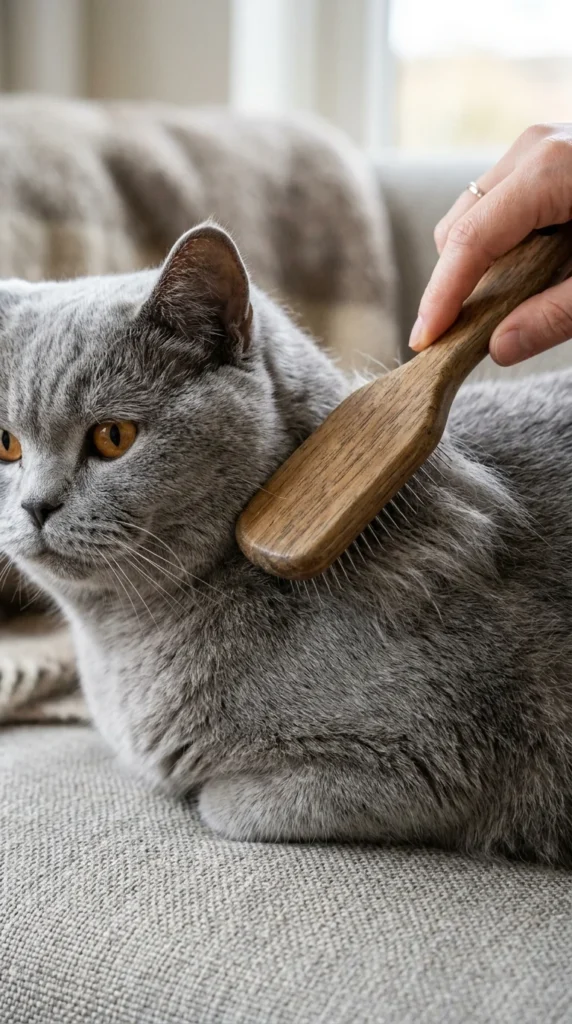
Frequency is the secret to a healthy coat. For short-haired cats, a weekly brushing session is usually sufficient to remove loose fur and distribute natural skin oils. However, long-haired breeds require daily attention to prevent tangles from evolving into stubborn mats. Regular brushing also reduces the amount of fur your cat ingests while self-grooming, which significantly lowers the risk of hairballs.
2. Start Early
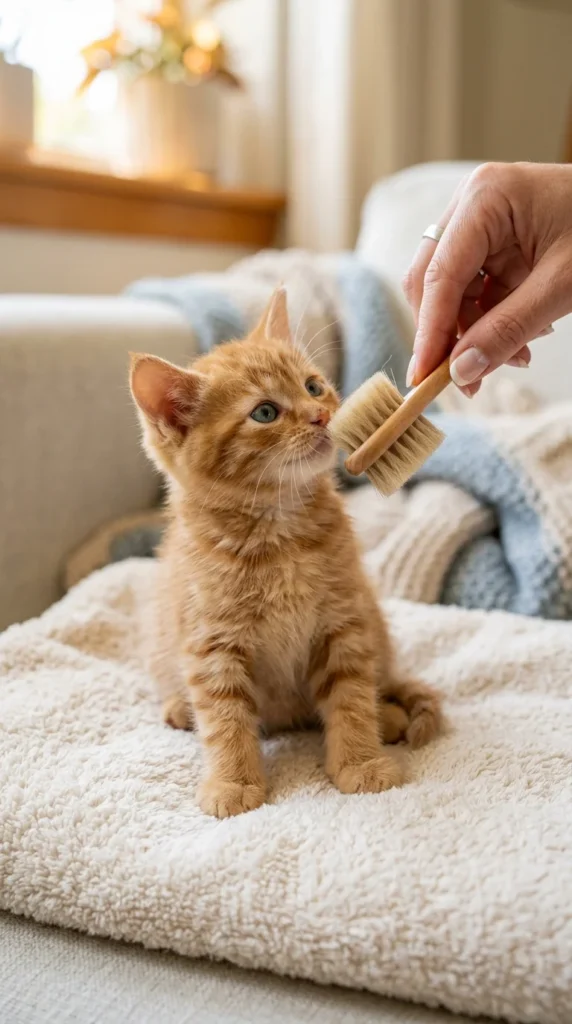
The best time to acclimate a cat to grooming is during kittenhood. If you wait until a cat is an adult to introduce brushes, nail clippers, or baths, you may face significant resistance. Start with very short, gentle sessions when they are young, rewarding them with treats and praise so they associate grooming with a positive experience.
3. Claw Trimming
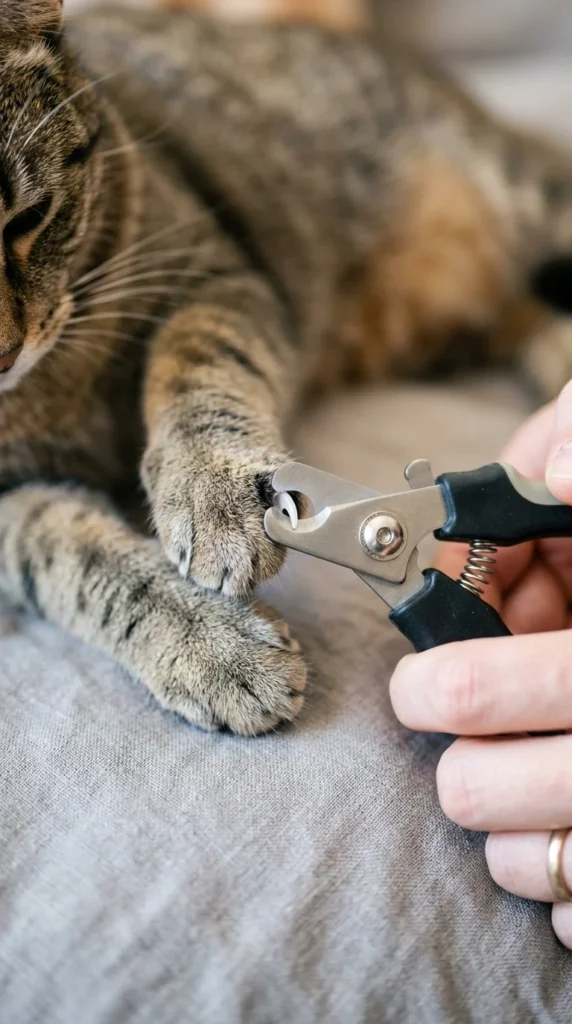
Long, sharp claws can get snagged on carpets or furniture, potentially causing injury to the cat’s paw. Aim to trim your cat’s nails every two to three weeks. Be careful to only clip the translucent tip of the nail and avoid the “quick,” which is the pink part containing blood vessels and nerves. If you are nervous, ask your vet to demonstrate the proper technique.
4. Ear Cleaning
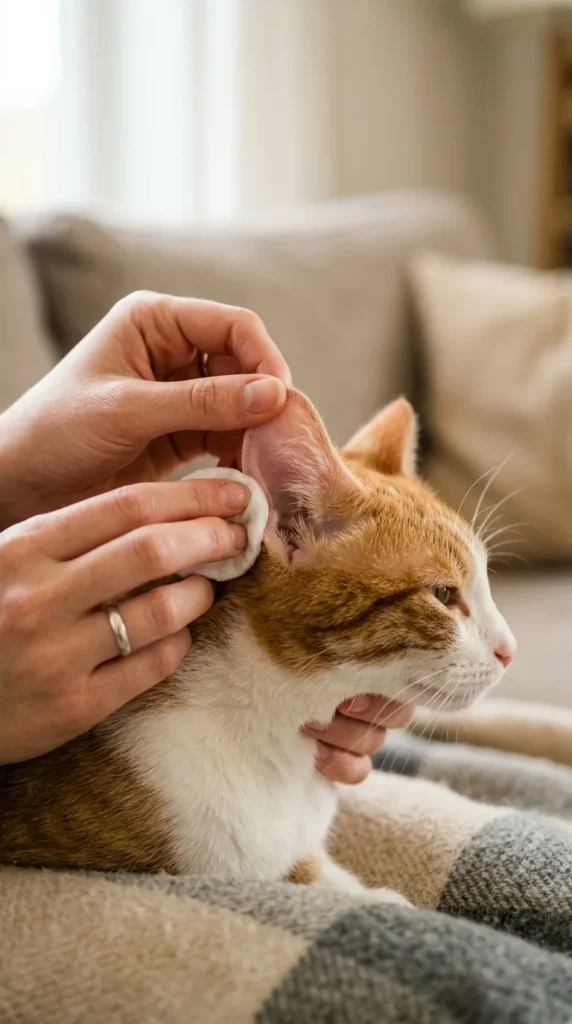
Check your cat’s ears once a week for wax buildup, debris, or a foul odor, which could indicate an infection or ear mites. Use a veterinarian-approved ear cleaning solution on a cotton ball to gently wipe the accessible parts of the ear. Never insert cotton swabs into the ear canal, as this can cause permanent damage.
5. Eye Maintenance
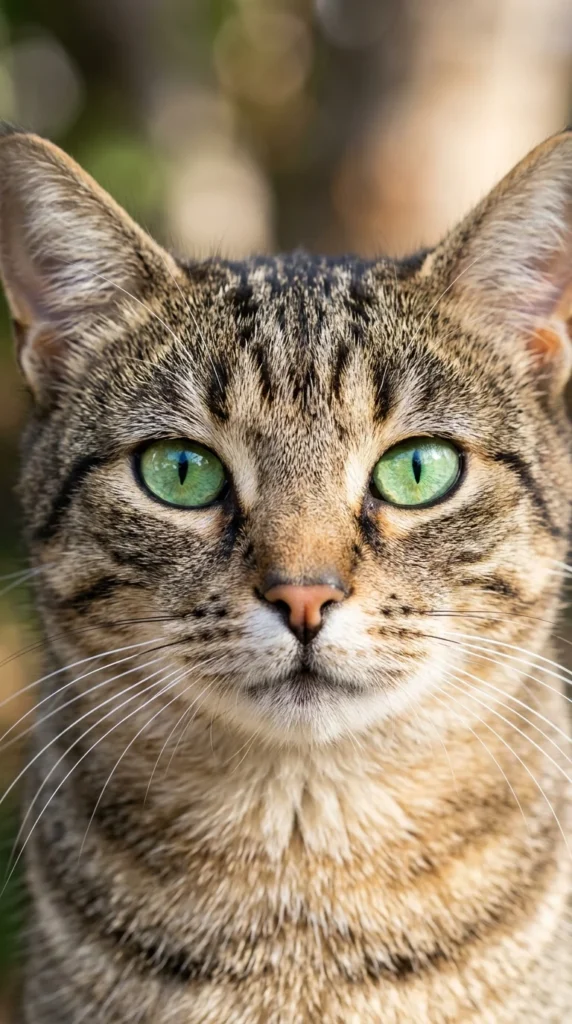
Some cats, especially flat-faced breeds like Persians, are prone to “tear staining” or discharge. Use a soft, damp cloth to gently wipe away any crustiness around the eyes. Use a fresh section of the cloth for each eye to prevent the potential spread of bacteria. If the discharge is persistent or yellow/green, consult your vet.
6. Bathing Basics
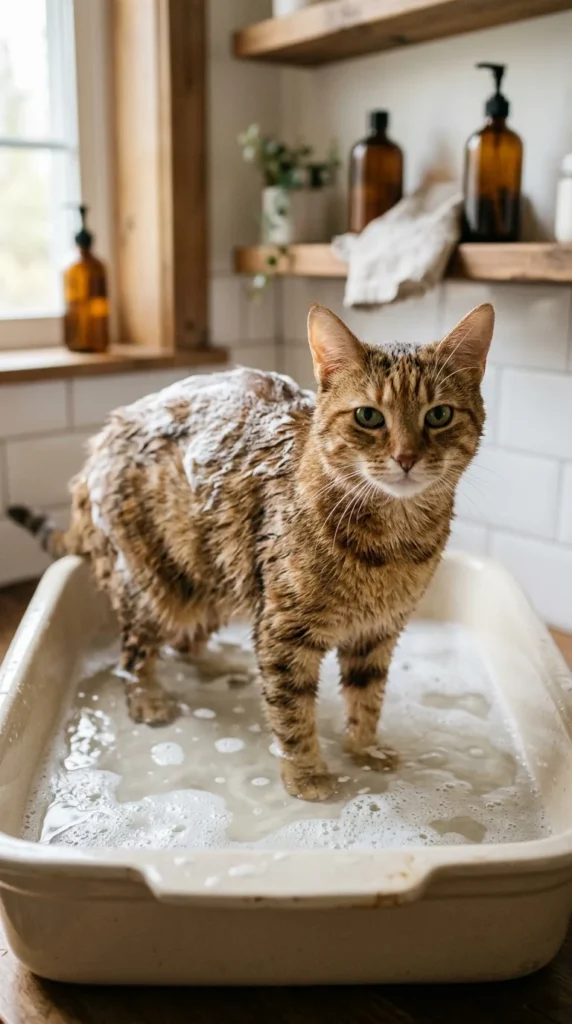
Most cats rarely need a full bath, but sometimes they get into something sticky or smelly. When bathing is necessary, use only shampoos specifically formulated for cats, as human shampoos can dry out their skin and disrupt their pH balance. Ensure the water is lukewarm and use a non-slip mat in the tub to help your cat feel secure.
7. High-Quality Diet

Grooming starts from the inside out. A diet rich in Omega-3 and Omega-6 fatty acids is essential for maintaining a glossy, vibrant coat and healthy skin. Look for high-quality proteins and avoid foods with excessive fillers. If your cat’s coat looks dull or brittle, it may be a sign of a nutritional deficiency.
8. Hydration Station
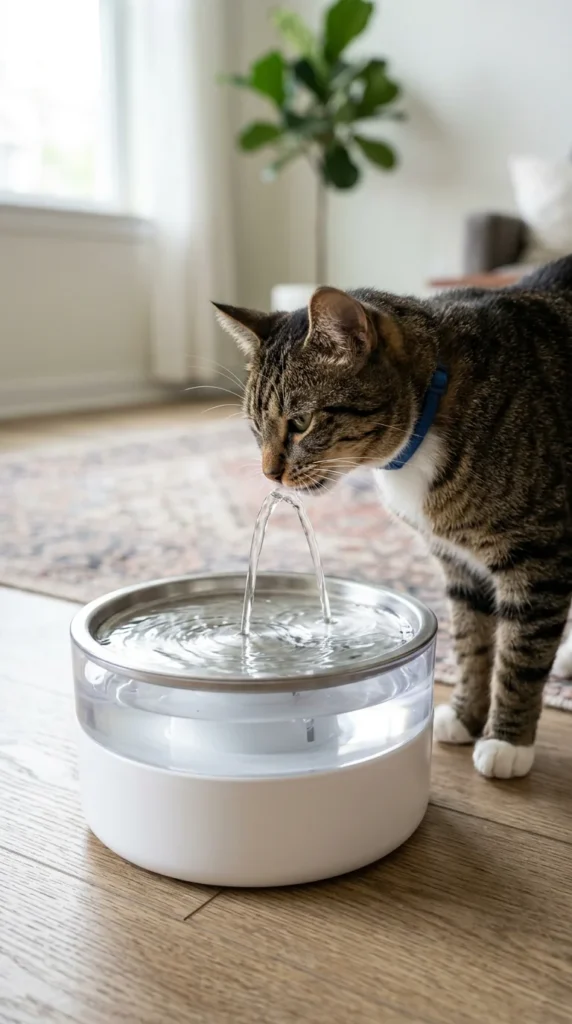
Dehydration can lead to dry, flaky skin and a lackluster coat. Ensure your cat always has access to fresh, clean water. Many cats prefer running water, so investing in a pet fountain can encourage them to drink more. Wet food is also an excellent way to supplement their moisture intake.
9. Dental Care
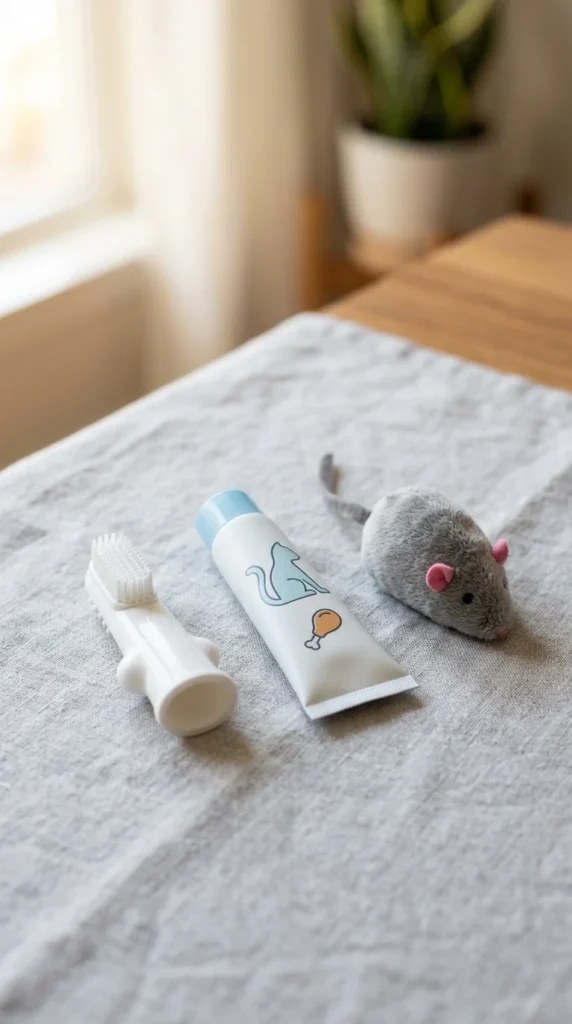
Oral hygiene is a critical but often overlooked part of grooming. Plaque and tartar buildup can lead to gum disease and tooth loss. Try to brush your cat’s teeth several times a week using cat-specific toothpaste. If your cat refuses a toothbrush, dental treats or water additives can provide some benefit, though they are less effective than manual brushing.
10. Mat Removal
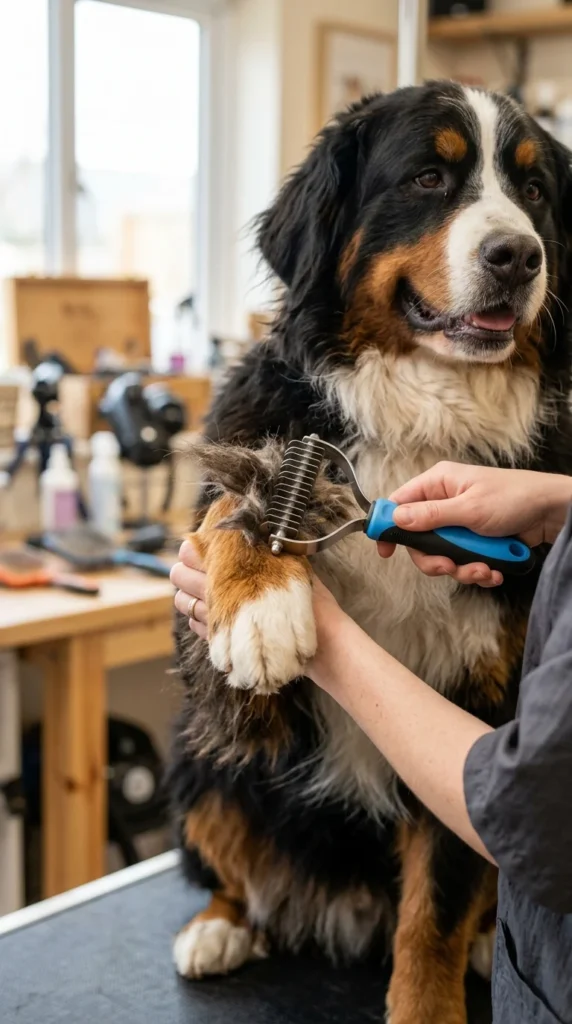
If you encounter a mat, never try to cut it out with regular scissors, as cat skin is incredibly thin and easy to slice. Use a specialized dematting rake or a wide-toothed comb to gently pull the mat apart from the edges inward. If the mat is tight against the skin, it is safest to have a professional groomer or vet shave it off.
11. Shedding Tools
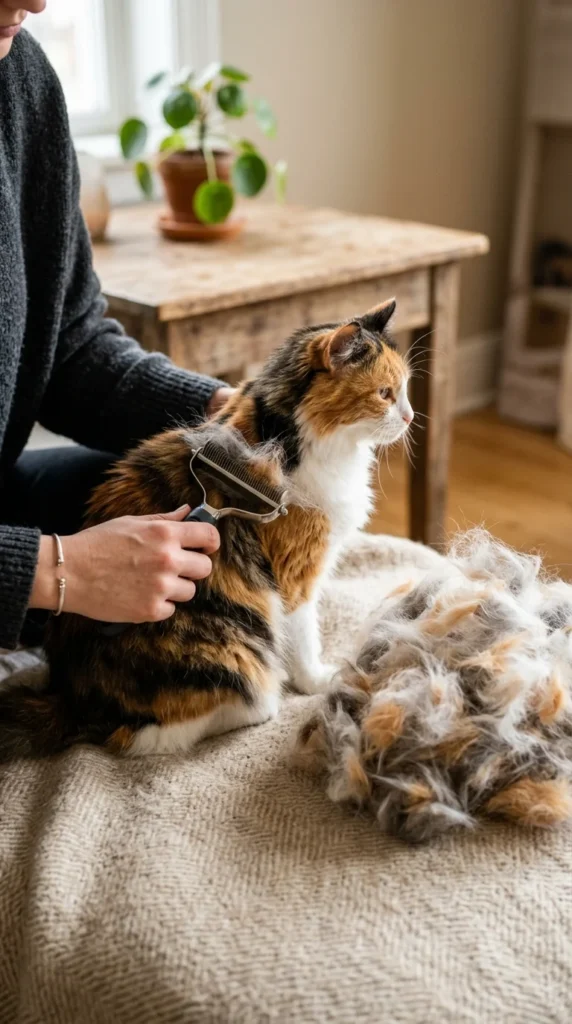
During the spring and fall, cats often “blow their coats” as the seasons change. Using a specialized deshedding tool can help reach the undercoat and remove loose hair before it ends up on your furniture or in your cat’s stomach. Be gentle, as these tools are very efficient and can irritate the skin if used with too much pressure.
12. Skin Checks
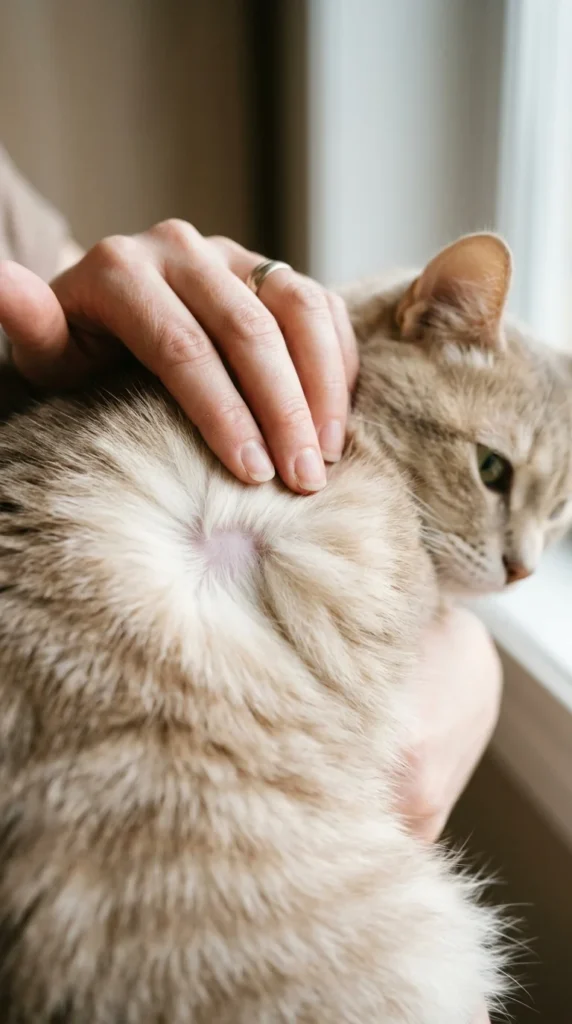
While you are brushing, take the time to run your hands over your cat’s entire body. Look for lumps, bumps, sores, or red patches. Identifying a new growth or skin irritation early can make a significant difference in treatment outcomes. If you notice anything unusual, schedule a veterinary checkup.
13. Stress Reduction
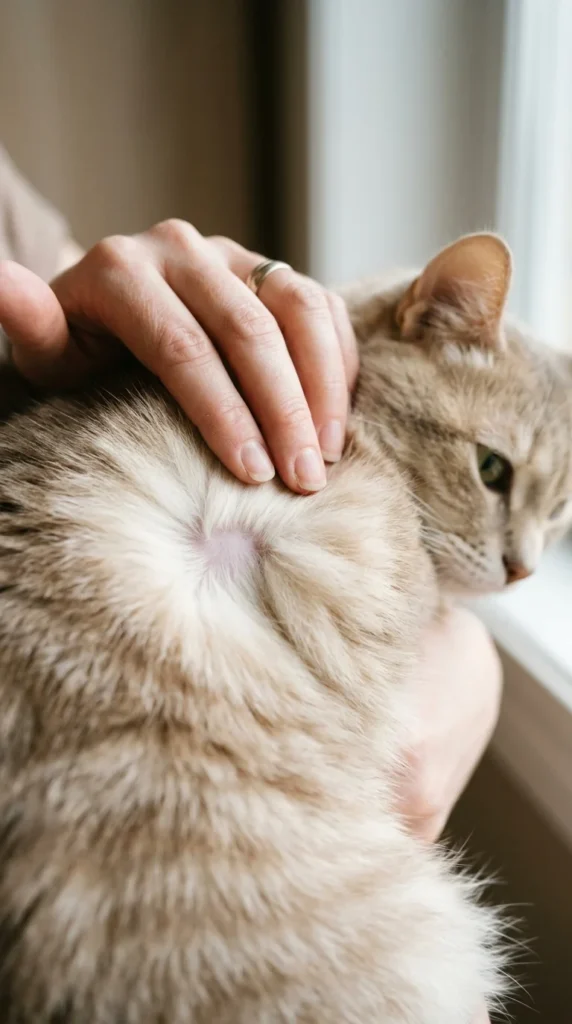
Grooming should be a bonding experience, not a battle. If your cat becomes stressed—evidenced by hissing, growling, or tail flicking—stop the session and try again later. Use calming pheromone sprays or soft music to create a soothing environment. Keep sessions short and end on a high note with a favorite treat.
14. Proper Treats

Reward-based grooming is the most effective way to build trust. Give your cat a small, high-value treat after every successful step, such as clipping one paw’s nails or five minutes of brushing. This creates a “positive reinforcement” loop where the cat learns that grooming leads to delicious rewards.
15. Professional Grooming
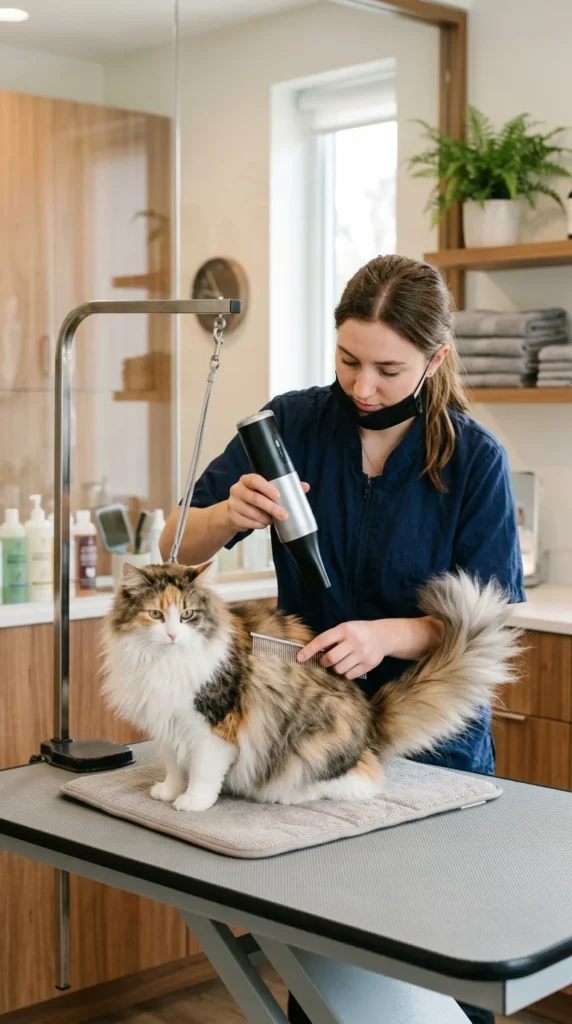
Some tasks are best left to the experts. If your cat is severely matted, has extremely thick fur that you can’t manage, or requires a “lion cut” for health reasons, seek a professional groomer. They have the tools and experience to handle difficult grooming tasks safely and efficiently, especially for cats with temperament issues.
16. Flea Prevention
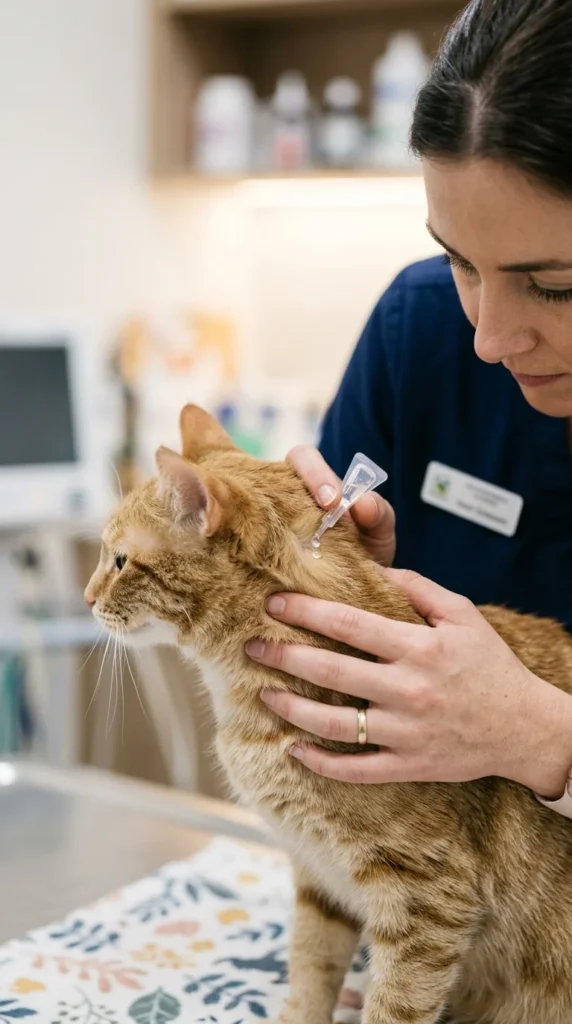
A healthy coat is a pest-free coat. Fleas can cause intense itching, allergic reactions (flea allergy dermatitis), and even anemia in severe cases. Use a year-round, veterinarian-recommended flea and tick preventative. During grooming, use a fine-toothed flea comb to check for “flea dirt” (black specks) or actual insects.
17. Tail Care
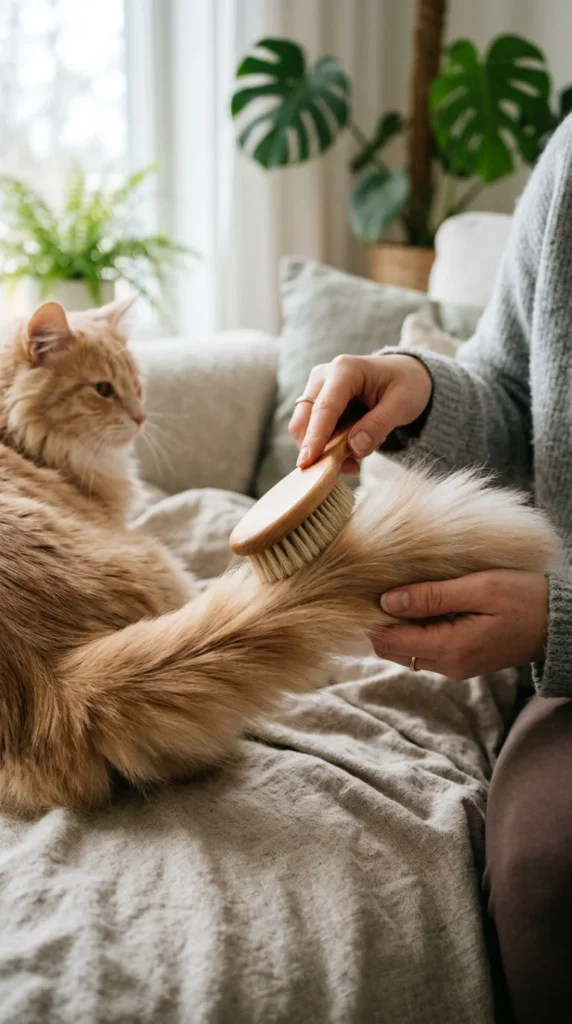
The tail is a sensitive area for most cats. When brushing the tail, start from the base and move toward the tip, using very light strokes. Avoid pulling on the hair, as the skin on the tail is thin. For “stud tail” (an oily buildup at the base of the tail), you may need a specialized degreasing shampoo.
18. Sensitive Areas
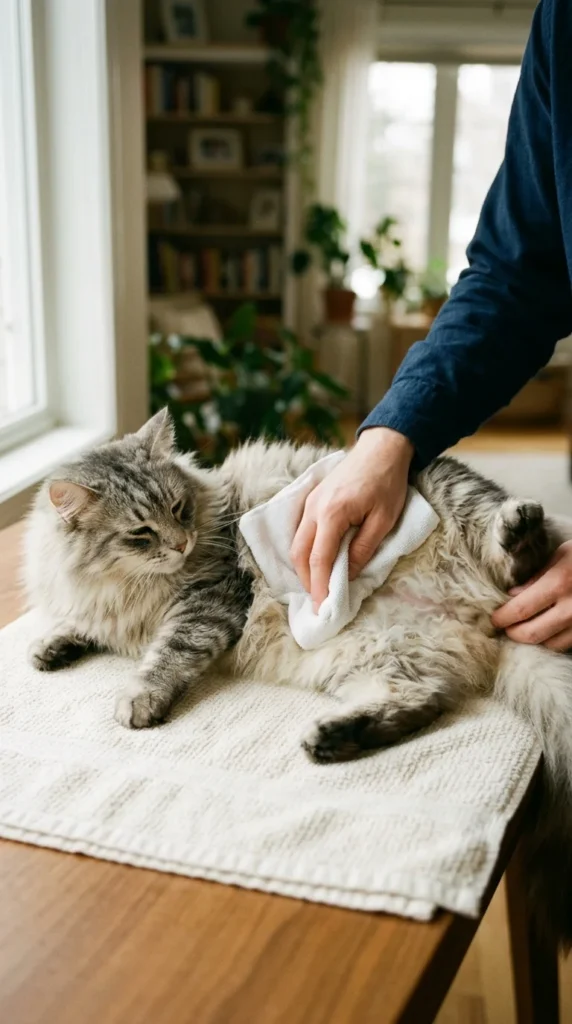
Long-haired cats often need “sanitary trims” to keep the fur around their rear end short and clean. This prevents litter or waste from getting stuck in the fur. Use electric trimmers designed for pets rather than scissors to avoid accidental nicks in these highly sensitive areas.
19. Seasonal Adjustments
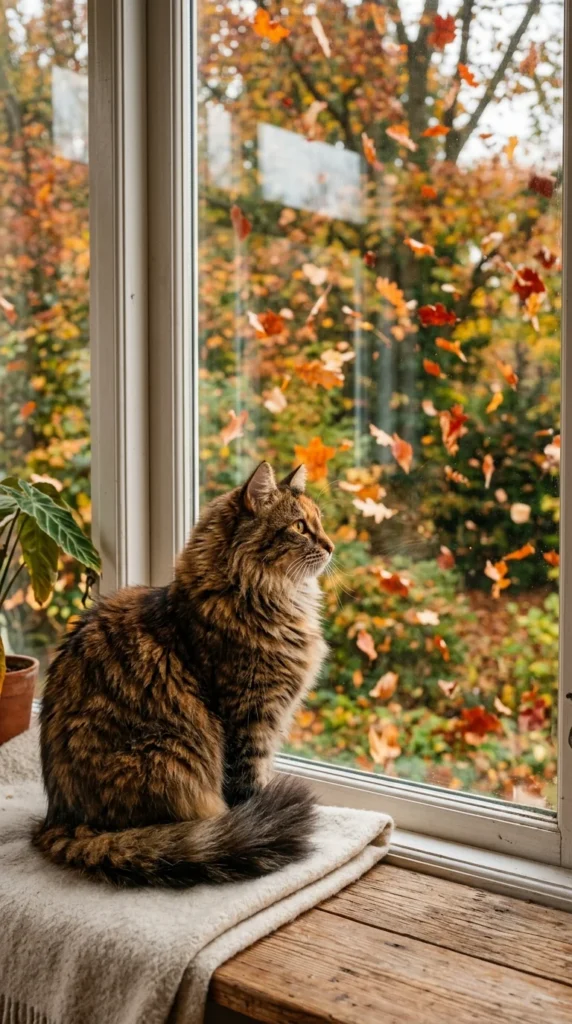
A cat’s grooming needs change with the weather. In the winter, the air is dry, which can lead to static electricity in the fur and dry skin. You might need to use a conditioning spray. In the summer, keeping the coat free of loose undercoat helps the cat stay cool and prevents overheating.
20. Grooming Mitts
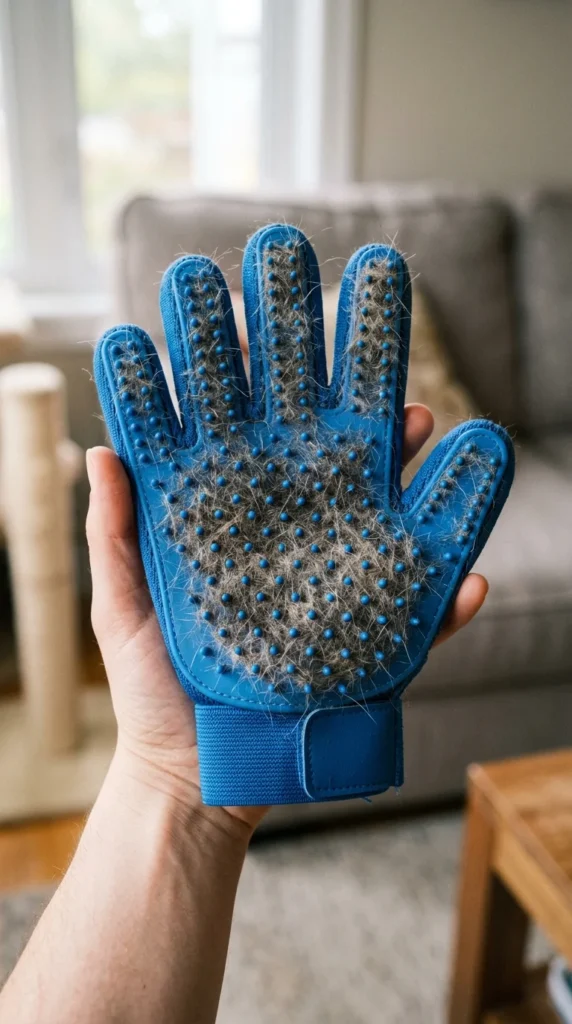
For cats that are terrified of traditional brushes, grooming mitts are a fantastic alternative. These gloves have rubber nubs that massage the skin and trap loose fur while you pet your cat. It feels like a normal petting session to the cat, making it an excellent “stealth” grooming tool for anxious felines.
21. Scratching Posts
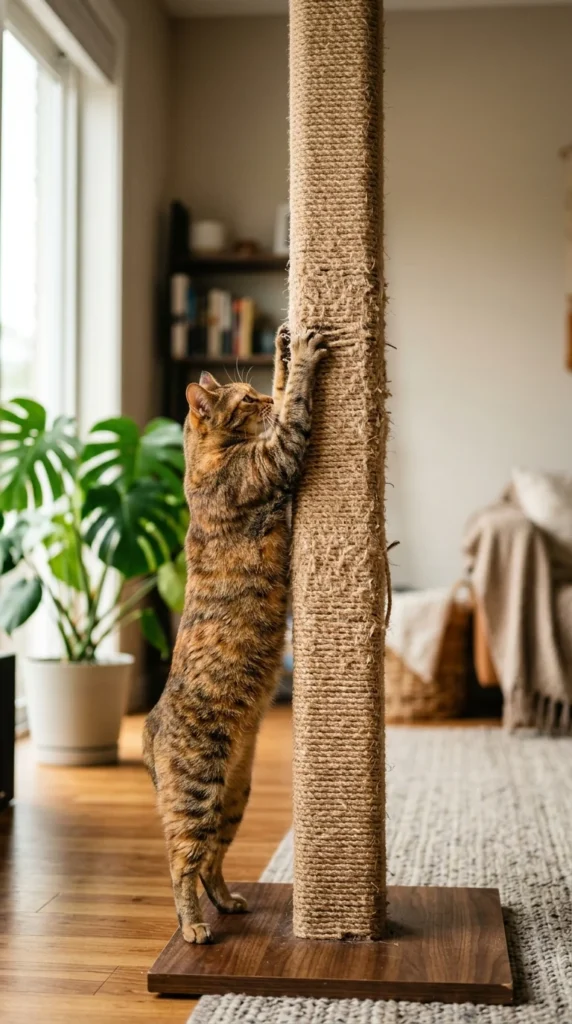
Scratching is a natural grooming behavior that helps cats shed the outer sheaths of their claws. Provide several scratching surfaces—both vertical and horizontal—with different textures like sisal, carpet, and corrugated cardboard. This keeps their claws healthy and saves your furniture from destruction.
22. Hairball Control
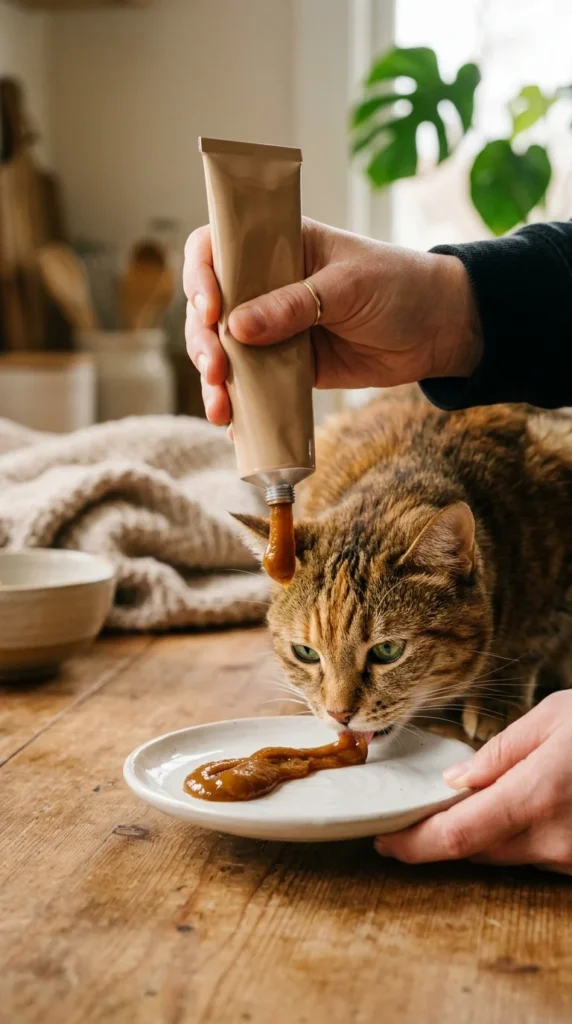
Even with perfect brushing, cats will still swallow some fur. If your cat struggles with frequent hairballs, consider a hairball control paste or specialized kibble. These products typically contain fiber or lubricants that help the hair pass through the digestive tract more easily.
23. Sun Protection

Cats with white fur or thin hair are susceptible to sunburn, particularly on their ears and noses. Chronic sun exposure can lead to squamous cell carcinoma (skin cancer). Limit your cat’s time in direct, intense sunlight, or use a pet-safe sunscreen if they insist on sunbathing in high-UV areas.
24. Positive Reinforcement

The final and most important tip is to always remain patient and affectionate. Grooming is a time for connection. By keeping the vibe calm and showering your cat with love, you turn a chore into a ritual that strengthens the bond between you and your feline companion for years to come.