
Oral health is often an overlooked aspect of feline wellness, yet it is one of the most critical factors in determining a cat’s quality of life and longevity. Statistics show that up to 80% of cats over the age of three suffer from some form of dental disease, ranging from mild gingivitis to painful periodontitis. Because cats are masters at hiding pain, dental issues can persist for years without the owner ever realizing their pet is suffering.
Taking a proactive approach to your cat’s oral hygiene does more than just freshen their breath; it prevents systemic infections that can damage the heart, kidneys, and liver. By integrating a few simple habits into your daily routine, you can ensure your feline companion stays happy, healthy, and pain-free. Here are 18 essential tips for maintaining your cat’s dental health.
1. Daily Brushing
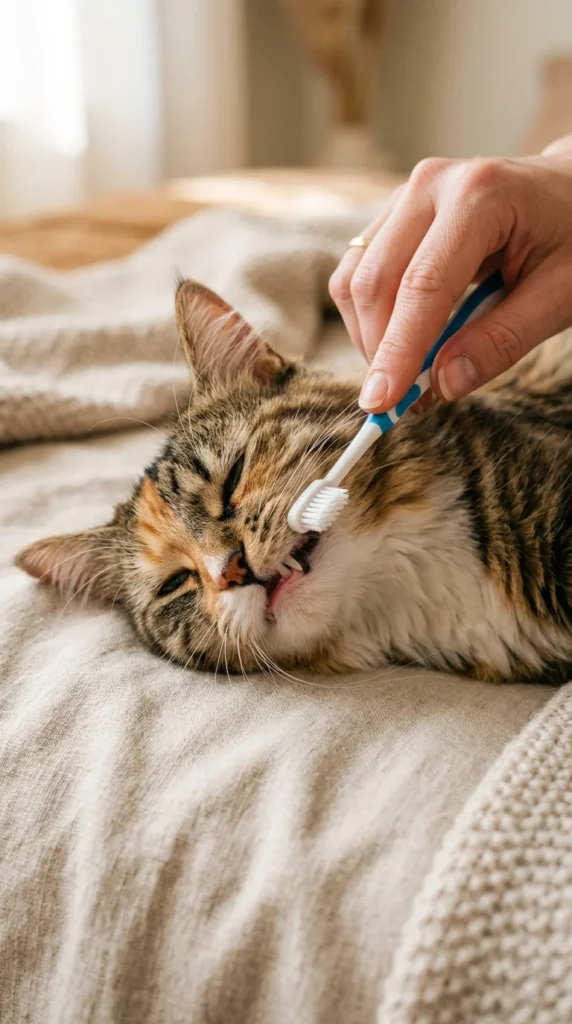
The gold standard of feline dental care is manual brushing. While it may seem daunting, brushing your cat’s teeth daily—or at least three times a week—is the most effective way to remove plaque before it hardens into tartar (calculus). Tartar cannot be brushed away and requires professional removal. Focus on the outside surfaces of the teeth, where the cheek meets the gumline, as this is where most plaque accumulates.
2. Feline Toothpaste
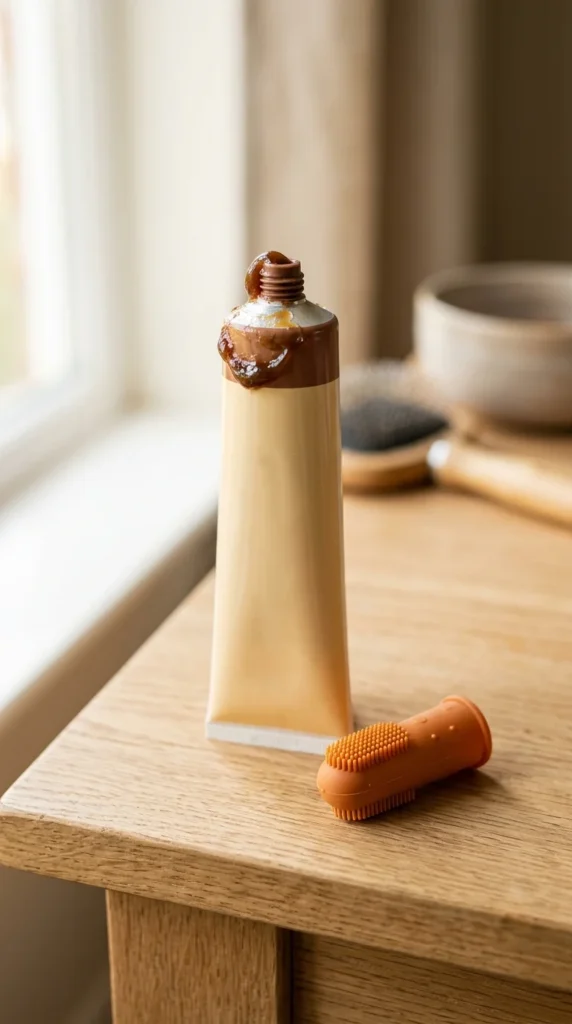
Never use human toothpaste on a cat. Human products contain fluoride and often xylitol, both of which are highly toxic to felines. Additionally, cats cannot spit, so they swallow everything you put in their mouths. Feline-specific toothpastes are non-foaming and come in flavors cats love, such as chicken, seafood, or beef, making the experience a treat rather than a chore.
3. Dental Treats

Not all treats are created equal. Look for dental treats that carry the Veterinary Oral Health Council (VOHC) seal of approval. These treats are specifically engineered to have a texture that doesn’t shatter instantly when bitten. Instead, the tooth sinks into the treat, allowing the mechanical action to scrape away plaque from the tooth surface.
4. Water Additives
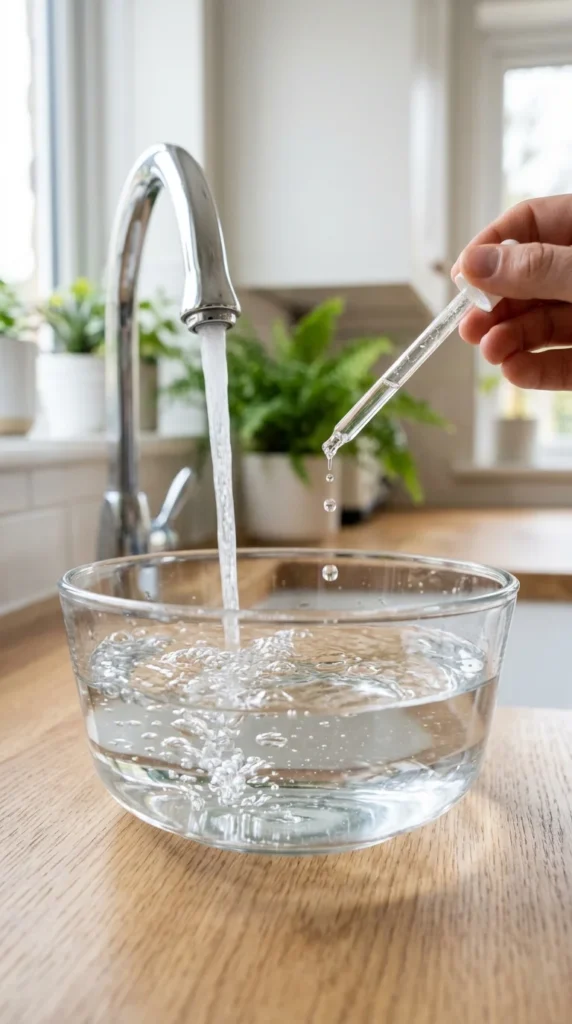
For cats that are highly resistant to mouth handling, dental water additives are a lifesaver. These tasteless and odorless liquids contain enzymes and ingredients like chlorine dioxide or zinc gluconate that help break down bacteria in the mouth. Simply add the recommended amount to your cat’s water bowl every time you refill it to help fight plaque buildup throughout the day.
5. Professional Exams
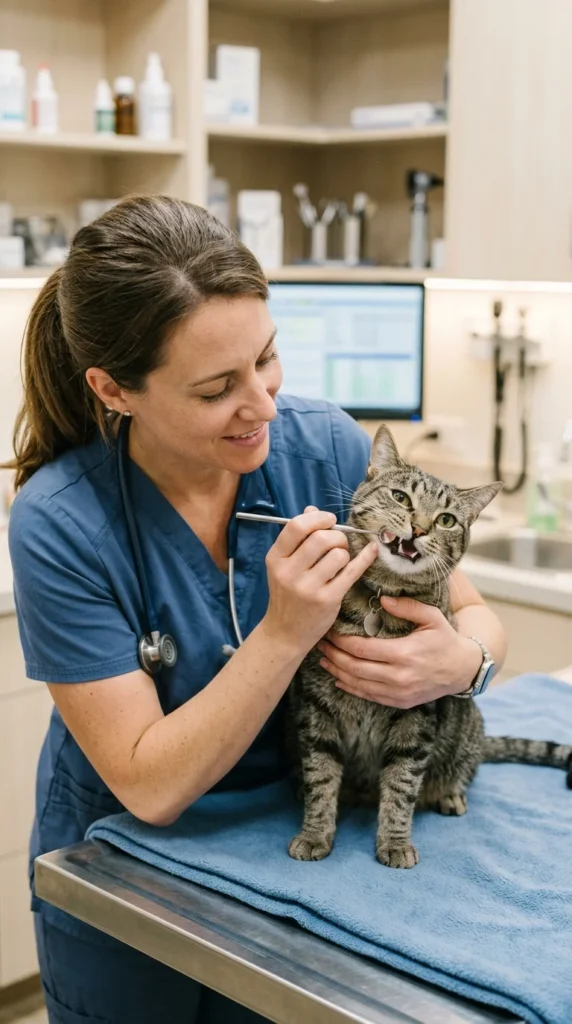
Even with the best home care, cats need a professional eye. During your cat’s annual wellness exam, the vet will check for signs of oral tumors, broken teeth, and gum inflammation. Because many dental issues happen below the gumline, these exams are crucial for identifying problems that the naked eye might miss during a quick peek at home.
6. Dental Diets

If your cat is prone to rapid plaque buildup, your veterinarian may recommend a prescription dental diet. These kibbles are significantly larger than standard cat food and have a specific fiber alignment. This structure acts like a squeegee, cleaning the tooth’s surface as the cat bites down, rather than crumbling immediately like standard dry food.
7. Chew Toys
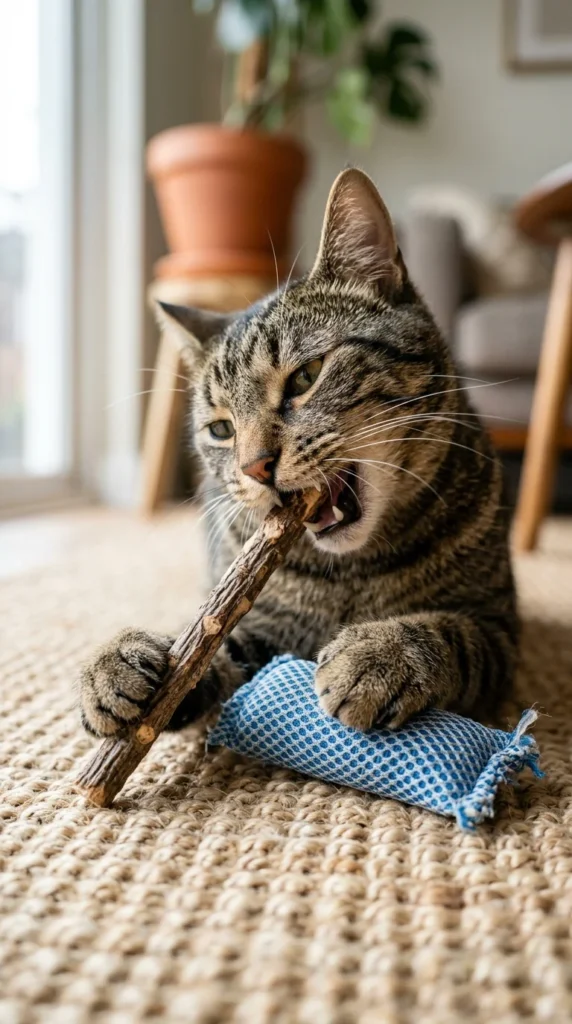
Playtime can double as a dental cleaning session. Certain toys are designed with netting, rubber nubs, or textured surfaces that massage the gums and help clean the teeth as the cat bites and carries them. Silvervine sticks are a natural alternative that many cats find irresistible, providing both mental stimulation and mechanical cleaning.
8. Gum Inspection
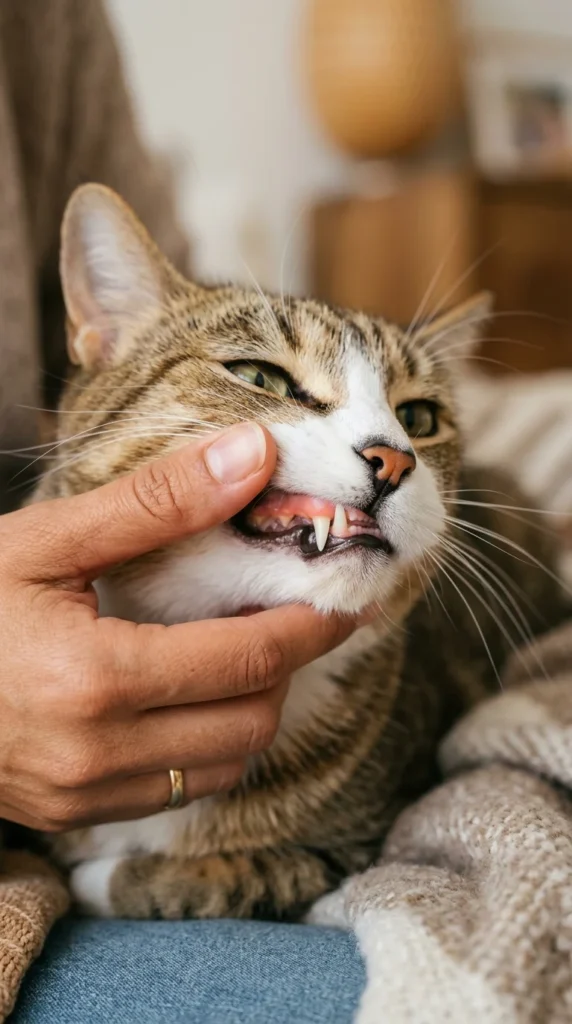
Get into the habit of performing a “flip the lip” check once a week. Healthy gums should be a consistent light pink. If you notice a bright red line where the tooth meets the gum, swelling, or bleeding, these are early signs of gingivitis. Early detection allows you to reverse the inflammation before it turns into permanent periodontal disease.
9. Dental Wipes
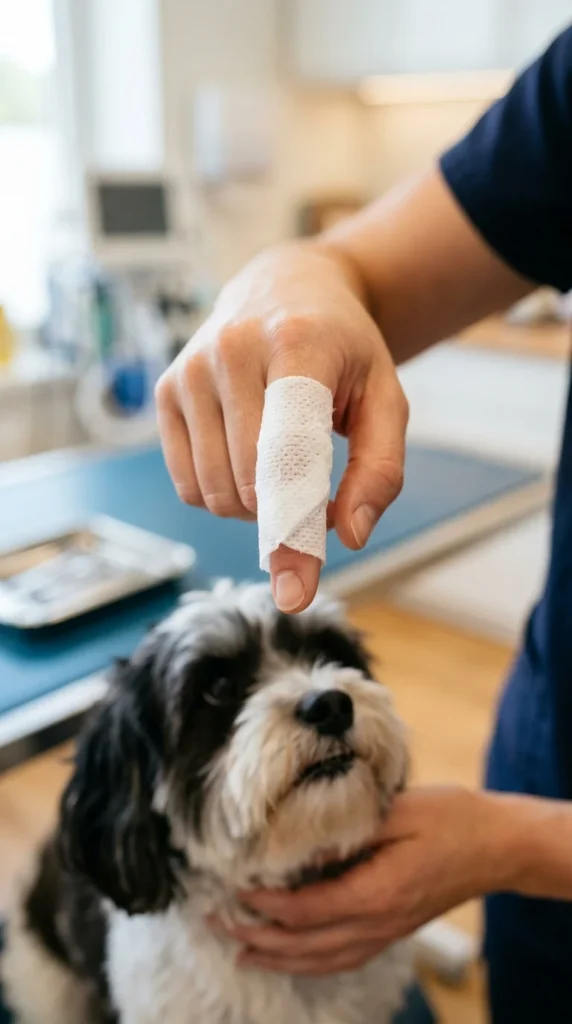
If your cat finds the sensation of a toothbrush too intrusive, dental wipes are an excellent middle ground. These wipes are pre-moistened with antiseptic ingredients. You simply wrap the wipe around your finger and rub it over the teeth and gums. While they don’t get into the crevices as well as a brush, they are highly effective at removing surface film.
10. Early Start
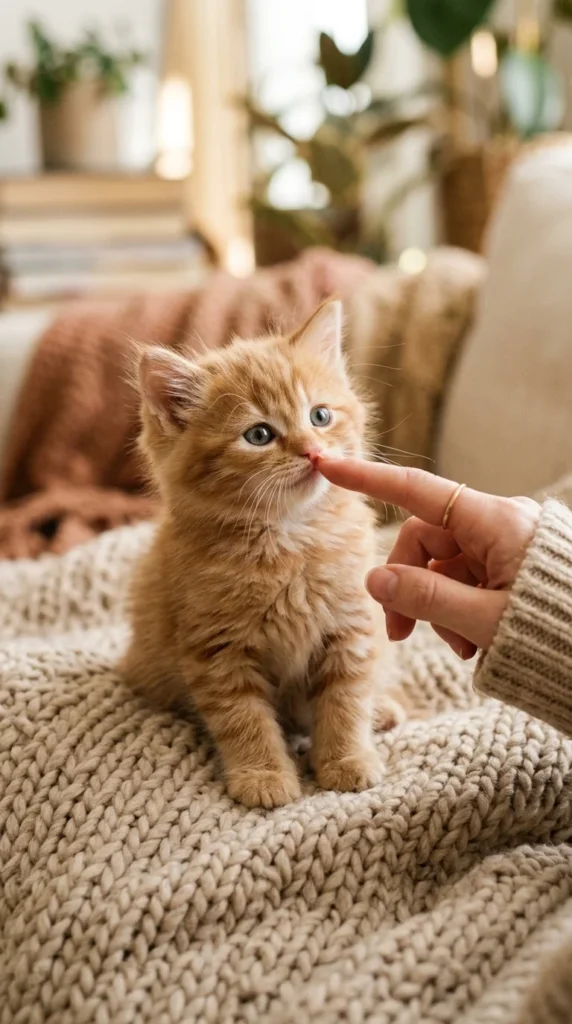
The best time to start a dental routine is when your cat is a kitten. By touching their mouth and lifting their lips frequently starting at 8 to 12 weeks old, you desensitize them to the sensation. This makes it much easier to introduce brushing or oral exams later in life, as they will perceive mouth handling as a normal part of their interaction with you.
11. Gauze Pads
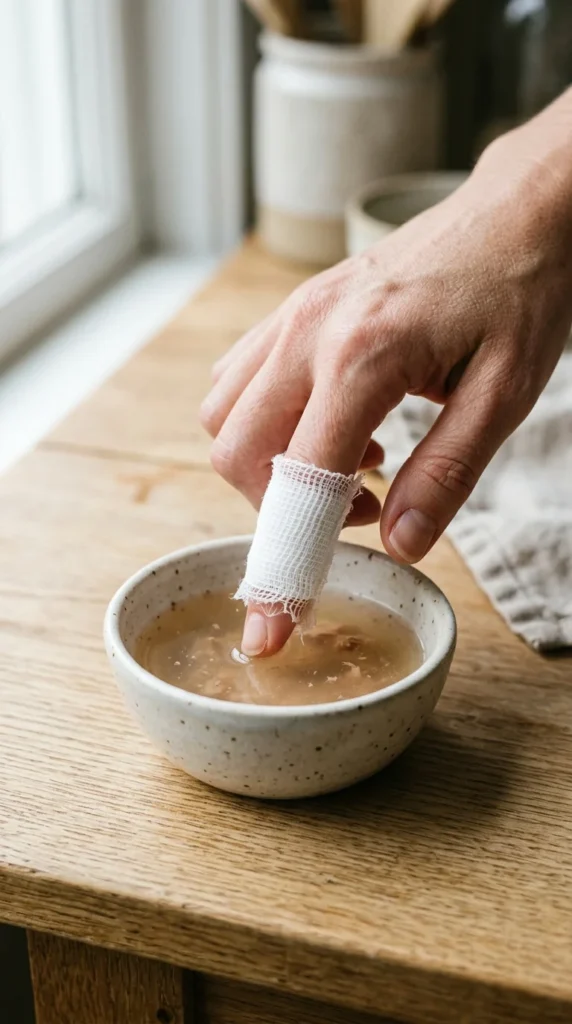
For a DIY approach, a simple piece of medical gauze can act as an effective “finger brush.” Some owners find that dipping the gauze in a little bit of tuna water (from a can packed in water, not oil) makes the cat much more cooperative. The rough texture of the gauze provides the necessary friction to disrupt the biofilm on the teeth.
12. Oral Gels
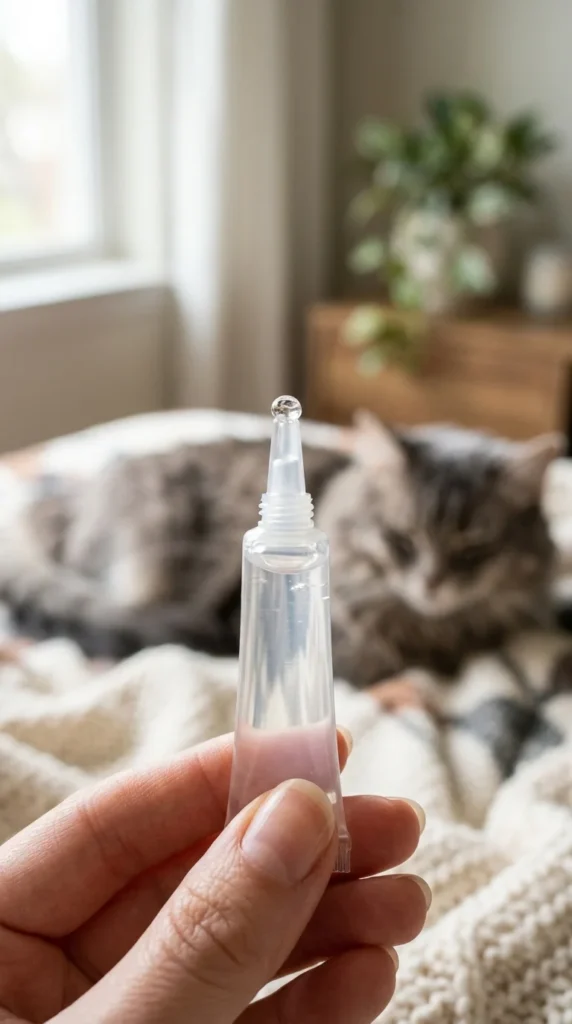
Antiseptic oral gels are designed to be applied directly to the gums. These are particularly useful for cats already showing signs of redness. The gels often contain chlorhexidine or other enzymes that kill bacteria on contact. You don’t necessarily need to brush these in; simply dabbing them on the gums allows the cat’s saliva to spread the medication.
13. Breath Check

While “kitty breath” is normal, it shouldn’t be offensive. If your cat’s breath is foul enough to make you recoil, it is usually a sign of an infection or decaying teeth. A sweet or fruity smell can indicate diabetes, while a breath that smells like urine can be a sign of kidney disease. Use your nose as a diagnostic tool.
14. Veterinary Scaling
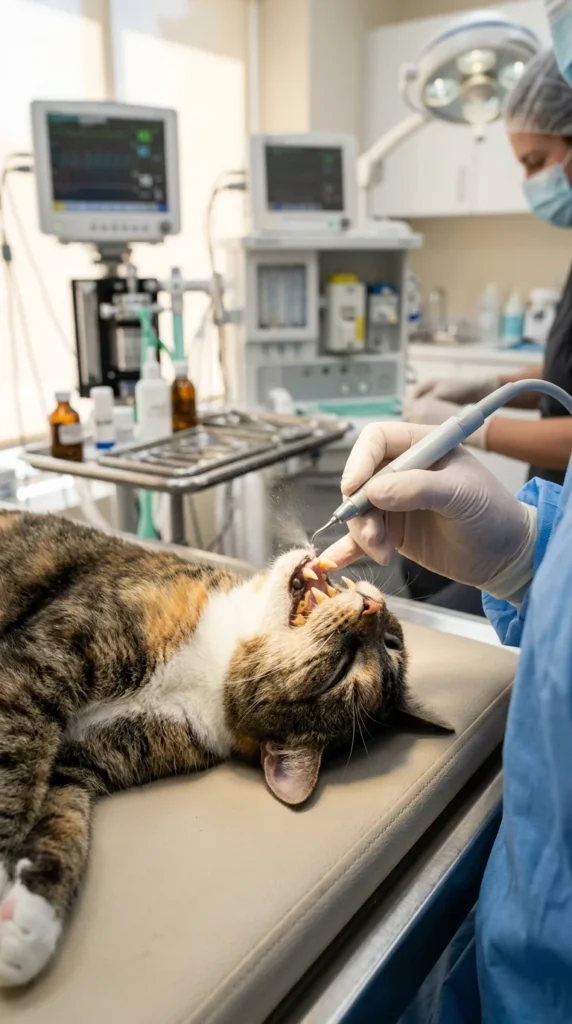
Sometimes, despite our best efforts, tartar builds up. When this happens, a professional dental cleaning under anesthesia is required. This process involves ultrasonic scaling to remove tartar from above and below the gumline, followed by polishing to smooth the tooth surface so bacteria can’t easily re-attach. This is the only way to truly “reset” a cat’s oral health.
15. Avoid Human Products
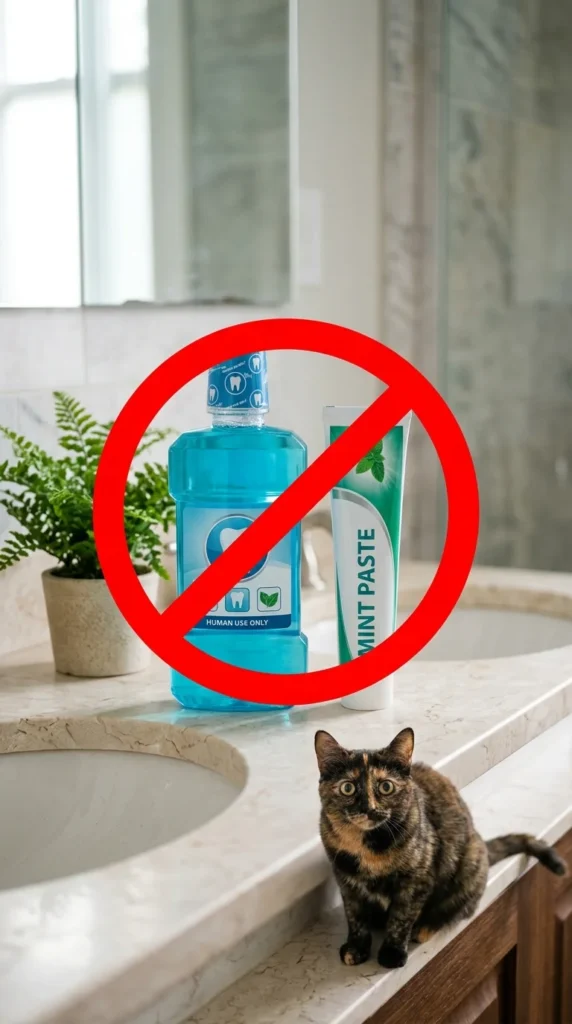
It cannot be stressed enough: human dental products are dangerous for cats. Beyond the toxicity of fluoride and xylitol, the mint flavor found in most human products is often overwhelming and unpleasant for cats. Always stick to products specifically labeled for feline use to ensure safety and palatability.
16. Fresh Water
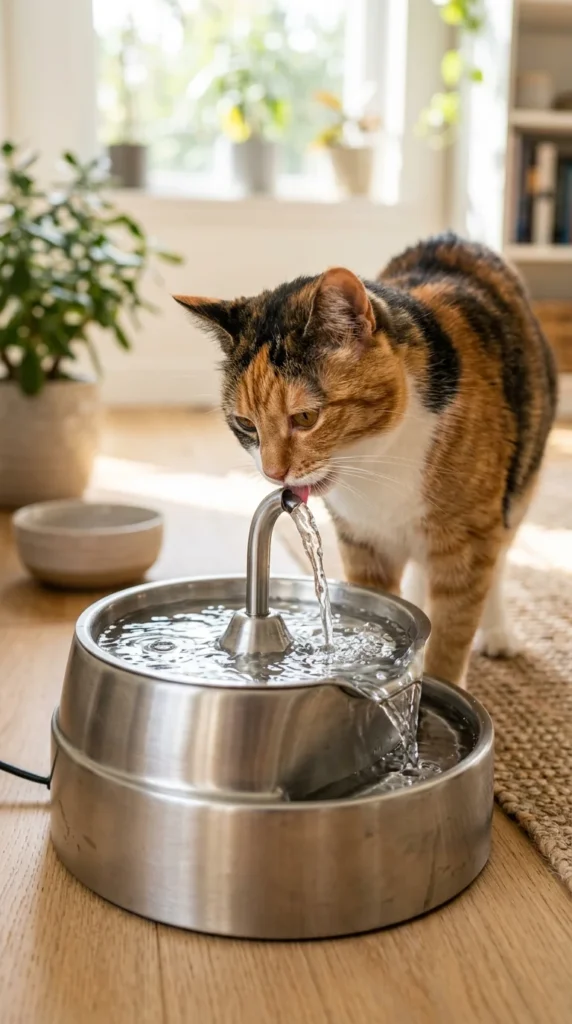
Hydration plays a role in oral health. Drinking water helps wash away loose food particles and keeps the mucous membranes in the mouth moist and healthy. Providing a water fountain can encourage cats to drink more, which naturally assists in the “self-cleaning” process of the mouth.
17. Plaque Awareness
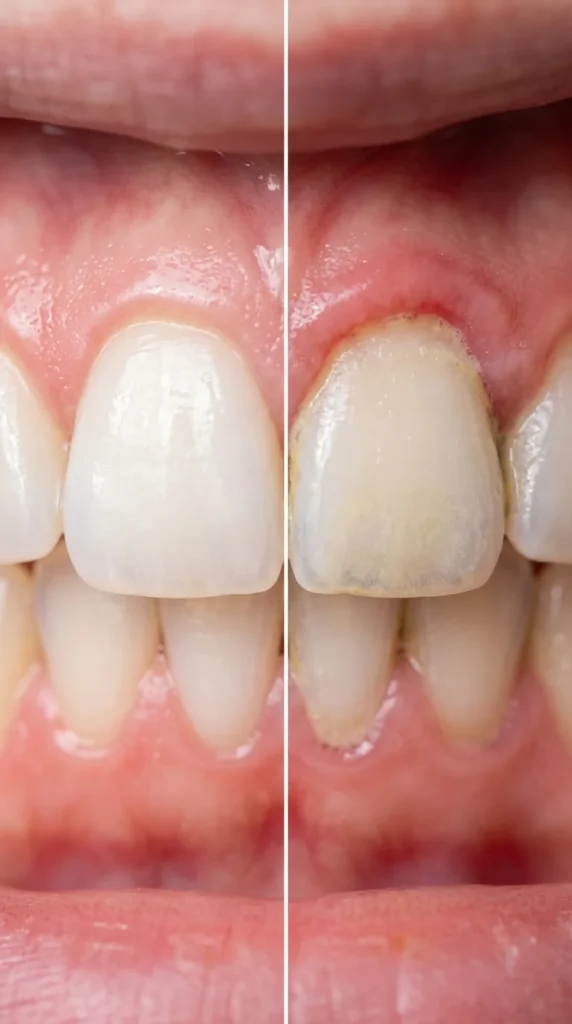
Understanding the difference between plaque and tartar is vital. Plaque is a soft, sticky film of bacteria that forms within hours of eating. This is what you can brush away. If left for 24 to 48 hours, plaque mixes with minerals in the saliva and hardens into tartar. Once it becomes tartar, you can no longer remove it at home.
18. Consistency
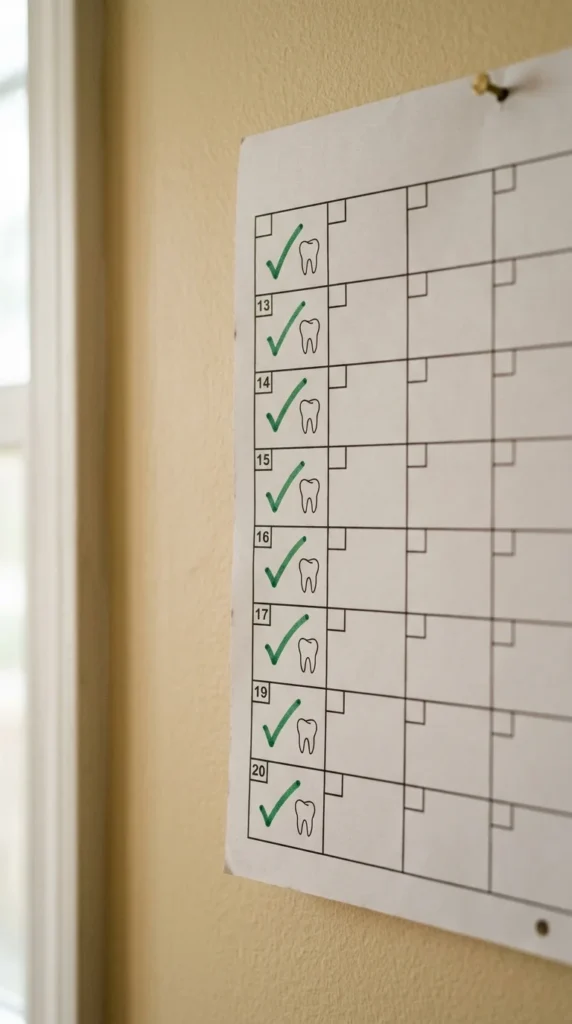
The most important tip is consistency. Cleaning your cat’s teeth once a month does very little for their long-term health. A short, 30-second daily session is far more effective than a long session once every few weeks. Build it into your evening routine—perhaps right before their final meal—so it becomes a habit for both you and your cat.