
Cats are notorious for their stoicism. In the wild, showing weakness makes a feline a target for predators, so they have evolved to hide illness and pain with remarkable efficiency. This “survival mask” means that by the time a cat looks obviously sick, the condition might already be advanced. As a cat parent, your job is to be a detective. You must notice the subtle shifts in behavior, routine, and appearance that signal something is wrong.
Understanding these red flags can be the difference between a quick recovery and a life-threatening emergency. Here are 22 signs your cat is sick that you should never ignore.
1. Appetite Changes
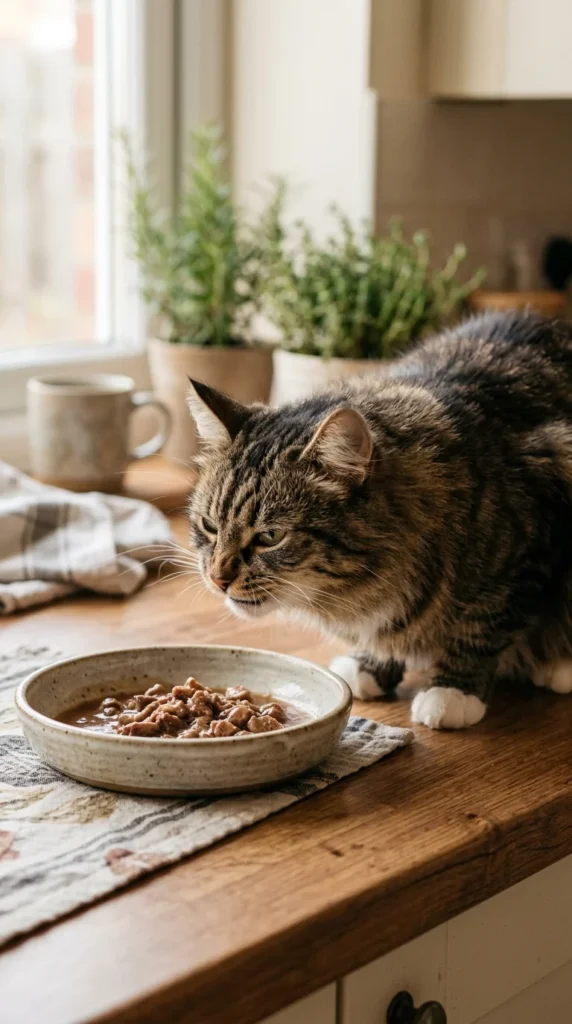
A sudden loss of interest in food is one of the most common signs of illness in cats. While some cats are picky, a total refusal to eat for more than 24 hours is a medical emergency, as it can lead to hepatic lipidosis (fatty liver disease). Conversely, a sudden, ravenous increase in appetite can also indicate issues like hyperthyroidism or diabetes.
2. Extreme Lethargy
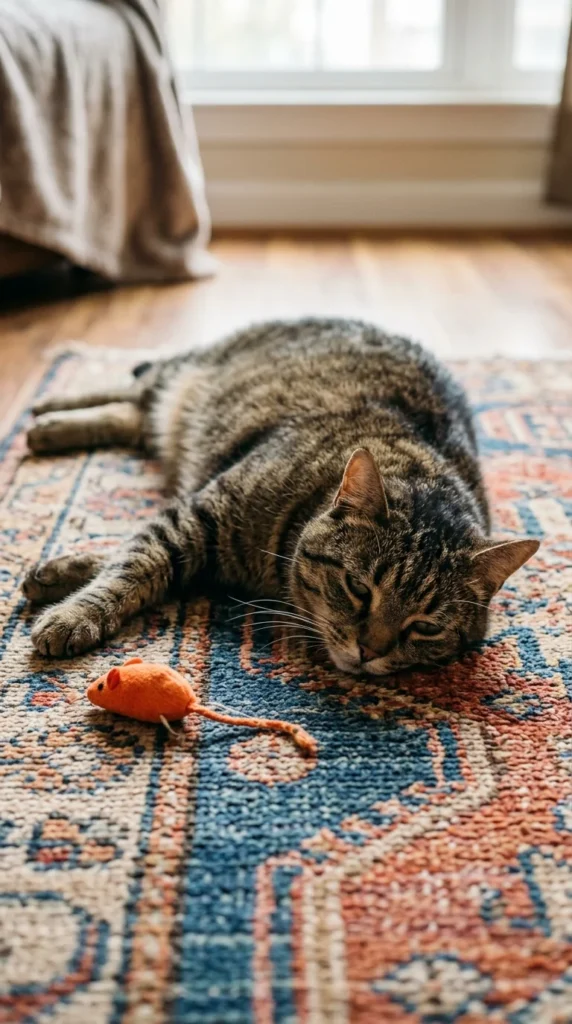
Every cat loves a good nap, but there is a difference between a sleepy cat and a lethargic one. If your cat is no longer interested in playing, stops greeting you at the door, or seems to lack the energy to move from one room to another, it’s a sign their body is fighting an infection or dealing with a systemic issue.
3. Litter Box Habits
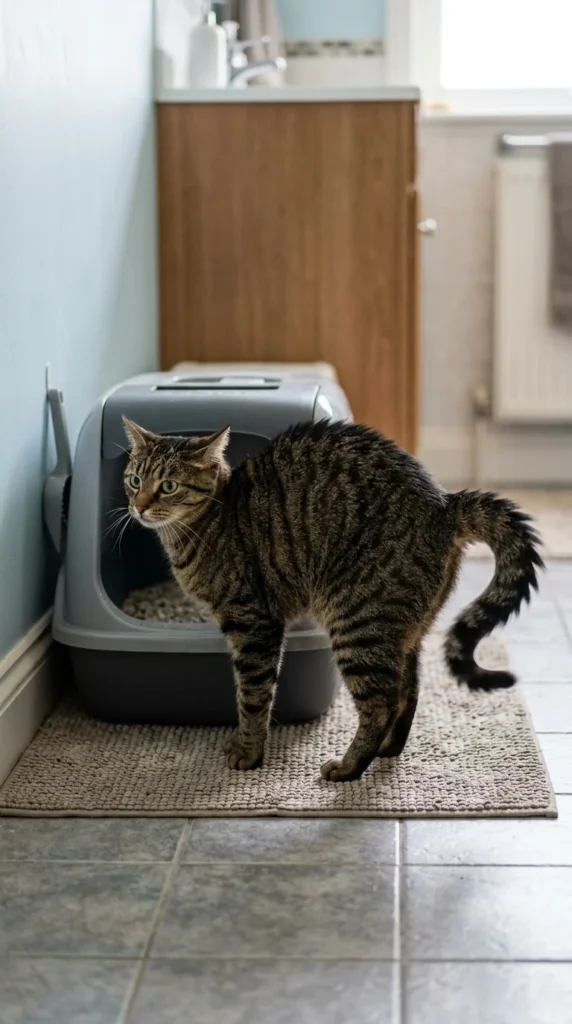
If your cat starts urinating outside the box, it’s rarely out of spite. It is often a sign of a Urinary Tract Infection (UTI), bladder stones, or interstitial cystitis. Straining to urinate, especially in male cats, is a life-threatening emergency that requires immediate veterinary intervention to rule out a blockage.
4. Unusual Hiding
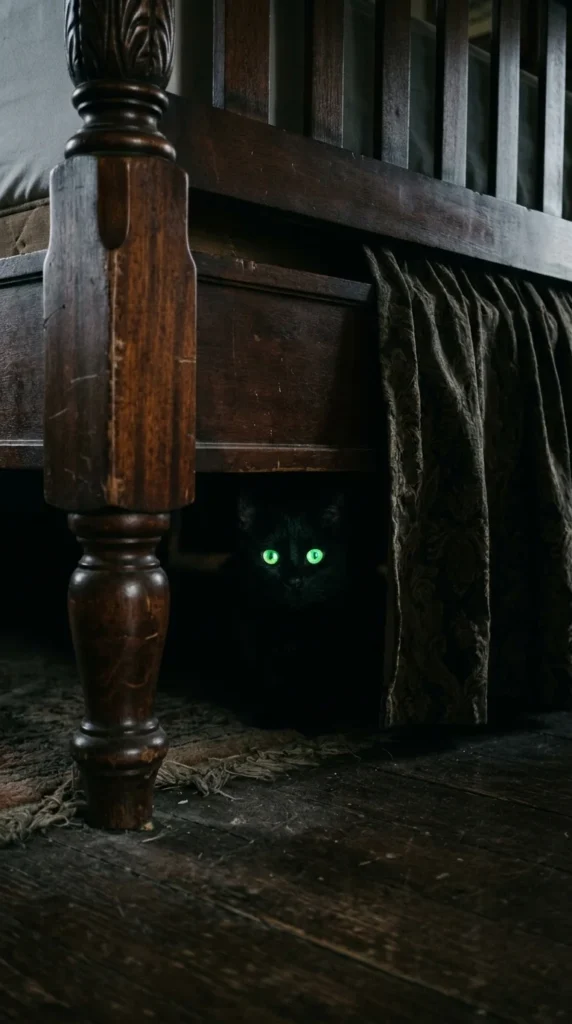
When cats feel vulnerable or pained, their instinct is to hide. If your normally social cat is suddenly spending all day in the back of a closet or under the basement stairs, they are likely trying to “self-isolate” because they feel unwell.
5. Increased Vocalization
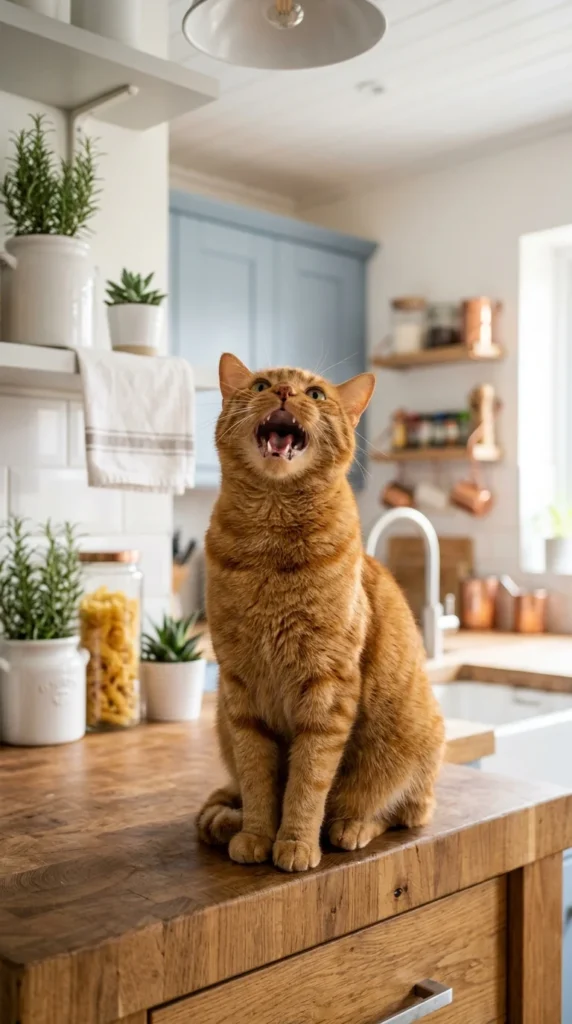
Is your quiet cat suddenly yowling at night? Or has your talkative cat gone silent? Changes in vocalization patterns can indicate cognitive dysfunction, high blood pressure, or physical pain. Yowing can also be a sign of distress in cats suffering from hyperthyroidism.
6. Bad Breath
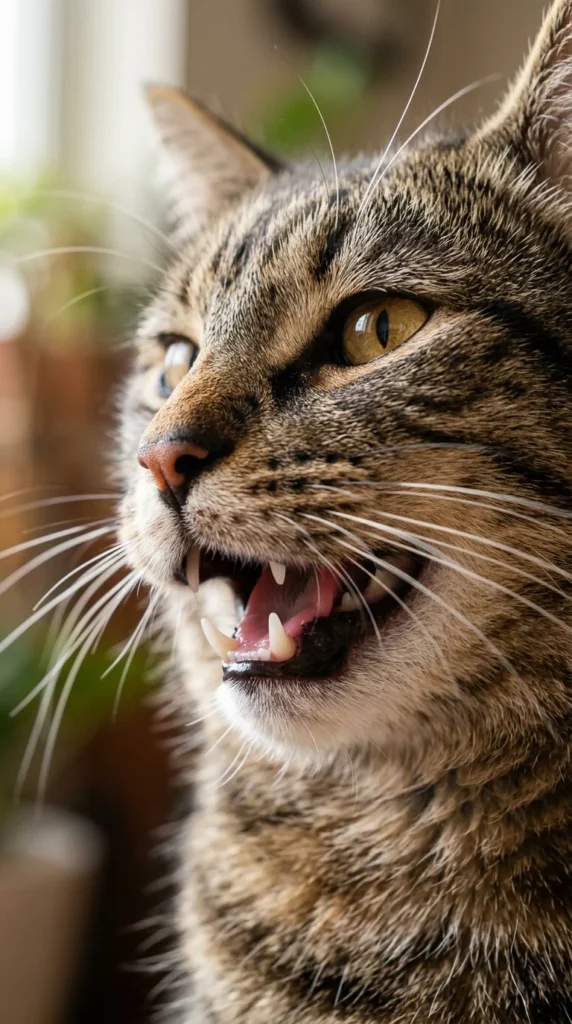
While “tuna breath” is normal, a truly foul, rotting smell coming from your cat’s mouth is not. Halitosis often points to dental disease, gum infections, or even kidney failure. If the breath smells sweet or fruity, it could be a sign of diabetes.
7. Grooming Extremes
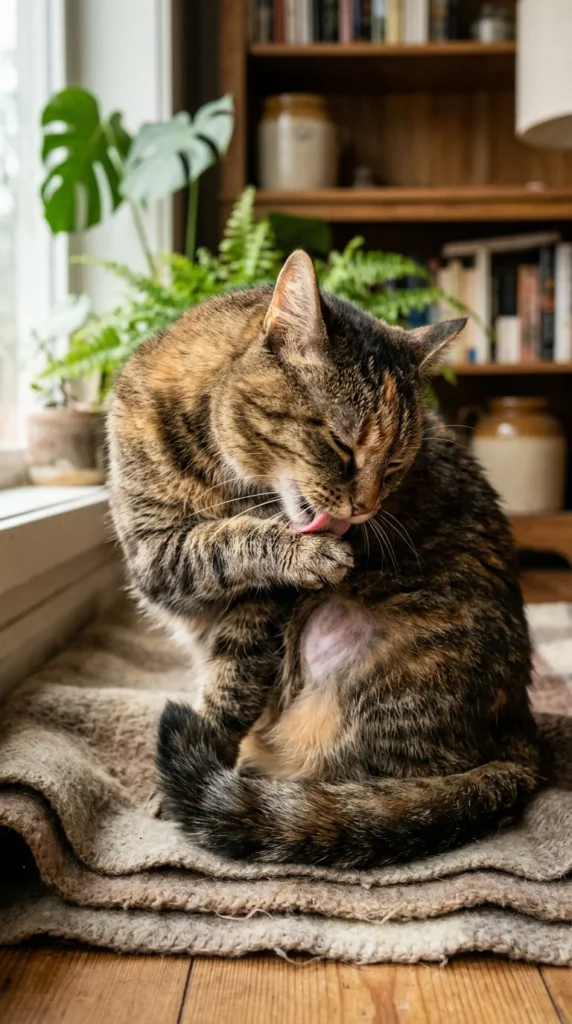
Cats are meticulous groomers. If your cat stops grooming and develops a greasy, matted, or “spiky” coat, they may be too ill or in too much pain (such as from arthritis) to reach certain spots. On the flip side, over-grooming a specific area until the skin is bald or raw often indicates localized pain, allergies, or stress.
8. Weight Fluctuations
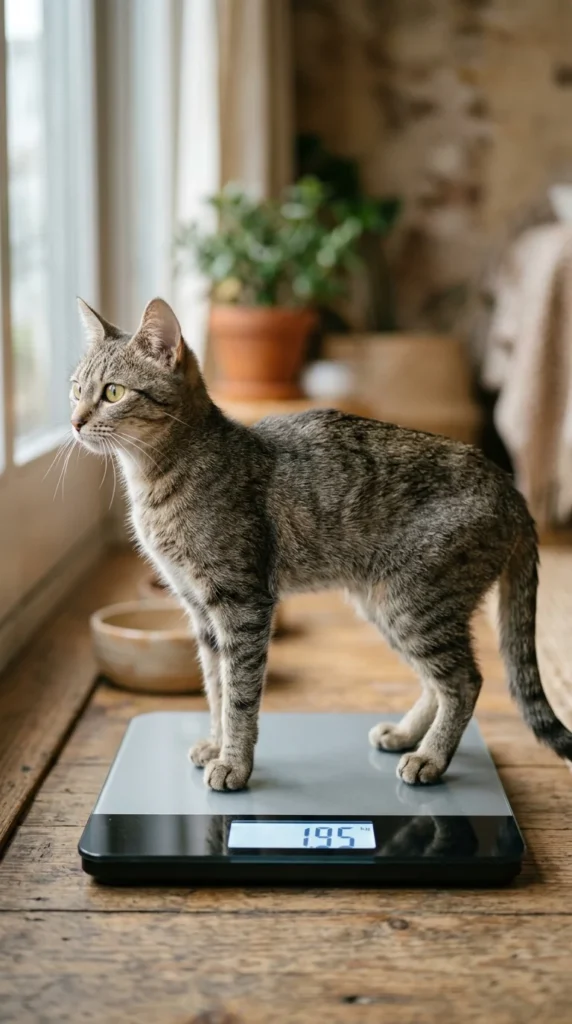
Gradual weight loss can be hard to spot under a layer of fur. You should be able to feel your cat’s ribs but not see them prominently. Sudden weight loss is a hallmark of cancer, kidney disease, or diabetes. Similarly, sudden weight gain or a bloated “potbellied” appearance can indicate internal parasites or fluid buildup.
9. Frequent Vomiting
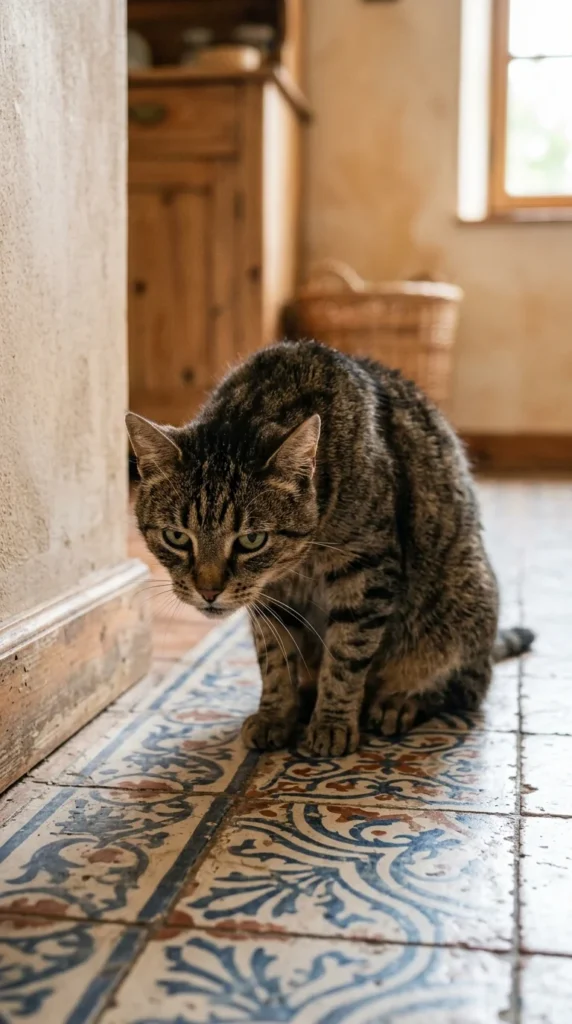
Many owners dismiss vomiting as “just hairballs,” but frequent vomiting is not normal. If your cat is throwing up food or bile more than once a month, it could indicate inflammatory bowel disease, food intolerances, or organ dysfunction.
10. Bowel Changes
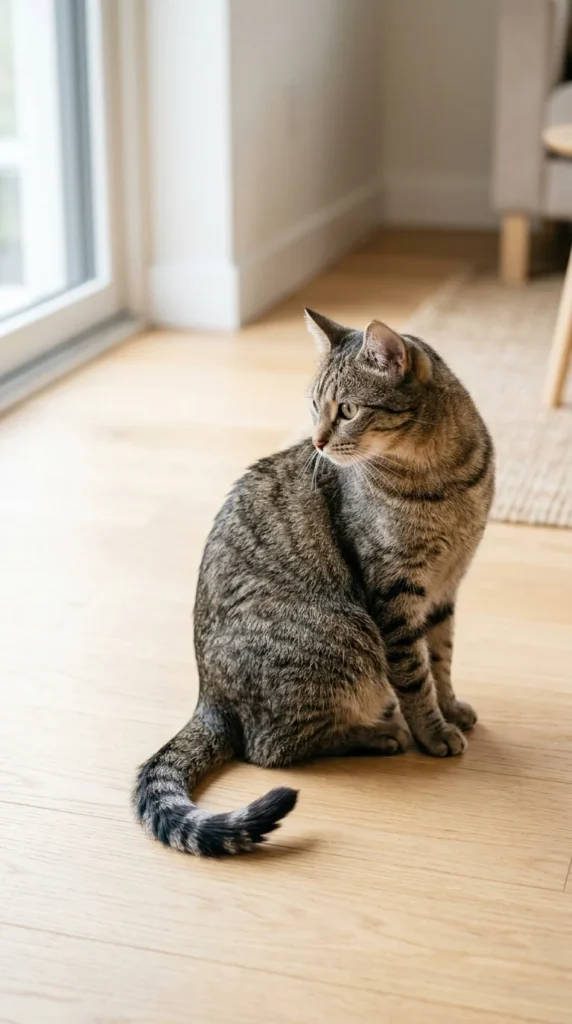
Diarrhea that lasts more than 24 hours can lead to dehydration. Conversely, constipation (straining or producing very hard, small stools) is often a sign of dehydration or megacolon. Keep an eye on the consistency and color of what your cat leaves in the litter box.
11. Eye Appearance
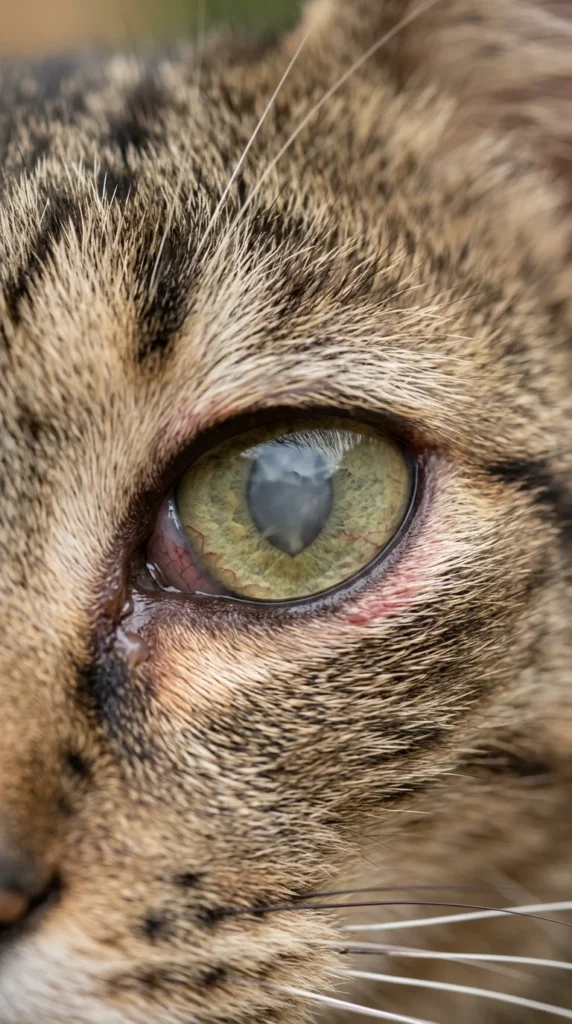
The eyes are windows to a cat’s health. Redness, discharge, squinting, or a cloudy appearance are all red flags. If you notice the “third eyelid” (a white membrane in the corner of the eye) is partially covering the eye, it’s a general sign that the cat is systemicly unwell.
12. Ear Issues
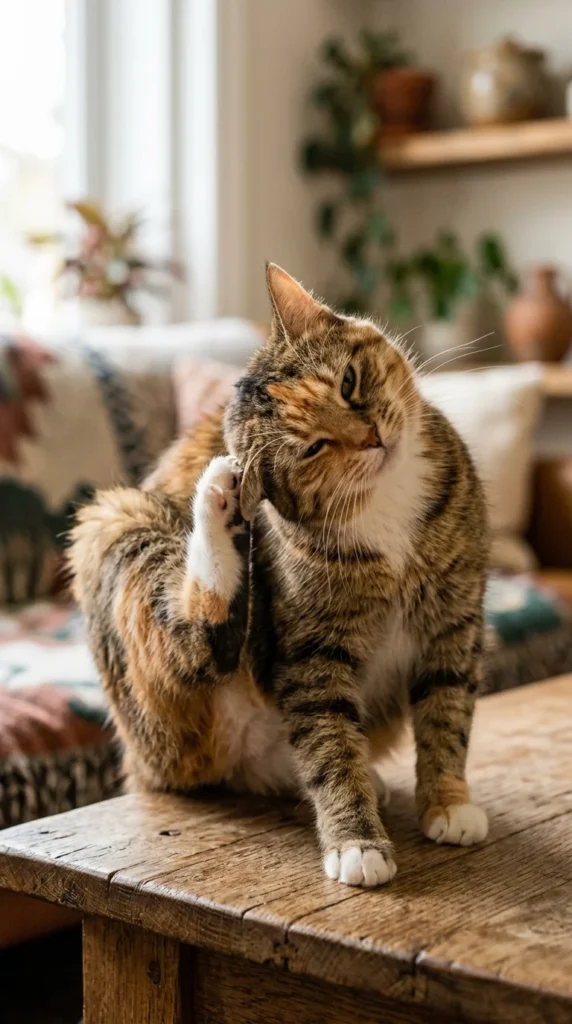
If your cat is shaking its head, tilting it to one side, or scratching at its ears, they may have an ear mite infestation or a bacterial infection. Check for dark, coffee-ground-like debris or a foul odor emanating from the ear canal.
13. Skin Condition
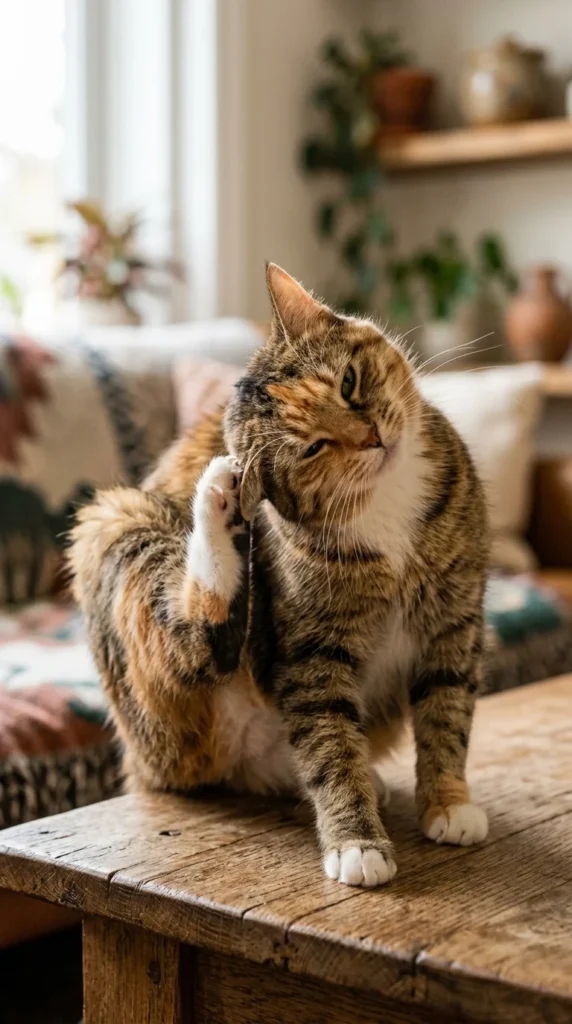
Healthy skin should be supple and flake-free. If you notice scabs, redness, bumps, or persistent dander, your cat may be suffering from fleas, fungal infections like ringworm, or severe environmental allergies.
14. Mobility Issues
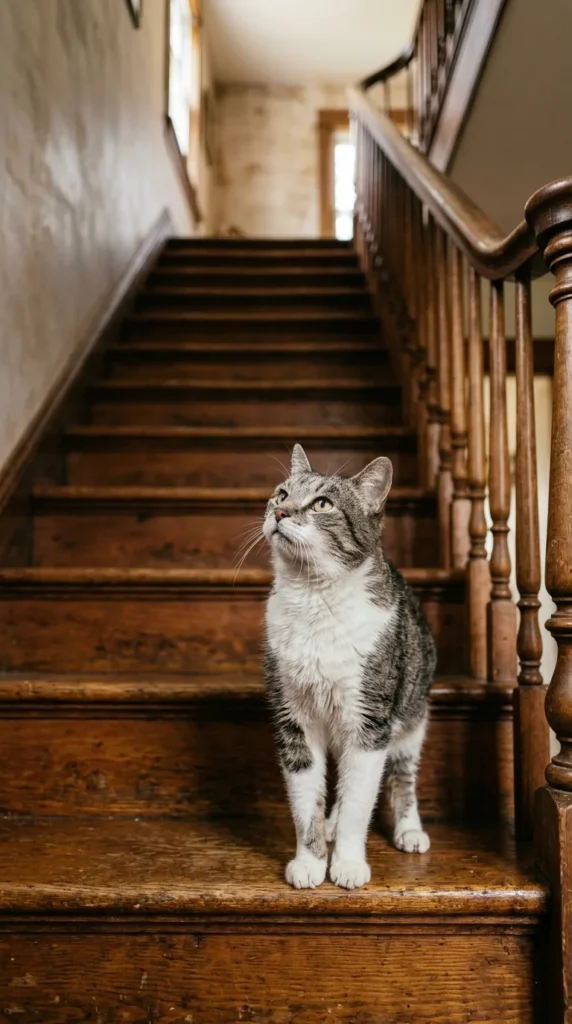
Is your cat no longer jumping onto the “forbidden” counter? Are they limping or walking with a stiff gait? While often attributed to old age, mobility changes usually indicate arthritis or injury. Cats are experts at hiding joint pain, so any change in how they move is significant.
15. Labored Breathing
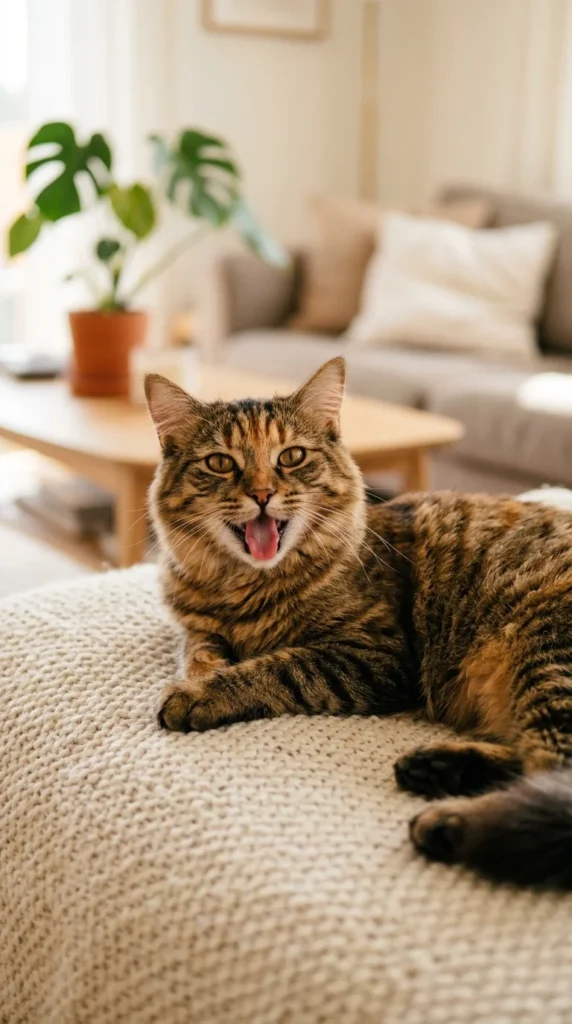
Unless a cat has just finished a high-intensity play session in a hot room, they should never breathe with their mouth open. Panting, wheezing, or very rapid, shallow breaths are signs of respiratory distress, heart disease, or asthma and require an immediate vet visit.
16. Excessive Thirst
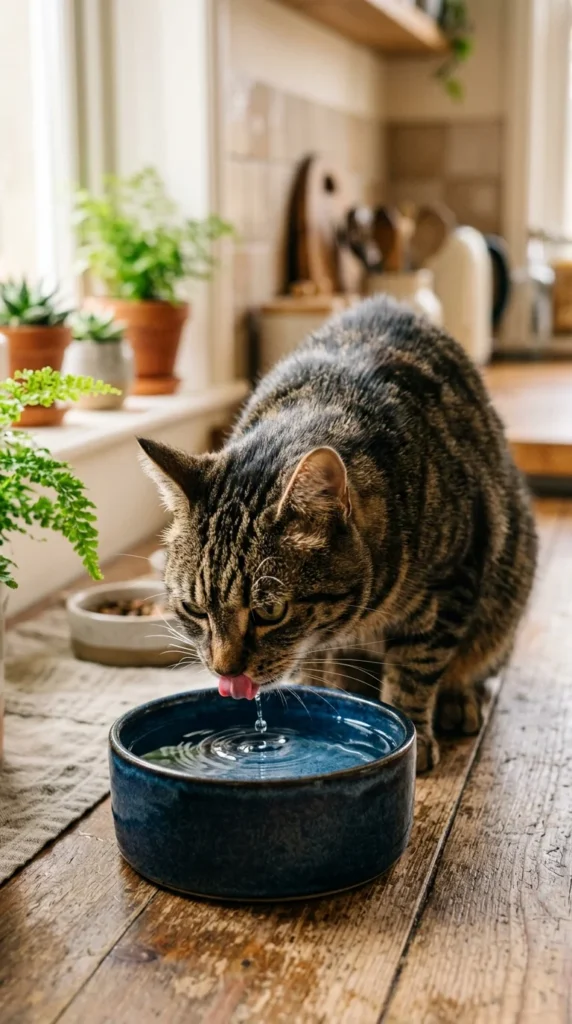
If you find yourself refilling the water bowl much more often than usual, pay attention. Increased thirst (polydipsia) is a classic symptom of kidney disease, diabetes, and hyperthyroidism. This is often accompanied by increased urination.
17. Sudden Aggression
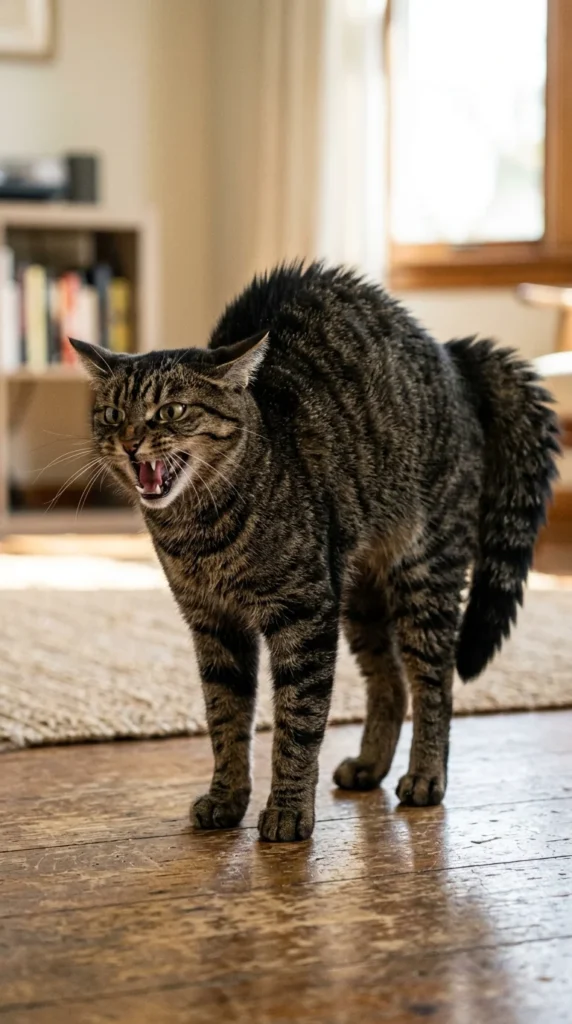
If your sweet, cuddly cat suddenly hisses or swats when you touch a certain area, they are likely in physical pain. Behavioral changes are often the first sign of medical issues in felines.
18. Lumps and Swelling
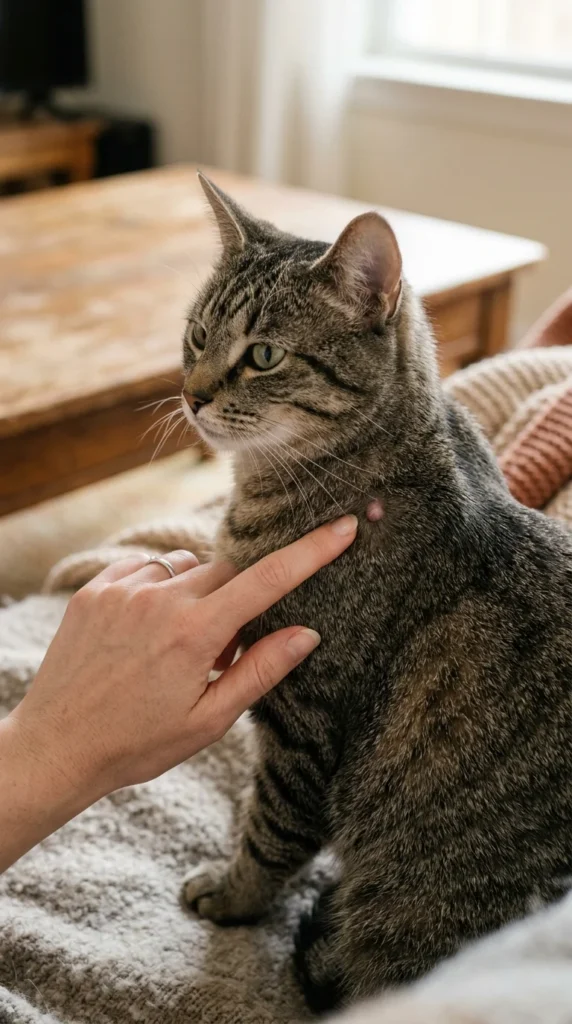
During your weekly petting sessions, feel for any new lumps, bumps, or areas of swelling. While some may be harmless fatty lipomas, others could be abscesses from a bite or malignant tumors that need early excision.
19. Visible Third Eyelid
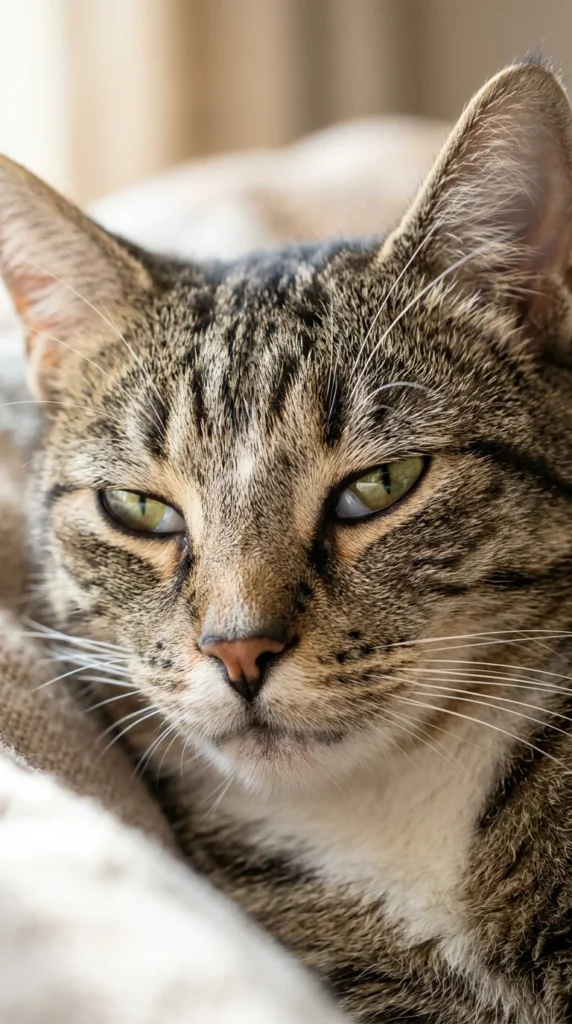
In a healthy, awake cat, the third eyelid is usually tucked away. If it becomes visible and stays that way, it is a non-specific sign of illness, indicating anything from a fever to an internal infection or a digestive upset.
20. Unusual Body Odor

Cats are generally very clean animals that don’t have a strong scent. If you notice a metallic smell (blood), a sweet smell (diabetes), or a musty/stinky smell (infection or skin issues), something is wrong beneath the surface.
21. Sleep Pattern Shifts
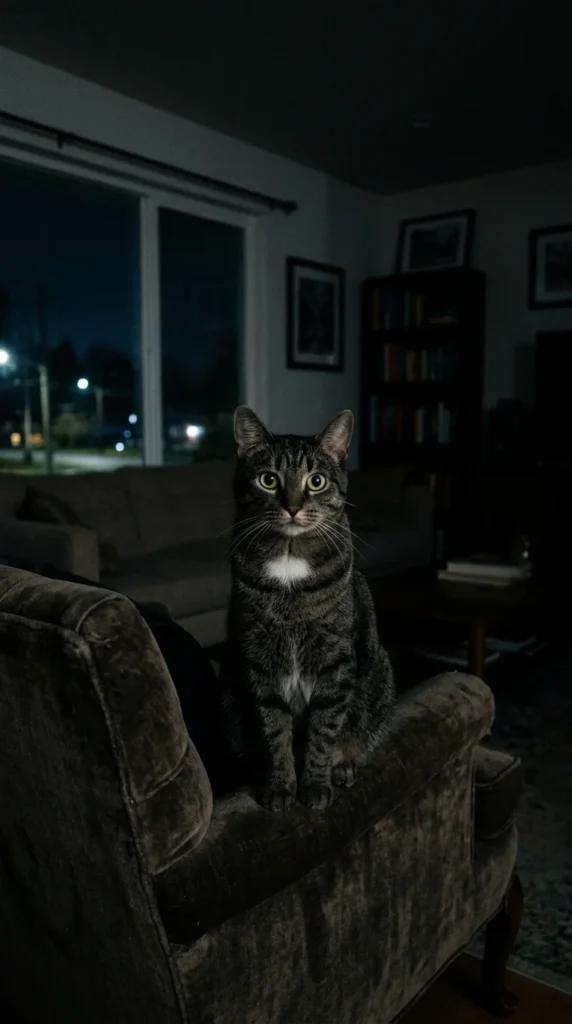
While cats sleep a lot, a shift in when or how they sleep is telling. A cat that suddenly stops sleeping and becomes hyperactive at night might have hyperthyroidism. A cat that sleeps much more than usual and is difficult to rouse is likely dealing with a fever or systemic illness.
22. Pupil Size Changes
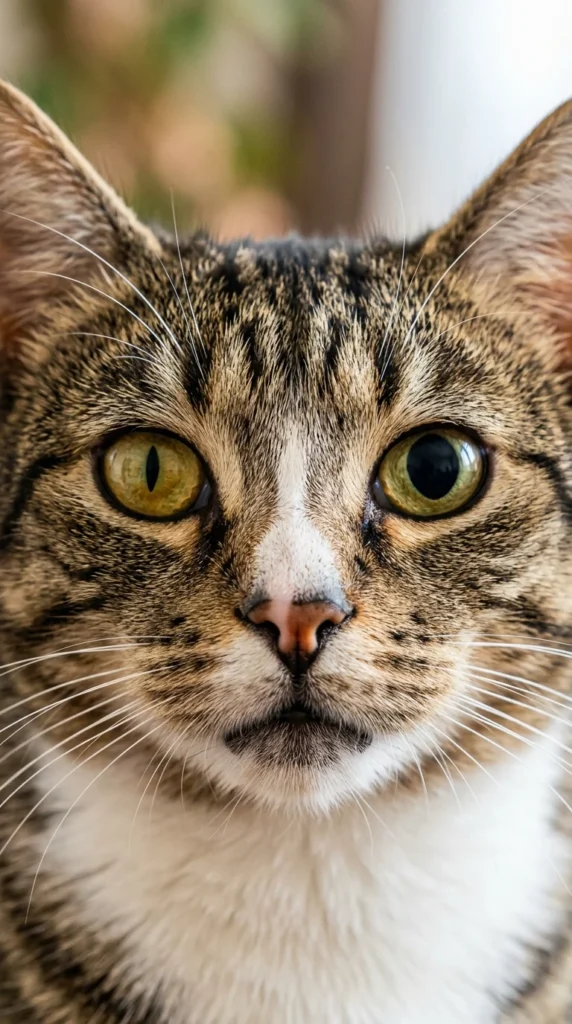
If your cat’s pupils are different sizes (anisocoria), this is a neurological emergency. It could indicate a brain injury, a stroke, or a tumor. Additionally, if the pupils remain dilated even in bright light, it could be a sign of high blood pressure or retinal detachment.