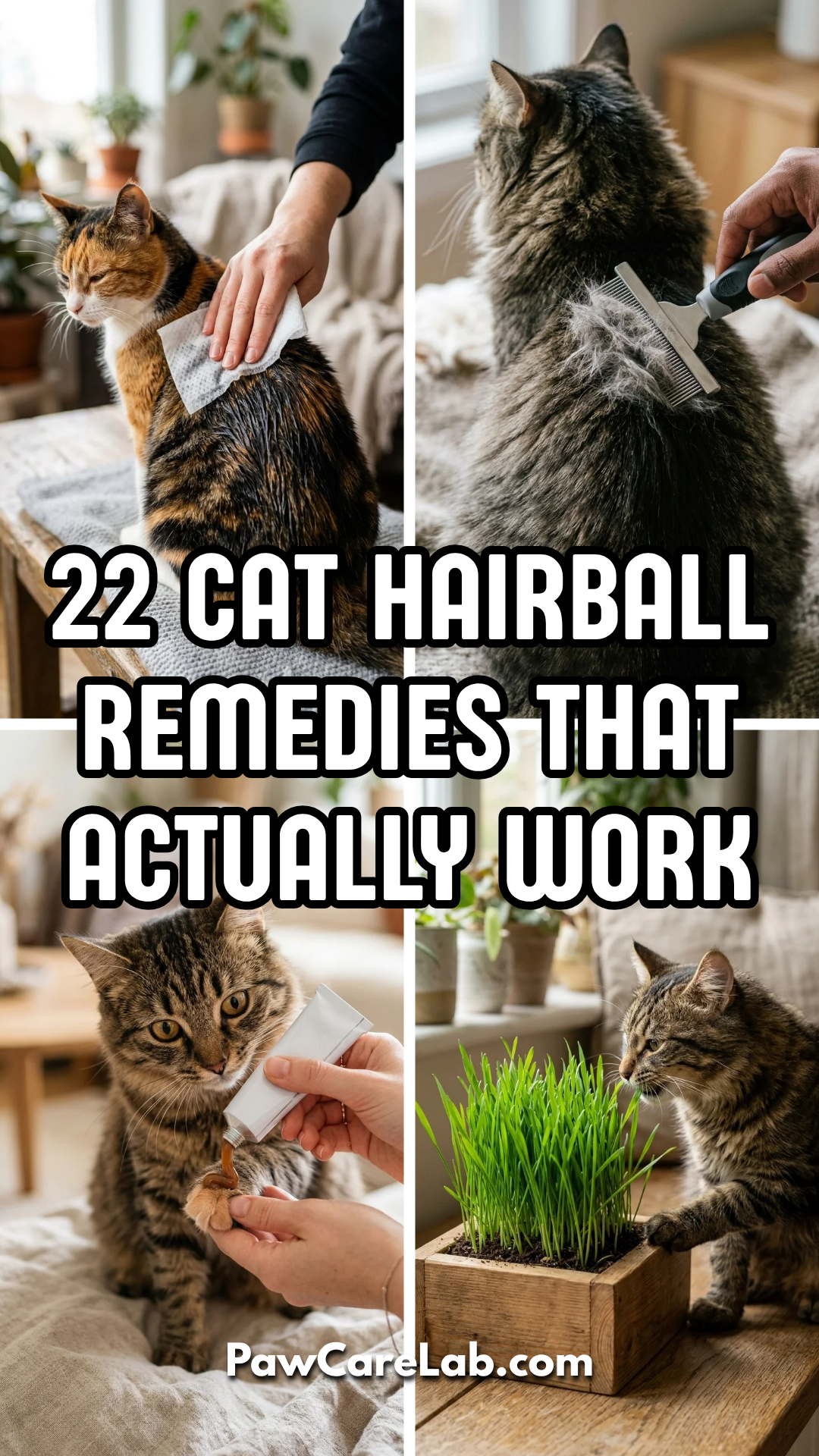
If you are a cat owner, you are likely familiar with the rhythmic, hacking sound that precedes the arrival of a damp, tube-shaped clump on your carpet. While hairballs—scientifically known as trichobezoars—are often treated as a humorous quirk of feline life, they can actually be quite uncomfortable for your pet and, in rare cases, lead to dangerous intestinal blockages. Cats are meticulous groomers, spending up to 50% of their waking hours cleaning themselves. During this process, tiny hooks on their tongues (papillae) catch loose fur, which is then swallowed.
Most of this hair passes through the digestive tract without issue, but sometimes it stays in the stomach, accumulating until it is vomited back up. To help your feline friend live a more comfortable, “hack-free” life, here are 22 proven remedies to manage and prevent hairballs.
1. Daily Brushing
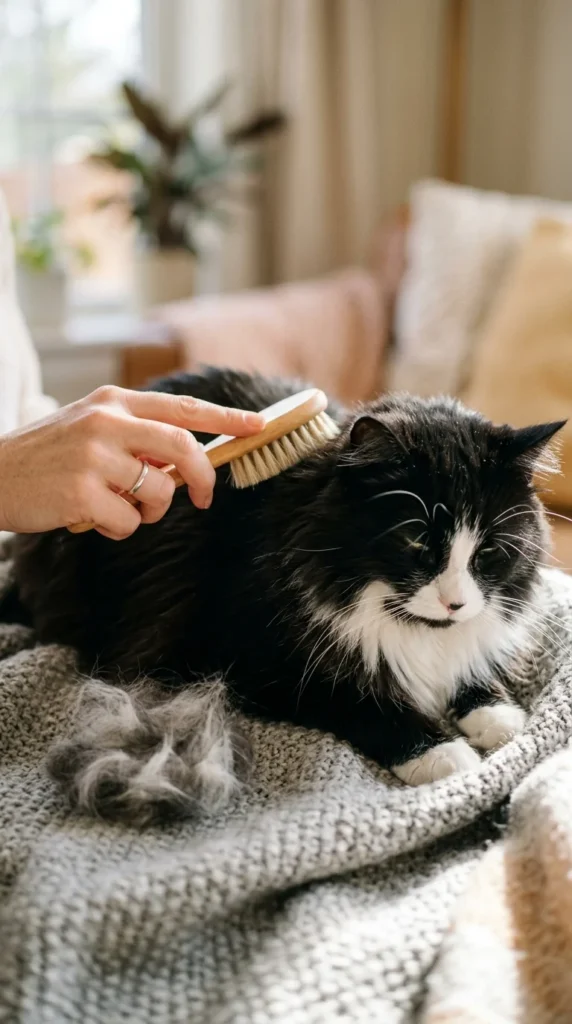
The most effective way to stop hairballs is to catch the fur before your cat swallows it. By brushing your cat daily, you manually remove the loose undercoat and dead hair that would otherwise end up in their stomach. For long-haired breeds like Persians or Maine Coons, this is a non-negotiable part of daily care. Even short-haired cats benefit from a quick five-minute session to reduce the shedding load.
2. Slicker Brushes
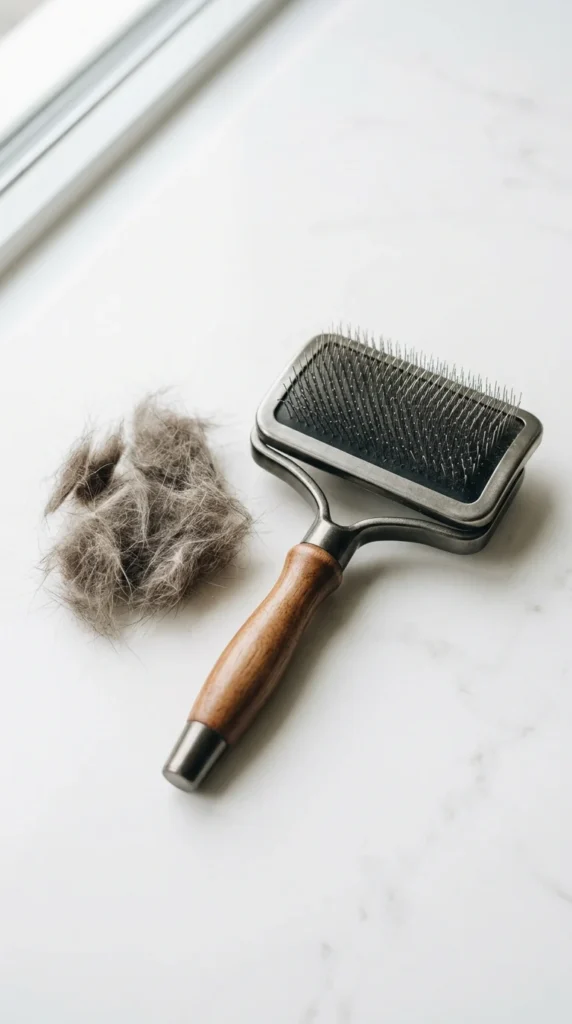
Not all brushes are created equal. A slicker brush features fine, short wires spaced closely together. These are specifically designed to penetrate deep into the coat and pull out the loose undercoat hair that standard brushes might miss. Using a slicker brush once or twice a week can drastically reduce the volume of hair your cat ingests during their self-grooming sessions.
3. De-shedding Tools
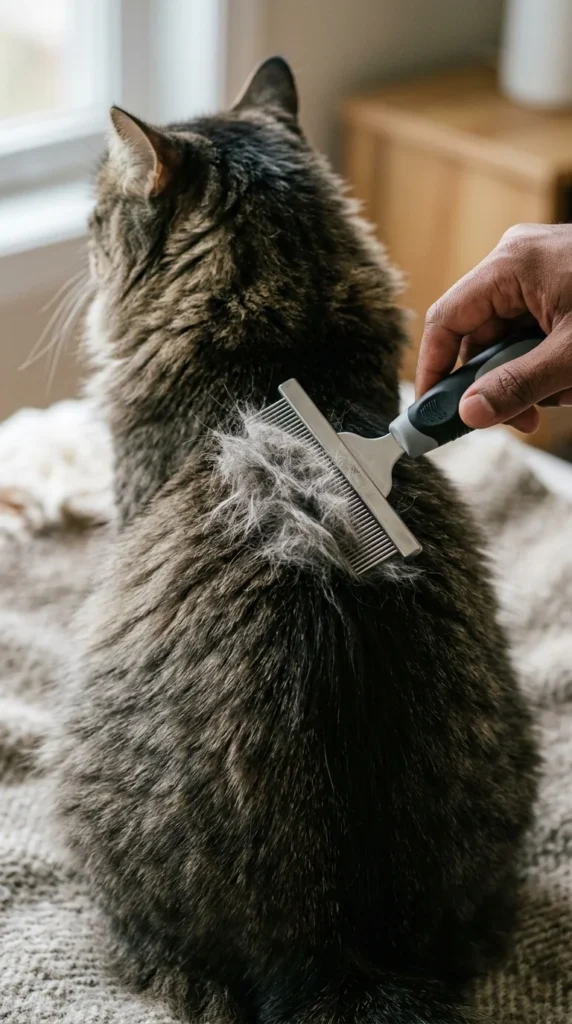
Tools like the Furminator are game-changers for heavy shedders. These tools reach through the topcoat to remove the loose hairs from the undercoat without cutting the skin or damaging the fur. Because they are so efficient, you only need to use them once a week to see a massive reduction in the frequency of hairballs appearing on your floor.
4. Grooming Wipes
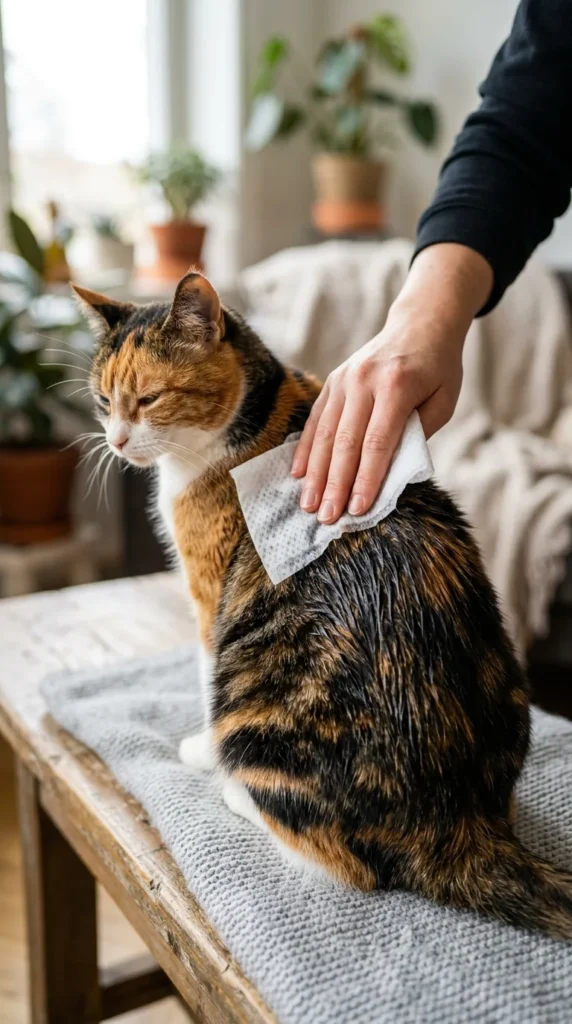
Sometimes, cats have loose dander and hair that sits right on the surface. Unscented, pet-safe grooming wipes can be used to “dust” your cat. By wiping them down daily, you remove surface hair and saliva allergens, preventing the cat from swallowing that extra layer of fur during their next bath.
5. Canned Pumpkin

Pureed pumpkin (not the spiced pie filling) is a fiber powerhouse. The high fiber content helps “sweep” the digestive tract, encouraging swallowed hair to move out of the stomach and through the intestines into the litter box. Most cats enjoy the taste, and a teaspoon a day mixed into their wet food can work wonders for their digestive regularity.
6. Hairball Pastes
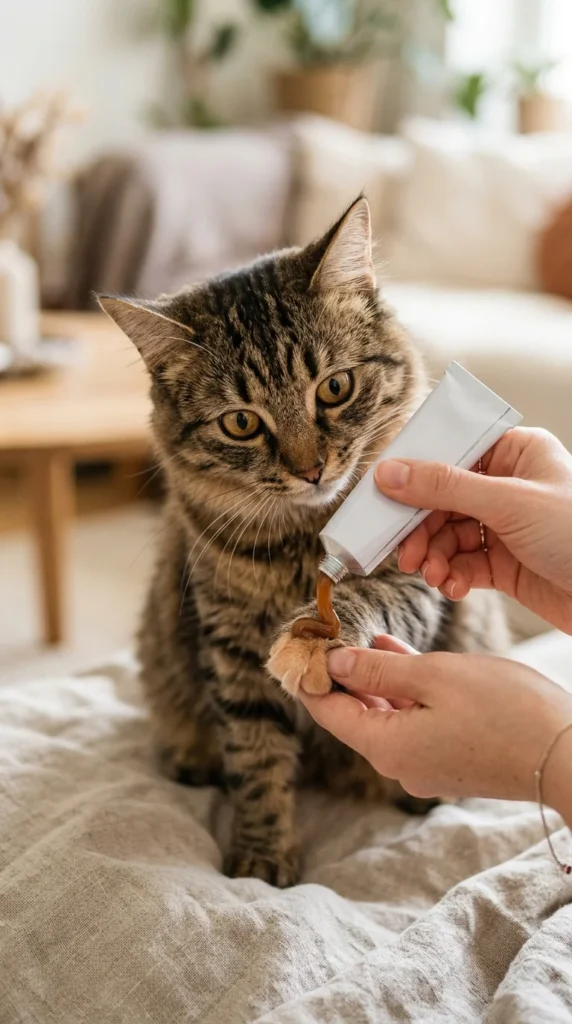
Commercial hairball lubricants or pastes are a staple for a reason. These products usually contain oils or fats that coat the swallowed hair, making it slippery so it can pass easily through the narrow passages of the digestive system. Many come in flavors like malt or salmon to make them more palatable for picky eaters.
7. Cat Grass
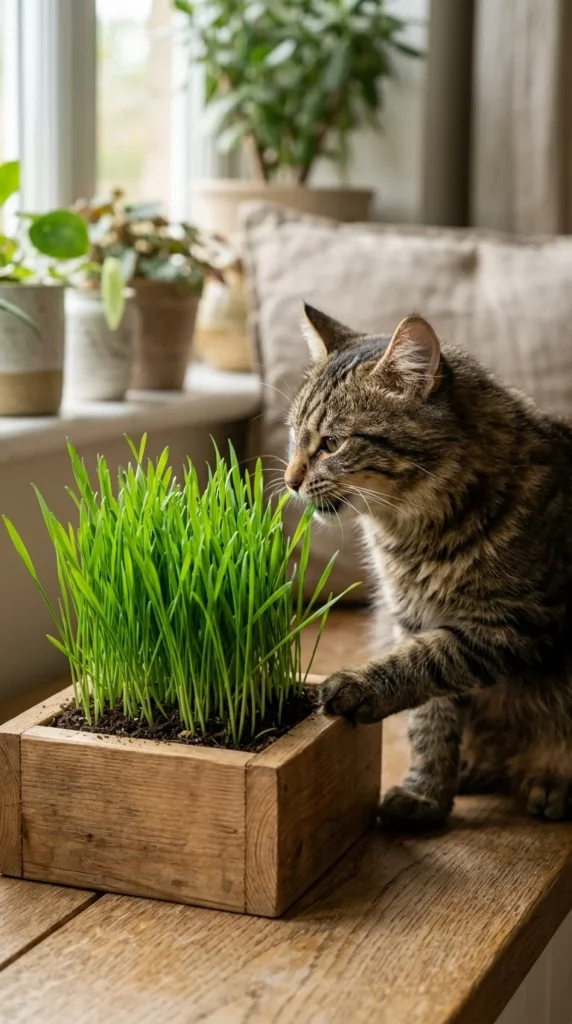
In the wild, cats eat grass to help settle their stomachs. Growing a small pot of “cat grass” (usually wheat, barley, or rye) provides your indoor cat with natural roughage. The fiber in the grass aids digestion and can help provide the bulk needed to move hair through the system naturally.
8. Olive Oil
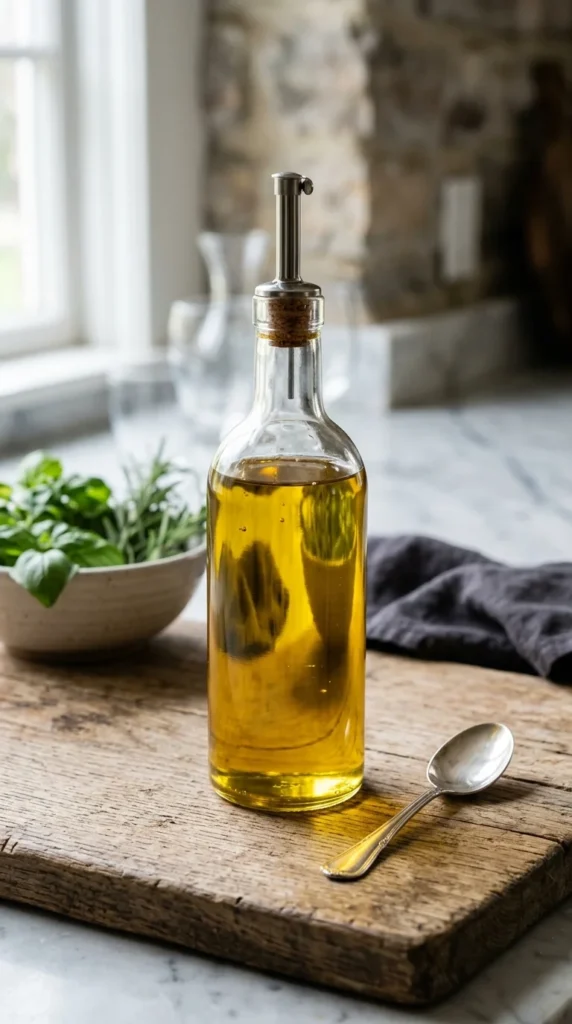
A small amount of olive oil—about half a teaspoon—mixed into your cat’s food once a week can act as a natural lubricant. It helps the digestive system stay “greased,” allowing hairballs to move along before they become large enough to cause an obstruction or be vomited up. However, use this sparingly to avoid upsetting their stomach.
9. Coconut Oil
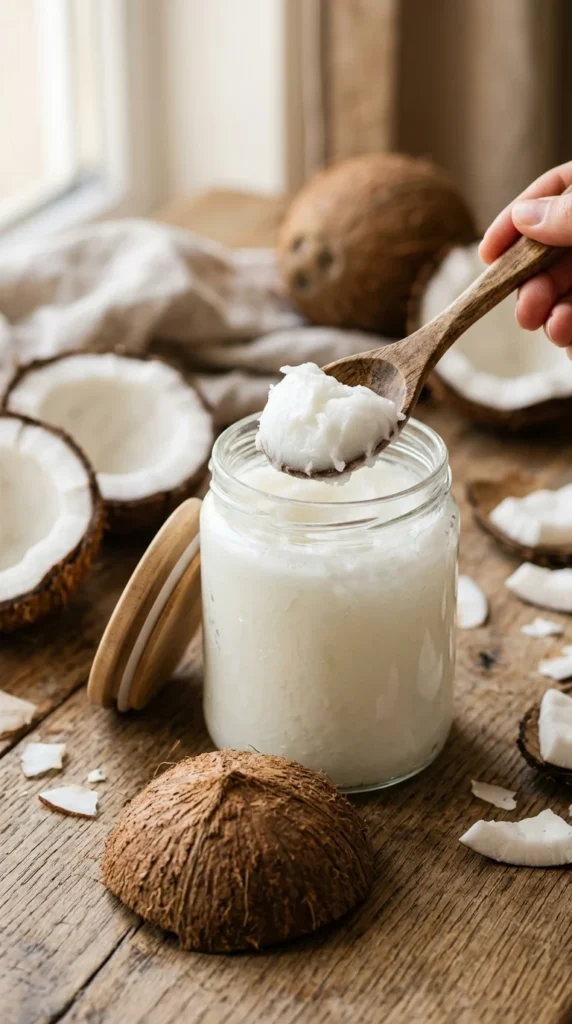
Like olive oil, coconut oil serves as a lubricant. Additionally, many cats find the taste of coconut oil more appealing. It also has the added benefit of improving skin and coat health; a healthier coat means less shedding, which ultimately means fewer hairballs.
10. Special Diets
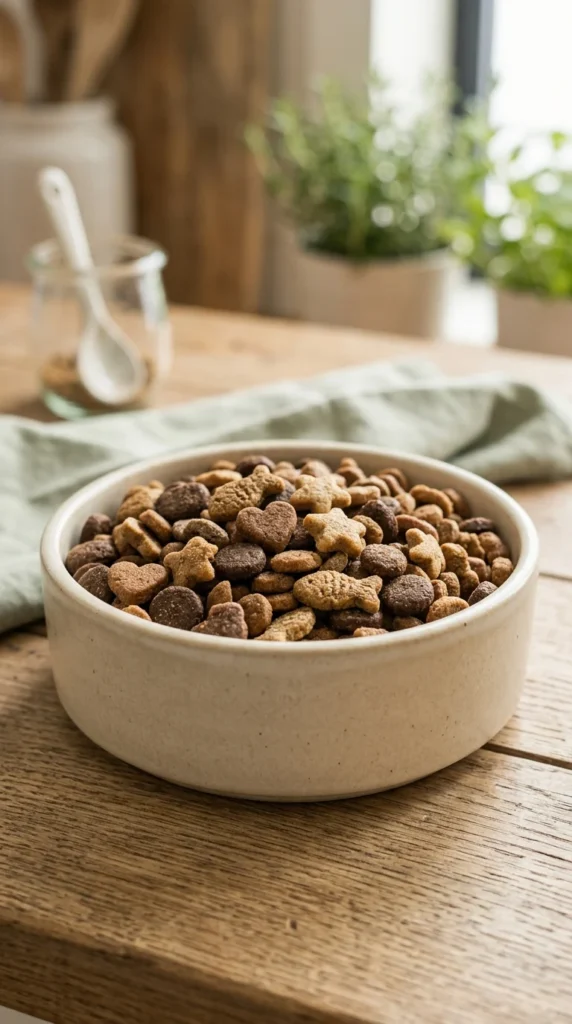
Many premium cat food brands offer “Hairball Control” formulas. These diets are typically higher in fiber and include specific fatty acids to improve skin health. The increased fiber helps the hair move through the gut, while the improved coat health reduces the amount of hair shed in the first place.
11. Hydration Boosters
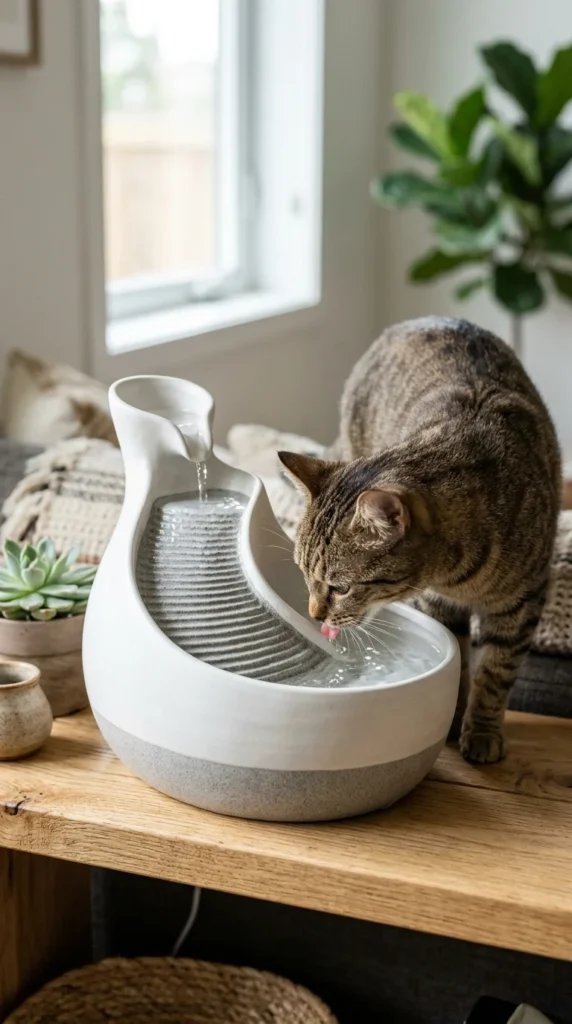
Dehydration makes the digestive tract sluggish. If a cat is well-hydrated, their intestines work more efficiently at moving waste (including hair) along. Encourage drinking by using a water fountain or adding a splash of tuna juice (water-packed, no salt) to their water bowl.
12. Wet Food Transition
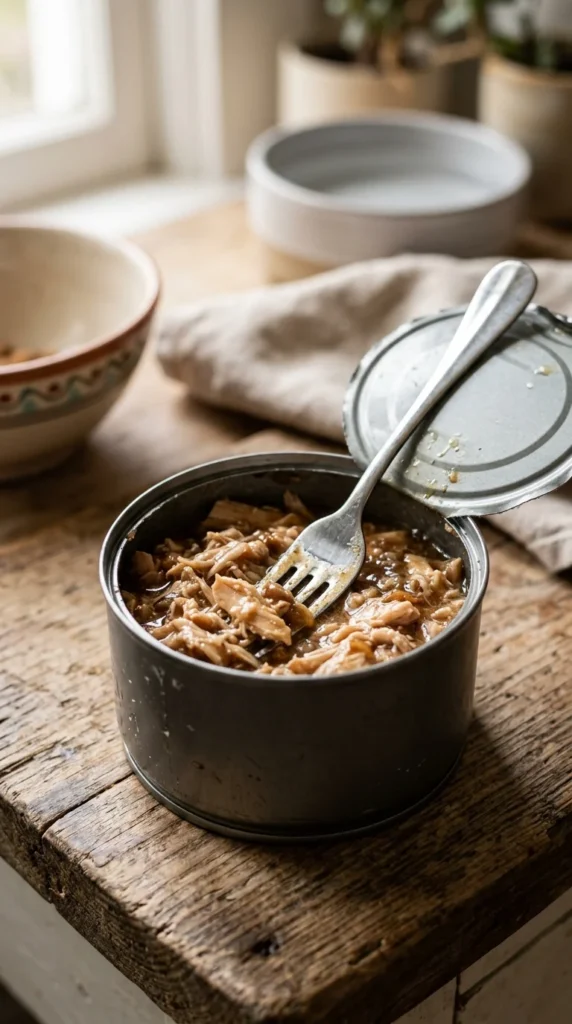
If your cat eats a strictly dry diet, they may not be getting enough moisture to keep their GI tract moving smoothly. Transitioning at least one meal a day to high-quality wet food can provide the hydration necessary to prevent hair from getting stuck in the stomach.
13. Fish Oil Supplements
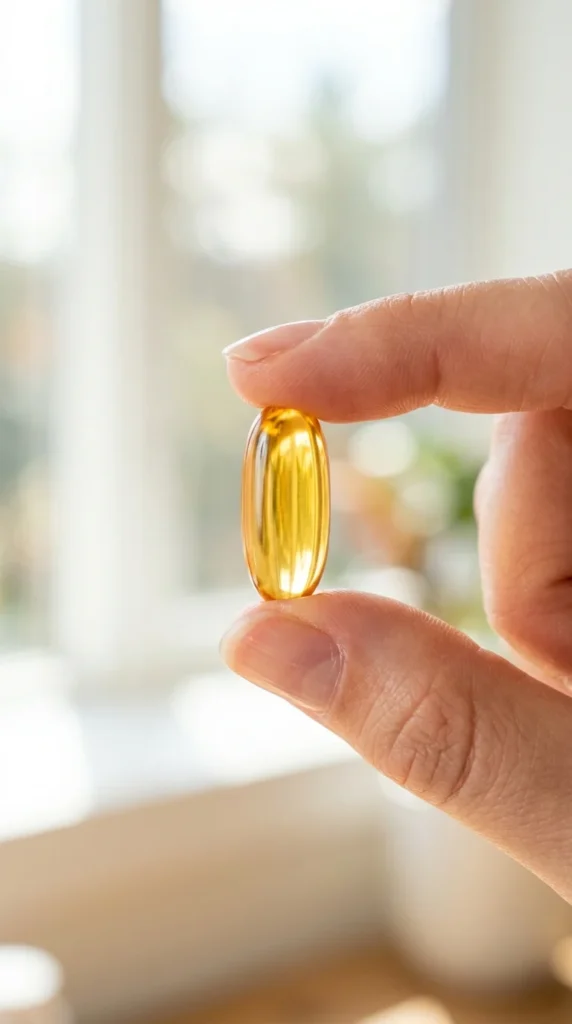
Omega-3 fatty acids found in fish oil are excellent for reducing inflammation in the gut and promoting a shiny, healthy coat. A cat with a healthy coat sheds less, and the oil itself provides a slight lubricating effect within the intestines.
14. Egg Yolk Lecithin
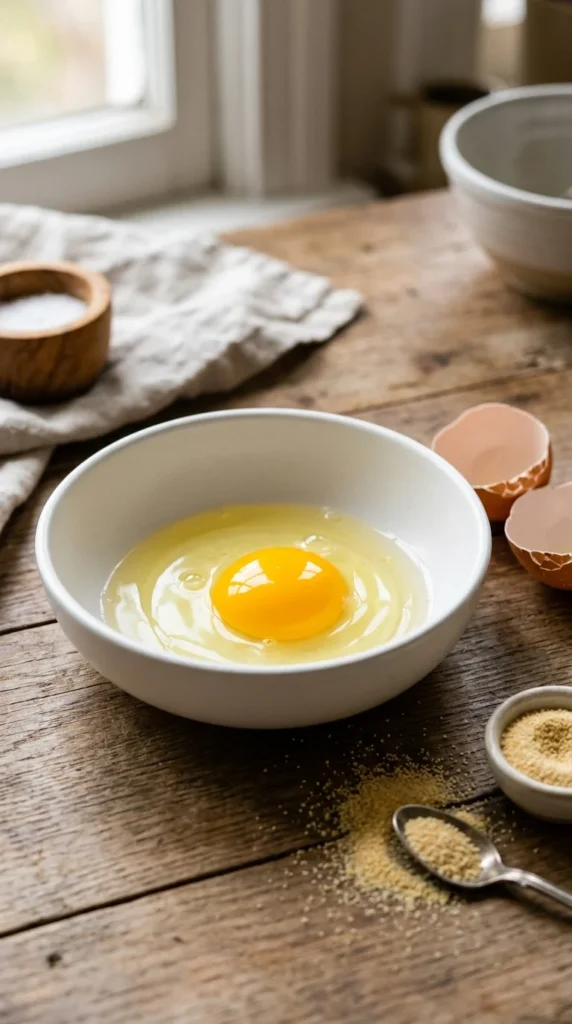
Egg yolk lecithin is a natural emulsifier. It helps break down the fats that bind hair together in the stomach, making it easier for the individual strands of hair to pass through the digestive system rather than clumping into a large, problematic mass.
15. Psyllium Husk
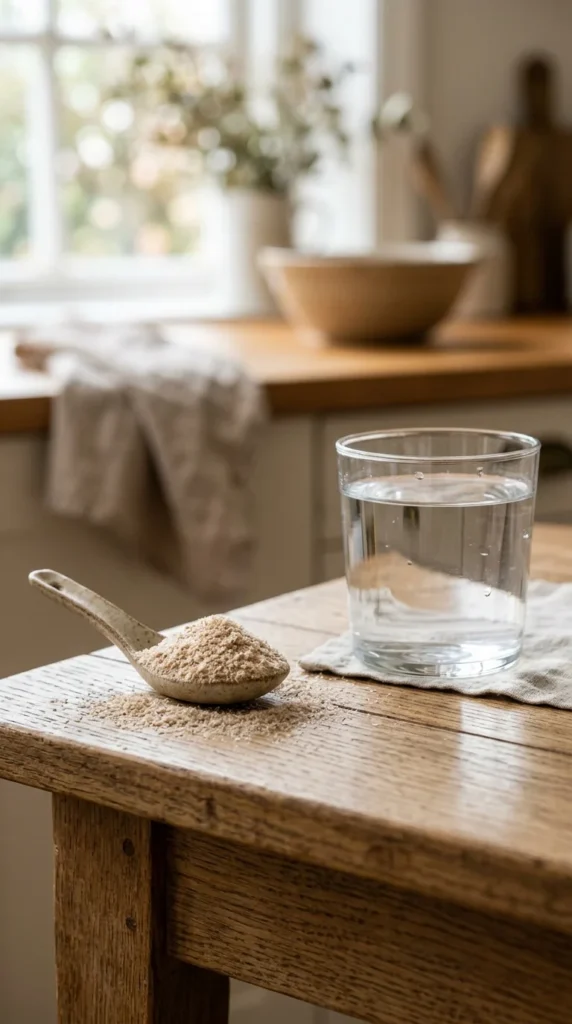
Psyllium is a soluble fiber that absorbs water and creates a gel-like substance. When added to a cat’s food in very small quantities (consult your vet for dosage), it adds bulk to the stool and helps “carry” the hair out of the body during bowel movements.
16. Digestive Enzymes
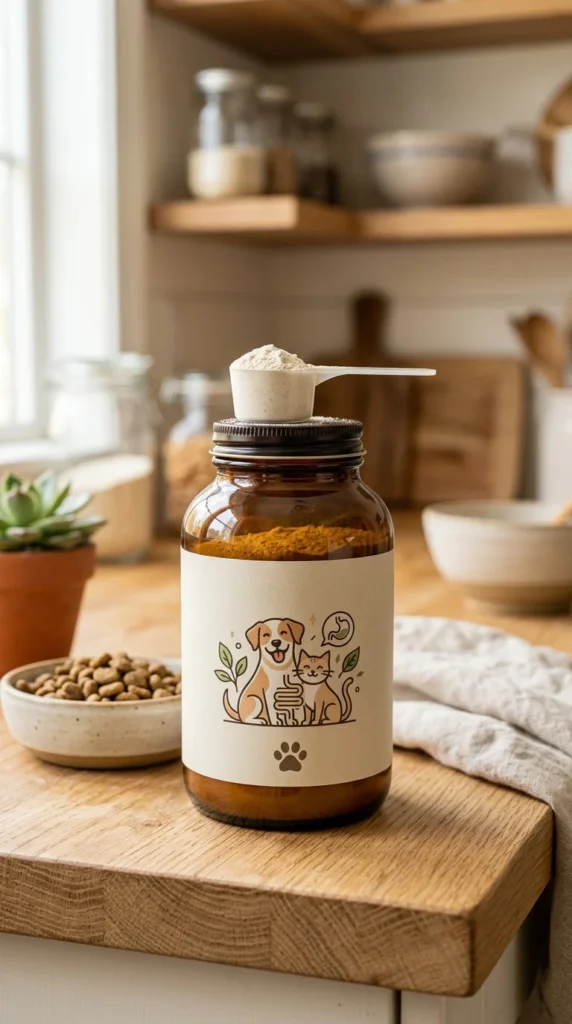
Sometimes hairballs occur because a cat’s digestion is slightly inefficient. Supplemental digestive enzymes can help the body process food more effectively, ensuring that the stomach empties properly and doesn’t allow hair to sit and collect over time.
17. Probiotics
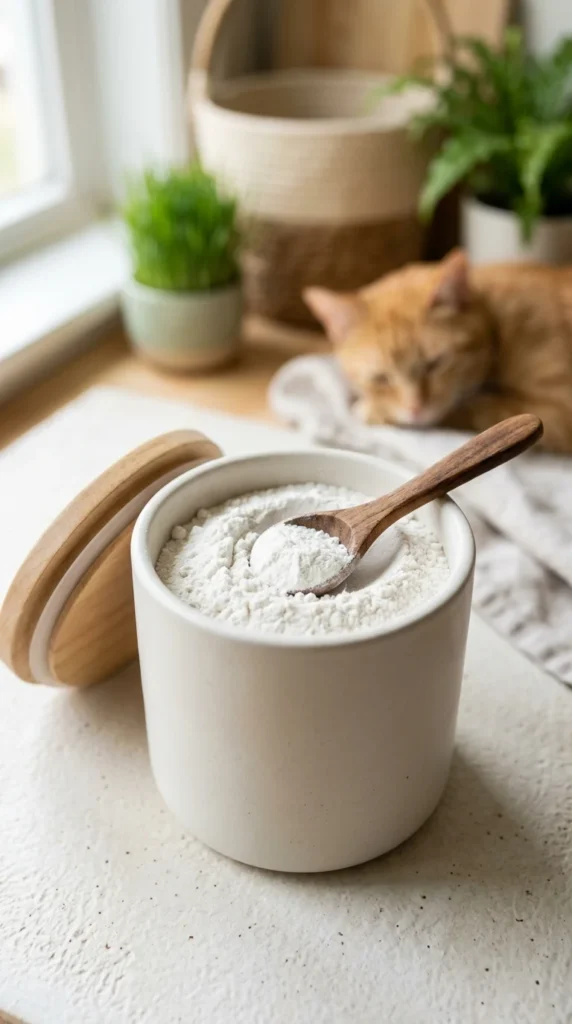
A healthy gut microbiome is essential for regular bowel movements. Probiotics specifically formulated for felines can improve overall gastrointestinal motility, ensuring that swallowed fur follows the “one-way street” out of the body rather than coming back up.
18. Frequent Small Meals
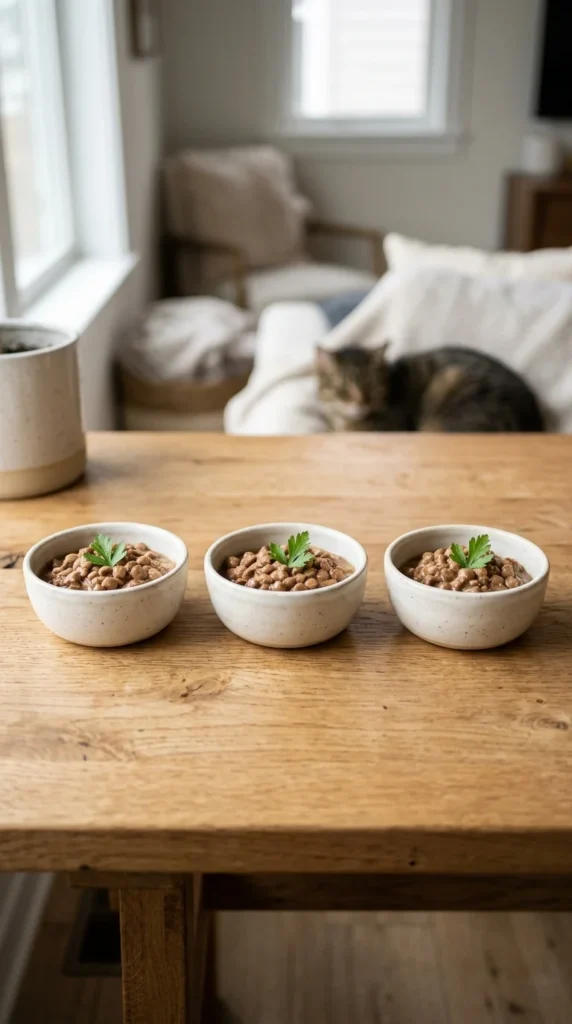
Instead of feeding one or two large meals, try feeding smaller portions throughout the day. This keeps the digestive tract constantly working and moving, which prevents hair from settling in the stomach and forming a ball.
19. Slow Feeders
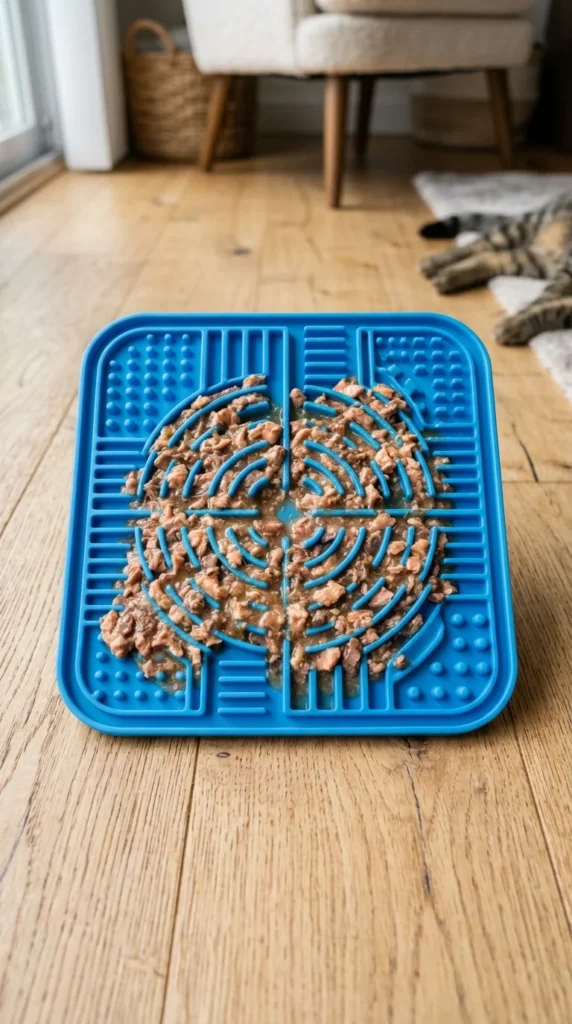
If your cat eats too quickly, they swallow more air and put more stress on their digestive system. A slow feeder or a licking mat forces them to eat at a more natural pace, which can improve digestion and help the body handle swallowed hair more effectively.
20. Professional Grooming
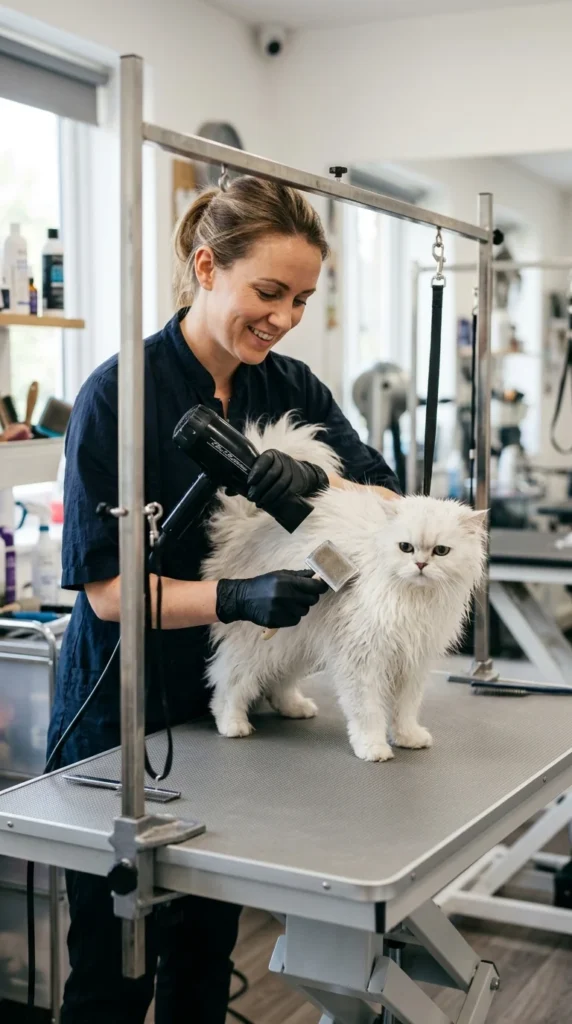
For cats with extremely thick coats or those who refuse to be brushed by their owners, a trip to a professional groomer every few months can be a lifesaver. Groomers have high-powered blowers and specialized tools that remove massive amounts of dead hair that home brushing simply can’t reach.
21. Stress Reduction
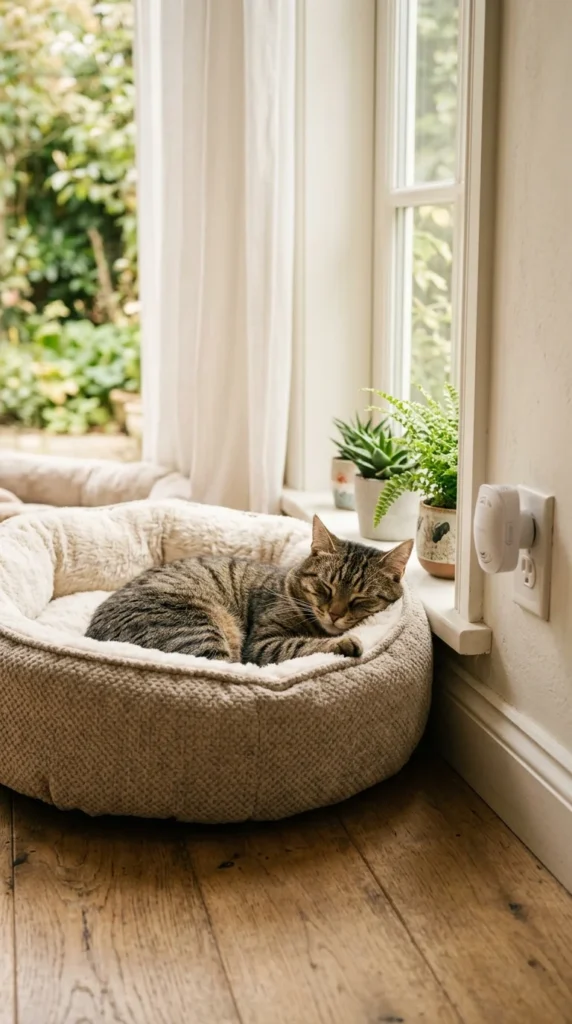
Stress can lead to “over-grooming” or psychogenic alopecia, where a cat licks themselves excessively due to anxiety. This results in an enormous intake of fur. Using pheromone diffusers, providing hiding spots, and maintaining a routine can reduce stress-induced grooming and the resulting hairballs.
22. Interactive Play
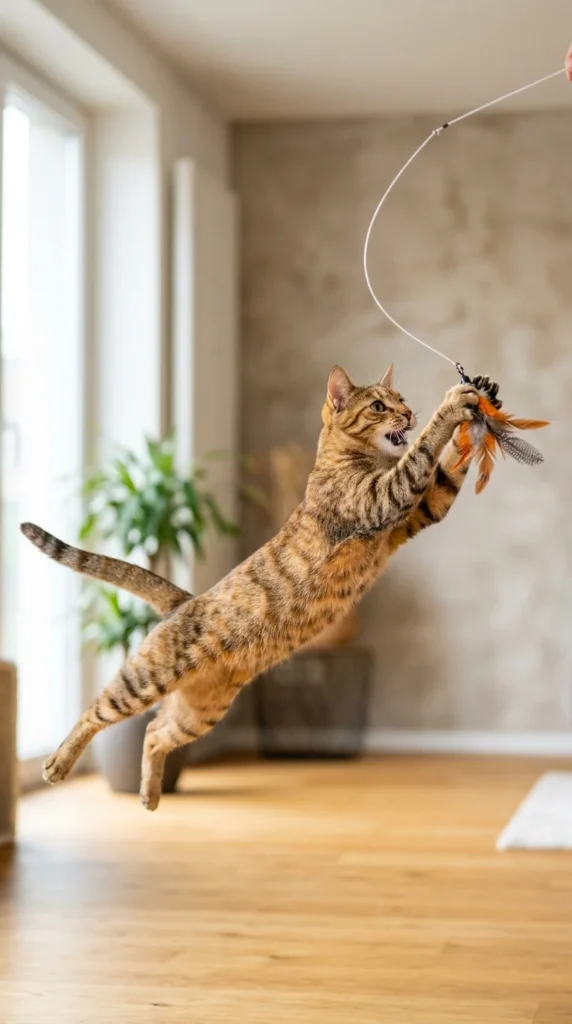
Exercise isn’t just for muscles; it helps the internal organs too. Physical activity stimulates the muscles of the digestive tract (peristalsis), which helps push food and swallowed hair through the system. A daily 15-minute play session can keep your cat’s “plumbing” in top shape.