
Living with a cat is one of life’s greatest joys, but for many, it comes with a physical price. Cat allergies are twice as common as dog allergies, affecting millions of people worldwide. Interestingly, many people aren’t actually allergic to the fur itself, but rather to a protein called Fel d 1 found in a cat’s saliva, skin oils (dander), and urine.
When a cat grooms itself, this protein spreads onto the fur, dries, and becomes airborne. For an allergy sufferer, the immune system overreacts to these tiny particles, viewing them as dangerous invaders. Recognizing the symptoms early is crucial for managing your health while maintaining a happy home with your feline friend. Here are 18 essential cat allergy symptoms every owner should recognize.
1. Sneezing

One of the most immediate and common signs of a cat allergy is frequent sneezing. This is your body’s reflexive attempt to eject the allergens that have entered your nasal passages. Unlike a cold, which might cause a few sneezes throughout the day, cat-induced sneezing often occurs in “fits”—multiple sneezes in rapid succession—shortly after you enter a room where a cat has been or after you’ve pet your furry companion.
2. Coughing

If the cat dander travels deeper into your respiratory system, it can irritate the lining of your throat and lungs, leading to a persistent cough. This symptom is particularly common in individuals who spend a lot of time in enclosed spaces with cats. The cough is usually dry and hacking, and it may worsen at night if the cat sleeps in the same room or if dander has settled into your bedding.
3. Wheezing
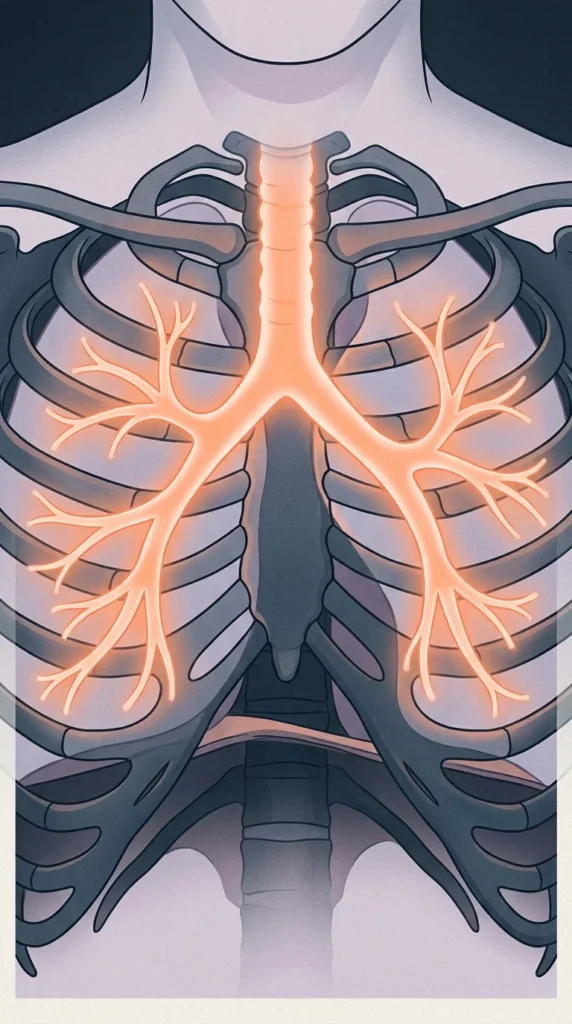
Wheezing is a whistling or squeaky sound made while breathing, usually when you exhale. It occurs when the airways become inflamed and narrow due to the allergic reaction. For people with underlying asthma, cat dander is a major trigger that can lead to significant respiratory distress. If you find yourself whistling while you breathe after playing with your cat, it’s a clear sign your lower respiratory tract is reacting to the allergens.
4. Red Eyes

Allergic conjunctivitis is a common byproduct of living with cats. When dander makes contact with the moist surface of your eyes, the blood vessels dilate to bring more immune cells to the area. This results in the “bloodshot” look that many owners recognize all too well. While it’s tempting to rub them, doing so usually transfers more dander from your hands directly into the eye, worsening the redness.
5. Itchy Eyes

The itchiness associated with cat allergies can be maddening. This is caused by the release of histamines in the eye tissue. The sensation can range from a mild tickle to an intense, burning itch that makes it difficult to focus on daily tasks. This symptom often occurs almost instantly upon contact with a cat or even just entering a house where a cat lives.
6. Watery Eyes

In an effort to “wash away” the irritating proteins, your tear ducts may go into overdrive. This leads to constant watering or “tearing up.” You might find yourself constantly dabbing your eyes with a tissue. This fluid is usually clear and thin, distinguishing it from the thick, yellow discharge often associated with bacterial infections.
7. Runny Nose

A runny nose, or rhinorrhea, is the body’s way of trapping and flushing out allergens from the nasal cavity. The discharge is typically clear and watery. If you notice that your nose starts running every time you cuddle your cat, your body is likely reacting to the Fel d 1 protein found on the cat’s coat.
8. Nasal Congestion
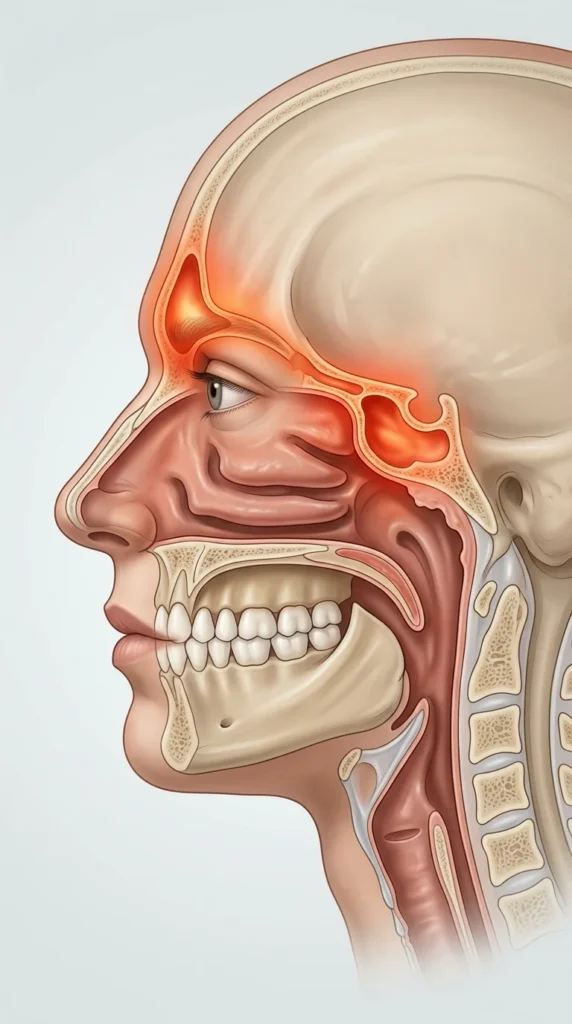
While some people get a runny nose, others experience the opposite: a completely blocked, “stuffy” nose. This happens when the tissues lining the nose become swollen due to inflammation. Nasal congestion can make it difficult to breathe through your nose, leading to mouth breathing and a dry mouth, especially during sleep.
9. Skin Rashes

Direct contact with a cat—through petting, scratching, or even a friendly “head butt”—can cause localized skin reactions. These rashes, often called contact dermatitis, appear as red, itchy patches. They usually occur on the hands, arms, or any area where the cat’s fur or saliva has touched the skin.
10. Hives
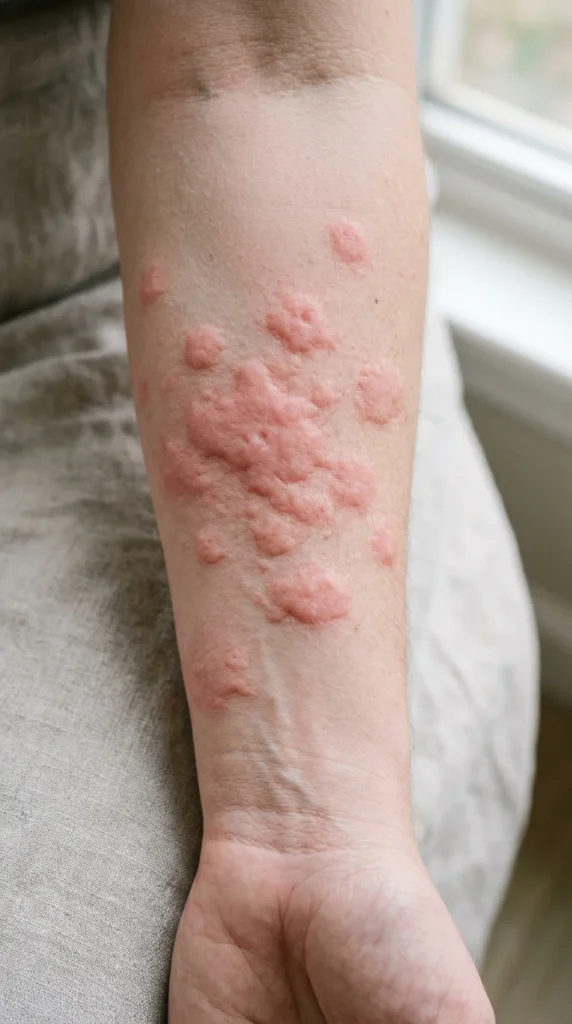
Hives, or urticaria, are more severe than a simple rash. They appear as raised, itchy welts on the skin. In the context of cat allergies, hives can break out not just where the cat touched you, but across larger areas of the body if the allergy is systemic. Hives can appear and disappear quickly, but they are a sign of a significant immune response.
11. Eczema

For those who already suffer from eczema (atopic dermatitis), exposure to cats can act as a major flare-up trigger. The allergens cause the skin to become intensely itchy, leading to scratching that damages the skin barrier. This can result in chronic patches of thick, leathery skin that take a long time to heal even after the cat is no longer nearby.
12. Itchy Throat

Often overlooked, an itchy or “scratchy” throat and ears are common symptoms. As you breathe in airborne dander, it can settle on the mucous membranes of your throat. This causes a sensation of prickliness or itchiness that is difficult to reach. Many sufferers describe it as a “tickle” that causes them to clear their throat constantly.
13. Swollen Face

In more sensitive individuals, the inflammatory response can cause general puffiness or swelling of the face, particularly around the eyes (periorbital edema). This happens when the blood vessels leak fluid into the surrounding tissues as part of the allergic reaction. It can give the owner a “tired” or “heavy” look even if they’ve had plenty of sleep.
14. Shortness of Breath

This is a more serious symptom and is often linked to allergic asthma. If you feel like you can’t get enough air or your breathing feels labored after spending time with a cat, your airways may be constricting. This requires immediate attention and often the use of a rescue inhaler if prescribed by a doctor.
15. Chest Tightness

Closely related to wheezing and shortness of breath, chest tightness feels like a heavy weight is sitting on your lungs. It’s a sign that the allergic reaction is affecting the lower respiratory system. This sensation can be frightening and is a clear indicator that the cat allergens are causing significant internal inflammation.
16. Dark Circles

Commonly known as “allergic shiners,” these dark circles aren’t caused by lack of sleep. Instead, they are the result of increased blood flow and congestion in the small veins under the eyes due to chronic nasal inflammation. If you have year-round dark circles despite sleeping well, your cat might be the hidden cause.
17. Frequent Awakening

Cat allergies can wreak havoc on your sleep quality. Congestion, coughing, and itching often worsen when you lie down, leading to fragmented sleep. If your cat sleeps in your bedroom, the high concentration of dander on your pillows and sheets means you are breathing in allergens all night long, causing you to wake up multiple times.
18. Fatigue

While not a direct physical reaction like a sneeze, chronic fatigue is a very real symptom of untreated cat allergies. When your immune system is constantly “on guard” and fighting off allergens, it consumes a vast amount of energy. Combined with poor sleep quality caused by congestion, many cat owners find themselves feeling permanently exhausted without realizing their pet is the source.
How to Manage Your Symptoms
If you recognize these symptoms but can’t bear the thought of rehoming your cat, there are several strategies to reduce the allergen load in your home:
- Create a “Cat-Free Zone”: Keep your bedroom door closed at all times to ensure you have a dander-free place to sleep.
- Use HEPA Filters: High-efficiency particulate air (HEPA) purifiers can capture the tiny Fel d 1 proteins floating in the air.
- Frequent Cleaning: Vacuum with a HEPA-filter vacuum and wash your cat’s bedding once a week in hot water.
- Grooming: Have a non-allergic family member brush the cat outdoors daily to remove loose dander.
- Consult an Allergist: Allergy shots (immunotherapy) can help desensitize your immune system to cat proteins over time, providing long-term relief.