

As a cat owner, you know that your feline friend is a master at hiding discomfort. In the wild, showing weakness makes an animal a target, and even though your cat lives in the comfort of your living room, those evolutionary instincts remain strong. One of the most common—and potentially dangerous—health issues cats face is a Urinary Tract Infection (UTI) or broader Feline Lower Urinary Tract Disease (FLUTD).
Because cats are so stoic, the signs of a UTI can be incredibly subtle until the condition becomes a painful emergency. Recognizing these 24 signs early can mean the difference between a simple round of antibiotics and a life-threatening blockage.
1. Frequency
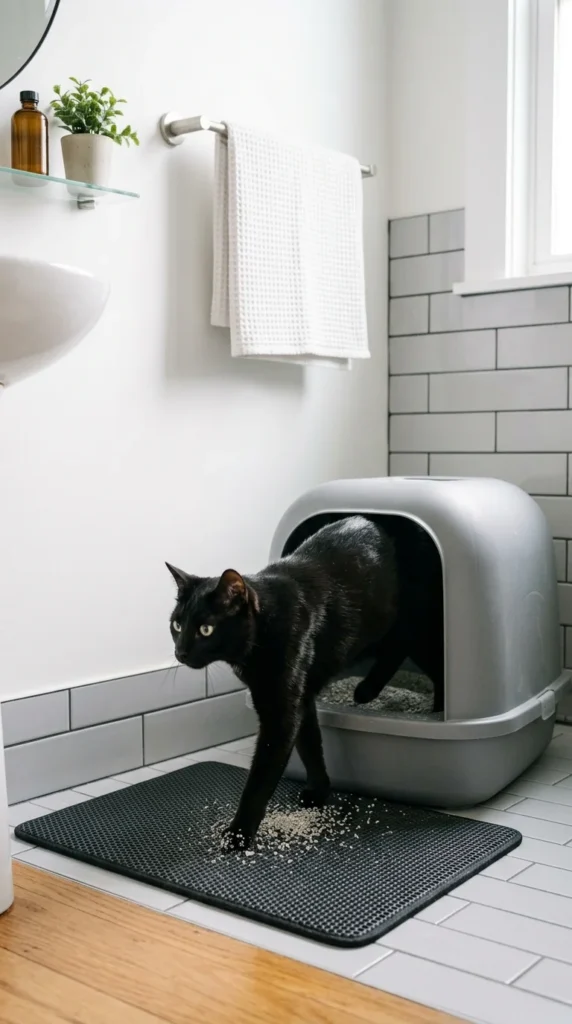
WebPOne of the earliest indicators of a UTI is a sudden increase in how often your cat visits the litter box. If you notice your pet heading to their box every thirty minutes instead of a few times a day, their bladder is likely irritated. Even if they aren’t producing much, the sensation of “needing to go” persists.
2. Straining
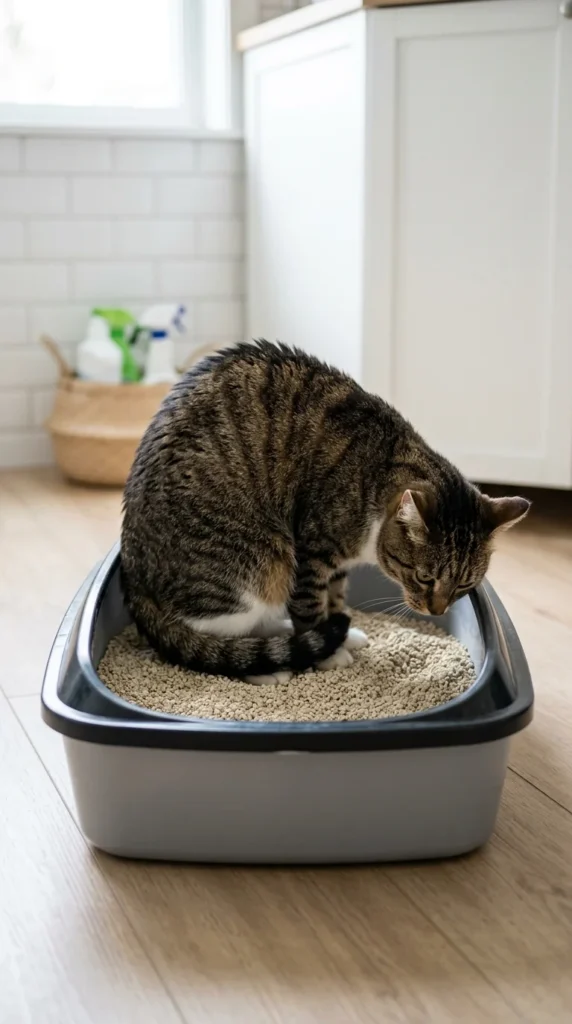
WebPDysuria, or straining to urinate, looks like your cat is working very hard to produce very little. You might see them stay in a hunched position for several minutes. This is a clear sign of discomfort and suggests that the urinary tract is inflamed or obstructed.
3. Blood
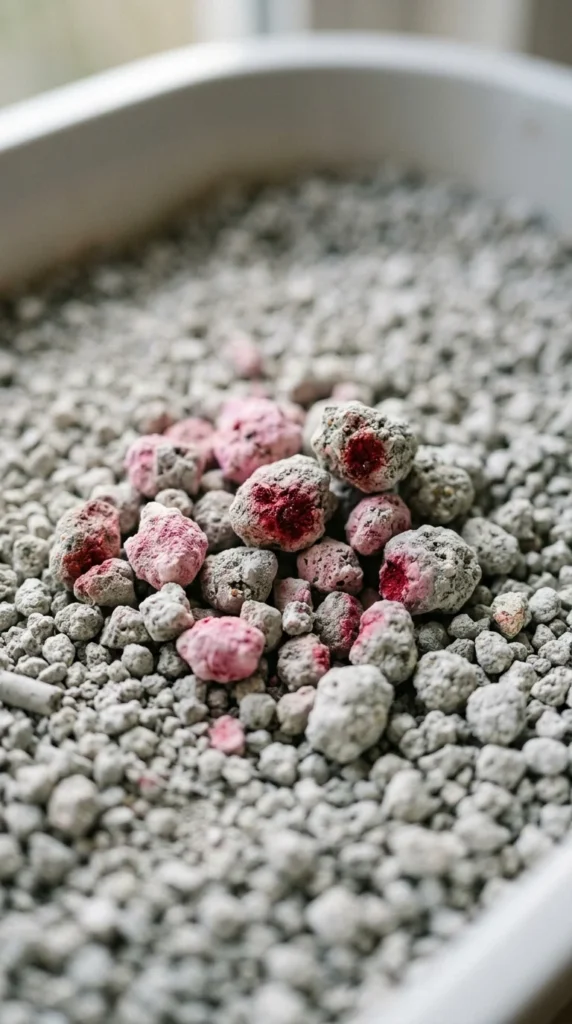
WebPHematuria, or blood in the urine, is a major red flag. It may appear as a pinkish tint to the urine or distinct red spots in the litter. While it can be hard to see in dark-colored or clumping litter, any sign of red is an immediate reason to call the veterinarian.
4. Vocalization
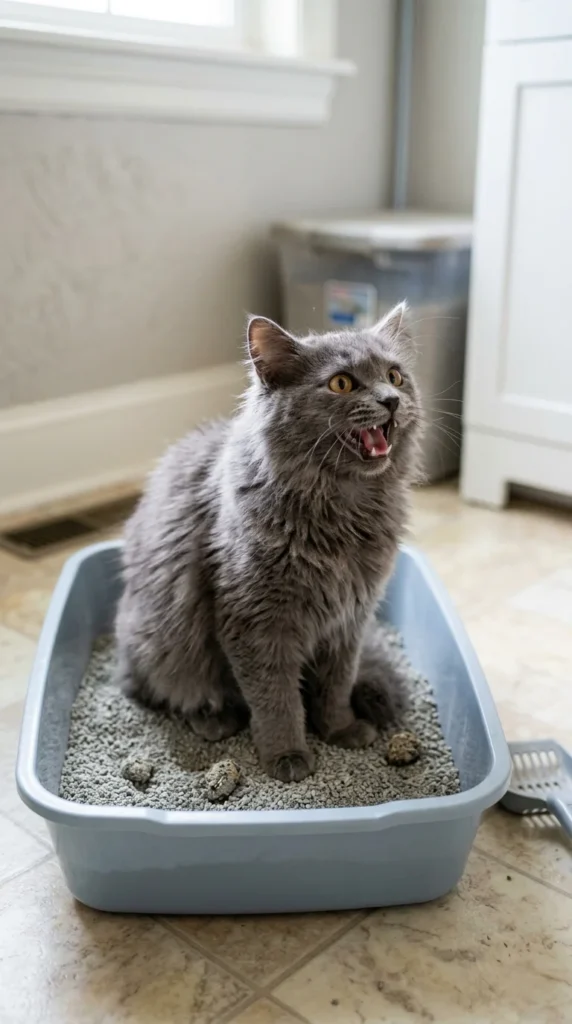
WebPCats are usually silent when using the bathroom. If your cat begins meowing, yowling, or crying out while attempting to urinate, they are experiencing significant pain. This vocalization is an SOS that their internal system is under duress.
5. Licking
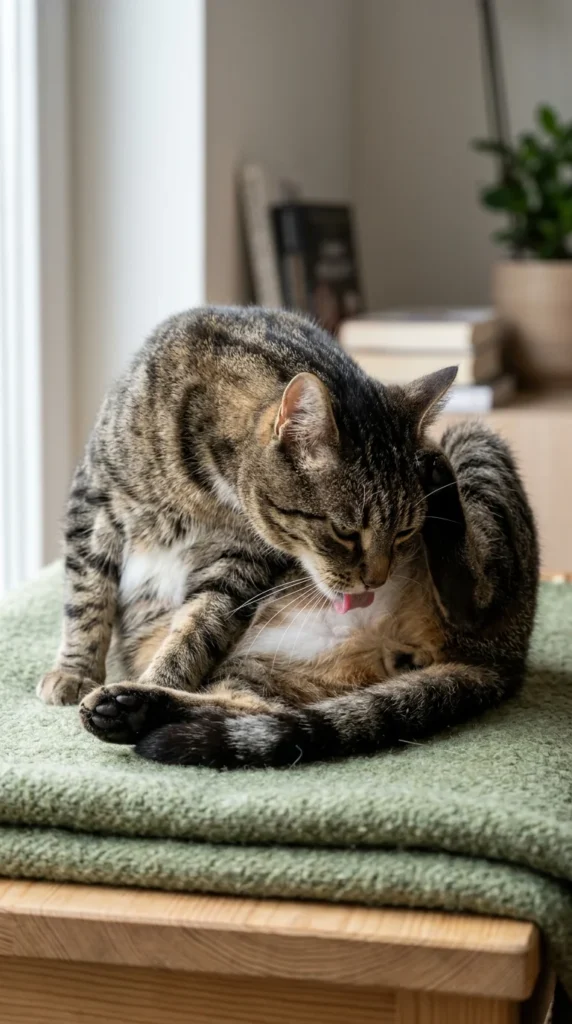
WebPA cat with a UTI will often focus an unusual amount of attention on their genital area. The acidity of the urine or the inflammation of the urethra causes a burning sensation, and the cat licks the area excessively in an attempt to soothe the irritation.
6. Odor
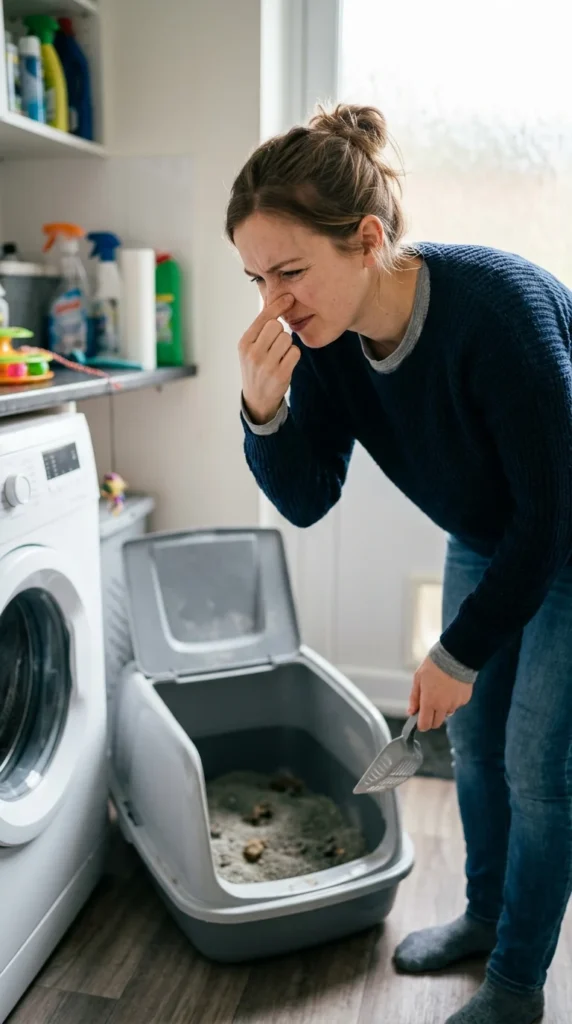
WebPWhile cat urine is never pleasant, a UTI often produces a distinct, foul, or “off” smell that is different from their normal scent. This is usually due to the presence of bacteria and waste products that shouldn’t be there.
7. Accidents
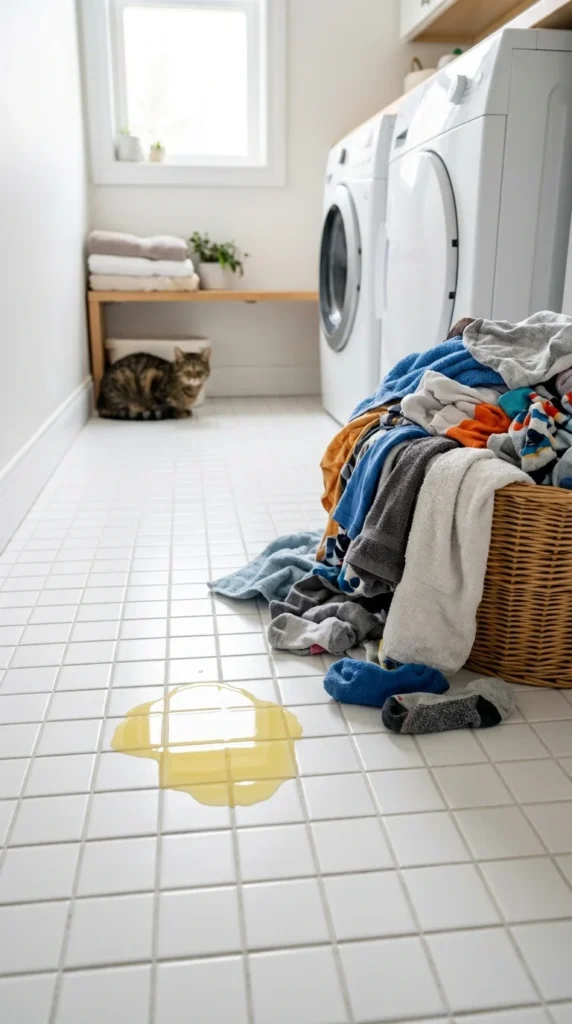
WebPIf your perfectly litter-trained cat suddenly starts urinating on the rug, the bed, or in the sink, don’t view it as spite. They often associate the litter box with the pain they feel when urinating and try to find a “softer” or “cooler” place to go in hopes that it won’t hurt as much.
8. Cloudiness
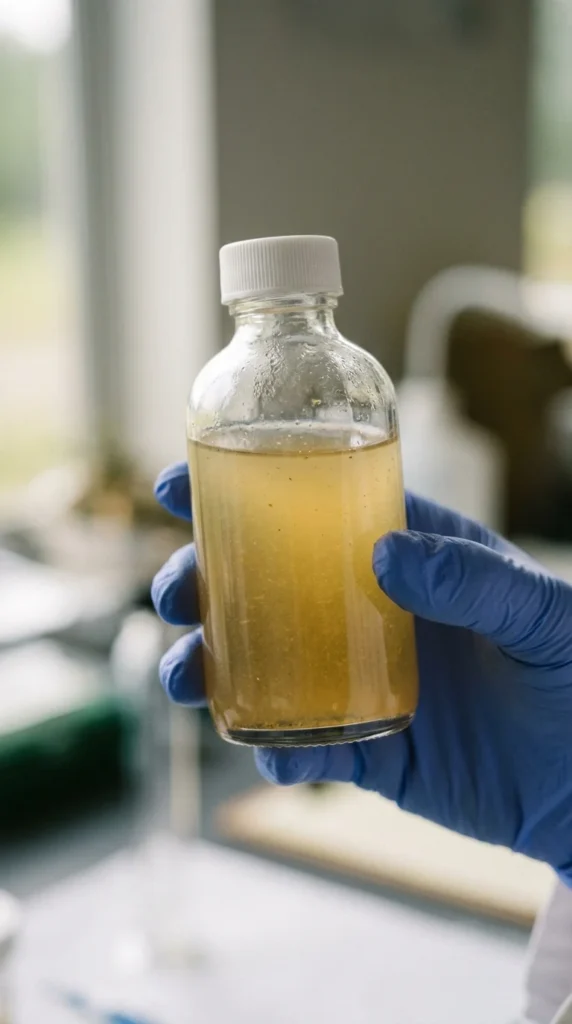
WebPHealthy cat urine should be clear and pale yellow. If the urine looks cloudy, turbid, or thick, it often indicates the presence of pus, mucus, or crystals, all of which are hallmarks of an infection or inflammatory condition.
9. Small Amounts
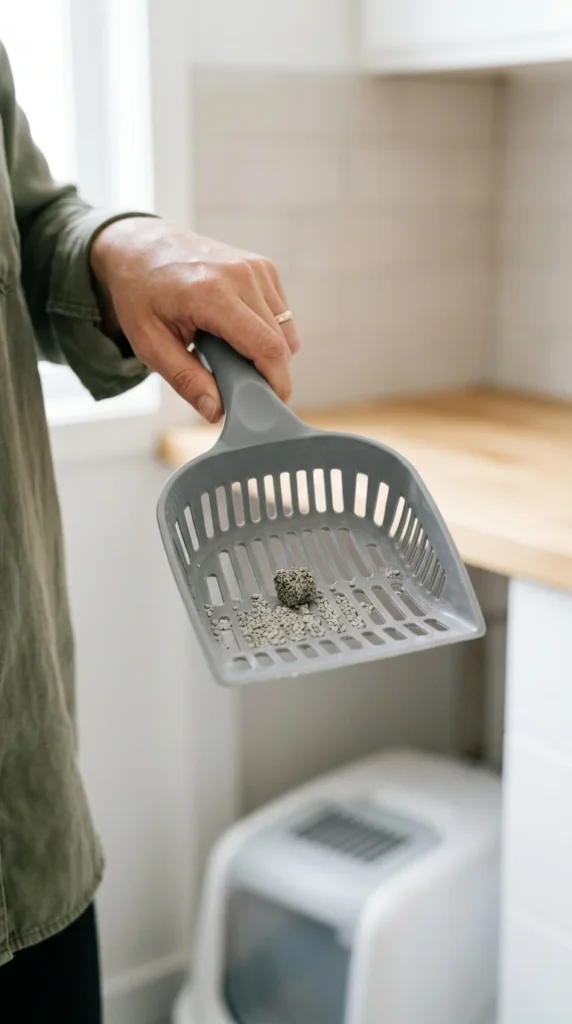
WebPYou might notice that despite the frequent trips, the actual clumps in the litter box are tiny—no bigger than a grape. This “dribbling” suggests that the cat cannot empty their bladder fully due to swelling or a partial blockage.
10. Lethargy
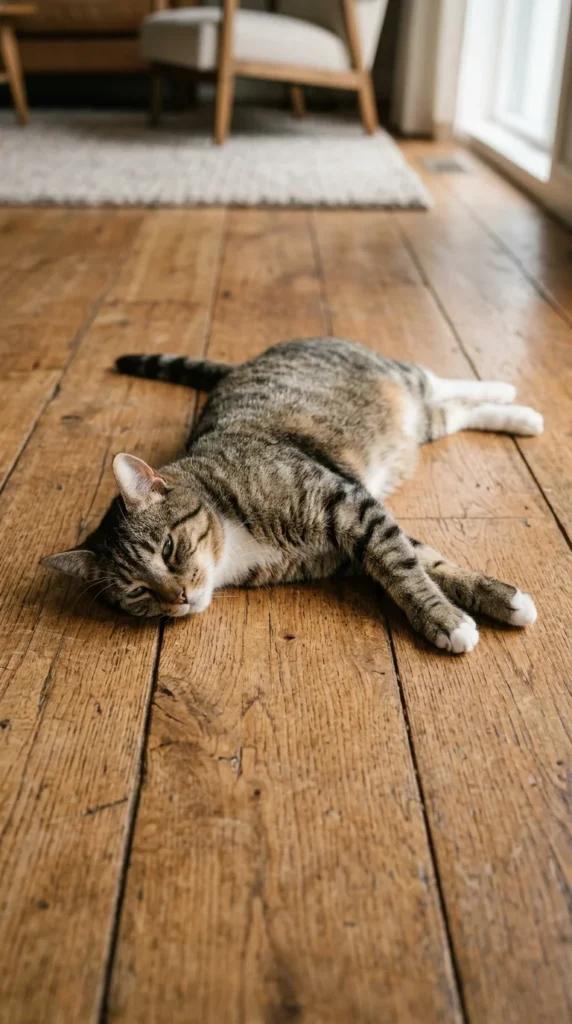
WebPSystemic infections take a toll on a cat’s energy levels. If your normally playful cat is suddenly sleeping all day and showing no interest in their favorite toys, their body may be fighting off a mounting infection.
11. Anorexia
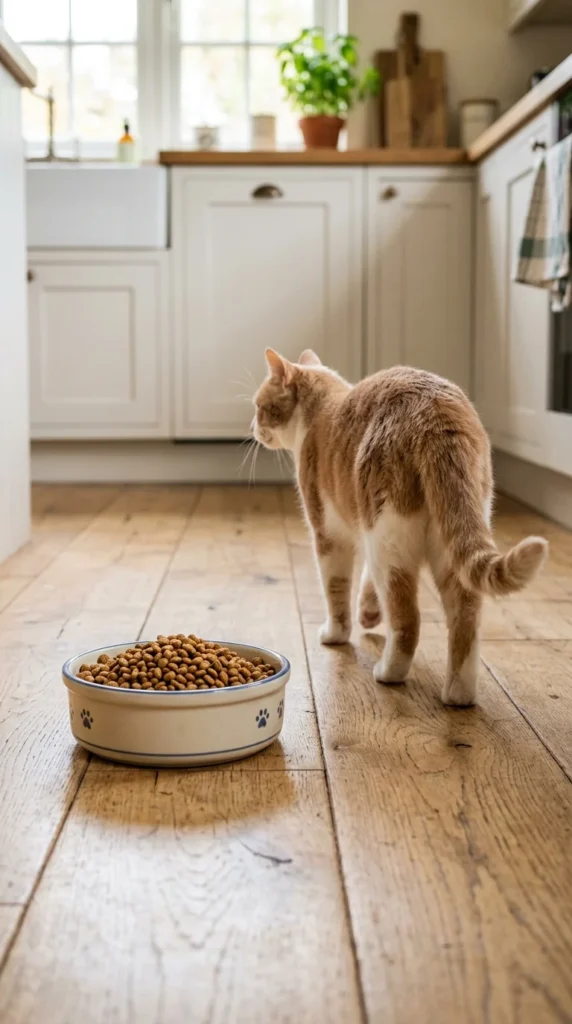
WebPLoss of appetite is a common symptom of feline distress. When a cat feels nauseous or is in significant pain from a urinary issue, they will often refuse their meals, leading to further weakness.
12. Vomiting
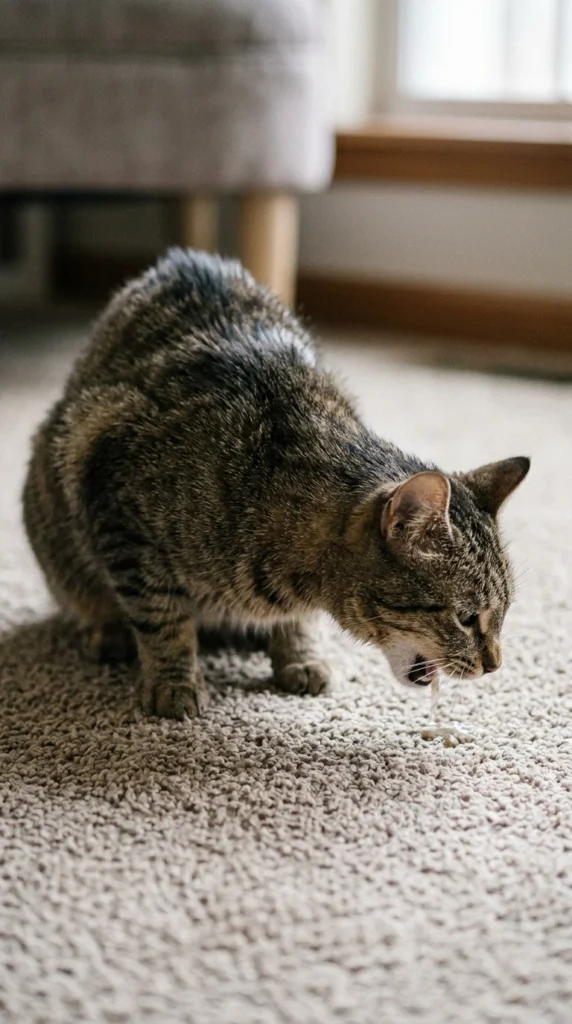
WebPIn severe cases, especially if a blockage is occurring, toxins begin to build up in the bloodstream (uremia). This quickly leads to vomiting. If your cat cannot urinate and is vomiting, this is a top-tier medical emergency.
13. Hiding
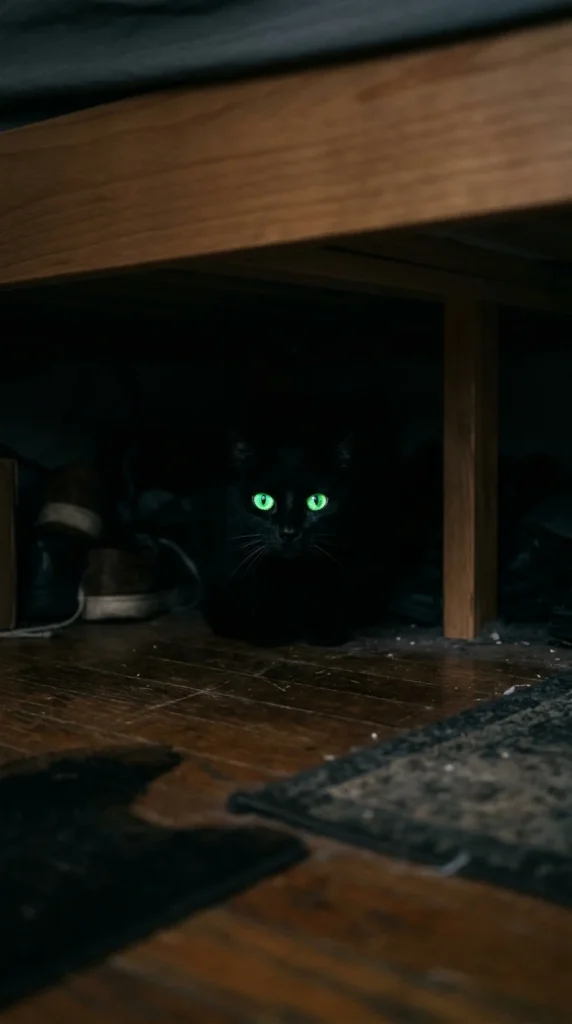
WebPCats naturally hide when they feel vulnerable or sick. If your social cat has tucked themselves away in the back of a closet or under the basement stairs and refuses to come out, they are likely dealing with internal pain.
14. Tenderness
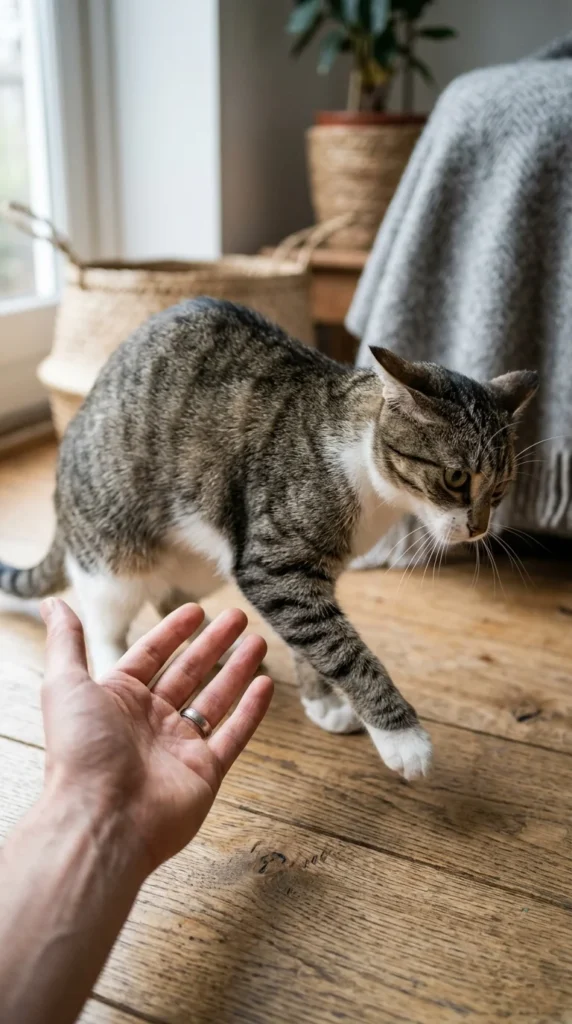
WebPThe bladder is located in the lower abdomen. If you try to pick your cat up or pet their belly and they hiss, growl, or flinch, it’s a sign that their lower organs are inflamed and tender to the touch.
15. Aggression
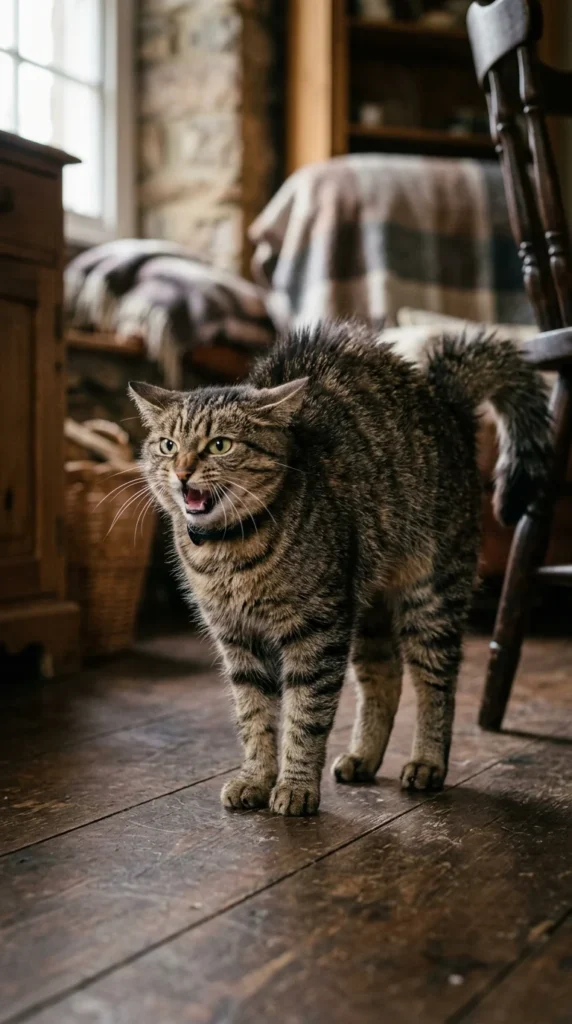
WebPPain can turn even the sweetest lap cat into a grump. Sudden irritability, hissing at family members, or swiping when touched are often physical manifestations of the frustration and agony caused by a UTI.
16. Over-grooming
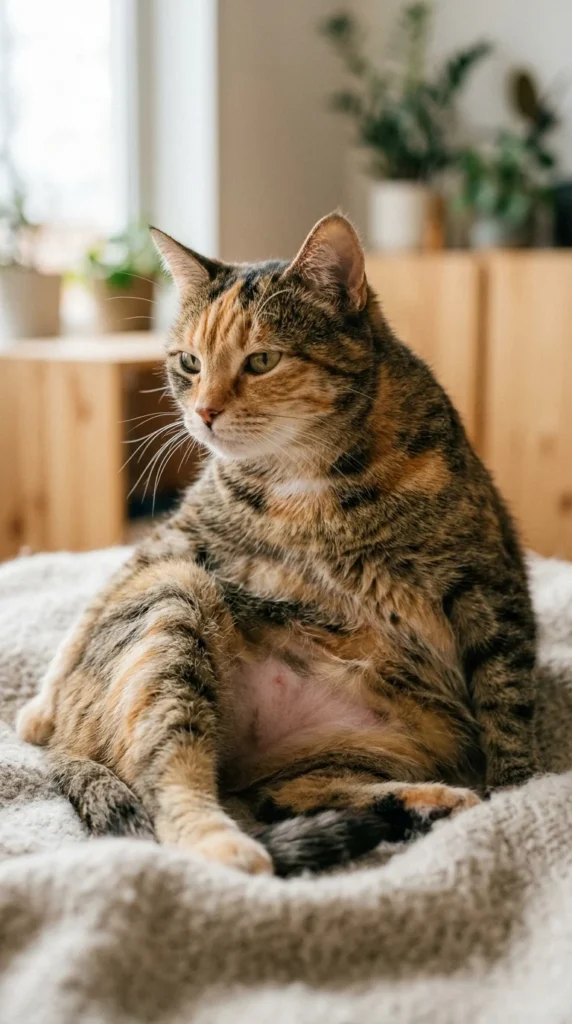
WebPBeyond just licking the genitals, a cat might over-groom their entire lower belly. This can lead to bald spots or “barbering” of the fur as they try to reach the source of the internal heat and pressure.
17. Restlessness
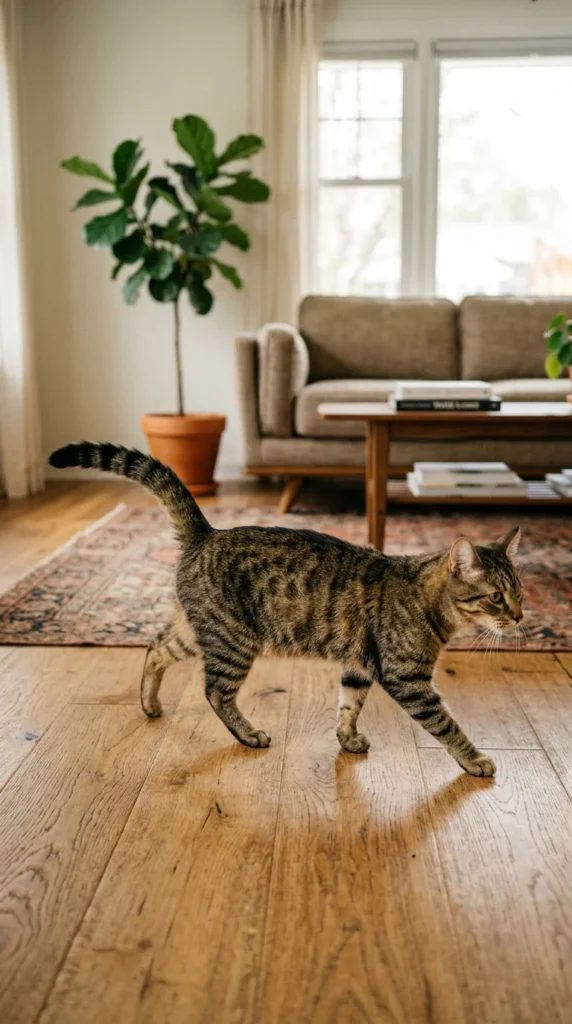
WebPA cat in pain can’t get comfortable. You may see them pace from room to room, sit down for a second, and then immediately get up again. This “pacing” behavior often precedes a trip to the litter box.
18. Tense Posture
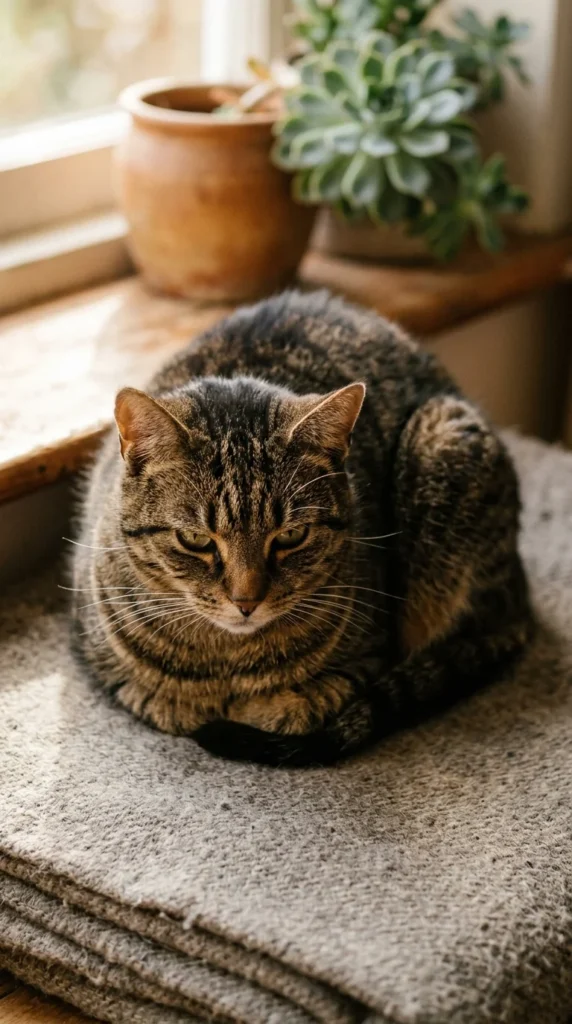
WebPA “meatloaf” position that looks stiff rather than relaxed is a sign of abdominal guarding. The cat is trying to protect its painful midsection by keeping its muscles tensed.
19. Dehydration
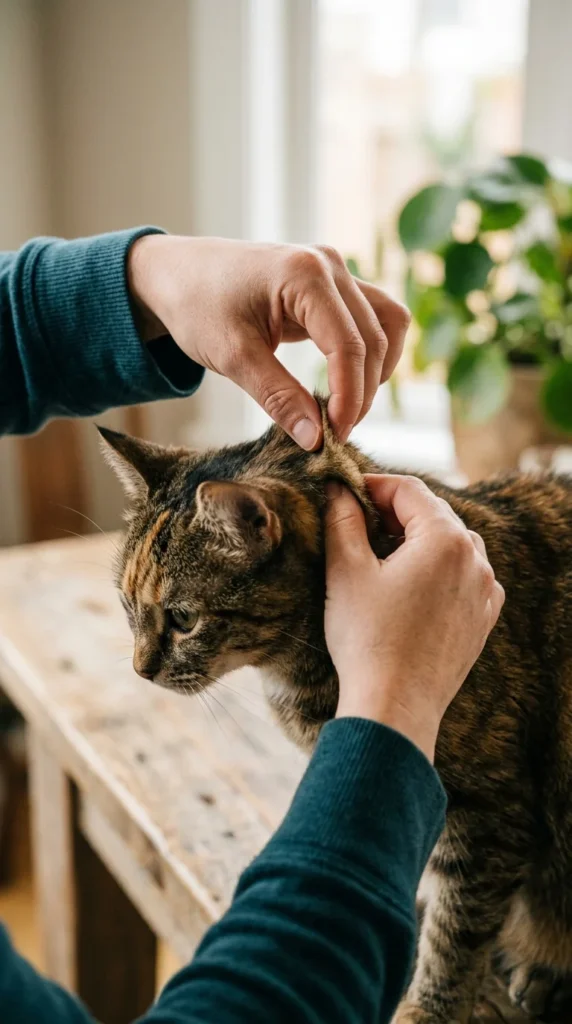
WebPInfections often come with a fever, which can lead to dehydration. You can check this by gently “tenting” the skin on the back of the neck; if it doesn’t snap back instantly, your cat is dangerously low on fluids.
20. Fever
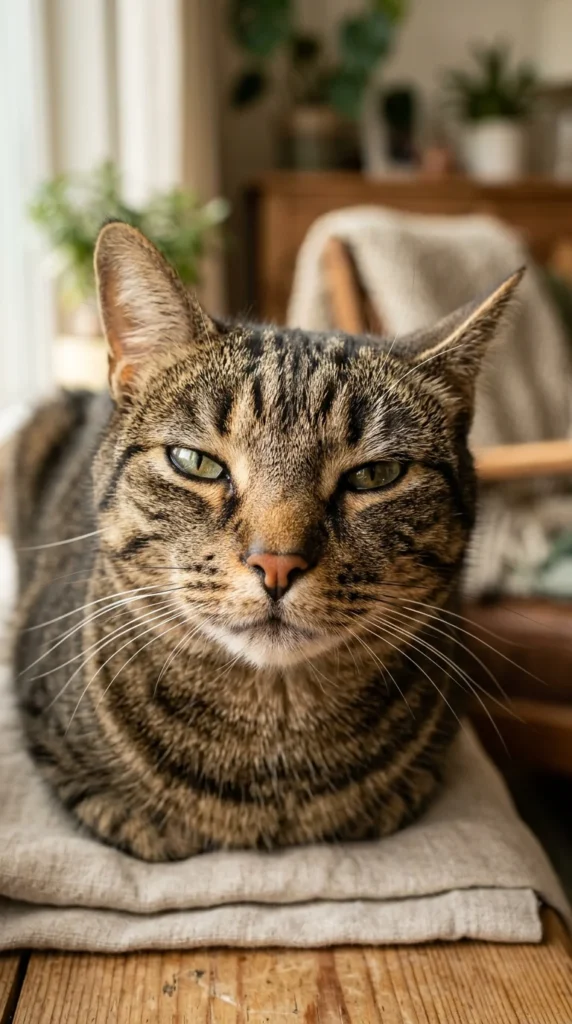
WebPWhile you need a thermometer to be sure, a cat with a UTI may feel unusually warm to the touch. They may seek out cool surfaces, like tile floors or porcelain sinks, to help lower their body temperature.
21. Tail Twitching
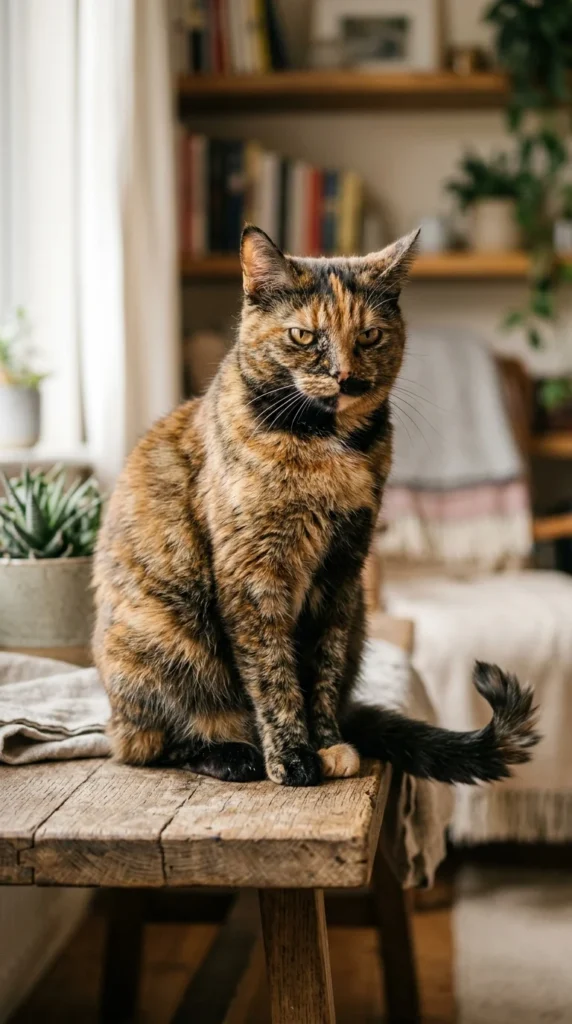
WebPA flicking or lashing tail when the cat is otherwise stationary is a sign of agitation and neurological discomfort. In the context of litter box visits, it shows the cat is frustrated by the inability to go.
22. Weight Loss
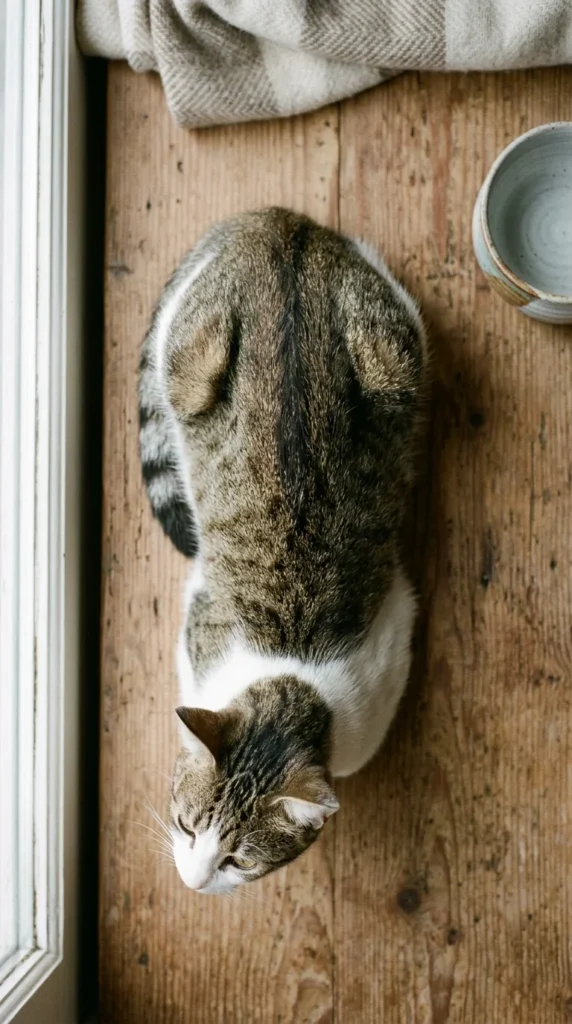
WebPIf a UTI goes untreated for a long period, chronic inflammation and loss of appetite will lead to weight loss. This is more common in older cats who may have recurring urinary issues.
23. Neglecting Grooming
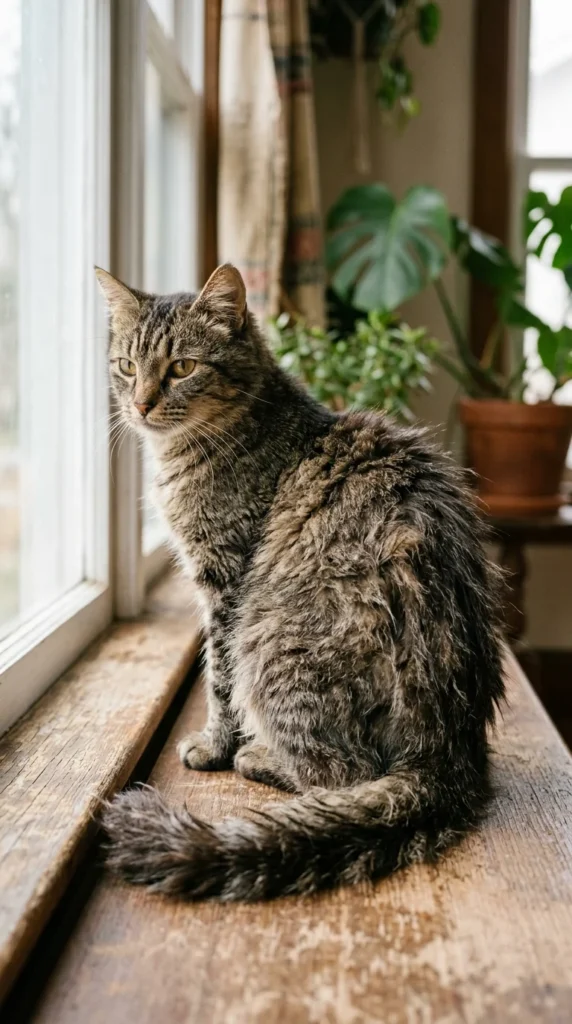
WebPWhen a cat feels truly ill, they stop caring for their coat. A greasy or “spiky” looking coat is a sign that the cat is focusing all its energy on survival rather than hygiene.
24. Collapse
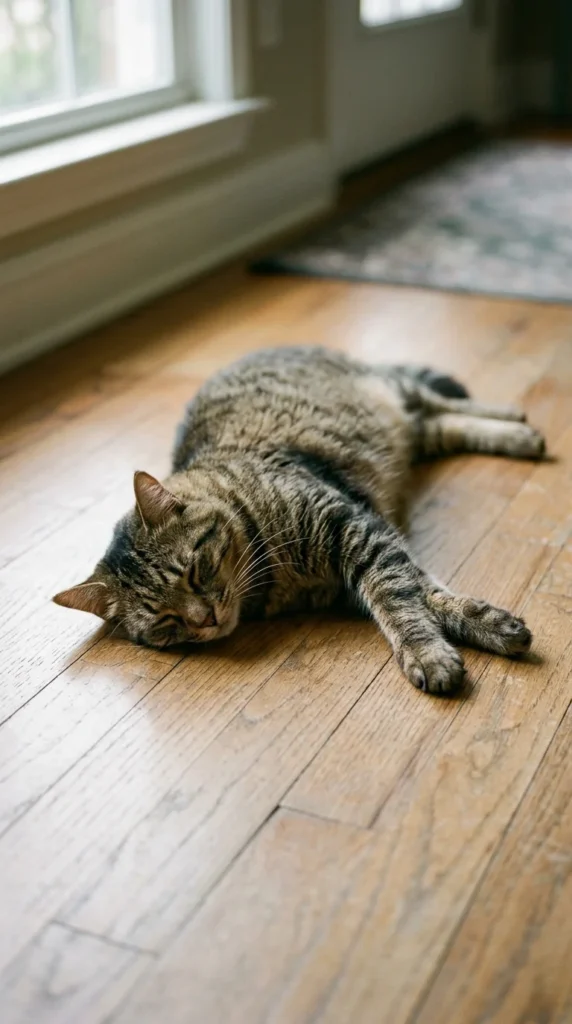
WebPThis is the most severe sign. If a cat’s urinary tract is completely blocked and they cannot pass any urine, the bladder can rupture or the kidneys can fail within 24 to 48 hours. If your cat is unresponsive or unable to stand, every second counts.
What to Do Next
If your cat is showing even two or three of these signs, a vet visit is non-negotiable. Urinary issues in cats, particularly males, can escalate into life-threatening emergencies in a matter of hours. A vet will typically perform a urinalysis to check for bacteria, crystals, and pH levels.
Treatment usually involves:
- Antibiotics: To clear up bacterial infections.
- Pain Relief: To reduce inflammation and make the cat comfortable.
- Dietary Changes: Specialized food to dissolve crystals and prevent new ones from forming.
- Hydration: Increasing water intake through fountains or wet food.
Never try to treat a feline UTI at home with “natural” remedies like cranberry juice, as these can often change the pH of the urine in ways that make certain types of crystals worse. Your cat depends on you to be their advocate—keep a close eye on their bathroom habits and act fast at the first sign of trouble.