
Protecting your feline companion involves more than just providing premium kibble and cozy scratching posts. The cornerstone of feline health is a robust vaccination strategy. Vaccines prime a cat’s immune system to recognize and fight off specific pathogens before they can cause life-threatening illnesses.
Whether you have a rambunctious kitten or a dignified senior, staying on top of a vaccination schedule is the most effective way to ensure a long, healthy life. This comprehensive guide breaks down the essential 21 milestones and vaccines every owner needs to track.
1. FVRCP Start
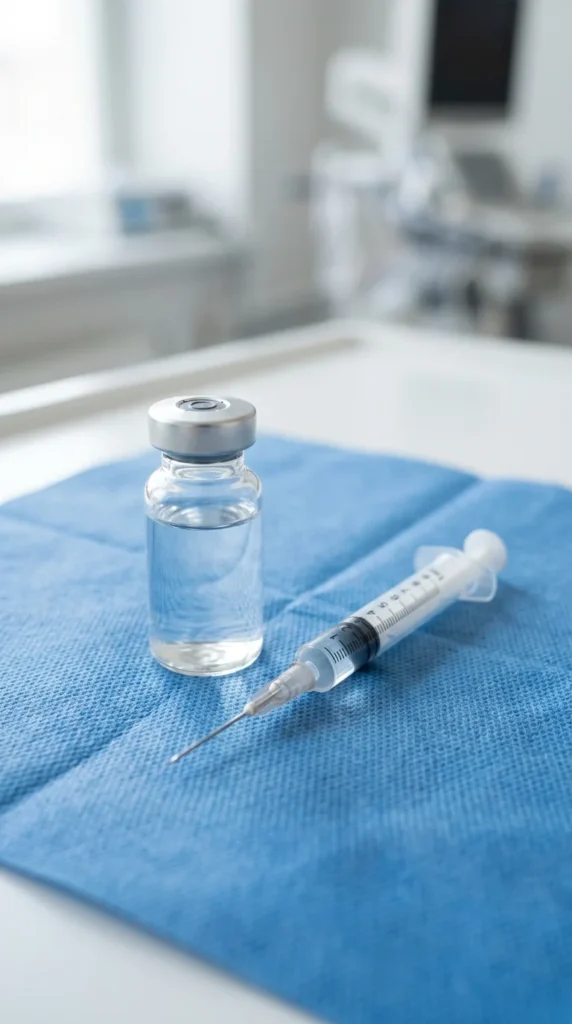
The FVRCP vaccine is the “distemper” shot for cats. It protects against three major diseases: Feline Viral Rhinotracheitis (herpesvirus), Calicivirus, and Panleukopenia. Kittens should receive their first dose as early as 6 to 8 weeks of age. This initial dose begins the process of building immunity as maternal antibodies from the mother’s milk begin to wane.
2. FVRCP Second
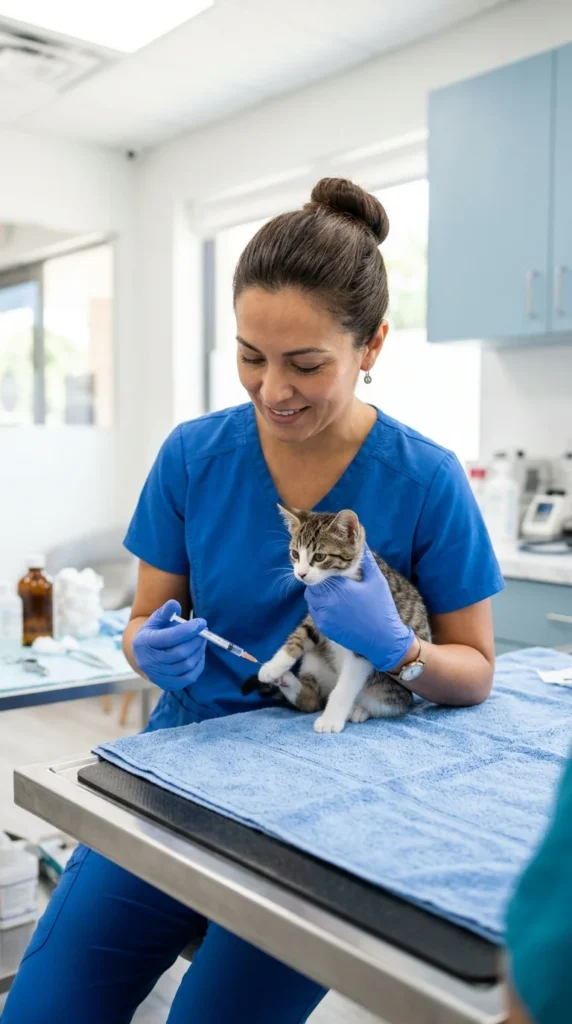
Three to four weeks after the first dose, usually around the 10-to-12-week mark, your cat needs their second FVRCP injection. This booster is critical because the first shot acts as a primer; the second shot truly begins the “memory” phase of the immune system, ensuring the kitten is better protected against respiratory infections.
3. FVRCP Final
The kitten series for FVRCP concludes with a third dose administered between 14 and 16 weeks of age. It is vital that the final dose is given after 16 weeks to ensure that maternal antibodies have completely cleared the system, allowing the kitten’s own immune system to take full responsibility for protection.
4. Rabies Initial

Rabies is a fatal zoonotic disease, meaning it can be transmitted to humans. In most jurisdictions, the Rabies vaccine is legally required. Kittens usually receive their first Rabies shot between 12 and 16 weeks of age. Unlike the FVRCP series, a single dose is generally sufficient to establish initial immunity for one year.
5. FeLV Initial
The Feline Leukemia Virus (FeLV) is one of the most common infectious causes of death in cats. It is spread through saliva, grooming, and bite wounds. For kittens or cats with any outdoor access, the first FeLV dose is typically given at 8 to 12 weeks of age after a negative blood test.
6. FeLV Booster
Similar to the FVRCP series, the FeLV vaccine requires a booster 3 to 4 weeks after the initial injection. This second dose is essential for establishing long-term protection. Even “indoor-only” kittens are often recommended to receive this initial series in case they accidentally escape outside during their high-energy youth.
7. 1-Year FVRCP
One year after the completion of the kitten series, your cat requires a booster for FVRCP. This “anniversary” shot is one of the most important in a cat’s life, as it solidifies the immunity built during kittenhood and transitions the cat into an adult vaccination schedule.
8. 1-Year Rabies

Exactly one year after the first Rabies shot, a booster is required. This second Rabies vaccine often determines the future frequency of the shot; depending on the local laws and the specific vaccine used, this booster might qualify the cat for a three-year Rabies schedule.
9. 1-Year FeLV
For cats categorized as “at-risk” (those who go outside or live with FeLV-positive housemates), a one-year booster for Feline Leukemia is mandatory. This ensures that the protection remains tight during the cat’s most active young adult years when they are most likely to interact with other animals.
10. 3-Year FVRCP

Recent veterinary guidelines from organizations like the AAFP (American Association of Feline Practitioners) suggest that for low-risk adult cats, the FVRCP vaccine can be moved to a three-year rotation. After the one-year booster, your vet may recommend this spaced-out schedule to minimize over-vaccination while maintaining core immunity.
11. 3-Year Rabies

If your state allows it and your vet uses the specific “three-year” labeled vaccine, your cat will only need a Rabies booster every 36 months. This reduces the number of injections your cat receives over their lifetime while keeping them legally compliant and protected from this deadly virus.
12. Annual Assessment
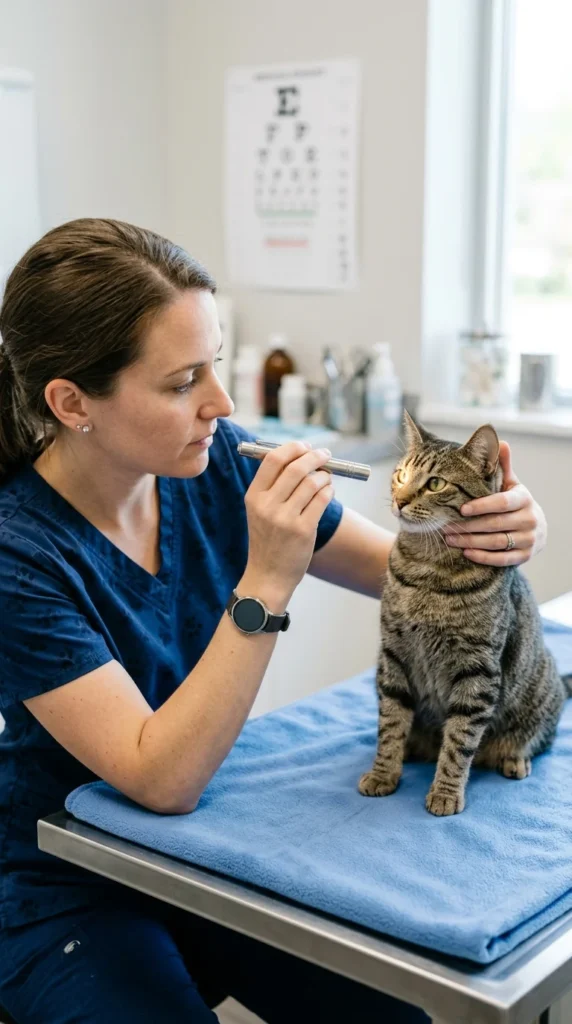
While vaccines may only happen every three years for some cats, the “Annual Assessment” is a non-negotiable part of the vaccination schedule. During this visit, your vet determines if your cat’s lifestyle has changed—for example, if an indoor cat has started going out on a leash—which might necessitate adding “non-core” vaccines back into the mix.
13. Bordetella Dose
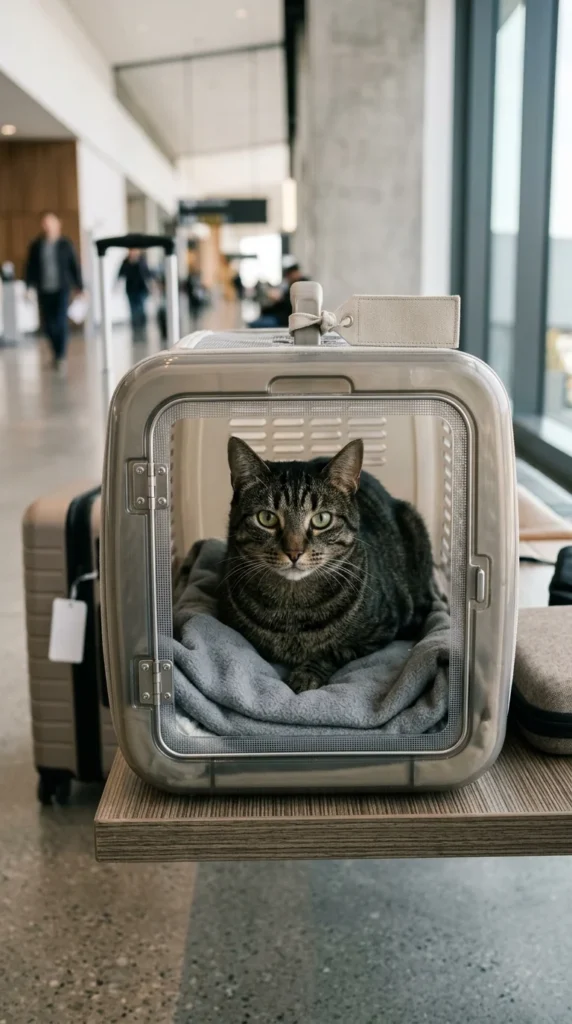
Bordetella is a bacterium that causes upper respiratory infections. While not a core vaccine, it is often required for cats that are frequently boarded in kennels or attend cat shows. If your cat’s lifestyle involves high-density feline environments, an annual Bordetella vaccine (often administered intranasally) is a key milestone.
14. Chlamydia Dose

Feline Chlamydiosis is another respiratory infection that primarily affects the eyes (conjunctivitis). The vaccine is considered non-core and is usually reserved for multi-cat environments or shelters where the disease is known to be endemic. If your cat is in a high-risk breeding or rescue situation, this becomes a vital part of their schedule.
15. Senior Schedule
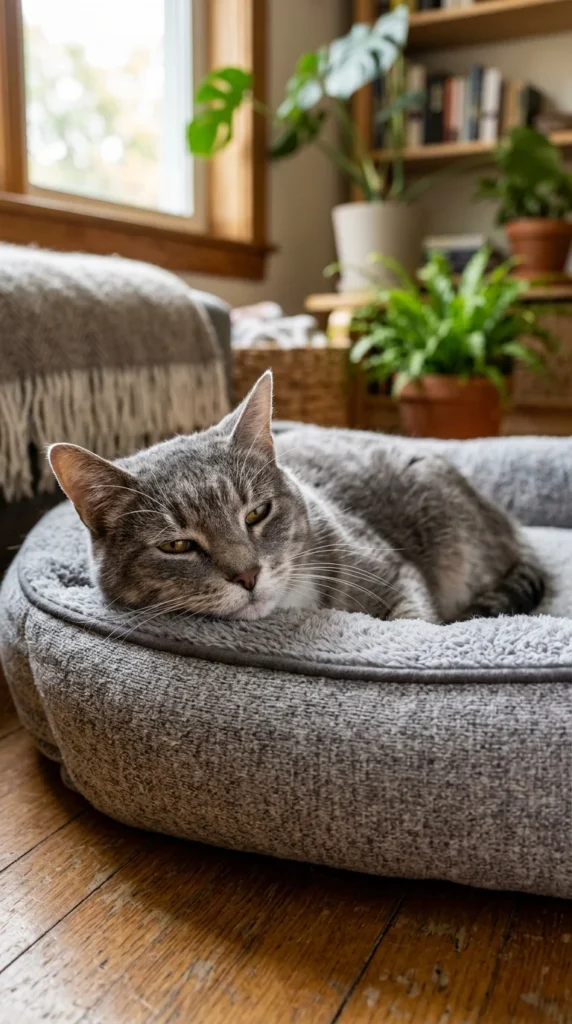
As cats enter their senior years (typically age 10+), their immune system changes. While they still need protection, the frequency of certain vaccines might be adjusted. For senior cats, the focus shifts to “risk vs. reward,” ensuring they aren’t stressed by unnecessary procedures while still being shielded from common local threats.
16. Titer Testing

If you plan to move internationally or travel across state lines with your cat, your vaccination schedule may need to be accelerated. Many countries require Rabies vaccinations to be administered within a very specific window (often 21 to 30 days) before entry. This “milestone” is dictated by geography rather than age.
18. Boarding Prep
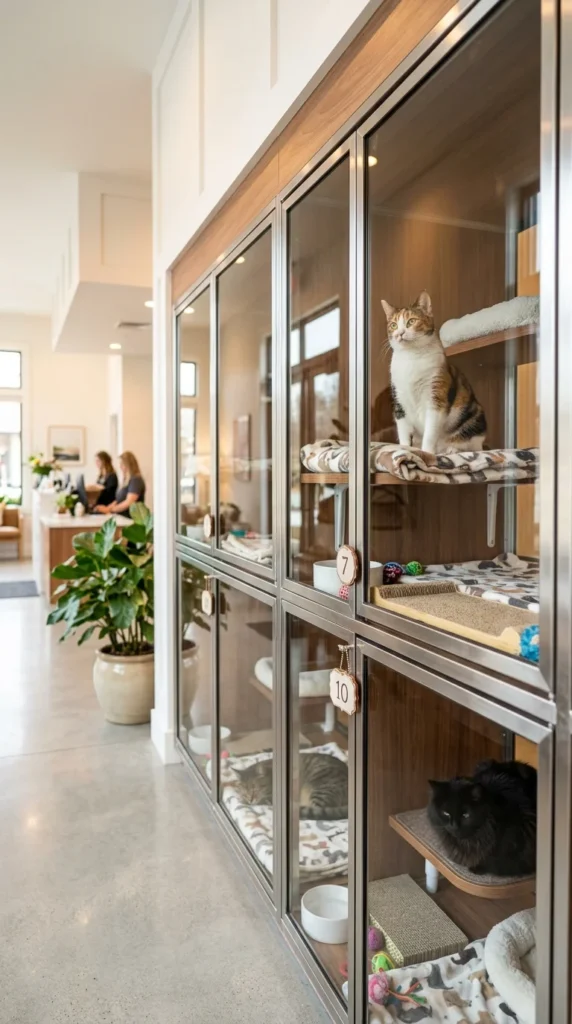
Most reputable boarding facilities require proof of FVRCP and Rabies vaccinations within the last year or three years. Before booking a vacation, checking your cat’s records is a mandatory step. If the vaccines are expired, they usually must be administered at least two weeks before boarding to ensure full efficacy.
19. Rescue Protocol
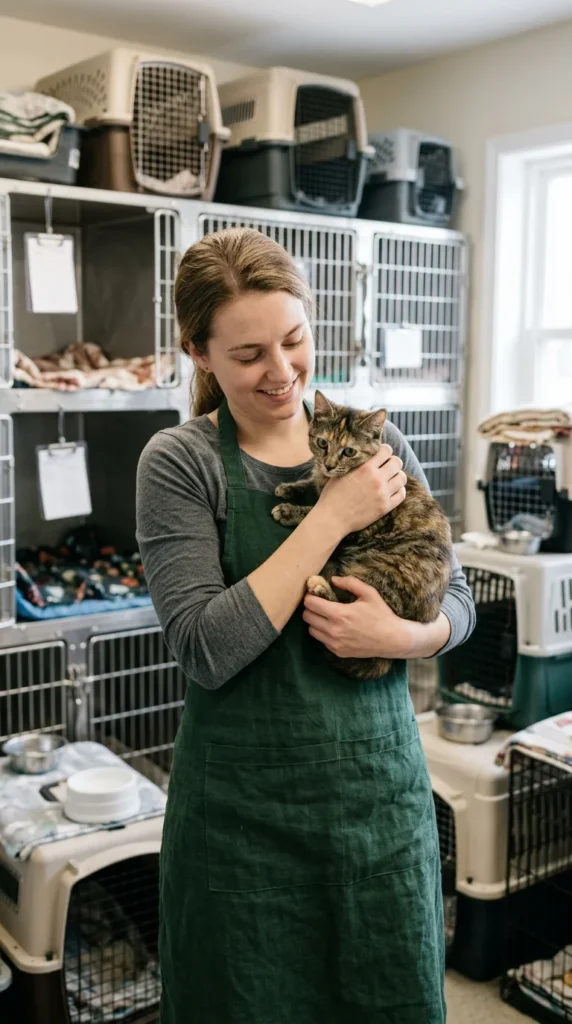
If you adopt a cat of unknown medical history, the “Rescue Protocol” milestone kicks in immediately. Regardless of the cat’s estimated age, veterinarians usually restart the FVRCP series (two doses) and administer a Rabies shot to ensure there are no gaps in the animal’s defense system.
20. Post-Vaccination Care
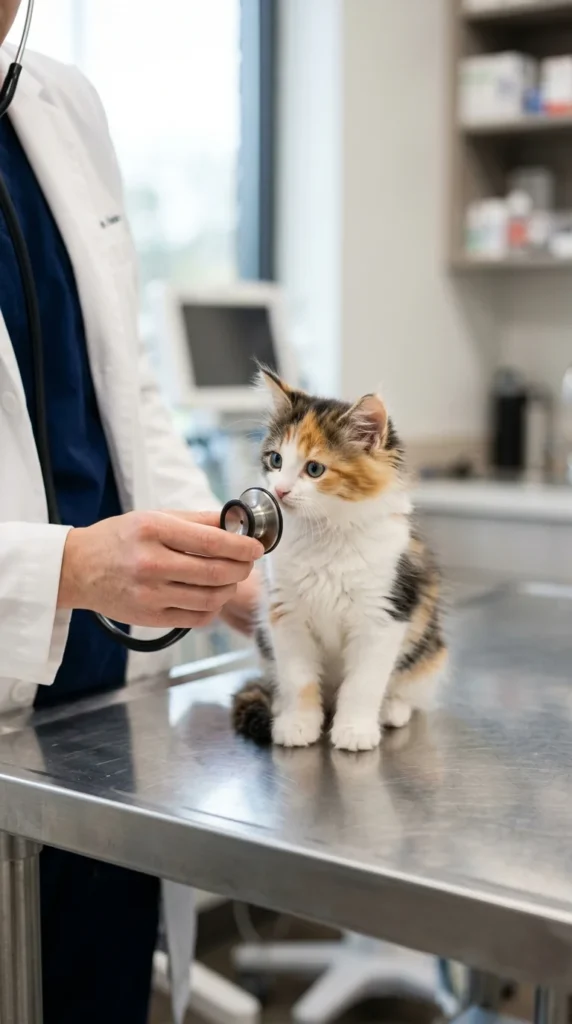
The 24 to 48 hours following any vaccination is a critical monitoring period. While serious reactions are rare, owners should look for lethargy, fever, or swelling at the injection site. This milestone is about observation; ensuring your cat recovers quickly and remains comfortable after their “pokes.”
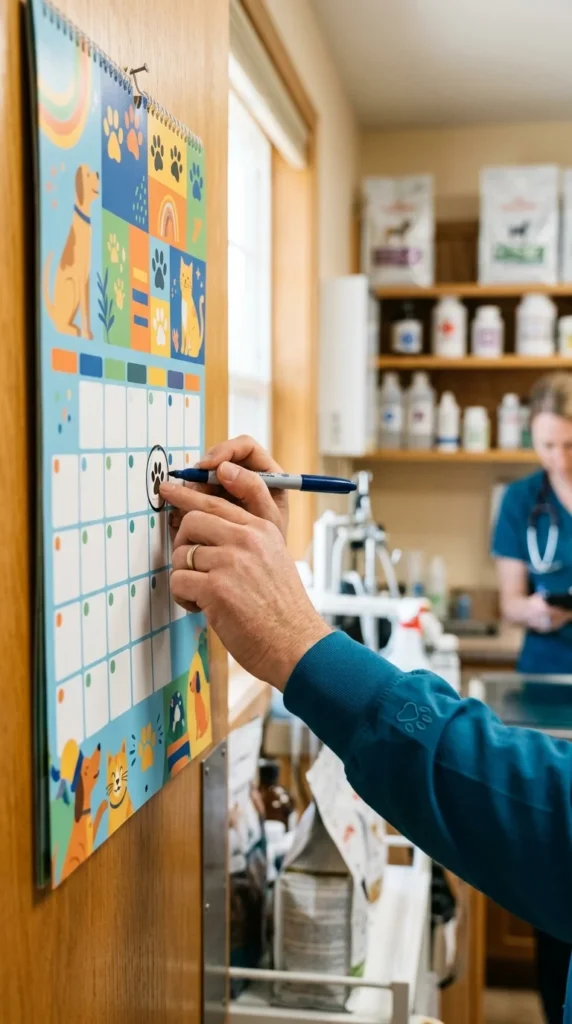
21. Record Keeping

The final piece of the vaccination schedule is the administrative one. Maintaining a “Life File” for your cat containing all vaccination certificates, dates, and brand names used is essential. This documentation is required for emergencies, boarding, pet insurance claims, and seamless transitions if you ever move to a new veterinary clinic.