Caring for a senior cat is one of the most rewarding experiences a pet owner can have. As our feline friends enter their golden years—typically around age seven to ten—their needs shift significantly. While they may slow down, their capacity for love only grows. To ensure your aging companion enjoys a life of comfort, dignity, and vitality, proactive care is essential. By making small adjustments to their environment, diet, and medical routine, you can add years to their life and life to their years. Here are 27 expert tips for managing the health of your senior cat.
1. Bi-annual Exams
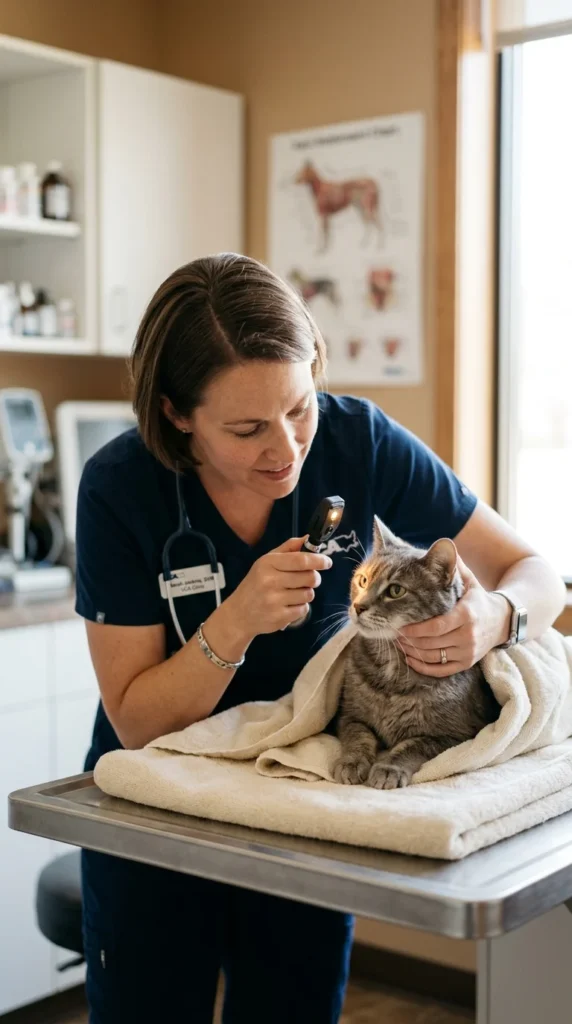
As cats age, their health can change rapidly. While younger cats may only need a checkup once a year, senior cats benefit immensely from visits every six months. These frequent exams allow your veterinarian to catch age-related issues like hypertension, heart disease, or early-stage organ failure before they become symptomatic. Early detection is the cornerstone of geriatric feline medicine.
2. Senior Bloodwork

Internal health isn’t always visible to the naked eye. Comprehensive blood panels, including a chemistry screen, complete blood count (CBC), and thyroid testing (T4), are vital for senior cats. These tests monitor kidney function, liver health, and glucose levels, providing a baseline that helps track changes over time.
3. Dental Hygiene
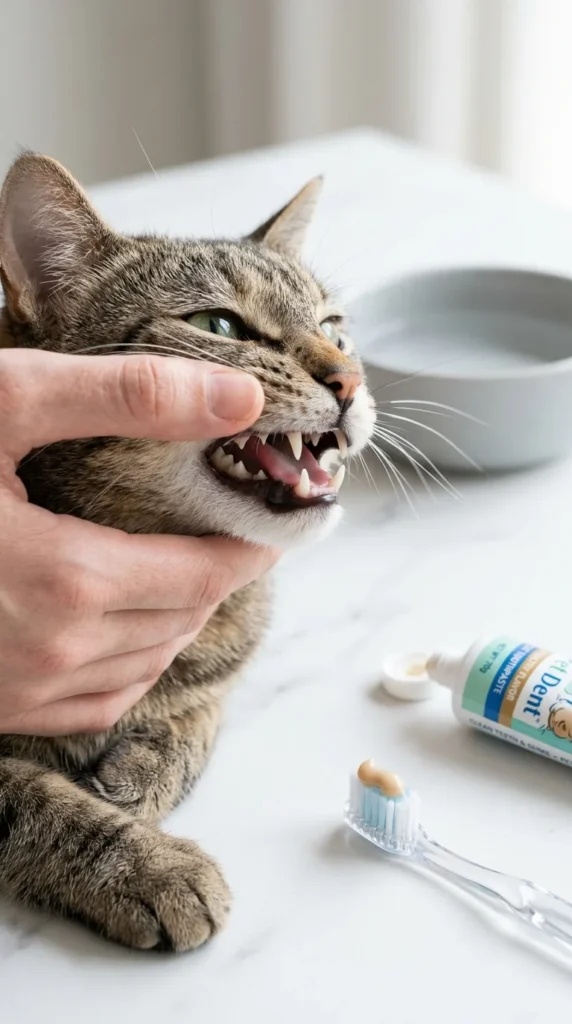
Dental disease is incredibly common in older cats and can lead to systemic infections affecting the heart and kidneys. Regular professional cleanings and at-home brushing (if tolerated) are crucial. Watch for signs of “chattering,” drooling, or a preference for soft food, as these often indicate painful resorptive lesions or gum disease.
4. Specialized Nutrition

Metabolic rates change as cats age. Many senior cats require diets that are easier to digest, containing high-quality proteins and controlled phosphorus levels to support kidney health. Consult your vet to determine if your cat needs a calorie-dense diet to prevent weight loss or a lower-calorie option to manage obesity.
5. Joint Supplements

Osteoarthritis affects a vast majority of senior cats. Supplements containing glucosamine, chondroitin, and Omega-3 fatty acids can help maintain joint fluidity and reduce inflammation. Starting these supplements early in the senior years can significantly improve mobility and comfort as they age further.
6. Weight Management
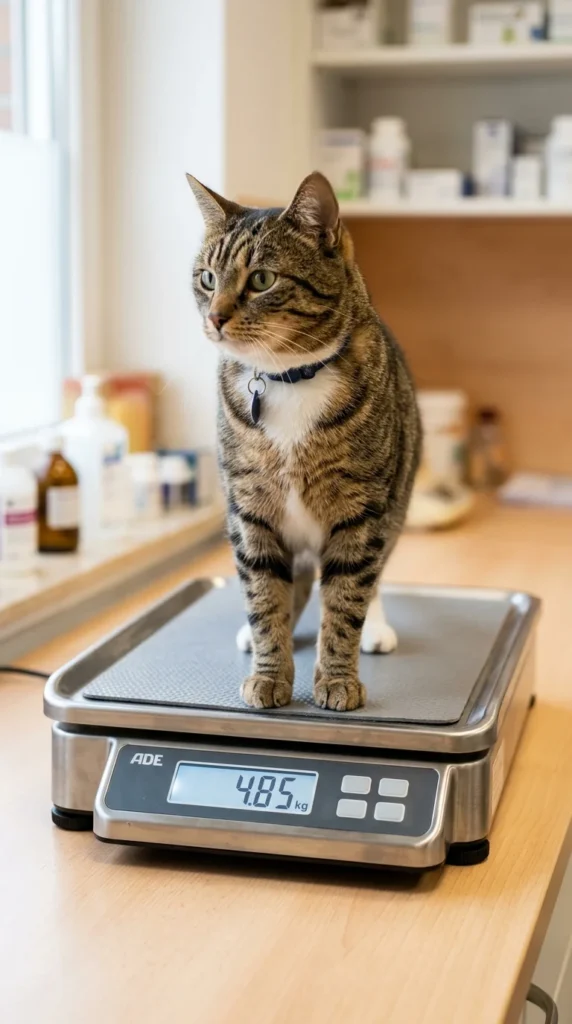
Maintaining an ideal body condition score is critical. Excess weight puts undue stress on aging joints and increases the risk of diabetes. Conversely, sudden weight loss is often the first sign of hyperthyroidism, kidney disease, or cancer. Monthly weigh-ins at home can help you spot trends immediately.
7. Hydration Stations
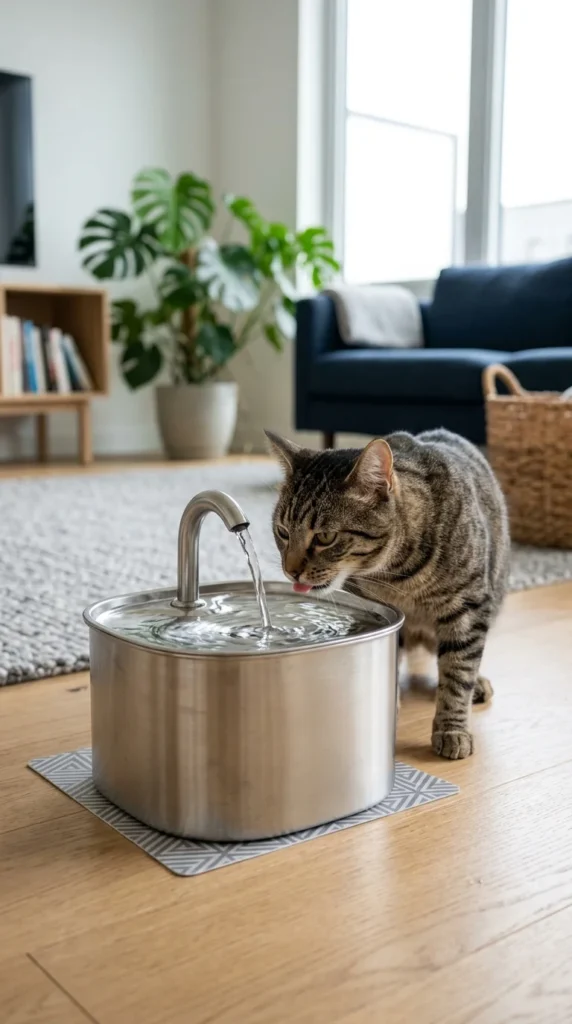
Kidney function often declines in older cats, making hydration more important than ever. Increase water intake by placing multiple bowls around the house, using water fountains to entice them with moving water, and adding warm water or tuna juice (without salt) to their wet food.
8. Orthopedic Bedding

Thinning fur and bony prominences mean senior cats feel the hardness of floors more acutely. Provide orthopedic beds that use memory foam to support their joints. Place these beds in warm, draft-free areas where the cat already likes to spend time.
9. Low-Entry Litter
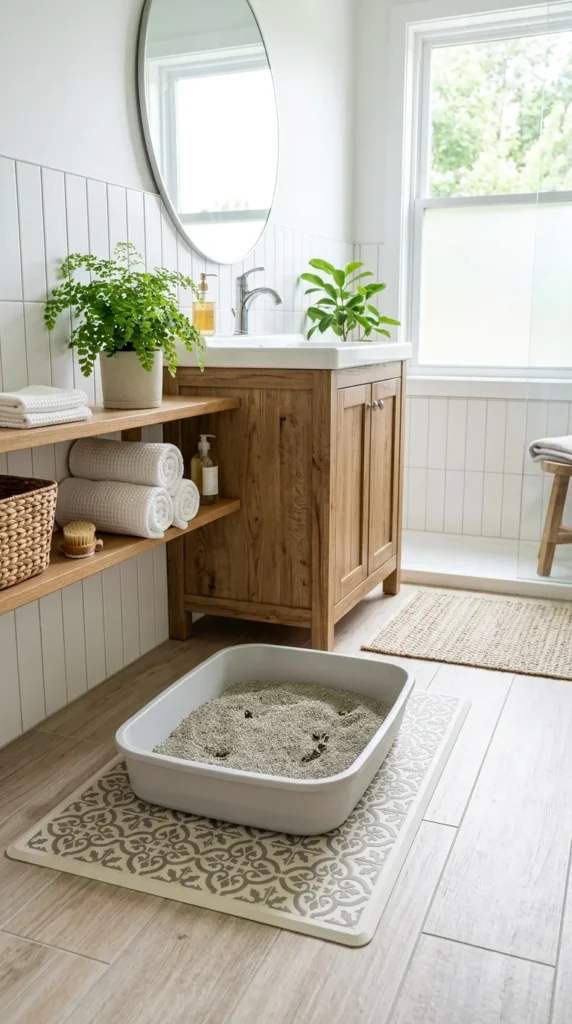
Arthritic cats may find it painful to hop over the high walls of a traditional litter box. Switching to a “low-entry” or “senior-friendly” box with an entrance only an inch or two high can prevent accidents and ensure your cat remains comfortable performing their daily business.
10. Accessible Ramps
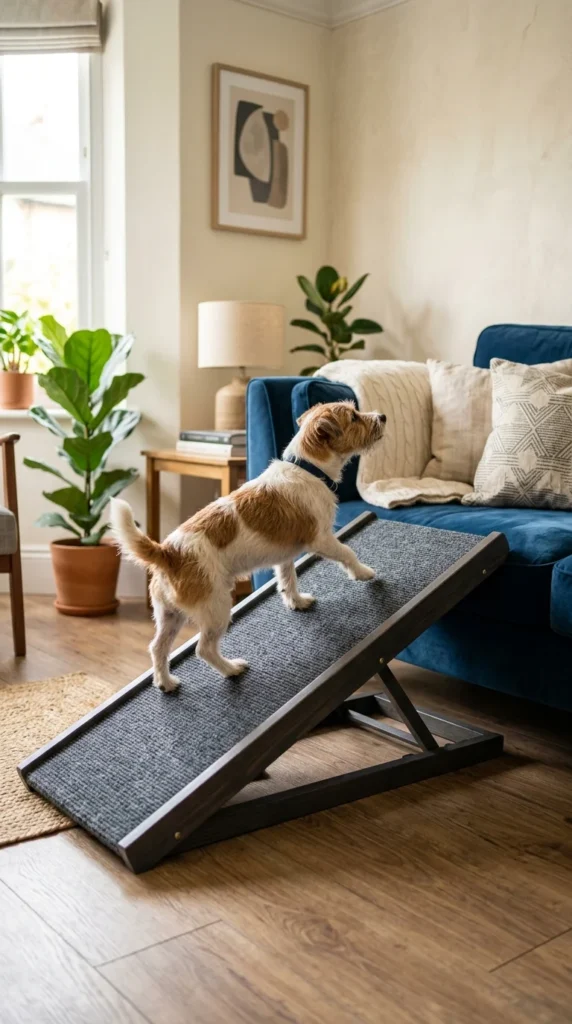
If your cat’s favorite sleeping spot is a high bed or sofa, they may eventually struggle to reach it. Pet stairs or ramps provide a “no-impact” way for them to access their favorite heights without jarring their joints through jumping or landing.
11. Gentle Grooming
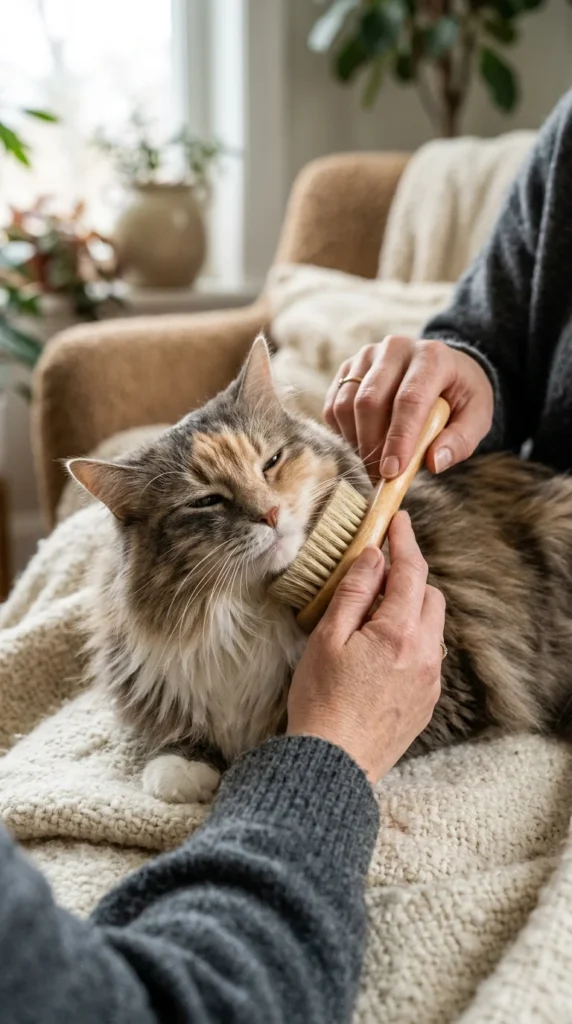
Older cats often develop “matted” fur because they are too stiff to reach their back or hindquarters. Regular, gentle grooming sessions help remove loose hair and prevent painful mats. It also serves as a bonding time and an opportunity to feel for new lumps or bumps.
12. Cognitive Stimulation
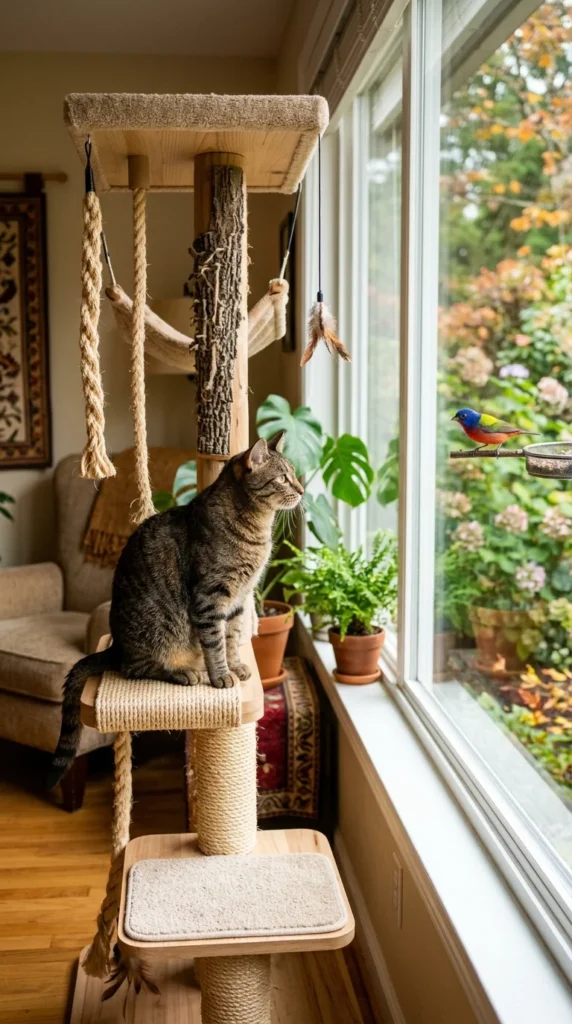
Feline Cognitive Dysfunction (FCD) is similar to dementia in humans. Keep your cat’s mind sharp with “food puzzles,” light play, and sensory enrichment. Even simple changes, like a new cardboard box or a safe window view of a bird feeder, can provide essential mental exercise.
13. Stress Reduction
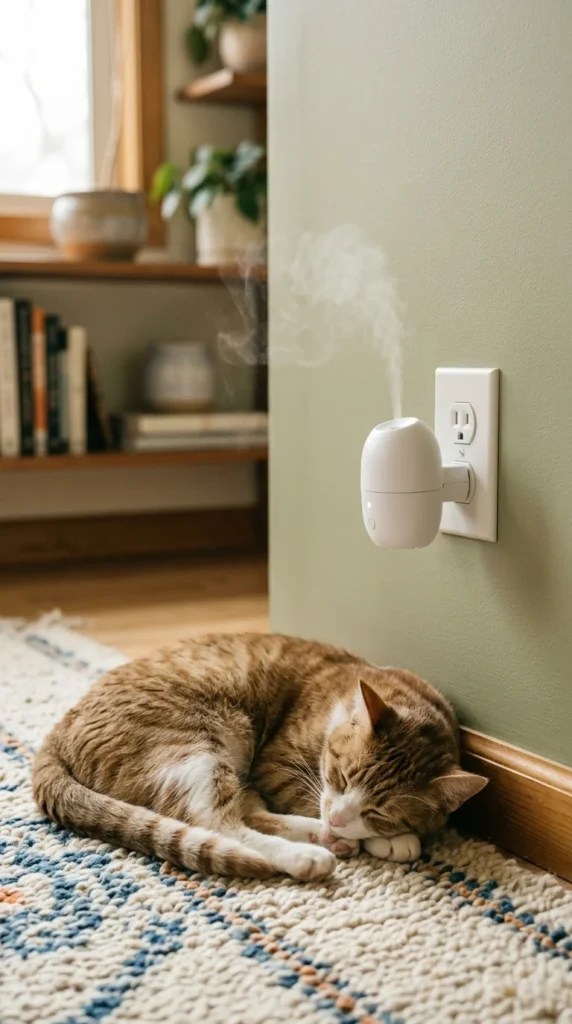
Senior cats are less adaptable to change. Moving furniture, loud noises, or new pets can cause significant stress, which may suppress their immune system. Use synthetic pheromone diffusers and maintain a predictable environment to help your cat feel secure and relaxed.
14. Nail Maintenance
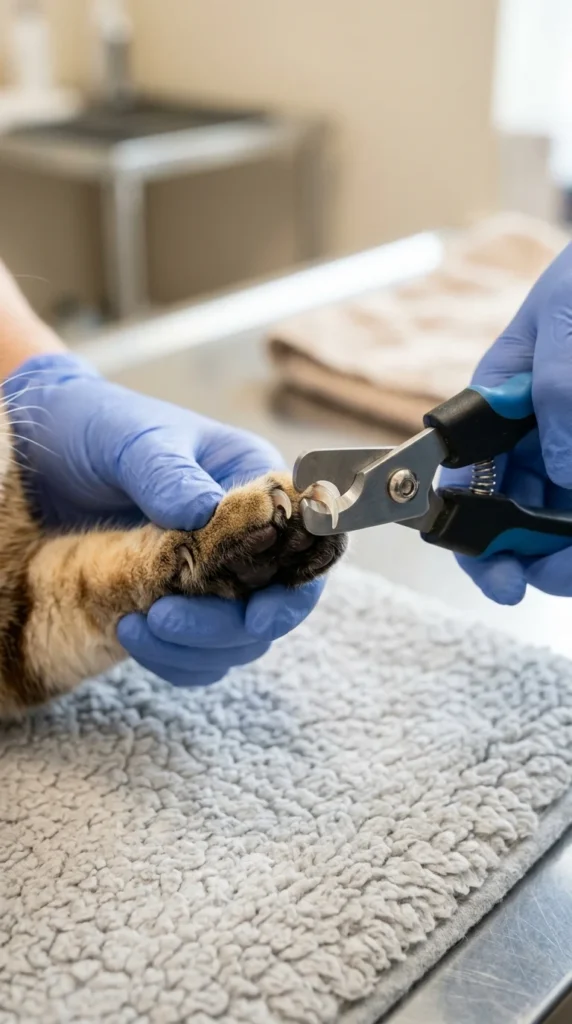
Senior cats don’t use scratching posts as vigorously as they once did, and they often lose the ability to retract their claws fully. This can lead to overgrown nails that curve into the paw pad. Check and trim their nails every few weeks to prevent pain and infection.
15. Eye Monitoring
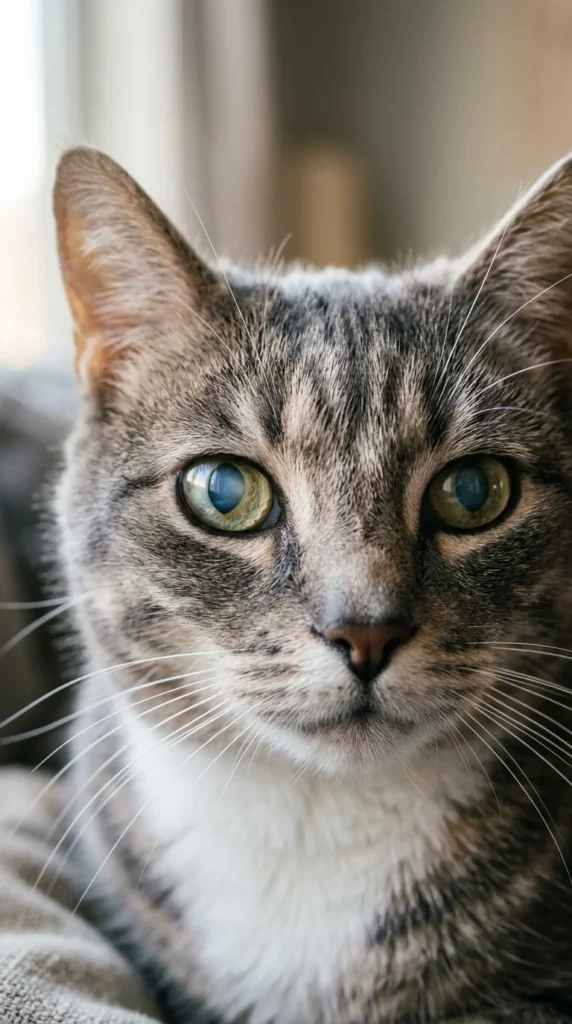
Watch for changes in your cat’s eyes, such as cloudiness, redness, or increased discharge. While some cloudiness (lenticular sclerosis) is a normal part of aging, sudden changes can indicate cataracts, glaucoma, or high blood pressure. If your cat starts bumping into furniture, consult a vet immediately.
16. Ear Cleaning
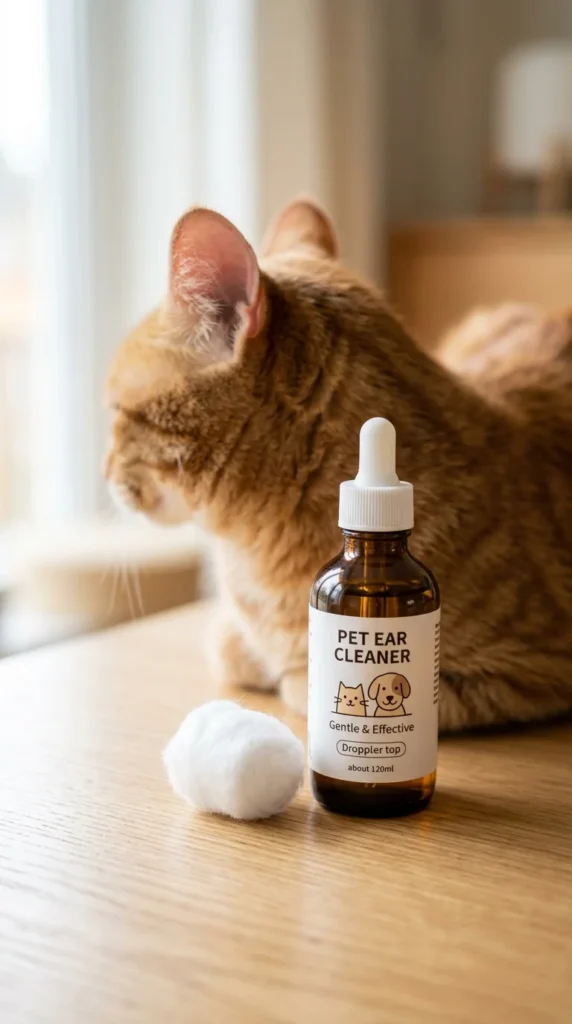
Older cats may become less efficient at cleaning their ears, leading to a buildup of wax or debris. Periodically check the ears for foul odors or redness. Use a vet-approved cleaner and a soft cotton ball to gently wipe the outer canal if necessary.
17. Litter Tracking

Keeping a log of your cat’s bathroom habits can be a lifesaver. Changes in the volume of urine or the consistency of stool are often the first clinical signs of diabetes, kidney disease, or hyperthyroidism. If the litter box is suddenly much heavier than usual, it’s time for a vet visit.
18. Consistent Routine
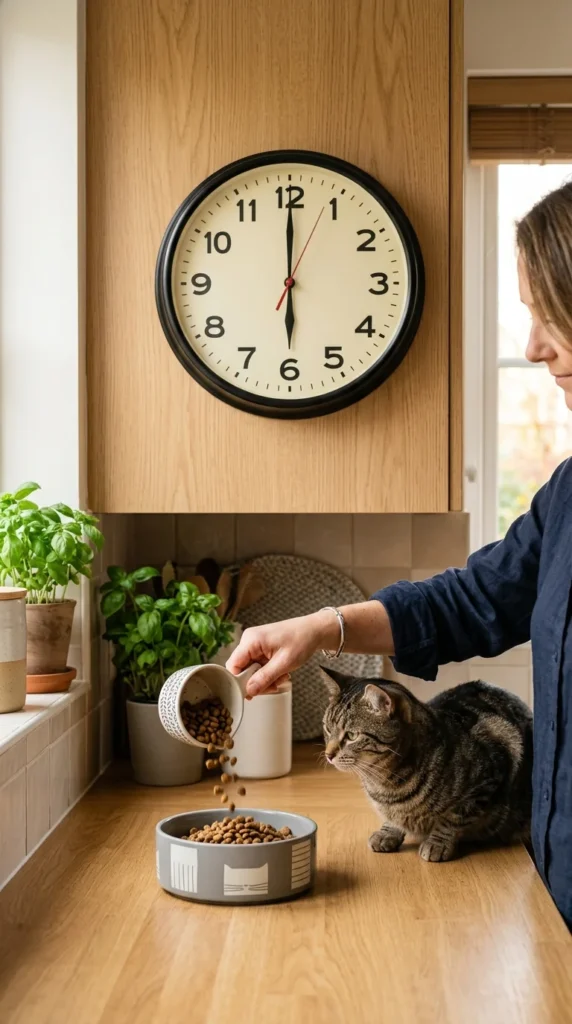
Senior cats thrive on predictability. Try to feed, play, and administer medication at the same times every day. This consistency reduces anxiety and helps you notice immediately if the cat deviates from their normal behavior, which is often an early indicator of illness.
19. Heat Sources
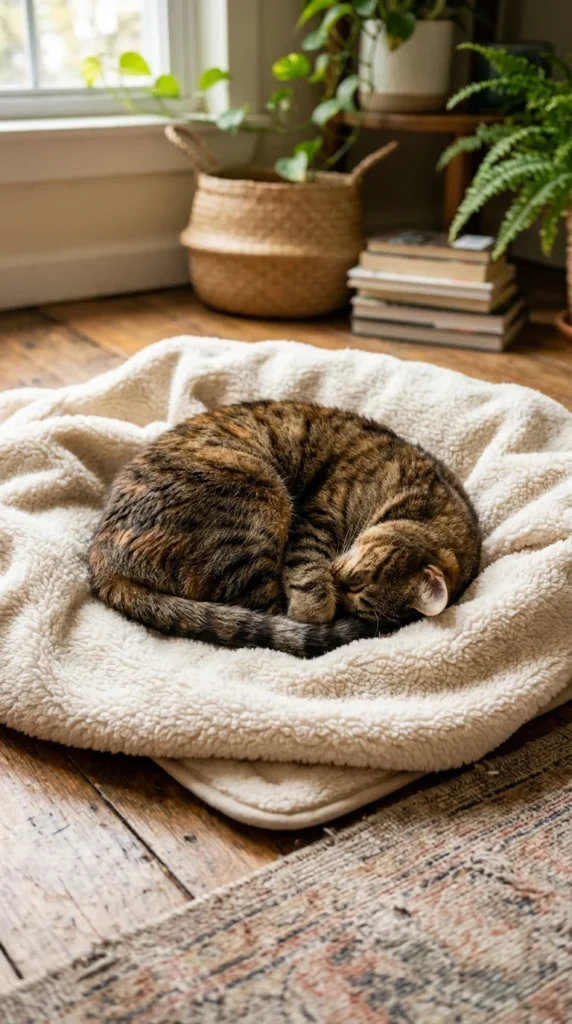
Elderly cats often have trouble regulating their body temperature and tend to seek out warmth. A pet-safe heated bed or a thermal mat that reflects the cat’s own body heat can provide immense comfort, especially for cats with thin coats or low body fat.
20. Night Lighting
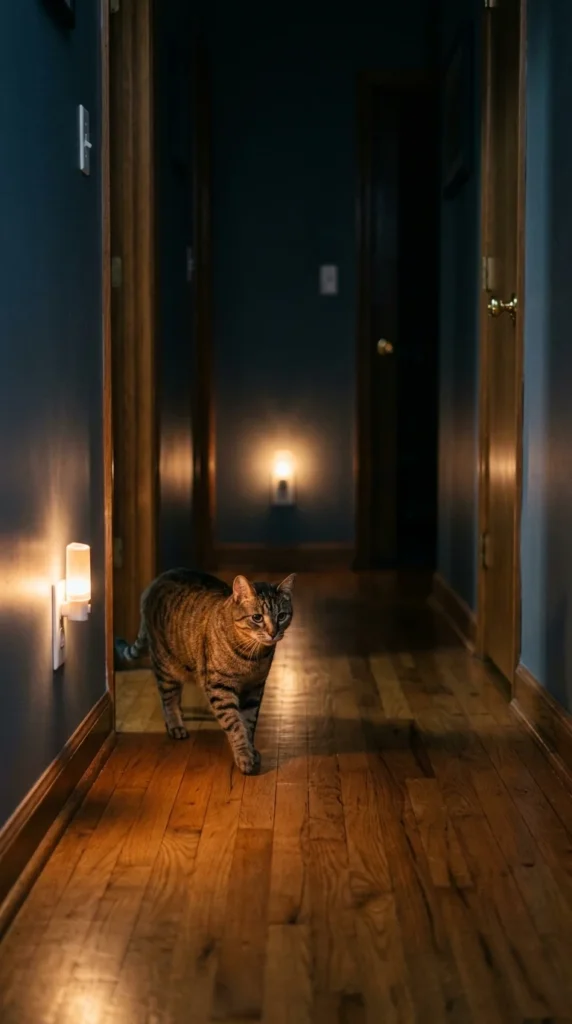
Vision can dim as cats age. Leaving a few nightlights on in hallways or near the litter box can help a senior cat navigate the house in the dark, preventing confusion and reducing the risk of them tripping or becoming disoriented during the night.
21. Soft Food
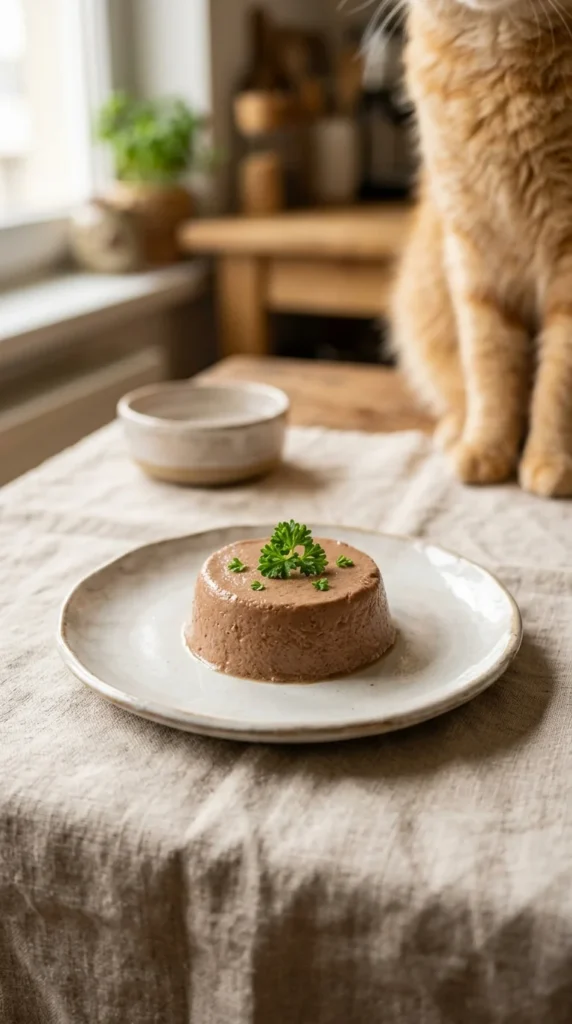
If your cat has lost teeth or has sensitive gums, they may find dry kibble difficult to chew. Transitioning to a high-quality pate or adding warm water to kibble to soften it makes mealtime easier and ensures they are getting the calories they need without pain.
22. Regular Play
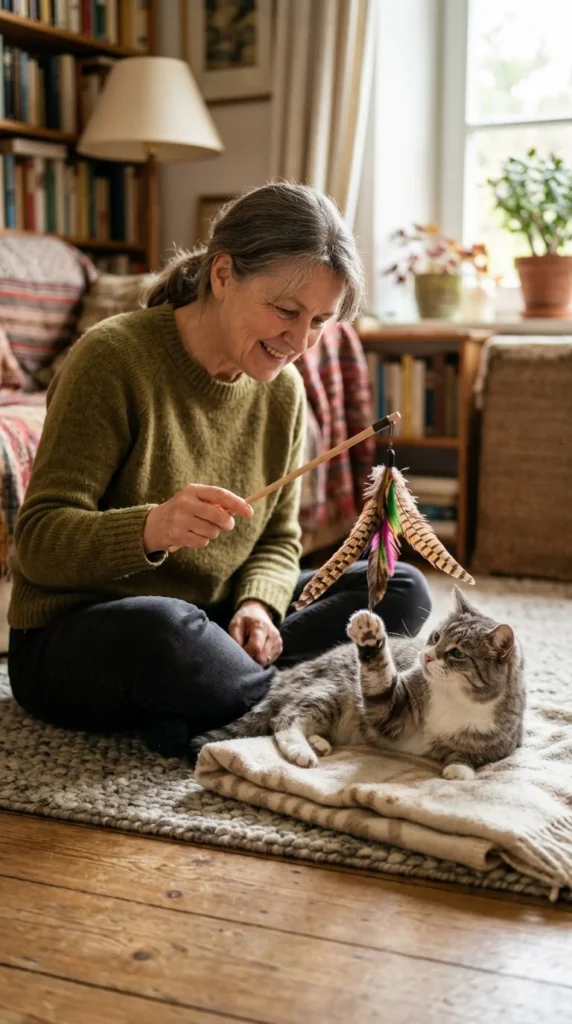
While they won’t be doing backflips, senior cats still need physical activity to maintain muscle mass and joint flexibility. Engage them in “low-impact” play, such as slow-moving feather wands or rolling a ball nearby, to keep their metabolism active.
23. Heart Monitoring
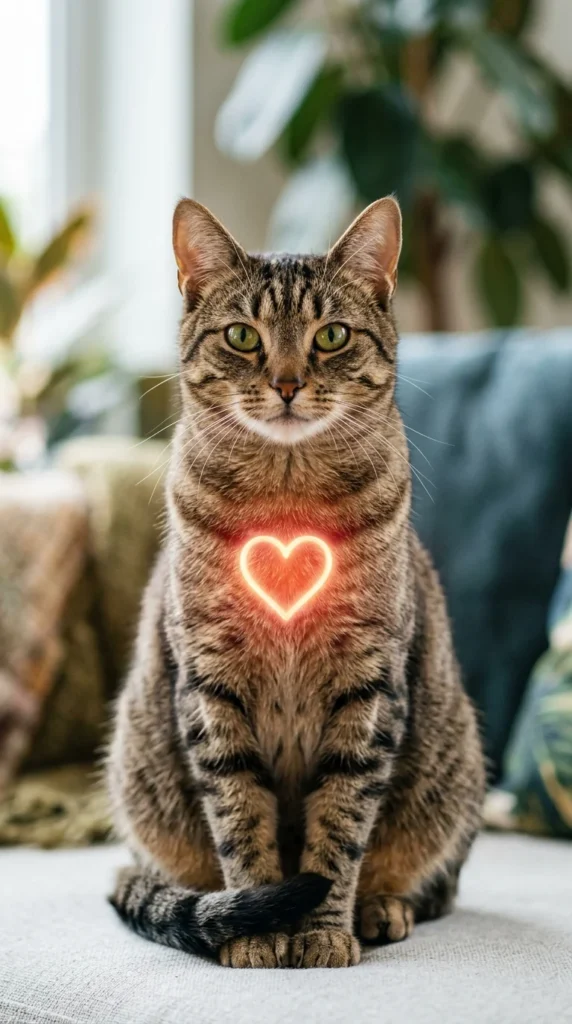
Heart murmurs and cardiomyopathy become more common in senior years. During your home snuggles, pay attention to your cat’s breathing rate. If you notice heavy breathing, panting, or a persistent cough, these could be signs of heart-related issues that require medical intervention.
24. Kidney Support
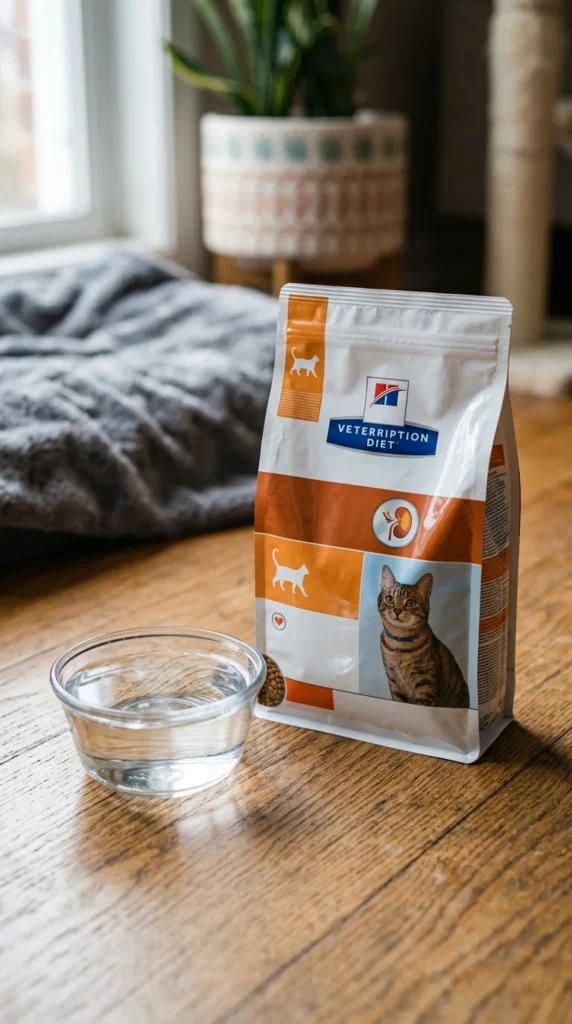
Kidney disease is a leading cause of illness in senior cats. Beyond diet, some cats benefit from subcutaneous fluids or specific medications prescribed by a vet. Keeping the kidneys supported through proper hydration and nutrition is the best way to extend a senior cat’s life.
25. Skin Observation
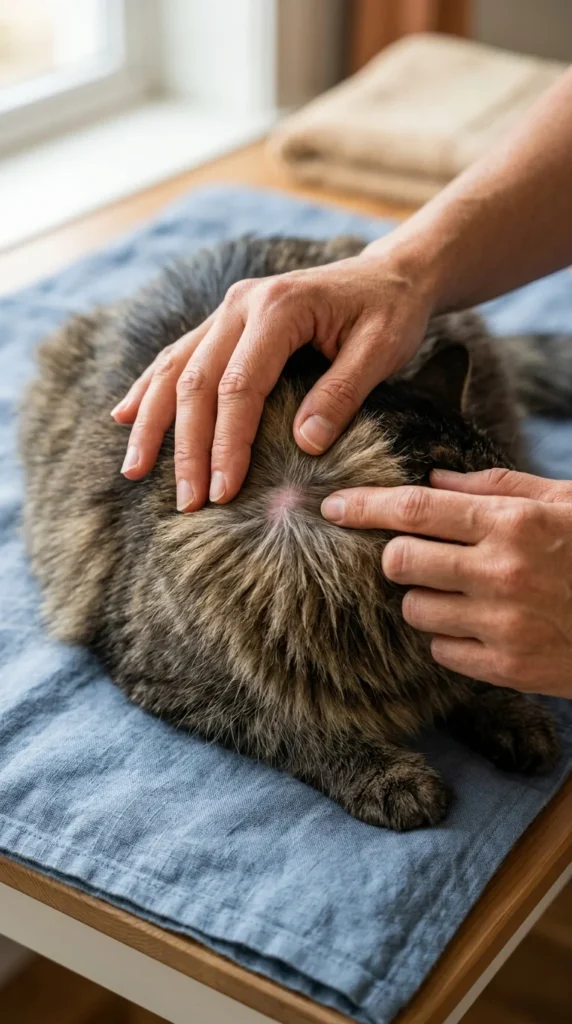
As cats age, their skin can become thinner and less elastic. They may develop benign fatty tumors (lipomas) or more serious growths. Make it a habit to give your cat a “mini-massage” once a week, feeling for any new lumps, scabs, or areas of sensitivity.
26. Appetite Tracking
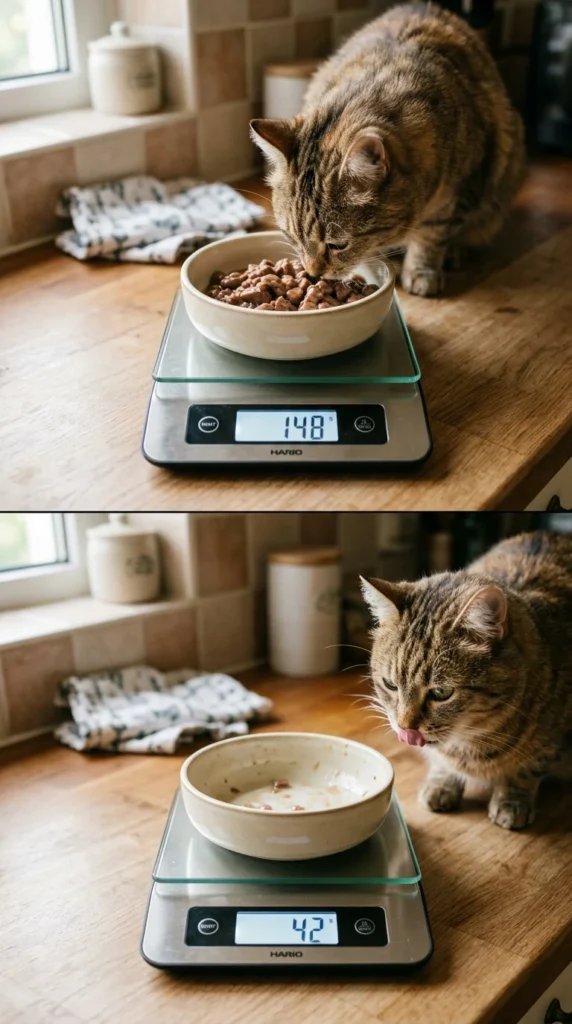
A decreased appetite is never “just old age.” It is almost always a sign of underlying discomfort or illness. If your cat skips more than two meals or shows a sudden “pickiness” they didn’t have before, it’s a red flag that warrants a professional evaluation.
27. End-of-Life Planning

While difficult to think about, considering your cat’s quality of life is an act of love. Familiarize yourself with “Quality of Life” scales (like the HHHHHMM scale) to help you make objective decisions. Discussing palliative care and “good death” options with your vet early on ensures that your cat’s final days are spent in comfort and peace.