
Cats are biological wonders, descendants of desert-dwelling ancestors who evolved to thrive in arid environments. Because of this heritage, felines have a naturally low thirst drive and a highly efficient renal system designed to concentrate urine and conserve every drop of moisture. However, this evolutionary advantage is a double-edged sword. In a domestic setting, cats often fail to realize they are thirsty until they are already bordering on clinical dehydration.
Dehydration isn’t just about being “thirsty.” It is a serious physiological condition where the body loses more water and electrolytes (like sodium, potassium, and chloride) than it takes in. If left unchecked, it can lead to kidney failure, organ collapse, and even death. As a cat owner, you are the first line of defense. Because cats are masters at masking discomfort, you must be a detective, looking for the subtle clues that indicate your feline friend is running low on fluids.
1. Skin Elasticity
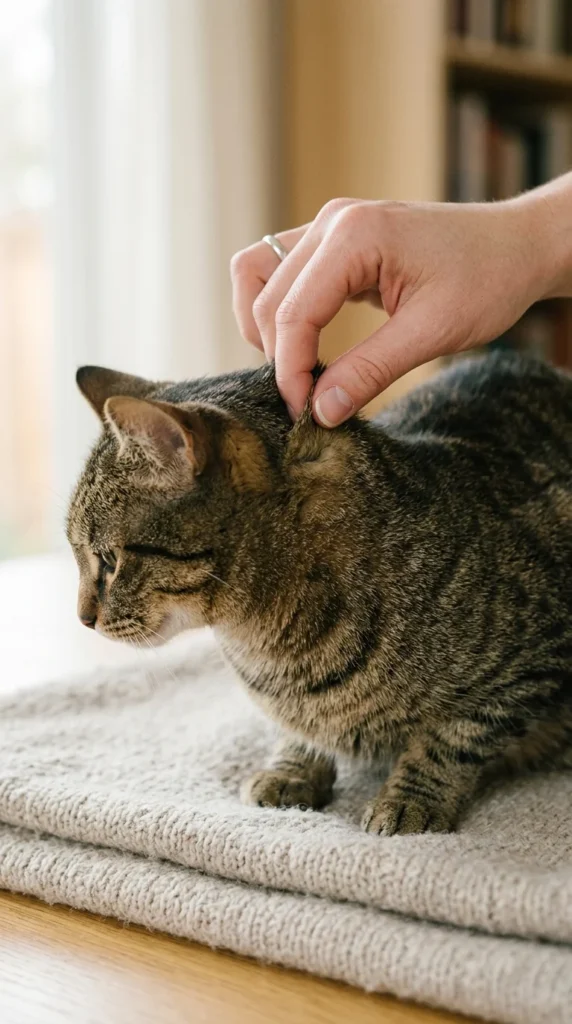
One of the fastest ways to check for dehydration is the “skin tent” test. In a healthy, hydrated cat, the skin is elastic and supple. When you gently pull up the skin at the scruff of the neck or between the shoulder blades, it should snap back into place instantly. If the skin moves slowly or remains in a “tent” shape for several seconds, your cat is likely moderately to severely dehydrated.
2. Tacky Gums
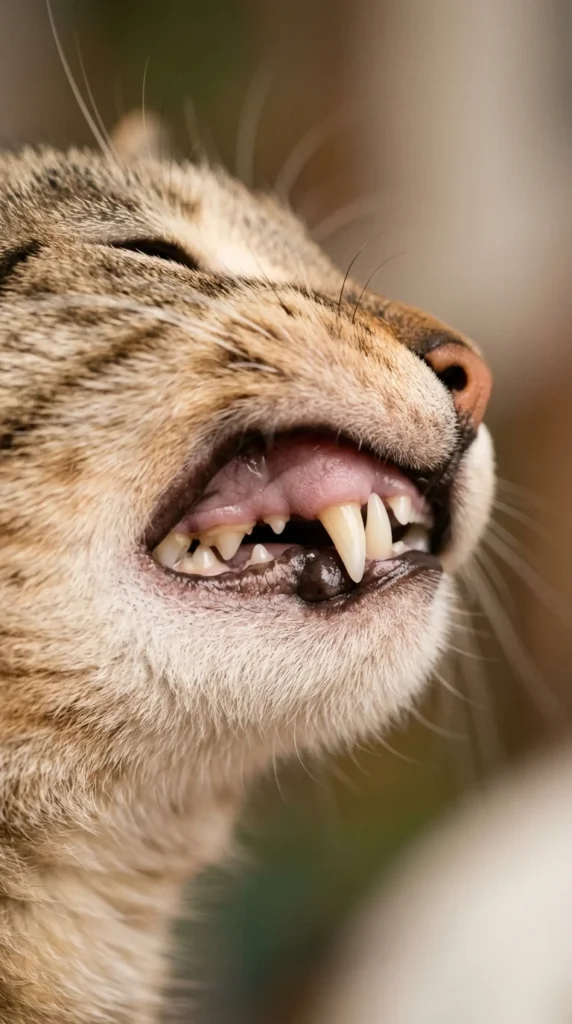
A hydrated cat’s gums should feel slippery, wet, and smooth, much like your own. When a cat becomes dehydrated, the mucous membranes in the mouth begin to dry out. If you touch your cat’s gums and they feel “tacky,” sticky, or dry to the touch, it is a clear indicator that their internal fluid levels are dangerously low.
3. Sunken Eyes
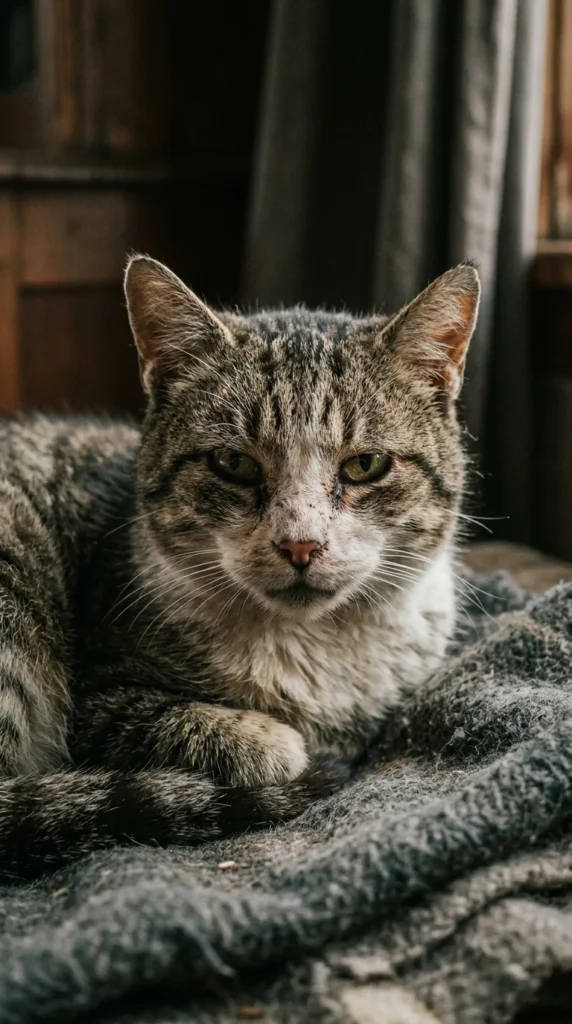
The eyes are often the windows to a cat’s hydration status. Fluids provide the pressure and lubrication needed to keep the eyes bright and forward in the sockets. When a cat is dehydrated, the fat pads behind the eyes shrink, causing the eyeballs to sink back into the head. This gives the cat a hollow, weary, or “dull” appearance.
4. Lethargy
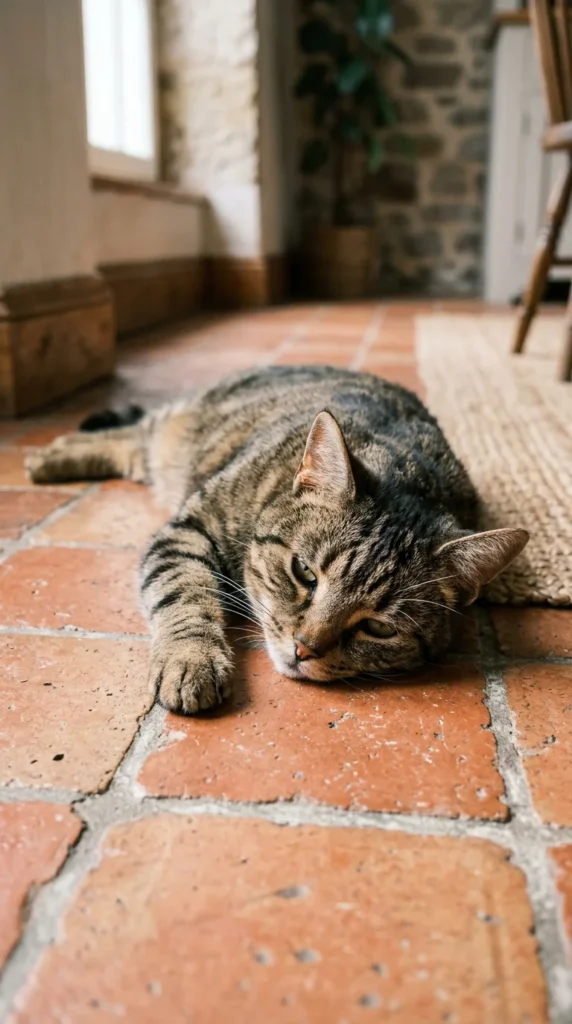
Water is essential for every metabolic process in a cat’s body, including energy production. A dehydrated cat will often become unusually sluggish. They may stop greeting you at the door, show no interest in their favorite toys, or spend the entire day hiding in a dark corner. This isn’t just “laziness”; it’s the body attempting to conserve what little fluid it has left.
5. Decreased Appetite
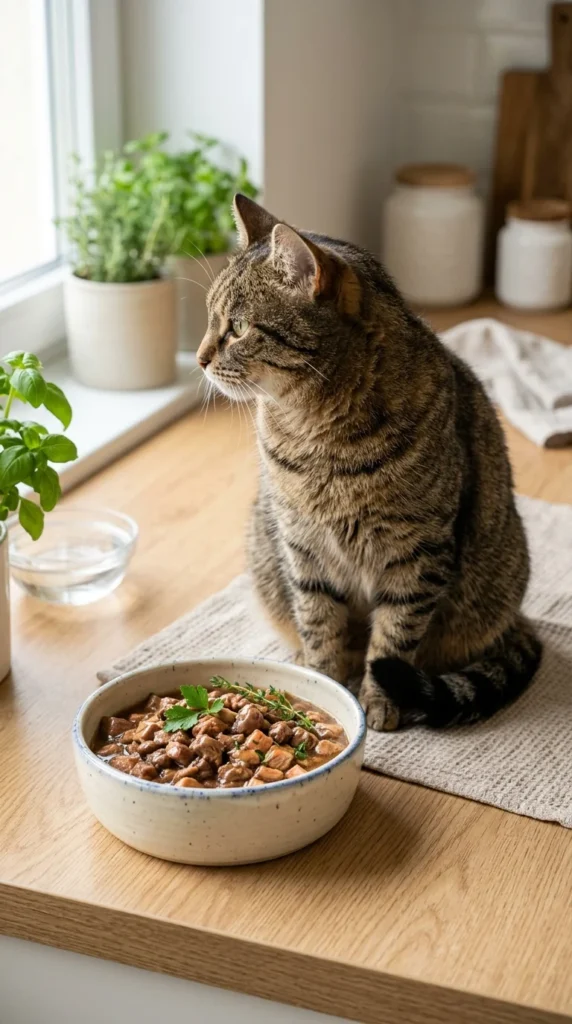
Eating requires saliva and digestive juices, both of which are primarily water-based. If a cat is dehydrated, the act of eating becomes physically difficult and uncomfortable. Nausea often accompanies dehydration, leading to a complete loss of appetite. If your food-motivated cat suddenly turns their nose up at their favorite treats, investigate their water intake immediately.
6. Rapid Heartbeat
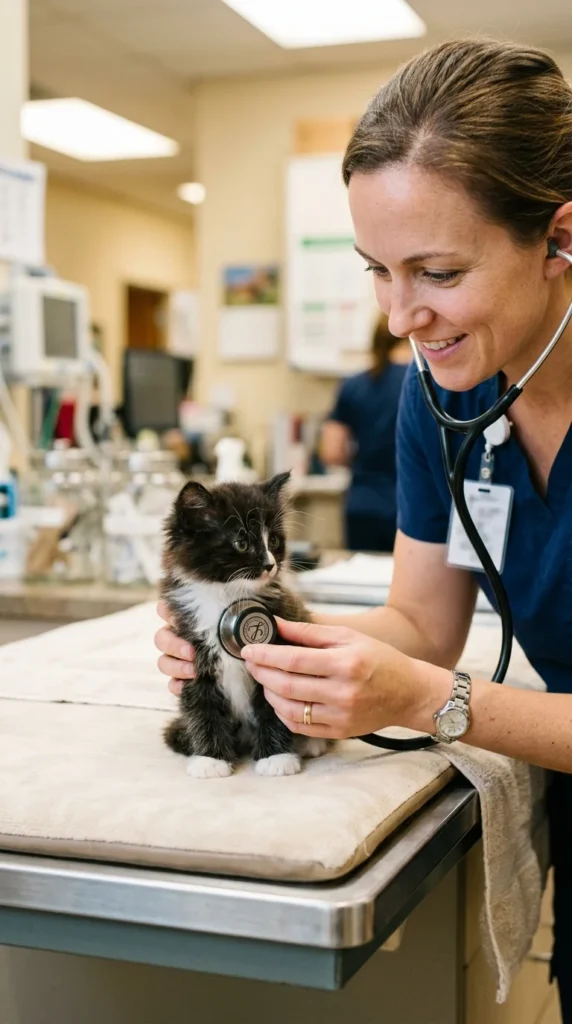
As the volume of blood in the body decreases due to water loss, the heart has to work much harder to circulate the remaining blood and deliver oxygen to vital organs. This results in a significantly increased heart rate (tachycardia). While it can be hard to measure at home, a racing heart combined with other signs on this list is a medical emergency.
7. Panting
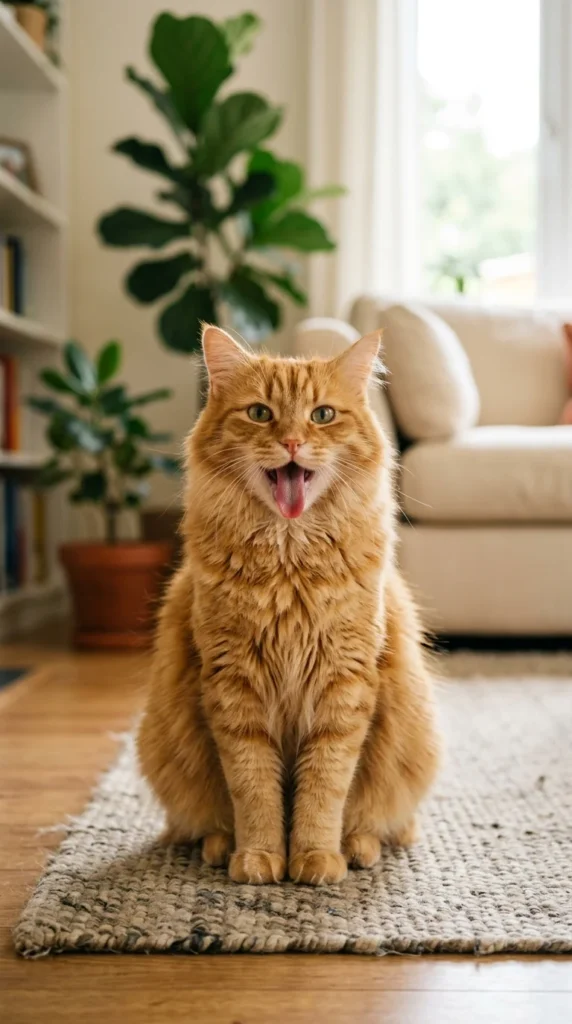
Unlike dogs, cats do not typically pant to cool down unless they are under extreme stress or suffering from heatstroke. If your cat is panting, it is often a sign of respiratory distress or severe dehydration. It indicates that the body is struggling to regulate temperature and maintain homeostasis because it lacks the fluids necessary for thermoregulation.
8. Dry Stool
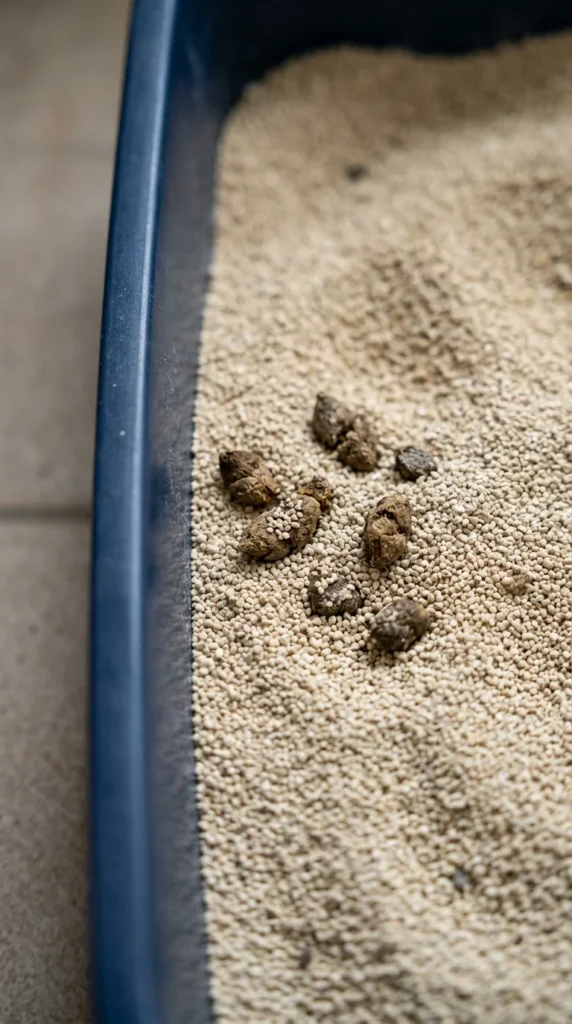
The colon is the body’s last-ditch effort to salvage water. When a cat is dehydrated, the intestines will pull every available drop of moisture out of the waste before it is excreted. This results in stool that is very hard, dry, and often shaped like small pebbles. Constipation is a very common secondary symptom of chronic low-level dehydration.
9. Thick Saliva
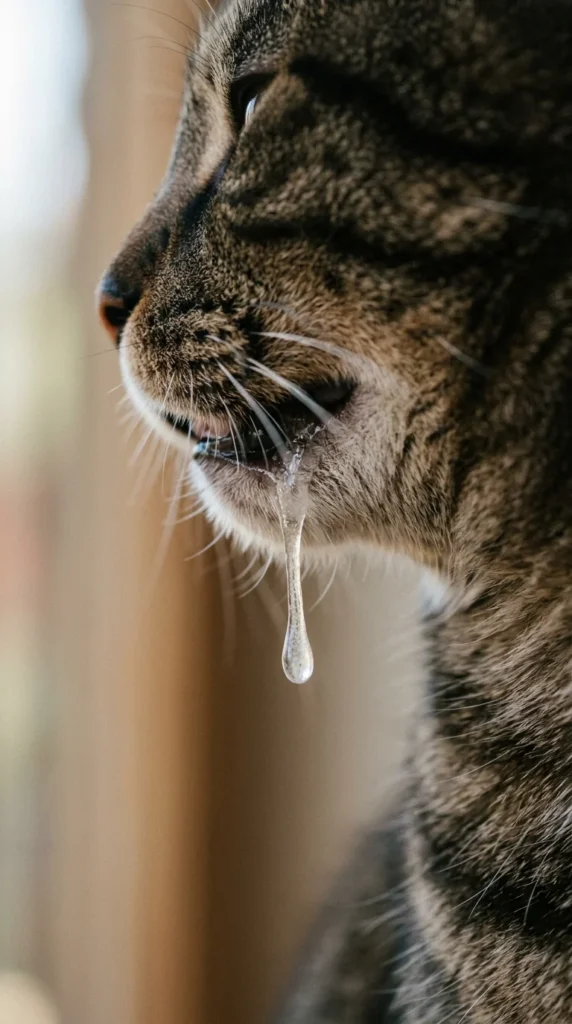
If your cat drools or opens its mouth and you notice the saliva looks like thick, ropey strings rather than clear, watery liquid, they are dehydrated. As water leaves the body, the remaining fluids become concentrated and viscous. This makes swallowing difficult and can contribute to the “tacky” feeling in the mouth.
10. Cold Extremities
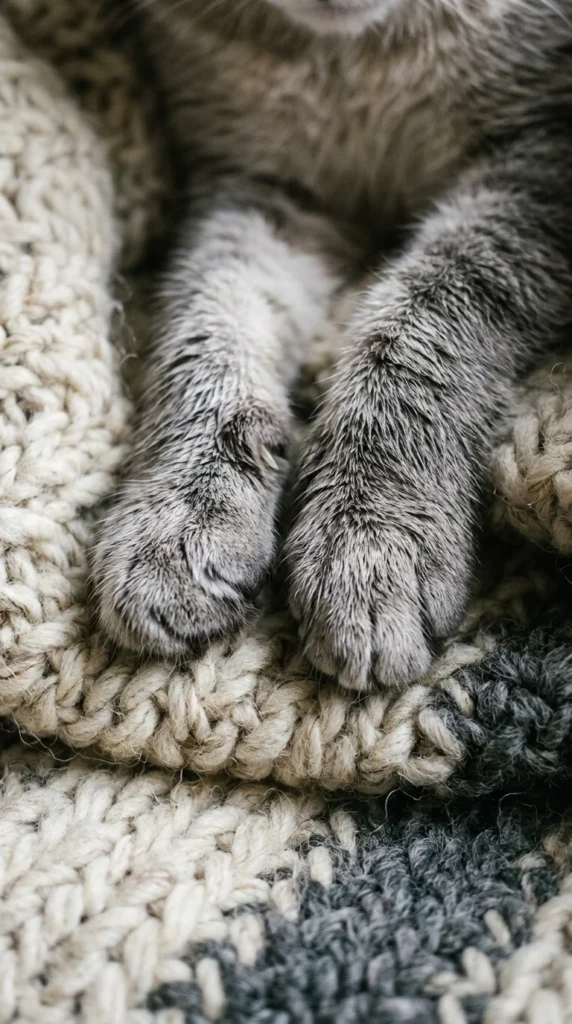
When the body goes into “survival mode” due to fluid loss, it prioritizes the heart, brain, and lungs. To do this, it constricts blood flow to the extremities like the paws, ears, and tail. If your cat’s paws feel abnormally cold to the touch, it may indicate that their blood pressure has dropped due to severe dehydration.
11. Low Urine Output
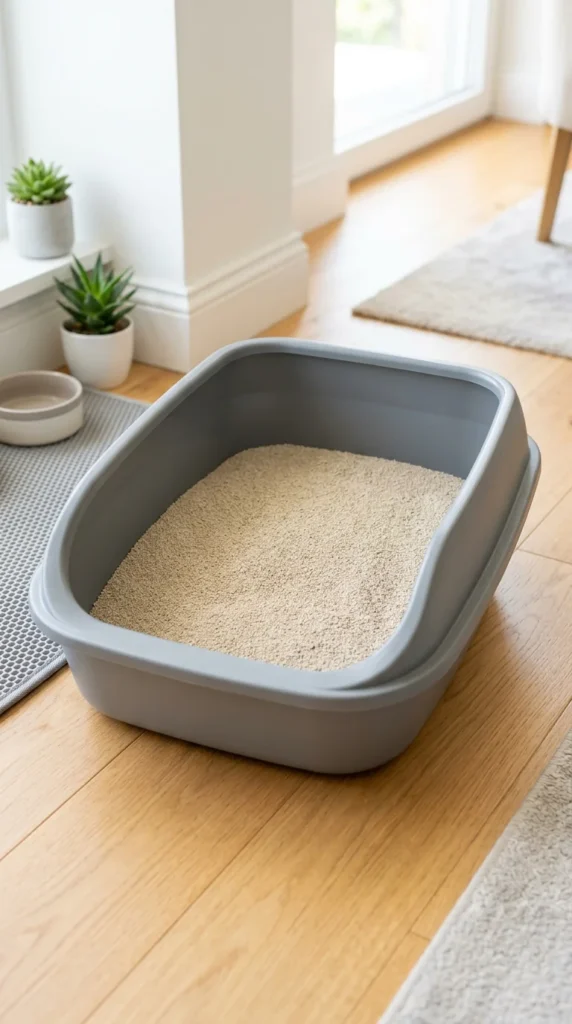
What goes in must come out. If you notice fewer clumps in the litter box or if the clumps are significantly smaller than usual, your cat is likely conserving water. Furthermore, if the urine is a very dark amber color rather than a light yellow, it means the kidneys are working overtime to concentrate the urine to prevent further fluid loss.
12. Poor Grooming
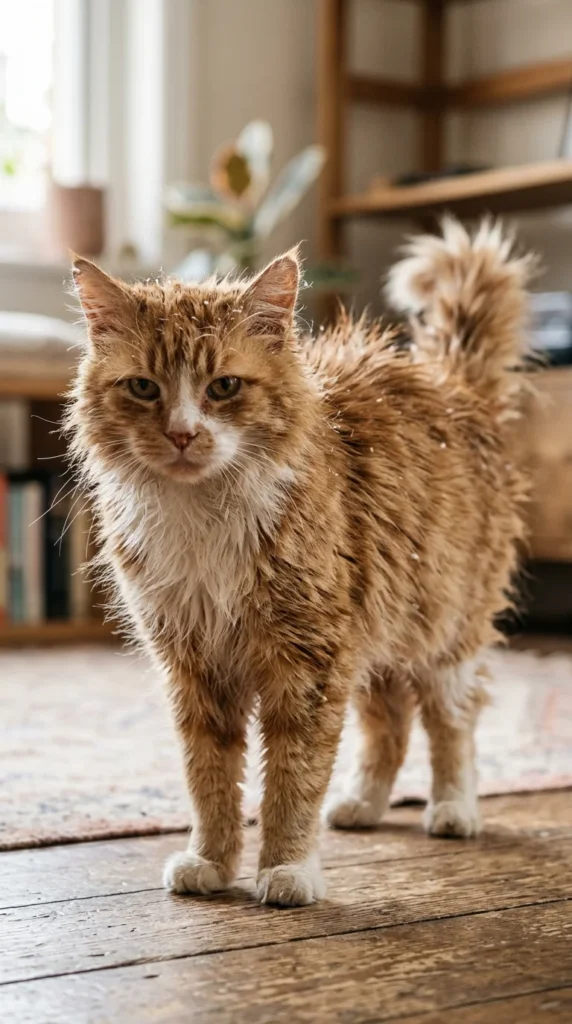
Cats are meticulous groomers, but grooming requires energy and saliva. A dehydrated cat will often stop grooming themselves entirely. This leads to a coat that looks “spiky,” greasy, or unkempt. Additionally, the skin underneath becomes dry and flaky, leading to a noticeable increase in dandruff.
13. Weak Pulse
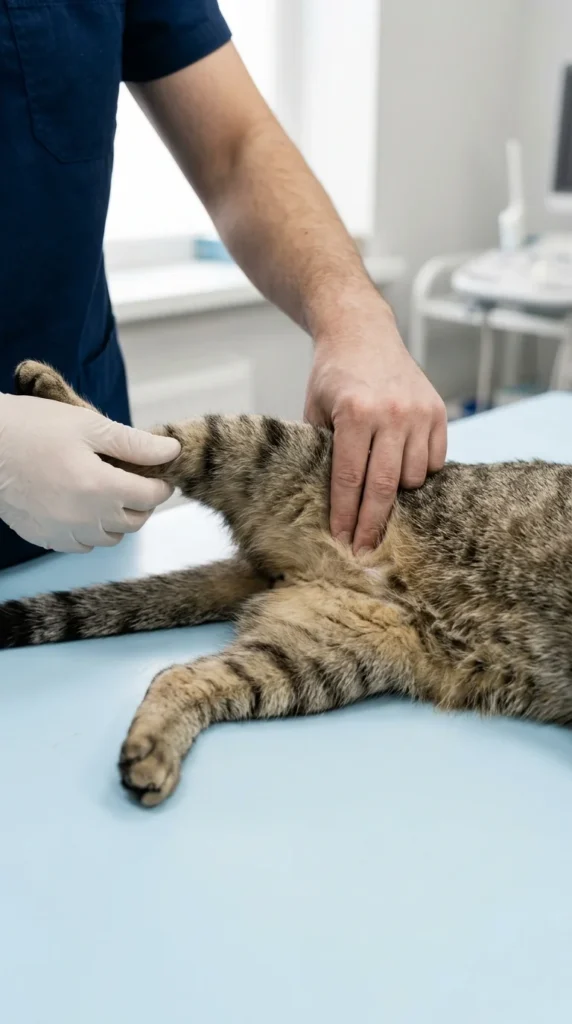
While a rapid heart rate is common in early dehydration, as the condition progresses into shock, the pulse may actually become “thready” or weak. This happens because the overall blood volume has dropped so low that there isn’t enough pressure to create a strong pulse. This is a sign of a life-threatening situation.
14. Disorientation
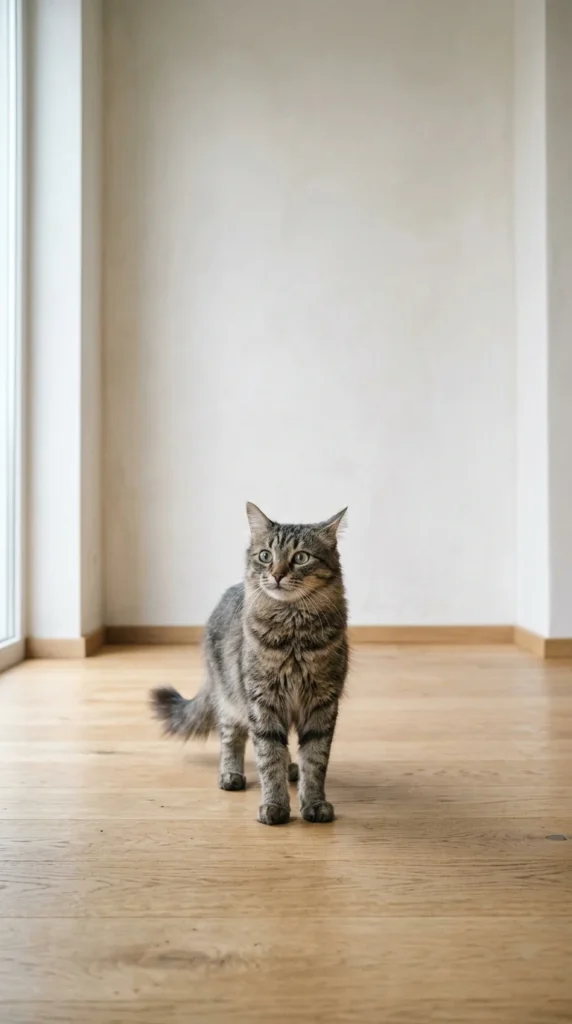
The brain is highly sensitive to electrolyte imbalances. When a cat is severely dehydrated, the lack of proper sodium and potassium levels can lead to neurological issues. A dehydrated cat may appear dizzy, stumble when walking, or seem confused about their surroundings.
15. Vocalization
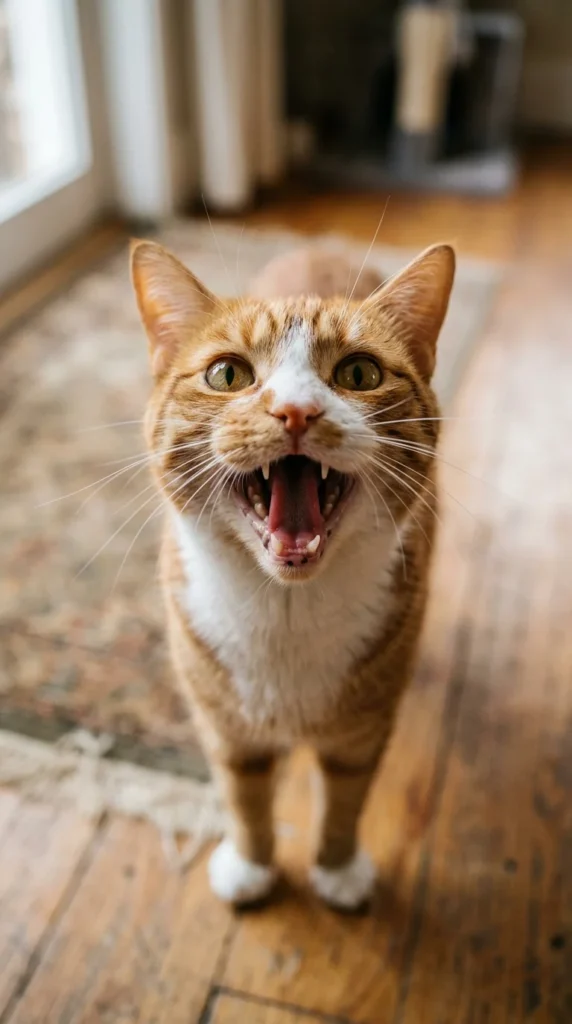
Some cats will actively try to communicate their distress. If your cat is normally quiet but begins yowling or making unusual vocalizations—especially near their water bowl—they may be trying to tell you that they feel unwell or are desperately thirsty but unable to drink enough to feel better.
16. Dry Nose
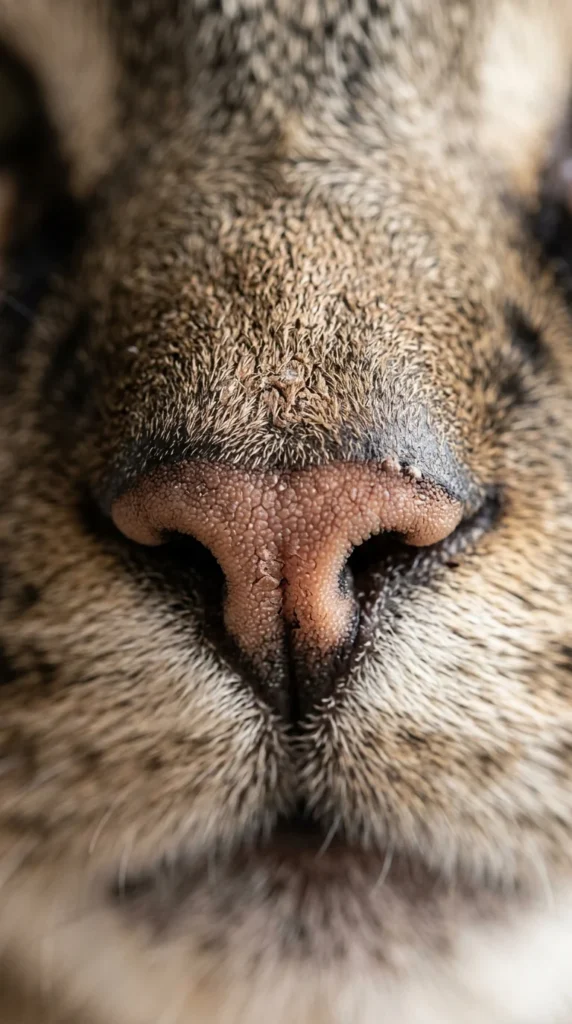
While a dry nose isn’t always a definitive sign of illness (some cats just have dry noses!), a nose that is usually cool and moist but suddenly becomes parched and cracked is a red flag. When combined with other symptoms like lethargy or tacky gums, a dry nose confirms that the body’s moisture levels are depleted.
How to Help Your Dehydrated Cat
If you suspect your cat is dehydrated, do not try to force-feed them water with a syringe, as this can cause aspiration. Instead:
- Offer Wet Food: Switch from dry kibble to canned food, which is roughly 75-80% water.
- Use a Water Fountain: Many cats prefer running water and will drink more from a fountain than a stagnant bowl.
- Add “Broth toppers”: Use cat-safe, low-sodium chicken broth or tuna juice to entice them to drink.
- Consult a Vet: If your cat shows signs of moderate to severe dehydration (sunken eyes, skin tenting), they need immediate veterinary care for subcutaneous or intravenous fluids.