
Every cat owner has experienced that dreaded sound: the rhythmic, hacking “urk-urk-urk” that precedes a messy surprise on the carpet. While occasional vomiting is often dismissed as “just a cat thing,” it can actually be a window into your feline friend’s internal health. Identifying the root cause is essential for determining whether you’re dealing with a minor dietary hiccup or a life-threatening emergency.
1. Hairballs
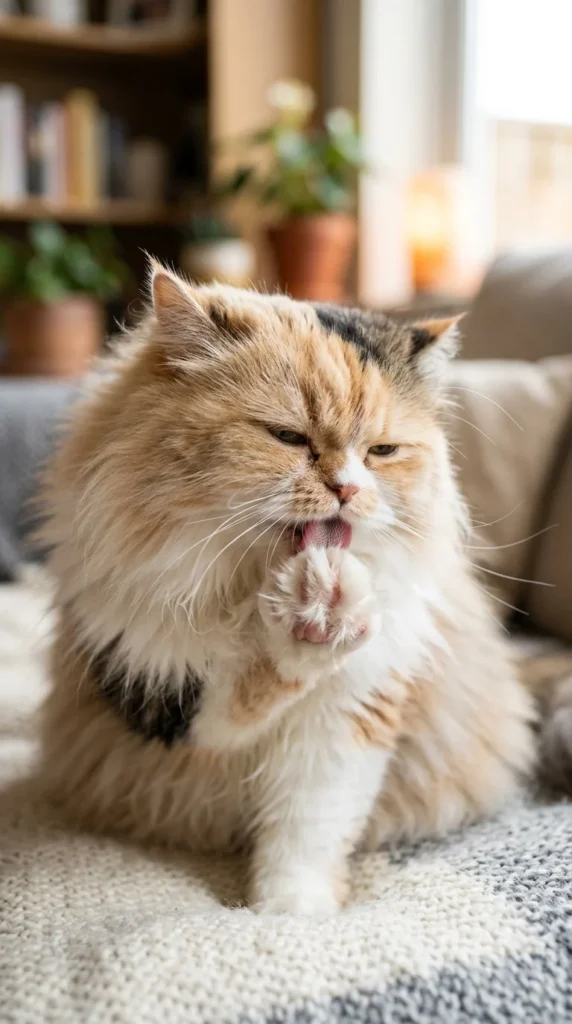
Technically known as trichobezoars, hairballs occur when a cat ingests fur during grooming. Most fur passes through the digestive tract, but sometimes it accumulates in the stomach, forming a cylindrical mass that must be expelled. While common, frequent hairballs (more than once a week) may indicate over-grooming or a motility issue in the gut.
2. Rapid Eating
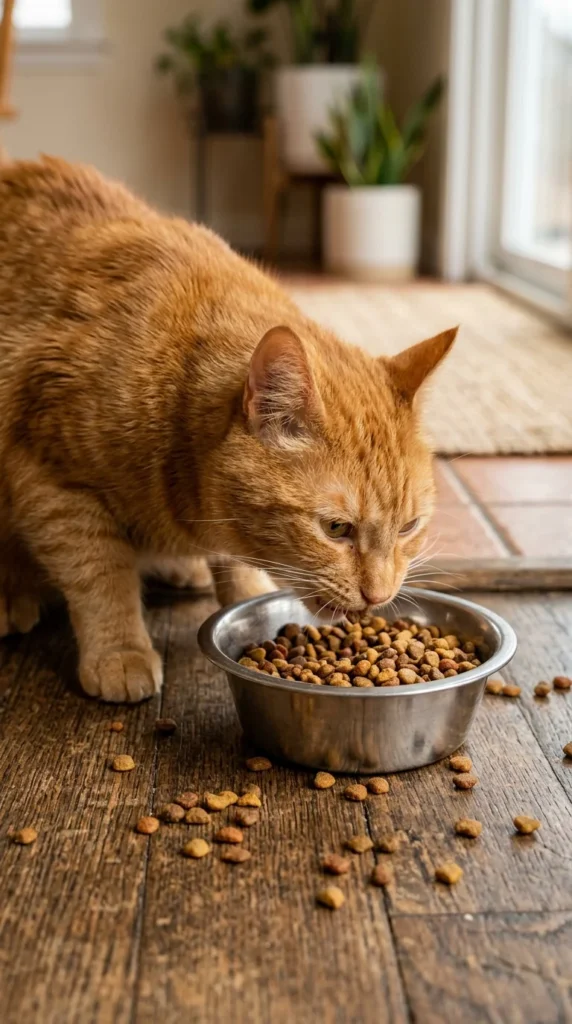
Often referred to as “scarf and barf,” this happens when a cat eats too quickly, swallowing excess air and unchewed kibble. The stomach expands rapidly, triggering a regurgitation reflex almost immediately after the meal. This is common in multi-cat households where there is competition for food.
3. Food Allergies
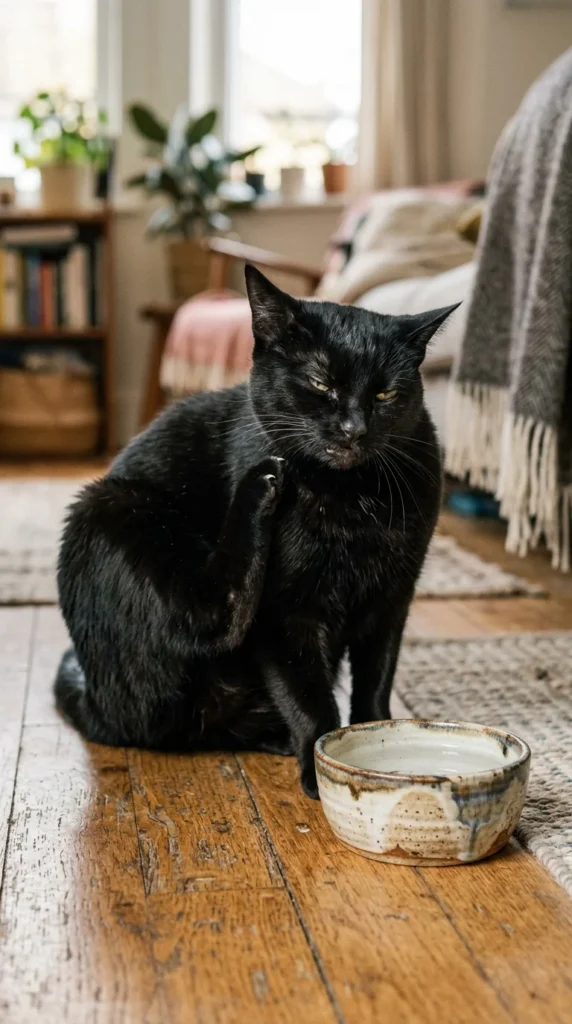
Cats can develop sensitivities to specific proteins like chicken, beef, or fish. When the immune system overreacts to an ingredient, it can cause chronic inflammation of the gastrointestinal tract, leading to intermittent vomiting, diarrhea, and sometimes itchy skin or ear infections.
4. Dietary Indiscretion
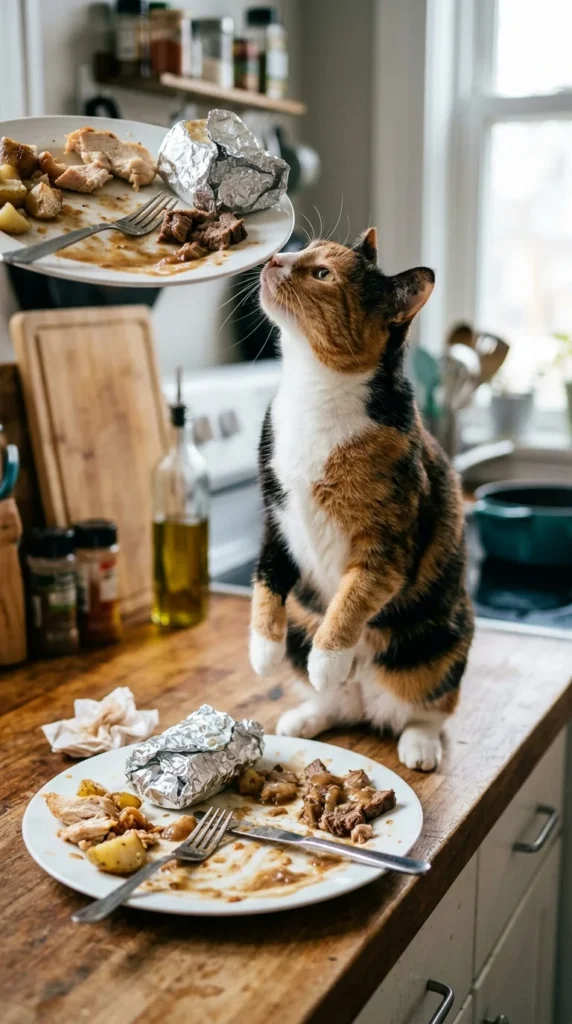
Cats are curious creatures. Dietary indiscretion occurs when a cat eats something they shouldn’t, such as “people food” that is too fatty, spoiled scraps from the trash, or non-food items. The sudden introduction of rich or greasy food can easily upset a delicate feline stomach.
5. Parasites

Internal parasites like roundworms, hookworms, and stomach worms can irritate the lining of the stomach and intestines. In severe infestations, especially in kittens, you may actually see live worms in the vomit. Parasites compete for nutrients and cause significant GI distress.
6. Toxic Plants
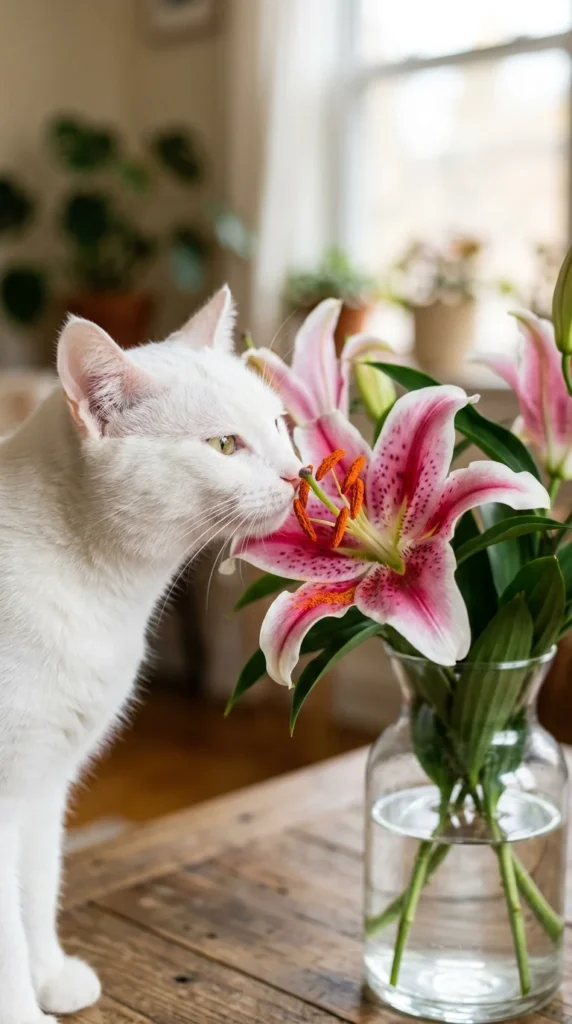
Many common household plants are highly toxic to cats. Lilies, sago palms, azaleas, and philodendrons can cause acute vomiting. In the case of lilies, even a small amount of pollen or water from the vase can lead to fatal kidney failure if not treated immediately.
7. Kidney Disease
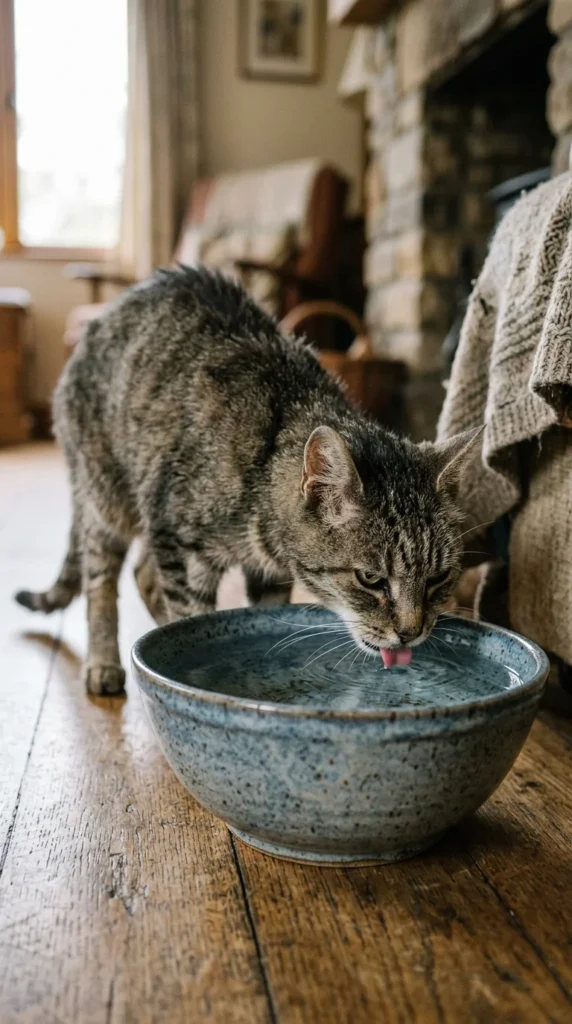
Chronic Kidney Disease (CKD) is a leading cause of vomiting in older cats. As the kidneys lose the ability to filter toxins from the blood, those toxins build up (uremia), leading to nausea and gastric ulcers. Increased thirst and urination usually accompany this type of vomiting.
8. Hyperthyroidism
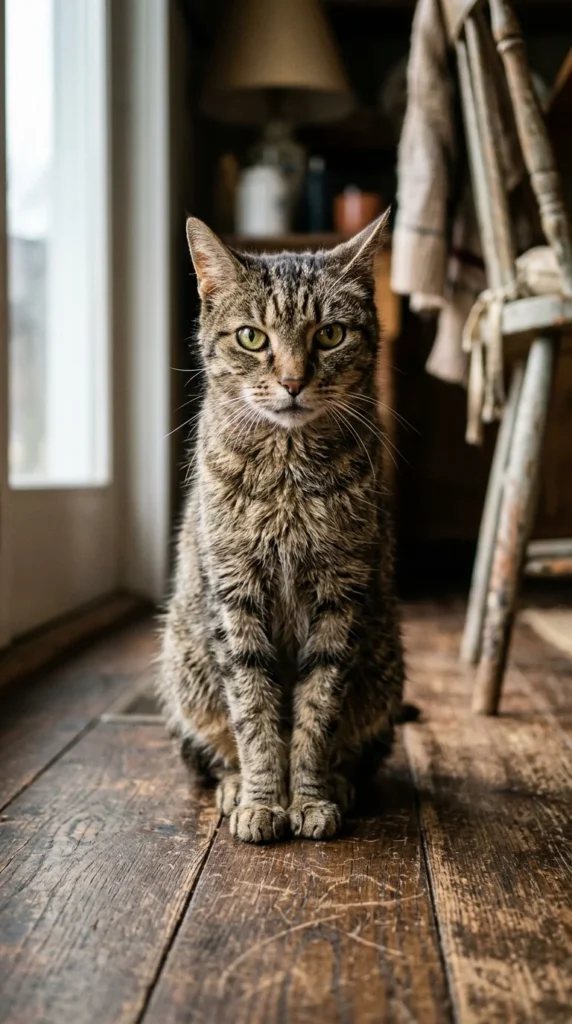
An overactive thyroid gland speeds up a cat’s metabolism. This can lead to a ravenous appetite, weight loss, and frequent vomiting. The vomiting is often caused by the cat eating too quickly due to extreme hunger or the direct effect of thyroid hormones on the GI tract.
9. Diabetes Mellitus
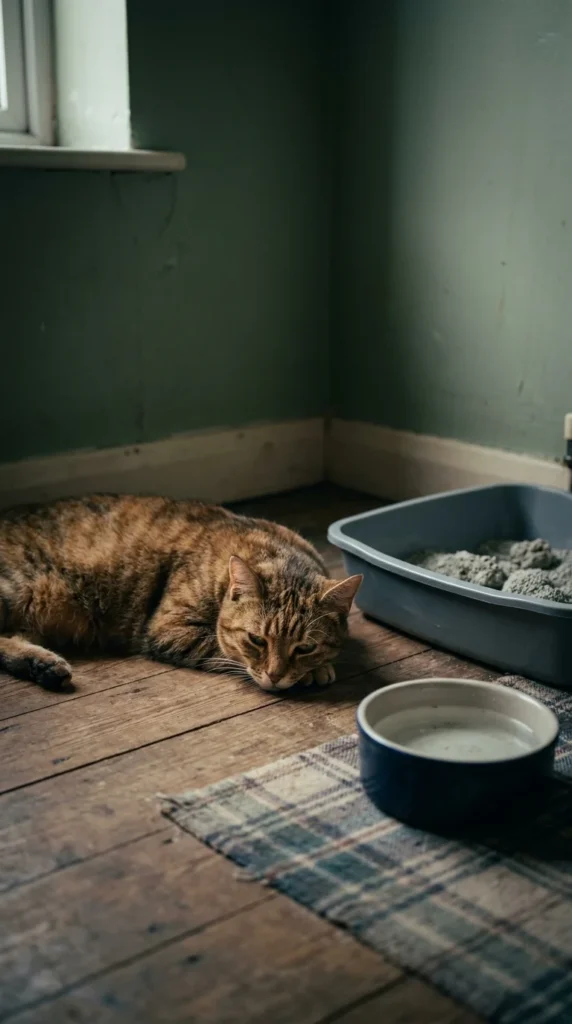
When a cat’s body cannot properly process glucose, the resulting metabolic imbalance can cause vomiting. This is often seen in later stages or during a crisis called diabetic ketoacidosis, which is a medical emergency characterized by a fruity breath odor and extreme weakness.
10. IBD (Inflammatory Bowel Disease)
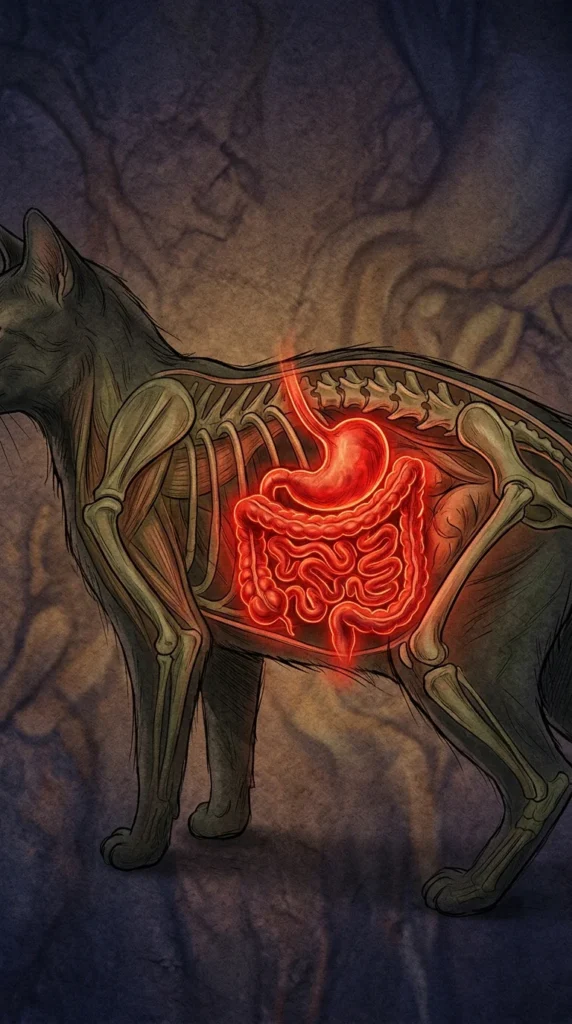
IBD is a condition where the stomach or intestinal lining becomes chronically invaded by inflammatory cells. This disrupts the normal digestion and movement of food, resulting in chronic vomiting, weight loss, and lethargy. It requires a specific diet and often medication to manage.
11. Pancreatitis
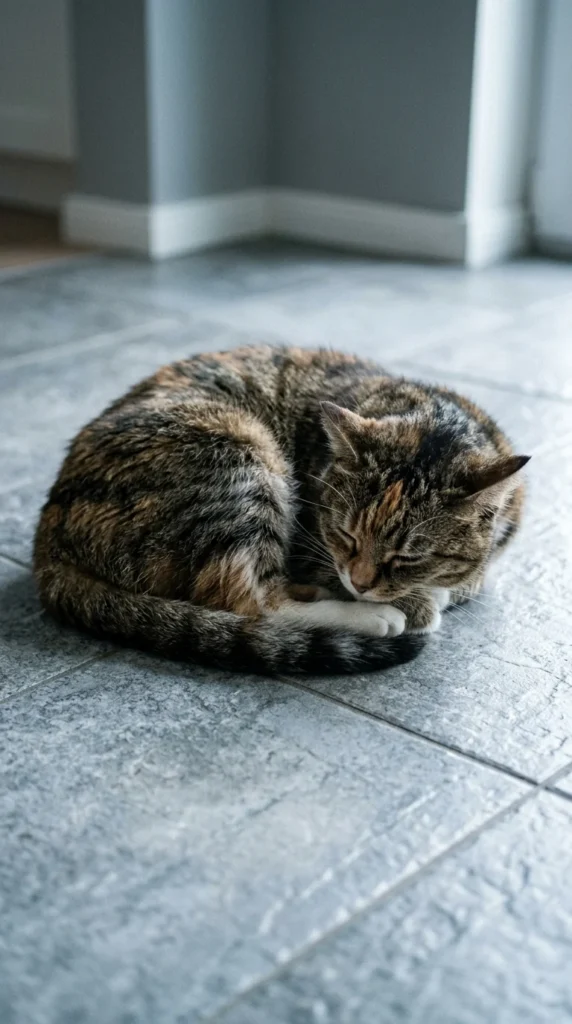
The pancreas produces enzymes for digestion. When it becomes inflamed, these enzymes can begin to digest the organ itself. Pancreatitis in cats is often “silent” compared to dogs, with vomiting and a loss of appetite being the primary, albeit vague, symptoms.
12. Foreign Bodies
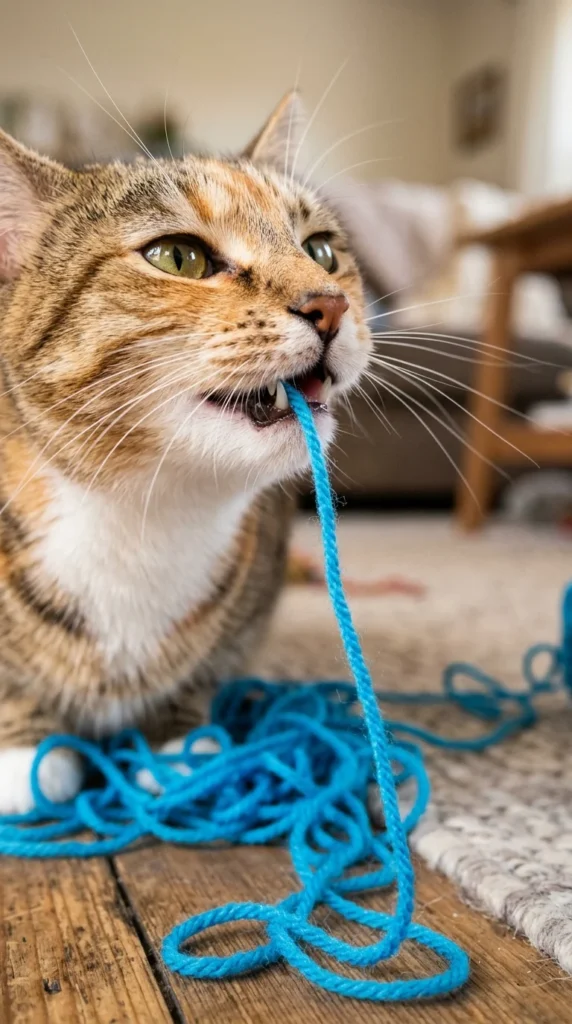
Cats love to play with string, ribbons, hair ties, and plastic. If swallowed, these items can cause a physical blockage in the stomach or intestines. A “linear foreign body” (like string) is particularly dangerous as it can saw through the intestinal walls as the gut tries to move it along.
13. Liver Disease
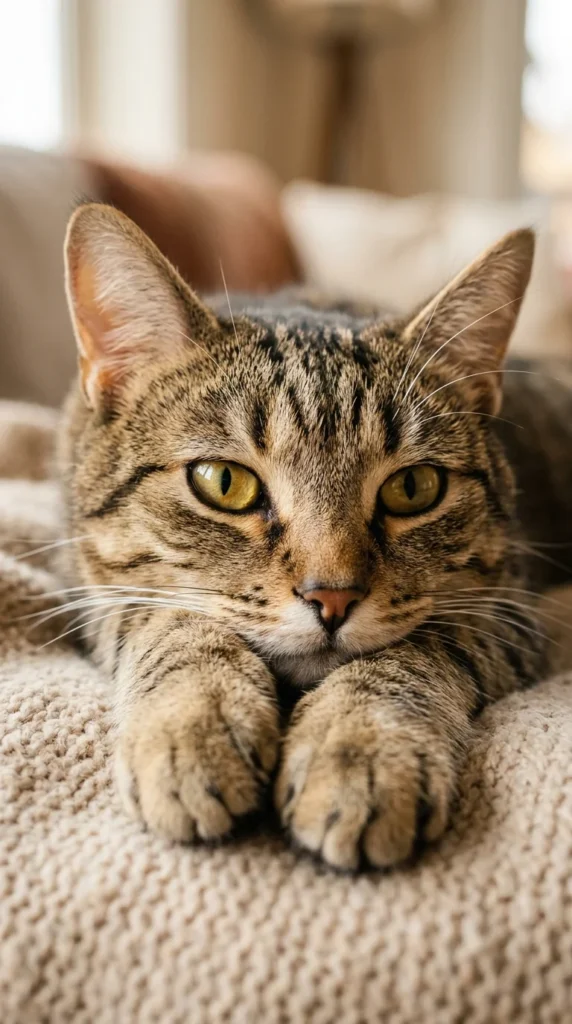
The liver processes toxins and produces bile. When the liver is compromised—by infection, fatty liver (hepatic lipidosis), or toxins—bile can back up, and toxins circulate in the blood. This leads to profound nausea, vomiting, and jaundice (yellowing of the skin and eyes).
14. Cancer
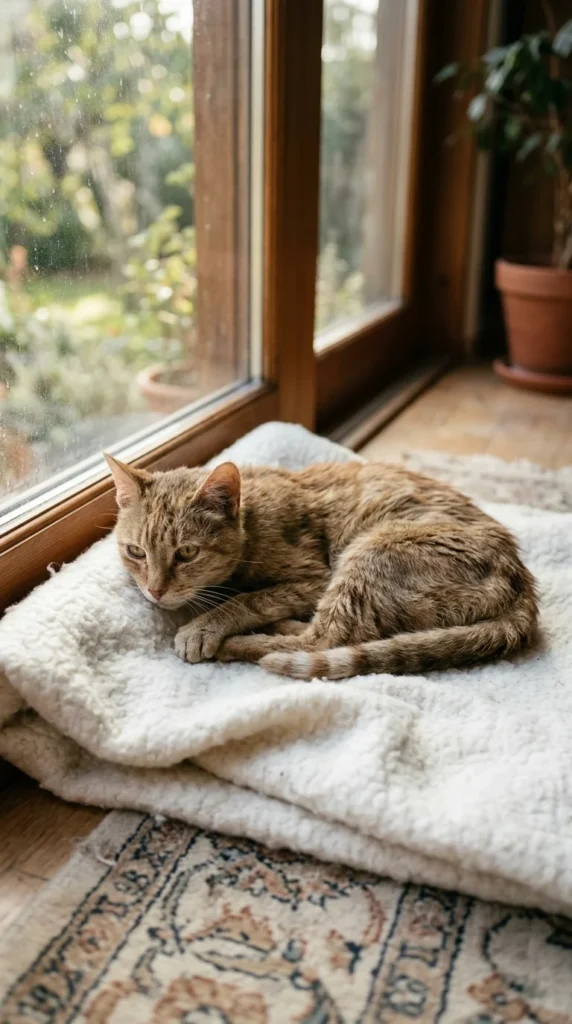
Gastrointestinal lymphoma is one of the more common cancers in cats. Tumors in the stomach or intestines can physically block the passage of food or cause chronic inflammation, both of which lead to regular vomiting and progressive weight loss.
15. Motion Sickness
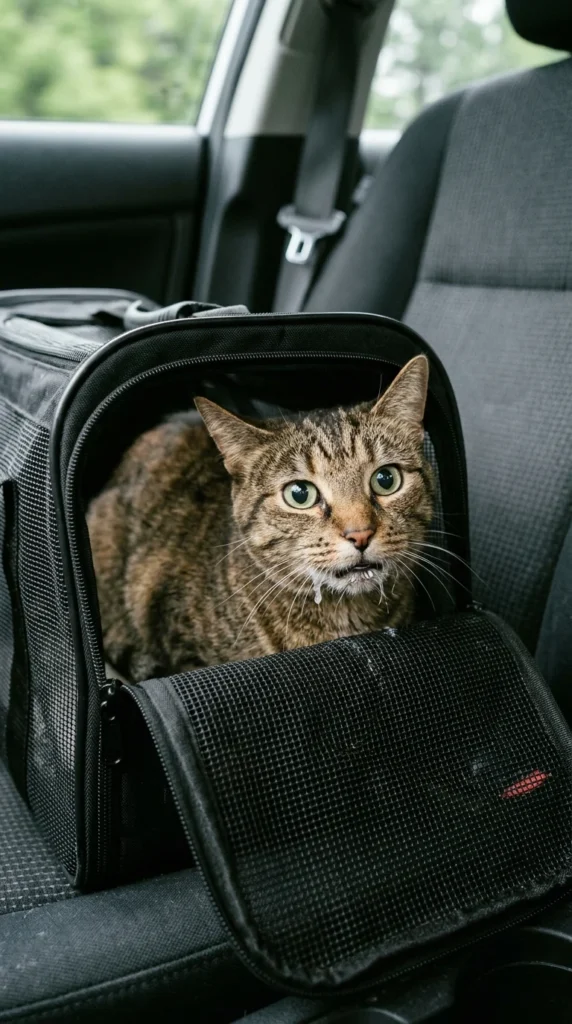
Just like humans, cats can suffer from equilibrium issues while traveling. The movement of a car or plane can disrupt the inner ear, leading to drooling, meowing, and eventually vomiting. This is usually a short-term issue that resolves once the movement stops.
16. Stress and Anxiety
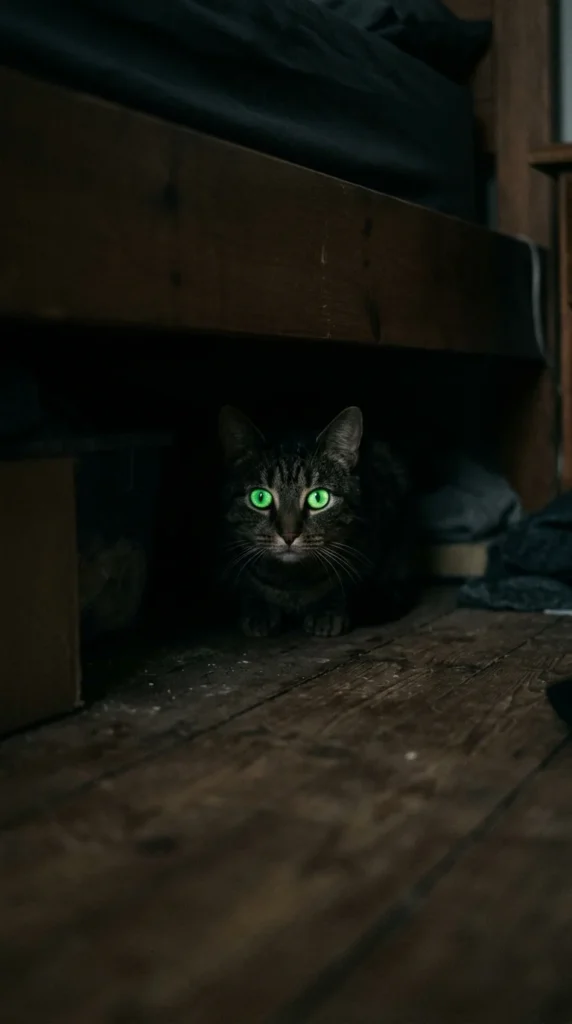
Cats are highly sensitive to their environment. A move to a new house, a new pet, or even loud construction nearby can trigger physical symptoms. Stress-induced vomiting is caused by the “fight or flight” response slowing down digestion and increasing stomach acid.
17. Medication Side Effects
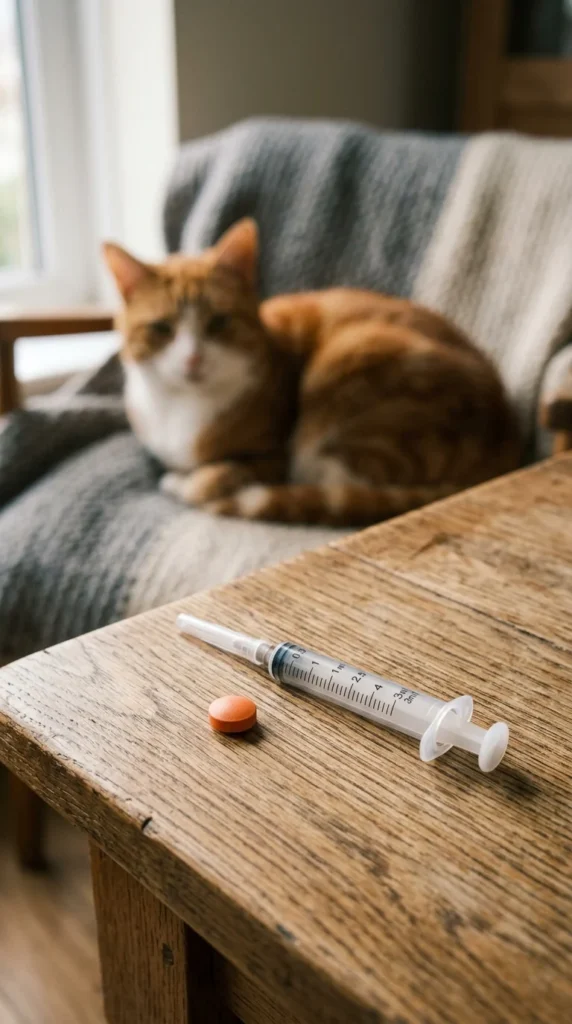
Many medications, including antibiotics, anti-inflammatories, and chemotherapy drugs, can irritate the stomach lining or trigger the brain’s vomiting center. If your cat starts vomiting shortly after starting a new prescription, the medication is likely the culprit.
18. Bacterial Infections

Ingesting contaminated food or water can lead to bacterial overgrowth (like Salmonella, E. coli, or Campylobacter). These infections cause acute gastroenteritis, resulting in sudden, often violent vomiting and foul-smelling diarrhea.
19. Viral Infections
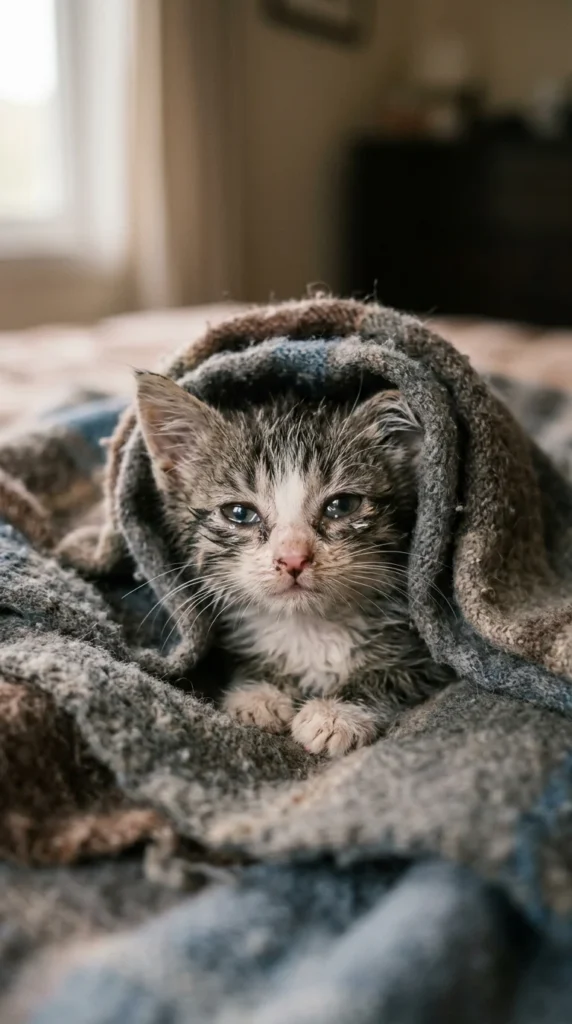
Viruses like Feline Panleukopenia (distemper) or Feline Immunodeficiency Virus (FIV) can severely impact the digestive system. Panleukopenia, in particular, attacks rapidly dividing cells in the intestinal tract, causing severe vomiting and dehydration.
20. Heatstroke
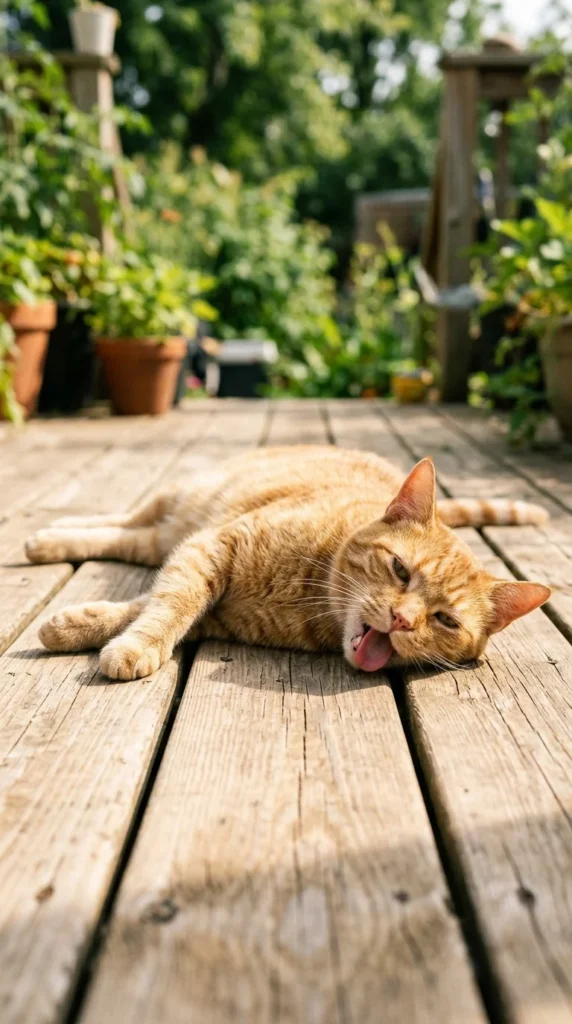
Cats do not sweat like humans; they rely on grooming and panting to cool down. If a cat’s body temperature rises too high, it leads to multi-organ distress. Vomiting is a common sign of heat exhaustion and requires immediate cooling and veterinary intervention.
21. Constipation
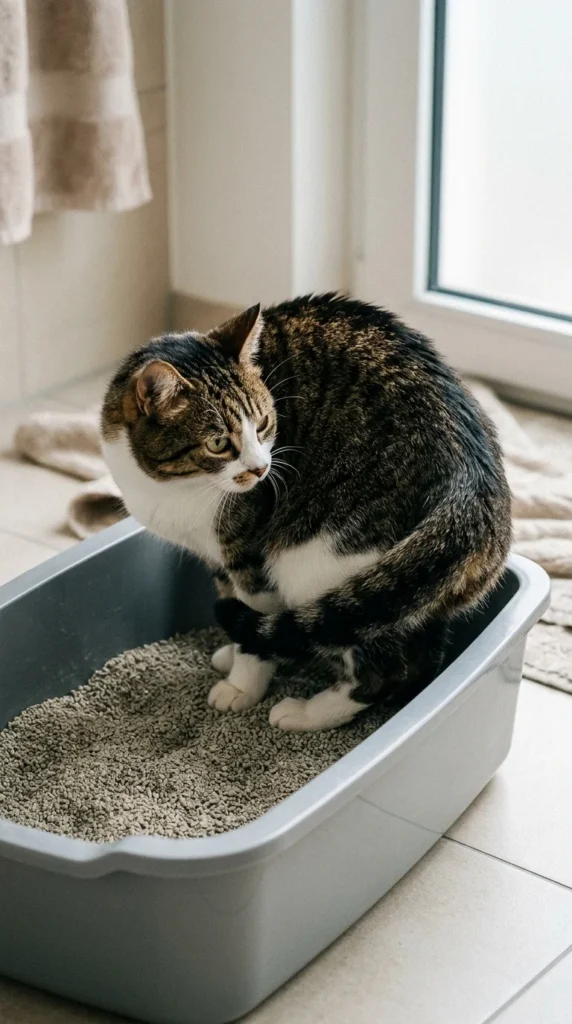
It seems counterintuitive, but severe constipation (megacolon) can lead to vomiting. When the back end is blocked, the body’s natural response to the pressure and toxin buildup in the colon is to expel contents from the front end.
22. Heartworm Disease
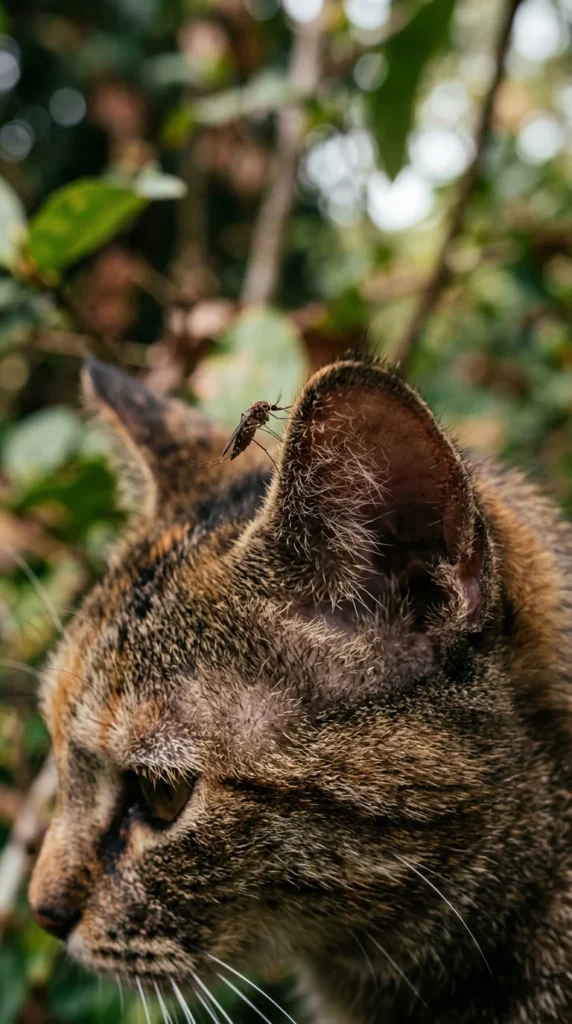
While more common in dogs, heartworms can infect cats too. In felines, heartworm disease often manifests as respiratory issues or “HARD” (Heartworm Associated Respiratory Disease), which frequently includes intermittent vomiting as a primary symptom.
23. Adrenal Gland Disorders
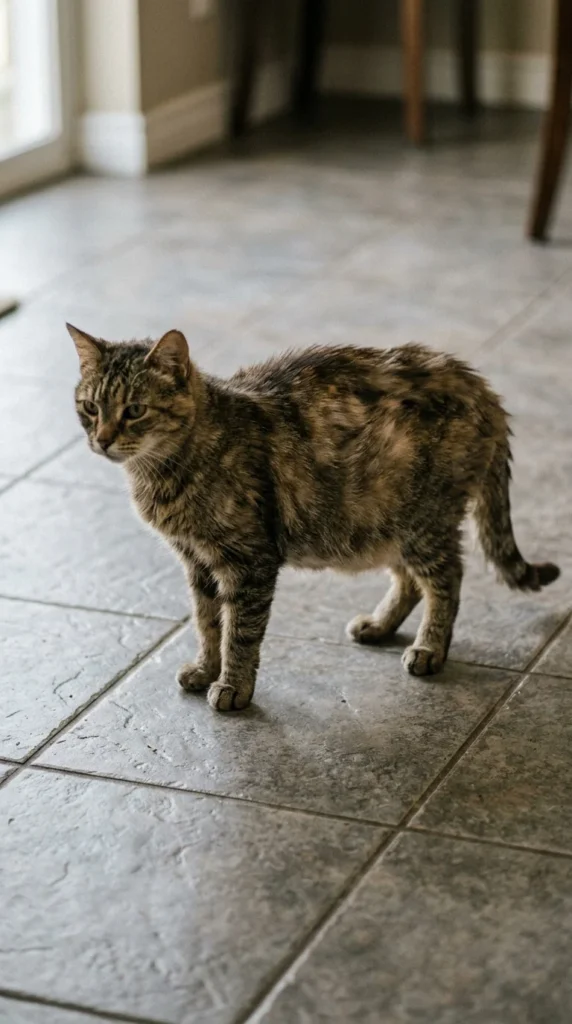
Conditions like Addison’s disease (hypoadrenocorticism), though rare in cats, can cause sporadic vomiting. The lack of necessary hormones affects the entire body’s metabolic balance and ability to handle stress, leading to GI upsets.
When to Worry: The Red Flags
While a single hairball isn’t cause for alarm, you should contact your veterinarian immediately if you notice any of the following:
- Frequency: If your cat vomits more than twice in 24 hours or has chronic vomiting (once a week or more).
- Blood: Fresh red blood or material that looks like “coffee grounds” (digested blood) indicates internal bleeding or ulcers.
- Lethargy: If your cat is hiding, weak, or unresponsive.
- Projectile Vomiting: Forceful vomiting can indicate a complete gastrointestinal blockage.
- Inability to Keep Water Down: This leads to rapid dehydration, which is a secondary emergency.
- Pain: If your cat vocalizes while vomiting or has a sensitive, tucked-up abdomen.
- Associated Symptoms: Fever, diarrhea, yellowing of the skin, or sudden weight loss.
Early intervention is key. If you are unsure, it is always better to err on the side of caution and have your feline companion evaluated by a professional.