
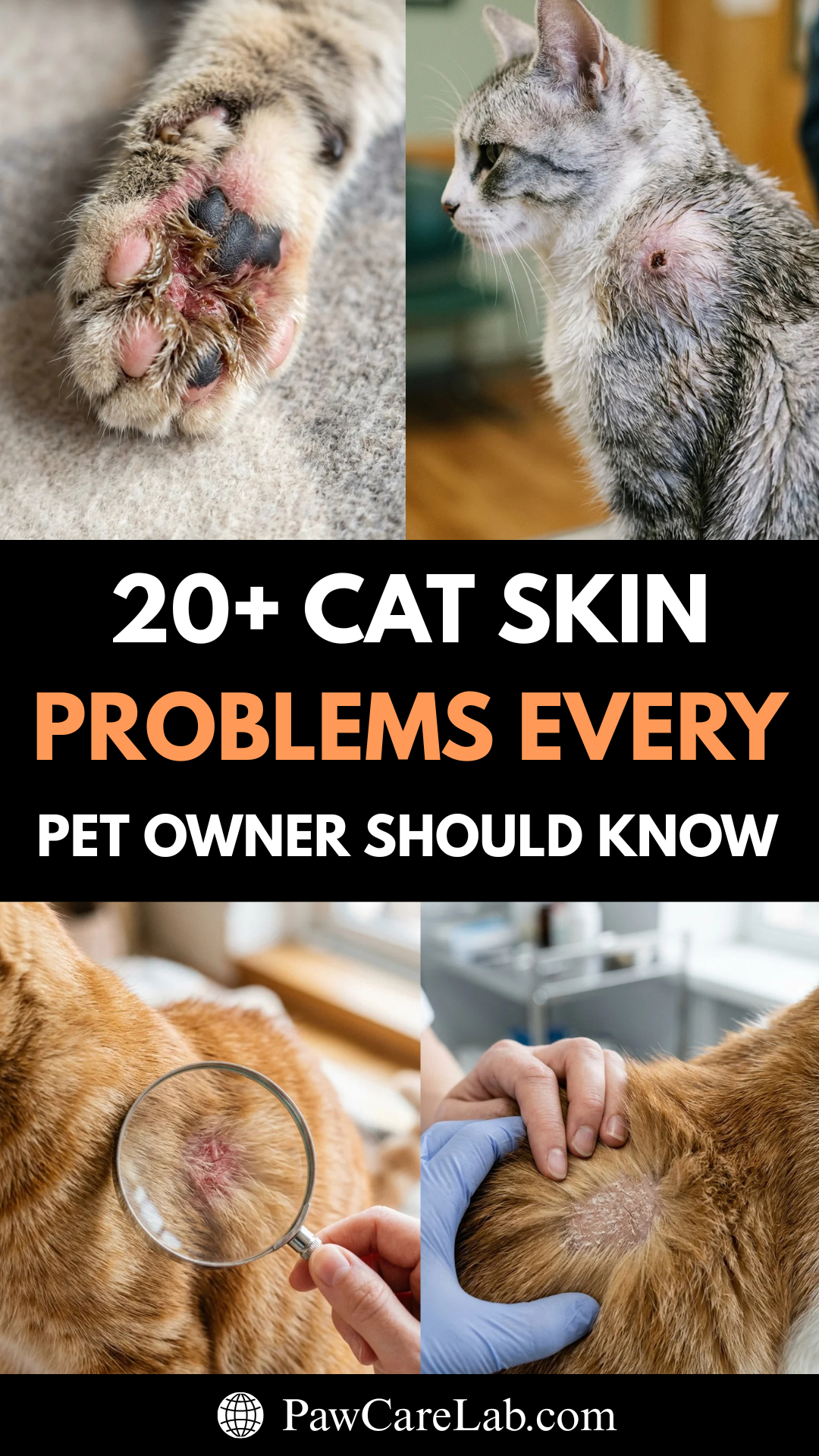
A cat’s coat is often the first indicator of their internal health. When it shines, they are likely thriving; when it becomes dull, patchy, or irritated, it’s a cry for help. Skin issues are among the most common reasons for veterinary visits, yet many owners struggle to identify the root cause. From microscopic parasites to complex autoimmune responses, the landscape of feline dermatology is vast. Understanding these 20 common skin problems is essential for any dedicated pet owner to ensure their feline friend remains comfortable and itch-free.
1. Flea Allergy
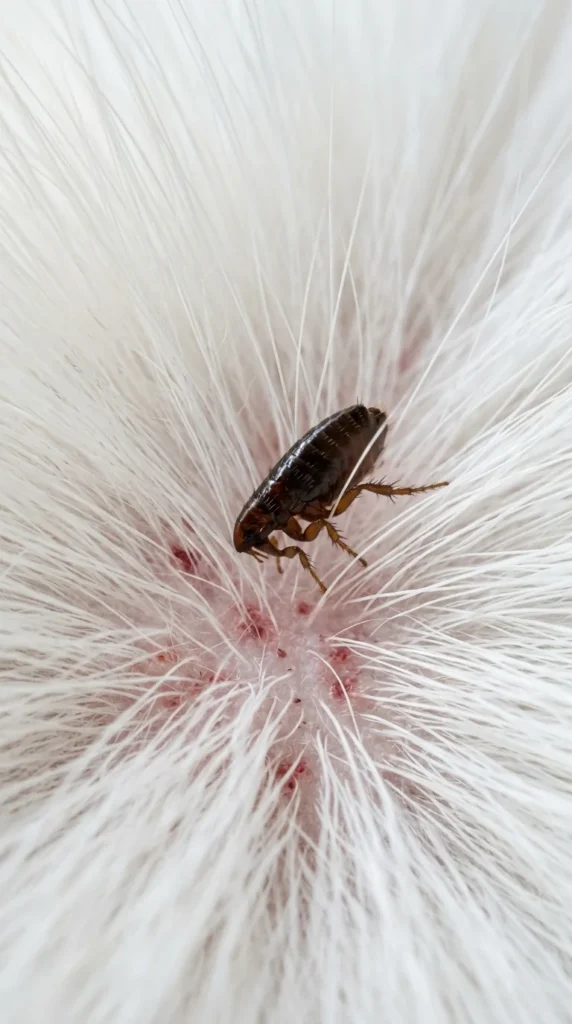
Flea Allergy Dermatitis (FAD) is perhaps the most prevalent skin condition in cats. Interestingly, it isn’t the flea bite itself that causes the primary issue, but the flea’s saliva. When a flea bites, it injects saliva containing allergen proteins. For a sensitive cat, a single bite can trigger intense itching that lasts for weeks. Owners typically notice “miliary dermatitis,” which looks like small, crusty bumps, particularly around the base of the tail, neck, and thighs.
2. Ringworm
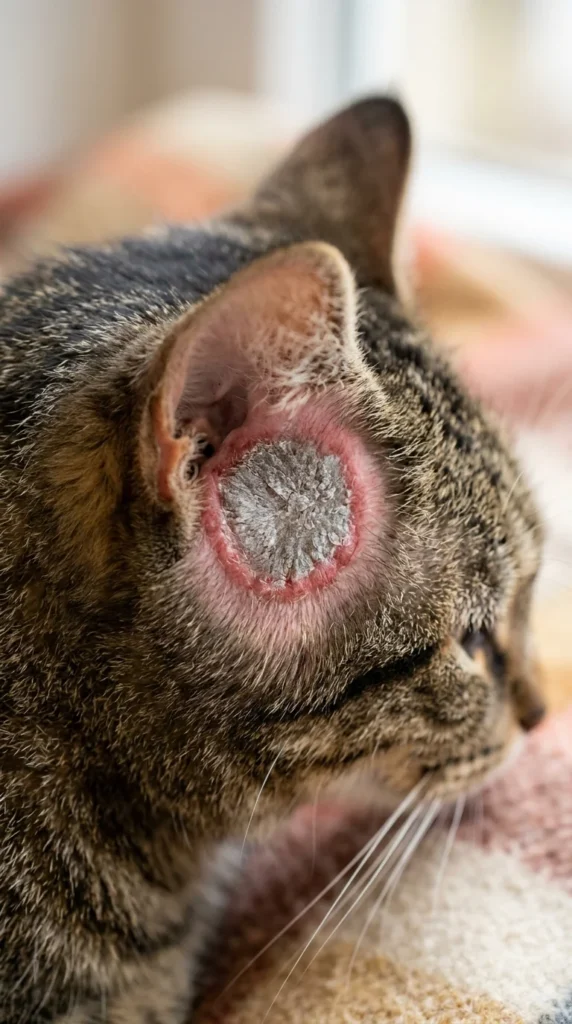
Despite its name, ringworm is not a worm; it is a highly contagious fungal infection. It lives in the dead tissues of the hair, skin, and nails. It is notorious for being zoonotic, meaning it can easily spread from cats to humans. In cats, it often appears as circular patches of hair loss with a scaly center. While some cats are asymptomatic carriers, others develop crusty lesions that can spread rapidly across the body if not treated with antifungal medications.
3. Ear Mites
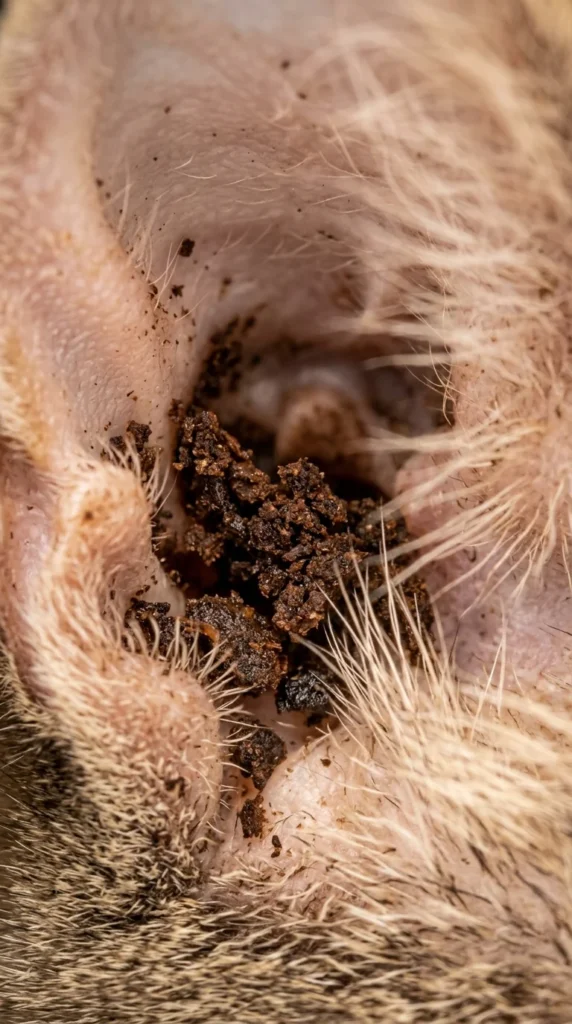
Otodectes cynotis, or ear mites, are microscopic parasites that live inside the ear canal. They feed on ear wax and skin oils, causing intense irritation. A cat with ear mites will frequently shake its head, scratch at its ears, and may develop a dark, waxy discharge that looks like coffee grounds. If left untreated, the constant scratching can lead to secondary bacterial infections or even aural hematomas (blood-filled pockets in the ear flap).
4. Feline Acne
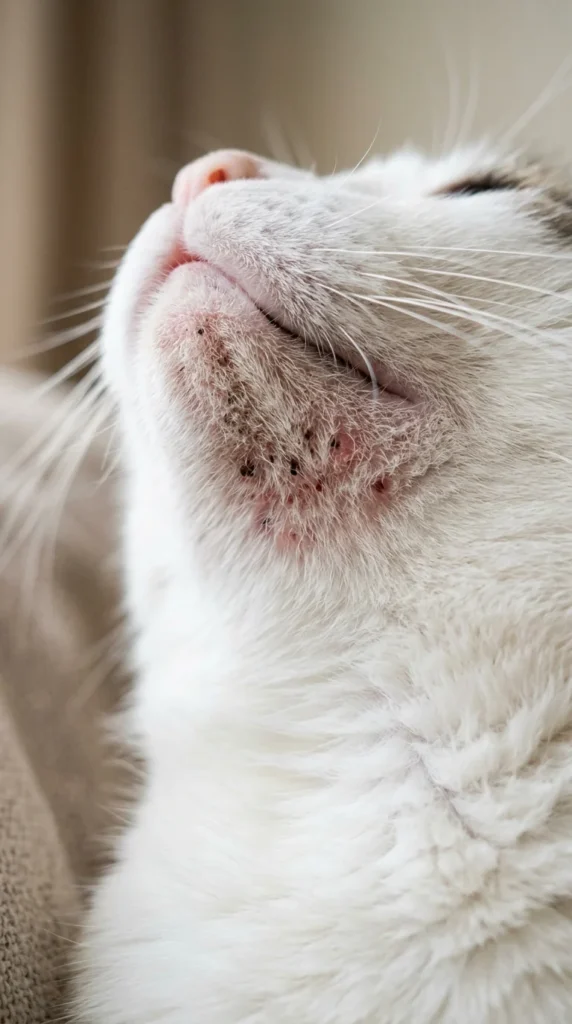
Just like humans, cats can develop acne. It usually manifests as “blackheads” or comedones on the chin and lower lip. While the exact cause isn’t always clear, it is often linked to plastic food bowls (which harbor bacteria), poor grooming habits, or overactive sebaceous glands. In severe cases, the blackheads can turn into painful, pus-filled abscesses that require veterinary intervention and antibiotic treatment.
5. Food Allergies
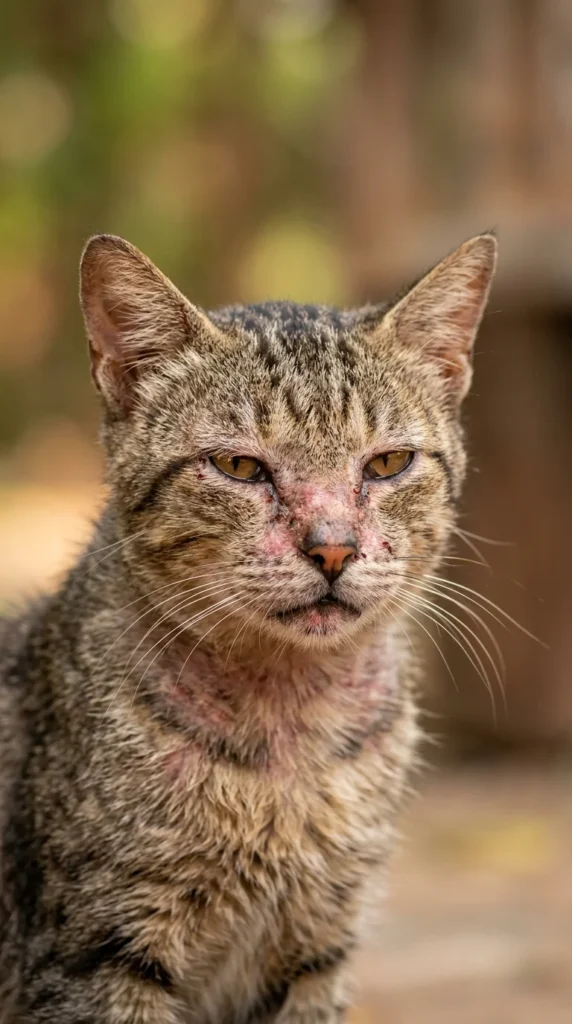
Food allergies in cats usually manifest as intense itching around the head, neck, and back, often accompanied by digestive issues. The most common culprits are proteins like beef, fish, or dairy. Unlike seasonal allergies, food allergies persist year-round. Diagnosis usually involves a strict “elimination diet” or “novel protein diet” for 8–12 weeks to identify the specific ingredient triggering the immune response.
6. Atopic Dermatitis
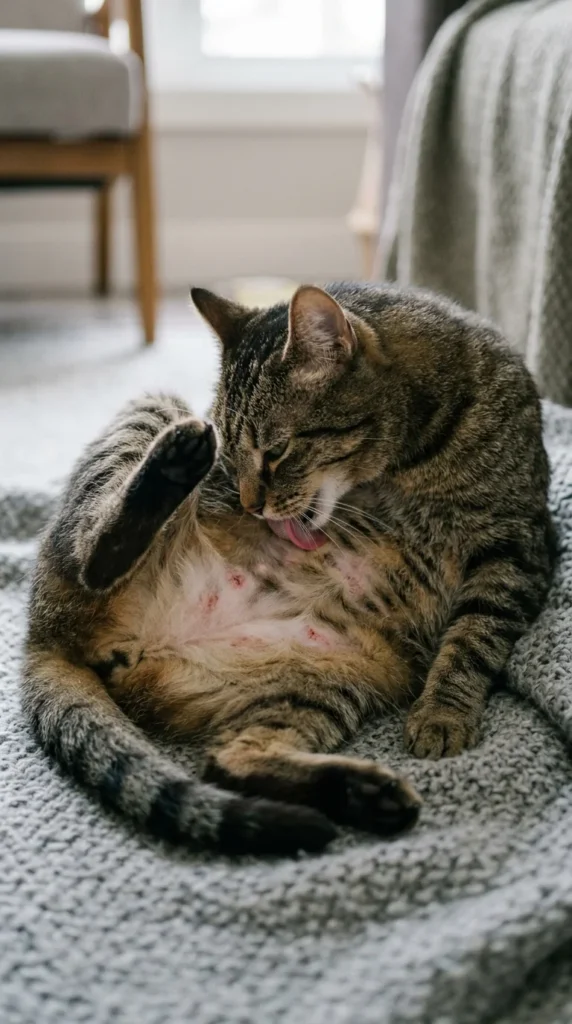
Also known as environmental allergies, atopy occurs when a cat’s immune system overreacts to inhaled allergens like pollen, dust mites, or mold. This condition often causes the cat to over-groom, leading to symmetrical hair loss (alopecia) on the belly and legs. Unlike humans who sneeze, cats “itch” their allergies. Treatment often involves antihistamines, fatty acid supplements, or specialized immunotherapy.
7. Stud Tail
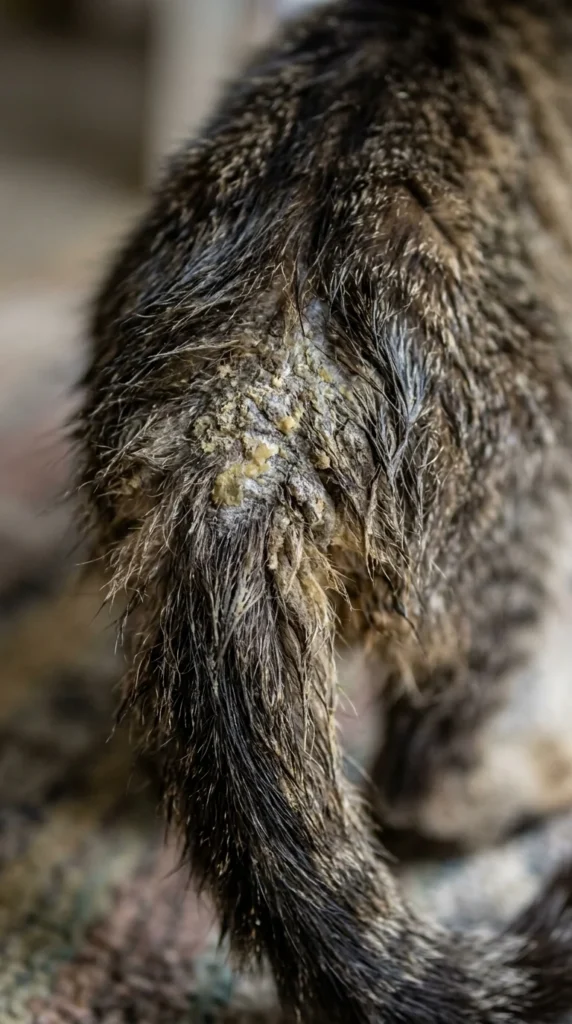
Tail gland hyperplasia, commonly called “stud tail,” is caused by overactive sebaceous glands at the base of the tail. While most common in intact males, it can occur in neutered males and females as well. The result is a waxy, greasy patch of fur that may smell unpleasant and become infected. Regular cleaning with degreasing shampoos is often necessary to manage the buildup.
8. Psychogenic Alopecia
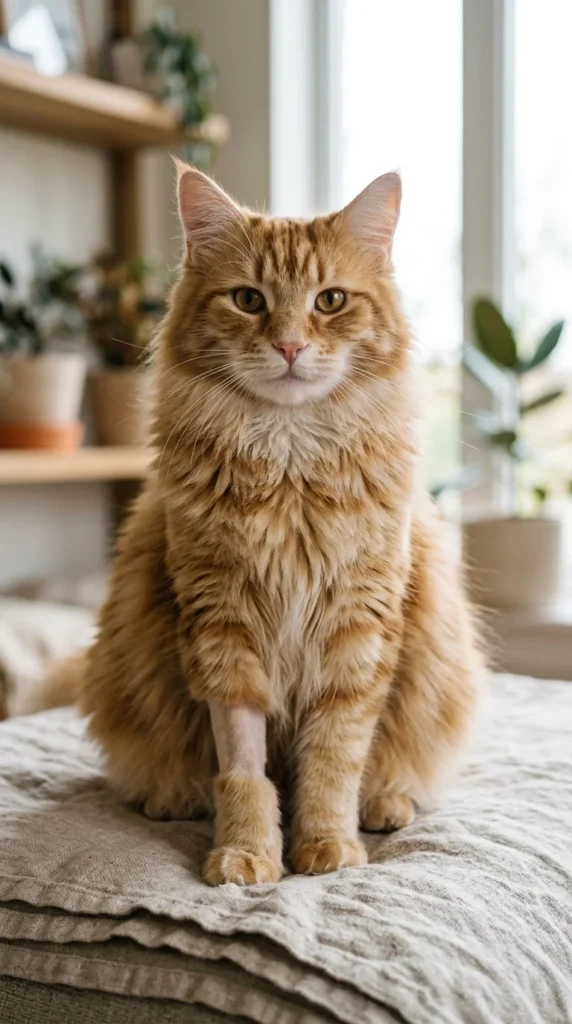
This is a behavioral condition where a cat compulsively grooms itself due to stress or anxiety. The “over-grooming” leads to thinning hair or total baldness in reachable areas, like the inner thighs or forelegs. Because the cat is physically removing the hair with its rough tongue, the skin underneath usually looks healthy—no bumps or redness—distinguishing it from medical skin diseases.
9. Eosinophilic Granuloma
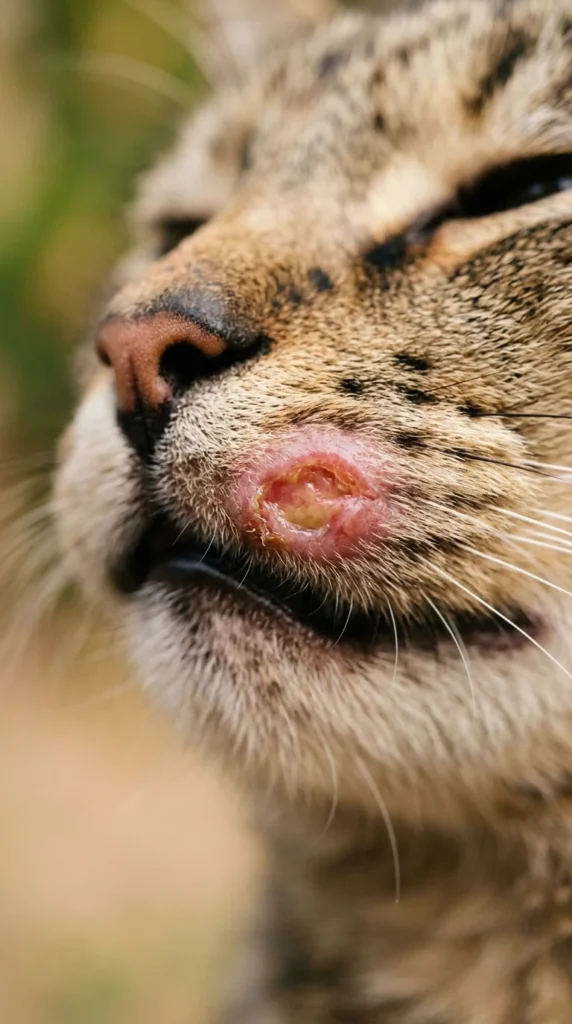
The Eosinophilic Granuloma Complex (EGC) is a group of inflammatory skin lesions that are thought to be an extreme allergic reaction. One of the most striking forms is the “rodent ulcer” on the upper lip. Other forms include raised, red plaques on the belly or firm, yellow-pink lumps on the back of the thighs. These lesions can be very painful and often require steroids to suppress the immune response.
10. Mange
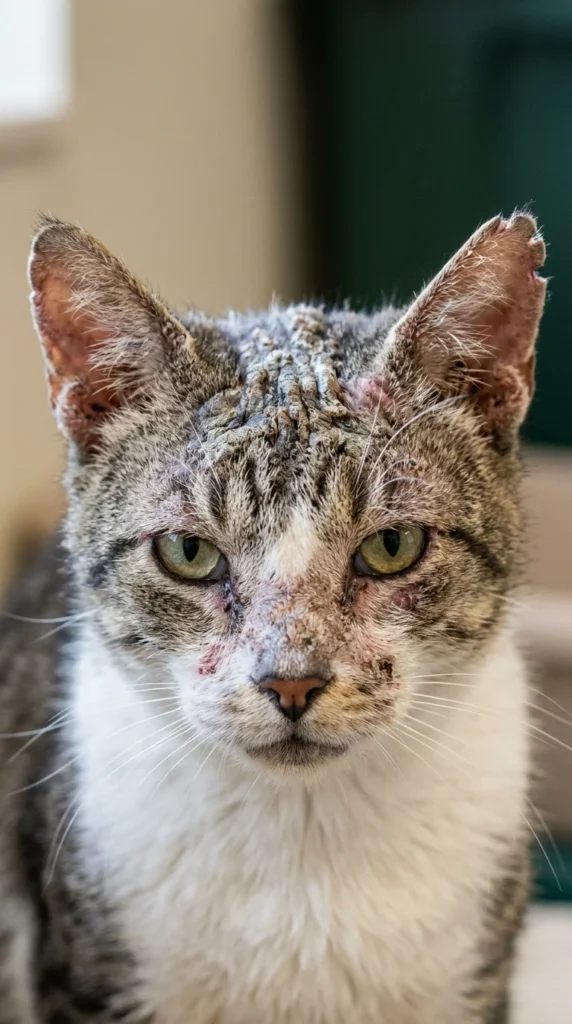
Mange is caused by various species of mites that burrow into the skin. Notoedric mange (feline scabies) is particularly severe, causing intense itching and thick, crusty scales on the face and ears. Another type, Demodectic mange, is rarer in cats and usually indicates a weakened immune system. Both types require prescription parasiticides to kill the mites and allow the skin to heal.
11. Bacterial Pyoderma
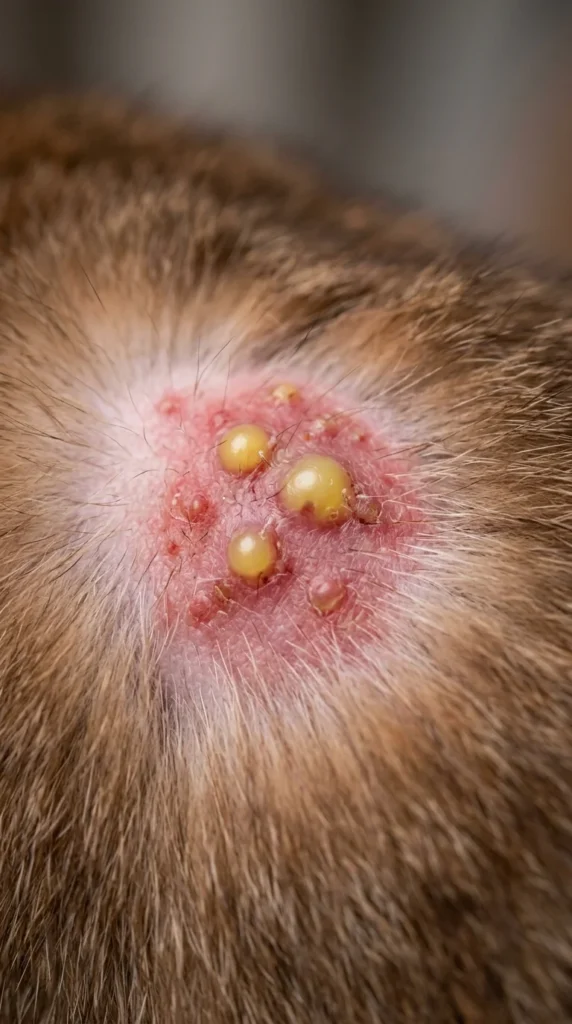
Pyoderma is a bacterial infection of the skin, often occurring secondary to another issue like a scratch or an allergy. It presents as pustules, crusts, and small red bumps. If the infection reaches deeper layers of the skin, it can cause swelling and pain. Treatment involves identifying the primary cause and a course of systemic antibiotics.
12. Yeast Infections
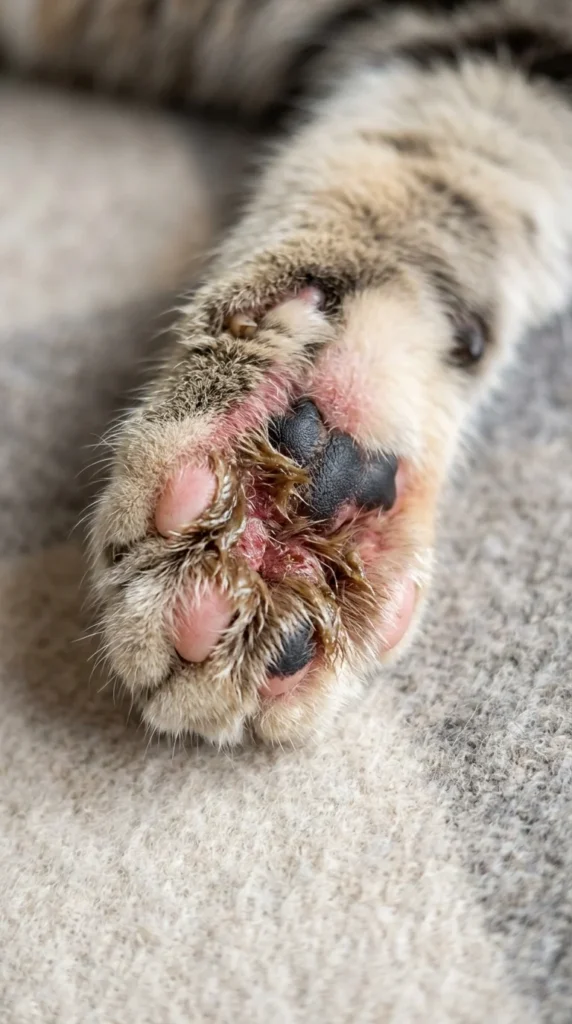
Yeast (Malassezia) is a normal inhabitant of a cat’s skin, but it can grow out of control if the skin’s environment changes—often due to allergies or hormonal imbalances. Yeast infections are typically characterized by a greasy feel, a distinct “musty” odor, and redness. It is most commonly found in the ears, between the toes, and in skin folds.
13. Abscesses
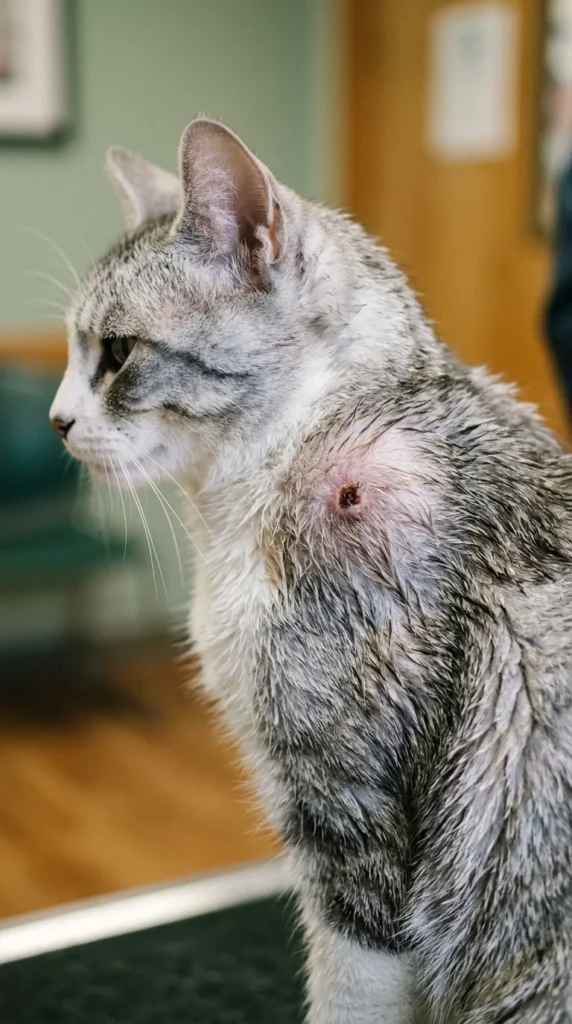
Usually the result of a bite or scratch from another cat, an abscess is a localized collection of pus under the skin. These are extremely painful and often accompanied by a fever. The area will feel warm and swollen. When an abscess “ruptures,” it releases a foul-smelling discharge. These almost always require veterinary drainage and antibiotics to prevent the infection from spreading into the bloodstream.
14. Solar Dermatitis
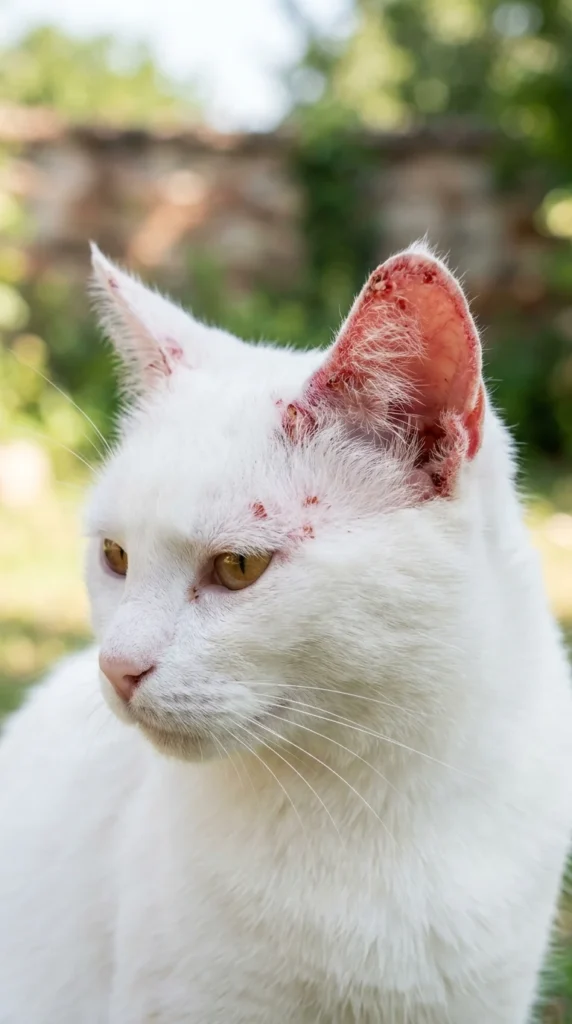
Also known as sunburn, this primarily affects cats with white or thin fur, especially on the ears and nose. Chronic sun exposure can lead to scaly, red skin that eventually transforms into Squamous Cell Carcinoma, a malignant form of skin cancer. Keeping light-colored cats indoors during peak sun hours is the best preventative measure.
15. Seborrhea
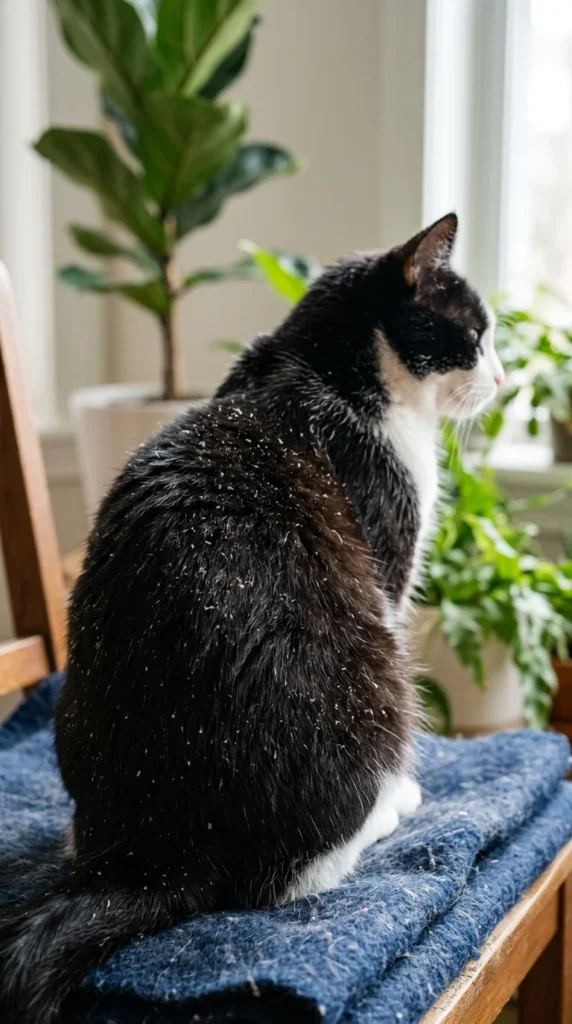
Seborrhea is a condition where the skin produces too much sebum (oil) or undergoes rapid cell turnover. This results in either “Seborrhea Sicca” (dry, flaky dandruff) or “Seborrhea Oleosa” (greasy, oily skin and fur). It is often a secondary symptom of an underlying metabolic disorder or parasitic infection, though some cats are genetically predisposed to it.
16. Cuterebra (Botfly Larvae)
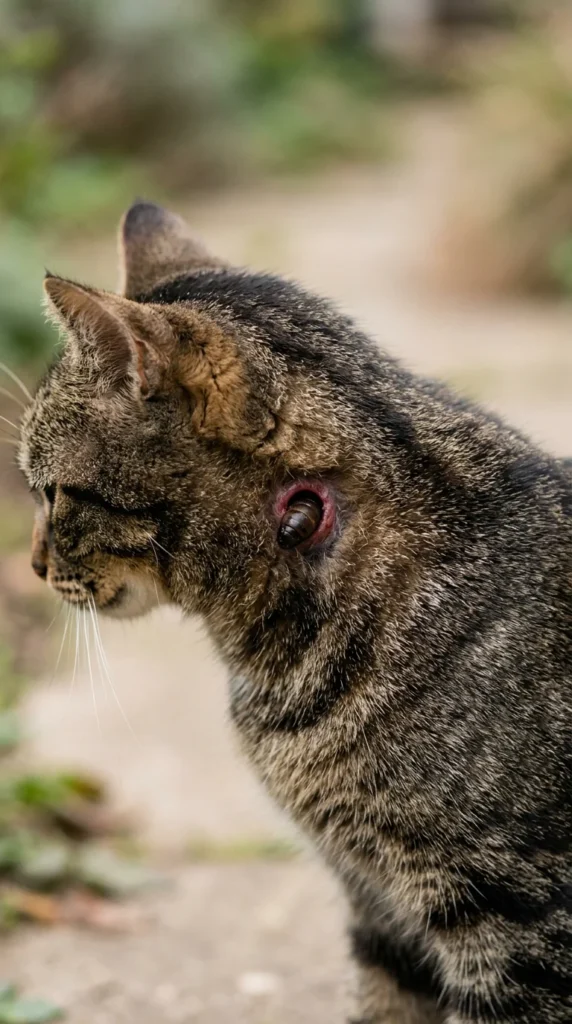
Outdoor cats are susceptible to Cuterebra, the larvae of the botfly. The fly lays eggs near rodent burrows; the cat brushes against them, and the larvae enter through a body opening or a small wound. The larva then migrates under the skin, creating a “warble”—a lump with a small breathing hole. These must be carefully removed by a vet, as crushing the larva can cause an anaphylactic reaction.
17. Contact Dermatitis
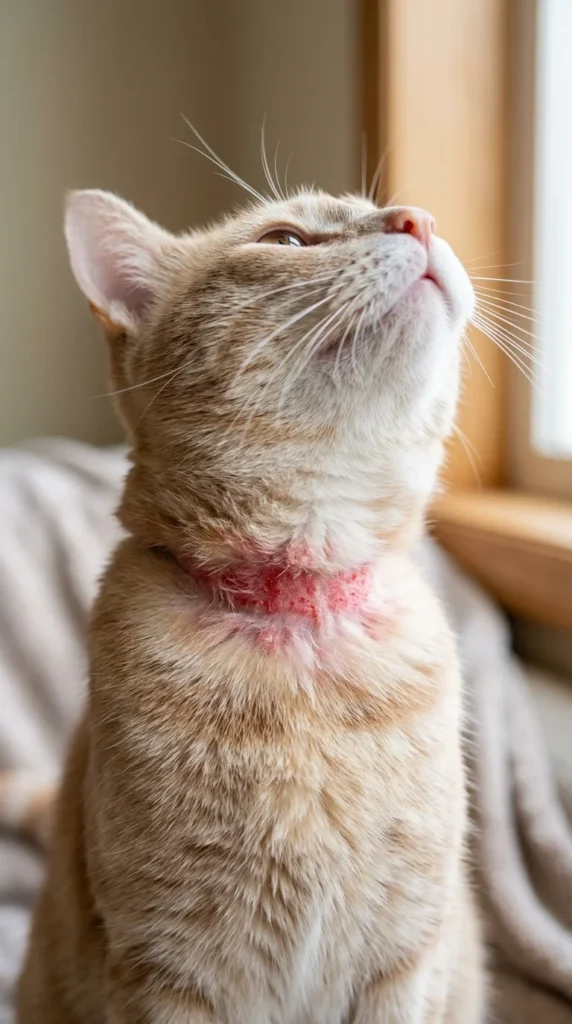
This is a localized reaction to a specific substance that touches the skin. Common triggers include certain detergents used on pet bedding, specialized shampoos, or even the material of a new collar. The skin becomes red, itchy, and may develop small blisters only in the area that made contact with the irritant.
18. Skin Tumors
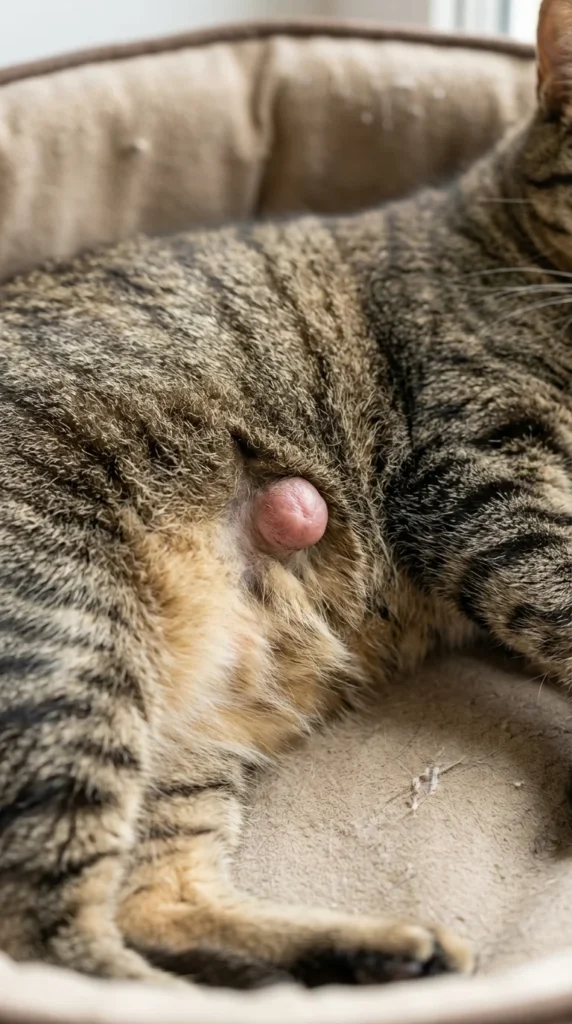
Not all lumps are infections. Cats can develop various tumors, ranging from benign fatty lipomas to malignant mast cell tumors. Any new or changing lump should be aspirated or biopsied by a veterinarian. Early detection is key, especially for aggressive tumors like vaccine-associated sarcomas or basal cell carcinomas.
19. Lice
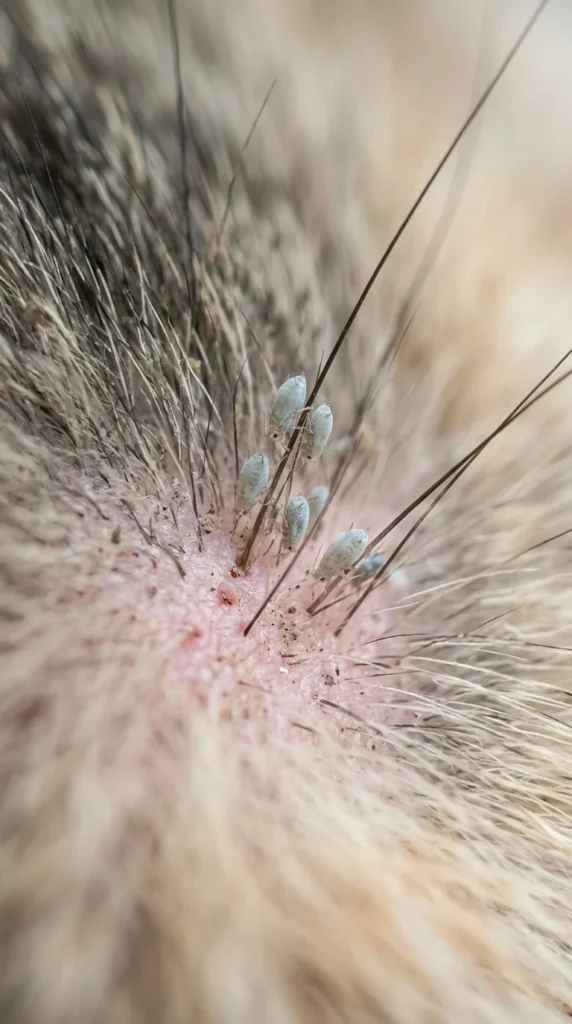
While less common than fleas, lice (Felicola subrostratus) can cause significant distress. Unlike fleas, lice are species-specific and do not jump. They spend their entire life cycle on the cat, cemented to the hair shafts. They cause intense itching, a scruffy coat, and localized hair loss. They are most frequently found on neglected or immunocompromised cats.
20. Dry Skin (Xerosis)
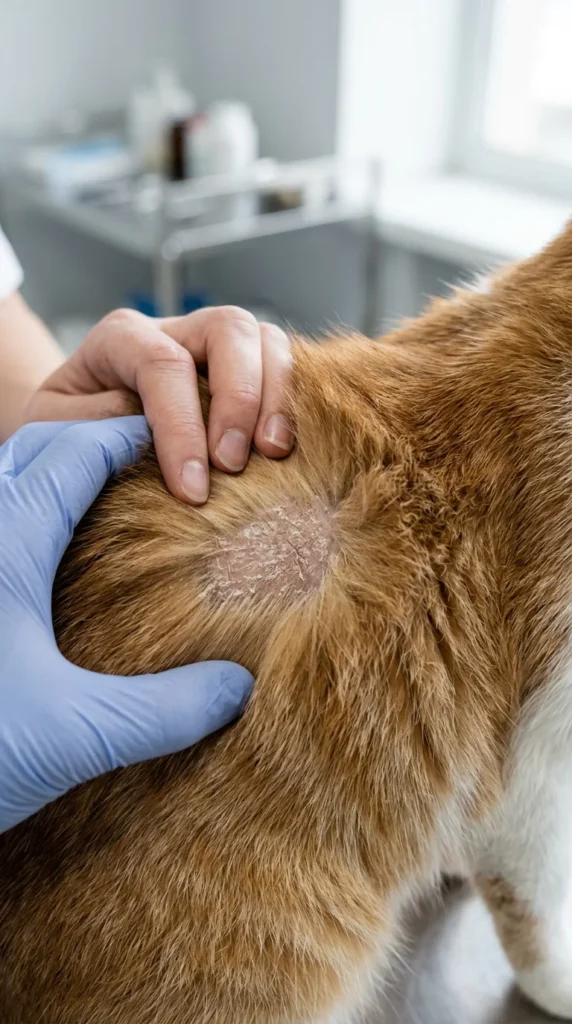
Simple dry skin can be caused by low humidity (especially in winter), poor diet (lack of Omega-3 fatty acids), or over-bathing. While it seems minor, dry skin can be very itchy, leading the cat to scratch and create self-inflicted wounds that can become infected. Adding fish oil to the diet and using moisturizing sprays can often resolve this common issue.