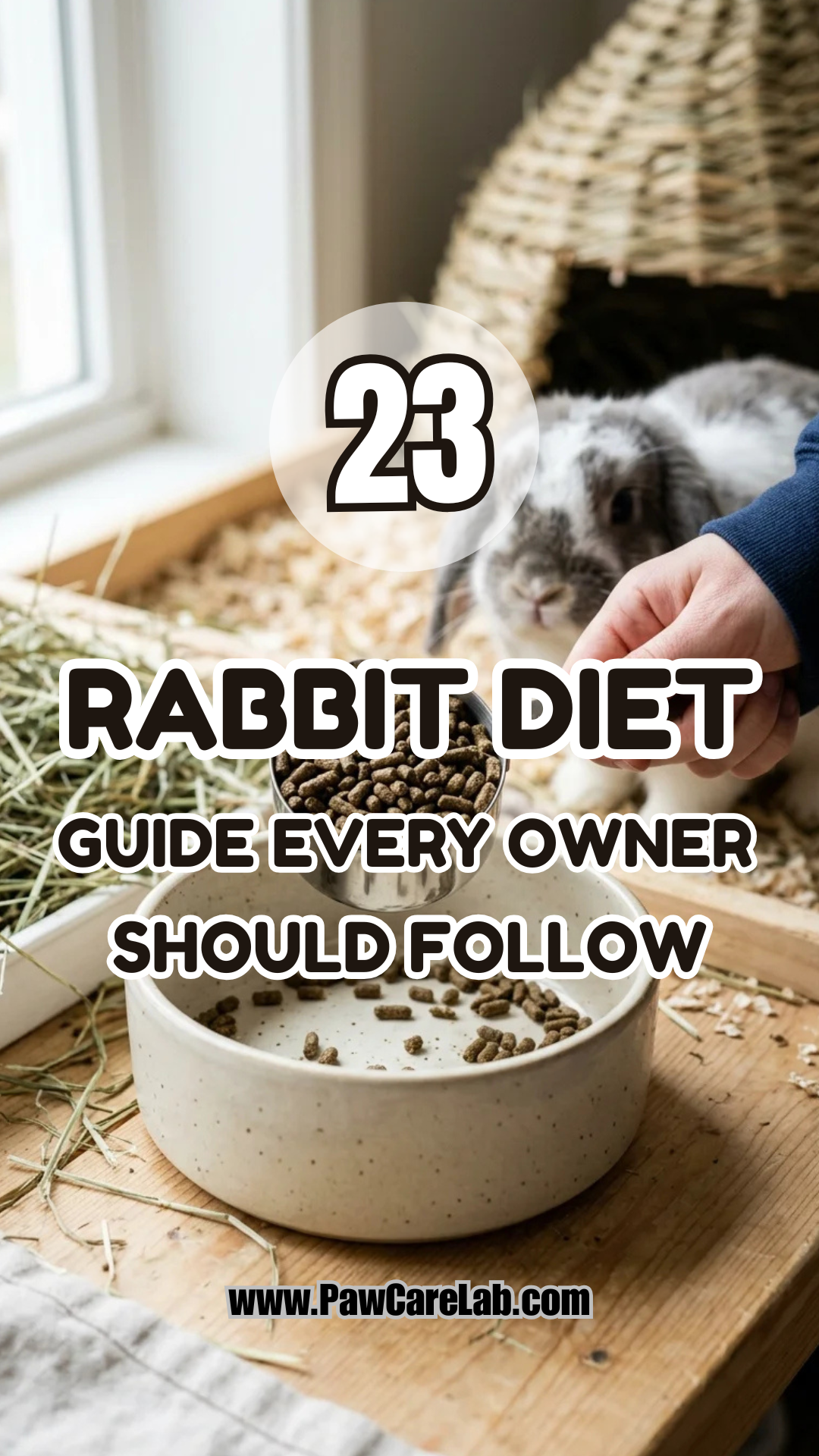
A rabbit’s digestive system is one of the most complex and sensitive in the animal kingdom. Unlike dogs or cats, rabbits are hindgut fermenters, meaning their health depends entirely on a delicate balance of fiber, bacteria, and continuous movement within their gut. Providing the right nutrition is not just about keeping them full; it is about ensuring their teeth don’t overgrow and their gastrointestinal (GI) tract doesn’t shut down. This comprehensive guide breaks down the 23 essential components of a perfect rabbit diet to ensure your long-eared companion lives a long, vibrant life.
1. Timothy Hay
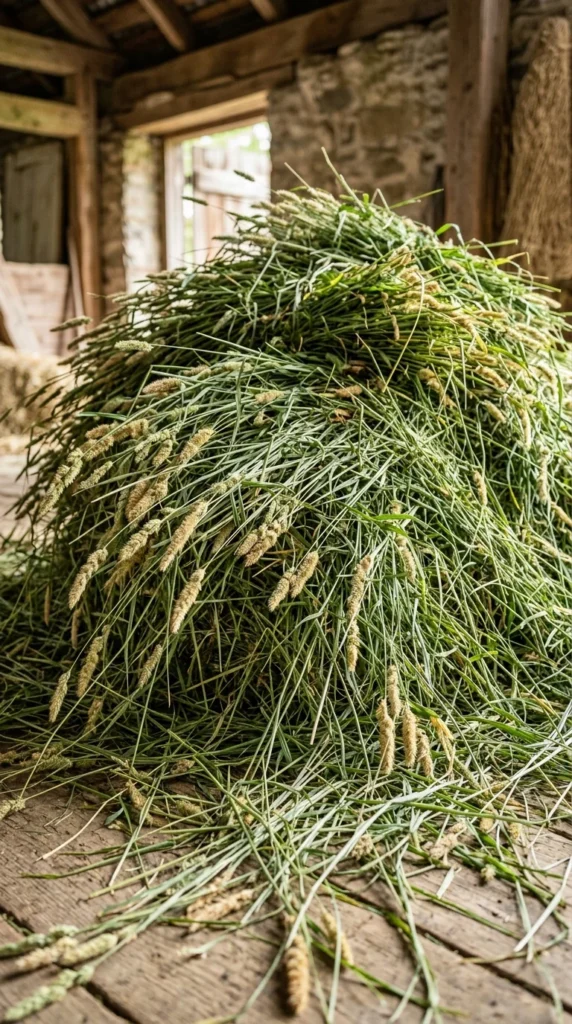
Timothy hay is the undisputed king of a rabbit’s diet. It should make up roughly 80% of what your rabbit eats every single day. The long fibers in the hay serve two critical purposes: they provide the necessary “roughage” to keep the digestive system moving and help grind down a rabbit’s teeth, which never stop growing. Without constant access to high-quality hay, rabbits are at high risk for GI stasis and painful dental spurs.
2. Fresh Water
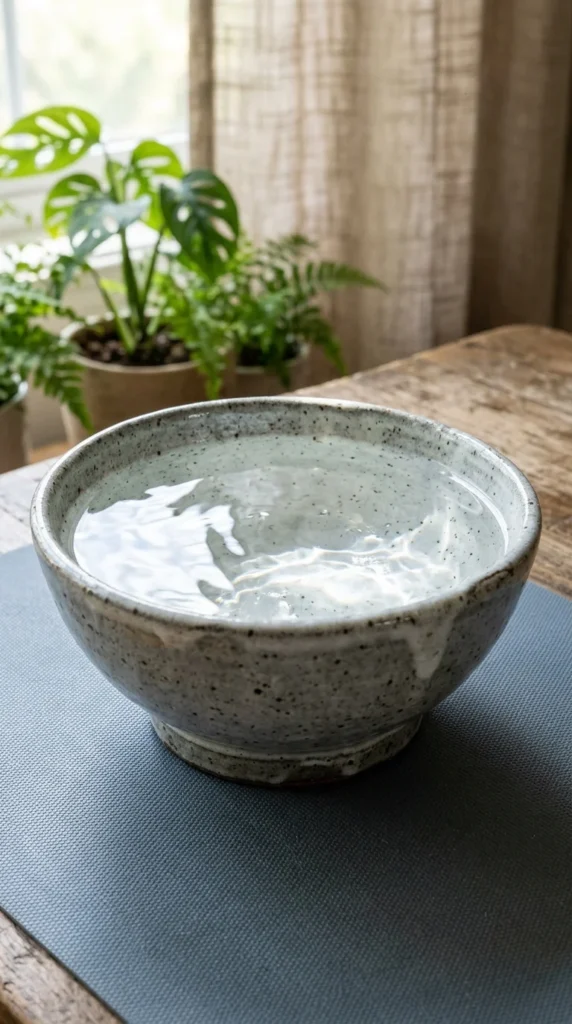
Hydration is the silent engine of rabbit health. While many owners use drip bottles, many rabbits actually prefer drinking from a wide, shallow ceramic bowl, which allows them to lap up water more naturally. Water helps soften the food in the gut, making it easier for fiber to pass through the intestines. Ensure the water is changed daily and the bowl is scrubbed to prevent algae or bacterial buildup.
3. Leafy Greens
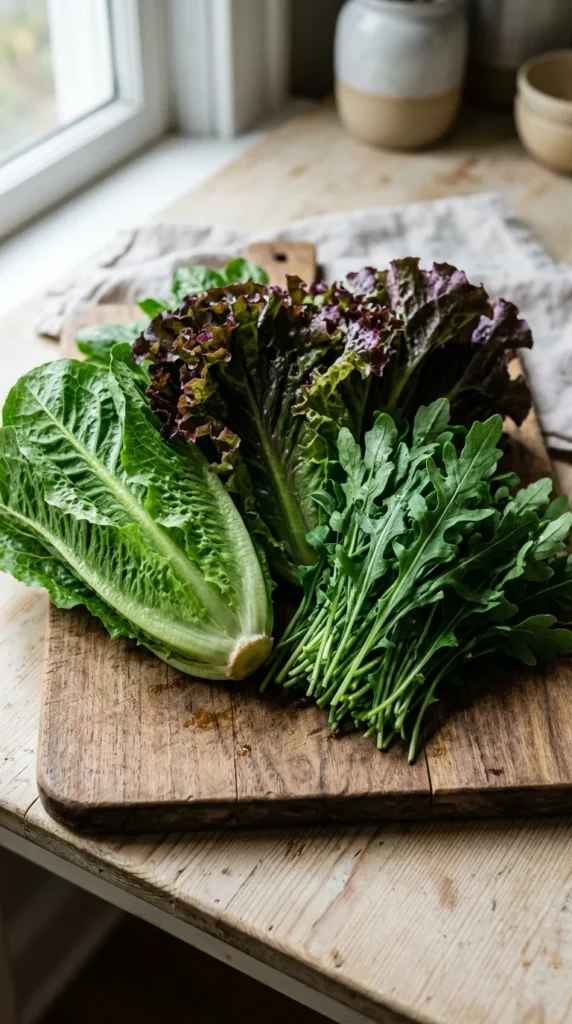
Fresh leafy greens provide essential vitamins and minerals that hay alone might lack. Think of these as the “salad” portion of their meal. As a general rule, you should offer about one packed cup of greens for every two pounds of body weight. Focus on variety to ensure a broad spectrum of nutrients, but always introduce new greens one at a time to monitor for any digestive upset.
4. Fiber Pellets
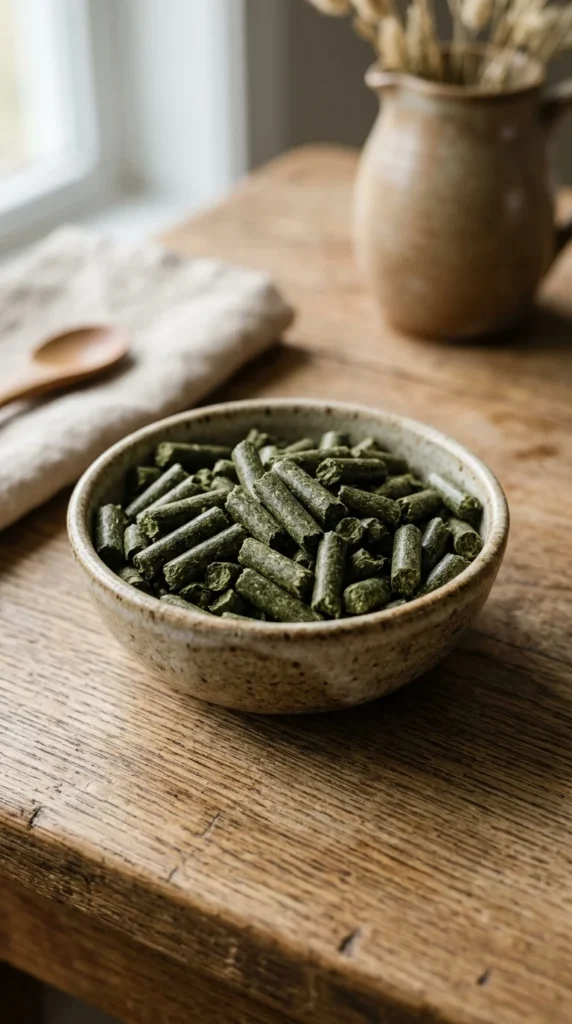
Pellets should be viewed as a multivitamin rather than a primary meal. A high-quality pellet must be hay-based (usually Timothy-based for adults) and high in fiber. Avoid “muesli” style mixes that contain seeds, corn, or colorful sugary bits, as rabbits will pick out the junk food and leave the nutrition behind. For most adult rabbits, only 1/8 to 1/4 cup of pellets per day is necessary.
5. Fruit Treats
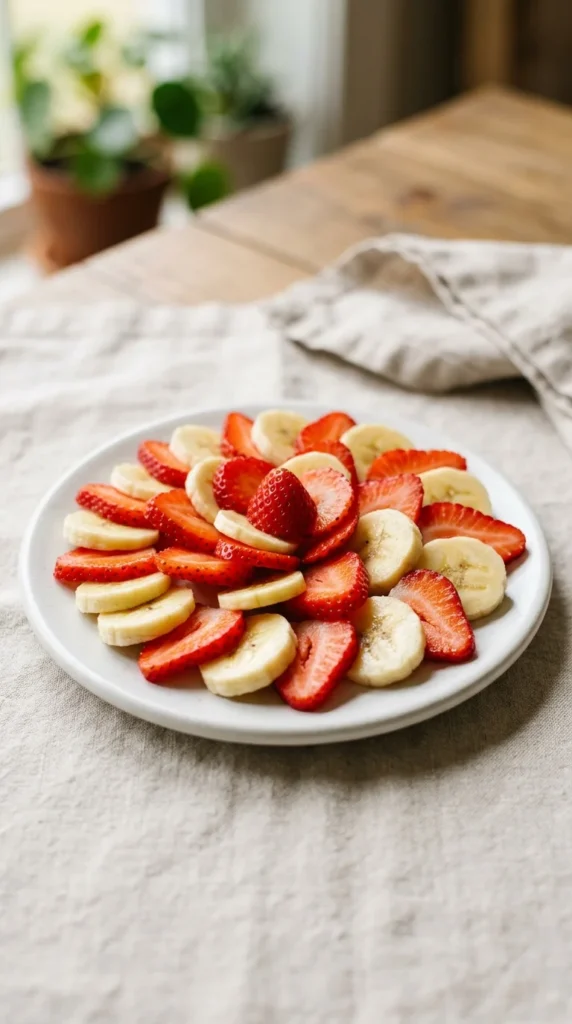
While rabbits love fruit, it should be treated like candy. Fruits are high in sugar, which can disrupt the bacterial balance in a rabbit’s cecum. Limit fruit intake to no more than a teaspoon or two per day. Safe options include berries, apple (no seeds), and small bits of banana. Overfeeding fruit can lead to obesity and severe dental decay.
6. Herb Variety
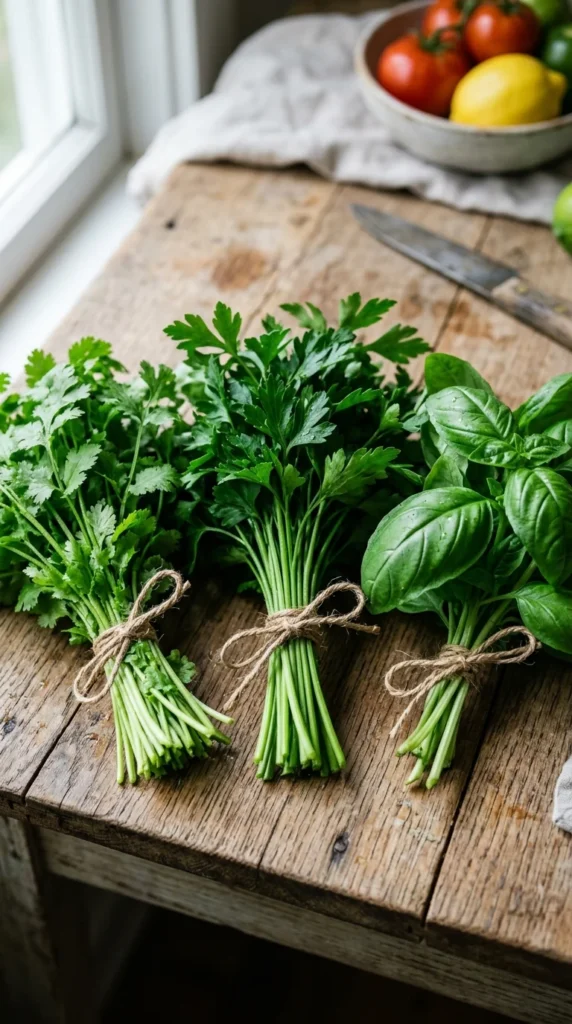
Herbs are nutritional powerhouses for rabbits. Cilantro, parsley, basil, and mint are usually big hits. They are rich in antioxidants and help keep the diet interesting for your bunny. Herbs also have high water content, which aids in hydration. Many owners use herbs as a way to entice a picky eater or a rabbit recovering from illness to start eating again.
7. Carrot Tops
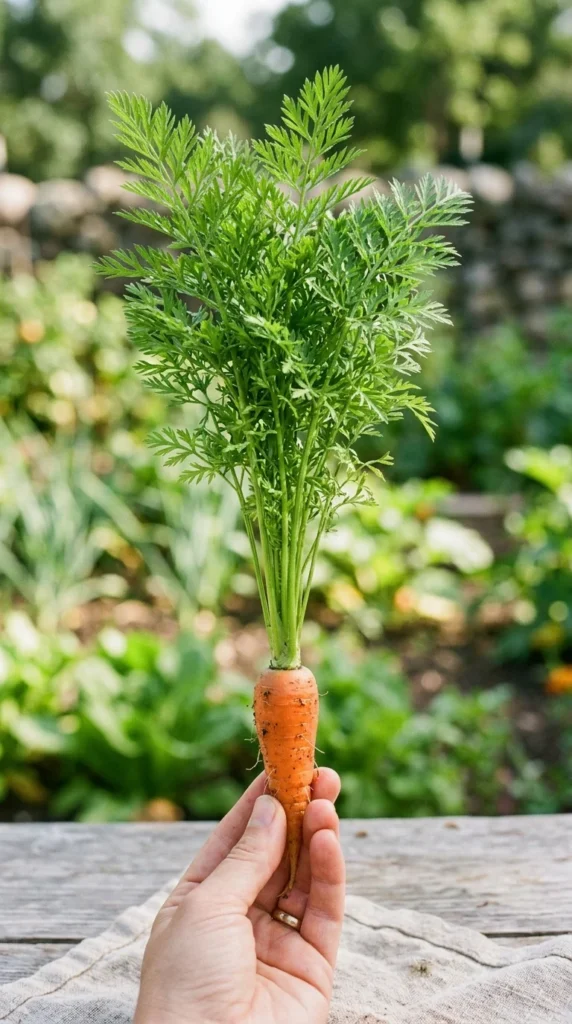
Interestingly, the orange root of the carrot is very high in sugar and should be fed sparingly, but the green tops are excellent. Carrot tops are packed with calcium and vitamins. They have a crunch that rabbits adore and can be fed more regularly than the carrot itself. Just ensure they are washed thoroughly to remove any pesticides.
8. Calcium Balance
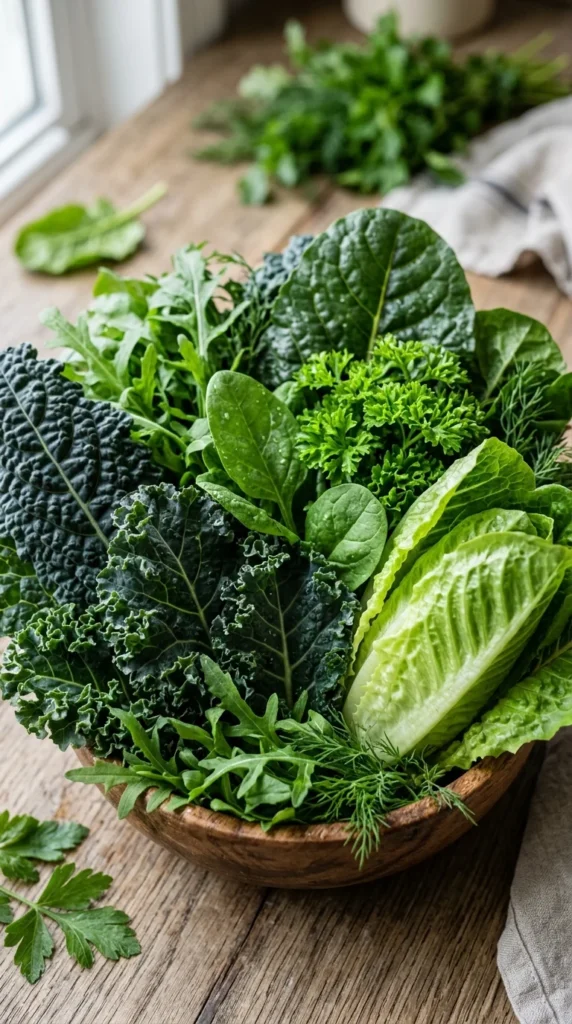
Calcium is a tricky mineral for rabbits. Unlike humans, rabbits absorb all the calcium they eat and excrete the excess through their kidneys. Too much calcium can lead to “bladder sludge” or painful kidney stones. While some calcium is necessary for bone and tooth health, avoid overfeeding high-calcium greens like spinach, kale, and dandelion greens on a daily basis. Rotate them with lower-calcium options.
9. Avoided Foods
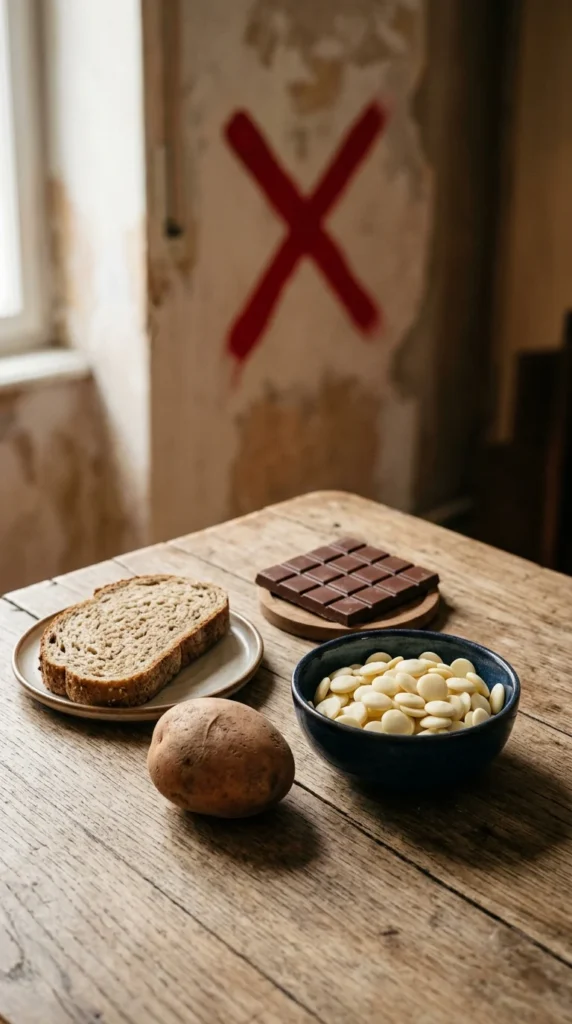
Knowing what not to feed is just as important as knowing what to feed. Never give your rabbit chocolate, caffeine, bread, pasta, crackers, or anything from the onion family (onions, garlic, leeks). Additionally, iceberg lettuce should be avoided as it contains lactucarium, which can be toxic in high amounts and offers almost no nutritional value.
10. Foraging Mixes
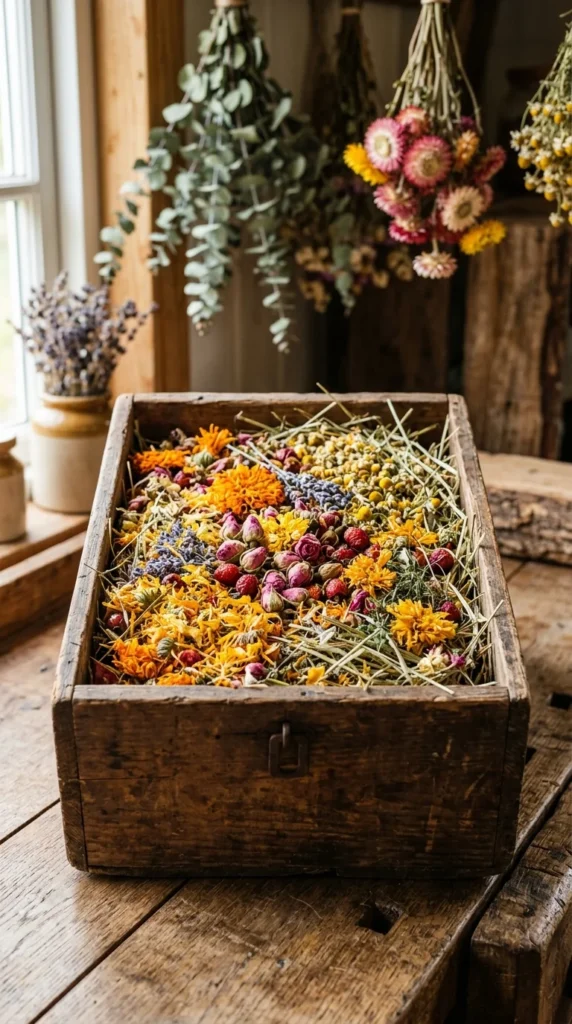
In the wild, rabbits spend hours searching for food. You can mimic this behavior by using foraging mixes. Sprinkle dried rose petals, calendula, or dried herbs into their hay. This encourages natural foraging behavior, provides mental stimulation, and slows down fast eaters. It’s an easy way to make mealtime an activity rather than just a chore.
11. Hay Quality
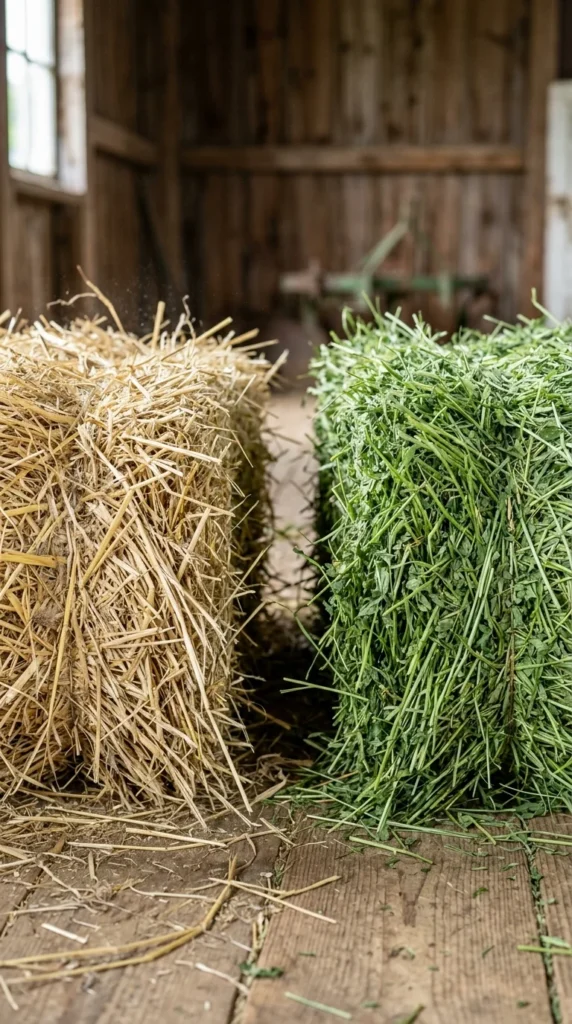
Not all hay is created equal. High-quality hay should smell sweet, like a fresh meadow, and have a greenish tint. Avoid hay that is brown, dusty, or smells musty, as this can indicate mold or old age. Dust can irritate a rabbit’s sensitive respiratory system, while mold can be fatal. Buying in bulk from a local farm is often fresher and cheaper than pre-packaged bags.
12. Portioned Pellets
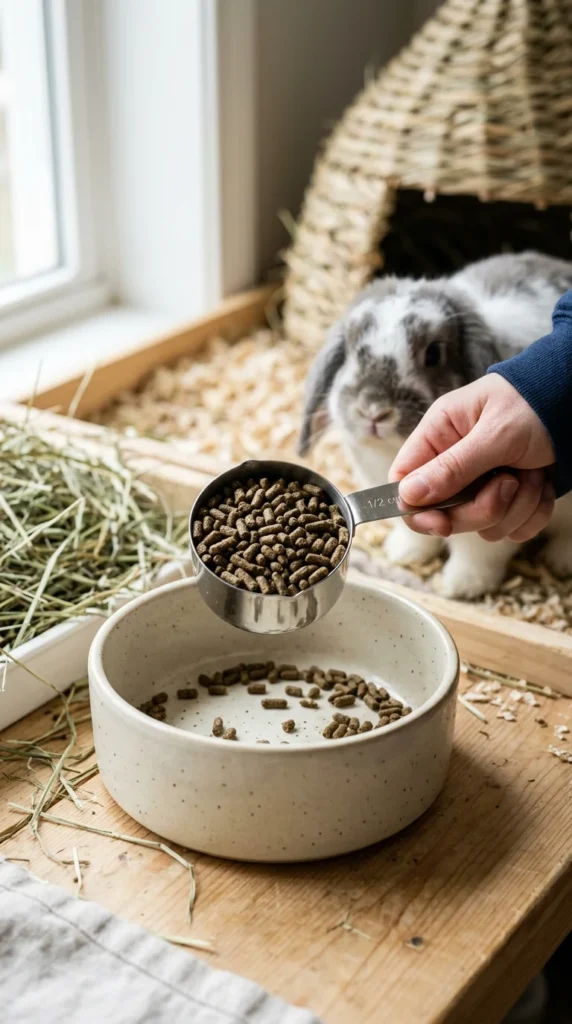
One of the most common mistakes rabbit owners make is “free-feeding” pellets (keeping the bowl full at all times). This leads to obesity and causes the rabbit to ignore their hay. Use a measuring cup to ensure you are giving the exact amount recommended by your vet. If your rabbit starts leaving their hay, the first step is usually to reduce their pellet portions.
13. Digestible Fiber
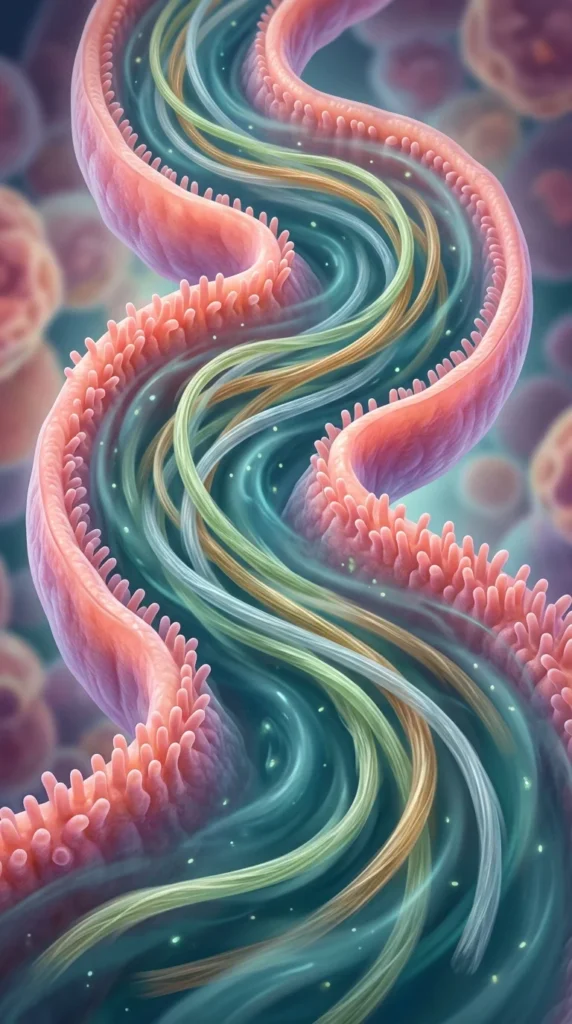
Rabbits need two types of fiber: indigestible and digestible. Indigestible fiber (found in hay) stimulates the gut to contract and move. Digestible fiber is broken down by bacteria in the cecum to provide energy. A balance of both is required to prevent GI stasis—a life-threatening condition where the digestive system slows down or stops. Constant hay access is the best way to provide both.
14. Orchard Grass
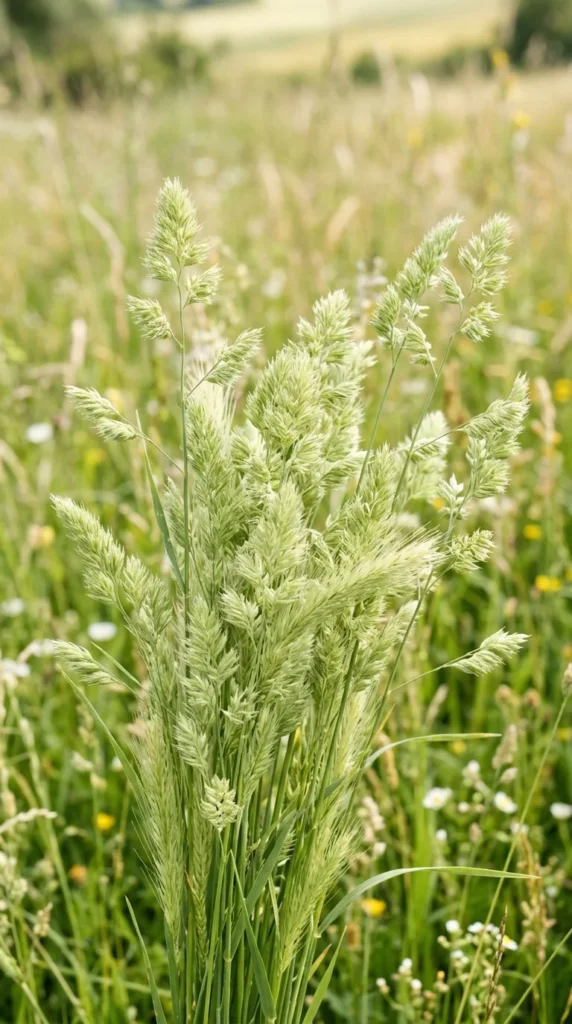
If you or your rabbit are allergic to Timothy hay, Orchard grass is a fantastic alternative. It is softer and sweeter than Timothy hay but still provides the high fiber content necessary for gut health. Mixing Orchard grass with Timothy hay can also provide a variety of textures that keep your rabbit interested in their hay pile.
15. Crucial Cecotropes
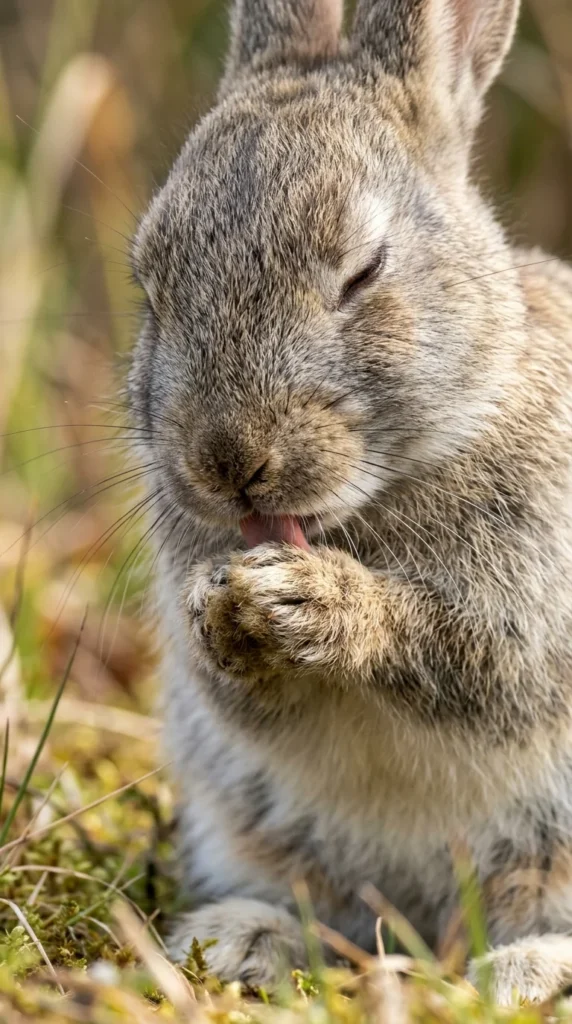
It might sound strange, but rabbits produce a special type of dropping called a cecotrope. These are soft, shiny, grape-like clusters that the rabbit eats directly from their underside. This is a vital part of their diet, as cecotropes are packed with protein, B vitamins, and healthy bacteria. If you see these lying on the floor frequently, it may mean your rabbit’s diet is too rich, and you should consult a vet.
16. Oxalate Monitoring
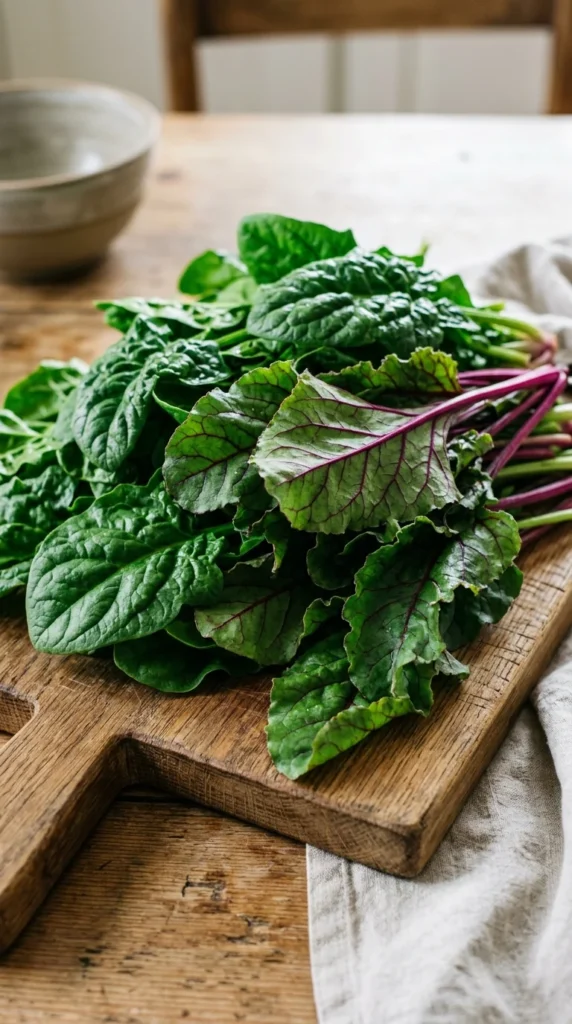
Some greens are high in oxalates, which can be taxing on the kidneys if fed in massive quantities every day. Spinach, beet greens, and sprouts should be fed in moderation. A good rule of thumb is to include only one high-oxalate green in a rotation of three different leafy greens per day to keep the mineral levels balanced.
17. Root Vegetables
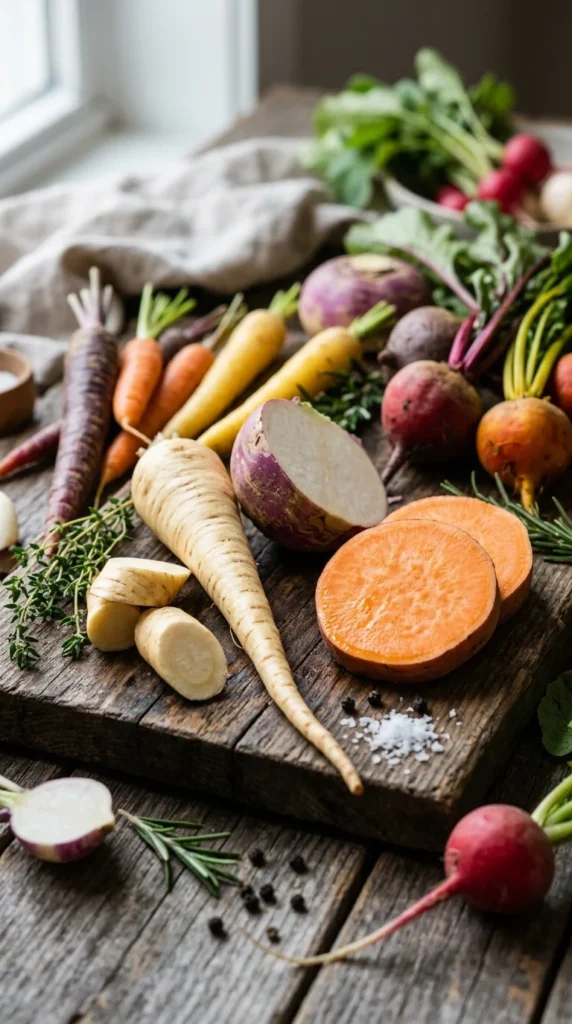
Vegetables like carrots, parsnips, and squash are “root” vegetables. These are the storage units for plants and are very high in starch and sugar. While they are safer than processed human treats, they should still be limited to small quantities. Think of them as a “weekend treat” rather than a daily staple.
18. Twigs and Branches
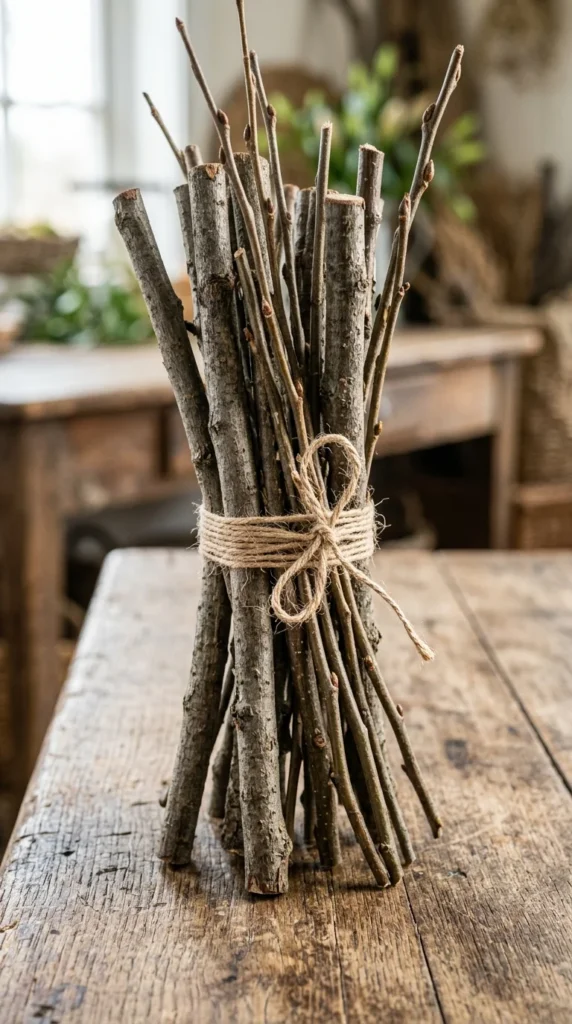
Rabbits have a biological urge to chew to keep their teeth sharp and short. Providing safe wood like apple, pear, or willow branches gives them a healthy outlet for this behavior. Not only does it provide fiber if they eat the bark, but it also prevents them from chewing on your baseboards or furniture. Ensure any wood offered is organic and free from pesticides.
19. Slow Transitions
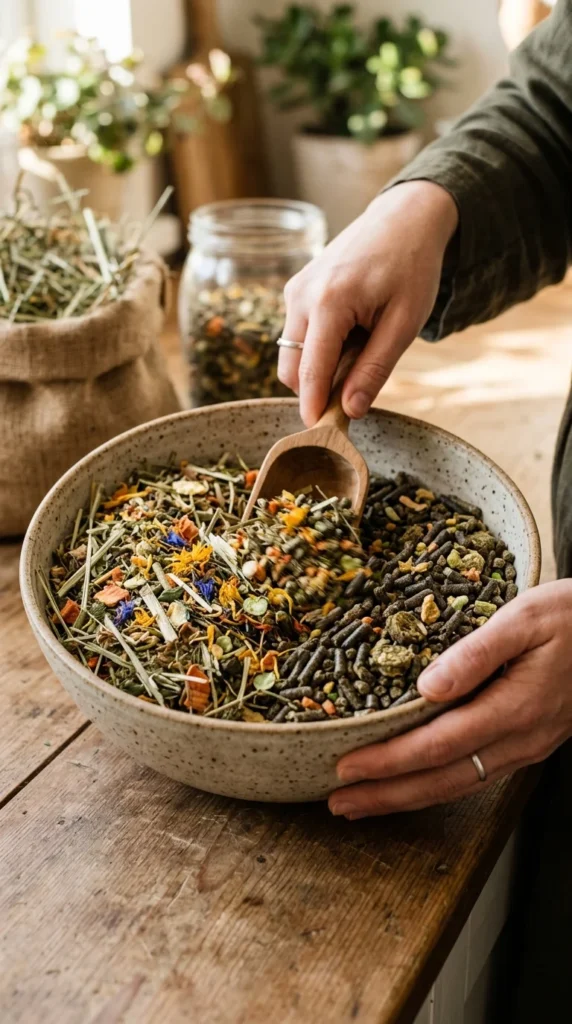
A rabbit’s gut bacteria are highly specialized. If you suddenly change their brand of pellets or introduce a large amount of a new vegetable, it can cause a bacterial die-off, leading to gas and stasis. Always transition to new foods over a period of 7 to 10 days, slowly increasing the new food while decreasing the old.
20. Seasonal Vegetables
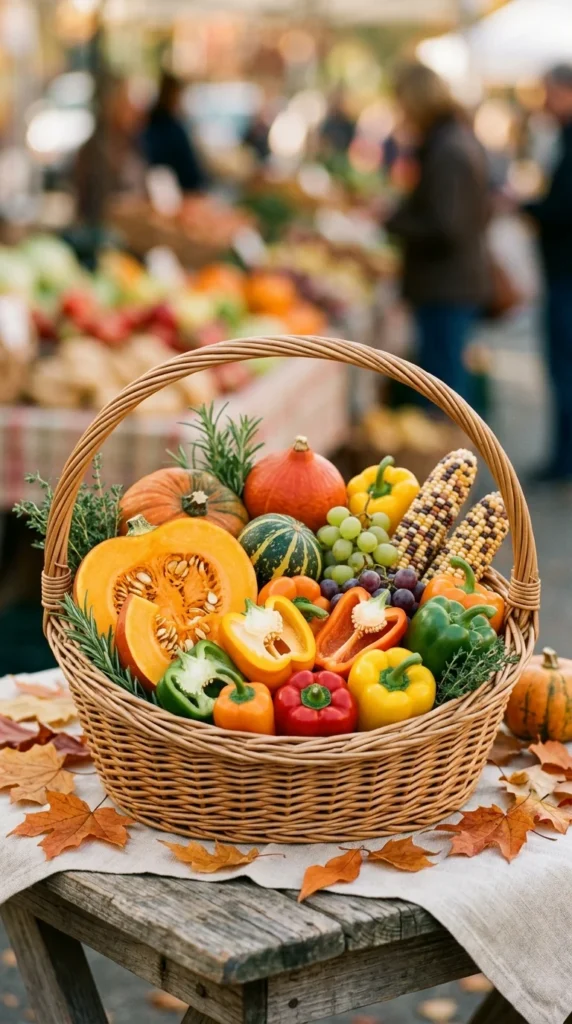
Rotating your rabbit’s vegetables based on the seasons is a great way to provide a wide array of phytonutrients. In the summer, bell peppers (no seeds) and cucumbers can provide extra hydration. In the winter, heartier greens like bok choy can be a great staple. This variety prevents nutritional deficiencies and keeps your rabbit excited for mealtime.
21. Natural Supplements
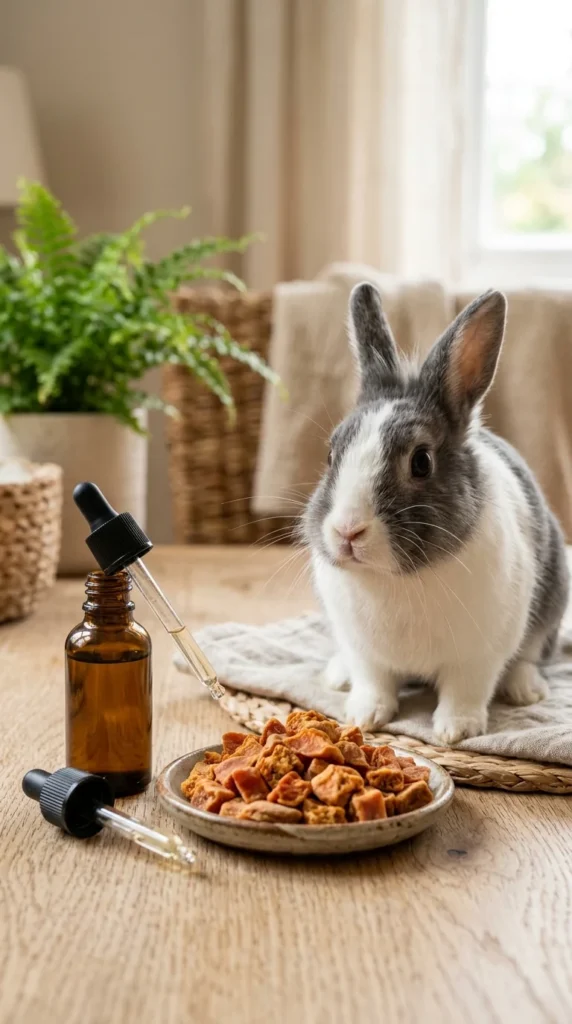
In some cases, your vet might recommend supplements. Papaya tablets contain enzymes like papain that some believe help break down mucus in the gut, though their effectiveness is debated. Probiotics can be helpful during times of stress or antibiotic use. However, never add vitamins to a rabbit’s water, as it can make the water taste bad and lead to dehydration.
22. Senior Nutrition
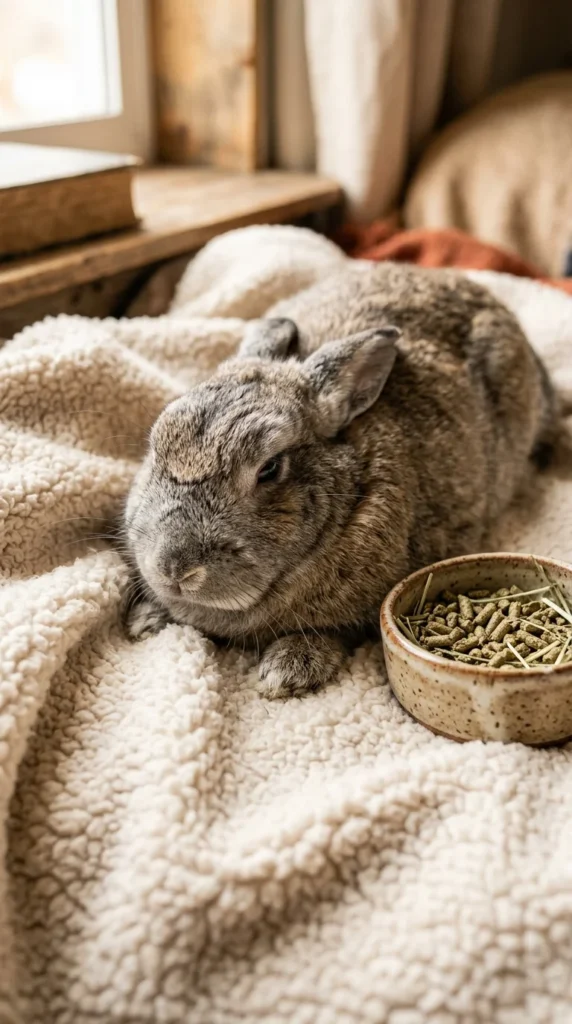
As rabbits age, their nutritional needs change. Senior rabbits may have trouble maintaining weight or might develop kidney issues. You may need to switch back to Alfalfa hay (which is higher in calcium and protein) if they are underweight, or provide “hay mush” if they have dental issues. Always consult a rabbit-savvy vet to tailor a diet for an aging bunny.
23. Body Condition Score
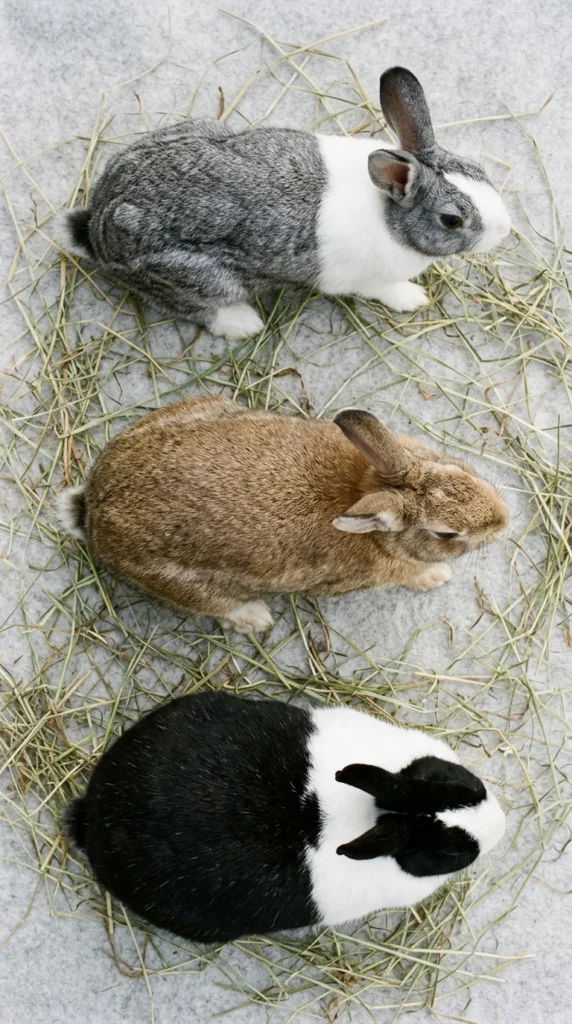
The best way to know if your rabbit’s diet is working is to monitor their body condition. You should be able to feel their ribs under a thin layer of fat, but they shouldn’t be poking out sharply. Conversely, you shouldn’t have to “dig” through fat to find the ribs. Regularly weighing your rabbit and checking their physical condition helps you adjust their pellet and treat intake before health problems arise.